Retail News CRM

Tag: booking

  • Global Hotel Giant Booking.com Hit by Customer Data Breach: Is Your Information Safe?

    Global Hotel Giant Booking.com Hit by Customer Data Breach: Is Your Information Safe?

    Travel booking platform, Booking.com, recently experienced a data breach, potentially exposing user data to unauthorized individuals. This discovery was made following the observation of suspicious activities related to several reservations. The compromised data might consist of booking details, user names, email addresses, phone numbers, and other information shared by customers during their booking process.

    Despite the security breach, the Netherland-based company assured its users that their financial data and home addresses were not compromised. The company said, “We have dedicated teams and employ machine learning tools to monitor, detect, and block suspicious activity around the clock. We are continuously working to enhance the robust security measures we have in place.”

    Scale of the Breach

    Booking.com, being one of the largest hotel reservation platforms globally, did not reveal more information about the extent of the breach, including the number of users affected.

    There have been reports from some customers who claim to have received phishing messages through WhatsApp that contained their booking details and personal information. This suggests that the hackers could be using the stolen data to target Booking.com customers.

    In response to this issue, Booking.com took immediate action to contain the situation and issued new PINs to users with reservations. They also cautioned their customers to stay alert to suspicious emails or phone calls pretending to be from the properties or the platform itself. The company emphasized that they would never ask for credit card details through an email, phone call, text message, or WhatsApp.

    History of Cybersecurity Challenges

    The recent breach is one of many cybercrime attempts targeting Booking.com, which has been dealing with an increase in scams on its platform. Fraudsters, posing as legitimate entities, have been known to ask for payment details under the guise of pre-authorization or trip verification, leading to sizeable unauthorized charges.

    A similar incident happened in 2018 when attackers used phishing techniques to gain login credentials from hotel employees in the United Arab Emirates. This breach allowed them to access booking information of over 4,000 users on the platform.

    Despite these security challenges, Booking.com has recorded a high number of bookings. Since 2010, it has facilitated reservations for about 6.8 billion customers, making it one of the leading players in the travel and hospitality industry.

    Questions & Answers

    What kind of customer information was potentially exposed in the data breach?
    Email addresses, phone numbers, booking details, and any other information shared by the customers during the booking process might have been compromised.

    What steps has Booking.com taken in response to the data breach?
    Booking.com has issued new PINs to affected users and taken immediate action to contain the issue. They have also warned their customers to be wary of suspicious communication that could be impersonating the platform or associated properties.

    Has Booking.com experienced cybersecurity issues in the past?
    Yes, Booking.com has faced challenges with cybercrime in the past. For instance, in 2018, attackers used phishing techniques to access the booking information of more than 4,000 users on the platform.
  • Alibaba’s Qwen AI App Unleashes Food Ordering and Travel Booking Features: A Quantum Leap in Consumer-Facing AI Services

    Alibaba’s Qwen AI App Unleashes Food Ordering and Travel Booking Features: A Quantum Leap in Consumer-Facing AI Services

    Alibaba Group recently unveiled significant enhancements to its Qwen artificial intelligence (AI) app. The updated capabilities allow users to carry out tasks such as ordering food delivery and making travel reservations directly through the AI chat interface, eliminating the need to alternate between different applications.

    Strategic Shift to Consumer-Facing AI

    These new features, currently undergoing public testing in China, represent a strategic shift by Alibaba towards consumer-facing AI. The company has traditionally focused on providing enterprise AI services through its cloud business, but is now emerging as a strong contender in the consumer AI space against domestic competitors like ByteDance and Tencent.

    Wu Jia, Vice President of Alibaba Group, commented on the recent developments. “The innovations we are introducing today reflect our transition from AI models that comprehend to systems that perform actions, closely tied to real-world services.”

    Rise in AI Agents Popularity

    AI agents are seeing a surge in global popularity as more businesses recognize their potential in facilitating real-world tasks. This trend is evident in recent industry movements, such as Meta Platforms acquiring start-up Manus to enhance its AI systems capable of handling multi-step tasks, and OpenAI launching its ‘Operator’ agent that can make restaurant reservations and fill out forms for users.

    Integration of Core Alibaba Ecosystem Services

    The Qwen app’s upgrade integrates key services from the Alibaba ecosystem into a unified AI interface. These services include the e-commerce platform Taobao, instant commerce, the payment system Alipay, travel service Fliggy, and the mapping platform Amap.

    For example, the integration of Alipay with the Qwen app allows users to authorize and complete transactions without exiting the chat. According to Alibaba, the AI payment feature currently supports instant commerce orders and will extend to more services in the future.

    Task Assistant Feature

    In addition to the integrations, Alibaba introduced a ‘Task Assistant’ feature in an invite-only beta version. This assistant can make actual phone calls to restaurants, process up to 100 documents simultaneously, and plan multi-stop travel itineraries.

    Since its public beta release on November 17, the Qwen app has attracted over 100 million monthly active users in just two months. The app’s growth, powered by Alibaba’s Qwen3 foundation model, is indicative of the intensifying competition in China’s AI sector as companies race to convert advanced language models into practical consumer applications.

    Questions & Answers

    What new features does the upgraded Qwen AI app offer?
    The enhanced Qwen AI app allows users to perform tasks such as ordering food and making travel bookings directly within the AI chat interface.

    What does the upgrade mean for Alibaba’s strategic direction?
    The upgrade signifies Alibaba’s strategic shift towards consumer-facing AI, marking its transition from AI models that comprehend to systems that perform actions.

    What services does the ‘Task Assistant’ feature provide?
    The ‘Task Assistant’ feature can make real phone calls to restaurants, process up to 100 documents at once, and plan multi-stop travel itineraries.

  • Uber Wants to be a Technology Company in Indonesia

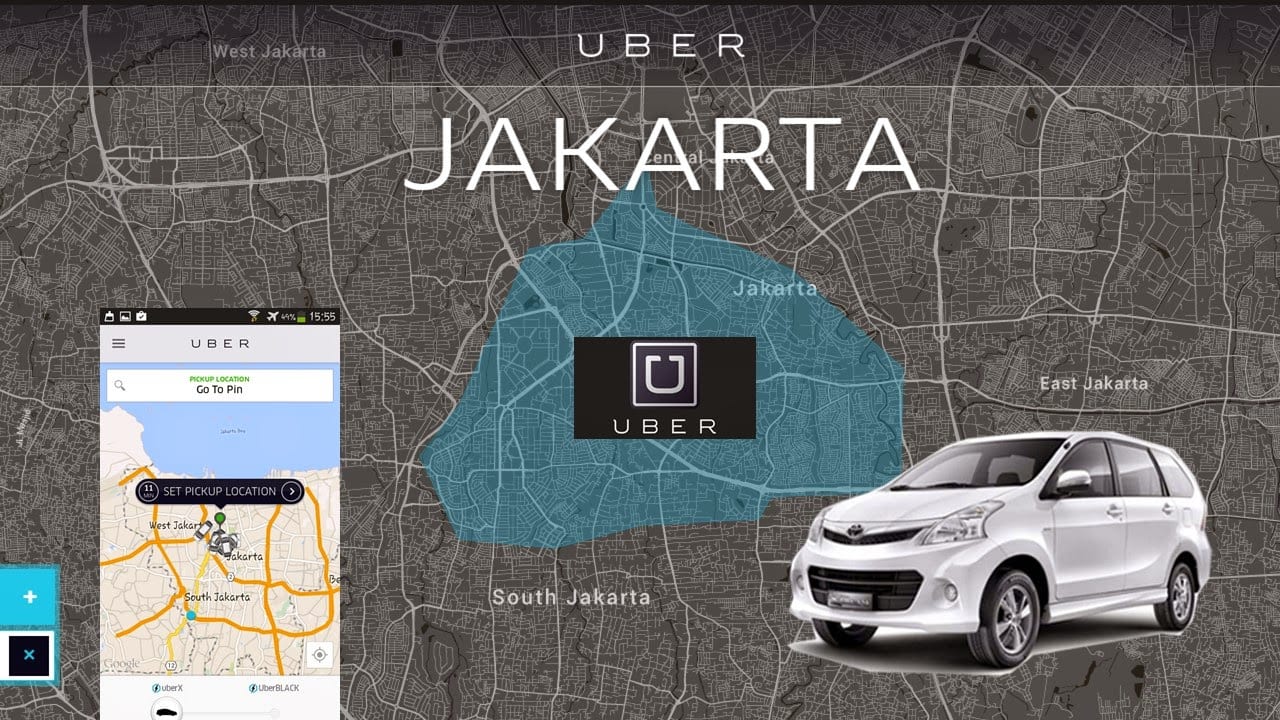
    Uber Wants to be a Technology Company in Indonesia

    Uber Technologies Inc. said Tuesday it is working to establish itself as a technology company in Indonesia, to avoid legal hurdles after police launched an investigation into the company’s operations last month.

    The move will also help underscore what Uber says is its role as a provider of smartphone applications, amid claims from traditional taxi firms that its business practices in the country are illegal.

    “We definitely want to be here long term,” Alan Jiang, head of Uber’s operations in Indonesia, said at a news conference. “In order to do that, we are currently in the process to set up a foreign investment company here and we would like to work closely with the government.”

    Uber introduced its popular ride-hailing application to the local market last August, opening a representative office in Jakarta to supervise its business in three markets: Jakarta, Bali and Bandung. Traditional taxi firms, however, have called the startup’s business practices illegal, saying it doesn’t have a taxi license or use meters. Their complaints led Jakarta police to detain five Uber drivers for questioning last month; they were released the same day without being charged although authorities said they could be called as witnesses as the investigation into Uber progresses.

    Although Uber is still operating in Indonesia, the arrests forced the company to rethink how to avoid potential legal hurdles, which could affect its business in the future. Indonesia, the fourth most populous nation in the world with a fast-growing middle class, is one of the company’s key growth markets, it has said.

    Uber won’t, however, be applying for a taxi license, as some of its competitors have demanded, Mr. Jiang said. Instead, it will seek a license to formally establish itself as an e-commerce company.

    “Uber is only a smartphone application,” Mr. Jiang said. “We don’t need a transportation license as all we make is a smartphone app that connects riders to drivers.”

    The San Francisco-based company, which operates in more than 300 cities around the world, has faced regulatory hurdles in many parts of the world. The problems have been especially acute in Europe. Courts in Spain, Germany, Italy and the Netherlands have banned a low-cost Uber service that uses nonprofessional riders. France prohibits companies such as Uber from showing the location of available cars other than traditional cabs on smartphone apps.

    In Asia, the company has faced regulatory hurdles in Thailand, Singapore and Vietnam. An Indian court last month left in place a ban on the service in Delhi, where Uber has been banned since December, when a woman alleged that a driver booked through the firm’s app raped her. The driver is on trial and denies wrongdoing.

    By establishing itself as a company in Indonesia, Uber would be allowed to gather revenue from inside the country, something which a representative office can’t do. Normally, Uber collects a 20% service fee on every fare paid by a passenger, and the rest goes to the driver. At the moment, Uber doesn’t collect fees from the two services it operates in Indonesia, UberBlack and UberX.

    Mr. Jiang declined to specify how much Uber has invested in Indonesia.

  • Trivago fined $44.7 million for misleading travellers

    Trivago fined $44.7 million for misleading travellers

    Online travel booking company Trivago has been ordered to pay $44.7 million in penalties by the Australian Federal Court for misleading consumers over hotel prices.

    The court found that in January 2020, the company deceived consumers through misleading misrepresentations of hotel room rates on its website and in television advertisements.

    Trivago had used an algorithm to determine which travel booking site paid the highest cost-per-click fee and highlighted them on its website.

    Between December 2016 and September 2019, the company admitted to receiving $58 million in cost-per-click fees from offers that weren’t the cheapest choice available for a given hotel. This had caused consumers to overpay on hotel booking sites, losing out on almost $38 million dollars.

    Australian Competition and Consumer Commission (ACCC) chair Gina Cass-Gottlieb said this penalty sends a strong message not just to Trivago, but to other comparison websites.

    “The way Trivago displayed its recommendations when consumers were searching for a hotel room, meant consumers were misled into thinking they were getting a great hotel deal when that was not the case.

    “Trivago also misleads consumers by using strike-through prices which gave them the false impression that Trivago’s rates represented a saving when in fact they often compared a standard room with a luxury room at the same hotel,” she said.

    Accommodation Association CEO Richard Munro welcomed the decision of the Federal Court and added: “After surviving Covid and closed borders, the harsh reality is that many of our members rely on a portion of their bookings generated through these platforms, and can find themselves stuck between a rock and a hard place.”

    He further encouraged Australian travellers to book directly with local accommodation providers or through local travel agents.

  • Grab’s reign over Vietnam ride-hailing market continues

    Grab’s reign over Vietnam ride-hailing market continues

    Grab remains the dominant player in the Vietnamese ride-hailing market with close to a 75 percent share, and is widening the gap with competitors. Global market advisory firm ABI Research said Grab completed 62.5 million rides in the first six months of 2020, or 74.6 percent of the market, an increase from last year’s 73 percent.

    The market share of FastGo, a Vietnamese competitor, dropped to 0.7 percent from 1 percent.

    But, the Covid-19 pandemic came as a huge blow to the market as Grab’s figures showed. Its 62.5 million rides were a mere 20 percent of the 313 million it completed in the first half of last year.

    The overall market shrunk to 19.5 percent of last year’s 429.5 million rides.

    Two new Vietnamese apps, HCMC-based Viservice’s viApp, and GV Asia’s GV Taxi, made their debuts during the year. But analysts are skeptical about their prospects.

    With the ride-hailing field being extremely competitive, even strong players like Grab, Be and Gojek have turned to the food delivery market for profits.

    Vietnam was the fourth largest ride-hailing market in Southeast Asia last year behind Indonesia, Singapore and Thailand, according to a report by Google, Singaporean sovereign fund Temasek and U.S. management consultancy Bain.

    ABI Research estimated the market at US$1.1 billion last year and said it could rise to $4 billion by 2025.

  • Agoda axes staff as Covid-19 virus outbreak decimates bookings

    Agoda axes staff as Covid-19 virus outbreak decimates bookings

    Asian online travel agency and metasearch engine Agoda has shed 1500 staff in a major downsizing brought on by the impact of the coronavirus pandemic.

    The cuts equate to more than a third of the company’s regional payroll believed to be 4000.

    The move is a “last resort”, according to CEO John Brown, who has personally pledged to waive his own salary for the rest of the year while the travel industry plummets globally. Another senior staff has also faced 20-per-cent cuts in salaries.

    “Before getting to this decision we took aggressive measures and every opportunity to reduce costs across the business,” said Brown. “Staff reductions will always be the last resort, but we have had to make this very difficult decision. The truth is that while we are seeing some signs of recovery in our core markets in Asia-Pacific, the impact of Covid-19 on the travel industry is deeper and will be more prolonged than we could have envisaged.”

    The announcement was made during a virtual town hall with employees this week and formalized in an email to all staff.

    According to Brown, most staff cuts are in the firm’s customer experience group, as well as in product, IT, finance, partner services, marketing, and the Rocketmiles program. The CEO said this will be the first and last cut in staff.

  • AirAsia among top 5 most downloaded airline apps

    AirAsia among top 5 most downloaded airline apps

    Budget airline AirAsia was among the top five most downloaded airline apps worldwide in the first quarter of 2019, according to a new report from mobile app intelligence firm Sensor Tower.

    The most downloaded airline app worldwide for Q1 2019 was Irish low-cost airline Ryanair with more than 2.4 million installs, which represented a 10 percent increase from Q1 2018, said the report.

    American Airlines was the second most installed airline app worldwide last year with more than 1.8 million installs, which represented a 30 percent increase from Q1 2018.

    United Airlines, Southwest and AirAsia rounded out the top five most installed airline apps worldwide for the quarter, Julia Chan, Mobile Insights Analyst, Sensor Tower, wrote in a blog on Monday.

    When it came to downloads from Google Play Store, AirAsia came second after Ryanair.

    At the ninth position, Indigo also featured among the top 10 most downloaded apps from Google Play Store in the first quarter of this year.

  • Hyundai Venue Bookings Cross 20,000 Mark

    Hyundai Venue Bookings Cross 20,000 Mark

    Hyundai launched the Venue subcompact SUV in India last week and back then the company had said that it received 15,000 bookings for the car. A week later that number has gone up to more than 20,000. The customers certainly seem to have taken a liking to the subcompact SUV but we wait to see what the sales numbers say a month later. The Venue is Hyundai’s first subcompact SUV in the country and the reception it’s getting post the launch of the car is something that was expected.

    The subcompact SUV segment has been growing at a fast pace and there are already a number of players in the segment right from the Maruti Suzuki Vitara Brezza, to the Tata Nexon, Mahindra XUV300 and even the Ford EcoSport. The Venue then is late to the party but it brings a lot to the table. It, in fact, is India’s first connected car and yes gets a load of features.

    The Hyundai Venue traces its roots to the Carlino concept showcased at the Auto Expo in 2016. The production-spec version finds its design language inspired from the newer Hyundai models with the massive cascading grille up front, split headlamps with projector lens and squared LED DRLs, tall stance and stubby boot design. The Venue looks small yet butch and there is a resemblance to the Creta too at the sides. The sub-4-meter SUV comes with faux cladding on the bumpers and the sides for the brawny appeal, even as the SUV is urban in its appearance riding on 17-inch diamond cut alloy wheels. The Venue is offered in four variants, seven monotone colors and three dual-tone color options.

    The Hyundai Venue draws power from two petrol and one diesel engine options. The 1.0-liter, three-cylinder turbocharged petrol motor churns out 118 bhp and 172 Nm of peak torque and is mated to a dual-clutch transmission while a six-speed manual is also on offer. There’s also the 1.2-liter, four-cylinder naturally aspirated petrol mill belting out 82 bhp and 114 Nm of peak torque, which is paired with only a 5-speed manual transmission. Lastly, the 1.4-liter, four-cylinder, turbocharged diesel produces 89 bhp and 220 Nm of peak torque and is mated to a 6-speed manual gearbox. A diesel automatic is not on offer.

    With respect to features, the Hyundai Venue is loaded to the gills and gets a host of equipment including an electric sunroof, 8-inch touchscreen infotainment system with Apple CarPlay and Android Auto, automatic climate control with rear AC vents, Arkamys sound system, air purifier, wireless charging and wheel air curtains.

  • Homestay startup raises $4.5 million

    Homestay startup raises $4.5 million

    Luxstay has raised $4.5 million from South Korean retailer GS Shop and venture capitalist Bon Angels in its bridge round. A Luxstay representative said Wednesday that receiving funding from reputable international investors in this round is an important stepping stone for the enterprise to expand to other areas in the future.

    GS Shop is a South Korean multimedia retailer as well as a global leader in TV home shopping. It also established a retail chain called GS25 in Vietnam in 2018.

    Bon Angels Venture Partners is a South Korean venture capital firm investing in early-stage startups. It has invested in well known South Korean startups like Woowa Brothers, Daily Hotels, and My Real Trip.

    Luxstay has targeted an annual turnover of over $300 million and 30 percent of Vietnam’s home-rental market share by 2023, the representative said.

    It is also working with financial investors and strategic partners for the next funding round, a Series A round, which is expected to close in 2019, aiming to raise $15-20 million.

    Prior to this investment, Luxstay had raised a total of around $6 million from CyberAgent Ventures (Japan), Genesia Ventures (Japan), ESP Capital (Vietnam), Founders Capital (Vietnam) and Nextrans (South Korea).

    Launched in late 2016, Luxstay has a network of nearly 10,000 properties across the country. This is a short-term rental booking platform for apartments, villas and other homestay accommodations positioned in the mid and high-end segments of Vietnam’s real estate market.

    It also offers property management and maintenance solutions to assist and save time for homeowners who want to participate in the home-sharing market through its system.

    “In developed countries, home-sharing accounts for 10-20 percent of the home-rental market. This shows a huge opportunity for this industry in Vietnam, which is expected to reach $2-4 billion in 2025,” Luxstay said.

  • Indonesia’s Traveloka Co-Founder Resigns

    Indonesia’s Traveloka Co-Founder Resigns

    Indonesian unicorn startup Traveloka announced the resignation of its co-founder, Derianto Kusuma, from his position as chief technology officer on Tuesday. Derianto was one of three persons involved in the establishment in February 2012 of the online ticketing and hotel booking service, which has since become one of the leading tech companies in Southeast Asia.

    “Deri has played an unparalleled role in Traveloka’s development and success by building, scaling, and making not only sustainable technology capability and systems but also a sustainable organization,” said Ferry Unardi, chief executive and co-founder of Traveloka.

    Following his exit from the company, Derianto took to online publishing platform Medium to write about his journey. In his post, he wrote about what drove him to start the company and the actual implementation of different business models throughout the nearly seven years since Traveloka was founded.

    He also touched on why he decided it was best for him to leave.

    “A few years ago, the battle started to show trends towards being more commercially than innovation-driven, predatory than productive, perception-oriented than fundamentals-oriented,” Derianto wrote.

    With these new trends, Derianto felt that his duty – building the technological foundation – had been fulfilled.

    “Two years ago, I ensured Traveloka had strong technological, organizational foundations built for scale and sustainability, and put in place a solid senior team that can take them forward,” Derianto wrote.

    Though Derianto wrote that he would be spending more time with family and friends after resigning, he said he “yearns” to develop a new venture in a noncompeting category, a technology that would “fundamentally transform society.”

    “I’m glad that we have finally reached this milestone where I believe it’s a win-win for everyone involved,” Derianto wrote.

  • Korea’s FTC orders Booking.com, Agoda to change rules

    Korea’s FTC orders Booking.com, Agoda to change rules

    Hotel booking sites Agoda and Booking.com have been ordered to revise their no-refund policies or potentially face legal action. Korea’s Fair Trade Commission (FTC) announced on Wednesday that it has ordered the two global travel platforms to revise the terms and conditions which allow them to unfairly deny refunds for products and services.

    Customers are currently unable to get refunds on some hotel bookings or additional services, like hotel meals, reserved through Agoda and Booking.com even if reservations were made well in advance. Agoda and Booking.com have the same parent company, Booking Holdings, which also operates travel platforms Kayak and Priceline.

    “Though we recommended that Agoda and Booking.com revise their no-refund clauses last November, the companies failed to take heed without any particular reason,” read an FTC report. “We decided last month to issue an order forcing them to make the necessary revisions.”

    The FTC is not asking them to ban all no-refund products, but to at least accept refund requests made long before reservation dates.

    “The companies will still be able to deny refunds on highly discounted products or bookings made just before the reservation date,” said a spokesman. “But it is unreasonable for them to deny refunds for reservations made months ahead.”

    “The probability that a booking platform will be able to resell a product after a consumer cancels a reservation long before reservation date is very high,” he added. “The platform operators will face few losses if they resell the products.”

    The Act on the Regulation of Terms and Conditions gives the FTC the right to take “measures necessary to correct the terms and conditions” of a business that incurs losses to “several customers because the business person fails to comply with the recommendation” to revise “unfair terms and conditions.”

    According to the Act, the FTC also has the right to report the case to prosecutors if companies fail to respond accordingly within 60 days.

    The two companies have yet to give an official response. Agoda’s Peter Allen, who serves as the head of the company’s external relations department Agoda Outside, was in Seoul on Wednesday to give a talk at a leadership forum organized by the company.

    Agoda and Booking.com are not the only booking platforms that have been flagged for having policies that potentially harm customers.

    From 2016 through October 2017, the FTC reviewed the terms and conditions of major hotel booking sites operating in Korea and found that seven, including Agoda and Booking.com, had unfair refund policies.

    Unlike Agoda and Booking.com, Interpark, Hana Tour, HotelPass, Hotels.com and Expedia have since revised their terms and conditions.

    The number of consumer complaints against international travel platforms grew in Korea last year.

    According to the Korea Consumer Agency, consumers filed a total of 5,721 complaints in the first half of 2017 against international travel and accommodation platforms, or 46.4 percent more compared to the same period in the previous year.

  • Raya Online Sales Will Likely Peak inEarly June With 0% GST

    Raya Online Sales Will Likely Peak inEarly June With 0% GST

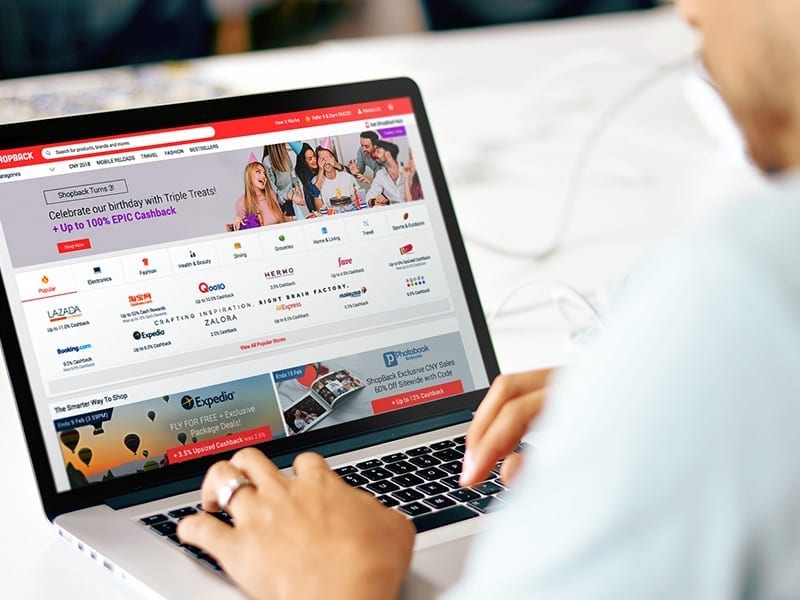
    ShopBack, the leading online Cashback platform that partners more than 500 online shops in Malaysia, foresees Raya sales will reach its peak in the first week of June, given the 0% GST implementation from June 1st onwards.

    “Our partners have started to prepare for an early June promotion as that will likely be the week when consumers rush into Raya preparation. For example, Lazada is planning for a Mega Sale from June 1st until June 4th with onsite games, flash sales, and up to 11% cashback for ShopBack users. Around 40 partners are joining our Raya campaign and we are looking to have at least 100% growth this year,” says Alvin Gill, Country General Manager of ShopBack Malaysia.

    Other online partners that are joining the campaign include Traveloka, 11street, foodpanda, FashionValet, Booking.com, Senheng, Hermo, Expedia, Sephora, ASOS, JD sports, PappaDelivery etc. and the highest Cashback on offer is 30%.

    “There was a 25% drop in sales during the 14th General Election week and it was expected. As people resume working and Ramadan begins, the number of online sales has started to recover to the previous level. According to ShopBack data, the number of sales powered by ShopBack during Ramadan 2017 VS 2016 grew by 100%. We are confident to achieve beyond this number as the market sentiment looks very positive after GE14.

    “The 0% GST may allow Malaysians to have better purchasing power when spending for their Raya needs. Based on our historical data, sales normally surge at the second week of Ramadan but for this year, it may start after the 0% GST takes effect and will prolong to the fourth week,” Alvin says.

    Malaysians Spent More Compared to Indonesians

    ShopBack regional’s data also hows that in a comparison with Indonesians, Malaysians’ average spending during Ramadan 2017 was USD 54.54. Indonesians instead spent USD 49.04 on average. Overall, Fashion appeared as one of the top selling categories in both countries. Malaysians spent more on Health & Beauty and Electronic items while Groceries, Toys & Games had a great demand among Indonesians.

    “Larger electronic items, for example, household appliances could be the reason of higher spending found among Malaysians,” Alvin explains.

    Both Malaysia and Indonesia experienced a dip in traffic during Iftar hour. Website and app traffic during peak hour remained unchanged except for an increase of 15% during Ramadan month.

    “This year, ShopBack has integrated its app with regional partners like Lazada, especially Lazada app users can get better cashback when they shop through our app during Ramadan. We aim to integrate with more partners’ apps in the future to enhance our user experience. It will continue to propel our growth in the next half of 2018 together with the implementation of 0% GST,” Alvin adds.

    Currently, more than 1 million Malaysians are using ShopBack for their daily purchases. ShopBack has given over RM25 million worth of cashback since 2015. The cashback savings can be transferred out to a user’s bank account upon validation. Other than Malaysia, ShopBack also operates in Singapore, Thailand, Indonesia, the Philippines, Taiwan and Australia.

  • DHL simplifies air freight quotations and bookings

    DHL simplifies air freight quotations and bookings

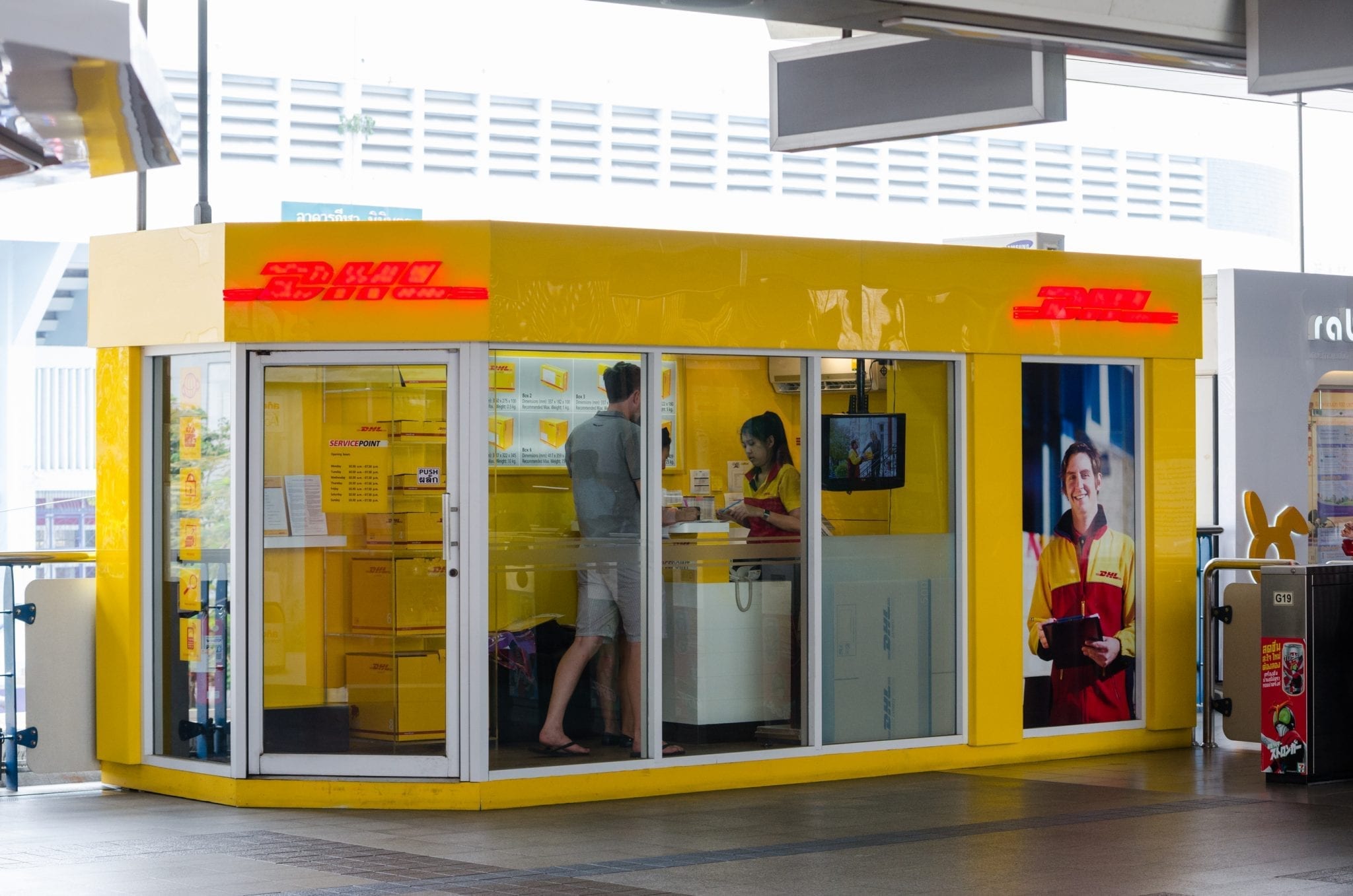
    DHL Global Forwarding, the air and ocean freight specialist of Deutsche Post DHL Group, has introduced a new Online Freight Quotation & Booking service f or international air freight transportation. The new service rapidly creates competitive customer quotations based on door-to-door all-in rates and transit information. The quotation and booking service connects to DHL Interactive, DHL Global Forwarding’s online customer portal, where it additionally provides shipment tracking and the creation and distribution of customized shipment reports. This easy to use online service is available in more than 40 countries, covering most key lanes and point pairs globally. Through this new capability, shippers and consignee’s can quote and book shipments for all commonly used pre-paid and collect trade terms from a computer or any mobile device.

    “International shipping doesn’t need to be a complex task. From searching for the right supplier through to getting a competitive price, this should be easily available online,” says Angelos Orfanos, Global Head of Marketing & Sales, DHL Global Forwarding. “Our new Online Freight Quotation and Booking service has been designed to make it easy for any business to rapidly get a competitive air freight shipment quote that can then be booked with us online.”

    The quotation and booking service provides an immediate price for general cargo air freight up to 2,000 kilogram per shipment and offers two speeds of service through DHL’s Air Connect and Air Economy products. Customers can therefore select between different transit time options, giving them a choice between cost and speed of delivery.

    Customers are provided with a comprehensive quote based on the pick-up and delivery location plus their shipment details including weight and dimensions. The quoted door-to-door all-in rate can also include import and export customs as well as cargo insurance.

    “Customers are constantly looking for convenience, reliability and cost when searching for their logistics partner. With that understanding, we have developed this online tool to enable our customers to get cost-competitive quotes and make bookings instantly. The transparency of the e-tool and the ability for customers to track their shipments offer greater peace of mind throughout the transportation of their goods around the world,” said Piak-Hwee Tan, Senior Vice President, Marketing and Sales, Asia Pacific, DHL Global Forwarding.

    This online quotation & booking service is already available in over 40 countries around the globe including Australia, Canada, China, France, Germany, Japan, Malaysia, Singapore Spain, United Kingdom, USA and Vietnam. Through the introduction of this service, DHL Global Forwarding will become a digital industry leader by providing the most extensive offer of air freight services online.

  • Chope funding round secures $18 million

    Chope funding round secures $18 million

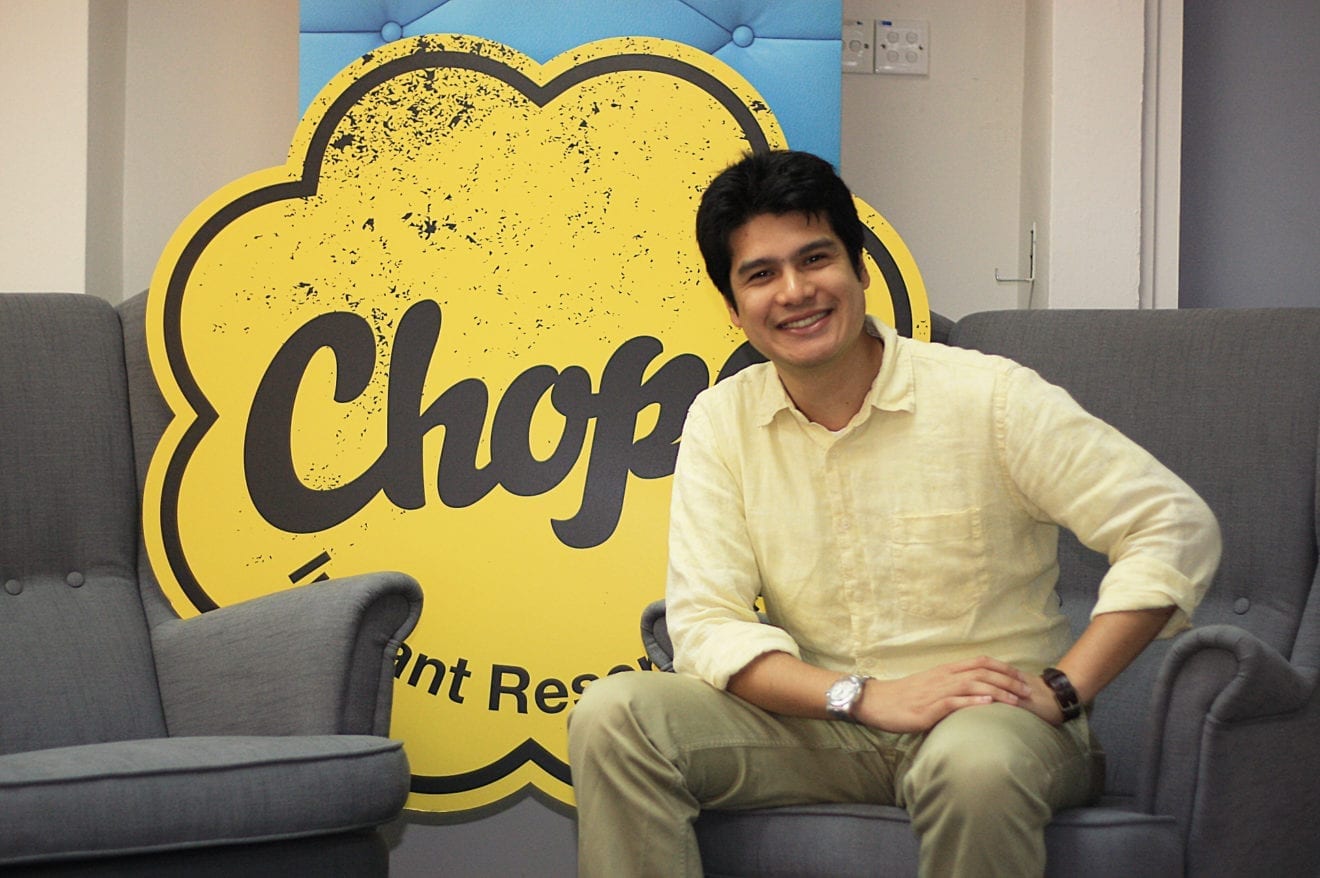
    Restaurant-booking app Chope has secured S$18 million from multiple investors.

    Led by venture capital firm Square Peg Capital, the investors in the funding round include Moelis Australia, NSI Ventures and SPH Ventures.

    Chope CEO Arrif Ziaudeen says the funds will be used to improve product, increase staff numbers and enhance customer support. The Singapore-based company will also “invest heavily in further innovations” while deepening its reach into its markets across Asia.

    “Chope offers a compelling service to both restaurants and diners,” says Square Peg partner Tushar Roy.

  • Introducing BistroChat, Hong Kong-based restaurant booking app

    Introducing BistroChat, Hong Kong-based restaurant booking app

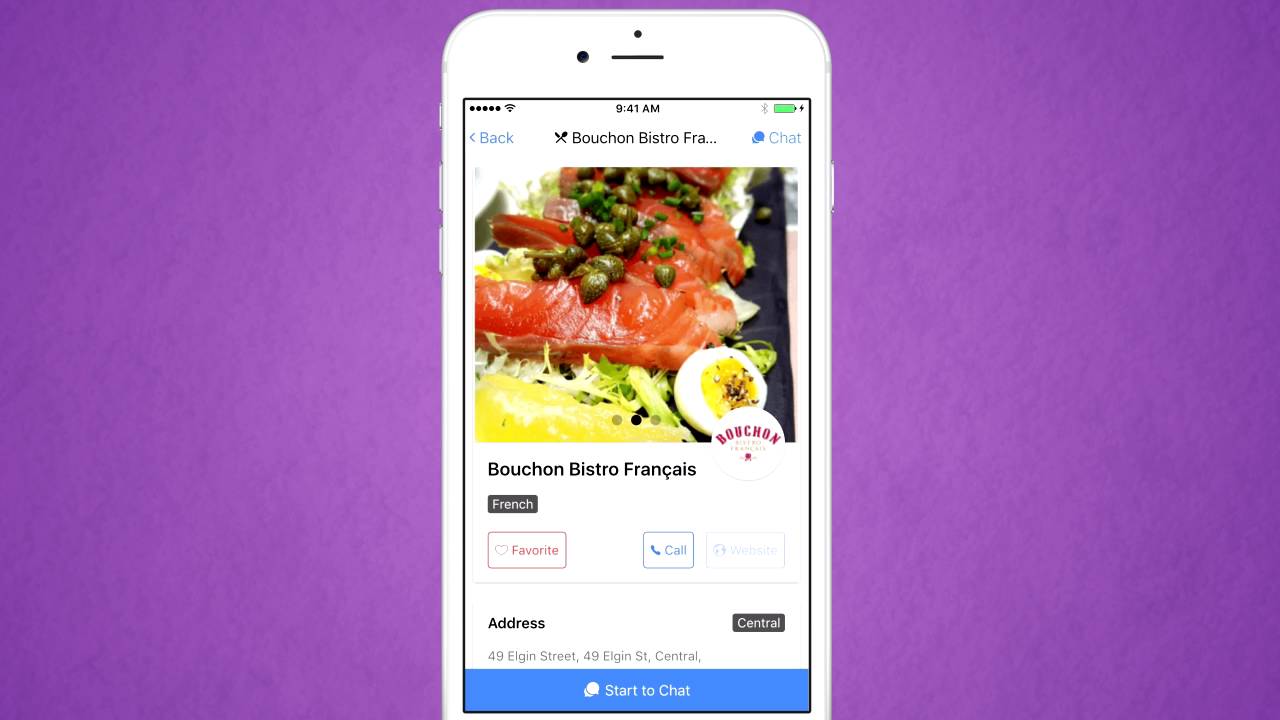
    An innovative restaurant booking app by chat recently penetrated the Hong Kong market. Alexandre Sonier, co-founder of the application BistroChat, defines it as being similar to “having WhatsApp, but with restaurant contacts instead”. Its features let its users chat directly with the staff to make restaurant bookings easy, hence making it unique in Asia Pacific.

    Today, BistroChat mainly seduces expatriates living in Hong Kong, and especially women. People aged from 25 to 40 years old with high standards of living generally use this app. According to Alexandre, settling in Hong Kong was a choice. In his vision of the industry, trends are different from a market to another. He justifies his point by saying that it is difficult to launch a new application in China, as everything is concentrated on QQ and WeChat platforms. In the same way, “the US is saturated, as the app offer is too wide”. This is in opposition with Asia Pacific, and especially Hong Kong, as BistroChat co-founder says “people buy more and more smartphones, while constantly looking for new apps. We think this it is the right time to launch a new app in this region”.

    This application is the work of three men who used to work in different startups across the world for a few years. As app developers, they managed to cover all the skills needed to launch their project, making it possible to build it in-house. Raised investments led to the creation of an MVP, allowing the company to grow within the industry.

    The particularity of BistroChat is that it is hassle-free. Today, two options are possible when it comes to booking a table in a restaurant: calling; or online reservation, which can take more time because of a longer process. By entering the market, BistroChat offers an instant connection between restaurants and its customers. Making a reservation via this app is done through chat, hence directly relating the client to the staff.

    Furthermore, competitors send an email to the restaurant in order to notify them of a new booking. Alexandre notes that this cannot work with last minute bookings, hence justifying that chat is more convenient. According to him, instant confirmation can be made, and name and phone number spellings are no problems anymore. Those features make the app more appropriate for special requests.

    It is thus with the objective of standing out from the broad app offer on the market that BistroChat maintains its efforts and innovation processes. As its co-founder states: “we don’t see an app as a one-time development but as a continuous process of improvement”. This leaves plans for building new features such as the AI, which would suggest and recommend to users new and trending restaurants, based on their preferences.