Retail News CRM

Tag: booking

  • Vietnam imposes tax duty on foreign room-booking sites

    Vietnam imposes tax duty on foreign room-booking sites

    Firms such as Agoda and Expedia will have to pay a 10 percent duty. The Ministry of Finance has told foreign accommodation booking services to pay taxes if they wish to continue operating in Vietnam.

    A document recently released by the ministry asked booking sites like Agoda, Traveloka and Expedia to pay a combined 10 percent of their total revenue made in Vietnam.

    Vietnamese accommodation providers that have signed contracts with these foreign sites are obliged to fulfill these tax duties on behalf of them.

    The ministry said that the move aims to prevent tax losses from foreign-based companies that are gaining from online business transactions.

    Vietnamese accommodation booking site Vntrip had previously held a press conference and sent a document to the ministry accusing Singapore-based travel agency Agoda and some other sites of tax evasion.

    Vntrip said that the acts of these foreign companies had resulted in huge losses to the state revenue and created unwholesome competition.

    This is not the first time the Vietnamese government has imposed taxes on international businesses operating in the country. Last September, the popular ride-sharing service Uber was officially ordered to pay taxes after two years of providing transport services in Vietnam.

  • EazyDiner plans to dig into online restaurant booking in Indonesia, Thailand

    EazyDiner plans to dig into online restaurant booking in Indonesia, Thailand

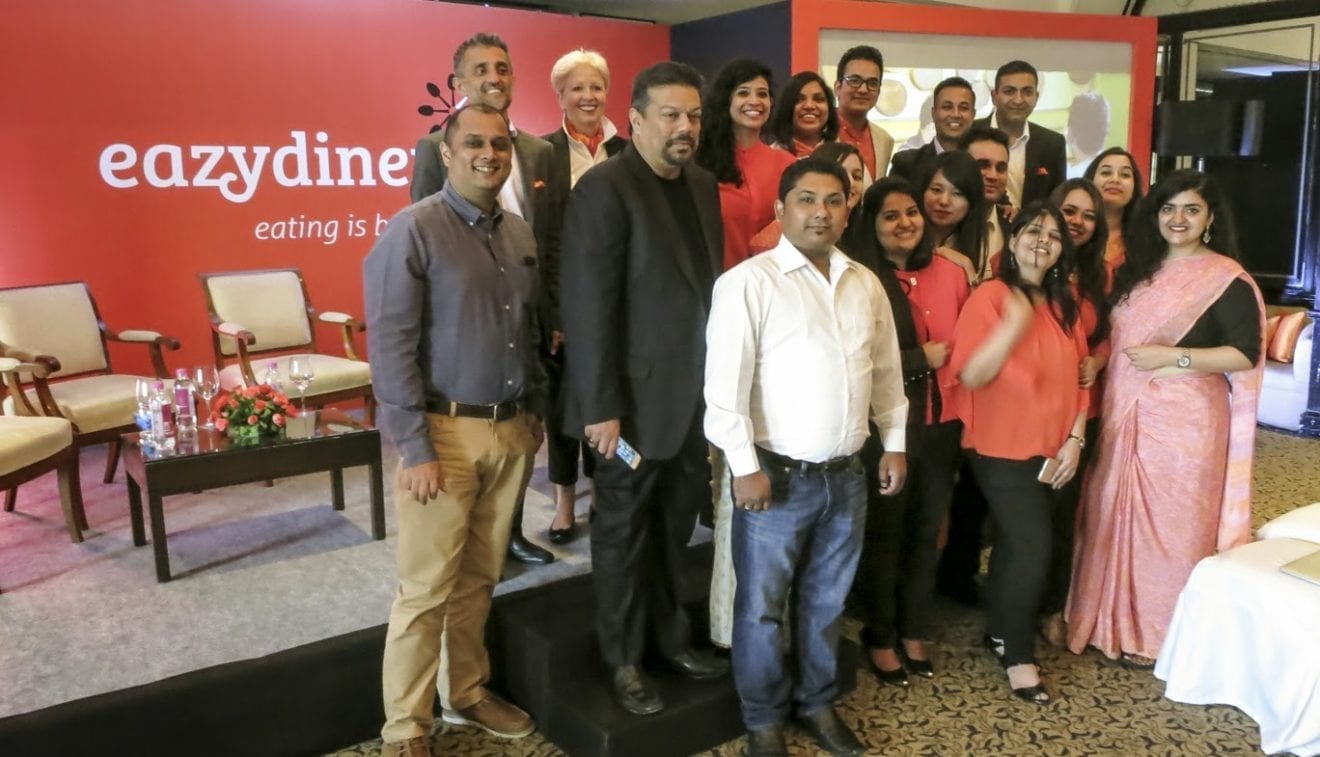
    EazyDiner, a restaurant booking and reviews platform, is in talks with potential investors to raise a fresh round of funding to expand its international footprint in the New Year.

    The two-year-old company, which was co-founded by media personality Vir Sanghvi and six professionals with a background in food, beverages and hospitality sectors, has targeted Indonesia and Thailand as its next two markets.

    While company officials declined to share details of the upcoming equity financing round, they confirmed plans of entering the South East and South Asian markets over the next 12 months.

    EazyDiner launched services in Dubai in December. The startup, which combines the services of Google-owned dining guide Zagat, NYSE-listed restaurant review firm Yelp and Priceline-owned restaurant booking service OpenTable, is also backed by two consumer-focused venture capital firms, DSG Consumer Partners and Saama Capital.

    The funding and expansion come when investor interest in India’s broader foodtech space has waned, with the startup ecosystem littered with the still-smoking embers of ventures that promised to deliver exceptional dining experiences to the notoriously fickle-minded and priceconscious Indian consumer.

    The combination of wafer-thin margins on offer, coupled with low entry barriers and lack of sustainable business models, saw investors curtail their appetite for the ventures.

    EazyDiner has charted a different path for itself. The platform, which also provides content and reviews, operates one of the country’s largest dining loyalty programmes as well. “We were never, and in fact, will never get into food delivery. The economics just don’t make sense, at least in a market like India…We believe it requires a very different skill-set,” pointed out Aman Kapur, one of the cofounders.

    EazyDiner has raised about $4 million in funding till date and counts Gurpreet Kohli, former managing director of Chrys Capital, as one of its early backers. The company operates in seven locations – the National Capital Region, Mumbai, Bengaluru, Kolkata, Pune, Chennai and Goa.

    “The focus is to go deeper into our existing markets and really establish our footprints in each of them rather than just go on an unrestrained growth across geographies,” pointed out Shruti Kaul, another cofounder.

    The platform lists about 2,000 restaurants, with more than 500 spread across NCR. EazyDiner has provided most establishments with its proprietary SaaS-based table reservation platform and has a guaranteed inventory with the rest, enabling them to provide bookings to consumers on an immediate basis.

    Gurgaon, where the company is headquartered and where it first launched operations, has played a critical role. The NCR’s startup hub, which rivals Bengaluru in its concentration of the country’s new economy ventures, has played a significant part in its growth.

    “Gurgaon, possibly, deserves its own mention alongside Mumbai and Delhi. It’s the third-largest contributor after the two metros,” said Kaul. According to her, Gurgaon contributes 15% of the company’s business across the country, outpacing Bengaluru. “For a small suburb, it’s huge. We have about 275 restaurants in Gurgaon on our platform, ranging from luxury establishments to budget restaurants,” Kapur said.

    According to both founders, emergence of the Haryana city as a startup destination has played a role in defining, as well as evolving, consumer behaviour, particularly when it comes to dining habits. “The ability to experiment there is phenomenal and probably much more than the other metros… We also see that people living to working in Gurgaon, while traveling, indulge in a lot more cross-dining than any other city in India,” Kaul said.

    Analyses drawn from consumer behaviour in one of its earliest markets has prompted the founders to look for similar characteristics in every new area it enters. “We’ve actually learned alongside the consumer and the company’s grown even as the consumer has evolved and experimented,” Kapur said.
  • Uber rival Grab raises $750M led by SoftBank at a $3B valuation

    Uber rival Grab raises $750M led by SoftBank at a $3B valuation

    Grab, the largest company rivaling Uber in Southeast Asia, has confirmed that it has raised $750 million in fresh capital.

    This is the company’s Series F round, and it was led by existing investor SoftBank with participation from undisclosed existing and new backers, Grab said. One of those is almost certain to be China’s Didi Kuaidi, which reportedly made a commitment to this round, but neither side is confirming that right now.

    A source close to the company confirmed that the round gives Grab a $3 billion post-money valuation. That’s consistent with our previous reporting, which pegged Grab’s pre-money valuation at $2.3 billion.

    Grab operates in six countries in Southeast Asia and its previous raise was $350 million in August 2015. This new financing has been sometime coming, and it was reported that Grab was raising upwards of $600 million in August, with some media suggesting the total could reach $1 billion. That hasn’t happened but Singapore-headquartered Grab did claim that it has over $1 billion on its balance sheet courtesy of this new raise.

    Grab said it 400,000 drivers on its platforms and it has seen over 21 million app downloads to date. In an announcement, the company added that it sees “up to 1.5 million daily bookings,” which a Grab spokesperson confirmed means ride requests not completed rides. Uber doesn’t provide business data for Southeast Asia so it is hard to compare them, but we previously reported that Uber is operationally profitable in parts of Southeast Asia and there seems to be little to choose between the two.

    An arsenal of capital is clearly necessary when you are taking on Uber, but Grab did sketch out some areas of priority that it will focus on.

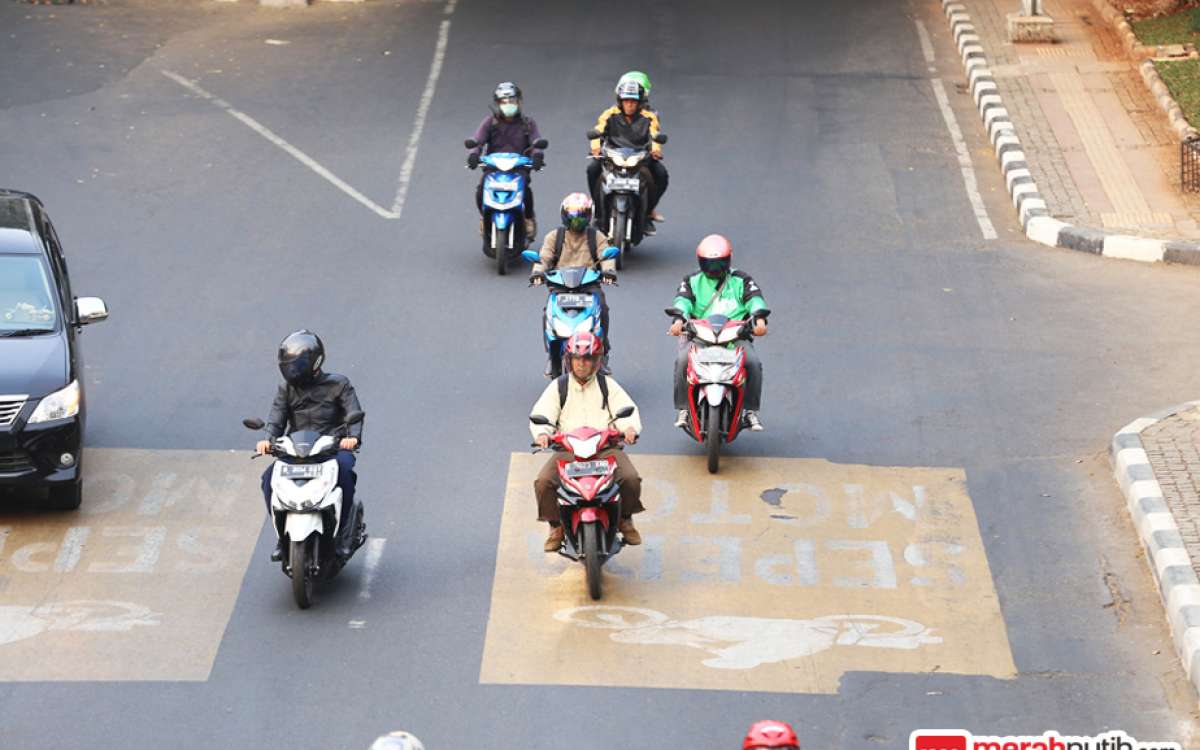
    Indonesia, the world’s fourth most populous country and the largest economy in Southeast Asia, is top of its list. Grab CEO Anthony Tan said in a statement that he believes that Indonesia’s ride-hailing industry is worth $15 billion annually — that goes beyond taxi and cars and into motorbike taxis — which Grab offers there — and services such as food delivery, logistics, and more. Indonesia is no easy market and, alongside Uber, Grab is rivaled by GoJek, a motorbike taxi on-demand service that recently raised $550 million at a valuation of $1.3 billion.

    Beyond a push into services, Grab is also looking to expand its ecosystem into payments. This summer it announced plans to make its in-app payment system — GrabPay — available to third-party services, and this new funding will go towards making that happen. The GrabPay push will initially focus on Indonesia, where Grab has partnered with national bank Mandiri, but it will also be extended into the company’s other focus markets, too.

    Another more obvious area of focus is technology. Grab has R&D centers in Singapore, Beijing and Seattle and its priorities include refining its algorithm to help drivers become more efficient, building out its mapping data and technology, working on demand prediction and user targeting. Grab is also looking to add pooling to its existing vehicle categories, having launched its first pool option in Singapore nearly one year ago.

    There’s no word on autonomous vehicles, however, which Uber is testing in Pittsburgh with a view to rolling out more fully. Self-driving cars aren’t just for the U.S. market though. Nutonomy is running testing in Singapore so you could argue Grab is already playing catchup or might need to get its checkbook out if it wants to enter the race.

    “Grab has grown tremendously over the past year. This round of funding shows the confidence and optimism investors have in Grab’s market leadership and long-term potential in Southeast Asia,” Tan, Grab’s CEO, said in a statement.

    “We are blessed to have great partners like SoftBank, many of whom have unparalleled track records of investing in leading internet businesses in emerging markets, and seeing those companies through to become the core of internet ecosystems in each market,” he added.

    Despite much to be bullish about, Grab is up against a tough rival in Uber and in a market that shows little sign of profitability right now. We previously reported that the company was burning as much as $30 million per month in 2015. While Grab has consistently claimed that it has not touched its Series E round yet, it is looking at a long path to profitability in Southeast Asia. Likewise, Didi’s move to acquire Uber China — and, in doing so, take equity in Uber Global — throws questions on its global alliance with Uber’s other rival companies.

    Nonetheless, this new funding is a major milestone for Grab, and the largest raise for a tech startup in Southeast Asia to date.

  • UberJEK Launched in Jakarta

    UberJEK Launched in Jakarta

    UberJek, an app-based transport service, has officially started operation on Sunday, May 15. Aris Wahyudi, UberJEK’s co-founder, claims cheaper tariffs compared to its competitors.

    “Our tariff is different from those of the competitors. Our tariff will continue to drop from the first kilometer,” Aris said after UberJEK launch at Euro Management Indonesia, Sunday, May 15, 2016.

    He illustrated that on kilometer 1-5, the tariff is Rp2,500 per kilometer; on kilometer 6-10, it’s Rp2,000; above 11 kilometers, customers will be charged for Rp1,500 per kilometer.

    He added, other benefit of using UberJEK is no minimum tariff set for short distance travels. Thus, customers wanting to travel within 1 kilometer can pay Rp2,500. “We do not set a minimum distance, unlike our competitors. The benefit of using UberJEK is in short distance travels.”

    To attract customers, in addition to cheaper tariffs, UberJEK also entices its customers with giveaways. It is part of the promotional strategy to introduce UberJEK to the market. UberJEk claims to have earmarked seven million smartphones as giveaways for customers.

    UberJEK was founded by Aris and three other Indonesian businessmen in late October 2015. Aris said UberJEK services can now be enjoyed in 30 cities in Indonesia with a total of 2,200 drivers.

  • Online booking platform Chope enters Indonesia with acquisition of MakanLuar

    Online booking platform Chope enters Indonesia with acquisition of MakanLuar

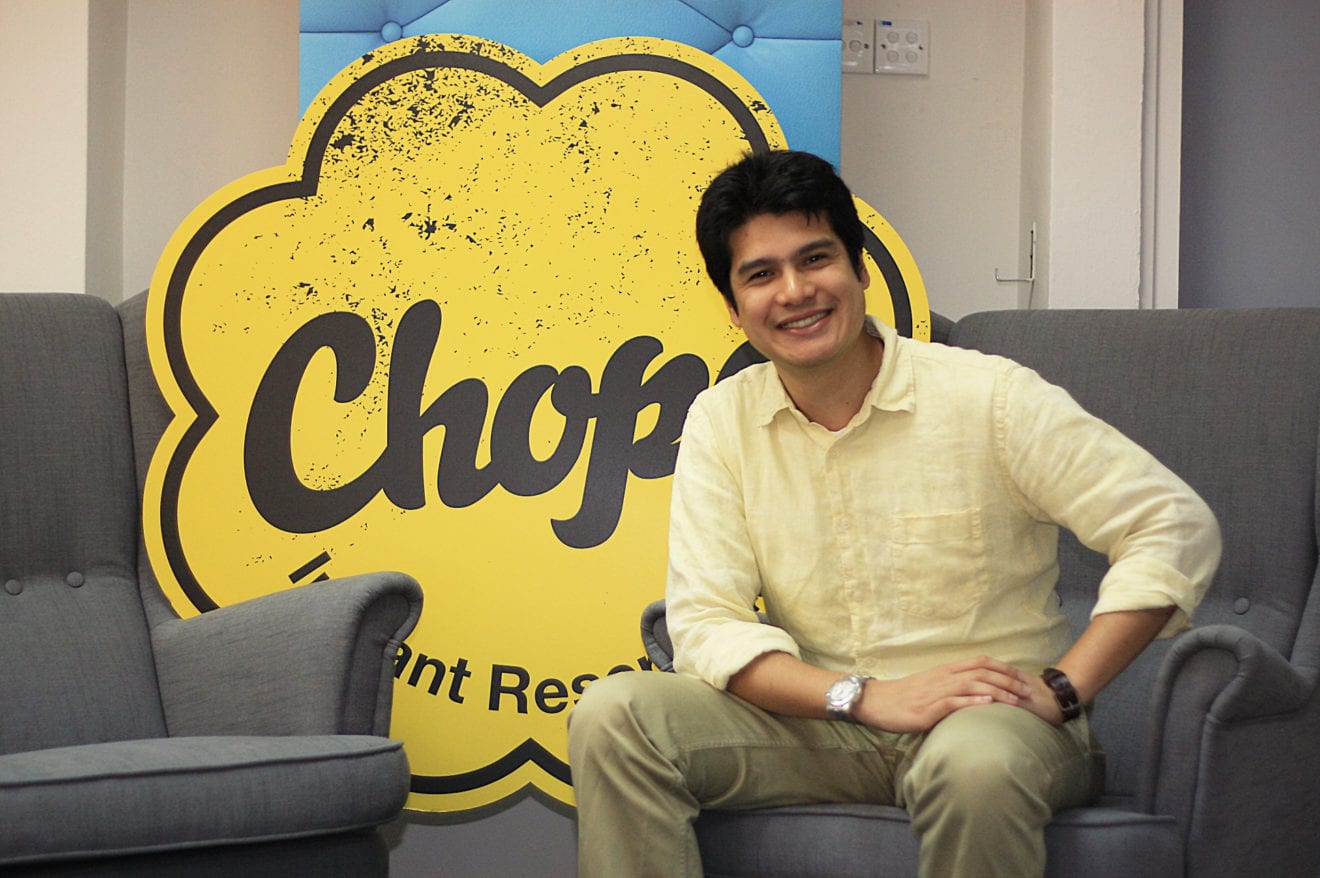
    Singapore-headquartered restaurant reservation startup Chope has acquired Indonesian counterpart MakanLuar, the company announced today. The value of the deal is undisclosed. The acquisition was made with a mix of cash and shares, although Chope co-founder and CEO Arrif Ziaudeen does not reveal the percentage of each.

    Through the deal, Chope adds Jakarta, Bandung, and Bali to its portfolio, bringing the cities it’s active in to eight. It’s been operating in Singapore, Bangkok, Hong Kong, Shanghai, and Beijing.

    Chope expanded in those territories organically, and every time it found it had to educate early adopters and find a product-market fit, Arrif says. “Jumping in at the stage MakanLuar is at, they’ve already crossed that threshold and are now in a position to hit the accelerator on sales and marketing, so we save valuable time,” he enthuses.

    MakanLuar’s founding team of Kunal Narang and Hiro Mohinani was also a major factor for Chope. “We were inspired by Kunal and Hiro’s drive, and with a proven track record we really feel confident in these safe pairs of hands,” Arrif explains.

    “Oddly enough, before we started MakanLuar, we spoke to Chope to seek ways to work together but we were too new at the time,” Kunal tells Tech in Asia. Once the team had some good traction in Indonesia, it made sense to get back in touch with Chope and become part of a bigger regional play, he adds

  • Uber says obtains government approval to operate in Jakarta

    Uber says obtains government approval to operate in Jakarta

    Uber Technologies Inc said on Tuesday it had received the green light from the Jakarta governor to operate in the Indonesian capital after giving assurances that it would comply with local tax rules and other requirements.

    Jakarta police had earlier this year deemed the U.S. car-hailing service illegal, saying its drivers did not pay the correct taxes and the company did not have the licence needed to operate as a form of public transport.

    In a statement, Uber said it is working with the office of the city’s governor, Basuki “Ahok” Tjahaja Purnama, and Indonesia’s investment coordinating board to establish itself as a legal entity in Indonesia, pay taxes, have adequate insurance and ensure its “partner vehicles” undergo regular inspection.

    “Previously there was tremendous regulatory ambiguity,” Uber spokesman Karun Arya said in an email. “Governor Ahok has now provided clear direction for Uber in terms of specific requirements for Uber and other ride sharing platforms to operate and thrive in Jakarta.”

    Uber has registered with Indonesia’s investment coordinating board as a technology or web company, Mr Arya added. There was no immediate comment from the Jakarta governor’s office.

    Privately owned Uber has grown aggressively worldwide with its matchmaker service for drivers and passengers, but a lack of regulation for the relatively new business model has brought it to the attention of authorities.

    The company is also facing stiff competition from rivals U.S.-based Lyft, China’s Didi Kuaidi, Southeast Asia’s GrabTaxi and India’s Ola, which recently formed a global ride-sharing partnership.

    In Indonesia, Uber currently operates in Bali, Bandung and Jakarta, a city notorious for its traffic congestion and lack of public transport.

    In an email, Uber said it planned to expand to more cities in Southeast Asia’s largest economy next year, and would boost the number of its drivers to 100,000 by 2017 from more than 12,000 currently.