Retail News CRM

Tag: bra

  • Zivame Lingerie raises expansion capital to expand in India

    Zivame Lingerie raises expansion capital to expand in India

    Indian lingerie retailer Zivame has raised about US$8.6 million to fund expansion.

    The funds were raised through Allana Investment and Trading Company, in a round led by existing investor Zodius Technology and individual investors.

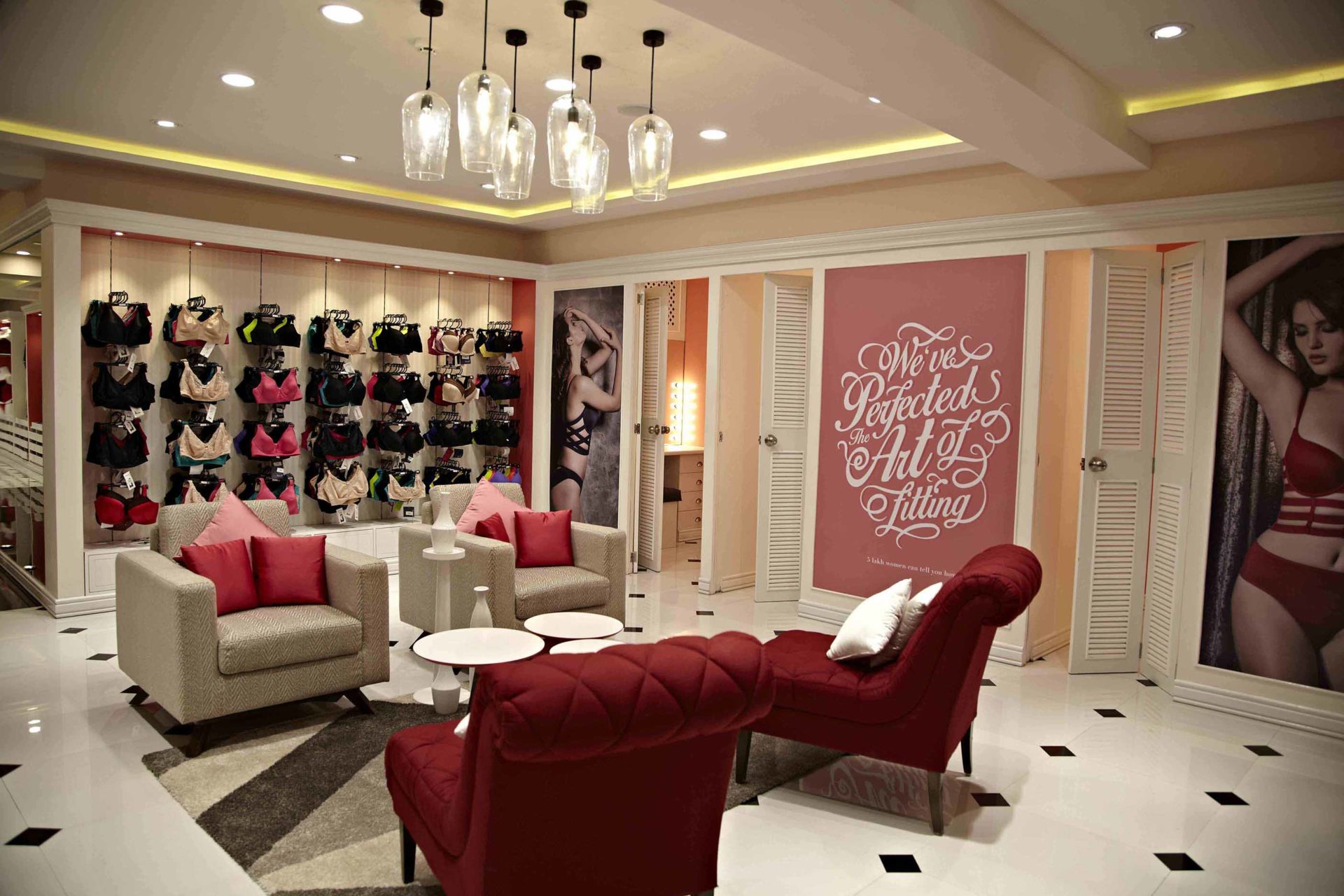
    The new capital will be used for store expansion, technology augmentation, product development and omnichannel strategy. Zivame now has more than 30 offline retail stores, and aims to expand to more than 60 in the next year.

    “The funding will enable us to further enhance our footprint and leadership in existing and newer markets as we continue to build on our mission to be the destination for women for all her intimate needs,” said Amisha Jain, Zivame CEO.

    “We continue to build the category as the Indian lingerie market is largely unorganised and under-served.”

    The company plans to a larger fundraising round in coming months.

    Founded in 2011 as a marketplace for lingerie brands, Zivame has expanded into fashion apparel, activewear, sleepwear, and shapewear as well as developed its private labels including Penny and Coucou.

  • American Eagle expands Aerie lingerie brand

    American Eagle expands Aerie lingerie brand

    Global apparel retailer American Eagle is boosting its Aerie lingerie brand, with plans to open 60 to 75 stores this year.

    The strategy, which coincides with rival brand Victoria’s Secret’s declining sales and series of store closures, involves both standalone locations and side-by-sides with American Eagle, predominantly in Texas and California. The company currently operates 1055 stores.

    “Aerie is a game changer by staying at the forefront of body positivity and women’s empowerment,” said Aerie’s global brand president Jennifer Foyle. “Our new cast of role models are even more inspirational. They embrace the Aerie lifestyle and were chosen for their influential voices, unique stories and commitment to increase the power and empowering our community.”

    The firm reported US$431 million in earnings for the last financial quarter, a 1 per cent rise over the previous year’s figures. Its total net sales also rose 1 per cent to $1.24 billion.

    “Strong execution by the teams drove a record fourth quarter and fiscal 2018, as we reached a milestone of $4 billion in annual revenue with increased operating profit,” said American Eagle’s CEO and chairman Jay Schottenstein.

    “Eagle and Aerie continued to deliver consistent performance by combining product innovation and great merchandise with an improved customer experience across channels. As we head into 2019, we will continue to leverage the strength of our brands, selling channels and the team’s commitment to continually raising the bar for our customers. The strength of our balance sheet and free cash flow enables us to make important investments in our business to fuel market share gains, future growth and returns to our shareholders.”

  • Victoria’s Secret unveils its Champagne Nights Fantasy Bra

    Victoria’s Secret unveils its Champagne Nights Fantasy Bra

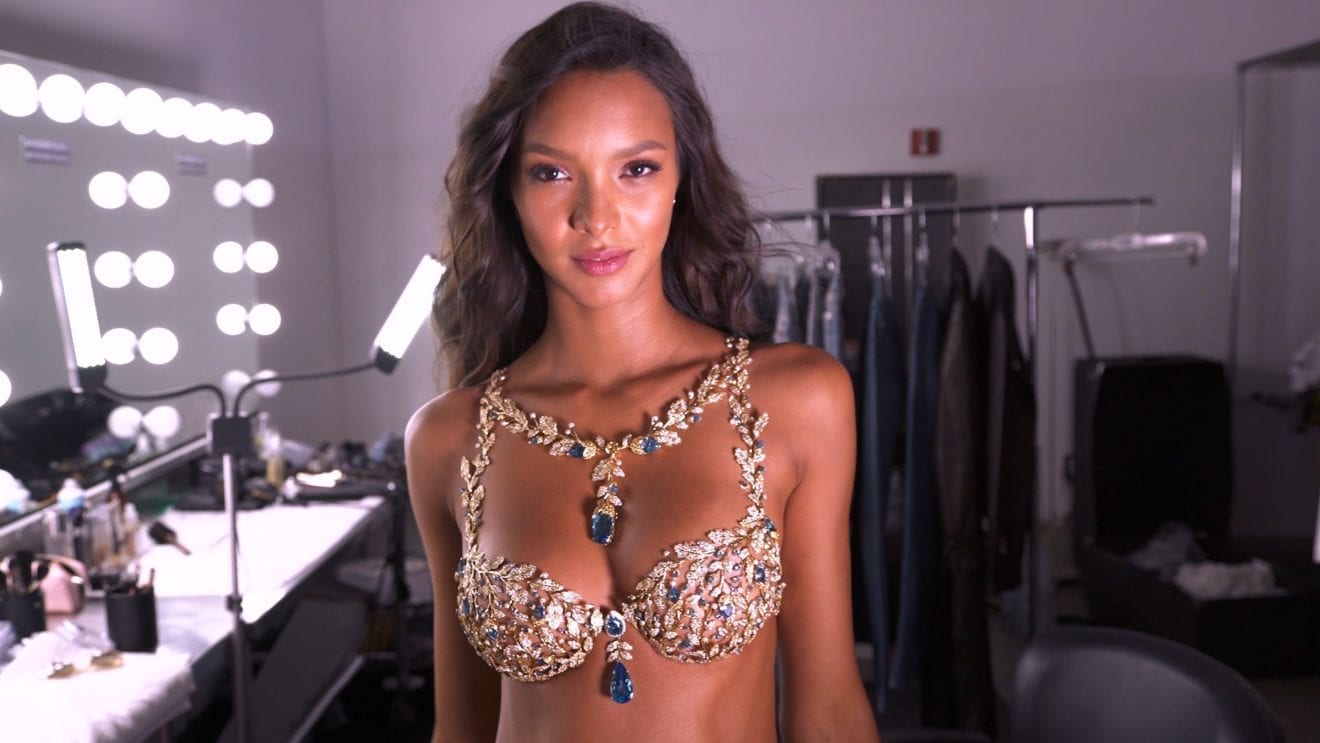
    US lingerie company Victoria’s Secret has unveiled its 2017 Champagne Nights Fantasy Bra, designed by luxury jeweller Mouawad.

    Brazilian model Lais Ribeiro will wearing the US$2 million bra at this year’s Victoria’s Secret Fashion Show in Shanghai in three weeks’ time.

    It is the first time the Victoria’s Secret Angel will showcase the brand’s annual fantasy bra. Other supermodels who have worn Mouawad’s showpieces over the years include Lily Aldridge, Adriana Lima, Alessandra Ambrosio, Candice Swanepoel, Selita Ebanks, Gisele Bündchen, Tyra Banks, Heidi Klum and Karolina Kurkova.

    Mouawad’s latest creation features a suite of contrasting gemstones. The bra and matching belt took more than 350 hours of labour to be handset with nearly 6000 white diamonds, yellow sapphires and blue topazes, totalling more than 640 carats and all set in 18-karat yellow gold.

    Mouawad Jewelry first teamed with Victoria’s Secret in 2001, since designing 10 fantasy bras. His 2003 masterpiece, the Very Sexy Fantasy Bra, was awarded a Guinness World Record as the most expensive bra ever made.

    Founded in 1890, the Mouawad brand is led by fourth-generation co-guardians Fred, Alain and Pascal Mouawad. The family firm designs, makes and sells exclusive jewellery and timepieces.

    Victoria’s Secret is known for its fashion-inspired collections, fragrances and bodycare products as well as its lingerie, but perhaps is more famous for its runway shows and supermodels, not to mention its fantasy bras. It is owned by Limited Brands and has more than 1000 stores internationally.

  • Victoria’s Secret opens first flagship store in China

    Victoria’s Secret opens first flagship store in China

    US brand Victoria’s Secret has opened its first flagship store in China as it taps into the growing appetites of mainland women for high-end lingerie.

    Fronted by an iconic pink glass facade, the four-storey, 2,500 square meter Victoria’s Secret store opened its doors on Thursday in Huaihai Road, one of Shanghai’s most upscale shopping streets.

    The new shop, which is the first to sell the brand’s full range of products attracted thousands of visitors on the opening day. Previously, Victoria’s Secret had only operated concept stores in China, selling accessories.

    “Chinese women are now ready for more sophisticated bras,” said Pascal Martin, a partner with OC&C Strategy Consultants.

    As Chinese women have increasingly adopted western fashion trends and brands, many locally-owned bra offerings at the cheaper end of the spectrum and paying little heed to design and brand appeal have popped up.

    The US lingerie giant, which entered China in 2015, has unveiled an aggressive expansion plan in the fast-growing Chinese market.

    Besides launching another flagship store in Chengdu in southwest Sichuan Province soon, Victoria’s Secret will move its high-profile annual fashion show to Shanghai at the end of this year.

    The retailer will charge mainland customers between 300 and 600 yuan (US$44 -87) for a bra, a little higher than in the US.

    Joey Chio, senior associate director of Savills Shanghai Retail, which helped Victoria’s Secret select the location for its new store, said the opening of the flagship shop would satisfy Chinese women’s “desire to keep up with the forefront of international fashion”.

    Luxury lingerie and high quality functional products are becoming increasingly popular among Chinese women, and a more frequent topic of discussion on social media.

    The female underwear market in China is expected to have a retail value of US$25 billion by 2017 – double that of the United States – and will grow to US$33 billion by 2020, according to Euromonitor.

    Top Italian luxury lingerie maker La Perla, which has eight stores in China, said it planned additional outlets in Chengdu and Chongqing and aims to open a men’s store in Beijing.

    Canadian yoga brand Lululemon entered the Chinese market by opening its first shop in Shanghai last December.

    The penetration rate of the bra sector in China is still under 10 per cent, compared with around 40 per cent in the US and 20 per cent in Japan, Martin said. Most of the bra brands currently in China are still focusing on the traditional department store channel rather than malls, indicating opportunities for brands like Victoria’s Secret, he added.
  • Lingerie Maker Victoria’s Secret Looks to Uncover Supply Chain Issues in Indonesia

    Lingerie Maker Victoria’s Secret Looks to Uncover Supply Chain Issues in Indonesia

    Lingerie giant Victoria’s Secret, famed for its racy bras and thongs, has pledged to trace the sources of its wood-based fabrics, joining the ranks of fashion companies addressing human rights and deforestation, its parent company said. In a new policy statement, parent company L Brands said it aimed to eliminate sources of wood pulp, used to make rayon, viscose and modal, that contribute to rainforest destruction or violate the rights of local people.
    L Brands is the latest in a growing number of US fashion companies to commit to investigate its supply chain for products from destructive regions and stop using those sources by the end of 2017, according to Rainforest Action Network (RAN). Ralph Lauren, whose designs are popular on Hollywood’s red carpets, adopted a similar policy earlier this month. “Our Forest Products Procurement Policy is written to reduce threats to ancient and endangered forests and to avoid products that contribute to deforestation or human rights abuses,” said L Brands’ policy statement published on its website.
    “We will report on our progress publicly.” Production of wood pulp can involve clearing forests to build eucalyptus plantations and taking land traditionally used by indigenous communities, campaigners say. The issue is particularly acute in Indonesia, a major producer of wood pulp. The Victoria’s Secret catalog features voluptuous models clad in tiny thongs, push-up bras and “cheekini” panties, and its top models who appear in its popular fashion shows are known as its Angels. It is one of several companies owned by L Brands. Its other well-known brands include Henri Bendel, Pink and Bath & Body Works. L Brands did not respond to a request for comment.
    RAN said the new policy was posted on the company website late on Wednesday. RAN, which helped develop the sourcing policies for L Brands and Ralph Lauren, has been waging an “Out of Fashion” campaign to publicize the impact of forest-based fabrics and call on major US brands to adopt stringent sourcing systems. “It’s encouraging to see brands beginning to take responsibility for their supply chains,” said Brihannala Morgan, senior forest campaigner with RAN. “
    L Brands’ commitments and actions, following right behind Ralph Lauren and among more than 60 other brands who have developed policies, can have a real positive impact for forests and the people that depend on them.” H&M, Zara, Levi Strauss & Co and British fashion designer Stella McCartney have adopted similar policies, RAN said. Last year Stella McCartney partnered with environmental non-profit Canopy to encourage clothing companies to stop sourcing fabric from ancient and endangered forests.