Tag: brazil

  • Vietnamese Pepper Exports Spice Up by 25%, Despite Increased Competition from Brazil

    Vietnamese Pepper Exports Spice Up by 25%, Despite Increased Competition from Brazil

    In the first ten months of 2025, Vietnam’s pepper exports experienced an increase of over 25% in comparison to the previous year. This growth occurred even though the export volume dropped 5.9% to 206,427 tonnes, as reported by the Vietnam Pepper and Spice Association.

    Key Export Markets

    The United States maintained its position as the largest market for Vietnamese pepper. The U.S. imported a total of 44,262 tonnes, which represented 21.4% of Vietnam’s total exports. Other important markets included the United Arab Emirates, China, India, and Germany.

    In the month of October, 19,430 tonnes of pepper were exported from Vietnam, valuing at $129.5 million. The quantity of black and white pepper exported was 16,464 tonnes and 2,966 tonnes respectively. Despite a minor decrease in both the export volume and value compared to September, there was a year-on-year increase of 5.1% and 7.7% respectively.

    Export Prices

    The average export prices for black and white pepper were $6,443 and $8,392 per tonne respectively.

    Imports of Pepper

    On the import side, Vietnam imported 37,783 tonnes of pepper during the first ten months, worth approximately $237 million. This represented a significant increase from last year. Brazil was the leading supplier, providing almost half of Vietnam’s total pepper imports.

    Despite Vietnam’s successful export performance, Brazil’s competitive position in the global pepper market is strengthening. With a weaker currency and competitive logistics costs, Brazil is expanding its output and presenting a greater challenge to Vietnam.

    Cinnamon Exports

    During the same period, cinnamon exports from Vietnam also performed well. Nearly 99,463 tonnes of cinnamon were exported, valuing at $249.5 million. This constituted a rise of 25.1% in volume and 13.2% in value compared to the previous year. The main markets for Vietnamese cinnamon included India, the U.S., Bangladesh, the UAE, and China.

    Questions & Answers

    What is the largest market for Vietnamese pepper?
    The largest market for Vietnamese pepper is the United States, which accounted for 21.4% of Vietnam’s total pepper exports.

    What is the current challenge for Vietnam in the global pepper market?
    The main challenge for Vietnam in the global pepper market is the intensifying competition from Brazil, which is increasing its output and benefiting from a weaker currency and competitive logistics costs.

    How did Vietnamese cinnamon exports perform in the first ten months of 2025?
    Vietnamese cinnamon exports performed well during this period, with an increase of 25.1% in volume and 13.2% in value compared to the previous year.

  • Coffee Industry Seizes Opportunities as Global Prices Continue to Climb

    Coffee Industry Seizes Opportunities as Global Prices Continue to Climb

    In a striking reflection of the challenges posed by climate change, coffee prices surged globally by approximately 40% in 2024, as highlighted by a recent study from the Food and Agriculture Organization. This surge is largely attributed to adverse weather conditions affecting production in key coffee-producing countries such as Brazil, Colombia, and Indonesia, while demand escalates in Europe, the US, and Asia.

    Vietnam’s Coffee Export Boom

    Amid this global upheaval, Vietnam’s coffee sector appears to be capitalizing on the situation, with export turnover exceeding $560 million last month alone. This impressive figure has propelled the total export value for the first seven months of the year to a remarkable $3.6 billion, marking a year-on-year growth of 20%, according to the Ministry of Agriculture and Environment. The major driver behind this thriving export performance is the spike in global coffee prices.

    Seizing the Moment in a Competitive Market

    As the world’s leading exporter of Robusta coffee, Vietnam holds an estimated 40% share of the global market. Nguyen Nam Hai, the president of the Vietnam Coffee Cocoa Association (Vicofa), noted that the international coffee landscape has never appeared more promising. High prices and growing demand, paired with Vietnam’s stable supply, put the country in a fortuitous position to expand its market share.

    Deep Processing: A Game Changer?

    However, to fully leverage this opportunity, Vietnam must shift its focus toward deeper processing. Hai emphasized that relying solely on raw bean exports limits potential gains. While export values are climbing, the structural makeup of Vietnam’s coffee products reveals considerable shortcomings. Currently, only 12-15% of total exports fall into the deep-processing category, which includes roasted, instant, and specialty coffee — a figure that pales in comparison to Brazil and Colombia’s 30-40% ratio.

    Le Hoang Diep Thao, founder and CEO of TNI King Coffee, weighed in on this issue, noting that investing in deep processing can significantly enhance product value. Yet, she cautioned that the initial investment can be daunting, particularly for instant coffee technology, requiring hundreds of billions of Vietnamese dong. Not all companies possess the financial capacity for such ventures.

    Coping with Technological and Branding Hurdles

    Technological barriers and branding challenges further complicate Vietnam’s transition toward deep processing. While substantial investment has been made by major players like Vinacafé, Trung Nguyên, and Nestlé, many small and medium-sized enterprises struggle to keep pace. While Vietnam is recognized for its production volumes, household names in coffee evoke thoughts of Starbucks, Lavazza, and Nestlé, making it tough for Vietnamese brands to penetrate the premium segment.

    Agricultural economist Dinh Van Thanh cautioned that if Vietnam persists in its reliance on raw exports, it risks being reduced to merely an “ingredient factory” for larger corporations. A robust long-term strategy aimed at investment in deep processing and enhancing the national coffee brand on the global stage is imperative.

    Emerging Positive Signals

    Despite the challenges, there are encouraging developments within the industry. Trung Nguyên Legend is working to expand its instant coffee exports to the Middle East and Eastern Europe, while Vinacafé is honing its focus on the ASEAN market. Meanwhile, enterprising start-ups in Lam Dong and Gia Lai are launching specialty coffee brands aimed at markets such as Japan and South Korea. In a clever twist, rather than merely selling raw beans, these innovators are partnering with companies to process roasted coffee for direct sale in South Korea, with prices that can be double that of unprocessed beans, ultimately benefiting farmers.

    Strategic Recommendations for Growth

    Experts have outlined three strategic areas for the Vietnamese coffee industry to capitalize on high prices and broaden export potential. First, there is a compelling need for investment in deep processing technology. The government should consider implementing preferential credit policies for businesses that invest in production lines for instant and specialty coffee. Second, building a national coffee brand akin to Thailand’s Jasmine rice or Colombia’s Arabica coffee is critical for establishing a strong global presence. Lastly, targeting emerging markets such as the Middle East, South Asia, and Eastern Europe, where coffee demand is rapidly increasing, could provide a fertile ground for expanding the reach of processed Vietnamese coffee.

    Questions & Answers

    How has climate change affected global coffee prices?
    A recent study revealed that global coffee prices increased by about 40% in 2024, largely due to unfavorable weather conditions that impacted production in key coffee-producing countries.

    What role does Vietnam play in the global coffee market?
    Vietnam is the largest exporter of Robusta coffee, holding about 40% of the global market share. The country is now focusing on deepening its processing capabilities to enhance its market position.

    What strategies are being suggested for the growth of Vietnam’s coffee sector?
    Experts recommend investing in deep processing technology, building a national coffee brand, and targeting emerging markets like the Middle East and Eastern Europe to capitalize on growing coffee demand.

  • Brazil’s postal service inks deal with Shopee to sell products to Asia

    Brazil’s postal service inks deal with Shopee to sell products to Asia

    Brazil’s postal service Correios said on Wednesday it has signed an agreement with Singaporean shopping app Shopee to boost exports of Brazilian products to Southeast Asian markets.

    Shopee, owned by Southeast Asian tech giant Sea, signed a memorandum of understanding with Correios, along with the Brazilian Agency for the Promotion of Exports and Investments (ApexBrasil).

    The deal aims to help small and medium companies from Brazil export to countries like Indonesia, Malaysia, the Philippines, Singapore, Taiwan, Vietnam and Thailand.

    The trade bloc known as the Association of Southeast Asian Nations (ASEAN) is a key partner for the Brazilian economy, with a trade flow of $16.6 billion in the first half of 2022, up 21.3% compared to the same period in 2021, according to the latest data from ApexBrasil.

    The agreement will offer training for companies, as well as “support for strategic and adequate operation on the Shopee platform” and assistance from Correios with shipping and distribution logistics, Brazil’s postal service said in a statement, adding it expects exports to start this year.With the agreement, companies “with good products and a huge potential” will gain the know-how and access to these markets needed start the export process, said Eduardo Terra, president of the Brazilian Society of Retail and Consumption.

    The move follows last year’s announcement from Shopee that it had opened five new distribution centers in Brazil. The app has become one of the country’s most-downloaded e-commerce apps since its launch there in 2019, drawing users to its low-cost marketplace.

  • No More iPhone Models Without Charger in Brazil

    No More iPhone Models Without Charger in Brazil

    The new iPhone 14 lineup is coming, but Brazilians may not be able to get it in the country. Apple cannot sell its iPhone models without a charger in Brazil anymore, particularly the existing iPhone 12 and 13 models, and was fined more than $2 million (12.28 million reais) over the issue.

    In an official notice, Brazilian authorities ordered “the immediate suspension of the distribution of iPhone brand smartphones, regardless of model or generation, that are not accompanied by a battery charger.”

    This is from the official mandates of the Ministry of Justice and Public Security and the Department of Consumer Protection and Defense.

    Apple has been under investigation in Brazil since December for “the sale of an incomplete product,” “discrimination against the consumer” and “the transfer of responsibility to third parties” by offering the iPhone 12 and newer versions without chargers for power outlets, according to the official statement.

    Starting with the iPhone 12, Apple no longer includes power adapters in every box as it moves to reduce package waste and indirectly makes more profit on accessories.

    As Apple explained during its iPhone 12 event in 2020, excluding the power adapter reduces the size of the box, causing less space consumption in the shipping and more iPhone 12 devices delivered.

    According to Brazilian authorities, Apple alleges that the decision to exclude chargers from iPhone sales comes from an “environmental commitment.” Reportedly, smaller boxes would allow Apple to reduce yearly carbon emissions by 2 million metric tons.

    However, the ministry determined that “there is no effective demonstration of environmental protection on Brazilian soil as a consequence” of Apple’s policy and accused the company of “deliberate discriminatory practices against consumers.”

    “There is no justification for an operation which, in aiming to reduce carbon emissions, leads to the introduction into the consumer market of a product whose use depends on the acquisition of another (product) which is also marketed by the company,” the official notice added.

    In response, Apple said that it would continue to work with Brazilian consumer protection agency Senacon in order to “resolve their concerns,” and will appeal the recent decision.

    In June of this year, the EU stated that it believes a standard cable — USB-C — for all devices will cut back on electronic waste, but Apple argues that a one-size-fits-all charger would slow innovation and create more pollution.

    The imposition of the USB-C as a cable standard and the latest ban on Brazilian grounds could affect the iPhone juggernaut’s sales, along with the entire global smartphone market.

  • Pork imports nearly triple

    Pork imports nearly triple

    Frozen pork imports nearly tripled in the first 10 months of this year to 332,000 tons, according to the General Department of Vietnam Customs.

    Also imported were 350,000 pigs on the hoof from Thailand, a 50 percent increase year on year.

    Together they cost US$617 million. Its five biggest pork suppliers were Russia, Germany, Brazil, the Netherlands, and Canada.

    Vietnam also imported 50,000 tons of beef worth $220 million, half of it from Australia, the department added.

    Over 800 enterprises from 19 markets have been allowed to export pork to Vietnam, according to the Ministry of Agriculture and Rural Development.

  • L’Occitane takes majority stake in beauty brand Sol de Janeiro

    L’Occitane takes majority stake in beauty brand Sol de Janeiro

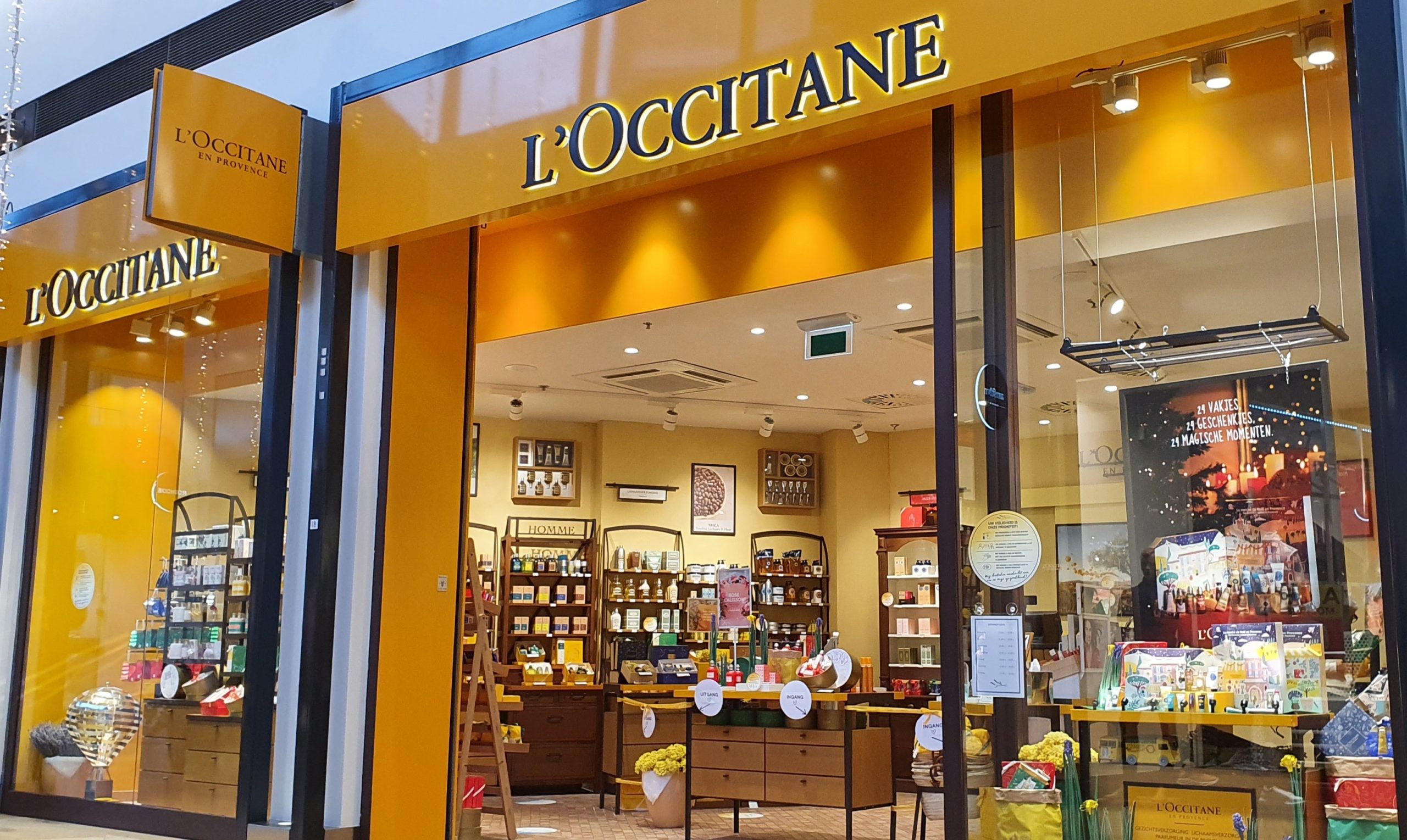
    The L’Occitane group has acquired an 83 percent stake in Brazilian-inspired body care brand Sol de Janeiro as part of a strategy to expand its premium beauty offer.

    Upon the deal’s closure, Sol de Janeiro will become a majority-owned subsidiary of L’Occitane group. The value of the deal has not yet been disclosed.

    L’Occitane said Sol de Janeiro is a strategic fit in terms of brand recognition and identity, product quality, management capability, as well as growth, profitability, and cash generation prospects.

    “With a compelling brand story and an experienced and entrepreneurial management team, Sol de Janeiro reflects our values and premium beauty image,’ said Andre Hoffmann, vice chairman & CEO of L’Occitane.

    “Sol de Janeiro’s digital presence and established body care business are complementary to the group’s balanced geographical strategy to build a portfolio of strong brands in all major geographical regions,” the company said in a statement.

    Sol de Janeiro is expected to strengthen L’Occitane’s international presence to expand into new markets.

    Founded in 2015 in the US, Sol de Janeiro has become one of the fastest-growing premium skincare brands in North America and is known for its body care, fragrance, and hair care products designed for multi-generational consumers.

  • Singapore’s Shopee disrupts the Brazil’s e-commerce sector

    Singapore’s Shopee disrupts the Brazil’s e-commerce sector

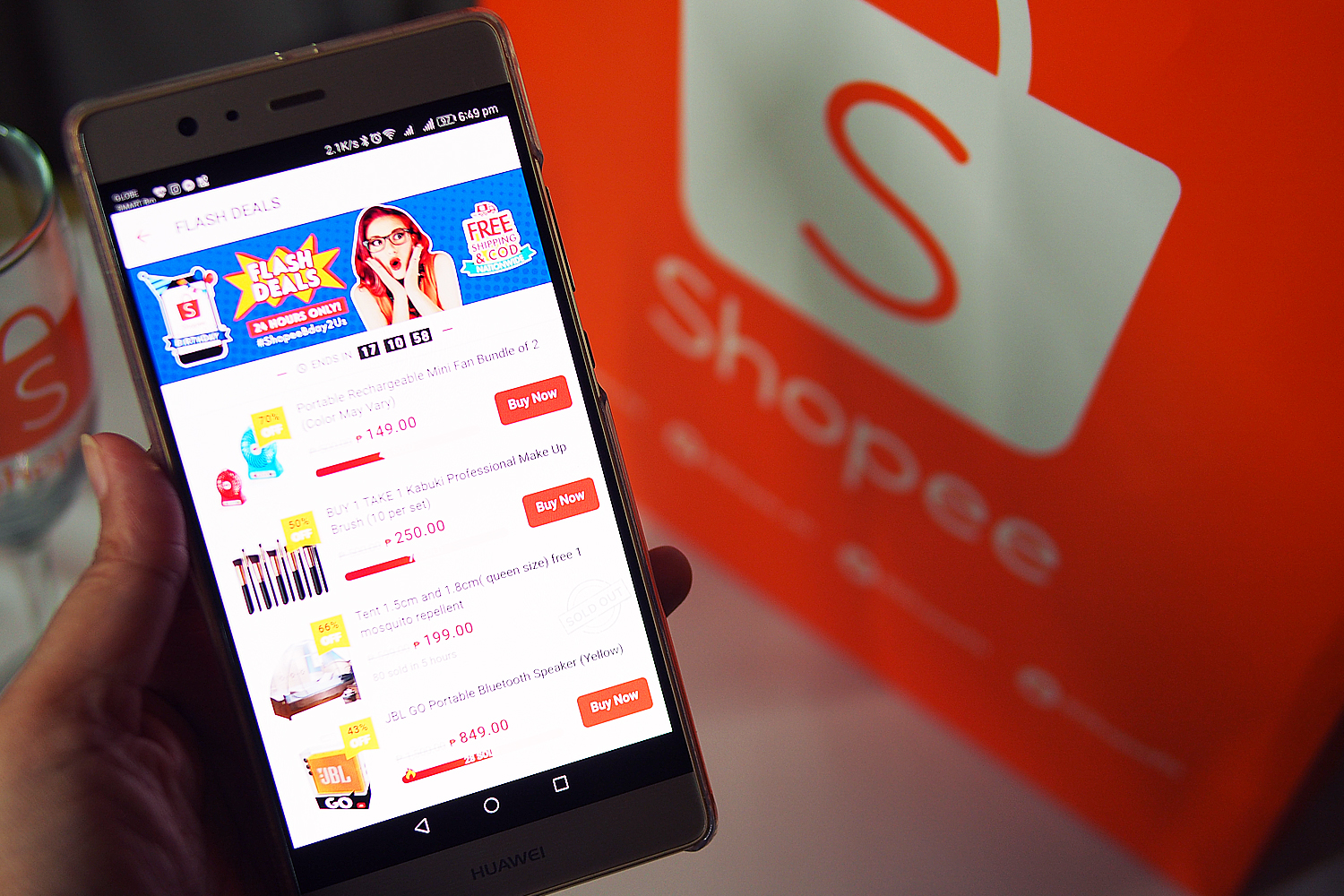
    Shopee took just two years to become Brazil’s most downloaded shopping app, winning users to its low-cost marketplace with its game-changing approach to e-commerce: in-app mini-games offering coupons to winning users.

    The Singapore-based company has combined online shopping with the gaming nous of its separate mobile game arm Garena – creator of “Free Fire”, Brazil’s most downloaded title for eight consecutive quarters – to generate sales analysts estimated at almost a third of local champion Magazine Luiza.

    Back home, Shopee only needed five years to become Southeast Asia’s most-visited e-commerce website, overtaking the likes of Lazada, backed by China’s Alibaba Group Holding, and Tokopedia, backed by Japan’s SoftBank Group.

    “Shopee has a track record in Southeast Asia of coming into the market late, looking at how others have solved existing problems and then building a system to leapfrog those issues,” said analyst Jianggan Li at advisory firm Momentum Works.<

    Shopee’s early surge highlights the space left for foreign entrants to grow in a sector once dominated by regional firms like Magazine Luiza and Argentina’s MercadoLibre.

    To be sure, the startup’s timing was fortuitous, launching in Brazil just as the COVID-19 pandemic drove consumers away from physical stores, pushing up 2020 e-commerce sales by 44% to $42 billion, showed data from Brazilian payments company EBANX.

    Shopee – akin to Alibaba’s AliExpress, carrying Chinese-made knick-knacks – emerged as Brazil’s top app by downloads and time spent in use, showed data from analytics platform App Annie.

    Yet, in pursuit of growth, Shopee is still losing money, propped up by Sea’s profitable gaming division. In the second quarter of this year, Garena posted adjusted earnings before interest, tax, depreciation and amortization (EBITDA) of $740.9 million even as the e-commerce arm lost $579.8 million.

    “Money being generated by one side of the business, which is a cash cow, is being reinvested aggressively in Brazilian e-commerce – with success,” said Itau BBA analyst Thiago Macruz.

    Sea’s Brazil foray is just one element of its global ambition. Investment arm Sea Capital is also considering putting money into startups in Latin America and beyond, said a person with knowledge of the matter, who was not authorized to speak with media and so declined to be identified.

    The firm has also taken Shopee to Chile, Colombia and Mexico where, unlike Brazil, it has no locally based staff and so has partnered social media influencers to increase brand awareness, said two people familiar with the matter.

    Sea, whose shareholders include Chinese gaming leader Tencent Holdings, declined to comment.

    The firm has disclosed little data about Shopee Brazil, but Itau BBA analysts estimated the value of goods and services sold on the platform last year hit 12 billion reais ($2.27 billion).

    The average price on its marketplace is 40 reais, other estimates showed, less than a third that of e-commerce leader MercadoLibre, which often carries higher-value branded products.

    Sea’s biggest challenge for Shopee Brazil is delivery in such a vast country. It reduced its reliance on the local postal system this year in favor of private carriers, but is still competing against rivals with proprietary delivery services.

    Shopee aims to have one main logistics partner per country in the region, a company source said.<

    The company itself expects e-commerce growth in the region to spawn more delivery partnerships, as happened in Southeast Asia, Sea executives told analysts on a call this month.

    On the same call, Group Chief Corporate Officer Yanjun Wang called Brazil “a good market for continued investment.”

    Competition in Latin America’s largest economy stepped up this month when Shopee’s nearest rival in terms of product offering, AliExpress, opened up its marketplace to domestic sellers charging a single-digit commission. AliExpress had been in Brazil for 11 years; Shopee did similarly after its first year.

    Small-business owner Luciana Carvalho began selling plastic packaging products on Shopee in February, attracted by the free shipping and 6% commission – compared with MercadoLibre’s 17%.

    “It’s easy to sign up, calculate your commission, get your delivery tags, your receipts. It makes us invest more in the platform,” she said.

    In a move toward profitability, Shopee has since raised commission to 18% – as much as twice marketplaces can charge in some Southeast Asian countries, indicating Latin America’s potential profit margins. Carvalho continues to use Shopee, though she prefers MercadoLibre for its “unbeatable” delivery.

    To further improve profitability, Goldman Sachs analysts said Shopee could start selling higher-ticket items, as it has in Southeast Asia. Momentum Works’ Li expects Shopee to add financial services to its Brazil app as it has in Indonesia.

    “I wouldn’t be surprised,” if they reached number one, said Li, “Given what they have done in Singapore, Indonesia and Malaysia, Thailand.”

  • Havaianas has best quarter in a decade as China sales surge

    Havaianas has best quarter in a decade as China sales surge

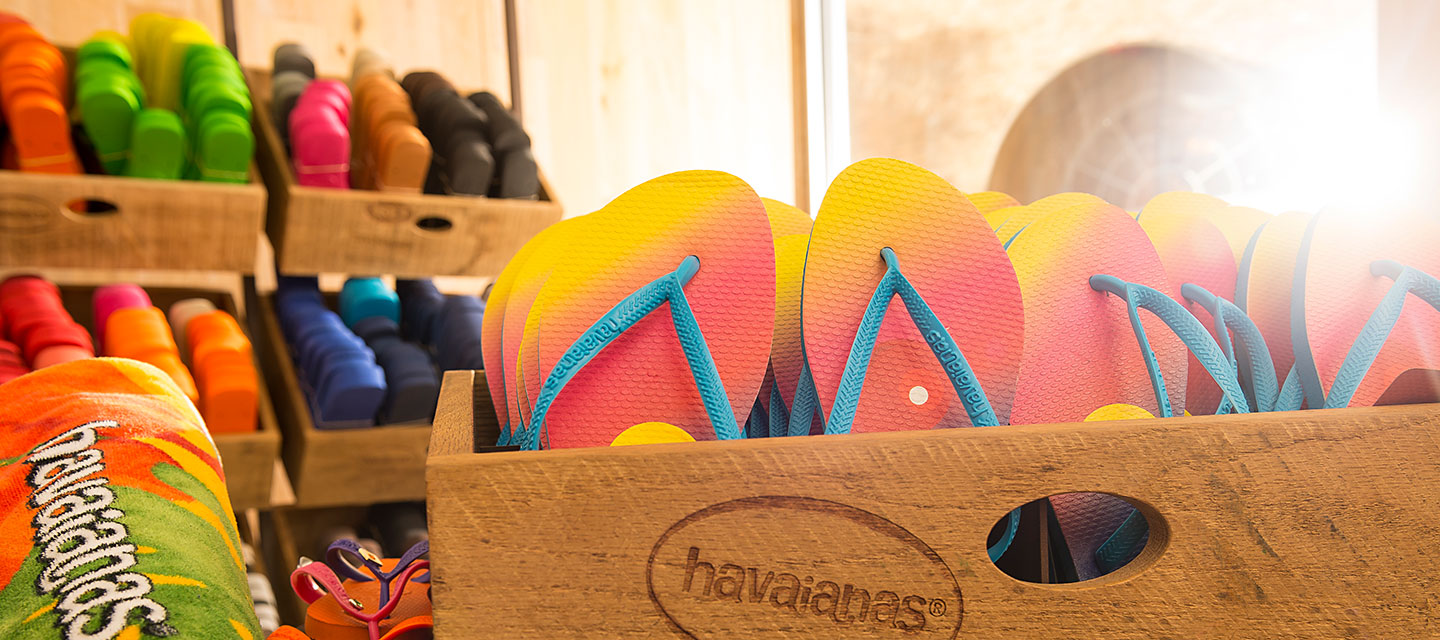
    Havaianas’ global expansion — prioritizing Europe, China, and the U.S., in addition to Brazil — remains on a strong path. The world market leader in open footwear delivered revenue growth in all regions, including distributors. Outside Brazil, net revenues in constant currency reached R$317.9 million (~US$59.2 million) in 1Q21, climbing 27% year-over-year. Volume increased 34.3% in the period to 7.9 million pairs/pieces. At 24%, EBITDA was 16 p.p. higher than a year earlier.

    On May 3, Havaianas brand owner Alpargatas announced the acquisition of technology startup company ioasys to boost the Havaianas brand growth, with global expansion, acceleration of online sales, and extension of the product portfolio as its pillars. Acquired company ioasys has a proven track record of success in end-to-end digital solutions and a strong culture centered on user experience.

    In the so-called Big Bets, or priority markets, year-over-year growth in net revenues in constant currency reached 26% in Europe, 13% in the U.S., and 736% in China in 1Q21. All these markets also saw margin gains.

    “Havaianas is stronger than ever, inspired by people in Brazil and around the world. The brand has expanded globally, accelerated online sales, and broadened its portfolio with innovation and sustainable technologies. We take pride not only in our ability to expand revenues and profits, but also to support society in the fight against the pandemic and in socio-environmental causes. We are on the right track to capture the full potential of Havaianas,” says Beto Funari, CEO of Alpargatas, owner of Havaianas, a brand that is present in more than 130 countries. The Brazilian multinational disclosed earnings on Monday, May 3.

    After a solid performance in 2020, the company had its best first quarter in a decade, delivering expanding revenues, margins, and EBITDA. Consolidated net revenues climbed 32.7% year-over-year to R$901.3 million (~US$168 million). Recurring EBITDA totaled R$158.7 million (~US$ 29.6 million), almost double the figure seen in 1Q20. Recurring net income increased 73.3% year-over-year to R$135 million (~US$25.1 million). These results supported cash generation of R$237 million (~US$44 million), and the company ended the quarter with a financial position of R$698 million (~US$130 million).

  • Coca-Cola the latest global brand to ‘Adopt a Park’ in Brazil rainforest

    Coca-Cola the latest global brand to ‘Adopt a Park’ in Brazil rainforest

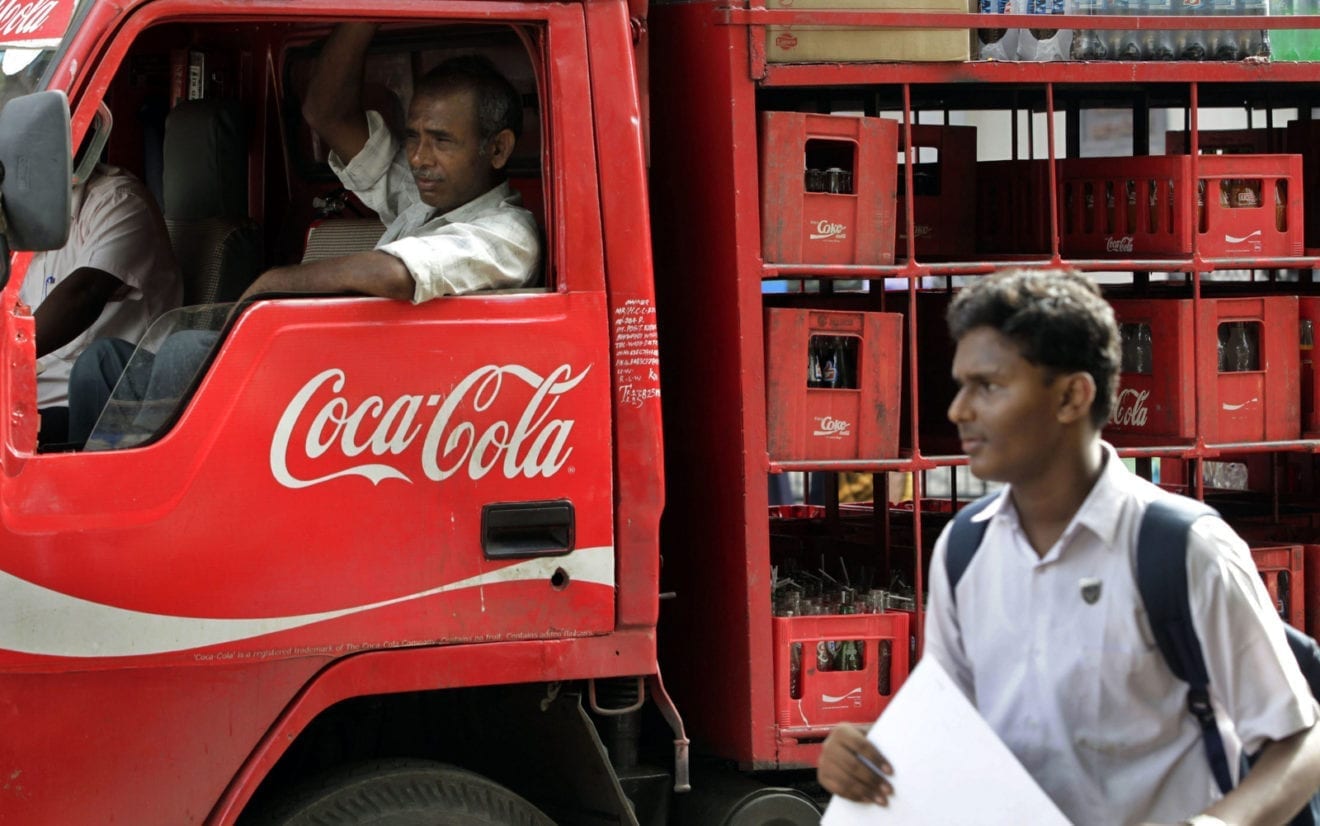
    Coca-Cola Co on Wednesday agreed to sponsor a protected reserve in the Amazon rainforest, joining beer maker Heineken and a growing list of global corporations signing up to the Brazilian government’s “Adopt a Park” program.

    Environmentalists say that the program, launched by the right-wing government of President Jair Bolsonaro this year, amounts to “greenwashing,” or a cosmetic move aimed to improve the government’s image, at a time when deforestation is soaring.

    Acting via its Brazilian subsidiary, Coca-Cola is the eighth company to join the program by adopting the Javari-Buriti Area of Relevant Ecological Interest for 658,850 reais ($122,109) for a period of one year.

    The park occupies 132 square kilometers in the remote western portion of Brazil’s Amazonas state and includes one of the densest formations of Buriti palm forest in the world.

    Heineken earlier this month pledged 466,900 reais to sponsor a 93 square kilometer Amazon reserve that is home to a traditional community of escaped slaves in Maranhao state.

    More than 11,000 square kilometers were deforested in Brazil’s Amazon in the 12-months through July 2020, an area 14 times the size of New York City, according to the latest annual data available from government space research agency Inpe.

    Environmentalists blame the surgeon Bolsonaro, who has weakened environmental enforcement agencies and called for more development in protected areas. Adopt a Park is only an attempt to improve the government’s image, they say.

    “The government should reverse the environmental dismantling … instead of this program which opens up a huge space for greenwashing and doesn’t solve the problem,” said Cristiane Mazzetti, a conservationist with advocacy group Greenpeace Brasil, in a statement.

    The Environment Ministry and parks service ICMBio did not respond to requests for comment on that criticism. The ministry said the funds would pay for infrastructure improvements and environmental conservation, without giving further details.

    Coca-Cola Brasil said adopting the park is part of its long track record of conservation in the Amazon, without responding to questions about greenwashing.

    Heineken did not immediately respond to the request for comment.

  • Shopee scales up Brazil operations, eyes Latam potential – sources

    Shopee scales up Brazil operations, eyes Latam potential – sources

    Shopee, the e-commerce arm of Southeast Asia’s SEA Ltd, is scaling up its operations in Brazil and evaluating the long-term potential of Latin American markets, according to two people with knowledge of the matter.

    Shopee, the largest e-commerce platform in Southeast Asia according to market researchers, launched a small presence in Brazil in late 2019 as a pilot initiative of its cross-border team.

    The company is now growing its presence and moving executives from Southeast Asia to Brazil said the sources who were briefed on the matter but declined to be identified as they were not authorized to speak to media.

    The Singapore-headquartered technology group’s shares surged more than 400% in 2020, taking its market capitalization to $120 billion. It raised close to $3 billion in a stock offering last month.

    On Linkedin, Shopee is currently recruiting for over three dozen positions in Brazil. Pine Kyaw, formerly country managing director for Shopee’s high-growth Vietnam unit, is listed on the job platform as having become Shopee Brazil country head. Kyaw could not be reached for comment.

    SEA Chief Corporate Office Yanjun Wang told an investor call in November that Shopee Brazil, while cross-border driven, was now being used by local sellers.

  • Samsung temporary closing its smartphone and home appliance factory in Brazil

    Samsung temporary closing its smartphone and home appliance factory in Brazil

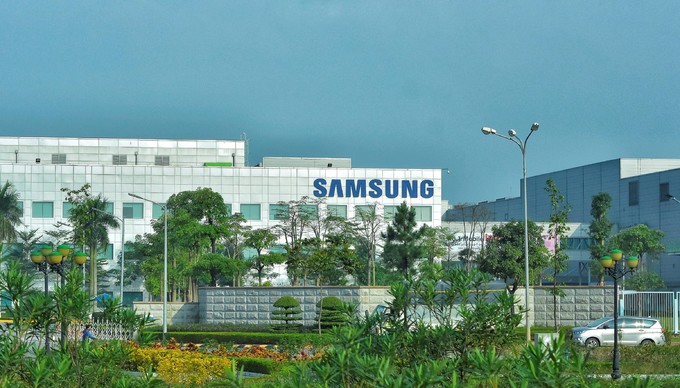
    Another factory falls victim to a global pandemic. As the coronavirus begins spreading rapidly in Latin America, Samsung has decided to shut down its factory in Manaus, Brazil. The measure is temporary and comes after the Brazilian government called out for help in containing the spread of the virus.

    Manaus is situated in the northern part of the country, and the Samsung facility near the city is producing smartphones and home appliances for the local market. The factory will remain closed until Sunday, while the other facility in Campinas, Sao Paulo state, will remain operational, at least for the moment

    There are 1960 confirmed cases of COVID-19 infections in Brazil with 24 deaths. Europe is now at the peak of the pandemic with hundreds of people dying in Italy each day. Researchers think that in countries with warmer climates the virus will slow its spread, but that won’t halt the pandemic.

    The situation in India and Latin America shows some correlation to that prediction. However, governments use the welcomed delay to apply preventive measures. Samsung already closed its biggest smartphone factory in India and it will remain closed until May 25 in response to a request from the Indian government. COVID-19 cases in the country are still under 1000, but officials expect numbers to ramp up fast in the following weeks.

  • Nespresso’s Brazil boss heads up APAC operations

    Nespresso’s Brazil boss heads up APAC operations

    Nespresso has announced Jean-Marc Dragoli, who led the company’s Brazilian operations, as general manager for Oceania.

    Dragoli is now based in Sydney and aims to build on the double-digit growth achieved in his previous role.

    “I know Australians and New Zealanders are true coffee connoisseurs and I am looking forward to working with colleagues across Oceania to offer the highest quality sustainable coffee and service to people at home, in the workplace, at hotels and fine dining establishments,” Dragoli said.

    He is taking over from former general manager Loïc Réthoré and will focus on building good customer experience and driving business innovation and sustainability efforts in Australia.

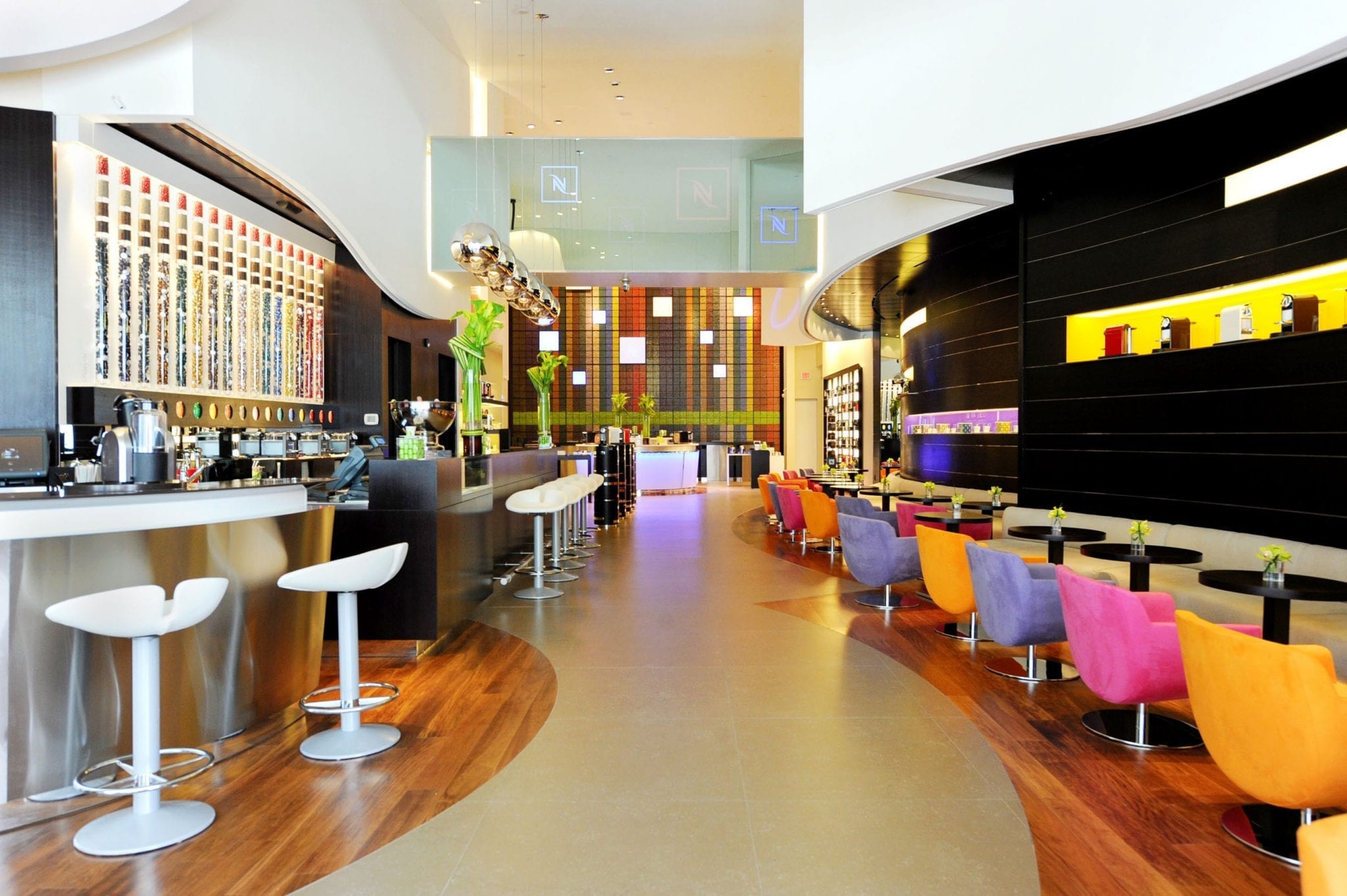
    Nespresso Oceania is known for its Vertuo coffee system; subscription services and reimagined boutiques, including the new flagship boutique on George Street in Sydney.

    “We are delighted to have Dragoli join us at a hugely exciting time for the business, as we continue to lead the way in sustainable, high-quality coffee in the region. With an excellent management team in place, we know Dragoli will build on this success in the coming months and years,” Nespresso head of APAC, Middle-East & Africa, Roland Tschanz said.

  • BMW F 850 RS Patented In Brazil

    BMW F 850 RS Patented In Brazil

    BMW Motorrad has applied for a patent for the F 850 RS in Brazil with the National Institute of Industrial Property (INP). Yes! It spawns from the company’s F 850 GS motorcycle but while the GS is an off-road biased model, the F 850 RS will be a tarmac loving sport-touring machine, somewhat similar to the BMW S 1000 XR. The F 850 RS began life as the stunning 9Cento concept which was showcased in May 2018 at the Concorso d’Eleganza Villa d’Este in Italy which had a rather sexy, head-turning design. In fact, the production version of the 9Cento concept was spied testing sometime in November 2018 and then, it was rumoured to be called the F 850 GT, but a leaked dealer brochure confirmed the name of the new motorcycle as the F 850 ₹

    The patent image shows that the overall look and design of the F 850 RS will be quite similar to the 9Cento concept. And the engine on the F 850 RS will be the same as the one on the F 850 GS, which is a 853 cc parallel-twin, liquid-cooled motor making 93 bhp of max power and 92 Nm of peak torque while being paired to a six-speed gearbox. Expect the engine to be tuned differently for on-road touring. Also, the RS could be wearing thicker on-road rubber with alloys instead of spoked rims and dual-purpose tyres that the F 850 GS is shod with. We expect the BMW F 850 RS to be unveiled at the 2019 EICMA Motorcycle Show in November this year. Once it is internationally launched, we expect BMW Motorrad to eventually bring the F 850 RS to India sometime later in 2020 as well.

  • Brazil feels pain of US steel tariffs

    Brazil feels pain of US steel tariffs

    Brazilian iron and steel shares took a hit Friday, as markets weighed a potential trade war in response to Washington’s decision to impose hefty tariffs on foreign steel and aluminum.

    Brazil is the second biggest steel exporter to the United States after Canada — and the government is deeply worried about US President Donald Trump’s imposition of 25% tariffs on steel and 10% on aluminum.

    Foreign minister Aloysio Nunes and foreign trade minister Marcos Jorge shot back with a statement Thursday warning that Brazil “will resort to all necessary steps … to protect its rights and interests.”

    Nunes said Brazil was “greatly concerned” by the measure which would “bring severe damage to Brazilian exports and have a negative impact on the flow of bilateral trade.”

    On the Sao Paulo stock exchange Friday, Vale was down 1.33% in late-morning trading, Gerdau was down 1.72% and Usiminas 1.8%. Shares had already taken hefty hits the previous day after Trump’s announcement.

    US NAFTA partners Canada and Mexico are being exempted from Trump’s tariffs, but Brazil will be left wide open to the measures. Brazilian steel accounts for nearly 14% of US steel imports by volume, the US commerce department says.

    The US market accounted for 32.9% of all Brazil’s steel exports last year, the Brazilian government says.

    Blowback

    Brazil’s National Confederation of Industry (CNI) has gone further, blasting Washington’s “unjust, illegal” move which it says will cost Brazil some US$3 billion a year in lost steel exports and US$144 million in aluminum trade losses.

    Diego Bonomo from the CNI says the United States will get blowback because Brazil is the main importer of US carbon steel. Also, 80% of Brazilian steel exports to the United States are semi-finished products used by US industry, then sold on.

    Trump’s tariffs, due to take effect in 15 days, “will have two negative effects: first on exports of Brazilian steel to the North American market and secondly on US exports to Brazil,” Bonomo said.

    The fact that Brazil’s exporter rivals Canada and Mexico will not be under the same tariffs will further hurt Brazilian competitiveness, said Jose Augusto Coelho Fernandes, policy director at the CNI.

    “Brazilian industry regards this measure of President Trump with great worry. Firstly, since he excluded the NAFTA countries from the initial impact, it leaves Brazil as the most-affected country,” he said.

    “If Brazil doesn’t manage to get an exemption it will certainly file a formal complaint at the WTO along with the European Union and China,” Risk Brief consultancy said in a note to clients.

  • Brazilian Flip Flops Brand Enters Suzhou Jiuguang

    Brazilian Flip Flops Brand Enters Suzhou Jiuguang

    Brazil’s well-known flip flops brand Ipanema opened a new store in Jiuguang Department Store, Suzhou, which is reportedly Ipanema’s seventh store in the city.

    Established in 2001, Ipanema provides four major series of products, including women’s products, men’s products, children’s products, and brand-partnered products; and its product lines cover flip flops, sandals, and slippers.

    The company started expanding into international markets in 2003 and over the following ten years, Ipanema became a popular high-end sandals brand in over 90 countries with its unique designs and comfortable products.

    Ipanema’s sandals are mainly made from PVC materials and processed with a special soft rubber compound technology.

    At the same time, 99% of its materials are claimed to be recyclable, which meets the environmental standard of developed countries. The brand will launch new products each season and about 400 new products are available annually.

    Ipanema’s manufacturer is the large sandals maker Grendene. Grendene was founded in Farroupilha in 1971 and it currently has 13 large factories and over 30,000 employees.

    The company is a large group enterprise which integrates material production, abrasives development, design, and brand management.

    At present, Ipanema products are well received in countries like United States, France, Italy, Spain, the Netherlands, Portugal, India, Germany, Ireland, Switzerland, the United Kingdom, Paraguay, and Mexico.