Tag: brazil

  • Chinese supermarkets pull Brazil meat from shelves as food safety fears grow

    Chinese supermarkets pull Brazil meat from shelves as food safety fears grow

    Some of China’s largest food suppliers have pulled Brazilian beef and poultry from their shelves in the first concrete sign that a deepening scandal over Brazil’s meat processing industry is hitting business in its top export market.

    The moves by Sun Art Retail Group, China’s biggest hypermarket chain, and the Chinese arms of global retail giants Wal-Mart Stores and Metro AG come days after China temporarily suspended Brazilian meat imports. Safety fears over Brazilian meat have grown since police accused inspectors in the world’s biggest exporter of beef and poultry of taking bribes to allow sales of rotten and salmonella-tainted meats.

    A spokeswoman for Sun Art Retail, which operates 400 Chinese hypermarkets, said on Wednesday the chain had removed beef supplied by top Brazilian exporters BRF SA and JBS SA from its shelves from Monday. Brazilian beef accounts for less than 10% of Sun Art’s beef supply, she said. Wal-Mart has also removed Brazilian meat products from its stores, a person familiar with the matter said. He declined to be quoted because of the sensitivity of the matter.

    Germany’s Metro has withdrawn Brazilian chicken legs and wings from its Chinese stores, said a manager, who declined to be named as he was not allowed to speak to media. The retailer, with 84 stores in China, does not sell Brazilian beef. JD.com, one of China’s biggest online retailers, said in an emailed statement it had also removed all listings for imported Brazilian meat and is reviewing orders in process.

    While Brazilian officials sought late on Tuesday to reassure consumers that the investigation had revealed only isolated incidents of sanitary problems, the reaction by Chinese retailers suggests that the probe could have far-reaching repercussions for the world’s top meat exporter. Chinese consumers appeared largely unconcerned or unaware of the scandal in Brazil, with few people commenting on the issue on the country’s vibrant social media networks.

    But the country has been hit by its own safety scandals in the past, making retailers sensitive to any potential risks.

    “We removed the product already on March 20,” said Sun Art’s spokeswoman, noting it was ahead of the Chinese government’s first official comment on the issue. Brazil is the top supplier of beef to China, accounting for about 31 percent of its imports in the first half of 2016. Much of it is used in canteens and foodservice and branded Brazilian beef is less prominent in supermarkets than Australian beef.

    Importers are expected to wait a few more days before seeking out alternative supplies, which will likely be more costly than Brazil’s. “It’s a 45-day lead-time to get any product here. What if they lift the ban by the end of the week?” said an industry source who declined to be identified. Hong Kong, the second-biggest buyer of Brazilian meat in 2016, has also issued a ban on imports, following similar steps by Japan, Canada, Mexico and Switzerland.

    Major Hong Kong supermarket chain PARKnSHOP said it had removed Brazilian pork, beef and chicken from shelves. “To cater for the needs of customers, we will increase the supply of meat and poultry products from other countries,” it said in a statement, without elaborating.

  • Vietnam tables Brazilian meat imports

    Vietnam tables Brazilian meat imports

    Vietnam is considering whether to ban imports of livestock and poultry products from Brazil as the Latin American country investigates the quality of its meat exports.

    The animal health department said on Wednesday meat imports from Brazil have been low so far this year, but it has asked the agriculture ministry to halt imports if any low-quality products are found.

    Following a two-year investigation, Brazil’s federal police last week accused more than 100 people, mostly health inspectors, of taking bribes and allowing the sale of rancid products, falsifying export documents and failing to inspect meat packing plants, as reported. Brazil is the world’s top producer of beef and poultry.

    BRF and JBS, the world’s biggest meat producers, are among dozens of firms targeted in the police investigation into what would be the biggest scandal to hit Brazil’s agricultural sector. Both companies have denied any wrongdoing.

    The trade office at the Vietnamese Embassy in Brazil has called on agencies in Vietnam to tighten inspections of livestock and poultry products from Brazil.

    Hong Kong, Japan, Canada, Mexico and Switzerland all announced partial or all-out bans on Brazilian meat imports on Tuesday, following steps taken a day earlier by China, the European Union, South Korea and Chile, Reuters reported.

    But South Korea said on Tuesday it will lift the ban on poultry imports from BRF, the world’s largest exporter of the meat.

    Vietnam has imported around 3,000 tons of meat and meat products from Brazil so far this year, the animal health department said.

    “The amount is very small compared to the 6 million tons that Brazil exports every year to countries around the world,” said an official from the department.

    Brazil, recognized by the World Organization for Animal Health for doing a good job in controlling animal diseases, exports livestock and poultry products to 150 markets around the world.

    Last year, it took the lead in beef and chicken exports with outbound sales of the two products hitting 1.8 million tons and 4 million tons, respectively. Its major buyers are the E.U., Russia, Japan, China and Singapore.

    Two-way trade between Vietnam and Brazil stood at $2.29 billion in the first nine months of last year, down 15.7 percent against the same period in 2015, with Vietnam’s imports totaling $1.35 billion, Vietnam Customs data showed.

  • Brazil Challenges Indonesia`s Halal Certification Policy

    Brazil Challenges Indonesia`s Halal Certification Policy

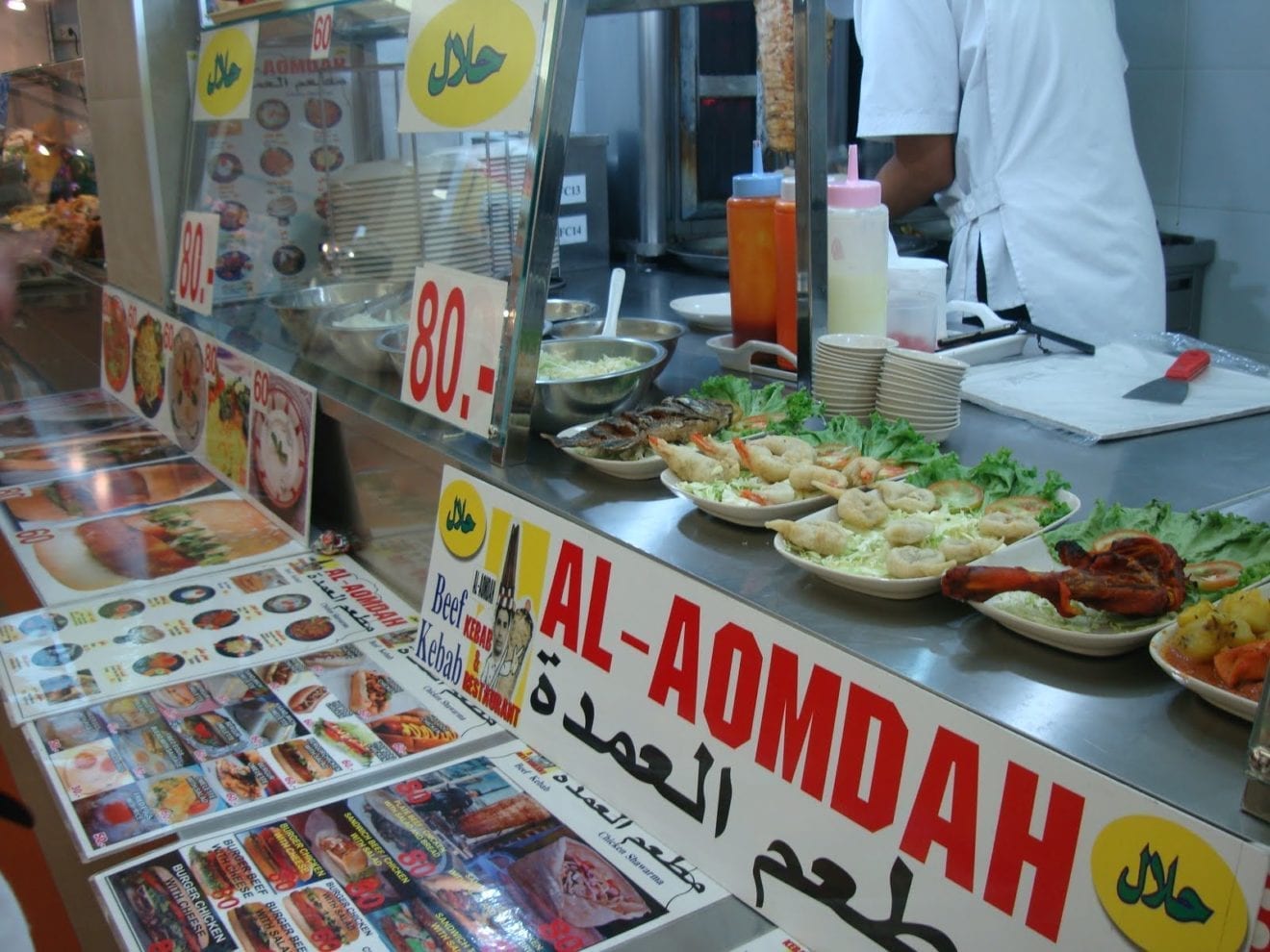
    Brazil has filed a complaint against Indonesia to the World Trade Organization (WTO), challenging Indonesia’s halal certification requirements for imported meat.

    The trade dispute has been registered in Indonesia-Measures Concerning the Importation of Chicken Meat and Chicken Products No. DS:484. The second substantive meeting was held on October 11-12 at the headquarters of the WTO in Geneva, Switzerland.

    Ahmad Firdaus Sukmono, head of Trade Advocacy Bureau, the Trade Ministry, said that the policy is implemented as part of the government’s consumer protection efforts. “The dispute is focused on Indonesia’s rights to ensure compliance with food safety and halal requirements,” he said on Friday.

    Brazil has also lodged claims against Indonesia for its import restrictions, namely the positive list, usage requirements, transportation modes in import and suspension of sanitation requirement approval. Brazil claims that such policies have hampered Brazil’s export to Indonesia.

    Being the world’s largest chicken exporter, Brazil sees that the access to Indonesian market has been shut down in the past seven years. Because Indonesia only allows exported halal whole chickens which are slaughtered individually in henhouses. “We suspect that Brazil has yet to implement it,” Firdaus said.

    Firdaus said Indonesia has responded to Brazil’s claims. “Indonesia has been very transparent in import regulations and requirements.”

    Malaysia had also filed complaints about the difficulty in obtaining halal certification in Indonesia even though Malaysia has got its products halal certified by Jabatan Kemajuan Islam Malaysia, according to Malaysia’s International Trade and Industry Minister Dato’ Sri Mustapa Mohamed. However, Indonesia requires imported products to be halal certified by the Indonesian Ulema Council.

  • Brazilian On-line Consumers Are Enamored with AliExpress

    Brazilian On-line Consumers Are Enamored with AliExpress

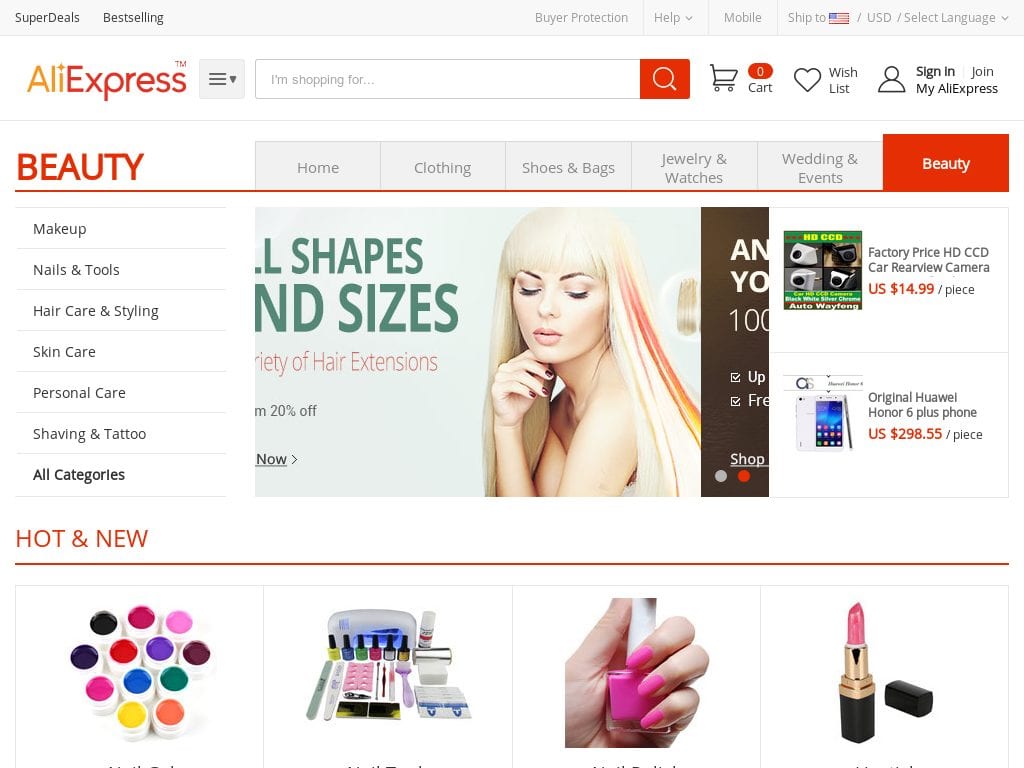
    Enterprise is booming in Brazil for Alibaba’s AliExpress.

    Regardless of the language barrier, lengthy delivery occasions, and cost inconveniences, increasingly Brazilians have been drawn to AliExpress because of the excessive value of many gadgets in Brazil. Even with import duties, which is greater than 60 %, many merchandise, together with garments and baggage, are cheaper on AliExpress by as much as two-thirds, in response to China Day by day.

    “AliExpress is now my favourite abroad buying web site as a result of it presents higher costs and extra choices,” stated Amanda Bernardo, who boasts over a million views on her on-line buying movies, through which she lately featured gadgets purchased from AliExpress.

    Bruno Calheiros, an exhibition designer who makes a middle-class revenue of $2,540 per thirty days, prefers to buy on-line over going to modern malls.

    “I used to purchase garments, home equipment and health gear from Ebay and Amazon, however extra so from AliExpress since I attempted it. I simply like it,” stated Calheiros. He added that he has beneficial AliExpress to lots of his acquaintances.

    On final yr’s Singles Day sale on November 11th, Brazilian spending on Alibaba’s web sites was second solely to that of the Russians.

    Current findings from analysis agency E-Bit revealed that middle-class Brazilians accounted for 62 % of internet buyers from the nation in 2014. Final yr, Brazilian internet buyers totaled 51.5 million individuals, together with 10.2 million individuals who shopped on-line for the primary time. The variety of on-line orders is predicted to rise 19 % to 123 million orders in 2015.

    Spending by Brazilian internet buyers rose 24 % final yr to $11.three billion, and analysis agency eMarketer predicts that it might attain $26.17 billion in 2018.

    In quantity, Chinese language companies accounted for 55 % of all Brazilian on-line purchasing for a complete of $2.1 billion final yr, in accordance with E-Bit.

  • Alibaba eyes Latin American enterprise

    Alibaba eyes Latin American enterprise

    Alibaba is enthusiastic about doing enterprise in Latin America, notably in Mexico, Brazil and Argentina, the e-commerce firm stated in Mexico Metropolis over the weekend.

    Chinese language shoppers are keen to acquire Latin American merchandise, particularly recent produce corresponding to Mexico’s avocado, stated Sherri Wu, head of Alibaba’s Worldwide E-commerce Enterprise Improvement for the Americas.

    “Proper now individuals love this meals. Final month, we bought over 10,000 orders (of avocado) via our channels, and we might like to have extra to supply to our clients,” stated Wu.

    Because the finish of 2014, Alibaba has been promoting avocados by way of its Tmall platform.

    “We noticed that avocado was an enormous success in 2014,” stated Wu.

    Chilean cherries and Argentine prawns have additionally loved an analogous success by way of the platform, added Wu.

    The necessity for “unique” foodstuff in China comes from a rising center class, that are extra serious about high quality items from overseas.