Tag: bread

  • Bread Ahead Bakes Up Asian Expansion: Launches First Store in Bangkok with Exclusive Doughnut Delights

    Bread Ahead Bakes Up Asian Expansion: Launches First Store in Bangkok with Exclusive Doughnut Delights

    UK-based bakery company, Bread Ahead, has initiated its Asian expansion strategy with the inauguration of its first outlet in Thailand, located in Siam Paragon, on May 30. This marks a significant milestone for the brand as it looks to expand its footprint in the region.

    The Bangkok store, a result of a collaboration with Passion Restaurant Group, represents the first step of the brand’s comprehensive growth plan in this region. The company has revealed plans to inaugurate six more stores in the coming 12 months.

    Introducing the ‘Hot Doughnut Theatre’

    The new store, situated on the ground floor in Gourmet Eats, will showcase Bread Ahead’s innovative ‘Hot Doughnut Theatre’ concept to Thai consumers. This unique approach offers customers the experience of watching their doughnuts being freshly made, filled, and finished live throughout the day.

    The menu primarily features Bread Ahead’s distinctive doughnut range, with a particular emphasis on two flavours which will be exclusive to the Thai market: Matcha & White Chocolate and Hojicha & Dark Chocolate.

    According to Bread Ahead’s founder, Matthew Jones, “Bangkok is an incredibly vibrant city known for its food, creativity, and hospitality. Siam Paragon is the perfect location for our first Asian bakery. This is an enormous moment for us as we open in Asia for the first time. It feels like the beginning of a very unique journey. We are proud to introduce Bread Ahead to Bangkok first, and we consider this as the initiation of a much grander journey – with Thailand leading the way as we continue our expansion across Asia. This is an incredibly exciting time for the brand, and we are eagerly looking forward to what the future holds.”

    Successful Growth Story

    Bread Ahead, established in 2013, has emerged as one of the most distinguished brands in the UK, boasting six bakery outlets across London. The brand also disclosed ambitions last year to extend its presence to the Philippines.

    Questions & Answers

    What is the ‘Hot Doughnut Theatre’ concept?
    The ‘Hot Doughnut Theatre’ is a unique approach by Bread Ahead where customers can watch their doughnuts being freshly made, filled, and finished live throughout the day.

    What flavours will be exclusive to the Thai market?
    Bread Ahead’s Thai menu will feature two exclusive doughnut flavours – Matcha & White Chocolate and Hojicha & Dark Chocolate.

    What are Bread Ahead’s expansion plans in Asia?
    Bread Ahead has kicked off its Asian expansion with the launch of its first store in Thailand. The brand plans to open six more outlets in the region over the next 12 months and has also shown interest in the Philippines.

  • Budget bakery boom as Koreans turn to convenience store bread

    Budget bakery boom as Koreans turn to convenience store bread

    In response to escalating prices in bakery franchises, that can exceed 10,000 won for just a few items, South Korean consumers are progressively seeking out more affordable private label (PB) bread. These are readily available in convenience stores and large retailers. As a consequence, the rise in sales of PB bread has prompted industry insiders to refer to the phenomenon as a ‘budget bakery boom’.

    The Surge of Private Label Bread

    Major convenience store chains report that PB bread now constitutes over 20 percent of all bakery sales. The market share of CU’s PB products has more than doubled from 9.4 percent in 2023 to 21 percent between January and September 2025. Similarly, GS25 experienced a rise from 21.1 percent to 24.9 percent, and 7-Eleven increased its PB ratio from 15 to 20 percent within the same timeframe.

    Due to this growing trend, retailers have been quick to introduce new in-house bakery brands. CU’s ‘Bakehouse 405’ launched in August 2023 and currently offers around 30 products. GS25 operates two PB lines, ‘Breadyque’ and ‘Seongsu’, which were launched in 2021 and 2024 respectively. These lines have sold 70 million and 3 million units to date. The ‘Seven Select’ range offered by 7-Eleven features approximately 40 varieties, and Emart24’s ‘Bakery of the Day’ (BOTD) was introduced in June with an initial selection of seven products.

    Price Versus Quality

    The primary attraction for consumers is the price tag. Items from CU’s Bakehouse 405, such as a sweet pastry, are priced at just 1600 won. Similarly, GS25’s bun is priced at 2100 won, and 7-Eleven’s honey hotteok is a mere 1500 won. Even on the higher end of the price scale, Emart24’s apple pie retails for 2400 won, which is less than a third of the price of similar pastries in high-end bakeries.

    In addition to the cost savings, the stores have also expanded their product ranges. Their selections now include a wide variety of items such as bagels, cream buns, baguettes, roll cakes, and even pizza rolls. Retailers stress that PB bread is not only affordable, but also of high quality. This is attributed to their partnerships with small manufacturers, which help to cut out middleman costs and marketing expenses.

    Supermarkets Join the Trend

    Large supermarkets are also following the trend. Homeplus runs ‘Mont Blagé’ bakery corners in over 120 stores nationally, offering traditional red bean, custard, and soboro buns for around 2000 won each. Lotte Mart’s ‘Poongmiso’, which was launched in 2022, is also growing its reach. Meanwhile, Emart has been selling imported ready-made cakes and dough under its ‘No Brand’ and ‘Peacock’ ranges since 2024, highlighting the advantages of affordability and convenience.

    Industry pundits believe that the popularity of PB bread highlights a shift in consumer thinking, driven by continuous inflation. Consumers are prioritising practicality and taste over brand prestige.

    Questions & Answers

    What is causing the ‘budget bakery boom’ in South Korea?
    The ‘budget bakery boom’ is due to rising prices in bakery franchises, prompting South Korean consumers to seek out more affordable private label bread from convenience stores and large retailers.

    How is the industry responding to the increased demand for private label bread?
    The industry is responding by introducing new in-house bakery brands. These brands offer a wide variety of products at a fraction of the cost of high-end bakeries.

    What are the advantages of buying private label bread?
    The main advantages of buying private label bread are affordability and quality. These breads are more inexpensive due to partnerships with small manufacturers that reduce costs. The quality of the bread also remains high, providing consumers with a cost-effective alternative to higher-priced branded products.

  • Coles launches low-carb bread

    Coles launches low-carb bread

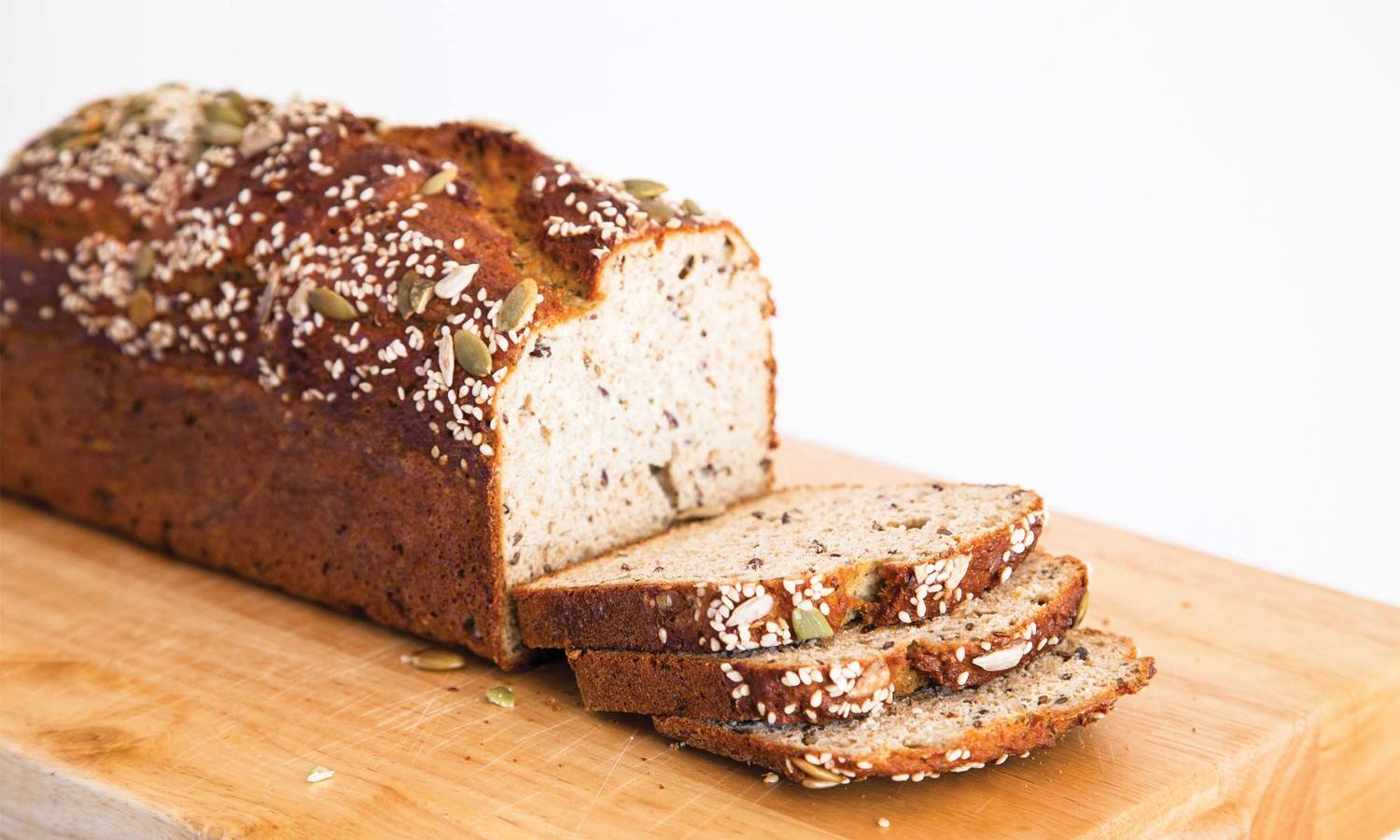
    Coles has launched a new range of low-carb bread after the demand for calorie-conscious bread surged this year. Priced at $4.80 a loaf, Coles 85 percent Lower Carb Loaf contains 21 grams of protein and 8.5 grams of fiber per serve, as well as being vegan-friendly and low in sugar.

    While it only launched in Coles supermarkets a fortnight ago it’s already gone on to become its third best-selling line in the “health bread” category.

    The multigrain loaf has got 85 percent fewer carbs than a traditional multigrain sandwich loaf and was given the tick of approval by Brisbane dietitian Leanne Ward. The bread has proved very popular with customers. Picture: Supplied.

    In a TikTok, which was sponsored by Coles, Leanne said it was “my favorite new high protein bread” and a “great option for those needing/wanting low carb and more protein and fibre”.

    As well as the Coles 85 percent Lower Carb Loaf, the supermarket has also launched a Coles Gluten Free Premiun White Loaf and Herman Brot Complete Protein Loaf exclusive to the supermarket chain.

    Demand for these “health bread” varieties has already grown by 40 percent since they were introduced.

    Coles general manager for bakery Andy Mossop said the new bread was part of the supermarket’s mission to provide new healthy options to customers.

    “At Coles, we want to sustainably feed all Australians to help them lead healthier, happier lives, and our Bakery team is constantly looking at ways we can expand our offering to cater to increasingly health-conscious Australians who are seeking healthier alternatives across the supermarket aisles,” he said.

    Brisbane dietitian Leanne Ward raved about the new bread on TikTok. Picture: TikTok/Leanne Ward.

    “Bread is a household staple and we sell more than 400 million Coles Bakery loaves and rolls from the in-store bakery each year.

    “We’ve worked hard to satisfy the increasing demand for healthier bakery products, offering a great tasting, nutritious and wholesome bread range.

    “Shoppers can feel confident they are not compromising on taste, value or convenience with these new options.”

    Earlier this year Coles announced it had reduced the salt content of its in-store bakery loaves and rolls by up to 25 percent.

    The supermarket also went viral back in July when one shopper spotted Coles was now selling white bread with 50 percent fewer carbs in its bakery section.

    TikTok user Jasmine Templin posted a video revealing how the bread had half the normal carbs and higher protein than a standard loaf of white bread, labeling it an “insane” find for those watching their caloric intake.

  • Paris Baguette enters Cambodia

    Paris Baguette enters Cambodia

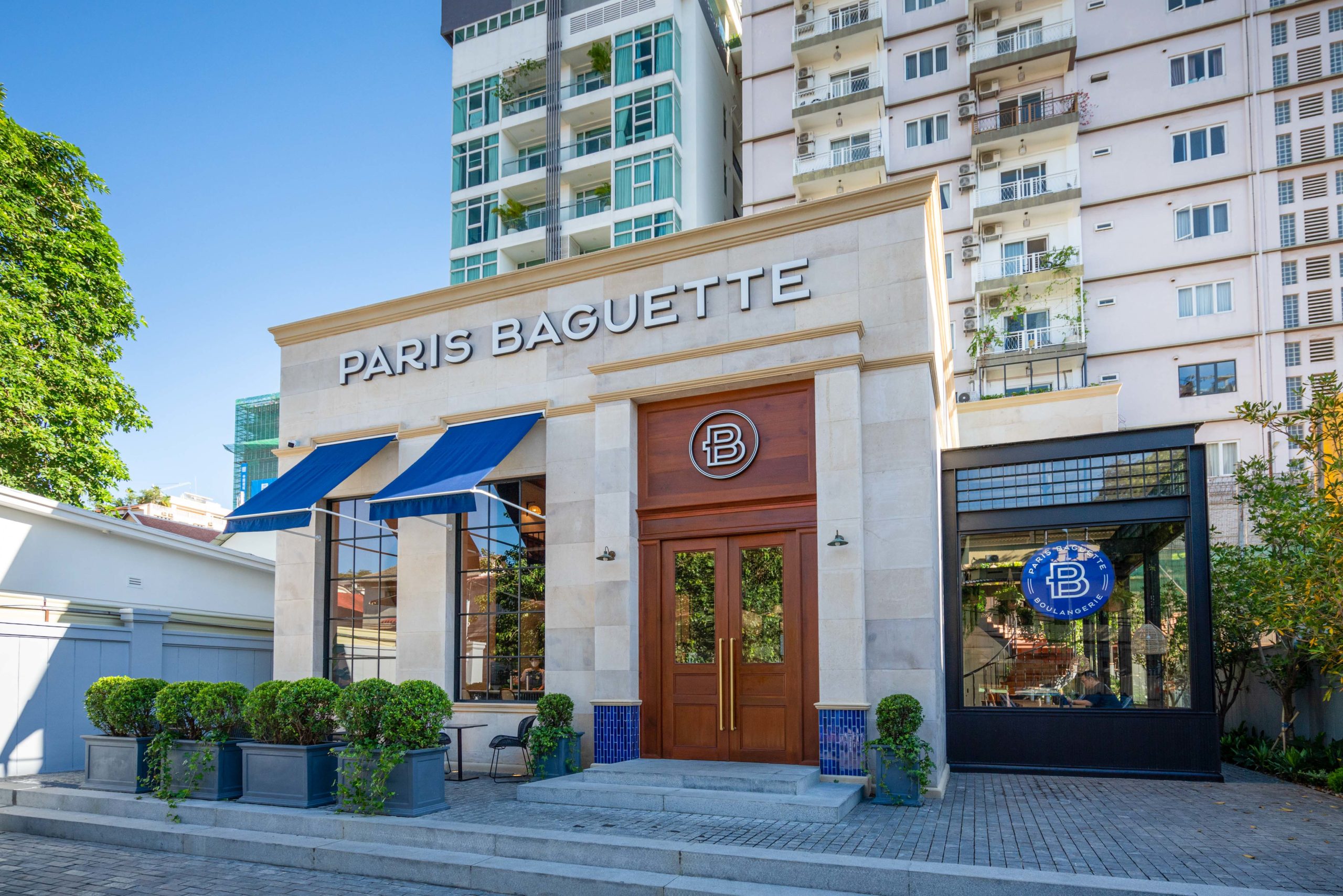
    SPC Group is launching the Paris Baguette bakery franchise in Cambodia, opening the first branch in the country‘s capital city, the company said Wednesday.

    According to SPC Group, the Korean firm behind bakery brand Paris Baguette, it forged ties with Cambodia’s HSC Group to open the first Paris Baguette store in Phnom Penh.

    Cambodia is the sixth country in which Paris Baguette has launched, and it is the first time the bakery operator has formed a joint venture for its overseas business, SPC Group said.

    For the business partnership, Paris Baguette’s affiliate in Singapore established a joint venture, dubbed H.SPC, with HSC Food&Beverages, an affiliate of the Cambodian conglomerate, SPC Group said.

    With the launch of Paris Baguette in Cambodia, SPC Group aims to penetrate into the Southeast Asian market.

    “SPC Group is committed to expanding business in Southeast Asia,” an SPC Group official said.

    “We recently met with a Malaysian senior minister to discuss establishing a halal-certified food factory there, and we are reviewing plans to tap into Indonesia, which has the biggest market in the region. We also plan to enter the Middle East market in the future.”

    The first Paris Baguette store in Cambodia is located in the central area of Boeung Keng Kang in the capital city, occupying the entire space of a three-story building.

    SPC Group operates about 430 Paris Baguette stores overseas in six countries — China, the United States, France, Vietnam, Singapore and Cambodia.

  • Subway Australia launches 24-seven trading

    Subway Australia launches 24-seven trading

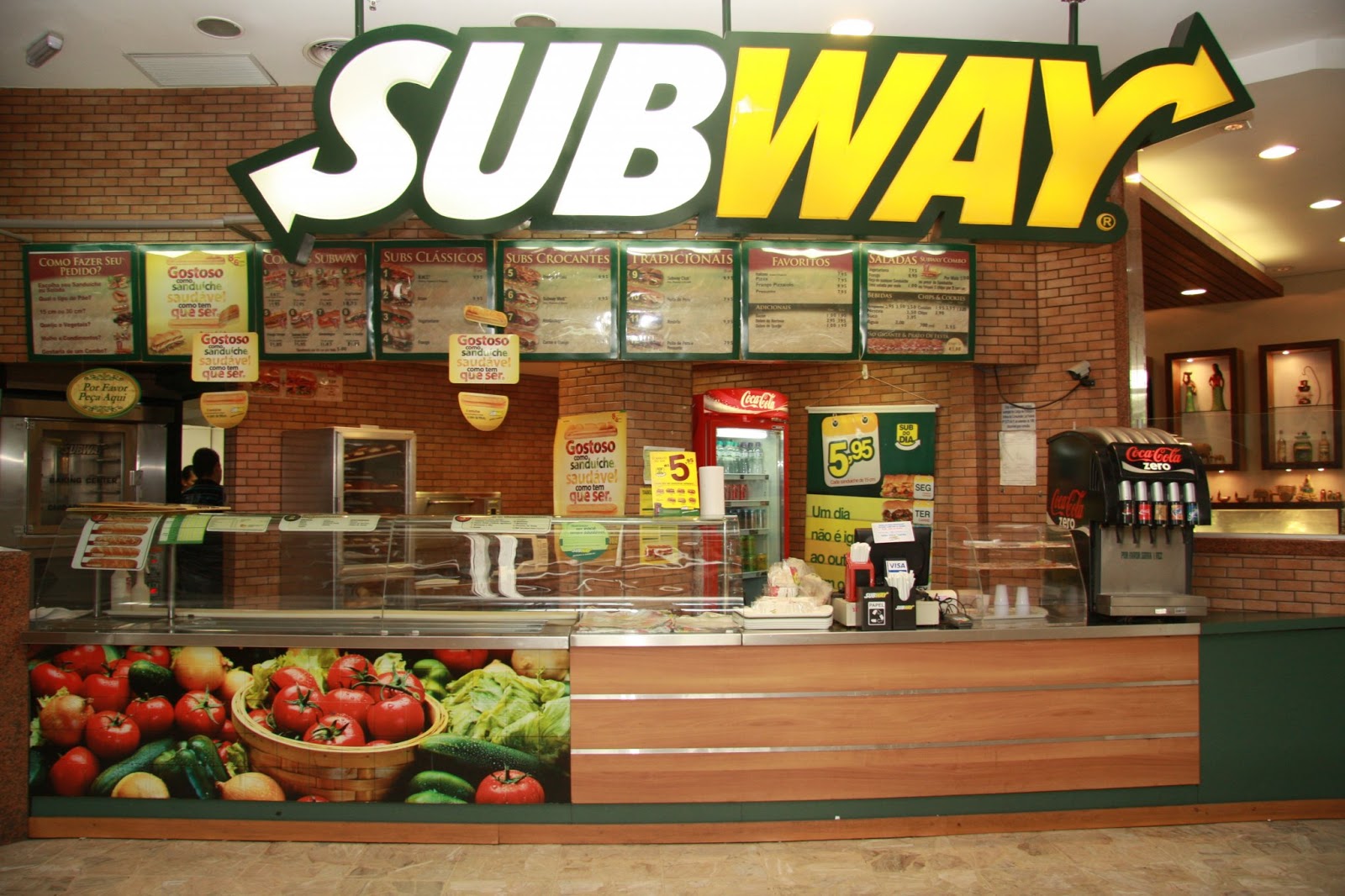
    Fast-food chain Subway Australia has unveiled a 24 hours express pick-up service in Bald Hills, Brisbane, ahead of a broader national rollout.

    Customers can order their foods via the app or using a third-party provider and collect their purchases at an express pick-up window.

    “Over the past year, through Covid we have seen a change in the way people are eating Subway,” said Subway country director Geoff Cockerill.

    “More people are ordering through third-party delivery providers than ever before – and more people are choosing to place express-pick-up orders. With shift workers, more remote working, and added delivery options, Subway is proving a popular choice for late night and early morning orders.”

    After testing it at the Bald Hills store, Subway will roll out more 24-hour pick-up windows across Australia.

  • BreadTalk launches cafe chain concept, Butter Bean

    BreadTalk launches cafe chain concept, Butter Bean

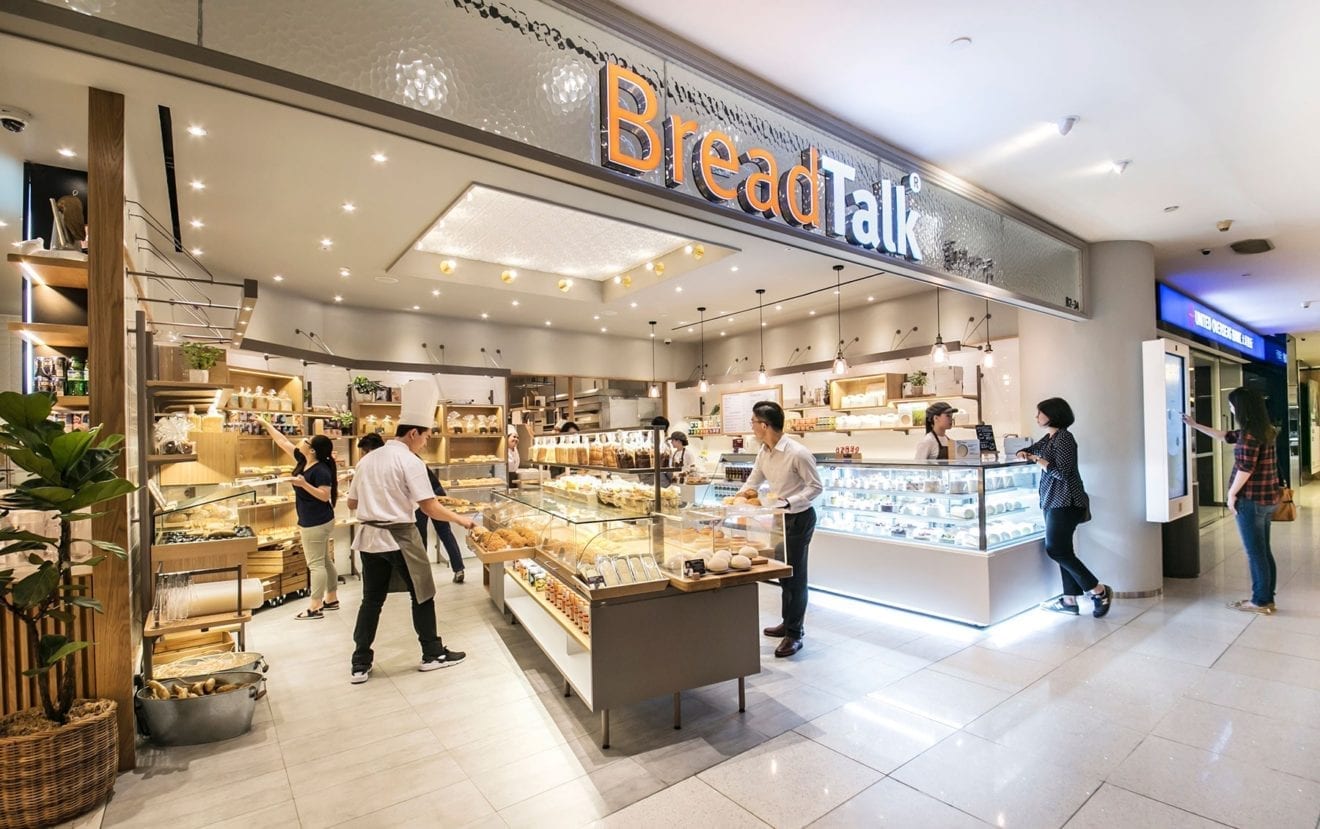
    BreadTalk is launching a cafe chain concept called Butter Bean in Singapore, with the first outlet opening at Funan Mall.

    Centred around the traditional Singaporean Nanyang coffee concept, Butter Bean offers a menu of coffee-based beverages and reimagined Singaporean dishes made without pork or lard, including toasts, baked goods, mains, and sandwiches.

    “We aim to present traditional Nanyang Coffee in an engaging manner that appeals to the younger generation’s evolving lifestyle,” said Vincent Lim, regional GM at BreadTalk Group. “Our outlets are also designed as a social space centered on good vibes, conversations and connection.”

    The Butter Bean at Funan Mall houses 45 seats and features yellow and marble interiors together with a ‘Cherry to Cup’ wall mural designed by 8EyedSpud. The store also offers contactless service where customers can order and pay by scanning a QR code.

    The first new Butter Bean opens this Friday (August 28), followed by a second store at Vivo City next month.

    According to Singapore blog Hook Coffee, Nanyang coffee, usually served at Kopitiams, is traditionally viewed as a cheaper variety of coffee beans because when the coffee scene took off, not everyone had money to buy ‘the good stuff’. People would add palm oil, butter, margarine and/or sugar into the coffee to enhance the flavor.

  • BreadTalk delisted after privatisation plan finalized

    BreadTalk delisted after privatisation plan finalized

    Singaporean bakery and restaurant operator BreadTalk is to be delisted from the Singapore stock exchange tomorrow (June 5) following its mandatory acquisition by BTG Holding.

    The firm applied to delist from the exchange following the suspension of trading on April 21. The new owning entity is owned by BreadTalk’s founder George Quek and his wife, along with Thai food & hospitality firm Minor International.

    The group’s stakeholders offered to acquire all the ordinary shares in the firm and delist the company in February. At the time, Minor and Quek said they planned to undertake a review of the business following its delisting with a view to streamlining business activities, refocusing on and strengthening core business activities and exploring the potential disposal of non-core property assets.

    BreadTalk filed losses of US$4.1 million last year and was struggling financially long before the advent of the coronavirus pandemic, which worsened matters.

    The firm’s business “remains challenging across key markets, including Singapore, China and Hong Kong,” according to official filings submitted by the firm.

  • BreadTalk Group to be privatised by founder and Minor International

    BreadTalk Group to be privatised by founder and Minor International

    A small group of key Breadtalk Group stakeholders, including founder and chairman Dr George Quek, have offered to acquire all the ordinary shares in the firm and delist the company.

    The group, including Quek’s wife Katherine Lee and existing shareholder Minor International, has formed a new company BTG Holding Company which aims to buy all the shares in Singapore-listed BreadTalk which has just posted a US$3.7 million loss for the year.

    Minor International is a Thai-based multinational food & beverage and hotel operator, whose food businesses include The Coffee Club, Sizzler, Dairy Queen and franchises in some markets for Bonchon and Burger King.

    The new company will be 74.9-per-cent owned by Dr Quek and related parties and 25.1-per-cent owned by Minor.

    Mint and Quek say they plan to undertake a review of the business following its delisting with a view to streamlining such business activities, refocus on and strengthen core business activities and explore the potential disposal of non-core property assets.

    Poor performances in China and Thailand have been implicated in the firm’s losses, as has the effect of social unrest on its businesses in Hong Kong. The current coronavirus outbreak is expected to continue to affect operations going forward.

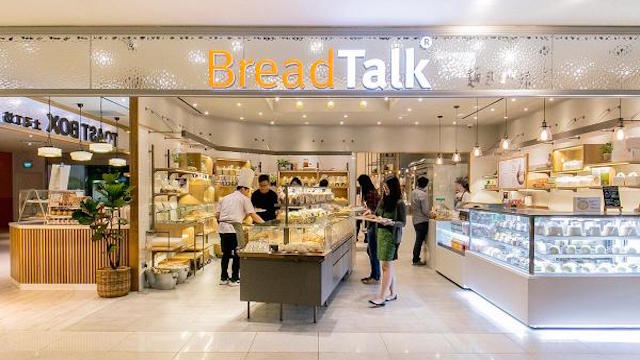
    BreadTalk Group operates established food brands, including BreadTalk, Toast Box, Food Republic and Din Tai Fung, together numbering more than 1000 outlets.

    “I believe in the growth potential of the BreadTalk brands, building on today’s solid network of outlets and underpinned by Asia’s continued rise in household income,” said Quek.

    Group CEO of Minor International, Dillip Rajakarier,  said hsi company has invested in BreadTalk Group since 2012 because it believes in the brands and the company’s potential. “Today, we are delighted to further strengthen our partnership with Dr George Quek. With BreadTalk Group’s strong brand recognition, market knowledge of Singapore and China and expertise in the food industry, we have a strong growth platform.”

    The offer is being made under expectations that privatization will allow greater flexibility, as well as ease of management, with significant funding saved on maintenance costs involved with remaining a listed firm. It will only go ahead if acceptances are received for 90 percent of the shares by the time the offer closes, but given Quek and Minor between them currently hold 70.5 percent of the shares, acceptance would seem to be a formality.

  • Macau chain Koi Kei Bakery shuts stores as tourists stay away

    Macau chain Koi Kei Bakery shuts stores as tourists stay away

    Macau souvenir bakery Koi Kei Bakery, known for its peanut brittle and almond biscuits, will be closing its Hong Kong branches in Tsim Tsa Tsui, Causeway Bay and Mong Kok this Saturday, leaving the airport outlet (pictured) its sole remaining store in the territory.

    Hong Kong’s tourism board says inbound visitor numbers have plunged 98 percent this month against last year’s figures, affecting businesses that are heavily reliant on foreign and mainland visitors, including chains such as Sasa, watch and jewelry stores and luxury retailers.

    Koi Kei Bakery says the ongoing epidemic has led to problems sourcing raw materials, managing logistics and labor shortages at their Macau headquarters. While production lines are expected to resume soon, the company sees few signs of tourist numbers rebounding in the near future.

    Despite the retailer strikes against shopping center owners last week, some tenacious landlords are still unwilling to ease rents.

    Even though several property groups, such as Hysan Development and MTR Corp, have offered rent relief to tenants, many retailers are unable to keep afloat due to the effect of the tourists disappearing.

    Annie Tse, chairwoman of Hong Kong Retail Management Association, told the South China Morning Post she predicts more than 7000 retailers will be forced to close their stores if landlords fail to show leniency.

  • US sandwich chain Blimpie makes Asian debut

    US sandwich chain Blimpie makes Asian debut

    American ‘submarine sandwich’ chain Blimpie has opened its first store in Singapore, marking its debut in Asia.

    Located in Tampines, the Blimpie Singapore store offers a menu adapted for halal consumers.

    In a style similar to Subway, customers can choose a type of bread ranging from white, wheat, olive, or Parmesan and choose fillings they want. Price range between SGD6.50 (US$4.81) and SGD13.50 (US$9.99) for regular subs.

    Last year, American restaurant group Kahala Brands entered an agreement with Singapore’s Deelish Brands to launch Blimpie Singapore. The Singapore business is 100-per-cent Muslim owned and has the same owners as Fatburger Singapore, which is halal certified.

    “Although Blimpie Singapore is not yet certified, the supply chain is 100-per-cent halal and we will be applying for certification shortly”, the company said in a statement.

  • BreadTalk Group CEO Resigns

    BreadTalk Group CEO Resigns

    BreadTalk Group CEO Henry Chu has resigned, citing “personal and health reasons”.

    Chu will depart from the helm of the Singapore-headquartered pan-Asian bakery and restaurant business at the year’s end. He will be temporarily replaced by company founder Dr George Quek until a new head is appointed from either within or outside the firm.

    “On behalf of the board, I would like to thank Henry for working tirelessly with the senior management team to maximise growth opportunities and successfully diversify our portfolio of brands in the last 2.5 years,” said Quek in a statement.

    BreadTalk entered significant partnerships with Wu Pao Chun Bakery and Song Fa Bak Kut Teh, and expanded into London and Cambodia under Chu’s lead.

    The change comes as BreadTalk faces declining revenue largely brought on by heavy competition. It operates almost 1000 outlets globally.

  • Subway under investigation for underpaying work force

    Subway under investigation for underpaying work force

    Subway has said it could terminate franchisees that fail to meet their financial responsibilities amid an investigation launched by the Fair Work Ombudsman into the underpayment of its workers.

    The sandwich retailer said franchisees are required to meet regulatory, financial, workplace and employment requirements, and failure to do so could lead to disciplinary action.

    “Failing in their commitment to uphold these will result in enforcement action and continued non-compliance may lead to termination,” a Subway spokesperson said, which reported the underpayment investigation on Monday.

    “All Subway restaurant employees are entitled to payment for hours worked, including for training. Any employee who believes they have been paid incorrectly by a franchise owner is encouraged to report this to Subway for investigation, through a dedicated employee hotline.”

    Local newspapers spoke to several Subway employees, who had seen thousands of dollars paid incorrectly over the years, as well as mentioning a general laissez-faire attitude adopted by the Subway head office.

    “The only things Subway head office care about is your name badge, your uniform, it is all about the image,” one employee said.

    A Subway spokesperson said these statements have not been reported to it, and that it takes matters such as these very seriously.

    “More than 10,000 employees are hired by franchise operators and work at the 1353 individually-owned Subway restaurants across Australia,” the spokesperson said.

    “While restaurant employees are hired by franchise owners, any concerns raised by employees are investigated by Subway immediately.”

    Subway is not the only retailer grappling with underpayment issues. Wage theft has been uncovered at Michael Hill, Domino’s, Super Retail Group and Chatime over the past year, though most said it was a result of the complexity of modern awards.

    However, an informal poll revealed almost 60 percent of more than 200 respondents believe underpayment is mostly intentional, due to businesses trying to cut costs.

    A recent report by the Australian Payroll Association found that almost a third of payroll managers admitted to making employee payment or entitlement mistakes at least once a month, and claimed that the larger the business, the more likely mistakes are to occur.

    However, the report claimed only 16 percent of businesses with fewer than 50 staff said they made such mistakes each month – a position most franchisees likely fall into.

  • BreadTalk Group Profit Down

    BreadTalk Group Profit Down

    Expansion-related costs saw Singapore-listed BreadTalk Group’s quarterly profit more than halve despite rising sales.

    According to a stock-exchange filing, net profit was down by 57.9 percent to S$1.02 million for the June quarter, but sales rose 9.8 percent to $163.3 million.

    Besides its namesake brand of bakeries, BreadTalk’s portfolio includes Toast Box, Food Republic, and The Icing Room, along with a host of franchises including Din Tai Fung, Song Fa Bak Kut Teh and Wu Pao Chun Bakery.

    Net profit for the half-year was down 35.3 percent at $2.34 on sales up 7.9 percent to $321 million.

    The higher costs are believed to relate to expansion into the UK as well as set-up costs for new Din Tai Fung outlets.

    Sales rose in the core bakery and food-court divisions, however, those gains were eroded by higher distribution and selling costs. The bakery division, which accounts for about two-thirds of BreadTalk’s sales, posted a loss over the half-year on a pre-tax basis.

    This was mitigated by strong performances of the food courts, especially in Hong Kong and Mainland China, where profits rose by 23.8 percent, thanks largely to low vacancy rates.

    BreadTalk is on track to open its first Song Fa Bak Kut Teh outlet in Taiwan later this year and plans to open more eateries in Thailand and Singapore. It will also continue to roll out new food courts, focusing on Greater China and Cambodia.

    “Efforts to turnaround the bakery business, particularly in China and Thailand, remain underway, while we continue to build on the strong performance of the business in Singapore,” the company said in its filing.

  • Dean & DeLuca chief bullish about Asia

    Dean & DeLuca chief bullish about Asia

    The CEO of embattled food retailer Dean & DeLuca is promising a massive store rollout in Asia at the same time as unpaid suppliers suspend deliveries to the brand’s remaining US stores.

    Sorapoj Techakraisri, CEO of Dean & DeLuca’s Thai owner Pace Development, said this week US losses will stop by the end of this year, but it is hard to see the iconic New York-founded delicatessen brand surviving.

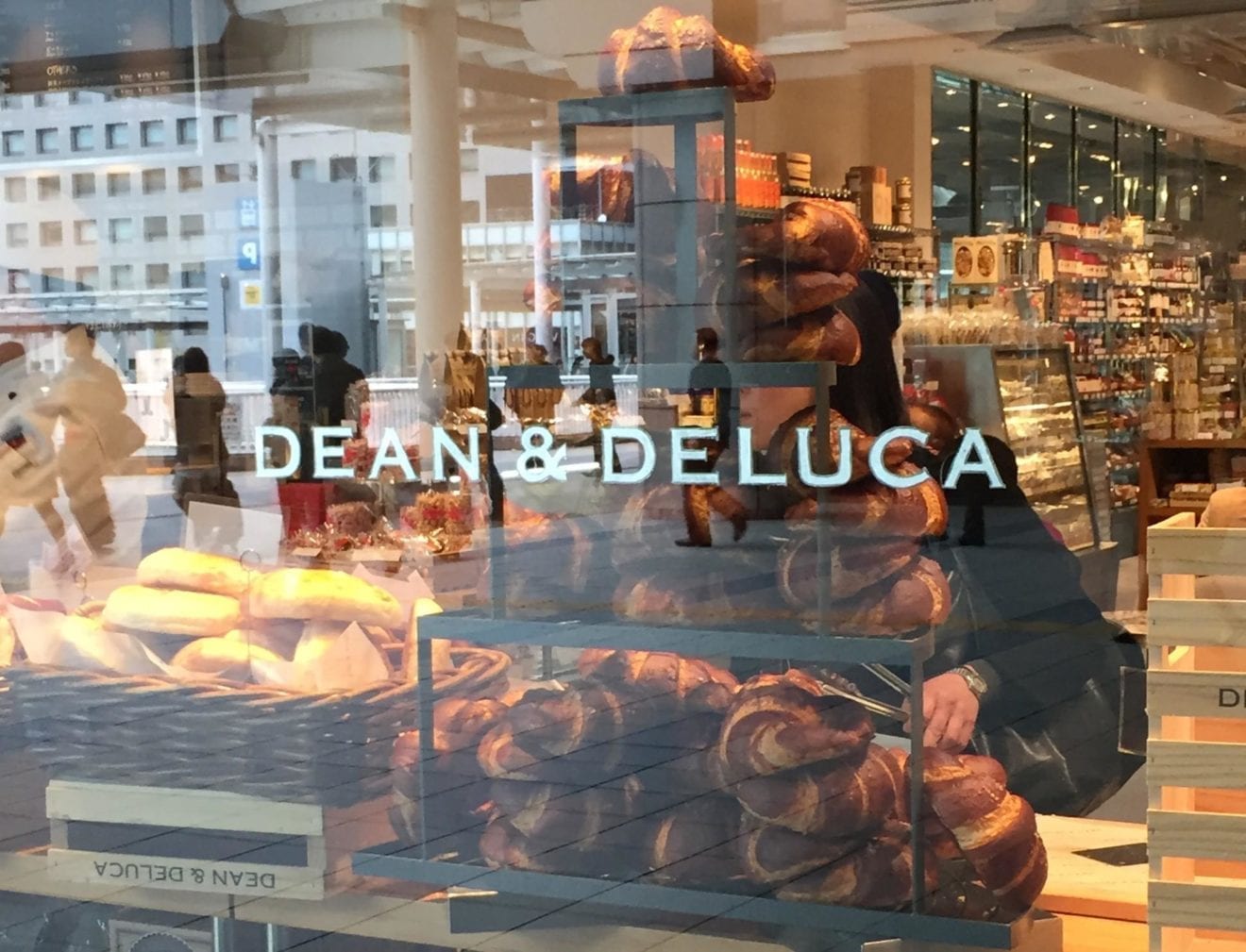
    The brand is being operated in three completely different formats currently: an upscale, gourmet deli-cafe concept in the US where its store count is now down to just four; a restaurant-cafe concept in Asian cities such as Bangkok and Manila; and a trimmed-down takeaway or dine-in format in airports, most through a joint venture with Lagardere Travel Retail announced last October, selling coffee, drinks and takeaway food for consumption on planes from tiny footprints like the one at Hong Kong International Airport.

    There is no similarity beyond the brand name between the New York stores and the Asian businesses, which are now operated as separate units.

    Techakraisri admitted in a phone interview that there were delays in payments to suppliers.

    “The lack of financial resources makes it very difficult for us to maintain the necessary investments to improve and keep our franchise competitive and attractive,” he said. He promised creditors would be paid and that he planned to invest more capital.

    Later, in Bangkok, he said: “We are adjusting the Dean & DeLuca [US] business to a more appropriate size by controlling expenditures both at its office and stores.” These measures have cut costs by 25 per cent he said, and would see overall losses halted by the end of this year.

    Techakraisri said the US stores would be revamped to improve sales.

    Visitors to the New York flagship store on Tuesday of this week were greeted by the sight of empty shelves and a sign apologising to customers for the store’s appearance and inconvenience to customers. Fresh-food shelves were mostly empty, covered in long black sheets made of cloth, according to Bloomberg.

    The company has also closed its futuristic Stage fast-food concept in Manhattan opened in 2017.

    Pace bought the company for US$140 million in 2014, including a network which at one point reached more than 30 stores in the US, and licensing agreements in 31 countries including South Korea, the Philippines, Singapore, Thailand and Middle Eastern markets. By May last year the US network was down to just nine stores and there are now just four remaining.

    The original store opened in Soho in 1977, earned the nickname “museum of fine food” It claimed to be the first retailer in the US to sell radicchio, balsamic vinegar and sun-dried tomatoes. But over time its exclusivity has waned – as one food writer observed this month: “You can buy extra virgin olive oil on Amazon now”.

    Suppliers were chasing large debts. New York bakery Elenis claimed it was owed $86,000 for the custom-designed cookies shipped to Dean & Deluca over the holiday period. It ended a 15 years of supplies in December 2017 over unpaid bills and after suing settled on a 50 cents in the dollar payment.

    “They told me repeatedly that the funds would be in my account the next day or that the check was in the mail and I was never paid,” said owner Eleni Gianopulos. “As a small vendor, it’s crushing.”

    Another creditor, Ceci Cela Patisserie of Manhattan, was offered settlement of 50 cents in the dollar before deciding to sue for more than $70,000 it claimed was owed.

    Many suppliers this month have shared documents with US journalists showing they are owed hundreds of thousands of dollars collectively and some have not been paid since February.

    An Asian renaissance?

    In Bangkok this week, Techakraisri was painting a very different picture of Dean & DeLuca’s prospects despite the ongoing challenges in the US.

    “We [have] set plans for Dean & DeLuca’s expansion in Thailand over the next three-to-five years, when about 100 stores will be opened, up from 11 currently,” he said in a press conference for Thai media, reported by The Nation. “About five new Dean & DeLuca stores will be opened locally this year.”

    The Dean & DeLuca Asia operations now comprise 65 per cent of the brand’s total turnover, the four remaining US stores accounting for just 35 per cent.

    Dean & DeLuca Asia (Thailand) reported sales of  Bt630 million (US$21 million) in the year to May, and Bt115.23 million ($3.84 million) in profit before interest, taxes, depreciation and amortisation. That was an improvement of 13.3 per cent over the previous year. Those sales figures, however, appear to be a mix of company-owned store sales (in Thailand) and franchise revenues from overseas operators.

    Dean & DeLuca Inc (which runs the US business) has been losing an estimated $1.3 million a month – far more than the Asian business profits can cover.

    Techakraisri says despite the US woes, the company has boosted its global store network from 42 store in six markets at the time of the purchase in 2014 to 77 today in 11 markets outside the US.

    He says the company plans to launch Dean & DeLuca stores in five more “major Asian markets” during the next two years or so: China, India, Indonesia, Hong Kong and Taiwan.

    It is not clear how many of those will be airport stores operated under the Lagardere partnership, which at the time of the announcement promised 150 stores within five years.
  • Thailand acquisition boosts BreadTalk Turn Over

    Thailand acquisition boosts BreadTalk Turn Over

    Singapore’s BreadTalk Group has reported a year-on-year revenue increase of 6.1 percent to S$157.6 million (US$115.56 million) for its first financial quarter this year.

    The group’s net profit increased by 11.5 percent to $1.3 million over the period. Sales at BreadTalk’s bakery division rose 2.3 percent to $72 million ($52.8 million) during the first quarter with the consolidation of revenue from its Thailand bakery business, following the acquisition of the 50 percent interest in BTM from Minor Food Group. Excluding that, revenue would have been lower by 5.7 percent year on year, due to lower revenue from the directly operated stores in Beijing and the franchise business in China, partly offset by stronger revenue by the directly operated Singapore stores.

    The consolidation of the Thailand business added 47 BreadTalk outlets to the group’s direct operated store count.

    “Last year was a year of milestones for us,” said group CEO Henry Chu. “We expanded into new markets such as London with Din Tai Fung and brought our joint-venture partners Song Fa Holdings and Wu Pao Chun Food into strategic markets such as China and Singapore respectively.“With the new partnerships, we laid the foundations to diversify our business portfolio so as to achieve sustainable growth for the group.

    In addition, we embarked on efforts to increase our central kitchen production facilities in China and Thailand. The 6.1 percent increase in group revenue show that these efforts are starting to pay off,” he said.

    “Looking forward, we will continue to strengthen our presence of existing brands in key markets. We will continue to develop in talent development and the setup of our third regional office in Bangkok as we position ourselves for growth in Thailand and greater Mekong-region markets.”