Tag: bread

  • Malaysian bakery Lavender Singapore Opens Its Doors

    Malaysian bakery Lavender Singapore Opens Its Doors

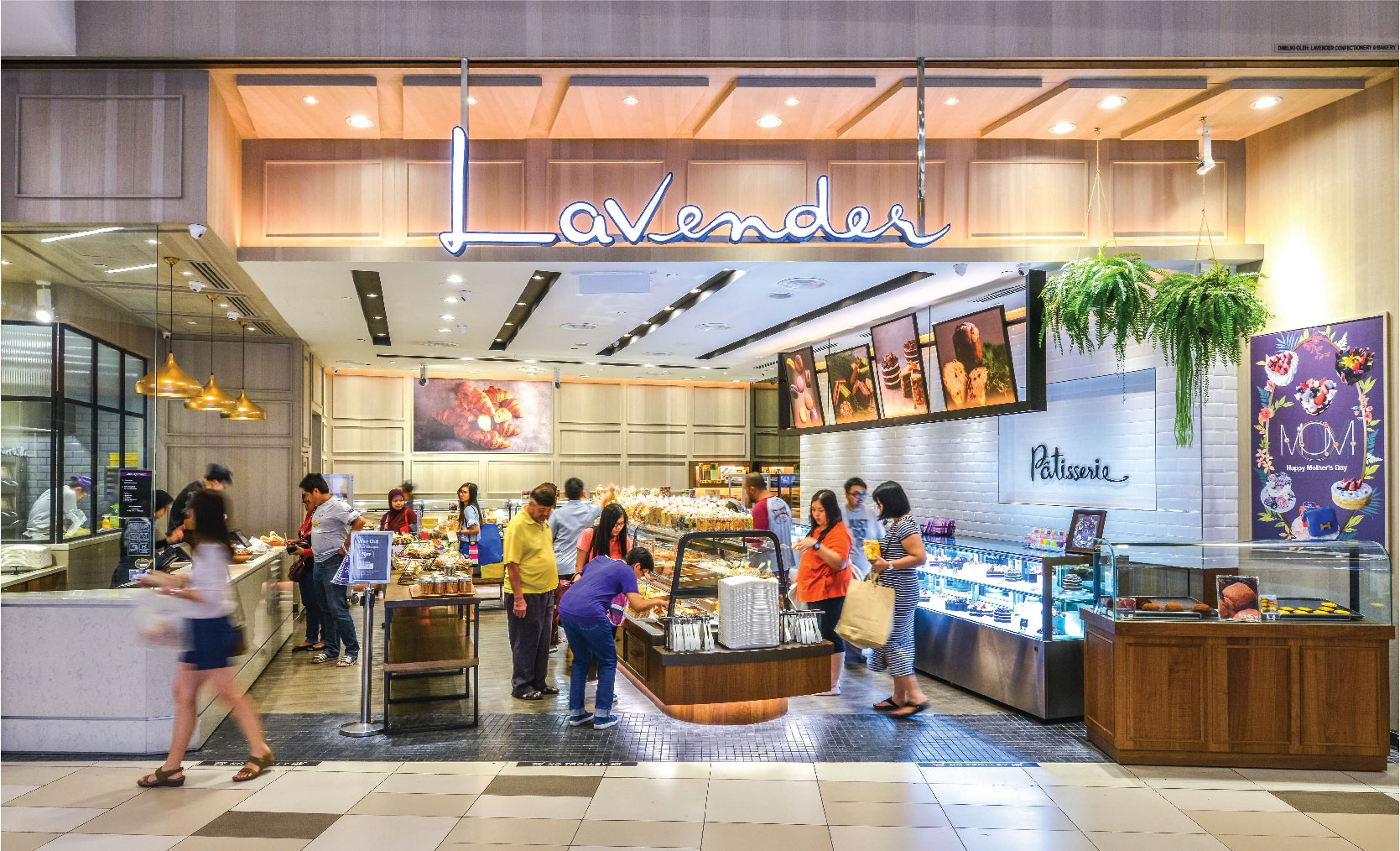
    Malaysian bakery Lavender is opening at Jewel Changi in Singapore this week.

    Set to open on Thursday (April 11), the store will sell Lavender’s buns, French-style choux cream puffs, and house-made pandan kaya.

    Located next to the 40m-high Rain Vortex waterfall, the outlet offers takeaway-only baked goods.

    “We try to stay competitive with prices so all our customers can enjoy our products and taste the difference in quality,” a Lavender bakery representative said.

    “Prices will definitely be different to Malaysia’s as overheads like rent, salaries and material costs will all be in Singapore dollars.”

    Malaysian bakery Lavender has six outlets in Kuala Lumpur and five in Johor Bahru, including a multi-storey flagship at Taman Pelangi.

  • BreadTalk buys out joint venture partner in Thailand

    BreadTalk buys out joint venture partner in Thailand

    Minor Group has sold its half share in BreadTalk Thailand to the bakery’s Singapore-listed owner. According to the Straits Times, BreadTalk paid US$5.15 million for the stake, which Minor Group is expected to use to expand its other food and beverage brands in the kingdom, including The Coffee Club.   The BreadTalk Thailand joint venture, called BTM Thailand, was set up in 2014.

    Minor Group’s other brands in Southeast Asia include ThaiExpress, Xin Wang Hong Kong Cafe, Swensens and the Pizza Restaurant Company.

  • BreadTalk Opens New Concept Store In KL

    BreadTalk Opens New Concept Store In KL

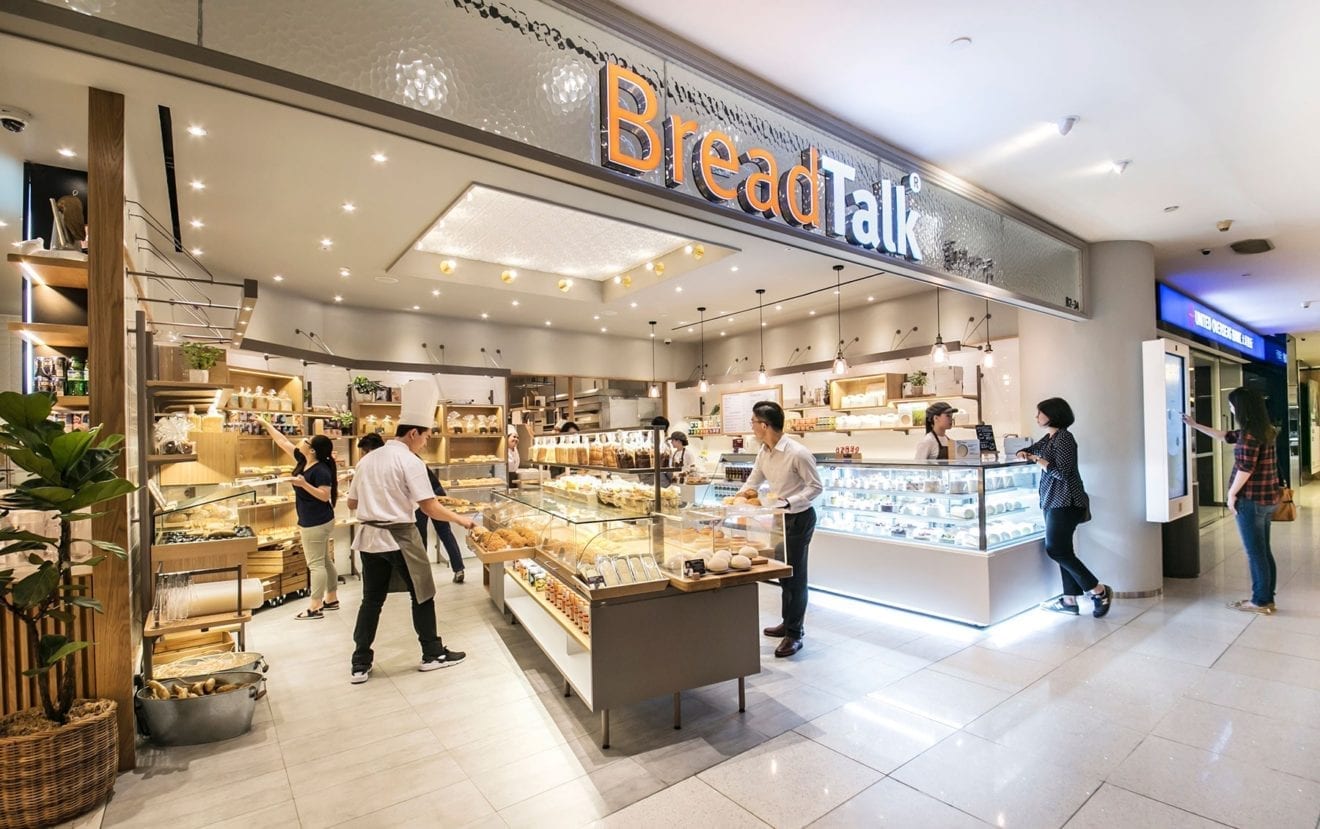
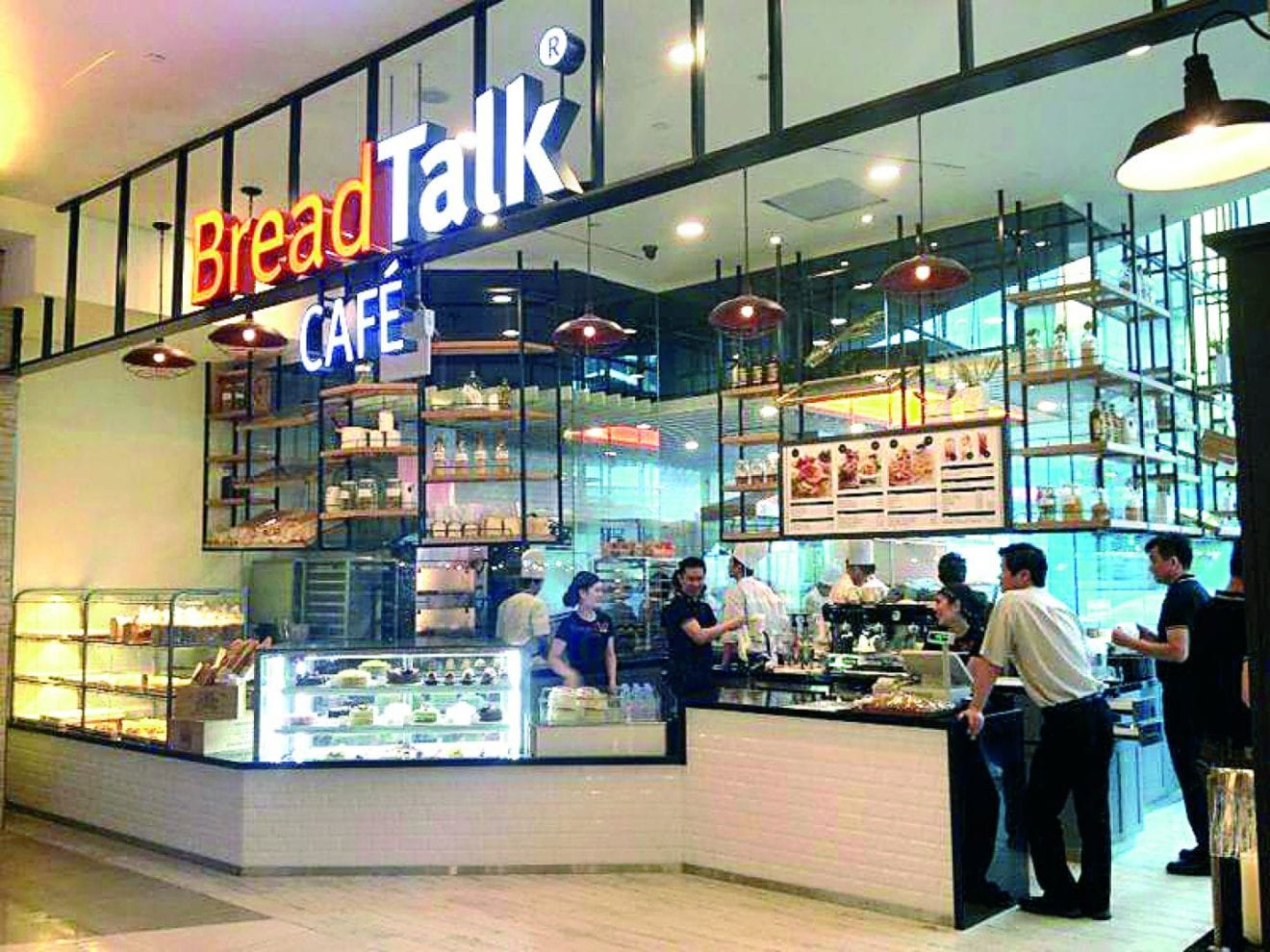
    Boutique bakery franchise BreadTalk Malaysia has opened a new concept store in Kuala Lumpur’s Avenue K Shopping Mall. The new outlet is situated opposite the KLCC LRT station and is offering a promotional tote bag to early customers spending more than RM20. It opens from 8 am to 10 pm daily.

    BreadTalk Malaysia is preparing to launch several more concept stores in other Kuala Lumpur locations, including KLIA2, before opening a flagship at Star Boulevard on Jalan Yap Kwan Seng next year.

    The Singaporean brand has spread throughout Asia and the Middle East since opening in 2000, basing its products on premium ingredients such as Japanese-milled flour and New Zealand butter.

  • Korean sandwich chain Isaac setting up Business in Singapore

    Korean sandwich chain Isaac setting up Business in Singapore

    Korean sandwich chain Isaac will open its first store in Singapore next month.

    Over the last 15 years, Isaac has built a network of more than 700 stores across South Korea and expanded into Taiwan, Macau and – most recently – Malaysia, where it has a store across the causeway in Johor Bahru. Now it is heading further afield, with a takeaway store planned for Plaza Singapura’s basement 2.

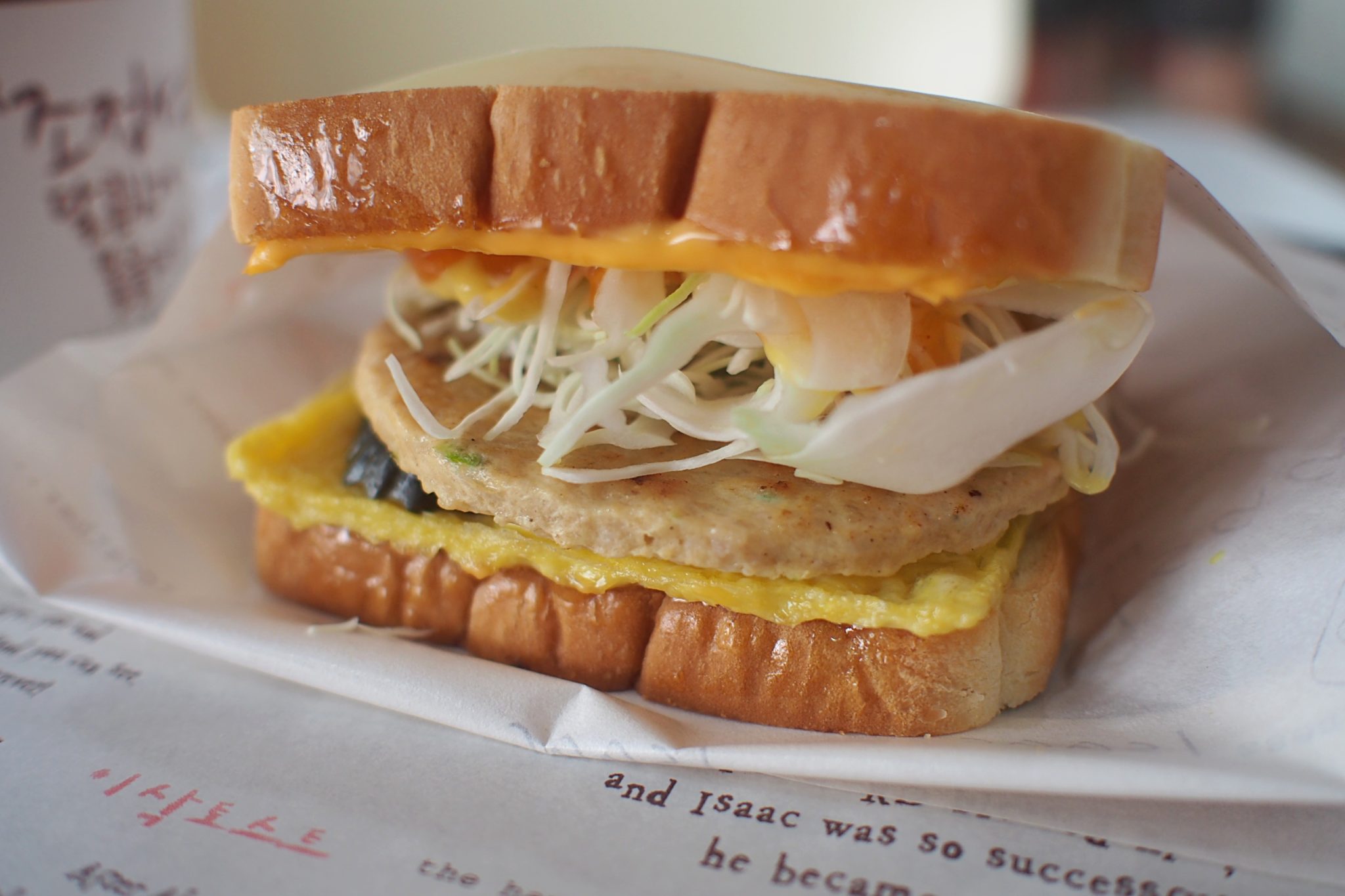
    Isaac serves toasts with variations including the popular Korean dish bulgogi, steak ham, chicken, double cheese potato, shrimp and ham and cheese, with prices starting at S$2.85. It also serves juices and coffees.

  • BreadTalk Group to broaden brand mixes

    BreadTalk Group to broaden brand mixes

    Diminished returns from BreadTalk Group’s bakeries in Hong Kong and Mainland China saw the division’s sales slip 4.5 per cent in the first quarter of this year.

    However, group revenue rose 0.5 per cent to S$148.5 million (US$111.55 million) as other divisions compensated. And on a like-for-like basis, BreadTalk’s core food and beverage business posted an increase in net profit of 89.4 per cent, from $1.6 million to $2.9 million.

    “This was attained through the group’s continual focus on pursuing sustainable growth and eliminating underperforming assets which improved earning quality,” explained chairman Dr George Quek.

    “We will continue to identify new growth opportunities through joint-venture partnerships and invest in talent development. Through higher operational efficiencies, we remain well positioned to pilot through a challenging food and beverage retail landscape this year,” he said.

    During the quarter, the group brought forward the closure of eight bakery outlets in China and one Food Atrium outlet in Hangzhou. At the end of the quarter, BreadTalk had 254 Chinese franchise outlets across 28 cities compared with 278 outlets across 36 cities the same time a year earlier.

    Quek said during the rest of this year, BreadTalk will continue to diversify its business mix and portfolio, while remaining agile in managing underachieving stores, introducing new Direct-Owned Restaurant (DOR) concepts for its Food Atrium division, and take brands such as Song Fa Bak Kut Teh into China.

    Restaurant expansion

    BreadTalk’s restaurant division’s revenue rose 6.2 per cent to $36.9 million with the addition of three more outlets – one in Singapore and two in Thailand. Pre-tax earnings improved  by 24.4 per cent to $8.7 million despite higher staff and administrative costs in the lead-up to the opening of its first Din Tai Fung outlet in the UK, scheduled for the final quarter of this year.

    The new 4orth Food Concepts business achieved revenue of $2.7 million during the quarter.

    It now comprises five So Ramen outlets in Singapore and one Song Fa Bak Kut Teh (“Song Fa”) outlet in Shanghai, China.

    Taiwan foray

    In March, BreadTalk entered into a joint venture agreement with Taiwanese brand, Wu Pao Chun Bakery to take its products into four Mainland China cities: Beijing, Shanghai, Shenzhen and Guangzhou. There are further plans to expand the joint venture into Singapore and Hong Kong.

    March also saw the debut of BreadTalk Group’s Toast Box brand into Indonesia following a JV with Pura Indah Berkat.

    BreadTalk now has close to 1000 retail stores spread across 17 countries and territories, its brand portfolio comprising BreadTalk, Toast Box, Food Republic, Din Tai Fung, Bread Society, Thye Moh Chan, The Icing Room and So. The group owns bakery outlets in Singapore, China, Malaysia, Hong Kong and Thailand as well as franchised bakery outlets across Asia and the Middle East. It also owns and operates the world-renowned Din Tai Fung restaurants in Singapore and Thailand, as well as the Food Republic food atria in Singapore, China, Taiwan, Hong Kong and Malaysia.
  • BreadTalk Group great profit results

    BreadTalk Group great profit results

    BreadTalk Group has moved beyond merely making a crust, with breakthrough profits for its third quarter to the end of September.

    This was despite a challenging retail environment, says the F&B group which recorded a 139.5 per cent explosion in net profit to S$16.8 million (US$12.3 million) for the period. It attributes its success to an “unwavering focus” on assessing and re-organising its business portfolios while identifying new growth opportunities.

    “Our core F&B net profit increased fivefold to $12.1 million for the quarter, signifying the underlying strength of our core businesses,” says BreadTalk Group chairman Dr George Quek.

    Last month the company won the World Branding Awards for the third time.

    Meanwhile, group revenue for the first nine months of this year declined 2.6 per cent year-on-year to $449.5 million. At the same time, EBITDA rose 9.1 per cent to $64.9 million, with EBITDA margin improving to 14.4 per cent from 12.9 per cent for the same period a year ago.

    In quarter one, there was $9.3 million in net capital gain from the divestment of the group’s investment in TripleOne Somerset, as well as $8.8 million from the divestment of 112 Katong Mall.

    Robust recovery

    In line with overall group strategy, BreadTalk’s consolidated food-atrium portfolio in China and Singapore showed robust recovery. The vacancy rate across the portfolio remained at a record low of less than 2.5 per cent.

    EBITDA for the division rallied by 127 per cent to $17.7 million, with EBITDA margin improving by 9.3 points to 15.7 per cent. However, with the closure of three underperforming stores in China, total revenue declined 6.9 per cent to $112.4 million. It now has 54 outlets.

    For BreakTalk’s restaurant division, total revenue grew by a steady 2.5 per cent to $104.8 million, driven mainly by its Din Tai Fung restaurants in Singapore and Thailand. Overall EBITDA improvement 7 per cent to $22.3 million, with EBITDA margin rising by 0.8 points to 21.2 per cent.

    Weaker performance by directly run stores in Beijing, Shanghai and Singapore eroded bakery division revenue by 2.7 per cent to $223.1 million. While these stores were unchanged at 255 outlets, 15 more franchise outlets were added to reach a total of 604.

    In September, the group signed a sale-and-purchase agreement for its business with United Malayan Land. This will enable the group to take advantage of the developer’s experience in the Malaysian property market.

    EBITDA for the division declined 13.3 per cent to $18.7 million, with margin at 8.4 per cent (9.4 per cent previously).

    BreadTalk formed 4orth Division this year to identify F&B opportunities, and is led by group CEO Henry Chu. It converted five RamenPlay outlets to So Ramen by the end of September, which are now generating 8.5 per cent improvement in revenue to reach $658,000 from August to September.

    In July, the division entered into a 90-10 JV with Song Fa Holdings to introduce the Bak Kut Teh brand to China and Thailand.

  • Breadtalk Group quarterly profit jumps 62 per cent

    Breadtalk Group quarterly profit jumps 62 per cent

    Breadtalk Group has posted a 61.9 per cent jump in net profit to S$2.11 million (US$1.5 million) for its second quarter to the end of June.

    This followed an 18.7 per cent rise in other income to $5.68 million and reduced interest and administrative expenses. Revenue slipped 1.5 per cent to $147.57 million.

    Its higher earnings were achieved by consistent focus on evaluating and streamlining portfolios while maximising growth opportunities, says the Singapore company.

    Net profit for the half-year more than tripled to $12.8 million despite a 3 per cent decline in revenue to $295.2 million.

    “This places the group in a strong position to rise above the difficult retail environment,” says chairman George Quek.

    He says the group remains on course to consolidate underperforming stores and expand its footprint in high-performing markets.

    While outlet openings still proceed at a cautious pace, the group will continue to focus on improving overall profitability and quality of earnings.

  • Big two slice bread prices

    Big two slice bread prices

    Coles is slicing the cost of its bread in a move that could open another front in the major supermarkets’ price war. Australia’s supermarket giants have already fought fiercely on milk and meat, and the Wesfarmers-owned chain has now cut the price of more than 30 varieties of loaves and rolls by as much as 35 per cent.

    Coles general manager of bakery Jon Haggett said lower prices are key to luring more customers.

    “We know bread is a household staple and always on the shopping list,” he said.

    A range of Tip Top branded products will also be discounted, and Woolworths is matching at least one of those.

    Coles managing director John Durkan told investors in June that he wanted “Coles to be famous for its fresh bread”.

    He said plans were underway to convert an additional 180 stores to include full bakeries as Coles works towards offering fresh-baked bread in every store.

    Woolworths bakes bread on-site at more than 630 of its supermarkets.

    A Woolworths spokesperson said it was also focused on lowering prices on bakery goods and, as of Thursday, its most popular products will be markedly reduced in price.

    Brumby’s Bakery owner Retail Food Group said it was not worried by the moves.

    “Brumby’s Bakery is confident they will be able to sustain their customer base should there be a price war between major supermarket brands,” a statement from the company said.

    It said Brumby’s, as a specialty bread retailer, offers artisan and quality goods, while major supermarkets base their business on scale and quantity.

  • Indonesia`s wheat flour consumption expected to increase steadily

    Indonesia`s wheat flour consumption expected to increase steadily

    Indonesias wheat flour consumption is expected to increase steadily with favorable growth of wheat-based culinary business, a businessman said.

    “The increased consumption of wheat flour is correlated to the increased number of cafes. In a cafe, usually customers would not order for rice but cakes that use wheat flour as its basic material,” Marketing Manager of Interflour Indonesia, Dhanny Widjaja, said.

    Indonesian Wheat Flour Producers Association (Aptindo) expected the wheat flour demand in the country to grow by five to six percent with the national economic growth in 2015.

    “We believe that the future trend would be positive, as culinary business is a relatively endurable one,” he said, pointing to its potential in breads, biscuits and noodles industries.

    His company has targeted to increase its market share by 10 percent in 2019.

    “This year (the market share) has reached 8 percent with a total production of 2,800 tons per day from two factories in Makassar and Cilegon,” he said.

    The company has focused on cakes, biscuits and noodle industries in its efforts to expand its product distribution, in addition to its retail markets.

    “We focus on expansion, especially to southern Sumatra,” he said.

    The company would also renew one of its factories in Cilegon, which will be inaugurated in 2017 and will have a production capacity of 400 tons per day.

  • Salim Group backed Indonesian bread maker forays into Philippines

    Salim Group backed Indonesian bread maker forays into Philippines

    Indonesia’s top bread producer Nippon Indosari Corpindo on Monday said it will enter the Philippines bakery market by setting up a joint venture factory with local food company Monde Nissin Corporation.

    A girl looks at breads shaped like roasted pigs, locally known as “Lechon”, sold for $3 at a bakery in Manila December 31, 2012. Lechon is a popular delicacy served during New Year revelries in Philippines. © Reuters

    Nippon Indosari will own 55% of the joint venture, Sarimonde Foods Corporation, which will have a total paid up capital of $12.5 million. It plans to start producing white and sweet bread in 2017.

    The Philippines marks Nippon Indosari’s foray into overseas markets. Established in 1995, the company produces the locally well-known Sari Roti branded sweet bread sold in local retail stores and commands a 20%-plus market share. The company logged 1.56 trillion rupiah ($109 million) in revenue for the nine months ended September, a 15% increase from the previous year, while net profit rose 46% to 192 billion rupiah.

    But competition at home is intensifying. A joint venture between Japan’s Yamazaki Baking and Mitsubishi Corp. began producing bread locally in 2014 under a partnership with Sumber Alfaria Trijaya, which runs a network of 12,000 convenience stores and mini supermarkets. Nippon Indosari wants to establish a new source of revenue in the Philippines, a populous and growing consumer market.

    “The Philippines is a very attractive market to serve as the company’s overseas expansion area because it has a very large population,” Nippon Indosari said in a news release. “The Philippines has a demographic profile that is no different from Indonesia, where 60% of the population is aged under 30 years, has a growing middle economic class, and has the trend for healthy and practical food that fits their busy lifestyle.”

    The Philippines is also a core market for Salim Group, which owns 31.5% of Nippon Indosari’s shares through its Indonesia-listed investment vehicle Indoritel Makmur Internasional. The group, controlled by Chinese-Indonesian billionaire Anthoni Salim, has interests in Philippine Long Distance Telephone, the country’s largest telecommunication company, and infrastructure developer Metro Pacific Investments. But its presence in the food industry was small.

    Japan’s Sojitz Corp. and Pasco Shikishima Corp. also have minority stakes in Nippon Indosari.

    Monde Nissin is a major snack maker in the Philippines. The privately held company produces packed instant noodles, biscuits, cookies and yoghurt drink. In most product segments, the company directly competes with Universal Robina, a leading producer of branded consumer foods.

    The 35-year-old company founded by entrepreneur Betty Ang has been expanding aggressively in the last few years by teaming up with other brands and acquiring companies. With vast distribution network and market presence, cereal maker Kellogs partnered with the company last month as its distributor. In October 2015, Monde Nissin signed a joint venture agreement with Thailand’s Malee Beverage Public Co. Ltd., a leading juice and canned fruit manufacturer. In the same year, it acquired British meat substitute maker Quorn and Australian food producers Menora and Black Swan.