Retail News CRM

Tag: budget airlines

  • Major aviation deals inked as US, Vietnam presidents meet

    Major aviation deals inked as US, Vietnam presidents meet

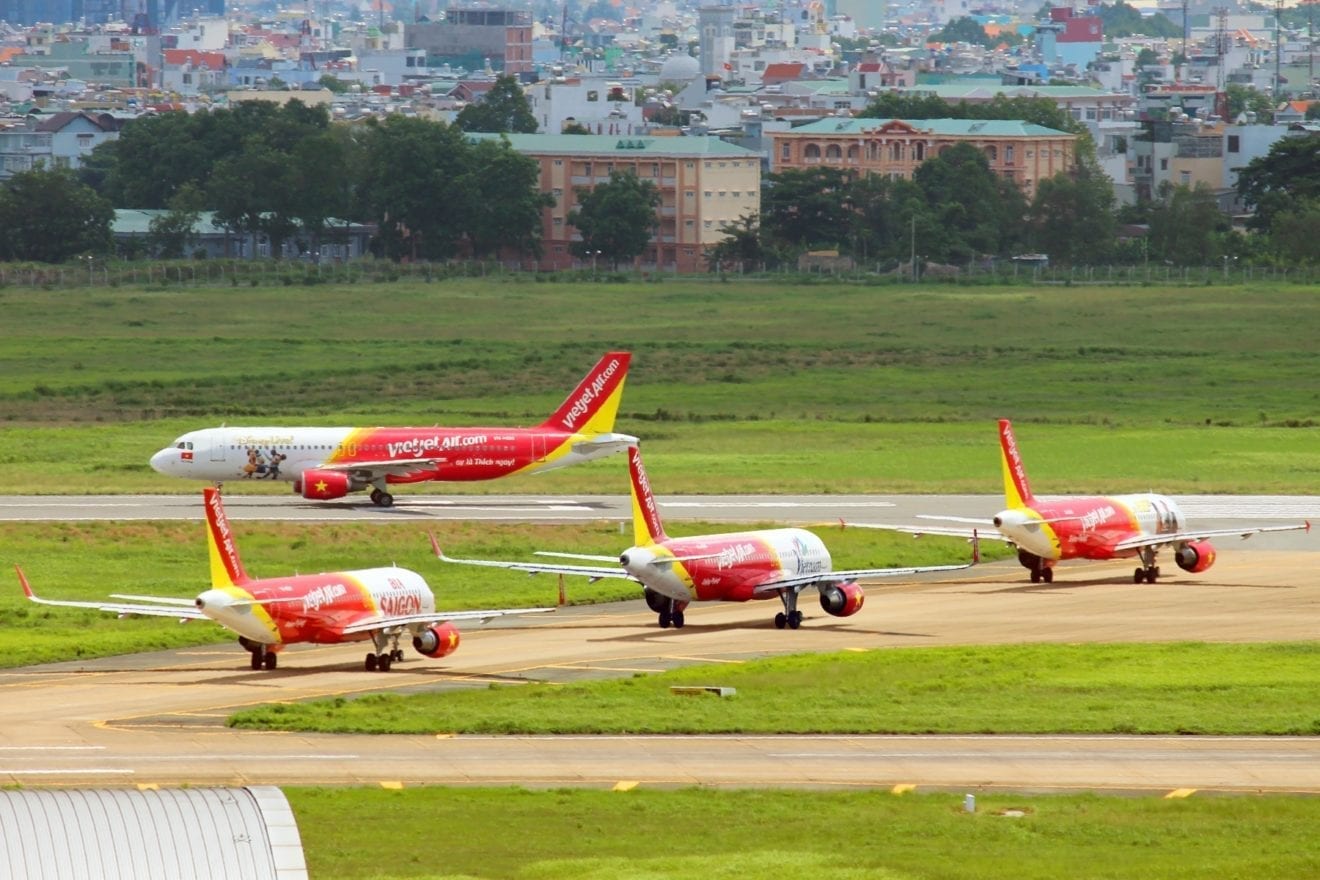
    Three major aviation deals were signed Wednesday in the presence of Vietnamese and U.S. presidents Nguyen Phu Trong and Donald Trump. Budget airline Vietjet signed with U.S. airplane manufacturer Boeing Company a deal to buy 100 new narrow-body 737 MAX airplanes worth $12.7 billion, according to the manufacturer’s list prices.

    “The deal is an important move for us to meet our international flight network expansion plan with a higher capacity,” Vietjet president and CEO Nguyen Thi Phuong Thao said.

    Vietjet also finalised a $5.3 billion long-term engine support agreement with General Electric for the LEAP-1B engines in its fleet.

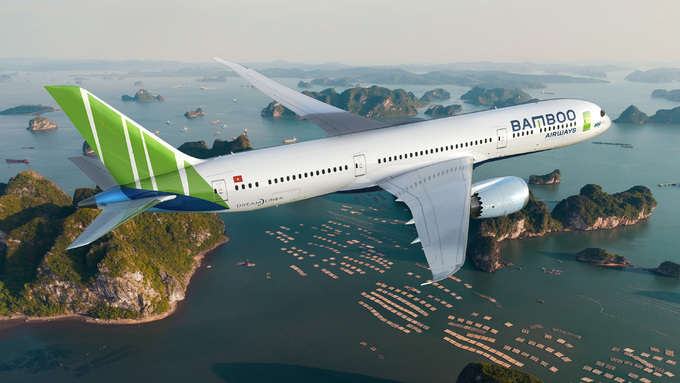
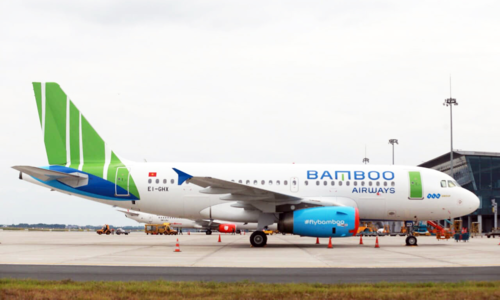
    New airline Bamboo Airways also inked a deal with Boeing for 10 wide-body 787-9 Dreamliners worth almost $3 billion.

    The carrier, owned by property and leisure company FLC Group, had placed a provisional order last year for 20 Boeing 787 jets worth $5.6 billion at list prices.

    The new deal brings the total number of Boeing 787 that Bamboo Airways has ordered to 30, worth total value of almost $8.6 billion. First aircraft are expected to be delivered in the third quarter of next year.

    Bamboo Airways is preparing to launch flights to the U.S. from late 2019 or early 2020, after Vietnam earlier this month received a Category 1 rating from the U.S, allowing local airlines to operate direct flights to the U.S.

    “Direct flights between the two countries will not only push tourism activities, but also further facilitate bilateral trade and investment,” FLC president Trinh Van Quyet said in a statement.

    Bamboo Airways is also considering the purchase of 25 narrow-body Boeing 737 MAX worth $2.5 billion, the statement said.

    Vietnam Airlines signed a $300-million for strategic partnership deal in aviation information technology with U.S.-based technology company Sabre Corporation.

    The deal is expected to help the state-owned Vietnamese airline increase IT applications in flight management and passenger service.

    Sabre has been cooperating with Vietnam airlines for over 20 years. Last year, they had signed a $400-million aviation technology application deal.

    Vietnam’s aviation sector has been booming in recent years. Local airlines served almost 50 million passengers last year, up 10.1 percent from 2017, according to the Civil Aviation Authority of Vietnam.
  • Asiana and pilots reach safe operations agreement

    Asiana and pilots reach safe operations agreement

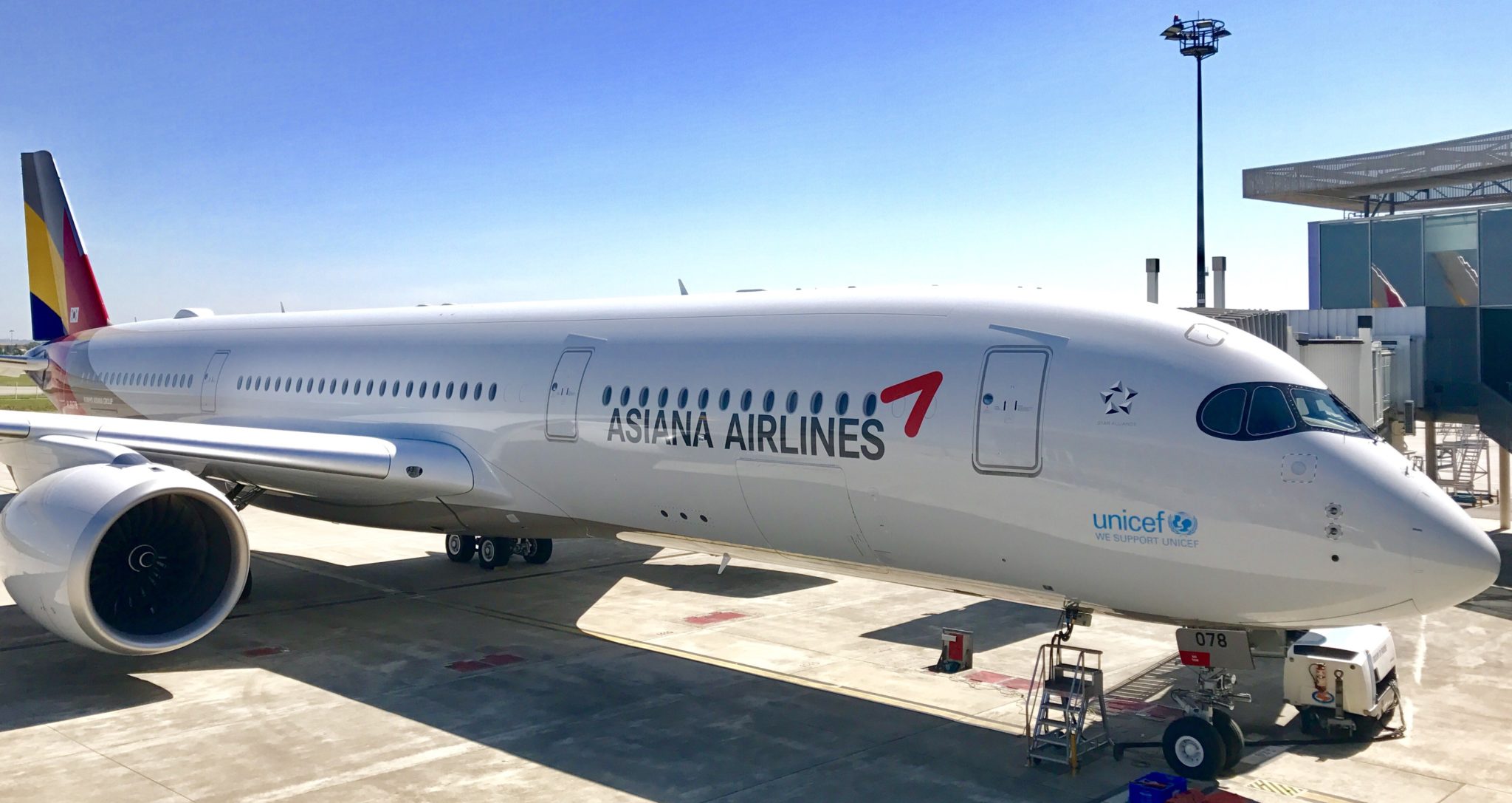
    Asiana Airlines and its pilot labor union jointly announced their vision for safe airline operations, the airline said Friday. During a ceremony held for the announcement Thursday, they vowed to strengthen communications for safe flight operations and cooperate in enhancing airline sustainability. The ceremony was held at the company headquarters in Gangseo District, western Seoul.

    Asiana Airlines CEO Han Chang-soo and Asiana Pilot Union head Kim Young-gone attended.

    The union requested the company establish a new team that will make sure there are no obstacles to safe flight and improve pilot rights and interests. The company agreed to fully support safe and secure flight operations.

    The two parties completed wage negotiations in September and have since worked toward cooperation.

  • Higher fuel prices dent AirAsia X’s Q4 performance

    Higher fuel prices dent AirAsia X’s Q4 performance

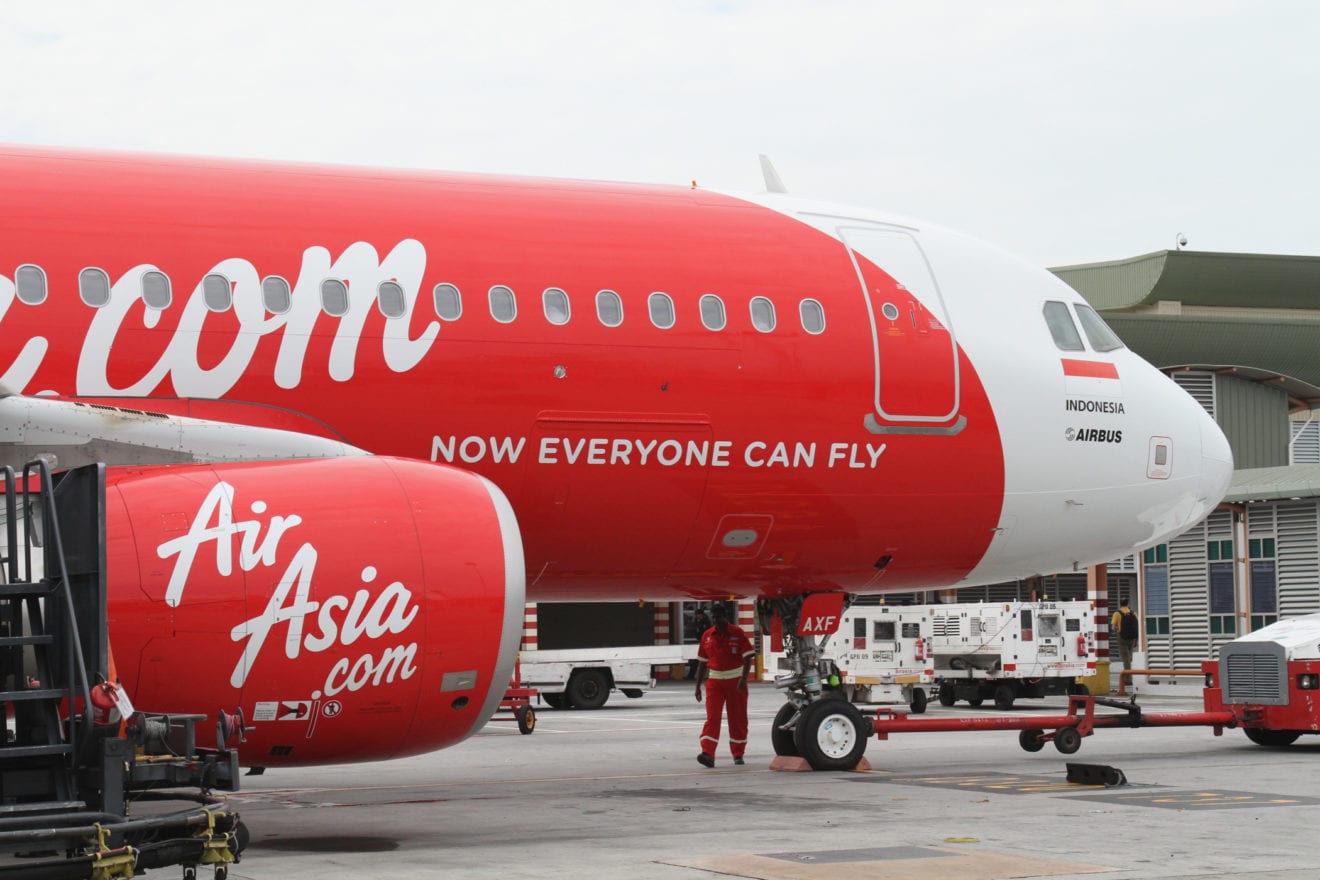
    AirAsia X Bhd suffered a net loss of RM99.27 million in the fourth quarter ended Dec 31, 2018 compared with a net profit of RM84.42 million a year ago due to higher fuel prices. In a filing with Bursa Malaysia, the airline reported an increase in average fuel price to US$89 per barrel during the quarter from US$69 per barrel a year ago, which resulted in a lower net operating profit of RM27.4 million from RM120 million a year ago.

    In addition, the group provided an impairment on amount due from joint venture amounting to RM24 million during the quarter under review.

    During the quarter, the group reported a 1% improvement in cost per available seat kilometre (CASK) to 12.27 sen while CASK ex-fuel improved by 16% from 8.22 sen to 6.94 sen a year ago, due to enhanced cost management.

    Revenue for the quarter fell 5.93% to RM1.15 billion from RM1.22 billion a year ago.

    For the financial year ended Dec 31, 2018 (FY18), the group also swung into the red registering a net loss of RM312.7 million compared with a net profit of RM98.89 million a year ago while revenue fell marginally to RM4.54 billion from RM4.56 million a year ago.

    AirAsia X said its current forward booking trend and average fares for the first quarter of 2019 are within expectation and prospects are anticipated to remain encouraging.

    The airline will be adding up to five aircraft through operating leases this year via AirAsia X Thailand while AirAsia X Malaysia will remain with 24 aircraft.

    AirAsia X Malaysia will focus on maximising aircraft utilisation of its current fleet and leverage on the group’s strategy in new route launches as well as increasing frequencies of core routes.


  • Vietjet to ink $13 billion Boeing deal during Trump-Kim summit

    Vietjet to ink $13 billion Boeing deal during Trump-Kim summit

    Vietnamese budget airline Vietjet will sign next week a deal to buy 100 narrow-body Boeing aircraft. The signing will take place on the sidelines of the upcoming Trump-Kim summit, sources said. The sources also said Vietjet will finalize next week a provisional deal agreed last year to buy 100 narrow-body Boeing 737 MAX jets worth almost $13 billion at list prices.

    The U.S. Federal Aviation Administration (FAA) last week gave Vietnam a Category 1 safety rating, allowing local airlines to operate direct flights to the U.S.

    Vietjet, along with other local airlines, had previously expressed interest in operating direct flights to the U.S.

    The carrier, the largest private airline in Vietnam, had also signed a deal to buy Boeing 737 MAX narrow-body jets when former U.S. President Barack Obama visited Hanoi in 2016.

    It also finalized a deal in November last year with Airbus for 50 A321neo jets during a visit to Hanoi by French Prime Minister Edouard Philippe.

    Vietjet currently operates 40 domestic routes and 66 international routes. It has 385 flights daily within Vietnam and to places such as Japan, Hong Kong, South Korea, Taiwan, Singapore, mainland China, Thailand, Myanmar and Malaysia.

  • AirAsia X Wants To Launch Flights From The US West Coast To Japan

    AirAsia X Wants To Launch Flights From The US West Coast To Japan

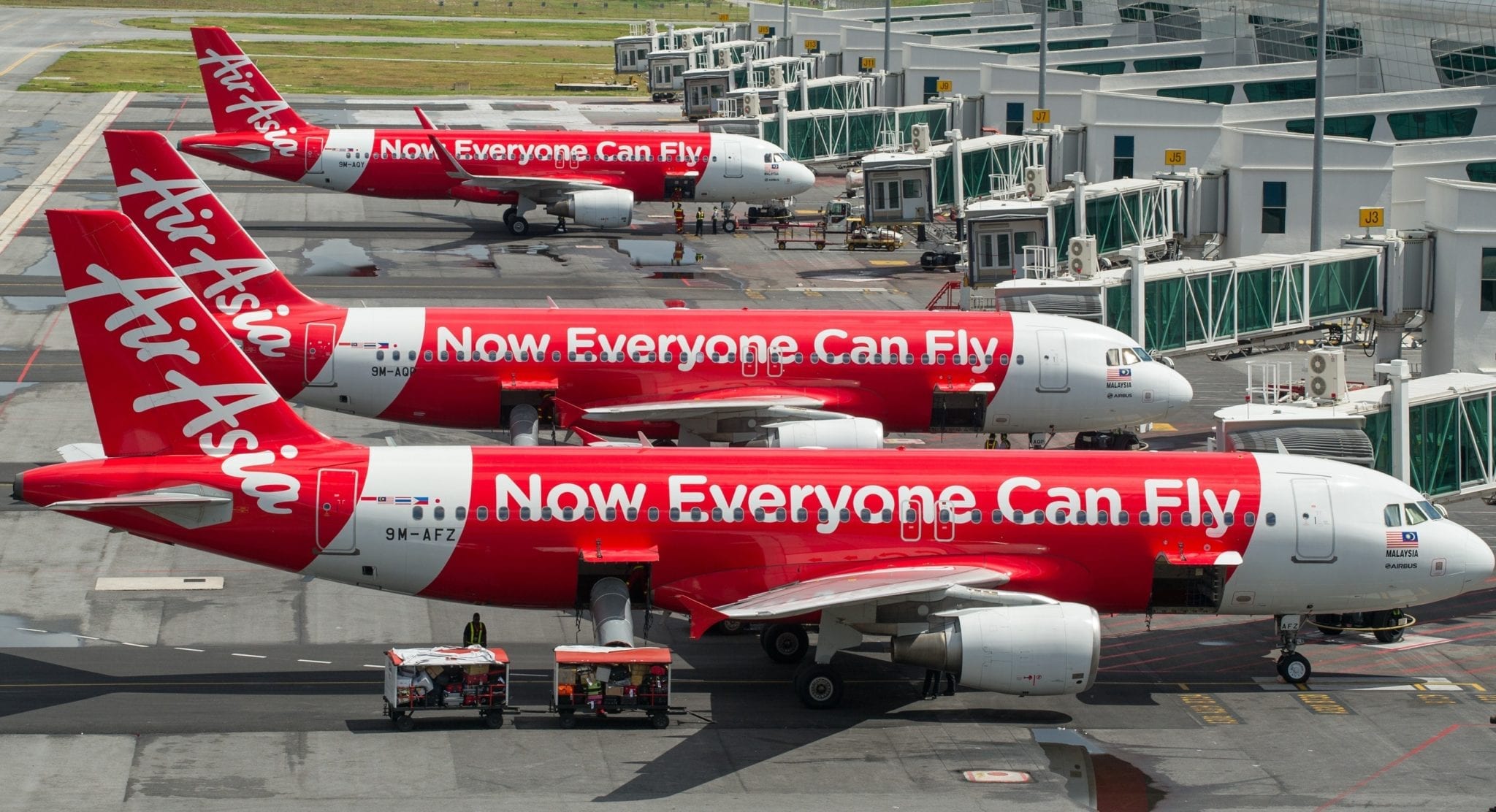
    Air Asia is the world’s largest and best low-cost carrier (They have won awards for the last 10 years). Air Asia X, their low-cost long haul carrier has built a route network spanning from the middle east to southern Australia. But many people in the US have never had a chance to fly on Air Asia, as the name would imply, have only ever been centered around South East Asia.

    Could Air Asia X routes from Japan to the US West Coast work?

    In a massive new rumor, Air Asia might be starting direct routes between Japan and the US West Coast onboard their fleet of brand new Airbus A330-900 aircraft. As none of the 66 new aircraft on order have been delivered yet, Air Asia X has been reluctant to place address the theory. They are however one of the first airlines to order the aircraft, and as deliveries have begun, we expect news sometime this year.

    Previously, the current fleet of older A330-300s has only been able to reach as far as Hawaii from Osaka, Japan (their range is 6,350 nmi (11,750 km)), limited by their ability to cross the Pacific ocean.

    But these new A330neo aircraft, with a range of 7,200nmi (13,334km), allow Air Asia X to reach destinations like Los Angeles and San Fransisco. This opens up a huge potential market for the company, and on the flip side, a cheap (and good) way for American’s to access Japan, and through transfer, South East Asia.

    What is the service like on Air Asia X?

    Whilst there has been no information yet on the fit out of the new Airbus A330-900 aircraft, we can hazard a guess based on their current A330-300 jets.

    There are three classes on board, a ‘premium’ business light class, a quiet zone and a normal economy class. There are also exit row seats scatted throughout.

    The business class features “flat beds” (They do not go entirely 90 degrees flat, but are more around 70-80 degrees), as well as included entertainment (via tablet), baggage allowance and food and beverages. They have around 60 inches of pitch and are 20 inches wide.

    There is every possibility that AirAsia will upgrade the seat truly lie flat in their newer aircraft.

    The quiet zone on board is a section of economy row seats at the front of the economy section that only allows adults and forbids loud noise. The economy section is laid out in a 3 by 2 by 3 configuration.

    Naturally, as it is a low-cost carrier, passengers will need to budget for seat selection, baggage, food and bring their own entertainment. The economy seats have 32 inches of pitch and are 16 1/2 inches wide.

    The real win, however, is the cost. Typically you would be looking at around $1000 USD return in economy to fly from Los Angeles to Osaka. Air Asia typically offers premium business for the cost of an economy ticket (which is well worth the upgrade) and economy for dirt cheap prices (through economies of scale). It is very likely that Air Asia will instantly undercut the market on these routes and be the cheapest to fly.

  • MAHB turned down our offer for mediation, says AirAsia

    MAHB turned down our offer for mediation, says AirAsia

    Air Asia has claimed that Malaysia Airports Holdings Berhad (MAHB) has turned down their offer of mediation, in a letter sent by the airport operator’s lawyers. The airline said that in an attempt to resolve the parties’ ongoing dispute over passenger service charges at  Kuala Lumpur International Airport 2 (klia2), they had proposed mediation to MAHB.

    “We regret that MAHB has refused AirAsia’s olive branch to resolve outstanding issues between us through mediation, particularly in light of MAHB’s recent statement that it is ‘optimistic that these matters can and will be resolved’,” said AirAsia Malaysia CEO Riad Asmat in a statement on Wednesday (Feb 6).

    “We will seek guidance from Malaysian Aviation Commission (Mavcom) on the next steps to address this situation. However, we reserve our rights to take all necessary actions to protect the interests of our guests and shareholders,” added Riad.

    Under the Malaysian Aviation Commission (Mavcom) Act 2015, MAHB and airline operators have an obligation to mediate any dispute, and legal action may only be used as a last resort when other efforts have failed.

    Last month, the budget airline sought more than RM400mil in counterclaims against MAHB in response to a suit filed by the airport operator last month over airport taxes.

    The counterclaims were for losses and damages experienced by AirAsia and its long-haul sister airline, Air Asia X Bhd, due to alleged operational disruptions at klia2, the airline had said.

    AirAsia claims that it agreed to move to klia2 after the government scrapped the initially approved plans for its own low-cost terminal in Labu, Negri Sembilan in 2008 following MAHB’s claim that it could build a similar terminal closer to KLIA with the same facilities and charges at the former Low-Cost Carrier Terminal (LCCT).

    The airport tax in klia2 was increased to RM73 from RM50 for non-Asean international passengers.

    Domestic passengers were not spared from the increase and now have to pay RM11, up from the previous RM6.


  • Vietjet to open Phu Quoc-Hong Kong route in April

    Vietjet to open Phu Quoc-Hong Kong route in April

    Budget airline Vietjet said Saturday it will launch direct flights between Phu Quoc Island and Hong Kong in April. The new route will operate four flights per week starting from April 19, Vietjet said. Each flight will take 2 hours and 45 minutes per leg. Dubbed “the Pearl Island”, Phu Quoc, located in the southern province of Kien Giang, has attracted strong investments in hotels and resorts in recent years.

    Vietjet said it wants to create traveling opportunities for locals and tourists, thereby contributing to trade growth between the two destinations. The largest private airline in Vietnam currently operates 40 domestic routes and 66 international routes.

    Vietnamese airlines have been launching new international flights in recent years, with the domestic market showing signs of saturation.

    The country’s aviation industry has seen increasing demand each year. It welcomed 12.5 million air passengers last year, up 14.4 percent from 2017, according to the General Statistics Office.

    Vietnam’s aviation traffic increased 16 percent on average each year from 2010 to 2017, data from the civil aviation regulator shows.

  • Korean Air swings to net loss in 2018 from 2017 profit

    Korean Air swings to net loss in 2018 from 2017 profit

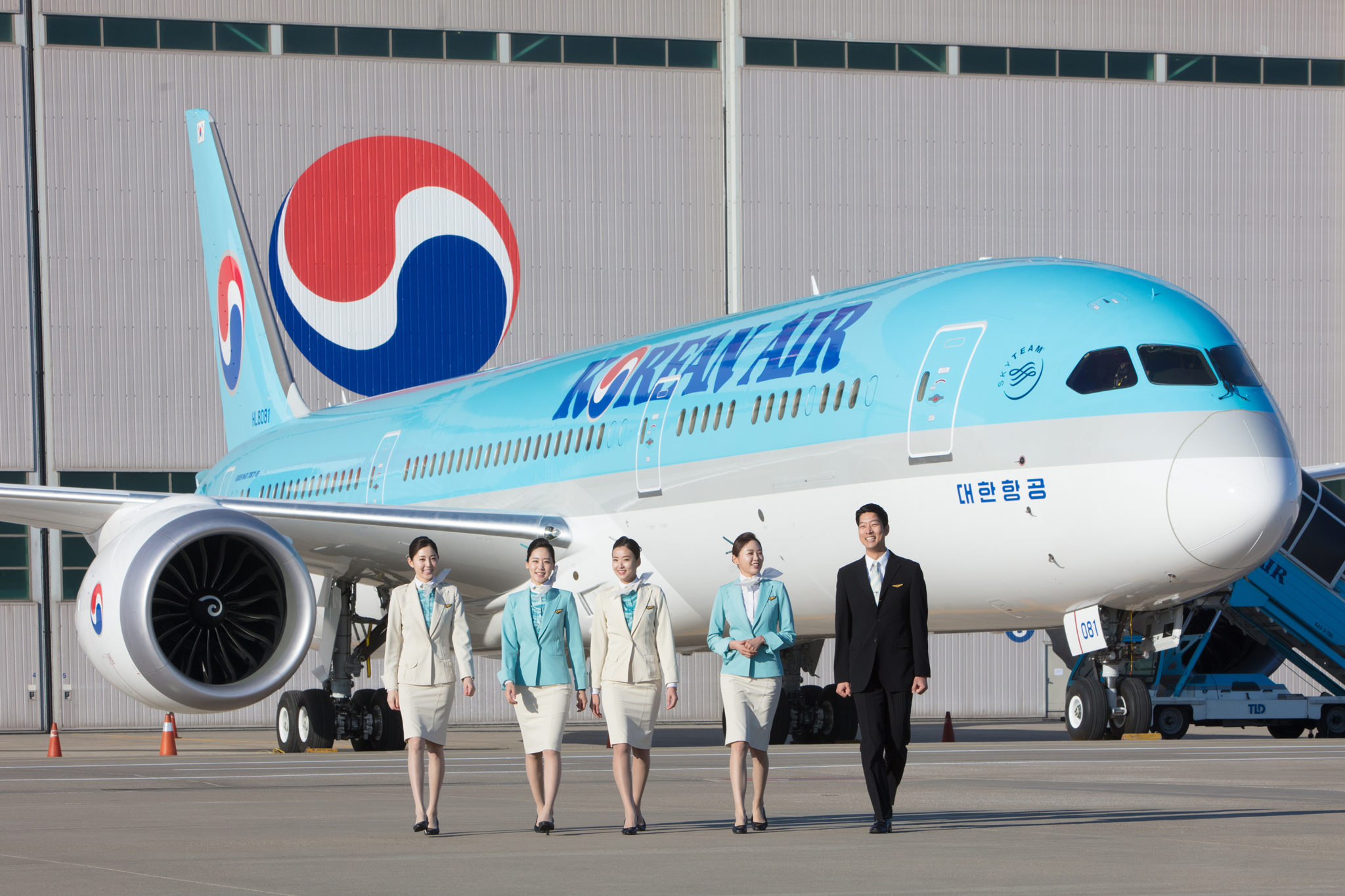
    Korean Air Lines said Tuesday it swung to a net loss in 2018 from a year earlier due to hefty foreign-exchange losses. The Korean flag carrier posted a net loss of 167.59 billion won ($150 million), after a net profit of 801.9 billion won a year earlier. As the dollar rose to 1,118.1 won at the end of 2018 from 1,071.4 won at the end of 2017, foreign-exchange translation losses reached 363.6 billion won and it cut into the annual earnings results, the statement said.

    The won’s weakness also drove up net interest costs to 454.8 billion won, up 55.5 billion won from the previous year, it said. Operating profit fell 28 percent to 676.33 billion won last year from 939.78 billion won a year ago. Sales climbed 7.7 percent.

  • AirAsia strengthens Malaysia-Thailand connectivity with new Chiang Rai hub

    AirAsia strengthens Malaysia-Thailand connectivity with new Chiang Rai hub

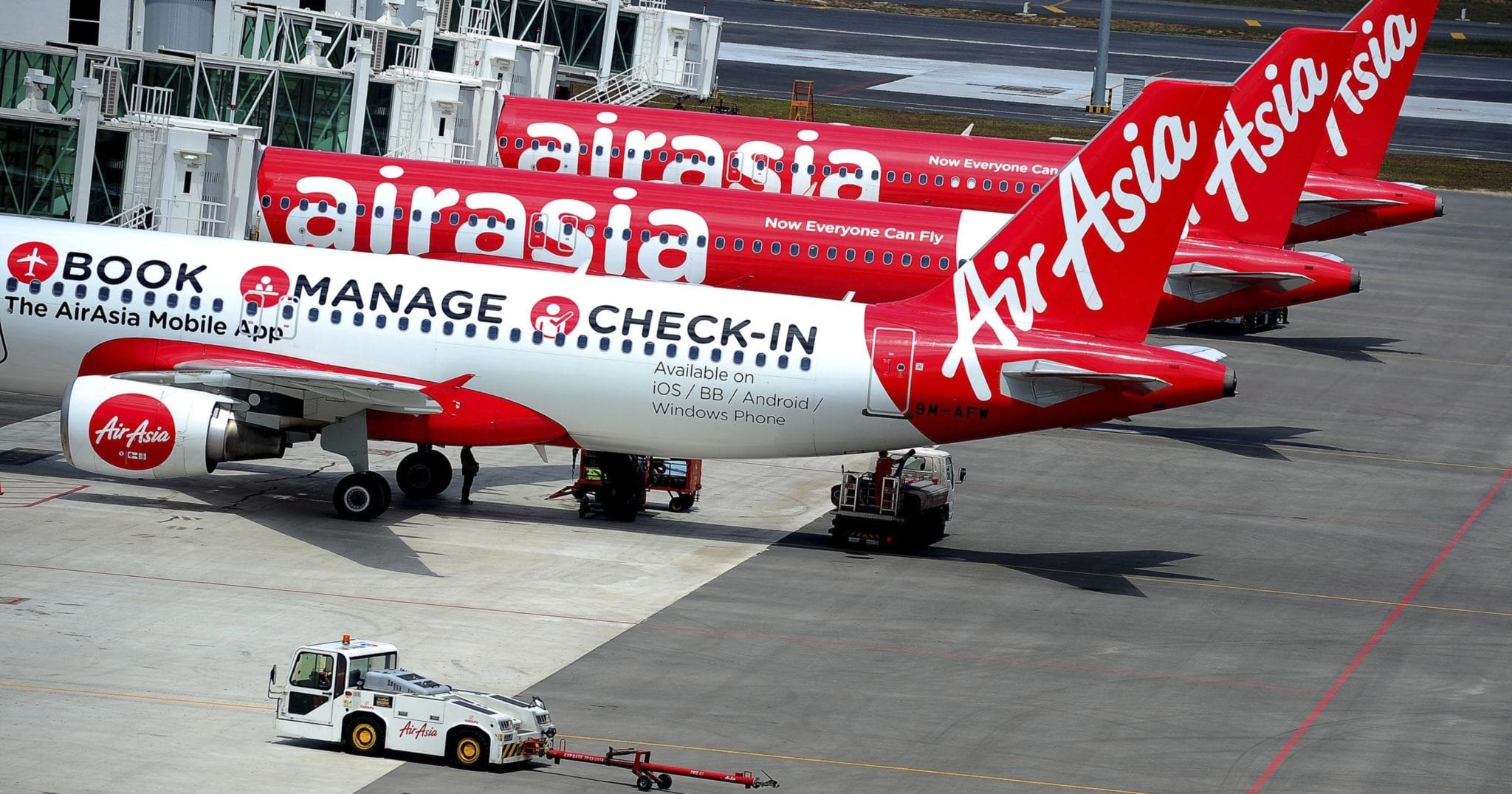
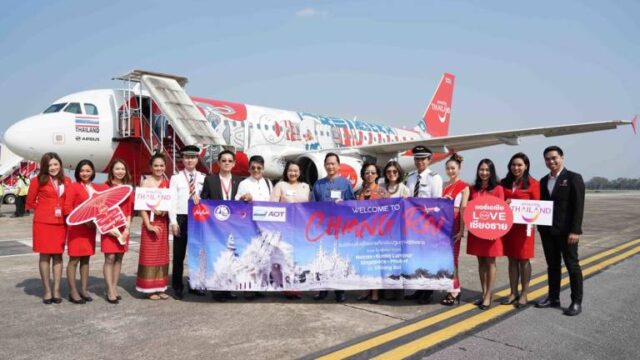
    AirAsia has further strengthened Malaysia-Thailand connectivity with the launch of a new route from Kuala Lumpur to Chiang Rai, its seventh and newest hub in Thailand. AirAsia Thailand, which will base an Airbus A320ceo at Chiang Rai’s Mae Fah Luang International Airport, will also operate new services to Phuket, Singapore and Macau, providing a massive boost to the local tourism and business communities, the airline said in a statement.

    AirAsia currently operates a total of six routes to and from the capital of Thailand’s northernmost province, including existing services from Bangkok Don Mueang and Hat Yai.

    AirAsia Thailand director of ground operations Witchunee Kuntapeng said the opening of its new hub in Chiang Rai is much like building a new home.

    “Chiang Rai has great potential to be one of the top tourism destinations in Thailand, with its unique Lanna culture and hill tribe way of life recently gaining global attention.

    “We believe it is a great time to promote Chiang Rai to travelers and are pleased to see that our four new routes between Chiang Rai and Phuket, Macau, Singapore and Kuala Lumpur have been well received. We’d like to thank the local community for their wonderful support,” Kuntapeng added.

    A welcoming ceremony led by Chiang Rai vice governor Paskorn Boonyalug, Tourism Authority of Thailand executive director for the East Asia region Titiporn Manenate and local travel agents was held at the new hub for each of AirAsia’s four inaugural flights from Phuket, Macau, Singapore and Kuala Lumpur between Jan 30 and Feb 1, 2019.

    The flight from Kuala Lumpur saw a load factor of 85% percent, proving the airline’s efforts to promote Chiang Rai as a leading destination for overseas visitors was off to a great start, it added.

  • AirAsia carried 16% more passengers in 2018

    AirAsia carried 16% more passengers in 2018

    AirAsia Group Bhd Consolidated AOCs carried a total of 12.1 million passengers in the fourth quarter ended Dec 31, 2018 (4Q18), reflecting a 16% growth from 10.4 million passengers carried a year ago. During the quarter, load factor was 4 percentage points lower at 84% from 88% a year ago, due to significant increase in capacity, which rose 21% to 14.3 million from 11.9 million a year ago.

    The group said in a statement that its available seat kilometres (ASK) grew 14% year-on-year, in line with the group’s strategy to grow its market share.

    For the full financial year ended Dec 31, 2018 (FY18), the group carried a total of 44.4 million, an increase of 14% from 39.0 million passengers carried a year ago.

    Capacity grew 18% to 52.5 million from 44.4 million a year ago while load factor fell 3 percentage points to 85% from 88% a year ago. ASK for the period grew 14%.

    The consolidated AOCs refers to AOCs whose financial and operational results are consolidated for financial reporting purposes, namely the Malaysian, Indonesian and Philippines AOCs.

    In 4Q18, Malaysia AirAsia carried a total of 8.5 million passengers, reflecting a 9% increase from 7.7 million passengers carried a year ago. Load factor fell 5 percentage points to 84% from 89% a year ago.

    The Malaysian operations saw a 16% increase in capacity to 10.2 million from 8.8 million a year ago while ASK rose 9% year-on-year.

    For FY18, Malaysia AirAsia carried 32.3 million passengers, 11% higher than 29.1 million passengers carried a year ago while load factor fell 4 percentage points to 85% from 89% a year ago.

    Capacity grew 16% to 38.0 million from 32.8 million a year ago while ASK rose 12% year-on-year.

    Overall, the group carried a total of 74.8 million passengers in FY18, which is an increase of 14% year-on-year. This includes all operations in Malaysia, Indonesia, Philippines, Thailand, India and Japan.

    The group also expanded its capacity during the year, with ASK up by 15% and load factor of 85%. The group’s total fleet size closed at 224.

  • AirAsia, AirAsia X in RM400m counterclaim against MAHB

    AirAsia, AirAsia X in RM400m counterclaim against MAHB

    AirAsia Group Bhd and its affiliate AirAsia X Bhd are seeking over RM400 million in counterclaims against Malaysia Airport Holdings Bhd (MAHB) in relation to the suit filed against them over the passenger service charges (PSC) collection. AirAsia and AirAsia X told Bursa Malaysia that they had filed a statement of defence against Malaysia Airports (Sepang) Sdn Bhd (MASSB), a wholly-owned subsidiary of Malaysia Airport Holdings Bhd (MAHB).

    “In the statement of defence, AirAsia Bhd (AAB) contended, amongst others, that the claim by MASSB is misconceived, invalid and/or premature as MASSB has not complied with and/or availed itself of the statutory provisions for dispute resolution within the Malaysian Aviation Commission Act 2015 (Mavcom Act). Accordingly, AAB has filed an application to strike out the suit on the above grounds,“ said AirAsia.

    “Further, AAB together with its affiliate AirAsia X Bhd (AAX), will be availing themselves of the statutory provisions for dispute resolution within the Mavcom Act to seek more than RM400 million in counter-claims against MASSB and/or MAHB for losses and damages experienced by AAB and AAX due to operational disruptions at klia2,” it added.

    Last month, AirAsia was being sued for refusing to collect the additional RM23 PSC per passenger at klia2.

    AAB was served with an unsealed copy of a writ of summons in the sum of RM9.4 million by MASSB pertaining to PSC that AAB has not collected and refuses to collect from traveling passengers. Meanwhile, AAX was served with an unsealed copy of a writ of summons in the sum of RM26.7 million for alleged PSC arrears.

    AirAsia yesterday closed up 1.33% to RM3.05 with 5.17 million shares done; while AAX closed 1.72% lower at 28.5 sen with 12.17 million shares traded. MAHB was up 0.25% at RM8.12 with 3.33 million shares changing hands.

  • Bamboo Airways to begin flying next week

    Bamboo Airways to begin flying next week

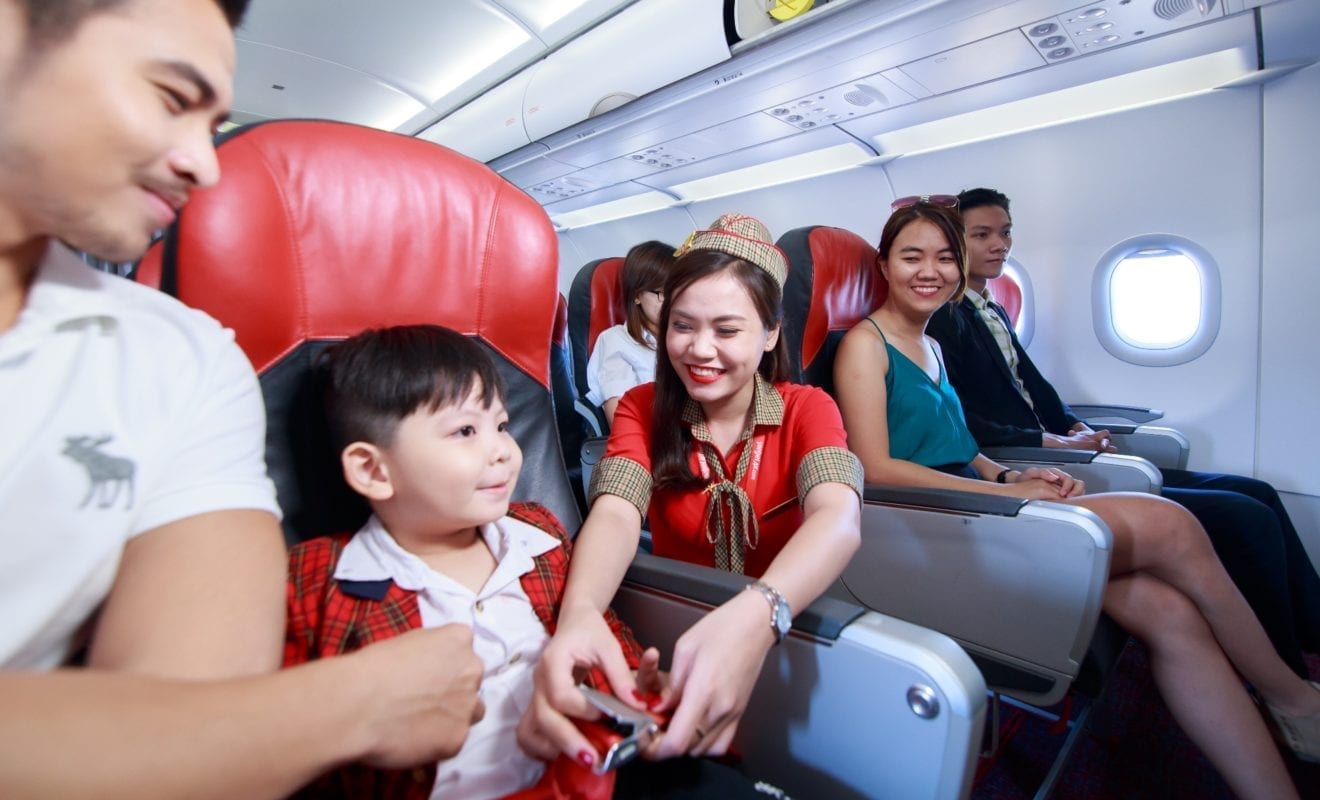
    Bamboo Airways, Vietnam’s newest airline, has begun ticket sales and its first flight is scheduled to take off next Wednesday. The airline has just officially opened ticket sales on Saturday. It has three ticket classes, Economy, Flexible Economy and Business Class, and unlike other low-cost carriers like VietJet and Jetstar Pacific, all passengers will be served hot meals or snacks.

    The carrier has announced a slew of promotions such as combining air tickets with hotel rooms at resorts owned by FLC Group, its parent company, and golfing.

    The airline’s vice president, said the first flights would be to Hanoi, HCMC, Danang and popular tourist destinations such as the central provinces of Quy Nhon, Quang Binh and Thanh Hoa and the northern province of Quang Ninh.

    Bamboo Airways start off with 60 domestic flights a day. Later this year it will fly to Japan, Korea and Singapore.

    Bamboo Airways was founded in mid-2017 with a charter capital of VND700 billion ($30 million), which it increased to VND1.3 trillion ($55.68 million) recently.

    The airline has signed deals to buy 24 Airbus A320neo and 20 Boeing B787-9 Dreamliner aircraft for around $8.6 billion.

    The four other carriers currently in Vietnam are Vietnam Airlines, Vietjet Air, Jetstar Pacific, and VASCO.

  • Bamboo Airways cleared to take to the skies

    Bamboo Airways cleared to take to the skies

    Vietnam’s newest airline, Bamboo Airways, has received a certificate that allows it to operate aircraft for commercial purposes. The Vietnam Civil Aviation Authority Tuesday granted the Aircraft Operator Certificate (AOC) to Bamboo Airways. The AOC is a certificate approved by a regulatory authority that allows a carrier to operate aircraft for commercial purposes within a specified scope of activities. As such, the FLC Group’s startup airline has completed all necessary regulatory procedures for commencing commercial operations in Vietnam’s aviation market.

    “This AOC certification is a result of 4 years of effort, I believe it is an important first step for Bamboo Airways to serve passengers and devote themselves to the Vietnam aviation industry,” said Dang Tat Thang, CEO Bamboo Airways.

    After many delays, Bamboo Airways expects to start operating domestic flights with Airbus A321 NEO aircraft by mid-January. Bamboo Airways will prepare 20 planes for flight in the first quarter of 2019 and increase their fleet size to 40-50 aircraft by the end of the year.

    Thang said that at the moment, Bamboo Airways has fully prepared their personnel, technical and material assets and affirmed its fitness for operation through many activities including test runs, maintenance, engineering and other commercial transport activities.

    Bamboo Airways will operate 37 routes connecting all major cities and popular tourist destinations in Vietnam, as well as some international routes in 2019.

    The first routes of the country’s fifth carrier would connect Hanoi and HCMC, and from Hanoi and HCMC to central provinces of Quy Nhon and Quang Binh, and northern Quang Ninh Province.

    The new carrier plans start off with 60 domestic flights a day. Later this year, the company also plans to open international flights to Japan, Korea and Singapore.

    Bamboo Airways was founded in mid-2017 with a charter capital of VND700 billion ($30 million), which it increased to VND1.3 trillion ($55.68 million) recently.

    The airline has signed deals to buy 24 Airbus A320neo and 20 Boeing B787-9 Dreamliner aircraft worth a total of about $8.6 billion.

    The other four carriers in Vietnam currently are Vietnam Airlines, Vietjet Air, Jetstar Pacific and VASCO.

  • No More Free Checked Baggage on Lion Air Indonesia

    No More Free Checked Baggage on Lion Air Indonesia

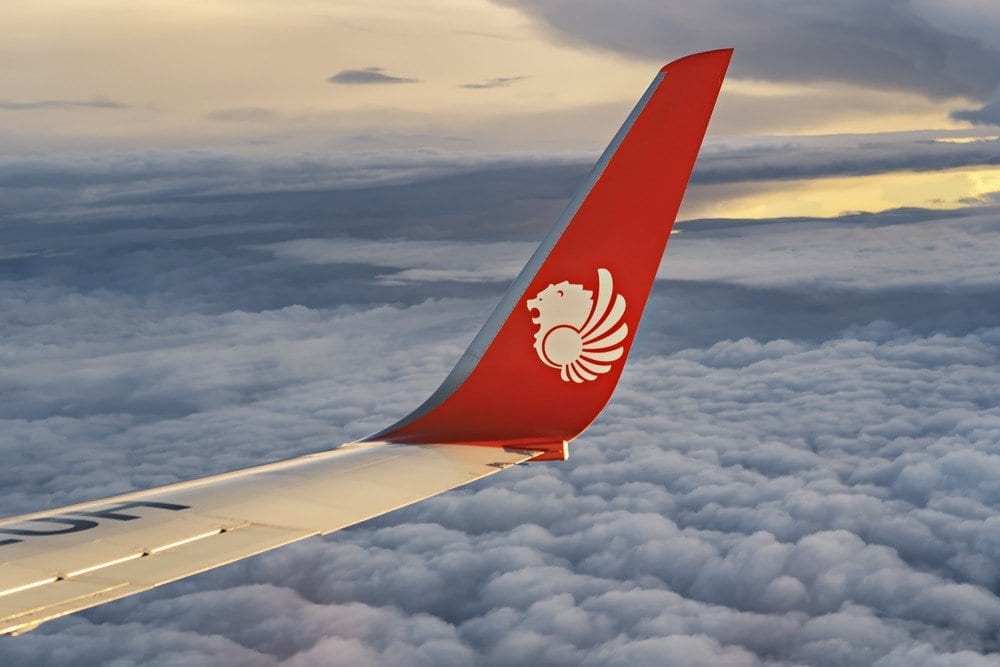
    Flying cheap will soon also mean flying light for many Indonesians after the country’s largest airline, Lion Air, and its subsidiary, Wings Air, decided to start charging for checked baggage on all their domestic flights from today. The airlines, which together served around half of the archipelago’s air travelers last year, will only allow one piece of cabin baggage, such as a suitcase of no larger than 40 x 30 x 20 centimeters, weighing less than 7 kilograms, and one personal item, such as reading material, a handbag, or laptop bag.

    “Both Lion Air and Wings Air, which will enforce the new regulation until further notice, will no longer accept free checked baggage of up to 20 kilograms and 10 kg, respectively,” Lion Air Group spokesman Danang Mandala Prihantoro said in a statement on Friday.

    Checked baggage exceeding 7 kg will be subject to an excess baggage fee based on the rate for the day. Carriers will further no longer allow passengers to bring several items tied together with rope or string into the cabin as these will also be subject to additional fees.

    Passengers will be able to purchase prepaid baggage vouchers through tour and travel agencies, the airlines’ websites, or at their ticket sales offices.

    The carriers have advised passengers to prepay for baggage when they buy their tickets, or alternatively, pay for it up to six hours before departure.

    Power banks with capacities of more than 160 watt-hours (Wh), or 32,000 milliamp-hours (mAh), will no longer be allowed on aircraft, while those with capacities of between 100 and 160 Wh will require special permission by airline staff.

    Passengers will still be permitted to take power banks with a maximum capacity of 100 Wh into the cabin after notifying the ground crew. However, these may no longer be used onboard.

    Passengers who have purchased Lion Air and Wings Air tickets before Jan. 8 would still able to enjoy the respective 20 kg and 10 kg free baggage allowances.

  • AirAsia to freeze launches for next 3 years barring Vietnam

    AirAsia to freeze launches for next 3 years barring Vietnam

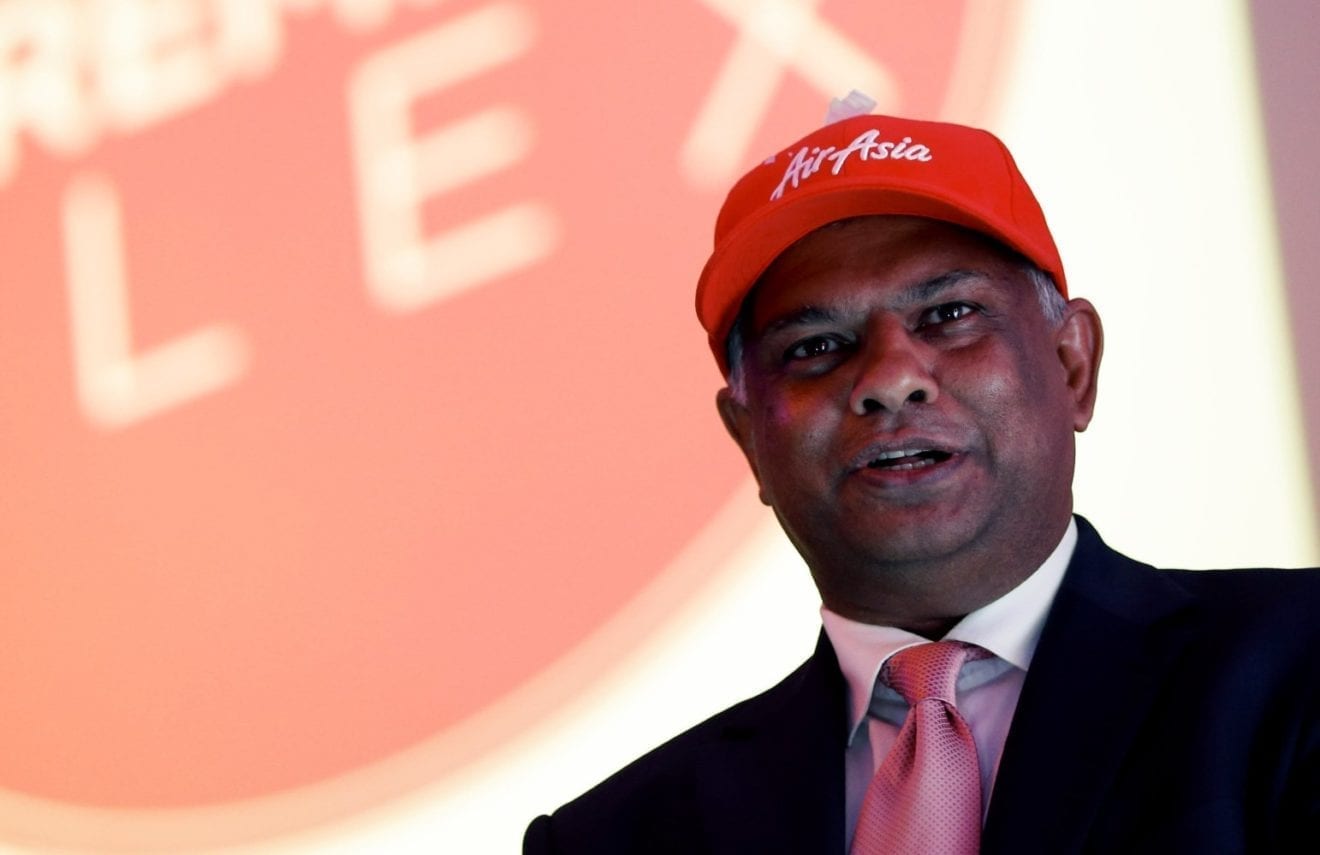
    Malaysian discount carrier AirAsia Group won’t open any new airline in the next three years and will focus on current operations after its proposed Vietnam launch, Group CEO Tony Fernandes said Wednesday. “After Vietnam, we will focus on what we have,” Fernandes said in a twitter post. “Focus this year is to make Indonesia and Philippines very profitable.” Fernandes said he is confident of India and Japan operations turning profitable in 2021, noting that the company’s strong franchise in Southeast Asian markets such as Indonesia, Malaysia, Thailand, Philippines and Vietnam will help fuel growth.

    According to September data, AirAsia operated 127 planes flying to over 130 destinations. The Southeast Asia’s largest budget carrier by fleet has also placed orders for 100 Airbus A330neo wide-body jets for long-haul flights. The company most recently signed a pact “reaffirming” its intention to set up a low-cost carrier in Vietnam with its local partner Tran Trong Kien in his capacity as CEO of Thien Minh Travel Joint Stock Company and General Director of Hai Au Aviation Joint Stock Company.

    Analysts doubt certainty of Indonesian and Philippines operations turning profitable this year as intense competition in both the markets amid highly-volatile fuel prices will continue to weigh on AirAsia’s operations. While Indonesia AirAsia could be slightly profitable in 2019 thanks to robust demand, the company’s Philippines unit will likely remain in the red, said Nomura analyst Ahmad Maghfur Usman. Fallout from a recent crash of Lion Air flight could help drive traffic to AirAsia Indonesia, he said. It is possible for AirAsia’s Indian operations to turn in a profit as early as next year although its business in Japan could remain in the red until the end of

    2020, he said. Global airlines have grappled with fickle input costs in 2018 as crude oil swung between a gain of nearly 30% and loss of 23% before ending the year at $66.73 a barrel. Jet fuel price averaged $86.8 per barrel for 2018, according to the International Air Transport Association.

    Every one dollar increase in crude oil prices could potentially lower AirAsia’s profit by as much as 47.5 million ringgit, according to Nomura’s Ahmad’s estimates.

    Fuel cost will largely determine whether Indonesia and Philippines operations would be profitable for AirAsia, said TA Securities research analyst Tan Kam Meng. Among the risks facing AirAsia is a rebound in crude oil prices to $70 a barrel, he flagged. Still, Malaysia remains key for AirAsia, said Tan. “Although profitability of Thailand, Philippines and Indonesia is a concern, it would not change valuation of the company significantly,” Tan said. Shares of AirAsia, which have added 6.94% over the past year, are currently trading 0.34% lower at 2.96 ringgit apiece.