Retail News CRM

Tag: budget airlines

  • Vietnam’s Vietjet valued second in Southeast Asia

    Vietnam’s Vietjet valued second in Southeast Asia

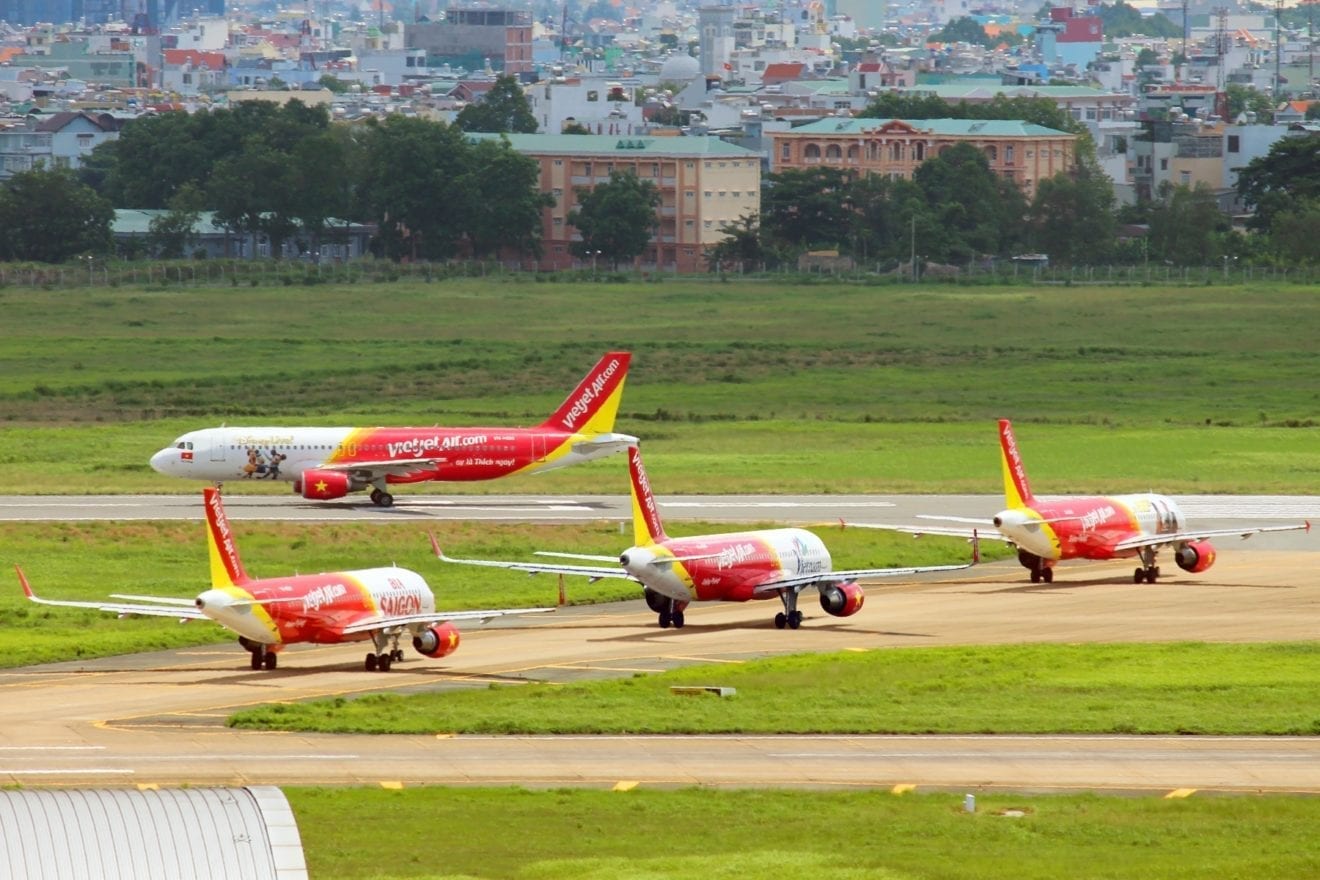
    Vietnam’s largest private airline, Vietjet Aviation, is the second most valuable airline in Southeast Asia by market capitalization. Vietjet’s value is only behind Singapore Airlines, as reported last Thursday. Last Friday, the airline was valued at $3.02 billion while Singapore Airlines topped the region at $8.29 billion.

    On Thursday, Vietjet Air launched a new international route between Hanoi and Japan’s Osaka. It plans to open two more routes to Japan in December and January.

    Earlier this month, Vietjet signed a $6.5 billion agreement to buy 50 Airbus A321neo jets.

    The airline said that the order was in line with its growth strategies and will enhance its operational efficiency and capacity, especially on international routes.

    In Vietnam, Vietjet only has to contend with two domestic rivals: the state-run Vietnam Airlines and its low-cost arm, Jetstar Pacific Airlines.

    “There are only three airlines in Vietnam, and that arrangement facilitates profit generation domestically,” a representative at an international brokerage told the Nikkei Asia Review.

    In March last year, Vietjet’s market capitalization surpassed that of state-owned Vietnam Airlines only a week after it was listed.

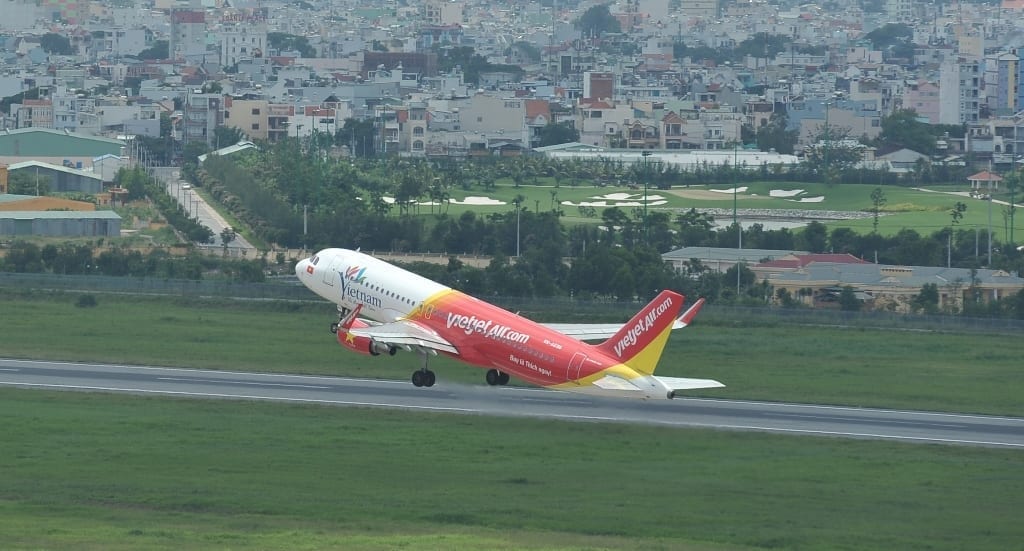
    Vietjet currently operates 60 Airbus jets with more than 385 flights daily within Vietnam and to countries and territories such as mainland China, Hong Kong, Japan, Malaysia, Myanmar, South Korea, Singapore, Taiwan and Thailand.

  • Jeju Air net profit falls 3.7% due to the high cost of oil

    Jeju Air net profit falls 3.7% due to the high cost of oil

    Jeju Air, Korea’s biggest low-cost carrier by sales, said Tuesday its third-quarter net profit fell 3.7 percent from a year earlier due to high oil prices. Net profit for the three-month period that ended on Sept. 30 reached 31 billion won ($27.6 million), compared with 32.3 billion won ($28.7 million) a year earlier, the company said in a regulatory filing.

    The budget airline said high oil prices are to blame for the decline in net profit.

    Jet fuel prices came to $87.3 per barrel in the third quarter, up 45 percent from a year earlier.

    Operating profit fell 6.5 percent to 37.7 billion won ($33.5 million) in the July-September period from 40.3 billion won ($35.8 million) a year ago. Sales were up 31.3 percent to 350 billion won ($311 million) from 266.5 billion won ($236.8 million) during the same period last year, it said.

  • Vietjet Air targets young aircraft fleet to keep costs low

    Vietjet Air targets young aircraft fleet to keep costs low

    Budget carrier Vietjet Air plans a fleet age average of three years to keep fuel and maintenance costs low. Vietjet Air is in negotiations to firm up the deal after ordering 100 Boeing 737 MAX aircraft and 50 Airbus A321neo aircraft at the Farnborough International Airshow in the U.K. in July.

    The planes are expected to be delivered between 2020 and 2025, Vietjet CEO Nguyen Thi Phuong Thao said recently.

    But some analysts have questioned whether Vietjet is equipping itself with way too much aircraft, given that it already owns 62 Airbus narrow body jets.

    The carrier, which leads the domestic market with a 45 percent share, expects to receive 30 new aircraft and “retire” 10 each year between 2020 and 2025 to keep its fleet young, Thao said.

    “The average age of Vietjet aircraft is three years now and we want to keep it that way,” she said on the sidelines of a CEO conference in Bangkok.

    The average age of Vietjet’s planes is half that of other low-cost and fast-growing carriers in Asia like Malaysia’s AirAsia, Indonesia’s Lion Air and India’s IndiGo, according to Airfleets.net.

    “The main reason for the young fleet is to keep the maintenance and fuel costs low and to ensure a good service for passengers on fresh, convenient planes,” said Thao.

    Deliveries of those planes are expected to happen from now until early next year.Last month, Vietjet inked a deal to buy 10 Airbus aircraft worth $1.24 billion from Japanese and French companies.

    Thai Vietjet, which operates under a franchise contract in Thailand, is flying with seven jets and expected to add ten more jets each year, the carrier had said this month.

    Vietjet runs 385 flights daily within Vietnam and to Japan, Hong Kong, South Korea, Taiwan, Singapore, mainland China, Thailand, Myanmar and Malaysia.

  • Vietjet to finalize $6.5 billion Airbus order: sources

    Vietjet to finalize $6.5 billion Airbus order: sources

    Vietjet is set to finalize a $6.5 billion jet order with Airbus ​during a visit to Hanoi by French PM Edouard Philippe on Friday. The order for 50 A321neo jets is part of an aggressive investment in the Vietnamese fast-growing budget carrier Vietjet’s fleet that has provided lucrative business for both Europe’s Airbus and its U.S. rival Boeing.

    It is also a boost for Airbus as it seeks to turn a raft of provisional orders put together at July’s Farnborough Airshow into hard revenues, narrowing a gap against Boeing this year.

    The deal is the biggest economic component of an official visit to Vietnam by Philippe from Nov. 2-4, during which he will oversee deals with French firms and hold talks with Vietnamese counterpart Nguyen Xuan Phuc, people familiar with the matter said.

    Airbus and Vietjet both declined to comment.

    Vietnam and France also signed an agreement in September to expand defense collaboration, although details are scant.

    VietJet CEO Nguyen Thi Phuong Thao said this week that Vietjet plans to maintain an average fleet age of just three years to keep fuel and maintenance costs low.

    It placed provisional orders for the A321neo jets and 100 Boeing 737 MAX jets in Farnborough and has been negotiating to firm them up, with deliveries expected between 2020 and 2025.

    The formal signing, to take place on Friday, will help to dispel doubts over the substance of deals announced in Farnborough, which was marked by a rash of vague or incomplete order announcements.

    Finalizing such deals can involve tough negotiations as airlines try to squeeze out last-minute concessions.

    However, finance industry sources have expressed concerns about a glut of orders in Southeast Asia from airlines like Vietjet, Malaysia’s AirAsia and Lion Air of Indonesia and question whether all of the several hundreds of planes on order from the Asian low-cost carriers will actually be delivered.

    Vietjet told the Airline Economics conference in Hong Kong this week that low-cost airlines have a relatively low market position in Vietnam, and that those most successful in driving down unit costs would ride out any downturn in the market.

    Vietnam’s expansion has also been peppered with trade sensitivities as Vietjet – which says it enjoys government support – juggled Airbus and Boeing procurements: a strategy also designed to win bigger discounts.

    Two years ago, Boeing upstaged Airbus by clinching an order for 100 737s during a visit by then-U.S. President Barack Obama.

    Until then, VietJet had only bought from Airbus, including an order for 92 jets in 2013.

    Philippe’s visit is the latest example of Western leaders beating a path to Asia’s low-cost carriers, whose orders have secured thousands of manufacturing jobs, trade experts said.