Tag: Business

  • Gourmet Investments brings Ministry Of Crab to India

    Gourmet Investments brings Ministry Of Crab to India

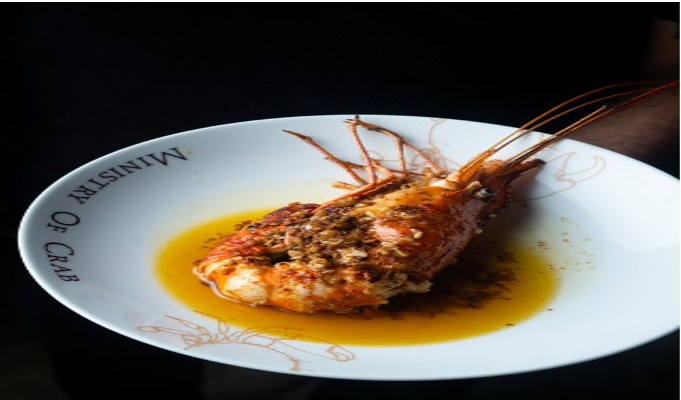
    Gourmet Investments Pvt. Ltd brings Mumbai’s most awaited launch of the year with the unveiling of Ministry Of Crab’s first-ever outlet in India. The grand launch of Sri- Lanka’s beloved restaurant is scheduled to take place at Zaveri House, Khar, Mumbai. Ministry Of Crab is the brainchild of celebrated chef and restaurateur Dharshan Munidasa in partnership with Sri Lankan cricket legends Mahela Jayawardane and Kumar Sangakkara. With its exemplary services and menu, Ministry Of Crab has safely secured its place for 3 consecutive years in the list of Asia’s 50 Best Restaurants.

    It was incepted in Sri Lanka on December 12, 2011 in the renovated 400-year-old Dutch Hospital, where it has successfully hosted the most renowned personalities from all walks of life. A haven for food lovers, Ministry Of Crab promises an unforgettable culinary experience with an array of intensely delicious recipes.

    Replicating success from the past, Ministry Of Crab becomes the newest entrant in India’s restaurant market by joining hands with GIPL. GIPL has extended unwavering support to a veteran of several landmark restaurant launches in India with the likes of PizzaExpress, Typhoon Shelter, The Bandra Project, The Runway Project, The Market Project, and The Poona Project. Through such partnerships, GIPL is committed to expanding its portfolio in food and beverage industry.

    Commenting on the partnership, Ramit Bharti Mittal, CEO of Gourmet Investments Pvt. Ltd., said, “We are thrilled to bring Ministry Of Crab to India. It is our constant endeavor to open doors for such brands that resonate with our values and we feel there couldn’t be a better choice for us than Ministry Of Crab. We see immense potential in Indian market for Ministry Of crab and through our strategic partnership, we embark on a new journey to deliver the best-in-class dining culinary experience to our customers.”

    Deepinder Batth, COO of Gourmet Investments Pvt. Ltd., says, “We envision transforming the gastronomic landscape of the country and with the launch of Ministry Of Crab, we feel we are moving towards that direction. MOC has received an exceptional response from food lovers in Sri-Lanka and Shanghai and we are excited to welcome the outlet in our country.”

    On coming to India, Chef Dharshan Munidasa says, “We are looking forward to working with Indian chefs in the country. As our delectable recipes are curated to perfection, we are sure the restaurant is slated to be an ultimate dining destination. We are happy to have partnered with Gourmet Investments, as they have shared our value system and are committed to bringing the DNA of Ministry of Crab to give our guests an authentic experience.”

  • SM Philippines to open 4 new malls

    SM Philippines to open 4 new malls

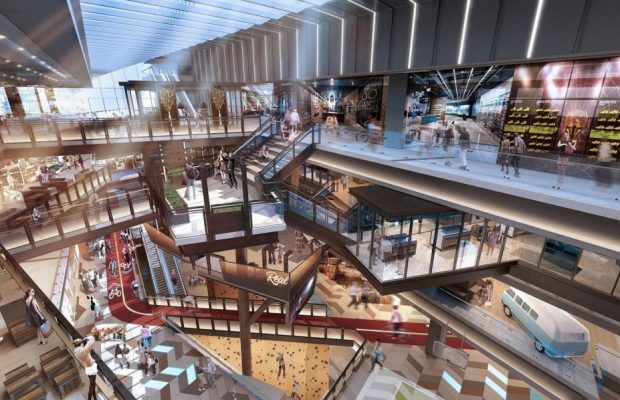
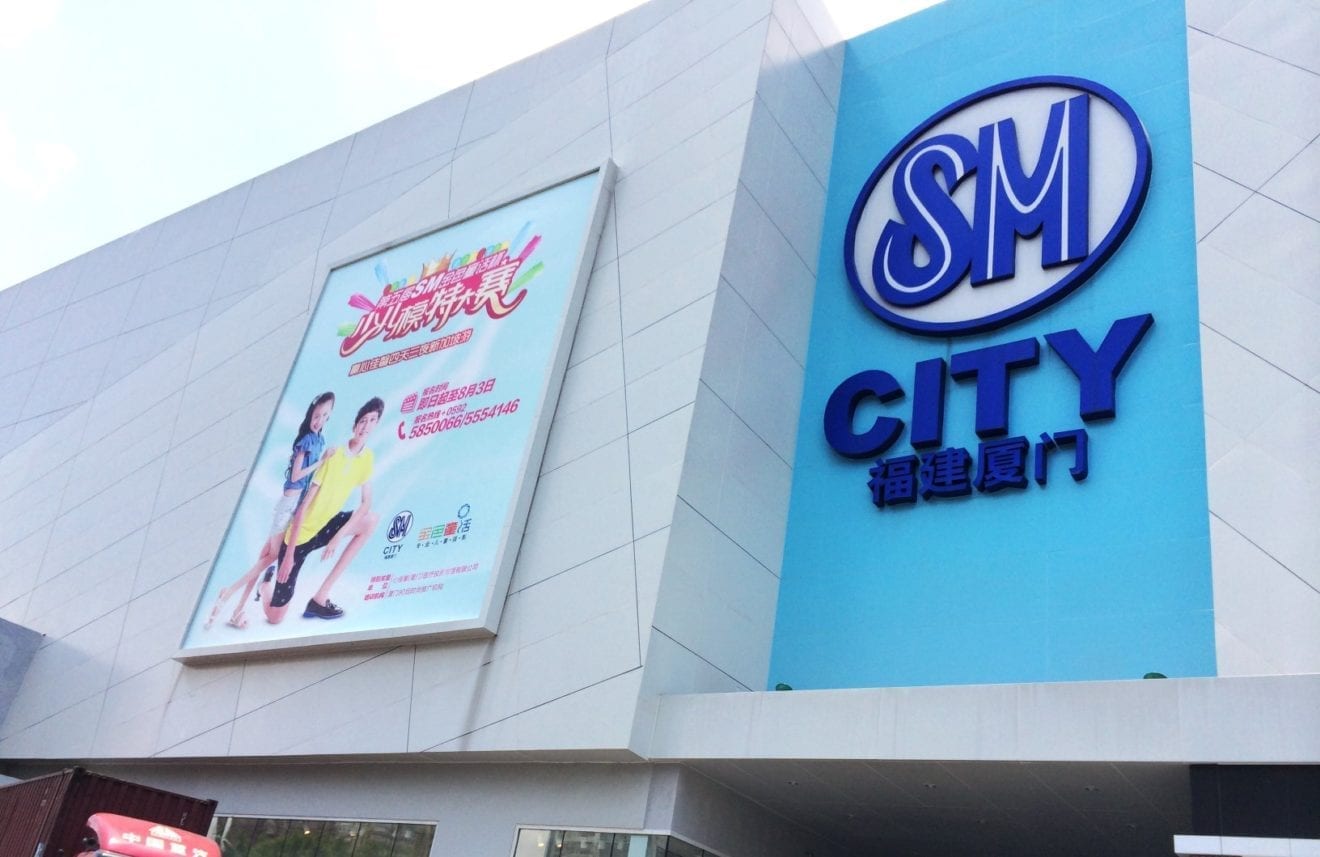
    SM Prime says it will open four new malls in Philippine provinces this year. The company will also intensify land-banking efforts to make it easier to develop properties in the future. The new SM Prime malls will be SM Mindpro Citimall in Zamboanga City, SM Center Dagupan, SM City Butuan and SM City Olongapo Central. Together they will have a gross floor area of 179,000sqm.

    “SM Prime’s mall expansion is geared toward the provinces,” the company said in a presentation posted online. “The focus is to cover most of Northern Luzon, Visayas, and the progressive cities in Mindanao.”

    Besides the new shopping centres, the company’s properties SM City Baguio and SM City Fairview will be expanded this year, adding 46,000sqm and 32,000sqm, respectively.

    All these developments will see the company finish the year with 10.5 million sqm of GFA, representing an increase of 9 per cent for the year.

    SM Prime’s profit rose 17 per cent in the first nine months of last year, to P23.44 billion (US$444.6 million) on sales up 15 per cent to P74.56 billion (US$1.414 billion).

  • Naver to open up TV service, take on YouTube

    Naver to open up TV service, take on YouTube

    Local IT giant Naver announced plans Thursday to make its Naver TV service an open platform where anybody can freely upload videos, pitting it in direct competition with YouTube. The company said it would apply the change during this year’s first half. Originally, only people with more than 300 subscribers on other video platforms were permitted to create a channel on Naver TV.

    Unlike YouTube, considered the playground of individual creators, most traffic at Naver TV is to come from short videos from TV shows uploaded by broadcasting or cable channels, like TvN or JTBC. Lowering the bar is intended to draw in the legions of individual creators who have begun to emerge in Korea over the last two years.

    “Naver TV was originally focused on offering video from TV for users that flow in via our search engine,” said a company spokesperson.

    “We gradually had small- or mid-sized studios upload web dramas or famous beauty creators joining our platform and by that experience we learned the patterns of how original content is consumed. Now we want to make it accessible to more creators.”

    Last week, Naver lowered the bar to 100 subscribers and simplified the process required to set up a channel, as a first step to earn feedback and find areas that need improvement before fully opening the door to everyone.

    As a strategy to boost users, Naver is devising a compensation system to reward creators according to their performance. Channels with more than 300 subscribers and whose videos were played for more than 300 hours will be offered the choice to roll advertisements.

    Naver CEO Han Seong-sook publicly stressed the importance of online videos multiple times last year, expressing a will to develop that sector.

    “The internet market is rapidly restructuring to be centered on videos – Naver will also invest more in line with this change,” she said in a conference call in July, pointing out how the younger generation no longer spends time on portal sites or social networks, but on video platforms.

    Naver’s traditional strengths are not in video but other services, such as its search engine, blogs and online communities. Regardless, the company has invested in its video services. Apart from Naver TV, its other main video service is V LIVE – a platform via which K-pop idols can host live streamed videos with fans. Around 70 to 80 percent of users at V LIVE are based overseas.

    “Instead of running a single platform like YouTube, our direction at the moment is to divide platforms according to usage and optimize the service that fits their respective purposes – V LIVE for fans and Naver TV for general creators,” said the Naver spokesman.

  • Global business leaders raise concerns over e-commerce policy changes in India

    Global business leaders raise concerns over e-commerce policy changes in India

    Several global business leaders have raised concerns over the evolving regulatory challenges concerning the e-commerce sector in India and said they want a stable policy regime to help this space achieve its robust growth and investment potential. According to a report, multiple business leaders attending the World Economic Forum Annual Meeting here said there are confusions in their mind in the backdrop of recent policy changes for e-commerce players having FDI in India.

    They did not want to be named, given the sensitivity of the subject and the evolving nature of the proposed rules, but said they have directly, or through their representatives, raised their concerns with the Government. They wanted to raise the issue directly with Commerce and Industry Minister Suresh Prabhu in Davos, but his plan to come here got changed at the last moment.

    At a session here at the WEF meeting, WTO Chief Roberto Azevedo also said there was a need for a global multilateral framework on e-commerce business.

    India’s FDI policy allows 100 percent foreign direct investment in marketplace model, but investors also want a stable policy and regulatory regime, a senior official of a leading online retailer said.

    An industry lobby group official said there is a fear that certain new rules proposed by the Government could lead to discrimination against investors as this policy is only for foreign players and not for domestic ones in the e-commerce sector.

    Another executive claimed it is being seen as a non-consultative approach even with investors who bring in huge foreign direct investment.

    However, Government officials rejected these allegations and said the new changes seek to safeguard competition and the interest of domestic players. The rules have been made after due consideration and consultations with concerned stakeholders, they added.

    The Commerce and Industry Ministry brought certain changes to Press Note 2 on December 26, 2018 which prohibited e-commerce companies from entering into an agreement for exclusive sale of products along with tightening norms for firms having foreign investment.

    The Government has also barred online marketplaces like Flipkart and Amazon from selling products of companies where they hold stakes and banned exclusive marketing arrangements that could influence product prices.

    The revised policy on foreign direct investment in online retail also requires these firms to offer equal services and facilities to all its vendors without discrimination. The policy would be effective from February 2019.

    In India, the policy as such does not permit FDI in inventory-based model of e-commerce.

    Companies have been seeking more time to implement the changes even as some of them have warned that these substantial modifications in the way they do business pose risks of derailing the e-commerce sector that has been a big job creator.

    Executives from another global retail major said the impact could also be felt by several connected sectors such as advertising, logistics, warehousing and manufacturing.

  • Walmart, Amazon India seek extension of Jan 31 deadline on e-commerce compliance

    Walmart, Amazon India seek extension of Jan 31 deadline on e-commerce compliance

    There is trouble in paradise. The Government’s drastic intervention in e-commerce at the behest of vested domestic interests and the powerful traders lobby has created consternation in the bulge bracket world of e-commerce in India. With the big players having reached out to the Government to give them breathing space on the new compliance measures beyond the January 31 deadline, the Industry ministry has not responded, leading to panic attacks across the board.

    Powerful stakeholders led by Walmart and Amazon from the e-commerce eco system have sought a six-month extension since lakhs of sellers – small and medium-sized – in the market place need to be educated, IT-enabled and connected to meet the statutory audit requirements. Moreover, contracts have to be re-negotiated so that the compliance measures remain ongoing with time being of the essence.

    It is believed that the DIPP or Industry Secretary Ramesh Abhishek, who was earlier encouraging the major players to ramp up their investments in India, has not responded to their pleas and petitions.

    The situation has become precarious primarily because the clarification to press note 2 was even more confusing. On a granular level, the market place cannot have any equity in the seller.

    Hence, Amazon which has five percent equity in Shoppers Stop has to comply with the new standards. The new government directive does not allow private labels, nor does it allow big brands to have commercial tie-ups with the market place. Basically, the rules of engagement have been turned on their head.

    Bain Capital reckons that the heavy lifting e-com players have generated three lakh jobs in India. Over and above this, there are lakhs of vendors.

    Further, the eco system has multiple spin-offs like advertisements, courier companies, logistics companies, supports innumerable manufacturing operations and caters to large scale supply chains. Flipkart has 80,000 employees, 80 fulfilment centres (warehouses), nearly one lakh plus sellers and artisans of all hues across the land. Ditto for Amazon, which has similar numbers across its business spectrum.

    Walmart paid US$ 14 billion for Flipkart stock with a promise of an additional US$ 2 billion in physical structure investment. So, there is a lot riding on these heavy lifters for both know that this is the last frontier in terms of a consumption market, since India consumes 67 percent of its own US$ 2.6 trillion GDP. Interestingly, Walmart runs Flipkart as a stand-alone entity.

    For Walmart this is a priority market and it is keen that the January 31 compliance window deadline is extended. Its commitment to the Indian market can be gauged from the fact that it recently got 100 acres in Bengal for warehousing as a pivot to the northeast market. Hence the size of the commitment is seeing enlargement almost daily.

    It is on the verge of closing another 100 acre fulfilment centre in Telengana to service the southern market. Remarkably, the Indian retail market is estimated to be US$ 650 billion, of which 90 percent is the kirana stores while nearly eight per cent is made up of Indian retail players and only two percent is e-commerce. However, since the biggies in e-com are global behemoths, impediments are being placed in their path.

    At the kernel of the government notification and clarificatory statement is the targeting of e-commerce giants who are quick to retort that they helping small sellers with a channel that is tech-enabled to put their products on the marketplace.

    At the time same time, even as they try and get the government to listen to their litany of woes on immediate compliance, the process of evaluation of sellers will continue and remain ongoing so that they are effectively compliant every single day. The government’s intervention is perceived to be through a non-consultative process and the global giants want more time for compliance and enhanced level of dialogue.

    The audit requirement on the sellers by opening their books to the marketplace in such a short time is reminiscent of the haste in the launch of GST, which threw small businesses out of gear.

    Many of the sellers will now have design IT systems and the marketplace cannot be liable for this. In parallel, there is no clarification on how to conduct the private label business.

  • Jollibee to sue Chinese copycat

    Jollibee to sue Chinese copycat

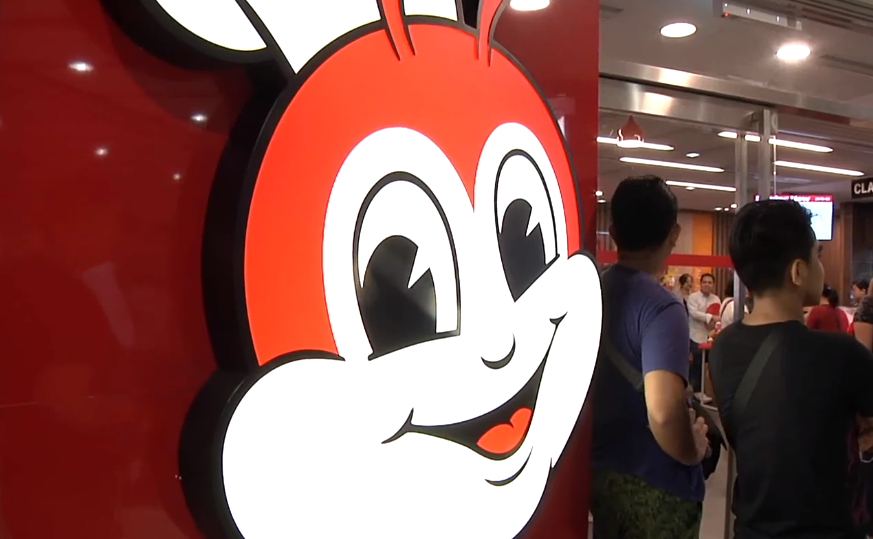
    Jollibee Foods has confirmed it is taking legal action against a copycat restaurant in China. A recent Facebook post which went viral featuring the Chinese restaurant – named JoyRulBee – drew much attention among internet users in the Philippines, after a Filipino couple travelling in Guangxi spotted the the familiar mascot and documented the knockoff.

    Pictures and a video showed that both the exterior and interior of the restaurant were close copies of the Jollibee brand, while the menu was also markedly similar.

    Jollibee’s response to the post indicated the firm was already aware of the existence of the copycat restaurant and has initiated legal proceedings to protect its trademark.

  • Asean’s Power Landscape Expected to Transform in 2019

    Asean’s Power Landscape Expected to Transform in 2019

    Member states of the Association of Southeast Asian Nations are on a path to transform their power landscapes as energy demand continues to rise to match the region’s economic growth potential, a power management company said this week. “In the pursuit of a robust digital economy, Asean is heralding in an era of unprecedented innovation … 2019 will see power play an indispensable role in shaping the evolution of the region’s economy,” Ireland-based power management company Eaton said in a statement.

    In Southeast Asia, technology will have to meet increasing demand for clean, renewable energy and remote power management, support the arrival of 5G connectivity, and provide resilience against growing cyberthreats.

    Asean’s evolving energy demand, which according to the International Energy Agency will grow by almost two-thirds by 2040, will go together with the projected boom in the region as part of the fourth industrial revolution.

    Development of the region’s smart cities network has already made way for some significant changes in regional power management, Eaton said.

    “We are seeing a seismic shift in the region’s power management outlook as cities gear up on technology as the foundation of smart and sustainable urban development,” the company said.

    Eaton said batteries would continue to develop in this part of the world beyond their traditional use as a backup energy source.

    “At present, heavy investments in Asean are being made in preparation for such technologies in the years to come,” the company said.

    Singapore, for example, has embarked on a public-private partnership through its Energy Market Authority to speed up the deployment of energy storage systems.

    Though new technology seems to demand new assets, Eaton also highlighted the importance of making the most of existing assets.

    “Only by devising new and innovative solutions can the industry progress amid drastic changes in power demand and supply,” the company said in the statement.

  • Reliance Retail is 94th on Deloitte’s top retailer list

    Reliance Retail is 94th on Deloitte’s top retailer list

    The global retailing industry saw a record growth in revenue in 2017 with the top 250 companies increasing their revenue by over 83 percent, according to a latest report by a professional services multinational that said Reliance Retail was the only Indian company in the list. The Deloitte’s ‘Global Powers of Retailing 2019’ said that with the fast moving consumer goods (FMCG) being the main growth drive for the top 250 global retailers, the retail revenue increased by over 83.2 percent generating aggregate revenue of US$ 4.53 trillion in fiscal 2017.

    “Despite the deceleration in the global economy, the consumer and investor sentiment continues to remain positive.

    “Our global reports highlight that of the top 10 companies on the top 250 list, eight were FMCG companies and that sector has been a strong reason for the India retail story,” Deloitte India Partner Anil Talreja said.

    According to the report, Europe had the highest number of top 250 retailers.

    Companies such as Amazon and Reliance doing exceptionally well by climbing 2 and 95 spots, respectively, on the back of exceptional retail growth.

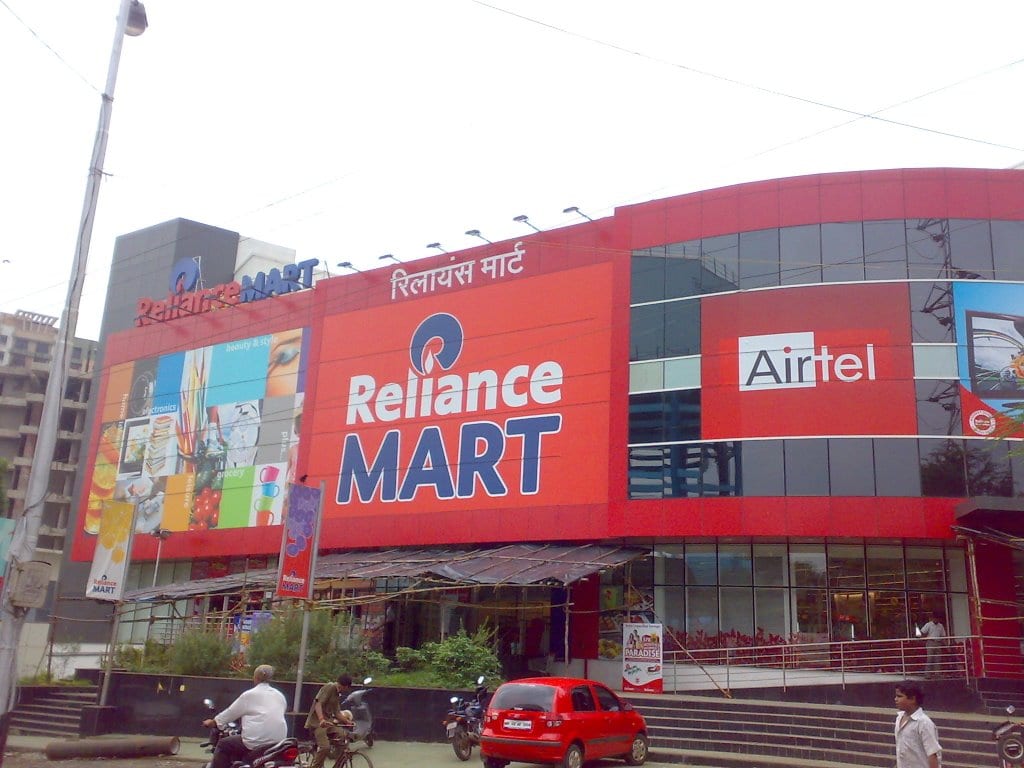
    Reliance Retail as the only Indian company in the top 250 list came in at the 94th position and was also placed sixth among the 50 fastest growing retail companies.

    In fiscal 2017, the company doubled its annual revenue to $10,649 million over the previous year.

    Walmart retained its position as the world’s largest retailer with an improvement in retail revenue growth by three per cent in 2017. Its major growth drivers were the acquisition of e-commerce firms such as Jet.com, ModCloth, Shoes.com, Moosejaw, and Bonobos, besides greater investments in store remodelling and investment in store wages.

    Walmart has recently acquired Indian e-commerce major Flipkart.

    The Deloitte survey reported sluggish growth in Europe, China and Japan, but said retailers continued to grow as a result of increased merger and acquisition (M&A) activity, new store openings, and robust e-commerce activity.

    “The global economy is currently at a turning point. Until early 2018, the global economy displayed strong growth.

    “With inflation accelerating in major markets, governments making shifts in monetary and fiscal policies, and most of the emerging markets experiencing significant currency depreciation the global economy will slow down in the near future,” Deloitte Global Chief Economist Ira Kalishsaid in the report.

    “For retailers, this change will mean slower consumer spending growth, higher consumer prices, and disrupted global supply chains,” he added.

  • Revealing Subway Hong Kong’s new strategy

    Revealing Subway Hong Kong’s new strategy

    Subway Hong Kong has chosen a university campus to launch the first of its new-generation store concepts in Greater China. The Fresh Forward restaurant decor marks a modernisation for the iconic made-to-order sandwich chain which with a new development office in Hong Kong and Macau is achieving same-store annual sales growth of more than 20 per cent. The new development office management team, comprising CEO Christel LeBrun, GM Jamie LeBrun and director Mark Rutherglen have more than 50 years of Subway experience between them.

    Subway Hong Kong’s new Fresh Forward restaurant opened on level 3 of City University’s Lau Ming Wai Building in late August. It takes up a 900sqft site and seats 30 guests, making it one of the largest Subways in Hong Kong and Macau. The larger footprint is representative of the new development office’s strategy to develop the brand on a larger scale, unlike the smaller kiosk-style locations opened in the past.

    During the grand opening the store served more than 1300 customers, fulfilling 200-plus orders an hour during peak lunch periods. “Last year, we focused a lot of energy on better service, fresher products and cleaner restaurants,” said Christel LeBrun. “The way in which our sandwich artists and managers handled the volume on opening day is a testament to how far the operations have come in 12 months.”

    Subway Hong Kong expects that by the end of this year half of its outlets across the two territories will be remodelled to the new concept which Jamie LeBrun describes as “Subway stepping into the 21st Century”.

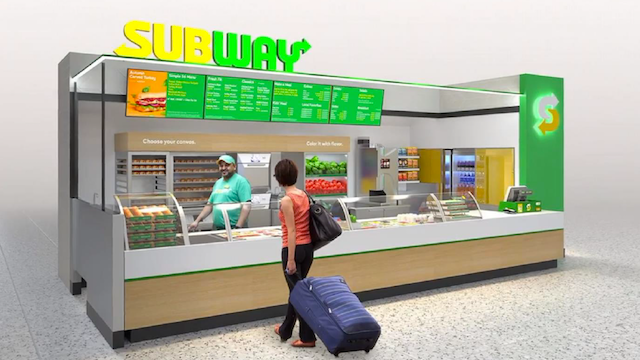
    Features of the new look include digital and interactive menu boards that have a more product-focused design and are controlled centrally via a content-management system.

    New fresh-vegetable and bread displays show customers how the chain’s products are prepared fresh in store each day.

    Brightly coloured furniture and eye-catching graphics on the walls create a more welcoming and “fresh” environment for dine-in customers, who can enjoy the convenience of power points for laptops and USB charging ports to recharge smart devices.

    “Our customers want good food, better value and clean restaurants. And we’re giving them that,” said Jamie LeBrun.

    Michael Kyprianou, director of development with Subway Hong Kong and a part owner of the City University store, describes the new concept as “an absolute game changer”.

    Future Fresh Forward stores in the two cities will be set up to cater better to online ordering.

    “With the move towards services like Deliveroo and Foodpanda, we have redesigned the back of house so where we have a prep bench, you can lift it up and you’ll have a salad bar so you can assemble orders at the back of the store for delivery,” says Jamie LeBrun. “So when orders are coming in online during peak hours, someone will be out the back preparing orders and not interfering with the in-store trade.”

    Jamie LeBrun says some Hong Kong Subway stores can earn up to 25 per cent of their sales online. “That’s how big the online space is. When it’s raining, no one wants to go out and pick it up. People have got short lunchtimes too – no one wants to go stand in line.”

    Menu evolution

    A major part of Subway’s success last year was a revamped menu which Jamie LeBrun says will continue to evolve to reflect local tastes and feature ‘limited-time offers’.

    “Product innovation is the cornerstone of future success for our business.”

    An avocado promotion in stores last year with three popular combinations – Roast Chicken and Avocado, Bacon and Avocado and Turkey, Bacon and Avocado – achieved sales 200 per cent higher than forecast.

    This year, Subway Hong Kong promises a new product every six weeks, including limited time offers such as Black Pepper Beef, Shrimp and Avocado and Rotisserie Chicken sandwiches.

    “Currently in restaurants you will find a Japanese Curry Chicken that offers a great warm flavour for these colder months,” says Christel LeBrun.

    Late last year, the company expanded the core menu offer adding coffee to new restaurants through a partnership with Kolb, offering fair-trade coffee beans and fresh milk in hot or cold drinks made in store.

    This year, Subway Hong Kong plans another menu-centric initiative called ‘restore the core’ – the first part of this initiative will be an analysis of existing items and optimising the menu based on what is popular and what can be removed. The second part is then to improve on the products left on the menu.

    Also this year, Subway will be more engaged in the community by sponsoring major ‘active lifestyle and sporting’ events around the territory to boost its profile and make consumers aware of its new outlet design and menu.

    “We are looking at a few events that complement the Subway brand to partner with this year, we are eager to get back into the event space and engage more with our customers,” says Jamie leBrun.

    On World Sandwich Day the company plans to launch a promotion with proceeds donated to those in need via the St James Settlement in Hong Kong. “A number of restaurants were doing 130 sandwiches an hour, every hour for eight hours on the day last year,” says Christel LeBrun.

    Franchisee search

    The development office has several new outlets scheduled to open during the next six weeks, including a new Fresh Forward outlet on Hollywood Road, Central.

    New franchisees are being sought to to help expand its store network now the brand has revamped its decor and upgraded its menu.

    “We are looking for new franchisees that are team players to help grow the brand in the right way,” explains Christel LeBrun.

    “People that are looking to own their own business or be their own boss. Training is provided so it doesn’t matter what background they come from. We have doctors, lawyers, graduates, teachers, parents and everyone in between,” adds Jamie LeBrun.

    Four new franchisees joined last year with another 10 sought this year with the longer-term goal to have 100 outlets in the two territories within 10 years.
  • Dhaba restaurant opens its 10th outlet in Aerocity India

    Dhaba restaurant opens its 10th outlet in Aerocity India

    Dhaba Estd 1986 Delhi by Azure Hospitality is all set to land itself at Delhi’s posh new Aerocity. The award winning deliciousness carries forward the thirty year legacy as it stamps another one at Delhi’s most favourite leisure destinations, The Walk at Aerocity. At Dhaba Estd 1986 Delhi, one not only experiences fabulous Dhaba food but from the moment the patrons enter till the time of their exit, the ambience recreates unparalleled highway eatery nostalgia. Given a shot of new age fun and kitschy interiors with the legendary classics on the menu along with some nouveau beauties – Dhaba is set to recreate the same magic again – but with more full-on Punjabi flair.

    “Keeping the drama to a minimum, we plan another Dhaba, where food is the king yet again. We are thrilled to share that Delhi’s prime food, beverage and leisure destination Worldmark at Aerocity is about to get struck with Dhaba’s dildaar Punjabi love that has been warmly accepted in Delhi NCR, Pune, Chennai, Hyderabad and Bangalore. Aerocity restaurant marks the tenth outlet for us after five successful years across the country. The response has always been heart-warming and we look forward to the same yet again,” say Rahul Khanna and Kabir Suri, Directors, Azure Hospitality.

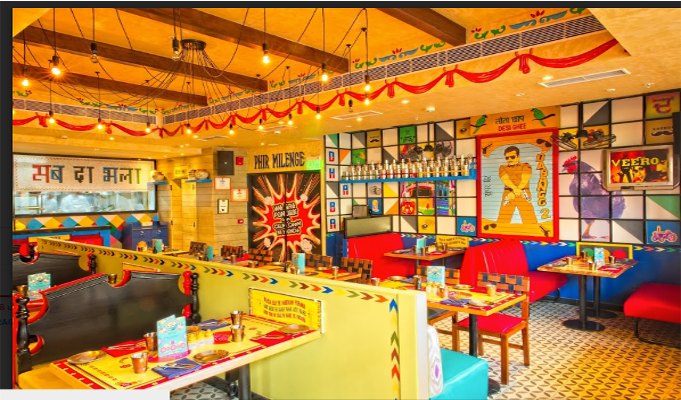
    Dhaba comes in a new avatar with signature kitschy quirk, vintage collages and retro Indian décor of the 80s and 90s, and use of popular Indian weaving techniques in ikat fabrics. Designed by Atul Anand, this 52-seater outlet showcases environmental friendly décor using recycled elements and community tables for group seating. The ambience effortlessly infuses the excitement of a highway meal; and in fact, takes it up a fair few notches! The creative chaos of colours, quirky desi quotes, revival of vintage black and white Bollywood posters and the signature truck art adds to the overall dining experience. The mood of the restaurant is further enhanced by the mock façade of a building, which is designed like a small town.

    With a crafted legacy of over 30 years, the real highway magic always takes place in the kitchen. With a legendary classic Indian menu divided into three drooling parts – the Tandoor, Tawa and Patila, food at Dhaba will be a true showstopper amongst corporate and tourists visiting the location. Chef Ravi Saxena expertly helms the Dhaba kitchen chronicle, reconditioning its fabled signature recipes bringing forth the best of highway cuisine and North Indian cuisine concepts. With signature recipes since 1986 and the new experimental highway specials, there are a whole lot of new and signature dishes for everyone to try.

    The food menu is inspired by travels down the highways of India and the eccentric by-lanes of old towns famous for unique age-old recipes. In addition to the age –old classics, the new menu experiments with newer flavours showcasing Highway specials, not only from Punjab but from all over the country. The essence and soul of Dhaba is Punjabi, however a whole range of regional dishes are now available for indulgence.

  • Korean Netflix shows target a global audience

    Korean Netflix shows target a global audience

    Ahead of the launch of Netflix’s first original Korean drama series today, executives from the streaming giant expressed confidence in the global popularity of Korean content at a press briefing in Seoul, Thursday. Kim Min-young, the director of content at Netflix in Korea, said that she expected to win over fans with the company’s first-ever original Korean drama series “Kingdom,” a highly-anticipated zombie series that launches on the streaming platform.

    “‘Kingdom’ will launch in 190 countries in 27 languages at the same time, with dubbing provided in 12 different languages,” Kim said.

    “We expect many users will want to watch it, as it can appeal to both people who like zombie thrillers or just Korean content … I believe in our creators and [the popularity] of Korean media, which is also the reason why Netflix launched Korea’s own content team in the country last year.”

    Before last May, the team that produced and licensed content to Netflix for the Korean market worked from Singapore at the company’s Asia-Pacific headquarters. Following the relocation, the Korean content team has been pursuing licensing and production activities more actively, working with domestic content producers like JTBC and Studio Dragon.

    Regarding original production in Korea, Kim said she benchmarks successful foreign Netflix original dramas like Spanish title “Elite” and Turkey’s “The Protector” that became huge hits with users across the world.

    “Our ultimate goal is to present entertainment to consumers, and from our experience, we found it necessary to give creators the freedom to tell the story they want to share,” said Kim.

    “As you can see with ‘Black Mirror: Bandersnatch,’ we will help producers to not be hindered from doing what they want because of technological limits.”

    “Black Mirror: Bandersnatch” is a choose-your-own-adventure film by Netflix that allows users to choose one of many action courses for the characters throughout the movie to determine how the plot progresses. Kim hinted that the impressive technological feats as shown via the interactive video could also be made possible in Netflix’s Korean programs.

    “We were also satisfied with the performance of our original entertainment program ‘Busted!,’ as reflected by our decision to produce a second season,” she said.

    The Netflix team also addressed concerns that Netflix provided limited service offerings and imposed unfair deals on its Korean partners.

    “Although we can’t provide all content available out there, we conduct analyses to discover what content users want,” Kim said. “But we have contents like ‘Friends,’ ‘Walking Dead’ and ‘Kim’s Convenience’ which users can’t access elsewhere.”

    In response to a rumored nine-to-one profit division between Netflix and Korean distributors like IPTV operator LG U+, Nigel Baptiste, director of partner engagement at Netflix, said that he could not “go into the specifics of what the deals are with our partners,” but the goal was to help “everyone in the ecosystem benefit.”

    The team did reassure users that subscription fees will not rise anytime soon in Korea.

    “We did increase prices in the U.S. … but we don’t have plans to do so right now [in Korea],” said the vice president of Asia-Pacific communications, Jessica Lee.

    Netflix is planning to release several new series in Korea this year – the first seasons of “Love Alarm,” “My First First Love,” “School Nurse Ahn Eun Young” and the second season of “Busted!”

    Mobile app research company WiseApp reported that some 900,000 Koreans used the Netflix mobile app on Android phones alone last September.

  • How technology is revolutionising the foodservice industry

    How technology is revolutionising the foodservice industry

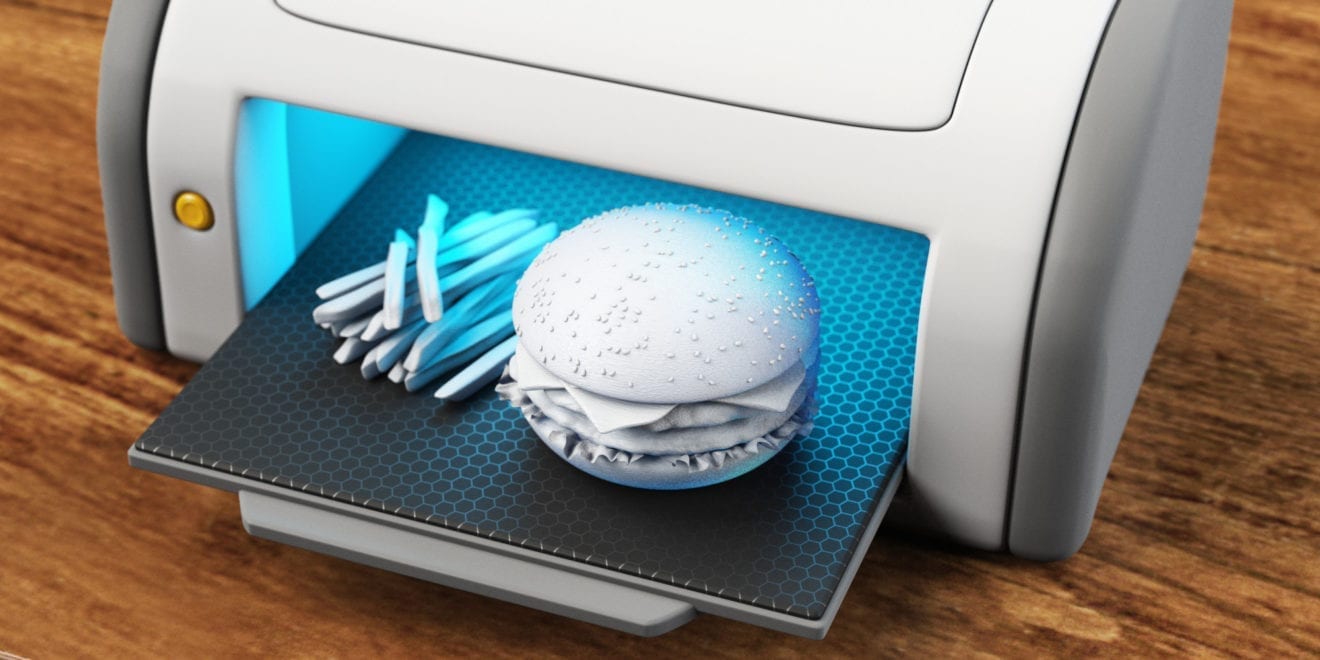
    We are at the beginning of the most radical transformation of the foodservice industry. Until now, technological innovations in the industry meant ordering food from an app or paying bill through tablets. But now restaurant owners are upping the ante, taking the game to the next level by experimenting with technology like never before. From introducing interactive smart tables and virtual bars to replacing servers with robots, restaurateurs are revolutionising the foodservice industry in the best way possible to enhance the overall customer experience.

    Interactive Smart Tables

    Mumbai-based Drinx Exchange has introduced electronic tech tables, where customers can interact with an electronic screen on the table they’re dining on. From watching live scores of sports, to receiving personalised offers, tracking their orders, paying their bill, and even singing along with the music in the bar, these tech tables will ensure consumers remain engaged through the time they’re in the restaurant. The screen also keeps giving them live offers that are just right for what they drink.

    The electronic table also splits the bill among the number of diners on the table and the payment can be settled on the table itself by scanning a Paytm QR Code on the screen

    Furthermore, the prices of drinks also fluctuate just like the stock exchange and customers can vote to crash the market price. Apart from this, the table also helps the customers in checking the status of their cab if they book it from Drinx Exchange app.

    According to Founders, Drinx Exchange, Rahul Dingra and Dibyendu Bindal, “The bar aims to ease the experience of ordering and makes it less stressful and more exciting for its millennial customers.”

    Virtual Bar

    The Beer Café has recently introduced ‘URBAR’, a virtual bar which allows patrons to reserve and consume their favourite brands.

    One can explore from a wide selection of alco-beverage, pre-pay and stock them in ‘URBar’. The latest ‘wallet for customer’s drinks’ initiative highlights the brand’s vision to redefine the alco-beverage space through technology differentiation and further strengthen its position as a pioneer.

    The patrons can log in to The Beer Café’s mobile app, and click on the URBar icon, reserve in the form of bottle (for spirits), keg (for draught beer), or case (for bottled beer) and start consuming.

    This not only gives patrons the privilege to buy their favourite brands at a special price but also benefits in the form of one price across the nation. A consumer can choose any portion he/she wishes to consume at any Beer Café outlet spread across 12 cities and save the rest for their next outing. The bottle/ keg purchased stands as a prepaid instrument and stock diminishes as the consumer opts to consume.

    There are multiple convenient ways of recharging the account. Customers can use an ‘online’ mobile wallet to add balance to their brew bucks – which is The Beer Café’s own currency. Or ‘pay at store’ by just walking into the closest The Beer Café outlet and the brew crew will be happy to assist the customers.

    What’s more, it also gives patrons the option to spread the cheer around by gifting customisable amounts of their reserved stock to friends, family and colleagues.

    Rahul Singh, Founder & CEO, The Beer Café says, “At The Beer Café, we believe that social drinking should first and foremost be about the experience. Our focus is to improve customer’s real world experience, their choices of brand and location. With the URBar feature, we are giving the users a chance to experience our differentiated proposition in the virtual realm. It is a delightful addition to the existing feature on The Beer Café mobile app. With this initiative we have raised the bar – quite literally!”

    Futuristic Robot

    Travel Food Services (TFS), travel food and retail company, unveils the latest in technology – Mitri, the robot, to make the experience of travellers interactive and fun.

    Mitri will be engaging with customers at TFS’s Dilli Streat outlet at Indira Gandhi International Airport, New Delhi, and is the first ever airport installation in the F&B segment.

    Visitors to the Dilli Streat outlet will be met and greeted by Mitri, who will facilitate activities and engage with them by providing menu detail. It would also be offering food recommendations. Mitri is a testament to Travel Food Service’s commitment of enhancing the travel experience in India, and presents a true example of how technology like Artificial Intelligence can help improve customer satisfaction, and drive productivity and sales.

    Commenting on the latest technology, Gaurav Dewan, COO and Business Head, Travel Food Services said, “We are always on the lookout for latest innovative technologies that can enhance the experience and satisfaction of our customers. We are extremely excited to present Mitri at our Dilli Streat outlet at the Delhi Airport. With Mitri being such an innovative and futuristic concept, and given her success, we are hopeful to bringing her to more outlets across India.”

    Robots Replacing Servers

    At a restaurant in Alibaba Group Holding Ltd’s futuristic ‘FlyZoo’ hotel, tall capsule-shaped robots deliver food that guests have ordered via the FlyZoo app. Meanwhile, at a separate bar, a large robotic arm can mix more than 20 different types of cocktails.

  • CapitaLand Mall Trust’s 2018 Full-Year Earnings: Steady Growth in Distribution Per Unit

    CapitaLand Mall Trust’s 2018 Full-Year Earnings: Steady Growth in Distribution Per Unit

    CapitaLand Mall Trust (CMT) has achieved a distributable income of S$108.1 million for the December quarter, up 5.1 per cent on the same period a year earlier. CMT’s manager, CapitaLand Mall Trust Management (CMTML), says full-year distributable income reach S$410.7 million, up 3.8 per cent year on year. CMTML chairman Richard R Magnus said the results were achieved through “proactive asset and capital management” and reflect the quality of CMT’s portfolio, underpinned by attractive locations and diverse tenant mix.

    “Cognisant of the challenges ahead – which include slowdowns in the global and Singapore economies, uncertainty in the interest rate environment and competition from the completion of new shopping malls – we remain vigilant and will continually explore new ways to differentiate our malls from the competition and increase customer engagement.”

    CMTML CEO Tony Tan said the portfolio was rejuvenated last year by through the sale of Sembawang Shopping Centre and redeploying the proceeds into acquiring the remaining interest in Westgate – a higher-yielding quality asset.

    “During the fourth quarter, we completed the asset enhancement initiatives at Tampines Mall and Westgate, which are targeted at expanding their retail offerings and improving comfort and accessibility for visitors. In the same quarter, Plaza Singapura welcomed NomadX,

    CapitaLand’s first multi-label concept store featuring digital sensors, ePayment systems and unmanned store technology. By immersing our physical retail space with digital technology, we are empowering our tenants to strengthen interactions with a new set of customers while getting to know our shoppers better,” said Tan.

    “Through continual efforts to refresh CMT’s tenant mix and elevate the shopping experience, we ended the year with a high portfolio occupancy of 99.2 per cent.”

    Tan said the Funan redevelopment continues its leasing momentum and is on track to open in the second quarter of this year.

    “Including leases under active negotiations, the leasing for Funan has reached more than 80 per cent.”

  • Reliance Retail Q3 revenue up 89.3 percent

    Reliance Retail Q3 revenue up 89.3 percent

    Healthy festive season sales and new store openings led Reliance Industries’ organised retail business — Reliance Retail — to report a 89.3 per cent rise in its revenue for the third quarter of 2018-19. The firm’s revenue figure was disclosed under the Reliance Industries (RIL)’s third quarter results, on Thursday. Accordingly, the firm’s revenue for 3Q FY19 grew by 89.3 per cent to Rs 35,577 crore from Rs 18,798 crore reported for the corresponding quarter previous year.

    The company’s Earnings Before Interest and Taxes (EBIT) rose 210.5 percent on a year-on-year (Y-o-Y) basis to Rs 1,512 crore from Rs 487 crore demonstrating strong operating profit during the quarter.

    In addition, EBIT margin for the segment improved by 160 basis points to 4.2 percent reflecting scale benefits. Retail now has 9,907 stores with a reach across more than 6,400 towns and cities

  • Pizza Hut India betting big on delivery in 2019

    Pizza Hut India betting big on delivery in 2019

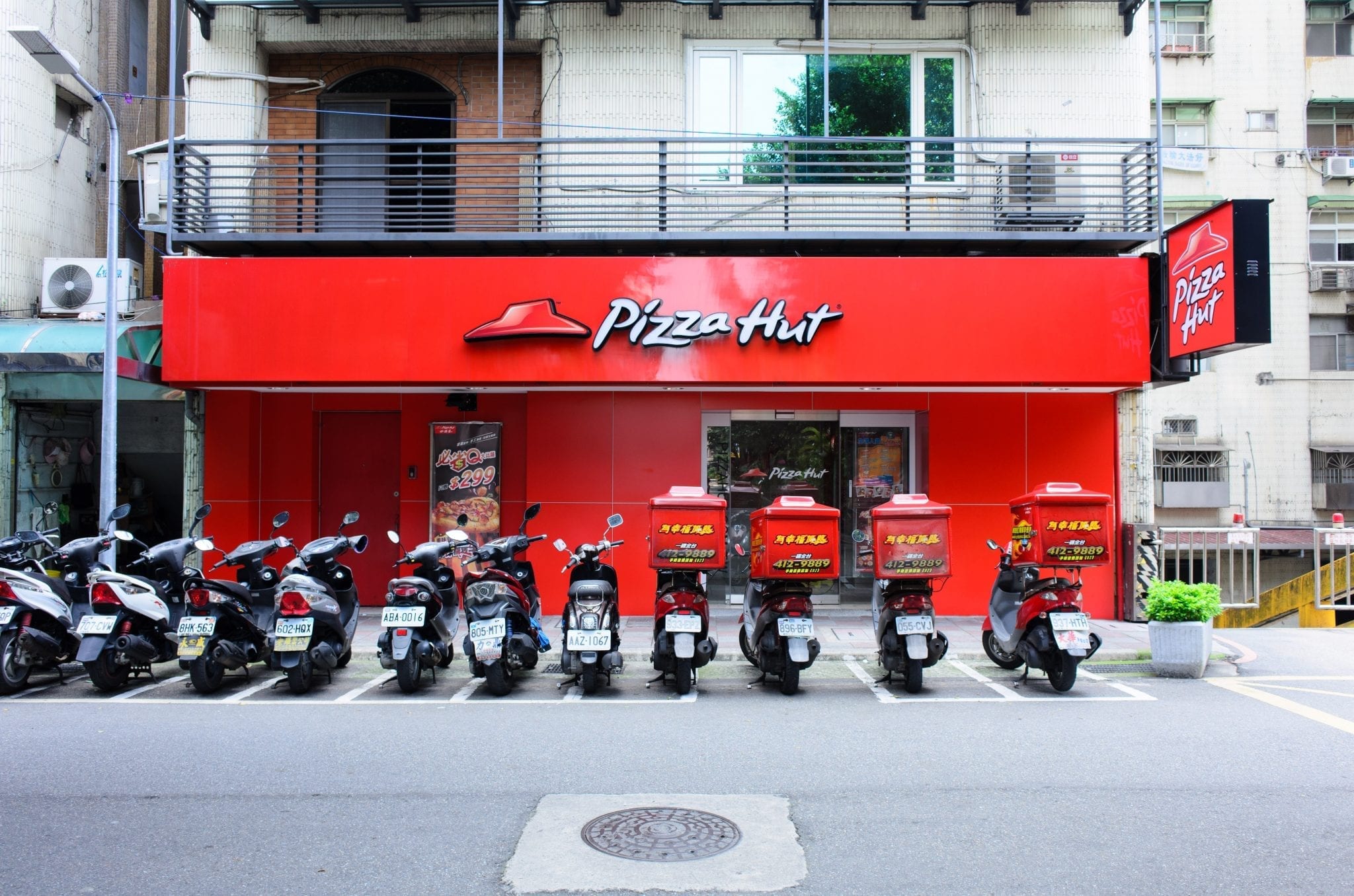
    Pizza Hut India has announced that the company will focus on delivery as a key driver of business growth in 2019 and introduce various initiatives to further enhance the delivery experience for consumers. Coherent with this aim, the brand has launched a rider tracking feature across its digital ordering platforms – mobile-site, mobile app and desktop site. The feature is available across all cities where Pizza Hut has delivery services.

    The rider tracking feature has been launched by Pizza Hut as a solution based on key behavioral findings of the brand’s large consumer base, majority of whom are tech-savvy, on-the-go millennials. The findings have shown that consumers choose brands which adapt to their lifestyle, understand their preferences and enable them to take charge. Also, with changing consumer habits, pizzas have evolved from being a special occasion treat to becoming a part of everyday food consumption in India. Therefore, hassle-free and seamless food ordering and delivery experience has become a vital deciding factor, apart from taste and quality. Rider-tracking is an enabler of the convenience that consumers are seeking, further bolstered by value offers.

    Commenting on the launch of the feature, Prashant Gaur, Chief Brand and Customer Officer, Pizza Hut India Subcontinent said, “At Pizza Hut, we take a lot of pride in serving the freshest and the tastiest pizzas to all the pizza lovers in the country. Apart from great taste, elevating the overall experience across every consumer touchpoint is our biggest focus, and we are implementing this strategy through initiatives like rider tracking feature and value offers. We are confident that these initiatives will further enable us to stay relevant and blend even more seamlessly into the daily lives of our consumers.”

    The upscaling of the delivery channel comes at a time when Pizza Hut India Subcontinent has achieved strong business results with 10 successive quarters of positive Same Store Sales Growth. The brand has been steadily expanding its physical store footprint and launched its 500th physical store in the Indian Subcontinent. Pizza Hut also pioneered the Fast-Casual Delco (FCD) concept in India, which offers a seamless integration of dine-in, takeaway and delivery channels, all under one roof. The company recently upgraded all its digi-tech assets including the website, m-site and mobile app. These initiatives have enabled Pizza Hut to deliver on the promise of providing the easiest, fastest and the tastiest pizza experience to consumers in India. As a result, Pizza Hut has been voted the most trusted brand in India for the 12th time in a row (as per a reputed media house) and was awarded the prestigious EFFIE Gold in the Foods and Confectionery category in 2018 for its outstanding consumer-centric performance.