Tag: Business

  • Nestlé Partners with Platinum Equity: Spins off Premium Water Business into Multibillion-Dollar Joint Venture

    Nestlé Partners with Platinum Equity: Spins off Premium Water Business into Multibillion-Dollar Joint Venture

    Nestlé has revealed plans for a significant reorganization of its worldwide water division through a new collaborative endeavor with the private equity company, Platinum Equity. This move will see both Nestlé’s water and premium beverage businesses incorporated into a new autonomous company named Peranel. The 50:50 partnership with Platinum Equity will oversee this process.

    Peranel is set to manage an assortment of high-end brands, including Perrier, S Pellegrino, Acqua Panna, Maison Perrier, Buxton, and La Vie, across more than 120 countries globally.

    Financial Aspects and Benefits of the Partnership

    From this arrangement, Nestlé is projected to receive around €3 billion (US$3.4 billion) in cash while still holding a 50% stake in the newly formed business. Nestlé has communicated that this partnership will offer increased strategic focus and operational flexibility for the water division, allowing the company to redirect its attention towards its primary growth categories.

    Emphasizing the benefits of this partnership, Nestlé’s CEO, Philipp Navratil, stated that, “By partnering with Platinum Equity, Peranel will be better positioned to execute its strategy with enhanced agility. With added focus, it will be better equipped to drive its long-term growth ambitions by bolstering this unique portfolio of international and local brands, through continued investment in innovation, premiumization, operational excellence, and sustainability.”

    The new company, Peranel, will be under the leadership of the current CEO of Nestlé’s waters and premium beverages, Muriel Lienau, along with a team of seasoned management personnel. The transaction, which assigns an enterprise value of $5.6 billion to Peranel, is anticipated to be finalized in the first half of the ensuing year.

    Steady Growth and Future Outlook

    Nestlé’s announcement of this restructuring aligns with the multinational FMCG company’s release of its first-half results. The company reported sales of CHF43.1 billion (approximately US$ 52.76 billion) for the six months ending June 30, with an organic growth of 3.7%. This growth was supported by 1.8% real internal growth and 1.9% pricing. The coffee and confectionery sectors continued to perform exceptionally well, while pet care sustained its positive momentum.

    Nestlé’s CEO, Philipp Navratil, commented on the company’s performance stating, “Emerging markets growth accelerated, and we delivered solid performance in developed markets. We are increasing and prioritizing our investment behind our leading brands and growth platforms, sharpening our portfolio focus and driving further efficiencies to reinvest. While the external environment remains uncertain, we are taking actions to accelerate consistent growth.”

    Navratil also confirmed the company’s full-year guidance, with an expectation of achieving organic sales growth of between 3 and 4 percent.

    Questions & Answers

    What is the purpose of creating the new company, Peranel?
    The formation of Peranel will allow Nestlé’s waters and premium beverages business to execute its strategy with greater agility and focus.

    Who will be leading the new company, Peranel?
    Peranel will be led by Muriel Lienau, the current CEO of Nestlé’s waters and premium beverages, and a team of seasoned management personnel.

    What are Nestlé’s growth expectations for the year?
    Nestlé expects organic sales growth of between 3 and 4 percent for the year.

  • Vietnam’s Economic Surge: Standard Chartered Uplifts 2026 GDP Growth Forecast to 9.5%

    Vietnam’s Economic Surge: Standard Chartered Uplifts 2026 GDP Growth Forecast to 9.5%

    Standard Chartered has increased its projection for Vietnam’s economic growth in 2026 to 9.5%, a considerable increase from its previous estimate of 7.2%. This revision comes on the heels of Vietnam’s robust economic performance in the first half of the year, with key growth sectors showing continuing momentum. Moreover, the bank expects this positive trend to extend into 2027, anticipating a GDP growth of 11%. This revision signifies one of the most substantial forecast upgrades the bank has made for Vietnam in recent times.

    Forecast Adjustments and Economic Stability

    In tandem with this increased growth projection, Standard Chartered has decreased its inflation forecast for 2026 and 2027 to 4.4% and 3.3% respectively. This reduction comes as the bank predicts a further easing of price pressures. Consequently, the State Bank of Vietnam is expected to keep its policy rates unchanged, maintaining a balance between supporting economic growth and ensuring macroeconomic stability.

    According to Tim Leelahaphan, Senior Economist for Vietnam and Thailand at Standard Chartered, Vietnam has shown significant resilience and adaptability during the first half of 2026. Growth has exceeded expectations, largely due to the robust recovery of the manufacturing-processing industry, services, and investment sectors, as well as the beneficial impact of pro-growth policy measures.

    Outlook for the Future

    Despite existing global economic uncertainties and inflationary risks, Vietnam is stepping into the second half of the year with a solid foundation. Continuous domestic demand, persistent investment in infrastructure, enhanced production capacity, and ongoing economic restructuring are expected to cultivate a balanced and sustainable growth model. These factors are predicted to support the nation’s long-term development goals.

    With its revised 9.5% growth projection for 2026, Standard Chartered stands as one of the most optimistic international institutions regarding Vietnam’s economic future. Other international financial institutions have also echoed this upbeat outlook. This growing confidence in the resilience and prospects of the Vietnamese economy emphasizes the positive direction the country is headed in, despite varying forecasts. The principal factors supporting this economic expansion include recovering domestic demand, sustained investment inflows, pro-growth policies, and accelerated infrastructure development. However, external uncertainties still necessitate careful monitoring to ensure sustainable growth.

    Questions & Answers

    What is Standard Chartered’s revised economic growth projection for Vietnam in 2026?
    The bank has revised its growth projection to 9.5%, up from its previous forecast of 7.2%.

    What factors have contributed to Vietnam’s positive economic performance in the first half of 2026?
    The robust recovery of the manufacturing-processing industry, services, and investment sectors, along with the positive impact of pro-growth policy measures, have contributed to this positive performance.

    What are the main drivers expected to support the Vietnamese economy’s expansion in the coming years?
    Factors such as recovering domestic demand, sustained investment inflows, pro-growth policies, and accelerated infrastructure development are expected to remain the principal drivers supporting the country’s economic expansion.

  • Saxo Bolsters APAC Growth Strategy with New Institutional Business Head

    Saxo Bolsters APAC Growth Strategy with New Institutional Business Head

    Saxo, a leading digital broker, has named Gift Muthita Anankaphannan as their new Regional Head of Institutional Business for Asia-Pacific, in a move to strengthen their foothold in a prime market. Anankaphannan will be based in Singapore, and her role will involve leading the institutional business throughout the Asia-Pacific region while partnering with clients to enhance the offerings of Saxo.

    Anankaphannan’s Wealth of Experience

    Anankaphannan has an impressive career history, having previously served as a Senior Relationship Manager at Saxo. She brings over 16 years of experience spanning both the technology and institutional financial services sectors.

    Before her tenure at Saxo, she spent over a decade at Google, holding senior positions in sales, product strategy, and go-to-market execution, with her work encompassing AI-powered solutions. Anankaphannan kick-started her career in financial services at Bloomberg, where she specialized in equities and equity derivatives. Here, she provided data-driven insights to traders, analysts, and portfolio managers.

    Mahesh Sethuraman, the CEO of Saxo Singapore, praised Anankaphannan’s extensive experience with institutional partners and her deep understanding of Saxo’s FinTech DNA. He cited her excellent ability to foster long-term client relationships and lead high-performance teams.

    Saxo’s Institutional Business Growth

    Institutional clients make up a significant portion of Saxo’s international business, contributing to nearly one-third of the group’s overall income. Over the past year, the number of global institutional end-clients witnessed a 23 percent growth.

    Saxo recently collaborated with Singapore’s Trust Bank to roll out TrustInvest, a unique in-app investment tool that enables users to directly trade US stocks and exchange-traded funds (ETFs) via the Trust Bank app, with investments starting from a minimum of $10.

    Anankaphannan’s main role will be to steer the next stage of Saxo’s institutional growth in the Asia-Pacific. She stated that the region remains a crucial growth market for Saxo, and the company is dedicated to further scaling their institutional offering in the region.

    Questions & Answers

    What is Gift Muthita Anankaphannan’s new role in Saxo?
    She is the new Regional Head of Institutional Business for Asia-Pacific at Saxo.

    What is Anankaphannan’s professional background?
    She has over 16 years of experience in the technology and institutional financial services sectors, having previously worked at companies like Google and Bloomberg.

    What efforts is Saxo making to grow their institutional business?
    Saxo is focusing on enhancing their offerings and has recently launched an in-app investment tool called TrustInvest in collaboration with Trust Bank.

  • OCBC Joins Forces with Major Business Chambers to Boost China-ASEAN Trade

    OCBC Joins Forces with Major Business Chambers to Boost China-ASEAN Trade

    OCBC, Singapore’s second-largest bank, is amplifying its efforts to harness the expanding economic ties between Greater China and Southeast Asia. This new endeavor sees the bank forming a strategic partnership with two prominent business chambers, the Singapore Chinese Chamber of Commerce & Industry (SCCCI) and the China Chamber of Commerce for Import and Export of Machinery and Electronic Products (CCCME). This partnership aligns with OCBC’s recently announced corporate strategy, The Next Frontier. A crucial element of this strategy is the ‘Asia Shift’, which aims to boost trade and investment flows between ASEAN and Greater China.

    Riding the Intra-Asia Growth Trend

    OCBC’s strategic alliance combines the bank’s regional banking prowess with the expansive network of the CCCME, which involves more than 10,000 Chinese enterprises, and the SCCCI’s robust business connections across Southeast Asia.

    This initiative is in response to the continued expansion of Chinese companies into ASEAN markets. As per OCBC’s data, there was a 50 percent increase in 2025 in the number of new Chinese businesses the bank assisted in setting up operations in Southeast Asia. This significant rise follows a 30 percent growth in the preceding year.

    The cooperation agreement stipulates the support of small to mid-sized enterprises and corporations seeking cross-border trade and investment opportunities in both regions.

    Focus on Strategic Sectors

    The collaboration will be focused on industries predicted to fuel future growth. These include green technologies, sustainable development, digitalization, and advanced manufacturing. Additionally, the partners aim to reinforce trade and financing ecosystems that stimulate cross-border business activities.

    To manage this initiative, a joint coordination group will be set up. This group will be tasked with tracking progress and ensuring the successful execution of plans.

    Roy Tan, Head of Enterprise Banking International at OCBC, shared that Chinese enterprises have quickened their globalization pace in recent years, which necessitates robust on-the-ground assistance when penetrating new markets. The partnership will enable the bank to merge financing solutions with business matching and market-entry support. Tan believes this will enhance the efficiency of Chinese companies venturing into ASEAN while generating opportunities for businesses on both fronts.

    Singapore is positioning itself as a primary gateway for Chinese companies seeking expansion into Southeast Asia. This strategic move also aims to allow local businesses to take advantage of the escalating intra-Asian trade and investment flows.

    Questions & Answers

    What is the main goal of OCBC’s new partnership with SCCCI and CCCME?
    The partnership aims to capitalize on the growing economic ties between Greater China and Southeast Asia by supporting small to mid-sized enterprises and corporations seeking cross-border trade and investment opportunities.

    Which sectors will the collaboration focus on?
    The collaboration will focus on sectors expected to drive future growth, including green technologies, sustainable development, digitalization, and advanced manufacturing.

    How does this partnership align with Singapore’s position in the global market?
    The partnership aligns with Singapore’s efforts to fortify its role as a gateway for Chinese companies looking to expand into the ASEAN region, and to benefit local businesses from growing intra-Asian trade and investment flows.

  • Alibaba Ramps Up AI Investment Despite Income Dip, Foresees Cloud Business Boom

    Alibaba Ramps Up AI Investment Despite Income Dip, Foresees Cloud Business Boom

    Alibaba, the Chinese tech behemoth, has announced that its projected artificial intelligence (AI) investment over the next triennium will surpass the initial estimation of 380 billion yuan (US$55.96 billion). This decision has been driven by promising preliminary returns on AI investments, which has encouraged the company to further bolster its cloud-computing capacity.

    Despite falling short of the market’s projected profit for the fourth quarter, Alibaba’s US-listed shares experienced a 7 per cent surge. This was in response to the company’s confident forecast for returns on AI spending in the next three to five years. Alibaba’s revenue from the Cloud Intelligence Group, in response to the burgeoning business demand for AI, grew by 38 per cent to 41.63 billion yuan ($6.13 billion) over the past year. While this growth is consistent with estimations, it does mark an increase from the preceding quarter’s 36 per cent growth.

    Investments and Future Plans

    The company’s CEO, Eddie Wu, on a post-earnings call, shared that their investments in AI, the Cloud, and e-commerce sectors were yielding clear returns. He emphasised that these technological investments were beginning to bear fruit commercially. However, Wu refrained from outlining a new spending target to replace the one that was announced in the early parts of last year.

    The company is also aiming to maintain a growth rate that surpasses the market average in an effort to secure a larger market share and further consolidate its market leadership. Wu was clear that these were the primary objectives, with profit margins currently taking the backseat. The company’s profit in the quarter to March was impacted by investments in AI and cloud infrastructure, as well as continuous spending in the quick commerce segment, which includes deliveries made within 60 minutes.

    AI demand and Alibaba’s Response

    Alibaba disclosed that AI-related products contributed to 30 per cent of external customer revenue in the cloud division in the quarter. The company anticipates AI-related revenue to become the main growth engine in the cloud business and contribute more than 50 per cent of revenues in about a year’s time.

    The company has earlier this year bifurcated its AI businesses from its cloud computing arm. Wu has been tasked with leading the “Alibaba Token Hub” group, as the company is keen on making its AI segment profitable.

    Alibaba’s net income for the quarter decreased by 99.7 per cent, with total revenue clocking in at 243.38 billion yuan. Yet, the company’s China e-commerce business, which includes the highly competitive quick commerce segment, reported a revenue of 122.22 billion yuan ($18 billion), surpassing the estimated figure of 119.85 billion yuan.

    Questions & Answers

    What is Alibaba’s outlook for AI spending in the next three to five years?
    Alibaba has a positive outlook for returns on AI spending in the coming years, which is why they are planning to increase their investment in this sector.

    What was the growth in the revenue from Alibaba’s Cloud Intelligence Group over the last year?
    The revenue from Alibaba’s Cloud Intelligence Group grew by 38 per cent to 41.63 billion yuan ($6.13 billion) over the past year.

    What are Alibaba’s plans for the AI segment of their business?
    Alibaba expects AI-related revenue to become the main growth driver in the cloud business, contributing more than 50 per cent of revenues in about a year. The company also plans to make its AI segment profitable.

  • Unilever Courts McCormick for Potential Mega-Deal: A $33 Billion Foods Business at Stake

    Unilever Courts McCormick for Potential Mega-Deal: A $33 Billion Foods Business at Stake

    Unilever, a multinational consumer goods corporation, has confirmed that it is in discussions with McCormick & Company regarding the potential sale of its food division. The company has made this admission in response to ongoing rumours about the possible transaction, but has also made it clear that the completion of the deal is not guaranteed.

    Value of Unilever’s Food Business

    Unilever’s food business, which comprises around a quarter of the corporation’s annual revenue, is considered to be a very appealing acquisition. Brands like Hellmann’s, Colman’s, and Knorr form its diverse portfolio. If McCormick & Company were to acquire this business, it would represent the most costly purchase in their 137-year history.

    The food business is seen as a robust entity with a strong financial profile. The company’s management is confident about the future prospects of the food division, citing the presence of several market-leading brands in burgeoning categories as significant strengths.

    Unilever’s Future Growth Priorities

    In the company’s 2025 financial results report, Fernando Fernandez, the newly appointed CEO of Unilever, outlined the corporation’s objectives. Under his leadership, Unilever plans to build a future-oriented brand portfolio that focuses on beauty, wellbeing, and personal care. Premium segments and digital commerce will be the areas of priority. The company aims to root its growth in the US and India markets.

    Bloomberg has estimated the value of Unilever’s Food Business to be around $33 billion, which is more than double the market cap of McCormick, which stands at $14.5 billion.

    Questions & Answers

    What is the estimated value of Unilever’s Food Business?
    The estimated value of Unilever’s Food Business is $33 billion, according to Bloomberg.

    What brands are part of Unilever’s Food Business?
    Unilever’s Food Business includes brands such as Hellmann’s, Colman’s, and Knorr.

    What are Unilever’s growth priorities as set out by its new CEO?
    Unilever’s new CEO, Fernando Fernandez, has identified the development of a future-oriented brand portfolio focusing on beauty, wellbeing, and personal care as a major priority. The company also plans to prioritize premium segments, digital commerce, and growth in the US and India markets.

  • Misto Holdings Boosts Q4 Sales Amid US Business Restructuring: Fila & Acushnet Show Strong Performances

    Misto Holdings Boosts Q4 Sales Amid US Business Restructuring: Fila & Acushnet Show Strong Performances

    In the fourth quarter, Misto Holdings, the parent company of Fila, Titleist and FootJoy, announced an increase in sales growth following a restructuring of its U.S. operations. The firm, based in South Korea, saw a 6.3% year-on-year boost in revenue during this period, reaching KRW915.2 billion (US$612 million). This follows a 3.7% uplift in sales reported in the third quarter.

    Company executives attribute this growth to a combination of factors, despite the prevailing macroeconomic uncertainty. These include a focus on profitability-driven operations, the positive outcomes of restructuring, and robust performance from Acushnet.

    Segment Performance

    Revenue from the Misto segment, which includes Fila and other lifestyle brands, fell by 9.6%. This decrease was primarily due to restructuring and inventory clearance in the U.S. market. However, operating profit improved significantly, reaching KRW74.7 billion, marking a notable recovery from the previous year.

    The Greater China market has emerged as a new area of growth for the company, driven by the expansion of prominent K-fashion brands. In South Korea, demand for Fila’s footwear franchise models remained stable.

    The Acushnet segment reported a sales growth of 10.9%, bolstered by strong sales of golf equipment, such as Titleist T-Series irons and SM10 wedges. Additionally, higher average selling prices for FootJoy golf shoes contributed to this growth.

    Yearly Overview

    For the entirety of FY25, the company’s consolidated revenue grew by 4.7% to reach KRW4.47 trillion. Operating profit surged by 31.6% to KRW 474.8 billion.

    Ho Yeon (Aaron) Lee, CFO of Misto Holdings, reflected on the past year, saying it was a significant period that saw the company reinforce its identity as a global brand portfolio company following a corporate name change.

    He noted that the expansion of the Greater China business, improved profitability in the Misto segment, and solid growth in Acushnet have all contributed to the stability of the company’s earnings.

    Questions & Answers

    What factors led to the growth of Misto Holdings in the fourth quarter?
    The growth was attributed to profitability-focused operations, the restructuring of the U.S. operations, and strong performance from Acushnet.

    How has the Misto segment performed amidst the company’s restructuring?
    Despite a decrease in revenue by 9.6% due to restructuring and inventory clearance, the Misto segment saw an improvement in operating profit, marking a significant turnaround.

    What contributed to the sales growth of the Acushnet segment?
    Increased sales of golf equipment, particularly Titleist T-Series irons and SM10 wedges, along with higher average selling prices for FootJoy golf shoes, supported the 10.9% growth in the Acushnet segment.

  • APAC SMEs Prioritize Sustainability: FedEx Study Reveals Green Business Imperative in Supply Chain

    APAC SMEs Prioritize Sustainability: FedEx Study Reveals Green Business Imperative in Supply Chain

    FedEx, a leading global express transportation company, has recently disclosed significant insights from its Asia Pacific (APAC) research. The study examines consumer and business perspectives on sustainability and international trade, spotlighting key areas of interest for businesses throughout the region.

    APAC Businesses Show High Environmental Awareness

    The study reveals that majority (80%) of the region’s small and medium-sized enterprises (SMEs) take into account environmental issues when carrying out trade activities with Europe. This showcases how sustainability is progressively playing a more significant role in logistics-based decisions. SMEs from Southeast Asian markets, including over 55% of those in Malaysia and Indonesia, are at the forefront of this trend, with a keen focus on sustainable supply chain alternatives. This demonstrates an escalating awareness and proactive approach towards environmental concerns among regional businesses and consumers.

    Consumer Influence on Business Sustainability

    According to the study, consumers are the primary force behind the demand for eco-friendly business practices. 84% of APAC consumers are encouraging businesses to establish environmentally conscious e-commerce alternatives. Environmental responsibility is increasingly becoming a key differentiator that is impacting purchasing choices.

    The study shows that 81% of APAC consumers show a preference for companies that visibly integrate sustainability into their operations, as opposed to competitors providing similar products without clear sustainable practices. While product authenticity and competitive pricing remain crucial for e-commerce consumers, nearly 40% are willing to pay higher prices for products with sustainable packaging. As environmental consciousness increases, businesses are responding accordingly, recognizing that sustainable practices are vital for maintaining competitiveness in the digital marketplace. This consumer-driven environmental focus could directly influence business profitability.

    Salil Chari, the regional president for Asia Pacific at FedEx, commented, “Sustainability is transitioning from being merely a compliance requirement to being a critical element for growth, resilience, and differentiation in global commerce. At FedEx, we are dedicated to supporting this transition by aiming to achieve carbon-neutral operations globally by 2040.”

    Innovative Steps Towards Sustainable Logistics

    FedEx is responding to the growing demand for sustainable logistics by investing in advanced technologies and infrastructure that not only reduce environmental impact but also enhance operational efficiency.

    An illustration of this innovative approach is FedEx’s AI-powered Stops Sequencing tool, which intelligently organizes delivery routes in real-time based on package volume and customer requirements. By minimizing unnecessary mileage, this tool has the potential to lower carbon emissions and improve operational efficiency.

    Moreover, FedEx offers customers the transparency needed to make informed decisions about sustainability. FedEx® Sustainability Insights, a cloud-based platform, provides improved transparency into environmental impact. Using up-to-the-minute FedEx network data, the platform estimates CO2e emissions for individual tracking numbers and entire FedEx shipping accounts.

    In addition to these efforts, FedEx has started using sustainable aviation fuel (SAF) at Chicago O’Hare and Miami International Airports. This is another step towards reducing aviation-related emissions within its global air network. In urban delivery, FedEx is going electric. Electric vehicles have been deployed across several APAC markets and account for over 20% of the company’s delivery fleet in China. In Taiwan, electric tricycles have been introduced to navigate dense urban environments more efficiently, resulting in lower emissions and improved delivery efficiency.

    As international trade evolves, FedEx maintains its commitment to providing faster, smarter, and more sustainable shipping solutions. These solutions will not only enable customers to succeed but also contribute to a more sustainable future.

    Questions & Answers

    What percentage of APAC SMEs consider environmental issues in their trade activities with Europe?
    Around 80% of APAC SMEs take environmental issues into account when trading with Europe.

    What proportion of APAC consumers are willing to pay premium prices for sustainable packaging?
    Nearly 40% of APAC consumers are ready to pay higher prices for sustainable packaging.

    What is FedEx’s goal for carbon-neutral operations?
    FedEx aims to achieve carbon-neutral operations globally by 2040.

  • Singapore Eateries Appeal for Increased Subsidies and Rent Control Amid Skyrocketing Business Closures

    Singapore Eateries Appeal for Increased Subsidies and Rent Control Amid Skyrocketing Business Closures

    Amid numerous business closures, the restaurant industry in Singapore is urging the government for additional labor cost subsidies and measures to control excessive rental hikes for the food and beverage sector. This appeal was recently put forward by The Restaurant Association of Singapore, which suggested an increase in subsidies under the Progressive Wage Credit Scheme to 75% for 2026 to 2028, a notable rise from the current 50%.

    The Impact on Singapore’s Food Scene

    As patrons review menus outside a local restaurant in a Singaporean shopping center, the underlying struggles of the industry are far from view. The association has proposed numerous changes, including the elimination of foreign worker levies, reducing the wait time for Progressive Wage Credit Scheme payouts, and allocating additional funding to support employees’ parental leave.

    The restaurant industry in Singapore is weathering what the association refers to as a “perfect storm” of escalating costs, labor shortages, and evolving consumer habits. The situation has led the association to seek government intervention to enhance cost predictability and stimulate domestic demand in the food and beverage sector.

    According to government data, the food scene in Singapore suffered 2,431 closures within the first ten months of the previous year, with 63% of these businesses failing to make it past the five-year mark. With the sector’s contraction in 2024 and record-breaking business closures, the association warns of potential threats to the long-term sustainability of food and beverage businesses, especially small and medium-sized enterprises (SMEs).

    Addressing High Rental Costs

    Another key focus of the association’s proposal is rental stabilization. Maintaining a consistent rental cost is a significant issue for the industry, as it represents a major fixed expense for businesses. The association asserts that providing “essential cost predictability” would equip businesses with the necessary information to make informed, long-term financial decisions.

    The association has suggested policy interventions to address exorbitant rental renewal increases. These include introducing caps on increases or linking them to macroeconomic indicators such as gross domestic product growth.

    In an effort to further support local businesses, the association is advocating for stronger measures, including raising foreign worker quotas and simplifying licensing fees.

    Benjamin Boh, President of the association, stated, “A vibrant and thriving food and beverage industry is crucial to making Singapore an attractive place to live and visit for both residents and tourists.” He emphasized that the proposed measures would offer business owners and operators a much-needed “breathing room” to fortify their business structures while managing external market pressures.

    Since its establishment in 1980, the Restaurant Association of Singapore has represented over 500 members and roughly 800 brands, covering more than 5,000 outlets.

    Questions & Answers

    What is the Progressive Wage Credit Scheme?
    This is a government initiative in Singapore designed to subsidize labor costs in various sectors, including food and beverage.

    What policy interventions has the Restaurant Association of Singapore proposed to address high rental costs?
    The association has suggested measures such as introducing caps on rental increases or linking them to macroeconomic indicators like gross domestic product growth.

    What was the impact of business closures on Singapore’s food scene last year?
    The food scene in Singapore witnessed 2,431 closures within the first ten months of the previous year, with 63% of these businesses failing to survive beyond five years.

  • CTG Duty Free Acquires DFS Retail Business, Expanding Luxury Travel Retail Footprint in Greater China

    CTG Duty Free Acquires DFS Retail Business, Expanding Luxury Travel Retail Footprint in Greater China

    DFS, the global luxury travel retailer owned by LVMH and co-founder Robert Miller, has announced that it will sell its retail business across Greater China to the China Tourism Group (CTG) Duty Free. The deal includes the acquisition of DFS’ businesses in Hong Kong, Macau, and Greater China.

    Acquisition of DFS Brands

    In addition to the business transactions, CTG Duty Free will also acquire a series of DFS brands and intellectual property rights for exclusive use within Greater China. The proceeds from this transaction will be paid in cash. Following this deal, DFS will continue its luxury travel retail operations worldwide.

    The Impact of the Deal on CTG Duty Free

    Luke Chang, executive director and president of CTG Duty Free, has expressed his belief that this move will extend CTG Duty Free’s service network across the Greater Bay Area. The aim is to construct a platform for promoting Chinese brands globally and establish an international business mid-platform. Chang added that CTG Duty Free is committed to providing superior travel retail experiences for both domestic and international tourists, and supporting the high-quality development of the retail economy in Hong Kong and Macau.

    DFS’ Statements on the Sale

    DFS views the sale as a significant move for the company. Chairman and CEO Ed Brennan stated that DFS is immensely proud of their established presence and operational excellence in Hong Kong and Macau. He expressed confidence that the DFS shopping experience will be enhanced by the new skills and perspectives that CTG Duty Free will bring to the table. Michael Schriver, president of LVMH for North Asia, said the move demonstrates LVMH’s faith in the long-term potential of the Chinese market.

    The deal is predicted to be finalized in approximately two months.

    Questions & Answers

    What businesses are included in the DFS and CTG Duty Free deal?
    DFS’ businesses in Hong Kong, Macau, and Greater China are included in the deal.

    What will happen to the DFS brands under the deal?
    CTG Duty Free will acquire a series of DFS brands and intellectual property rights for exclusive use in Greater China.

    What does this transaction mean for DFS?
    DFS views the sale as a crucial step for the company, expressing confidence that CTG Duty Free will bring new skills and perspectives that will enhance the DFS shopping experience.

  • Yum China Breaks into Burger Business with V Burger: A Fresh Spin on Fast Food Amidst Rising Market Competition

    Yum China Breaks into Burger Business with V Burger: A Fresh Spin on Fast Food Amidst Rising Market Competition

    Yum China, recognized as the chief operator of Pizza Hut on the Chinese mainland, has recently launched two independent V Burger locations in Futian and Longhua districts in Shenzhen. This move establishes the brand’s inaugural foray into the dedicated burger restaurant sector within the nation.

    The V Burger approach leans towards a Western-style concept and mainly caters to individual eaters and small groups of diners. The newly implemented menu features a variety of around ten different freshly made chicken and beef burgers. Prices for these items range from 23 to 42 yuan (equivalent to US$3.29 to US$6.01), resulting in an average expenditure of 32.5 yuan per diner.

    This new venture aligns with Yum China’s wider strategy of multi-brand expansion. This strategy has been evidenced by recent introductions of brands like KCoffee, Kpro, and the KFC Fried Chicken Brothers concept.

    Industry insiders have revealed that the company’s entry into the burger market has been in the planning stages for a considerable duration. Since December 2023, Pizza Hut has initiated a testing phase for a “pizza burger” series in selected cities. This series has comprised of four different types of burgers which were priced between 20 and 30 yuan each.

    The introduction of V Burger is timely as both international and domestic fast-food chains are currently vying intensely for a greater share of the Chinese consumer market. A report by Daxue Consulting suggests that China’s fast-food market was worth RMB1.28 trillion in 2023 and forecasts further growth, powered by increased demand from smaller, lower-tier cities.

    Competition within the sector is becoming increasingly fierce. As an indication of this, Burger King divested its controlling stake in China in November, opting to establish a joint venture instead. The company also announced its strategy to double its outlet numbers within half a decade, with the goal of having more than 4000 outlets by 2035.

    Questions & Answers

    What is Yum China’s latest venture in the Chinese market?
    Yum China has recently opened two standalone V Burger outlets in Shenzhen’s Futian and Longhua districts. This is the brand’s first dedicated foray into the burger restaurant sector within the country.

    Who is the target market for V Burger?
    The V Burger concept primarily caters to solo diners and small groups, offering a variety of freshly prepared chicken and beef burgers.

    What is the significance of the V Burger launch?
    The rollout of V Burger comes at a time when international and domestic fast-food chains are fiercely competing for Chinese consumers. It is a part of Yum China’s broader multi-brand expansion strategy which includes brands like KCoffee, Kpro, and the KFC Fried Chicken Brothers concept.

  • Jollibee Gears Up for US Listing: Spinning Off Global Operations in Strategic Business Split

    Jollibee Gears Up for US Listing: Spinning Off Global Operations in Strategic Business Split

    Jollibee Foods Corp, a major player in the foodservice industry, has announced its intention to separate its international operations from its existing company structure. This significant move involves setting up a new, independent entity, which will be listed on a U.S. securities exchange, according to the company’s recent disclosure to the Philippine Stock Exchange.

    Two Independent Entities with Distinct Goals

    The company’s local operations in the Philippines will continue to be listed on the local stock exchange. The strategic decision to bifurcate the business is aimed at forming two autonomous entities. Each will have its distinct strategic focus and investment profile, allowing each to operate more efficiently within its designated market.

    Following the announcement, Jollibee’s stock experienced an impressive 14.5% surge, marking its most significant one-day increase in over half a decade.

    Timeline and Shareholder Impact

    Jollibee has outlined a tentative timeline for executing the transaction, aiming for completion in late 2027. However, the finalization of this move is subject to various factors including market conditions, thorough due diligence, and gaining necessary regulatory approvals.

    The current shareholders of Jollibee will not be left in the lurch following this corporate restructuring. They will be given shares in the newly formed entity, which will be in line with their existing interest in the company. This distribution, though, will be subject to applicable taxes and legal compliances. The company has noted that this information is still preliminary and may be subject to changes.

    Global Presence

    Jollibee has a formidable global presence with over 10,000 stores spread across 33 countries. Its portfolio includes well-known brands such as Jollibee, Chowking, Smashburger, and Tim Ho Wan, among others.

    Questions & Answers

    When does Jollibee plan to execute this corporate restructuring?
    The company aims to complete the restructuring by late 2027, subject to market conditions and necessary regulatory approvals.

    What will happen to the current shareholders of Jollibee?
    Existing shareholders will receive shares in the newly formed company, which will be proportionate to their current interest in Jollibee, subject to applicable taxes and legal requirements.

    What impact will this restructuring have on Jollibee’s local operations?
    The restructuring is not expected to impact Jollibee’s local operations, which will continue to be listed on the Philippine Stock Exchange.

  • HCMC Aims to Double Vietnam’s Average with $9,800 Per Capita Income in Ambitious 2026 Growth Plan

    HCMC Aims to Double Vietnam’s Average with $9,800 Per Capita Income in Ambitious 2026 Growth Plan

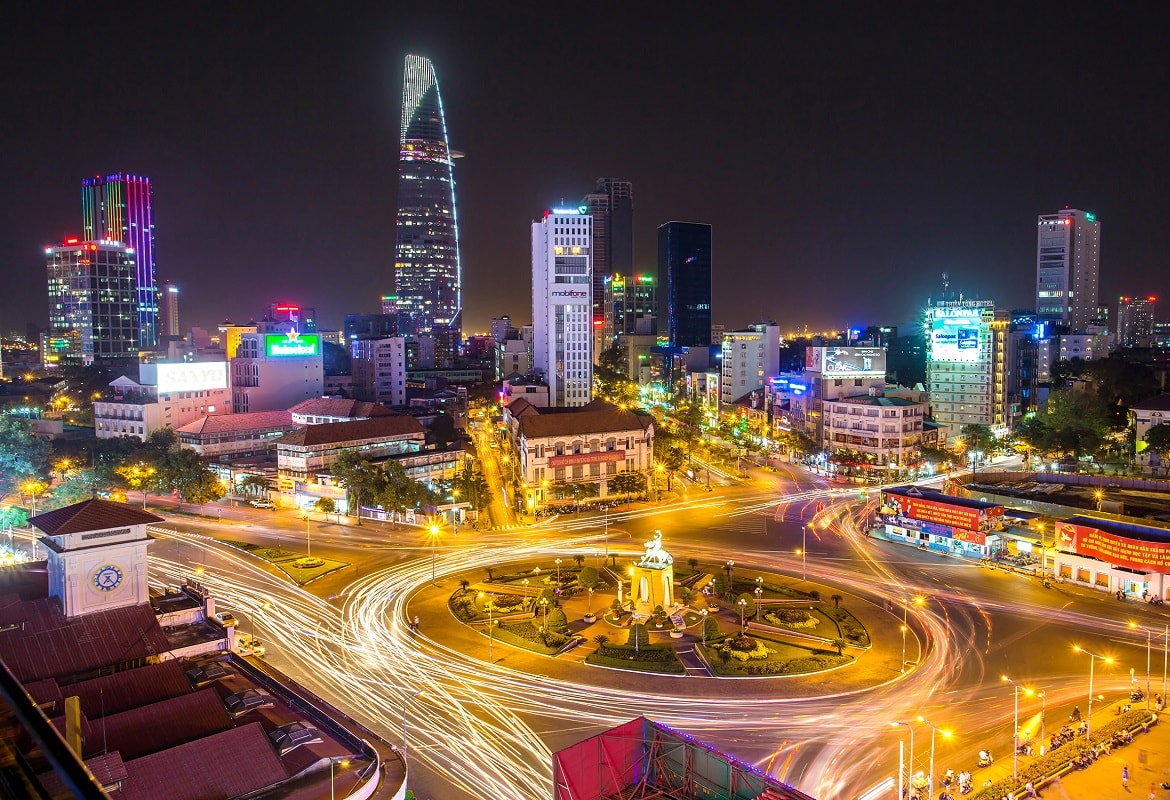
    Ho Chi Minh City (HCMC), Vietnam’s largest city, has outlined ambitious economic goals for the year ahead. The city plans to increase its per capita income by 12%, bringing it to $9,800, a figure that is twice the national average. This is a significant increase from last year’s per capita income in the city, which stood at $8,755, in comparison to the country’s overall average of $5,026.

    Economic Projections and Future Plans

    In terms of economic growth, HCMC is targeting a 10% increase in 2026, a substantial rise from the 8% growth reported last year. The chairman of the city, Nguyen Van Duoc, outlined the main drivers of this growth: manufacturing, consumption and exports. However, the city’s growth plans do not stop here.

    It is also looking to develop three additional areas. An international financial center is being planned, along with a seaport logistics system. Furthermore, the city aims to combine innovation with green and digital transformation for sustainable development.

    Addressing Infrastructure and Environmental Challenges

    Challenges that could potentially hinder the city’s economic growth have also been recognized. The issues identified include flooding, traffic congestion, and environmental pollution. These are referred to as the three “bottlenecks”, and the city has proposed several measures to overcome these problems.

    The city plans to upgrade its infrastructure, with projects such as the widening of National Highways 22 and 13 and Ring Road 4. There are also plans to construct the Can Gio and Thu Thiem bridges, as well as new metro lines. Chairman Duoc believes that if these projects are successfully implemented, they will significantly contribute to the city’s economic growth by surpassing public spending disbursement targets.

    However, this is not without its challenges. Last year, the disbursement was only 74% of the target, amounting to VND89 trillion ($3.39 billion). Despite this, the city remains optimistic about its ambitious economic targets and plans for development.

    Questions & Answers

    What does HCMC plan to increase its per capita income to?
    HCMC is planning to increase its per capita income by 12%, which will bring it to $9,800.

    What are the main drivers of economic growth for HCMC?
    The main drivers are manufacturing, consumption, and exports. However, the city also has plans to develop an international financial center, a seaport logistics system, and combine innovation with green and digital transformation.

    What challenges is HCMC planning to address to ensure its economic growth?
    HCMC plans to address the three “bottlenecks” that are currently holding back its growth. These are flooding, traffic congestion, and environmental pollution. The city plans to address these through various infrastructure projects.

  • Business Class Airfares Set to Skyrocket in 2026 Amid Robust Economic Conditions

    Business Class Airfares Set to Skyrocket in 2026 Amid Robust Economic Conditions

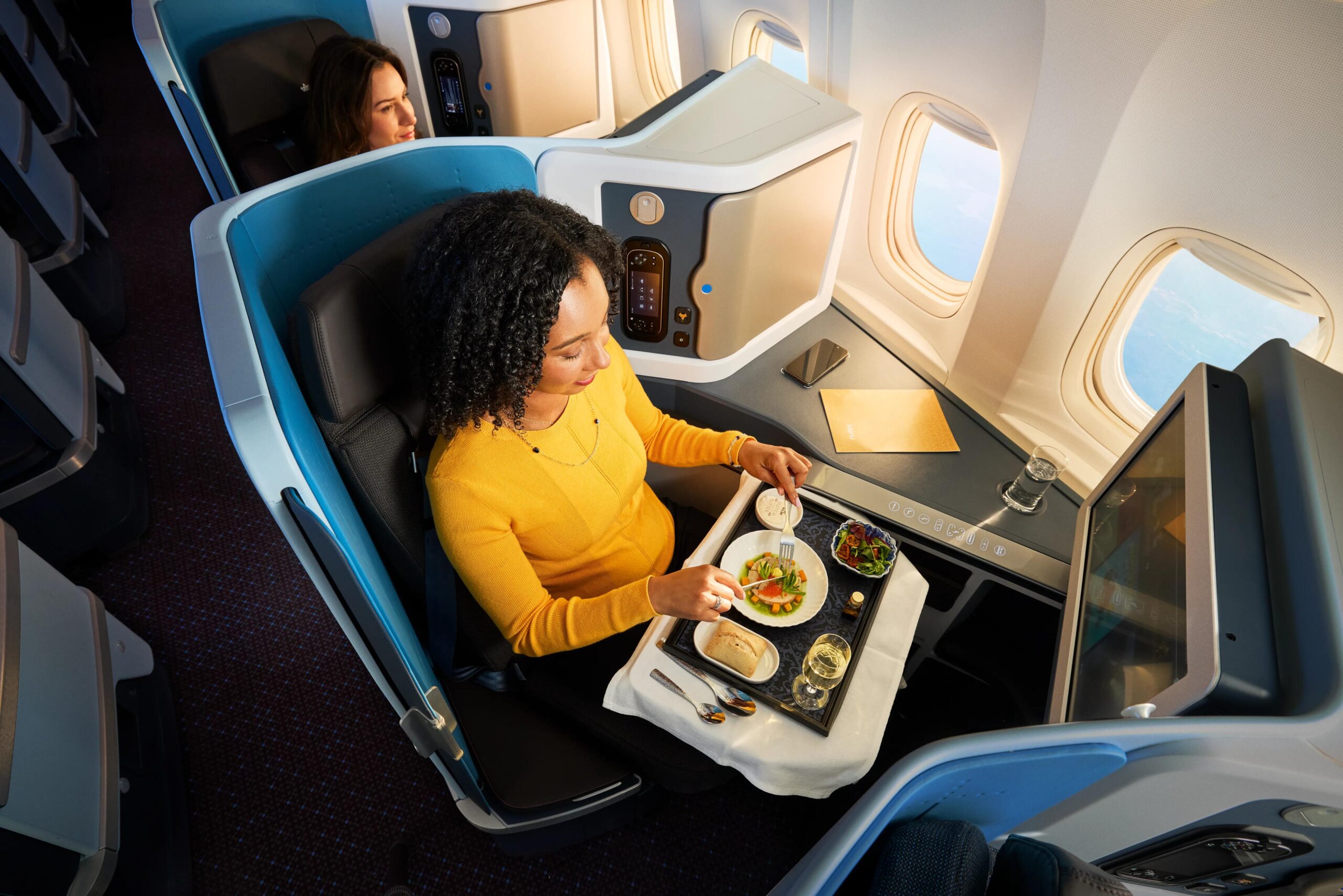
    The current solid economic situation is predicted to lead to a rise in the cost of business class travel during the year. Meanwhile, the prices for economy class are projected to stay relatively steady, according to market experts.

    American Express Global Business Travel Consulting has suggested that a robust demand may trigger a 7.4% surge in business class fares for routes from Asia to the Middle East.

    Routes from Asia to Europe could see a fare increase of around 4.8%, while a 3.4% hike is expected for Asia to Australia journeys.

    The consulting firm also noted that the highly popular route between India and Singapore might witness a significant rise in fares. The air passenger traffic on this route reached an all-time high in 2024, with more than 5.5 million passengers according to data from Singapore Changi Airport.

    American Express Global Business Travel Consulting further mentioned that a hike in business class fares from Singapore to the US is anticipated. From 2026 onwards, all flights departing from Singapore will be required to use sustainable aviation fuel.

    Predictions for the Future

    Linus Bauer, the founder of aviation consultancy BAA & Partners, anticipates that passenger traffic in the Asia-Pacific region will increase moderately by 4% to 6%, equivalent to 150-200 million passengers, taking the total tally to approximately 3.8 billion.

    He believes that 2026 will bring a more mature pricing environment where economy fares will gradually decline, while premium yields will remain relatively stable.

    In the high-density, price-sensitive markets of South-east Asia, South Asia and Oceania, Bauer anticipates that average economy fares will be 5% to 10% lower than in 2025. This decline is expected due to an increase in narrow-body capacity and a larger market share for budget airlines.

    On the other hand, business and first-class fares are projected to remain steady or improve modestly by 2% to 5%. This stability is predicted to be supported by a stronger demand for premium leisure travel and a resurgence in corporate travel.

    Challenges Ahead

    Rico Merkert, a transportation and supply chain management professor at the University of Sydney, warns that inflationary pressures, such as increased airport and labour costs, will burden airlines. These costs are likely to be passed on to passengers, resulting in higher airfares, unless jet fuel prices remain low.

    However, he adds that the continued expansion of budget airlines and new entrants into the low-cost segment should help maintain the affordability of air travel in the Asia-Pacific region in 2026.

    Questions & Answers

    What factors could potentially lead to a rise in business class fares?
    Strong demand and regulatory requirements to use sustainable aviation fuel are two factors that could drive up business class fares.

    What trends are expected in the economy class segment?
    Economy fares are projected to gradually decline due to increased competition from budget carriers and an increase in narrow-body capacity.

    How might inflationary pressures impact airfares?
    Inflationary pressures such as higher airport and labour costs could lead to a rise in airfares, as airlines are likely to pass these costs on to passengers.

  • Vietnam’s Economy Soars with 8.02% GDP Growth in 2025, Claiming Second Highest Spot in Two Decades

    Vietnam’s Economy Soars with 8.02% GDP Growth in 2025, Claiming Second Highest Spot in Two Decades

    The Vietnamese economy experienced significant growth in the last year, with an impressive rate of 8.02%, marking the second-highest growth rate in the past 15 years. This growth was primarily fueled by the services and industry sectors. In the final quarter of the year alone, the economy expanded by 8.46% on a year-on-year comparison, as per the data from the General Statistics Office.

    Steady Growth Amid Global Economic Volatility

    Vietnam has demonstrated a remarkable economic performance in the face of global economic instability. This instability has been particularly marked by trade tensions and reciprocal tariff policies from the United States. Despite these challenges, Vietnam’s growth rate was the highest amongst Southeast Asian nations and one of the highest globally. The last time the economy grew at a higher rate was in 2022, with an expansion of 8.12%, following the Covid-19 pandemic.

    Economic Indicators

    In 2025, the Gross Domestic Product (GDP) of Vietnam rose to US$514 billion, and the per capita income reached $5,026. These figures have positioned Vietnam as an upper-middle-income nation. Nevertheless, the inflation rate for the year experienced a slight increase, reaching 3.31%.

    The services sector emerged as the largest contributor to the Vietnamese economy, accounting for 51.1% of the total. The industry and construction sectors followed with a 43.6% contribution, while the remainder was made up by agriculture, forestry, and fisheries.

    In terms of trade, Vietnam hit a new record with a total value of $930 billion, reflecting an 18.2% rise from the previous year. The export value increased by 17%, totaling $475 billion.

    In the same year, there was a notable increase in enterprise registration and revival, with 297,500 businesses registered or revived, marking a 27.4% surge.

    Future Economic Prospects

    Looking forward, the National Assembly has set an ambitious GDP growth target of 10% for the upcoming year. Achieving this target will increase the per capita income to a range of $5,400 to $5,500.

    Questions & Answers

    What was the growth rate of the Vietnamese economy last year?
    The Vietnamese economy grew at a rate of 8.02% last year.

    What sectors mainly drove Vietnam’s economic growth?
    The growth of the Vietnamese economy was primarily driven by the services and industry sectors.

    What is the GDP growth target set by the National Assembly for the next year?
    The National Assembly has set a GDP growth target of 10% for the next year.