Retail News CRM

Tag: Business

  • Vietnam’s Economy Soars with 8.02% GDP Growth in 2025, Claiming Second Highest Spot in Two Decades

    Vietnam’s Economy Soars with 8.02% GDP Growth in 2025, Claiming Second Highest Spot in Two Decades

    The Vietnamese economy experienced significant growth in the last year, with an impressive rate of 8.02%, marking the second-highest growth rate in the past 15 years. This growth was primarily fueled by the services and industry sectors. In the final quarter of the year alone, the economy expanded by 8.46% on a year-on-year comparison, as per the data from the General Statistics Office.

    Steady Growth Amid Global Economic Volatility

    Vietnam has demonstrated a remarkable economic performance in the face of global economic instability. This instability has been particularly marked by trade tensions and reciprocal tariff policies from the United States. Despite these challenges, Vietnam’s growth rate was the highest amongst Southeast Asian nations and one of the highest globally. The last time the economy grew at a higher rate was in 2022, with an expansion of 8.12%, following the Covid-19 pandemic.

    Economic Indicators

    In 2025, the Gross Domestic Product (GDP) of Vietnam rose to US$514 billion, and the per capita income reached $5,026. These figures have positioned Vietnam as an upper-middle-income nation. Nevertheless, the inflation rate for the year experienced a slight increase, reaching 3.31%.

    The services sector emerged as the largest contributor to the Vietnamese economy, accounting for 51.1% of the total. The industry and construction sectors followed with a 43.6% contribution, while the remainder was made up by agriculture, forestry, and fisheries.

    In terms of trade, Vietnam hit a new record with a total value of $930 billion, reflecting an 18.2% rise from the previous year. The export value increased by 17%, totaling $475 billion.

    In the same year, there was a notable increase in enterprise registration and revival, with 297,500 businesses registered or revived, marking a 27.4% surge.

    Future Economic Prospects

    Looking forward, the National Assembly has set an ambitious GDP growth target of 10% for the upcoming year. Achieving this target will increase the per capita income to a range of $5,400 to $5,500.

    Questions & Answers

    What was the growth rate of the Vietnamese economy last year?
    The Vietnamese economy grew at a rate of 8.02% last year.

    What sectors mainly drove Vietnam’s economic growth?
    The growth of the Vietnamese economy was primarily driven by the services and industry sectors.

    What is the GDP growth target set by the National Assembly for the next year?
    The National Assembly has set a GDP growth target of 10% for the next year.

  • Holiday Sales Set to Soar as FedEx Survey Reveals Business Confidence Bolstered by E-commerce Shopping Festivals

    Holiday Sales Set to Soar as FedEx Survey Reveals Business Confidence Bolstered by E-commerce Shopping Festivals

    Federal Express Corporation (FedEx), a global leader in express transportation, has shared valuable data from a survey conducted to understand attitudes and trends related to the year-end festive shopping period among businesses and consumers in the Asia Pacific and European regions.

    Survey Insights

    The survey, conducted in September 2025, collated responses from 850 small and medium-sized enterprises (SMEs) and 850 consumers from 13 Asia Pacific markets, as well as more than 1,200 SMEs from nine European markets. The study aimed to identify business expectations for the holiday shopping season and highlight consumer preferences and concerns.

    The results indicated a strong sense of optimism, with over 70% of Asia Pacific businesses and more than 80% of European businesses anticipating improved holiday sales compared to the previous year. Asia Pacific businesses are preparing for a significant cross-border demand from Europe during the year-end shopping season.

    This rise in e-commerce across borders and the influence of major online shopping festivals are driving demand. This year, 88% of Asia Pacific consumers are planning to do at least a quarter of their holiday shopping online, with 53% intending to ramp up their online activity. Shopping festivals such as Double 11, Black Friday, and Cyber Monday are particularly influential, with 83% of Asian shoppers incorporating these events into their holiday purchasing plans. SMEs are modifying their strategies accordingly, with 91% of Asia Pacific businesses and 83% of European businesses considering these e-commerce shopping festivals vital for capturing seasonal demand.

    Consumer Preferences

    While there is strong demand among Asia Pacific shoppers for European goods, more product choices, competitive delivery speed, and costs remain paramount. Almost nine in ten Asia Pacific shoppers identify efficient shipping as crucial when buying holiday gifts online.

    However, delays in delivery (55%) and high shipping costs (45%) are the main issues faced in previous seasons, highlighting the need for e-tailers to enhance logistics performance and customer experience. These concerns directly influence purchasing decisions, with more than half of Asia Pacific consumers suggesting that lower shipping costs (53%) and faster delivery times (50%) would make them more likely to buy from European vendors.

    Business Response

    Businesses in both regions are elevating their efforts to meet growing customer expectations. Close to one-third of businesses in the Asia Pacific (29%) and Europe (33%) are improving their fulfillment and delivery operations to better accommodate cross-border demand. Over one-third of enterprises in the Asia Pacific (34%) and Europe (32%) are bolstering their customer service capabilities. Interestingly, 85% of businesses in both these regions are confident about meeting delivery deadlines during this year’s holiday season.

    Integrated E-commerce and Digital Logistics Solutions

    Salil Chari, Senior Vice President of Marketing and Customer Experience at FedEx Asia Pacific, said, “In Asia Pacific, the festive gifting season extends beyond Christmas and into the Lunar New Year, forming one of the world’s most dynamic periods for cross-border commerce. E-tailers are poised to maximize sales with the surge in e-commerce across Asia Pacific and Europe. We assist businesses in delivering superior customer experiences and optimizing logistics, particularly during the business holiday season, through our extensive network and smart, digital solutions.”

    FedEx’s comprehensive e-commerce solutions aid e-tailers in streamlining order fulfillment. The company has integrated its Ship Manager platform with prominent e-commerce marketplaces such as Shopify and BigCommerce, allowing Asia Pacific e-tailers to manage shipments and paperwork directly from their online orders. These user-friendly, seamless services are essential for e-commerce merchants, especially during the bustling holiday season when order volumes spike.

    To meet increasing expectations for speed and reliability, FedEx offers services such as FedEx® International Connect Plus (FICP), which enables merchants to ship within the Asia Pacific and to the U.S. and Europe. This affordable international solution typically delivers most shipments within one to three business days, closely aligning with consumer demand for speedy delivery.

    Questions & Answers

    What is the primary expectation of Asia Pacific consumers when shopping online for the holiday season?
    Efficient shipping is the top expectation of almost nine in ten Asia Pacific consumers when they shop online for the holiday season.

    What percentage of Asia Pacific consumers plan to do their holiday shopping online?
    According to the survey, 88% of Asia Pacific consumers plan to conduct at least a quarter of their holiday shopping online.

    What actions are businesses in the Asia Pacific and Europe taking to meet growing customer expectations?
    Approximately one-third of businesses in both regions are enhancing their fulfillment and delivery operations to accommodate increased cross-border demand, while over one-third are strengthening their customer service capabilities.

  • High-End Health: Nestlé’s Vitamin Business on the Selling Block Amid Consumer Shift to Premium Supplements

    High-End Health: Nestlé’s Vitamin Business on the Selling Block Amid Consumer Shift to Premium Supplements

    Nestlé, the Swiss food giant, is facing a challenge in its attempt to divest from its mass-market vitamin brands. The rise in demand for expensive, scientifically-backed products among health-conscious consumers is complicating the corporation’s efforts to secure a high price for its low-growth, low-margin brands.

    A Shift in Consumer Preferences

    In July, Nestlé announced a strategic review of its brands in the vitamins, minerals, and supplements category with an eye towards a potential sale. This decision, reaffirmed by new CEO Philipp Navratil, is driven by a growing consumer trend. Global supplement market trends indicate a shift towards brands offering supplements with scientifically proven ingredients. This trend is a potential hurdle for Nestlé, as it considers the sale of affordable mainstream brands such as Nature’s Bounty, Osteo Bi-Flex, and Puritan’s Pride, as well as its US private label business.

    The supplement market itself is quite fragmented, with its regulatory landscape continually changing. This adds an element of risk to any potential acquisition. Although industry players are showing a lack of interest, private equity funds appear more likely to be potential purchasers.

    The brands Nestlé is contemplating selling account for 2.8 per cent of its yearly sales, approximately $1.25 billion. Nestlé intends to increase its focus on premium dietary supplement brands, like Solgar, which offers a range of products from standard vitamins to those aimed at promoting brain health, hair growth, and stress reduction.

    A Potential Opportunity for Private Equity

    Nestlé’s acquisition of these vitamin brands in 2021, for US$5.75 billion, was the third-largest transaction in the vitamin, mineral, and supplement space of the last 12 years. However, matching these valuations could be challenging given the high consumer interest in brands offering products that have undergone rigorous clinical testing.

    Competitors such as Danone and Unilever are showing a preference for high-end brands with evident growth potential. Both companies are exercising caution regarding the mass supplements market due to the stringent European consumer protection regulation, which poses challenges to making promises about a product’s health benefits.

    Moreover, the return on investment is uncertain in such a fragmented industry. No brand that Nestlé is considering selling owns more than 2.1 per cent of the US vitamin market.

    Future Regulatory Challenges

    The future US regulatory landscape is another factor to consider. In March, the US Health Secretary expressed a desire to tighten the federal approval process for new food additives. Should this be finalized, it could increase scrutiny of new ingredients, making it more difficult for companies to market new food additives without US Food and Drug Administration review. This has elicited opposition from the Council for Responsible Nutrition, a supplement industry trade group.

    The preference against Nestlé’s mass-market vitamins is not limited to direct competitors in the packaged goods arena. GNC, a supplement retailer, is focusing on innovation within its own range and aligning with science-backed standards.

    Despite these challenges, the potential upside is significant. The global dietary supplement market, valued at US$192.7 billion in 2024, is projected to surge to $414.5 billion by 2033. This could attract buyout funds, but they are likely to drive a hard bargain.

    Questions & Answers

    What is the main hurdle Nestlé is facing in selling its vitamin brands?
    The main hurdle is the shift in consumer preferences towards expensive, scientifically-backed supplement products, which contrasts with the affordable, mass-market positioning of the brands Nestlé is considering selling.

    What are the potential regulatory challenges for the supplement industry?
    The regulatory landscape is continually changing, and there is talk of tightening the federal approval process for new food additives in the US. This could increase scrutiny of new ingredients and make it more difficult for companies to market new food additives without review.

    What is the potential future growth of the global dietary supplement market?
    The global dietary supplement market, valued at US$192.7 billion in 2024, is projected to increase to $414.5 billion by 2033. This substantial growth could attract potential buyers despite the current challenges.

  • AI-Driven Defense: Globe Business and Cyble Unite to Reinforce Enterprise Cybersecurity in the Philippines

    AI-Driven Defense: Globe Business and Cyble Unite to Reinforce Enterprise Cybersecurity in the Philippines

    Globe Business has forged a groundbreaking alliance with global cybersecurity powerhouse, Cyble, to launch an innovative AI-focused threat intelligence platform in the Philippines. This collaboration is designed to fortify enterprise cybersecurity and arm organizations with the tools necessary to proactively address emerging cyber threats.

    This strategic partnership emerges amidst an escalating rise in cyberattacks across the nation. During the initial quarter of 2025, it was uncovered that over 1.2 million Filipinos’ credentials had been compromised and found on the dark web. Furthermore, the Philippines continues to grapple with a significant influx of phishing and credential theft incidents, while the evolving use of malware-as-a-service has rendered conventional network defenses increasingly fraught.

    Leveraging AI for Threat Detection

    The partnership leverages Globe Business’s in-depth local enterprise knowledge and Cyble’s cutting-edge AI-driven risk intelligence to enhance early threat detection and response capabilities. The newly introduced platform will collate and scrutinize data from various internet strata, alerting organizations to potential attacks, data breaches, or instances of brand impersonation before they escalate into major crises.

    KD Dizon, the Head of Globe Business, noted:

    “The battle against cybercrime is a contest of intelligence and speed. Our alliance with Cyble is about democratizing that power. It’s about equipping Philippine enterprises with AI-driven foresight, enabling them to transition from merely reacting to breaches to proactively leveraging data-informed resilience.”

    Cyble’s platform employs agentic AI and its unique BlazeAI engine, which continually learns from emerging threat patterns. This system scans over 20 billion pages daily and monitors in excess of 15,000 cybercrime sources in real-time. This robust strategy allows security teams to identify exposed data, fraudulent domains, or network vulnerabilities at an early stage.

    Facilitating Secure Digital Transformation

    Beenu Arora, the Co-founder and CEO of Cyble, remarked:

    “The Philippines confronts some of the world’s rapidly growing cyber risks. By marrying the scale of AI with Globe Business’s local expertise, we aim to help enterprises always maintain a step ahead of attackers.”

    Globe Business emphasizes that this partnership underscores its commitment to facilitating secure digital transformation. It also highlights the increasing demand for AI-driven prevention strategies in cybersecurity, as these strategies offer wide-ranging support for various industries. Banks and financial institutions can identify compromised data early on and halt fraudulent activities, while retail and e-commerce companies can keep an eye on brand misuse and counterfeit products. Additionally, government agencies can also leverage this platform to detect signs of planned breaches or cyberattacks.

    Questions & Answers

    What is the purpose of the partnership between Globe Business and Cyble?
    The partnership seeks to strengthen enterprise cybersecurity in the Philippines by introducing an AI-native threat intelligence platform.

    What capabilities does Cyble’s platform offer to security teams?
    Cyble’s platform uses agentic AI to process over 20 billion pages daily and monitor more than 15,000 cybercrime sources in real time, allowing early identification of exposed data, fraudulent domains, and network vulnerabilities.

    How does this partnership benefit different industries?
    This collaboration supports a variety of sectors. Financial institutions can detect compromised data early on, retail companies can monitor brand misuse, and government agencies can detect signs of planned cyberattacks.

  • Indonesia’s Telkom Initiates Phased Transfer Of Fiber Assets To Boost Digital Transformation

    Indonesia’s Telkom Initiates Phased Transfer Of Fiber Assets To Boost Digital Transformation

    Indonesia’s Telkom has confirmed that it will undertake a phased transfer of its fiber assets. The transaction, viewed as a significant and affiliated party transaction under Indonesian regulations, is expected to have a minimal impact on Telkom’s financial condition, the company announced.

    Phased Transfer of Assets

    The asset transfer process will take place incrementally. The initial phase is expected to handle more than half of the fiber assets. Telkom’s disclosure to the Indonesia Stock Exchange (IDX) outlined that this move qualifies as a material and affiliated party transaction as per the country’s Financial Services Authority (OJK) regulations.

    Restructuring and Approval

    The restructuring process will include backbone fiber, aggregation access, and infrastructure assets. Before the deal can be finalized, it requires approval from shareholders and regulators. The completion of the deal is anticipated to take place between the end of 2025 and the beginning of 2026.

    Benefits and Aims

    Telkom has stated that the partial spin-off has several aims. These include refining operational focus, attracting new investment, quickening network expansion, and unlocking new revenue streams. The new setup will enable TIF to specialize in fiber deployment and maintenance. This specialization will simplify the process for infrastructure funds and strategic partners to assess and invest in the business.

    By forming a dedicated entity, Telkom plans to streamline network upgrades and manage its growing fiber footprint more efficiently. This move will also empower the company to monetize its wholesale leasing and dark-fiber products more assertively.

    Future Plans and Commitment

    As part of its future plans, Telkom is committed to addressing the escalating demand for rapid connectivity across Indonesian households, startups, and enterprises. The company aims to position itself at the forefront of the nation’s digital transformation as the digital economy continues to grow.

    Ketut Budi Utama, President Director of PT Telkom Infrastruktur Indonesia, indicated that the split would provide TIF with the momentum to operate more efficiently and maintain network infrastructure more effectively.

    Questions & Answers

    What is the expected impact of this transaction on Telkom’s financial condition?
    The transaction is expected to have a minimal effect on Telkom’s financial condition.

    What are some of the aims of the partial spin-off?
    Telkom aims to refine operational focus, attract new investment, accelerate network expansion, and unlock new revenue streams through the partial spin-off.

    What is Telkom’s commitment amid the growing digital economy in Indonesia?
    Telkom is committed to supporting the escalating demand for high-speed connectivity across households, startups, and enterprises in Indonesia. The company aims to place itself at the forefront of the nation’s digital transformation.

  • Standard Chartered Expands Reach In Singapore: Strategic Partnerships To Boost Global Indian Operations

    Standard Chartered Expands Reach In Singapore: Strategic Partnerships To Boost Global Indian Operations

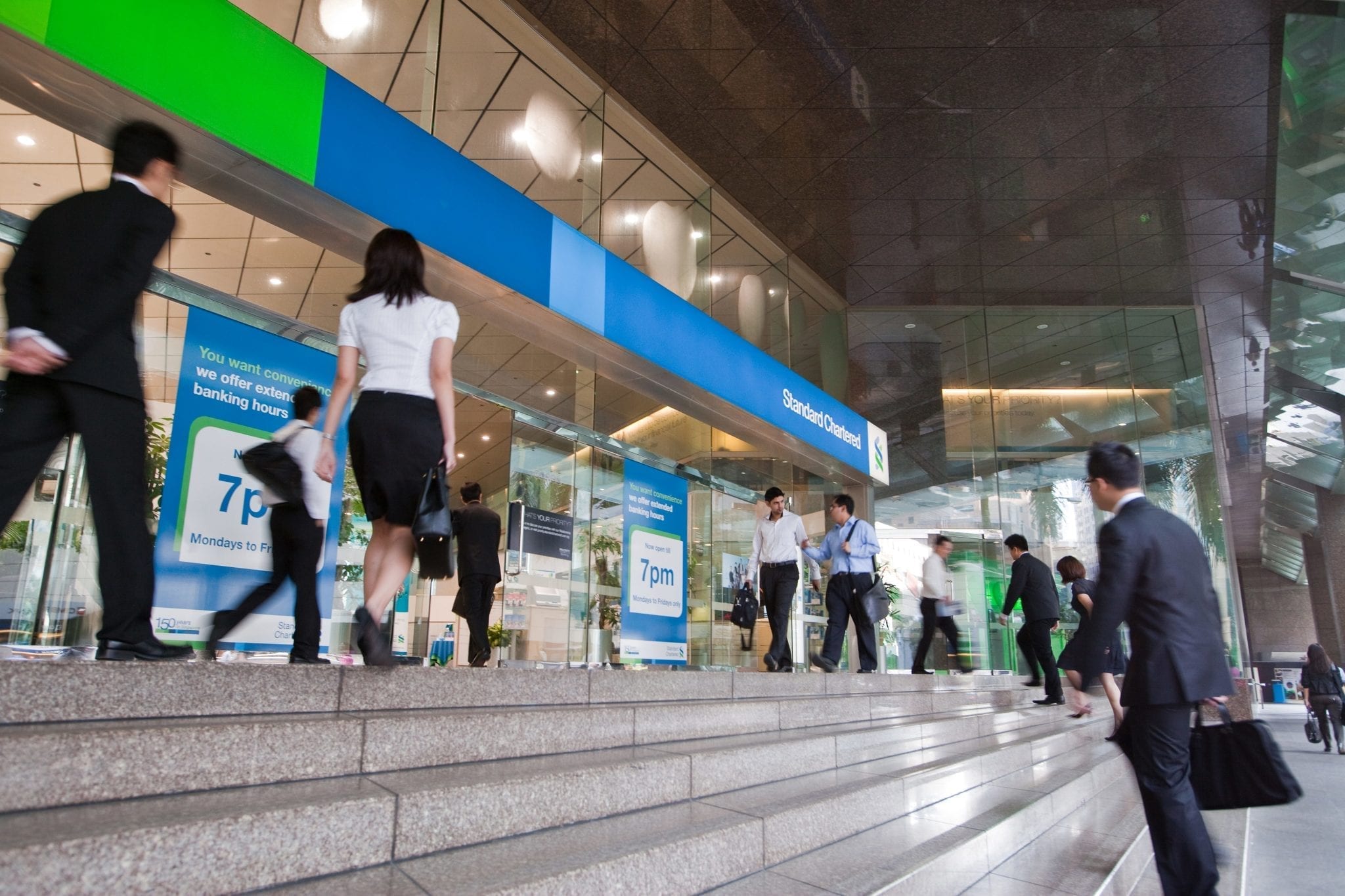
    Standard Chartered, a London-based financial institution, has recently entered into strategic agreements intended to increase its reach within Singapore’s business networks and boost the growth of its global India operations. These partnerships are with the Singapore Indian Chamber of Commerce & Industry as well as with the Institute of Chartered Accountants of India in Singapore.

    Unlocking Indian Networks

    The primary aim of these collaborations is to strengthen Standard Chartered’s global Indian proposition. This will be achieved by expanding its access to Indian business networks in Singapore and increasing its involvement within these communities.

    According to Standard Chartered, the number of high net worth individuals in India has doubled over the past decade. This demographic is projected to expand to 1.6 million individuals by the year 2027.

    James Lye, Standard Chartered’s Global and Singapore International Banking Head, has stated that these local partnerships will bolster the bank’s relevance in critical markets. It will also solidify its unique proposition and place the bank in a position where it can support and grow alongside the significant wealth creation occurring within these communities. He noted an increasing demand within the global Indian community for cross-border banking and wealth management solutions.

    Continuing the 2024 Initiative

    These new agreements are a continuation of broader efforts initiated in 2024 to update Standard Chartered’s global Indian proposition. The initial phase of this initiative involved enhancing connectivity with the bank’s hubs in various locations such as Singapore, Hong Kong, the United Arab Emirates, and the United Kingdom. This also included the development of a comprehensive set of global solutions and the provision of access to a new affluent wealth center in Mumbai, as well as various lifestyle experiences.

    Celebrating Deepavali

    A notable example of these lifestyle experiences was an exclusive Deepavali celebration recently hosted by the bank in Singapore. The event saw more than 200 clients from priority, private, and corporate banking sectors in attendance. This celebration was headlined by acclaimed Hindi playback singer Sonu Nigam and featured a traditional Diya lighting ceremony, as well as a classical sitar and tabla performance.

    Questions & Answers

    What is the aim of Standard Chartered’s recent strategic agreements?
    The aim is to strengthen the bank’s global Indian proposition by expanding its access to Indian business networks in Singapore and increasing its involvement within these communities.

    What demographic trends have been noted by Standard Chartered in India?
    The number of high net worth individuals in India has doubled over the past decade, and it is projected to continue growing, reaching 1.6 million individuals by 2027.

    What was the 2024 initiative by Standard Chartered?
    Initiated in 2024, the project aimed at updating Standard Chartered’s global Indian proposition. This included enhancing connectivity with the bank’s hubs across the globe, developing comprehensive global solutions, and providing access to an affluent wealth center in Mumbai, along with various lifestyle experiences.

  • Kao Corporation Targets $2.68b In Sales With Major Cosmetics Business Revamp

    Kao Corporation Targets $2.68b In Sales With Major Cosmetics Business Revamp

    Kao Corporation, a Tokyo-based company specializing in chemicals and cosmetics, has recently revealed plans to revamp its cosmetics business. The strategy will focus on the growth and expansion of its six core brands.

    The New Strategy

    Kao’s primary goal is to achieve a net sales target of 400 billion yen (US$2.68 billion), alongside an operating margin of 15 percent, as early as possible after 2030. To this end, the company will concentrate its growth and development efforts on six brands: Sensai, Molton Brown, Kanebo, Sofina, Curel, and Kate. The expansion strategy will be tailored to the specific markets where these brands meet consumer demands.

    As part of this reorganization, skincare brand Curel is expected to experience accelerated growth. The company plans to increase Curel’s store presence in Europe by sixfold, aiming to generate 50 percent of the brand’s total sales outside Japan by 2027.

    Focusing on the European and Asian Markets

    Sensai and Molton Brown, two brands that have proven successful among European consumers, will pivot their growth strategy to target the Asian luxury market. The company’s ambitious aims include a 150 percent increase in Sensai sales and a doubling of Molton Brown sales in Asia by 2027.

    For Kanebo and Kate, Kao plans to adapt their expansion to the distinctive characteristics of each Asian market, using Thailand as the initial target market. The company hopes to boost sales of these two brands by 150 percent in Thailand by 2027.

    In a simultaneous move, Kao intends to consolidate Sofina and its sub-brands under one umbrella. The aim is to enhance Sofina’s sales in Asia by 50 percent by 2027.

    Enhancing Profitability and Long-Term Growth

    Beyond brand-specific expansion plans, Kao’s revamp includes a broader focus on improving profitability and fostering long-term growth. This will involve the implementation of core technologies, cost reductions through improved supply chain management, and the application of digital and AI technologies.

    The restructuring process will be spearheaded by Tomoko Uchiyama, executive officer and president of global consumer care – cosmetics business, who began her role in January.

    Uchiyama emphasized the company’s adaptability in the face of change, explaining, “Our cosmetics business has the flexibility to respond to changing times and market dynamics with a diverse portfolio of brands.” She assured that, coupled with the robust foundation of the Kao Group, the company is well-positioned to pioneer advancement of globalization.

    In addition to cosmetics, Kao’s business segments also include hygiene living care (which counts Attack and Laurier among its brands), health beauty care (owner of Biore, among others), and chemical products.

    Questions & Answers

    What are the core brands Kao Corporation is focusing on?
    Kao Corporation will be focusing on the expansion of Sensai, Molton Brown, Kanebo, Sofina, Curel, and Kate.

    What are the business goals of Kao Corporation under the new strategy?
    The company aims to achieve a net sales target of 400 billion yen (US$2.68 billion) and an operating margin of 15 percent, as early as possible after 2030.

    Who will be leading the restructuring process at Kao Corporation?
    The restructuring process will be led by Tomoko Uchiyama, executive officer and president of global consumer care – cosmetics business.

  • AI Agents Spark a Revolutionary Transformation in Software Development

    AI Agents Spark a Revolutionary Transformation in Software Development

    In the rapidly evolving commercial landscape of the Asia-Pacific (APAC) region, businesses are making significant investments in agentic AI in a bid to maintain their competitive edge. According to IDC, a striking 70 percent of APAC companies anticipate that agentic AI will revolutionize business models within the next 18 months. By 2025, nearly 40 percent of these organizations are expected to integrate AI agents into their operations, with over half planning implementation by 2026.

    Opportunities and Risks in the AI Landscape

    While the adoption of AI agents presents vast opportunities, it comes with an array of risks attributable to their high degree of autonomy. Each data source, static AI model, and agent—whether internal or external—acts as an additional potential point of failure, prompting increased vigilance at the board level. Recent research from Lenovo indicated a lack of confidence among IT leaders; only 48 percent felt equipped to manage the risks associated with AI development and deployment, with more than 60 percent acknowledging the emergence of AI agents as a new form of insider threat that they are ill-prepared to handle.

    Expanding Horizons: The Complex Layer of Risks Beyond Security

    The surge of AI agents has transformed not only the methods of software creation but also how it is governed and managed, introducing a host of new challenges. IDC estimates that one-third of organizations in APAC are apprehensive about vulnerabilities tied to security and data privacy associated with AI agents—yet these concerns extend far beyond those parameters.

    Failing to appropriately score common vulnerabilities and exposures (CVEs) could allow threats to slip through, while overly strict thresholds may inundate developers with false positives, draining time and resources that could be better spent addressing genuine incidents. The entanglements in the software supply chain compound these challenges, as many agentic systems leverage open-source software and pretrained models, making them vulnerable to exploitation. Just one compromised package or even a mere leaked token in a public repository can unleash failures that propagate far beyond their initial source.

    Navigating Governance and Compliance in the Age of AI

    The risks associated with governance and compliance cannot be overlooked. The inherent autonomy of agentic systems raises unique challenges, including opaque decision-making that impairs accountability, potentially unsafe or rogue behaviors that defy human intent, and biases embedded in training data that can lead to unjust outcomes. Adding to this complexity are shadow AI/ML agents operating outside institutional oversight, creating an environment rife with undetectable risks.

    Revolutionizing Software Security and Delivery: The Workload is Massive

    With stakeholders demanding full transparency—right down to the binary level of machine learning models—policymakers are moving swiftly to address these risks through stricter regulations. In India, for instance, lawmakers are advocating for mandatory AI bills of materials. This intensifies the pressure on businesses across APAC to demonstrate compliance and provide clarity on the actions of their AI agents, adding a colossal compliance burden across development teams. The focus is shifting from merely accelerating the rollout of AI agents to ensuring the security, explainability, and compliance of every component in real time.

    Forging Sustainable Strategies Amid an Agentic Software Revolution

    Today’s developers are expected to juggle roles as compliance officers, AI custodians, and security experts. However, simply adding more tools will likely result in greater silos and blind spots. To effectively manage these risks while fostering a culture of trust, enterprises must pivot their approach. Here are some actionable strategies:

    Create a Trusted AI Agent System of Record: Position agents as pivotal assets in the software supply chain by maintaining comprehensive tracking of code, configurations, prompts, and credentials. By ensuring cryptographic audit trails and contextual metadata, enterprises can streamline agentic innovation while satisfying regulatory demands.

    Embrace a Human-Agent Hybrid Development Model: Automatic oversights alone cannot safeguard compliance. Developers should focus on overarching architecture, governance, and intent, while agents take on tasks such as coding and testing. Automating vulnerability remediation is a practical step toward freeing developers to focus on secure innovation.

    Nurture the Next Generation of Agentic Engineers: A new hybrid role is emerging—combining programming skills with machine learning expertise and compliance knowledge. These agentic engineers will design systems that foresee risks, embed governance into workflows, and facilitate real-time monitoring of agent behaviors, thus paving the way for more secure and compliant software delivery.

    The Path Ahead: AI Agents in a Transformative Era

    The seismic shifts in software development are undeniable, compelling organizations to adapt or risk obsolescence. Much like how the rise of open source necessitated a focus on secure software supply chains, the emergence of agentic AI demands an evolved approach to audit and trust infrastructure. APAC organizations that embrace this holistic strategy stand to not only mitigate risks but also equip their teams for swift innovation using AI agents and other transformative technologies on the horizon.

    Questions & Answers

    What is agentic AI, and why is it significant for APAC businesses?
    Agentic AI refers to autonomous AI systems that can independently perform tasks and make decisions. Its significance lies in its potential to disrupt business models and operations, prompting companies in APAC to adopt it to stay competitive.

    What primary concerns do IT leaders have regarding AI agents?
    IT leaders are primarily concerned about managing the risks of AI agents, with many feeling inadequately prepared to handle issues like insider threats and compliance challenges that arise from increased autonomy in these systems.

    How can organizations improve their approach to AI governance?
    Organizations can enhance their governance strategies by creating comprehensive systems to track AI assets, adopting a hybrid development model that incorporates both human oversight and automation, and investing in training for a new breed of engineer skilled in AI, compliance, and risk management.


  • U Mobile and EDOTCO Unveil Exciting ULTRA5G Experience at Mandarin Oriental!

    U Mobile and EDOTCO Unveil Exciting ULTRA5G Experience at Mandarin Oriental!

    U Mobile, Malaysia’s cutting-edge 5G network provider, has unveiled the ULTRA5G experience in partnership with EDOTCO, the country’s leading digital infrastructure partner. This launch took place at the prestigious Mandarin Oriental, Kuala Lumpur (MO) and signifies a pivotal move towards delivering extensive and reliable 5G connectivity across Malaysia.

    First Hotel in Malaysia with Comprehensive 5G Coverage

    This landmark achievement positions the Mandarin Oriental as the first hotel in Malaysia to offer complete 5G coverage on every floor. Guests who choose U Mobile’s connectivity plans can access a superior ULTRA5G experience, enjoying seamless high-speed internet in various locations within the hotel, including ballrooms, meeting rooms, event spaces, and common areas. These advancements are supported by innovative in-building coverage (IBC) solutions meticulously installed throughout the property.

    Redefining Guest Experiences with Advanced 5G Technology

    The ULTRA5G initiative enables sophisticated applications such as 4K livestreaming for conferences and immersive virtual meetings. With attributes like low latency, high capacity, and network slicing capabilities, the technology is set to redefine how business events are conducted.

    Woon Ooi Yuen, Chief Technology Officer of U Mobile, expressed enthusiasm about the initiative: “U Mobile is thrilled to offer our ULTRA5G experience at the Mandarin Oriental, supported by EDOTCO’s 5G in-building coverage infrastructure, ensuring uninterrupted 5G connectivity on every floor. This initiative will enable smart hotel applications, enhance efficiency, safety, and guest experiences, while also facilitating 4K conference livestreaming and immersive virtual meetings that will elevate the hotel and the MICE sector.”

    Expanding Connectivity Across Malaysia

    Yuen further emphasized that this is merely the onset of their 5G journey in collaboration with EDOTCO, as plans are in place to extend the ULTRA5G experience to more key locations such as airports, hospitals, and convention centers. This expansion aims to solidify U Mobile’s commitment to providing the widest and deepest 5G coverage in the country.

    EDOTCO’s Director of Malaysia Business, Gayan Koralage, underlined the significance of their partnership: “We are proud to be U Mobile’s first partner in implementing 5G in-building coverage. EDOTCO’s neutral-host model allows for quicker deployment, reduces redundant assets, and enhances digital experiences. By providing this platform, we ensure that building owners, operators, and technology providers connect seamlessly, improving digital experiences for Malaysians while contributing to the nation’s economic growth.”

    Welcoming 5G Innovations in the Heart of Kuala Lumpur

    KLCC Property Holdings Berhad (KLCCP), which oversees a portfolio of iconic properties in the Kuala Lumpur City Centre, has welcomed the connectivity enhancements at the Mandarin Oriental. Datuk Sr. Mohd Salem Kailany, Chief Executive Officer of KLCCP, noted, “The introduction of 5G at the Mandarin Oriental is a significant step in enhancing the guest experience and solidifying Kuala Lumpur City Centre’s status as a premier destination for hospitality, MICE, and tourism. This partnership between U Mobile and EDOTCO not only benefits our tenants and guests but also plays a vital role in Malaysia’s digital transformation, starting in the heart of the capital.”

    The launch of the ULTRA5G experience at MO follows U Mobile’s announcement at the Mobile World Congress in Barcelona earlier this year, where they recognized EDOTCO as one of their preferred IBC partners. The two companies will continue to join forces in expanding the ULTRA5G experience while exploring new opportunities for consumers, businesses, and industries, aiming for an ambitious 80% coverage of populated areas by the latter half of 2026.

    Questions & Answers

    What is the significance of the ULTRA5G experience at the Mandarin Oriental?
    The ULTRA5G experience makes the Mandarin Oriental the first hotel in Malaysia to feature complete 5G coverage on every floor, enhancing connectivity for guests across various spaces within the hotel.

    How does ULTRA5G impact business events held at the hotel?
    The ULTRA5G technology supports advanced applications like 4K livestreaming for conferences and immersive virtual meetings, promoting seamless communication and interaction during events.

    What future plans does U Mobile have for expanding 5G coverage?
    U Mobile aims to collaborate further with EDOTCO to extend the ULTRA5G experience to key locations such as airports and hospitals, with a goal of achieving 80% coverage of populated areas by mid-2026.

  • Alibaba Leverages Ai To Expand Cloud Business, Despite Falling Short Of Revenue Projections

    Alibaba Leverages Ai To Expand Cloud Business, Despite Falling Short Of Revenue Projections

    Alibaba, the Chinese multinational, has highlighted the significance of artificial intelligence (AI) in its plans to broaden its cloud computing business. This comes as the company experienced robust quarterly development in the sector, although its broader operations fell short of revenue projections.

    The Market Reaction

    Alibaba’s shares listed in the U.S. rose by 8% at the opening of the New York market on Friday after the results were announced.

    The revenue for Alibaba’s cloud division experienced a surge of 26% to a total of 33.40 billion yuan (equivalent to US$4.67 billion). This significant increase outpaced the anticipated rise of 18.4%. Yet, the weaker-than-expected progress in its e-commerce business overshadowed this achievement, with the total revenue falling short of estimates by 2%.

    Alibaba’s Position in AI

    Alibaba has emerged as one of the most competitive players in China’s AI sector, frequently introducing updates.

    In the past year, the company has invested over 100 billion yuan in AI infrastructure and product research and development, according to Group CEO, Eddie Wu.

    Wu stated that their investments in AI are beginning to bear fruit. He sees a clear trajectory for AI to power Alibaba’s robust growth in the future.

    Overall Performance and Revenue

    The overall revenue for the company for the quarter ending on June 30 was 247.65 billion yuan. This fell short of the average estimate of 252.92 billion yuan as calculated by LSEG.

    Alibaba reported its revenue from its China E-commerce Group for the first time, which includes platforms like Taobao and Tmall, its new instant commerce business, a food delivery app called Ele.me, and a travel agency called Fliggy. The group reported a revenue growth of 10%.

    On the other hand, Alibaba’s operational income saw a decrease of 3% year on year. The adjusted earnings before interest, tax and amortization dropped 14%, primarily due to investments in the instant commerce sector.

    Response from Rivals and Analysts

    The business rivals of Alibaba, PDD Holdings and Meituan, which are currently vying for market share in the instant retail space, issued warnings that rising investments could impact profits in the upcoming quarters.

    Analysts and executives from both companies have noted that competition has been escalating over the period.

    Analyst Angelo Zino from CFRA commented that while the shift towards quick commerce and AI investments had brought about meaningful operational changes, profitability was affected by growth initiatives such as user acquisition and technology infrastructure expenditure.

    Future Plans for Alibaba

    Alibaba plans to utilize its quick commerce business to broaden its overall e-commerce consumer base. The company aims to target a 30 trillion yuan addressable market. Jiang Fan, the CEO at Alibaba’s e-commerce business group, has projected that the quick commerce segment could contribute 1 trillion yuan in yearly incremental gross merchandise volume over the following three years.

    The revenue from international commerce saw a rise of 19%, propelled by expansion in crucial markets like Europe and the Middle East.

    Alibaba also announced its repurchase of shares in its logistics unit Cainiao from Fosun International. The transaction amounted to $349.8 million.

    Questions & Answers

    What is Alibaba’s recent investment in AI?
    Alibaba has invested over 100 billion yuan in AI infrastructure and product research and development in the past year.

    What is the expected contribution of the quick commerce segment to Alibaba’s revenues?
    The quick commerce segment is projected to contribute 1 trillion yuan in annualized incremental gross merchandise volume over the next three years.

    What was Alibaba’s recent significant transaction?
    Alibaba repurchased shares in its logistics unit Cainiao from Fosun International, amounting to $349.8 million.

  • HCMC Sets Ambitious Goal for 10% GDP Growth in Second Half of the Year

    HCMC Sets Ambitious Goal for 10% GDP Growth in Second Half of the Year

    Ho Chi Minh City is laying the groundwork for ambitious double-digit growth during the period of 2026 to 2030, setting an energetic tone for the business landscape. As the city charts its course for the remainder of 2025, each department has received specific mandates aimed at mobilizing approximately VND780 trillion (US$29.56 billion) in total social investment. The targets are equally ambitious: a 19.2% increase in total retail sales of goods and services and a 24.3% rise in exports. With tourism also taking center stage, the city aims to attract between 8.5 and 10 million international visitors, alongside 45 to 50 million domestic tourists, generating a tourism revenue between VND260 and 290 trillion.

    Strategic Policies and Economic Reforms

    The municipal People’s Committee has underscored the importance of rigorously implementing resolutions and policies from the Party Central Committee and local governing bodies. Authorities are set to unleash new breakthrough mechanisms while eliminating economic bottlenecks and advancing administrative reforms. To help businesses and citizens weather economic changes, ongoing tax, fee, and land rent exemptions, reductions, and deferrals will be in place, like a safety net woven to catch those who may falter.

    Building Bridges with Investors

    Local officials are ramping up dialogue with investors, enterprises, cooperatives, and business households to swiftly identify challenges. Innovative measures like “green channels” dedicated to projects in export processing zones, industrial parks, and high-tech zones will be further encouraged, building a bridge between ambition and execution.

    Revolutionizing Administrative Processes

    Departments and units have been tasked with cutting administrative processing times by at least 30% and reducing business costs by a similar margin. They will also work to eliminate at least one-third of unnecessary business conditions, paving the way for a more attractive investment climate. The city is steadfast in its commitment to achieving 100% disbursement of its 2025 state budget capital while simultaneously seeking to attract additional social investments wherever possible.

    Future Growth Strategies

    With an eye on the future, Ho Chi Minh City plans to accelerate the development of high value-added services while bolstering exports and trade. There’s also a strong push to stimulate domestic consumption and expand the tourism sector. Key areas for growth will focus on science and technology, innovation, digital transformation, and nurturing high-quality human resources. A mix of investment models—including “public investment – private management” and “private investment – public use”—is set to be implemented.

    Embracing Digital Transformation

    Comprehensive digitalization of state management is a priority, with initiatives spanning digital government, economy, society, and citizen services. The city aims to enhance its data governance strategy and public administrative service systems while accelerating the deployment of 5G infrastructure—a plan so forward-thinking it might just have tech enthusiasts cheering from the sidelines.

    Navigating Global Trade Challenges

    In light of recent U.S. tariff policies, the People’s Committee is urging local authorities to collaborate closely with ministries to devise measures that bolster competitiveness. This includes support for affected sectors, establishing traceability systems, and enhancing integration within regional and global supply and value chains.

    Questions & Answers

    What major economic targets has Ho Chi Minh City set for 2025?
    The city aims to mobilize approximately VND780 trillion (US$29.56 billion) in social investment, boost total retail sales by 19.2%, and increase exports by 24.3%.

    How does Ho Chi Minh City plan to foster a better investment climate?
    Authorities will cut administrative processing times by at least 30%, reduce business costs similarly, and eliminate a third of unnecessary business conditions to create a more attractive environment for investors.

    What sectors is the city focusing on for future growth?
    Ho Chi Minh City is prioritizing the development of high value-added services, science and technology, digital transformation, and high-quality human resources as part of its growth strategy.

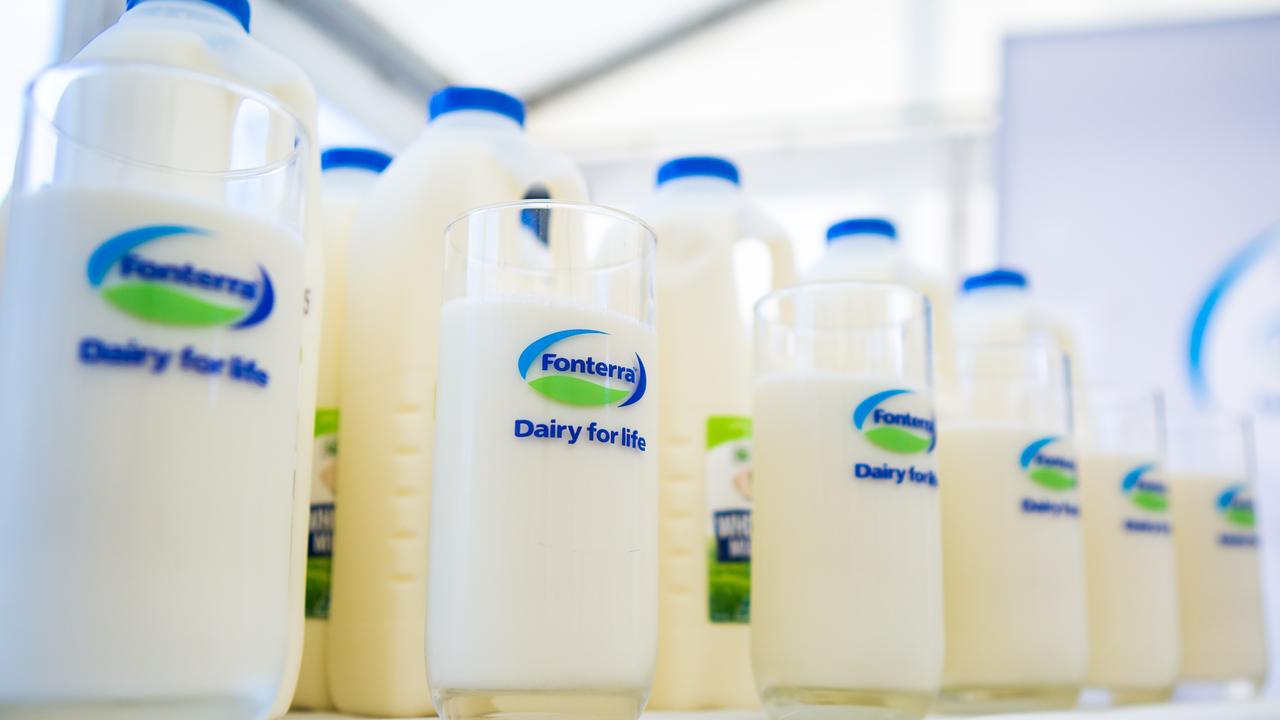
  • Fonterra Sells Global Consumer Business To Lactalis In $3.48 Billion Deal

    Fonterra Sells Global Consumer Business To Lactalis In $3.48 Billion Deal

    Fonterra, a leading dairy company, has announced it is selling its global Consumer and associated businesses to French dairy enterprise, Lactalis. The transaction is valued at NZ$3.845 billion ($3.48 billion).

    Details of the Sale

    The sale incorporates Fonterra’s global consumer business (excluding Greater China) and a range of consumer brands such as Mainland, Anchor, Perfect Italiano, and Anmum. Also included are the integrated foodservice and ingredient operations in Oceania, Sri Lanka, the Middle East and Africa.

    Another element of the transaction that could potentially increase the total sale price by another NZ$375 million is the license for Bega Cheese-branded products. Currently held by Fonterra’s Australian business, the inclusion of this license in the sale depends on the resolution of a dispute with Bega Cheese Limited.

    Despite this sale, Fonterra plans to continue providing the divested businesses with milk and other products via long-term agreements. This ensures that dairy brands like Anchor and Mainland will continue to incorporate New Zealand farmers’ milk in their products.

    Justification for the Sale

    Fonterra chairman Peter McBride affirmed the board’s confidence in the transaction, stating that after an extremely competitive sale process involving multiple bidders, they believe the sale to Lactalis offers the highest value option for the cooperative. This decision was influenced not only by the strong valuation of the businesses being sold, but also by the opportunity for a full divestment of the assets and a quicker return of capital to the co-op’s owners, compared to an Initial Public Offering (IPO).

    Several bidders, including Japan’s Meiji and a consortium of the ASX-listed Bega Group and Dutch dairy cooperative FrieslandCampina, had previously shown interest in the businesses.

    Lactalis, an owner of popular brands such as Pauls, Vaalia, Oak and President, received clearance from the Australian Consumer and Competition Commission (ACCC) for the deal last month. Lactalis CEO Emmanuel Besnier expressed that this acquisition will strengthen the company’s strategy across Oceania, Southeast Asia, and the Middle East.

    Finalizing the Sale

    The sale is anticipated to be finalized in the first half of next year, subject to the satisfaction of all conditions. Fonterra will hold a special meeting in late October or early November to seek farmer shareholder approval for the deal.

    Fonterra’s earnings guidance for FY25 remains unchanged, despite the sale.

    Questions & Answers

    What businesses are included in the sale?
    The sale includes Fonterra’s global consumer business (excluding Greater China), several consumer brands and integrated foodservice and ingredient operations in Oceania, Sri Lanka, the Middle East and Africa.

    Will Fonterra continue to supply milk to the divested businesses?
    Yes, Fonterra plans to continue providing the divested businesses with milk and other products via long-term agreements.

    When is the sale expected to be finalized?
    The sale is expected to be completed in the first half of next year, subject to the satisfaction of all conditions.

  • Starbucks Invites Top Firms To Bid For Stake In Chinese Operations Amidst Market Share Decline

    Starbucks Invites Top Firms To Bid For Stake In Chinese Operations Amidst Market Share Decline

    Starbucks has requested a select group of potential bidders to prepare non-binding bids for a share in its China operations within the next fortnight, according to two sources familiar with the situation.

    The American coffeehouse corporation has extended invitations to entities such as private equity firms Carlyle, EQT, Hillhouse Investment, and Primavera Capital to partake in management presentations. During these sessions, financial and operational aspects of its China business will be disclosed. Other potential bidders are said to include Bain Capital, KKR & Co, and technology giant Tencent.

    A new partner in China could help revitalize a business that has seen its market share fall by more than half over the last five years. This decline has occurred as cheaper local competitors expand rapidly amidst a slowing economy and increasingly cost-conscious consumers.

    Preliminary Sale Process

    Starbucks initiated the sale in May, inviting interested parties to provide details about their businesses by late June. The Seattle-based company clarified that it was not contemplating a complete sale of the business. Potential bidders anticipate the business to be valued at up to US$10 billion.

    In July, up to ten interested parties were shortlisted and signed non-disclosure agreements before being granted potential access to financial and operational data. The final structure of the sale and the size of the stake have yet to be determined.

    Informal discussions with a variety of prospective buyers have been ongoing since the latter part of last year, and the company aims to reach an agreement by the end of this year. CEO Brian Niccol stated last month that over 20 parties have expressed interest in the business and options are currently being evaluated.

    Commitment to China Business

    “We remain committed to our China business and want to retain a meaningful stake… We will only enter a transaction if it makes sense for Starbucks,” said Niccol. Primavera, Carlyle, EQT, KKR, and Bain have not provided any comment, while Hillhouse and Tencent have not responded to comment requests.

    The sale is being pursued after Starbucks reported robust overall revenue for the three months ending on June 29, a result of a turnaround plan implemented by Niccol following several quarters of declining profits.

    Stiff Competition

    In China, Starbucks is grappling with a sluggish economy and stiff competition from local brands, including Luckin Coffee, which has been capturing market share with its cheaper offerings and wider reach in smaller cities.

    Last year, Starbucks’ market share in China, which is home to over a fifth of its outlets, was 14 per cent, down from 34 per cent in 2019. In response, the chain has lowered prices for some non-coffee drinks in China and accelerated the development of new, China-centric products.

    Financial Performance

    Sales in comparable stores in China increased by 2 per cent in the quarter ending June 29, up from zero growth in the previous quarter. As of the end of June, Starbucks operated 7,828 stores in China, as stated in its latest quarterly report. The company has not disclosed core earnings for its China operations.

    Questions & Answers

    Why is Starbucks selling a stake in its China business?
    Starbucks is selling a stake in its China business to potentially inject fresh momentum into the operations, which have seen market share decline in the past five years due to local competition and changing consumer behavior.

    Who are the potential bidders for the stake in Starbucks’ China operations?
    Potential bidders include private equity firms Carlyle, EQT, Hillhouse Investment, Primavera Capital, Bain Capital, KKR & Co, and technology giant Tencent.

    What is Starbucks’ current market position in China?
    Starbucks’ market share in China has decreased, from 34% in 2019 to 14% in 2020. The company is facing competition from local brands and a slower economy, but it remains committed to its China business and aims to retain a significant stake.

  • Starbucks Sales Dip Globally, But China Shows Signs Of Recovery

    Starbucks Sales Dip Globally, But China Shows Signs Of Recovery

    Starbucks has recently disclosed a drop in its global comparable store sales for its fiscal third quarter, which underscores the persisting challenges in its primary US market. This comes even as its China operations begin to show some promising signs of recovery.

    Revenue and Sales Performance

    Despite the Seattle-based coffee giant recording a 4% rise in total revenue year-over-year, amounting to US$9.5 billion, it was overshadowed by a 2% decrease in global comparable store sales. This dip can be predominantly attributed to a slump in foot traffic in North America—Starbucks’ biggest market—where there was a 3% reduction in transactions.

    On a brighter note, China, the second largest market for Starbucks, appeared to defy this trend. Comparable store sales in China saw a 2% increase, signifying a comeback following several quarters of decline.

    Expansion and Strategic Growth

    Over the past year, Starbucks has added over 500 new stores in China, thereby increasing its total to 7,828. The company is also said to be considering various proposals from potential local partners to help speed up its expansion into lower-tier cities, while keeping strategic control intact.

    However, Starbucks also faces mounting competition in China from rapidly growing domestic contenders such as Luckin Coffee and Cotti Coffee. These brands have been rapidly expanding by offering lower prices and faster service models.

    North America Initiatives and Future Plans

    In North America, Starbucks is actively undertaking its ‘Back to Starbucks’ initiative, a strategy designed to bolster store operations, improve employee engagement, and refine the overall customer experience.

    Brian Niccol, the Chairman and CEO, expressed an optimistic outlook, citing early signs of progress in the company’s efforts to revamp its operations. He commented, “We’ve made significant progress and tackled challenging issues to build a robust operating foundation. In terms of turnaround efforts, we are ahead of schedule.”

    “By 2026, we plan to launch a series of innovations that will drive growth, enhance customer service, and ensure that everyone has access to the very best of Starbucks. We are committed to rebuilding a superior Starbucks experience and a stronger business.”

    Starbucks has also announced its plans to gradually phase out underperforming mobile order-only stores, and shift towards new café formats that include seating and drive-thrus. This is part of an overall strategy to improve the in-store experience.

    The coffee chain has big plans for fiscal 2026, with the introduction of a range of new beverage and food items, including protein-based cold foams, coconut water-infused drinks, gluten-free snacks, and customizable energy drinks.

    In addition to the product expansion, there are also upgrades planned for the company’s mobile app and loyalty rewards program, with continued investment in digital and operational technology.

    Questions & Answers

    What strategies is Starbucks implementing to recover from the drop in sales?
    Starbucks is taking several steps to recover, including the ‘Back to Starbucks’ initiative in North America, which aims to strengthen store operations and improve the overall customer experience. The company is expanding in China and is planning to introduce new products and upgrade its mobile app and loyalty program.

    What is the ‘Back to Starbucks’ initiative?
    The ‘Back to Starbucks’ initiative is a strategy designed to strengthen store operations, increase employee engagement, and enhance the overall customer experience. The company hopes this will help to boost sales and customer satisfaction.

    What are the company’s plans for growth in China?
    Starbucks plans to partner with local entities to accelerate expansion into lower-tier cities in China. Over the past year, the company has already added more than 500 new stores in the country and continues to consider strategies for further expansion.

  • Thailand Braces for $6B Export Setback as US Considers Tariff Increase

    Thailand Braces for $6B Export Setback as US Considers Tariff Increase

    Thailand could face a staggering loss of up to 200 billion baht (approximately US$6.14 billion) in export revenue this year if the United States moves forward with proposed tariffs ranging from 25% to 36% on Thai goods, warns a forecast from the University of the Thai Chamber of Commerce (UTCC).

    Tariff Hurdles Ahead

    Thanavath Phonvichai, the President of UTCC, highlighted a critical window for Thailand to negotiate a more favorable tariff outcome, aiming to reduce these rates to 20% before the tariffs are set to be implemented on August 1. However, Phonvichai cautioned that reaching a final deal with U.S. officials remains uncertain, adding an extra layer of uncertainty to the already precarious situation.

    Political Instability Threatens Economic Stability

    The stakes are further raised by Thailand’s internal political landscape. Phonvichai indicated that potential political unrest, including a possible dissolution of parliament or delays in passing an economic stimulus budget, could slash GDP growth by up to one percentage point. If such outcomes unfold, economic growth might dip below 1% for the year, significantly lower than the previously projected 1.7%.

    Impact on Exports and Consumer Confidence

    If the 25% to 36% tariffs are implemented for the entire year, the UTCC projects that exports valued between 400 billion and 600 billion baht could be adversely impacted. This anticipated setback comes in the wake of a significant decline in consumer confidence, with the index dropping to 52.7 in June, marking its lowest point in 28 months. Public optimism appears to be wilting, perhaps just like a garden in the harsh heat of the Thai summer.

    Questions & Answers

    What are the potential consequences of the U.S. tariffs on Thailand’s economy?
    Thailand could lose up to 200 billion baht in export value, which could push its GDP growth below 1% for the year.

    When are the potential U.S. tariffs set to take effect?
    The tariffs are scheduled to be implemented on August 1, leaving Thailand limited time to negotiate more favorable rates.

    How has consumer confidence been affected recently in Thailand?
    The consumer confidence index fell to 52.7 in June, the lowest level in nearly two and a half years, reflecting widespread public concern about the economic outlook.