Tag: BYD

  • Toyota Plans 400,000 Range Extender Vehicles Annually in China by 2028

    Toyota Plans 400,000 Range Extender Vehicles Annually in China by 2028

    Toyota plans to produce 400,000 range-extender electric vehicles annually in China by 2028. The program pushes the carmaker into a powertrain segment long dominated by domestic brands.

    Initial manufacturing starts in April 2027 at a rate of several hundred vehicles a month. Output will climb to an annualised volume of 200,000 units by December 2027. This project is the Japanese carmaker’s first range-extended electric vehicle (REEV). The setup pairs an electric motor and battery pack with a small petrol generator that recharges the cell rather than driving the wheels.

    How the Powertrain Operates

    The system relies entirely on electric drive for the axles. During long trips, the onboard combustion engine fires up once battery charge drops below a set threshold. It runs strictly to generate electricity. That setup removes range anxiety along rural routes where fast chargers remain scarce.

    Chinese consumer demand for extended-range vehicles has surged over the past two years. Buyers in second-tier and third-tier cities frequently choose REEVs. The format combines daily battery-only urban commuting with fuel-station flexibility on highways.

    Chasing Domestic Specialists

    Toyota is stepping onto territory carved out by Li Auto, which built its brand around extended-range luxury SUVs. Other Chinese manufacturers followed quickly. Seres-backed Aito, Leapmotor, Xpeng and Xiaomi’s SkyNomad sub-brand all rolled out range-extender platforms to maintain sales.

    Foreign legacy automakers have struggled to match the pace of Chinese rollouts. Volkswagen introduced a China-exclusive range-extender model earlier this year. Li Auto publicly mocked the German brand for its late entry. Offering extended-range powertrains has become critical for foreign joint ventures trying to stem market-share losses against local rivals that undercut them on price and interior digital tech.

    Tightening Regulatory Oversight

    Regulators in China are tightening scrutiny across the segment. In June 2026, government authorities introduced stricter technical requirements and standard testing protocols. These rules specifically target range-extender fuel consumption and emissions once the traction battery is depleted.

    Automakers entering the segment must meet higher energy-conversion efficiency targets to qualify for local green-vehicle incentives. Toyota engineers must now design a generator package that satisfies those consumption rules. It must also preserve enough cabin space to compete with software-heavy Chinese rivals.

    Building on Joint Venture Electrification

    Earlier electrification efforts by Toyota in China began cautiously with the global bZ4X electric SUV in 2022. Partnerships with local manufacturers followed to develop market-specific vehicles. The carmaker released the bZ3 electric saloon with BYD and FAW, followed in 2025 by the bZ3X with GAC and the bZ5 SUV coupé with BYD and FAW.

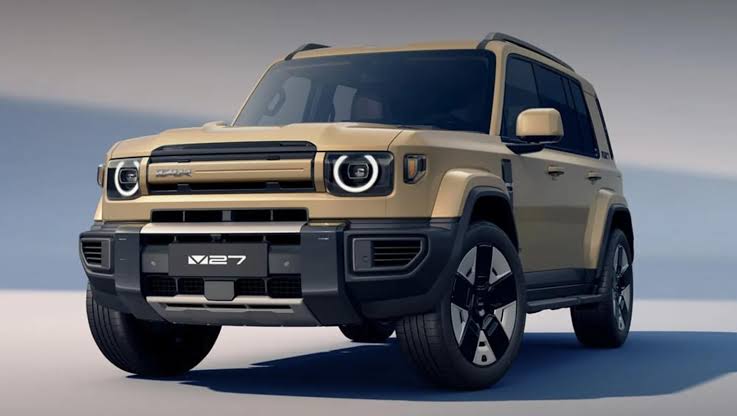
    Lineup expansion continued in early 2026 with the GAC-built bZ7 electric saloon. The 2027 range-extender model adds a separate propulsion option to that joint-venture portfolio as factories prepare to hit the 400,000-unit target by 2028.
  • BYD Recalls 183,000 Vehicles in China over Brake Pedal Defect

    BYD Recalls 183,000 Vehicles in China over Brake Pedal Defect

    BYD is recalling 183,211 electric and hybrid vehicles in China after regulators identified a manufacturing defect in the brake pedal assembly. China’s State Administration for Market Regulation confirmed the recall affects Qin sedans and Tang sport utility vehicles built between 2014 and 2022.

    Most of the affected units belong to the Tang series, alongside roughly 40,300 Qin models. The defect involves a batch of brake pedal stop buffers that can tear or detach over extended use. When the buffer fails, brake lights can stay illuminated continuously even when the driver is not touching the pedal. That creates a collision hazard for trailing traffic. BYD will inspect the vehicles and fit replacement components at no cost to owners through its authorised dealer network.

    Steering issues hit Nio’s Firefly line

    The regulator also published a separate recall notice covering Nio. The company must recall 686 vehicles from its Firefly sub-brand due to a wiring harness fault in the electric power steering assist. In extreme operating conditions, the defect can cause sudden power steering failure. Nio dealers will inspect the batch and replace the affected harness free of charge.

    Both notices arrive during heightened regulatory scrutiny over automotive hardware quality across China. In August, the market regulator oversaw corrective campaigns affecting more than four million vehicles across eleven manufacturers, including Tesla, Xiaomi, Leapmotor, Xpeng, and Zeekr. Those actions addressed emergency mechanical door releases rather than braking hardware, but the regulatory intervention demonstrates tighter enforcement on basic vehicle safety mechanics.

    Domestic market friction versus export gains

    For BYD, the physical recall tests dealership service capacity across Chinese cities at a time when domestic retail demand has softened. While BYD set a company record in August by delivering 256,230 battery-electric passenger cars, its domestic retail sales dropped below prior-year levels. Total monthly deliveries reached 440,293 new energy vehicles, supported primarily by strong export growth into overseas markets.

    The recall creates immediate operational work for BYD service centres. Dealership networks must process more than 183,000 physical workshop visits while maintaining routine vehicle servicing and pre-delivery inspections for new buyers. The Tang and Qin nameplates represent early volume drivers for BYD’s new energy transition, meaning many affected cars are now out of their initial warranty periods.

    Inspection deadlines and component supply

    Managing older vehicle fleets is becoming a standard operational requirement for Chinese electric vehicle makers. Earlier production runs from the 2014 to 2018 era relied on different component suppliers than current vehicle architectures. Ensuring replacement parts reach regional service centres quickly will determine how fast BYD clears the regulator’s safety docket.

    Authorized repair networks across China have started scheduling owner appointments for the free buffer replacements. The market regulator will track completion rates for both BYD and Nio as workshop filings come due in the final quarter.

  • BYD Launches Denza Z9GT in Thailand at 2.9 Million Baht

    BYD Launches Denza Z9GT in Thailand at 2.9 Million Baht

    BYD rolled out its Denza Z9GT shooting brake in Thailand on September 16. The tri-motor luxury electric vehicle costs 2,999,900 baht ($89,870). An introductory promotion cuts the price to 2,899,900 baht for orders placed before September 30.

    Rever Automotive imports the car fully assembled from China. It brings the carmaker’s second-generation Blade Battery and flash charging hardware to Southeast Asia for the first time.

    High Voltage Hardware and Fast Turnarounds

    A tri-motor all-wheel-drive system generates 1,156 horsepower. It draws power from a 122.5 kilowatt-hour battery pack, delivering up to 701 kilometres of driving range on one charge.

    Charging speed leads the spec sheet. The vehicle takes direct-current rates up to 1,500 kilowatts. That fills the battery from 10 to 97 per cent in nine minutes. Ke Yubin, general manager of BYD Thailand, ran live charging and handling demonstrations in Bangkok to prove the times to buyers.

    At 5,180 millimetres long, the shooting brake features independent rear-wheel steering and BYD’s e3 chassis platform. Inside, the cabin offers ultra-wideband digital key support, near-field communication access, and three interior trim selections designed to compete against European grand tourers.

    Denza Expands Across Asia-Pacific

    Thailand is now the 13th Asia-Pacific market to sell Denza vehicles. The sub-brand first entered the country in November 2024 with the D9 multi-purpose vehicle, following rollouts in Hong Kong, Cambodia, and Singapore.

    Subsequent rollouts reached Malaysia and Europe, alongside an April exhibition in Paris. In China, where an updated version went on sale in March, buyers can choose between pure electric and plug-in hybrid setups. Thailand gets only the high-output battery-electric model, aimed squarely at the top of the local market.

    BYD completed its 10,000th flash charging station in China in August and will continue rolling out the technology globally.

    Liu Xueliang, General Manager of Asia-Pacific Auto Sales Division, BYD

    A Strategic Wedge in Luxury Transport

    Distributors across Southeast Asia face a tricky transition as Chinese manufacturers move from volume hatchbacks into high-margin luxury segments. Premium electric cars in Bangkok have long belonged to Porsche, BMW, and Mercedes-Benz. Badge heritage carries real weight with wealthy buyers there. Denza wants to break that hold by offering hypercar acceleration and fast charging at half the price of German rivals.

    Grid operators face their own hurdles with the hardware. Delivering 1,500 kilowatts requires dedicated megawatt-level grid connections and liquid-cooled cabling that private Thai charging networks lack. BYD is building its own charging infrastructure alongside vehicle shipments so buyers can actually reach those speeds.

    Manufacturing Foundations in Rayong

    This premium launch follows rapid industrial growth across Thailand over the past two years. BYD’s assembly plant in Rayong province reached its two-year operational milestone in July 2026 with 130,000 total domestic deliveries. The facility holds an annual nameplate capacity of 150,000 vehicles. It already exports right-hand-drive cars to European ports.

    Earlier entry with the D9 secured showroom floor space inside existing dealer networks, reducing upfront capital costs for this launch. The Z9GT now gives those dealers a halo car to pull foot traffic into showrooms.

    Excise Tax Deadlines and Network Targets

    Importers face a steep tax cliff at year’s end. Thailand’s revised electric vehicle excise tax structure takes effect in 2027. Distributor forecasts show the new rules will push the imported Z9GT’s retail price to 3,999,900 baht.

    Fourth-quarter sales will reveal whether luxury buyers jump in before that 1-million-baht tax hike takes hold. At the same time, BYD needs to install roughly 80 fast-charging stations daily around the world to hit its goal of doubling its 10,000-site network.

  • Dongfeng Nissan Updates N7 Electric Sedan After China Sales Slump

    Dongfeng Nissan Updates N7 Electric Sedan After China Sales Slump

    Dongfeng Nissan will launch an updated version of its N7 electric sedan on September 22 in China. The refresh follows a steep drop in monthly deliveries.

    Retail volume for the battery-electric model slumped to 928 units in August 2026 from an all-time high of 10,148 units in August 2025. The figures come from China Passenger Car Association data compiled by industry monitors.

    Configuration Revisions Follow Sales Drop

    The joint venture between Nissan Motor and Dongfeng Motor plans to adjust equipment specifications across the lineup to regain showroom traction. Dealers aggressively cleared stock over the summer. Wholesale shipments dropped to 619 units in August 2026.

    Priced between 119,900 yuan ($17,760) and 158,900 yuan across nine variants, the original N7 debuted in late April 2025. That entry price matched Xpeng’s Mona M03 sedan. It was one of the sharpest pricing counteroffensives by a foreign joint venture brand in China.

    Local Software And Hardware Engineering

    Developed entirely by a domestic engineering team, the sedan is the first Dongfeng Nissan model to use the group’s proprietary Tianyan vehicle architecture. Its smart cockpit integrates artificial intelligence models including DeepSeek-R1. Driver assistance software comes from Chinese autonomous driving startup Momenta.

    Buyers can choose between two single-motor electric powertrains producing 160 kW or 200 kW. Driving range spans 510 kilometers to 635 kilometers under the China Light-Duty Vehicle Test Cycle standard.

    Pressure Mounts On Legacy Joint Ventures

    Joint venture automakers in China face shortening product life cycles and unforgiving price competition from domestic EV builders. Market shifts happen fast. A model that led its category twelve months ago can lose over ninety per cent of its volume once rivals offer faster chips and larger battery packs at the same price.

    For dealership networks and component suppliers, the collapse of N7 deliveries exposes the risk of relying on single-motor sedans in a crowded market. Automakers now refresh vehicle trims within 18 months to protect showroom footfall. That replaces the traditional four-year mid-cycle schedule.

    Broader N Series Rollout

    Dongfeng Nissan has built an entire sub-brand around the badge since the initial N7 release. The automaker rolled out the N6 plug-in hybrid sedan in December 2025 at an introductory price of 91,900 yuan to compete against BYD’s Qin L DM-i. It followed with the NX8 extended-range electric vehicle in April 2026, which collected 8,423 orders in its first 30 minutes on sale.

    Total production across the N series crossed 100,000 units in June 2026, roughly 14 months after the initial model hit the market.

    Regulatory filings in August cleared the NX7 plug-in hybrid SUV for market entry. The approval leaves Dongfeng Nissan with two new utility models scheduled to reach dealerships before year-end.

  • BYD Plans 4 European Plants to Support Sales Targets and Comply with EU Rules

    BYD Plans 4 European Plants to Support Sales Targets and Comply with EU Rules

    BYD plans to establish three vehicle assembly plants and one battery factory across Europe over the long term. The manufacturing footprint aims to support local sales targets and comply with European Union regulations.

    The company expects to decide on its second European assembly site by the end of this year. It favors acquiring and refurbishing an existing facility over building from scratch, with Spain and France among the leading candidates.

    Alfredo Altavilla, European adviser to BYD and a former Fiat Chrysler executive, outlined the plans in Turin late on Wednesday. The company is in talks with European automakers and governments to take over underutilized car factories.

    Choosing Between Spain, France and Italy

    Rome pitched for the project, but Italian facilities trail on operating economics, Altavilla confirmed.

    “Italy remains a plan B,” Altavilla said, noting that BYD is seeking the most competitive industrial conditions across the continent.

    Production work has already started at BYD’s first European passenger vehicle factory in Hungary. Adding two more assembly plants and a dedicated battery site will give it the scale to bypass steep trade barriers and comply with pending local-content mandates.

    Tariff Defenses and Regional Trade Rules

    Brussels has imposed definitive tariffs on Chinese battery electric vehicles. European Union authorities also want limits on Chinese hybrid imports. Localising the full supply chain from cells to finished cars removes tariff friction. It also qualifies BYD for national fleet purchase subsidies.

    Taking over distressed assembly capacity pits BYD directly against European legacy carmakers on labour and parts pricing. For Asian component suppliers and retail dealership groups, shifting from imports to regional production cuts lead times and secures steady parts availability across continental networks.

    Export Volumes Overtake Chinese Domestic Revenue

    This European manufacturing push follows a rapid rebalancing of BYD’s revenue base. Overseas revenue surpassed domestic Chinese income for the first time in the first half of the year. That shift provides relief against intense price competition at home.

    Export momentum accelerated through the summer. The company sold 1,162,260 vehicles outside China in the first eight months of the year, up 85.72 per cent from a year earlier. In August alone, overseas shipments hit a record 189,466 units, accounting for 43.03 per cent of total group volume.

    Expanding Luxury Retailing Across Europe

    BYD is also rolling out its premium sub-brand Denza across core luxury markets. The carmaker opened dedicated Denza showrooms in Turin and Paris this week to compete directly with German premium marques.

    Management raised its full-year 2026 international sales target to between 1.9 million and 2.0 million vehicles, according to Deutsche Bank research. It targets more than 2.5 million units in 2027. Site selection for the second European production facility will wrap up before the December deadline.

  • BYD Unveils 44-Tonne ETT 44 Electric Truck with 651-kWh Battery

    BYD Unveils 44-Tonne ETT 44 Electric Truck with 651-kWh Battery

    BYD unveiled its 44-tonne ETT 44 electric tractor unit at Hanover’s IAA Transportation show in September 2026. The vehicle enters Europe’s heavy-duty truck market with a 651-kilowatt-hour battery.

    The flagship model delivers peak output of 1,000 horsepower. It claims a driving range of nearly 600 kilometres on a single charge.

    Built on a 4×2 tractor configuration, the ETT 44 uses BYD’s proprietary lithium iron phosphate Blade Battery chemistry. Standard drive power sits at 743 horsepower. The unladen tractor unit weighs between 10.95 and 11.14 tonnes depending on final equipment trim. The company includes a 10-year or 1.2 million-kilometre warranty on the battery pack.

    Megawatt Charging and Fleet Hardware

    Charging hardware is built for high-throughput commercial fleet depots. Using standard CCS2 connectors, the truck draws up to 420 kilowatts to charge from 20 per cent to 80 per cent in 60 minutes. Connecting via the Megawatt Charging System lifts input capacity above 1.5 megawatts. That cuts the charging window to 20 minutes and recovers roughly 400 kilometres of operating range.

    The heavy tractor heads an expanded commercial transport lineup. In Hanover, the Chinese manufacturer also introduced rigid 4×2 and 6×2 chassis models, including a 26-tonne swap-body platform and a hooklift variant. Together with the smaller E-Vali electric van, the range covers logistics weights from 3.5 tonnes to 44 tonnes.

    Rivalry in Long-Haul Logistics

    For European logistics operators and Asian export supply chains, fleet electrification is shifting from urban delivery vans into heavy regional freight. Chinese truckmakers are moving into the European heavy-vehicle market as legacy manufacturers defend their home turf. BYD faces established heavy-duty models from Volvo, Daimler Truck and MAN. Volvo claims up to 700 kilometres on its FH Aero Electric.

    Competition from Chinese heavy-vehicle peers is accelerating. Manufacturers including Sany, Sinotruk and Skyworth displayed competing heavy-duty electric tractor units at Hanover to secure European logistics contracts. BYD counters with in-house battery cell production and bundled ancillary services, packaging vehicles alongside proprietary charging hardware, stationary energy storage systems and fleet financing.

    Commercial Vehicle Expansion

    Overseas expansion began with municipal electric transit buses before expanding into light delivery vans across international markets. Moving into long-haul freight exposes the brand to stricter uptime demands. Commercial hauliers also require higher charging infrastructure support.

    BYD will now roll out commercial fleet trials across European logistics corridors. Initial customer deliveries and depot charging installations are scheduled to begin across core transport hubs.

  • Trump Says Chinese Automakers Can Build in US Despite 100% Tariffs

    Trump Says Chinese Automakers Can Build in US Despite 100% Tariffs

    Donald Trump has stated that his administration would not block Chinese automakers from building electric vehicles in the United States, even as imports face 100 per cent tariffs.

    Speaking in September 2026, Trump indicated that Chinese manufacturers could establish assembly plants in states such as Tennessee or Alabama, despite warnings from the domestic automotive sector that local Chinese production could threaten traditional US carmakers.

    While fully built electric cars from China remain virtually barred under the existing 100 per cent tariff wall, industry analysts note that manufacturers cannot easily replicate China’s integrated parts ecosystem and low-cost supply chain in the American South.

    Supply Chain Realities in the US Market

    RetailNews Asia notes that Chinese electric vehicle brands are directing capital toward markets with clearer regulatory frameworks. Automakers such as BYD and XPENG are opening assembly hubs and distribution networks across Southeast Asia, Europe, Australia, Latin America and Africa. Those regions offer established trade corridors, predictable import policies and faster adoption rates than the North American retail market.

    For Asian parts suppliers and battery vendors, building factories in North America brings heightened political exposure. Shifts in US federal policy make long-term factory payback calculations unreliable. Expanding in ASEAN, South America and Central Europe allows Chinese automotive groups to utilize their domestic supply networks while building local retail presence near high-demand consumer clusters.

    Regional Diversification Beyond North America

    American automotive retail conditions remain difficult for foreign pure-play electric vehicle brands. Charging network rollouts in the US lag behind China and Western Europe, while consumer demand for battery-electric passenger cars has softened relative to hybrid options. Chinese original equipment manufacturers achieve better factory utilization rates by serving emerging markets across Asia and South America, where entry-level city cars face minimal competition from legacy American brands.

    Legacy US car companies have used the 100 per cent import tariff to protect sales of high-margin petrol sport utility vehicles and pickup trucks. If Chinese manufacturers establish US assembly operations, domestic producers will face direct price pressure on their home turf. That outcome would force domestic brands to accelerate their own electric platform cost reductions or surrender market share in entry-level passenger car segments.

    Tariff Walls and Industrial Strategy

    Washington escalated tariffs on Chinese electric cars to 100 per cent to shelter domestic producers from lower-cost imports. That defensive trade posture accelerated the construction of Chinese automotive plants in Thailand, Brazil and Hungary rather than drawing assembly capital into North America.

    Chinese automotive executives are tracking whether the US federal government establishes formal foreign investment security rules for automotive production sites before submitting any state-level factory applications.

  • BYD Denza Launches All-Electric N8L SUV Priced from 299,800 Yuan

    BYD Denza Launches All-Electric N8L SUV Priced from 299,800 Yuan

    BYD rolled out the battery-electric version of its Denza N8L sport utility vehicle in China on Monday, pricing the large six-seater from 299,800 yuan ($44,280).

    The launch introduces a pure electric drivetrain to a flagship family model that previously sold only as a plug-in hybrid, undercutting the hybrid edition’s starting price by 20,000 yuan.

    Battery Power and Fast Charging Hardware

    Denza sells the new all-electric SUV in two configurations. The entry Flash Charging Prestige costs 299,800 yuan, while the higher-spec Flash Charging Flagship retails for 329,800 yuan. Both variants use an 800-volt electrical architecture paired with a 130.15-kilowatt-hour second-generation Blade Battery, delivering a driving range of up to 960 kilometres under China Light-Duty Vehicle Test Cycle standards.

    Propulsion comes from a single rear-mounted electric motor rated at 370 kilowatts, or 496 horsepower. At BYD flash charging stations, the system pushes battery state from 10 per cent to 70 per cent in five minutes, and reaches 97 per cent in nine minutes.

    Body measurements match the hybrid predecessor exactly. The chassis measures 5,200 millimetres in length, 1,999 millimetres in width and 1,820 millimetres in height, riding on a 3,075-millimetre wheelbase with a three-row, six-seat interior. Storage includes a 208-litre powered front trunk equipped with a drainage plug for wet gear. Standard driving hardware incorporates rear-wheel steering that trims the turning radius to 4.58 metres, dual-chamber air suspension, continuous damping control and a roof-mounted LiDAR unit running the God’s Eye 5.0 driver assistance package.

    Shifting Family Buyers Toward Pure Electrics

    By pricing the pure electric model below the plug-in hybrid version, Denza is rewriting the traditional price ladder in China’s premium three-row segment. Automakers historically charged heavy premiums for massive 130-kWh battery packs. BYD is using its vertical cell manufacturing scale to absorb those costs and squeeze rivals such as Li Auto and Nio, forcing competitors to defend margins across the 300,000-yuan family SUV bracket.

    The commercial success of the vehicle relies directly on BYD’s ability to maintain high charging speeds away from urban showrooms. A 960-kilometre nominal range eases highway anxiety, but deploying ultra-fast power cabinets across key highway arteries is what will convince combustion-engine owners to ditch petrol backups for family transport.

    Building Out the N8L Lineage

    Denza introduced the original N8L nameplate in October 2025 as a dedicated plug-in hybrid. The brand updated that hybrid in June with a 75.26-kWh second-generation Blade pack offering 430 kilometres of electric range and flash charging capability, priced at 319,800 yuan.

    BYD operated 10,000 flash charging stations across China as of late August and expects to reach 20,000 operational stations before the end of December.

  • Xi Visits India for First Time in Seven Years as Business Ties Stall

    Xi Visits India for First Time in Seven Years as Business Ties Stall

    Chinese President Xi Jinping arrived in New Delhi this week for his first visit to India in seven years, facing entrenched regulatory barriers that continue to block major bilateral investments.

    Cross-border commercial projects remain frozen across consumer electronics, automotive manufacturing and financial services despite tentative diplomatic progress at the annual BRICS summit.

    Indian authorities have blocked a proposal by Ant Group affiliate Alipay to connect to the domestic instant payments system on national security grounds. Regulators are also reviewing a recommendation by the Serious Fraud Investigation Office to investigate smartphone vendor Xiaomi over alleged foreign investment law breaches. Xiaomi stated it complies with all local regulations and has received no notice from investigators.

    Carriers and Factories Caught in Scrutiny

    Industrial hurdles run both ways across the border. Vehicle makers BYD and Great Wall Motor shelved planned manufacturing outlays in India following heightened regulatory checks from New Delhi, while Beijing has instructed domestic suppliers to withhold shipments of critical mobile manufacturing equipment, solar panels and port hardware.

    Heavy industrial machinery remains caught in transit. Massive Chinese tunnel-boring machines designated for Indian urban transit and infrastructure sites have sat stranded at customs checkpoints for more than a year, while business executives from both sides report recurring visa rejections.

    Supply Chains Face use Risks

    For consumer electronics vendors and appliance assemblers, the standoff keeps operating costs elevated across South Asia. Indian contract manufacturers rely heavily on Chinese tooling and sub-assemblies to feed domestic assembly lines, leaving production schedules exposed whenever border customs tighten component inspections.

    Suppliers attempting to build local joint ventures face a double squeeze. Beijing now subjects outward technology transfers to stricter internal reviews, while New Delhi retains case-by-case screening on foreign capital from bordering nations even after easing rules for select solar and capital goods ventures in March.

    China has economic heft and there is a good opportunity to use that and emerge as a reliable partner, especially when both nations are impacted by America’s trade policies.

    The Path Since Galwan

    Bilateral economic relations chilled after a 2020 border clash in the Galwan Valley resulted in casualties on both sides, prompting New Delhi to ban hundreds of Chinese apps and restrict direct foreign investment. Direct commercial flights between the two countries resumed last year alongside an initial pilot easing business visa clearance protocols.

    A preliminary assembly partnership between India’s Dixon Technologies and handset maker Vivo Mobile secured formal clearance following those initial concessions. Whether additional industrial joint ventures gain clearance now hinges on the scheduling of a formal bilateral meeting between Prime Minister Narendra Modi and Xi before the summit concludes.

  • BYD Launches Flagship Sealion 08 SUV in China from $33,890

    BYD Launches Flagship Sealion 08 SUV in China from $33,890

    BYD launched its flagship Sealion 08 SUV in China on Wednesday, priced between 229,900 yuan ($33,890) and 279,900 yuan across eight variants. The mid-to-large model offers battery electric and plug-in hybrid options with five- and six-seat configurations.

    Plug-in hybrid editions run from 229,900 yuan to 269,900 yuan, pairing a 55.843-kilowatt-hour battery with a fuel tank for up to 1,650 kilometers of combined range. Rear-wheel-drive hybrid versions deliver 400 kilometers of battery-only range under CLTC testing, while all-wheel-drive models offer 350 kilometers. Fuel consumption on a depleted battery sits at 4.6 liters per 100 kilometers under NEDC benchmarks.

    Fast charging and hardware specs

    Pure electric versions cost from 239,900 yuan to 279,900 yuan and use a 115.072-kilowatt-hour battery pack. The rear-wheel-drive electric variant delivers up to 900 kilometers of CLTC range with a 370-kilowatt motor, while the twin-motor all-wheel-drive edition offers 800 kilometers. Both powertrains incorporate BYD’s second-generation Blade Battery and flash-charging hardware that lifts battery charge from 10 percent to 70 percent in five minutes.

    Measuring 5,115 millimeters in length with a 3,030-millimeter wheelbase, the SUV includes active rear-wheel steering that tightens its turning radius to 4.95 meters. Dual-chamber air suspension and BYD’s DiSus-A body control system come standard, alongside God’s Eye 5.0 driver-assistance software for urban navigation.

    Defending volume in premium family segments

    The vehicle arrives as domestic competitors crowd China’s family SUV segment, directly targeting rivals such as Xpeng’s G9L and Great Wall Motor’s Wey V8X. BYD is using the Ocean lineup to push its namesake badge into higher price bands, bridging the gap between mass-market commuter cars and dedicated luxury nameplates like Denza.

    Sales momentum for the Sealion badge showed signs of plateauing before this release, with August deliveries dipping 8.86 percent year-on-year to 48,559 units. The series delivered 275,974 vehicles in the first eight months of the year, representing just over 10 percent of the carmaker’s total group volume. Dealerships will watch whether the 08 variant can reverse that monthly slip as deliveries ramp up through the final quarter.

  • BYD Adapts Japanese Kei Car Platform for European Electric Microcars

    BYD Adapts Japanese Kei Car Platform for European Electric Microcars

    BYD will develop compact electric cars for Europe using vehicle architecture and battery technology adapted from its Racco microcar sold in Japan for 2,145,000 yen.

    The plan uses the structural layout of the Japanese mini-vehicle to anchor a new line of small urban cars tailored to export markets. While the Japanese Racco measures 3.40 metres long and 1.48 metres wide, the export derivatives will be larger to match European consumer preferences and safety standards.

    Underfloor Battery Integration

    Central to the export project is the X-Pack battery format developed for the Racco. The design packs the motor inverter and primary control units directly inside the underfloor battery housing rather than mounting them separately in a traditional front motor bay.

    That unit combines with BYD’s lithium iron phosphate Blade cells in a cell-to-body structure where the pack functions as a load-bearing chassis component. By eliminating standalone control housings and shortening internal wiring runs, the company cuts manufacturing costs and frees up passenger space inside short-wheelbase bodies.

    In Japan, the Racco runs on a 36 kilowatt-hour pack and a 47-kilowatt front-axle motor, delivering a range of 320 kilometres. The European variants will use scaled versions of the same integrated platform to hit higher cruising speeds while keeping overall vehicle length under 4.20 metres.

    Positioning Below The Dolphin Surf

    Staying under the 4.20-metre threshold allows BYD to target the European Union’s proposed M1E small-vehicle classification, which is expected to carry regulatory incentives. The planned models will sit below BYD’s existing 3.99-metre Dolphin Surf hatchback.

    European legacy brands have struggled to build profitable electric city cars below the 20,000-euro mark because small battery packs carry high fixed component costs. BYD’s transfer of Japanese kei-car packaging gives the Shenzhen carmaker a direct shortcut into entry-level pricing in Western markets.

    Production of the new compact models could feed into BYD’s passenger car assembly plant in Szeged, Hungary, where trial production began earlier this year.

  • Toyota and Honda Face Factory Closures Under Proposed 50 per Cent US Tariff

    Toyota and Honda Face Factory Closures Under Proposed 50 per Cent US Tariff

    Toyota and Honda face potential plant closures in Canada after US President Donald Trump proposed doubling import tariffs on Canadian-built vehicles to 50 per cent.

    The two Japanese manufacturers assemble more than three-quarters of all light vehicles produced in Canada, making them the most exposed automakers to the cross-border levy.

    Canadian shipments represent 24 per cent of Honda’s US sales volume and 17 per cent of Toyota’s deliveries, according to Barclays data. Key export models include the Toyota RAV4 and the Honda CR-V, two of the top-selling sport utility vehicles in the American market. If implemented on Jan 1, 2027, the duties would force both companies to alter production networks that took decades to build.

    Rebuilding the North American Footprint

    Existing US tariffs cost Toyota approximately 1.4 trillion yen in the 2025 financial year. In response, the group committed up to $10 billion over five years to expand its manufacturing footprint inside the US, including a $3.6 billion assembly facility in Texas that will take over production of the Tacoma pickup truck from Mexico.

    Honda faces a steeper hurdle because its automotive unit is still working through a turnaround plan. The company has put plans for an eighth North American assembly facility on hold while talks over the US-Mexico-Canada Agreement remain unresolved. South Korea’s Hyundai reported similar delays to its regional capital spending in 2025.

    Squeezed Between US Tariffs and Chinese EVs

    The border friction hits Japanese manufacturers at a weak point in their global operations. Chinese electric vehicle makers led by BYD have eroded market share for Japanese brands across Southeast Asia, Australia and Latin America, leaving North America as the primary profit engine for both Toyota and Honda. With Chinese brands barred from the US market, defending North American market share is essential for Tokyo’s automotive sector.

    Redirecting Canadian output to alternative export destinations presents structural problems. Assembly lines in Ontario build vehicles configured specifically for US safety and emissions rules, while alternative factories across the Pacific already run close to maximum capacity.

    Negotiations over the USMCA framework continue ahead of the planned Jan 1, 2027 tariff implementation date, with Japanese parts suppliers holding off on capital allocation until trade terms are finalized.

  • Hundreds of Asian Corporate Heavyweights Report Earnings in Peak Week

    Hundreds of Asian Corporate Heavyweights Report Earnings in Peak Week

    About 370 constituents of the MSCI Asia Pacific Index will report financial results this week, testing consumer demand across China and the resilience of hardware supply chains.

    The reporting group represents roughly 30 percent of the benchmark’s more than 1,200 member companies. Corporate updates from heavyweights across transport, consumer retail, energy, and component manufacturing will land over five consecutive trading sessions.

    Consumer and Automotive Focus

    Automotive manufacturer BYD Co. Leads the consumer batch as price competition across the electric vehicle sector shapes domestic delivery numbers and regional export margins. At the high end of retail, heritage jewellery brand Laopu Gold Co. Presents numbers that reveal how affluent shoppers in mainland shopping hubs are allocating capital.

    For retail and brand operators across Greater China, performance figures from domestic leaders provide a direct gauge of discretionary spending power. Previous reporting cycles showed shoppers trading down in mass categories while allocating funds toward premium gold assets and domestic electric mobility brands.

    Hardware and Industrial Benchmarks

    Technology components and infrastructure suppliers also feature heavily in the schedule. Optical transceiver maker Eoptolink Technology Inc. Reports alongside energy group PetroChina Co., offering detail on corporate spending in artificial intelligence architecture and baseline energy consumption.

    Investor attention centres on operating margins and forward order guidance across both consumer platforms and hardware exporters as balance sheets post through Friday.

  • Chinese Automakers Surge Overseas as Domestic EV Sales Slip in July

    Chinese Automakers Surge Overseas as Domestic EV Sales Slip in July

    Chinese electric vehicle exports jumped 147.8 per cent year on year in July, helping carmakers cushion a 5 per cent sales drop in their home market. Total domestic EV deliveries slipped to 980,000 units during the month, while global electrified vehicle sales rose 9 per cent to 1.85 million units.

    Total Chinese auto exports reached 923,000 vehicles in July, up 88.2 per cent. At home, overall car sales slid 21.1 per cent to 1.47 million units, extending a ten-month contraction across mainland dealerships. During the first half of the year, domestic vehicle sales fell by 2.3 million units, a 20 per cent decline.

    BYD and the European Push

    BYD illustrates the shift. The Shenzhen-based manufacturer saw domestic sales fall 35 per cent during the first seven months of the year, yet its overseas deliveries jumped 79 per cent. Brazil and Britain have become BYD’s two largest markets outside China this year.

    Mainland brands now account for nearly a quarter of all EV shipments into Europe. In July, European EV demand expanded 33 per cent to 450,000 units, supported by incentives in Spain, Germany, France and Britain. Several Chinese manufacturers are now moving beyond direct shipments to construct assembly plants across the continent.

    Tariff Headwinds and Emerging Markets

    Demand outside the major western economies expanded faster. In markets across Southeast Asia, Latin America and parts of Asia outside China, EV sales rose 96 per cent through July to 1.7 million units, according to the International Energy Agency.

    North America moved in the opposite direction. EV sales across the region dropped 27 per cent in July to 140,000 units after the United States ended federal tax credits in September 2025. In Mexico, Chinese brands captured 17 per cent of new car sales in the first half, selling 137,525 vehicles, even after Mexico imposed a 50 per cent tariff on Chinese auto imports on January 1.

    Regional manufacturers now face tighter margins as price competition at home forces them to secure port capacity and local factory sites across Europe and Southeast Asia before trade barriers rise further.

  • BYD and Bus Cap Plan Electric Commercial Vehicle Plant in Malaysia

    BYD and Bus Cap Plan Electric Commercial Vehicle Plant in Malaysia

    BYD Malaysia and local manufacturer Bus Cap signed an agreement in Shenzhen to develop a joint electric commercial vehicle platform in Perak. The deal targets local electric bus assembly and manufacturing. It also covers sales and after-sales operations.

    Under the exclusive memorandum, the partners are evaluating assembly sites and supply chains across the northwestern state. Capital commitments and operating structures depend on definitive contracts.

    Expanding Beyond Bus Fleets

    Bus Cap listed on Bursa Malaysia’s ACE Market in June 2026. Its coach-building roots date back to 1968 through subsidiary Sin Hock Leong Coach Works. BYD commercial vehicle division general manager Luo Zhongliang said the venture could broaden into electric trucks, vans, forklifts, and rail transit hardware. These would serve Malaysia and neighboring Southeast Asian markets.

    Executive director Bernard Ng Chong Yan said the alliance pairs BYD vehicle technology with local engineering. It also uses existing fleet customer relationships.

    Questions Over Passenger Plant

    The commercial venture gives BYD another production foothold in Malaysia as uncertainty surrounds its separate passenger car plans. In August 2025, BYD announced a 600,000-square-metre Tanjung Malim assembly plant scheduled for the second half of 2026. Malaysia’s Ministry of Investment, Trade and Industry said earlier this month that it has received no confirmation that BYD will proceed with that project as planned.

    Negotiators must now finalize binding agreements to lock in the Perak project’s investment budget and production start date.