Tag: cannes

  • Asia-Pacific Foodservice Outpaces Global Peers with 4% Real Growth

    Asia-Pacific Foodservice Outpaces Global Peers with 4% Real Growth

    The Asia-Pacific restaurant sector expanded 4% in real terms through 2026, outpacing 1% growth across North America and Europe to lead global foodservice performance, according to Technomic Ignite data presented in November 2026 at the Global Restaurant Leadership Conference in Cannes, France.

    Worldwide industry turnover is tracking toward approximately 5.2% nominal growth, or 1.9% adjusted for inflation, even as supply-side shocks, geopolitical disruption, and accumulated food inflation between 25% and 40% curb discretionary purchasing.

    Dining frequency remains heavily weighted toward Asian markets: 92% of consumers in China, 85% in Thailand, and 80% in Singapore eat at restaurants at least once weekly, contrasting sharply with a global average that slipped from 74% before Covid-19 to 66% today.

    Chinese Chains Scale Footprints at Record Speed

    Top international chains based outside the United States are now dominated by Asian headquarters, taking seven of the top ten positions. Five of those seven operators are Chinese concepts: Luckin Coffee with 7 billion dollars in 2025 sales, hotpot operator Haidilao at 6 billion dollars, beverage chain Gu Ming at 4.9 billion dollars, Chagee at 4.7 billion dollars, and Mixue Ice Cream & Tea generating 3.5 billion dollars.

    Expansion figures across the sector show Chinese operators widening the footprint gap against Western legacy peers. Luckin lifted sales 48.9 per cent in 2025 while adding a net 8,708 stores. Gu Ming added a net 3,640 outlets on a 46.1 per cent sales rise. Value-focused chain Mixue posted 33 per cent sales growth while opening 10,996 net locations in a single calendar year.

    Overall sales for the world’s top 150 restaurant brands reached 637.4 billion dollars in 2025 across 596,561 units, up 5.7 per cent in sales and 8.8 per cent by store count. Chinese chains generated an aggregate sales lift of 19.1 per cent, while Japanese operators grew 10.8 per cent. Philippine brands expanded sales by 8.8 per cent, Thai groups registered 7.4 per cent, and South Korean companies posted 7.2 per cent, all exceeding the 4.6 per cent recorded by US-based chains.

    Beverage Formats Take Global Market Share

    Specialised tea chains have emerged as the fastest-growing foodservice category worldwide, posting a 20.9 per cent sales jump to 17.7 billion dollars. Chinese beverage groups accounted for all six of the world’s leading restaurant systems ranked by net store openings in 2025.

    Technomic noted that modern tea concepts were unclassified as a distinct cuisine category in its reporting just one year prior. Rapid rollouts by players like Chagee have formalised the segment across domestic and overseas retail real estate. Coffee shops placed third in worldwide category performance, gaining 7.3 per cent in sales to hit roughly 100 billion dollars.

    Asian and noodle dining concepts took second place among fast-growing menu types, climbing 9.4 per cent. Japan-based udon operator Marugame expanded its footprint beyond domestic sites into Indonesia, China, and the United States, illustrating the export viability of focused single-item models.

    Margin Pressures and Commercial Read-Across

    For landlords, franchisees, and commercial suppliers across Asia, this volume growth masks intensifying margin competition. Foot traffic remains stable across Asian capitals, yet global ingredient costs sit 25 to 40 per cent higher than levels recorded five years ago. Western groups operating in the region are turning to international franchise master agreements to sustain unit growth, as domestic Asian competitors capture mall leases through smaller, tech-enabled store formats with lower fit-out costs.

    The rapid network buildout of discount beverage chains creates direct operational challenges for traditional coffee and quick-service operators. Mixue and Luckin rely on tightly integrated supply chains and app-based ordering that depress average ticket sizes, forcing competing food courts and high-street retailers to rethink rental structures tied to turnover.

    Projections for Regional Foodservice Volumes

    Global consumer demand remains restrained by accumulated food price inflation, keeping discretionary budgets tight across mature and developing territories. Technomic senior principal David Henkes outlined the regional divide during the conference presentation:

    “The Asia-Pacific region is growing like crazy … [with] 4% growth, and again, this is real [growth], so this does not include any type of price increase or inflation,” Henkes said. “There’s no question that, like for a lot of the global economies, Asia Pacific is really driving restaurants and broader food service.”

    Technomic forecasts Asia-Pacific real foodservice growth will moderate slightly to 3.4 per cent in 2027. That projection leaves the region ahead of expected real growth of 1.3 per cent in North America, 0.8 per cent in Latin America, and 0.6 per cent across Europe.
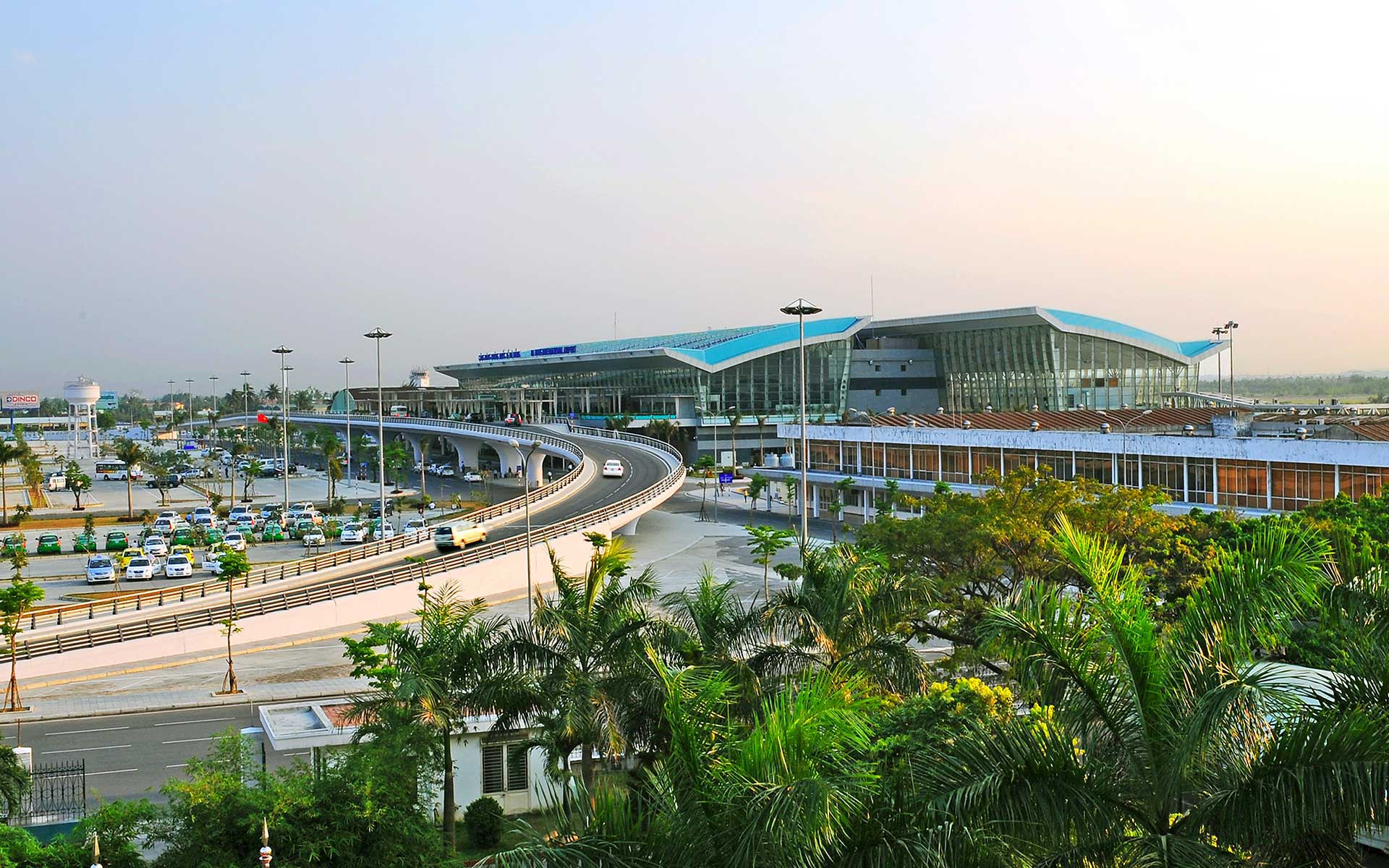

  • Airport Retail Revenue per Passenger Drops 20 Percent Below Pre-Pandemic Levels

    Airport Retail Revenue per Passenger Drops 20 Percent Below Pre-Pandemic Levels

    Global airport retail spending per passenger has dropped more than 20 percent from pre-pandemic levels. That slide comes even as worldwide passenger traffic climbed to 9.8 billion travelers in 2025.

    The travel retail channel generated 76 billion dollars last year. Yet its cornerstone fragrance and cosmetics category slipped 3.2 percent to 24.5 billion dollars, according to Generation Research figures presented at the TFWA World Exhibition in Cannes.

    Commercial income from car parking, food, and beverage outlets is rising across international terminals. Traditional retail counters face stiff competition from domestic e-commerce platforms like Tmall, Rakuten, and Amazon. Operators are adjusting footprints to halt falling basket sizes. Gen Z and millennial travelers make up 39 percent of airport footfall. Their conversion rates track well below older cohorts.

    Shifting Assortments for Younger Demographics

    Beauty conglomerates are adding lower price tiers and indie brands to airport duty-free zones. They want younger passengers who bypass legacy luxury counters. The Estee Lauder Companies expanded Deciem’s entry-priced skincare brand The Ordinary into key travel retail doors, moving away from sole reliance on high-ticket lines like La Mer. In Australia, Gebr. Heinemann brought domestic specialty retailer Mecca into Sydney Airport during September. The partnership targets shoppers who want specialized subcategories over department store formats.

    Brand collaborations are targeting regional pop culture properties to engage Asian passengers. Groupe Clarins partnered with Chinese toy maker Pop Mart on character packaging featuring Molly in Paris across regional hubs, with a second line arriving next year. Heinemann deployed a Korean beauty pop-up at Istanbul Airport. It plans to export that layout across its network, alongside Becon AI-powered skin diagnostics at Copenhagen Airport.

    Asian Traveler Flows Reshape Duty-Free Hubs

    Across the Asia-Pacific region, the spending slump exposes the limits of relying strictly on passenger volume. Chinese travelers have resumed cross-border trips at pre-pandemic levels. Their spending has shifted away from group shopping tours toward experiential travel and domestic platforms. Puig expanded on China’s duty-free island of Hainan in 2021. The group reported niche fragrances are gaining traction among mainland shoppers, even as mass-market beauty slows.

    Indian outbound travelers represent the next volume driver for Asian duty-free concessions. Outbound Indian passengers will reach an estimated 155 million by 2029, up 38 percent from current levels. Concessionaires in Southeast Asia and the Gulf are reallocating retail space for these travelers instead of sticking to standard regional assortments.

    Capital Spending and Terminal Redesigns

    Major transport hubs are overhauling terminals despite the spending slump. Riyadh’s King Salman International Airport is absorbing 30 billion dollars in development funding. Jeddah’s King Abdulaziz International Airport is executing a 31 billion dollar expansion, and New York’s John F. Kennedy International Airport is undergoing a 19 billion dollar overhaul. These projects shrink long-row concessions in favor of rotating pop-ups, lifestyle zones, and hybrid formats mixing eyewear with cosmetics.

    Airport authorities are rewriting concession contracts to demand higher experiential engagement from brand tenants. Avolta rolled out cross-category merchandising that combines beauty and luxury sunglasses with brands like Chanel and Tom Ford. The retailer is also testing digital loyalty tracking across its 22 million Club Avolta members, tailoring product displays to flight origins and destinations.

    Pressure on duty-free operators will intensify through the fourth quarter as retailers test redesigned holiday formats across primary Asian gateways. Operators must prove new pricing tiers and interactive spaces can lift spend per passenger as international volume climbs toward an estimated five billion travelers by 2030.

  • Netflix is adding a cheaper plan for those who want a lower price and will watch ads

    Netflix is adding a cheaper plan for those who want a lower price and will watch ads

    During an interview at the Cannes Lion advertising festival, the CEO of Netflix Ted Sarandos gave the most direct indication that it will launch a cheaper, ad-supported subscription tier to the embattled streaming service.

    In essence, Mr. Sarandos said that the company will be “adding an ad tier; we’re not adding ads to Netflix as you know it today.” After the pandemic boost wore out, Netflix hit the skids in terms of subscriber count as people spent less time watching TV shows and movies.

    At the same time, new streaming services from juggernauts like HBO, Disney, or Apple, grew to rival Netflix, all the while it kept spending borrowed billions on content creation. Well, that crazy content spending was curtailed, a lot of shows were cancelled, and now Netflix will try and boost subscriber numbers by going downmarket.

    Currently, the Netflix plans start from the Basic one at $9.99 per month with SD (up to 480p) picture quality, followed by the Standard $15.49 a month plan that offers 1080p definition, and go up to the Premium Netflix tier at $19.99 per month which includes 4K UHD quality streaming on up to four devices.

    Besides cracking down on password sharing, Netflix will likely introduce the new ad-supported subscription tier at something close to the Apple TV+ $4.99 subscription price and will try to recuperate the difference with ad revenue. Or, as Ted Sarandos eloquently puts it:


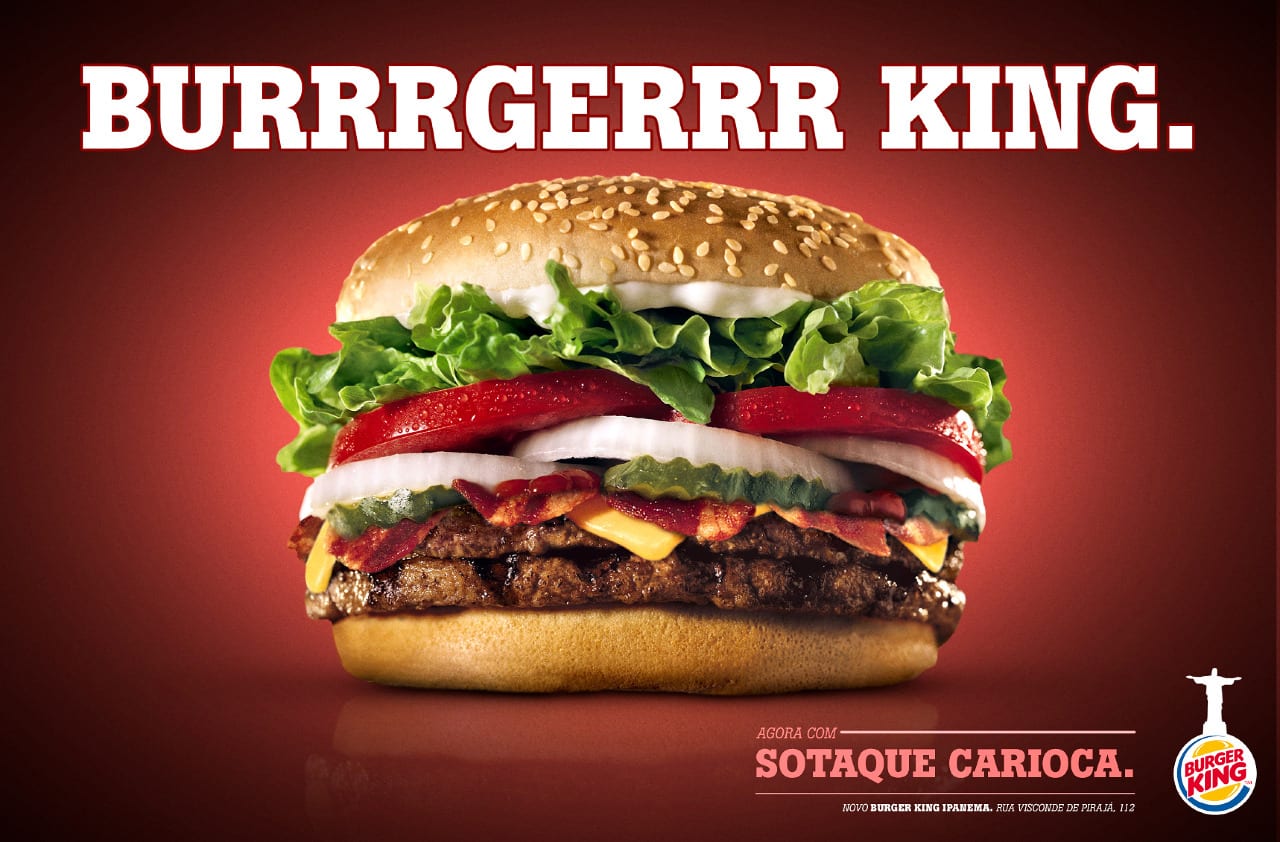
  • Burger King announced as the Cannes Lions Creative Marketer of the Year 2017

    Burger King announced as the Cannes Lions Creative Marketer of the Year 2017

    The Cannes Lions International Festival of Creativity has today announced Burger King as the Creative Marketer of the Year 2017. The award will honour Burger King for embracing and encouraging creativity across their brand communications and for the inspiring global marketing of their products.

    Burger King has a hugely successful track record at Cannes Lions. The company has totalled 76 awards, including two Grands Prix in 2016 for the ‘McWhopper’ campaign, in Print & Publishing and Media. Burger King also took home a Titanium Grand Prix in 2007 and achieved their first win in 1969, a Silver Lion for ‘Skinny Burger’. Since its launch in 1954, the company has expanded to become one of the largest quick-service restaurants in the world, welcoming more than 11 million people in over 100 countries daily.

    “Burger King is a brand that’s built a reputation for marketing campaigns that are bold, courageous and innovative, constantly challenging the limits of creative excellence,” said Philip Thomas, Chief Executive of Ascential Events. “Burger King believes that being a brand with purpose can achieve long-term advantages and deliver strong business results. That’s why the company is making such an impact.”

    Axel Schwan, Chief Marketing Officer of Burger King, and Fernando Machado, Head of Brand Marketing at Burger King, will collect the award during the 64th Cannes Lions International Festival of Creativity, taking place from 17-24 June 2017.

    Axel Schwan commented, “Creativity is a critical factor when it comes to helping us stand out from the pack and punch higher than our weight. This principle is applied to everything we do, from the way we differentiate ourselves by flame-grilling our burgers to the ground-breaking advertising campaigns we create.”

    Fernando Machado added, “This award is a tribute to the consistently strong creative work done by the Burger King brand over time.”

    Cannes Lions celebrates the ‘Best of Burger King’ on Stories, the new editorial arm of the Festival. From classic campaigns that kick-started digital marketing to modern masterpieces of integration, find out more about some of Burger King’s most famous ads here: https://www.canneslions.com/stories

    Cannes Lions International Festival of Creativity

    Cannes Lions runs for eight days from 17-24 June, in Cannes, France. The main Festival venue is the world famous Palais des Festivals. A ‘Complete’ pass includes entry to all official Festival talks, Awards shows, networking and evening events across the eight days. Passes giving access only to the specialist events – Lions Health, Lions Innovation and Lions Entertainment – which take place right next door to the main Festival venue, are also available.

    Lions Health 17-18 June

    Lions Innovation 19-20 June

    Lions Entertainment 21-22 June