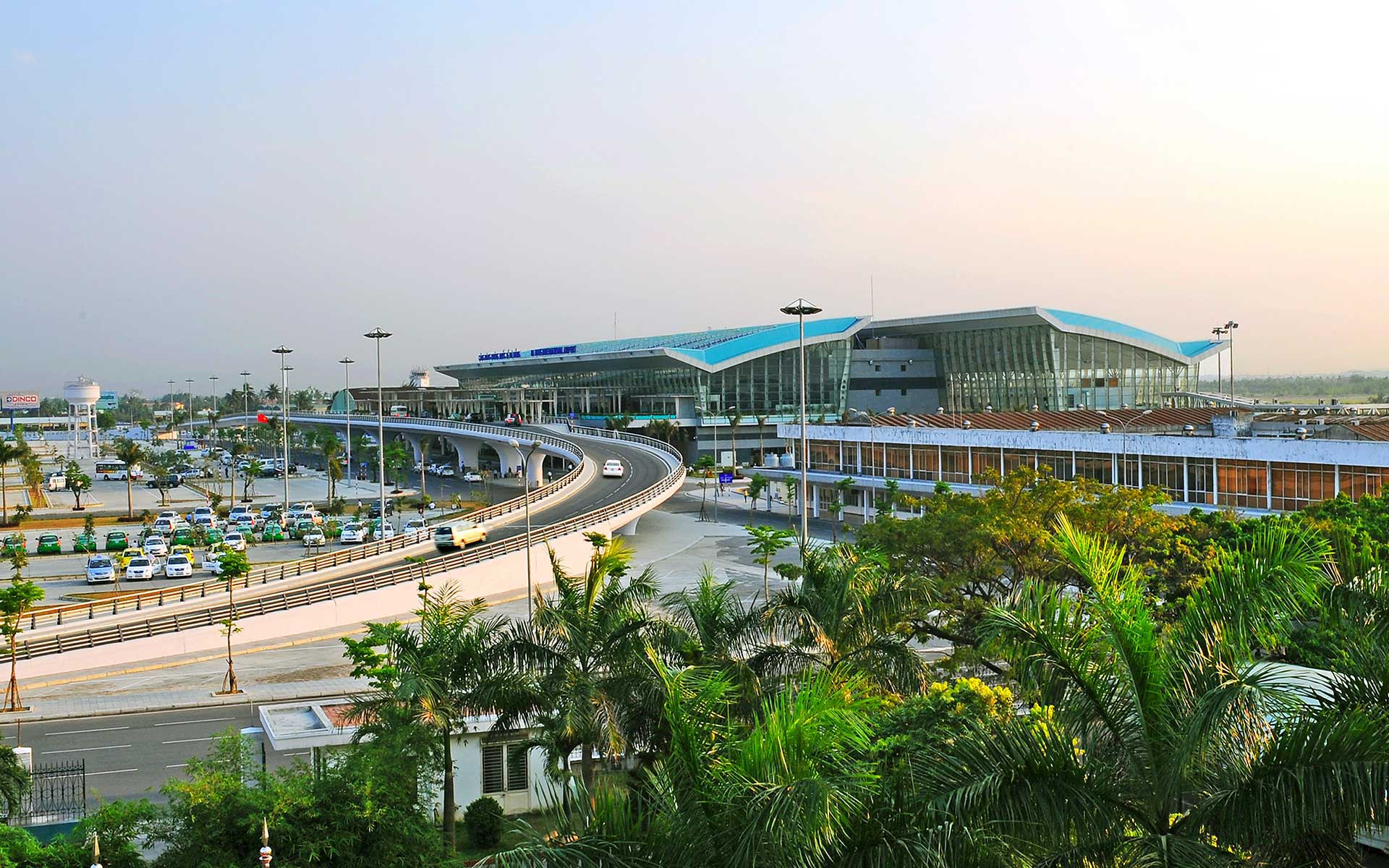
Global airport retail spending per passenger has dropped more than 20 percent from pre-pandemic levels. That slide comes even as worldwide passenger traffic climbed to 9.8 billion travelers in 2025.
The travel retail channel generated 76 billion dollars last year. Yet its cornerstone fragrance and cosmetics category slipped 3.2 percent to 24.5 billion dollars, according to Generation Research figures presented at the TFWA World Exhibition in Cannes.
Commercial income from car parking, food, and beverage outlets is rising across international terminals. Traditional retail counters face stiff competition from domestic e-commerce platforms like Tmall, Rakuten, and Amazon. Operators are adjusting footprints to halt falling basket sizes. Gen Z and millennial travelers make up 39 percent of airport footfall. Their conversion rates track well below older cohorts.
Shifting Assortments for Younger Demographics
Beauty conglomerates are adding lower price tiers and indie brands to airport duty-free zones. They want younger passengers who bypass legacy luxury counters. The Estee Lauder Companies expanded Deciem’s entry-priced skincare brand The Ordinary into key travel retail doors, moving away from sole reliance on high-ticket lines like La Mer. In Australia, Gebr. Heinemann brought domestic specialty retailer Mecca into Sydney Airport during September. The partnership targets shoppers who want specialized subcategories over department store formats.
Brand collaborations are targeting regional pop culture properties to engage Asian passengers. Groupe Clarins partnered with Chinese toy maker Pop Mart on character packaging featuring Molly in Paris across regional hubs, with a second line arriving next year. Heinemann deployed a Korean beauty pop-up at Istanbul Airport. It plans to export that layout across its network, alongside Becon AI-powered skin diagnostics at Copenhagen Airport.
Asian Traveler Flows Reshape Duty-Free Hubs
Across the Asia-Pacific region, the spending slump exposes the limits of relying strictly on passenger volume. Chinese travelers have resumed cross-border trips at pre-pandemic levels. Their spending has shifted away from group shopping tours toward experiential travel and domestic platforms. Puig expanded on China’s duty-free island of Hainan in 2021. The group reported niche fragrances are gaining traction among mainland shoppers, even as mass-market beauty slows.
Indian outbound travelers represent the next volume driver for Asian duty-free concessions. Outbound Indian passengers will reach an estimated 155 million by 2029, up 38 percent from current levels. Concessionaires in Southeast Asia and the Gulf are reallocating retail space for these travelers instead of sticking to standard regional assortments.
Capital Spending and Terminal Redesigns
Major transport hubs are overhauling terminals despite the spending slump. Riyadh’s King Salman International Airport is absorbing 30 billion dollars in development funding. Jeddah’s King Abdulaziz International Airport is executing a 31 billion dollar expansion, and New York’s John F. Kennedy International Airport is undergoing a 19 billion dollar overhaul. These projects shrink long-row concessions in favor of rotating pop-ups, lifestyle zones, and hybrid formats mixing eyewear with cosmetics.
Airport authorities are rewriting concession contracts to demand higher experiential engagement from brand tenants. Avolta rolled out cross-category merchandising that combines beauty and luxury sunglasses with brands like Chanel and Tom Ford. The retailer is also testing digital loyalty tracking across its 22 million Club Avolta members, tailoring product displays to flight origins and destinations.
Pressure on duty-free operators will intensify through the fourth quarter as retailers test redesigned holiday formats across primary Asian gateways. Operators must prove new pricing tiers and interactive spaces can lift spend per passenger as international volume climbs toward an estimated five billion travelers by 2030.
Leave a Reply