Tag: duty free

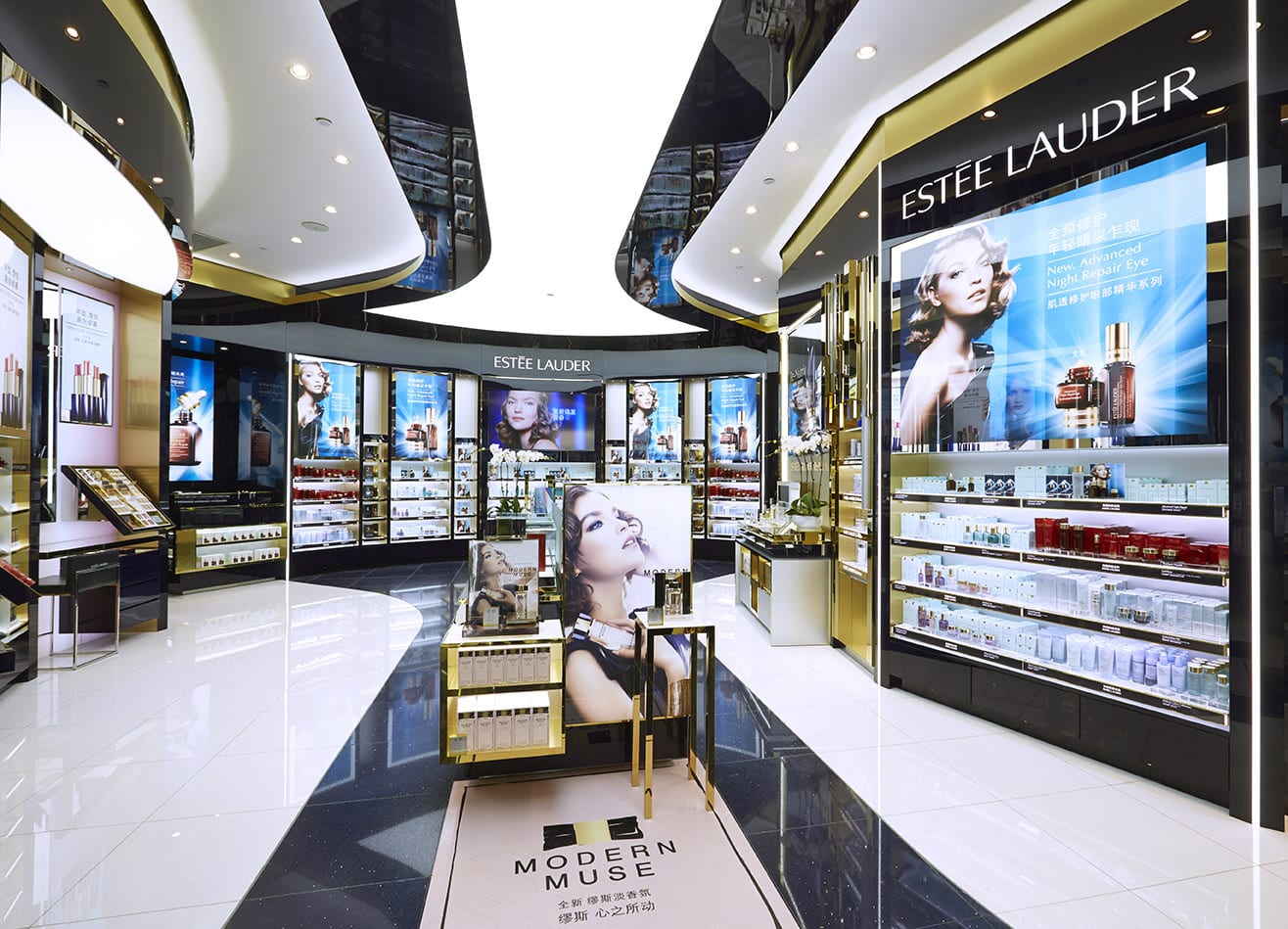
  • Estee Lauder Targets Mid-Single-Digit Growth Through 2030 as China Sales Rebound

    Estee Lauder Targets Mid-Single-Digit Growth Through 2030 as China Sales Rebound

    Estee Lauder targets mid-single-digit organic net sales growth through fiscal 2030 as it revamps operations in mainland China, following four consecutive quarters of positive organic revenue expansion there.

    Chief executive Stéphane de La Faverie, who took leadership in 2025, also aims to lift adjusted operating margin to between 16.5 per cent and 18.5 per cent by the end of that period, backed by double-digit annual gains in adjusted earnings per share.

    The company laid out the targets during its Capital Markets Experience event in Shanghai on Wednesday. Mainland China accounted for US$3.1 billion in net sales during the group’s most recent fiscal year, delivering roughly 20 per cent of worldwide revenue. In the latest quarter, China generated US$614 million, beating consensus analyst forecasts of US$579 million, while group fragrance sales led overall demand.

    Exporting the Mac Playbook to Aveda

    Management plans to apply the commercial turnaround strategy tested at Mac Cosmetics across slower brands in its stable, specifically identifying haircare label Aveda for the overhaul. That shift relies on faster product cycles, increased store-level marketing, and expanded merchant shelf space inside Sephora retail shops and on the TikTok Shop platform.

    Product formulations will lean heavily on the company’s dedicated innovation centre in Shanghai, which crafts formulations and commercial campaigns tailored directly to East Asian consumer preferences.

    “When you understand the local consumers and you put yourself into their culture and you give them their product, the experience, the claims that they want to hear that matters to them, then that’s how you build brand love,” he said.

    Chief technology and transformation officer Brian Franz told investors in Shanghai that the company is rewiring its distribution and inventory planning to match domestic Chinese platforms, including Tmall, Douyin, JD.com and WeChat.

    The Gray Market Bottleneck

    Global beauty conglomerates operating in Asia face structural changes in Chinese retail that standard marketing budgets cannot fix alone. Domestic Chinese brands have taken market share across mid-tier skincare, while multinational groups have faced intensifying competition. Accelerating research through local hubs in Shanghai is now mandatory for any international group seeking to protect its gross margins.

    A steeper operational hurdle sits in regional clearance channels. Unauthorised resellers accumulated genuine imported stock during pandemic border controls, subsequently discounting products on third-party marketplaces. That shadow trade eroded official retail price floors across tier-one Chinese department stores and damaged brand equity for prestige skincare labels such as La Mer. Estee Lauder must tighten wholesale supply discipline across duty-free operators if it wants to sustain price points inside mainland boutiques.

    Correcting Pandemic Inventory Overhang

    The current operational reset follows years of sluggish financial metrics across North Asia. Pandemic travel restrictions left Estee Lauder with excessive inventory piled inside airport concessions, while international passenger traffic recovered far more slowly than corporate planners anticipated.

    De La Faverie responded by launching the Beauty Reimagined restructuring program upon taking the top job in 2025, cutting excess stock and decentralising commercial decisions to regional operating units. Estee Lauder shares traded up 0.6 per cent through Tuesday’s close following the revised corporate guidance.

    Department store buyers and platform operators will test that pricing discipline during the upcoming fiscal quarters, as the company rolls out initial product lines formulated specifically by its Shanghai laboratory for Aveda and Mac across Asia-Pacific storefronts.

  • Hourglass Enters Australian Travel Retail at Sydney Airport Terminal 1

    Hourglass Enters Australian Travel Retail at Sydney Airport Terminal 1

    Hourglass Cosmetics opened its first Australian airport counter inside Sydney Airport Terminal 1 International Departures, partnering with duty-free operator Heinemann.

    The debut marks the luxury beauty label’s first travel retail presence nationwide, following its initial domestic launch in February through Sephora Australia and local e-commerce.

    Featuring 1 dedicated location at Terminal 1, the counter shows complexion, colour, and finishing lines including Vanish Airbrush Concealer, Veil Hydrating Skin Tint, and Unlocked Instant Extensions Mascara alongside Ambient Lighting Edit Unlocked palettes.

    Terminal 1 Footprint and Service Formats

    Travellers passing through the terminal can access personalised consultations and beauty artistry services before flights. Formats include Signature Glow and Amplified Eyes looks, accompanied by a bespoke Lip Wardrobe experience.

    “Opening our first counter in Australian travel retail is a proud moment for Hourglass,” said Ai San Beaumont, regional GM Apac and head of global travel retail, Hourglass.

    “Travel brings people, cultures, and experiences together, and we’re delighted to be part of that at Sydney Airport. With Heinemann and Sydney Airport, we look forward to introducing travellers to our vegan and cruelty-free formulas, from on-the-go essentials like Vanish Airbrush Concealer to curated gifting with Ambient Lighting Edit Unlocked palettes.”

    Travel Retail Strategy and Asian Traffic Flows

    Airport concessions operate under distinct retail dynamics compared with downtown counters, requiring strong sales productivity and high turnover during compressed pre-flight dwell windows.

    Sydney Airport channels steady outbound passenger volumes, where Heinemann uses premium beauty to capture international travel spend.

    Concession operations present both distinct reach and commercial pressure: high airport tenant overheads demand efficient basket conversion and solid margins to outperform traditional domestic retail channels.

    Building Out Australian Distribution

    The Sydney Airport counter extends the brand’s local footprint established earlier in the year. Hourglass initially debuted in Australia in February via its dedicated online portal and Sephora Australia retail doors.

    Terminal 1 departures now serves as the brand’s sole travel retail window in the country. The partnership tests whether premium service concepts such as live skin consultations can pull transaction conversion in high-turnover duty-free concourses as flight frequencies expand.

  • Airport Retail Revenue per Passenger Drops 20 Percent Below Pre-Pandemic Levels

    Airport Retail Revenue per Passenger Drops 20 Percent Below Pre-Pandemic Levels

    Global airport retail spending per passenger has dropped more than 20 percent from pre-pandemic levels. That slide comes even as worldwide passenger traffic climbed to 9.8 billion travelers in 2025.

    The travel retail channel generated 76 billion dollars last year. Yet its cornerstone fragrance and cosmetics category slipped 3.2 percent to 24.5 billion dollars, according to Generation Research figures presented at the TFWA World Exhibition in Cannes.

    Commercial income from car parking, food, and beverage outlets is rising across international terminals. Traditional retail counters face stiff competition from domestic e-commerce platforms like Tmall, Rakuten, and Amazon. Operators are adjusting footprints to halt falling basket sizes. Gen Z and millennial travelers make up 39 percent of airport footfall. Their conversion rates track well below older cohorts.

    Shifting Assortments for Younger Demographics

    Beauty conglomerates are adding lower price tiers and indie brands to airport duty-free zones. They want younger passengers who bypass legacy luxury counters. The Estee Lauder Companies expanded Deciem’s entry-priced skincare brand The Ordinary into key travel retail doors, moving away from sole reliance on high-ticket lines like La Mer. In Australia, Gebr. Heinemann brought domestic specialty retailer Mecca into Sydney Airport during September. The partnership targets shoppers who want specialized subcategories over department store formats.

    Brand collaborations are targeting regional pop culture properties to engage Asian passengers. Groupe Clarins partnered with Chinese toy maker Pop Mart on character packaging featuring Molly in Paris across regional hubs, with a second line arriving next year. Heinemann deployed a Korean beauty pop-up at Istanbul Airport. It plans to export that layout across its network, alongside Becon AI-powered skin diagnostics at Copenhagen Airport.

    Asian Traveler Flows Reshape Duty-Free Hubs

    Across the Asia-Pacific region, the spending slump exposes the limits of relying strictly on passenger volume. Chinese travelers have resumed cross-border trips at pre-pandemic levels. Their spending has shifted away from group shopping tours toward experiential travel and domestic platforms. Puig expanded on China’s duty-free island of Hainan in 2021. The group reported niche fragrances are gaining traction among mainland shoppers, even as mass-market beauty slows.

    Indian outbound travelers represent the next volume driver for Asian duty-free concessions. Outbound Indian passengers will reach an estimated 155 million by 2029, up 38 percent from current levels. Concessionaires in Southeast Asia and the Gulf are reallocating retail space for these travelers instead of sticking to standard regional assortments.

    Capital Spending and Terminal Redesigns

    Major transport hubs are overhauling terminals despite the spending slump. Riyadh’s King Salman International Airport is absorbing 30 billion dollars in development funding. Jeddah’s King Abdulaziz International Airport is executing a 31 billion dollar expansion, and New York’s John F. Kennedy International Airport is undergoing a 19 billion dollar overhaul. These projects shrink long-row concessions in favor of rotating pop-ups, lifestyle zones, and hybrid formats mixing eyewear with cosmetics.

    Airport authorities are rewriting concession contracts to demand higher experiential engagement from brand tenants. Avolta rolled out cross-category merchandising that combines beauty and luxury sunglasses with brands like Chanel and Tom Ford. The retailer is also testing digital loyalty tracking across its 22 million Club Avolta members, tailoring product displays to flight origins and destinations.

    Pressure on duty-free operators will intensify through the fourth quarter as retailers test redesigned holiday formats across primary Asian gateways. Operators must prove new pricing tiers and interactive spaces can lift spend per passenger as international volume climbs toward an estimated five billion travelers by 2030.

  • Thailand Pivots Tourism Strategy to Target High-Value Visitors

    Thailand Pivots Tourism Strategy to Target High-Value Visitors

    Thailand has announced a pivot in its inbound tourism strategy toward high-value international travellers as of September 2026, dropping its long-standing pursuit of mass arrivals as visitor numbers struggle to reach pre-Covid levels.

    According to an analysis by Michael Baker, the Thai government is seeking to raise the demographic profile of its overseas visitors and spruce up the country’s international image.

    Targeting Quality Over Volume

    Marketing funds will now target higher-spending overseas visitors rather than mass-market volume. Across Asia, travel patterns are shifting under changing geopolitical conditions and government efforts to upgrade tourist spending.

    Total international arrivals still lag behind 2020 benchmarks. Instead of discounting package tours to fill hotel rooms and transport networks, state campaigns target visitors who spend heavily on premium hospitality, dining, and retail.

    Implications for Mall Operators and Brands

    Department store operators and luxury retailers in Bangkok and Phuket must now adjust customer acquisition. Upscale shopping centres could gain if basket sizes grow, even with footfall below historical peaks.

    Budget operators face steeper risks. Discount duty-free counters and mass souvenir chains rely on large tour groups for margins, leaving them exposed to sustained declines in passenger headcounts.

    Regional Shifts in Travel Demographics

    Destinations across Southeast Asia are fighting for the same affluent travellers. Thailand wants to lock in this spending base before rival hubs draw them away with flexible visa schemes and new luxury developments.

    Success depends on service quality and local infrastructure justifying higher trip expenses, especially as regional competition widens.

    Execution and Market Response

    Previous recovery drives relied on volume discounts to stimulate trade. Today, state tourism bodies and commercial partners must coordinate retail promotions, luxury offerings, and flight routes toward higher-yielding markets.

    Retailers and hotel operators are tracking quarterly per-visitor spending data to measure whether bigger individual receipts can offset the drop in total arrivals.

  • Mecca Opens 285-Square-Metre Store at Sydney International Airport

    Mecca Opens 285-Square-Metre Store at Sydney International Airport

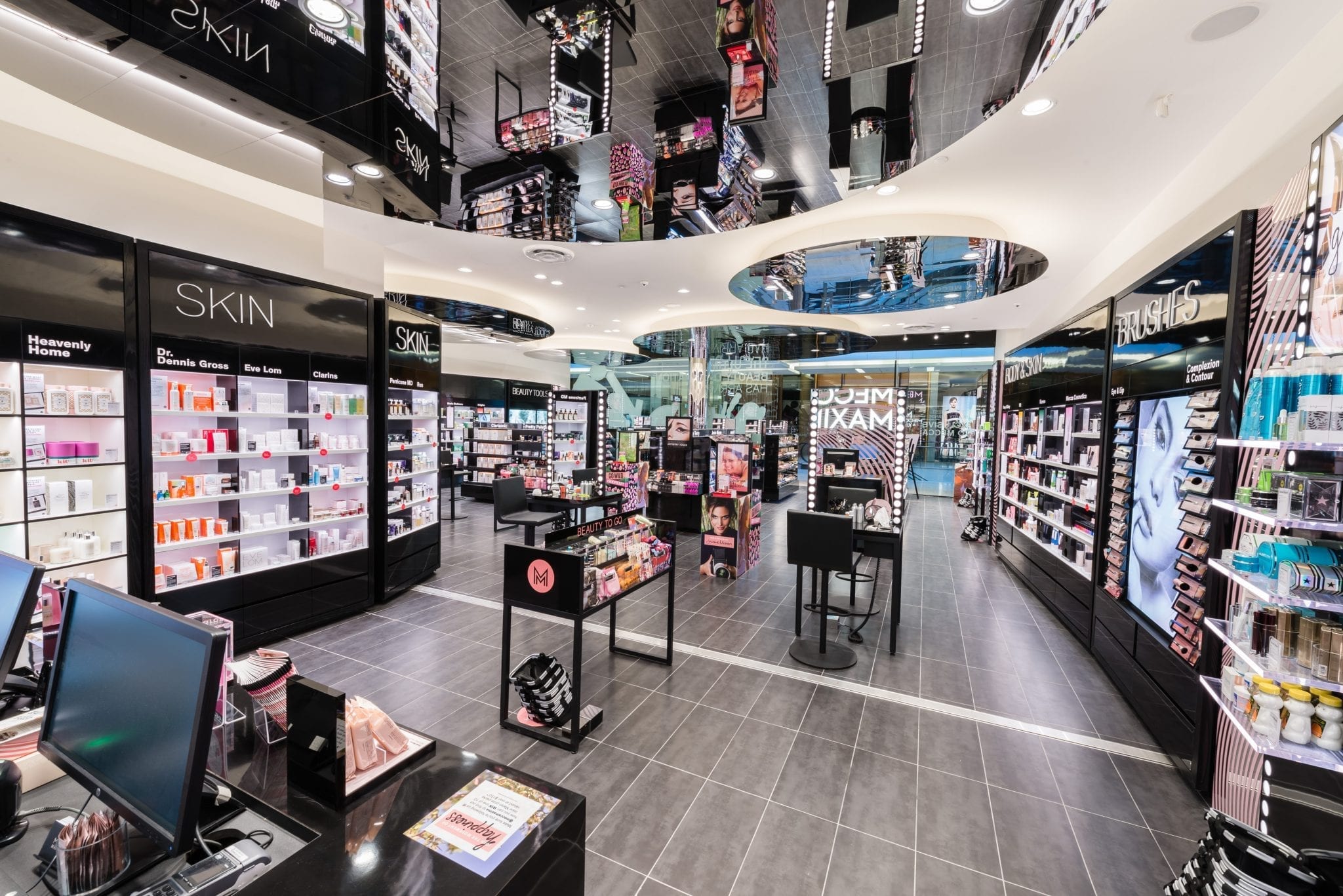
    In September 2026, Mecca opened a 285-square-metre retail space in Sydney’s T1 International terminal, marking the Australian beauty brand’s first international airport store.

    The footprint sits inside the Heinemann Tax and Duty Free concession, trading standard duty-free product walls for interactive service stations and dedicated brand zones. That footprint is roughly half the size of a standard Mecca high-street flagship, forcing the retailer to compress its inventory into high-velocity skincare, cosmetics, and travel exclusives.

    Shifting airport beauty from transaction to service

    Airport beauty retail across Asia-Pacific has historically relied on branded island counters, multi-buy discounts, and quick transactions before boarding gates call. Operators like Shilla, Lotte, and Heinemann have traditionally built duty-free concessions around volume and liquor-tobacco margins rather than high-touch advisory services.

    Mecca is testing whether hands-on consultations, application stations, and curated indie labels can extract higher basket values from outbound passengers who have cleared customs with dwell time to spare. The risk falls on staffing costs and turnaround speed: consultative beauty takes ten to twenty minutes per shopper, a cadence that clashes directly with flight departure windows.

    Heinemann’s concession strategy in Sydney

    For Heinemann, integrating a domestic specialty powerhouse allows the German travel retailer to defend sales against competing downtown duty-free stores and suburban flagship locations. Domestic travelers familiar with the Mecca brand loyalty ecosystem get an immediate reason to spend before departure rather than waiting for overseas destinations.

    Sydney Airport restructured its T1 luxury and retail precincts over recent years to capture higher average spends from returning international traffic, particularly routes across East Asia and North America. Adding specialized domestic operators inside wholesale duty-free concessions gives landlords a blueprint to raise sales per square metre without carving out independent tenancy leases.

    The travel retail rollout pipeline

    The Sydney terminal opening establishes the operating template Mecca needs before negotiating similar airside locations in Melbourne, Brisbane, or Auckland. The immediate metric to monitor is sales productivity per square metre against Heinemann’s conventional multi-brand cosmetic floorplates during peak morning departure banks.

  • Lark Distilling Sales Rise 15% to $18 Million on Asia and Travel Retail Push

    Lark Distilling Sales Rise 15% to $18 Million on Asia and Travel Retail Push

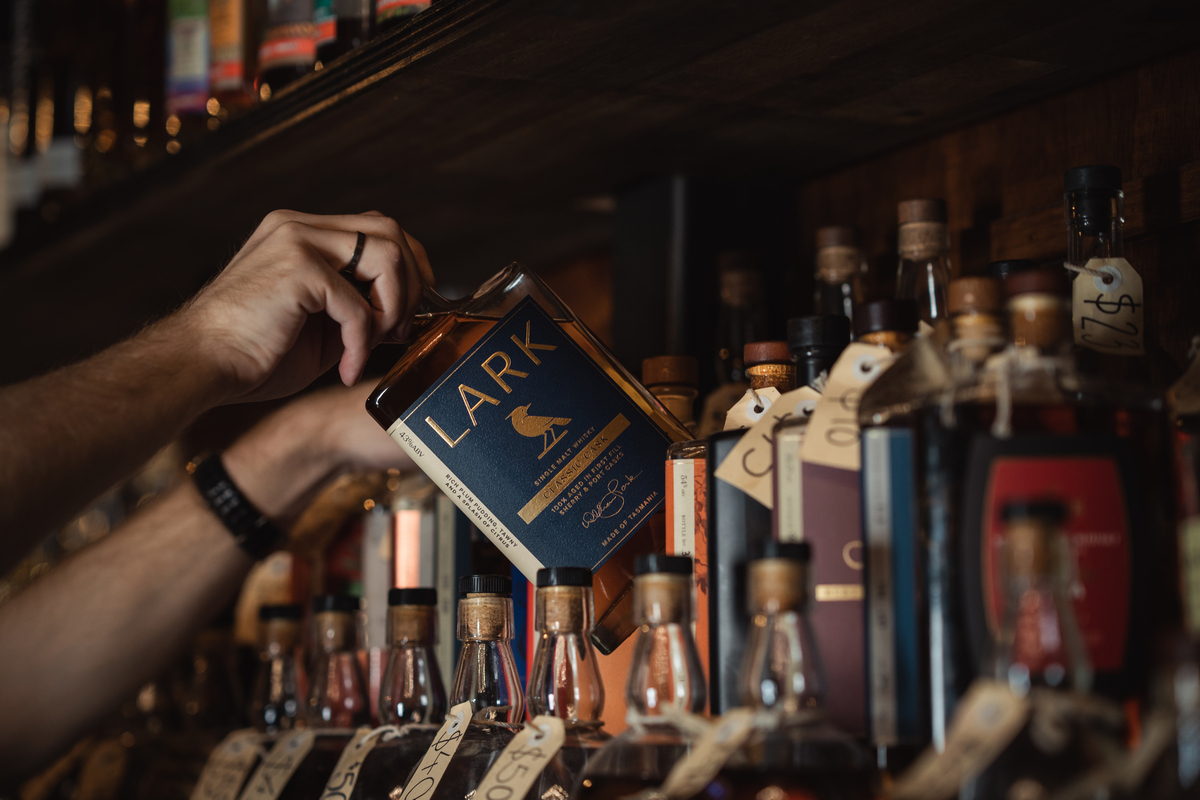
    Tasmanian single malt whisky maker Lark Distilling Co lifted annual net sales 15.1 per cent to $18 million for the year ended June 30.

    Export expansion and global travel retail channels drove the performance, offsetting softer broader consumer spending in mature domestic bottle shops.

    Export Demand Drives Gains

    International sales jumped 69 per cent to $1.8 million during the 12-month period. Global travel retail delivered $2.2 million in sales, representing an increase of 43 per cent over the prior year.

    Lark now distributes its spirits across 10 Asian markets. Regional airport duty-free counters and specialty spirits retailers served as the primary entry points for the Tasmanian brand as it built overseas distribution volume.

    Regional Premium Spirits Shift

    Australian craft distillers are increasingly targeting Asia-Pacific travel corridors to find higher margin buyers for aged stock. Demand for premium brown spirits across North and Southeast Asia has created an opening for niche single malts outside traditional Scottish and Japanese categories.

    Distributors will track whether Lark can sustain double-digit overseas momentum as additional export inventory arrives across its newer Asian accounts in the coming quarters.

  • Explore More: China Boosts Tax-Free Shopping with 41 New Duty-Free Stores for Global Travellers

    Explore More: China Boosts Tax-Free Shopping with 41 New Duty-Free Stores for Global Travellers

    China is set to increase its appeal to international tourists by opening 41 new duty-free stores, as part of a broader initiative to stimulate tax-free shopping upon arrival. This new development was unveiled in a joint statement by five Chinese government departments, including the Ministry of Finance.

    This enhancement comes in the wake of China Tourism Group Duty Free purchasing the travel retail business of DFS Greater China from luxury goods conglomerate LVMH for a sum of US$400 million.

    The statement outlined that the primary goal of establishing and refining these duty-free stores at entry ports is to provide a more straightforward and seamless duty-free shopping experience for arriving passengers. Furthermore, the intention is to fully utilize the potential of duty-free stores to reinforce and stimulate consumption, thereby fostering the growth and systematic progression of the duty-free retail sector.

    The announcement also highlighted that provisions are being made for the creation of duty-free stores in an additional 11 locations. However, the establishment of such outlets at Qingdao Liuting International Airport, Guangzhou East Railway Station, and Jiangmen Port will be discontinued.

    The authorities also pointed out the increasing significance of shopping for tourists in China, stating that it has become an “increasingly integral” aspect of travel itineraries.

    Questions & Answers

    Why is China planning to increase the number of its duty-free stores?
    China aims to stimulate tax-free shopping for international tourists upon arrival and sees this as a way to boost consumption and foster systematic progression of the duty-free retail sector.

    What recent significant purchase might have influenced this decision?
    China Tourism Group Duty Free recently purchased the travel retail business of DFS Greater China from LVMH for US$400 million, which may have triggered this decision.

    What changes will occur at current duty-free locations?
    Although the creation of duty-free stores in an additional 11 locations is planned, the establishment of such outlets at Qingdao Liuting International Airport, Guangzhou East Railway Station, and Jiangmen Port will be discontinued.

  • CTG Duty Free Acquires DFS Retail Business, Expanding Luxury Travel Retail Footprint in Greater China

    CTG Duty Free Acquires DFS Retail Business, Expanding Luxury Travel Retail Footprint in Greater China

    DFS, the global luxury travel retailer owned by LVMH and co-founder Robert Miller, has announced that it will sell its retail business across Greater China to the China Tourism Group (CTG) Duty Free. The deal includes the acquisition of DFS’ businesses in Hong Kong, Macau, and Greater China.

    Acquisition of DFS Brands

    In addition to the business transactions, CTG Duty Free will also acquire a series of DFS brands and intellectual property rights for exclusive use within Greater China. The proceeds from this transaction will be paid in cash. Following this deal, DFS will continue its luxury travel retail operations worldwide.

    The Impact of the Deal on CTG Duty Free

    Luke Chang, executive director and president of CTG Duty Free, has expressed his belief that this move will extend CTG Duty Free’s service network across the Greater Bay Area. The aim is to construct a platform for promoting Chinese brands globally and establish an international business mid-platform. Chang added that CTG Duty Free is committed to providing superior travel retail experiences for both domestic and international tourists, and supporting the high-quality development of the retail economy in Hong Kong and Macau.

    DFS’ Statements on the Sale

    DFS views the sale as a significant move for the company. Chairman and CEO Ed Brennan stated that DFS is immensely proud of their established presence and operational excellence in Hong Kong and Macau. He expressed confidence that the DFS shopping experience will be enhanced by the new skills and perspectives that CTG Duty Free will bring to the table. Michael Schriver, president of LVMH for North Asia, said the move demonstrates LVMH’s faith in the long-term potential of the Chinese market.

    The deal is predicted to be finalized in approximately two months.

    Questions & Answers

    What businesses are included in the DFS and CTG Duty Free deal?
    DFS’ businesses in Hong Kong, Macau, and Greater China are included in the deal.

    What will happen to the DFS brands under the deal?
    CTG Duty Free will acquire a series of DFS brands and intellectual property rights for exclusive use in Greater China.

    What does this transaction mean for DFS?
    DFS views the sale as a crucial step for the company, expressing confidence that CTG Duty Free will bring new skills and perspectives that will enhance the DFS shopping experience.

  • Hyundai Duty Free Unveils AI-Driven Personalized Beauty Hub in Seoul: A New Era of Cosmetics Shopping

    Hyundai Duty Free Unveils AI-Driven Personalized Beauty Hub in Seoul: A New Era of Cosmetics Shopping

    Hyundai Duty Free recently announced the launch of an artificial intelligence (AI) powered beauty analysis zone at its Trade Centre location in Seoul, South Korea. The innovative space, known as ‘AI Beauty Trip’, offers customers unique, personalized skincare and makeup advice through cutting-edge digital tools.

    AI Beauty Trip: A Personalized Beauty Experience

    Situated on the ninth floor of the Trade Centre, the AI Beauty Trip will be operational until April 15th. The zone features two AI-powered devices that provide a sophisticated level of personalization for customers.

    The ‘Makeup AI’ device, a standing unit, uses photo imaging technology to analyze a patron’s facial structure, proportions, and individual color tones. Its counterpart, the ‘Skin Pro AI’, is a mirror-style device designed to evaluate skin conditions. It assesses factors such as pore size, oil levels, wrinkles, and signs of skin aging.

    After customers have undergone these detailed assessments, they can access a comprehensive diagnostic report and tailored product suggestions by scanning a QR code displayed on the screen.

    Participating Brands and Incentives

    Hyundai Duty Free has confirmed that 36 beauty brands participating in the store are integrated with this system. This means that customers have access to information on approximately 800 distinct products, helping to generate highly personalized product suggestions.

    In addition, customers spending at least US$50 on beauty products from participating brands at the Trade Centre store will receive a prepaid gift card worth 10,000 won. This gift card can be used immediately, offering an extra incentive for customers to engage with the AI Beauty Trip experience.

    Technology and Retail: A Perfect Blend

    This latest initiative from Hyundai Duty Free highlights the retailer’s commitment to integrating advanced technology with traditional in-store shopping experiences. As competition within the duty-free retail sector intensifies, and consumer preferences continue to evolve, such innovative approaches aim to boost customer engagement and satisfaction levels.

    Questions & Answers

    What is the ‘AI Beauty Trip’ initiative?
    The ‘AI Beauty Trip’ is an AI-powered beauty analysis zone at Hyundai Duty Free’s Trade Centre store in Seoul. It offers customers personalized skincare and makeup advice through innovative digital tools.

    What are the ‘Makeup AI’ and ‘Skin Pro AI’ devices?
    The ‘Makeup AI’ is a stand-type device that uses photo imaging technology to analyze facial structure, proportions, and color tones. The ‘Skin Pro AI’ is a mirror-style device that evaluates skin conditions such as pore size, oil levels, wrinkles, and signs of aging.

    What incentive does Hyundai Duty Free offer customers who engage with the AI Beauty Trip experience?
    Customers spending at least US$50 on beauty products from participating brands at the Trade Centre store will receive a prepaid gift card worth 10,000 won. This gift card can be used immediately.

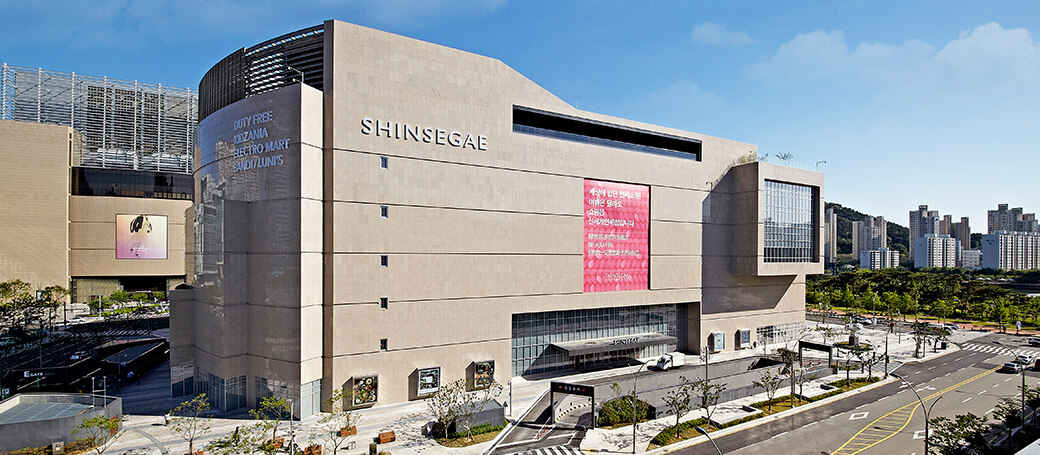
  • Shinsegae Duty Free to Exit Incheon Airport’s DF2 Zone Amid Rising Losses: A Strategic Shift or an Economic Warning?

    Shinsegae Duty Free to Exit Incheon Airport’s DF2 Zone Amid Rising Losses: A Strategic Shift or an Economic Warning?

    Shinsegae Inc, a major retail conglomerate in South Korea, announced on Thursday that it plans to shut down its duty-free business unit in Incheon International Airport’s DF2 zone. This decision has been prompted by growing losses.

    Motivation Behind the Decision

    As South Korea’s second-largest department store chain, Shinsegae has resolved to enhance the operational efficiency of its duty-free business by confronting escalating losses head-on. The company intends to cease operations within the DF2 zone, which houses cosmetics, perfumes, liquor, and tobacco offerings, by April 27, 2026.

    However, Shinsegae DF Inc’s duty-free outlets in the airport’s DF4 zone will continue business as usual.

    Challenging Market Conditions

    A representative from Shinsegae cited a myriad of adverse and unpredictable circumstances plaguing the duty-free market, such as high exchange rates, economic downturn, and diminished spending among primary consumers. The company had previously sought rent modifications from the Incheon International Airport Corp (IIAC), but the airport authority denied these requests.

    Future Business Focus

    With the impending shutdown of its DF2 zone outlet, Shinsegae DF plans to concentrate on its continuing operations in the airport’s DF4 zone and its city center store in Myeongdong, central Seoul.

    Just last month, Hotel Shilla Co relinquished its DF1 zone license to the airport due to mounting losses. The IIAC is predicted to initiate a new bidding process for the DF1 zone license previously held by Shilla Duty Free later this year.

    Questions & Answers

    Why is Shinsegae closing its duty-free business in the DF2 zone?
    Shinsegae is closing its duty-free operations in the DF2 zone due to escalating losses and a desire to improve overall operational efficiency.

    What areas does the DF2 zone cover?
    The DF2 zone houses a variety of products, including cosmetics, perfumes, liquor, and tobacco.

    What will be the future focus of Shinsegae DF?
    Following the closure of its DF2 zone outlet, Shinsegae DF will focus on its remaining operations in the airport’s DF4 zone and its downtown store in Myeongdong.

  • Pop Culture Meets Travel Retail: Pop Mart Unveils First Middle Eastern Store at Qatar’s Hamad International Airport

    Pop Culture Meets Travel Retail: Pop Mart Unveils First Middle Eastern Store at Qatar’s Hamad International Airport

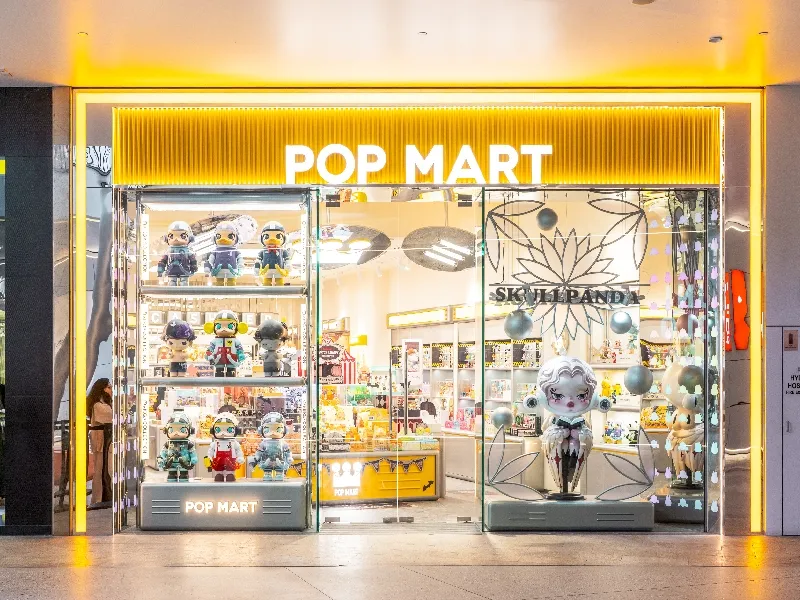
    Qatar Duty Free has embarked on a collaboration with Chinese collectibles company Pop Mart to unveil the brand’s first Middle Eastern store. This partnership marks a novel blend of travel retail and pop culture experiences.

    Unveiling Pop Culture at Hamad International Airport

    The new store, located at Hamad International Airport, brings a culture-inspired theme to passengers. It provides an immersive retail experience featuring the brand’s popular characters.

    The grand opening of the store was marked with a unique travel-themed fashion show. The event featured travel-ready outfits accessorized with Pop Mart collectibles, and was attended by international influencers and Pop Mart enthusiasts.

    The Twinkle Twinkle Wonderful Journey Series

    The store’s launch also presented an exclusive collection of travel-inspired Pop Mart collectibles named the ‘Twinkle Twinkle Wonderful Journey Series’. This series includes travel essentials such as bags, U-shaped pillows, and card holders.

    Revolutionizing Airport Retail

    Thabet Musleh, Chief Retail and Hospitality Officer of Qatar Airways Group, commented on the partnership, emphasizing the company’s commitment to revolutionizing airport and regional retail. He mentioned that this unique concept aligns perfectly with their vision to continually surprise travelers with exclusive, experience-centric concepts that redefine travel retail trends and standards.

    Justin Moon, Senior VP and COO of Pop Mart International Group, highlighted the significance of the collaboration. He noted that by integrating Qatar’s rich culture with their vibrant characters, they are setting a global benchmark for how pop culture connects with local communities.

    Following Pop Mart’s initial Middle Eastern debut in Abu Dhabi in May, the brand has recorded an increase in sales, thanks in large part to the popularity of their ‘ugly-cute’ Labubu figures.

    Questions & Answers

    What is the significance of the partnership between Qatar Duty Free and Pop Mart?
    The collaboration introduces a unique blend of travel retail and pop culture, marking Pop Mart’s first store opening in the Middle East.

    What special features does the new Pop Mart store offer?
    The store provides an immersive, culture-inspired retail experience, highlighting the brand’s popular collectibles. It also features an exclusive collection of travel-inspired items called the ‘Twinkle Twinkle Wonderful Journey Series’.

    What was the outcome of Pop Mart’s initial debut in the Middle East?
    Following its first launch in Abu Dhabi, Pop Mart has seen increased sales, particularly for its ‘ugly-cute’ Labubu figures.

  • Trump Ends Duty-Free Exemption for All Foreign Packages Starting August 29th: What Shoppers Need to Know

    Trump Ends Duty-Free Exemption for All Foreign Packages Starting August 29th: What Shoppers Need to Know

    In a significant shift in U.S. trade policy, the Biden administration has announced that duty-free shipping for low-value commercial packages from all countries will be suspended effective August 29. This move, aimed at curbing the influx of fentanyl precursor materials entering the U.S., underscores a broader strategy to tighten border controls and address issues related to illegal drug imports.

    Cracking Down on De Minimis Shipments

    The suspension of duty-free privileges specifically targets what are known as de minimis shipments, which allow small packages valued at $800 or less to enter the country without incurring tariffs. The White House’s decision reflects growing concerns over the soaring number of these shipments entering the U.S. over the past decade, creating loopholes that can be exploited by smugglers.

    The Implications for Retailers

    This change poses new challenges for retailers and e-commerce platforms that rely heavily on cross-border sales. As online shopping continues to gain momentum, especially in the wake of the COVID-19 pandemic, retailers must now navigate the complexities of increased shipping costs and regulatory scrutiny. While consumers may soon face higher prices, one can only hope their shopping carts don’t become the next treasure trove of tariffs!

    Addressing Tax Loopholes and Fentanyl Concerns

    In addition to combatting drug smuggling, the Biden administration is also targeting tax loopholes that have arisen in the digital marketplace. By imposing stricter regulations on de minimis shipments, officials aim to establish a level playing field for U.S. retailers, ensuring that reforms also contribute to broader fiscal goals.

    Looking Ahead

    The impending regulatory changes will not only reshape the landscape of international shipping but also prompt retailers to reevaluate their logistics strategies. The administration’s comprehensive approach signals a move toward greater accountability in global trade practices while advancing public safety measures.

    Questions & Answers

    How will the suspension of duty-free shipping affect consumers?
    Consumers are likely to see increased prices on low-value packages, as they will no longer benefit from duty-free shipping, making cross-border purchases less appealing.

    What are de minimis shipments?
    De minimis shipments refer to small packages valued at $800 or less that can enter the U.S. without incurring duties, often used to expedite e-commerce transactions.

    Why is this move significant for U.S. retailers?
    This policy is designed to mitigate unfair competition from international sellers who benefit from tax loopholes, ultimately aiming to create a more equitable market for U.S. businesses.

  • Trump Announces Suspension of Duty-Free Exemption for Foreign Packages Starting August 29

    Trump Announces Suspension of Duty-Free Exemption for Foreign Packages Starting August 29

    In a significant development for international shipping, duty-free shipments to the U.S. for low-value commercial packages will come to a halt for all countries starting August 29, according to an announcement from the White House on Wednesday. This decision particularly affects the “de minimis” exemption, which had previously allowed packages valued under $800 to enter the U.S. without incurring customs duties.

    The move is part of a broader strategy by the Trump administration to address what it describes as rampant duty evasion, and it also targets the importation of synthetic opioids. The suspension of this exemption aims to crack down on the increasing flow of illicit drugs entering the country, a situation that has raised significant health and safety concerns.

    While industry stakeholders weigh the implications of this change, the new regulation might come as a surprise to many small businesses and shoppers who have enjoyed the ease of duty-free imports. It’s a stark reminder that even the smallest packages can bear hefty consequences in the complex world of international trade.

    Questions & Answers

    What is the “de minimis” exemption?
    The “de minimis” exemption allows low-value packages under $800 to be imported into the U.S. without incurring customs duties, simplifying the process for international shoppers and businesses.

    Why has the U.S. government decided to suspend this exemption?
    The suspension is aimed at combating duty evasion and addressing the influx of synthetic opioids, which poses serious public health risks.

    How might this affect businesses and consumers?
    Businesses that rely on international shipments for low-value products may see increased costs and delays due to the new regulations, while consumers could face higher prices or be deterred from purchasing goods from abroad.

  • Shinsegae Duty Free Unveils Stunning Renovation of 11th Floor at Myeongdong Flagship Store

    Shinsegae Duty Free Unveils Stunning Renovation of 11th Floor at Myeongdong Flagship Store

    Shinsegae Duty Free has unveiled a revitalized 11th floor at its flagship Myeongdong store, highlighting South Korea’s vibrant culture and its appeal to global travelers. This extensive renovation has culminated in an impressive collection of over 100 carefully selected brands spanning food, fashion, liquor, K-pop, and character merchandise.

    A Culinary Adventure: The Taste of Shinsegae

    At the heart of the floor lies the “Taste of Shinsegae,” a new zone devoted to showcasing the best of Korean snacks, desserts, health supplements, and regional delicacies. It’s a culinary adventure that promises more than just shopping; it’s a flavor festival!

    Shoppers can explore four distinct sections: the Dessert Zone, where trendy treats like ‘Bricksand’ financier cookies and vegan ‘Grains Cookie’ take center stage; the Pop-Up Zone, which highlights the latest buzz-worthy brands from areas like Hongdae and Seongsu including Mannadang yakgwa and Super Matcha goodies; the Food Market Zone, brimming with favorites like Samcheongdong Egg Rolls and Bibigo meals; and the Wellness Zone, featuring esteemed supplements from brands like Red Ginseng and GNC. Enthusiasts of fine spirits will find excitement in the liquor section, with rare whiskeys and engaging tasting events.

    Fashion Forward with Exclusive Offerings

    The fashion segment has not been overlooked, introducing unique boutiques from renowned labels such as GUESS and Mmlg, alongside streetwear from National Geographic and Acme de la vie, expanding on the impressive array available on the 9th floor.

    Interactive Experiences at the Space of BTS

    Notably, the ‘Space of BTS’ has relocated to the 11th floor and has been upgraded with fresh merchandise and interactive experiences celebrating the solo endeavors of each member. A dedicated gift zone features popular Korean character brands like Kakao Friends and Zanmang Loopy, making it a delightful stop for fans and gift-seekers alike.

    Shinsegae reports a remarkable 40% surge in food category sales during the first half of 2025, a trend attributed to growing international interest in Korean cultural products and a resurgence in global travel. It seems that the world can’t get enough of Korean flavors and fashion!

    Questions & Answers

    What notable new feature is included in Shinsegae’s revamped 11th floor?
    The standout feature is the “Taste of Shinsegae,” which focuses on Korean snacks, desserts, health supplements, and regional specialties.

    How has the food category sales performed for Shinsegae in 2025?
    Shinsegae has reported a significant 40% increase in food category sales, driven by heightened global interest in Korean products and a recovery in international travel.

    What unique shopping experiences can visitors expect on the 11th floor?
    Visitors can enjoy various curated sections including trendy desserts, rotating pop-up brands, a comprehensive wellness zone, and an upgraded ‘Space of BTS’ featuring interactive content.

  • King Power revamps Bangkok airport retail precinct

    King Power revamps Bangkok airport retail precinct

    King Power is set to unveil a revamped store at Suvarnabhumi airport today, building on its collaborations with global luxury brands.

    Aiyawatt Srivaddhanaprabha, chief executive of King Power Group, said his company was ready to welcome international travelers while also enhancing the airport’s reputation as a regional aviation hub.

    “On April 1, King Power is ready to welcome both arriving and departing travelers of all market segments, following our mission to implement a thorough store refurbishment,” Mr Aiyawatt said.

    “The makeover is inspired by our renowned banner ‘World Junction’ that has branched out into world fashion, world beauty, and world duty-free — all converging to create the ‘Duty-Free, World-Class Shopping Destination’, a phenomenon that will make Suvarnabhumi the perfect regional aviation center.”

    He added that this campaign would reinforce the image of Suvarnabhumi airport as a leading hub of world-class flagship stores of luxury products, as well as the region’s top airport duty-free operator.

    Furthermore, King Power has partnered with legendary fashion houses, including Louis Vuitton and Gucci.

    Louis Vuitton will open its first store at the airport, while Gucci will use a video wall display to advertise its goods at Gucci’s Suvarnabhumi store. This makes Gucci the first LED shop in an Asian airport.

    The renovation also gathers more than 20 flagship stores of world-leading luxury brands, such as Cartier, Hermes, Ferragamo, Bottega Veneta, Saint Laurent, Balenciaga, Celine, Loewe, and Rimowa.

    King Power’s refurbished World Beauty zone will also feature brands such as Chanel, SKII, Lancôme, Estee Lauder and Dior.

    Moreover, King Power has also revamped the entire World Duty-Free area into a hub for popular items like spirits and liquors, snacks, local and international souvenirs as well as Thai community products.

    As for the airport terminal services, King Power will have a renovated The Atlas Club and King Power Space for its members too.