Retail News CRM

Tag: Capital

  • VinFast Vietnam Doubles Capital to $388M, Streamlining Global Auto Design and Sales

    VinFast Vietnam Doubles Capital to $388M, Streamlining Global Auto Design and Sales

    VinFast Vietnam, a budding organization specializing in the design and sale of VinFast vehicles, recently increased its capital funds substantially. The company doubled its capital from VND5.18 trillion to VND10.18 trillion, equivalent to US$388 million, by issuing 500 million preference shares. This significant financial move was announced on July 13 via the National Business Registration Portal. Alongside this, it was revealed that foreign ownership within the company has seen a decline from 10.4% to 5.3%.

    Company Restructuring and Roles

    The creation of VinFast Vietnam was initiated on June 19, following the sale of the automaker’s manufacturing operations, VFTP, to Tuong Lai Company. This company is financially backed by billionaire Pham Nhat Vuong along with a group of investors. VinFast Vietnam has been assigned the responsibilities of global research and development, managing after-sales services, and overseeing sales operations.

    The managerial roles within VinFast Vietnam have been clearly delineated. Pham Nhat Vuong, the founder of the parent organization, serves as the company’s CEO. On the other hand, Thai Thi Thanh Hai, a seasoned executive from Vingroup, has been appointed as the chairwoman.

    Questions & Answers

    What led to the creation of VinFast Vietnam?
    The company was established after the sale of automaker manufacturing operations, VFTP, to Tuong Lai Company.

    What are the primary responsibilities of VinFast Vietnam?
    The company is in charge of global research and development, after-sales services, and sales operations.

    Who are the key executives of VinFast Vietnam?
    Pham Nhat Vuong serves as the company’s CEO, while Thai Thi Thanh Hai is the chairwoman.
  • Swiss Parliament Favors Leniency on UBS: Potential Easing of New Capital Requirements Awaited

    Swiss Parliament Favors Leniency on UBS: Potential Easing of New Capital Requirements Awaited

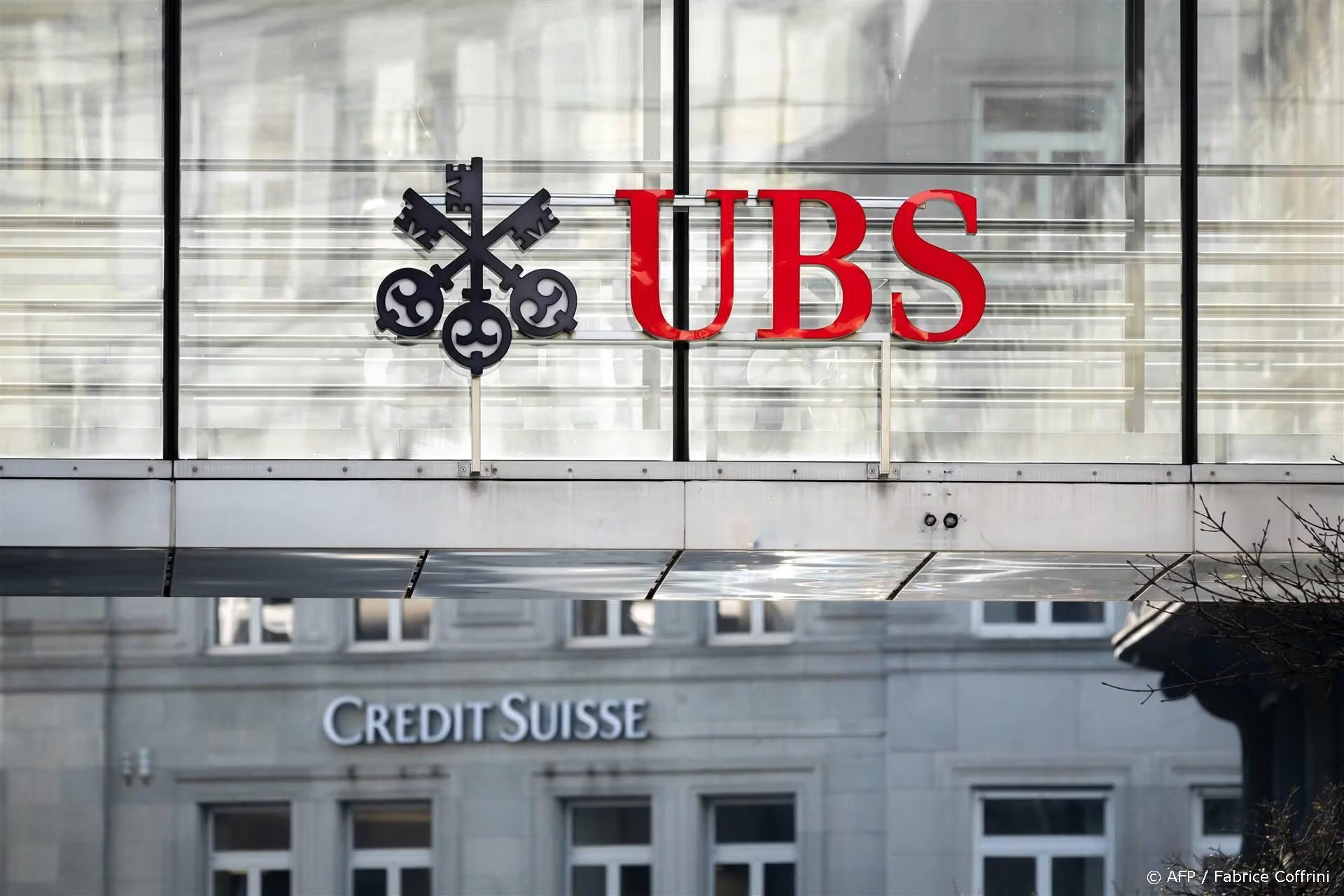
    The Federal Council’s impending regulations on banking stability, not anticipated until late spring, have received a hopeful response from a coalition of parliamentarians from the National Council and the Council of States. This group has allegedly sent comforting signals to UBS, suggesting a potential relaxation of the forthcoming stringent capital requirements.

    In casual discussions, representatives from various political parties have purportedly assured UBS executives that the proposed new regulations for Switzerland’s last globally active bank of systemic importance will be diluted. UBS was informed that attempts would be made to negotiate a middle ground on the proposals put forth by the Federal Department of Finance (FDF). It’s predicted that the Federal Council’s proposal would necessitate UBS to augment its capital by approximately 22 billion dollars.

    Keller-Sutter’s Too Big to Fail Proposal

    Finance Minister Karin Keller-Sutter, the head of the FDF, proposed the reform package on the “too big to fail” (TBTF) issue in response to the Credit Suisse collapse in 2023. It’s probable that the government’s decision will be publicized as soon as April, with the most contentious aspect—foreign capital requirements—expected to be a parliamentary debate topic.

    The Balancing Act: Stability vs. Competitiveness

    While regulators assert that the rules are vital for depositors’ protection, critics, including UBS, caution that these regulations could potentially endanger the country’s competitiveness. A group of legislators who deem these capital requirements too rigid have indicated to UBS their desire to “resolve the issue through a compromise,” according to one source.

    UBS executives are reportedly becoming increasingly exasperated by what they perceive as the Federal Council’s unwillingness to negotiate. Chairman Colm Kelleher and CEO Sergio Ermotti have frequently highlighted the competitive disadvantages UBS may face compared to the United States and the United Kingdom. The bank may even consider relocating to a jurisdiction with more favorable conditions if a compromise isn’t reached.

    Rejected Committee Proposal

    The FDF previously dismissed a compromise proposal offered by the economic committees of both parliamentary chambers in November. Although the specifications of a new compromise have yet to be determined, the National Council’s Committee for Economic Affairs and Taxation is expected to “take over” the process from May onwards. A person involved in the discussions stated, “From that point, we will have greater decision-making power.”

    UBS Remains Silent

    The proposals are anticipated to be a contentious topic among legislators during the summer session, commencing in early June.

    UBS did not provide a comment. However, a source close to the bank offered, “Even if assurances are made, there is no guarantee that the final outcome will be acceptable.”

    Questions & Answers

    What is the proposed change to UBS’s capital requirements?
    The Federal Council has proposed that UBS should increase its capital by approximately 22 billion dollars.

    What are the concerns of UBS regarding these changes?
    UBS executives fear that the proposed regulations could undermine the country’s competitiveness, putting them at a disadvantage compared to counterparts in the United States and the United Kingdom.

    What was the response of the Federal Department of Finance to the proposed compromise?
    The Federal Department of Finance rejected a compromise proposal put forth by the economic committees of both parliamentary chambers.

  • Centurium Capital Brews Expansion with Acquisition of Blue Bottle Coffee from Nestlé

    Centurium Capital Brews Expansion with Acquisition of Blue Bottle Coffee from Nestlé

    In a strategic move, Centurium Capital, a private equity firm based in China and a significant investor in Luckin Coffee, has reportedly purchased the specialty coffee chain Blue Bottle Coffee from multi-national conglomerate Nestlé.

    Acquisition Details

    Reportedly, Centurium Capital is set to acquire Blue Bottle’s worldwide cafe operations at a price point under US$400 million. It’s anticipated that Nestlé will maintain ownership of other business components, which include Blue Bottle-branded coffee machines, capsule systems, and packaged coffee products.

    Inside sources have confirmed that an agreement has been signed, although the deal is still in the process of being formally closed.

    Luckin Coffee’s Expansion

    This acquisition occurs as Luckin Coffee continues its swift global expansion, now operating over 30,000 stores worldwide. The purchase of Blue Bottle is expected to bolster Luckin’s efforts to expedite its entry into the premium coffee market segment.

    Established in California in 2002, Blue Bottle has garnered a reputation in the specialty coffee market. Nestlé took a controlling stake in the brand in 2017 for an approximate sum of US$425 million.

    As of now, Blue Bottle oversees more than 100 locations across Asia and the United States.

    Previous Acquisition Considerations

    In the previous year, it was reported that Luckin Coffee was contemplating a bid for Blue Bottle, while Nestlé was reportedly collaborating with Morgan Stanley to evaluate a potential sale of the business.

    Questions & Answers

    What company has Centurium Capital reportedly purchased?
    Centurium Capital has reportedly acquired the specialty coffee chain Blue Bottle Coffee.

    What parts of the business will Nestlé retain?
    Nestlé is expected to retain Blue Bottle-branded coffee machines, capsule systems, and packaged coffee products.

    What effect will this acquisition have on Luckin Coffee’s market position?
    The acquisition of Blue Bottle is expected to support Luckin Coffee’s efforts to expedite its entry into the premium coffee market segment.

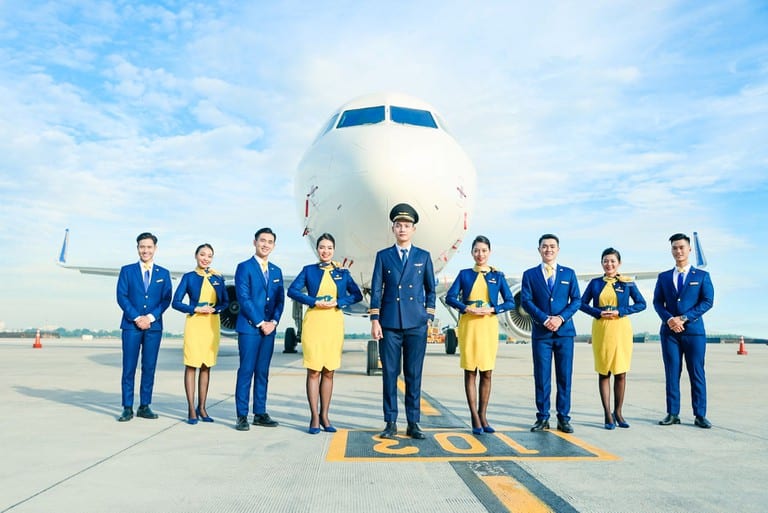
  • Crystal Bay Airlines Soars into Vietnam Market with $11.4M Charter Capital

    Crystal Bay Airlines Soars into Vietnam Market with $11.4M Charter Capital

    The Vietnamese aviation sector has welcomed a new contender, Crystal Bay Airlines, bringing an infusion of VND300 billion (approximately US$11.4 million) into the industry. Established on November 6, 2025, the airline has a diverse range of operations spanning 51 business sectors, but its primary focus is passenger transportation via air, as indicated in its company registration documents.

    Founding Members

    The initial stakeholders of Crystal Bay Airlines are noteworthy and include the Crystal Bay Tourism Group, which provided VND282 billion, constituting 94% of the airline’s charter capital. The chairman of the airline, Nguyen Duc Chi, and the general director, Bui Tuong Chi, accounted for 5% and 1% of the capital, respectively.

    The Crystal Bay Tourism Group has a broad operational scope, encompassing tourism, travel, resorts, and tourism real estate investment. Interestingly, prior to creating the airline, the group had no direct ownership or operational control of an aircraft fleet under the Crystal Bay label.

    International Charter Operations

    Despite not owning a fleet, since around 2022, the company has been facilitating international charter flights to bring tourists to Vietnam, specifically to popular destinations such as Cam Ranh Bay and Phu Quoc Island. These flights have been operated on a regular basis by other airlines, including Vietjet Air and Bamboo Airways. These collaborations have connected Vietnam with numerous markets, including Kazakhstan, Taiwan, Thailand, Mongolia, and Uzbekistan.

    Travel Business Expansion

    In 2023, Crystal Bay further expanded into the travel business by establishing Crystal Bay Tour Co Ltd. This subsidiary was set up to develop software for selling airline tickets and tours, along with executing marketing and communication campaigns – elements that are crucial for any travel business.

    The creation of its own airline is widely perceived as a logical progression for Crystal Bay, aimed to augment its tourism business and establish a comprehensive ecosystem.

    Questions & Answers

    Who are the founding shareholders of Crystal Bay Airlines?
    The founding shareholders include the Crystal Bay Tourism Group, which contributed 94% of the company’s charter capital, as well as the airline’s chairman Nguyen Duc Chi and general director Bui Tuong Chi, who accounted for 5% and 1%, respectively.

    What business sectors does Crystal Bay Airlines operate in?
    Crystal Bay Airlines operates in 51 business sectors with its primary focus being air passenger transportation.

    What is the significance of Crystal Bay Airlines for the Crystal Bay Tourism Group?
    The establishment of Crystal Bay Airlines is seen as a strategic move by the Crystal Bay Tourism Group to complete its ecosystem and enhance its tourism business.

  • Boyu Capital Poised to Secure $4 Billion Stake in Starbucks China, Boosting Brand’s Asian Market Footprint

    Boyu Capital Poised to Secure $4 Billion Stake in Starbucks China, Boosting Brand’s Asian Market Footprint

    Boyu Capital, a private equity firm from China, is leading the race to acquire a majority stake in Starbucks’ China operations, a deal that could potentially value the unit at over US$4 billion.

    Boyu Capital remains in the bid after the final contender, Carlyle Group, chose to withdraw. Key partners from both companies travelled to the U.S. to engage in final discussions with the Seattle-based coffee chain.

    Starbucks’ Stake in China

    After the sale is finalized, it’s expected that Starbucks will retain a substantial minority stake in its China operations. The company expressed that it has received strong interest from numerous high-quality partners, all of whom have faith in the long-term growth potential for Starbucks in China.

    The company is currently assessing bids from five contenders, though it declined to comment further. Starbucks China was valued at roughly $4 billion by the bidders who submitted binding offers, which is approximately ten times its core earnings.

    Starbucks’ Future Plans

    Starbucks CEO, Brian Niccol, previously indicated that the anticipated valuation of the China business would exceed $10 billion, factoring in the upfront investment from a potential partner, Starbucks’ retained stake in the China business, and future royalty payments.

    There is also the possibility of other parties, such as internet companies, joining the discussions as limited partners to assist in funding the deal.

    Competition and Sales

    Starbucks’ decision to divest in China comes amidst fierce competition from local coffee chains that have gained market share by offering less expensive products during an economic slowdown that has altered consumer behavior.

    In response to these challenges, Starbucks has implemented strategies such as lowering prices for selected non-coffee beverages in China and increasing the introduction of new, localized products.

    Sales in comparable stores in China increased by 2% in the quarter that ended on June 29, following a quarter with no growth. Starbucks’ earnings for the fourth quarter and the 2025 fiscal year will be reported on October 29.

    Questions & Answers

    Who is the frontrunner to buy a controlling stake in Starbucks’ China business?
    Boyu Capital, a private equity firm from China, is leading the race to acquire a controlling stake in Starbucks’ China operations.

    What is the potential value of Starbucks’ China unit?
    The deal to acquire the majority stake in Starbucks’ China operations could potentially value the unit at over US$4 billion.

    What strategies has Starbucks implemented in response to increasing competition in China?
    Starbucks has lowered prices for selected non-coffee beverages in China and increased the introduction of new, localized products to counter the competition.

  • Makara Capital Sets Ambitious Goal to Mobilize $7B for Strategic Investments in Vietnam

    Makara Capital Sets Ambitious Goal to Mobilize $7B for Strategic Investments in Vietnam

    In a significant meeting held in Hanoi on Wednesday, Ali Ijaz Ahmad, chairman and CEO of Makara Capital Partners, expressed strong interest in expanding the firm’s footprint in Vietnam. Joined by other company executives, Ahmad highlighted the group’s substantial presence in Singapore in areas such as fund and asset management, financial structuring, and advisory services.

    Vietnam: A Promising Investment Landscape

    Demonstrating due diligence, the leaders outlined their comprehensive analysis of the Vietnamese market, underscoring their confidence in the country’s strategic development trajectory and long-term growth ambitions. Their enthusiasm mirrors Vietnam’s reputation as a burgeoning hub for investment in Southeast Asia.

    Strategic Projects in the Pipeline

    Makara Capital Partners is currently championing an investment initiative to establish a biopharmaceutical industrial park in the northern province of Hung Yen. Moreover, the company is engaging with Vietnamese authorities to explore collaborations in energy, infrastructure, and banking restructuring, as well as contributing to the development of a global financial center in the country.

    Such ambitious ventures could potentially mobilize between US$5 and $7 billion in investments, showcasing the firm’s commitment to driving economic growth in Vietnam.

    A Call to Action

    Prime Minister Pham Minh Chinh encouraged Makara Capital Partners to expedite its investment decisions and scale up operations within Vietnam’s priority sectors. He emphasized the philosophy of “working together, benefiting together, winning together, and sharing joy and happiness.”

    Reiterating the Vietnamese government’s commitment to facilitating successful investments, Chinh assured that the country will protect the legitimate rights and interests of investors, grounded in principles such as regulatory transparency, market alignment, and international standards.

    Aligning Interests for Sustainable Development

    Chinh warmly welcomed Makara Capital’s ambitions in biopharmaceuticals and finance, aligning them with Vietnam’s goals for rapid, green, and sustainable development. He provided insights into the nation’s socio-economic strategies and highlighted ongoing efforts in institutional reform, infrastructure expansion, and human resource enhancement.

    Vietnam is embarking on a transformative journey, restructuring its administrative framework and implementing key resolutions aimed at fostering swift and sustainable growth. The nation has set its sights on achieving a GDP growth of at least 8% this year, with aspirations for double-digit growth in the years to follow, all while aiming to transform into a high-income developed country by 2045. A tall order? Perhaps. But in Vietnam, the potential often exceeds the challenge.

    Questions & Answers

    What investment projects is Makara Capital Partners pursuing in Vietnam?
    Makara Capital is focused on developing a biopharmaceutical industrial park in Hung Yen, while also exploring opportunities in energy, infrastructure, and banking restructuring.

    What is the expected investment range from Makara Capital in Vietnam?
    The initiatives being discussed could mobilize between US$5 and $7 billion in total investments.

    What are Vietnam’s economic growth targets for the coming years?
    Vietnam aims for a GDP growth of at least 8% this year, with a vision for double-digit expansion in subsequent years, striving to become a high-income developed nation by 2045.

  • Vietravel Airlines Set to Double Charter Capital to $99 Million, Fueling Growth and Expansion Plans

    Vietravel Airlines Set to Double Charter Capital to $99 Million, Fueling Growth and Expansion Plans

    Vietravel Airlines is embarking on an ambitious journey to double its charter capital to VND2.6 trillion (approximately US$99 million) in the first half of next year, buoyed by what they describe as “financial support” from SHB Bank.

    Shareholders Back Bold Financial Move

    In a decisive move, shareholders greenlit the capital increase during last week’s annual general meeting, aimed at bolstering the airline’s financial foundation for an expanded fleet and network. However, details remain under wraps regarding whether SHB will assume the role of lender or investor.

    A Vision for Growth

    Chairman Do Vinh Quang expressed confidence in the airline’s growth trajectory, stating that the partnership with SHB will play a pivotal role in reaching their ambitious targets. He noted that the bank’s robust financial capabilities and experience would enhance Vietravel Airlines’ efforts to grow its fleet, invest in cutting-edge technology, and elevate service quality.

    Building an Integrated Aviation Ecosystem

    Vietravel Airlines envisions creating a synchronized aviation ecosystem that marries transportation, tourism, and digital innovation, all underpinned by the support of its parent company, T&T Group, and the associated Vietravel Group. The airline, which launched operations in January 2021, emerged as Vietnam’s sixth carrier and third privately-owned airline with an initial capital of VND700 billion. T&T Group, a diversified conglomerate active in finance, real estate, and construction, currently holds a commanding 75% stake in the airline.

    With grand aspirations and a solid backing, the sky is truly the limit for Vietravel Airlines—who knows, they might even start a trend where airplanes serve gourmet meals from the region they’re flying over!

    Questions & Answers

    What is Vietravel Airlines’ new charter capital amount?
    The airline plans to double its charter capital to VND2.6 trillion (approximately US$99 million) in the first half of next year.

    When did Vietravel Airlines commence operations?
    The airline began flying in January 2021, establishing itself as Vietnam’s sixth carrier.

    What is the main goal of the capital increase?
    The aim is to strengthen financial capacity to expand the airline’s fleet and network while enhancing service quality through partnerships.

  • Lumen Capital Welcomes Former UBS Executives to Enhance Its Dynamic Team

    Lumen Capital Welcomes Former UBS Executives to Enhance Its Dynamic Team

    In an exciting development for the financial services landscape in Switzerland, former UBS executives are joining the dynamic team at Lumen Capital, an independent asset management firm based in Zurich. This move signifies Lumen Capital’s ambitious growth strategy as it seeks to enhance its offerings in wealth management.

    Wealth Management Expertise Taking Center Stage

    Leading the charge is Haas, who brings more than two decades of experience in wealth management, both within Switzerland and on an international scale. Since kicking off his career in 2004 with UBS’s international wealth management division, he has amassed a wealth of knowledge that places him in a prime position to contribute to Lumen Capital’s success.

    From 2010 to 2014, he played a pivotal role in establishing a private bank in Zurich, managing its private banking operations. Following this venture, he dedicated a decade to advising affluent Swiss clients at UBS as a Senior Client Advisor, eventually taking the helm as Team Leader. “At Lumen Capital, I can offer my clients tailored, conflict-free advice. Active listening is key for me to fully grasp their needs,” Haas explained, painting a picture of client-centric service.

    His academic credentials include a Master’s degree in Economics from the University of St. Gallen and a Chartered Alternative Investment Analyst (CAIA) diploma. Additionally, he is recognized as a Certified Wealth Management Advisor (CWMA) for the Swiss market—a trifecta of qualifications that bolsters his expertise.

    A Fresh Voice in Lumen’s Advisory Board

    In an equally exciting development, Lumen Capital has welcomed Matthias Krauland to its Advisory Board. A distinguished figure in the financial realm, Krauland previously held positions at UBS before moving to Deutsche Bank, where he continues to lend his insights as an Advisor.

    Boasting more than 18 years at Eisenmann SE, where he served as CEO for over twelve years and is now Chairman of the Board, Krauland brings a wealth of experience from the world of manufacturing, particularly serving the automotive industry from his base in Böblingen, Germany. His diverse background enriches Lumen Capital’s strategic direction, melding finance with industrial insights.

    This intriguing mix of talent at Lumen Capital promises a robust and innovative approach to asset management that could change the game in the Swiss market.

    Questions & Answers

    What is Lumen Capital’s strategy for growth? Lumen Capital aims to expand its service offerings by leveraging the extensive experience of its newly appointed team members, focusing on tailored, conflict-free wealth management.

    Who is leading the wealth management efforts at Lumen Capital? Haas, with his rich background of over 20 years in wealth management, is spearheading wealth management at Lumen Capital, emphasizing individualized client experiences.

    How does Matthias Krauland contribute to Lumen Capital? As an Advisory Board member, Krauland provides strategic insights drawn from his extensive experience in the financial sector and as an industry leader at Eisenmann SE.

  • Fresh capital for Vestiaire Collective to fund Asian expansion

    Fresh capital for Vestiaire Collective to fund Asian expansion

    Pre-owned luxury fashion retailer Vestiaire Collective has completed a €40 million round of financing led by BPIFrance and new CEO Max Bittner.

    The new round is expected to facilitate the launch of new technology solutions for the fashion ecosystem, empower its community through the lens of its platform, and fuel continued international growth.

    The investment will sustain Asian growth momentum where Vestiaire sees a 140 per cent GMV growth in the second quarter of this year, as well as the recent launch of numerous new markets including Taiwan, Thailand, Indonesia, India, Malaysia, UAE, Saudi Arabia, Israel, Brazil and Mexico.

    Vestiaire Collective has expressed ambitions to revolutionise the industry, and will soon be launching tech and data-driven solutions to empower its global community, brands and retailers in driving the adoption of sustainable and circular consumption. The firm believes that resale holds a pivotal role in driving the fashion ecosystem towards a more sustainable behaviour.

    This new round of funding confirms investor confidence in a large global opportunity for Vestiaire Collective’s business model. Currently, 79 per cent of the French-headquartered company’s transactions are already generated cross-border.

    With the funding, Vestiaire Collective also plans to expand its international recruitment drive. Since the arrival of Max Bittner, the company has successfully recruited 120 new talents from more than 20 nationalities across six offices, with a specific emphasis on growing the tech and data teams.

    Bittner said he plans to scale the business and continue to revolutionise the fashion industry together with co-founders Fanny Moizant and Sophie Hersan and the rest of the team.

    “We want to build an international tech and data first company, leveraging Vestiaire Collective’s incredible brand and fashion DNA”

    “Vestiaire Collective is uniquely positioned to thrive from the shift of consumer behavior towards a circular economy and digital,” added BPIFrance principal Charlotte Corbaz. “We are delighted to support Max and his team in the transformation of the fashion industry. We strongly believe its approach to combine tech and data to the fashion DNA of the company will allow them to become the worldwide leader in its market.”

  • Vietnam Equity Firm buys into Vietnam’s Pharmacity

    Vietnam Equity Firm buys into Vietnam’s Pharmacity

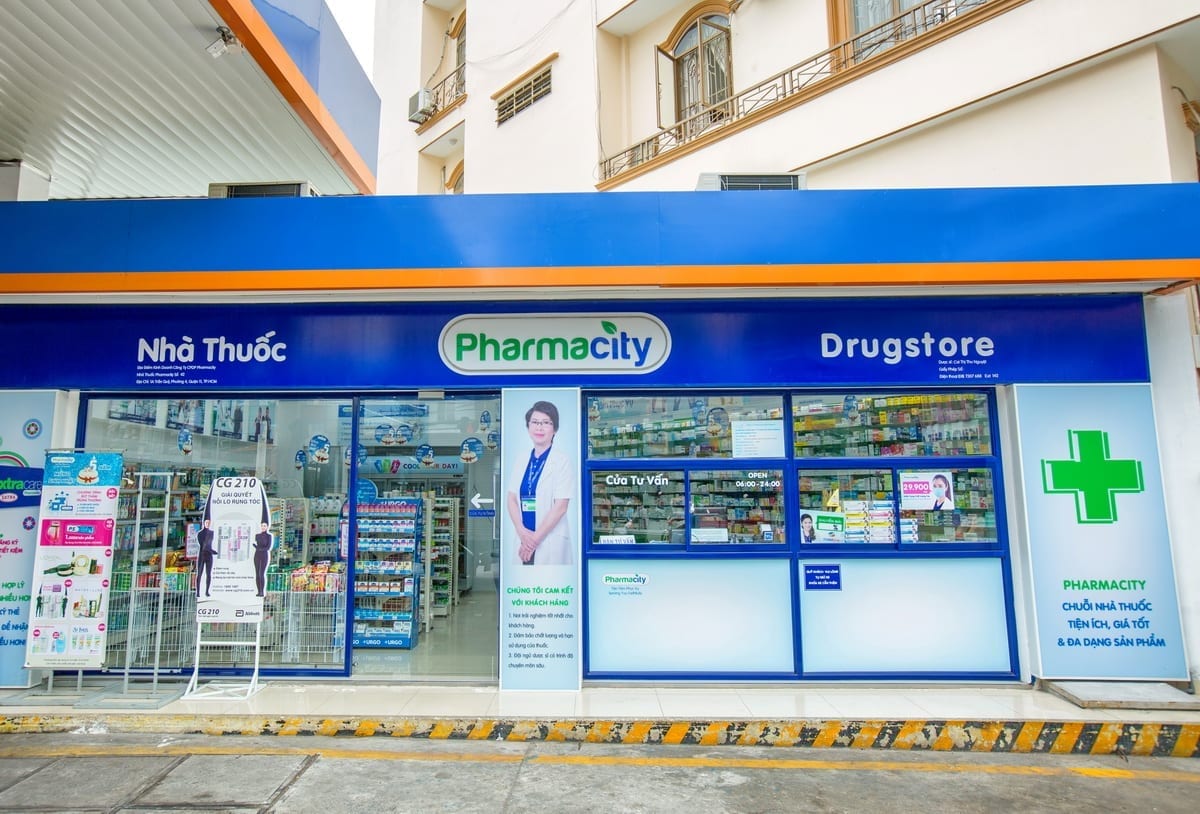
    Vietnam private equity firm Mekong Capital has issued funding to pharmacy chain Pharmacity.

    Pharmacity is now the eighth company to receive funding from Mekong’s latest financing round, following the firm’s investment in mattress producer Vua Nem last year.

    With 186 outlets retailing both traditional Vietnamese and Western medicines, Pharmacity is the country’s most widespread network of pharmaceutical products stores, with 1 million subscribers to its loyalty program. The firm is targeting 1000 outlets in VIetnam within two years.

    “Our partnership with Mekong Capital will empower us to continue improving healthcare for the Vietnamese people,” said Pharmacity founder and CEO Chris Blank, “and help accelerate our growth while better positioning us to execute on our vision and mission to build the most convenient pharmacy chain where customers fully entrust their health and wellness.”

    “The company was the first retailer in this sector to demonstrate that all of Vietnam’s regulations and compliance thresholds can be met and still generate a healthy store level profitability,” added Mekong Capital partner Chad Ovel.

  • Foreign investment crucial to Vietnamese banks in 2019: Moody’s

    Foreign investment crucial to Vietnamese banks in 2019: Moody’s

    Most Vietnamese banks fall short of international capital adequacy norms and have to focus on attracting foreign capital this year, Moody’s has said. The credit rating agency said in a release Monday that “the underdevelopment of the domestic capital markets” means the banks would have to look to foreign investors to meet the capital requirement of 8 percent of risk-weighted assets to cover operational risks.

    Raising capital has been a struggle for Vietnamese banks in recent years. Major state-owned banks such as BIDV and Vietinbank have for long been making plans to increase charter capital but in vain.

    BIDV, the second largest listed bank, has had charter capital of nearly VND34.19 trillion ($1.46 billion) unchanged since 2015.

    Last November it planned to sell a 17.65 stake to South Korea’s KEB Hana Bank to increase it to over VND40.22 trillion ($1.73 billion), but the deal has not been consummated.

    Vietinbank, the fourth largest listed bank, has seen its capital remain unchanged since 2014 at VND37.23 trillion ($1.59 billion).

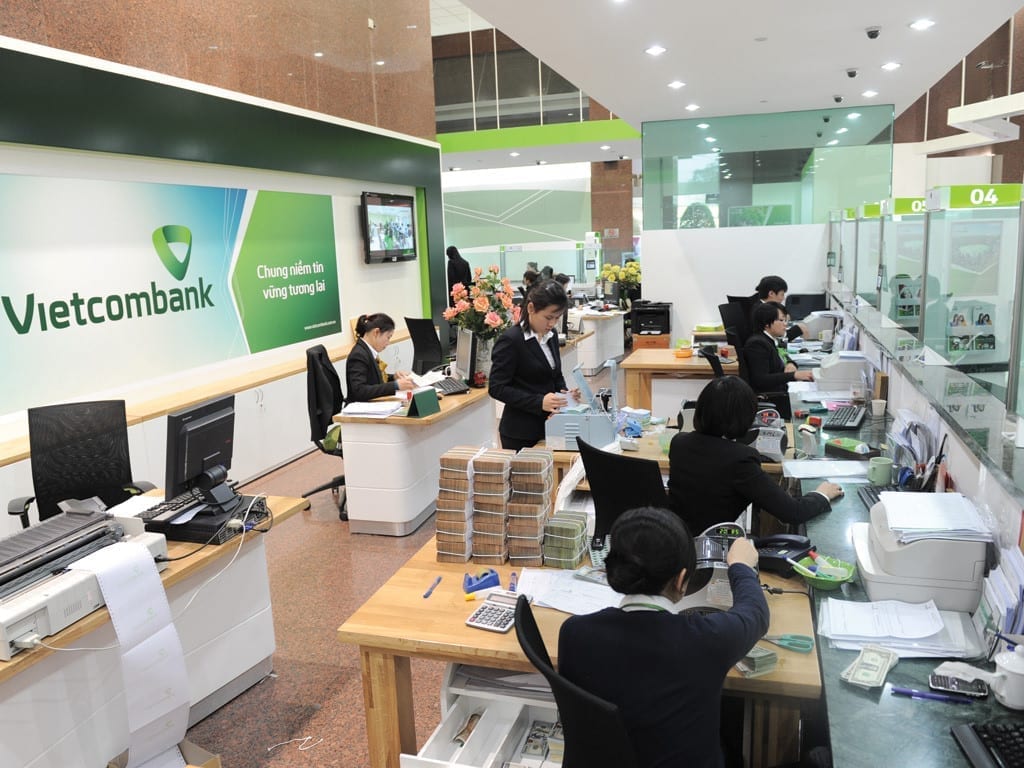
    Only Vietcombank, the largest listed bank in the country, last month raised VND6.2 trillion ($265.86 million) from selling a 3 percent stake to foreign investors, as part of its plan to ultimately sell 10 percent.

    BIDV and Vietinbank had offered to pay its largest shareholder, the State Bank of Vietnam (SBV), the previous year’s dividends in stocks and not cash to increase their capital, but the central bank refused saying it needed the cash.

    Moody’s added that the banks’ capitalization will strengthen this year because of stronger profitability and stable credit growth.

    It said that Vietnamese banks last year achieved a higher aggregate return on assets for a second year running, registering a rise of 1.1 percent from 0.9 percent in 2017.

    Aggregate net income for the banks rose 35 percent to VND70 trillion ($3 billion) in 2018 from the previous year, it said.

    “For 2019, Vietnamese banks that Moody’s rates will achieve a further improvement in profitability, again because of wider net interest spreads and lower credit costs,” said Rebaca Tan, a Moody’s analyst.

    “Credit growth will stay stable over the same period because of tighter control by the State Bank of Vietnam, and asset quality will improve further, as the banks continue cleaning up their balance sheets.”

  • Foot Locker boosts capital expansion

    Foot Locker boosts capital expansion

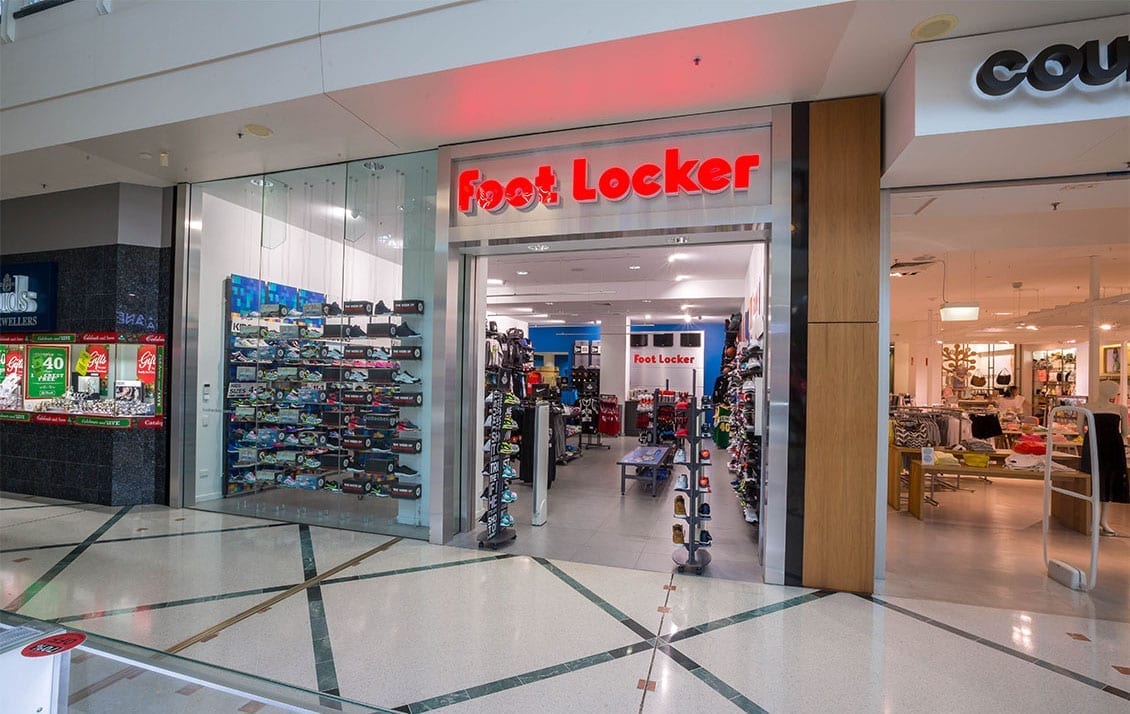
    Foot Locker has announced a US$275 million capital expenditure program for this year, with Asia singled out as a target market. The investment is $75 million more than the US-headquartered sports-shoe and apparel retailer allowed for last year. “The capital spending planned for this year reflects increased investments in the company’s store fleet in all existing regions, including Asia, and in its digital initiatives,” the company said in a statement.

    “In addition, the company will continue to spend capital to build out its supply chain and other infrastructure capabilities.”

    Chairman and CEO Richard Johnson said Foot Locker sees “exciting opportunities” to invest in the business this year. The capital commitment followed decisions to launch a share buy-back program and to pay a dividend to shareholders.

    “Taken together, these actions demonstrate that our board is confident that Foot Locker can simultaneously deliver strong financial results, invest in the long-term growth of the business, and provide meaningful returns to our shareholders,” he said.

    Foot Locker currently operates 3221 stores in 27 countries in North America, Europe, Asia, Australia and New Zealand.

    In Singapore, Foot Locker opened three stores last year, in Jem Mall, Century Square and Suntec City.

  • F&B procurement startup lures Japanese investor

    F&B procurement startup lures Japanese investor

    Kamereo, a Vietnamese sourcing platform for restaurants, has raised $500,000 in seed funding from Japan’s Genesia Ventures and Velocity Ventures Vietnam. Japanese Taku Tanaka, founder of Kamereo, said the newly acquired money would be used to upgrade the platform’s service offerings and strengthen the customer care team. “We use technology to solve the buying and sourcing problem, and restaurants can focus on their core business to bring the best culinary experience to customers. In future we will expand our services to other sectors and regions.”

    From his experience, Tanaka, who moved to Vietnam in 2015 as CEO of a pizza chain, found that procurement operations were mainly labor-intensive and inefficient.

    “We believe that technology can solve this problem, providing solutions to reduce the cost of personnel in a transparent and accurate manner,” he said.

    The Ho Chi Minh City-headquartered business-to-business procurement platform, established last June, now has more than 4,000 product categories, 120 partner suppliers and 200 registered restaurants.

    While Kamereo will focus its resources on Vietnam for now, it is planning a series A round of funding involving a few million U.S. dollars in late 2019 or 2020 to expand in Southeast Asia.

    The funding came amid a technology startup boom in Vietnam’s F&B market where delivery platforms such as GoViet and Grab battle for market share down the supply chain.

    A report published last October by Vietnam Research said Vietnamese spend more than a third of their income on food and beverages ahead of education and utilities.

    Global research firm Nielsen also considered F&B one of the most attractive industries, with the potential to become a major player in the Vietnamese economy, citing findings from one of its studies which found food and beverages were two of the 10 most bought products online in 2017.

  • LG Electronics supports Ethiopian entrepreneurs

    LG Electronics supports Ethiopian entrepreneurs

    LG Electronics announced on Thursday that it has opened an entrepreneurship center for young people at an existing technical and vocational education center run jointly by LG and the Korea International Cooperation Agency (Koica) in Addis Ababa, Ethiopia.

    The existing job training center, the LG-Koica Hope TVET (Technical and Vocational Education and Training) College, was established in Addis Ababa in 2014 to help Ethiopia achieve economic growth by offering quality education to young Ethiopians and helping them acquire the foundations of financial independence.

    The new center has been named the LG Social Campus Business Incubator Center. It provides graduation candidates of LG-Koica Hope TVET with the opportunity to receive help building a business model and launching their own company. The center will offer office and co-working spaces, as well as training in law, marketing, leadership and business administration.

    “We hope that a socially-recognized company will be born in Ethiopia with the support of the LG Social Campus,” said Yoon Dae-sik, president of the government relations division at LG Electronics.

    “We will keep up with efforts to help Ethiopian youngsters step up their competitive edge and independence.”

    The Korea International Cooperation Agency is a state-run organization devoted to supporting socio-economic development in developing countries.

  • Transport giant to withdraw capital from leading HCMC taxi firm

    Transport giant to withdraw capital from leading HCMC taxi firm

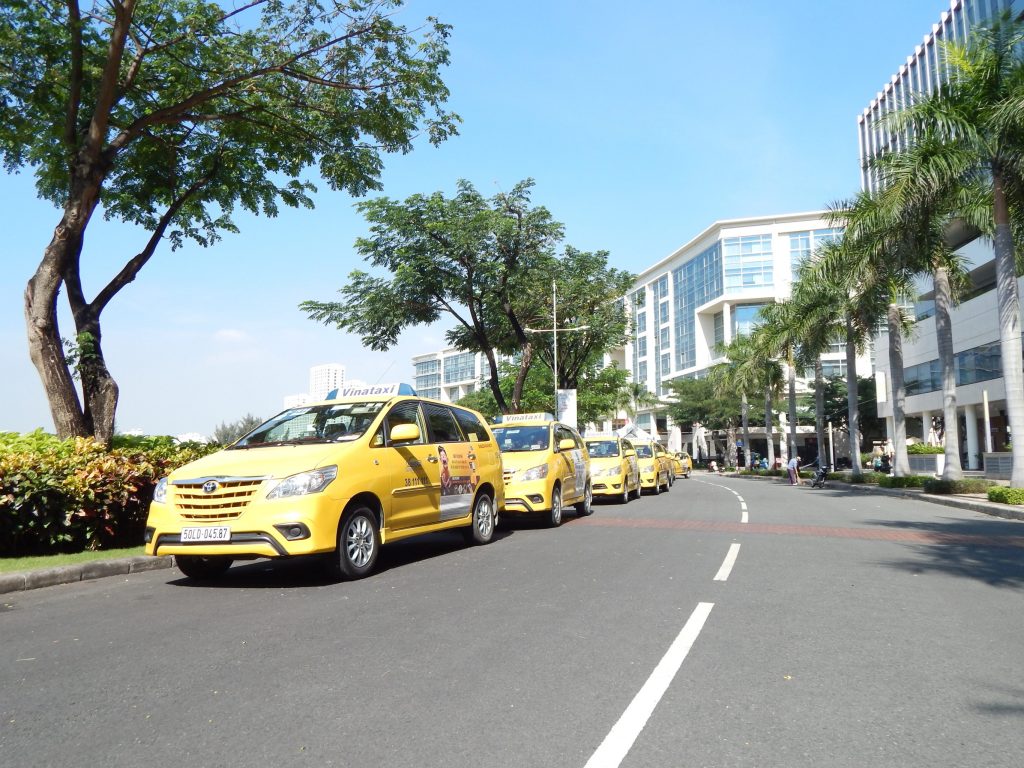
    In an apparent u-turn, transport giant Tracodi has approved divestment of its 30 percent stake in Vinataxi. Just months after saying it intends to increase its stake in Vinataxi, renew its fleet and install driver software, the Transport and Industry Development Investment Corporation (Tracodi) has decided to pull out.

    Tracodi has authorized Nguyen Thanh Hung, its general director and vice chairman, to seek investors and negotiate a transfer price not lower than the net present value of Vinataxi shares calculated according to book value.

    Vinataxi is a joint venture between Tracodi and electronic component distributor Tecobest Hong Kong, established in 1992. In 2003, Tecobest transferred capital management rights to ComfortDelGro, the leading public passenger transport operator in Singapore.

    According to the consolidated financial statement of the third quarter, Vinataxi occupied the third largest market share in Ho Chi Minh City with a chartered capital of VND113 billion ($4.84 million). Tracodi’s initial investment value was approximately VND34 billion ($1.46 million) in the joint venture.

    Tracodi’s capital withdrawal is in stark contrast to the plan announced by its board at its annual general meeting mid-June. Then, the corporation announced it wanted to negotiate raising its ownership ratio in Vinataxi to 49 percent, and coordinate with ComfortDelgro Savico Taxi, a joint venture between ComfortDelgro and Saigon General Service Corporation, to renew their fleets and install driver software.

    Tracodi’s management board estimates the firm will reap net profit of VND8 billion ($342,916) from its taxi business line this year with its combined fleet of over 300 cars.

    In 2017, revenues and after tax profit of Vinataxi reached over VND47 billion ($2.01 million) and VND1.2 billion ($51,431) respectively.