Tag: car news

  • MG Motor Introduces Waiting Period Benefits For Its Existing Customers

    MG Motor Introduces Waiting Period Benefits For Its Existing Customers

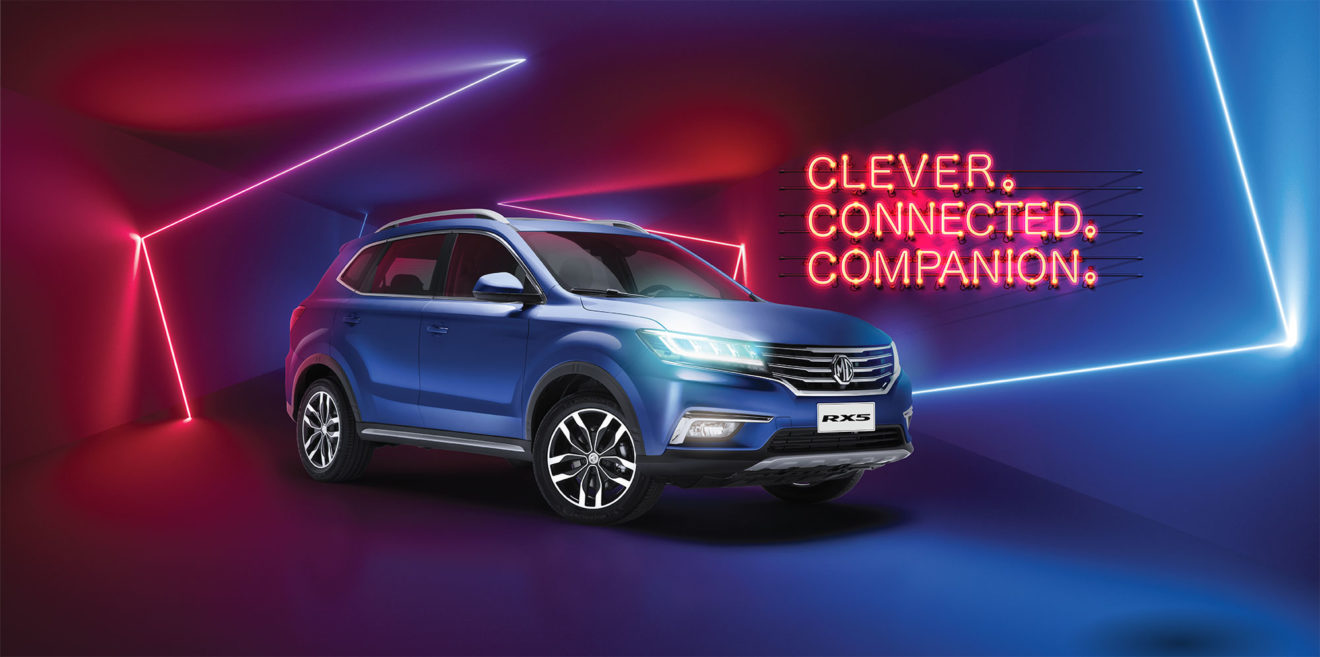
    MG Motor has come out with an interesting and unique approach for those customers who have already booked the Hector but are waiting to get the delivery. It has started a new reward scheme under which it is giving 1000 points per week to its customers till the time they get their SUV delivered. The points can be redeemed to purchase MG’s range of accessories the company is offering on the Hector or can be spent on the prepaid maintenance package it had announced at the time of launch. However, the company has not clarified the value of these points in terms of Rupees which may vary.

    Commenting on the new initiative, Rajeev Chaba, President & Managing Director, MG Motor India said, “As part of our commitment to customer satisfaction, our ‘Worth Waiting For’ programme has been further augmented with a unique rewards initiative. Apart from driving the cause of girl child education, the rewards initiative brings delight to our HECTOR customers as they take deliveries.”

    The latest initiative is in succession to the IIMPACT NGO scheme MG had announced earlier according to which it would educate one girl child for every two weeks’ waiting period. MG Motor had stopped taking bookings for the Hector after it bagged 28,000 bookings. The company has said that it wants to prioritise the deliveries first for its existing customers and then proceed ahead with further bookings. On an average, there is a six month waiting period for MG Hector.

  • Upcoming Maruti Suzuki XL6 Will Be BS6 Compliant

    Upcoming Maruti Suzuki XL6 Will Be BS6 Compliant

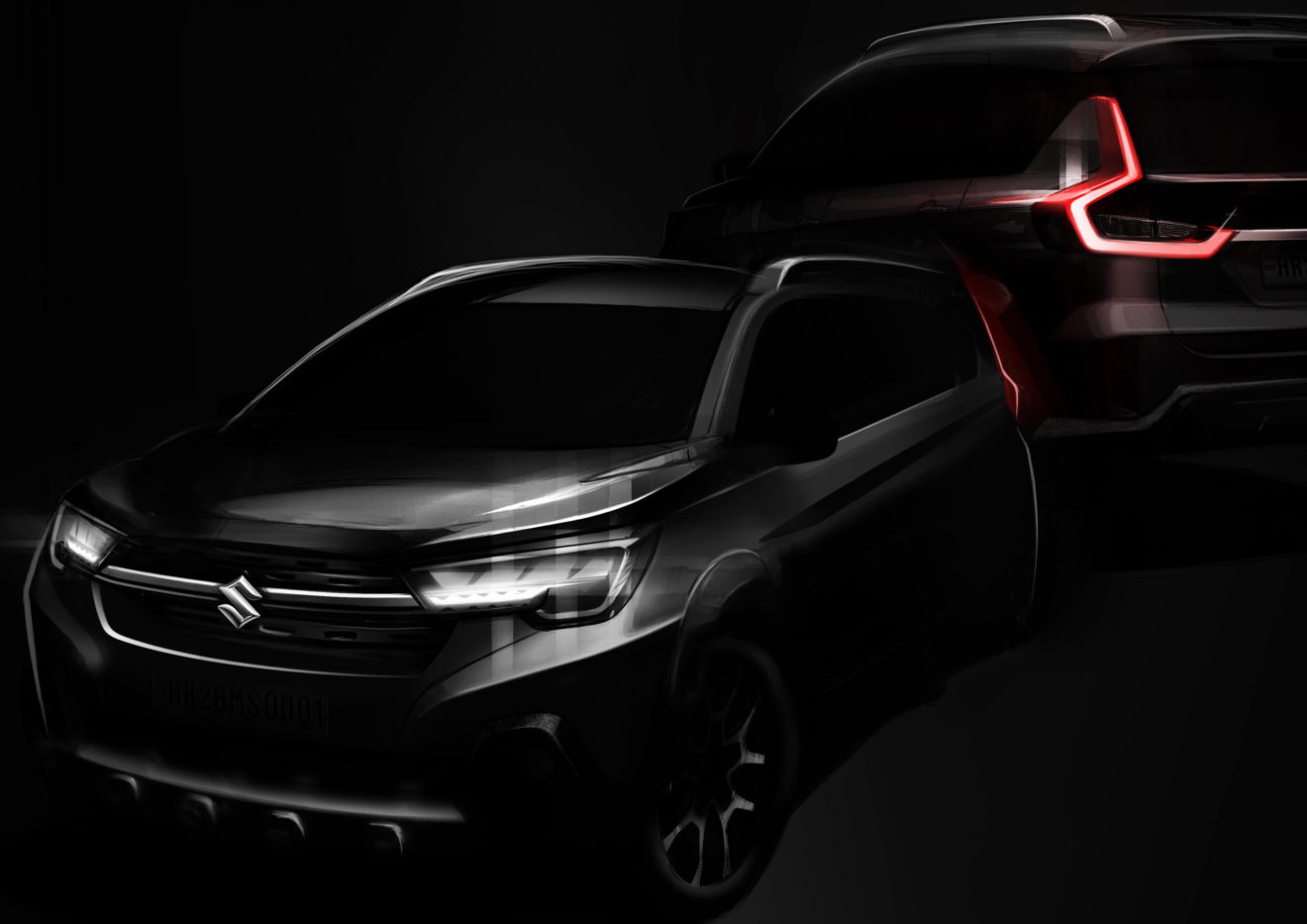
    Maruti Suzuki India’s today announced that half of its petrol line-up is already Bharat Stage VI or BS6 compliant. The Indo-Japanese carmaker is the first OEM to bring BS6 compliant vehicles in the mass segment, ahead of the statutory timeline, and currently, the Alto 800, Wagon R 1.2, and petrol options of the Swift, Baleno, Dzire, and Ertiga have already made the shift to BS6. In fact, the BS6 models offered by the company currently constitute around 70 percent of the total petrol vehicles sold. Now, the carmaker has confirmed that the upcoming Maruti Suzuki XL6 premium MPV will also be BS6 compliant from the time of its launch, which is slated for August 21, 2019.

    Like the aforementioned models, the upcoming Maruti Suzuki XL6 is likely to get only a petrol BS6 engine, while the diesel options are likely to remain BS4 compliant for now. The new XL6 will get the new BS6 compliant 1.5-liter K15 petrol motor with the company’s SHVS (Smart Hybrid Vehicle by Suzuki) technology, which was recently introduced in the Ertiga. The XL6 is also likely to come with the Ertiga’s 1.5-litre diesel motor. Both engines are mated to a 5-speed manual gearbox as standard, along with an optional 4-speed automatic torque converter for the petrol model.

    The new Maruti Suzuki XL6 will get the same 1.5-liter BS6 petrol engine that powers the Ertiga

    Maruti Suzuki introduced its first BS6 compliant petrol car, a Baleno in April 2019. This was followed by the launch of BS6 compliant petrol variants of Alto 800, WagonR (1.2-litre), Swift, Dzire, and Ertiga much before the government stipulated date of implementation of the regulations. The BS6 compliant petrol vehicles will lead to a substantial reduction of nearly 25 percent in Nitrogen Oxide (NOx) emissions.

    Talking about the company’s proactive measures to introduce BS6 cars beforehand, Kenichi Ayukawa, Managing Director & CEO, Maruti Suzuki India said, “As a responsible and environment-conscious brand, Maruti Suzuki is aligned with Government of India’s vision to introduce BS6 compliant vehicles before April 2020. Seven of our top-selling models are BS6 compliant much before the deadline. We are committed to progressively upgrade our entire range of petrol cars to BS6 technology before stipulated timelines. The BS6 vehicles use Suzuki’s proven technology that helps to substantially reduce the emissions thus contributing to a cleaner and greener environment.”

  • Maserati Unveils Limited Edition Quattroporte And Levante At Monterey Car Week

    Maserati Unveils Limited Edition Quattroporte And Levante At Monterey Car Week

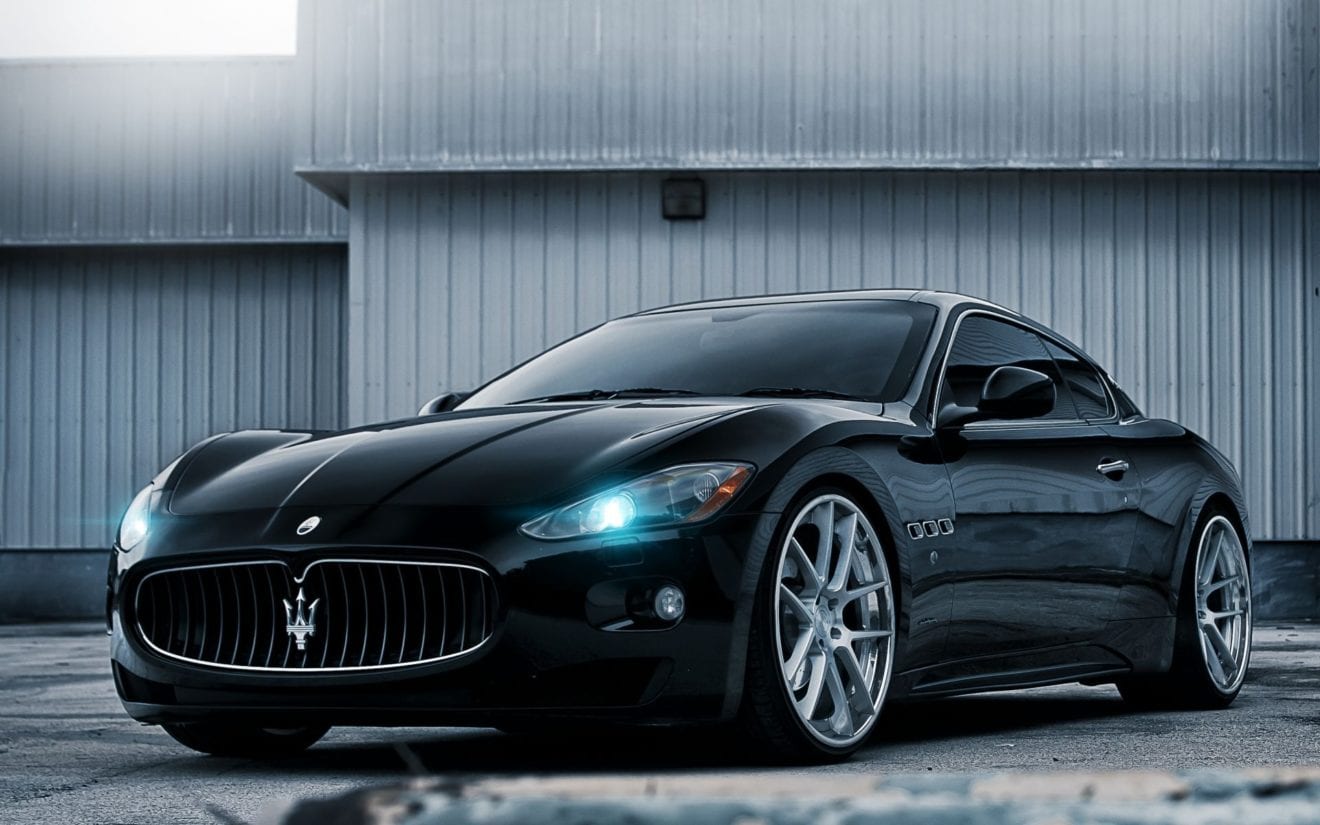
    Monetary car week is one event that sees plenty of limited edition and one-off models and automakers wait for this time to show some of their special cars to the world. Maserati has also seized the opportunity to unveil the limited edition models of the 2020 Quattroporte S Q4 Granlusso sedan and the Levante S GranSport SUV. Both models have been draped in Pelletessuta interior which makes the cabin look as opulent as it can get. They sport thin strips of Nappa leather which is woven together to replicate the traditional hand-woven fabrics. Maserati claims that it’s the only car company to offer such an exclusive interior, thanks to its longstanding partnership with Zegna.

    The cabin of both models sports thin strips of Nappa leather which is woven together to replicate the traditional hand-woven fabrics. The Quattroporte is finished in a custom ‘Blu Sofisticato’ metallic exterior paint and it features blue brake calipers, sport seats and dedicated Zegna Edition interior badge. The cabin of the Quattroporte is finished in Brown Pelletessuta interior trim and Maserati has specifically mentioned that this will be the only time this configuration will be available for purchase.

    The Levante S GranSport SUV is painted in an exclusive ‘Bronzo tri-coat’ color and gets all-black Pelletessuta interior along with Radica wood trim. The limited-edition Levante features black brake calipers and 21-inch polished Helos alloy wheels. Maserati has also said that this combination will be made for a limited time and it has no plans to do it again on any other model.

    The Levante S GranSport SUV is painted in an exclusive ‘Bronzo tri-coat’ color and gets all-black Pelletessuta interiors.

    The Italian carmaker will be making just 50 units of both models and will take orders on first come first serve basis. It has not announced any prices for the limited edition models and will be starting with the deliveries only in 2020.

  • Honda To Recall 222,674 Accord Vehicles In China

    Honda To Recall 222,674 Accord Vehicles In China

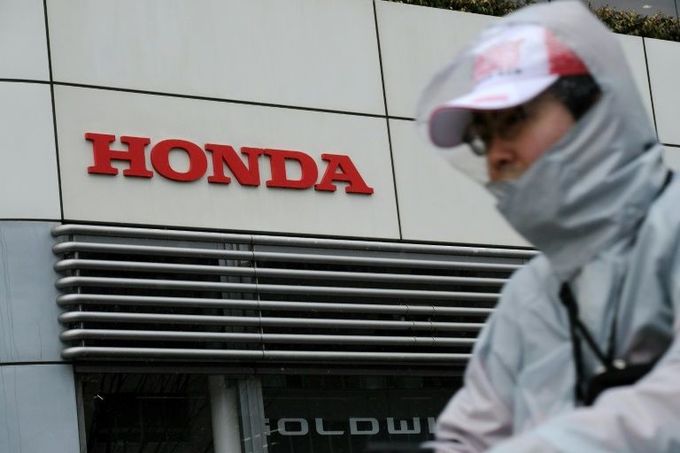
    Honda Motor Co Ltd’s venture with Guangzhou Automobile Group Co Ltd will recall 222,674 Accord sedans in China, market regulators said on Thursday, after recent complaints on social media about the car engine’s quality. The recall is linked to a problem caused by the intercooler of the car’s 1.5T turbocharged engine. In certain situations, the engine lost speed to protect the vehicle, according to a document on China’s State Administration for Market Regulation.

    Some owners of the Japanese carmaker’s iconic model have posted videos that showed their cars losing speed, on social media Weibo over the past weeks. Many of them have demanded for a recall of the model.

    The Guangzhou-based venture will install devices that optimize the air flow rate at the engine intercooler, according to the document.

    Total vehicle sales in China, the world’s largest auto market, fell for a 12th straight month in June, and top industry body has predicted them to fall for the second year running.

    However, Honda’s sales in China outperformed the overall market. In the first seven months of the year, its local ventures reported a 20.5% rise in sales due to newly revamped variants.

    Honda recalled hundreds of thousands of vehicles including popular Civic and CR-V last year, due to a cold-climate engine problem.

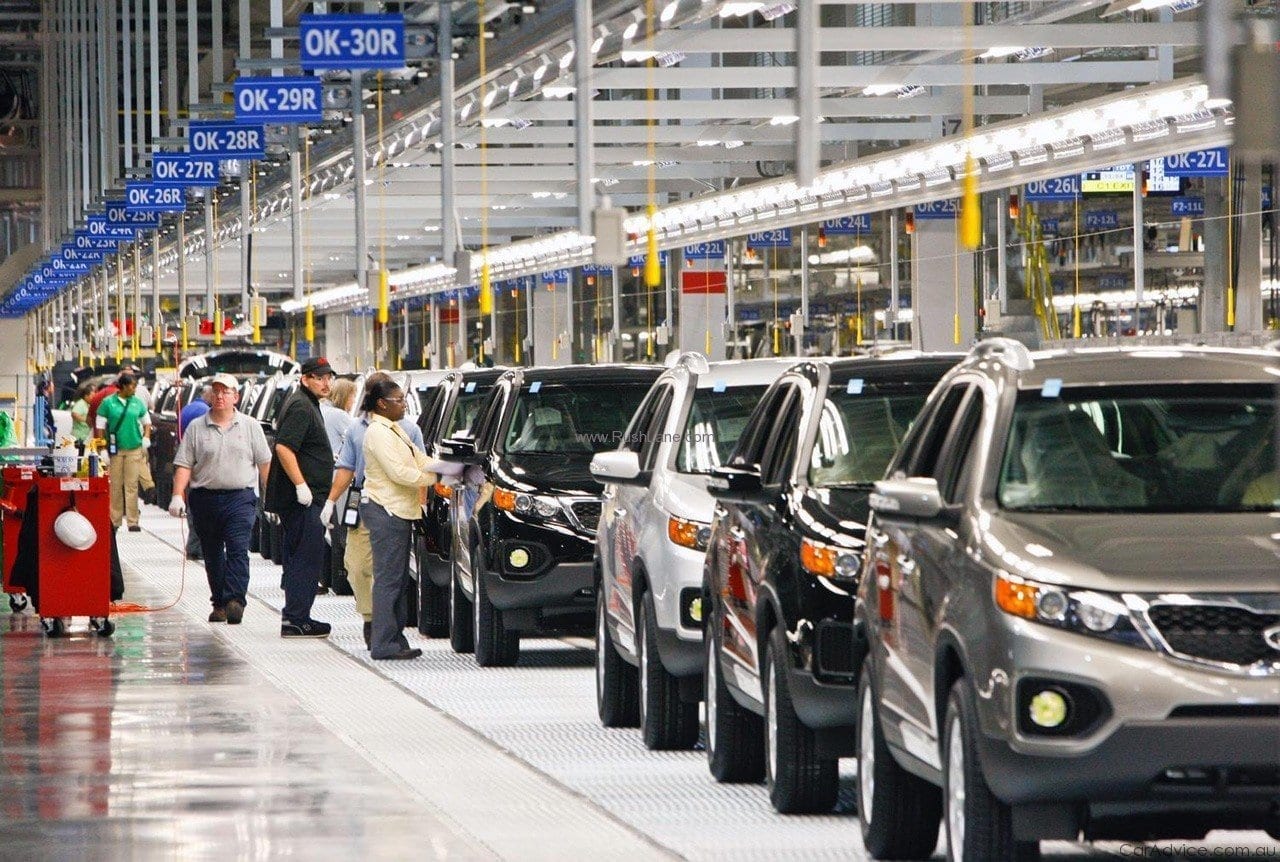
  • Auto Industry May Further Cut Production

    Auto Industry May Further Cut Production

    After denting the auto sector’s profitability, the consumption slowdown along with the upcoming shift to BS VI standards will further decelerate production, leading to eventual job losses. Industry insiders point out that slowdown, which is a culmination of high GST tax rates, farm distress, stagnant wages, and liquidity constraints, has led to the month-on-month sales de-growth. Besides, inventory pile-up at the dealership level and stock management of the unsold BS IV vehicles has become a problem for the sector.

    According to Grant Thornton India Partner Sridhar V., a further reduction in production due to the continuing de-growth in sales of passenger vehicles can be expected.

    “OEMs are exploring avenues to minimize cost at an operational level by deferring and tightening the spending rate,” Sridhar V. told IANS.

    “They also at times resort to production cuts to tide over this difficult phase.”

    Accordingly, the sales downturn assumes significance as the auto industry contributes to almost half of the manufacturing GDP and 11 percent of the total GST revenue.

    “With prolonged weak consumer demand, the inventories at dealer levels have peaked, necessitating production cuts by OEMs,” Richa Bulani, Senior Analyst, India Ratings & Research (Fitch Group), told IANS.

    “Production cuts may provide some short-term relief to dealers, it negatively affects the entire auto supply chain — OEMs, component suppliers, and dealers. Volume growth of components dependent on OEMs will be affected in the first half.”

    Recently, all major OEMs consisting of passenger, commercial, two and three-wheeler manufacturers have reported a massive decline in domestic sales.

    Figures from the Society of Indian Automobile Manufacturers (SIAM) showed that domestic passenger car sales in June went down by 24.07 percent to 139,628 units. The July figures are awaited.

    In the commercial vehicle segment, domestic sales were down by 12.27 percent to 70,771 units last month.

    The overall sales of two-wheelers, which include scooters, motorcycles and mopeds, edged lower by 11.69 percent to 1,649,477 units.

    In all, the total sales of the Indian automobile sector declined by 12.34 percent during June 2019 to 1,997,952 units across segments and categories.

    Consequently, sales slowdown led to a curtailment of manufacturing with the domestic passenger cars’ production coming down by 22.26 percent to 169,594 units from 218,167 units.

    Similarly, commercial vehicle production was down by 23.39 percent to 69,496 units last month. Overall two-wheelers’ production edged lower by 11.70 percent to 1,915,195 units.

    The total production of the Indian automobile sector declined by 12.98 percent during June 2019 to 2,336,138 units across segments and categories.

    “Tight control on production volumes will continue. Beyond the upcoming festive season when OEMs would expect to have sufficient volume in the channel, they would want to keep production volume output in check,” said Rahul Mishra, Principal, A.T. Kearney.

    “Volume liquidation pressures due to BS VI and the sluggish demand will not revive production output drastically for the next few months.”
  • Zoomcar Partners With Renault To Offer Kwid Hatchback

    Zoomcar Partners With Renault To Offer Kwid Hatchback

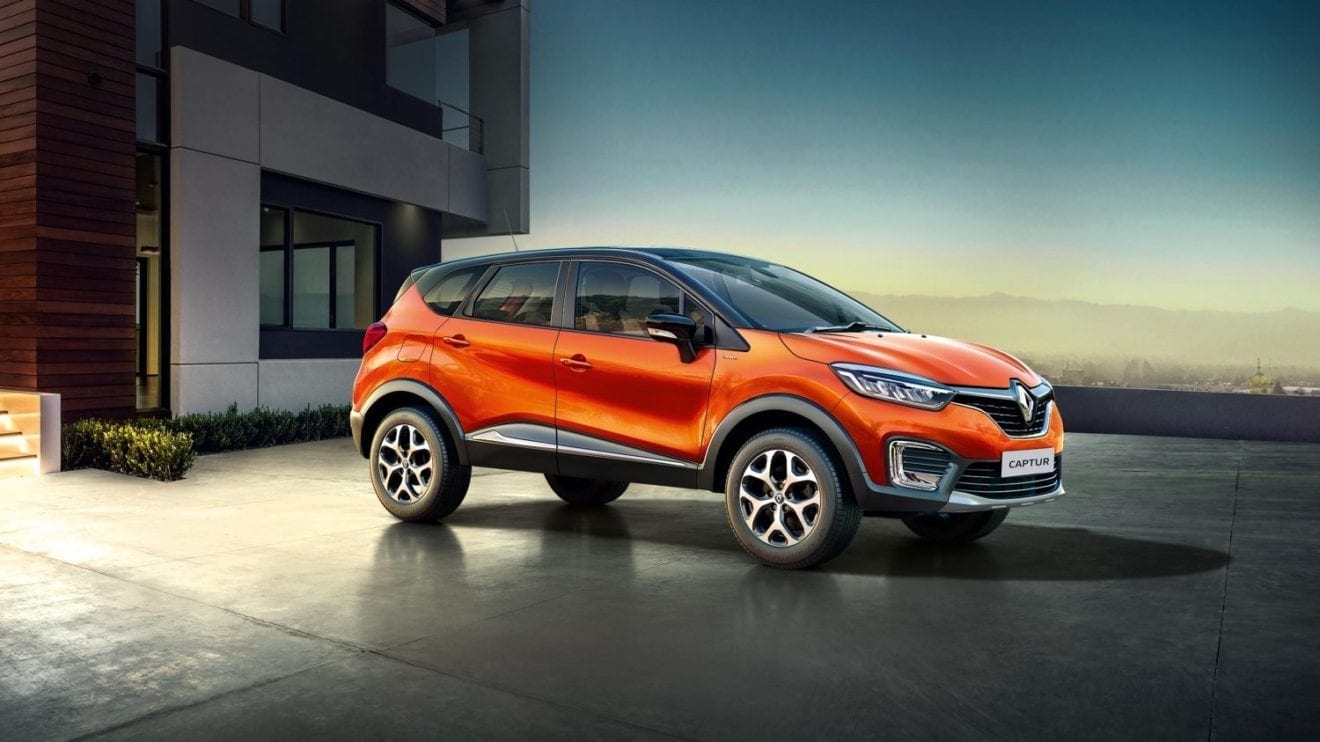
    Self-driving car rental platform Zoomcar has partnered with Renault India to offer the Kwid hatchback via its leasing program. Zoomcar users can now subscribe to the Renault Kwid at a monthly subscription of ₹ 14,999, and the company plans to add 1000 Renault cars to its fleet across India by next year for its 15 million users. Under Zoomcar’s leasing program – ZAP – subscribers ca share the car back on Zoomcar’s self-drive platform which can be used for self-drive bookings by its registered customers for short-term rentals.

    Speaking on the announcement, Greg Moran, Co-founder, and CEO, Zoomcar said, “We are a dedicated marketplace that is addressing a sizeable market void. Our constant endeavor is to keep on widening the automotive options available to our subscribers and Zoomcar users, might it be SUVs, Hatchbacks or sedans. To accomplish this overarching objective, we are getting into deep strategic partnerships with leading OEMs in India. We are grateful to Team Renault for joining hands with Zoomcar and cultivating a futuristic and dynamic business relationship.”

    As part of the partnership with Renault, Zoomcar will offer some of the company’s most popular models to its customers. While the association has kick-started with the Kwid, the firm will soon add the automaker’s range of SUVs and crossovers to its fleet, according to the statement. Zoomcar has a total of 25 car variants of different brands available under its regular rental model as well as its shared subscription mobility model.

    Zoomcar has partnered with a number OEMs recently including Volkswagen and Nissan, and is expected to announce a number of associations in the future. The leasing option helps customers reduce capital expense on purchasing a vehicle, while manufacturers also find volumes at one go. Zoomcar says the shared mobility segment promises limited liability and superior flexibility including the minimized cost of ownership that is making it attractive for the new-age car buyers.

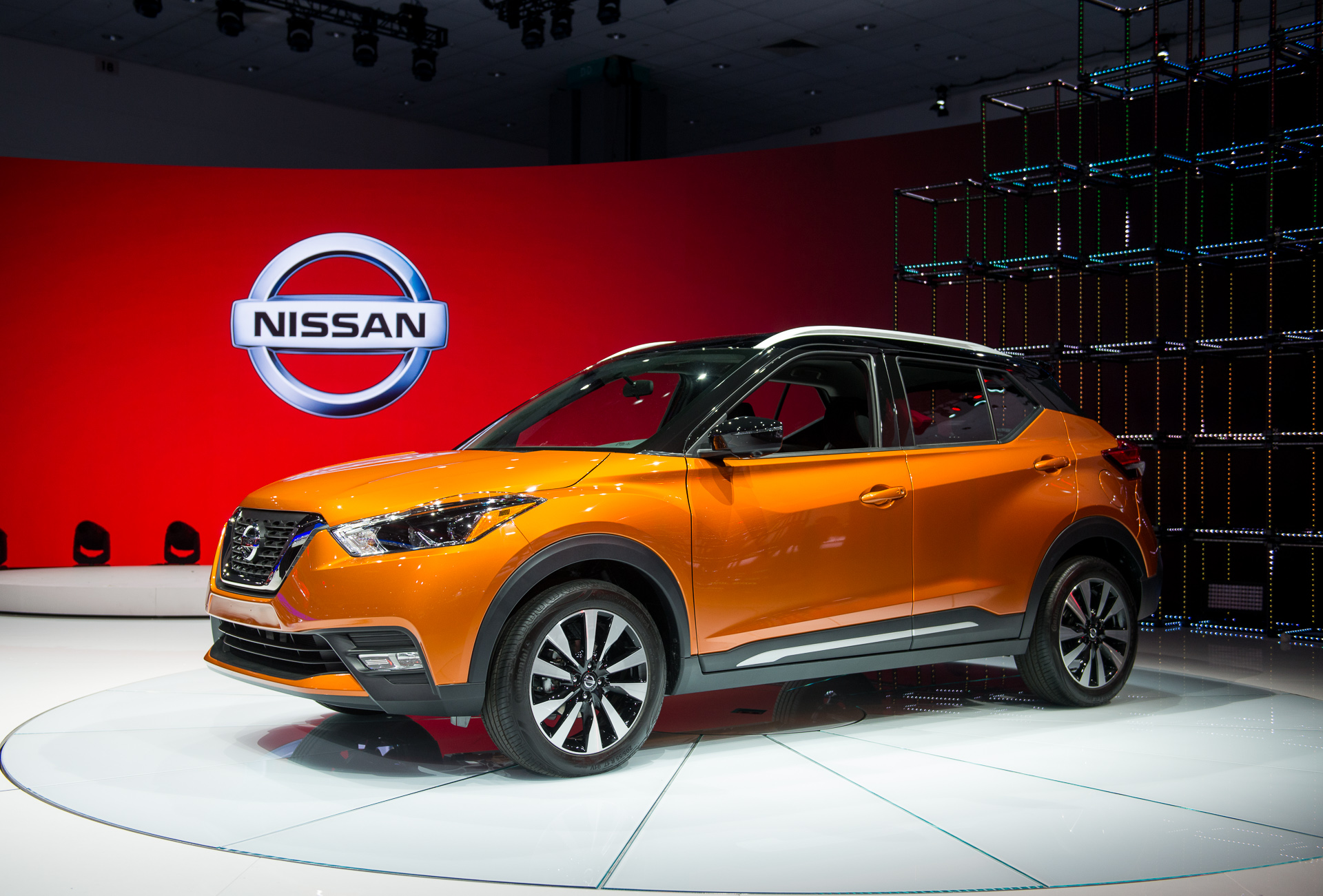
  • Nissan’s Q1 Profit Drops By 98.5%

    Nissan’s Q1 Profit Drops By 98.5%

    Nissan Motor Co unveiled its biggest restructuring plan in a decade, axing nearly a tenth of its workforce and flagging possible plant closures to rein in costs that ballooned when Carlos Ghosn was CEO.

    The cuts announced on Thursday followed a collapse in Nissan’s quarterly profit, highlighting how a crisis – brought about by sluggish sales and rising costs – is deepening at Japan’s No. 2 automaker in the wake of a financial misconduct scandal over Ghosn. Ghosn has denied the charges.

    The dismal quarter will pile pressure on Chief Executive Hiroto Saikawa, who has been tasked with shoring up the automaker’s performance at a time when the industry is struggling worldwide.

    China’s slowing economy, further depressed by a trade war with the United States, has hit demand, even as American consumer confidence has faltered.

    Tougher emission regulation has taken a the toll on diesel-car sales in Europe, and an increase in electric vehicle sales and ride-sharing has worsened a drop in sales at the world’s biggest carmakers.

    Ford Motor Co, the second-largest U.S. automaker, is also cutting 12,000 jobs and closing plants, while Daimler, Aston Martin and supplier Continental warned on profits this week.

    Nissan will reduce at least 12,500 positions globally by March 2023 – its deepest job cuts since 2009 – and slash production capacity, mainly of compact cars at underutilized plants abroad. The move will shrink its product line-up by about 10%, Saikawa said,

    The maker of the Rogue SUV crossover and the tiny, low-cost Datsun Redi-Go, had 138,000 employees as of March 2018.

    “We are mainly targeting sites where we made investments to produce compact cars under the Power 88 plan,” Saikawa told reporters at a briefing at Nissan headquarters, referring to an aggressive growth strategy spearheaded by Ghosn in 2011 to grab 8% global market share and an 8% operating margin.

    Nissan’s job cuts expand on redundancies initially announced in May, which affected eight facilities including in Spain – where trucks and vans are made – and Indonesia, where the March subcompact hatchback and Datsun models are manufactured.

    Nissan also produces compact car models at facilities including in Mexico, Russia, France, and Thailand.

    Roughly half the announced job cuts so far have cost the company around 40 billion yen, and further layoffs could cost about the same, chief financial officer Hiroshi Karube said.

    Years of heavy discounting and fleet sales, particularly in the United States, has left Nissan with a cheapened brand image and low vehicle resale values, and also hit profits.

    Nissan’s first-quarter operating profit plunged 98.5% to 1.6 billion yen ($14.80 million), its worst performance since a loss in the March 2008 quarter.

    “Profitability is very poor at the moment,” Saikawa said, but added that the company was pushing to achieve its revenue target of 14.5 trillion yen and operating margin of 6% through the end of fiscal 2022.

    The automaker said global vehicle production will fall 10% through the year to March 2023 while global sales till then will increase modestly to 6.0 million units annually from the current 5.5 million.

    The company maintained its profit forecast of 230 billion yen for the year ending March 2020, a 28% drop from last year and its weakest in more than a decade.

  • Niti Aayog Recommends Sale Of Only Electric Cars From 2030

    Niti Aayog Recommends Sale Of Only Electric Cars From 2030

    In another ambitious move, Niti Aayog has proposed that only electric vehicles should be sold in the country after 2030. Government’s think tank had earlier suggested banning all conventional three-wheelers and two-wheelers which are equipped with engines of up to 150 cc. According to Times Of India report, the committee has forward a cabinet note asking to assign roles to different ministries. Ministry of Road Transport And Highways (MoRTH) has been asked to work on a new framework to phase out the sale of diesel and petrol vehicles by 2030.

    That said, the proposal penned down by Niti Aayog is not only limited to vehicles and also talks about the infrastructure to push their sales. It suggests starting an e-Highway program with an overhead electricity network to facilitate operation for long distance trucks and busses. However, it has suggested piloting the project with selected National Highways which is likely to begin with the upcoming Delhi-Mumbai Expressway. Along with the electrification of national highways, Niti Aayaog has also proposed local manufacturing of 50 GWh batteries by 2030.

    In a bid to meet the target, Niti Aayog has also proposed extending financial incentives like cash subsidy on the basis of overall domestic value addition per kilowatt hour (KWh) which will be around Rs 8000 crore. If domestic manufacturing of batteries can be made possible, the maximum cash subsidy will go up to ₹ 2000 crore for up to 20 GWh per firm which will be for just one KWh for total value capture. The think tank is also planning to procure 10 lakh direct and indirect job opportunities if the proposal is implemented.

  • Hyundai And Kia To Invest In Self-Driving Start-Up Aurora

    Hyundai And Kia To Invest In Self-Driving Start-Up Aurora

    Hyundai Motor Co said on Thursday it would invest in self-driving car software startup Aurora along with Kia Motors Corp to speed up development of autonomous vehicle technologies.

    “With the new investment, the companies have agreed to expand research to a wide range of models and to build an optimal platform for Hyundai and Kia’s autonomous vehicles,” Hyundai said

    Aurora said in a blog post that Hyundai and Kia’s investment is part of a series B financing round, which has now raised more than $600 million.

    Aurora, which just announced a partnership with Fiat Chrysler Automobiles, competes with Alphabet’s Waymo and General Motors’ majority-owned Cruise, among others.

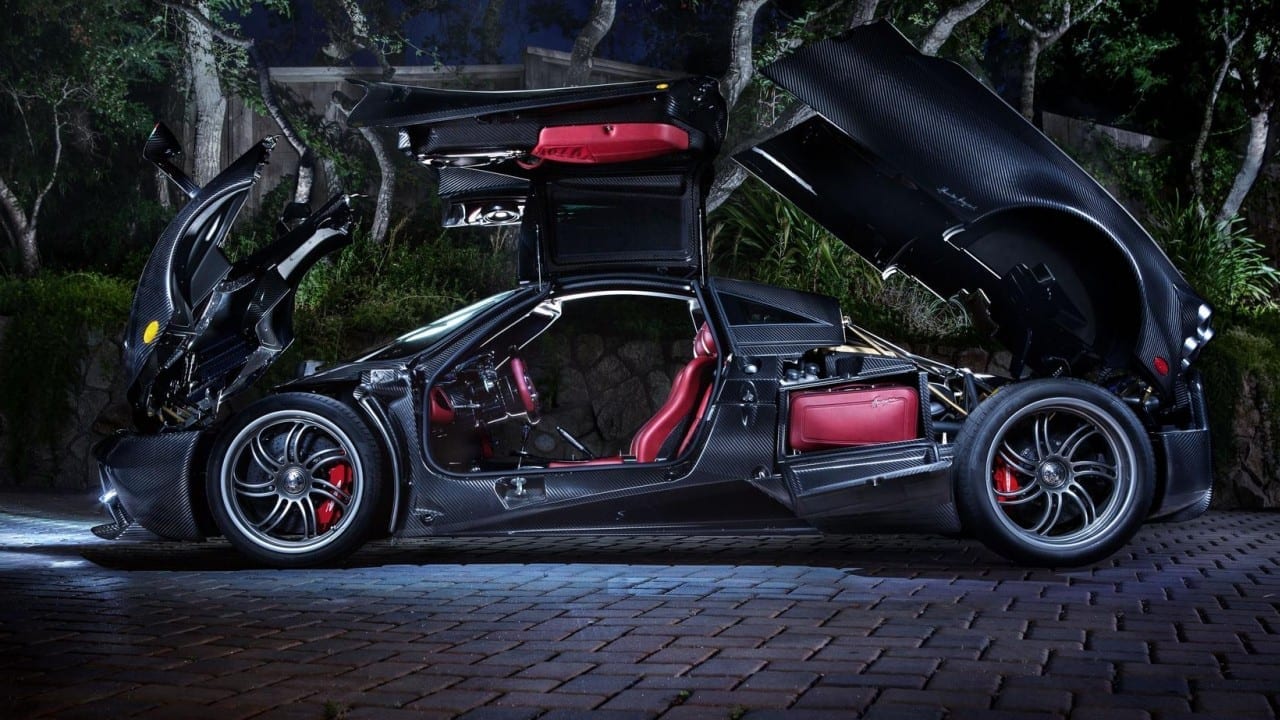
  • Vietnamese willing to Spend huge Amounts of Money on Super Cars

    Vietnamese willing to Spend huge Amounts of Money on Super Cars

    As many as  8,670 luxury cars of different kinds were sold in Vietnam in 2017, a decrease of 15 percent from 2016, according to one report. However, the amount of money spent on the cars was VND20 trillion.

    According to Choi Duk June, CEO of Mercedes Benz Vietnam, 150 Maybachs were delivered to Vietnamese buyers in 2017. The sales of Maybach in Vietnam are the highest in Southeast Asia.

    This is a luxury model of Mercedes-Benz with three versions in distribution in Vietnam, including Maybach S 400 priced at VND6.899 billion, Maybach S 500 VND10.999 billion and Maybach S 600 VND14.169 billion.

    When launching Maybach S 600 into the market in January 2015, Mercedes Benz then hoped it could sell 10 products a year. However, to its surprise, over 50 products were sold in the year.

    The figure was over 100 in 2016, and Vietnam remained the biggest buyer of Maybachs in 2017, leaving Indonesia, Thailand, Malaysia and Singapore far behind.

    It is estimated that over 300 Maybachs are rolling on Vietnam’s streets.

    The other luxury models also had very good sales. Over 500 S-Class products, priced at VND4-10 billion, were sold in 2017.

    However, the highest growth rate belonged to mid-end luxury models, priced at VND1.5-3 billion. A record number of 2,500 GLCs priced at VND1.939-2.209 billion was sold in 2017, placing GLC as one of the 15 best sellers in the market.

    The other luxury models which sold very well in 2017 included BMW’s Seri 3 and Seri 5, Audi’s A4 and Q5 and Lexus’ ES 250 and NX 200T.

    Car dealers in Vietnam say there is a switch in consumption from common products to mid-end products. A survey by Mercedes Benz found that car buyers tend to be younger.

    In 2014, the average age of car buyers was 42, while it was 39 in 2016 and 38 in 2017.

    Boston Consulting Group’s (BCG) survey showed that Vietnam is getting wealthy thanks to the strong rise of the middle class which has been growing more quickly than any other place in South East Asia.

    Those who have monthly income of $714 and more are classified as middle class. Vietnam expects to have 33 million middle class people by 2020.

    According to the Vietnam Automobile Manufacturers’ Association (VAMA), a total of 272,750 automobile units were sold in 2017, down 10 percent yearly.