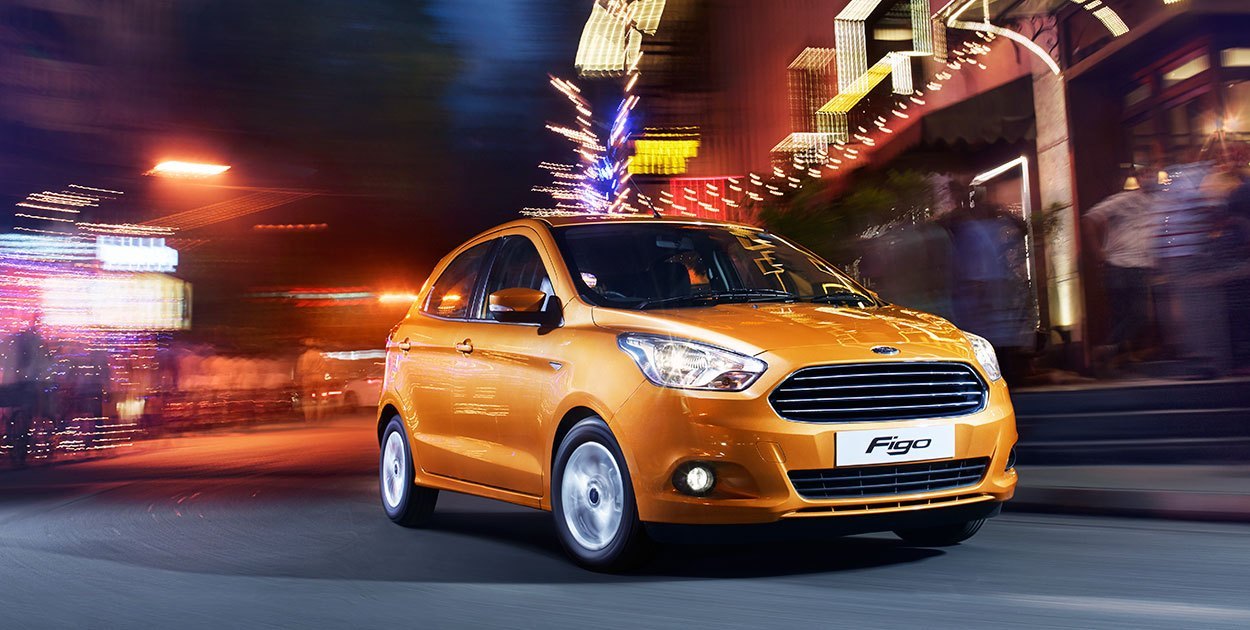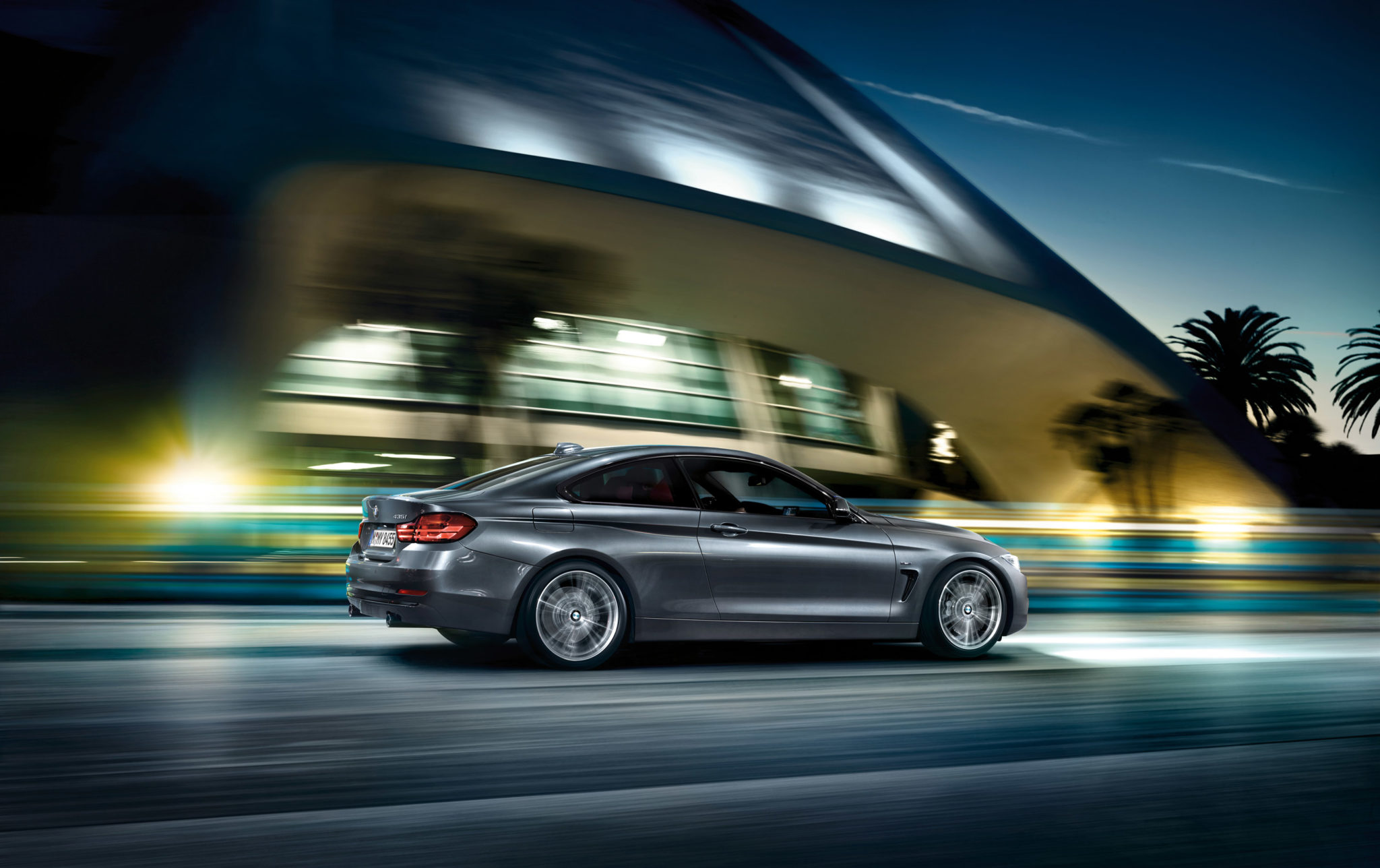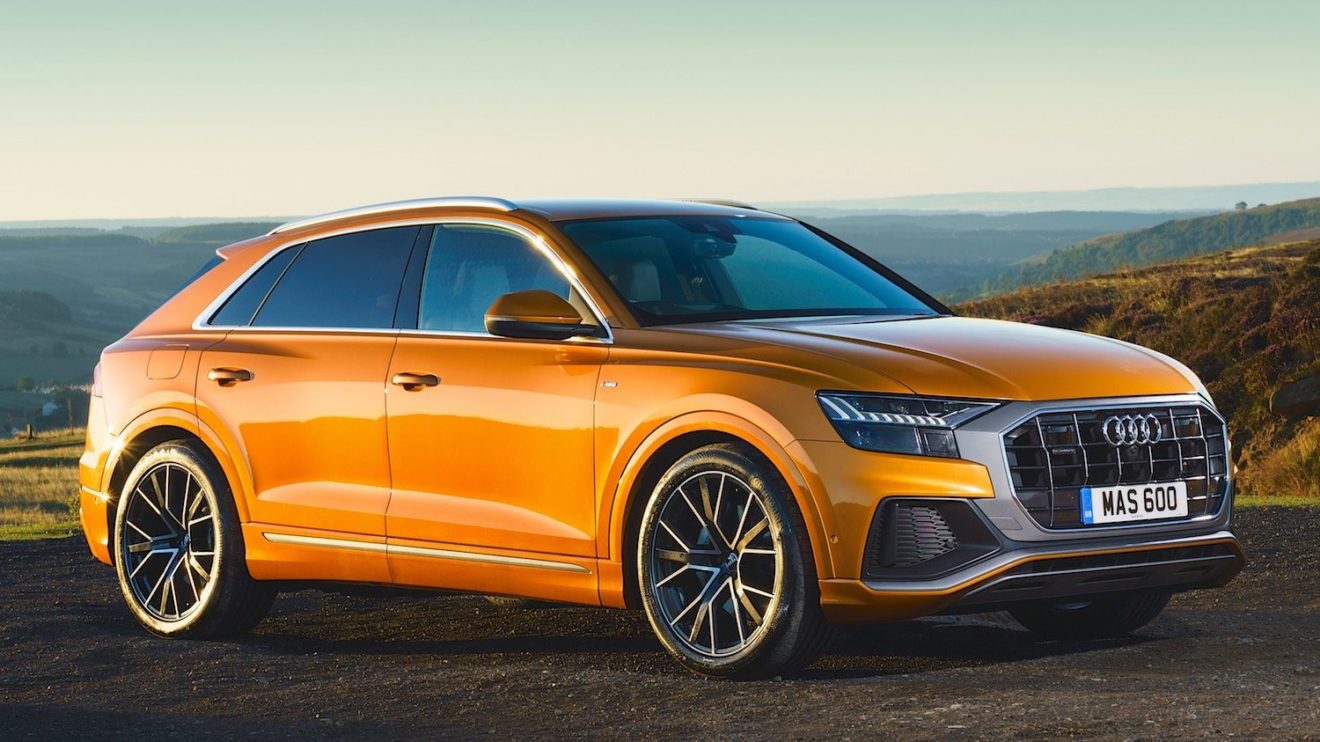
Tag: car news

  • Vietnam’s Auto Market Zooms Ahead as January Sales Skyrocket by 95%

    Vietnam’s Auto Market Zooms Ahead as January Sales Skyrocket by 95%

    In January, member companies of the Vietnam Automobile Manufacturers’ Association (VAMA) experienced a substantial increase in sales, with 36,875 vehicles sold. This represents a 95% growth from the same time the previous year.

    Breakdown of Sales

    The majority of the sales were passenger cars, with 26,102 units sold, according to data published by VAMA. Commercial vehicles also saw significant sales with 10,312 units, while special-purpose vehicles accounted for 461 units.

    A low-base effect was identified as a major contributing factor to this sharp increase. The latter half of January last year coincided with the lead-up to the Lunar New Year (Tet), a time when Vietnamese consumers typically curb spending on large purchases such as automobiles.

    Domestic Assembly and Imports

    The recovery observed was evenly split between domestic assembly and imports. Sales of locally produced completely knocked-down vehicles rose by 98% year-on-year to 18,034 units, while fully built-up imports saw a 93% increase, reaching 18,841. This narrow difference indicates a robust resurgence in both local production and imported vehicle supply.

    Top Brands

    Ford Vietnam topped the list of VAMA brands with 5,121 units sold, narrowly beating Mitsubishi’s 5,039 and Toyota Vietnam’s 4,852. THACO-distributed brands completed the top five, with THACO Mazda and THACO Kia selling 3,515 and 3,487 units respectively. The leading brands benefited from robust line-ups in SUV, crossover, MPV and pickup segments.

    The most popular models demonstrate a continued consumer preference for high-ground-clearance and multi-purpose vehicles. The Mazda CX-5 was the top seller with 2,104 units, followed by the Mitsubishi Xforce at 1,666. Ford’s pickup and SUV lineup also saw strong sales.

    Market Overview

    The VAMA data only represents part of the overall market, as several non-member brands do not publicly release their sales figures. Hyundai Thanh Cong separately reported sales of 5,872 units, while VinFast, a leading player in the electric vehicle market, has not yet disclosed its January data.

    However, the pronounced growth reported by VAMA members signals improving market conditions. This is likely due to increased consumer confidence, a rise in travel and logistics activity, and a more supportive economic environment.
    Questions & Answers

    What was the main factor contributing to the surge in automobile sales in Vietnam?
    The main factor was a low-base effect due to reduced spending in the same period of the previous year, which coincided with the lead up to the Lunar New Year.

    Which brands led in sales among VAMA member companies?
    Ford Vietnam led in sales among VAMA member companies, followed by Mitsubishi and Toyota Vietnam.

    What does the strong sales growth indicate about the market conditions?
    The substantial growth in sales suggests improving market conditions, boosted by increased consumer confidence, a rise in travel and logistics activity, and a more supportive economic environment.
  • Vietnam Mobility Show 2025: Pioneering Green Technology In The Automotive Industry

    Vietnam Mobility Show 2025: Pioneering Green Technology In The Automotive Industry

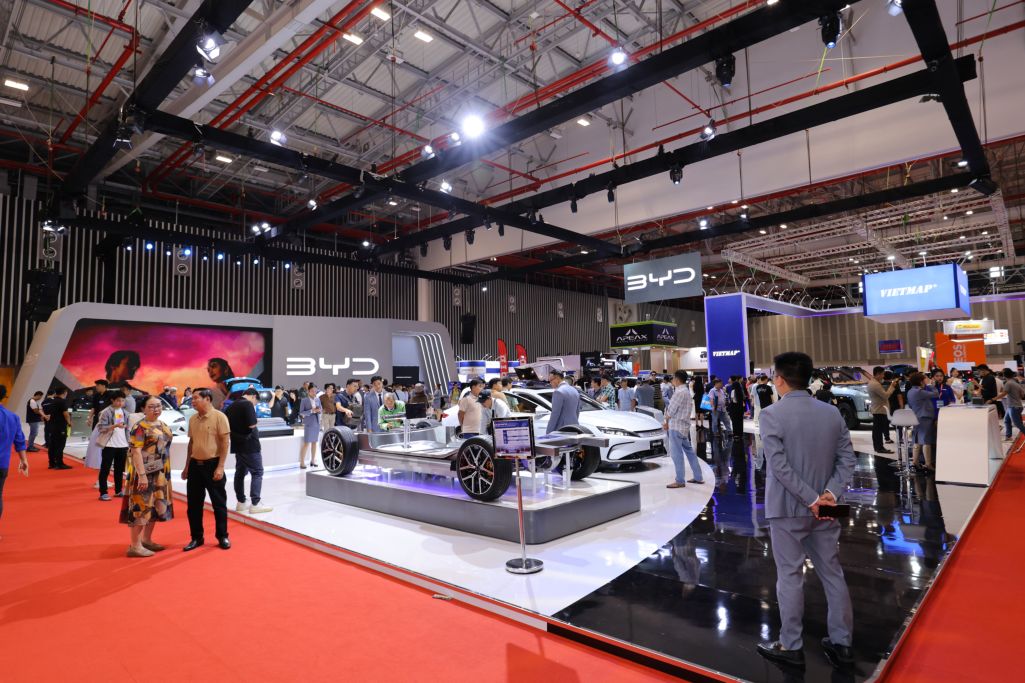
    The Vietnam Mobility Show 2025 is slated to take place in Hanoi from December 26 to 28. This event will present the latest models of cars, motorbikes, and accessories, showcasing cutting-edge technologies and sustainable practices in the automotive industry.

    Eco-friendly Focus

    The show will prominently feature car brands that are employing green technologies and utilizing environmentally friendly materials in an effort to decrease emission and fuel consumption. Aiming to address the pressing environmental issues of our time, the event will also host a seminar titled “Removing Barriers to Accessing Green Vehicles”. This session will gather car manufacturers, distributors, and authorities to discuss viable solutions, goals, and roadmaps for the widespread use and development of electric, hybrid, and other eco-friendly vehicles in Vietnam.

    Experience the Latest Models

    One of the most eagerly awaited components of the exhibition is the test-drive program. Visitors will have the opportunity to experience the latest models, especially those with high performance, on specially designed tracks. Each brand is set to bring a broad range of vehicles for test drives, minimizing wait times for participants.

    Highlighting Electric Motorbikes

    Electric motorbikes will be a vital part of the event, as cities like Hanoi and Ho Chi Minh City are planning to restrict the use of internal-combustion vehicles. This focus on sustainable transportation options aligns with the exhibition’s broader goal of assisting consumers in making educated decisions about their vehicle preferences by blending viewing with test-drive experiences.

    A Celebration for Enthusiasts

    Not just an exhibition, the Vietnam Mobility Show 2025 is also a festival for vehicle enthusiasts and families. The event will feature a dedicated zone for high-performance vehicles, alongside areas for services, accessories, and food. With safety and education in mind, demonstrations on safe charging and how to assist children in escaping from a locked car will be conducted. The event is expected to draw hundreds of thousands of visitors.

    Questions & Answers

    What is the aim of the Vietnam Mobility Show 2025?
    The show aims to present the latest models of cars and motorbikes, spotlighting brands that employ green technologies and sustainable materials. It also seeks to educate visitors, offering test-drive experiences and safety demonstrations.

    What is the focus of the seminar “Removing Barriers to Accessing Green Vehicles”?
    The seminar will bring together manufacturers, distributors, and authorities to discuss strategies, goals, and roadmaps for the development and adoption of electric, hybrid, and other eco-friendly vehicles in Vietnam.

    What experiences will be offered at the event?
    Visitors will have the opportunity to see and test drive the latest car and motorbike models, especially electric and high-performance vehicles. The show will also provide safety demonstrations and various services, accessories, and food options.

  • VinFast Smashes Sales Record in November with Unprecedented Delivery of Electric Vehicles

    VinFast Smashes Sales Record in November with Unprecedented Delivery of Electric Vehicles

    VinFast, a leading automaker, reported a record-breaking delivery of 23,186 electric vehicles in November. This figure contributes to the company’s impressive tally of 147,450 units supplied since the start of the year, reinforcing its dominant position in the market.

    Driving Success:

    VinFast’s Green line, particularly the Limo Green model, spurred the company’s sales in November. The Limo Green model alone achieved the highest monthly sales for any single VinFast model, with 9,642 units delivered.

    After-Sales Service Expansion:

    Alongside its escalating sales, VinFast is also expanding its service network. By November, the company had inaugurated its 350th service workshop and is ambitiously aiming for a total of 400 by the end of the year. This progress solidifies VinFast’s status as the automaker with the most extensive after-sales network in Vietnam.

    December Deliveries:

    VinFast has significant plans for December. The company is set to commence deliveries of the mini EC Van and the four-seat Minio Green, indicating its ambition to fortify its presence in the rapidly expanding Vietnamese electric vehicle market.

    Questions & Answers

    What was a significant contributor to VinFast’s sales record in November?
    The Green line, particularly the Limo Green model, significantly contributed to VinFast’s sales record in November.

    How is VinFast expanding its after-sales service?
    VinFast is expanding its after-sales service by increasing the number of its service workshops. The company had inaugurated 350 service workshops by November and aims to reach 400 by the end of the year.

    What are VinFast’s plans for December?
    In December, VinFast plans to begin deliveries of the mini EC Van and the four-seat Minio Green to strengthen its presence in the electric vehicle market.

  • Nissan India Celebrates Export of 1.2 Million Vehicles: Triumph for Made-in-India Cars Globally

    Nissan India Celebrates Export of 1.2 Million Vehicles: Triumph for Made-in-India Cars Globally

    Nissan India Reaches Export Milestone

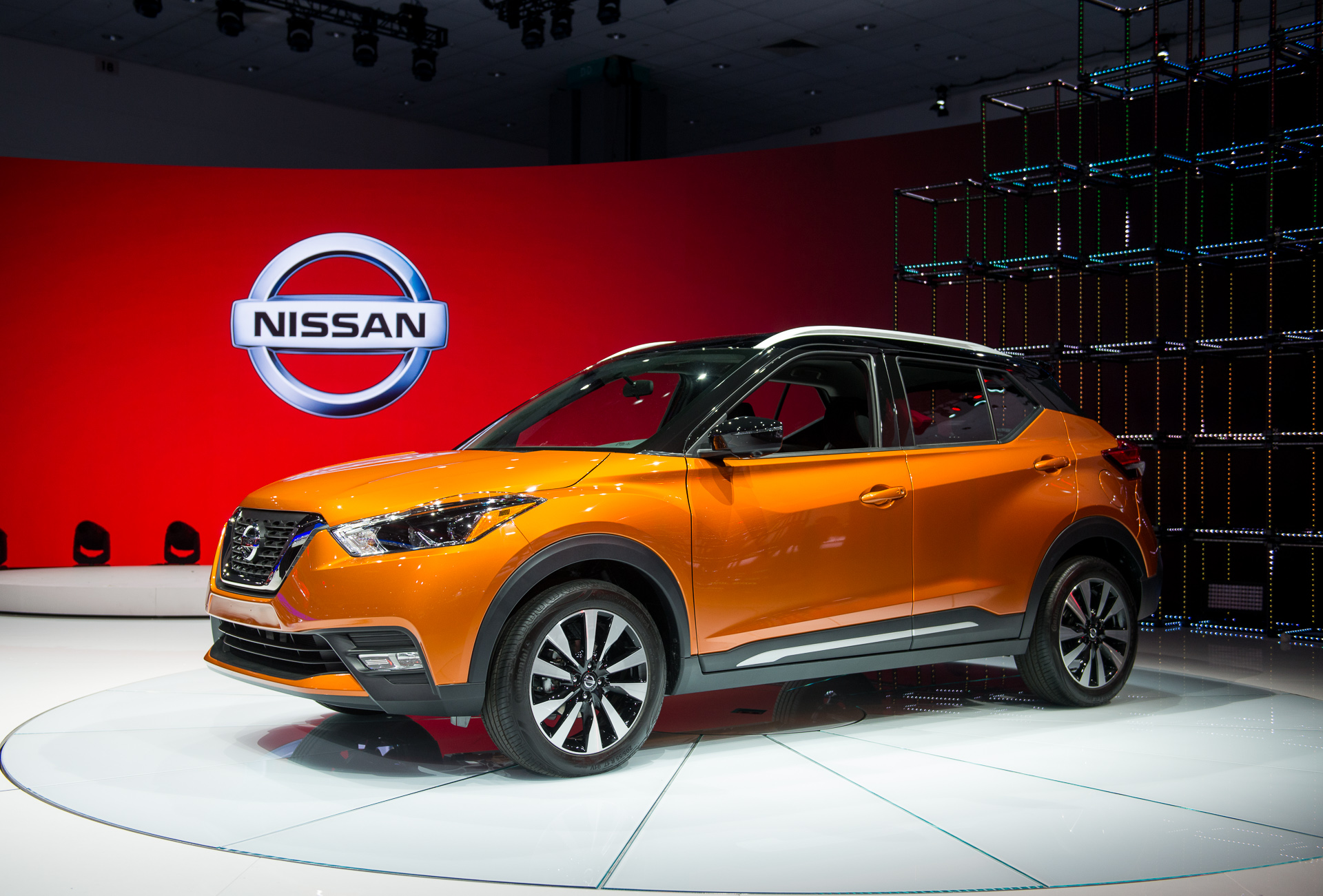
    Nissan India has marked a significant achievement with the announcement of its 1.2 millionth vehicle export. The Japanese automotive company has primarily centred its focus on the Magnite model, with occasional offerings of fully imported models such as the X-Trail. Nissan India exports vehicles to the AMIEO region, comprising Africa, Middle East, India, Europe, and Other markets.

    The milestone vehicle, a Magnite, is destined for the Gulf Cooperation Council (GCC) region. It was officially unveiled by Saurabh Vatsa, the Managing Director of Nissan Motor India, at Kamarajar Port in Ennore, Tamil Nadu. While the Magnite has been the mainstay, Nissan India has a history of exporting various models. These include the Sunny, Kicks, and Micra, which have been shipped to regions such as Africa, the Middle East, Latin America, and Southeast Asia.

    Changes in Model Exports Over Time

    Over time, however, these models were phased out due to lacklustre sales performance following the introduction of BS6 emission standards. At present, the Magnite is exported to 65 countries and is available in both left-hand (LHD) and right-hand (RHD) drive versions.

    Saurabh Vatsa, Managing Director, Nissan Motor India, commended this achievement, attributing it to the collective efforts of their teams and the global trust in their Made-in-India cars. He stated, “The Nissan Magnite continues to be a global success story, representing our focus on design, quality, and innovation that transcends borders.”

    Updates to the Magnite Model

    In December of the previous year, Nissan introduced a minor facelift to the Magnite, including subtle cosmetic changes and additional features. However, the mechanical aspects of the vehicle remain the same. The Magnite is offered with two petrol engine options: a 1.0-litre naturally aspirated engine and a 1.0-litre turbocharged engine. The former delivers 72 bhp and 96 Nm of peak torque, while the latter offers 99 bhp and 160 Nm (or 152 Nm with automatic transmission) of torque.

    Questions & Answers

    What milestone has Nissan India recently achieved?
    Nissan India has recently announced the export of its 1.2 millionth vehicle.

    Which regions does Nissan India export its vehicles to?
    Nissan India exports its vehicles to the AMIEO region, which includes Africa, the Middle East, India, Europe, and other markets.

    What changes were made to the Nissan Magnite in its latest update?
    In its latest update, the Nissan Magnite received a mild facelift with subtle cosmetic enhancements and additional features. The mechanical aspects of the vehicle, however, remain unchanged.

  • Rolls-royce Unveils Phantom Centenary Collection: An Exquisite Tribute To A Century Of Automotive Excellence

    Rolls-royce Unveils Phantom Centenary Collection: An Exquisite Tribute To A Century Of Automotive Excellence

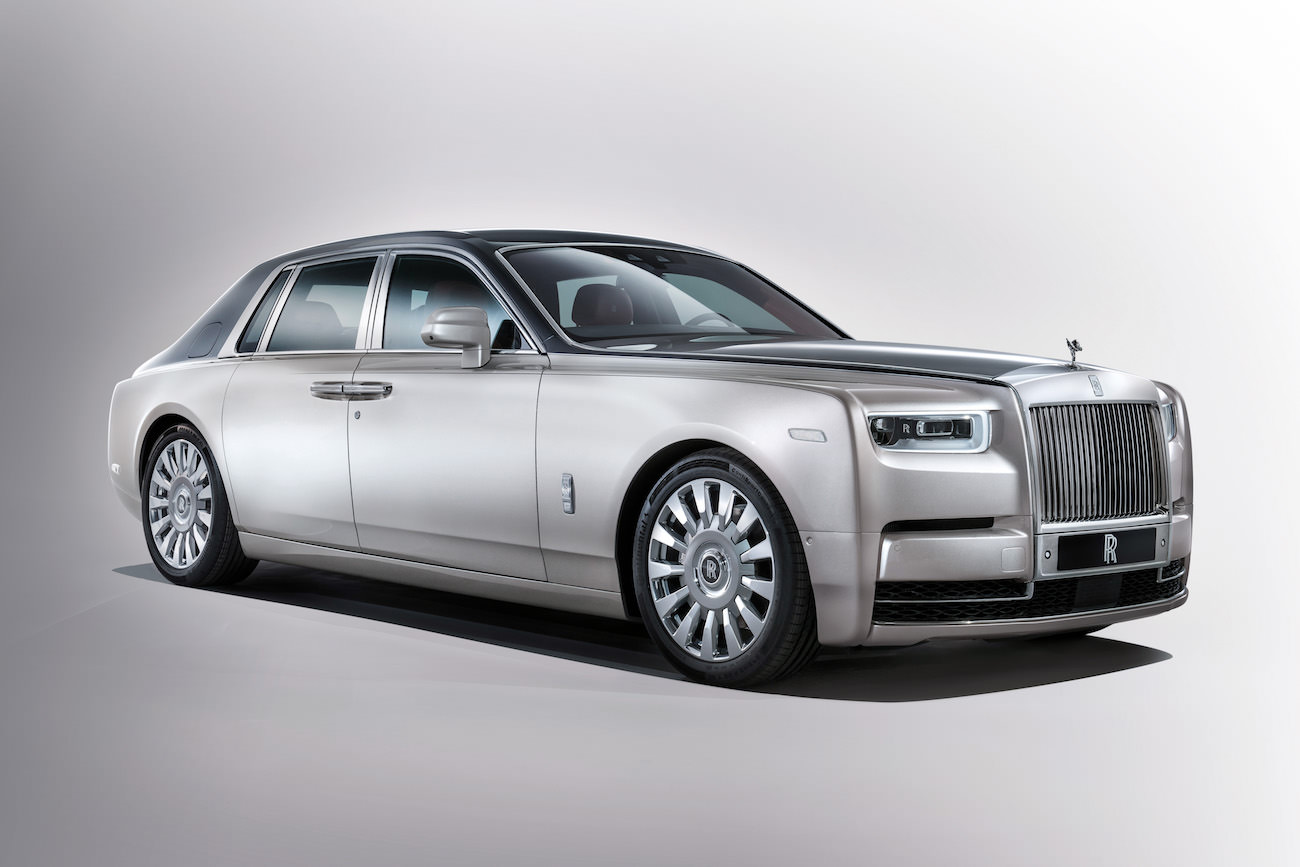
    Rolls-Royce has introduced the Phantom Centenary Private Collection, a 25-unit series based on the Phantom, in celebration of the model’s 100th anniversary. The automaker describes the collection as the most intricate and technologically advanced private series it has ever produced, with more than 40,000 hours dedicated to its development.

    Exterior Design

    The exterior of the Centenary Private Collection is completed in a classic Black & White style. The paint finish is further enhanced with Rolls-Royce’s Super Champagne Crystal finish, which incorporates champagne-coloured iridescent glass flakes in the clear coat to add an additional layer of depth. The Spirit Of Ecstasy hood ornament is influenced by the original design and is made from 18-carat gold with a 24-carat gold plating. The hood ornament also carries a custom ‘Phantom Centenary’ hallmark from the Hallmarking & Assay Office in London, while the base is completed in enamel. The Rolls-Royce badges and unique ‘Phantom’ wheels are finished in 24-carat gold and white enamel.

    Interior Inspiration

    The interior of the car draws from past Phantom models and honors the company’s founders. The rear seats, inspired by the ‘Phantom of Love’, a custom-made model from 1926, feature artwork embedded into the seat upholstery. This artwork highlights the Phantom’s history and includes depictions of the company’s original Conduit Street premises in London, special Phantom models, and significant Phantom owners over the past century. The seat artwork is a result of a 12-month collaboration with a fashion atelier.

    Thoughtful Details

    The front seats feature laser-etched upholstery with artwork referencing codenames of past Phantoms. The gallery includes 3D-printed brushed aluminium fins arranged vertically, each bearing sculpted letters that form quotes from various reviews over the years. This artwork is backlit, with the lighting programmed to mimic the shimmer of fireworks.

    The doors also showcase remarkable craftsmanship. The rear doors feature artwork depicting landscapes where Sir Henry Royce, the company’s co-founder, had his summer and winter homes, achieved through 3D ink layering, laser etching, and 24-carat gold inlays. The front doors present a depiction of the Goodwood-era Phantom’s Journey across Australia.

    Attention to Every Inch

    Not to be overlooked are the seatback tables, one of which features a wood-inlay representation of the 1925 Phantom 1, while the other shows the current model. This artwork is also carefully embroidered onto the leather-finished back of the table. The Starlight headliner displays floral artwork inspired by the trees at the company’s Goodwood headquarters and references to prior Phantoms.

    Even the engine bay features a bespoke white-finished engine cover with gold inlays, highlighting Rolls-Royce’s attention to detail and commitment to luxury.

    Questions & Answers

    What is the Phantom Centenary Private Collection?
    The Phantom Centenary Private Collection is a 25-unit series based on the Rolls-Royce Phantom, produced to celebrate the nameplate’s 100th anniversary.

    What unique features does the collection have?
    The collection is characterized by its intricate artwork, lavish materials, and advanced technologies. Key features include the Super Champagne Crystal finish, laser-etched upholstery, 3D-printed gallery artwork, and numerous gold inlays.

    What inspired the design of the collection?
    The collection draws inspiration from past Rolls-Royce Phantom models and pays homage to the brand’s founders. The unique artwork embedded into the interior of the cars references the history of the Phantom and the landscapes connected to the company’s co-founder, Sir Henry Royce.

  • Ferrari Unveils SC40 Supercar: A Modern Tribute To The Iconic F40

    Ferrari Unveils SC40 Supercar: A Modern Tribute To The Iconic F40

    The esteemed Italian automobile manufacturer, Ferrari, has recently unveiled its latest creation, the SC40 supercar, in Maranello. This unique model is the latest addition to the Special Projects Program and draws its inspiration from the iconic F40 supercar. An exclusive client specifically commissioned the SC40, which is modeled after the mid-rear-engined 296 GTB. It shares its structural design, rear-wheel drive chassis, and V6 turbo-hybrid powertrain with the 296 GTB.

    The Power Behind the SC40

    The Ferrari SC40 employs the same powertrain and chassis as the 296 GTB. This indicates that the SC40 is equipped with a potent 3.0-liter V6 engine, capable of generating up to 830 horsepower in its hybrid configuration.

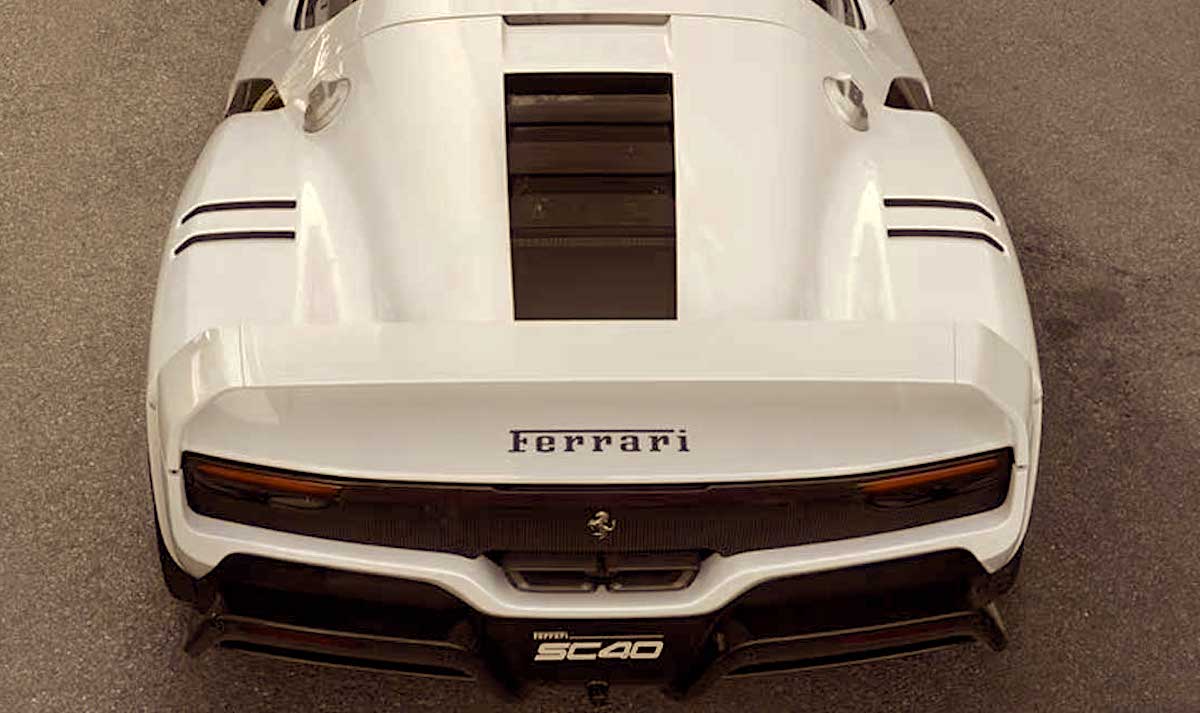
    While the SC40 and the 296 GTB share the same power unit, the SC40 stands out with distinct visual features that pay homage to the F40 supercar. These include smoked Lexan louvres and an open-mesh rear face that serves to cool the turbocharged engine. In addition, the SC40 insignia is etched in relief on the side of the rear wing. The side profile is marked by triangular carbon-fiber accents and large intercooler air intakes, which are modern reinterpretations of the classic NACA ducts and louvres that defined the F40’s design.

    Modern Design Meets Classic Aesthetics

    Directed by Flavio Manzoni at the Ferrari Styling Center, the SC40 is a harmonious blend of classic design elements and contemporary aesthetics. Although the SC40 is inspired by the F40, Ferrari asserts that it has a number of unique distinguishing features. These include vertical lines that shape the front wings, door cuts, and engine cover. The front of the SC40 is characterized by headlights positioned at the outer corners of the bonnet, a full-width lower air intake, and rectangular brake intakes. The car is finished in a bespoke Bianco SC40 paint, which completes the exterior transformation.

    The F40 was one of the first cars to utilize carbon-Kevlar, and this material has made a return in the SC40, being used in areas such as the footwells, behind the seats, and on the steering wheel and dashboard. The interior also boasts charcoal Alcantara and red Jacquard fabric, imparting a sporty feel with a high-end, race-inspired touch.

    Questions & Answers

    What is the power output of the Ferrari SC40?
    The Ferrari SC40 features a 3.0-liter V6 engine capable of generating up to 830 horsepower in its hybrid configuration.

    What are some unique features of the Ferrari SC40?
    The SC40 stands out with distinct visual features that pay homage to the F40 supercar. These include smoked Lexan louvres, an open-mesh rear face, triangular carbon-fiber accents, large intercooler air intakes, and a bespoke Bianco SC40 paint finish.

    What materials are used in the interior of the Ferrari SC40?
    The SC40’s interior uses carbon-Kevlar in areas such as the footwells, behind the seats, and on the steering wheel and dashboard. The cabin also features charcoal Alcantara and red Jacquard fabric.

  • Tata Motors Restructures Into Two Entities, Aiming For Enhanced Business Focus

    Tata Motors Restructures Into Two Entities, Aiming For Enhanced Business Focus

    In a major strategic move, Tata Motors has announced a significant restructuring of its company. As of October 14th, the company was divided into two separate entities – Tata Motors Passenger Vehicles and TML Commercial Vehicles. Despite the split, the passenger vehicles division remained listed on the stock exchange under the name “Tata Motors.” However, this will change as of October 24th when the name will officially become “Tata Motors Passenger Vehicles,” complete with a new logo.

    Consolidation of Commercial Vehicle Division

    Tata Motors has also unveiled plans to consolidate its Commercial Vehicle (CV) division and all associated investments under one dedicated entity. Concurrently, the Passenger Vehicle (PV) business and its related assets will be placed in a separate company. This move is intended to streamline operations and create a sharper focus on the different business segments.

    The restructuring has had a notable impact on the company’s share price, which has seen a significant drop since the division was announced. This change, however, reflects the separation of the commercial vehicle business rather than a reduction in investor value.

    Specialized Entities for Robust Operations

    The restructuring has led to the formation of two specialized entities. Tata Motors Passenger Vehicles Limited will be responsible for cars, SUVs, EVs, and the Jaguar Land Rover business. In contrast, the newly formed Tata Motors Limited will concentrate exclusively on commercial vehicles like trucks, buses, and pickups. This strategic split is intended to enhance business focus and unlock greater value in India’s vibrant automotive sector.

    The newly formed Tata Motors Commercial Vehicles Limited (TMLCV) is set to be renamed Tata Motors Limited once the necessary regulatory approvals have been secured. Until then, TMLCV shares will remain unlisted, a process that typically takes between 45 to 60 days. Meanwhile, the previous derivative contracts expired on Monday, and fresh F&O contracts for Tata Motors Passenger Vehicles Limited (TMPVL) started trading on Tuesday. However, TMLCV won’t be available for F&O trading immediately.

  • Ferrari Unveils Unique Sound Strategy For First Electric Vehicle: Authenticity Over Simulation

    Ferrari Unveils Unique Sound Strategy For First Electric Vehicle: Authenticity Over Simulation

    Ferrari is on the brink of releasing its debut electric vehicle, causing mixed feelings amongst fans of the brand. Despite some concerns surrounding the introduction of an electric offering, the Maranello-based automaker is making concerted efforts to ensure that all aspects of the vehicle are perfected. Among these, significant attention is being given to the vehicle’s sound, which had been rumored to mimic that of a traditional internal combustion engine. Ferrari, however, has been transparent about its approach to the sound of their forthcoming electric model.

    Ferrari’s Authentic Sound Approach

    In a clear stance, Ferrari has dismissed the concept of simulating engine noises for their electric vehicle. Instead, the luxury car maker aims to embrace what it refers to as the ‘authentic’ sound of the motor. The company further expressed its intention to enhance the auditory output of the power units.

    If Ferrari can realize this goal, it could mark a significant moment within the automotive industry. Other traditional car manufacturers have grappled with the challenge of creating a satisfactory sound experience for electric vehicles. This comes in light of the absence of the familiar rumble found in performance vehicles powered by gasoline engines.

    Automakers have made numerous attempts at curating suitable sounds for electric vehicles to date. Notable examples include Dodge’s efforts using what was termed a “Fratzonic Chambered Exhaust”. In contrast, other manufacturers have opted to leave the natural sound of the electric motors untouched. Ferrari, however, is pursuing a unique strategy.

    Finding Inspiration in Unexpected Places

    The solution to Ferrari’s acoustic challenge was found in the unlikely form of an electric guitar. Inspired by the instrument’s engineering, Ferrari plans to capture and then enhance the vibrations generated by the drivetrain components. This optimal balance will be attained through a highly sensitive sensor positioned on the rear axle. This sensor will pick up the frequencies of the powertrain and amplify them, projecting the sound into the vehicle’s environment.

    The design approach specifically employs an accelerometer to capture vibrations from the drive unit, which are subsequently amplified to match the sound of the electric motor. Ferrari asserts that the resulting sound will provide practical utility, offering valuable feedback to the driver.

    Ferrari further clarified that the latency between the vibrations and sound is imperceptible to the human ear. During high-speed driving, the driver will be able to hear the motor accelerate, regenerate, or even disengage. This is due to the front motors of the forthcoming Elettrica model, which are designed with a disconnect feature, enabling the vehicle to switch to rear-wheel drive.

    Questions & Answers

    What approach to sound is Ferrari taking for its electric vehicles?
    Ferrari is aiming to capture and enhance the ‘authentic’ sound of the electric motor, rejecting the idea of simulating traditional engine noises.

    What technology is Ferrari using to capture the sound of its electric vehicles?
    Ferrari is using a high-precision sensor, similar to an accelerometer, positioned on the rear axle to capture the frequencies of the powertrain, which are then amplified and projected into the surroundings.

    What will the sound offer to the driver of the Ferrari electric vehicle?
    Ferrari claims that the resulting sound will be functionally useful, providing real-time feedback to the driver about the speed, regeneration, and engagement status of the motor.

  • Thailand Unveils New 45% Tax on Vintage Cars: A Bold Move for Classic Car Enthusiasts

    Thailand Unveils New 45% Tax on Vintage Cars: A Bold Move for Classic Car Enthusiasts

    Thailand will introduce a 45% tax on imported vintage cars in fiscal year 2026, a strategic move projected to boost government revenue by an additional THB1-2 billion (US$31.4-62.9 million) annually.

    The regulations accompanying this tax will restrict these classic vehicles to use only on Saturdays, Sundays, and public holidays, although exceptions may be made for special events with prior police approval.

    Revving Up Vintage Car Culture

    Kulaya Tantitemit, the director-general of the Thai Excise Department, explained that the new tax aims to transform Thailand into a vibrant hub for vintage car exhibitions while also supporting the local car restoration industry. “We want Thailand to be the go-to destination for vintage enthusiasts,” Kulaya said, perhaps envisioning a future where restored beauties cruise down Bangkok’s streets like it’s 1955.

    Who’s Affected? The Details of the Tax

    This tax will specifically target vintage cars that are imported, with the initial classification declaring a vehicle must be at least 30 years old. Future regulations may provide further specifications on models and reference international pricing to ensure fairness. However, be advised: vintage motorbikes and cars already registered in Thailand will remain untouched by this levy.

    Revenues Surpassing Expectations

    The announcement comes on the heels of encouraging news from the Excise Department, which is optimistic about surpassing its revenue goals for the current fiscal year. For the first 11 months of fiscal year 2025, the department reported collections of THB489 billion, marking a 1.6% increase from the previous year.

    Questions & Answers

    What prompted Thailand to implement this new tax on vintage cars?
    The tax aims to boost government revenue while positioning Thailand as a key player in the vintage car exhibition scene and supporting the domestic car restoration industry.

    Who will be affected by the 45% tax on vintage cars?
    The tax specifically targets vintage cars imported into Thailand, defined as vehicles that are at least 30 years old. It will not apply to vintage motorbikes or vehicles already registered in the country.

    How much revenue is expected to be generated from this tax?
    The government expects the new tax to raise between THB1-2 billion (US$31.4-62.9 million) annually, significantly contributing to the national coffers.

  • Ford Issues Recall of 21,100 Vehicles in Vietnam Due to Screen Malfunction Issues

    Ford Issues Recall of 21,100 Vehicles in Vietnam Due to Screen Malfunction Issues

    American automaker Ford is initiating a recall of more than 21,100 vehicles in Vietnam due to issues with infotainment screens that unexpectedly crash while displaying images from the rearview camera.

    Screen Failures Raise Safety Concerns

    This particular glitch has been identified in certain models of the Ranger, Ranger Raptor, and Everest, where the screen intermittently freezes and restarts during reverse operation, heightening the risk of accidents, according to Ford Vietnam. Notably, this issue affects both domestically assembled vehicles and those imported into the market.

    A Breakdown of the Recall

    The recall encompasses 11,002 Ranger vehicles manufactured between August 2022 and April 2024, alongside 7,947 Everests produced between December 2021 and April 2024 and 2,179 Raptors made between April 2022 and May 2024. Interestingly, the latter two models were built at Ford’s facility in Thailand before being shipped to Vietnam.

    Commitment to Customer Safety

    Ford has assured customers that authorized dealerships will conduct the necessary repairs at no cost. This proactive approach is aimed at restoring consumer confidence, although it’s worth noting that this isn’t Ford’s first major recall related to display failures in Vietnam. Just a few months earlier, in May, the company recalled nearly 1,000 Explorer SUVs due to problems with their rearview and 360-degree camera displays. Those vehicles were produced in the U.S. between January 2019 and July 2023 and had also been imported into Vietnam.

    As Ford navigates these technical hiccups, drivers are reminded of the importance of vehicle safety and the potential pitfalls of modern technology—proof that sometimes, screens aren’t so smart after all.

    Questions & Answers

    What models are affected by the Ford recall in Vietnam?
    The recall involves the Ranger, Ranger Raptor, and Everest models, totaling over 21,100 vehicles.

    What specific issue are these vehicles experiencing?
    They suffer from infotainment screen malfunctions, freezing and restarting while reversing, increasing the risk of collisions.

    Will the repairs for the recall be free of charge?
    Yes, Ford has stated that all necessary repairs will be conducted free of charge by authorized dealerships.

  • Premium Automobiles Faces $9,400 Fine Following Audi Service Center Explosion in Singapore

    Premium Automobiles Faces $9,400 Fine Following Audi Service Center Explosion in Singapore

    Singapore’s car retailer Premium Automobiles has been issued a fine of SGD12,000 (approximately US$9,400) following a significant explosion at its Audi service center, which left a gaping hole in a wall and prompted the evacuation of around 100 people.

    On September 10, Premium Automobiles admitted guilt for failing to promptly cease the operation of a malfunctioning lift that posed serious safety risks, as reported by The Straits Times.

    The incident occurred on March 7, 2023, at the company’s service center located at 55 Ubi Road 1. An investigation into the explosion revealed that a waste oil tank, installed in 2002, was located in the lift’s machine room, a decision that would ultimately prove catastrophic.

    Despite hiring a contractor to perform monthly maintenance on the lift, Premium Automobiles did not inform them about the presence of the waste oil tank. This oversight proved to be a costly mistake when arcing from the lift’s control panel ignited flammable vapors that had built up in the confined space, leading to the explosion.

    In court, a representative from Premium Automobiles requested leniency, underscoring that this was the first legal issue the company has faced since its establishment in 1999. “We believed we were ill-informed regarding the need for approval for the waste oil tank,” the representative stated, adding, “We accept full responsibility for this incident and are committed to improving our safety protocols moving forward.”

    While some might think an explosion at a car service center feels like a plot twist in a blockbuster film, for Premium Automobiles, it’s a sobering reality check that safety cannot be an afterthought.

    Questions & Answers

    What caused the explosion at Premium Automobiles’ Audi service center?
    The explosion was triggered by arcing in the relay switch of the lift’s control panel, which ignited flammable vapors from a waste oil tank that had been improperly installed in the lift’s machine room.

    How did Premium Automobiles respond to the incident?
    Premium Automobiles accepted full responsibility for the explosion, acknowledging their oversight in not informing their maintenance contractor about the presence of the waste oil tank.

    What penalties did the company face after the incident?
    The company was fined SGD12,000 (US$9,400) as a result of the explosion, marking the first legal trouble they have encountered since their founding in 1999.

  • German Automotive Giants BMW, Mercedes, and VW Transform for a New Era of Innovation

    German Automotive Giants BMW, Mercedes, and VW Transform for a New Era of Innovation

    Under mounting pressure from Washington and Beijing, German automotive stalwarts BMW, Mercedes-Benz, and Volkswagen are stepping back into the limelight at IAA Mobility in Munich. With billions poured into new electric models and a refreshed global strategy, these industry titans aim to reaffirm their critical role in shaping the future of mobility.

    At the IAA Mobility, the local heavyweights take center stage, as BMW, Mercedes-Benz, and Volkswagen look to reclaim their spotlight amid fierce competition from a growing influx of Chinese brands. With 14 Chinese manufacturers showcasing their innovations, nearly half of all exhibitors hail from the East, challenging traditional automotive powerhouses in new ways.

    Reclaiming Ground on Home Turf

    The three German carmakers are leveraging the event to unveil their latest fully electric models, signaling their intent to keep Chinese competitors in check while also eyeing expansion into the U.S. market, despite the challenges of the ongoing trade war initiated by former President Donald Trump.

    The German automotive sector has faced tumultuous years marked by restructurings, job cuts, and strategic overhauls. The rise of Chinese manufacturers has intensified competition, compelling the industry to innovate rapidly. Initially burdened by hefty U.S. tariffs of 27.5 percent, later reduced to 15 percent but still looming, the industry has pivoted decisively toward electric drivetrains, software, and artificial intelligence.

    Volkswagen’s CEO, Oliver Blume, declared, “We are going on the offensive,” while Mercedes-Benz’s Ola Källenius portrayed a “wind of optimism” enveloping an industry that is investing like never before to face a rapidly changing landscape.

    French Motors Make a Splash

    Renault is also making its presence felt in Munich, showcasing its successful electric models such as the R5, Megane, and Scenic, while premiering the sixth generation of its renowned Clio. Celebrated for over three decades, the Clio now boasts over 33 percent recycled materials, a 160 hp hybrid drive, and upgraded connectivity features.

    The Chinese Challenge Intensifies

    Yet, the road ahead won’t be easy. Chinese brands have doubled their foothold in the European market over the past year, skyrocketing from 2.9 percent to 5.9 percent. Stella Li, vice president of BYD, the world’s largest seller of electrified vehicles, asserted, “BYD is here to stay.” In Munich, they are showcasing the innovative Seal 6 DM-i Touring plug-in hybrid, crafted in Hungary, along with cutting-edge charging technology that can provide 400 kilometers of range in just five minutes — talk about quick pit stops!

    Other hopefuls like Leapmotor are targeting younger buyers with stylish compact models, while Xpeng announces ambitions to enter 60 countries by the end of 2025, kicking off with Switzerland this month and launching a new AI-driven P7 sedan development center in Munich.

    BMW has unveiled its Neue Klasse iX3 SUV, boasting an impressive range of up to 800 kilometers and adding 369 kilometers in just ten minutes of charging—an homage to design aesthetics from the 1960s. Mercedes focuses on the electric GLC, featuring a 713-kilometer range alongside an illuminated Maybach-style grille. Meanwhile, Volkswagen is reviving its roots with the iD.Polo, expected to launch in 2026 at a price under 25,000 euros, including a sporty GTI variant.

    Volkswagen faces a dilemma, grappling with losses in China and significant expenses stemming from U.S. tariffs, which are especially affecting Audi and Porsche. Audi recently fell out of Germany’s leading DAX index, following a stock decline exceeding 45 percent since its IPO due to weak Taycan sales in the Chinese market and high costs associated with in-house EV development. Blume’s dual role as CEO of both Porsche and Volkswagen adds to the complexity.

    Amid these struggles, Volkswagen has over 5,000 employees at its Tennessee plant and is eyeing further investment, contingent upon positive signals from the U.S. market, though specifics remain under wraps.

    Questions & Answers

    What challenges are German automakers currently facing in the market?
    German automakers are contending with increased competition from Chinese manufacturers, significant losses in the Chinese market, and the financial burdens of U.S. tariffs that have weighed heavily on companies like Audi and Porsche.

    What new electric models are being introduced by the German carmakers at IAA Mobility?
    BMW premiered its Neue Klasse iX3 SUV with a range of up to 800 kilometers, Mercedes showed off the all-electric GLC with a 713-kilometer range, and Volkswagen is set to reintroduce the iD.Polo, a sporty model priced under 25,000 euros.

    How have Chinese automotive brands impacted the European market?
    Chinese brands have significantly increased their market share in Europe, doubling from 2.9 percent to 5.9 percent in just one year, showcasing a strong commitment to becoming key players in the region with innovative electric vehicles.

  • Audi Slashes Prices Across Range In India Following Gst 2.0 Implementation

    Audi Slashes Prices Across Range In India Following Gst 2.0 Implementation

    In response to the newly implemented Goods and Services Tax (GST) 2.0 regime, Audi India has released an updated price listing for its various models. The reductions, varying from Rs 2.6 lakh to a substantial Rs 7.8 lakh depending on the model, intend to make Audi’s luxury cars and SUVs more affordable. As a result, they hope to stimulate customer demand just in time for the upcoming holiday season. For the precise cost of their chosen model, customers are encouraged to visit their local Audi dealership or the official website.

    Audi Q3, Q5, and Q7: More Affordable Than Ever

    There have been notable price drops across the Audi range. The Audi Q3, originally on the market at a starting price of Rs 46,14,000 (ex-showroom), now has a new starting price of Rs 4,307,000 (ex-showroom). The Audi Q5 has also seen a significant decrease in price, with a reduction of up to Rs 4.55 lakh. This adjustment lowers the starting price to Rs 63.75 lakh (ex-showroom), a significant discount from the previous Rs 68.30 lakh (ex-showroom).

    Even Audi’s Q7 model has become more affordable, thanks to the new pricing. The earlier price tag of Rs 92.29 lakh (ex-showroom) is now reduced to a more wallet-friendly Rs 86.14 lakh (ex-showroom). Furthermore, the Audi Q8, the brand’s flagship SUV, has also been reduced by up to Rs 7.83 lakh. This cuts the previous price from Rs 1,17,49,000 (ex-showroom) to its current starting price of Rs 1,09,66,000 (ex-showroom).

    Discounts for Audi A4 and A6 Models

    The price changes also affect the Audi A4 and A6 models. These popular vehicles have received price reductions of up to Rs 2.64 lakh and Rs 3.64 lakh, respectively. The adjusted starting price for the Audi A4 is now at Rs 46,25,000, while the A6 starts from Rs 63.74 lakh (ex-showroom).

    Questions & Answers

    What are the new starting prices for the Audi Q3 and Q5?
    The Audi Q3 now has a starting price of Rs 4,307,000 (ex-showroom), while the Audi Q5 starts at Rs 63.75 lakh (ex-showroom).

    How much has the price been reduced for the Audi A4 and A6?
    The Audi A4 and A6 have seen price reductions of up to Rs 2.64 lakh and Rs 3.64 lakh respectively.

    What impact is the GST 2.0 regime expected to have on Audi sales?
    With price reductions across Audi’s range of models, the company anticipates these changes will drive customer demand, particularly ahead of the festive season.

  • Vietnam’s Gasoline Prices Surge to Two-Month High – What It Means for Consumers

    Vietnam’s Gasoline Prices Surge to Two-Month High – What It Means for Consumers

    On Thursday afternoon, gasoline prices in Vietnam soared to their highest levels since July 1, driven by a surge in global market rates.The widely used fuel RON95 saw a significant increase of 1.34%, now priced at VND20,360, while the biofuel E5 RON92 jumped 1.59% to VND19,770. Diesel fuel also experienced a notable rise, climbing 2.51% to VND18,350.

    Market Forces Behind the Trend

    Recent fluctuations in the global oil market have been influenced by various factors, including the U.S. imposing higher tariffs on imports from India and escalating tensions between Ukraine and Russia, particularly concerning conflicts over energy resources, as outlined by the Ministry of Industry and Trade. In the international arena, RON95 reached $81.3 per barrel, marking a 1.6% increase, while diesel saw a 2.9% rise to $85.9 per barrel. It’s almost as if global oil supply and geopolitical strife are engaged in a dramatic tango, each step affecting consumers back home.

    Questions & Answers

    How have Vietnam’s gasoline prices changed recently?
    Gasoline prices in Vietnam have recently risen to their highest levels since July 1, with RON95 increasing by 1.34% and biofuel E5 RON92 by 1.59%.

    What external factors are driving these price hikes?
    The increases are influenced by the U.S. increasing tariffs on imports from India, and escalating conflict between Ukraine and Russia impacting their energy infrastructure.

    What do current international oil prices look like?
    As of the latest reports, RON95 has reached $81.3 per barrel, while diesel prices have risen to $85.9 per barrel, indicating a broader trend of escalating costs on the global stage.

  • Auto Producers Set to Benefit from New Favorable Import Tariff Policies

    Auto Producers Set to Benefit from New Favorable Import Tariff Policies

    A new decree taking effect on July 8 has introduced changes to the minimum production volume requirements for automotive companies looking to enjoy preferential import tariffs on components. This policy aims to bolster the capabilities of domestic vehicle manufacturers and assemblers, especially those investing in eco-friendly models.

    The decree modifies prior regulations, allowing manufacturers of petrol or diesel vehicles that also produce electric cars, fuel cell vehicles, hybrids, and vehicles powered by biofuels or natural gas to have their environmentally friendly vehicle outputs factored into both overall and model-specific production calculations. This combined output will play a crucial role in determining eligibility for preferential import tariffs related to petrol and diesel categories.

    Streamlining Production to Boost Eco-Friendly Vehicles

    In a notable provision, companies holding more than 35% of the charter capital in affiliated automotive firms, recognized by the Ministry of Industry and Trade, can consolidate the production figures from these associated entities. This collective output will be counted toward satisfying the minimum production volume needed for the preferential tariff program. The parent company carries the responsibility of verifying total eligible production and ownership percentages throughout the assessment period.

    Customs authorities at the local level will handle tax refunds based on the number of vehicles fabricated and assembled during the eligibility timeframe. However, firms making inaccurate declarations risk facing tax recovery actions and penalties as specified in tax regulations.

    Shifting Tax Structures for a Competitive Edge

    Accompanying this decree is an increase in export and preferential import taxes for certain commodities. Notably, yellow phosphorus will see a steep rise in export duties, launching from a current rate of 5% to 10% starting January 1, 2026, and further increasing to 15% by January 1, 2027. This vital input material, instrumental in sectors from fertilizer production to high-tech applications like semiconductors and lithium-ion batteries, is critical for Vietnam’s strategic industries.

    The updated tariff policies reflect a concerted effort to protect national resources, minimize environmental impacts, and support the development of industries focused on chip production, electric vehicle battery manufacturing, and advanced industrial chemicals.

    Meanwhile, the import duty on tin-mill blackplate—used in tin-coating—will remain at 0% until August 31, 2025, when it will jump to 7%. Additionally, a new 2% import duty has been enacted for various polyethylene categories, which previously enjoyed a 0% rate.

    In short, these regulatory adjustments represent a balancing act, aiming to propel domestic automotive growth while safeguarding environmental concerns—a move that highlights the complexity and dynamism of the industry.

    Questions & Answers

    What new incentives does the decree provide for manufacturers of environmentally friendly vehicles?
    The decree allows manufacturers of petrol and diesel vehicles that also produce eco-friendly models—like electric and hybrid vehicles—to combine their production outputs when calculating eligibility for preferential import tariffs.

    How will the changes affect tax rates for yellow phosphorus?
    Starting January 1, 2026, the export duty on yellow phosphorus will increase from 5% to 10% and then to 15% in 2027, reflecting the government’s intent to manage key resources while boosting industries reliant on this critical material.

    What changes have been made regarding import duties on polyethylene products?
    Several polyethylene categories, which had a 0% import duty, are now subject to a new 2% import duty, showcasing an immediate shift in the cost structure for these materials.