Tag: car news

  • Geely Defies Global Expansion Pause with Plans for New Auto Plant in Vietnam

    Geely Defies Global Expansion Pause with Plans for New Auto Plant in Vietnam

    Geely’s ambitious plan is to construct a US$168-million manufacturing plant in northern Vietnam is set to unfold as scheduled, despite broader concerns cast by its chairman and founder, Li Shufu. Just last Saturday, Shufu pointed out the global automotive industry is grappling with a “serious overcapacity,” leading Geely to pause new plant constructions and expansions at existing facilities, according to British news agency Reuters.

    Geely’s Promising Venture in Vietnam

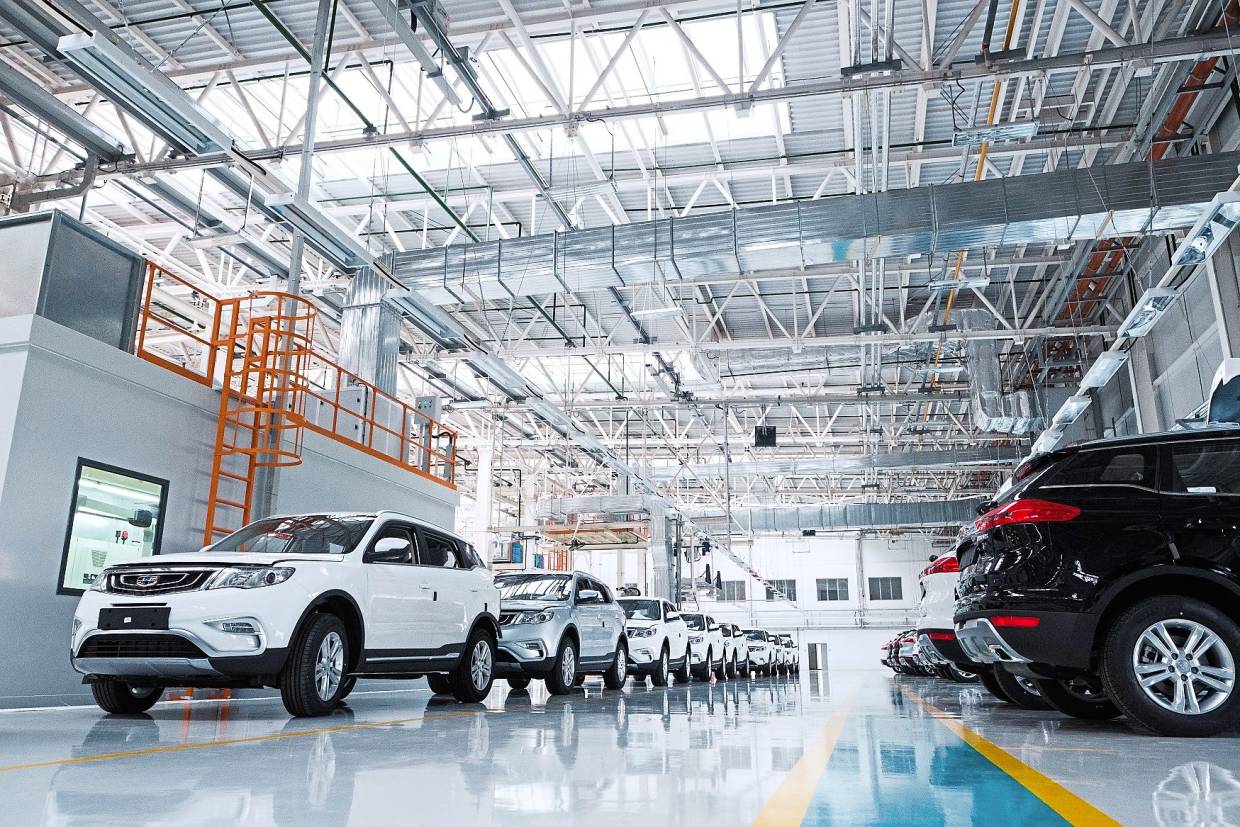
    The Vietnam plant is a collaboration between Geely and local distributor Tasco, with Geely holding a significant 64% stake. Groundbreaking is slated for this quarter in Thai Binh Province, where a sprawling 30-hectare site will eventually operate at a capacity of 75,000 vehicles annually in its initial phase.

    These vehicles will include models from Geely and its Chinese counterpart, Lynk & Co, specifically designed to cater to domestic demand and facilitate exports to countries with free trade agreements with Vietnam. The factory holds the potential for future expansion as it may begin assembling a wider variety of Geely vehicles.

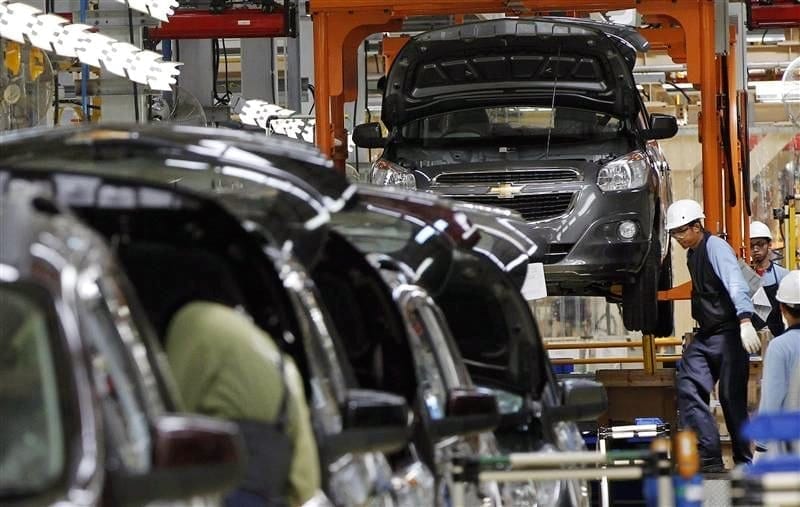
    All cars produced at the plant will be constructed from “completely knocked down” kits—meaning they are assembled from parts sourced from various locations. The first vehicles are expected to hit the Vietnamese market early next year, while Geely currently offers the Coolray CUV imported from Malaysia.

    Geely is a prominent player in China’s automotive sector, boasting a diverse portfolio that includes brands like Zeekr and Galaxy, along with a stake in the premium Swedish manufacturer Volvo. With 22 factories in China and three spread across the globe, Geely’s growth ambitions are clear.

    The Race for Automotive Investment in Vietnam

    Interestingly, Geely isn’t the only Chinese automaker eyeing Vietnam. Chery, another industry titan, plans to break ground on their own factory in Thai Binh Province in the third quarter through its partner Geleximco. With an investment of $800 million, Chery’s venture will focus on producing Omoda and Jaecoo models, with other potential vehicles in the pipeline.

    While Chery sets its sights on this strategic investment, major players such as BYD and SAIC have also explored opportunities in Vietnam but have yet to make significant moves. At present, the majority of Chinese passenger vehicles sold in Vietnam are imported from China, Thailand, or Malaysia.

    In a noteworthy development, the number of Chinese automotive brands in Vietnam jumped to 14 last year, surpassing Japan’s nine for the first time. However, their market presence remains relatively small compared to established Japanese and Korean brands, as well as the domestic contender, VinFast.

    As Geely prepares to roll out its manufacturing plant, the automotive landscape in Vietnam is likely to get even more interesting—where the thrill of competition could soon turn up the heat among industry giants.

    Questions & Answers

    What is Geely’s investment in the Vietnam plant?
    Geely is investing US$168 million in its new manufacturing facility in northern Vietnam.

    What models will be produced at the new plant?
    Initially, the factory will produce vehicles from Geely and Lynk & Co, catering to both domestic and export markets.

    When will the first vehicle arrive for Vietnamese consumers?
    The first vehicle is expected to be available to Vietnamese customers early next year.

  • Pham Nhat Vuong, Vietnam’s richest man, donates $800M to boost automaker VinFast’s ambitions

    Pham Nhat Vuong, Vietnam’s richest man, donates $800M to boost automaker VinFast’s ambitions

    Billionaire Pham Nhat Vuong, the chairman of the private conglomerate Vingroup and recognized as Vietnam’s wealthiest individual, has injected a staggering VND20.5 trillion (approximately US$790 million) into the automaker VinFast between November and May. This generous contribution is part of his promise of VND50 trillion made last year, as disclosed by the company on Monday.

    Financial Support Fuels Expansion

    In the past six months, VinFast has also secured a loan of VND30.57 trillion from its parent company, reinforcing its financial backbone. Vingroup remains committed to supporting VinFast, pledging a maximum of VND35 trillion to ensure the company’s sustained growth. Vuong, who wears multiple hats as CEO and founder of VinFast, experienced a remarkable surge in his wealth—an increase of $3 billion over the last two months—bringing his total fortune to over $10 billion, according to Forbes.

    Impressive Growth Amid Losses

    VinFast reported exceptional growth for the first quarter, showcasing a 150% increase in revenues year-on-year, reaching VND16.31 trillion. The company delivered a remarkable 36,330 electric cars and an astonishing 44,904 motorcycles and bicycles during this period, translating to impressive increases of 296% and 473% respectively. However, despite these successes, VinFast also reported a loss of VND17.69 trillion, which marks a 20% rise in losses compared to the previous period. To respond to the challenges and capitalize on its momentum, the company plans to adjust its sales target for the year from 200,000 to 280,000 units, as shared by deputy CEO Thai Thi Thanh Hai.

    Who knew the complex world of electric vehicles could be this exhilarating?

    Questions & Answers

    How much has Pham Nhat Vuong invested in VinFast?
    Pham Nhat Vuong has gifted VinFast VND20.5 trillion (around US$790 million) over the past six months.

    What has been VinFast’s recent sales performance?
    VinFast delivered 36,330 electric cars and 44,904 motorcycles and bicycles in the first quarter, marking significant increases in both categories.

    What loss did VinFast report despite impressive growth?
    The company reported a loss of VND17.69 trillion, a 20% increase compared to the previous period, even amid record revenue growth.

  • Thailand’s Car Sales Surge Back to Life After Nearly Two-Year Decline

    Thailand’s Car Sales Surge Back to Life After Nearly Two-Year Decline

    Domestic car sales in Thailand experienced a glimmer of hope in April, marking a 1% year-on-year increase—the first boost in nearly two years, as reported by the Federation of Thai Industries (FTI). This slight recovery comes as a welcome surprise amid a string of declines in both vehicle production and exports.

    Ongoing Challenges in Vehicle Production

    Despite the uptick in sales, production figures told a different story. In April, car manufacturing dipped by 0.4% from the previous year, totaling 104,250 units. This marks the 21st consecutive month of declining production, following a relatively steep 6.1% drop in March. Meanwhile, the export of vehicles fell by 6.3% compared to the same period last year, although this decline represents a gentler decrease than the 14.9% seen in the prior month.

    Thailand’s Role in the Automotive Landscape

    As Southeast Asia’s premier auto manufacturing hub, Thailand plays a crucial role as an export base for some of the globe’s leading car manufacturers, including heavyweights like Toyota, Honda, and China’s BYD. While car sales may be on the rise, the industry continues to grapple with production challenges—proving that the road to recovery is still a winding one. Who knew car sales could be just as turbulent as a roller coaster ride!

    Questions & Answers

    What factors contributed to the rise in car sales in Thailand?
    The increase in car sales is attributed to growing consumer demand, providing a much-needed boost after an extended period of decline.

    How has production been affected recently?
    Car production fell by 0.4% in April compared to the same time last year, marking the 21st straight month of decreased output.

    What is Thailand’s position in the automotive sector?
    Thailand remains Southeast Asia’s largest automotive production center and serves as an export base for major car manufacturers like Toyota, Honda, and BYD.

  • VinFast Anticipates 2024 Sales Surge, Aiming for Double Deliveries by 2025

    VinFast Anticipates 2024 Sales Surge, Aiming for Double Deliveries by 2025

    VinFast Sees Strong Revenue Growth Amid Global Market Challenges

    Company Reports Significant Increases in Deliveries and Revenue

    VinFast, the Vietnamese electric vehicle (EV) manufacturer, has demonstrated impressive revenue growth in its unaudited financial statements for Q4 and the full year of 2024, despite facing uncertainties in the global market. The company posted a remarkable quarterly revenue of VND 16.5 trillion (approximately US$678 million), marking a 70% increase compared to the previous year. Total revenue for 2024 reached VND 44 trillion, a 58% year-on-year growth.

    Surge in Electric Vehicle Deliveries

    In an outstanding performance, VinFast delivered over 53,000 EVs in Q4 alone, a staggering 143% increase from Q3 and more than 20 times higher than the same period last year. The total number of vehicles delivered throughout 2024 approached 97,400 units, representing a 192% surge over 2023. Moreover, the company’s electric motorcycle sales remained robust, with nearly 71,000 units sold during the year.

    Robust Financial Backing from Parent Group Vingroup

    VinFast continues to benefit from strong financial support from its parent company, Vingroup, and founder Pham Nhat Vuong. As of the end of Q1 2025, Vuong has infused $411 million in non-refundable assistance as part of a larger $2.1 billion commitment. Additionally, Vingroup has pledged up to $1.4 billion in further funding to support VinFast’s growth trajectory.

    Strategic Expansion into International Markets

    VinFast is aggressively expanding its presence in international markets. In Indonesia, the company exported nearly 2,500 vehicles in Q1 2025 and established 22 dealerships. The Philippines has also welcomed five model offerings, following the successful launch of the VF 6, with plans to expand to 60 stores across the country.

    In North America, VinFast has transitioned from a direct-to-consumer model to a dealer-based sales approach, successfully setting up 38 dealerships across 16 U.S. states. In Europe, deliveries of the VF 6 have commenced, and the company is ramping up its distribution network.

    Innovations in Domestic Market Offerings

    On the domestic front, VinFast has introduced a new “Green” EV lineup designed for transport services, with plans to initiate deliveries for two models in Q2 and two additional models by August. This move aligns with the company’s commitment to enhancing sustainable mobility solutions.

    Commitment to Growing Market Share in 2025

    Looking ahead, VinFast aims to double its global vehicle deliveries in 2025, focusing on flexibility in its strategies while reinforcing its dedication to green mobility initiatives.

    As consumer trends continue to gravitate towards sustainable mobility, VinFast’s aggressive expansion and innovative offerings not only signify the company’s resilience but may also reshape the retail landscape in the automotive sector. This strategic growth could potentially enhance consumer options and accelerate the transition to electric vehicles globally.

  • Volvo ES90 Electric Sedan Unveiled

    Volvo ES90 Electric Sedan Unveiled

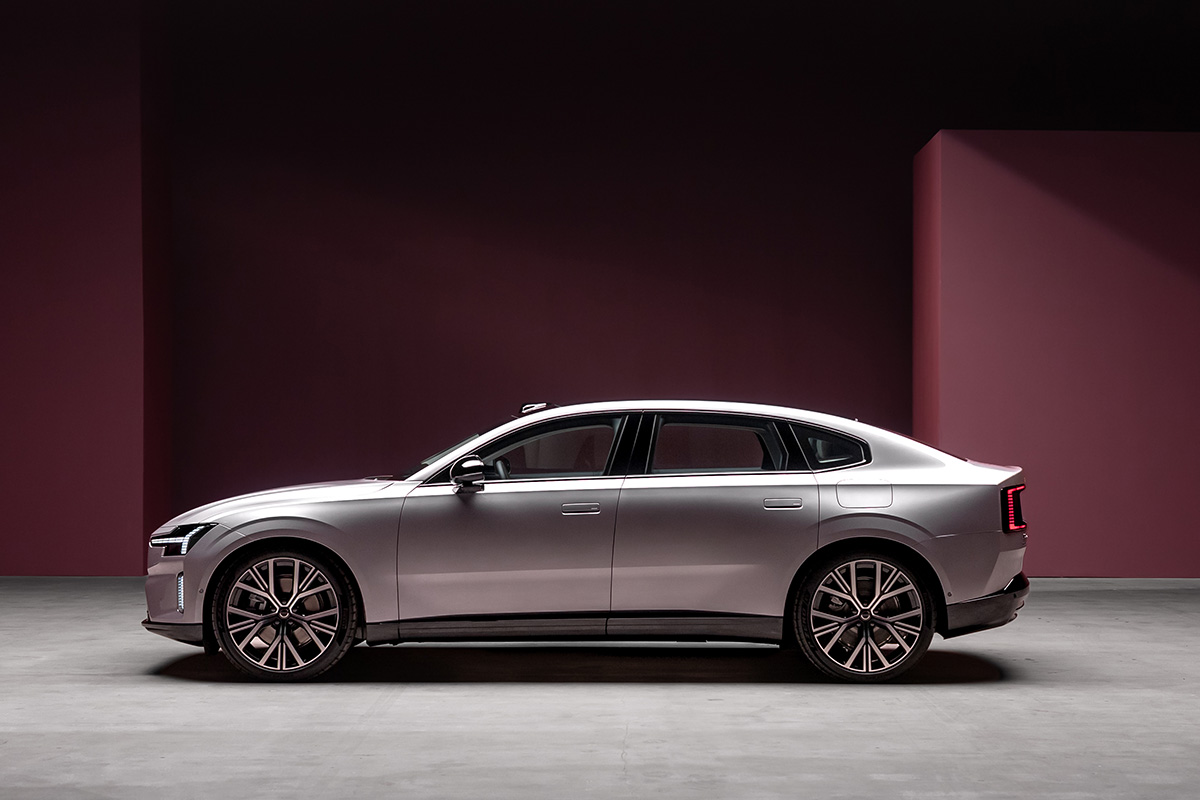
    Volvo has unveiled its first all-electric sedan, the ES90 for the global market. Built on the carmaker’s SPA2 platform, the ES90 is the sixth all-electric model in Volvo’s portfolio after the EX90, EM90, EX40, EC40 and EX30. The carmaker has stated that the ES90 will initially go on sale in European markets in the coming months with other markets to follow.

    Visually, the ES90’s design is in line with the rest of Volvo’s EV lineup, borrowing many elements. The front end of the EV gets headlamps that are similar to the likes of the EX30 with Volvo’s signature ‘Thor’s Hammer’ LED daytime running lamps. Below the headlamp clusters sit vertical fog lamps on both ends, with a rectangular air dam in between.

    In profile, the ES90 sports a prominent shoulder line, with creases around the wheel arches and towards the lower half of the doors. Being a liftback, the ES90 has a short rear overhang while the roofline flows into the short rear deck. The rear end of the ES90 gets C-shaped tail lamps, similar to the units on previous Volvo sedans. The boot space of the EV amounts to 424 litres, and the EV also gets a 22-litre frunk.

    On the inside, the interior layout of the EV is largely similar to that of the EX30 and EX90 and is headlined by a large 14.5-inch portrait-oriented central infotainment touchscreen. The infotainment system gets Google built-in, which includes services such as Google Maps, Google Assistant and more apps on Google Play. The cabin also has ambient lighting, with six themes, and gets a panoramic glass roof. Buyers can also option an electrochromic glass roof where you can adjust the transparency of the glass. The ES90 can also be had with a 25-speaker Bowers & Wilkins sound system.

    The ES90 is offered with three powertrain options – single-motor (338 bhp, 480 Nm), twin-motor (455 bhp, 670 Nm), and twin-motor Performance (690 bhp, 870 Nm). While top speed is identical across all three variants (180 kmph), 0 to 100 kmph times are 6.9 seconds (single-motor), 5 seconds (twin-motor), and 4 seconds (twin-motor performance) respectively.

    The single-motor variant of the sedan will feature a 92 kWh battery pack that delivers a range of up to 650 km. The twin-motor variants of the ES90, on the other hand,  will come equipped with a 106 kWh battery pack and have a WLTP figure of up to 700 km. Volvo says that the new sedan will be its fastest-charging EV to date with the 800V electrical architecture allowing for DC fast charging at rates of up to 350 kW – up from the EX90’s 250 kW. The company says this will allow users to juice up the battery from 10-80 per cent in as little as 20 minutes, up to 30 per cent faster than all other Volvo EVs currently on sale.

  • BYD’s luxury EV brand Denza launches in Singapore

    BYD’s luxury EV brand Denza launches in Singapore

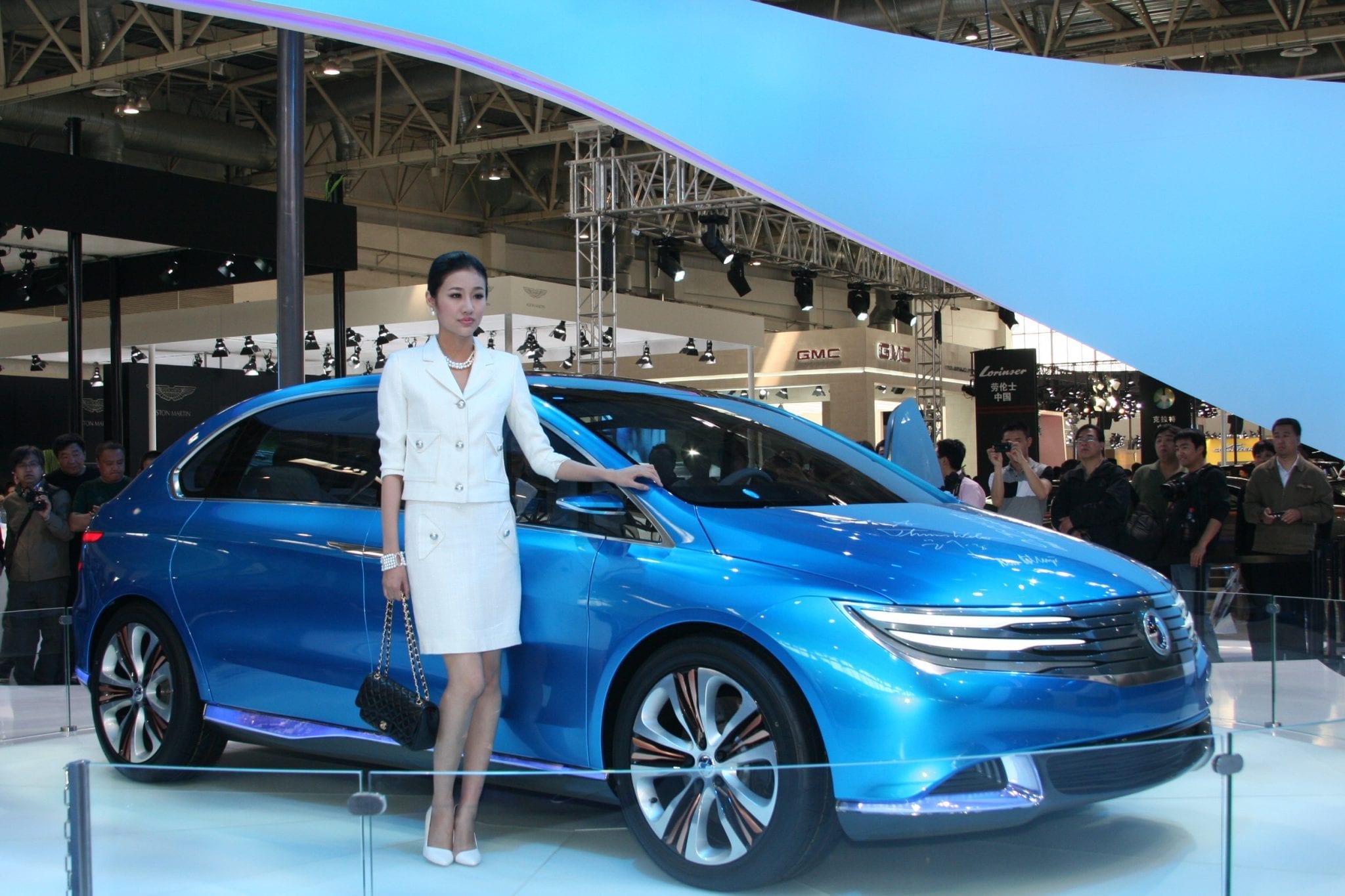
    Chinese auto giant BYD’s premium electric vehicle brand Denza has made its official debut in Singapore with two variants, both costing over US$200,000.

    According to Singapore-based car selling platform Motorist, the brand launched its first model in the city-state, the D9 large multi-purpose vehicle, on Thursday.

    It comes in two variants: the D9 Elite, which has a price tag of S$296,888 (US$227,500), and the D9 Grandeur priced at S$341,888 (US$262,000). Both prices include Certificate of Entitlement, a permit required to own and use a vehicle in Singapore.

    Some 300 orders have been placed for the D9, according to a BYD representative cited.

    Another Denza model, the Z9 GT sedan, is planned to debut in the city-state by mid-2025.

    BYD will directly distribute Denza vehicles and has named two existing partners, Vantage Automotive and Harmony Auto, as its dealers.

    The Singapore launch came as the brand is looking to expand to large markets in the Asia-Pacific region.

    Liu Xueliang, BYD’s Asia-Pacific sales general manager, said at the Thursday launch event that Denza will launch in Thailand later this year and in Australia, New Zealand, Indonesia and Malaysia in 2025.

    Apart from Denza, Singapore recently saw the launch of Zeekr, another luxury EV brand, in August and is expected to welcome EV maker Neta by the end of 2024. Both brands are from China.

    While more Chinese automakers are seeking to enter Singapore, BYD has been dominating the country’s car market, The Straits Times reported.

    In the first half of 2024, it registered 2,587 new vehicles, accounting for 13.9% of the market, and is the best-selling brand when considering only authorised dealer registrations.

  • Chinese EV giant BYD to begin Vietnam sales in May

    Chinese EV giant BYD to begin Vietnam sales in May

    The world’s biggest electric vehicle maker, China’s BYD, will set up shop in Hanoi in May.

    It would sell its first cars in the sedan and SUV segments, sources familiar with the matter said.

    Its SUV BYD Atto 3 is among the most sought-after cars globally. It has large demand in Sweden and is the best-selling EV in Thailand.

    It has a 60.48-kilowatt-hour battery that allows travel of up to 480 kilometers.

    Its prices start from US$30,750 in Thailand.

    In Vietnam, BYD cars will be imported as complete units from China.

    The company is building a $504-million plant in Thailand, its biggest market outside China, and expects to start production there this year.

    In future BYD cars can be imported to Vietnam from Thailand to enjoy the zero import tax applicable to Southeast Asian countries.

    BYD, established in 2003, sold 1.62 million electric cars last year, second globally behind Tesla with 1.8 million units, though in the last quarter it outpaced past the U.S. company 526,000 to 484,000.

    Ninety percent of its sales were in China.

  • Local car market still sees sluggish sales as Tet nears

    Local car market still sees sluggish sales as Tet nears

    The domestic auto market in Vietnam is experiencing a decline in car sales due to sluggish customer demand compared to previous years, according to local car experts.

    The experts said the number of customers visiting car dealerships has not increased compared to previous years, despite price reductions and promotions offered by car manufacturers during the peak shopping season.

    According to a car sales staff at Toyota dealerships in the central area of Hanoi, cars priced under VND1 billion (US$40,983) are particularly challenging to sell. They attribute this trend to the difficult economic conditions and the reluctance of people to spend money on purchasing cars.

    Anh Duc, a car salesman in Pham Hung Street, expressed surprise at the low sales, mentioning that in previous years, they could sell hundreds of cars each month at this time, but recently the numbers have not been reaching even half of that.

    Many dealers hope that demand for cars will increase at the end of the year and the market will become boisterous; however, it is so far still quiet. To reduce their inventory and recover some of their costs, dealers may resort to reducing prices and offering discounts or incentives to attract buyers. In some cases, they may even have to sell cars at a loss to move inventory and free up capital.

    Car consumption in Vietnam has experienced a deep decline this year, despite various efforts to stimulate sales such as launching new models, offering discounts, and providing registration fee support and attractive gifts.

    Specifically, Toyota Vietnam has initiated a program starting in December to offer a 50% discount on registration fees for certain car models. In addition to this discount, there is also a 50% reduction in registration fees for domestically assembled cars as part of the general policy. This policy will be in effect until the end of 2023.

    Honda Vietnam has also announced a 50% registration fee discount program for all car models on sale starting from Dec. 5. Additionally, domestically produced and assembled vehicles are still receiving 50% registration fee support from the government.

    As for Hyundai, the Hyundai Stargazer model had a listed price of VND75-685 million ($23,565-$28,073). In November, the price was reduced by up to 130 million, but it still faced difficulties in selling. In December, the price was further reduced by another VND10 million. Furthermore, the high-end diesel version of the Santa Fe model, which was produced in 2022, is being reduced by VND210 million.

    The decrease in car purchasing power compared to the same period in 2022 is a concerning trend, especially considering that car sales were lower than during the period when the market was affected by the Covid-19 pandemic.

    The statistics from the Vietnam Automobile Manufacturers Association (VAMA) indicate a significant decline in car sales, with a 29% decrease in the first 10 months of 2023 compared to the same period last year, equivalent to the absolute number of 70,000 vehicles.

    Among the car manufacturers, Toyota Vietnam seems to be the most affected, with a 42% decrease in sales during the first 10 months of 2023, amounting to nearly 30,300 vehicles. Other brands like Kia, Honda, and Mitsubishi also experienced significant declines, with decreases of 39%, 36%, and 28%, respectively.

    Hyundai is another car company facing challenges, with a sales decrease of approximately 25%, equivalent to more than 16,000 vehicles. These figures suggest that the automotive market in Vietnam is currently facing obstacles and uncertainties.

    Economist Ngo Tri Long said that the selling prices of many car models have reached their lowest level in nearly 10 years in 2023.

    Some businesses and dealers may have hinted at cutting incentives at the end of the year due to anticipated increased demand; however, car discount promotions are still prevalent and becoming even deeper.

    The difficulties are expected to continue into 2024. High inventory levels can also be a challenge for auto businesses. If consumer demand is lower than expected, dealerships and manufacturers may face excess inventory, which can lead to increased costs and reduced profitability, according to industry insiders.

  • Land Rover Vietnam builds desirability in luxury

    Land Rover Vietnam builds desirability in luxury

    Land Rover Vietnam has implemented a new strategy to enhance client experience, its General Manager Ruud Poels said at the JLR Retailer Hanoi launch of its first global standard retail destination on Nov. 23.

    As an active player in the automotive industry in Vietnam, we did notice a market cooldown after a period of high growth following Covid-19. However, 2023 so far for Land Rover has been a year of exciting developments.

    Product-wise, we launched the Defender 130 and the new Range Rover Sport, thereby updating our popular Defender and Range Rover brands. We are also delighted that our retailers have been busy in the last 11 months fulfilling deliveries of the new Range Rover for pre-ordering clients and more.

    And we are fully focused on the new global Modern Luxury vision by JLR; the first and probably biggest physical result of which you are seeing here is our new JLR Retailer Hanoi, which took 18 months to finish. This is the first of its kind, not just in Vietnam but in the whole world, for JLR.

    I think that’s the strongest proof that Land Rover is performing well in Vietnam, and that we have confidence in the market despite the past slowdown.

    What solutions have you come up with to adapt to this situation?

    We did not wait for the market to show slowing signs to implement meaningful and exciting changes. We have been prioritizing customer experience design for sustainable development in Vietnam.

    Apart from the Global Pilot Store in Hanoi, behind the scenes, there is a lot more happening with regards to team training and facilitating processes to ensure our retailers will be fully ready to offer Modern Luxury client journey, that is retail as an experience.

    It will be inspirational, exclusive, and tailored to suit our clients’ needs to make them feel unique. It will be positively memorable at every touchpoint, building emotions in our Range Rover, Defender, and Discovery brands.

    For marketing, we are also transforming how we present ourselves as a House of Brands on all channels and building desirability toward our clients, whether it be their virtual or physical appearance. The after-sales experience is also obviously elevated with this new facility.

    Overall, we put in efforts to transform the client journey to be human-centered and emotionally engaging throughout the business. We have seen client engagement warming up and resulting in revenue recently, which is a welcome indicator that we are heading in the right direction.

    Under the House of Brands approach with JLR, all three of our brands, including Range Rover, Defender, and Discovery, will be uniquely characterized, and clearly differentiated.

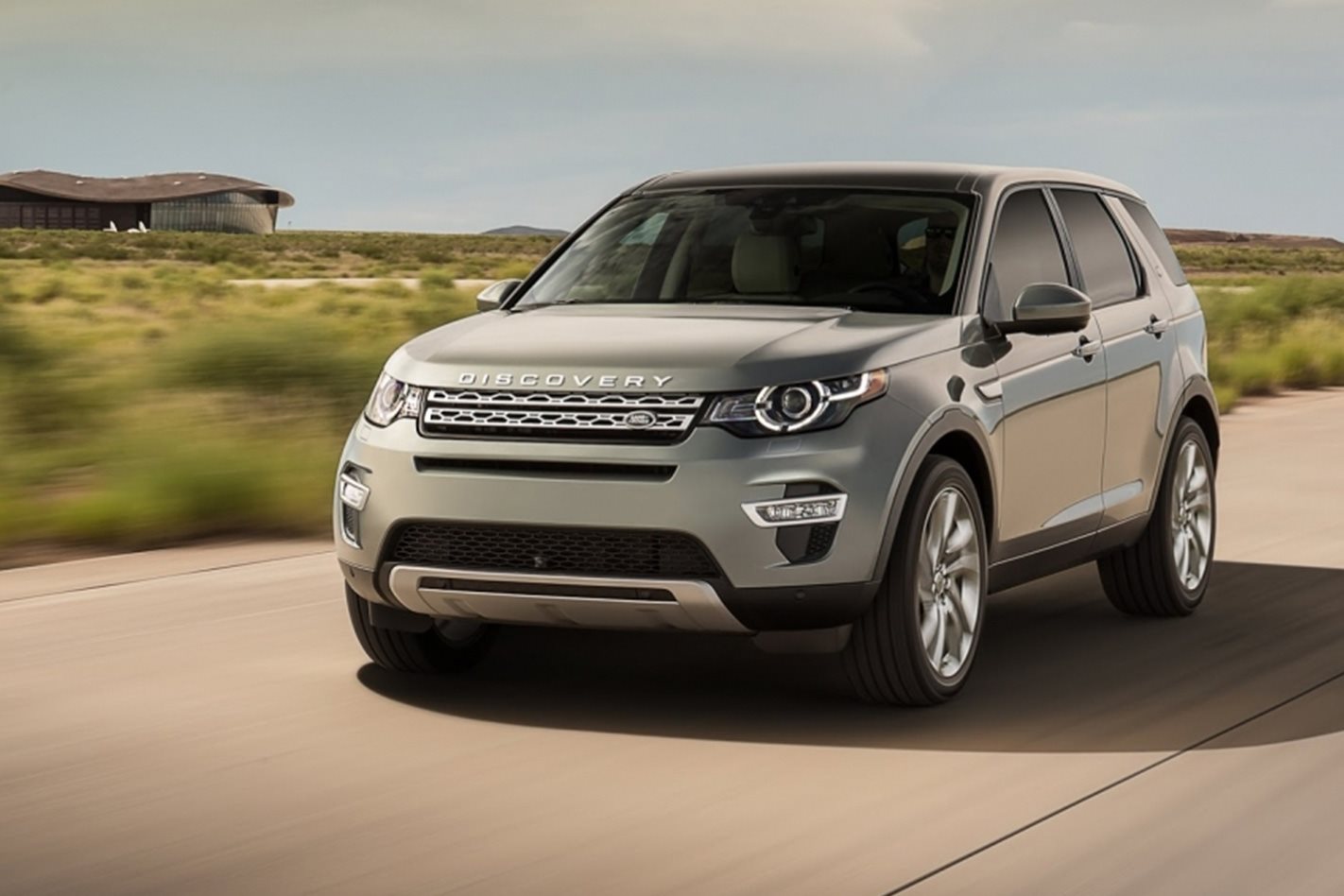
    Range Rover is refined for the leaders of life whose leadership leaves a legacy for others to follow; Defender is capable and durable for those who embrace the impossible in their adventures; and Discovery allows people to get out and explore together.

    What would be the main factors that convince Vietnamese people to buy and use Land Rover cars?

    At Land Rover, we offer luxury, as an experience throughout sales and aftersales. It is an inspirational and emotionally engaging experience.

    We have the ability to personalize our products to our clients’ own specific needs and preferences. That’s not limited to the vehicles but applies to the whole journey that clients will have with us, from the first time they interact with our team, for example, to when we actually meet our clients at the showroom, to vehicle collection, vehicle repair, and further.

    We are transforming and reshaping our business to embody the cutting-edge Modern Luxury vision. To build a loyal relationship with our clients, we need to anticipate their evolving needs and proactively provide solutions based on our expertise and commitment. It would be an exclusive and unique experience. That’s how we would love to build desirability.

    When it comes to the vehicles, we pride ourselves on the craftsmanship that’s present inside and out of them. Take the Range Rover SV, for example. That could very well be the first car in which you can find ceramics as a material for the exterior and interior. That kind of innovation cements its place as the original luxury SUV ever by constantly exploring new ideas to express modern luxury.

    Or if you are interested in the iconic Defender, you will appreciate its 75-year heritage of adventures and rescue missions all around the world, and the current generation is the culmination of all that in terms of off-road expertise.

    How do you assess the current trend of electric vehicles, and what are the objectives of Phu Thai Mobility in this field in Vietnam?

    We are excited by EV development in Vietnam. The goal of Land Rover Vietnam undoubtedly aligns with the global strategy and BEV development roadmap of JLR. As shared previously by JLR, you can expect the global debut of the Range Rover BEV in 2024; a Vietnam launch could follow that, depending on production capability and logistics. We know that there is high desirability for the car globally, and we look forward to having it here for pioneering Vietnamese clients.

    Meanwhile, we are fully prepared to take on BEVs ahead of the first Land Rover BEV. You can find DC and AC chargers at our workshops and retailers. Our technicians are also trained by JLR to work on BEVs with special tooling.

    What are your predictions and expectations for Land Rover in Vietnam over the coming decade?

    With Modern Luxury approach in place, we are in the middle of transforming our business from end to end. The new JLR Retailer Hanoi is the first proof of that, after which you will see many more, from products and services offered to clients to how we have become more than a single brand in the automotive market.

    I think JLR sums it up perfectly about what we ultimately want to become: the creator of the world’s most desirable modern luxury automotive brands for the most discerning of clients.

  • Ford recalls nearly 1,200 Everest, Explorer SUVs

    Ford recalls nearly 1,200 Everest, Explorer SUVs

    Ford has recalled 1,182 Everest and Explorer SUVs in Vietnam for engine control module software failure and a rearview camera display error.

    The Everest recall involves 185 vehicles, all produced at Ford’s factory in Thailand between June 28, 2022, and April 4 this year

    The American carmaker said the software failure causes the AdBlue warning light, which indicates the car could drive another 2,400 km before the liquid needs to be refilled, to flash 500 km earlier.

    A software update, which takes around 20 minutes, would fix the issue, it said. AdBlue is an additive injected into the exhaust system to reduce the car’s harmful NOx gas, helping the Everest meet Euro 5 emission standards.A tank lasts 10,000-15,000 km.

    The other recall involves 997 Explorer cars imported from the U.S. and manufactured between Oct. 19, 2018, and May 2, 2023.They have faulty camera control software which causes the central screen to display a blue mark or turn blue/black when in reverse or when the 360-degree mode is on.

    To fix the problem, a new rearview camera and wiring and a software update are needed, which should take about 60 minutes.Ford earlier recalled 1,870 Transit vans assembled between July 22, 2022, and March 17, 2023, for defective steering column components.

    Bolts and screws used to connect the steering shaft to the steering wheel could be loose, leading to a loose steering wheel or unusual noises in certain situations.

    In the long run, the bolts could fall out, causing the driver to lose control and even crash. The recall started in Aug. 21 and will last three years.

    The faulty vans are fixed in 20 minutes.

  • Luxury car brands offer big discounts in October

    Luxury car brands offer big discounts in October

    Mercedes, BMW, Audi, and Volvo have been slashing their prices by hundreds of millions of dong (VND100 million = US$4,200) in October.

    Audi is offering discounts on its A4, A6, A8L, Q2, Q3, Q5, Q5 Sportback, Q7, A7 Sportback, and Q8 models of up to VND300 million.

    Mercedes is offering discounts of 6-10% on some locally assembled models such as the C-class and E-class, and 3% on imports like the GLB and GLS.

    The C-class, which has a price tag of VND1.599-2.099 billion, is getting discounts of 6%, equivalent to VND95-125 million.

    Mercedes is subsidizing registration, which costs 10% in HCMC and 12% in the north, by half for locally made vehicles. The registration fees are calculated based on car prices in each locality. The rates are 12% in Hanoi and northern Hai Phong City, and 10% in Ho Chi Minh City.

    Volvo also bears half the registration cost for all models except the V60 Cross Country line for which it pays the full fee.

    Truong Hai, a BMW distributor, is offering big discounts.

    The prices of the X5, Series 5, Series X3, and Series 3 have been cut by VND160 million, VND80 million, VND70 million, and VND50 million.

    Some luxury car distributors said demand is up in October, though still lower than a year ago.

    Analysts do not expect vehicle sales to reach last year’s figure of 500,000.

  • Honda To Pull The Plug On Car Sales In Russia In 2022

    Honda To Pull The Plug On Car Sales In Russia In 2022

    Honda Motor Company has said that it won’t be supplying new cars to its authorized dealers in Russia in 2022 as the company is trying to restructure its operations. The Japanese automaker has confirmed that it would keep its presence in the Russian market with motorcycle and power equipment sales only. The news comes after a drastic drop of 50 percent in its sales operations last month in Russia.

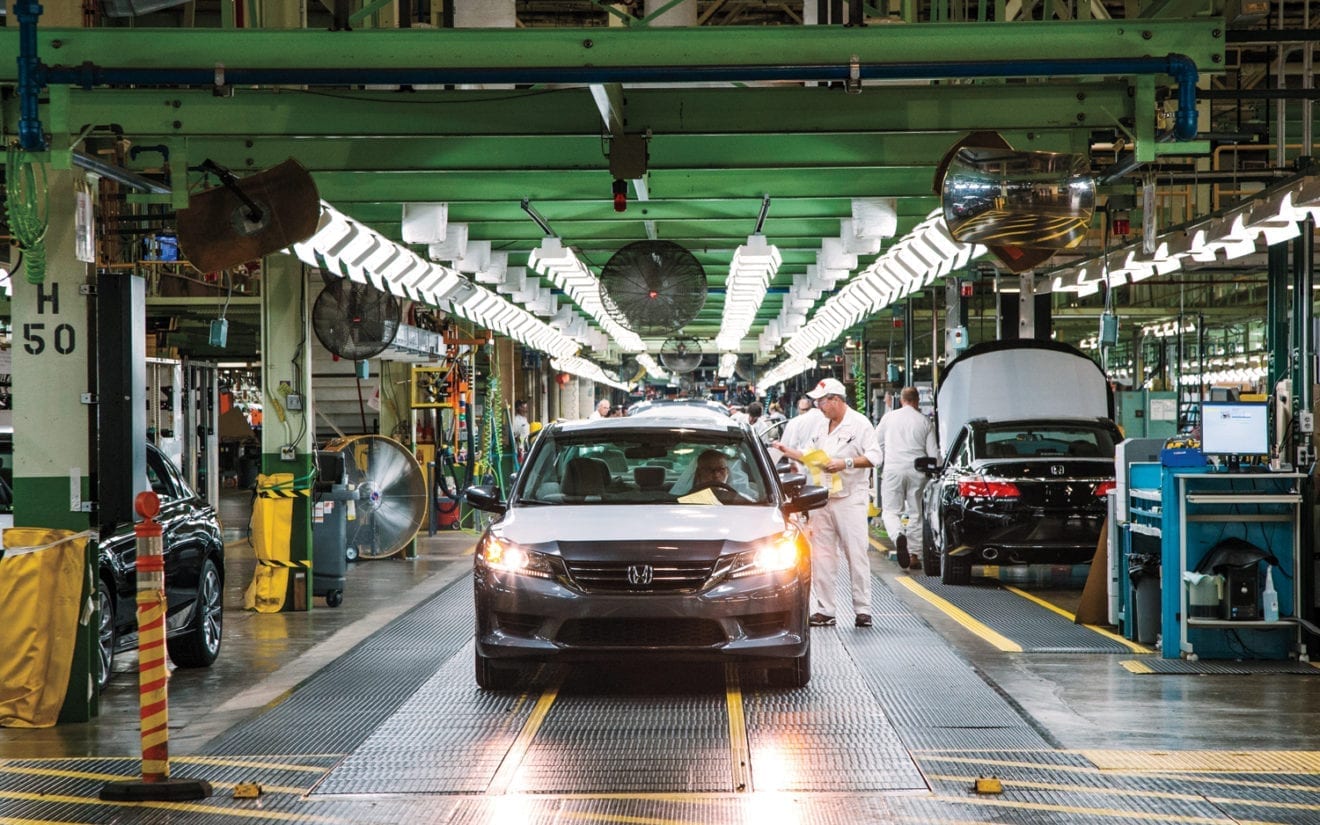
    Even in India, Honda has shut down its Greater Noida plant and has shifted its entire production unit to the company’s other facility in Tapukara, Rajasthan. The carmaker has said that it has realigned its production operations “to maintain sustainability by leveraging production and supply chain efficiencies.” From this month, the manufacturing operations for vehicles and components will happen at the Tapukara plant for all domestic sales and exports. Until last month, the Greater Noida plant produced models like the Honda City sedan, CR-V SUV, and the Civic sedan. While the transition will see the production of the City move entirely to the Tapukara unit, at present, the company has also stopped the production of its flagship models, the Civic sedan and CR-V SUV.

    As far as the Russian market is concerned, Honda does not have any manufacturing unit in Russia, unlike its other Japanese counterparts like Toyota and Nissan. All Honda models are sold as CBUs in the Russian market, and the carmaker sold just 79 units last month. Its sales from January to November were down by 15 percent at 1,383 units, while over 1.3 million new cars were sold in Russia during that period.

  • My Porsche App Now Integrated With Apple CarPlay

    My Porsche App Now Integrated With Apple CarPlay

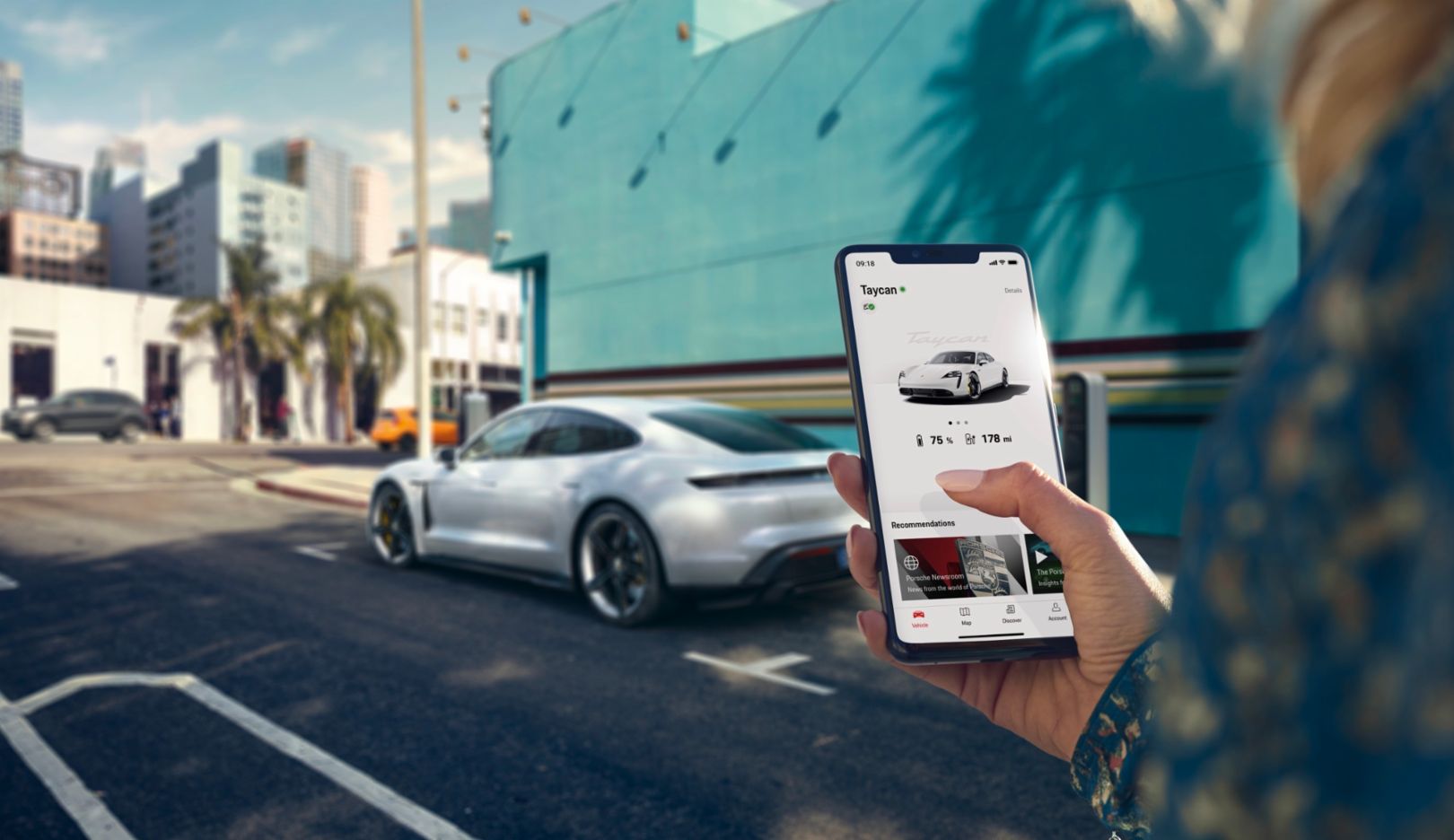
    Porsche has expanded the functionality of the My Porsche App by integrating it with Apple CarPlay. This added functionality has established Porsche as the first automotive manufacturer to integrate vehicle functions into the CarPlay experience.

    The My Porsche App serves as a centralized hub for the digital management and control of vehicles. With this update, users can now access a range of vehicle functions directly within CarPlay. The integration brings features like real-time battery charge status, climate control adjustments, audio settings, such as sound profiles and radio station selection,  and ambient lighting adjustments. and seamless navigation input.

    Additionally, these functions can be combined into preset “wellness modes,” such as “relax,” “warm-up,” and “refresh,” accessible via quick actions within CarPlay. Furthermore, users can control various vehicle functions using Siri while driving their Porsche.

    Moreover, the My Porsche App integrates with third-party platforms like Apple Music, enabling users to access their associated apps directly through the Porsche Communication Management system.

    The updated app also displays images of the specific Porsche model within the CarPlay interface.

    To get started with this the user has to only do a quick QR code scan displayed on the PCM. As the new features get developed within the Carplay, the customers will get updates to their My Porsche App. The updated functionality has debuted in the new Porsche Cayenne, which is available now and will be rolled out to other Porsche model lines.

    “We are excited to further improve the My Porsche App and use the capabilities of Apple CarPlay to deliver a truly enhanced customer experience,” says Mattias Ulbrich, CEO of Porsche Digital and CIO of Porsche AG. “Technology and digitization are crucial factors for the enduring fascination of our brand – now and in the next 75 years.”

  • VinFast becomes 3rd biggest EV maker globally

    VinFast becomes 3rd biggest EV maker globally

    VinFast has become the third most valuable electric vehicle maker behind Tesla and BYD with a market cap of US$85 billion.

    Its shares listed on the U.S.’s Nasdaq stock exchange Tuesday at $22 and closed at over $37 billion.

    VinFast’s market cap is higher than all EV startups in the U.S. combined.

    It also exceeds that of Ford Motor, GM, BMW, Volkswagen, and Mercedes-Benz.

    American company Tesla leads the industry with a market cap of $738 billion followed by China’s BYD with $87 billion.

    VinFast is followed by another Chinese company, Li Auto, with $40 billion.

    But data from Bloomberg shows that shares of EV companies that listed through special-purpose acquisition companies, like VinFast, have plummeted after listing.

    U.S. firms Lordstown Motors lost 99% of its value since its listing in October 2020 and Faraday Future 98% since July 2021.

  • July auto sales 2nd highest for year

    July auto sales 2nd highest for year

    Auto sales jumped to 24,687 units in July, the second-highest monthly number this year behind only March.

    The Vietnam Automobile Manufacturers Association (VAMA), which provided the data – excluding TC Motor and VinFast sales – said however sales were down 18.4% year-on-year.

    The auto market has been going through a rough year amid low economic growth, with sales plummeting by 30% year-on-year in the first seven months to 162,000 units.

    Toyota sold 3,800 cars, a 31% decline.