Tag: carmaker

  • Carmaker Thaco eyes $4.1B circular bauxite complex project

    Carmaker Thaco eyes $4.1B circular bauxite complex project

    Carmaker THACO has proposed a circular economy complex for mining and processing bauxite worth VND103 trillion (US$4.1 billion) in Lam Dong Province.

    The project, called Lam Dong 2 Aluminum Complex, will be carried out in Bao Lam, Da Huoai and Da Teh districts and Bao Loc City.

    It will encompass the entire process of mining bauxite ores, processing them into aluminum, restoring the surrounding environment, planting crops and developing ecotourism in the area.

    Almost one-third of the project’s capital will come from THACO while the remainder will come from loans.

    The complex is divided into three stages, which will be carried out over 10 years, and is expected to produce four tons of aluminum per year once it is put into operation in 2034.

    During the project’s 50-year duration, it will mine bauxite ores to manufacture aluminum in the first 20 years then switch to external bauxite supply in the remaining 30 years, says THACO.

    The carmaker is asking to have a meeting with Lam Dong People’s Committee this month to present its research results and implementation plan for the project.

    It aims to complete the report on the project’s feasibility quickly and submit it to regulators within the first quarter of 2024.

    THACO is a multi-industry corporation that currently operates in automobiles, agriculture, mechanics, logistics, construction, and commerce.

    The firm’s profit after tax was just over VND1 billion for the first six months of 2023, which is barely 25% of the profit it earned in the same period in 2022 when the car industry was mired in difficulties.

    Lam Dong Province has one of the largest bauxite reserves in the Central Highlands region, and there are currently two bauxite plants in the province.

  • Tesla Raises Prices For Second Time In Days On Rising Costs

    Tesla Raises Prices For Second Time In Days On Rising Costs

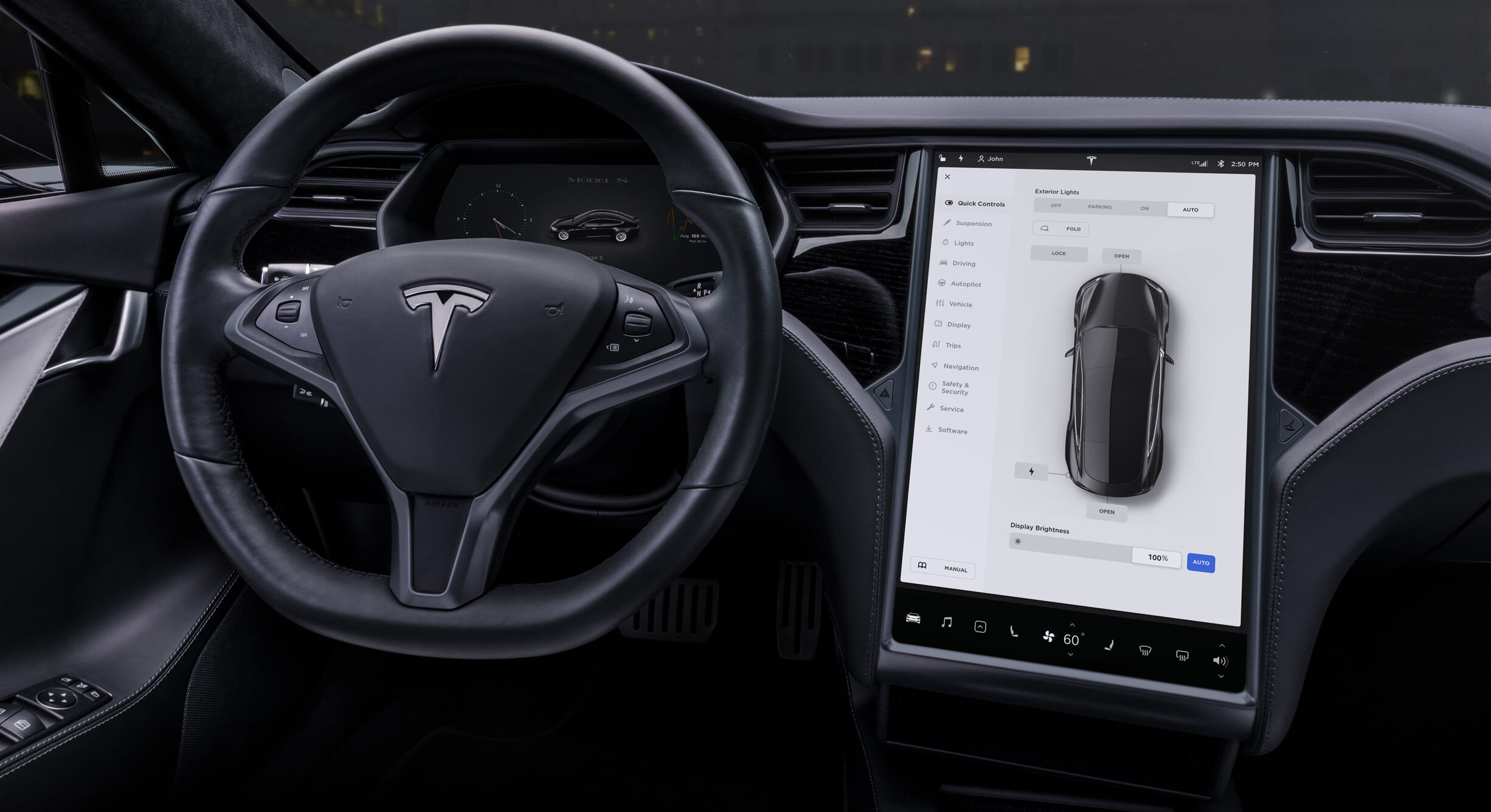
    Tesla raised its prices in China and the United States for the second time in less than a week, after CEO Elon Musk said the U.S. electric carmaker was facing significant inflationary pressure in raw materials and logistics. The increases come as costs of raw materials are surging, exacerbated by supply chain disruptions following Russia’s invasion of Ukraine.

    Prices of metals used in cars have soared, including aluminum that is used in the bodywork, palladium used in catalytic converters, and nickel and lithium that power electric vehicle (EV) batteries. The costs have raised concerns about EV economics, as legacy automakers and startups prepare to launch new cars on the back of a long semiconductor supply crunch that is still knocking production at companies including Toyota and Volkswagen.

    Tesla, which has a diversified supply chain, has bought “millions of euros worth of aluminum” from Russian aluminium giant Rusal, CNBC reported on Monday, citing internal documents.

    Rusal’s billionaire founder Oleg Deripaska has been sanctioned by Britain.

    Tesla bought Rusal aluminum for casting parts at its new vehicle assembly plant outside of Berlin for the Tesla Model Y, among other things, CNBC said.

    Tesla received a conditional go-ahead for its 5 billion euro ($5.5 billion) German gigafactory earlier this month after months of delay.

    Tesla and Rusal did not immediately respond to emails seeking comment.

    “Tesla & SpaceX are seeing significant recent inflation pressure in raw materials & logistics,” Musk tweeted on Monday, referring to his rocket company. “And we are not alone,” he said.

    Tesla raised prices on Tuesday for all its models in the United States by 5%-10%, its website showed. In China, it raised prices of some China-made Model 3 and Model Y products by about 5%.

    Last week, the company increased prices of its U.S. Model Y SUVs and Model 3 Long Range sedans and some China-made Model 3 and Model Y vehicles.

  • Renault Relatively Confident For 2022 Despite Some Chip Supply Worries

    Renault Relatively Confident For 2022 Despite Some Chip Supply Worries

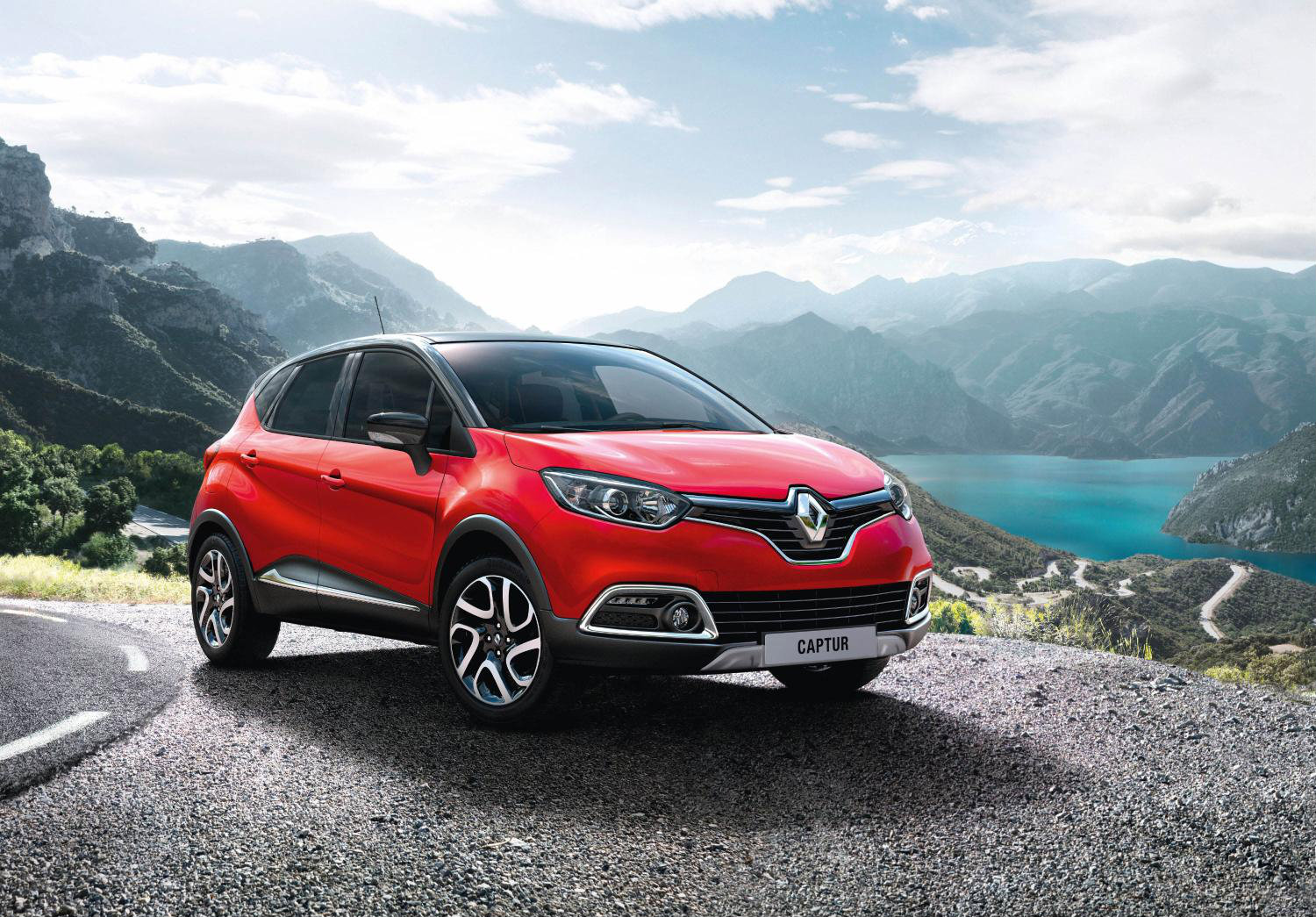
    Renault is “relatively confident” about its business year but still sees some problems over chips supplies which it expects to be felt mostly in the first half of 2022, the French carmaker’s Chief Executive Officer said on Thursday.

    “We are relatively confident for 2022 but we know that it’s a volatile and uncertain world,” CEO Luca de Meo told journalists at a company event, adding that the carmaker’s restructuring efforts were running ahead of their schedule.

    Shares in Renault edged up after the publication of the comments midday on Wednesday and traded 3.9 % higher at 1231 GMT, topping France’s bluechip CAC40 index which was down 0.55%.

    Renault’s finance chief at the same event said that the carmaker was hoping to pay back as soon as possible the remainder of a 3 billion euros ($3.44 billion) loan backed by the French state, Renault’s biggest shareholder.

    0Comments

    The company also said it would step up the ambitions to shift its core Renault brand towards e-mobility, targeting to produce a “100 % electric” fleet by 2030, from 90% previously announced.

  • Tesla’s Bumper Delivery Numbers Charge Up Shares

    Tesla’s Bumper Delivery Numbers Charge Up Shares

    Tesla Inc’s shares started the year with stellar gains after the electric carmaker reported record deliveries for the fourth quarter, allaying fears of supply chain woes that have hit automakers. Shares of the world’s most valuable carmaker ended up 13.5% at $1,199.78 each on Monday, marking the biggest daily percentage gain in nearly 10 months. Analysts expect the strong delivery numbers to bolster 2022 expectations and see the pace of expansion of its new factories in Berlin and Texas to be large determinants.

    “We expect a gradual ramp of Berlin and Austin and anticipate those ramps will lead to a deceleration of exports from Shanghai, many of which have been bound for Europe in 2021,” Cowen analyst Jeffrey Osborne said.

    The company, like others, faces component shortages as a global logistics crunch and factory closures due to the pandemic limited supply. But Tesla managed to overcome much of the problems by reprogramming software to use less scarce chips. Tesla delivered 308,600 vehicles in the fourth quarter, higher than analysts’ forecasts of 263,026 vehicles, which includes its Model 3 compact cars and Model Y sport-utility vehicles and flagship Model S and Model X vehicles, the company reported on Sunday.

    RBC Capital Markets revised its quarterly revenue estimate, bumping it up by $2.3 billion. J.P. Morgan boosted its profit estimates. Still, analysts said Tesla has a lot to watch out for in 2022 as competition heats up with several startup EV companies scheduled to launch their first cars on the road. Legacy automakers such as Ford and General Motors also are shifting focus to electric cars.

    “We see 2022 being a more challenging year than 2021 was in light of increasing competition, and we believe the design of the four vehicles on the road are getting long in the tooth which likely decelerates growth,” Osborne said.

    Some analysts also said Tesla’s stock is over-valued, given its relatively smaller production volume. Tesla, which produced some 930,000 vehicles last year, is about four times more valuable than Toyota Motor which aims to produce 9 million vehicles in the year that ends in March.

  • Walmart leads US$2.75bn investment in self-driving car startup Cruise

    Walmart leads US$2.75bn investment in self-driving car startup Cruise

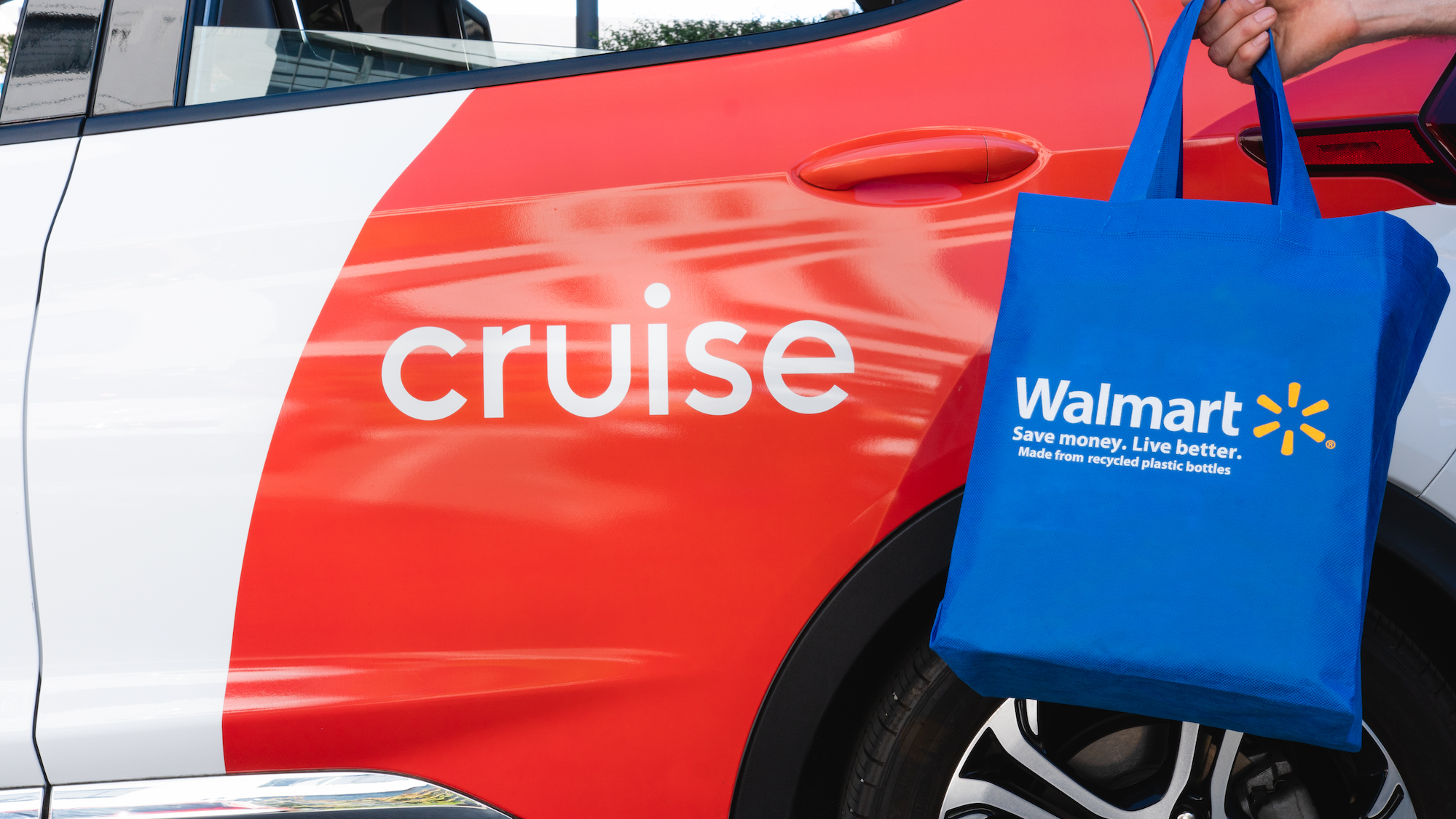
    Walmart has led a US$2.75 billion investment into self-driving carmaker Cruise, valuing the company at $30 billion.

    The investment marks increasing faith in the concept by the international retail giant which has already partnered with Cruise in a trial delivery service in Scottsdale, Arizona, announced last November.

    “Over the years we’ve been doing a lot to learn more about the role autonomous vehicles can play in retail, and we’ve seen enough to know it’s no longer a question of if they’ll be scaled, but when,” said John Furner, president, and CEO at Walmart US, explaining the investment.

    He said the new funds would help San Francisco-based Cruise work with Walmart to achieve its goal of developing a last-mile delivery ecosystem “that’s fast, low-cost and scalable”.

    Cruise’s all-electric fleet of self-driving cars – based on the Chevrolet Bolt EV – has already attracted substantial investment from Microsoft, General Motors and Honda.

    Furner said Walmart has been impressed by Cruise’s “differentiated business model” since the two companies began their pilot project last year, its unique technology, and unmatched driverless testing. “We also value our shared commitment to a zero-emissions future.

    “As delivery has become a staple in our customers’ lives, we’re focused on growing our last-mile ecosystem in a way that’s beneficial for everyone – customers, business, and the planet. With their all-electric fleet powered by 100-per-cent renewable energy, Cruise is a natural partner as we work to take collective action on climate change,” Furner said.

    “We’re doing this not only in our own operations where we are targeting zero emissions by 2040 and have set a goal to be powered by 100-per-cent renewable energy by 2035, but also throughout the supply chain and our environmental initiative, Project Gigaton, one of the largest private-sector consortiums for climate action.”

    Meanwhile, Cruise says it plans to begin deploying a limited number of its Origin vehicles for ride-hailing services in Dubai from 2023, its first overseas commercial service.

    “We are focused on our path to commercialization right now but the IPOs happening in the space right now are a great indication of the strength of the industry and the opportunity self-driving presents,” a Cruise spokeswoman told Reuters in a statement.

  • Ford Is Going All In On Android Automotive Starting In 2023

    Ford Is Going All In On Android Automotive Starting In 2023

    If it often befuddled you why carmakers like Ford were developing their own car infotainment system software, then that’s about to change. Ford has stated that starting in 2023, it will be turning to Google’s Android Automotive platform for the operating system of its vehicles and this will not be a one-off thing but rather millions of vehicles will be equipped with the software.

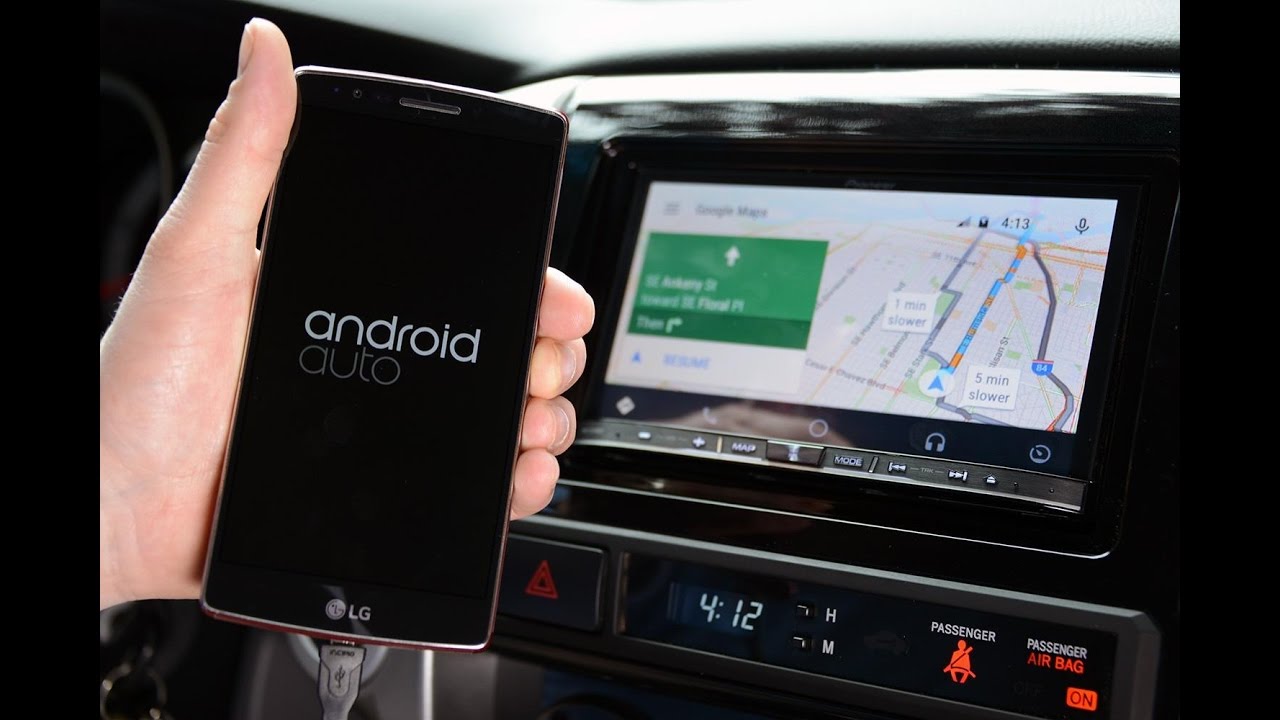
    This will give Ford’s vehicles access to core Google services like Maps, Google Assistant, and other apps without needing an Android smartphone. Currently, via Android Auto users can mirror the features of their phones onto the infotainment system of their cars.

    This integration will be deeper than what is possible via Android Auto. For instance, users will be able to summon the Google Assistant and say “okay Google” “make it warmer”. This will also enable OTA updates for adding features or addressing maintenance issues.

    Ford is making a system that will still retain compatibility with Apple’s CarPlay and Amazon’s Alexa as options too. This will scale to millions of vehicles under the Ford and Lincoln brands, except in China where Google’s services are banned.

  • Henrik Fisker Drops Hint On Next EV From The Automaker

    Henrik Fisker Drops Hint On Next EV From The Automaker

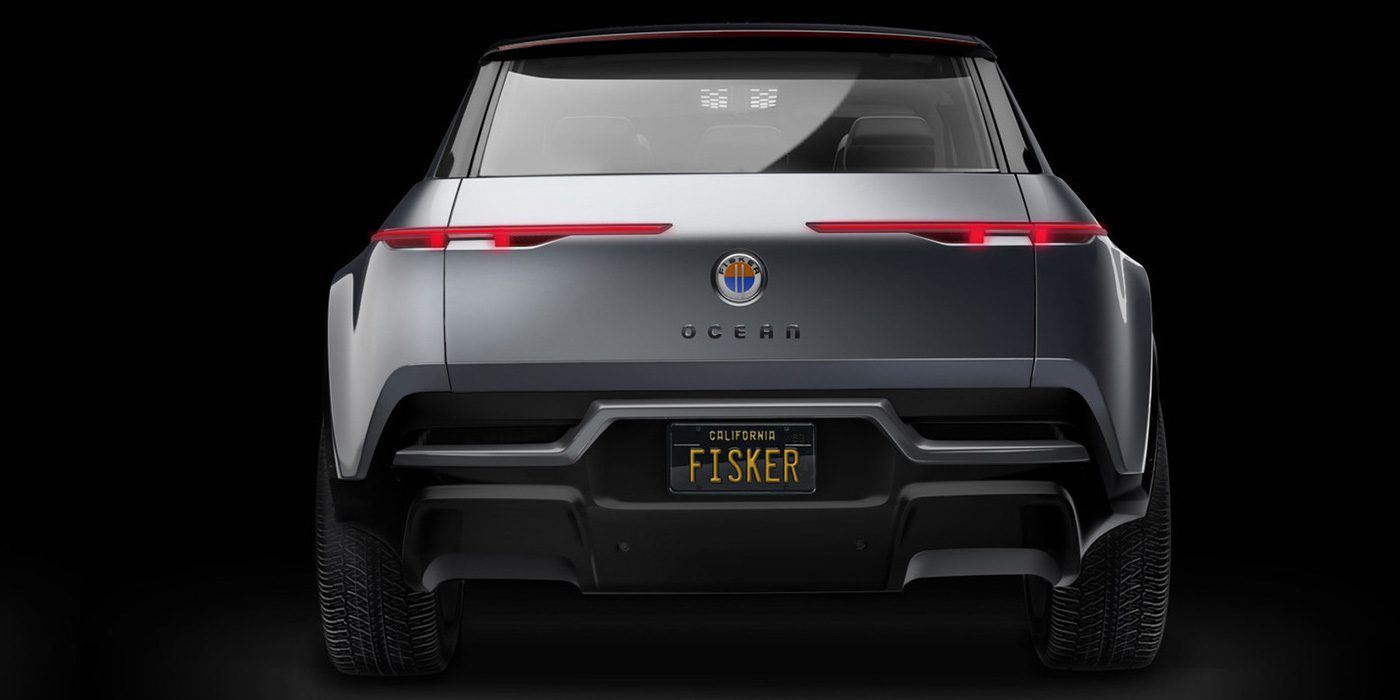
    Famous car designer and the Chairman and CEO of Fisker Inc., Henrik Fisker, recently confirmed that its next product could be a lifestyle EV truck. He is known for some of the iconic cars such as BMW Z8, Aston Martin DB9, Aston Martin V8 Vantage, and Fisker Karma. Fisker confirmed this development through his official LinkedIn profile, teasing the rear quarter shot of the EV truck, which seems to be aggressively designed. The EV maker aims to create the lightest and most efficient pickup truck in the world. However, the image is just a teaser, but the final product will be way more radical.

    Last month, the designer took to Twitter confirming that he has started designing his new vehicle, which will be radical. The company will also be launching its first all-electric luxury SUV globally next year.

    In a LinkedIn post, Fisker said, “Ok, yes, next vehicle might be a lifestyle pick up truck! But not just any truck! We want to create the lightest, most efficient EV pick up in the world! Making it, the most sustainable! image is just a teaser! Not the final: final will be way more radical!”

    We know that the upcoming electric pickup truck will be christened Fisker Alaska that was teased on Twitter last month. The company also plans to launch a range of new, advanced and radical electric vehicles, faster than any EV maker yet. We are not sure if this is the same truck that Fisker teased in December. But it’s worth noting that the CEO used the world radical for both the teasers.

  • Car Market Slowdown Threatens Jobs At Bosch

    Car Market Slowdown Threatens Jobs At Bosch

    Global car market is expected to slow this year and the continuing aftershocks of a sector-wide diesel cheating scandal will hit jobs at the world’s biggest component supplier Bosch, its boss said Tuesday.

    “Of course, we have to react to falling demand,” chief executive Volkmar Denner told Munich-based daily Sueddeutsche Zeitung when asked about possible job cuts.

    Expected by analysts to contract this year, the global car market is developing “much more weakly than we still thought a year ago,” Denner said.

    “This isn’t just a short-term dip that will quickly be recovered,” he added.

    Reduced demand for diesel-fuelled vehicles “is hitting us particularly hard,” said Denner.

    Customers in Germany and abroad have turned away from the fuel since Volkswagen’s 2015 admission to cheating regulatory emissions tests on 11 million vehicles worldwide, while investigations have spread to other carmakers in Germany’s flagship industry.

    Many potential buyers have been deterred by already-implemented or proposed bans for some diesels from city centres, as municipalities try to reduce levels of harmful nitrogen oxides (NOx) in the air.

    Meanwhile manufacturers themselves are ramping up alternatives, like hybrid and battery-electric vehicles, to meet tough new EU carbon dioxide (CO2) emissions targets set to bite from next year.

    Bosch said in January lower diesel demand would force it to slash 600 jobs among its 15,000 employees in the field.

    Over the full year, the company expects revenue at the same level as 2018, when sales reached 77.9 billion euros, rather than the slight increase it had previously predicted.

    And “we won’t be able to maintain the high level of profitability we had last year,” Denner said.

    The company said early this year it expected a profit margin of below six percent, rather than last year’s seven percent.

    Competitor Continental, listed on the blue-chip DAX index, in July lowered its full-year financial objectives, blaming the weak global market.

  • Volvo Cars Could Cut Several Hundred Jobs

    Volvo Cars Could Cut Several Hundred Jobs

    Swedish carmaker Volvo, which is owned by China’s Geely, is cutting several hundred jobs, Swedish radio reported on Friday citing sources.The carmaker, whose number of employees has more than doubled over the past decade to about 43,000, confirmed it was reviewing staff and other costs to ensure its business had the “right skills”.

    “As a growing company, Volvo Cars is constantly reviewing its cost base. This becomes even more important in light of the headwinds the industry is facing and Volvo Cars are now increasing its focus on costs related to staffing and bought services,” the company said in an emailed statement.

    The jobs primarily affected were those of consultants and staff involved in factory production will not be affected, a Volvo spokesman said. He declined to specify the number of job cuts and savings expected from the layoffs. Volvo’s fortunes have come under renewed threat with the car sector facing one of its most challenging periods due to trade conflicts, hefty bills to develop electric and driverless cars, and an overall downturn in the industry.

    The company, which has put its listing plans on ice due to the tariff wars and auto stock downturn, has reported lower first-quarter profit and warned that margins will remain under pressure this year.

  • Hyundai may promote its Nexo with bottled water

    Hyundai may promote its Nexo with bottled water

    Hyundai Motor is considering releasing a range of bottled water inspired by its hydrogen fuel-cell vehicle Nexo, the company confirmed Monday. The automaker is hoping to use the Nexo-branded water to market its Nexo sport-utility vehicle (SUV) as pure and eco-friendly, like water. The unusual approach of using water to promote the car’s eco-friendly aspect is thought to be an industry first.

    Hyundai will be partnering with local convenience store chain CU. The date of the water’s debut has yet to be fixed, according to a press officer from Hyundai, rejecting claims by some media outlets that the launch could be as early as next month. The company also said mass production of the bottled water has not yet begun.

    When asked whether the water will be produced using any of the technology that goes into making a fuel-cell vehicle – water is a byproduct of a hydrogen fuel-cell vehicle – the press officer said, “the product will be like general drinking water used for marketing rather than a medium to show our car technologies.”

    The marketing scheme comes as Hyundai Motor Group is increasing its focus on hydrogen energy as its future growth engine.

    Just last month, Hyundai Motor Group Executive Vice Chairman Chung Eui-sun was appointed co-chair of the Hydrogen Council, a group of business leaders that promote hydrogen energy. On appointment, he highlighted the potential of a hydrogen energy-based economy where hydrogen energy would meet 18 percent of the total global energy demand and create millions of jobs by 2050.

    Hydrogen fuel-cell cars are powered by electricity generated through a chemical reaction between hydrogen and oxygen. It is often labeled as the ultimate eco-friendly car because its only byproduct is water, which is environmentally friendly. However, there are still some technological hurdles to make it the most common car on the roads, including high prices.

  • Hyundai to focus on customization

    Hyundai to focus on customization

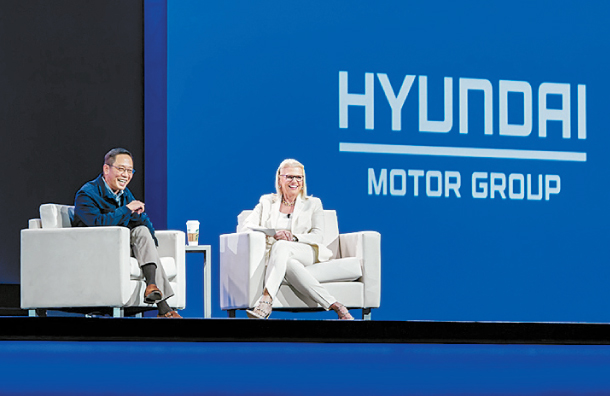
    The chief of Hyundai Motor’s financial affiliates outlined the units’ digital strategy and future vision at IBM’s largest annual conference that ran through Friday in San Francisco. Chung Tae-yong, who heads Hyundai Card, Hyundai Capital and Hyundai Commercial, said that finely-tuning customization will take center stage in Hyundai’s approach to serving financial services’ clients.

    “The existing concept of market customization is irrelevant to the current business environment,” said the CEO, whose English name is Ted Chung, during a session with Ginni Rometty, CEO of IBM.

    “Customization should not be based on widely-held assumptions, like young people might love zombie movies or older people won’t listen to hip-hop music,” Chung said, “If one likes candy, that is just it.”

    He went on to note that Hyundai Card holds a wide range of information that points to clients’ daily lives, preferences and hobbies and that the new services under development will be tailored using that data.

    Chung also cited Buddy, an AI-based chatbot for customer service using machine learning technology from IBM’s Watson.

    “It’s almost impossible to fully understand or memorize the benefits, limits, or conditions of a finance product,” he said.

    “So we introduced IBM Watson and it became a very powerful tool to help our employees and helped us to lower our employee turnover rate to less than 10 percent.”

  • U.S. agency submits auto tariff probe report to White House

    U.S. agency submits auto tariff probe report to White House

    The U.S. Commerce Department sent a report on Sunday to U.S. President Donald Trump that could unleash steep tariffs on imported cars and auto parts, provoking a sharp backlash from the industry even before it is unveiled, the agency confirmed. Late on Sunday, a department spokeswoman said it would not disclose any details of the “Section 232” national security report submitted to Trump by Commerce Secretary Wilbur Ross. The disclosure of the submission came less than two hours before the end of a 270-day deadline.

    Trump has 90 days to decide whether to act upon the recommendations, which auto industry officials expect to include at least some tariffs on fully assembled vehicles or on technologies and components related to electric, automated, connected and shared vehicles.

    As the White House received the report, the industry unleashed what is expected to be a massive lobbying campaign against it.

    The industry has warned that feared tariffs of up to 25 percent on millions of imported cars and parts would add thousands of dollars to vehicle costs and potentially lead to hundreds of thousands of job losses throughout the U.S. economy.

    The Motor and Equipment Manufacturers Association, which represents auto parts suppliers, warned that tariffs will shrink investment in the United States at a time when the auto industry is already reeling from declining sales, Trump’s tariffs on steel and aluminum, and tariffs on auto parts from China.

    “These tariffs, if applied, could move the development and implementation of new automotive technologies offshore, leaving America behind,” it said in a statement. “Not a single company in the domestic auto industry requested this investigation.”

    The Commerce Department started its investigation in May 2018 at Trump’s request. Known as a Section 232 investigation, its purpose was to determine the effects of imports on national security and it had to be completed by Sunday.

    Automakers and parts suppliers are anticipating its recommendation options will include broad tariffs of up to 20 percent to 25 percent on assembled cars and parts, or narrower tariffs targeting components and technologies related to new energy cars, autonomous, internet-connected and shared vehicles.

    The Commerce Department alluded to a focus on emerging vehicle technologies when it opened the investigation.

    Administration officials have said tariff threats on autos are a way to win concessions from Japan and the EU. Last year, Trump agreed not to impose tariffs as long as talks with the two trading partners were proceeding in a productive manner.

    Trump said on Friday that tariffs protect industry and also help win trade agreements.

    “I love tariffs, but I also love them to negotiate,” he said.

    A report from the Center for Automotive Research in Ann Arbor, Michigan, published on Friday showed its worst-case scenario of a tariff of 25 percent would cost 366,900 U.S. jobs in the auto and related industries.

    U.S. light duty vehicle prices would increase by $2,750 on average, including U.S.-built vehicles, reducing annual U.S. sales by 1.3 million units and forcing many consumers to the used car market, the think tank’s report said.

    Major automaker groups said last year the cumulative effect for the United States would be an $83 billion annual price increase and argued there was no evidence auto imports posed a national security risk.

    Canada and Mexico each won duty-free access to 2.6 million vehicles as part of a new North American free trade deal even if the administration moves ahead with the tariffs.
  • Vietnamese car maker plans private share issue

    Vietnamese car maker plans private share issue

    Truong Hai Auto Corporation (THACO) is planning to issue more than 30.3 million shares to a strategic shareholder. The company is currently collecting shareholders’ opinions on a draft resolution to authorize a private placement worth an estimated total of VND3.89 trillion ($167.19 million) to Jardine Cycle & Carriage, a Singaporean diversified conglomerate that specializes in investment in car manufacturing.

    The share issue aims to raise additional capital to finance THACO’s investment and business plans this year, the company said in a circular issued to shareholders last week.

    The 30.3 million shares proposed in this placement make up 1.82 percent of THACO’s current chartered capital, and will raise the Singaporean shareholder’s stake in the car manufacturer to 26.57 percent.

    The share ownership of remaining shareholders will remain unchanged. Currently, 6.8 percent of THACO is owned by billionaire Tran Ba Duong, founder and chairman of the company, and another 60.6 percent by Tran Oanh JSC, a holding company owned by Duong and his family.

    The shares are expected to be issued soon after the State Securities Commission has confirmed the receipt of all documentation regarding the private placement.

    Dong Nai-based THACO was established as an auto and commercial vehicle maker in 1997. It has a plant in central province of Quang Nam and 89 showrooms and 53 dealerships.

    It makes trucks and buses and assembles cars for brands like Kia (South Korea), Mazda (Japan), and Peugeot (France).

    Jardine Cycle & Carriage Ltd, which is part of the Jardine Group of companies, has a diverse business portfolio. They have long term shareholdings in major manufacturers such as Jakarta based Astra International, as well as other interests in the refrigeration, cement and milk business.

    In Singapore, Jardine C&C is best known as the retailer of Mercedes Benz, Mitsubishi, Kia, Citroen, DS, and Maxus motor vehicles. The company has a current market capitalisation of S$14.55 billion (US$10.71 billion).

  • Mercedes back in No. 4 spot on E-class sales in Korea

    Mercedes back in No. 4 spot on E-class sales in Korea

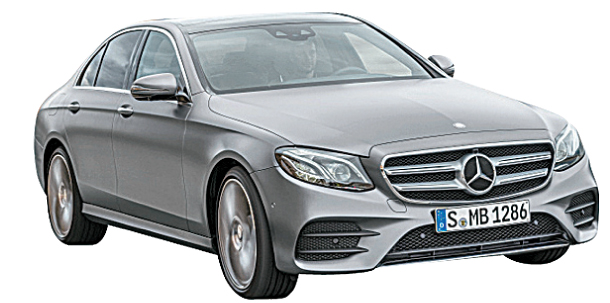
    Mercedes-Benz outsold local carmakers in Korea to finish fourth in domestic sales in January, industry data showed Monday. The Korean unit of the German automaker sold 5,796 vehicles last month, equal to 4 percent of the total 114,632 vehicles. The sum places it fourth after Hyundai Motor (31.2 percent), Kia Motors (22.8 percent) and SsangYong Motor (6.1 percent).

    January sales for Mercedes-Benz Korea shrank 22.8 percent compared with the month before, but they were still higher than the monthly sales by Renault Samsung Motors (3.5 percent) and GM Korea (3.1 percent).

    The last time that the German brand reached No. 4 in monthly sales was back in April last year, a ranking that followed the closure of a local assembly plant by GM Korea two months earlier. Mercedes-Benz defended the ranking for three months before slipping to No. 6 in May last year.

    In yearly sales, Mercedes-Benz Korea sold 70,798 units for a market share of 4.5 percent last year, behind Renault Samsung (5.7 percent) and GM Korea (5.5 percent).

    Industry watchers attribute the sales increase to the success of the E-Class. January sales of the lineup were the 12th highest at 3,392 units, a number meaning that one E-Class vehicle was sold for every three Grandeur autos from Hyundai Motor purchased.

    The E-Class cars outsold Genesis, an independent brand launched by Hyundai that is pitted as its domestic rival, last year.

    The “diesel-gate” scandal that pounded German brands also helped promote the E-Class, which are mostly gasoline cars,

    “This year, BMW and Audi are scheduled to release new sedans, and a full-change Genesis G80 is also due soon,” one source noted. “This will likely affect the sales of the E-Class.”

  • Korea automobile production falls for 3rd year in 2018

    Korea automobile production falls for 3rd year in 2018

    Korea’s auto production tumbled for a third consecutive year in 2018 amid weaker domestic and global demand, data showed Sunday. According to the data by the Korea Automobile Manufacturers Association (KAMA), Korea produced 4.03 million vehicles last year, down 2.1 percent from the previous year. The figure has been decreasing over the past three years from 4.56 million in 2015 to 4.23 million in 2016 and 4.12 in 2017.

    The 2018 figure put Korea as the seventh-largest car manufacturing country in the world, down one notch from the previous year, according to the association.

    Korea became the world’s fifth-largest maker of cars in 2005 and retained the ranking until 2015. But India edged out Korea to stand at the world’s sixth in 2016 and 2017. Last year, Korea fell behind Mexico.

    China was found to produce the largest number of vehicles in 2018, with 27.81 million followed by the United States, Japan, Germany and India.

    Korea’s total car exports also fell to 2.45 million vehicles last year from the previous year’s 2.53 million, the KAMA said, adding that the country accounted for 4.1 percent of the world’s car production in 2018, down 0.1 percentage point from a year earlier.

    “Contentious labor-management relations, as well as stiff labor market conditions, among others, appear to negatively affect local carmakers’ competitiveness,” the association said in a release, calling for state support and business innovation.