Retail News CRM

Tag: Case

  • Coles’ Profit Dips Amid Ongoing ACCC Pricing Case and Regulatory Disputes

    Coles’ Profit Dips Amid Ongoing ACCC Pricing Case and Regulatory Disputes

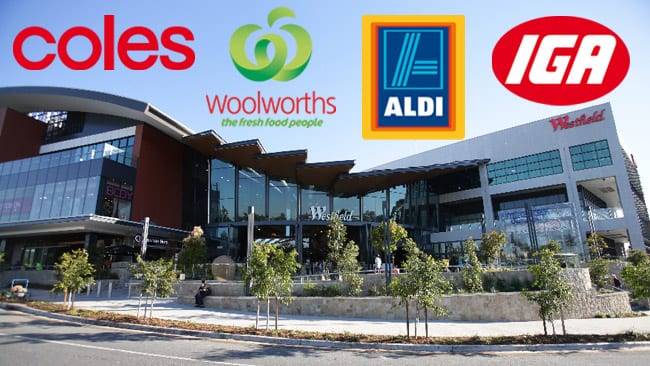
    Despite seeing growth in its supermarket division, leading grocery retailer, Coles, has experienced a significant fall in profits, largely due to what has been referred to as the “case of the century”, instigated by the Australian Competition and Consumer Commission (ACCC).

    Profit Decline Amidst Supermarket Growth

    Coles’ after-tax profit for the first half of this financial year saw an 11.3% decline. This happened in spite of a considerable expansion in the company’s supermarket division, where sales, gross margin and earnings before interest and tax (EBIT) all increased. The phenomenal $23.1 billion in revenue from grocery stores contributed to 90 per cent of Coles’ total revenue for the period.

    Liquor Sales Dwindle

    On the contrary to the supermarket division, Coles’ liquor sales witnessed a “subdued” period, according to the company. The segment experienced a 3.2 per cent fall in revenue along with a significant 37 per cent plunge in EBIT.

    Regulatory Disputes Affecting Profits

    Coles’ after-tax profits were substantially impacted by provisions from regulatory disputes. One such dispute involved allegations of the company not adhering to the general retail industry award (GRIA) guidelines in terms of staff remuneration. The Fair Work Ombudsman passed a judgment on this matter on September 5 of the previous year.

    This case, heard in the Federal Court of Australia, along with subsequent settlements, resulted in a staggering $235 million cost to Coles. The company also warned of the “risk” of further payments. The dispute involved 15,011 staff members and led Coles to pay $31 million in remuneration to employees following an internal review.

    Ongoing ACCC Dispute

    In addition to past disputes, Coles is currently faced with an ongoing disagreement with the ACCC. The dispute involves the supermarket’s longstanding “Down Down” promotion which has not yet been resolved.

    Despite the ACCC’s allegations of misleading customers with its discount promotion, Coles maintains its innocence. The company stated that “at least” 245 products are being reviewed, and the financial impact of any outcome remains uncertain.

    Questions & Answers

    What was Coles’ primary source of revenue in the first half of this financial year?
    The primary source of Coles’ revenue was its supermarket division, which contributed to 90% of the company’s total revenue.

    How have regulatory disputes affected Coles’ profits?
    Regulatory disputes have significantly impacted Coles’ after-tax profits. One such dispute resulted in a $235 million cost to the company with the risk of further payments.

    What is the ongoing dispute between Coles and the ACCC about?
    The ongoing dispute between Coles and the ACCC is regarding the supermarket’s longstanding “Down Down” promotion. The ACCC alleges Coles misled customers with this discount promotion, a claim which Coles denies.
  • Johnson & Johnson Slapped with $40M Verdict in Landmark Talc-Ovarian Cancer Case

    Johnson & Johnson Slapped with $40M Verdict in Landmark Talc-Ovarian Cancer Case

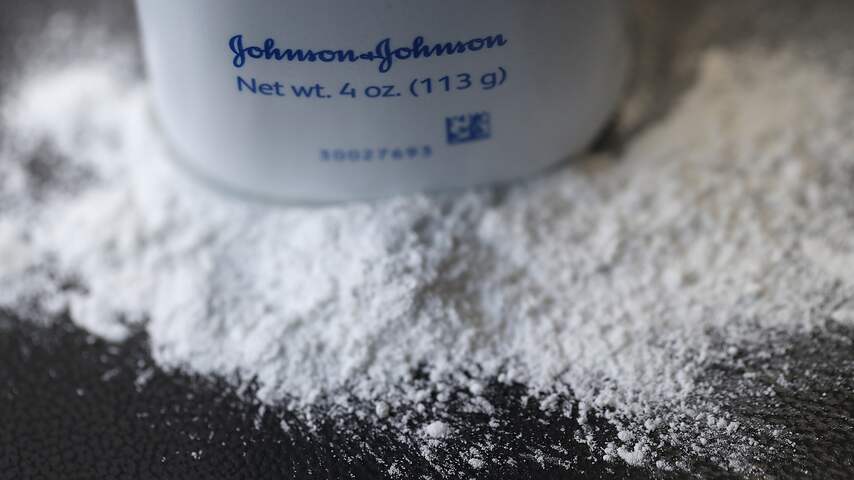
    A California court has awarded $40 million to two women who claimed their ovarian cancer was a result of prolonged usage of Johnson & Johnson’s talcum-based baby powder. The Los Angeles Superior Court jury distributed the payout, allotting $18 million to Monica Kent and $22 million to both Deborah Schultz and her husband. This decision was made following the conclusion that Johnson & Johnson was aware of the potential harm their products could cause for several years, yet failed to notify consumers.

    Erik Haas, the current vice president of litigation at Johnson & Johnson on a global scale, announced the company’s intention to appeal the ruling. He expressed confidence that they would eventually emerge victorious, as they typically do in similar cases of adverse verdicts.

    Monica Kent received her ovarian cancer diagnosis in 2014, while Schultz got hers in 2018. Both women, residents of California, reported regular usage of Johnson & Johnson’s baby powder post-bath for around four decades. The pair also testified that their treatments for ovarian cancer included significant surgeries and multiple rounds of chemotherapy.

    According to Andy Birchfield, the women’s attorney, Johnson & Johnson knew as early as the 1960s that their product was potentially carcinogenic. He accused the company of actively trying to suppress this information from public knowledge.

    In response, Allison Brown, Johnson & Johnson’s attorney, insisted that the only people to link the women’s cancers to talc were their legal representatives. Brown argued the alleged connection lacks the support of any significant US health authority and no study exists to prove talc can move from the exterior of the body to reproductive organs.

    Currently, the company faces over 67,000 lawsuits from plaintiffs alleging that they developed cancer following the usage of Johnson & Johnson’s baby powder and other talc products. Despite this, the corporation maintains that its products are safe, asbestos-free, and do not cause cancer. In 2020, Johnson & Johnson ceased the sale of talc-based baby powder in the US, instead opting for a cornstarch product.

    Johnson & Johnson also attempted to address the litigation via bankruptcy. However, this approach has been dismissed thrice by federal courts, most recently in April. Prior to these bankruptcy attempts, Johnson & Johnson had a mixed track record in talc trials, with some verdicts reaching as high as $4.69 billion awarded to women claiming the baby powder caused their ovarian cancer.

    Most of the lawsuits Johnson & Johnson faces are related to ovarian cancer claims. A smaller segment of the claims alleges that talc caused a rare and lethal cancer known as mesothelioma. Over the past year, the company has seen multiple substantial verdicts in mesothelioma cases, including a verdict exceeding $900 million in Los Angeles last October.

    Questions & Answers

    What was the amount awarded to the women claiming Johnson & Johnson’s baby powder caused their ovarian cancer?
    The Los Angeles Superior Court jury awarded a total of $40 million to the two women; $18 million to Monica Kent and $22 million to Deborah Schultz.

    What is Johnson & Johnson’s stance on the issue?
    Johnson & Johnson maintains the position that their products are safe, free from asbestos, and do not cause cancer. They have every intention to appeal the recent verdict.

    What other lawsuits is Johnson & Johnson facing related to its talc products?
    Johnson & Johnson is currently facing over 67,000 similar lawsuits from plaintiffs who claim their cancers were caused by the use of the company’s baby powder and other talc-based products.

  • Apple launches iPhone 12 MagSafe leather, silicone cases

    Apple launches iPhone 12 MagSafe leather, silicone cases

    We’ve got a whole new slew of MagSafe-compatible cases up in the Apple Store today, now that the official event has ended.

    Apple’s online site was down in the last hours leading up to today’s event, where we found out plenty of juicy tidbits about the upcoming iPad Pro 2021, AirTags, and more. By the time the event ended, the site was back up, revealing plenty of new goodies for sale to accessorize your iPhone 12, iPhone 12 Pro, or iPhone 12 mini.

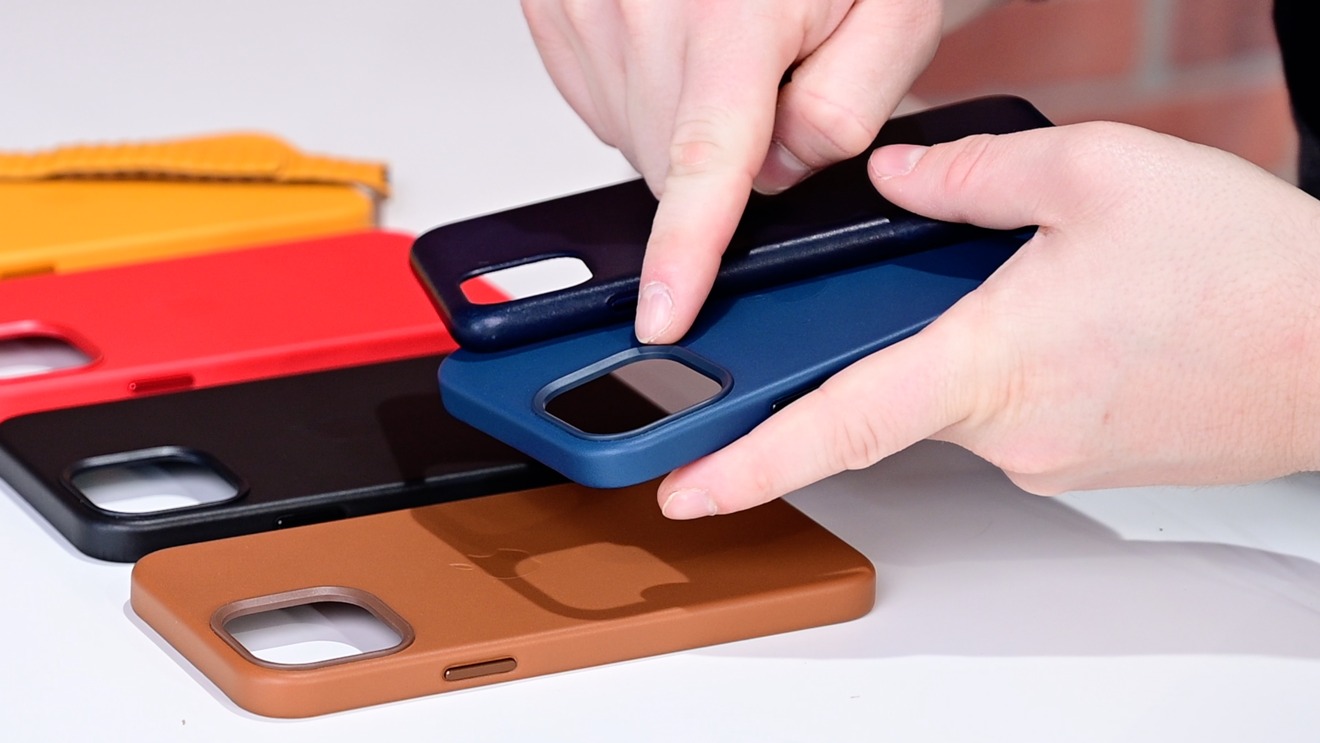
    First up are cases, with two newcomers in the Leather Case line, and three new Silicone Cases. For the Silicone Cases, we’ve got the vibrant summery Cantaloupe, Amethyst, and for the iPhone 12 mini—Pistachio, pictured below.

    We also have a new leather sleeve color released for the iPhone 12 mini: Deep Violet, same as the Leather Cases.

    d 12 mini are going to be getting a whole new color, come April 30. That gives us even more options to mix-and-match with the new color cases, if you don’t have an iPhone 12 yet and plan to upgrade.

  • Muji loses Chinese trademark infringement case

    Muji loses Chinese trademark infringement case

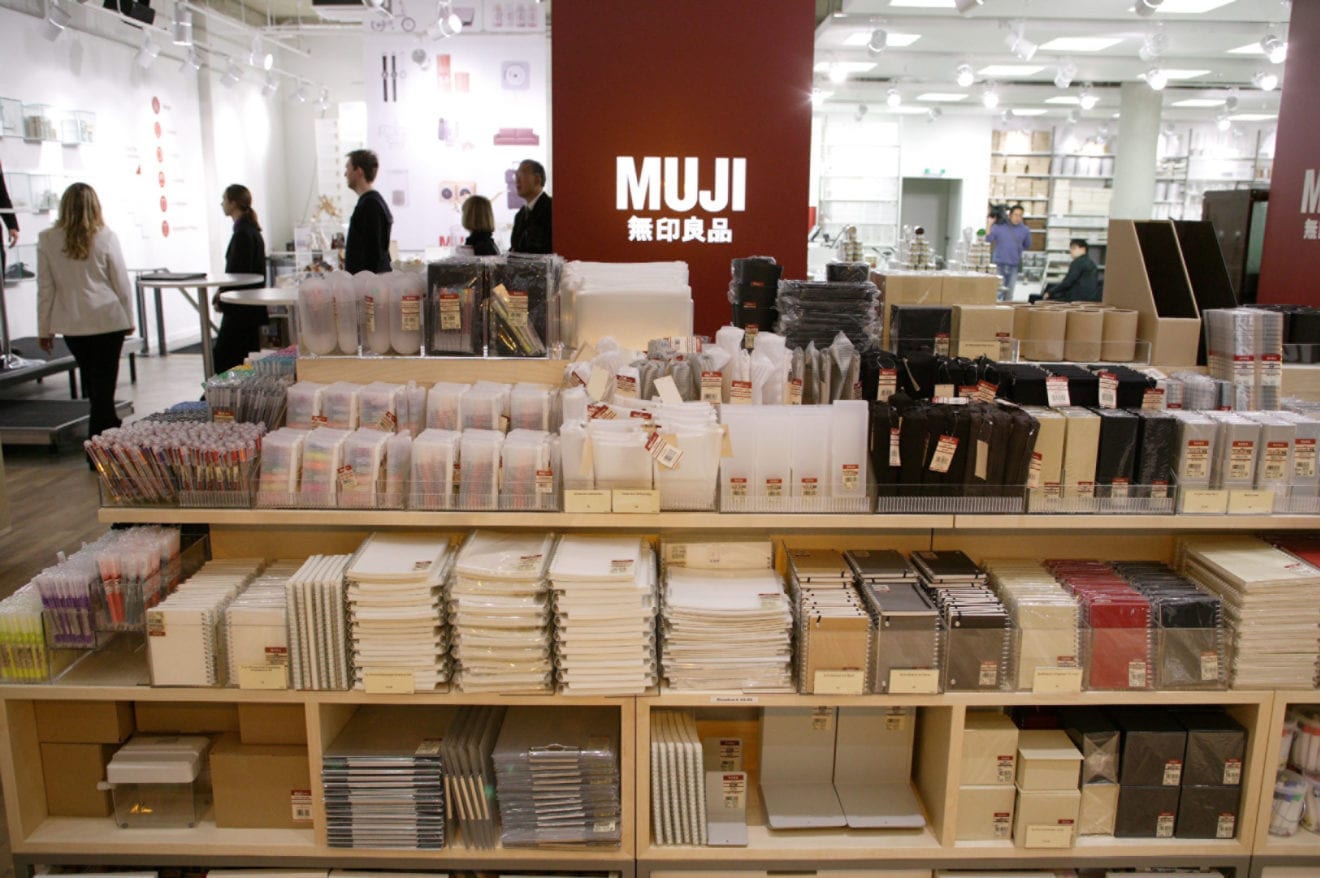
    A Chinese court has ruled Japanese retailer Muji must pay RMB626,000 (US$89,000) and apologize to a local firm after losing a trademark-infringement case, according to the South China Morning Post

    Muji had appealed a 2017 ruling finding against its use of a trademark currently held by Beijing Cottonfield Textile Corp, which was registered four years before Muji entered China, its largest market outside Japan. The Chinese characters in the trademark translate as “Unbranded, quality goods”.

    The phrase was owned by Cottonfield subsidiary Natural Mill. Muji was sued by Beijing Cottonfield and the trademark’s original owner Hainan Nanhua in 2015.

    China’s appeals court ruled against Muji this week saying “Beijing Cottonfield Textile Corp has the exclusive rights to the trademark… others may not infringe on that right without permission,” according to the South China Morning Post report.

  • Renault Fiat Case ‘Not Closed’

    Renault Fiat Case ‘Not Closed’

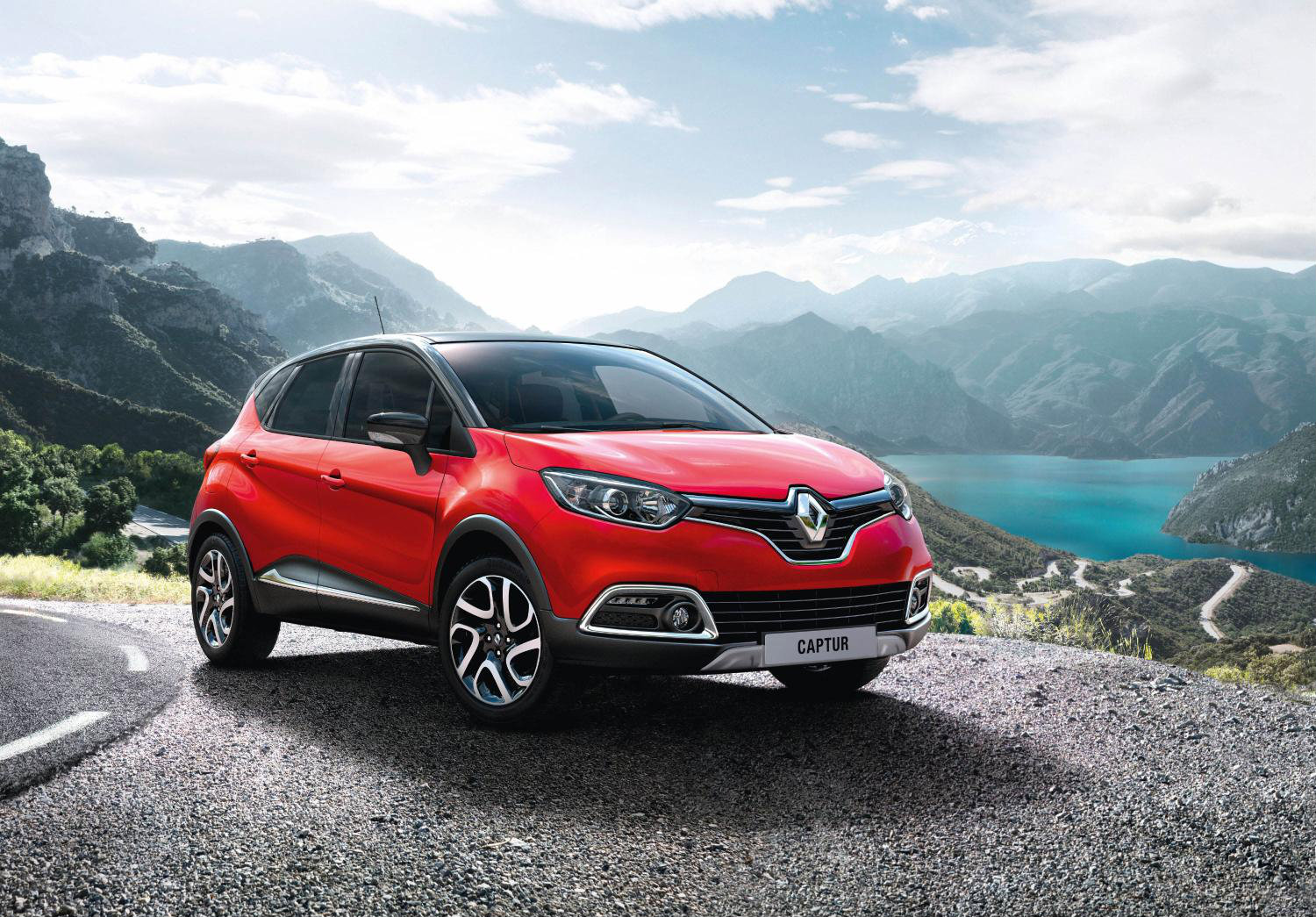
    Plans to merge carmakers Renault and Fiat Chrysler could re-emerge despite the breakdown of negotiations last week, France’s transport minister said on Tuesday, joining a chorus of French officials hoping the deal could be revived. Asked if talks between the two companies were over, Elisabeth Borne said: “I think it is not closed.”

    Borne’s comments follow similar remarks by French Finance Minister Bruno Le Maire, who also said he felt a merger between France’s Renault and Italian-American Fiat Chrysler Automobiles (FCA) remained a “good opportunity.”

    French budget minister Gerald Darmanin said last week as well that he hoped the door had not closed on a deal. Last week, FCA pulled out of $35 billion merger talks with Renault, with both companies blaming the French government.

    France has a 15% stake in Renault and the collapse of the talks deprived the companies of an opportunity to create the world’s third-biggest carmaker with 5 billion euros ($5.6 billion) in promised annual synergies.

    FCA and Renault are still looking for ways to resuscitate their merger plan and win the approval of Renault’s alliance partner Nissan, sources close to the companies have told Reuters.

  • Aldi takes Union to court over misleading Commercials

    Aldi takes Union to court over misleading Commercials

    Aldi has taken the Transport Workers Union to Federal Court, following what the supermarket claims is a string of false and misleading claims.

    The TWU has made a number of claims toward Aldi, including that its drivers have faced harassment when they have raised concerns over fatigue with management, with one driver quoted as being told, “Everyone else is doing it. You are the only one with a problem.”

    However, the supermarket has refuted these claims and said it will let the courts determine the matter.

    “The TWU has made a series of allegations against Aldi,” an Aldi spokesperson told. “We say these allegations are false.”

    According to the TWU, the supermarket’s alleged actions could have far-reaching consequences for those who raise concerns about safety in the workplace, environmental or rights abuses.

    “Transport workers are sending a clear message to Aldi to take road safety seriously and make sure its transport workers, the transport workers in its supply chain, and other road users can return home to their families in one piece,” Nick McIntosh, TWU national assistant secretary, said in a statement to Aldi over the Christmas period.

    “Coles and Woolworths have recognised their critical role in improving road safety. Aldi needs to stop attacking truck drivers and instead sit down in good faith and be part of the solution.”

  • Chris Pratt and Tumi centrestage at Pacific Place

    Chris Pratt and Tumi centrestage at Pacific Place

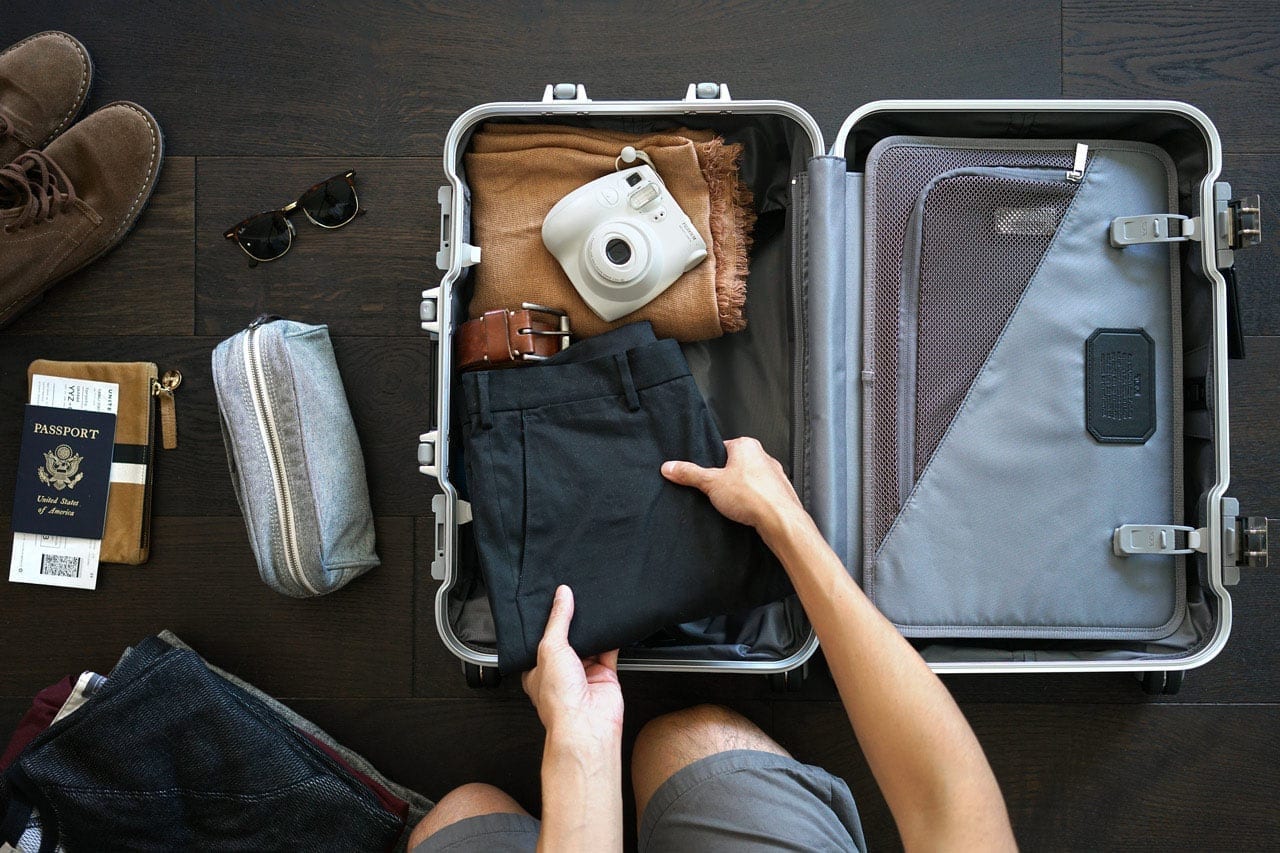
    Travel, business and lifestyle accessories brand Tumi will introduce its new campaign for Asia Pacific & Middle East starring Hollywood actor Chris Pratt at Tumi Loft Pacific Place.

    Chris Pratt and Tumi will launch their new collaboration in the region at Pacific Place in Hong Kong on April 30. It will be his first appearance with Tumi Asia Pacific & Middle East, described as “an immersive Tumi brand experience”.

    The new campaign will be unveiled at the event, which includes a journey film documenting preparations for his trip to Hong Kong.

    At the Loft, Pratt will also debut his virtual avatar on the new Tumi Club App. Guests will be able to download the app and use the new augmented reality feature to take virtual selfies with a lifelike Chris Pratt avatar at the Loft. In addition, Tumi Loft guests can use the technology to trigger a special Chris Pratt avatar animation by scanning his poster at the Tumi Loft Pacific Place entrance.

    “I’m blessed to have a job that allows me to travel so much,” said Pratt. “I’ve always trusted Tumi as my go-to luggage on my various trips around the world. I only ever promote products I actually use in real life. This makes Tumi a great fit. Tumi products are sleek, stylish, built to last and have long been my choice for luggage. I look forward to visiting Hong Kong for the first time to launch this special partnership with Tumi Asia and Middle East.”

    “We are thrilled to have Chris Pratt star in our newest campaign for Asia Pacific and Middle East with the iconic Alpha 3 and Alpha Bravo collections,” said creative director Victor Sanz of the Chris Pratt and Tumi partnership. “To us at Tumi, Chris represents a new age of leading men in Hollywood – bold and genuine. Combined with his international appeal, Chris’s personality truly speaks to our growing millennial fanbase.”

  • Former ANZ employee to stand trial in million dollar fraud case

    Former ANZ employee to stand trial in million dollar fraud case

    A former ANZ Bank employee will be tried for allegedly falsifying customers’ signatures and misappropriating over VND91.3 billion ($4 million). Ho Chi Minh prosecutors have submitted to the court an indictment against Nguyen Pham Gia Tho, a former employee of ANZ, and his sister-in-law Nguyen Tuong Vi, director of an agricultural product export/import company, for appropriating property through fraud.

    According to the indictment, in 2015, Tho was head of customer relations at ANZ’s South Saigon branch in District 7 and was tasked with mobilizing savings deposits, providing insurance sales advice and proposing mortgages.

    During his time, he allegedly falsified signatures of customers with saving accounts to register for internet banking service and then transferred their money into his or his relatives’ accounts. Specifically, in early 2016, Tho was asked by a customer named Mai to help manage her bonds worth VND3 billion ($130,000) with securities firm VPBS. Abusing her trust, he falsified six contracts to mortgage the bonds and secure loans from VPBS.

    Tho asked his mother to impersonate Mai and register for internet banking service, then transferred the VND3 billion to her account so that he could withdraw from it. In July 2017, to have money for a fruit trading business with his sister-in-law Vi, Tho falsified signatures of several ANZ customers to open joint bank accounts in their names and one of his relatives.

    He then falsified documents to secure loans from the bank for the joint accounts before appropriating the money by transferring them into Vi’s and his own accounts. In total, Tho was determined to have misappropriated a total of VND91.3 billion (nearly $4 million), with Vi an accomplice in the misappropriation of over VND80 billion of this money. The relatives of Tho and Vi, whose identities were used to open the joint accounts, will not be prosecuted as investigators concluded they were unaware of the fraud and did not benefit from it.

  • Apple to announce AirPower and AirPods wireless charging case

    Apple to announce AirPower and AirPods wireless charging case

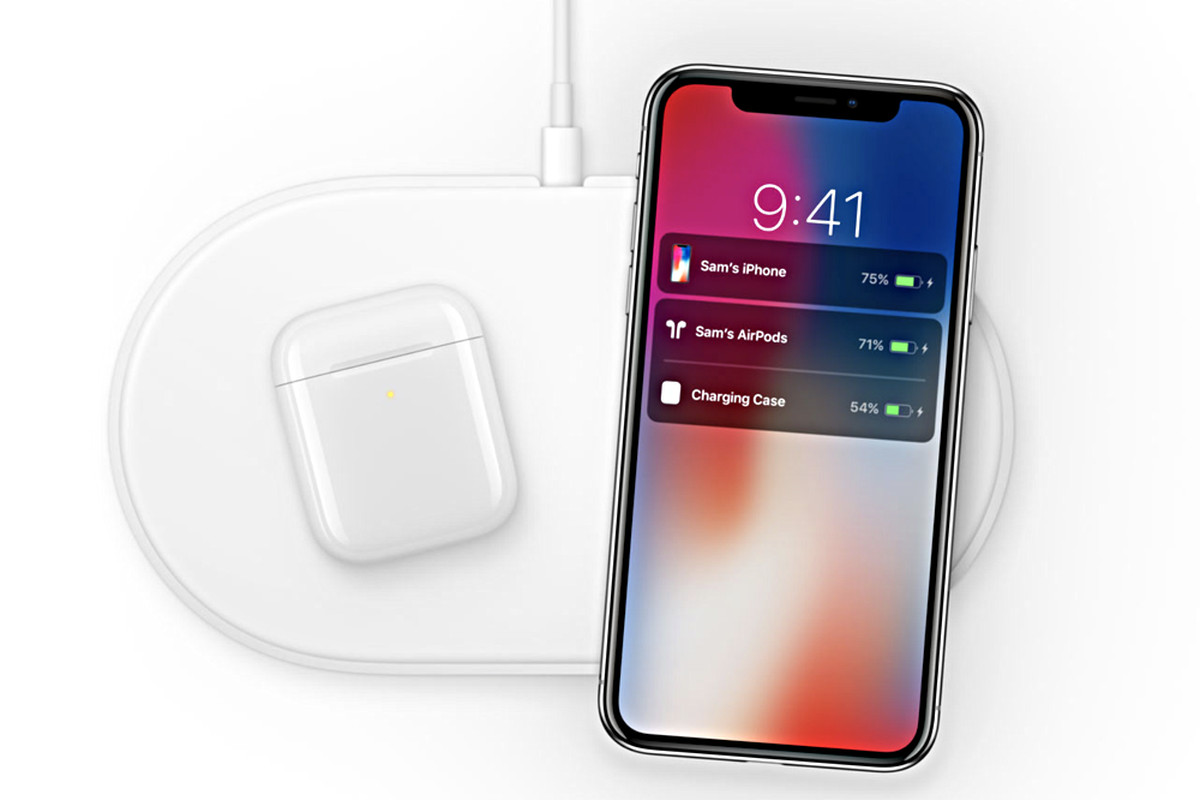
    According to Max Weinbach, Apple’s seventh-generation iPod Touch will make its international debut sometime tomorrow. Once again, specifics about the product weren’t provided but this announcement info does coincide with a previous rumor from earlier today. After the iPod’s announcement, Apple could proceed with the unveiling of two other products. Weinbach’s sources acknowledged that they haven’t worked on AirPower or the AirPods wireless charging case directly.

    However, they did confirm the possibility of these products launching later on this week. If Apple’s strategy so far is anything to go by, the AirPower charging mat will probably be announced on Thursday. This will presumably be followed in Friday by the debut of the AirPods wireless charging case. But if Apple wishes to cut the week short, it could announce both products simultaneously.

    As a further indication of Apple’s plans to launch AirPower soon, recent changes to the iOS 12.2 beta have resulted in “significant” modifications to the wireless charging code. More specifically, the operating system now includes the code “responsible for identifying that two devices are charging on the same mat,” something AirPower will support.

    Apple’s AirPods 2 might still be months away

    As you may have noticed, there has been no mention of AirPods 2. Unfortunately, this is because the sources believe Apple’s next-gen wearable won’t launch until September alongside the iPhone 11 series. Rumor has it that AirPods 2 will look fairly identical to the originals. But in the hope of improving grip and reducing slipperiness, Apple is believed to be preparing a new frosted glass-like coating. This same coating may be present on the 2019 iPhone series.

    The new AirPods should introduce always-on Siri – which will give users the option of activating Siri with the words ‘Hey, Siri’ – and some kind of water resistance. The updated accessory may also feature some health-related features such as a built-in heart rate monitor. Also expected from AirPods 2 is Apple’s W2 Bluetooth connectivity chip.

    This halves power consumption with respect to the W1 chip and should result in big battery life improvements. Better overall sound quality is likely too.

    What does Apple have left for its March 25 event?

    After what could potentially be an entire week dedicated to hardware, next Monday Apple is holding the “It’s show time” press event. And, as revealed by Weinbach’s sources, there will be no hardware announcements. Instead, the company will focus entirely on its new services. The main star next week is expected to be Apple’s highly-anticipated news-aggregating subscription service.

    For a rumored price of $10 per month, consumers will gain access to a range of premium new content provided by a wide range of suppliers. Reportedly, this new service will be available to iPhone, iPad, and Mac users through the existing Apple News app.

  • Hyundai Motor raided as defect cover-up investigated

    Hyundai Motor raided as defect cover-up investigated

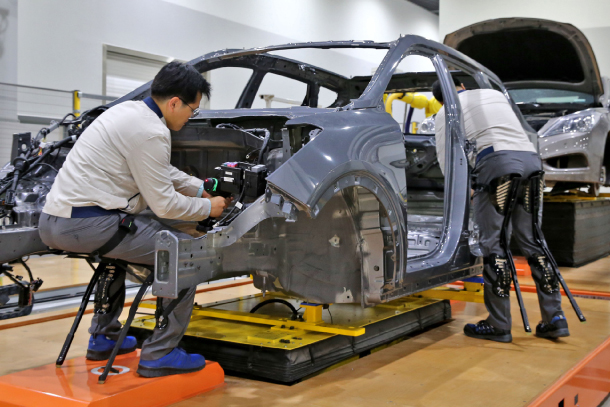
    Prosecutors raided the main office of Hyundai Motor and its smaller affiliate Kia Motors on Wednesday as part of a probe into allegations that the company tried to conceal defects in some of its vehicle lineups. The Seoul Central District Prosecutors’ Office sent its investigators to search the quality division at the headquarters of the automaker to collect evidence.

  • Apple took unfair profits: Korea FTC

    Apple took unfair profits: Korea FTC

    Korea’s corporate watchdog claimed Apple Korea has bargaining power over local mobile carriers and that it has reaped unfair profits from them in a statement Monday. According to the Fair Trade Commission (FTC), experts called in by the antitrust body said Apple Korea exploited its market position to place part of its advertising costs on local telecommunications companies.

    The statement comes after exchanges between the FTC and the iPhone maker during a deliberation on the company’s position on Jan. 16. It was the second round of hearings since the first deliberation in December.

    Apple Korea has been under investigation by the FTC since 2016 on whether it forced carriers to pay advertising and warranty costs.

    Korea’s fair trade law prohibits abuse of one’s position during a transaction.

    Apple Korea claimed through its expert witnesses, which included economists and business experts, that it does not have leverage over local carriers and defended its actions, saying that its advertisement fund was able to help all parties involved.

    The experts also argued that Apple’s involvement in advertisements was justifiable to maintain the iPhone brand.

    Expert witnesses for the FTC responded that Apple Korea can be regarded as being in a position of power over carriers and that the advertisement fund served to collect additional profit from them. They also stated that the company’s activities in taking part of carrier advertisements cannot be seen as part of their branding strategy.

    The FTC’s Economic Analysis Division provided similar analysis to those made by its witnesses.

    The hearings on the investigation will continue, with the third round of deliberations scheduled for Feb. 20.

    The antitrust body said that the third hearing will discuss specific actions made by Apple. It is unclear whether the third hearing will be the last.

    If found to have abused its position, Apple Korea could face fines worth up to two percent of its related sales.

    The iPhone maker has a history of trouble with the FTC.

    The company made corrective measures under the corporate watchdog for its product replacement policy back in 2011 and its services agreements with local companies in 2016.

  • CASE Singapore warns consumers about LuxStyle International

    CASE Singapore warns consumers about LuxStyle International

    Singapore shoppers have been warned about dealing with LuxStyle International Sales. The Consumers Association of Singapore (Case) has released a consumer advisory notice updating its previous advisory on LuxStyle, reminding consumers that they are “not obliged to make any payment to a business for goods or services that they did not explicitly agree to purchase”.

    The Case advisory follows complaints it had received against the Danish online retailer dating back to 2016. The complainants held that LuxStyle had sent out payment notices to consumers who had not agreed to any purchase. According to consumer reports, site visitors were charged by the firm after having entered personal payment information for the purposes of viewing prices, even though they had not proceeded to make a purchase.

    Case issued a consumer alert against LuxStyle in May 2017, but has received a further 18 complaints against the business since then.

    Some consumers have now been contacted by a debt collection agency asking for payments claimed by the firm. According to the advisory, since contacting the collection agency Case has been assured all related debt recovery action has now been cancelled, and that any consumer who made payments on the matter should be fully refunded.

  • Prosecutors drop charges against Samsung chairman

    Prosecutors drop charges against Samsung chairman

    Prosecutors dropped tax evasion and embezzlement charges against Samsung Group Chairman Lee Kun-hee on Thursday. The decision was based on the judgment that further investigation into the case was impossible due to Lee’s health issues. The investigation may resume if Lee recovers, but the possibility is slim. Lee has been hospitalized for more than four years now since a fall in May 2014.

    Lee was accused of avoiding taxes worth 8.5 billion won ($7.6 million) that involved multiple bank accounts under the names of Samsung executives. More than 1,700 accounts were found to have been used for this purpose since 2008, when the investigation started.

    Another charge against the chairman was the embezzlement of 3.3 billion won from Samsung C&T, which was used to pay for the interior renovation of Lee’s private home.

    The Seoul Central District Prosecutors’ Office, however, did decide to indict four Samsung executives who played a role in the two cases – one for the tax evasion scheme and three for the embezzlement case.

  • Vietnam court orders Grab to pay Vinasun $208,000

    Vietnam court orders Grab to pay Vinasun $208,000

    Grab should pay Vinasun VND4.8 billion ($208,000) for damage it has caused the top taxi firm, a court ruled Friday.

    The People’s Court of Ho Chi Minh City said in its verdict that Grab had committed many mistakes in its operations in Vietnam, tantamount to unfair competition, which damaged Vinasun’s business.

    Before 2016, Grab had registered almost 300 contract cars in Ho Chi Minh City, which increased to 23,000 by the end of last year. This led to a decrease in the number of active Vinasun cars, causing damage worth VND4.8 billion, the court found.

    By June 2017, Vinasun had provided 1.1 million trips to its customers, while Grab had over 2 million. This shows that the number of Grab cars has continuously increased causing many Vinasun cars to stay unused in parking lots, the court said.

    Grab’s entrance into the Vietnamese market has also lowered Vinasun’s market share, a damage of VND81 billion ($3.49 million).

    Although its entrance has negatively affected Vinasun, the taxi firm could not prove that Grab was the only company to cause this damage, the court said.

    For this reason, the court only required Grab to pay Vinasun the sum of VND4.8 billion for unused cars.

    Change Grab’s status

    The court also proposed that Vietnamese authorities start defining Grab as a transport business.

    Grab has said in many documents to Vietnamese authorities that it is only a technology company and not a transport company. It has also said it only provides electronic transactions and free technology for customers via electronic receipts, which has been approved by the Ministry of Transport.

    But the electronic contracts that Grab mentioned did not confirm to definitions under Vietnam’s Law of Electronic Transactions, the court said.

    It noted that Grab’s contracts did not say who the parties to them were and there were no dispute resolution terms.

    “Grab claims to be a company which provides technology and does not conduct a taxi business nor manage the drivers. But in fact, Grab does manage the drivers and charges transport fees,” the verdict said.

    “When customers order a ride, they transfer their money to Grab or pay via the driver a sum from which Grab takes a percentage. Grab also determines the bonus and punishment for drivers,” it added.

    Furthermore, Grab’s business activities do not follow the law, which requires an automobile transportation business to ensure the number of vehicles and service quality, the court said. The law also requires the business to provide employees with labor contracts, traffic safety training and social security.

    Grab does not follow these regulations and does not pay the taxes it should as a transport business, the court said.

    Since 2016, the Inspectorate of the HCMC Department of Transportation has listed 29 violations committed by Grab concerning not having a business registration certificate, list of transport contracts, and taxi signs, the court said.

    Grab has also ignored twice the Ministry of Transport’s documents asking the company to stop its service with contracted vehicles, it said.

    The ride hailing firm has also violated the law in how it gives out promotions and increase and decrease transport fees multiple times a day, the court added.

    Vinasun had filed the suit against Grab in June last year. It said Grab’s illegal activities were responsible for nearly VND42 billion ($1.8 million) of the VND76 billion ($3.25 million) in losses it had suffered in 2016 and the first half of 2017.

    The trial began in February, but was adjourned a month later to allow for more evidence to be gathered. Grab had protested the valuation of Vinasun’s losses.

    Last October, prosecutors asked the court to accept Vinasun’s petition for compensation of nearly VND42 billion, rejecting Grab’s claim it was a tech firm and not a taxi company.

    Grab responded by writing to Prime Minister Nguyen Xuan Phuc, saying that identifying it as a taxi firm would be “a step backward from Industry 4.0.”

    The latest draft of a Ministry of Transport decree requires firms offering taxi services to register as taxi firms before they can apply ride-hailing technology.

    This means that Grab and other ride-hailing firms have to register afresh as taxi businesses and comply with legal requirements related to operating licenses, drivers’ profiles and taxes.

  • 6 months of recalls, but BMWs are still burning in Korea

    6 months of recalls, but BMWs are still burning in Korea

    Things aren’t looking good for beleaguered German automaker BMW, with yet another vehicle reported to have burst into flames on Christmas Day. A BMW 520 sedan caught fire at around 6 p.m. on Tuesday in Gongju, South Chungcheong.

    Earlier that day at 1 a.m., the driver of a BMW 5GT sedan saw black smoke coming out of the back of their vehicle while driving on a highway bound for Pohang, North Gyeongsang. The car, subject to recall, had already gone through safety checks.

    The driver said the car was moving at 110 kilometers per hour (68 miles per hour) on cruise mode, but it started slowing down even though it was moving downhill and then smoke came out the back. The car didn’t burst into flames as the driver immediately pulled over and called the police.

    There were no casualties caused by either incident, but the news stoked fears over the safety of BMW vehicles. Just one day earlier, on Dec. 24, a BMW 320d sedan caught fire in Gwangju.

    The burnt 320d was a 2009 model not included in the 65 models currently subject to recall.

    A public-private investigation team under the Ministry of Land, Infrastructure and Transport had already raised the need of an additional recall for defective designs in exhaust gas recirculation (EGR) system when it released its examination report on BMW fires on Monday.

    The team confirmed that the major cause of the fires was a leaky EGR module, the same conclusion that the German carmaker came to, but disputed BMW’s claims that changing the faulty hardware resolves the issue. The team said there may be a fundamental problem with the EGR design and a simple replacement may not completely resolve that.

    “We spotted coolant boiling within the EGR cooler, and we think the boiling is due to a faulty design of the EGR,” the joint investigation team said in a statement. “If boiling continues, this could lead to a crack in the EGR cooler, [making them leaky.]”

    “New EGR systems won’t lead to fires right away, but the team found that after several years of constant driving heating up the EGR cooler, a similar fire could reoccur as long as the design stays the same,” a spokesperson from the Land Ministry said in a phone call on Wednesday. “We demanded that BMW come up with an explanation regarding EGR design.”

    The joint team also said the intake manifold connected to the leaky EGR coolant should be recalled as well after check-ups if it has been polluted or weakened by a mixture of leaked coolants and engine oil sticking to pipes. The team has delivered its research findings to the carmaker, which has to consult with its German headquarters and come up with a recall plan.

    In the meantime, an increasing number of BMW car owners are signing up to file a suit against the company. Barun Law, which is currently preparing for a class action suit against the carmaker, has collected around 1,000 car owners who would like to take part in the suit as of Wednesday. The Korea Consumer Association is also preparing for a separate suit and has gathered roughly 2,000 participants.