Retail News CRM

Tag: Cash

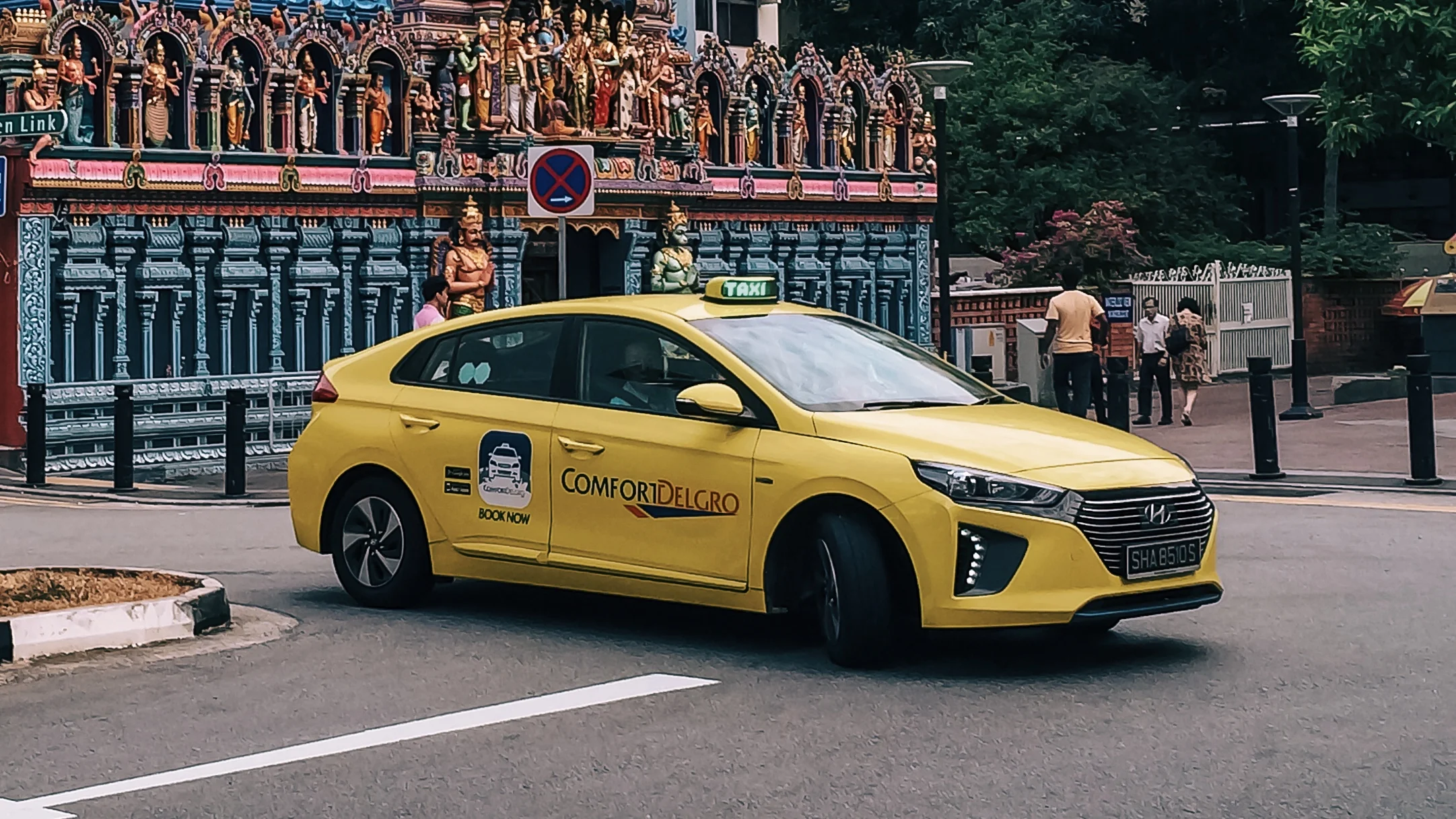
  • Breaking: Singapore Hands $155 Cash Boost to Eligible Taxi and Platform Workers amid Rising Fuel Costs

    Breaking: Singapore Hands $155 Cash Boost to Eligible Taxi and Platform Workers amid Rising Fuel Costs

    Qualified platform workers and taxi drivers in Singapore are set to receive a cash assistance of S$200 (US$155) to mitigate the impact of increasing fuel prices. To be eligible, platform workers must have earned above S$500 per month from their platform-based jobs across all operators between December 2025 and February 2026. Similarly, taxi drivers must have had a vehicle rental contract with a taxi operator within the same timeframe.

    Automated Payments Processing

    The Central Provident Fund (CPF) Board will undertake the automatic processing of the payouts using income data submitted by platform operators for CPF contributions. Checkouts are expected to be disbursed via PayNow-NRIC by the end of April, or through GIRO by May 11. Recipients without connected bank accounts will be paid via GovCash by May 18.

    If eligible taxi drivers fail to receive their payments via the CPF Board, the Land Transport Authority will automatically disburse the payouts by mid-May.

    Support amidst Fuel Price Surge

    The cash relief, announced by Senior Minister of State for Finance Jeffrey Siow, is aimed at alleviating the burden of growing petrol costs on workers’ earnings. Fuel prices have been on a steady rise over the past month due to ongoing conflicts in the Middle East, although the government has no plans to intervene in regulating pump prices.

    Jeffrey Siow explained that direct support would be offered to small-medium enterprises, companies, drivers, and individuals most affected by the fuel price hike, as control of pump prices would be too blunt an approach and potentially regressive.

    Extended Support Calls

    Yeo Wan Ling, the assistant secretary-general of the National Trades Union Congress, applauded the initiative but added that similar support should also extend to self-employed drivers of combi buses and limousines. She expressed the union’s commitment to working closely with the government and industry partners to ensure that support reaches every affected worker.

    The relief payout is part of a larger support package valued at nearly S$1 billion, which aims to cushion the effects of escalating energy costs associated with the Middle East conflict. The package comprises a variety of measures to aid businesses, workers, and households, including advancing S$500 cost-of-living vouchers for households by six months and augmenting a one-off cash payout for qualified adults by S$200.

    Questions & Answers

    What is the eligibility criteria for platform workers and taxi drivers to receive the cash assistance?
    Platform workers must have earned above S$500 per month from their platform work across all operators between December 2025 and February 2026. Taxi drivers must have had a vehicle hire agreement with a taxi operator within the same timeframe.

    How will the payouts be processed and disbursed?
    The Central Provident Fund (CPF) Board will process the payouts automatically using income data submitted by platform operators for CPF contributions. Payments will be made via PayNow-NRIC, GIRO, or GovCash, depending on the recipient’s banking setup.

    What is the objective of this cash relief initiative?
    The initiative aims to alleviate the burden of rising fuel costs on the earnings of platform workers and taxi drivers in Singapore, particularly in light of ongoing conflicts in the Middle East that have led to an increase in fuel prices.

  • Go Green and Earn Green: Hanoi Rewards Residents with Cash for Switching to Electric Motorbikes

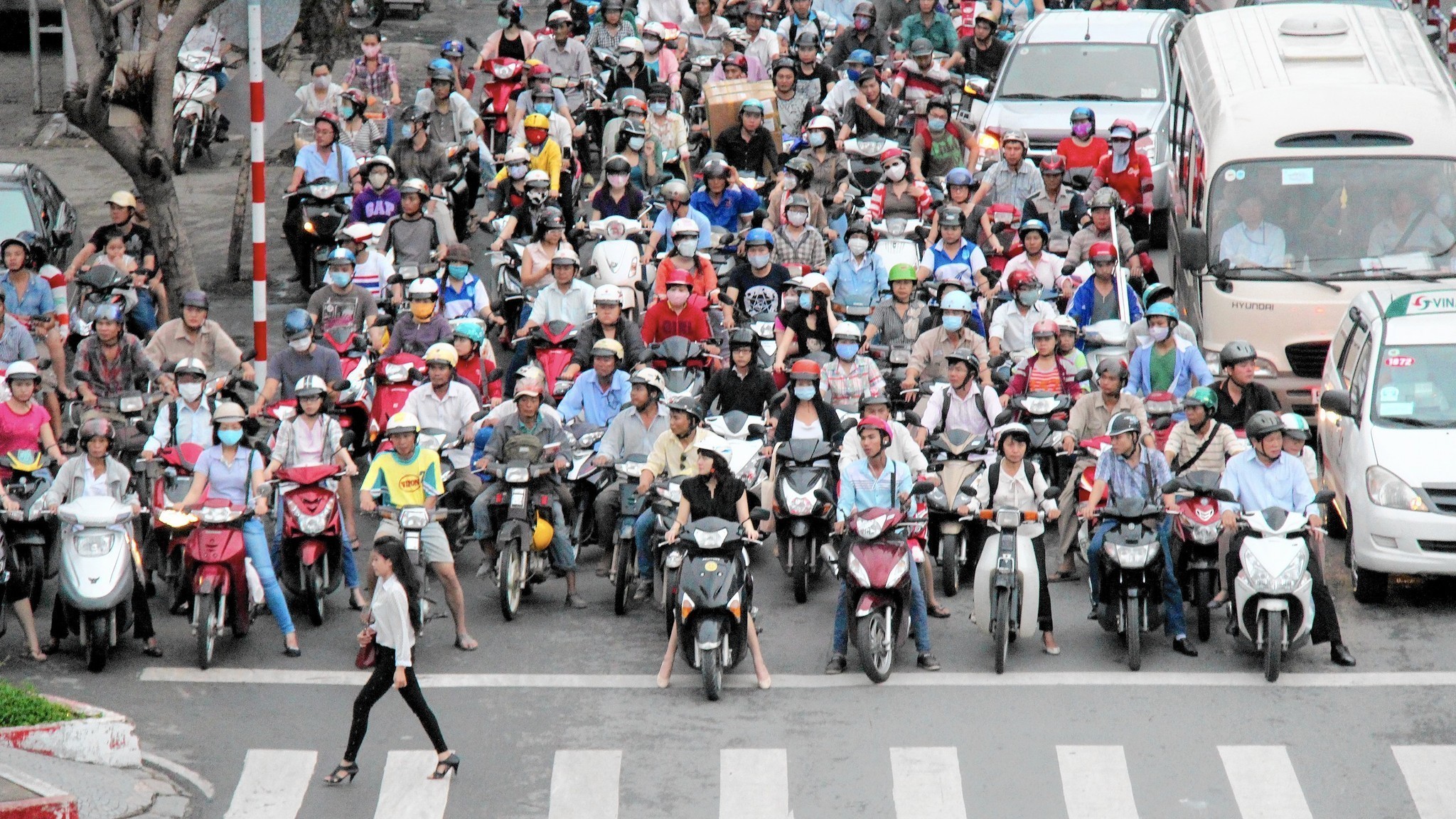
    Go Green and Earn Green: Hanoi Rewards Residents with Cash for Switching to Electric Motorbikes

    Hanoi’s local government is currently deliberating a proposition to incentivize motorbike users to switch to electric models. According to the proposal, a subsidy of VND5 million (US$190) will be given to individuals opting to replace their gasoline motorbikes with electric ones.

    The Subsidy Plan

    The subsidy is designed to encourage the adoption of electric motorbikes by permanent residents and those who have resided in the city for at least two years. The plan dictates that when a resident purchases an electric motorbike with a price tag of VND10 million (US$379) or above, they will receive a subsidy of 20% of the motorbike’s cost, up to a maximum of VND5 million (US$190).

    For those who fall under the category of low-income or nearly low-income residents, the subsidy rises to VND20 million and VND15 million respectively. The proposal stipulates that each individual is entitled to a subsidy for one vehicle until January 1, 2031.

    This proposal offers a more generous subsidy than the previous recommendation issued by the Department of Construction in July, which proposed a maximum subsidy of VND3 million.

    Additional Incentives

    Apart from the subsidies on electric motorbike purchases, the proposal also includes several additional incentives to encourage the transition to electric vehicles. For instance, the city plans to cover 50% of registration and license plate fees for new electric motorbike owners. For those who purchase their vehicles on installment plans, a 30% subsidy on loan interest for the first 12 months is offered.

    The proposal also extends its benefits to transportation businesses such as buses and taxis, offering a full subsidy on all fees when they transition to electric vehicles.

    Infrastructure Plans

    In a bid to ensure adequate infrastructure for the anticipated increase in electric vehicles, the city also plans to require certain facilities to allocate a portion of their parking lots to charging stations. Apartment buildings, commercial buildings, hospitals, and other public facilities are expected to dedicate at least 15% of their parking space to charging stations for electric vehicles. Newly-built facilities will be required to allocate at least 30%.

    In a further step towards reducing emissions, Hanoi plans to prohibit gas-powered motorbikes from downtown streets starting July 2026 and to ban most fossil fuel vehicles by 2030. The city, currently home to around 6.9 million motorbikes, has identified gasoline-powered motorbikes as a significant contributor to the city’s pollution, accounting for around 60%.

    Questions & Answers

    What is the purpose of the subsidy?
    The subsidy aims to encourage the adoption of electric motorbikes by providing financial incentives to residents.

    What other incentives are included in the proposal?
    Other incentives include subsidies on registration and license plate fees, as well as on loan interest for those purchasing on installment plans. Subsidies are also offered to transportation businesses transitioning to electric vehicles.

    What steps are being taken to accommodate the anticipated shift to electric vehicles?
    The city plans to mandate certain facilities to dedicate a portion of their parking lots to charging stations for electric vehicles. In addition, it plans to ban gas-powered motorbikes and most fossil fuel vehicles by 2030.

  • Australia Mandates Acceptance Of Cash For Fuel, Groceries: Exemptions And Future Plans Explained

    Australia Mandates Acceptance Of Cash For Fuel, Groceries: Exemptions And Future Plans Explained

    The Australian Federal Government has made significant strides towards safeguarding the validity of cash as a payment mode for everyday necessities by issuing key provisional regulations mandating the acceptance of cash for fuel and groceries.

    Details of the Draft Regulations

    Outlined after a public consultation conducted in the early part of the year, these draft regulations dictate that the obligation to accept cash for fuel and groceries will be restricted to face-to-face transactions of less than $500.

    However, small businesses with a combined turnover of less than $10 million, along with those businesses that are part of a franchise arrangement netting under $10 million, are exempt from these regulations. Additionally, companies that face challenges in managing cash transactions are also exempt.

    Daniel Mulino, the Assistant Treasurer and Minister for Financial Services, agrees that while Australians are progressively opting for digital payment methods, the government recognizes that cash will still be a vital part of society. He appreciates this as a balanced, pragmatic, and judicious move to aid cash users while also taking businesses into account.

    A Three-Year Review Plan

    The Federal Government has announced that it will evaluate the mandate in three years to ensure the policy is effectively serving its purpose. This evaluation will also explore whether the mandate should extend to cover other businesses. It will consider the potential impact on companies presently affected by the mandate and any advancements concerning cash distribution and access.

    The Council of Financial Regulators and the Australian Competition and Consumer Commission, back in July, issued a consultation paper suggesting various propositions on the regulation of cash distribution. Mulino assured that the government would closely examine the CFR’s recommendations alongside industry feedback, and work diligently to ensure that Australians continue to have access to cash.

    Questions & Answers

    What are the new draft regulations issued by the Australian Federal Government?
    The new draft regulations mandate the acceptance of cash for fuel and groceries, specifically for in-person transactions that are less than $500.

    Who are exempted from these new regulations?
    Small businesses with an aggregate turnover of under $10 million, businesses that are part of a franchise arrangement netting under $10 million, and companies that find managing cash transactions difficult are exempted.

    What is the future plan for these regulations?
    The Federal Government will review the mandate after three years to evaluate its effectiveness. This review will also consider whether the mandate should extend to other businesses and the potential impact on the currently affected companies.

  • Metcash appoints Kylie Wallbridge as liquor division CEO

    Metcash appoints Kylie Wallbridge as liquor division CEO

    Wholesaler Metcash has appointed Kylie Wallbridge as the new CEO of its liquor division, effective in March.

    Metcash’s liquor segment includes the Cellarbrations, IGA Liquor, and The Bottle-O brands.

    Wallbridge will replace John Barakat, who has been the acting liquor CEO since the early retirement of Chris Baddock due to health reasons.

    Currently, Wallbridge serves as the MD of Diageo in the UK. She previously served as the MD of Diageo in Japan.

    “Kylie is a proven business leader with a track record for delivering results. Her alignment to our purpose of Championing Successful Independents and her passion for people is evident through her strong relationships with both retailers and suppliers,” said Metcash CEO Doug Jones.

    “I have no doubt Kylie will be a great asset to the Liquor pillar and Metcash more broadly. We warmly welcome her to Metcash. I would also like to sincerely thank John for acting in the role following the retirement of Chris last October.”

  • Cryptocurrency ATM Installation Rates in the Doldrums

    Cryptocurrency ATM Installation Rates in the Doldrums

    As cryptocurrencies were booming, the number of cryptocurrency ATMs grew accordingly. Now that Bitcoin & Co are trading well below last year’s highs, the pace of installations is waning.

    There are currently around 39,000 cryptocurrency ATMs installed worldwide, corresponding to a nearly 4,000 percent increase since 2017. But since the beginning of 2022, installation rates have plummeted as the cryptocurrency market crashed.

    Crypto ATM installations saw a meteoric rise from January 2020 to January 2022, increasing fivefold to 34,388 machines worldwide. But since the start of the year, barely 5,000 new machines have been installed, and this month, a net total of 44 were even removed. The last time the net number dropped for an entire month was in November 2015, according to US business magazine Forbes.

    The customers are less active, hence the operators get less volume, hence (they) don’t grow that fast and don’t install that many ATMs Patrick Mueller of online service Coin ATM Radar told Forbes. As of July, the net increase in ATMs was 572, modest compared to the peak of 2000 set in 2021. «However if you compare to the last bull cycle in 2017-2018, there was only around 250 net growth per month. So in the current bear cycle, we are still 2 (times) higher than the previous bull cycle, Mueller notes.

    The first physical ATM was installed in Vancouver, Canada, in October 2013, and of the roughly 39,000 crypto ATMs in operation, 95 percent are in North America. The US has by far the largest share of the global market at 87.9 percent, followed by Canada at 6.3 percent and Spain at 0.6 percent.

    In Europe, a net of 15 machines has been removed this year, while 78 machines have been shut down in the United States. Switzerland currently has 150 cryptocurrency ATMs, according to Coin ATM Radar, with Zurich having the most with 46 ahead of Geneva’s 19 and 17 in Lausanne.

    Still Low Penetration

    Overall, the global installation rate of crypto ATMs is still very low. This may be partly because crypto ATMs do not function like typical ATMs, since they are rarely operated by financial institutions and do not link to bank accounts.

    Instead, users deposit cash that is transferred to a digital wallet via a cryptocurrency QR code. Despite the integration of new cryptocurrencies, bitcoin remains the leading asset with over 99 percent of crypto ATMs supporting it.

  • A German Bank Wants its Customers to go Cashless

    A German Bank Wants its Customers to go Cashless

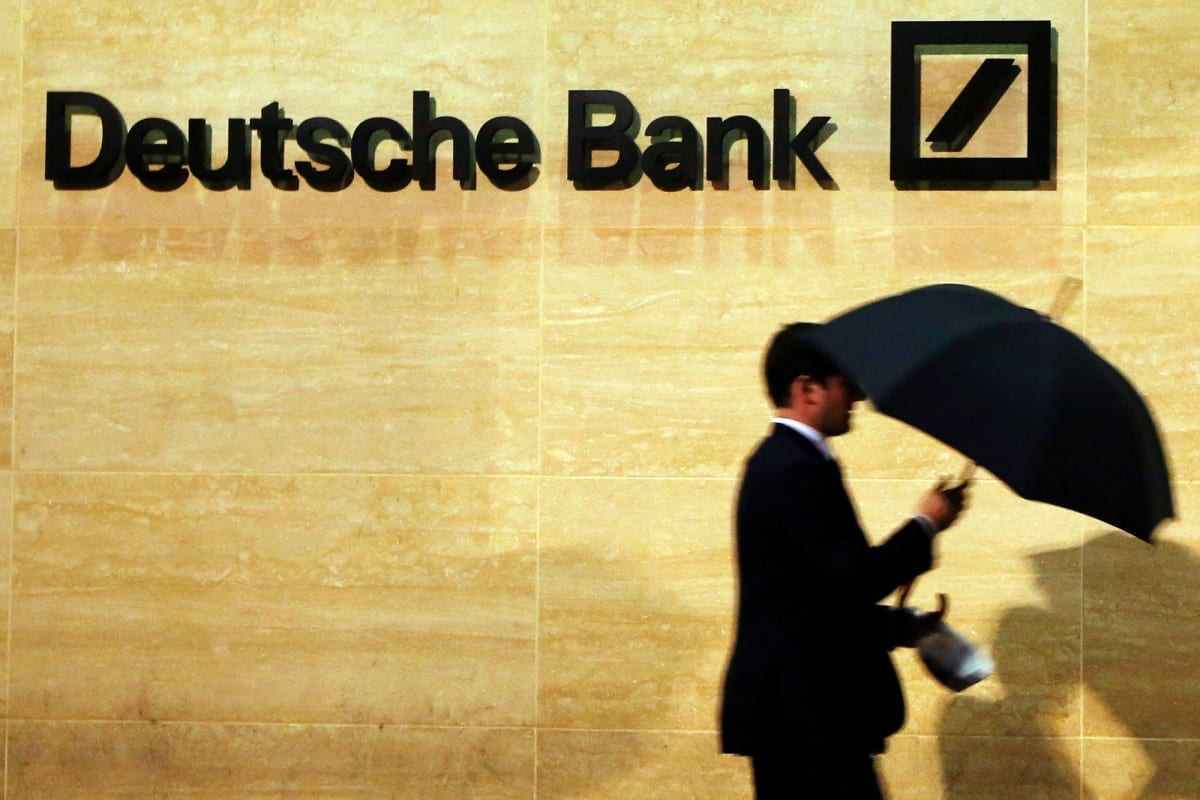
    In a country where cash has been king for decades, Deutsche Bank will stop allowing customers to pick up cash at its counters.

    There is a German adage that Geld Stinkt Nicht, which translates into money doesn’t stink, and helps to explain the country’s strong, and perhaps a stereotypical, preference for cash over the years. Deutsche Bank is seeking to change that.

    In tapping into another German trait, that of frugality, Lars Stoy, who heads domestic retail banking operations of Germany’s largest commercial bank said at an investor conference that «In the future, I don’t want to offer cash in the branches anymore, because holding cash incurs costs.

    While not specifying a timeline for the changes, Stoy said that cash would only be offered in a few large centers and that generally, he wants to further reduce the number of branches in Germany.

    The main task of the branch is sales along with “advising customers on investments, mortgages, to a certain extent on consumer loans and insurance. Once that is the case, then the branches will be profitable again, Stoy said.

    Moreover, the plans are in response to changes in customer behavior, with the trend toward cashless payments significantly increasing, while at the same time demand for personal advice is also on the rise, Stoy said.

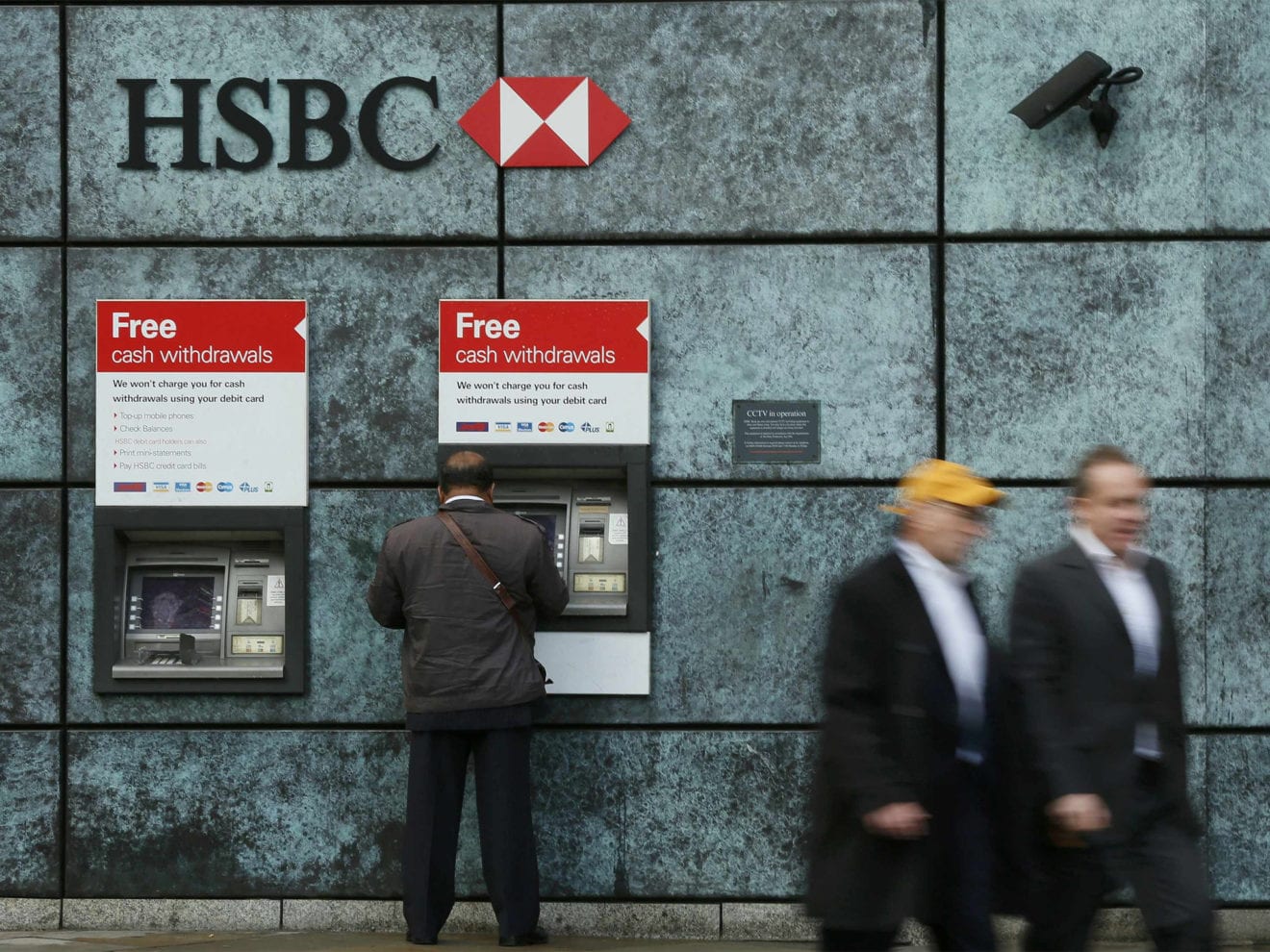
    In terms of cash supply, Deutsche Bank will maintain a nationwide network of ATMs adding that money can also be withdrawn at supermarkets or gas stations.

  • BNP Paribas Left With Cash After U.S. Exit

    BNP Paribas Left With Cash After U.S. Exit

    BNP Paribas is exiting its U.S. retail business providing its expansion plans with a financial boost. The French bank is selling its U.S. Bank of the West – for $16.3billion to Bank of Montreal, it said in a statement Monday

    With the sale proceeds BNP Paribas could be on the lookout to buy a smaller tech company, the British newspaper writes, citing analysts who added that no deal was imminent.

    It will concentrate on expanding its business in Europe, the report says. In this context, an acquisition in Switzerland could also be an option.

    Last month BNP Paribas spotted a deal with Credit Suisse: the Swiss lender, which suffered more than $5 billion in losses on Archegos’ unwind earlier this year, offloaded its prime brokerage clients to its French counterpart.

  • Pandemic Accelerating Shift to Cashless Society By 4 Years

    Pandemic Accelerating Shift to Cashless Society By 4 Years

    A new study by the payments giant reveals the growing popularity of digital payment methods such as online wallets, mobile contactless payments and QR code payments among Singaporeans.

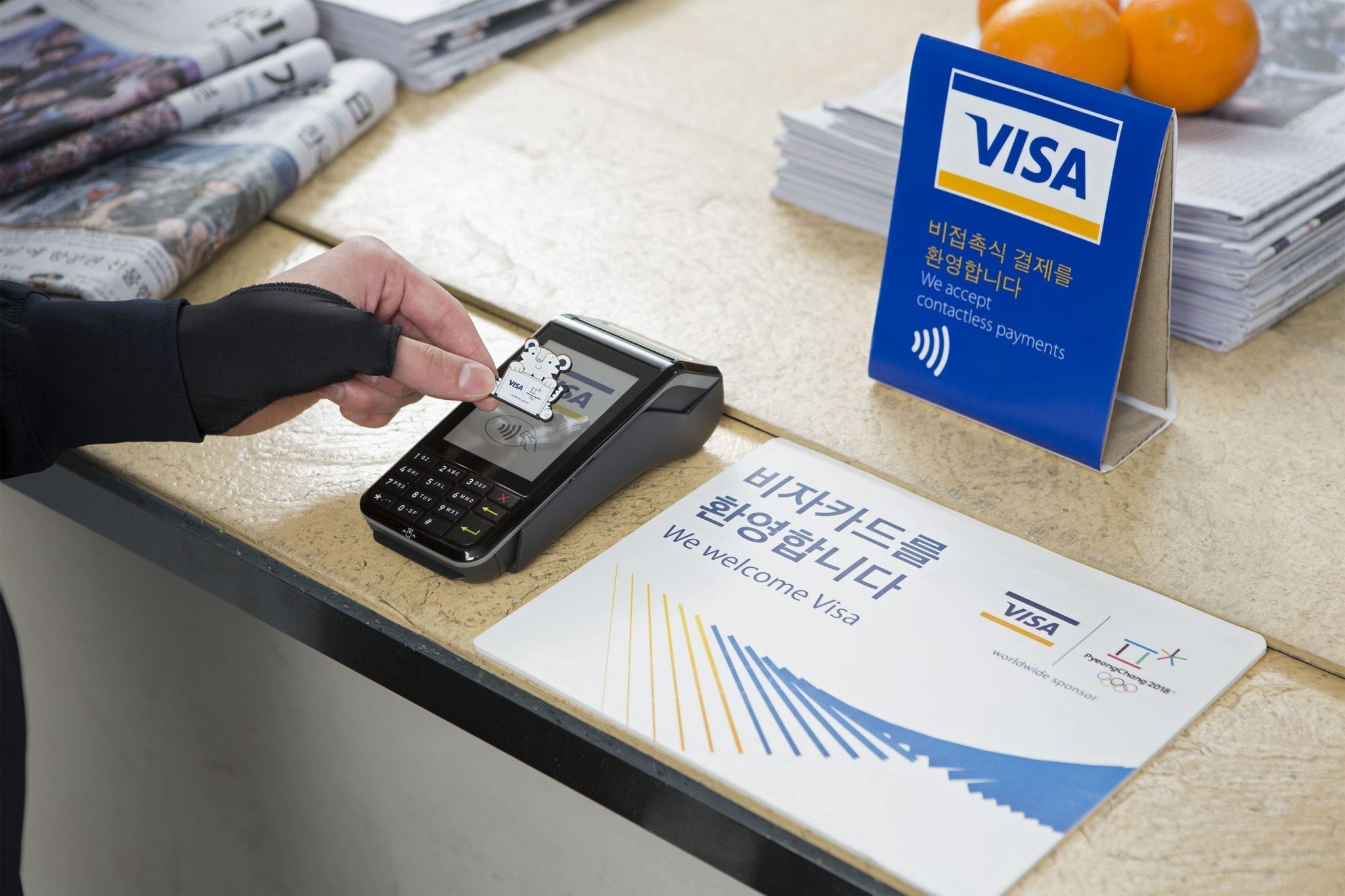
    The ongoing Covid-19 pandemic is hastening the demise of cash-based transactions in the city-state by at least four years, Visa said in its Consumer Payment Attitudes Study, published Thursday.

    The survey shows a preference among Singapore consumers for contactless card payments (31 percent), followed by online card payments (23 percent). Visa said that more than 9 in 10 transactions of its transactions by Singapore consumers are contactless – one of the highest in the world.

    Fewer than one in five Singaporean consumers (15 percent) prefer using cash, the survey revealed, noting that its use has fallen by 45 percent for public transport transactions and 42 percent for health and fitness-related transactions. Overall, more than one-third of Singaporean consumers who prefer using cash (35 percent) used this payment method less frequently.

    According to the survey, Singaporean consumers have shown receptiveness to emerging payment trends, including installment payments (87 percent) and real-time bill payments (80 percent).

    The stickiness of new digital payment habits formed during the pandemic cannot be underestimated… With cash usage decreasing, we believe there is a significant opportunity to encourage more usage of digital payments in the country, Kunal Chatterjee, Visa country manager for Singapore and Brunei, said in a statement.

  • DBS Launches QR-Based B2B Payments

    DBS Launches QR-Based B2B Payments

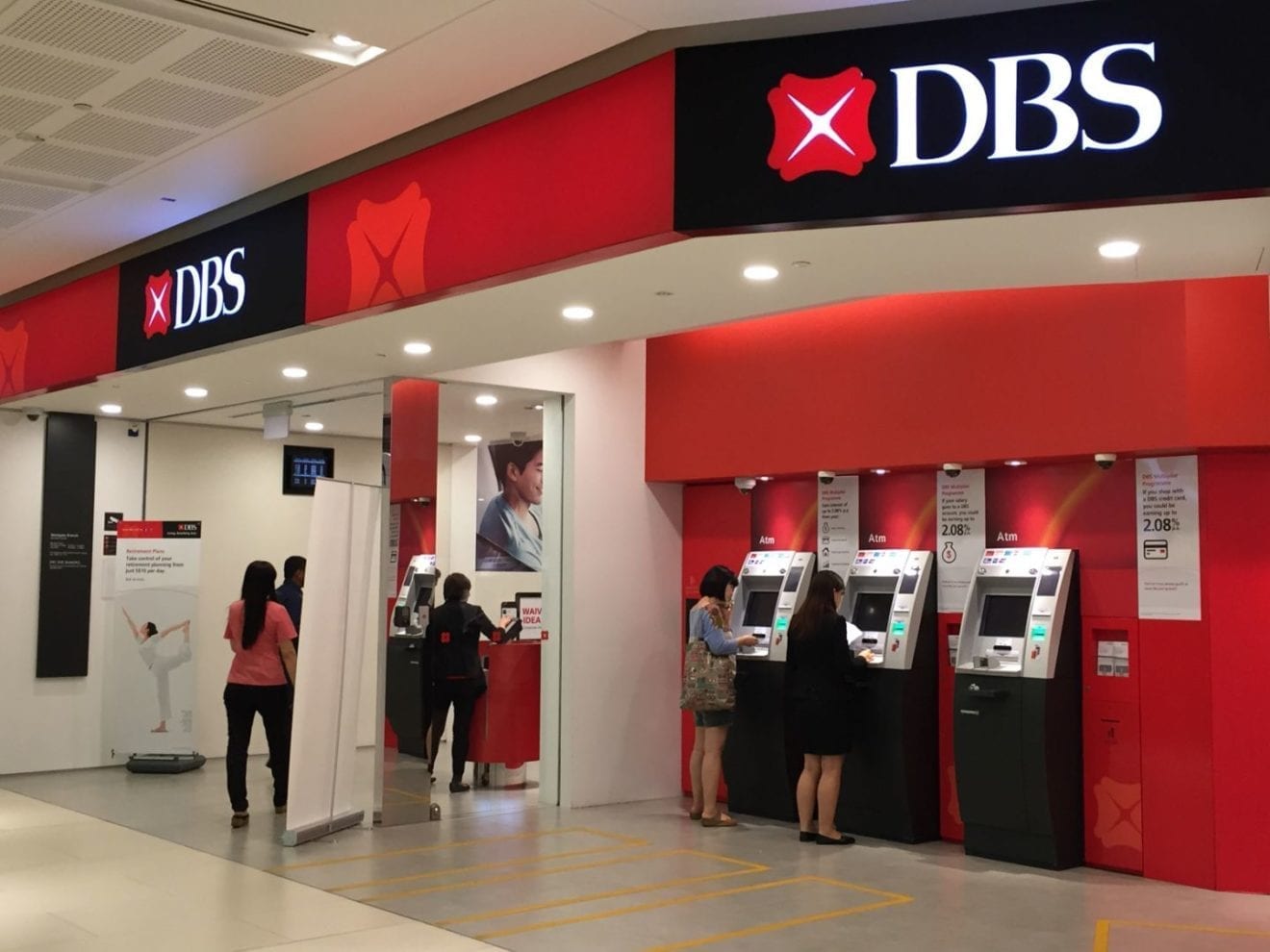
    DBS helps further propel Singapore’s cashless movement by introducing quick response code-based payments for the business-to-business segment.

    The bank hopes to boost payment speeds and is piloting the solution first in the F&B industry – a sector with limited penetration with nine out of 10 payments still being made through cash or bank transfers, according to a statement. The bank developed the solution after nearly 20 digital workshops with F&B businesses to identify bottlenecks in the payment process.

    In the new solution, which executes payments through its fund transfer service PayNow, users can consolidate multiple invoices per transaction and make full or partial payments for multiple invoices. This is also expected to effectively help improve credit terms due to the instantaneous and flexible nature of the process. The bank will roll out the new payment solution to the broader F&B ecosystem, logistics companies, and traders by the end of 2020.

    Aside from the retail segment, SMEs are expected to be a major growth driver for digital players in finance given a large gap between needs and demand.

    Many SMEs we speak to want to realize productivity gains by becoming more digital but don’t have the expertise or infrastructure to do so,» said Joyce Tee, group head of SME banking at DBS. «The lender is looking to understand SMEs’ pain points and then lay the foundation for enhanced payments capabilities one sector at a time.

    In November last year, Singaporean rival UOB also launched a payment solution aimed to capitalize on the cashless market for businesses. UOB’s Mcollect is a QR-based solution that enables instant payment and reconciliation to improve what it estimates is otherwise, on average, a four-day manual process.

  • HSBC Targets Singapore’s Salaried Millionaires

    HSBC Targets Singapore’s Salaried Millionaires

    The bank said that globally, Singapore has among the highest share of millionaires whose main source of income is their salary, and they prioritize self-enrichment over wealth accumulation.

    Based on its research that Singapore’s rich are not just focused on becoming wealthier but experiencing life, HSBC Singapore is launching new banking and lifestyle features to meet these needs, the bank announced in a statement on Wednesday.

    As part of this push, HSBC Singapore will add experiential offerings to its high-net-worth Jade platform, which gives wealthy individuals personalized investment solutions and advisory services, the statement said.

    The bank also unveiled its «Enrich List,» which it describes as a «curated portfolio of experiences and a source of inspiration» that can be arranged for Jade clients through its global concierge facility. These experiences relate to the broader idea of enrichment: self-betterment, exploration, taking on challenges and giving back, the bank said.

    Some 40 percent of Singapore HNWIs (people with assets between $1 million and $5 million) list salary and bonuses as the main income source, compared to 26 percent globally, according to a study conducted by HSBC Jade among 1,000 HNWIs in eight countries and territories, including 100 in Singapore.

    Additionally, among this group, 69 percent believe that broadening horizons and discovering new things is an essential part of enrichment, compared to 65 percent globally.

    This evolving Singaporean stratum is not just focused on becoming wealthier but in experiencing life, said Alice Fok, head of Customer Propositions & Marketing, HSBC Bank (Singapore).


  • Robocash Group reached the milestone of $ 500 million issued loans

    Robocash Group reached the milestone of $ 500 million issued loans

    Showing a 92% increase year-over-year in the volume of the issued loans in the first nine months in 2019, the company has targeted to hit $ 294 million by the end of the year. Meanwhile, the number of issued loans exceeded 6.5 million. With a preserved strong retention of customers, 75% of that amount has been obtained by repeated clients.
    In Q3 2019, mature companies of the group maintained their predominance in the overall loan portfolio. Thus, Russia had 63% of all loans issued, Kazakhstan – 15% and Spain – 4%. At the same time, the Asian markets that have been in focus for the group since 2017 grew their share from 16% in Q2 2019 up to 19%. Among the latter, the Philippines was leading with 15%.
    With the accelerated expansion, the number of customers of the group increased to 7.9 million. Following the huge demand for access to finance in the emerging markets, the highest dynamic was recorded in Asian countries. With a preserved upward trend in Q3 2019 in the Philippines (+16% QoQ), there was a significant increase in the number of served clients in Vietnam (+98%), Indonesia (+172%) and India (+333%).
    Commenting on the results, Sergey Sedov, Founder and Chief Executive Officer of Robocash Group noted, “Financial technologies are developing at a tremendous speed in Asia. Our case proves the need for relevant services. Take the recent estimate of Google & Temasek on digital lending in Southeast Asia: the loan book that is expected to grow from $23 billion in 2019 to $110 billion by 2025. These figures are not the limit. The growing use of digital solutions helps to narrow the gap in financial inclusion and benefits people in Asia already today. As a company, we are proud to be a part of that process and aspire to provide the fastest and most convenient access to finance no matter the country and any peculiarities.”
  • Thailand Using Less Cash As QR Codes and EMV Gain Adoption

    Thailand Using Less Cash As QR Codes and EMV Gain Adoption

    The share of cash in the overall payment volume within Thailand is expected to decline between 2018 and 2022, according to research firm GlobalData.

    GlobalData’s report Thailand Cards & Payments: Opportunities and Risks to 2022» reveals that the share of cash in the overall payment volume is expected to decline from 85.6 percent in 2018 to 77.8 percent in 2022. During the same period, the total card payment value is expected to increase from 1.8 trillion Baht ($56.1bn) to 2.7 trillion Baht ($83.8bn).

    The government’s attempts to promote non-cash payments such as the introduction of faster payments and QR codes, mandatory issuance of EMV cards and push for point-of-sale (POS) adoption are contributing to the growth of electronic payments, said Nikhil Reddy, Payments Analyst at GlobalData, in a media statement.

    As part of the National e-Payment Master Plan, the Thai government launched a nationwide program two years ago to drive POS installation among smaller retailers and government agencies. Merchants were offered benefits such as tax deduction, fee waivers on POS issuance and rental, and a cut down on merchant discount rates.

    In the same year, the central bank collaborated with American Express, JCB International, Mastercard, UnionPay, Visa and other financial services providers to introduce the Thai QR Code Payment standard, with an aim to create an open, interoperable payments infrastructure.

    In 2016, the Bank of Thailand launched a faster payment system, PromptPay, allowing users to make peer-to-peer transfers and payments through their mobile phone using only the recipient’s mobile number or national ID number. As of December 2018, 46.5 million users, over half of the country’s population, had registered for the system.

    Though cash will continue to remain dominant in Thailand, these measures will certainly propel electronic payments, thereby further reduce the usage of cash over the next five years, said Reddy.

  • OCBC Rolls Out Contactless Cash Withdrawals Islandwide

    OCBC Rolls Out Contactless Cash Withdrawals Islandwide

    OCBC Bank customers only need to scan a QR code on the OCBC Pay Anyone app to make withdrawals.

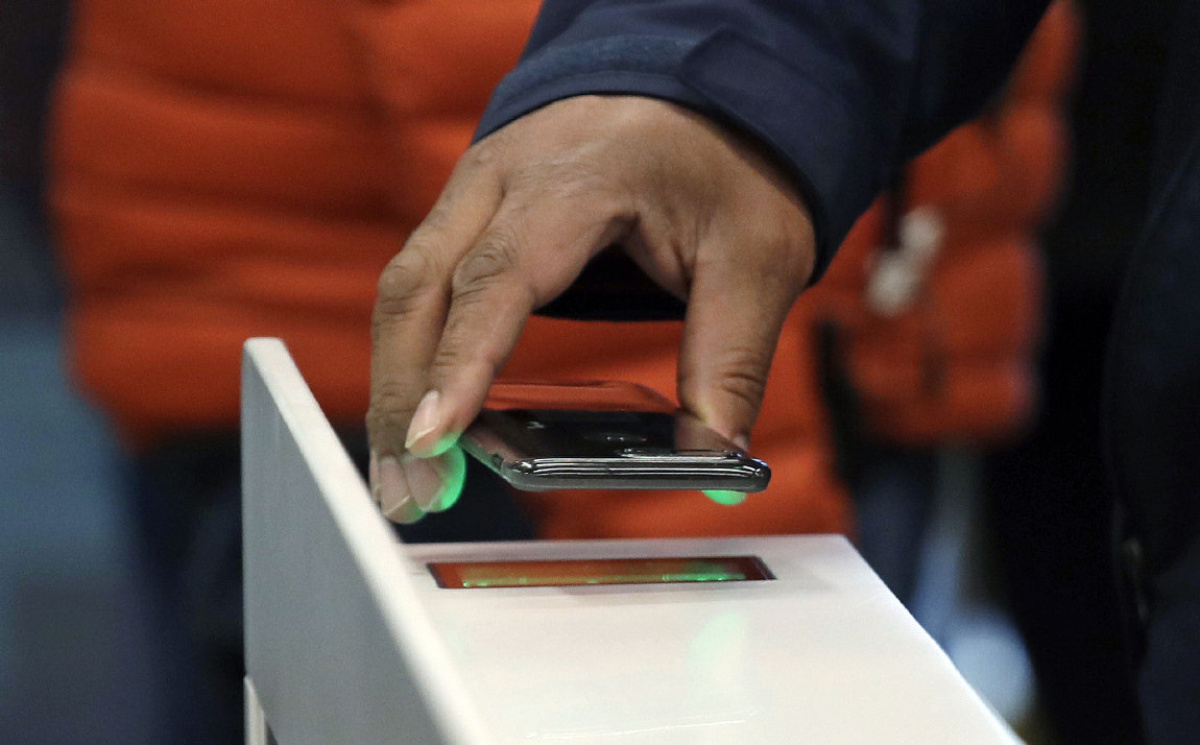
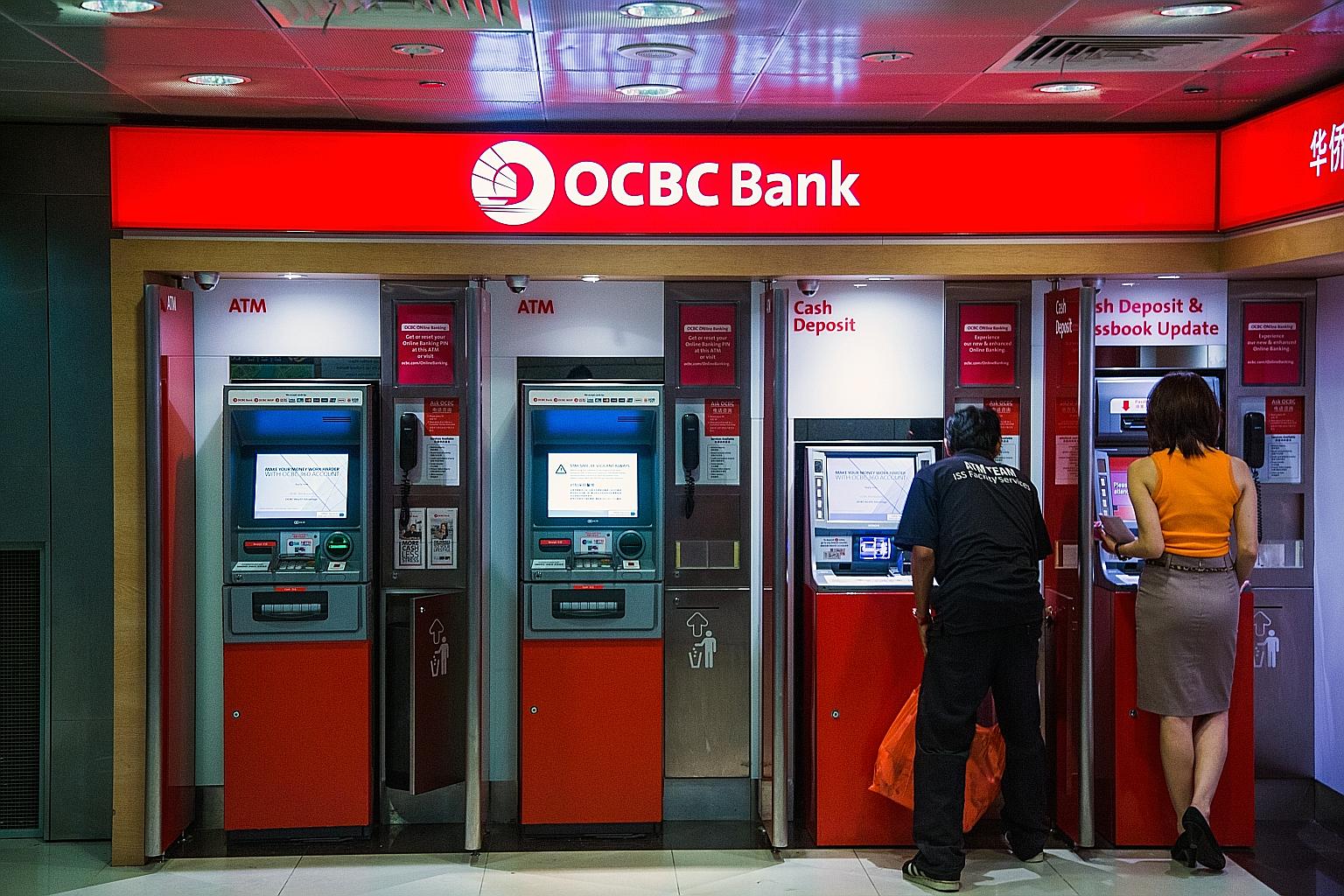
    OCBC customers can now make withdrawals without a bank card by generating a QR code from its mobile banking app, which can be scanned at any of its 655 Automatic Teller Machines (ATMs) islandwide, the bank announced in a statement.

    Apart from reducing the time required to make withdrawals, doing away with ATM cards and personal identification numbers raises security levels as biometric verification can be selected – customers have the option of authenticating the transaction via fingerprint, faceprint or mobile banking login credentials.

    We believe this completely reimagines a core service for which customers engage with the banks and will move the needle in making QR code payments mainstream in Singapore, Aditya Gupta, the bank’s head of Digital Business, Singapore and Malaysia, said

    According to OCBC, mobile banking usage has tripled, while the number of its customers who used mobile banking at least once in the last three months has grown by 25 percent since 2018.

    OCBC has 3 million cash withdrawals at its ATMs monthly, a figure unchanged in the past year.

  • VinID acquires MonPay e-wallet in Vietnam

    VinID acquires MonPay e-wallet in Vietnam

    Vingroup’s loyalty program VinID has acquired digital wallet app MonPay, a central bank source says.  The takeover procedures have been completed but did not disclose its form and value.

    Earlier this week, a new feature called “My Wallet” has appeared on the VinID app where customers can accumulate points from goods and services bought from Vingroup’s ecosystem, which includes real estate, education and shopping.

    From this feature, customers can deposit and withdraw money as with any electronic wallet, and all transactions go through MonPay. MonPay is a product created and run by local firm People Care JSC.

    Previously, at the end of 2018, People Care completely replaced its management board with three key executives from VinID, including Nguyen Thi Diu, deputy general director of Vingroup and general director of VinID; and Nguyen Minh Hong, one of three founding shareholders of VinID.

    VinID JSC was established in July 2018. It has a chartered capital of VND3 trillion ($128.81 million) and is 80 percent owned by Vingroup, Vietnam’s biggest private conglomerate.

    People Care JSC is one of 29 enterprises that have been granted the payment intermediary license from the State Bank of Vietnam. The company doubled its charter capital from VND68 billion ($2.92 million) to VND138 billion ($5.93 million) at the end of 2018, after it had reappointed its board of directors.

    The government is working to accelerate the use of cashless transactions. In a resolution released January, it tasked the central bank to come up with solutions that would promote the use of e-wallets, which allow users to deposit cash into their e-wallets without the need for a bank account.

    However, Vietnam is still far away from becoming a cashless society, given low financial literacy and the lack of an ecosystem, experts say.

    The use of cash in Vietnam remains high. World Bank’s statistics released last year showed that the country had the lowest percentage of cashless transactions in the region with only 4.9 percent, while this value for China and Thailand were 26.1 percent and 59.7 percent respectively.

  • Startup Offers Bank Cash Points as ATMs

    Startup Offers Bank Cash Points as ATMs

    A Singapore fintech turns brick-and-mortar shops into alternative ATMs, potentially saving banks millions of dollars in maintaining their cash logistics. Banks can now tap on SoCash’s apps and existing brick and mortar point-of-sales to save on the huge costs associated with maintaining ATMs and the physical circulation of cash.

    So let’s say there are 3,000 ATMs in Singapore and they hold anywhere between S$150,000 to S$200,000 overnight. That’s a minimum of S$450 million of liquidity that is stuck in these machines, says SoCash founder Hari Sivan.

    The inefficiencies of leaving cash in ATMs has been bugging Singapore’s banks, which typically spend $200 million a year on ATM maintenance, logistics, insurance, counting and cleaning cash, and other expenses just to maintain the circulation of physical cash, the fintech firm estimates.

    With SoCash, banks pay only a transaction fee and a platform fee. Currently, banks using SoCash’s service include DBS, POSB, Standard Chartered and ICBC. With cash points set up in 1,300 locations in Singapore, the startup processes close to 200,000 transactions per month.

    Retailers are paid a fixed fee per transaction by SoCash, letting them tap on the store’s pool of cash earnings to generate a revenue stream while saving themselves the hassle of having to deposit their cash earnings at a physical branch, Sivan explains.

    This cash withdrawal service also helps the participating shops to generate walk-ins and push in-store promotions on the app’s platform.

    Once a user opens the Socash app, scans a QR code and inputs the withdrawal amount,  he or she can collect the cash from the cashier at a chosen cash point, such as a 7-Eleven. The user’s bank account is then debited while the retailer’s account is credited by the participating bank.

    Sivan, who spent about 13 years in the banking industry, is planning its Series B fundraising round in the next few weeks.