Retail News CRM

Tag: Cash

  • Apple introduces Apple Card: Daily Cash, no fees

    Apple introduces Apple Card: Daily Cash, no fees

    Apple has announced a brand new service: Apple Card. Starting this summer in the US, users will be able to sign up for a real Apple credit card that’s going to reside within the Wallet app. Requesting a virtual Apple Card living in your iPhone will be very easy, as you’ll be able to do it straight from your device. Issuing a new Apple Card shouldn’t take more than a few minutes. Once issued, your Apple Card should be right there in your Wallet app.
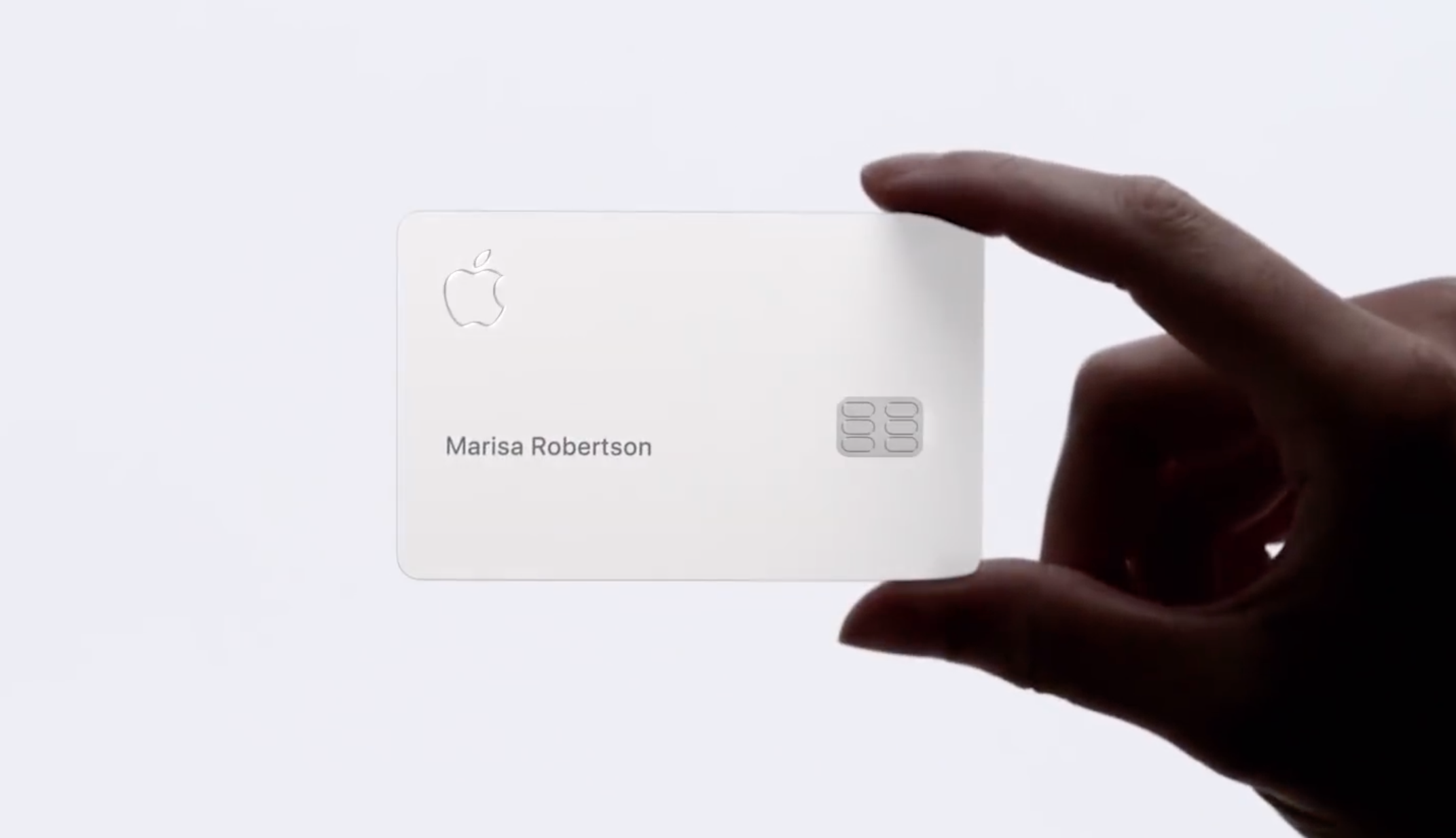
    What’s even cooler is that users will also be able to request a physical credit card, which will be made of titanium and have the user’s name laser-etched. No card numbers, CVV, or expiration dates will be printed on the card, making it that much more secure.
    Apple is creating Apple Card in partnership with Goldman Sachs. As it’ll be using the Mastercard payment network, the card will be accepted worldwide. Card support is going to be handled by Apple directly in a delightful new way: through Apple Messages. Just text Apple with your questions or requests, and the company will respond right there, in Messages. Apple Card will be available this summer in the US. Unfortunately, the company isn’t revealing any details regarding a future international rollout of the service.

    Daily Cash

    With Card, Apple is introducing a welcome new take on the cash back program. It’s called Daily Cash for a reason: you’ll be receiving your cash back amount daily, and you’ll be free to spend it again through Apple Pay, put it towards your Apple Card balance, or send it to family or friends through Apple Messages.
    Customers will be receiving Daily Cash to the tune of 2% on all of their Apple Card payments outside of Apple’s ecosystem. When it comes to Apple’s own stores, like Apple Stores, iTunes or the App Store, the Daily Cash amount will be 3%. And for purchases made using the physical Apple Card, the Daily Cash amount will be 1% of the purchase value.

    Apple helping you have a better financial culture

    Apple is building a number of new features around Apple Card, designed to help you have a better understanding of your spending. For starters, it’ll help you track your purchases more easily by using machine learning and Apple Maps in order to ‘translate’ the names of merchants in your purchases log. You are probably familiar with how merchant names often appear fairly cryptic when you view then through your bank’s web portal or mobile app; with Apple Card, Apple will make sure to have them all clearly labeled so that you’ll immediately know which transaction was made with whom.
    Color coding will also help with the organization of your transactions: products from distinct categories such as Food and Drinks or Shopping and Entertainment will be assigned a different color so that you can immediately find the ones you’re looking for. This, in tandem with the new weekly and monthly spending summaries, Apple hopes will give you a better vantage point over your overall expenditures.
    What’s more, Apple Card will include a tool to help users pay less interest by making their options more transparent. It’ll be suggesting a range of payment options and a handy calculator that estimates the interest cost on different amounts, so that each users can pick the option that suits their budget the best.

    Physical Apple credit card made of titanium

    Apple knows that for customers to fully embrace its payment service, it needs to be universally accepted. So, to let you deal with those merchants that don’t support Apple Pay yet, the company is creating a real, physical credit card with the signature Apple minimalist design. The company hasn’t released some of the technicalities, such as if it’s going to charge you for issuing such a card, but at least we know how it’s going to look like.
    No card numbers, expiration dates, or CVV numbers will be present on the card, making for an extremely clean look, with only the Apple logo and the holder’s name laser-etched onto the titanium piece. Your card’s numbers are, of course, still available: you’ll just have to look them up in the Wallet app on your iPhone.
    Thy physical Apple Card seems like a very appropriate product for international users, where Apple Pay support is still widely lacking, but the company seemingly has no immediate plans to launch Apple Card in markets other than the US at this time.

  • AEON gives hefty prizes for the lucky winners of the “AEON Happy Pay” campaign

    AEON gives hefty prizes for the lucky winners of the “AEON Happy Pay” campaign

    Recently, Ms. Saranya Pipoppinyo (5th from left), Vice President Marketing of AEON Thana Sinsap (Thailand) Public Company Limited awarded prizes to the lucky winners of the “AEON Happy Pay” campaign. The grand giveaway comprises of three prizes of gold bars, worth 100,000 baht each, the second is 20 prizes of 50 satang gold necklaces and the third is 100 vouchers with a combined value of 586,500 baht.  Eligible participants include AEON Your Cash customers that make an installment payment at participating department stores and shops from 30 August – 30 November, 2018.


  • Cashmaster Launches QR-Connect in APAC – New Integration Software Solution for Cash Management

    Cashmaster Launches QR-Connect in APAC – New Integration Software Solution for Cash Management

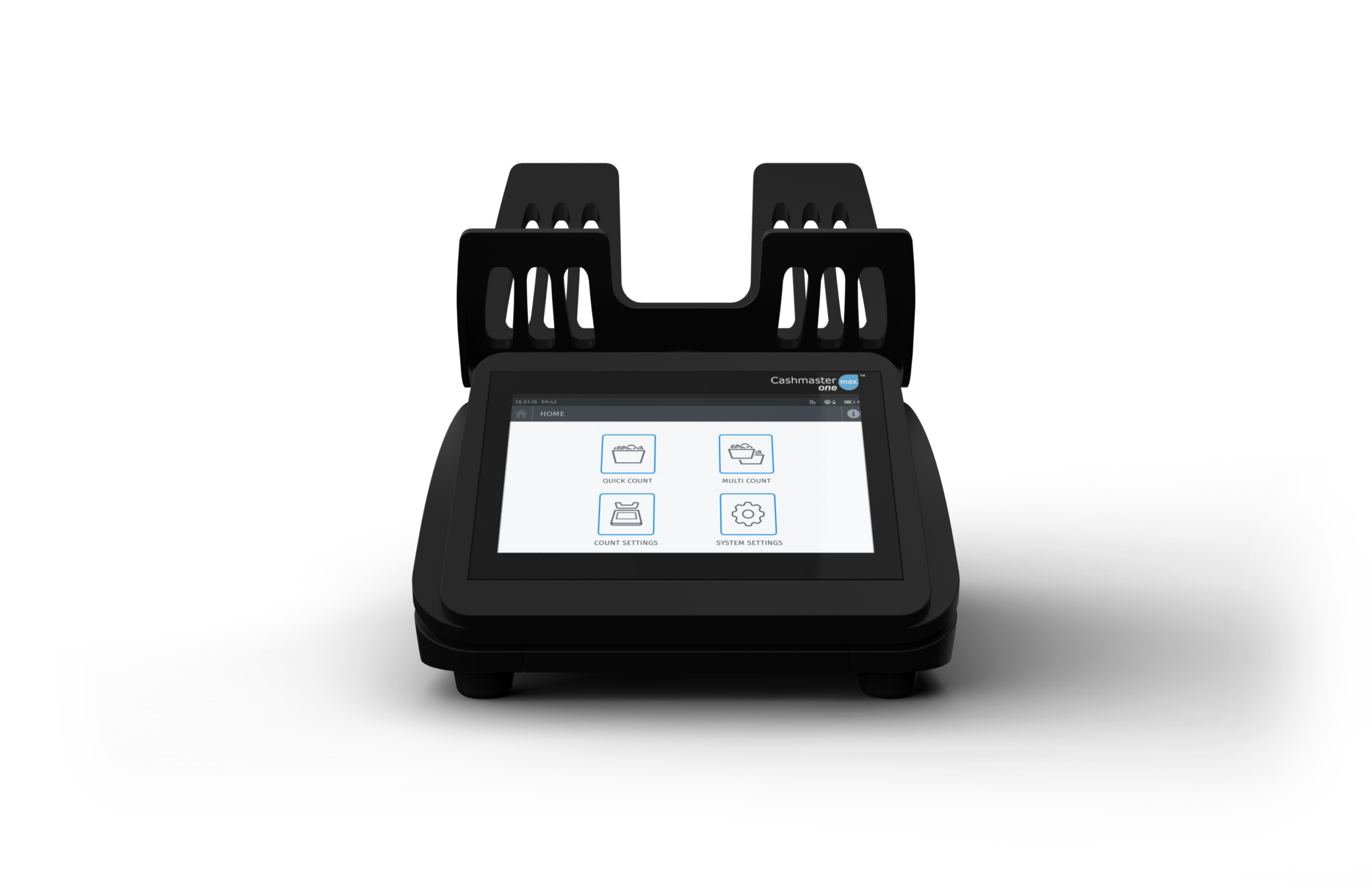
    Cashmaster Asia today announced the Introduction of Cashmaster QR-Connect, a QR code application providing enhanced software functionality for its Cashmaster One range of count-by-weight cash counting devices that offers an innovative, simple solution to integrating with back office or POS systems. When installed, count data is presented as a QR code on the display of the Cashmaster One device that can be scanned by a standard POS scanner or the camera of a mobile/tablet device.

    The count data is instantly transferred to the POS or other system. The QR code avoids the need for USB or ethernet cable connectivity between the POS and the Cashmaster Cash counter – effectively providing wireless transfer of the cash count (including vouchers/coupons in addition to notes and coins) as well as other information for process traceability, such as cashier ID and till ID.

    In a connected world, a deeper level of integration and seamless transfer of data to the POS is a growing requirement for Cashmaster’s clients. Its customers are looking to remove multiple levels of manual processing of data across their businesses in order to: reduce opportunities for errors; speed up the processing of data; give more real-time information that businesses can use to make better, faster decisions; and provide greater accuracy and accountability to their enterprises. Integration can be seen also as a key component in a loss prevention strategy.

    No matter the level of operation, these solutions provide data in a format that can be easily digested by cash management and analytics programs for big, medium or small companies. As competition increases, the rewards of deploying Cashmaster One and Cashmaster QRConnect can show directly in bottom line improvements. Gordon McKie, Group CEO of Cashmaster, commented, “Companies are under intense pressure to maximise income and improve efficiencies, while at the same time motivating staff. It’s a complex dynamic that Cashmaster understands; it has also been a powerful imperative for us in designing the intuitive technology for cash management that helps clients achieve those goals.

    “Solutions can be tailored to customers’ specific needs, from simple off-the-shelf tools requiring minimal customer resources to implement, to working with customers’ IT teams in providing more complex solutions. With a proven quick return on the initial investment to boot.”

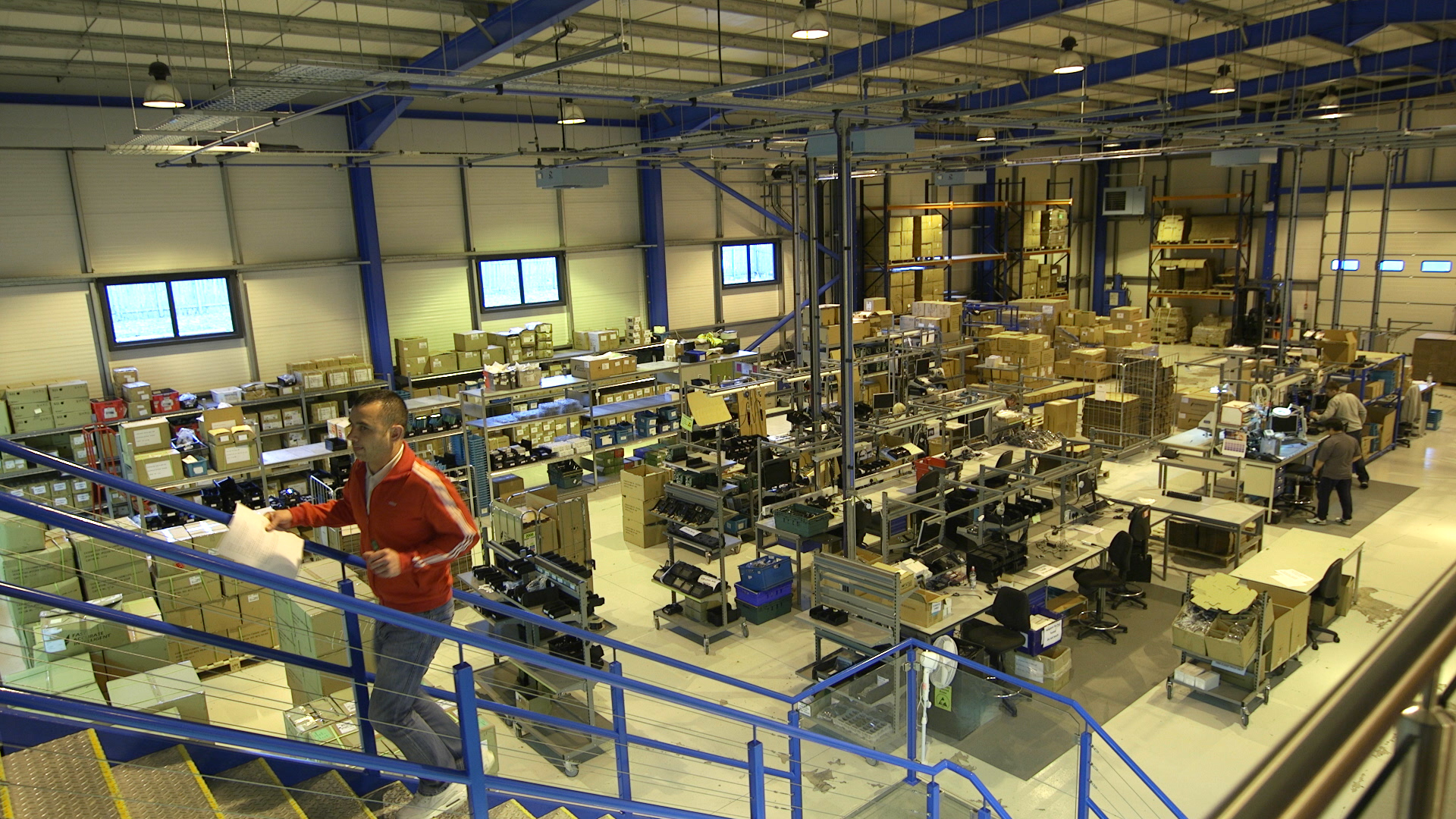
    Cashmaster is a global company that specialises in the design and manufacture of count-by-weight cash counting devices using the most advanced touch-screen technology. The company has more than 30 years’ experience in creating innovative and reliable cash handling solutions for a wide range of international clients including supermarkets, convenience stores, retail, banking, fast-food restaurants and coffee shops.

    Website: www.cashmaster.com

    All trade enquiries for Cashmaster One:

    Tel (Hong Kong): +852 9334 8578; E-mail: [email protected]

    Tel (UK): +44 (0) 1383 416 098; [email protected]


  • Australian dollar slips another week

    Australian dollar slips another week

    The Australian dollar has slipped a little further against its US counterpart as the spat between the US and China over trade hurts commodities and commodity currencies, including the Aussie.

    At 0635 AEST on Monday, the Australian dollar was worth 74.46 US cents, down from 74.57 US cents on Friday.

    Westpac analysts say the tension over trade looks to have hit commodity currencies.

    “The trade spat between US and China appeared to hurt commodities and commodity currencies, with China threatening retaliatory tariffs on Friday,” they said in a morning note.

    “The US dollar index closed down 0.1 per cent on the day. …. (The) AUD extended a week-old decline to 0.7440 – the lowest since 9 May.”

    There are no obviously local event risks for the Australian dollar, leaving the currency vulnerable to trade-based tensions, along with continuing reactions to the US and European central banks’ recent decision on interest rates.

    “The combination of hawkish Federal Reserve and dovish European Central Bank surprises last week, plus US-China trade spat, could take AUD/USD lower towards 0.7410 (the May low) during the week ahead,” the Westpac analysts said.

  • Bank Cards are the New King in Australia

    Bank Cards are the New King in Australia

    Australian consumers are accelerating their shift towards digital payments and away from cash and cheques, with new figures showing paying by card has surged while people make fewer trips to the ATM for cash.

    Consumers made more than 8.3 billion card payments in 2017 – equal to a rate of almost 23 million transactions a day, according to a report from electronic payments industry group AusPayNet.

    The bulk of those card payments – 5.6 billion – were made on debit cards, AusPayNet said, with credits tending to be used on more expensive purchases but still showing an increase in volume and value.

    At the same time the number of cheques used fell almost 20 per cent to 89.7 million for the year, and the number of ATM withdrawals made fell 5.9 per cent to 610.1 million.

    AusPayNet CEO Leila Fourie said the high uptake of technology and internet use in Australia, where almost 90 per cent of the population own a smartphone, was behind the increase in new ways of conducting transactions.

    “This is driving uptake in digital payments and laying down a powerful base for the next wave of payments innovation,” she said.

    AusPayNet said more 60 per cent of consumers with a smartphone used their device to make payments.

    Among the technological shifts aiding the uptake of digital payments is the New Payments Platform launched in February – a digital and near-real-time payments system allowing instant peer-to-peer payments.

    AusPayNet also found Australia has a relatively high number of EFTPOS terminals and low number of ATMs compared to other countries.

    Australia has 39,337 EFTPOS terminals per million inhabitants and 1,355 ATMs, while Canada has 38,892 EFTPOS terminals and 1,888 ATMS, the report said.

    Australia ranked above Canada, Italy, Singapore and the UK on EFTPOS point concentration, while it lagged Korea, Canada, Belgium and Russia on the ATM count.

  • Why Has Bitcoin’s Price Gone Up So Fast ?

    Why Has Bitcoin’s Price Gone Up So Fast ?

    Bitcoin has been in a bull market like few the world has ever seen. At the beginning of the year, the price of a Bitcoin was below $1,000. It hit $5,000 in October, then doubled by late November. And on Thursday, less than two weeks later, the price of a single Bitcoin rose above $20,000 on some exchanges, according to Coinmarketcap.

    The latest price spike has been credited to signs that Wall Street companies plan on bringing their financial heft into the market.

    At the current cost, the value of all Bitcoin in circulation is about $300 billion. To get a sense of how big that is, all the shares of Goldman Sachs are worth about $90 billion.

    The gains have been driven by several other factors — perhaps the most important being the irrational mentality that can take over in speculative bubbles.

    But most people buying Bitcoin are doing so in the belief that others will want it even more in the future. The gains, though, have many people, even Bitcoin believers, anticipating a big crash.

    Currently, the average price of one Bitcoin is about $15.435, according to Blockchain.info, a news and data site.

    Bitcoin used to be all about libertarians and black-market trade. Are those still driving the price?

    The fringe communities that drove Bitcoin in its early years are playing a much less important role in the current rally.

    Many investors have said the most important factor driving the current enthusiasm is the entry of hedge funds and other institutional investors.

    The path for large investors has been smoothed by the Chicago Mercantile Exchange and Chicago Board Options Exchange, which have been racing to roll out Bitcoin futures contracts. Most banks are already signed up with these exchanges and consequently can immediately begin trading the contracts. The options exchange has said it plans to start trading on Sunday.

    It is still unclear how the arrival of Bitcoin futures will influence the demand for the digital tokens.

    With a futures contract, banks can bet on the price of Bitcoin without holding the underlying Bitcoins. This is expected to bring many new players into the market who don’t want to deal with the complications of holding Bitcoins.

    But the futures contract will also allow investors to short Bitcoin, or bet on the price’s going down, which has been hard to do until now. Some analysts think this could put downward pressure on the price. Other market participants have worried that Bitcoin futures could spread the risks of Bitcoin into the rest of the financial system.

    People still use Bitcoin and other virtual currencies to make ransom payments and buy illegal goods online, including synthetic opioids. But that activity has been on the wane since the authorities shut down some of the largest online black markets this year.

    What role are smaller investors playing in the virtual currency markets?

    Individual investors have been just as active as large investors. Nowhere has the phenomenon of ordinary people buying virtual currencies been more visible than in South Korea, where several exchanges have storefronts to help new customers. This is all the more remarkable because just a year ago, Koreans showed almost no interest in these markets.

    Small Japanese investors have also been investing in Bitcoin. They have been encouraged by laws passed this year that essentially legalized Bitcoin and allowed Bitcoin exchanges to get regulatory licenses.

    Most small-time investors have gone to the San Francisco company Coinbase, which provides a Bitcoin brokerage service, similar to Charles Schwab, as well as an exchange for larger investors. Coinbase now has more account holders than Schwab, and it has struggled to keep up with the growth.

    China used to be the most active country for Bitcoin trading and mining, but the authorities there have cracked down this year.

    What are the dangers of getting into this market?

    Many of the largest exchanges, including in South Korea, are essentially unregulated. The lack of oversight means that no one is checking that the exchanges are properly securing their customers’ money or that large players are not able to manipulate the price. One of the largest exchanges in the world, Bitfinex, has been hacked numerous times and provides little transparency about where it is keeping its money.

    Even regulated exchanges, like Coinbase in the United States, have not been battle tested like larger financial institutions, and their operations have gone down at key moments.

    Once people buy Bitcoin or other virtual currencies, they are often targeted by hackers who have become experts at penetrating Bitcoin accounts.Bitcoin “wallets” are vulnerable to new kinds of attacks that are not a problem for ordinary financial accounts.

    Most important, in contrast to money in a bank account, when a Bitcoin is gone there is essentially no way to get it back and no insurance covering its loss.

    Are more people using Bitcoin to pay for things?

    When Bitcoin was released in 2009, it was described as a new kind of electronic cash.

    Recently, though, many programmers working on Bitcoin have said the system in its current form is not a particularly good way to pay for things.They argue that it is best designed to serve as a sort of scarce commodity, like digital gold, allowing people to keep their money outside the control of governments and companies.

    Many people who want to use virtual currencies for online payments are looking to Bitcoin competitors, like Bitcoin Cash and Monero.

    What role are the other virtual currencies playing in this frenzy?

    Earlier this year, bullish sentiment was focused on Ethereum, a virtual currency network that is more adaptable than Bitcoin. The price of Ether, the virtual currency on the Ethereum network, has continued to rise in recent months, but not as fast as Bitcoin.

    Many investors were also putting their money into custom virtual currencies released by entrepreneurs in so-called initial coin offerings. These new virtual currencies have generally been designed to serve as the internal payment mechanisms on new software the entrepreneurs are building.

    This fall, though, regulators have signaled that they are planning to crack down on coin offerings.

    Where did virtual currencies come from, and how do they work?

    The Bitcoin software was released in early 2009 by a mysterious creator who went by the name of Satoshi Nakamoto. The search is still on for the true identity of Satoshi.

    The software released by Satoshi set out the basic rules for Bitcoin and the computer network on which it lives. Unlike other forms of money, which are controlled by governments and financial institutions, Bitcoin operates on a decentralized network of computers that no one institution controls.

  • Retail businesses ‘count success’ accurately with Cashmaster One

    Retail businesses ‘count success’ accurately with Cashmaster One

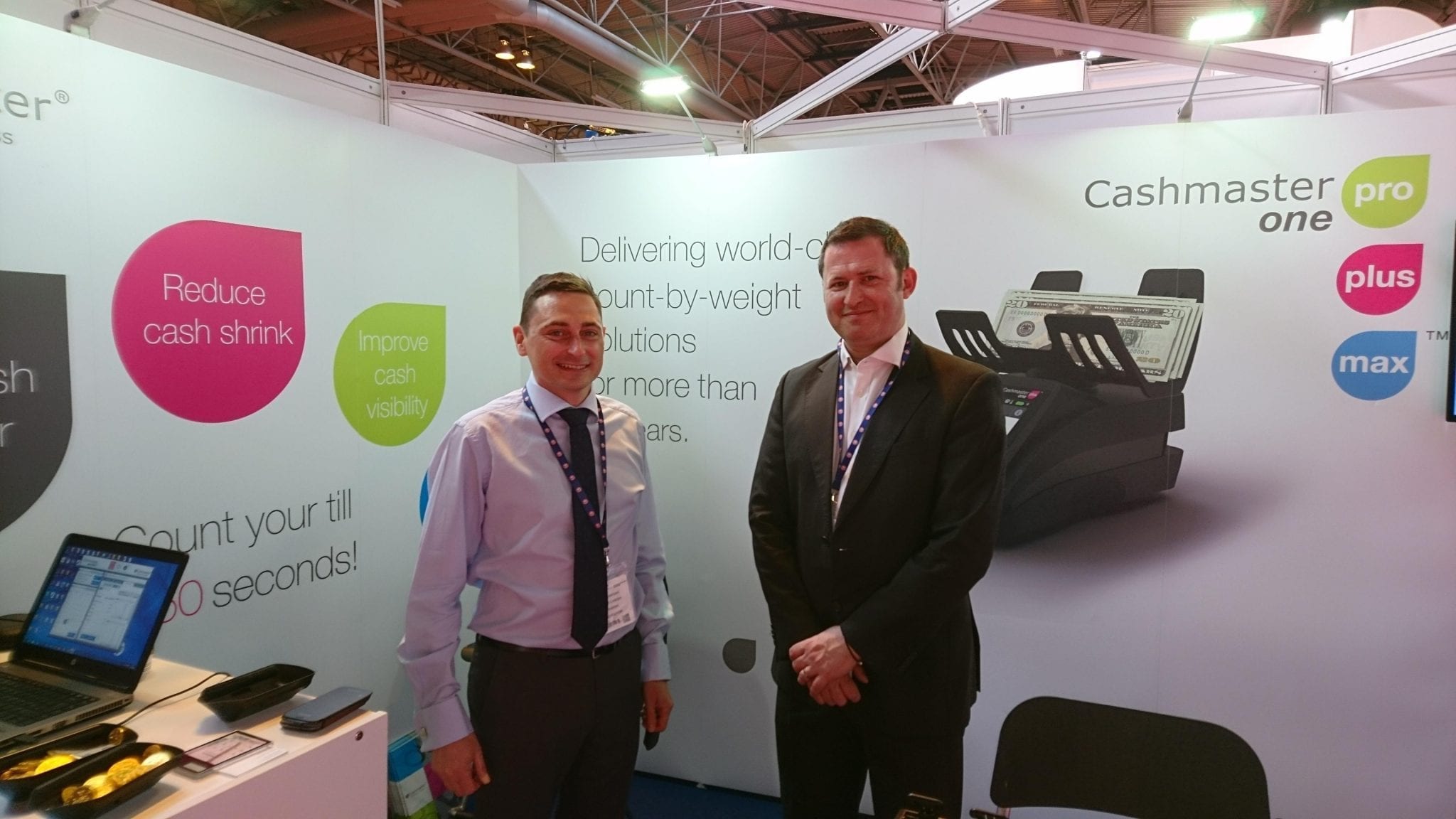
    Cashmaster, one of the leading companies in the global cash-management sector, is demonstrating the transformational cost and time savings that retailers can enjoy when using its latest range of cash-counting scales, Cashmaster One, at Retail Asia Expo (RAE). It is also unveiling Cashmaster Connect, its new cash management application which gives retailers greater ‘real time’ visibility of their cash.The UK-based company is exhibiting for the first time at this year’s RAE which is being held on 13-15 June 2017 in the Hong Kong Convention and Exhibition Centre (Booth L12).

    Gordon McKie, CEO at Cashmaster, commented. “In the last year, we established our Asia Sales and Support headquarters in Hong Kong so it’s the perfect time for us to be participating in such a key exhibition.”

    “All our devices are designed and manufactured in Scotland but we work with businesses world wide, most recently with large retailers in Asia. We understand the highly competitive nature of the markets where our customers operate, which drives them to seek efficiency and process improvements across their organisations. This is where count-by-weight products can help make a tangible and significant difference – driving accuracy and efficiency in cash-management processes and ultimately making a positive impact on their bottom line.”

    Mr McKie pointed out that retailers counting their tills using a Cashmaster count-by-weight device can transform how they manage their day-to-day cash counts and cash-management processes. Manual counting is still commonplace in many retail outlets and it can take up to 10 minutes to perform a single count. Using a count-by-weight device allows organisations to count their tills in less than a minute, helping to drive efficiency improvements that deliver cost savings, reduce cash shrinkage and provide much tighter control and visibility of their cash.

    “Count-by-weight technology delivers measurable cost and staff time savings almost immediately and our customers typically see a return on their investment in 8-12 weeks,” he concluded.

    UK design and manufacture Cashmaster has over 30-yearsexperience in the cash-management sector, designing and manufacturing all its products in the UK. Its latest range of devices, Cashmaster One, incorporates a smart-phone style touch-screen and a highly intuitive icon-driven user interface, making it the easiest to use cash counter on the market. With its optional integral printer, Cashmaster One is the smallest footprint device the company has ever made, ideal for retail environments where space is at a premium.

    New Cashmaster Connect The availability of pertinent, ‘real-time’ management information (MI) is fast becoming a key prerequisite of the physical cash-management sector. The growth in software platforms is a clear indicator that good MI and greater cash visibility is becoming more important to all businesses whether large or small.

    The new application, which allows users to connect their Cashmaster cash counter to their Windows PC, laptop or tablet, gives retailers a simple way to record cash-count data from tills accurately and efficiently in a matter of seconds. Cashmaster Connect allows users in busy retail environments to automatically output till counts in Excel format. This means retailers can capture important cash data, making financial reporting easier and more accurate than ever.

    Working in partnership

    As part of the company’s wider strategy for providing a complete cash-management solution for its customers in small and large enterprise organisations, 2017 will see Cashmaster working in close partnership with key providers of both software and hardware product solutions that target retail and other sectors.

    Amanda Treend, Group Product and Marketing Director at Cashmaster, commented “We receive daily feedback from our customers on how our Cashmaster count-by-weight devices have an immediate impact on their cash management with real improvements in efficiency, accuracy and cost savings. Managing your cash successfully tends not to be a single product fix. Cashmaster technology is designed to integrate seamlessly with a variety of cash-management hardware.

    “We’re delighted that our Cashmaster Connect application and the strategic partnerships we are developing will significantly expand our cash-management solutions offer to retailers of all sizes around the globe, whether they are sole traders or large enterprises.”

  • Bank Indonesia Issues Regulation on Carrying Foreign Banknotes of at Least IDR1 Bln

    Bank Indonesia Issues Regulation on Carrying Foreign Banknotes of at Least IDR1 Bln

    There is a new regulation issued by Bank Indonesia (BI) on the carrying of foreign banknotes into and outside the country. This regulation is set forth in Bank Indonesia Regulation (PBI) No 197/7 / PBI / 2017 dated May 5, 2017.

    This regulation arranges that foreign banknote carriages within and outside the country of at least equivalent to IDR1 billion is only permitted by licensed entities, including banks and non-bank Foreign Exchange Business Activities that have obtained permits and approval from BI to carry foreign banknotes.

    In addition, a qualified Rupiah Money Processing Service Company (PJPUR) listed in BI may carry foreign banknotes across borders, but only as transporter.

    “The release of this regulation is in line with BI’s efforts to achieve and maintain the stability of the rupiah,” said Executive Director of BI’s Department of Foreign Exchange Management, Budianto at Thamrin Building, BI, Central Jakarta, Monday.

    The BI regulation is effective on March 5, 2018, but the imposition of new violation sanctions will be applied on May 7, 2018 or two months after the enactment of the PBI.

    The grace period for enforcement of the regulation to strengthen socialization aspects to the community before it is implemented.

    “This BI regulation is valid since March 5, 2018, the imposition of new sanctions will be effective on May 7, 2018. There is still a transition period of 10 months ahead,” said Budianto.

    This provision also relates to Law Number 8 Year 2010 concerning the Prevention and Eradication of Money Laundering Crime and Government Regulation No. 99 of 2016 concerning Cash Advance issued by the Financial Transaction Reporting and Analysis Center (PPATK). With the issuance of the new regulation, it will also strengthen the foreign banknotes cross country.

    As for sanctions provided if a party violates, ie prevention of the total number of foreign notes brought.

  • Cash payment declines by 2% in 6 year

    Cash payment declines by 2% in 6 year

    Cash as a mode of payment has declined in the country by 2 per cent in the past six years, from 14.02 per cent in 2010 to the current 12 per cent.

    As per the State Bank of Việt Nam’s report released this week, the country currently has around 67.4 million bank accounts compared to 16.8 million accounts in 2010.

    Modern infrastructure and technology to facilitate non-cash payments, especially online payments, have developed significantly. The number of bank cards has increased by 11.36 per cent against the end of 2015, to around 111 million now.

    There are around 254,000 points of sales (POS) and 17,380 automatic teller machines (ATMs), up 13.77 per cent and 5.39 per cent, respectively, compared to end of 2015.

    The central bank has issued many policies relating to modern infrastructure and technology to boost non-cash payments, to protect customer interests, and ensure quality of service.

    It has instructed commercial banks to quickly carry out a plan to convert all magnetic cards into chip cards to prevent fraud. Under the plan, all ATM cards will become EMV-standard chip cards by 2020, to reduce risks in e-commerce for both buyers and sellers.

    To protect the interests of customers, in October 2016, the central bank issued Circular 30/2016/TT-NHNN, which requires credit card service providers to compensate card owners for loss not caused by the owners, starting November 28, 2016.

    The Government also recently approved a policy encouraging cashless transactions in Việt Nam in order to reduce the number of cash-based deals, improve electronic payment methods and control tax evasion.

    Under the plan, by 2020, cash transactions in the country will be account for less than 10 per cent of total market transactions. As per the plan, all supermarkets, shopping malls and distributors will accept credit cards; 70 per cent of water, electronics and telecommunication service providers will accept cash-free payments from households and individuals; and 50 per cent of the total urban households will use electronic payment for daily transactions.

    The policy also proposes the development of new payment methods for rural and remote areas in order to encourage financial inclusion and increase overall access to services. At least 70 per cent of Vietnamese citizens over the age of 15 will have bank accounts by the end of 2020. Social welfare and pensions will be paid through electronic payment methods.

  • Vietnam urges retailers to ditch cash for plastic

    Vietnam urges retailers to ditch cash for plastic

    With online sales booming in the country of 93 million, it’s time for shoppers to embrace e-commerce. Vietnam is trying to convince at least 70 percent of its citizens aged 15 and over to open bank accounts and about 50 percent of urban residents to switch to non-cash payments via debit and credit cards by 2020.

    Online retail revenue is forecast to hit $10 billion in the next four years, accounting for 5 percent of the country’s total retail market, which grew 10.2 percent last year to $118 billion.

    The government has officially rolled out its e-commerce development plan for 2016-2020 to tap into the fast-growing consumer population with a huge demand for online shopping.

    According to one estimate, about 30 percent of the population will buy goods and services over the internet and spend an average of $350 per year online by 2020.

    In 2015, Vietnamese shoppers spent $4.07 billion online, a jump of 37 percent from the previous year, according to the Vietnam E-commerce Report, adding that revenue from online retail accounted for 2.8 percent of the country’s revenue from the sale of goods and services in the same year.

    With a population of 93 million, Vietnam was ranked as the smallest e-commerce market in Southeast Asia in terms of sales just three years ago. Now online retail is gaining momentum with the country’s 49 million internet users increasingly turning to online shopping.

    According to Internet World Stats, Vietnam is currently ranked 18th in the world in terms of the number of internet users, with mobile subscription rates as high as 40 percent.

    In order to increase non-cash transactions, the government will require all supermarkets, shopping malls and convenience stores to accept payments via credit and debit cards.

    It is forecast that in the next four years the number of supermarkets will nearly double to 1,300 and shopping malls to 300, according to the government’s plan.

    Spending at supermarkets, convenience stores and shopping malls is expected to rise to 45 percent of total consumer spending by 2020, up from 25 percent now, government data shows.

    The government also wants 70 percent of utility service providers including telecommunications companies and electricity and water suppliers to move their billing online.

  • AirAsia founders’ MYR1bn cash injection inches forward

    AirAsia founders’ MYR1bn cash injection inches forward

    Malaysia’s central bank, Bank Negara Malaysia, has approved the offshore loans that AirAsia‘s founders Tony Fernandes and Kamarudin Meranun will use to inject over MYR1 billion ($247 million) of new equity into the airline.

    As a result of the approval, the agreement to purchase 559 million new AirAsia shares at a price of MYR1.84 per share became unconditional on 30 Novemeber. This now gives the two directors 60 days to pay for the shares, which will be issued eight days after payment.

     The announcement was made in a Bursa Malaysia statement by joint principal advisors CIMB Investment Bank and RHB Investment Bank.

    Approval for the offshore borrowing has been holding up the deal, and forced the founders to delay it by several months.

    Following completion of the deal, Fernandes and Meranun’s stakes in the company will each be lifted from 18.9% to 32.4%.

  • AEON Your Cash awards Nissan March to lucky winner

    AEON Your Cash awards Nissan March to lucky winner

    Saranya Pipoppinyo (right), Vice President Marketing of AEON Thana Sinsap (Thailand) Public Company Limited, hands over keys to a Nissan March, valued at 451,000 baht, to Suthit Saisuwan from Sisaket, the lucky winner of the grand prize from the AEON Promotion Your Cash Car Lucky Draw campaign which had run from July 1 to September 30.

  • Demand for cash expected to rise during Ramadan

    Demand for cash expected to rise during Ramadan

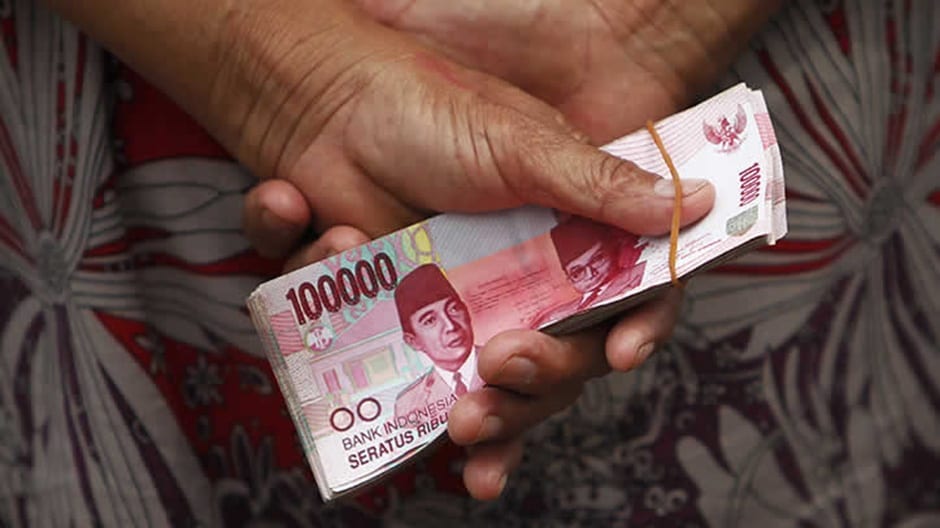
    Demand for cash in Indonesia is expected to rise by 14.5 percent to Rp160.5 trillion during Ramadan and post-fasting holiday of Lebaran this year, a central bank official said here on Monday.

    “There are several factors that would make cash demand to increase this year,” Bank Indonesias executive director for money circulation management, Suhaedi, said.

    The forecast for the cash demand growth of 14.5 percent this year is in line with the trend in the growth of money in circulation in the community in the Ramadan-Lebaran period which has always increased by 14 percent every year for the past nine years, he said.

    Suhaedi said he predicted demand for cash would increase because of economic recovery, the disbursement of the 13th and 14th salaries of civil servants, police and military members and a longer period of the Lebaran holiday which this year will happen in concurrence with the school holiday.

    He said the central bank has prepared Rp160.5 trillion to meet the need of cash money and spread its supply across BI branches in the provinces.

    “Almost 100 percent of the cash money are newly printed bills,” he said.

    Bank Indonesia would send 26 of the money supply to Jakarta, 33 percent to Java, 20 percent to Sumatra, 7 percent to Kalimantan and 11 percent to Sulawesi, Maluku, Papua, Bali and Nusa Tenggara.

    Starting today Bank Indonesia Jakarta started opening service for people wishing to exchange their money for the new bills at the National Monument square in Central Jakarta.

    On June 10, 20 banks would help Bank Indonesia in carrying out the service at the square.

    “Besides Monas (National Monument) 200 branches of banks in Jakarta will also open the service,” he said.

    Bank Indonesias executive director for payment system Bramudija Hadinoto said during Ramadan especially from June 6 to July 1 the operational hours for non-cash payment system would not change.

    On July 4, however Bank Indonesia would only conduct limited operations for transfer of clearing funds.

    “It is limited because no debt clearing is to be carried out especially in Jakarta, Surabaya, Medang and Bandung while other cities it still continues,” he said.

    Regarding real time gross settlements (RTGS) he said Bank Indonesia would impose a new rule as of July 1, 2016 in which it would reduce the limit of the nominal value of RTGS from Rp500 million and over per instruction to over Rp100 million per instruction.

  • Card, not cash, is king in South Korea

    Card, not cash, is king in South Korea

    Whenever she needs to use money – whether to take the subway, buy a drink from a vending machine or pay for lunch at a restaurant – Ms Kim Mee So, 29, will whip out her debit card.

    It is the only card the teacher carries with her in her bag, and the only one she needs for daily expenses.

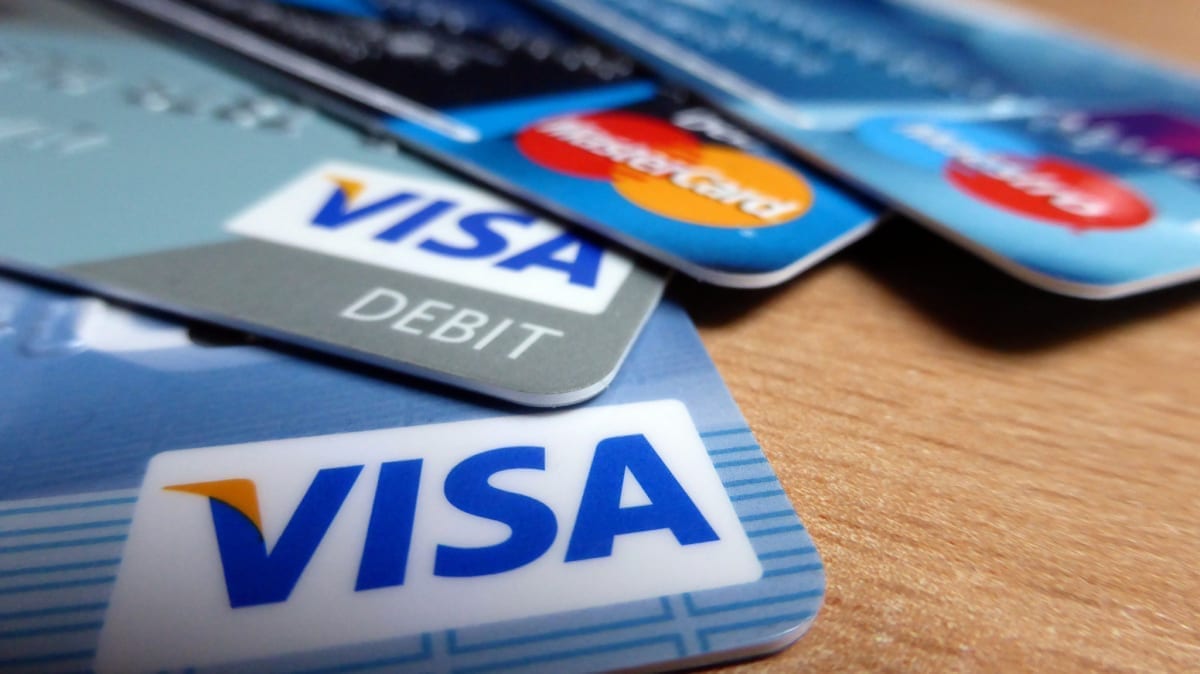
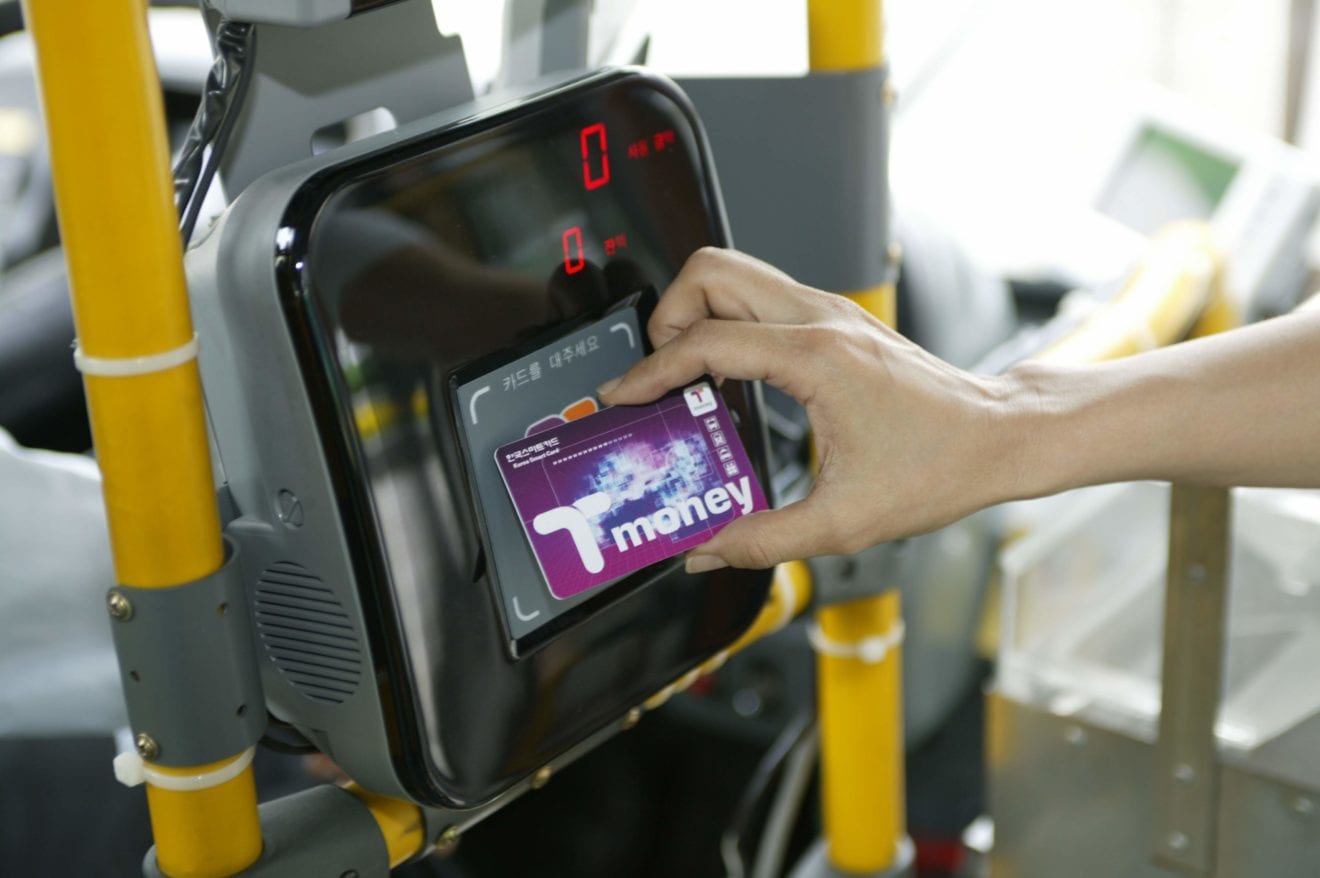
    The Visa debit card is linked to her bank account and equipped with a smart chip that also allows her to use it as a public transport payment card, known as T-money.

    “I don’t use real money because it’s heavy to carry around, and I don’t have a wallet so there’s no place to put it in. The only time I use cash is to pay for food delivery and give an allowance to my brother who’s in high school,” she said.

    Ms Kim is among a growing group of South Koreans who are relying less on cash and more on cards and electronic payments, as the world’s most wired country started early last year to open up its finance technology (fintech) industry and encourage more people to adapt to IT-based systems, including payments via mobile phones.

    NO ROOM FOR CASH

    I don’t use real money because it’s heavy to carry around, and I don’t have a wallet so there’s no place to put it in. The only time I use cash is to pay for food delivery and give an allowance to my brother who’s in high school.

    MS KIM MEE SO, a 29-year-old teacher who carries only a debit card in her bag for daily expenses.

    Only about 20 per cent of all payments here are made with cash – among the lowest in the world – according to the Bank of Korea (BOK).

    The central bank is now aiming for the country to go cashless by 2020, beginning with plans to phase out coins so as to reduce the cost of minting them. It has already cut back on issuing paper money.

    A system is being tested for retailers who receive cash to give back change not in coins but as credit in the customer’s T-money card or credit card.

    It will be rolled out by next year if pilot tests prove to be successful.

    Going cashless is a global trend, led by Scandinavian countries Norway, Sweden and Denmark. Singapore has also committed $225 million to grow fintech start-ups as part of its plan to go cashless.

    In South Korea, electronic payments gained popularity after the introduction of T-money in 2004, as the country sought to streamline public transport payments with a single touch-and-go smart card.

    What is T-money?

    South Korea introduced a smart card called T-money in 2004 to streamline public transport payments.

    Here is how it works:

    • •T-money is a stored-value card with a smart chip for fare deductions, much like Singapore’s ez-link card.

      •Modified T-money chips can also be fitted into credit cards and debit cards, and even into mobile phone SIM cards, which means one can just tap one’s phone to take the bus, subway or taxi.

      •It is also accepted at many convenience stores, retail shops and restaurants.

      •By the end of 2014, T-money was used in 43 million transactions daily.

      •There are 15 million users in Seoul and the surrounding Gyeonggi province, which have a combined population of 22 million.

    Much like Singapore’s ez-link card, T-money is a rechargeable stored-value card with a smart chip for fare deduction. The chip has been modified to fit credit cards, debit cards and even mobile phone SIM cards – which means people can tap their phones to take the bus.

    T-money can also be used at most convenience stores and some retail shops and restaurants.

    By end-2014, T-money was used in over 43 million transactions a day. There are more than 15 million T-money users in Seoul and the surrounding Gyeonggi province, which have a combined population of 22 million. Apart from the T-money card, credit and debit cards have also become a way of life.

    The success of T-money and the popularity of mobile devices have also prompted a new wave of fintech developments.

    Tech giants including Naver, Kakao and Samsung compete to build and bolster their mobile payment platforms to capture consumers shifting from computers to mobile devices.

    Text-messaging app company Kakao, for instance, has its own mobile payment platform KakaoPay that allows its seven million users to shop online as well as pay electricity bills.

    The Seoul Metropolitan Government jumped onto the bandwagon last December, launching an app called STAX to allow users to pay property and car taxes and water and sewage fees on mobile phones.

    Business consultant Lee Youn Joo, 31, said cash has become less important nowadays and is used only on special occasions like weddings and funerals, and when paying street vendors and for valet parking.

    “Koreans are used to convenient transaction means and… the use of credit cards and mobile banking will continue to increase,” he said, adding that he uses credit cards for 90 per cent of his monthly spending.

    But as more people choose to go cashless, there are concerns about credit card security, overspending and whether the elderly can adapt to electronic payments.

    Student Terry Nam, 21, is concerned about security, as the country has witnessed major data leaks involving big credit card companies.

    “Our distrust of privacy protection is very high. The government should explain what it has done to resolve this issue and strengthen the punishment for private data leakage crimes,” he said.

    Wary of credit card companies, graduate school student Kwon Joo Hyun, 27, uses a debit card instead and avoids online payments that require credit card details.

    But she still supports the BOK’s plan, adding that the government can introduce a kind of cashback card for elderly folks to use when coins are phased out.

    But Dr Sohn Sang Ho, senior research fellow at the Korea Institute of Finance, feels the BOK’s plan to go cashless by 2020 is “too ambitious”. He said there is still a big group of older people who rely mainly on cash transactions, especially in traditional markets, and it will take a long time for them to convert to electronic payments.

    “Going cashless can be our long-term goal, but it’s not possible in the near future,” he said.

  • HKG offers instant ‘cash’ to airport shoppers

    HKG offers instant ‘cash’ to airport shoppers

    Hong Kong International Airport (HKG) is running a double promotion to travellers, which includes instant rebates in the form of coupons worth up to HK$5,000/$645, as well as a free delivery service.

    From 1-11 April travellers spending more than HK$20,000 and HK$50,000 by electronic payment on the same day at the 68.5m-passenger hub can receive an instant rebate of HK$1,200 and HK$5,000 respectively in the form of HKG cash coupons. These must be spent at airport outlets, TRBusiness has confirmed.

    Separately, travellers who spend more than HK$1,000/$129 in a single transaction at HKG airport benefit from complimentary local delivery. Free delivery service to mainland China, Macau and Taiwan is also offered to travellers who spend more than HK$2,500 on clothing, bags and accessories in a single transaction.

    SHOPPING AND DINING OFFERS

    As well as these offers, during the promotion period, HKG is collaborating with its retailers to provide travellers with a series of other shopping and dining offers, as well as a selection of complimentary gifts. Travellers can get more details by scanning the QR code on the promotion materials.

    HKG was the fifth most important duty free and travel retail sales location in the world in 2015.