Tag: Cashless

  • A German Bank Wants its Customers to go Cashless

    A German Bank Wants its Customers to go Cashless

    In a country where cash has been king for decades, Deutsche Bank will stop allowing customers to pick up cash at its counters.

    There is a German adage that Geld Stinkt Nicht, which translates into money doesn’t stink, and helps to explain the country’s strong, and perhaps a stereotypical, preference for cash over the years. Deutsche Bank is seeking to change that.

    In tapping into another German trait, that of frugality, Lars Stoy, who heads domestic retail banking operations of Germany’s largest commercial bank said at an investor conference that «In the future, I don’t want to offer cash in the branches anymore, because holding cash incurs costs.

    While not specifying a timeline for the changes, Stoy said that cash would only be offered in a few large centers and that generally, he wants to further reduce the number of branches in Germany.

    The main task of the branch is sales along with “advising customers on investments, mortgages, to a certain extent on consumer loans and insurance. Once that is the case, then the branches will be profitable again, Stoy said.

    Moreover, the plans are in response to changes in customer behavior, with the trend toward cashless payments significantly increasing, while at the same time demand for personal advice is also on the rise, Stoy said.

    In terms of cash supply, Deutsche Bank will maintain a nationwide network of ATMs adding that money can also be withdrawn at supermarkets or gas stations.
  • Pandemic Accelerating Shift to Cashless Society By 4 Years

    Pandemic Accelerating Shift to Cashless Society By 4 Years

    A new study by the payments giant reveals the growing popularity of digital payment methods such as online wallets, mobile contactless payments and QR code payments among Singaporeans.

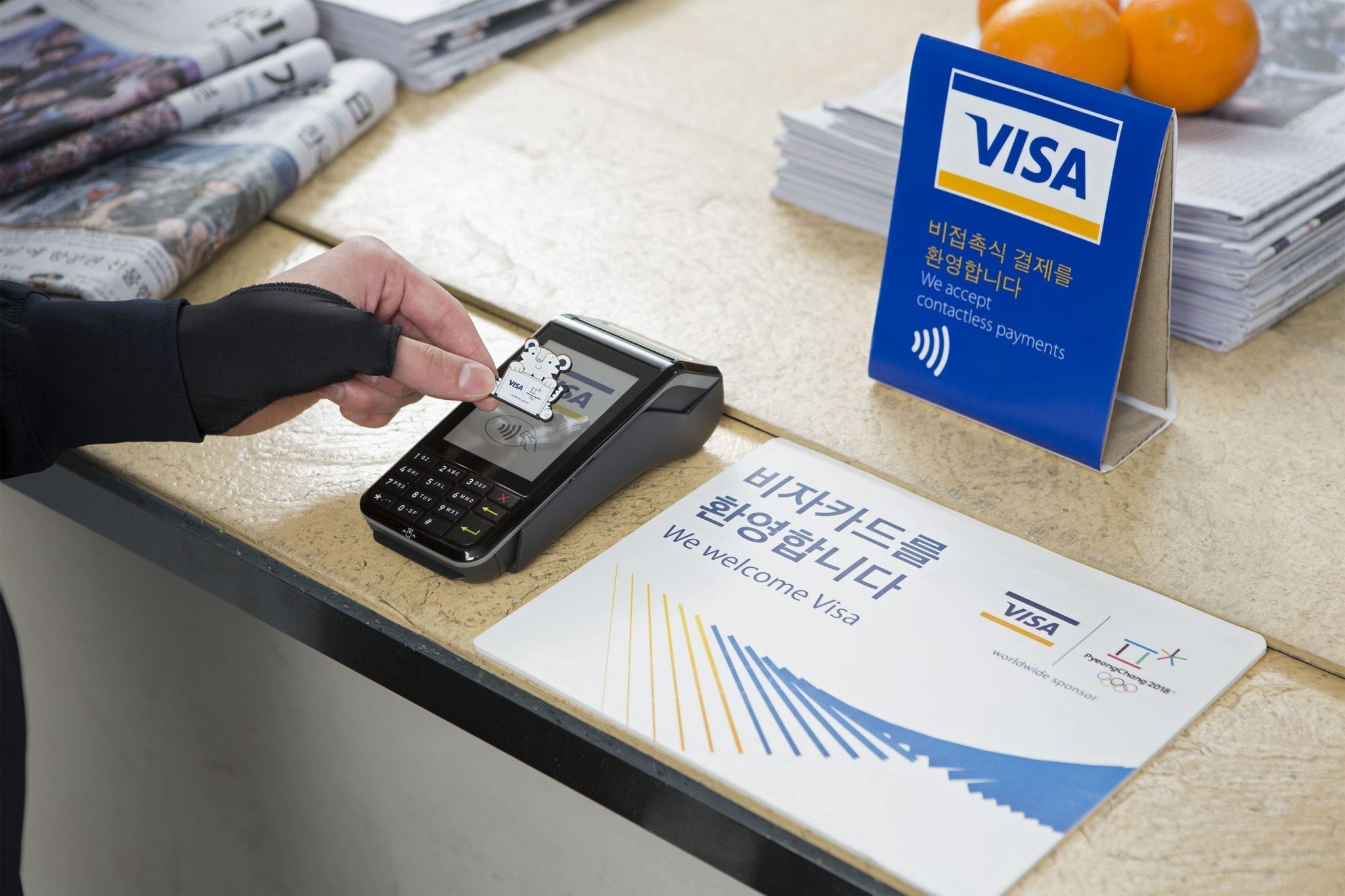
    The ongoing Covid-19 pandemic is hastening the demise of cash-based transactions in the city-state by at least four years, Visa said in its Consumer Payment Attitudes Study, published Thursday.

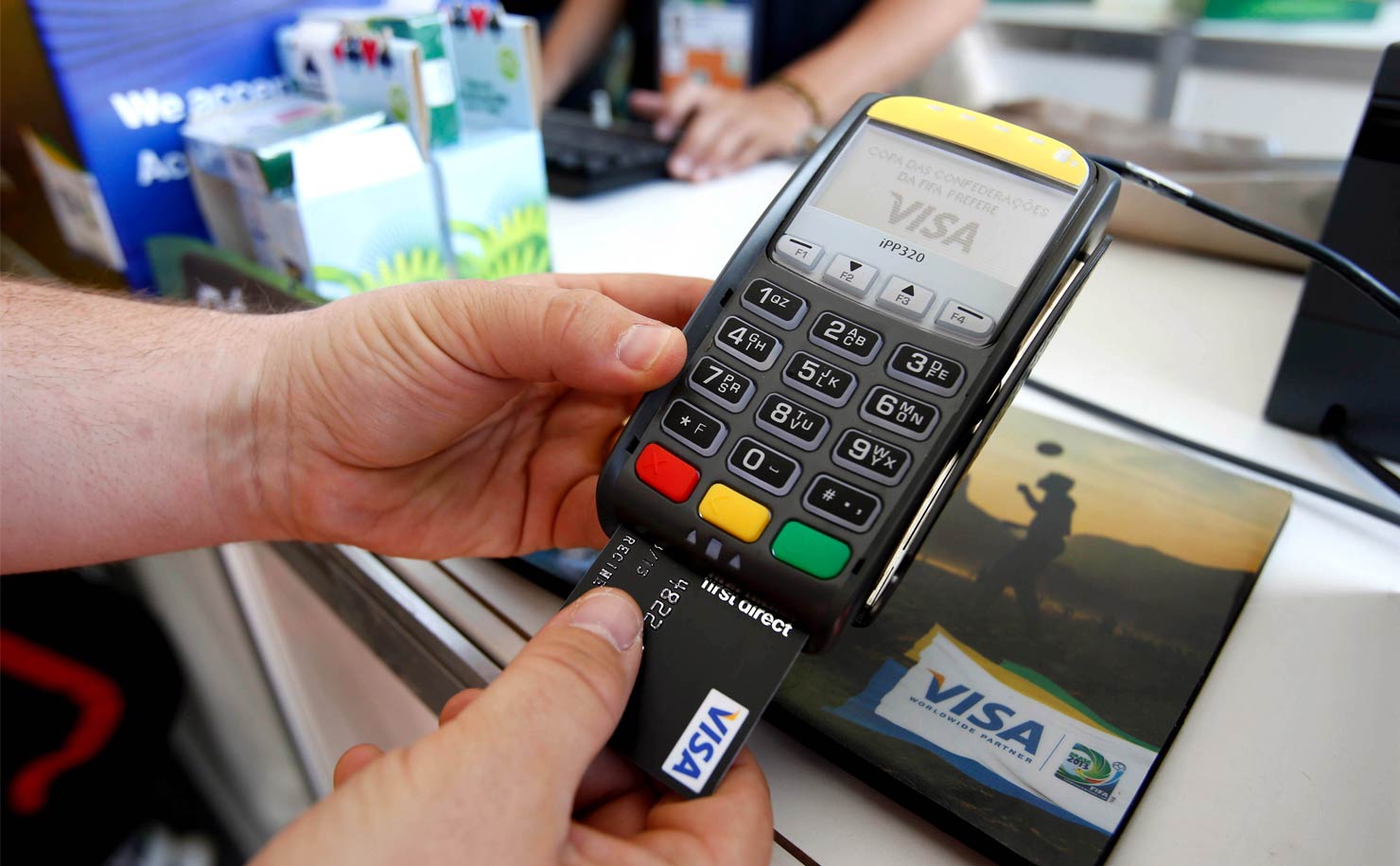
    The survey shows a preference among Singapore consumers for contactless card payments (31 percent), followed by online card payments (23 percent). Visa said that more than 9 in 10 transactions of its transactions by Singapore consumers are contactless – one of the highest in the world.

    Fewer than one in five Singaporean consumers (15 percent) prefer using cash, the survey revealed, noting that its use has fallen by 45 percent for public transport transactions and 42 percent for health and fitness-related transactions. Overall, more than one-third of Singaporean consumers who prefer using cash (35 percent) used this payment method less frequently.

    According to the survey, Singaporean consumers have shown receptiveness to emerging payment trends, including installment payments (87 percent) and real-time bill payments (80 percent).

    The stickiness of new digital payment habits formed during the pandemic cannot be underestimated… With cash usage decreasing, we believe there is a significant opportunity to encourage more usage of digital payments in the country, Kunal Chatterjee, Visa country manager for Singapore and Brunei, said in a statement.

  • Vietnam pilots Mobile Money project for cashless payments

    Vietnam pilots Mobile Money project for cashless payments

    Vietnam’s Prime Minister Nguyen Xuan Phuc has given the green light for the Mobile Money pilot project, thereby allowing mobile phone subscribers to use their telecommunications accounts to make money transfers and payments up to a limited value for products and services strictly in Vietnam.

    This pilot project came into effect on 9 March 2021 and will be conducted over two years. It will be implemented nationwide, particularly in rural areas to improve access to financial services and encourage cashless payment via mobile devices.

    Businesses require licenses to provide intermediary mobile money services, as well as licenses for public mobile terrestrial telecommunications networks to tap on telecommunications network and data. Customers are required to register their mobile accounts with an identity card, citizen identification or passport and use mobile services for at least three consecutive months.

    This pilot project was first submitted to the Prime Minister for approval in May 2020, prompting Vietnam’s major telecommunications services providers like Viettel, VNPT and MobiFone to add payment as a line of business.

    Vietnam has a population of 129.5 million mobile subscribers, of which 43.7 million owns smartphones. This pilot will serve as a basis for the relevant authorities to develop legal regulations around the service in the country.

  • DBS Launches QR-Based B2B Payments

    DBS Launches QR-Based B2B Payments

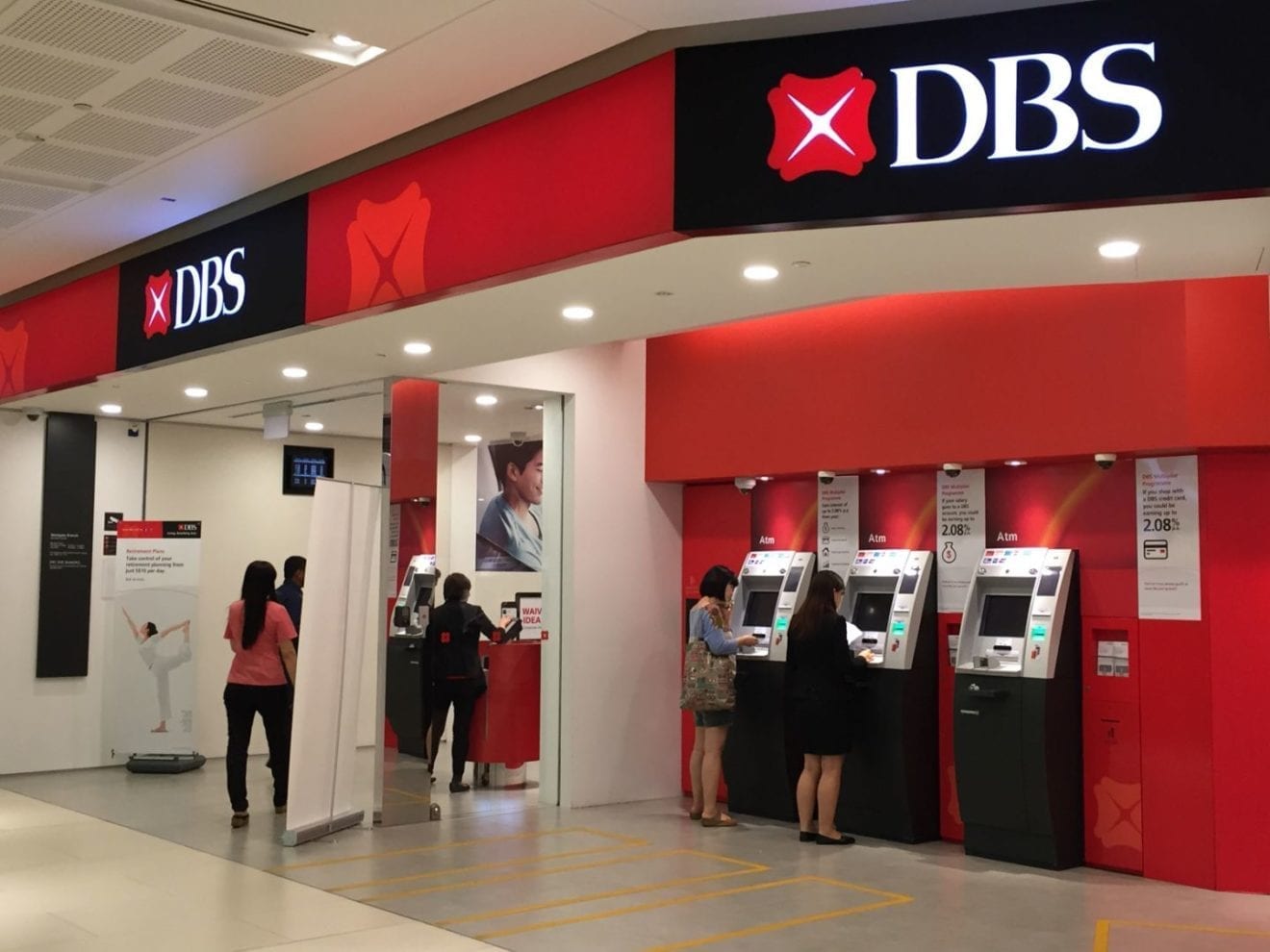
    DBS helps further propel Singapore’s cashless movement by introducing quick response code-based payments for the business-to-business segment.

    The bank hopes to boost payment speeds and is piloting the solution first in the F&B industry – a sector with limited penetration with nine out of 10 payments still being made through cash or bank transfers, according to a statement. The bank developed the solution after nearly 20 digital workshops with F&B businesses to identify bottlenecks in the payment process.

    In the new solution, which executes payments through its fund transfer service PayNow, users can consolidate multiple invoices per transaction and make full or partial payments for multiple invoices. This is also expected to effectively help improve credit terms due to the instantaneous and flexible nature of the process. The bank will roll out the new payment solution to the broader F&B ecosystem, logistics companies, and traders by the end of 2020.

    Aside from the retail segment, SMEs are expected to be a major growth driver for digital players in finance given a large gap between needs and demand.

    Many SMEs we speak to want to realize productivity gains by becoming more digital but don’t have the expertise or infrastructure to do so,» said Joyce Tee, group head of SME banking at DBS. «The lender is looking to understand SMEs’ pain points and then lay the foundation for enhanced payments capabilities one sector at a time.

    In November last year, Singaporean rival UOB also launched a payment solution aimed to capitalize on the cashless market for businesses. UOB’s Mcollect is a QR-based solution that enables instant payment and reconciliation to improve what it estimates is otherwise, on average, a four-day manual process.

  • South Korean firm to invest $700 mln towards cashless payment in Vietnam

    South Korean firm to invest $700 mln towards cashless payment in Vietnam

    Financial solutions firm Alliex will invest over $700 million to build shared Point of Sales (POS) across Vietnam. Alliex plans to install a total of 600,000 shared POS devices in Vietnam over the next five years, its director Park Byounggun told Deputy Prime Minister Vuong Dinh Hue at a meeting on Friday.

    The company, along with local partners, will build and operate this shared system, and continue to add new features on the POS devices such as QR code, contactless payment, and biometrics in line with regulations, Byounggun said.

    The shared POS system will help local authorities cut down cash in circulation and transaction costs, combat tax losses and speed up payment transactions in a safe and efficient manner, helping the government’s efforts to transform Vietnam into a cashless society, he added.

    Alliex has also signed collaboration contracts with private lender Sacombank and the state-owned VietinBank to roll out the POS system in Vietnam.

    Electronic payments in the country increased by 22 percent in 2017 to $6.14 billion, according to Statista, a local market research firm. The figure is projected to rise to $12.33 billion by 2022.

    Economists have said that the potential for cashless payments in Vietnam is huge due to a growing middle class and rapidly improving telecom infrastructure. The Vietnamese government targets to make 90 percent of all transactions cashless by 2020.

    However, for now, the reliance on cash remains huge. About 80 percent of Vietnamese prefer to use cash for daily transactions, according to the Ministry of Industry and Trade.

  • OCBC Rolls Out Contactless Cash Withdrawals Islandwide

    OCBC Rolls Out Contactless Cash Withdrawals Islandwide

    OCBC Bank customers only need to scan a QR code on the OCBC Pay Anyone app to make withdrawals.

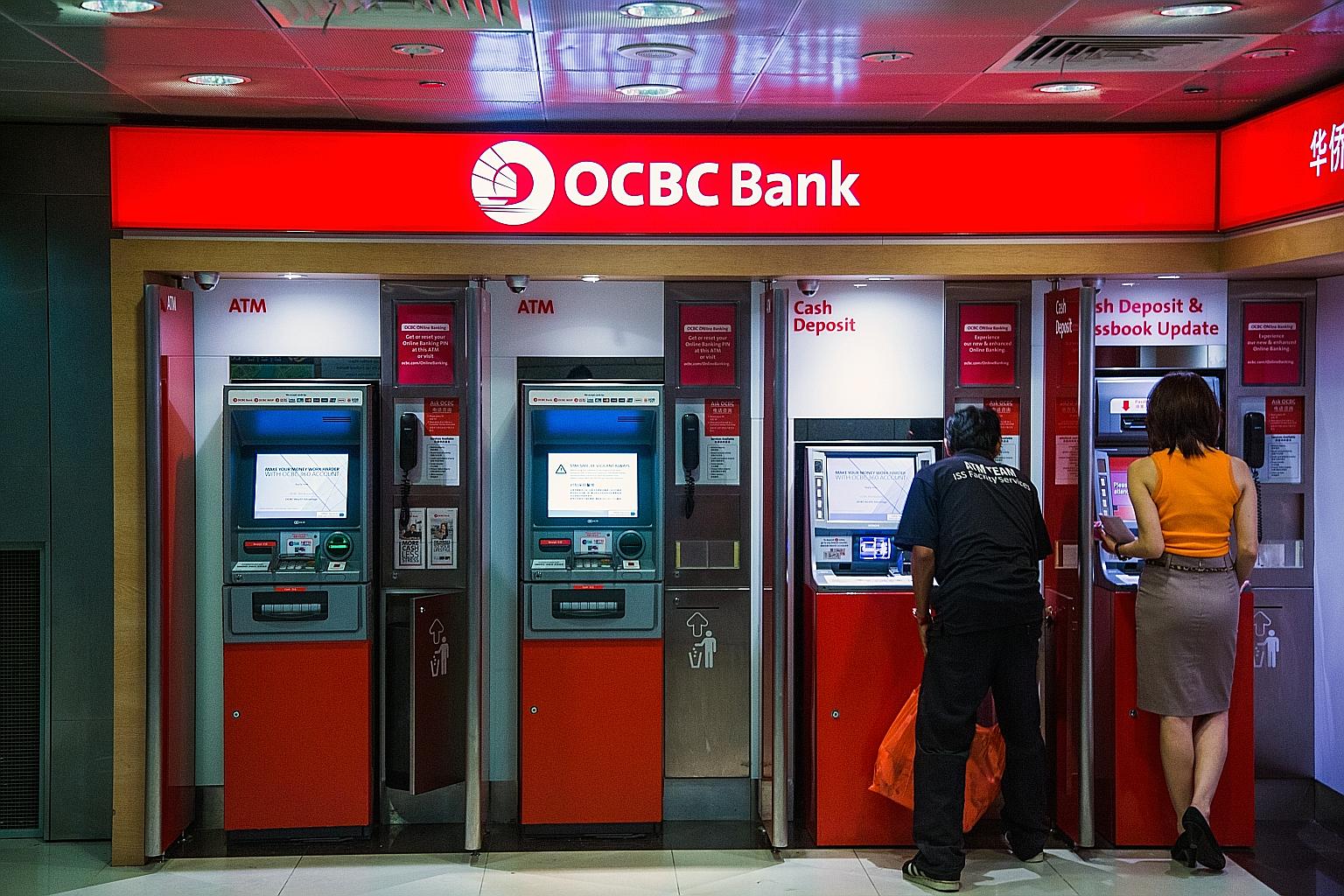
    OCBC customers can now make withdrawals without a bank card by generating a QR code from its mobile banking app, which can be scanned at any of its 655 Automatic Teller Machines (ATMs) islandwide, the bank announced in a statement.

    Apart from reducing the time required to make withdrawals, doing away with ATM cards and personal identification numbers raises security levels as biometric verification can be selected – customers have the option of authenticating the transaction via fingerprint, faceprint or mobile banking login credentials.

    We believe this completely reimagines a core service for which customers engage with the banks and will move the needle in making QR code payments mainstream in Singapore, Aditya Gupta, the bank’s head of Digital Business, Singapore and Malaysia, said

    According to OCBC, mobile banking usage has tripled, while the number of its customers who used mobile banking at least once in the last three months has grown by 25 percent since 2018.

    OCBC has 3 million cash withdrawals at its ATMs monthly, a figure unchanged in the past year.

  • Starbucks launches Starbucks Now cashless in China

    Starbucks launches Starbucks Now cashless in China

    Starbucks China has launched its new mobile order & pay experience Starbucks Now to 300 selected stores in Beijing and Shanghai.

    The firm is planning to introduce this feature across China over the course of the next year.

    Starbucks Now allows customers to place an order in advance of their visit and pick up their beverage and food at a Starbucks store. The new feature is exclusively available to the cafe chain’s loyalty program members through the Starbucks China mobile app.

    “Starbucks Now represents a significant opportunity for Starbucks China to drive new innovative customer experiences,” said Starbucks China CEO Belinda Wong.

    “This builds on the latest of several digital initiatives in China, including Starbucks Delivers and locally relevant gifting and e-commerce experiences. We are excited to offer this special mobile order & pay service exclusively to our Starbucks Rewards members to provide convenience and speed to suit their on-the-go lifestyle and seamlessly integrate Starbucks into their daily lives.”

    The rollout of Starbucks Now builds on the digital capabilities and infrastructure of the recently introduced Starbucks Delivers program last year. Starbucks Now will provide customers in China a unique and convenient way to order, pay and pick up their favourite Starbucks beverage and food item without the wait.

    The service allows customers to choose a store location based on their GPS location to browse, customise a beverage, select a food offering, view order time, and pay – wherever they may be. Following confirmation of the order, baristas prepare each beverage and ensure the order is ready to hand to the customer when they arrive at the store.

    Starbucks Now is curated to enable customisation as part of the mobile order experience. Through the feature, customers can modify the beverage size, select the number of espresso shots and select their dairy preferences. In a first-ever mobile order feature for Starbucks, beverage options have been expanded to include: type of espresso shot, amount of whipped cream, and room for milk.

  • Vietnam cashless transactions among lowest in ASEAN

    Vietnam cashless transactions among lowest in ASEAN

    Cash transactions remain highly popular in Vietnam compared to other ASEAN countries as it has low banking penetration. A new Standard Chartered report says Vietnam has the lowest bank account ratio in six ASEAN countries at 30.8 percent of the population aged 15 and up.

    This ratio is 34.5 percent in the Philippines, 48.9 percent in Indonesia and 81.6 in Thailand. Credit card ownership in Vietnam accounts for only 4.1 percent of the population, compared to 9.8 percent in Thailand. The debit card ownership ratio, meanwhile, is 26.8 percent, lower than Indonesia at 30.9 percent and Malaysia at 73.8 percent.

    Only 3.5 percent of the Vietnamese population have a mobile money account, while this ratio is 10.9 in Malaysia.

    Even though the country’s e-commerce industry has been growing at a double-digit rate in recent years, 90.2 percent of online purchases are paid with cash, the report said. This ratio is highest, compared to only 47 percent in the Philippines where the percentage of the population with bank accounts is only slightly higher than that of Vietnam.

    “Although there is a rise in alternative electronic means of payments in the region, cash still dominates. Apart from Singapore, the more traditional means of banking and payments remain more popular for the rest of ASEAN,” the report said.

    The reasons for high cash usage, Standard Chartered said, is a lack of understanding of how digital payments methods work and how to start using them.

    Others included concerns over the confidentiality of financial records and the perception that cash is still the simplest and most straightforward payment method, the bank said.

    But there is still a lot of potential for cashless payment to grow in Vietnam, the report said, noting that with over 70 million mobile users and 64 million internet users, e-wallet payments are set to gain more traction in the coming time.

    There are over 20 e-wallet apps in Vietnam, while foreign operators such as Samsung Pay, Alipay, and Amazon have also entered the local market to tap the large potential, the report said.

    The value of e-wallets transactions in 2017 exceeded VND53 trillion ($2.2 billion), an increase of 64 percent from the previous year, according to the State Bank of Vietnam.

    The government is striving to increase cashless payment in the country. A resolution issued in January recommended that cashless transactions made viable for all urban household bill payments by the end of this year, prioritizing mobile payments and payment via card readers.

    Ho Chi Minh City this week has instructed all schools, hospitals and many others to accept non-cash payments.

  • Westpac introduces Apple Pay in New Zealand

    Westpac introduces Apple Pay in New Zealand

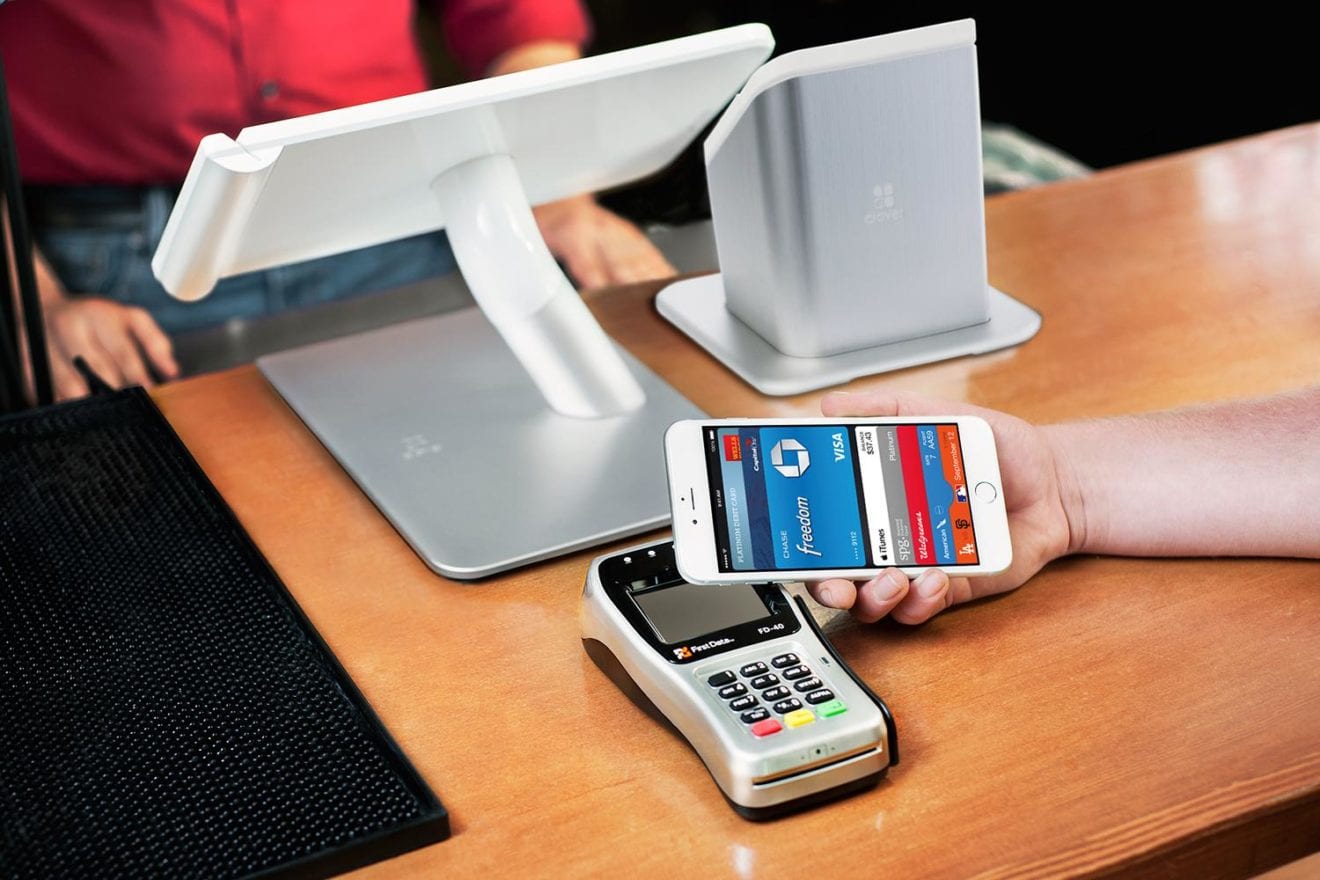
    Westpac New Zealand customers can now use Apple Pay wherever contactless payments are accepted.

    This reflects the findings of a recent study by Allied Market Research, which found that younger consumers appreciate the simplicity of mobile payments.

    The mobile payment market is expected to reach $4.5 trillion by 2023, according to the research firm, which also notes the market is growing with a “lightning-fast” rate in Asia-Pacific.

    However, even mobile payments are beginning to be superseded.

    The report noted that near field communication (NFC) and QR technology is fast becoming standard in various parts of Asia-Pacific, and various market players are already investing in this new technology.

    Westpac is celebrating the launch of Apple Pay by donating $2.50 for every customer who uses Apple Pay five times before May 2, 2019, to charity. Each customer will also receive a one-off payment of $10.

    “It is yet another reason for our customers to get excited about Apple Pay,” Shane Howell, Westpac’s chief experience officer, said.

    The four charities that will benefit from the initiative are the Mental Health Foundation, Shine, Sustainable Coastlines, and New Zealand’s rescue helicopter services.

  • Sunways Malls Welcomes the Cashless Revolution

    Sunways Malls Welcomes the Cashless Revolution

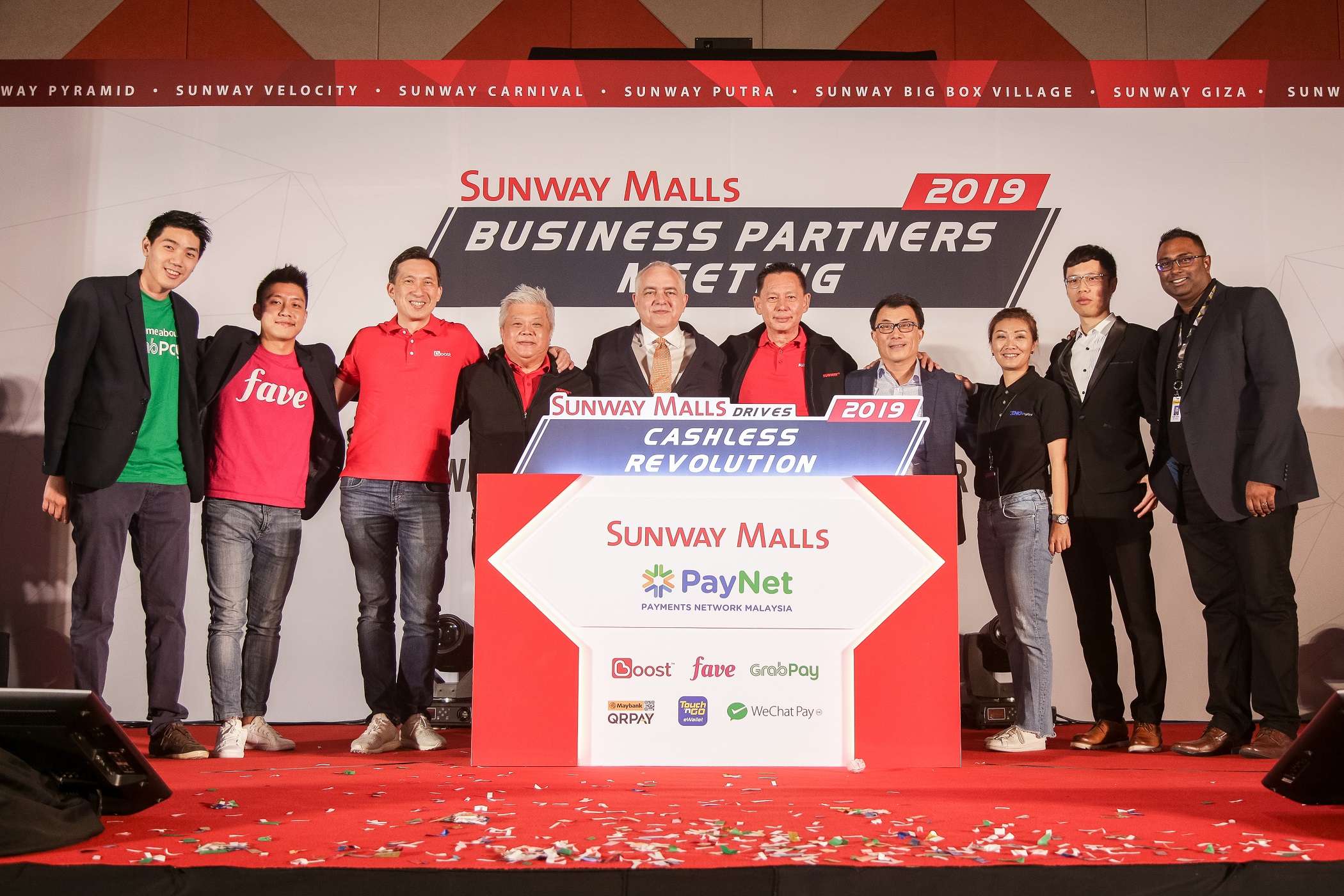
    Ever since Bank Negara embarked on a 10-year roadmap to move towards a cashless society, the ever growing trend of cashless transactions has been increasing and is popular amongst the Gen-Y and Millennial Generation. Sunway Malls took the initiative to bring in leading e-wallet companies such as Boost, FavePay, GrabPay, Maybank QRPay, Touch ‘n Go Pay, and WeChat Pay for exclusive face-to-face sessions with retailers at a closed door conference held at Sunway Pyramid Convention Centre.

    No longer do you need to carry around cash and credit cards as your mobile phone can do the paying! Numerous e-payment players in the market have emerged and is providing shoppers with better deals and convenience.

    Benefits of e-payment:

    • Enhances shopper experience
    • Increased sales
    • Quick and convenient

    “As the payment market continues to evolve, it is imperative that we stay abreast with development of cashless payment to cater to new consumer demands”, said H.C Chan, Chief Executive Officer of Sunway Malls & Theme Parks.

    Retailers who attended the conference were treated to a detailed and in-depth look at how cashless transactions would benefit their business and increase their sales through intimate small group discussions with the five e-wallet companies. To date, close to 35% of retailers across Sunway Malls are using some sort of e-wallet payment at their outlets and the malls hopes to increase this number to cater to the ever growing trend of cashless payments.

    The conference keynote was presented by Mr. Peter Schiesser, Group Chief Executive Officer of Payment Networks Malaysia (PayNet), Malaysia’s premier payments network and central infrastructure for financial markets. Mr. Deep Chowdhury, Client Service Director (Consumer Insights) from Nielsen Malaysia spoke on the topic of ‘Cash or Cashless? Malaysia’s Payment Landscape’ and shared insights on current Malaysian purchasing and spending behaviour in the retail industry and beyond.

    Over 350 brands attended the conference which was also Sunway Malls’ annual Business Partner Meeting to receive the latest updates on the current market outlook and upcoming plans for each mall.

    Sunway Malls is gearing to be amongst Malaysia’s largest mall owner-operator as existing projects and those in the pipeline now stand at 7.7 million sqft NLA and that figure is planned to be increased to 10.2 million sqft NLA by 2020.

    The malls are:-

    Sunway Pyramid, Bandar Sunway

    Sunway Velocity Mall, Cheras, Kuala Lumpur

    Sunway Big Box Village, Johor Bahru (opening 2019)

    Sunway Putra Mall, Kuala Lumpur

    Sunway Carnival Mall, Penang

    Sunway Citrine Hub, Johor Bahru

    Sunway Giza, Kota Damansara

  • Amazon-go to open more stores in the airports

    Amazon-go to open more stores in the airports

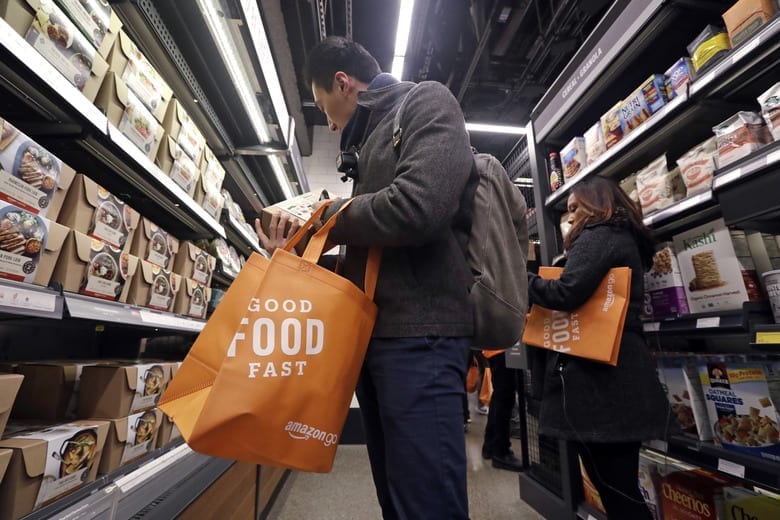
    Online giant Amazon is looking to expand the reach of its automated bricks-and-mortar Amazon Go offer by opening stores in airports, according to a report by Reuters. The retailer’s Go stores utilise myriad cameras which are able to identify customers as they enter, see what they pick up and leave with, and subsequently charge the customer’s Amazon account without the need for any staff interaction – a natural fit for customers needing to get from gate to gate in a short amount of time.

    According to emails obtained by Reuters, Amazon requested a meeting with staff from several airports, including Los Angeles International and San Jose International, referencing Amazon Go as “one of many possibilities we can discuss”.

    Beyond the meetings, which took place in June, officials from both airports confirmed they have had no further correspondence with the business, and that it would need to undergo a competitive bid process in order to acquire the locations necessary.

    The move would put Amazon in front of the more than 350 million people who boarded flights from the country’s top 12 airports last year, according to data from the US Department of Transportation.

    Amazon has been slowly expanding its physical retail offering through numerous Whole Foods, seven Amazon Go stores, and three reviews-driven Amazon 4-star stores, spread across the US, though efforts to bring these offers internationally are reportedly heating up.

    Telegraph UK has learned that Amazon is planning to open an Amazon Go store near Oxford Circus in London, with the location serving as a flagship store for the UK.

  • Cashless services explode in Vietnam

    Cashless services explode in Vietnam

    Vietnam’s central bank says the value of cashless transactions more than doubled over the first three quarters of 2018. The Department of Payments at the State Bank of Vietnam reported a strong rise in payments over electronic channels between January and September, compared to the same period last year. Accordingly, the value of online payments rose by 18.3 percent, while transactions over mobile apps and e-wallets rose by 126 percent and 161 percent respectively.

    The number of transactions over Internet, mobile and e-wallet channels also rose 33 percent, 30 percent and 28 percent respectively.

    “Mobile payment is becoming a new trend with the rise of technologies such as QR codes, contact and contactless payments, and the tokenization of card information,” said Nghiem Thanh Son, deputy director of the department.

    The first months of 2018 saw the number of users and the value of transactions through electronic channels such as online, mobile and e-wallets rocket at many banks.

    At Sacombank, statistics show that as of October, the number of registrations for online banking reached over 1.3 million accounts and for mobile banking 1.1 million accounts. The total value of transactions per month through both channels exceeded VND108 trillion ($4.63 billion).

    For VietinBank, the country’s second largest lender by assets, the number of internet banking users in the first half of this year surged 114 percent over the same period last year to a total of 1.5 million accounts and VND44.26 trillion ($1.90 billion) in total transaction value.

    Its mobile banking users also reached 1.5 million, engaging in transactions totalling VND64.35 trillion ($2.76 billion) between January and June.

    Over 7 million people are using digital services provided by MBBank. The average transaction value per month reached VND27.4 trillion ($1.17 billion), with digital transactions making up approximately 2.6 million out of 3 million total monthly transactions seen at this bank.

    Nguyen Hoang Minh, deputy director of the State Bank’s HCMC branch, noted that the number of online banking customers has seen average annual increase of 20 percent in recent years.

    Minh said that in order to continue developing non-cash payment channels, credit institutions should pay attention to linking their cashless systems with the public sector, specifically in areas like health, education, payroll and utilities.

    Cashless services should also expand to include online payment options for public services like buses, trains and other smart urban solutions, he said.

  • Twenty4 opens cash-free retailer in Ipoh Malaysia

    Twenty4 opens cash-free retailer in Ipoh Malaysia

    Malaysian convenience store Twenty4 has opened in Ipoh as the region’s first cash-free retailer of its kind. The “smart” convenience store accepts only cashless transactions, earning it a spot in the Malaysia Book of Records. The brand’s CEO Kenny Ng said: “The shop is open round-the-clock and customers can purchase a variety of items, including food and personal care items, through cashless transactions.

    Customers can buy products at the store using debit cards, credit cards, Paywaves, Samsung Pay, Apple Pay or use other E-Wallet payments. We hope the concept will set the pace … be a pioneer in Malaysia, where people buy items without using cash.”

    Twenty4 sells various local and international products via self-service machines.

  • Starbucks Coffee Korea boosts cashless store ranks

    Starbucks Coffee Korea boosts cashless store ranks

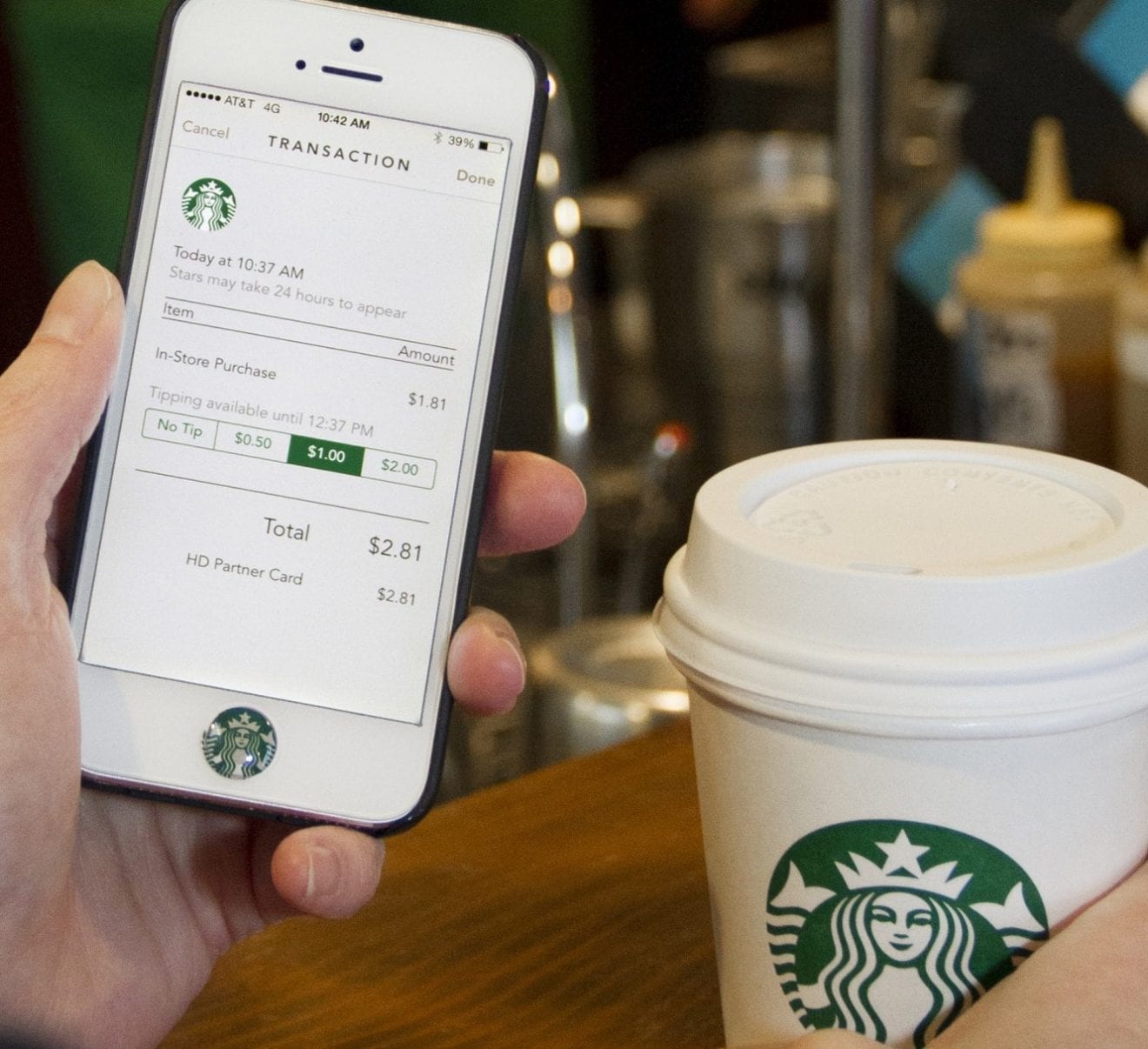
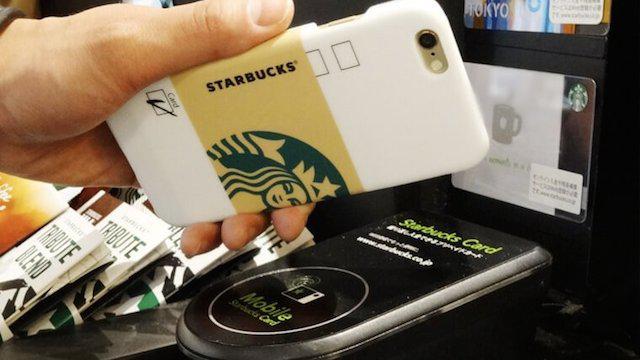
    Starbucks Coffee Korea is adding 300 more ‘cashless shops’ in addition to the 103 stores currently in operation, starting on Monday. Cashless stores require customers use a means of payment other than cash. The company noted that adding 300 more cashless stores would amount to one-third of the 1200 Starbucks shops in South Korea.

    “Instead of cash, customers will be asked to use credit cards, Starbucks cards, mobile transactions and other means of payment,” a company representative added.

    Over the past three months, Starbucks reduced the ratio of cash transactions at its stores from 3.4 per cent to 0.2 per cent on average. The average number of cash transactions per store dropped from 19 to 1.1 per day.

    “Cashless stores can better focus on customer satisfaction since employees don’t have to spend time going to the bank to balance cash,” Starbucks Coffee Korea said.

  • Starbucks to increase number of cashless stores in Korea

    Starbucks to increase number of cashless stores in Korea

    Starbucks Coffee Korea Co. said Monday it will increase the number of cashless stores to over 100 across South Korea this month amid rising use of credit cards and mobile payment systems in the tech-savvy country.

    Earlier in April, the coffee giant began a test run of three cashless stores in major office districts in and around Seoul.

    The proportion of cash transactions at these stores has since dropped from 3 percent to 0.2 percent, according to the joint venture between Starbucks Coffee International Inc. and South Korean retail giant Shinsegae.

    The company will turn 100 more outlets into cashless stores from July 16 in addition to the three under the trial system.

    Starbucks said the decision is part of its broader digital innovation drive as cash payment has been constantly declining at stores in South Korea, from 31 percent of the total in 2010 to 15 percent in 2013 and 7 percent last year.

    “South Korea has a high utilization rate of credit cards and mobile payments. That coupled with the country’s well-established digital infrastructure enabled our latest expansion decision,” Starbucks Korea CEO Lee Seock-koo said in a statement.

    The total daily average amount of electronic financial transactions came to a record 581.53 billion won (US$521.6 million) in the first quarter of this year, up 13.2 percent from a quarter earlier, according to government data.