Tag: Causeway Bay

  • Sichuan Rouge to Open Soon in Midtown, Causeway Bay Celebrating a Spectrum of Regional Flavours

    Sichuan Rouge to Open Soon in Midtown, Causeway Bay Celebrating a Spectrum of Regional Flavours

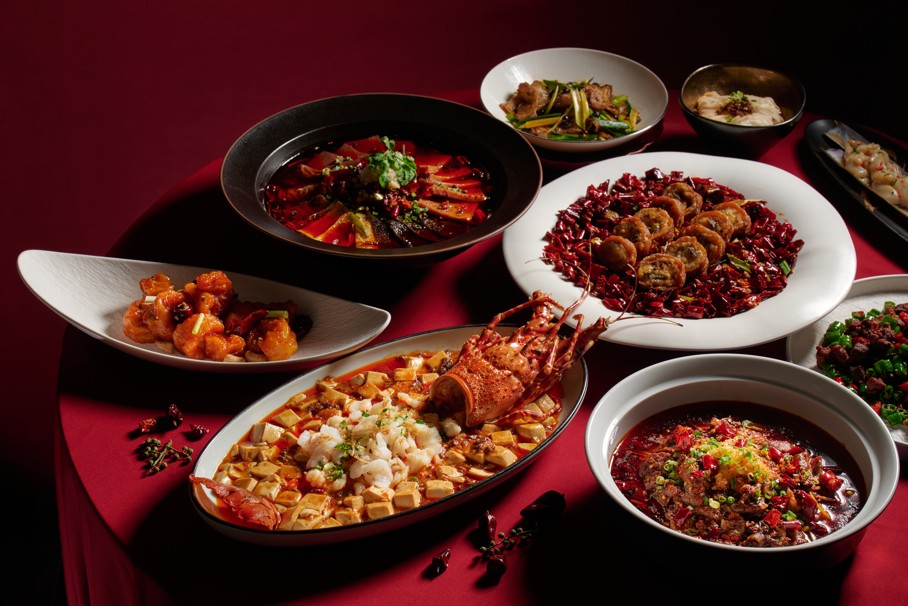
    Sichuan Rouge, a vibrant new culinary gem, is set to open in early July 2025 at Soundwill Plaza II, Midtown, Causeway Bay. Helmed by renowned Sichuan chef Hu Taiqing and homegrown veteran Kenny Chan, the restaurant aims to showcase the true essence of affordable, fine Sichuan cuisine. With authentic ingredients sourced from Sichuan province and Chongqing, the team will challenge the notion that Sichuan food is solely about numbing spiciness, or mala, presenting instead a rich and complex array of flavours.

    Spanning ​​more than 1,000 sq. ft, Sichuan Rouge’s interior design is inspired by the glamorous nightlife hotspot of Shek Tong Tsui in 1930s’ Hong Kong. Taking its lead from antique Chinese hard-wood cabinets and traditional Sichuan architecture, the space is dressed with dark wood-grained tables and chairs, a wooden archway and beams bedecked with Chinese lanterns, ornate carved window frames and old-fashioned neon signs – transporting diners back to an era of rich sentimentality. The main colour palette of deep, decadent reds extends from wall panels hand-painted with floral motifs to crimson velvet upholstered seating. Soft orange-red wall lighting reflects the vivid, lively essence of Sichuan cuisine.

    The main dining room seats a total of 76 people, with diners also invited outside to the terrace of its sister restaurant, modern Hong Kong hot-pot destination A Smoking Affair, to experience a unique Sichuan-style happy hour with beautiful views of Victoria Harbour.

    Lauded as a Culinary Master of China, Chef Hu Taiqing is an iconic figure in Sichuan gastronomy, known for his contemporary flair and crowd-pleasing hotpot brands. In a glittering career spanning more than 30 years, he has won numerous honours, including the ‘Gold Award’ in the 7th China Hotel Industry Professional Skill Competition – Sichuan District, and the ‘King of Chef’ award in the very first edition of a competition for famed chefs and restaurants in China. Chef Hu regularly serves as a guest lecturer and competition judge and appears on television food shows in mainland China, further consolidating his elevated status in the industry.

    Known locally as the walking dictionary of contemporary Sichuan cuisine, Chef Kenny Chan hails from a family of culinary artists who once operated a Sichuan bean-paste factory in Hong Kong. In his nearly 60 years as a chef, he has led the kitchens of many former top-rated Sichuan restaurants, including the Michelin-recommended Yunyan, Lumiere Sichuan Bistro + Bar, Sze Chuen Lau in Wanchai, and the World Trade Center Club. Among the culinary highlights of his distinguished career has been cooking for global political and business celebrities and hosting banquets for visiting British royal family members such as the Prince of Wales and the Duke of Edinburgh.

    Revered for its “hundred dishes and hundreds of flavours”, the complexity of Sichuan cuisine stems from the clever and careful use of local spices – an art of seasoning perfected over more than 3,000 years. There are 24 classic Sichuan flavour profiles, each imbued with the wisdom of the region’s Ba-Shu food culture, and achieved through precise matching of key ingredients. At the heart of the cuisine are the three peppers – the palate-numbing Sichuan pepper, hot and spicy chilli pepper, and pepper – and the golden trio of spring onion, ginger and garlic.

    Sichuan Rouge is committed to revealing the region’s authentic but less well-known flavour essences, while layering the menu with the creativity of its master chefs and an integration of Chinese and Western cultures. A bouquet of more than 40 spices and herbs imported from Sichuan and Chongqing infuses a feast of appetisers, soups, classic hot dishes, authentic rice and noodle preparations, and desserts, all showcasing the wonderful diversity of Sichuan flavours.

    Among must-try appetisers are Razor Clam with Sichuan Peppercorn, combining the plumpest razor clams with a refined sauce delivering spicy and numbing flavours; and the popular Chengdu street food of Sliced Beef and Ox Tripe in Chilli Sauce, whose secret recipe of red chilli oil with a splash of Baoning black vinegar has the perfect ratio of spiciness and sourness. Other highlights include the melt-in-the-mouth Deep-Fried Sliced Beef with Sichuan Peppercorn and Rock Salt; Chilled South African Abalone with Hangzhou Chilli; Young Pigeon with Pepper, and more.

    The menu is grounded in an array of home-style main dishes including the invitingly spicy Smoked Eel Wrapped with Fried Pork Intestine, which embodies the craftsmanship of the chefs. Smoked boneless local white eels are stuffed with chitlins marinated in fermented chilli bean paste, then diced and garnished with fried chillies. Featuring abalone and prawns, Duck Blood in Chilli Sauce is a luxurious take on a street-food tradition, while Mapo Tofu with Lobster pairs a lobster weighing approximately one catty with tender, silky tofu doused in hot red oil, resulting in spicy, fresh aromas and a delightful lingering aftertaste. 

    Rich in flavour and texture, Sautéed Prawn with Chilli Sauce is crispy on the outside and tender on the inside. Savoury and mellow on the palate,Twice-Cooked Pork with Black Bean and Soybean Paste is packed with Sichuan farm flavours. Sichuan Style Boiled Hand Cut Beef is similarly authentic, the meat imparting soft, spicy freshness as it ignites the taste buds.

    “Since ancient times, the Sichuan Basin has been called the ‘Land of Abundance’, thanks to its vast fertile land. Chilli peppers were not introduced to China until the late Ming Dynasty, so traditional Sichuan cooking featured milder and more nuanced flavours compared to the bright red, spicy profile widely known today,” says Chef Kenny Chan. “Chef Hu and I are excited to bring diners the original, diverse flavours of this glorious cuisine – a regional treasure that is in urgent need of rediscovery.”

    “Chef Chan and I have carefully curated a menu of many classic Sichuan dishes beloved for their variety of flavours. We hope gourmets from all around the world will come to Sichuan Rouge to appreciate the true essence of Sichuan cuisine and understand that its richness is not limited to numbing spices,” says Chef Hu Taiqing.

    Located on the 27th floor of Soundwill Plaza II, Midtown, 1-29 Tang Lung Street, Causeway Bay, Hong Kong, Sichuan Rouge will celebrate its soft opening in early July 2025. Initially, à la carte dishes will be served during the operating hours of 12 noon to 11 pm daily, with the launch of a dedicated lunch menu to follow in early August 2025.

  • Hermes reopens Lee Gardens store in Causeway Bay

    Hermes reopens Lee Gardens store in Causeway Bay

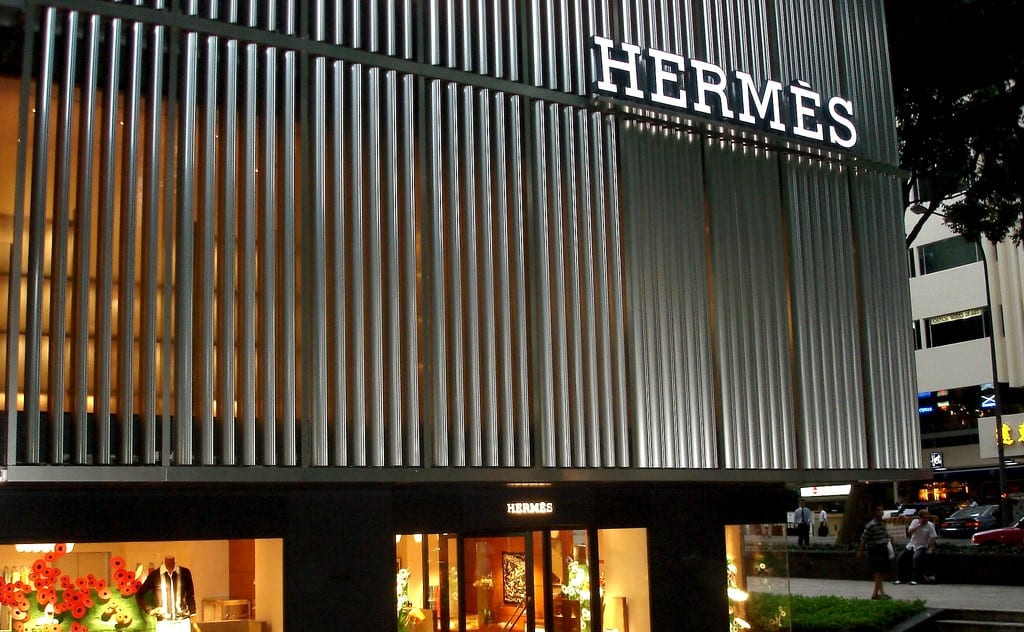
    Hermes has reopened its expanded store at Lee Gardens in Causeway Bay, Hong Kong.

    The store first opened in 1997 and is one of the luxury brand’s six stores in the metropolis.

    Hermes partnered with Parisian architecture agency RDAI for the expanded store’s design, which draws inspiration from nearby natural landscape.

    The expanded store now features three storeys, with its curves and ridges inspired by Hong Kong’s masonry wall trees and the interior showcasing metallic panels.

    A triptych of horses in motion by Japanese artist Ryu Mitarai is displayed at its three windows, which can be seen from the outside.

    The lower floor flaunts Hermes’ men’s and women’s ready-to-wear items, equestrian goods, home collection, and has two private rooms.

    A wooden cocoon on the first floor presents leather, watches, and jewellery metiers.

  • Causeway Bay deposed as Asia’s most-expensive retail strip

    Causeway Bay deposed as Asia’s most-expensive retail strip

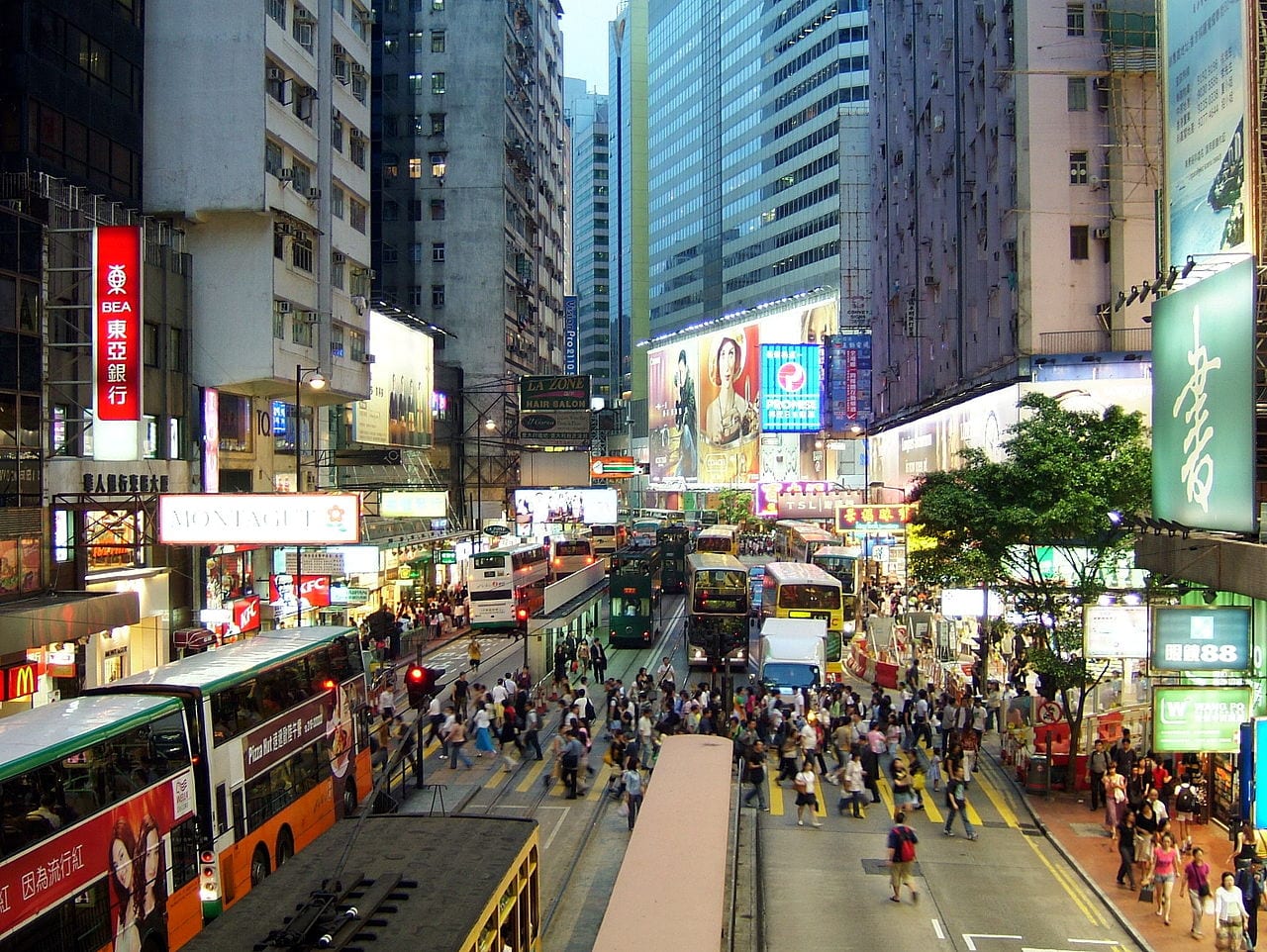
    Two-thirds of retail strips in Asia Pacific saw rental declines in 2020, with Causeway Bay in Hong Kong experiencing the steepest decline at 43%, according to Cushman & Wakefield’s latest Asia Pacific Main Streets Report. Causeway Bay had been #1 across the globe in retail rental value in the last 2 years. Yet, its position was taken over by Tsim Sha Tsui in 2020. Retail rental dropped by 42% and 35% year-on-year for Central and Tsim Sha Tsui respectively. On average, retail space rental value citywide has fell by 38% in Hong Kong over the course of 2020.

    “Ownership diversity is the key differentiator between Tsim Sha Tsui and Causeway Bay retail rental performance. Ownership of Canton Road in Tsim Sha Tsui, the main shopping area, is more centralized when compared with Russell Street of Causeway Bay. In times of crisis, centralized ownership allows for more flexible measures to retain tenants, thus maintaining a more stable trade mix with a cluster of renowned brands with optimal brand impact,” said Mr. Kevin Lam, Cushman & Wakefield’s Executive Director, Head of Retail Services, Hong Kong. “Looking ahead, with international travel made possible again towards the later part of 2021, together with a stable trade mix, we would expect retail rental performance to recover first in Tsim Sha Tsui district for the same reason,” Mr. Lam continued.

    However, the retail sector in Mainland China had the least disruption amongst all the markets in the region, with average rental declines of 5%. In contrast to the Beijing Central Business District (CBD) which had a 14% decrease in rental in 2020, the Luohu district in Shenzhen saw the largest rental growth of 5%.

    Mr. Keith Chan, Cushman & Wakefield’s Director, Head of Research, Hong Kong, commented, “Hong Kong remained in the top position regardless of the average retail rental drop of 38% in 2020. Tsim Sha Tsui still sits 31% above the second place, Ginza of Tokyo. This reflects the exceptionally high retail rentals in Hong Kong regardless of the pandemic outbreak and economic downturn.”

    “The key market drivers in operation due to COVID-19, namely international border closures, lockdowns and work-from-home practices have been universally felt across the region. As a result, we see little change in Asia Pacific rent cost rankings, at least for the top 10 cities, with Hong Kong, Tokyo, Sydney, Seoul and Osaka maintaining their dominance at the top of the list,” noted Dr. Dominic Brown, Head of Insight & Analysis, Asia Pacific at Cushman & Wakefield.

  • Calzedonia pays the price in Russell Street

    Calzedonia pays the price in Russell Street

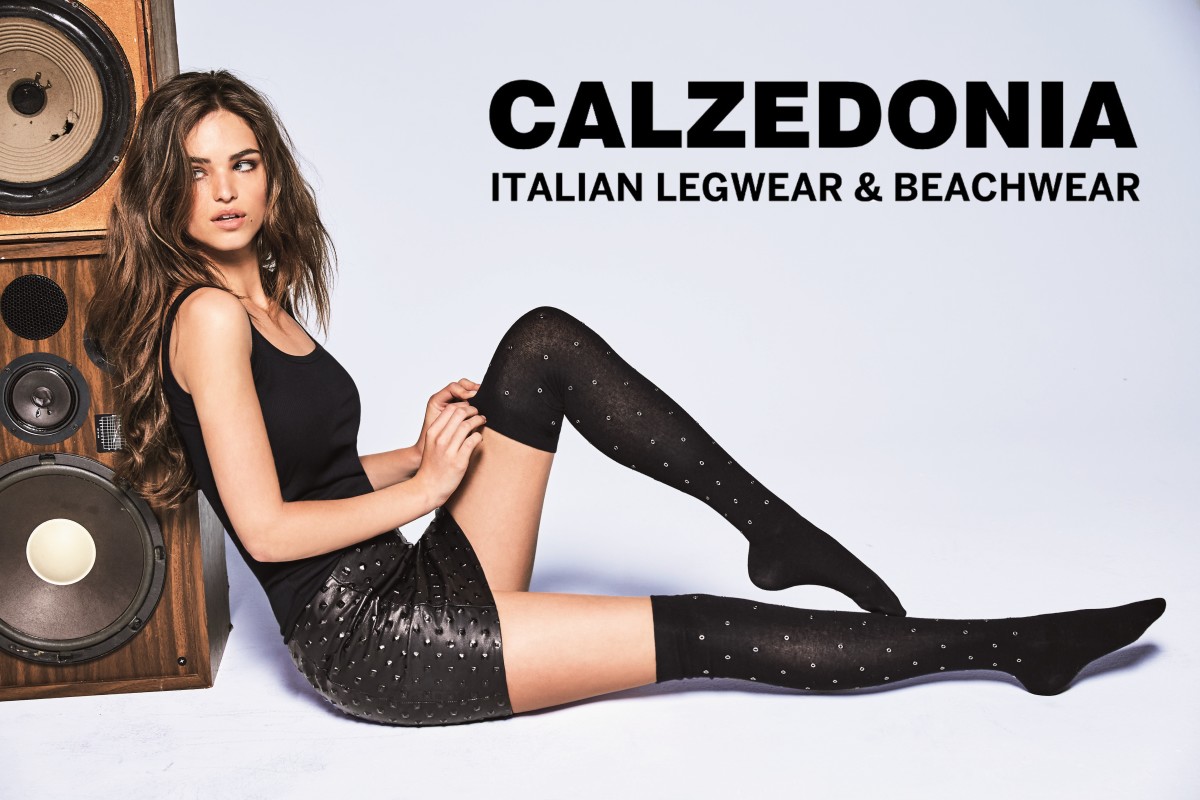
    Italian fashion brand Calzedonia has reportedly renewed its Causeway Bay lease at a 15 per cent increase.

    According to reports in business media, the firm re-signed for the 400sqft retail space with just a month to spare on its existing contract at a cost of HK$9 million (US$1.15 million) for one year on the world’s most expensive retail strip, Russell Street.

    The rental translates to $750,000 ($95,674) per month, a typical figure for the shopping street that demands pricier rentals than even New York’s 5th Avenue. The street is a must-see for big-spending luxury retail hunters from Mainland China.

    The opening of the new Hong Kong-Zhuhai-Macao bridge and high-speed Express Rail Link is expected to attract higher numbers of tourists and reverse the city’s trends of falling rentals, but to date the increases has not met expectations.

    Calzedonia operates 16 outlets in Hong Kong, including those for its Intimissimi and Falconeri brands.

    The opening of the new Hong Kong-Zhuhai-Macao bridge and high-speed Express Rail Link is expected to attract higher numbers of tourists and reverse the city’s trends of falling rentals, but to date the increases has not met expectations.

    Calzedonia operates 16 outlets in Hong Kong, including those for its Intimissimi and Falconeri brands.

  • Samsung Galaxy Studio creates Heartbeat Experience

    Samsung Galaxy Studio creates Heartbeat Experience

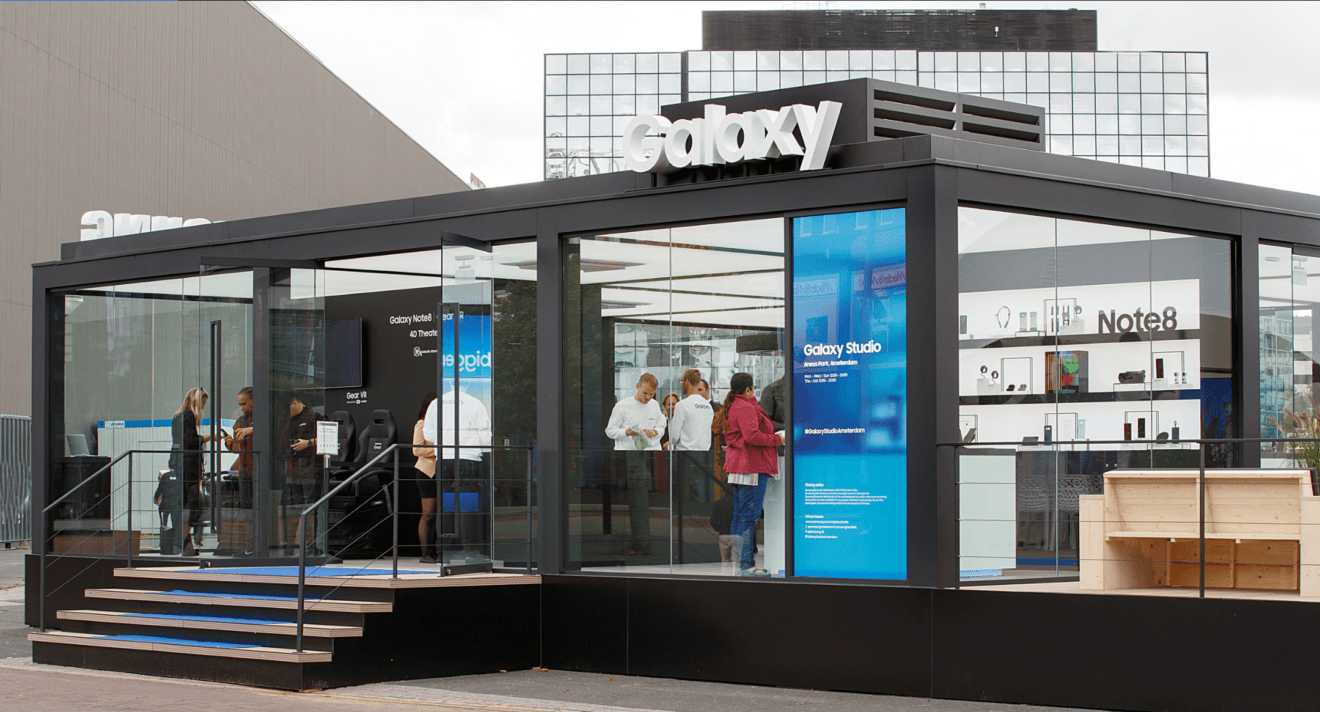
    Samsung Galaxy Studio pop up in Causeway Bay marks the Galaxy S series’ 10th anniversary smartphone.

    Interactive digital lights in the studio allowing participants to create visually stunning motion images responding to their own heart rates and eye images in order to demonstrate the quality of the latest Galaxy S10 phone camera.

    Every participant visiting the Samsung Galaxy Studio will be equipped with a Galaxy S10 smartphone to experience different zones, where they can personally try out the phone’s extensive functions. Participants will be awarded limited prizes upon completion.

    “Samsung has been upholding the belief of innovation for the past 10 years, bringing consumers an excellent smart mobile experience,” said Samsung Electronics HK MD Yiyin Zhao. “At the same time, we understand how Millennials crave for an all-new experience, so we opened the all-new Galaxy Studio in Causeway Bay, where fashionistas gather.”

    Visitors who register at the check-in counter to get a Galaxy S10 smartphone with the Galaxy Buddy app installed are then led through different experience zones. After completing an experience, participants receive a digital stamp through the Galaxy S10’s NFC tag function. Participants may redeem gifts after collecting four digital stamps, and are encouraged to upload their photos to their social media accounts.


  • The Ultimate La Mer Indulgence At T Galleria Beauty by DFS

    The Ultimate La Mer Indulgence At T Galleria Beauty by DFS

    The world’s largest Crème de la Mer jar will land in Hong Kong at T Galleria Beauty by DFS, Hong Kong, Causeway Bay on March 1. In partnership with DFS, the world’s leading luxury travel retailer, La Mer, is celebrating the iconic and transformative Crème de la Mer moisturizer with a larger-than-life installation of a Crème de la Mer jar measuring five-meters high at Hysan Place. Marking the stunning installation’s debut in Asia, customers will also have the chance to explore an immersive, behind-the-scenes look at the cult skincare brand through an exciting exhibition from March 1 – 10.

    At the heart of the La Mer story is its transformative moisturizer, Crème de la Mer, conceived after 12 years and 6,000 experiments by Dr. Max Huber, who suffered burns in an experiment gone awry. The secret of Crème de la Mer lies in the healing elixir of a cell-renewing Miracle Broth™.  The cream infuses skin with sea-sourced renewing energies, creating a natural, youthful glow.

    The multi-sensorial Crème de la Mer exhibition at T Galleria Beauty by DFS, Hong Kong, Causeway Bay begins as guests step into the giant jar, transporting them into an oceanic realm, the World of La Mer, through the sounds of the sea and soft glow of underwater lighting. Customers journey through the five moisture textures – Rich, Soft, Sheer, Balanced, Cool – each representing a unique moisturizer of La Mer conceptualized into dynamic installations for maximum sensory stimulation. On the other side of the exhibition, guests can discover the secrets of The Miracle Broth™ and marvel at the Crème de la Mer wall, the perfect backdrop for customers and influencers to capture unique, memorable moments. 

    La Mer’s Skincare Artistry Experts will also be on hand to provide bespoke consultations, introduce moisture rituals and share tips on how to “Arrive Hydrated” at your destination and keep skin looking healthy and luminous from take-off to touch down and beyond.  With a minimum purchase, customers will receive a complimentary La Mer luxury travel trunk case with the option of personalization by calligraphy services offered on site*. Other exclusive offers available only at the event.

  • eat darling eat opens in Hong Kong

    eat darling eat opens in Hong Kong

    This February, foodies in Hong Kong will salivate over scrumptious treats and desserts at eat darling eat, the new Causeway bay eatery that is bringing a playful twist on iconic Chinese desserts to spread love and evoke warm childhood memories.

    The 1,300 ft design-centric space is bold, surreal and out of the ordinary, sharing an array of lip-smacking treats with an eclectic twist. Situated in Fashion Walk, eat darling eat is the latest addition under Ming Fat House. The dessert spot is further enhanced by the interior design, with large playful stickers on the walls, and creative food photographs that make visitors do a double take. At eat darling eat, all delicious culinary creations are all about stimulating the senses, each of them made with utmost care and loving attention.

    eat darling eat’s extensive menu features iconic Hong Kong desserts such as the homemade fluffy Pineapple Buns (HK$38) that are quintessential to the city, filled with pineapple custard. Chinese “tong sui” desserts get a modern reinterpretation with such intriguing combinations such as double-boiled Papaya (HK$68) with snow fungus, candied papaya and mascarpone cheese. Sweet Potato (HK$68), a sweet potato soup playfully pairs with a luscious chocolate cake and taro ice cream; and Red Bean (HK$68), mixed with tangerine peel soup with a scoop of matcha ice cream.

    Other signature creations are home-made icy treats that have a modern flavour. Set to become a favourite is the Double-strength Milk (HK$48), that features two scoops of the milk flavoured ice cream that are infused with Chinese rice wine. Sichuan Pepper (HK$48), with scoops of the ice cream that bring out the spicy taste of Sichuan peppercorns and complemented with the sweetness from candied bacon.

    The icy treat that is sure to be popular amongst the fans is the Chinese Ginger Vinegar (HK$48), creatively topped with crispy pork skin. Inspired by a traditional Cantonese dish that is typically shared by new mothers to celebrate the arrival of a newborn baby, this trail blazing creation promises a spoonful to remember.

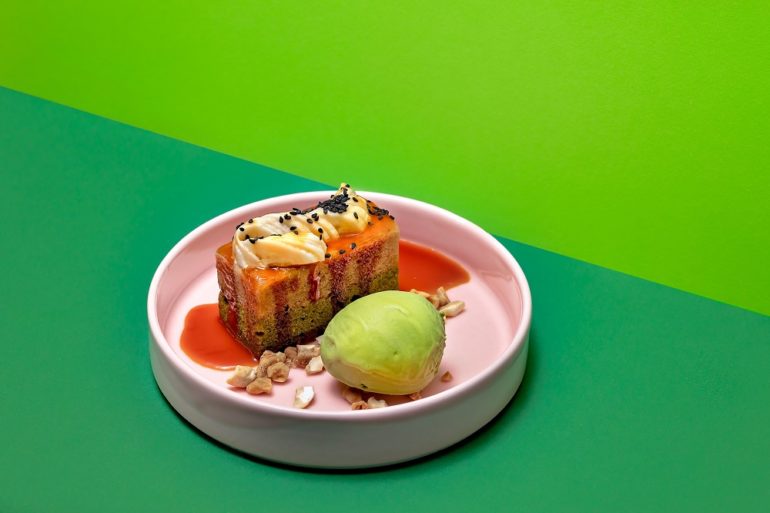
    Other delectable desserts include the Lava Cake (HK$78), featuring a decadent Valrhona dark chocolate filled cake with the earthy taste of walnut soup, and Matcha Cake (HK$58), a sweet caramel sponge cake topped with caramelised banana, and finished with scoops of matcha ice cream.

    “At eat darling eat, we strive to bring the element of traditional Hong Kong desserts that not only touch the heart, but also add a modern twist that will create new memories for our customers,” explained Jonathan Bui, owner of eat darling eat.

    The creative talent behind these quirky and tasty desserts is Executive Chef Jason Luk who tucked international experiences under his sleeve having worked in Bangkok, Shanghai and Miami. In Hong Kong he has honed his skilled at The Drawing Room and Zuma Hong Kong and brings a limitless array of culinary ideas at eat darling eat.

    “While living abroad, I learned a lot about desserts in other places, but at the same time I missed eating food from home. Since coming back to Hong Kong, I want to share the recipes from my experiences and present them to foodies in Causeway Way, which is the perfect place to showcase new and exciting trends and styles,” says Jason.

    eat darling eat offers guests a respite from busy Causeway Bay with its whimsical interiors that mirror the eclectic menu. The design draws inspiration from the experimental Post-modern era, incorporating designs, shapes and colours that challenge convention.

    The interior highlights split-level architecture, where the lower level entrance area is an open concept, while the upper space is framed as a theatre featuring fluorescent colours and reflective surfaces. The overall design is bold, surreal and out of the ordinary, emphasizing the creativity of the desserts.

    While eat darling eat offers mainly fun and playful desserts, it also offers savoury dishes for lunch and dinner that can be chosen from the a la carte menu and signature lunch menu alongside an extensive coffee, tea and cocktail menu. eat darling eat invites diners to take a break, slow down, and savour the moment in the midst of the hustle and bustle of Causeway Bay.

  • Giorgio Armani open first pop up store at DFS Hong Kong

    Giorgio Armani open first pop up store at DFS Hong Kong

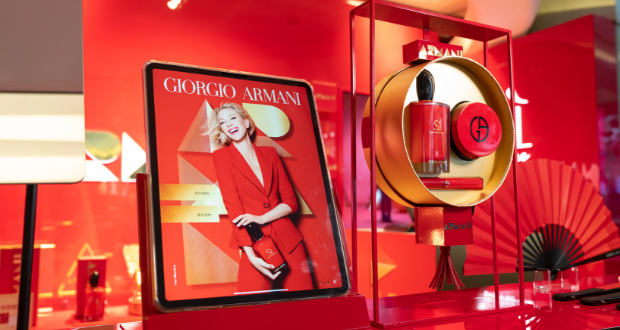
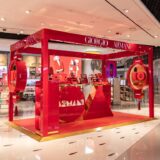
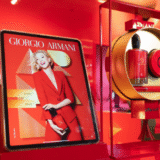
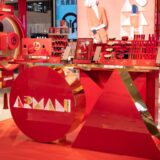
    Giorgio Armani Beauty is starting the year of 2019 strong by collaborating with DFS on celebrating Chinese New Year. In January, Giorgio Armani Beauty launched its first Chinese New Year pop-up stores at T Galleria Beauty By DFS, Causeway Bay and T Galleria By DFS, Canton Road respectively. Iconizing the brand’s 3 star products – the legendary Lip Maestro, the iconic My Armani To Go Cushion Foundation and the new bestselling fragrance – Sì Passione, the pop-up stores reflected Armani’s commitment to modernity whilst celebrating the traditional festival with the Asian consumers.

    A UNIQUE BEAUTY EXPERIENCE Visitors were able to indulge themselves in a unique Armani Beauty experience under the Chinese New Year festivity. They discovered New Year fortune and recommended Giorgio Armani Beauty products through the in-store digital app, try their luck on the app and receive attractive gifts upon purchase; and completed their memorable experience by getting the exclusive gift set of the 3 star products featuring My Armani To Go Cushion Limited Edition “Cushion Couture”. Customers also enjoyed professional make up consultation by Giorgio Armani Beauty Face Designers.

  • Place to reate your own watch

    Place to reate your own watch

    The Mills officially opened at the end of 2018, becoming a new landmark that combines historical and cultural retailing, attracting a number of local brands in Hong Kong. The Mills is a revitalization project from Nan Fung Group scheduled for completion and actually completed in 2018. A destination consisting of a business incubator, experiential retail, and a non-profit cultural institution may be relatively unfamiliar to Hong Kong people; yet The Mills’ vision and history is a purely Hong Kong story.

    It witnessed the manufacturing heyday in the 1960s, and now it carries the legacy towards a future of applied creativity and innovation. Visitors can explore the continuity of an authentic Hong Kong story, where themes of textile and industry are woven into experiences of innovation, culture, and learning.

    Eoniq successfully raised funds for launching a project a few years ago on the Indiegogo crowdfunding network, which is for customers to make their own personalized unique watches at The Mills. Through engaging in different workshops such as designing automatic tourbillon, printing dial and burning blue steel pointer, customers may experience the watchmaking process.

    In recent years, Swiss watchmaking brands have opened shops all over Hong Kong, however, the Hong Kong local watch industry has also had a glorious history during the 1950 – 1980.

    Although local watchmaking has already faded out, Li Junguo (Quinn), one of Eoniq’s founders, decided to set up his own brand with two partners in 2014.

    “I started building up the brand after I left my work at McKinsey since 2011. It is because I am interested in watchmaking, so I find some fine caliber factory online, and  contact the French freelancer to help me ordering from France as the people from Swiss watch factory usually only speak in French,” he said.

    After buying the caliber from the factory, the brand will assemble the watch according to the custom design of the guests.

    In fact, Eoniq had opened stores in Sheung Wan and Tsim Sha Tsui K11 before, but the shop could hardly afford a monthly rental fee of 1 million HKD in Tsim Sha Tsui.

    In terms of online sales, Eoniq’s customer profile is diversified and located in different regions, namely, Taiwan, Malaysia, Australia, the United States, and Europe.

    “The Mills was interested in Eoniq, knowing that we were assembling the watchmaking on our own, and asked if we could make the watchmaking process transparent so that the visitors could see the process of watchmaking. Thus, we have been given a space on the ground floor at The Mills, which became our current flagship store.”

    For the Automatic Tourbillon design workshop, customers can engrave their name, special phrase, signature or pattern on the watch. With the assistance of a watchmaker, guests can assemble the watch by themselves.

    Guests can also add personal elements to the dial, such as handwritten words or patterns, and there is a traditional printing machine to allow customers experiencing the traditional printing method on the surface of the watches.

    “Our brand is getting bigger, so I hired more masters in watches, including a watchmaker who had previously worked in Omega. In addition to allowing our guests to design their own watches, we want to let more people understand the value of watchmaking.”

  • The world’s most expensive retail street is not in NYC anymore

    The world’s most expensive retail street is not in NYC anymore

    Russell Street in Hong Kong’s Causeway Bay district has replaced New York’s Upper 5th Avenue as the world’s most expensive retail street by rental value, according to property consultants Cushman & Wakefield. For the first time in five years, the city has regained the crown, with average annual rents of US$2,671 per square foot (HK$20,953) despite a small decline of 1.5 per cent in average rents, according to the company’s annual Main Streets Across the World report.

    This was also the sixth time Causeway Bay has had the distinction of being named the world’s most expensive retail location.

    The report, now in its 30th year, tracks 446 of the top retail streets around the globe, ranking them by their prime rental value as of the second quarter of 2018.

    Upper 5th Avenue in New York slipped to second place globally, with average annual rents of US$2,250 per sq ft compared with US$3,000 per sq ft in the previous 12-month period as vacancy increased. The report said rents had fallen by 25 per cent because of the increased vacancy.

    London’s New Bond Street meanwhile is the most expensive European location and third globally. Annual rents here were broadly flat year-on-year at US$1,744 per sq ft, underlining the fact that luxury and high-end retailers still see the UK’s capital as a key retail destination.

    Beijing’s Wangfujing has become the most expensive street in China, with rents on average costing US$482 per sq ft a year, ranking 11th worldwide.

    “The retail market in Hong Kong has experienced a rebound over the last year, driven mainly by a return of mainland Chinese tourists,” said Kevin Lam, Cushman & Wakefield’s head of retail services for Hong Kong.

    Maureen Fung Sau-yim, executive director of Sun Hung Kai Real Estate Agency, said the number of mainland tourists would remain high if the yuan fell further.

    Fung manages 38 shopping malls with a gross floor area of 10 million square feet in Hong Kong and mainland China.

    One of them, APM, in Kwun Tong, was among the first to introduce round-trip direct buses from the mall to Zhuhai and Macau.

    “Since the opening of the Hong Kong-Zhuhai-Macau Bridge on October 24, APM has been running 780 round-trip direct buses to Zhuhai and Macau, serving 25,000 passengers, in which 80 per cent of them are Macau tourists who came for a one-day tour,”she said on Wednesday.

    Each of these visitors spends between HK$500 and HK$800, mainly on dining, cosmetics, and personal care.

    “APM aims to draw as many as 100,000 monthly visitors to the mall. Extra part-time staff are being hired to support the new demand,” adds Fung.

  • Retail rents in Causeway Bay are the world’s most expensive

    Retail rents in Causeway Bay are the world’s most expensive

    Causeway Bay in Hong Kong is now home to the world’s most expensive retail space. According to the annual Cushman & Wakefield survey of high-street retail rents, Causeway Bay has overtaken New York’s Fifth Avenue for the top spot, with rents of US$2671 per sqft per year, or €24,606 per sqm per year.

    The calculations were completed during the second quarter of this year.

    What makes Causeway Bay’s performance on the list even more remarkable is that it was achieved as the retail rent market bottomed out after some three years of pressure from falling retail sales in the city. While that decline has turned around into positive growth over the past year, most property industry sources have said retail rents have not yet begun to climb again.

    Third place on the list of the world’s most expensive retail space – and the most expensive strip in Europe – is London’s New Bond Street.

    Of the Asia-Pacific locations, Japan’s Ginza takes sixth place this year, Sydney’s Pitt Street Mall seventh and Seoul’s Myeongdong district eighth. Those places are the same as last year. The only other change in the top 10 was Avenue des Champs Elysees in Paris overtaking Milan’s Via Montenapoleone into fourth place.

    The annual Main Streets Across The World report, celebrating its 30th anniversary, tracks 446 of the top retail streets around the globe and ranks the most expensive in 65 countries by prime rental value using Cushman & Wakefield’s proprietary data.


  • Bape’s Baby Milo opens Japan, Hong Kong pop ups

    Bape’s Baby Milo opens Japan, Hong Kong pop ups

    Baby Milo has opened a pair of pop-up locations in Tokyo this week, as well as a Hong Kong location over the weekend.

    Parent brand A Bathing Bape has begun opening Baby Milo stores across Japan (Harajuku and Shibuya), Hong Kong and China this past weekend, signalling the Japanese novelty brand’s latest push into major Asian capitals.

    Baby Milo has purposefully built a fully interactive shopping experience, an extension of the ‘retailtainment’ phenomenon sweeping Asia this year.

    The Baby Milo label features plush animal characters centred on the namesake character Milo — a time-traveling monkey who loves to dance and eat bananas, and his friends Alii the Giraffe, Hippo, Baby Doppy, PD, Core the Koala and Elephant Eleph.

    Largely an accessories pop-up, key items on sale include key rings, bags, wallets, small goods, and other assorted accessories.

    The pop-up boutique will also offer up a bevy of soft goods and lifestyle items, alongside some limited-edition seasonal releases such as two Baby Milo Christmas snowglobes.

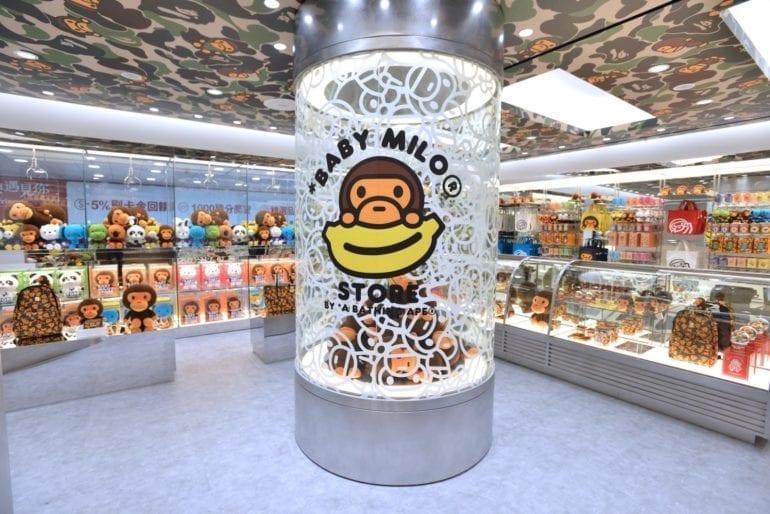
    The Hong Kong store is decked out with two giant claw arcade games at the entrance and iconic Bape camo, Ape heads and Baby Milos all over the ceiling.

    Baby Milo has stores located in New Town Plaza in Shatin, the I.T flagship store as well as Times Square located in Causeway Bay.

  • More stores closing the door in Hong Kong

    More stores closing the door in Hong Kong

    A “new wave” of Hong Kong store closures lies ahead, because many retailers have over-extended their footprints, says OC&C Strategy’s Pascal Martin.

    Commenting on the sudden closure of the Ralph Lauren flagship store in Causeway Bay this week, Martin said there will be a continuing wave of closures for the next one to two years because the lease contracts attached to each location have different terms, and in most cases tenants wait until the right time in which they can exit without incurring high penalties. The market will probably return to ‘normal’ in 2018, he said.

    “There is a common thread between the closing of Forever 21, Abercrombie & Fitch and Ralph Lauren. These three brands are experiencing challenges in terms of their overall performance. Therefore we think that they probably need to adjust their cost structure.”

    OC&C predicts that luxury and premium brands are more likely to adjust their store networks, the closures ahead “maybe not as spectacular” as the closures of those three flagships.

    More regular size stores will close because many brands over-extended their footprint in Hong Kong when there was a strong stream of Chinese tourists who were hungry for foreign brands.

    “Many of these brands had, and some continue, to have more stores in Hong Kong than in their home city. Now, they are investing more in their home city flagship stores including examples such as Louis Vuitton on the Champs-Elysees in Paris and Burberry on Regent Street in London, putting more emphasis on their roots and history, serving Chinese tourists who have upgraded their travel destinations to such global capital cities. At the same time, they have been closing a number of stores to adjust to a lower but more sustainable business in Hong Kong.”

    Martin said the exorbitant rent levels of flagship stores in Hong Kong can have significant impact on global brands’ overall bottom line. For example, Forever 21 took a big gamble opening in Causeway Bay because it takes exceptional levels of productivity to stay profitable given the level of rent they had to pay for such a large space there.

    “That being said, the Hong Kong retail context is creating opportunities for new players to take over spaces that are freed-up by store closures such as the above. And, new tenants can probably do that with better rent conditions than their predecessors in the same spaces.”

    OC&C predicts that brands that have upward momentum in their home markets and want to accelerate their momentum in Asia are the best candidates to take over large flagship space in Hong Kong, as long as these spaces are in good locations, like Victoria’s Secret taking over the Forever 21 location in Causeway Bay. Brands with on-going strong momentum like Zara and H&M may also be interested in taking up these vacant spaces.

    “Until recently, Hong Kong was often a key part of a brand’s strategy to build brand equity with Chinese tourists in view of entering China. This is still true to some extent, but now brands rely more on building brand equity directly with Chinese visitors in their flagships in Europe and the US, as well as online, rather than in Hong Kong. Therefore they rely less on opening flagships in Hong Kong as they once did. Hence, brands are more rigorous in their pursuit to achieve self-sustaining economics even in their flagship brand-building stores.”

    Martin said landlords will target the ‘up-momentum brands’ first in order to maximise rent.

    “If they are not successful with such brands, they will have to downgrade their expectations to less known but newer brands in smaller spaces, or to more experiential offerings, i.e. gyms, restaurants, who need large spaces but cannot afford apparel-brand level of rents.”

  • Ralph Lauren Hong Kong closes flagship

    Ralph Lauren Hong Kong closes flagship

    Following other international fashion labels, Ralph Lauren Hong Kong has closed its flagship store.

    Four years ago, its then CEO Ralph Lauren said the company was transforming its presence in China, “a region we believe will become an important driver of growth for us over the long term”.

    He was announcing plans to open 60 stores in greater China by 2015. A year after the announcement, the label launched its first men’s flagship store in Asia, in the Landmark Prince’s in Hong Kong’s Central district, and in October 2014 opened a “mansion” store at the Lee Gardens complex, offering accessories, watches and jewellery as well as men’s and women’s fashions.

    Now its 20,000 sqft (1858 sqm) store in Causeway Bay has been closed overnight, with a representative of the brand saying the closure was “part of our strategic and financial plan”.

    “We are redeploying assets to focus on new concept stores and transition away from unprofitable formats and locations,” the spokeswoman says.

    Ralph Lauren will combine its men’s and women’s flagships in the newly renovated Prince’s Building location, she says.

    The move is part of a new strategy from Stefan Larsson, who replaced Lauren as CEO a year ago (Lauren is still executive chairman and chief creative officer). Larsson previously worked for Swedish fast-fashion retailer H&M for 15 years.

    The restructuring will cut more than 50 stores and 1000 jobs worldwide, saving the company between US$180 million and US$220 million a year, reports The South China Morning Post.

    Meanwhile, American fast-fashion label Forever 21 has announced it will close its multi-storey Causeway Bay flagship store. British label Paul Smith has already closed its Times Square store, and Italian luxury clothing and accessories label Tonino Lamborghini has also closed more than 10 stores and in-store counters.

    Abercrombie & Fitch is set to leave its prime location in the Pedder Building in Central, which will leave it without a stand-alone store in Hong Kong. This follows it closing about 50 stores in the US this year. But the US company plans to open a flagship store in Beijing.

  • Hong Kong still tops Asian retail rent rankings

    Hong Kong still tops Asian retail rent rankings

    Tokyo’s Ginza has overtaken Sydney into second spot behind Causeway Bay in the latest DTZ/Cushman & Wakefield Asian retail rent rankings.

    The annual Main Streets Across the World report tracks 462 of the top retail streets around the globe, ranking them by their prime rental value.

    Globally just 36 per cent of the markets witnessed an increase in rent rates, a reflection of the growing power of eCommerce and economic challenges in many economies around the world.

    New York’s Upper 5th Avenue, which saw its first decrease in annual rents per square foot since the financial crisis, and Causeway Bay remain more than twice as expensive as the leading street in any other country. So while Causeway Bay rents fell year-on-year, it had no impact on its ranking.

    But DTZ/Cushman & Wakefield says the downward pressure on Hong Kong retail rents is creating an opportunity for some retailers looking to snap up units on prime pitches in good rental terms.

    In Asia, Beijing’s Wangfujing has lept two places into eighth at the expense of Guangzhou’s Ti Yu Zhong Xin District, and Kuala Lumpur’s Pavilion has fallen one spot to 12th. Ho Chi Minh City in Vietnam has jumped two spots to 14th and is now more expensive than Auckland, Nanjing and New Delhi.

    DTZ/Cushman & Wakefield commentators say advances in technology will shape the consumer experience of retail as well as drive the way how people shop and live in the future, placing more pressure on retail rents.

    “We have seen an increasing number of retailers in Hong Kong continually enhance shoppers experience through leisure offerings and differentiate their market positions to maintain competitiveness under the impact of eCommerce disruption,” said Kevin Lam, DTZ/Cushman & Wakefield’s head of business space, Hong Kong.

    Key fact APAC

    “Though we could see that some high street rents were close to the bottom in Q3, eCommerce disruption so far on rents is rather indirect in view of close proximity in Hong Kong.”

    Elsewhere, Chinese brick-and-mortar retailers are facing stiff competition from the growing eCommerce market and the emerging trend is to partner with online-to-offline platforms in an attempt to capture these changing trends in consumer behavior. In parallel, both retailers and landlords are raising the bar on the experience offered to consumers by expanding the food and beverage and leisure offerings.

    Theodore Knipfing, Cushman & Wakefield’s, head of retail, Asia Pacific, says retailers continue to be cautious in their store expansion across the region due to concerns including continued global economic instability, and this will continue well into 2017.

    “When expansion does happen, the focus is typically on quality over quantity. All in all, despite the cautious outlook across the region, major international and regional retailers will have to eye overseas growth, as their respective domestic markets reach saturation point and investors demand results.”

    Most expensive locations by city Pacific chart

    Global rankings

    In the global rankings, the Champs Elysees in Paris comes third followed by New Bond St, London, Tokyo’s Ginza and the Via Montenapoleone in Milan. Pitt St mall in Sydney is seventh followed by Seoul’s Myeongdong district, the Bahnhofstrasse in Zurich and Vienna’s Kohlmarkt.

    global