Tag: Causeway Bay

  • Causeway Bay and Tsim Sha Tsui retain allure for retailers in spite of sluggish times

    Causeway Bay and Tsim Sha Tsui retain allure for retailers in spite of sluggish times

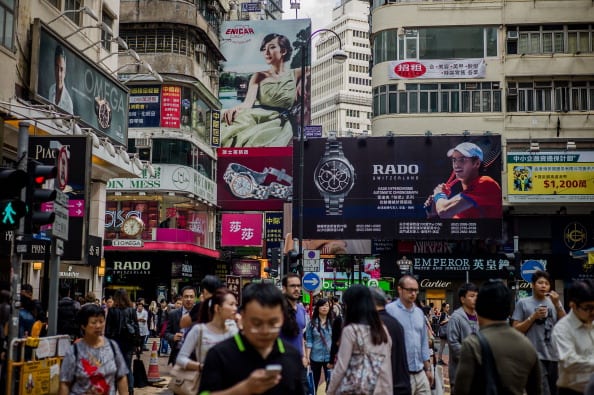
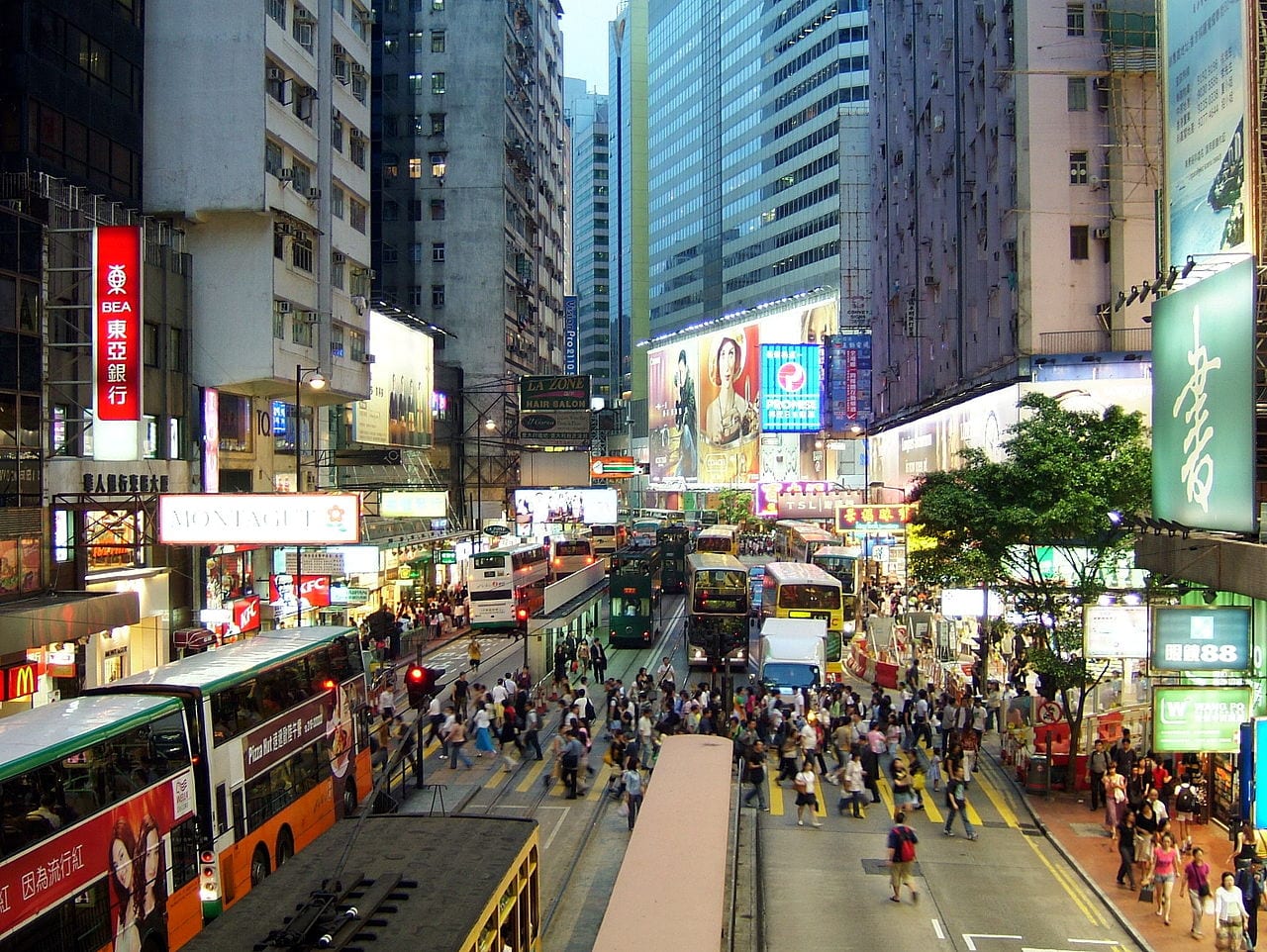
    The prime shopping hubs of Causeway Bay and Tsim Sha Tsui, among the most expensive in Hong Kong in terms of rental costs, remain attractive for retailers amid overall sluggishness in the sector.

    Retail rents in Causeway Bay fell 8 per cent in the rental index in the third quarter and 10 per cent in Tsim Sha Tsui, and they are expected to decline further next year, according to a Colliers International report.

    These declines came amid a 19-month drop in retail spending in the city, with overall sales dropping 9.6 per cent year on year in the first nine months of the year.

    Spending in Hong Kong has been depressed by an 8.7 per cent fall in mainland tourist arrivals during the period.

    The retail industry in the city as a whole is undergoing a consolidation as tourist traffic from the mainland continues to thin, pushing down shop rents in the near term, according to David Ji, the head of research for greater China at Knight Frank.

    In Hong Kong, the four major retail districts of Causeway Bay, Central, Tsim Sha Tsui and Mong Kok had all seen rental corrections, said Terence Chan, the head of Hong Kong retail at JLL.

    While Mong Kok has experienced less pressure from the flight of luxury brands, the property consultancy sees a 15 per cent correction for retail rents in the city as a whole this year.

    The decline was likely to bottom out next year with a correction of about 5 to 10 per cent, Chan added.

    He said that among the four major shopping districts, Tsim Sha Tsui would command the highest average rents in terms of gross floor area, at HK$2,000 per square foot per month. It was followed by Central, with an average monthly rent of HK$1,400 per square foot.

    Causeway Bay ranked third with an average of HK$1,200 per square foot.

    Chan said that while overseas brands would continue to focus on these four districts, established ones might seek to diversify their footprint with outlets in secondary areas such as Yuen Long.

    According to Ji, retailers will continue to favour Causeway Bay and Tsim Sha Tsui, but the trend of high-end luxury brands being ­replaced by sports, lifestyle and food and beverage outlets will continue.

    With Adidas leasing the space formerly occupied by a Coach store in Central and footwear outlet Joy & Mario replacing jewellery store Folli Follie in Causeway Bay, rents will inevitably continue to come under downward pressure.

    “We are now facing a ‘new normal’ trend,” Ji said. “It’s safe to say we are not going to see a drastic improvement. If retailers can hold their ground for the better part of next year, then it’s already a good situation.”

  • Why Victoria’s Secret needs to push a lot of bras at new shop

    Why Victoria’s Secret needs to push a lot of bras at new shop

    Nothing lasts forever.

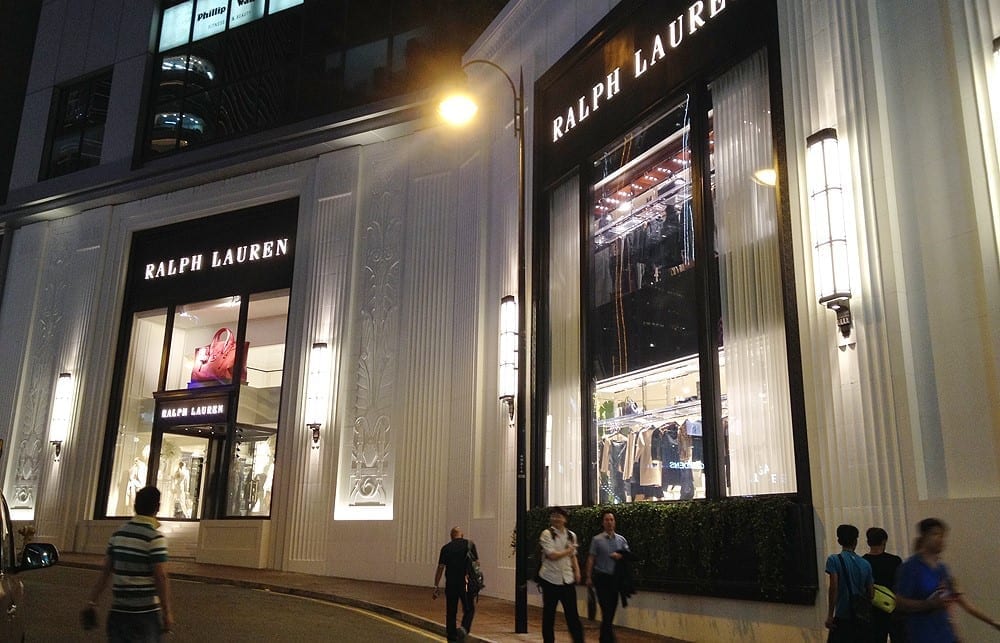
    Fashion retailer Forever 21 is to withdraw from its Causeway Bay mega flagship store, billed as the most expensive commercial store by rent in Hong Kong.

    The iconic location on Jardine Crescent, which serves as a meeting point for young locals who seek to avoid the hordes of mainlanders outside Sogo, will be taken up by Victoria’s Secret.

    Media reports say the US lingerie chain, which is well known for its sexy bras and gorgeous models, has inked a 10-year lease for the 51,188-square-foot property at HK$7 million a month. 

    That is almost half what Forever 21 is paying now in monthly rental for the six-storey retail space.

    The fashion retailer is coughing up about HK$13.8 million per month, making the space the most expensive of the firm’s over 500 outlets in nine countries, after signing a six-year lease in 2010.

    To get the prime property, Forever 21 was said to have offered a 100 percent increase in rents that started at HK$11 million, helping it dislodge long-time tenants such as Giordano, Watson and Café de Coral.

    That lease will end next August.

    With its decision now to move out of the premises, the US fast-fashion chain has joined a group of foreign brands such as Coach and Gap that have stopped expanding in Hong Kong due to a weak retail sector outlook amid a fall in mainland visitor numbers to the city.

    Last year, Coach made a multimillion-dollar payment to walk out of a lease at Hing Wai Building at 36 Queen’s Road in Central.

    The 13,000-square-foot shop was then taken up by Adidas for HK$4.34 million a month, significantly less than what Coach had been paying.

    Opposite to the former Coach flagship store was the former Gap flagship store, which had been leased for HK$5 million per month since 2010.

    But this year, Gap has discontinued its Mongkok shop in MPM Plaza, according to Apple Daily.

    Meanwhile, Forever 21 moved across to Mongkok in September, opening a 19,000-square-foot outlet at the Pakpolee Commercial Centre, its second outlet in Hong Kong.

    Now, coming back to the new tenant that will replace Forever 21 at Capitol Centre in Causeway Bay, the question for Victoria’s Secret is this: how many sexy bras will it need to sell to be able to pay the rent?

    Assuming an average HK$500 price for push-up bras, the premium lingerie maker would need to sell at least 466 bras per day to meet the rent.

    As rent usually accounts for a third of the cost of sales, that would mean that Victoria’s Secret will have to peddle 1,400 bras per day before making a single dollar of profit.

    In other words, they need to sell more than half a million bras in one store alone in a year.

    Over the 10-year rental period, the store will need to sell over 5 million bras, something we would imagine wouldn’t be too easy.

    Given this, don’t be surprised if you see the retailer opt for a lift in its product prices.


  • Sa Sa seeks cheaper rent

    Sa Sa seeks cheaper rent

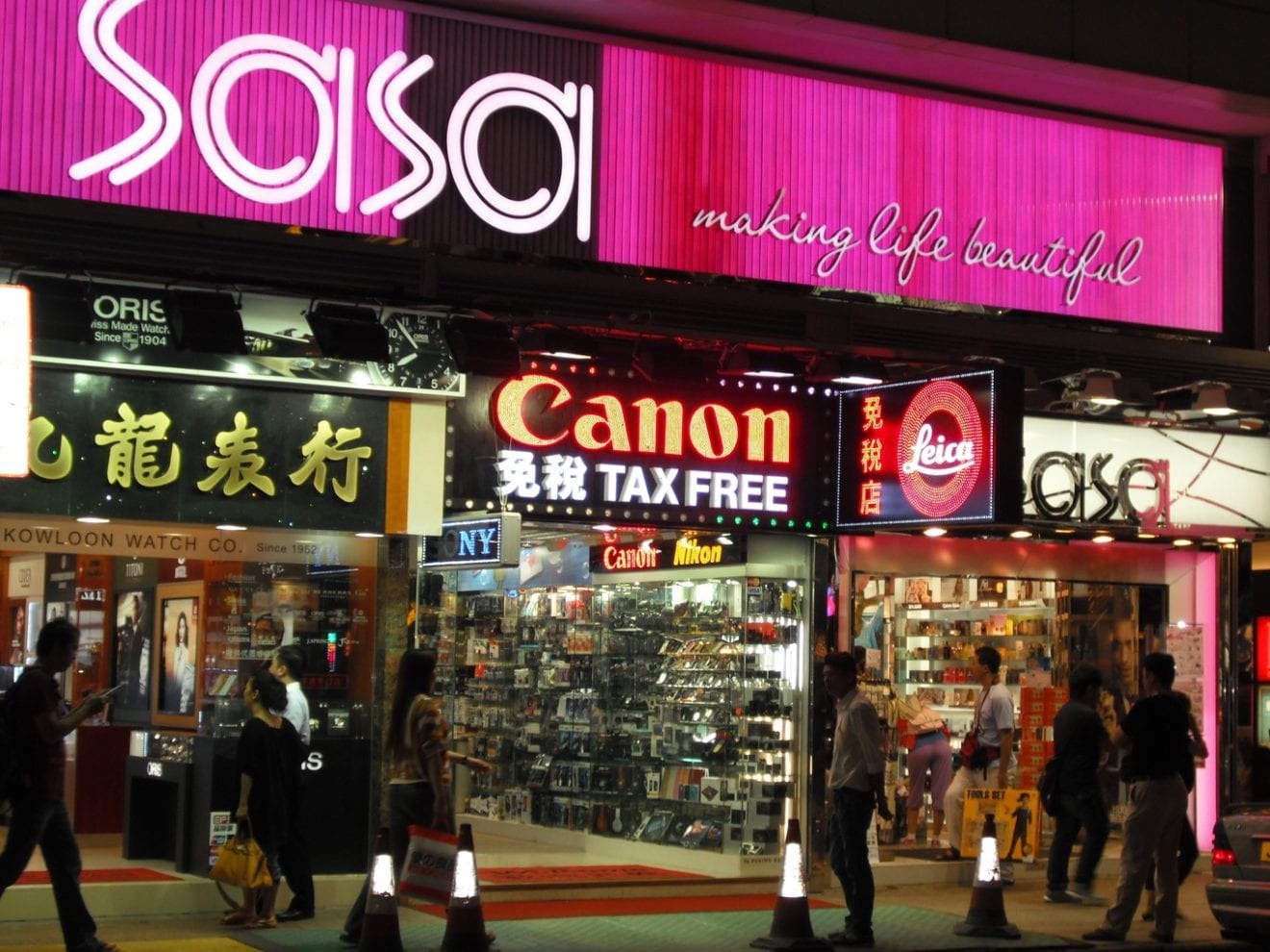
    Twilight has come for the retail industry in Hong Kong, said cosmetic outlet operator Sa Sa International (0178) chairman Simon Kwok Siu-ming, although he remains optimistic of better days ahead.

    The week-long national holiday saw improved sales for the firm, and he hopes the uptrend is sustainable for the rest of the year, especially during Christmas and New Year high season. Regarding the mainland tax reform on luxury cosmetics, with the Chinese government cutting taxes from 30 percent to 15 percent starting this month, Kwok said it came unexpectedly, and it’s too early to determine its impact on Sa Sa.

    But he expressed confidence in Hong Kong products. “I think it is more important to know that authentic and quality goods can be bought here,” he said.

    Kwok noted Sa Sa managed to open several outlets in recent months. But under pressure to reduce operating costs, he hoped shop rents can come down to reasonable levels soon, so that there will be no staff layoffs or pay reductions.

    Sixty percent of Sa Sa sales came from neighborhood areas, and the retailer said earlier it will shift away from the tourist areas if landlords refuse to slash rents.

    But Kwok said the firm was able to find cheaper outlets, as a contract was renewed at a site opposite the Sogo store in Causeway Bay at 60 percent lower monthly rent of HK$800,000.

  • Mid-priced brands cash in on falling Hong Kong rents at expense of luxury retailers

    Mid-priced brands cash in on falling Hong Kong rents at expense of luxury retailers

    Hong Kong may no longer be the darling of European luxury brands after the combined effect of a slower local economy and fewer mainland shoppers as a result of Beijing’s anti-corruption crack down, but the city is still magnet for less expensive luxury brands and mid-priced retailers.

    Retail sales have seen an 18 month-long nosedive, with August figures (the latest available) down 10.5 per cent year on year to HK$33.9 billion.

    The decline, largely due to a drop in the number of mainland Chinese tourists, has forced landlords to reduce retail rents to avoid vacancies.

    “This has created a lot of opportunities for retail players to emerge and innovate,” Joanne Lee, associate director of research and advisory of Colliers International said.

    Some less expensive luxury brands and mid-priced retailers still have confidence in the Hong Kong retail market, taking the opportunity to move in on prime locations as high end luxury brands close up shop, according to property consultants.

    French brand Sandro is an example. It finds Hong Kong is still a highly lucrative market compared with the rest of the world – even in bad economic times.

    In August the Paris-based fashion chain opened its largest Asia flagship store in the heart of Causeway Bay, considered one of the world’s most prime shopping districts. It also plans to double the size of its store in Tsim Sha Tsui’s Harbour City, one of the most prestigious malls for mainland visitors.

    Branding its products as “accessible luxuries”, Sandro’s chief executive Jean-Philippe Hecquet said the segment became “very powerful” when people started to look inside their wallets.

    The luxury retail industry veteran, who previously worked for world’s biggest luxury group LVMH for over a decade, said that upper-middle class consumers still want to enjoy their life even with less money. “They still want to buy luxury products for sure.”

    Sandro, along with sister brand Maje and Claudie Pierlot, recorded a 51 per cent year on year growth in Asia Pacific in the first six months of the year.

    Encouraged by the strong performance, Sandro opened three new stores in prime shopping districts in Hong Kong, and plans to add two or three more by the end of next year. It currently operates eight outlets in Hong Kong.

    The Harbour City store, which opened a year ago, quickly become the most lucrative store among its 410 retail outlets worldwide in terms of sales per square metre.

    In contrast, total tenant sales at Harbour City fell 14.7 per cent to HK$13.3 billion in the first half, according to financial filings by its parent company Wharf Holding.

    “The economy is about cycles. Everything happen for a reason. You just need to hang in there,” Hecquet said.

    Unlike traditional luxury brands such as Gucci, Louis Vuitton and Burberry, which had previously aggressively expanded in the city to cater for the huge influx of mainland shoppers, Sandro has only recently ramped up its pace in terms of adding stores. Its first store in Hong Kong was not opened until 2012.

    Hecquet admits Sandro may have missed the “golden age” when rich mainland shoppers queued up outside Chanel, Gucci and Louis Vuitton outlets, snapping up expensive leather bags emblazoned with big logos.

    “For [traditional luxury brands], the traffic is going down, but for us, we still see very decent traffic,” he said.

    But he noted that the emerging young upper-middle class in Asia would be the future powerhouse for luxury goods, and the right time to expand is now. The current retail downturn in Hong Kong has also freed up more prime retail locations and rents were going down. “We have been waiting for a long time to be able to open a flagship,” he said.

    Hecquet said the average age of its customers in Hong Kong was from 25 to 30 years old, and mainland visitors contributed to a significant portion of sales.

    Property consultants said the impact of mainland tourists will continue to diminish as retailers focus their efforts on locals and millennial shoppers.

    “[Retailers will be] very much focusing on the local spending power, instead of relying on tourists,” said Daniel Shih, director of research and advisory at Colliers International.

  • Hong Kong losing status as China’s ‘great mall’

    Hong Kong losing status as China’s ‘great mall’

    Kingdom Jewellery is trying to stand out among the eerily quiet luxury stores in Hong Kong’s Causeway Bay, once the world’s most expensive shopping district in terms of rents. But while it has hung signs promoting a “crazy sale” and payment by installments in the window, buyers are still scarce.

    “Our customer flow has dropped 60 to 70 per cent” since the peak of Chinese luxury spending in 2013, said manager Jacky Sze. “I don’t have much hope for the rest of this year, or next.”

    Before demand was hit by President Xi Jinping’s corruption crackdown and the economic slowdown, Chinese tourists were happy to spend up to HK$100,000 (S$17,555) on a single purchase at Kingdom. Now, many customers are reluctant to spend more than HK$1,000 at a time, according to Mr Sze.

    The jewellery shop next door has closed down after decades of thriving business, as have many other luxury goods stores across Hong Kong, which is losing its status as the great mall of China.

    Retail sales in Hong Kong fell by 10 per cent in the first seven months of the year, compared with the same period in 2015, with purchases of jewellery and watches declining by 22 per cent.

    Ahead of Hong Kong’s annual watch fair last week, the Chinese territory was overtaken by the US as the world’s biggest market for Swiss watches after eight years in the top spot.

    Part of the problem for Hong Kong, which relies on the retail sector as an economic driver, is its increasingly testy relationship with mainland China. That has deterred many Chinese visitors, with numbers falling by 9 per cent year on year to 24 million in the year to July.

    But there is a bigger structural problem for the global luxury goods industry, which has grown to rely on demand from China’s growing ranks of nouveaux riches.

    Analysts at UBS estimate that Swatch, the Swiss watch group, made 47 per cent of its sales to Chinese customers last year, while for Richemont, the Swiss luxury goods company that owns Cartier, Jaeger-LeCoultre and Montblanc, it was 38 per cent.

    Mr Edward Olver, CEO of Britannia Elevation, which promotes British luxury brands abroad, said too many companies took a “combine harvester” approach to selling in China and are now paying the price for over-expansion.

    “There was a tremendous period of people making money very quickly in China and a lot of Italian and French brands thought there’s a lot of corn to be harvested,” he said.

    Ms Sarah Quinlan, the head of market insights for the analytics division of credit card company MasterCard, said consumer spending patterns are changing in China, with a greater focus on experiences rather than expensive products.

    “There’s a real debate as to whether what we call traditional luxury — handbags or watches — will come back to the same extent that we saw before, because there’s been a huge behavioural shift,” she said. “We still see the Chinese travelling extensively, but spending on goods has moderated and spending on hotels, restaurants and entertainment has gone up.”

    Hong Kong needs a “permanent restructuring” because it cannot wait for demand from high-spending Chinese tourists to come back, according to Mr Ramesh Tainwala, CEO of Samsonite, the luggage maker. His own company has been changing tack, promoting less-expensive products in the Chinese market as it tries to emphasise the practical advantages of its suitcases rather than their luxury appeal.

    Other companies are also being forced to trade down, selling simpler, cheaper products to customers who are growing more interested in specifications and value rather than mere status symbols.

    Mr Timothy Kao, vice-president of the Hong Kong Watch Manufacturers Association, explains that previously Chinese buyers were simply attracted to the most expensive products. “But now, practical watches with a realistic price sell better,” he said.

    Ms Liz Lee, assistant marketing manager at Doxa, a Swiss maker of diving watches, said that another response to the decline is to seek out new markets. “The greater China market is saturated right now,” she said. “We are looking to diversify our market to the Middle East; places like Iran have great potential too.”

  • DJI Hong Kong opening flagship in Causeway Bay

    DJI Hong Kong opening flagship in Causeway Bay

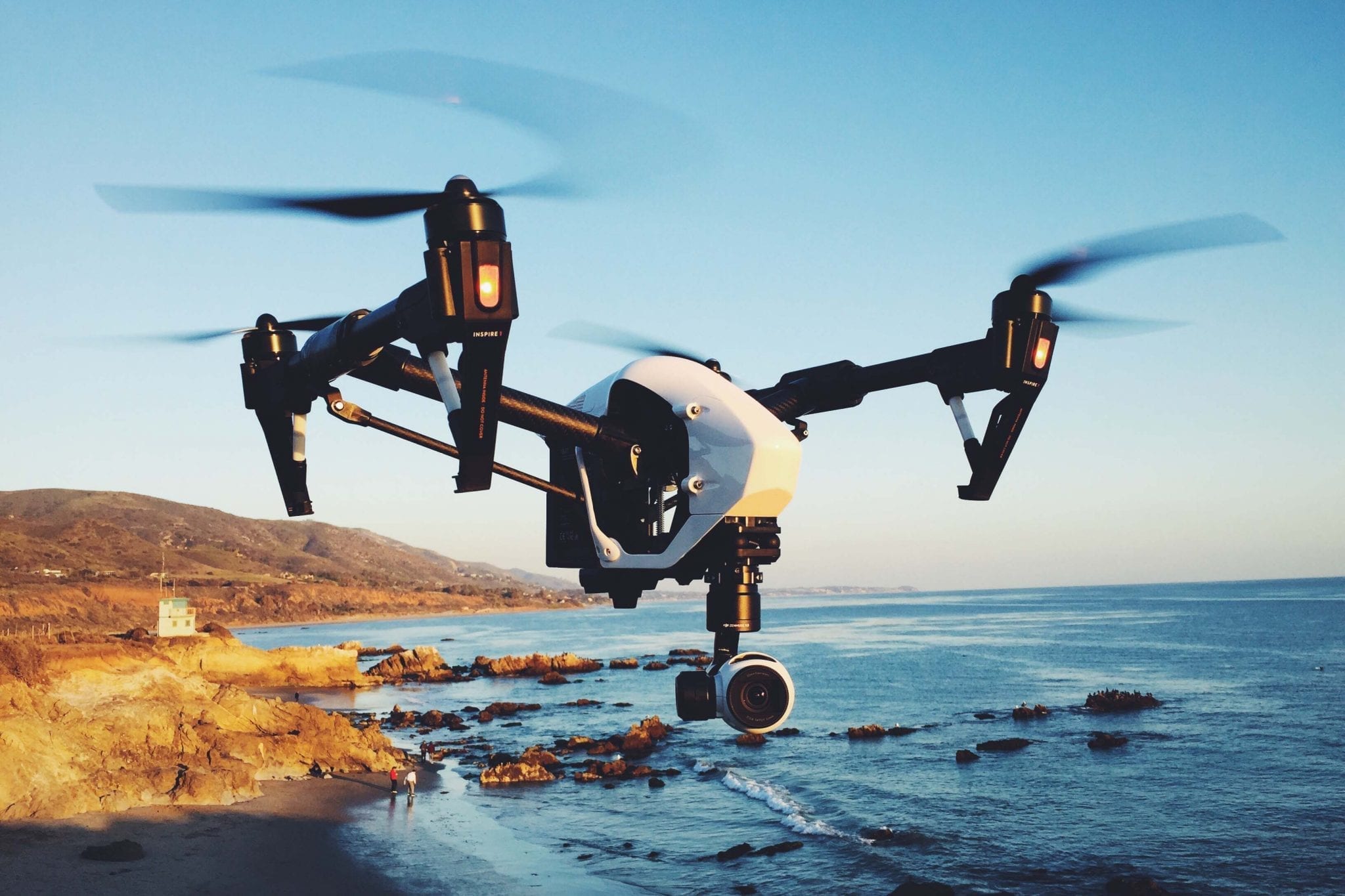
    Unmanned aerial vehicle (UAV) technology company DJI Hong Kong is about to open a flagship store featuring flight cages, experience zones, an aerial photo gallery, technical support centre and its full range of consumer and professional products.

    In Causeway Bay, the three-storey store, covering more than 10,000 sqft (930 sqm) will open at the end of next month. It will display animated DJI and drone silhouettes to add to the Victoria Harbour evening backdrop.

    Its ground floor will feature the company’s full range of aerial and handheld products, while the SkyPixel Gallery on the first floor will showcase UAV photography from around the world. The technical support centre is on the second floor along with a space for workshops, seminars and special events.

    DJI HKFS 1st Floor

    “Discovery is an important part of the learning process, and when people understand how easy it is to use the technology they will find ways to incorporate it into their lives or for their businesses,” says DJI founder/CEO Frank Wang.

    DJI HKFS

    This will be the company’s third foray into retail following the December opening of its first flagship store in in Shenzhen, followed by a Seoul flagship in March.

    DJI’s global network spans the Americas, Europe and Asia, with customers in more than 100 countries using its products for such purposes as filmmaking, construction, emergency response, agriculture and conservation.

    DJI HKFS 1st Floor

  • Lifestyle plans third SOGO store

    Lifestyle plans third SOGO store

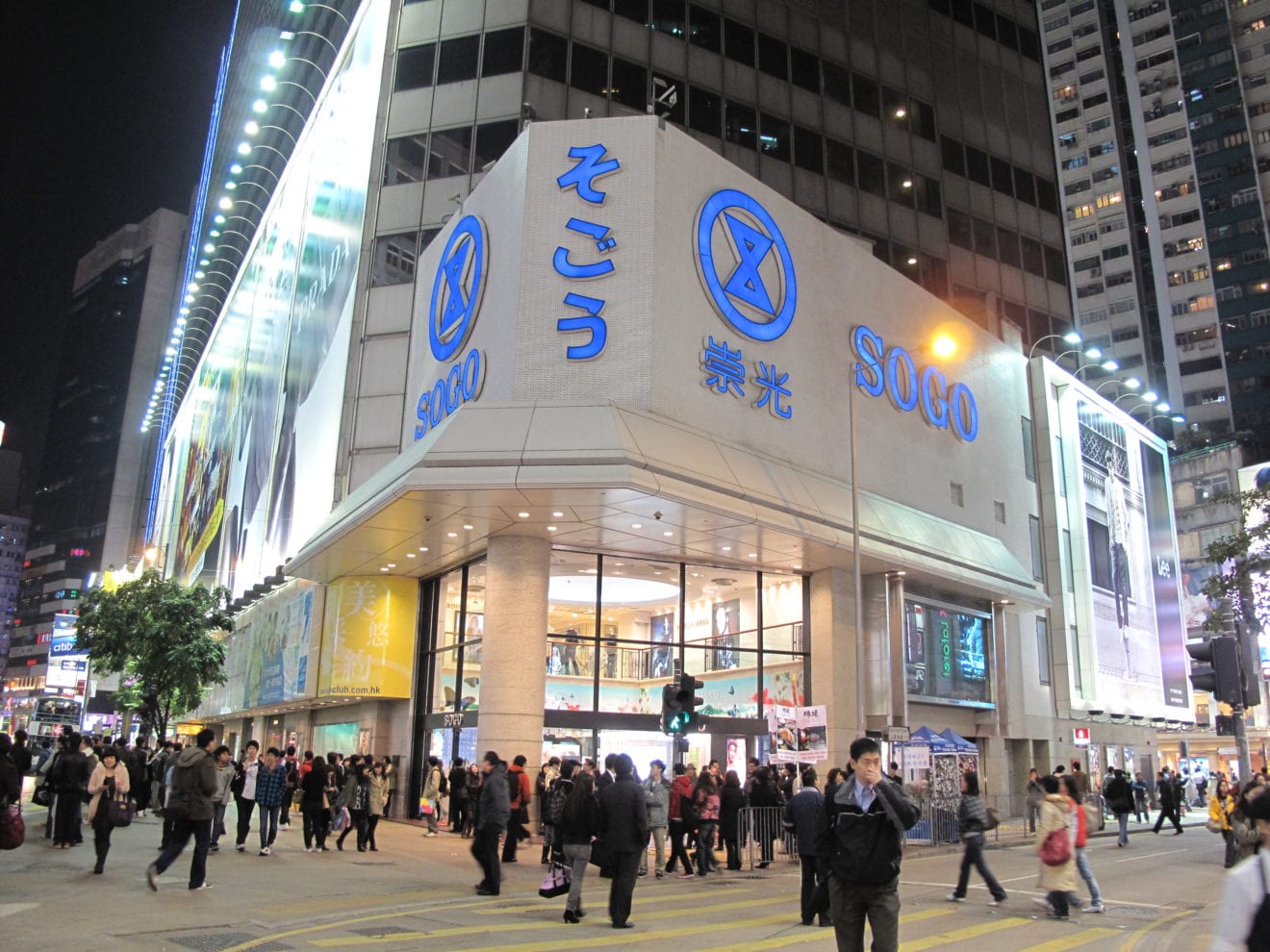
    Lifestyle International (1212) non- executive chairman Thomas Lau Luen- hung said the company is looking to open a third SOGO department store in Hong Kong and expects the investment to be no less than HK$5 billion.

    There are so far two SOGO branches in Hong Kong, one in Causeway Bay and one in Tsim Sha Tsui, Lau said.

    While the Tsim Sha Tsui branch focuses on selling cosmetics, Lau believes there is a market demand in Kowloon for a department store similar to the one in Causeway Bay.

    Lau said the company is still looking for a suitable location for the new store and that they would be more interested in opening and developing it through bidding for commercial sites rather than renting space from other companies.

    Lau said they have bid for commercial sites in the past without success but will continue to be involved as the government launches more commercial sites. He also did not rule out the possibility of partnering with other companies to develop the new store.

    He said the company is holding more than HK$6 billion in cash and has an investment portfolio of more than HK$4 billion which he said can be cashed in within 48 hours as the portfolio is comprised of mostly investments of high liquidity such as blue-chip stocks.

    Lifestyle International recorded a decline in net profit of 49.9 percent for the six months ended June 30 to HK$587 million compared to the same period last year, which the company said was attributable to the significant decline in investment income.

    Taking out the effect of net investment loss, the drop in net profit would be narrowed to 9.1 percent.

    The company proposed an interim dividend of 28.9 HK cents per share.

    Lifestyle’s landmark department store SOGO Causeway Bay’s same- store sales recorded a negative growth of 9.5 percent in the first half of this year compared to the same period last year as a result of weak local consumption, increased outbound travel and lower inbound tourists.

    Meanwhile, its Tsim Sha Tsui store recorded a 11.3 percent growth in same- store sales.

    Lau said the retail market was the worst in January and February and the decline bottomed out and remained flat during May and June.

    He does not expect there will be a rebound in retail market in the short term and retail sales will mostly likely remain flat in July and August.

    Lau said the fourth quarter will be an important indicator of the performance this year.

    Meanwhile, spinoff Lifestyle China (2136) recorded a decline in net profit of 6 percent to HK$157.4 million in the six months ended June 30.

    Lifestyle Properties Development (2183) recorded a drop in net profit of 67.9 percent to HK$148.6 million.

  • High street brands replace luxury stores that exit HK prime space

    High street brands replace luxury stores that exit HK prime space

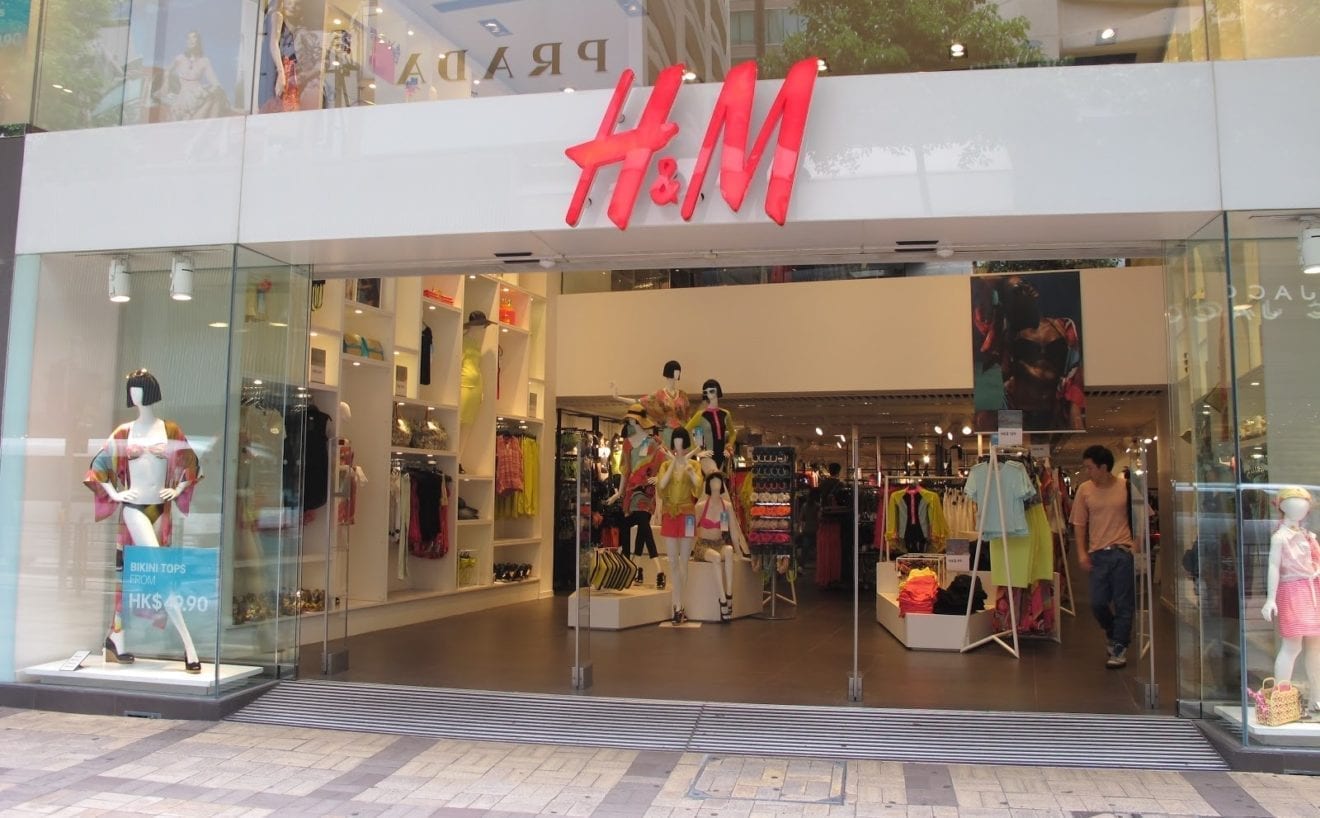
    From fast-fashion chain H&M to lifestyle brand Maison Kitsune and cosmetics firm Innisfree, mass-market retailers are setting up shop in premises previously occupied by luxury brands in Hong Kong’s prime shopping districts.

    Aided by falling rents in top locations, accessory, sport and lifestyle retailers are emerging as a new driving force of Hong Kong’s US$60-billion (S$80.4-billion) retail industry, part of a major makeover the city is going through amid a slump in retail sales.

    “This trend will continue,” said Mr Joe Lin, executive director at property consultant CBRE. “We are going to see more mass-market brands reappear in prime locations.”

    Weak sales of luxury goods drove Hong Kong to report a 16th straight monthly drop in retail sales on Tuesday.

    Sales of jewellery, watches and valuable gifts tumbled 21 per cent in January to May, driving a 10.8 per cent fall in overall retail sales, while cosmetics and medicines posted a 2.7 per cent sales decline and furniture and fixtures reported a 5.3 per cent drop, government data showed.

    Luxury retail in Hong Kong exploded over the past decade as increasingly wealthy Chinese flocked to the city to buy high-end Western brands, pushing out local jewellers and other shops that once dominated the high street.

    “Back in the day, we used to see only (jewellers) Chow Tai Fook, Luk Fook and pharmacies,” said Ms Cynthia Ng, director of retail services of Colliers International.

    “They (new retailers) are not necessarily local brands, but tend to be cheaper in pricing and younger… Not only does the adjusted rental fit their budget, but at the same time the craze and demand for fitness and sports are also helping them.”

    Still, mass-market brands might struggle to achieve the margins and profitability needed to justify prime rents in a weak retail environment, said Mr Kevin Lai, an economist at Daiwa Capital Markets in Hong Kong.

    “The luxury sector usually has much more value added,” Mr Lai added. “So these guys may not be able to do exactly the same.”

    Retail rents in Hong Kong’s core shopping districts, still among the world’s highest, are likely to fall another 5 to 8 per cent in the second half of this year, bringing the full-year correction to 10 to 15 per cent, said CBRE.

    Those declines are attracting new tenants to shops large and small.

    On Russell Street in the prime Causeway Bay shopping district, the 400 sq ft space that jewellery group Follie Follie occupied has been replaced by footwear outlet Joy & Mario, while Swatch Group’s Jaquet Droz luxury watch shop has gone to South Korean cosmetics brand Innisfree.

    Nearby, H&M opened a flagship store last year.

    “For us, best location is always key, and when opportunities arise, we look at the possibilities for opening new stores,” a spokesman for H&M in Stockholm said.

    Sports brand Adidas last year leased a 13,000 sq ft shop in the city for 22 per cent less than its former occupier, Coach, as the premier American brand closed its fourstorey flagship store in Central amid weak retail sentiment and a drop in tourist arrivals from China.

    Big shopping malls are renovating and offering attractive terms as vacancies grow, and stores on street level have also become more affordable.

    Swire Properties’ Pacific Place, where British fashion house Burberry will halve the size of its store by next year, is reshuffling its tenant mix, bringing in more food and beverage stores.

    Lifestyle store Homeless recently opened a store in CityPlaza shopping mall, after years of effort to secure a place in a prime shopping district, and is planning to relocate its shop in Tsim Sha Tsui this year to a location with much better traffic.

    Retail and property experts see the trend continuing as sales of luxury goods remain weak, despite steep discounts.

    “In the second half of May, many brands kicked off their summer sales much earlier than before, offering much higher discounts than they normally did,” Mr Thomson Cheng, chairman of Hong Kong Retail Management Association. “It failed to significantly boost sales. The situation is worrying.”

    In early June, French fashion house Chanel slashed prices by as much as 70 per cent on selected items, while Coach cut some prices by half, in line with moves by Burberry and French luxury group Kering’s Gucci.

    “The spending pattern of mainland tourists has changed and their consumption power is weakening,” Mr Cheng said.


  • Sylvie Chantecaille’s Favorite Hong Kong Restaurants and Shops

    Sylvie Chantecaille’s Favorite Hong Kong Restaurants and Shops

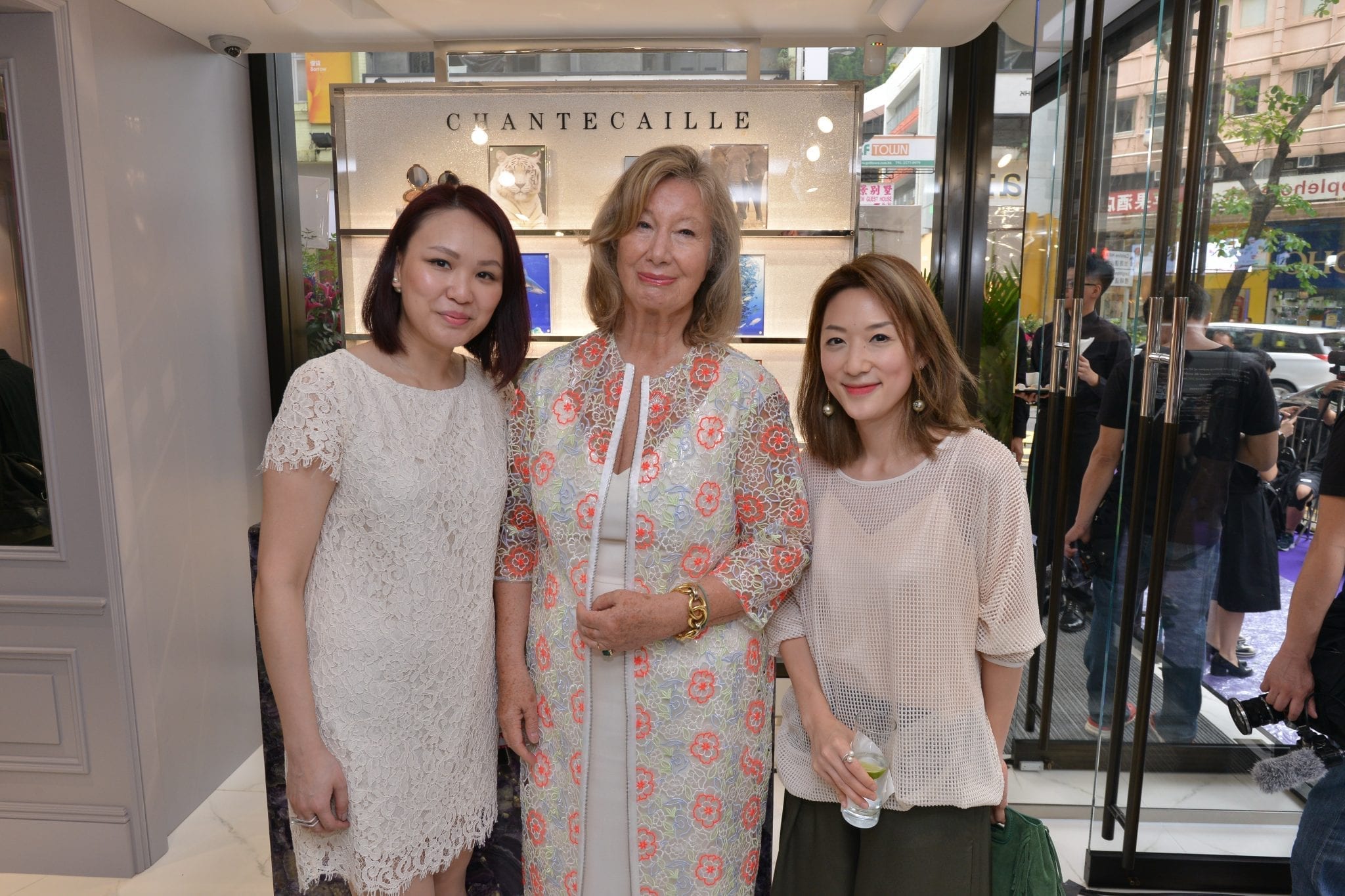
    Chantecaille, the botanical-based luxury skincare and beauty brand, has opened a shop in Causeway Bay, Hong Kong’s premier retail destination. The 1,600-square-foot La Boutique Hong Kong was designed in consultation with innovative French architect and designer Patrick Naggar. On the outside, oversize windows and a limestone façade channel Paris, while whimsical furnishings and bespoke fixtures create an elegant atmosphere inside.

    Aside from the store, there’s a skin clinic with two private rooms where clients can get signature Rose de Mai facials among other treatments. There’s also a salon that offers makeup consultations and brow-shaping services. “The city has been incredibly good to us—we wanted to give back and set up our first true flagship here, giving the women of Hong Kong a spa where they can get an excellent facial and a private salon where they can enjoy a quiet moment or share a macaron with a friend,” says company founder Sylvie Chantecaille. We asked the French skincare guru about her favorite places to eat, shop, and play in the buzzing city.

    Caprice at the Four Seasons Hotel

    “Caprice Bar is a very sexy and cozy spot I love to go with a friend. The atmosphere is sophisticated with mesmerizing deep earth and purple tones. It has an incredible selection of delicious cheese and wine. I like to sit by the window to watch the flickering lights over Victoria Harbour.” 8 Finance Street, Central Hong Kong; fourseasons.com

    Hutong

    “This is a gorgeous and romantic old-world Chinese restaurant designed by David Yeo. When the elevator opens, you are greeted by glistening red lanterns of all shapes and sizes that transport you back in time. It offers chic and fantastic food. Request a table by the window and get there by 8 P.M. to see the light show.” 28/F, One Peking, Tsim Sha Tsui; hutong.com.hk

    Aqua Luna

    “The Hong Kong junk boats represent the old values still present in this modern city. There aren’t that many traditional sampans [wood boats] in operation anymore, but Aqua Luna offers sightseeing trips across the bay on the red-sail vessels.” aqualuna.com.hk

    Chantecaille La Boutique

    “Ice, our facialist, has golden fingers. You will be rejuvenated and experience the best neck massage you have ever had. By the time she applies the third or fourth mask, your skin will be as soft as a baby’s bottom.” G/F 2-4 Hysan Avenue, Causeway Bay; chantecaille.com

    Sevva

    “This restaurant has an amazing terrace with a stunning view of the city—it’s on the 25th floor of the Prince’s Building. People sit there for hours, listening to music and enjoying the glamorous Hong Kong style. When the weather is nice, this is my favorite place.” 10 Chater Road, Central Hong Kong; sevva.hk

    Lane Crawford

    “I am partial to this iconic luxury department store because you can find everything there. They have an incredible selection of more than 800 international brands.” Several locations; lanecrawford.com

    Dries Van Noten

    “As a Dries devotee, I always find amazing pieces at this store that I don’t find anywhere else. It’s also conveniently located near the Marni boutique, which is my other obsession.” 215 Landmark, Queens Road, Central Hong Kong; driesvannoten.be

    Café Gray Deluxe at the Upper House Hotel

    “The best weekend brunch is at Café Gray Deluxe, located in the chic boutique hotel Upper House. It has wonderful city views. There is a big variety on the menu, and they also have decadent desserts.” Pacific Place, 88, Queensway; cafegrayhk.com

    Asia Society

    “I love to take friends visiting Hong Kong for the first time to experience the marvelous art and architecture of this peaceful oasis. There is an exquisite garden, and inside there is a labyrinth-like jungle of foliage that leads you to Chantal Miller Gallery, home to wonderful and unexpected art. They also have a theater with lectures and films.” 9 Justice Drive, Admiralty; asiasociety.org

  • HMV closes iconic Hong Kong flagship store in Central

    HMV closes iconic Hong Kong flagship store in Central

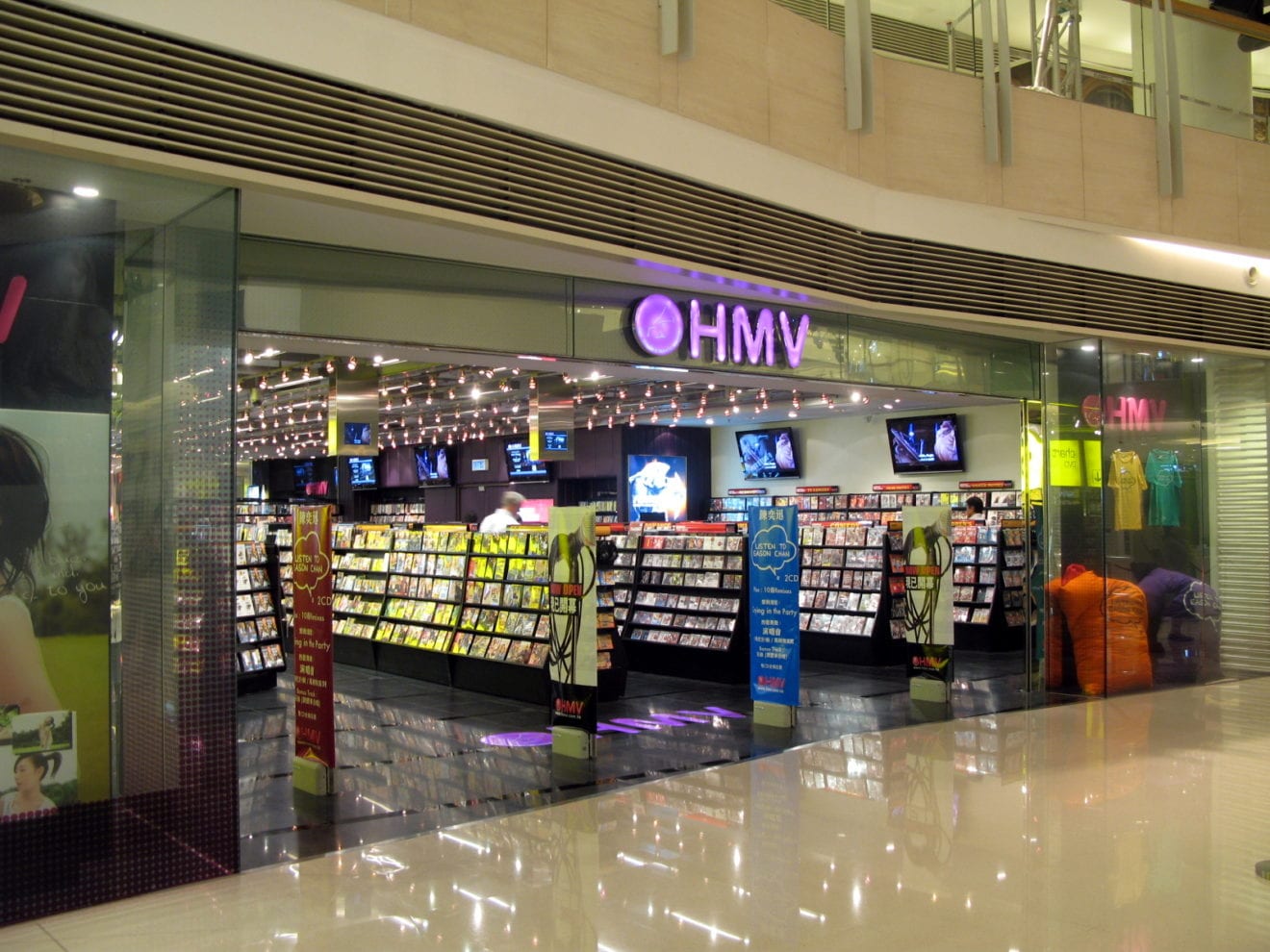
    Hong Kong’s largest music and DVD retailer HMV quietly closed its iconic flagship store in Central last month in a move to lower rental costs, as the city faces its steepest retail downturn since the Asian Financial Crisis.

    The closure will be followed by the opening of a new shop this September, just one block away from the old outlet in Entertainment Building on Queen’s Road Central, which will cost the entertainment retailer roughly HK$250,000 less in rent each month.

    A sign outside the recently-vacated Central store, which was HMV’s second-largest in the city, read:

    “We are closing on 16 April … Exciting new HMV Central opening in September 2016.”

    The new shop, located in the basement of Manning House, Central, will be only about 77 per cent of the size of the former, and will cost slightly more than HK$1 million a month in rent, according to Michael Chik, managing director of agency Sheraton Valuers.

    He said the rent HMV paid for the two-storey store at Entertainment Building was close to HK$100 per square foot, or HK$1.25 million a month. HMV had leased the space on the third and fourth level since 2011.

    “It was a pity,” Gilbert Ho, managing partner at AID, said.

    But he said the decision was not made due to poor sales. In fact, sales at the former Central store had increased by 15 per cent compared to the previous year, Ho said.

    “This doesn’t mean we want the landlord to pocket the money,” he said.

    Ho said it was easier for the company to find a more visible place with a lower rent given the current market situation. “Why not?” he asked.

    A staff member at Onshine Securities, landlord of Entertainment Building, said the company was still seeking a new tenant to replace HMV.

    The new tenant would pay about HK$1.5 million per month for the space, but famous luxury brands, such as Gucci and LV, could enjoy a deeper discount, the staff member added.

    When the British retailer HMV, founded in 1922, went into administration in January 2013, AID Partners brought its operations in Hong Kong and Singapore. The buyout firm sold 81.63 per cent stake at HMV to China 3D Digital for HK$408 million in March this year. AID is the single largest shareholder of the new owner.

    HMV, which currently operates four local outlets, opened its first Hong Kong store in Causeway Bay in 1994. The British brand has had a long bitter battle with the city’s rising rents in the past a few years, closing its Whampoa Garden store and a Causeway Bay store in 2015.

  • Pioneering Ginza-style mall in Hong Kong in bad shape

    Pioneering Ginza-style mall in Hong Kong in bad shape

    It is said that a commercial property can support three generations of a family in Hong Kong. The idea is that owning a commercial property is a sign of wealth as well as social status.

    However, an investor who bought a commercial unit in Jordan Square in 1992 for HK$700,000 has sold it 24 years later for HK$100,000 (US$12,890). He lost 86 percent of his investment in the store, which has a saleable area of 70 square feet. 

    The shopping mall in which it is located is on Jordan Road, a five-minute walk from The Austin, a high-end residential complex. The mall has four stories and a floor area of 20,000 square feet. It was built by a local developer in 1992 and divided into 160 ministores.

    In recent years, many shopping malls have described themselves as “Ginza-style”. The Ginza-style mall dates back to the 1980s in Japan, when the price of land in Tokyo was exorbitant in the prime Ginza district. Stores, restaurants and bars moved to higher floors of those malls to save on rent.

    These malls usually had elevators, as customers knew beforehand which floor they needed to get off at.

    I still remember when I first heard about a Ginza-style mall; it was in 1992, when Jordan Square opened for sale. The project had attracted great publicity, as it allowed ordinary people to own a retail unit for a relatively small amount. In fact, many local actress and singers invested in the project back then.

    More of these Ginza-style malls appeared across the city after Jordan Square. And most of them failed in the end, because of chaotic management and limited marketing.

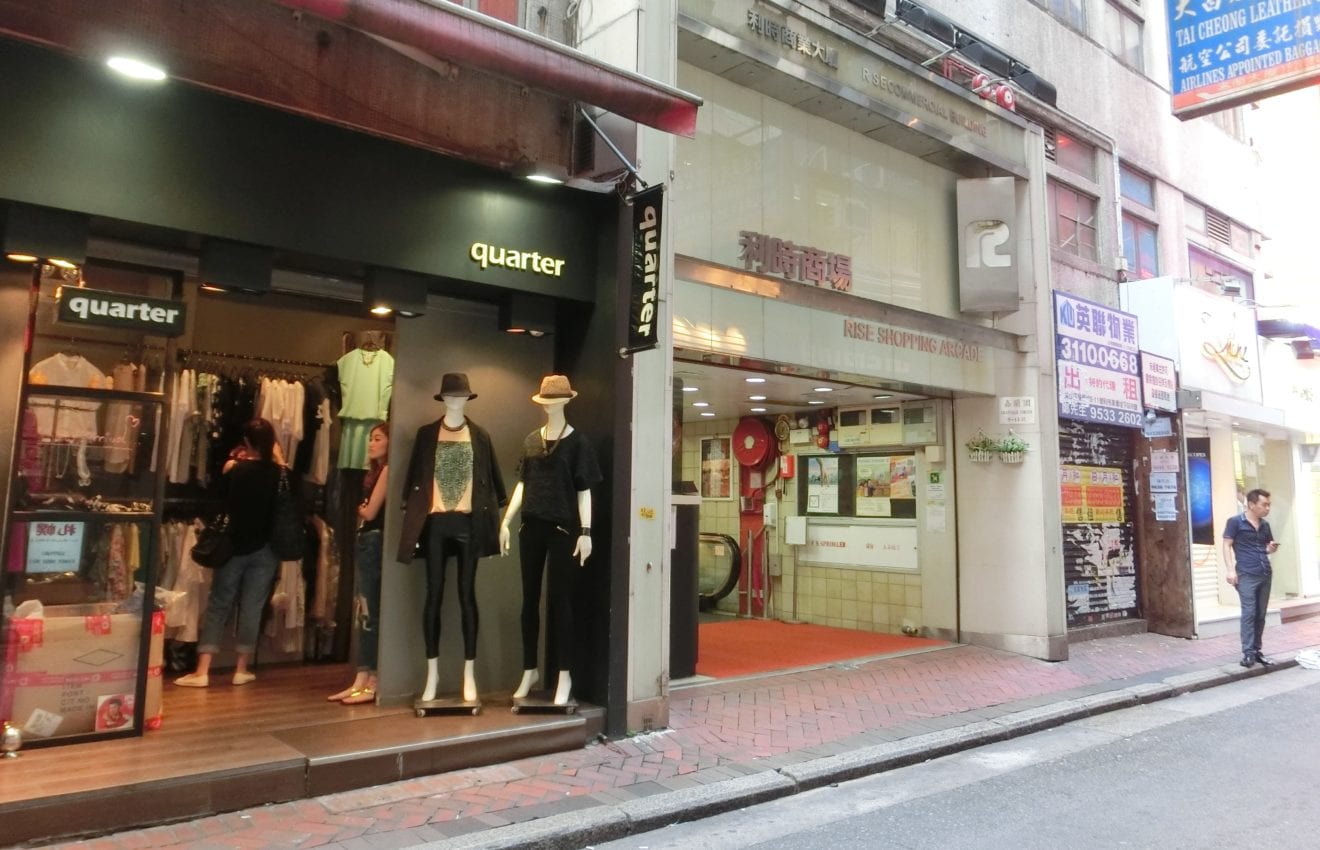
    But there are some successful examples, like Sin Tat Plaza and Ho King Commercial Building in Mong Kok, Rise Shopping Arcade in Tsim Sha Tsui and Island Beverly in Causeway Bay. All these Ginza-style malls have been popular with the younger crowd.

    Nevertheless, the emerging online shopping trend has posed a great challenge to these physical stores, since online shopping sites offer a wider range of products at lower prices. Jordan Square was sold off-plan back then, and the buyers signed the contract after hearing the developer’s presentation.

    However, when the building was completed in 1993, they found that the mall was smaller than they expected and the saleable area was less than what the developer had promised.

    The developer was liquidated later as a result of lawsuits and a property market downturn. As a result, the independent owners of the stores in the building have taken over control. The water and power supply was cut off, and most of the stores failed to find a tenant. And the mall has even become a gathering place for drug addicts and the homeless.

    Jordan Square has a market value of somewhat more than HK$10 million based on the recent transaction price of HK$100,000. There is room for an appreciation in value of more than 10 times at this prime location. A seasoned investor has reportedly already bought 11 stores in the building for between HK$100,000 and HK$470,000 each.


  • Sogo switching its promotion plans after predicting a bumpy year ahead

    Sogo switching its promotion plans after predicting a bumpy year ahead

    Department store Sogo expects a gloomy year ahead due to a strong Hong Kong dollar and weak mainland tourists numbers. Its iconic Causeway Bay outlet recorded a 4.5 per cent year-on-year drop in sales, according to figures released yesterday.

    To survive in the increasingly tough local economy, the shop’s operator Lifestyle International is considering extending its twice-yearly sale weeks, which traditionally see customers cramming into the stores to hunt for bargains.

    “2015 was not too bad, but 2016 will be very challenging,” chief financial officer Terry Poon Fuk-chuen told reporters at the company’s annual results meeting yesterday.

    He pointed out that the Hong Kong dollar is strong, since it is pegged to the rising greenback, and it is having a dire effect on the already battered retail sector, which has been suffering from a shortage of mainland shoppers.

    The average daily customer traffic in the Causeway Bay branch dropped 2.4 per cent to 81,700 people last year and average sales per ticket shrank 3.1 per cent to HK$850 from the previous year.

    Chief executive Thomas Lau Luen-hung expects a flat year ahead, after sales at the island outlet experienced a double-digit decline over the past two months, compared with the same period last year.

    “I am not sure when the retail market will bottom out, but the chances are slim for a short-term rebound,” said Lau.

    The total number of visitors to Hong Kong declined 2.5 per cent last year – the first drop since 2004 – and mainland tourist numbers dipped 3.0 per cent.

    However, Lau is confident the long-term outlook of Hong Kong’s retail market is positive, as he believes the city is still an attractive place for mainland tourists, thanks to the expanding middle class and ongoing economic reforms north of the border.

    Despite more discounts being offered to customers in a period of weak consumer sentiment, Sogo has been luring in younger customers in a shift away from the previous focus on tourist promotions.

    Lau said shoppers have become younger and they prefer individuality to brand names when choosing what to buy.

    To adapt to this trend, more emerging international brands have been added to the first and second floors at the Causeway Bay shop over the past year, Lau said.

  • PappaRich expands into Hong Kong

    PappaRich expands into Hong Kong

    Malaysian restaurant chain group PappaRich has opened its first Hong Kong outlet, marking a strategic move in its Asian expansion by leveraging the city’s status as a ‘food paradise’ in the region.

    The PappaRich restaurant at the L-Square in Causeway Bay offers traditional Malaysian cuisine with a sophisticated twist, boasting genuine PappaRich ingredients flown fresh from its Malaysia headquarters, according to the president of PappaRich Asia Pacific Region, Sebastian Low. The restaurant offers, among other dishes, branded Hainan bread as well as the country’s famous durian cheese cake.

    Said Low: “When we were choosing a location for our global expansion, Hong Kong was one of the most promising destinations, not only because of its thriving restaurant and bar scene, but also its dynamic cultural background as an international city. It is the ideal place for us to promote Malaysian cuisine, as well as our food culture, to the world.

    Paparich food

    “The Hong Kong outlet is a joint venture between Tang Palace (China) Holdings and Beppu GroupLimited. With concerted efforts of the professional team and business partners in Hong Kong, we are ready to take the PappaRich brand to the next level.”

    Founded in 2006 in Malaysia, PappaRich has steadily grown from the home country into a franchise network comprising over 100 outlets worldwide. It has 80 outlets in Malaysia and has ventured into overseas markets such as Australia, Mainland China, Singapore, the US, South Korea, Brunei, Indonesia, Taiwan and New Zealand since 2012.

    Associate director-general of Investment Promotion Dr Jimmy Chiang said Hong Kong is renowned as the culinary capital of Asia and many restaurants with different dining options have already established their presence in the city.

  • Ofee jewellery enters Asia

    Ofee jewellery enters Asia

    Established in 2006, French jewellery brand Ofee has launched its first boutique store for Asia, in Hong Kong.

    Ofee Earring Bar - Hong Kong boutique

    Featuring gold and diamond creations, the store has more than 30 outlets in its home country. The opening of its flagship store in Causeway Bay was attended by its designer and founder, Anne Bougon-Scelo, who built the brand alongside Valerie de Mazieres, who has a background in interior design.

    Ofee Hong Kong - Grace and Anne

    Bringing a touch of Paris to Hong Kong, the store has a facade of charcoal grey with white moulding. A feature is an earring bar where women can buy single earrings rather than pairs, offering up to 8000 potential combinations.

    Ofee Hong Kong - jewelry

    Often encrusted with pure white diamond, Ofee jewellery uses 18-carat gold in four rare colours: yellow, rose, white and black.

    Ofee has 50 retail outlets worldwide.

  • Causeway Bay retail rents remain expensive

    Causeway Bay retail rents remain expensive

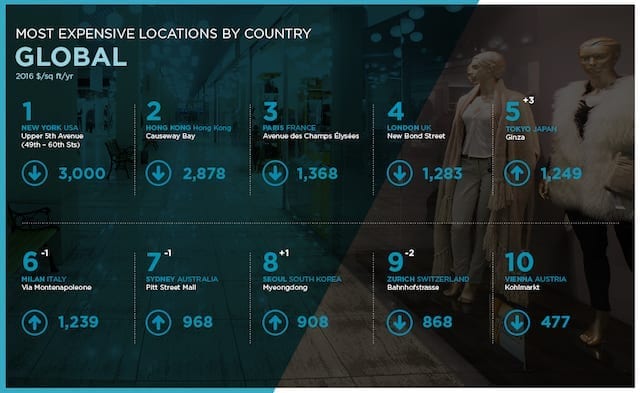
    New York’s Upper Fifth Avenue is the most expensive retail street in the world with rents rising to US$3500/sqft. in 2015.

    That’s nearly 50 per cent expensive than Causeway Bay in Hong Kong, which has held its second place on Cushman & Wakefield’s latest global rankings, despite the decline this calendar year of 14 per cent.

    Cushman & Wakefield’s Main Streets Across the World report tracks over 500 of the top retail streets around the globe, ranking them by their prime rental value using Cushman & Wakefield’s proprietary data. The 27th edition of the report shows that rents have risen in 35 per cent of streets around the world – despite the increased global uncertainty experienced over the past 12 months. The report also includes a ranking of the 65 most expensive streets – the top one per country.

    New York’s Fifth Avenue retained its position as the most expensive global retail location with rents up an average 3.6 per cent year on year and 46 per cent above the second-placed Causeway Bay in Hong Kong ($2399/sqft).

    The top 10 Global high street retail destinations by rent (in US$/sqft/year):

    1 Fifth Avenue (New York) – $3500.

    2 Causeway Bay (Hong Kong) – $2399.

    3 Avenue des Champs Élysées (Paris) – $1372.

    4 New Bond Street (London) – $1321.

    5 Via Montenapoleone (Milan) – $1035.

    6 Bahnhofstrasse (Zurich) – $895.

    7 The Ginza (Tokyo) – $882.

    8 Myeongdong (Seoul) – $882

    9 Kohlmarket (Vienna) – $478.

    10 Kaufinger / Neuhauser (Munich) – $459.

    In Asia Pacific, there has been a downward pressure on rents on the back of weaker retail sales and slowing tourism in China, particularly. This has resulted in lower rents, which is creating incentives for more international luxury brands and high street retailers to move in. However, interest rate hikes by the Chinese government could impact consumer spending power. Elsewhere, high-profile international retailers are targeting both Australia and New Zealand and Metro Manila.

    Theodore Knipfing, head of retail, Asia Pacific at Cushman & Wakefield, said the outlook for Asia’s overall retail market is largely positive, with retail sales growth averaging 8.5 per cent over the next five years (in US dollar terms).

    “Rising tourist numbers are spurring robust and sustained retailer demand – albeit firmly focused on prime, well-located space. Although the growth of eCommerce is notable across the region, physical stores will remain important, although landlords will need to focus on improving the shopping environment and customer experience in order to compete for retailer demand.”

    Europe

    Avenue Champs Élysées in Paris retained its crown as the most expensive retail location in EMEA, followed closely by London’s New Bond Street. Strongest rental growth this year was recorded in Dublin’s Grafton Street and Covent Garden in London, as well as in top high streets in Milan and Rome. However, high streets in Russia and Ukraine experienced sharp declines linked to the conflict between the two countries that yielded slowdowns in economic growth and retail sales.

    Justin Taylor, head of EMEA retail at Cushman & Wakefield, said: “Improving employment prospects, rising real wages and healthier consumer confidence in advanced economies are set to offer more positive momentum for the retail sector. From an EMEA perspective, despite any economic and political uncertainties in certain countries, the retail market is expected to see further improvements. Indeed, a strong retail sales growth forecast, robust occupier demand and a lack of supply in many locations mean rents will keep rising in the most popular high streets.

    “Indeed, tight availability is shaping the retail landscape, pushing the geographic boundaries of well-established high street markets outwards,” Taylor concluded.

    The Americas

    The US represents seven of the Top 10 most expensive cities in the Americas, with Toronto, Rio de Janeiro and Vancouver at sixth, seventh and eighth, respectively. Seattle posted the highest rent growth in the US, up 27.3 per cent to $70 per sqft, while Los Angeles’ Rodeo Drive corridor posted the highest retail rents outside New York at $800 per sqft, a 23 per cent increase. Strong tourism and a vibrant local economy make San Francisco’s Union Square a market to watch with its 1.1 per cent vacancy, $650 per sqft rents and 13 per cent rent growth, which follows 21 per cent rent growth for the same period through mid-2014. Similarly, Chicago’s Michigan Avenue posted 8.2 per cent rent growth with average retail rents of $525 per sqft.

    At $320 per sq. ft., Toronto’s Bloor Street retail corridor was the most expensive high street in Canada, while Edmonton’s Whyte Avenue was the most affordable in the Americas at $45 per sq. ft.

    Gene Spiegelman, vice chairman, head of retail services, North America at Cushman & Wakefield, said: “The Americas region is expected to sustain a positive trajectory going forward into 2016, bolstered by a steady consumer sector benefiting from a material reduction in energy costs and stable employment expectations, especially in the US.

    “Retailers will continue to add physical stores to support their expansion plans while at the same time optimising their footprint to respond to the ongoing evolution of ‘clicks and bricks.’

    “International luxury brands will continue to dominate the high street, providing a boost to the key destination cities with high exposure from tourism and strong foot traffic.”