Tag: centre

  • Don Don Donki to Bid Farewell to HarbourFront Centre Location amid Singapore Malls Redevelopment Plan

    Don Don Donki to Bid Farewell to HarbourFront Centre Location amid Singapore Malls Redevelopment Plan

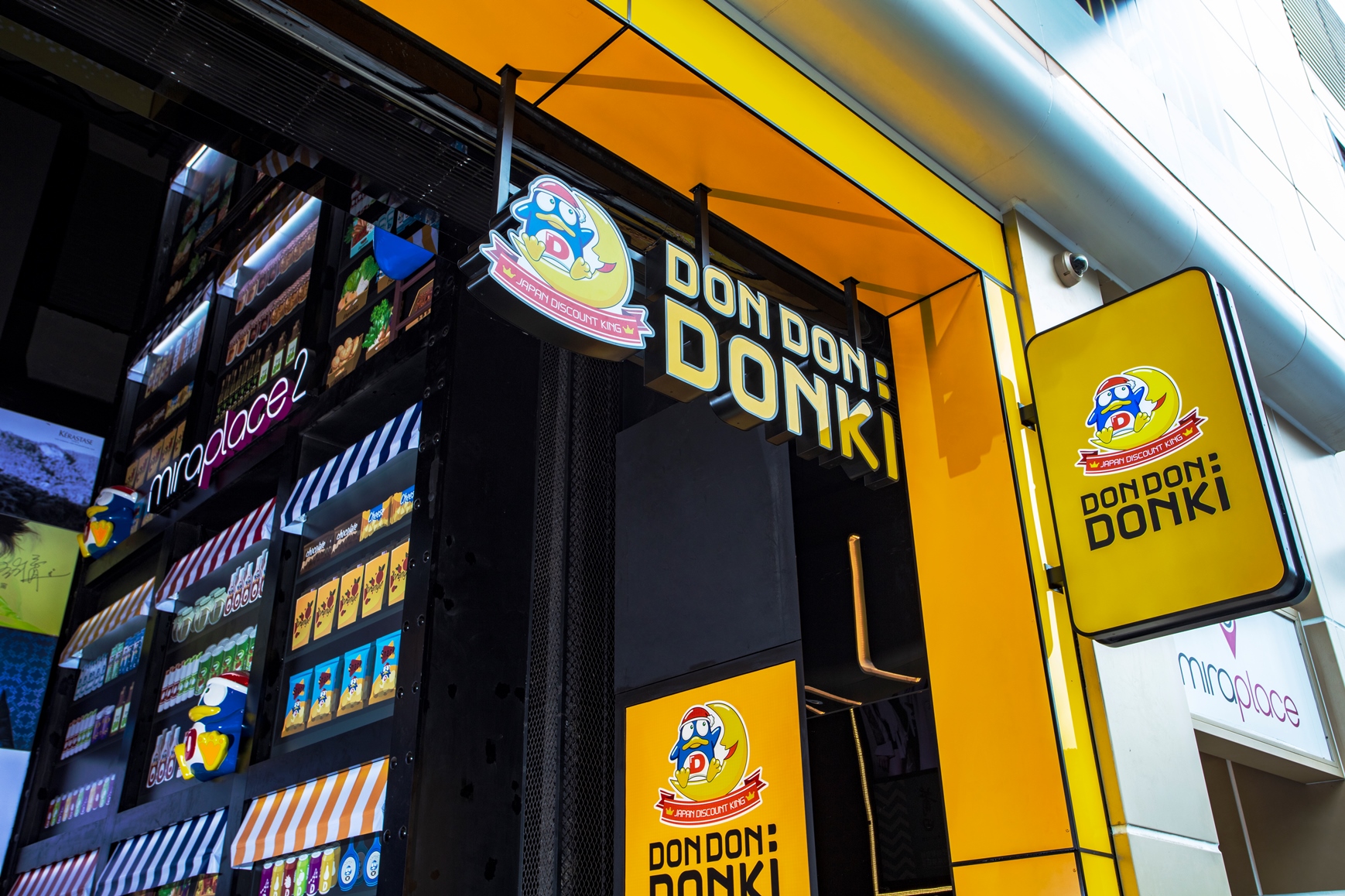
    The Japanese retail giant, Don Don Donki, has disclosed plans to close its outlet at HarbourFront Centre in Singapore this July. Shoppers will be in for a treat as select items will be sold at clearance discounts, some with up to 70% off.

    The store, popular amongst commuters, visitors venturing to Sentosa, and late-night shoppers eager for sushi, bentos, and Japanese snacks, is due to shut its doors for the last time on July 19. The imminent closure aligns with the anticipated redevelopment of the mall. The outlet is strategically located on the third floor of the mall, just above the bustling cruise center.

    A Transformation for HarbourFront Centre

    HarbourFront Centre has a storied past and is on the brink of another major transformation. Initially opened in 1978 as the World Trade Centre, the centre underwent renovations and was relaunched as HarbourFront Centre in 2003. The current redevelopment plans aim to transform the centre into a 33-storey mixed-use development, integrating retail and office spaces along with an elevated waterfront park.

    The redevelopment project ties into the larger Greater Southern Waterfront initiative, a visionary plan to revolutionize Singapore’s southern coastline into a lifestyle and recreational hub.

    Business as Usual for Other Outlets

    Despite the closure, Don Don Donki continues to operate its remaining 16 outlets across Singapore. These include locations at Orchard Central, Jem, Tampines 1, Suntec City, Waterway Point, and 100 AM. The chain was first introduced to the local market at Orchard Central in December 2017. Since then, it has flourished, with one exception – the Downtown East mall outlet, which closed this March after nearly five years in operation.

    Questions & Answers

    What is the current discount available at the Don Don Donki outlet at HarbourFront Centre?
    There are clearance discounts on selected items, with some discounted by up to 70%.

    What is the future plan for HarbourFront Centre?
    The centre is set to be redeveloped into a mixed-use development, comprising retail and office spaces, along with an elevated waterfront park.

    What will happen to other Don Don Donki outlets in Singapore?
    Don Don Donki’s remaining 16 outlets in Singapore, including those at Orchard Central, Jem, Tampines 1, Suntec City, Waterway Point, and 100 AM, will continue to operate as usual.

  • Heytea Unveils First Experimental ‘Lab’ Store in Canada at Toronto Eaton Centre

    Heytea Unveils First Experimental ‘Lab’ Store in Canada at Toronto Eaton Centre

    Heytea, a renowned Chinese tea chain, has recently expanded its global presence by launching its pioneering ‘Lab’ store in Canada, situated in the bustling downtown Toronto Eaton Centre. This addition to the Toronto cityscape represents a significant milestone in the expansion of the bubble tea market segment.

    Encompassing an area of 1800 square feet, the ‘Lab’ store, strategically located on the mall’s main level, is a deviation from Heytea’s conventional store design. The ‘Lab’ concept focuses on offering a range of limited-edition and innovative products instead of a standard fixed menu.

    This unique Toronto location features an exclusive selection of eight beverages, only available at this site. Many of these drinks are centred around a ‘Rock Oolong’ tea base, which Heytea leverages to enhance the appeal of its premium-priced and specialty products.

    Furthermore, the ‘Lab’ store’s menu also showcases collaborative creations developed with esteemed Toronto chef, Susur Lee. These innovative offerings incorporate high-end ingredients, including caviar, into select beverages and desserts.

    Heytea launched its initial foray into Canada in 2023 when it opened its first store in Vancouver. Since then, the company has continued to grow its Canadian presence, now boasting six stores across Vancouver and Toronto. The opening of the Toronto Eaton Centre location further solidifies its foothold in the country.

    Established in 2012, Heytea has established a significant global presence, operating approximately 4000 stores in over 330 cities worldwide. This includes more than 100 locations spread across Hong Kong, Macau, and various international markets, with over 45 stores in North America alone.

    Questions & Answers

    What is unique about Heytea’s ‘Lab’ store in Toronto Eaton Centre?
    The ‘Lab’ store deviates from Heytea’s typical store format, focusing on offering customers limited-edition and innovative products rather than a standard fixed menu.

    What specific beverages are available only at the Toronto ‘Lab’ location?
    The Toronto ‘Lab’ store offers an exclusive selection of eight drinks, many of which are centred around a ‘Rock Oolong’ tea base.

    What collaborative creations are included in the menu of Heytea’s ‘Lab’ store?
    The ‘Lab’ store’s menu features collaborative creations developed with renowned Toronto chef, Susur Lee. These unique offerings incorporate high-end ingredients like caviar into select beverages and desserts.

  • Kuehne+nagel Boosts India’s Logistics Sector With Five New Fulfilment Centres, Creating 1,500 Jobs

    Kuehne+nagel Boosts India’s Logistics Sector With Five New Fulfilment Centres, Creating 1,500 Jobs

    Kuehne+Nagel, the international logistics firm, is expanding its operations in India with the establishment of five new fulfilment centres. The locations for these centres include Gurgaon, Kolkata, Nagpur, Mumbai, and Rajpura. This expansion will provide 100,000 square meters of additional capacity, raising the company’s total fulfillment centre footprint in the country to nearly 500,000 square meters. The new centres will create over 1,500 jobs nationwide, supporting local economic growth.

    India’s Economic Potential

    India is expected to rise to the position of the world’s third-largest economy by 2030, underpinned by robust growth in industries such as high-tech, automotive, consumer goods, and healthcare. As these sectors continue to expand, there’s an increasing demand for a scalable, efficient logistics infrastructure.

    Automation and Boosting Order Handling Capacity

    The new fulfilment centres will employ advanced automation technologies like telescopic conveyors and high-performance sorting systems. These will facilitate an increase in peak order handling capacity by 75%.

    City Selection and Industry Growth

    The locations of the new centres cover the spectrum of Indian cities. This includes tier-1 cities like Mumbai and Kolkata, tier-2 hubs Gurgaon and Nagpur, and the tier-3 city, Rajpura. The diverse location selection aligns with India’s industrial growth across multiple cities. Gurgaon and Nagpur are emerging as growth centres for various industries, while Rajpura is experiencing a surge in manufacturing and distribution.

    Strategic Investment

    Damian Raczynski, Senior Vice President of Contract Logistics at Kuehne+Nagel Asia Pacific, expressed his optimistic views regarding the company’s expansion. He shared that India is a crucial growth market for Kuehne+Nagel and that they invest where their customers are. He further emphasized that this expansion enhances their ability to serve high-demand sectors, like consumer and healthcare. The goal is to deliver a service that’s characterized by speed, reliability, and flexibility.

    Questions & Answers

    What is the purpose of Kuehne+Nagel’s expansion in India?
    The expansion aims to meet the growing demand for efficient logistics infrastructure in India’s expanding industries such as high-tech, automotive, consumer goods, and healthcare.

    What additional features will the new fulfilment centres have?
    The new centres will incorporate advanced automation technologies such as telescopic conveyors and high-performance sorting systems, which will boost peak order handling capacity by 75%.

    How will this expansion benefit the local economy?
    The expansion will generate over 1,500 new jobs nationwide, contributing positively to the growth of local economies.

  • Mumbai Emerges as India’s Thriving Data Centre Hub: A New Era in Digital Infrastructure

    Mumbai Emerges as India’s Thriving Data Centre Hub: A New Era in Digital Infrastructure

    Mumbai is positioning itself as the data centre powerhouse of India, commanding an impressive 40% of the country’s overall capacity and 44% of its active IT infrastructure, according to a recent report by Knight Frank. The city experienced a notable surge in capacity during the first half of the year, increasing by 14.3% and surpassing the crucial 4 gigawatt (GW) mark. Currently, it boasts 591 megawatts (MW) of operational capacity, with an additional 185 MW under construction and a staggering 3.2 GW in the pipeline.

    This remarkable growth is largely fueled by the rapid adoption of cloud technology, stringent data localization mandates, and the burgeoning local sectors of fintech and banking, financial services, and insurance. In fact, Mumbai’s tight vacancy rate of 5.4% starkly contrasts with India’s overall colocation vacancy rate of 12.3%. Impressively, two-thirds of the city’s current construction projects are already pre-leased, indicating a robust demand in the market.

    However, amidst this frenzy of development, Mumbai faces a critical shortfall in capacity for hyperscale deployments. Currently, only three sites are operational that can support such extensive needs, with just one facility offering more than 10 MW of available capacity. This situation creates a short-term shortage for large-scale requirements, leaving enterprises in a scramble for solutions.

    Knight Frank notes that this fragmented supply landscape is opening doors for well-capitalized global players and joint ventures to step in and provide high-capacity facilities, challenging local dominance in the sector. In an industry where the demand for data infrastructure seems to accelerate daily, the race is on for companies to capitalize on Mumbai’s emerging status as a data-driven hub.

    Questions & Answers

    How much of India’s data centre capacity is located in Mumbai?
    Mumbai accounts for 40% of India’s total data centre capacity and 44% of the country’s active IT capacity.

    What factors are driving the growth of data centres in Mumbai?
    The growth is primarily driven by rapid cloud adoption, increasing data localization requirements, and the expansion of local fintech and banking sectors.

    Is there an immediate supply issue for hyperscale data centre deployments in Mumbai?
    Yes, there is a short-term supply tightness, with only three live sites currently equipped to handle hyperscale deployments and just one site offering over 10 MW of capacity.

  • Aeon expands Vietnam footprint with first Mekong Delta shopping centre

    Aeon expands Vietnam footprint with first Mekong Delta shopping centre

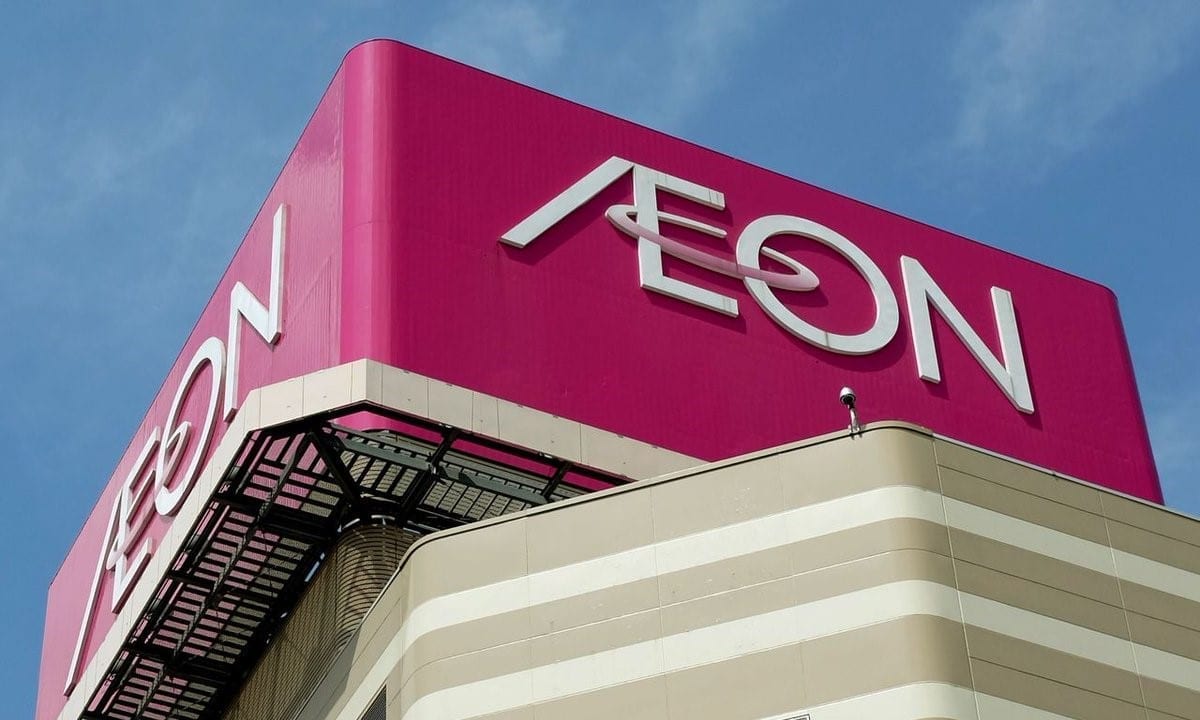
    Japanese retail conglomerate, Aeon, is set to boost its footprint in Vietnam by launching its eighth shopping complex, Aeon Tan An, marking its first entry into the Mekong Delta region.

    Operational Launch and Location

    The center is slated to commence operations on September 23, before officially launching on October 4. The mall is strategically positioned in the administrative region of Tay Ninh province, located on the bustling Hung Vuong artery, in close proximity to the National Highway 1A and a mere 1km from the significant Ho Chi Minh City-Trung Luong Expressway.

    Community-Oriented Design

    The project embodies Aeon’s “Daily Community Park” concept, blending contemporary aesthetics with green spaces and a community-focused layout. To augment the natural ambience of the center, around 11,000 plants have been integrated throughout the complex, paired with spacious seating areas and an alfresco terrace.

    Tenant Profile and Facilities

    The new center will accommodate approximately 30 retailers, a significant 80% of which are making their debut in the Mekong Delta. The retail mix will be anchored by the Aeon General Merchandise Store and will feature a diverse range of outlets including fashion and sports stores, cafes, eateries, bookstores, a cinema, and various entertainment facilities.

    The company statement emphasized the vision of Aeon Tan An as more than just a shopping and entertainment hub, but as a place where people can naturally come together and connect on a daily basis. It further highlighted the opportunities for every family member to explore unique experiences, savor enjoyable moments in a contemporary shopping environment, and benefit from high-quality services and varied entertainment amenities.

    Aeon’s current portfolio includes shopping centers in major Vietnamese cities such as Ho Chi Minh City, Hanoi, Hai Phong, and Binh Duong.

    Questions & Answers

    What is Aeon’s new project in Vietnam?
    Aeon’s latest project in Vietnam is the Aeon Tan An shopping mall, which will be their eighth shopping center in the country and their first in the Mekong Delta region.

    What is the concept behind the design of Aeon Tan An?
    The design of Aeon Tan An embodies Aeon’s “Daily Community Park” concept, which combines modern design with green spaces and a layout focused on community engagement.

    What kind of facilities and stores can visitors expect at the new Aeon Tan An shopping mall?
    Visitors to the new Aeon Tan An shopping mall can expect a variety of outlets including fashion and sports stores, cafes, eateries, bookstores, a cinema, and various entertainment facilities.

  • Nike’s Strategic Pivot To Outdoor Recreation: Revitalizing Acg Amid Rising Competition

    Nike’s Strategic Pivot To Outdoor Recreation: Revitalizing Acg Amid Rising Competition

    Nike, the sportswear behemoth, is making a strategic move into the expanding outdoor recreation industry. Starting with the launch of a new trail running shoe, Nike aims to invigorate its lesser-known sub-brand, ACG, and turn it into a vital source of growth.

    Nike’s Outdoor Recreation Strategy

    Beginning with the Ultra-Trail du Mont-Blanc event, an ultramarathon in France, Nike plans to release its Ultrafly trail running shoe, which is a part of the ACG (All Conditions Gear) outdoor sub-brand. This move is an attempt by Nike to reestablish ACG as a credible contender in the realm of performance-focused trail running shoes.

    Commenting on the broader strategy, Nike’s CEO, Elliot Hill, explained that the company is refocusing on core sports such as running in response to the growing competition from smaller brands. Nike is striving to catch up in the outdoor recreation industry, which has seen substantial growth during the pandemic, and in China, where outdoor activities have gained considerable popularity. The company’s struggle in these two markets has been a factor in its diminished share of the global sportswear industry.

    ACG Ultrafly and Future Plans

    Nike-sponsored athletes, including Anthony Costales, will wear the ACG Ultrafly during races. The shoe is scheduled to be available to consumers in spring 2026. In addition, a rejuvenated version of the Zegama trail runner, also under the ACG brand, will be released later in 2026.

    However, revitalizing the ACG brand, initially launched in 1989 with an emphasis on hiking and biking, will not be without its challenges. The brand is currently associated with “gorpcore”, a fashion trend that blends functional gear with style. Despite these challenges, Nike is looking towards the long-term benefits of this strategy, especially in the Chinese market.

    The Chinese Market

    Nike established its ACG team as a sub-brand in October and appointed Angela Dong, VP for all of Greater China, to lead the unit. Sales of outdoor apparel in China nearly doubled between 2019 and 2025, and outdoor footwear sales increased by 65% in the same period. Despite this, Nike has reported double-digit sales declines in China over the past three quarters.

    The Chinese market has posed significant challenges for Nike as it faces stiff competition from other retailers. Economic instability and high youth unemployment have also impacted spending.

    Nike’s global sportswear market share fell to 26% from 29% in 2021. Other brands such as Hoka have used trail running to bolster growth, underscoring the potential that Nike sees in this segment.

    Launching at a Hoka-sponsored event could be viewed as Nike’s attempt to overshadow its rival, demonstrating Nike’s ability to leverage its financial strength against smaller brands.

    Questions & Answers

    What is Nike’s new strategy in the sportswear market?
    Nike is focusing on outdoor recreation, reviving its ACG sub-brand with the launch of a trail running shoe.

    What challenges does Nike face in revitalizing the ACG brand?
    ACG, launched with a focus on hiking and biking, has become associated with the “gorpcore” fashion trend, which may make it difficult for the brand to reposition itself as a serious contender in the outdoor recreation space.

    What is the current state of Nike in the Chinese market?
    Despite the growth in outdoor apparel and footwear sales in China, Nike has experienced double-digit sales declines in this market over the past three quarters due to tough competition and economic factors.

  • Walmart-owned Flipkart opens experience centre

    Walmart-owned Flipkart opens experience centre

    Indian e-commerce platform Flipkart has opened a physical furniture experience centre in Bengaluru.

    The Walmart-owned firm’s 1800sqft store will retail around nine furniture brands, and is likely to be followed by two more similar outlets in the country.

    “The furniture category has traditionally had a strong presence offline,” said VP of furniture, electronics and private labels Adarsh Menon, “because customers like to see and touch the products they are buying. We understand the requirements of customers and hence ‘FurniSure’”.

    Industry competitor Ikea launched in India last year, attracting extensive queues.

    Flipkart is also seeking to launch an offline supermarket.

  • Volkswagen Opens IT Centre In Dresden

    Volkswagen Opens IT Centre In Dresden

    Volkswagen has opened a new IT Development Centre in its Glaserne Manufaktur in Dresden. In the Software Development Centre Production (SDC Production), up to 80 newly hired IT specialists will be working on the Volkswagen Industrial Cloud. In the future, the Industrial Cloud will link all 122 Group-wide Volkswagen production facilities. The goal is to amalgamate all data, and in doing so consistently digitalize production and logistics.

    One of the main focus points is the use of artificial intelligence, which suitably simulates human eyesight. The SDC developed the software for the visual quality checks of automated priming tasks for the door and side windows – this robot application comes from the Dresden-based start-up Wandelbots.

    Martin Hofmann, Head of IT for the Volkswagen Group, stated: “With the new IT Development Centre in the Glaserne Manufaktur, our expert knowledge will continue to grow; skills in important areas of technology secure our future.”

    The Industrial Cloud brings together data from all factories. For example, the material flow can be organized more efficiently and delivery bottlenecks and process disruptions can be detected at an early stage. It enables smart real-time control – simultaneously in Wolfsburg and Shanghai, Dresden and Uitenhage (South Africa)

    The Industrial Cloud is being established together with Amazon Web Services (AWS). AWS is a leader in the field of the Internet of Things (IoT), machine learning and computer services. In the Industrial Cloud, these technologies are being developed specifically for the automotive production environment. With Siemens, Volkswagen has gained its first major integration partner. Siemens contributes know-how in automation, connectivity of machines and systems, and the industrial IoT world to the collaboration.

  • Vietnam to establish National Innovation Centre

    Vietnam to establish National Innovation Centre

    The Vietnamese government will tomorrow formally launch a project to establish a National Innovation Centre in Hanoi to help lay the groundwork for Vietnam to capitalize on the Industry 4.0 era.

    The project is set to break ground later this year and could be ready for operation by next year. It will be developed over a three year period.

    The NIC aims to lure 40 large technology companies, as well as 150 startups and SMEs and 15 venture investment funds, the Ministry of Information and Communication announced.

    It will initially focus on priority areas including network security, digital content and smart manufacturing and smart city technologies.

    The draft plan for the project stipulates the construction on a 23 hectare area of Hoa Lac Hi-Tech park, and calls for total investment of 1.9 trillion dong ($81.7 million). The project forms part of the

    The NIC is a part of the Ministry of Planning and Investment’s Vietnam Innovation Network initiative, and if the project is successful, the government plans to establish more such centers across Vietnam.

  • Amazon opens another fulfilment centre in Sydney

    Amazon opens another fulfilment centre in Sydney

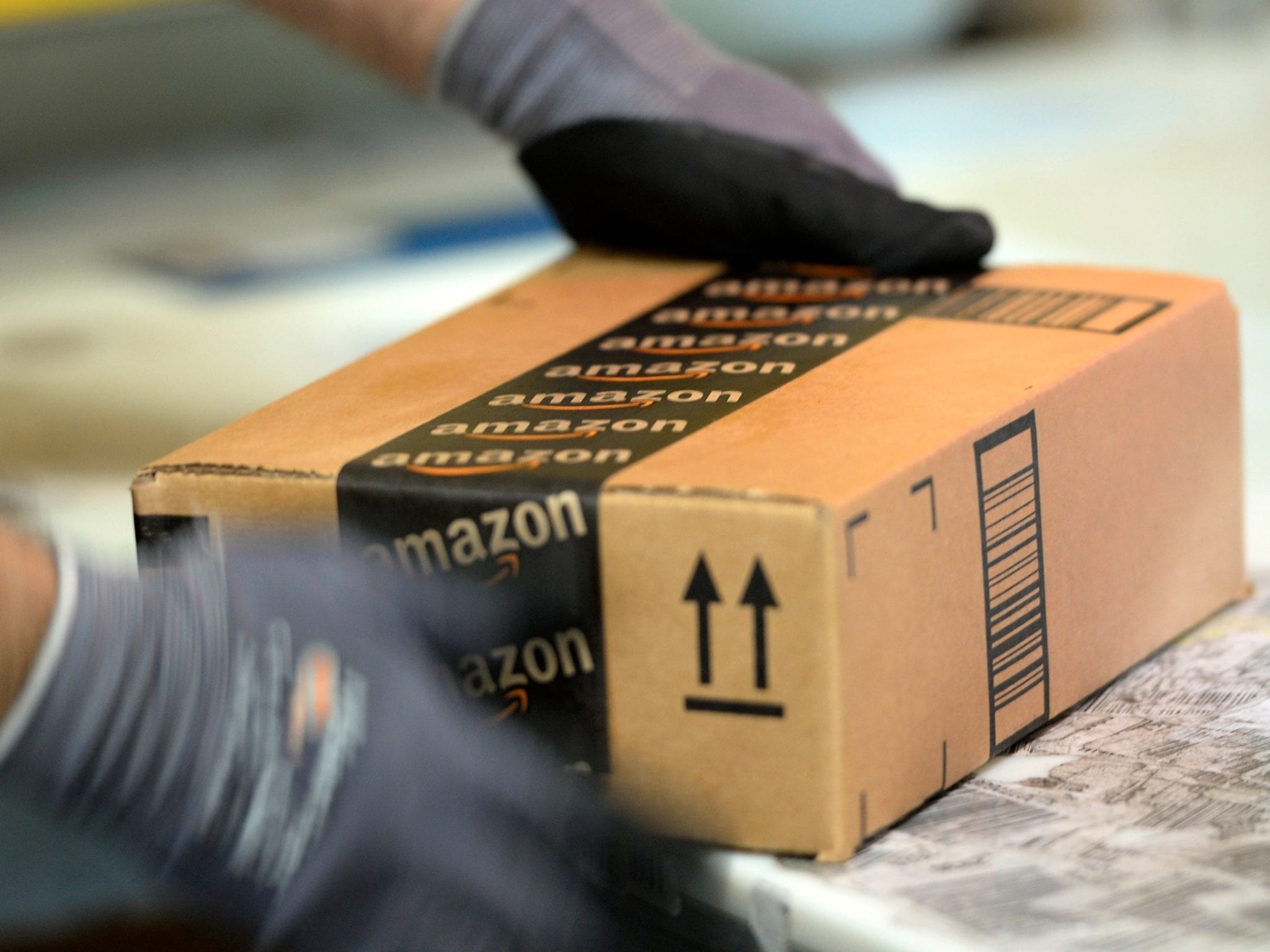
    Amazon is opening a second fulfilment centre to speed up delivery to customers across Australia, as the US-based company expands its e-commerce business Down Under.

    The 43,000sqm fulfilment centre in Moorebank, South West Sydney, is planned to start operations in the second half of 2018.

    “We are thrilled to be establishing our next fulfilment centre in Sydney and working with incredible people in the local community around Moorebank,” said Robert Bruce, Amazon Australia’s operations director.

    “Sydney represents another important development for our growth strategy in Australia, following a steady and progressive increase in customer demand.”

    Together with Amazon’s Dandenong South fulfilment centre, which opened in December 2017, the second warehouse, located within easy access to the M5 and M7 motorways, will allow Amazon to handle current and future customer demand and speed up delivery to customers across the country.

    “This investment will benefit both customers and the local economy by generating new jobs and providing small and medium sized Australian businesses who sell on amazon.com.au and use our Fulfilment by Amazon program, with an opportunity to more easily access millions of customers across the country,” Bruce said.

    Amazon will begin recruiting immediately for a range of roles including operations, support and technical specialists, adding to the more than 1,200 people it currently employs in Australia.

    Since launching its online retail offering in Australia late last year, Amazon has since released new products into the market, including Alexa and Amazon Echo, Amazon Music Unlimited as well as Fulfilment by Amazon, which allows Australian sellers to outsource their pick, pack and shipping process to Amazon logistics.

    Amazon Prime is expected to launch in Australia in mid-2018.

  • Amazon to open new fulfilment centre in Ohio

    Amazon to open new fulfilment centre in Ohio

    Amazon announced plans to open a new fulfilment centre in North Randall, Ohio, which will create more than 2,000 full-time associate roles with benefits and opportunities to engage with Amazon Robotics in a highly technological workplace.

    “Our ability to expand in Ohio is the result of two things: incredible customers and an outstanding workforce in the state,” said Sanjay Shah, Amazon’s vice president of North American Customer Fulfilment. “We very much appreciate the state and local elected leaders who have supported Amazon’s arrival in North Randall and look forward to bringing more jobs and investment in the coming months.”

    Amazon currently employs more than 4,500 full-time hourly associates at its two existing Ohio fulfilment centres in Etna and Obetz.

    “Along with Team NEO and the Village of North Randall, the Cleveland Port Authority, and the Greater Cleveland Partnership, we are pleased to partner with Amazon to revitalize and bring jobs back to a property that has stood vacant for too long,” said JobsOhio president and chief investment officer John Minor. “Amazon’s investment at a site where the nation’s largest shopping mall once stood will now support digital retail jobs.”

    Amazon employees at the more than 855,000-square-foot fulfillment center will pick, pack and ship smaller customer items such as electronics, toys and books.

    “Words cannot begin to express what Amazon’s commitment to the development of its fulfillment center means for the Village of North Randall,” said Mayor David Smith. “This is a generational project that not only redefines the future of our community but the future of more than 2,000 Cuyahoga County residents who will be employed at the facility.”

    Full-time employees at Amazon receive highly-competitive pay, health insurance, disability insurance, retirement savings plans and company stock starting on day one. The company offers up to 20 weeks of paid leave and innovative benefits such as Leave Share and Ramp Back, which give new parents flexibility with their growing families. Amazon also offers hourly employees its Career Choice program which helps train employees for in-demand jobs at Amazon and other companies so they can prepare for the future and take full advantage of the nation’s innovation economy. The program pre-pays 95% of tuition for courses in in-demand, high-wage fields, regardless of whether the skills are relevant to a future career at Amazon. Over 10,000 employees have participated in Career Choice and more are signing up every day.

  • Soekarno Hatta Airport Now Have Tourist Information Center

    Soekarno Hatta Airport Now Have Tourist Information Center

    State-owned operator Angkasa Pura II, Tourism Ministry and Transportation Ministry have launched Tourist Information Center at Terminal 3 of Soekarno Hatta International Airport.

    TIC services that have been operating since June 19 will serve to promote Indonesian tourism. “In order to achieve the full-year target of tourist arrivals,” Angkasa Pura II president director Muhammad Awaluddin said today in a written statement.

    Awaluddin said that Terminal 3 will serve international flights which allow TIC to promote Indonesia’s tourist destinations.

    Promotional contents at the TIC are a wide range of tourist destinations in Indonesia prepared by Tourism Ministry, particularly in relation to the branding ‘Wonderful Indonesia’ and ‘Pesona Indonesia’ (Indonesian Charm).

    The TIC will also enrich Terminal 3 digital contents. Angkasa Pura II is committed to turning Soekarno Hatta into a digital airport in line with the company’s vision of becoming the best smart connected airport operator in the region.

    Tourism Minister Arif Yahya expects TIC in Terminal 3 to become some kind of tourism supermall. Meaning that tourists may get information on tourist attractions, transportation, accommodation, etc. which can be accessed immediately by making reservations and paying for the best tourism experience.

    Angkasa Pura II and Tourism Ministry are committed to collaborating for the development of tourism sector. That includes enhancing international flight connectivity in all airports operated by the company, including Soekarno Hatta.

  • Reebonz opens S$40m e-commerce hub in Tampines

    Reebonz opens S$40m e-commerce hub in Tampines

    With both local and regional consumers increasingly buying luxury goods online, homegrown e-retailer Reebonz on Tuesday opened an eight-storey e-commerce hub in Tampines to ramp up its cross-border operations and meet the evolving demands of their customers.

    “The Reebonz e-commerce hub will be a platform for us to scale across the region in terms of having a centralised distribution centre that will distribute our products across 17 countries around the world,” said Reebonz CEO Samuel Lim. “We’ve invested heavily into warehouse management systems, distribution management systems, being able to integrate the whole operations within one central location – I think that’s important to scale.”

    The 200,000-square-foot space, which cost around S$40 million to build, is four times larger than its previous office and distribution centre and now stock more than 500,000 types of products – more than 11 times its previous capacity.

    Reebonz also plans to house an incubation hub for local luxury startups and designers in future.

    Speaking at the official opening of the hub, Minister of Trade and Industry (Industry) S Iswaran said players like Reebonz serve as “shared platforms that uplift the entire retail sector”.

    “Smaller companies might be reluctant to start due to lack of scale or technical skills,” he said. “Others may face challenges in reaching out to new customers and coordinating processes for e-commerce fulfilment.

    “Here, players like Reebonz can serve as shared platforms that uplift the entire retail sector. Smaller companies can leverage e-marketplaces like ‘Reebonz Boutiques’ to list their products, which requires less resources than a standalone platform and eases access to global markets.”

    He also highlighted how Reebonz’s e-marketplace has emerged as an online incubation space for emerging designers and local entrepreneurs.

    “Emerging designers and local entrepreneurs have a simple, less risky space to refine their branding and test new products,” he said. “I urge more local brands to take advantage of such platforms to scale up and enter new markets.”

    TAPPING GROWTH

    Since its launch eight years ago, the local brand has expanded its sourcing channels from distributors to individual sellers and boutiques around the world.

    The business-to-consumer retailer branched out to a consumer-to-consumer platform and a merchants’ marketplace last year, allowing consumers to buy and sell pre-loved items to others and giving consumers access to products from boutiques around the world.

    “It definitely helps to have a space where we can tap into the larger clientele base that Reebonz obviously has,” said shoe designer Mashizan Masjum, whose eponymous shoe label joined its marketplace platform in April.

    “As part of an emerging brand, it can be quite lonely at times as well as you’re trying to make a name for yourself regionally and globally.”

    Mr Iswaran said that the Government would help local retailers tap growth opportunities on the e-commerce front, as part of the Retail Industry Transformation Map’s target to grow e-commerce’s share of total retail receipts from 3 per cent to 10 per cent by 2020.

    This includes helping companies to enter foreign markets through e-commerce platforms and prioritising initiatives relating to the digital economy.

    “E-commerce is going to be a defining aspect of the retail industry in Singapore, the region and the world,” he said. “So we want to make sure that our companies have the capabilities to embrace this trend, ride on its growth and benefit from it. Which means capabilities in terms of the technology, business model and market access.

    “And on the other side, we want to make sure that our people have the skills to participate in the new job functions and careers that are being created.”

    According to Mr Iswaran, an estimated one in every five sales in the Asia Pacific would be conducted through an e-commerce platform, while an estimated 3.9 million users – or nearly three-quarters of residents in Singapore – will turn to e-commerce by 2020.

  • DHL eCommerce has launched its fulfillment centre in Sydney

    DHL eCommerce has launched its fulfillment centre in Sydney

    “E-commerce has gone borderless, and order fulfillment needs to do the same,” said Charles Brewer, CEO of DHL eCommerce. “Our Australian facility adds another node to our standardized global network of fulfillment centres located in the US, Mexico, India, Hong Kong and Central Europe, eliminating the need for e-commerce merchants to hunt for new logistics partners as they look to expand their global reach.”

    According to DHL, the new facility integrates inbound freight, inventory and last-mile delivery into a single consolidated service, operating under the same service level agreements, management platforms and customer support as the rest of the DHL eCommerce fulfillment network. All services will be offered on a pay-per-use basis.

    “Australian shoppers are the second-most likely in the world to buy online from overseas merchants, and the significance of their purchasing power will only increase as cross-border e-commerce grows at an average of 29% per year until 2020,” said Damien Sheehan, managing director of Australia at DHL eCommerce. “Online retailers need to overcome the traditional problems associated with overseas expansion — finding new suppliers in each market, delivering shipments within days not weeks, and keeping costs in check — if they want to stay competitive in this borderless future. The launch of our Australian fulfillment centre gives our customers immediate access to one of the world’s most mature and fastest-growing e-commerce markets, with the scalability and quality needed to reach Australia’s highly savvy online shoppers.”

    Malcolm Monteiro, CEO of Asia Pacific at DHL eCommerce, said that cost-effectiveness and scalability are the most critical issues for online retailers in Australia because the value of the country’s e-commerce sales is expected to grow by almost 50% between now and 2020.

    “Whether it’s extending into new channels, offering more delivery options, or simply increasing inventory and warehouse capacity, global brands need fulfillment solutions that can adapt to their needs without requiring hands-on intervention every time a change occurs,” he said. “Global e-tailers can access our latest fulfillment centre for simplified nationwide inventory and last-mile delivery and also as part of a rapid and painless global expansion.”