Tag: Changi Airport

  • Singapore Targets 2,000 Logistics Jobs in Air and Sea Hub Expansion

    Singapore Targets 2,000 Logistics Jobs in Air and Sea Hub Expansion

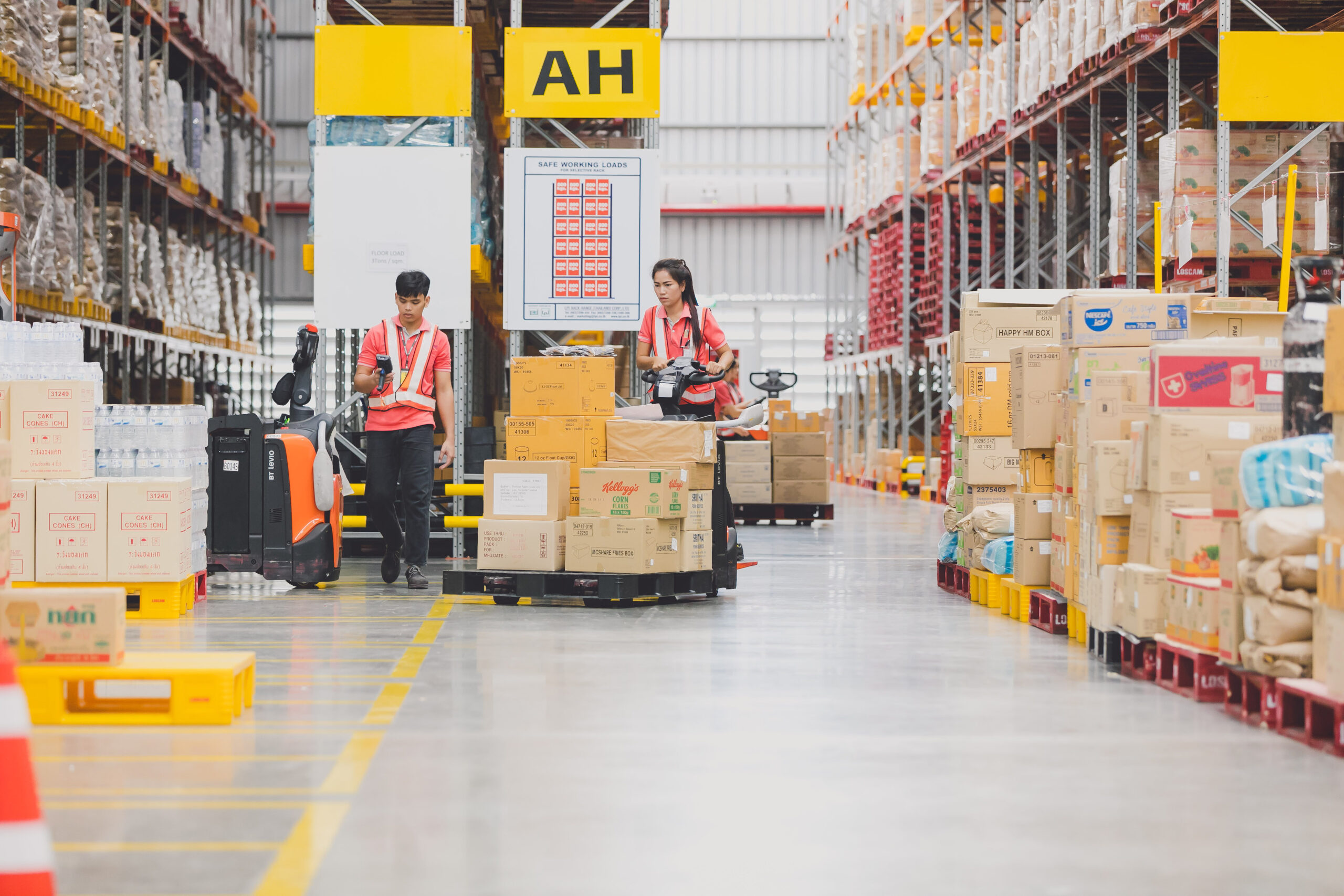
    Singapore is upgrading its infrastructure and logistics networks to cut air-sea intermodal transit times to under 24 hours, positioning itself to capture shifting trade flows across Southeast Asia. The expansion is expected to generate 2,000 logistics jobs in 2025 as the country deepens its role as a regional cargo gateway.

    The push comes alongside record freight volumes. Port operator PSA handled over 40 million twenty-foot equivalent units (TEUs) in 2024, eclipsing 38.8 million TEUs in 2023, while cargo movements at Changi Airport reached 1.82 million tonnes through November 2024.

    To support this traffic, the Ministry of Transport (MOT) and the Economic Development Board (EDB) are introducing measures to speed up transshipments and incentivize global freight operators to grow their local footprint.

    Cutting Dwell Times Across Air and Sea

    Transport authorities are building a prototype digital platform to automate real-time tracking, flight and vessel bookings, and delay alerts for cargo operators. Today, transferring cargo between sea vessels and aircraft in Singapore can exceed five days because smaller logistics intermediaries rely on manual processes.

    Transport Minister Chee Hong Tat set a target to halve that dwell time, pushing for connecting departures within 24 hours of arrival. Economic Development Board vice president Dave Goh said the sector could generate S$6.9 billion in annual value to the economy, equivalent to a 2 per cent boost, once the Logistics Job Transformation Map rolls out in 2025.

    Shipping realignments will test terminal capacity early in the year. The Gemini Cooperation between Maersk and Hapag-Lloyd starts operations in February, deploying 340 vessels with a total capacity of 3.7 million TEUs across networks that include roughly 40 weekly calls in Singapore.

    Shipping Alliances and Ocean Pressures

    Retail supply chains face persistent ocean disruptions as container lines continue detouring around Africa to bypass Red Sea hostilities. Threat of strikes at United States East Coast and Gulf Coast ports over terminal automation adds further volatility to sailing schedules, raising the risk of unplanned container bunching at transshipment nodes.

    Air cargo networks face parallel pressure. Shippers running high-value retail goods and seasonal inventory turn to airfreight when maritime schedules collapse, even at elevated spot rates. Singapore Airlines carried higher freight tonnage in 2024 by increasing freighter utilization and tapping expanded bellyhold space across its passenger fleet.

    Cross-Border E-Commerce Reconfigures Air Terminals

    Cross-border shopping platforms are driving much of the airside volume. Chinese e-commerce operators such as PDD Holdings’ Temu and Shein have largely bypassed regional third-party consolidation warehouses in favor of direct-to-consumer parcel consignments flown straight to destination hubs.

    Changi Airport Group is actively restructuring space allocations across the Changi Airfreight Centre and Airport Logistics Park Singapore, which are operating near full capacity. The airport operator is working alongside SIA Cargo and ground handler SATS to establish dedicated sorting and processing setups for direct e-commerce shipments, matching the specialized handling networks already in place for pharmaceuticals.

    Industrial Footprint Expands to 2040

    Private logistics providers are scaling their physical space to match the state-backed infrastructure push. Maersk expanded its Changi airport warehousing in 2024 and is constructing a 1.1 million square foot regional distribution centre in Jurong West, scheduled to open in 2025.

    Cargo owners such as Henkel, 3M, Schneider Electric and Asahi already base regional supply coordination out of Singapore, while integrators DHL Express, FedEx, UPS and SF Express operate dedicated hubs on site. Long-term cargo capacity will hinge on two primary developments: the mid-2030s Changi Air Cargo Hub expansion, which lifts airport handling from 3 million to 5.4 million tonnes annually, and Tuas Port, which currently operates 10 berths and targets 65 million TEUs across 66 berths by 2040.

    PSA Supply Chain Hub @ Tuas is scheduled to begin operations in 2027.
  • DHL Global Forwarding Establishes Six Air Cold Chain Corridors to Asia

    DHL Global Forwarding Establishes Six Air Cold Chain Corridors to Asia

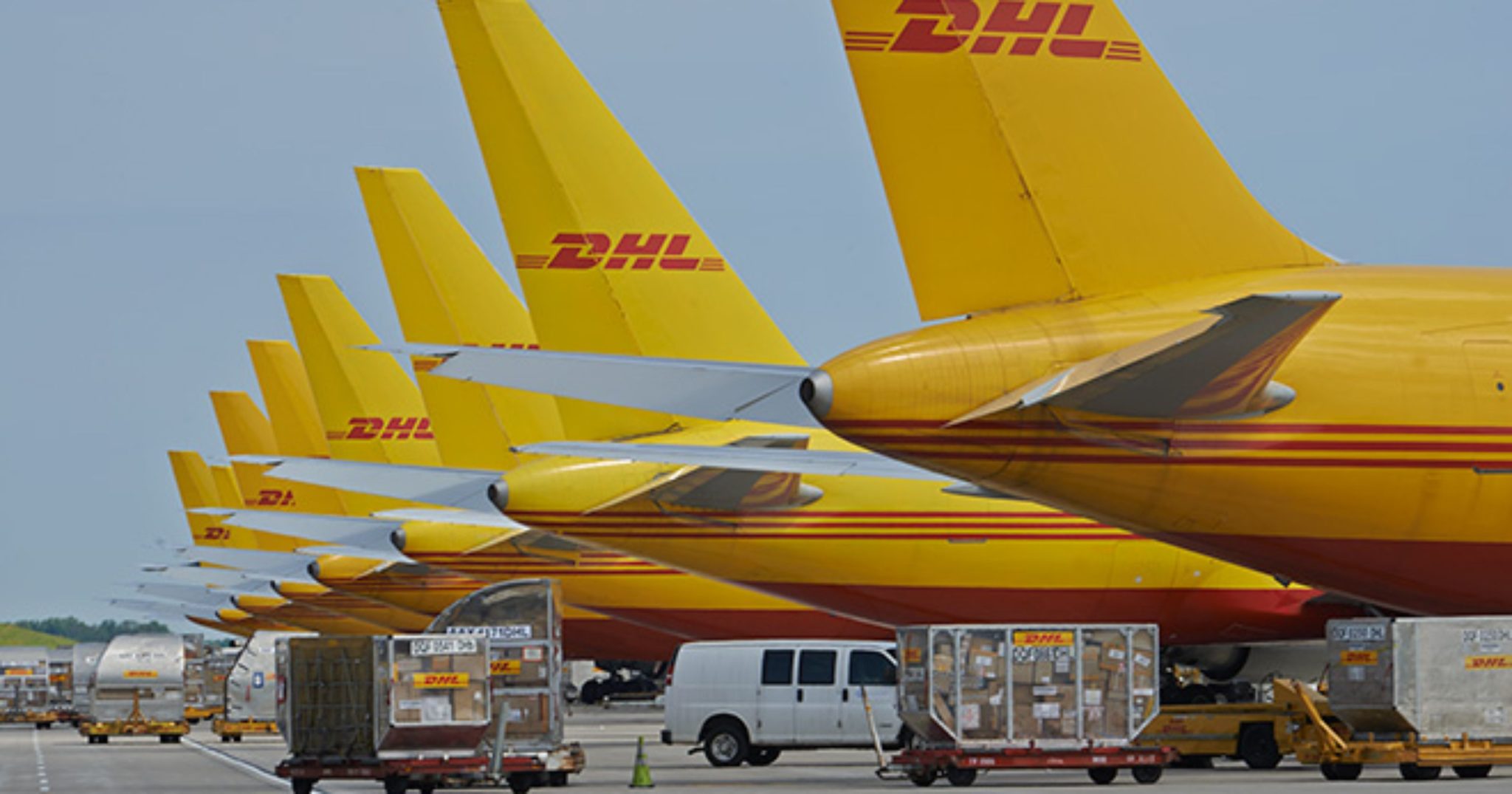
    DHL Global Forwarding expanded its cold chain network in October 2026 by launching six dedicated life sciences and healthcare air corridors connecting Europe and North America with Asia.

    The newly established routes connect Liège and Brussels in Europe, along with Cincinnati in the United States, directly to Shanghai, Singapore, Tokyo Narita, and Seoul Incheon.

    Operated primarily on DHL Express-branded Boeing 777 freighters, the flights offer three different temperature-controlled compartments to reduce handovers and safeguard temperature-sensitive healthcare shipments.

    The Six Strategic Transcontinental Trade Lanes

    Three corridors run directly from Europe, and three run from the United States. European departures connect Liège to Shanghai, Brussels to Shanghai and Brussels to Singapore. Transatlantic flights leave DHL’s Cincinnati hub for Singapore, Tokyo Narita and Seoul Incheon.

    Each aircraft combines active temperature control with passive packing protections, including thermal blanket systems and phase-change materials. These systems maintain strict limits: 2 to 8 degrees Celsius for refrigerated biologicals, and 15 to 25 degrees Celsius for controlled room-temperature medicines.

    These new corridors further expand our Cold Chain Network into strategically important healthcare markets across Asia. They respond to customer demand for reliable connectivity between major healthcare markets while giving us greater control over critical quality parameters throughout the transportation process. This enables our customers to move critical healthcare products with greater confidence and reliability.

    Control Across Healthcare Supply Chains

    Transfer points create the biggest operational bottleneck in long-haul pharma airfreight. Commercial passenger bellyhold space exposes sensitive cargo to tarmac temperature spikes during layovers or unexpected delays.

    Operating dedicated Boeing 777 freighters across proprietary hubs gives drug makers predictable schedules and uniform standard operating procedures from loading to customs clearance. It also limits reliance on third-party ground handlers who may lack good distribution practice validation.

    Competition is intensifying against rival global integrators and forwarders fighting for high-margin life sciences contracts across Asia-Pacific. Drug manufacturers in Japan, South Korea, China and Southeast Asia demand direct, auditable cold chain links into Western consumer and clinical trial markets.

    Expanding the Global Cold Chain Footprint

    This Asian expansion builds on DHL Group’s February initiative to create an integrated international cold chain network. That rollout started with transatlantic flights between Brussels and Cincinnati before extending into secondary healthcare routes.

    North American drug producers gain direct export lanes from Cincinnati into North Asia and Southeast Asia without routing through intermediate commercial air hubs. European plants around Belgium’s biopharma cluster gain matching outbound capacity into China and distribution nodes in Singapore.

    Changi Logistics Hub Anchors Regional Growth

    Adding the Brussels-Singapore and Cincinnati-Singapore routes fits DHL Global Forwarding’s wider infrastructure spend in Southeast Asia. In September, the group confirmed plans for its upcoming DHL Singapore Cold Chain Hub at Changi Airport.

    The airport facility will provide dedicated 2 to 8 degrees Celsius and 15 to 25 degrees Celsius handling zones linked directly to the airside tarmac. It will process inbound cargo from the new Boeing 777 flights and transfer shipments into regional distribution channels across Southeast Asia.

    Looking ahead, DHL plans to commission the Changi cold store facility and add further network routes across the Middle East and Latin America.

  • L’Oréal Unveils 510-Square-Meter Airport Beauty Show at TFWA 2025

    L’Oréal Unveils 510-Square-Meter Airport Beauty Show at TFWA 2025

    L’Oréal Travel Retail Asia Pacific has rolled out retail activations across all four terminals at Singapore Changi Airport in May 2025. The push targets passenger dwell time across its portfolio of 22 luxury beauty brands.

    The campaign includes a 510-square-meter show at the TFWA 2025 exhibition. It tests interactive retail formats for international transit hubs.

    Lounges Target Transit Passengers by Trip Stage

    Organizers divided the exhibition space into three operational zones built around flight schedules and destinations. The first zone features climate-customized misting pods. Beauty advisors use them to pair skincare products with the weather at a traveler’s destination, from tropical humidity to high-altitude cold.

    A second zone delivers 10-minute Lancôme longevity skin repair treatments using cryo-sculpting tools, set beside displays marking the brand’s 90th anniversary. A third area houses destination-themed fragrance bars, silent disco soundscapes, Kérastase scalp analysis, and L’Oréal Men Expert grooming stations.

    More than 90 percent of the structure’s build materials were recycled, upcycled, or 3D-printed.

    Changi Activations Extend to All Terminals and Jewel

    Inside the airport, L’Oréal partnered with The Shilla Duty Free Singapore and Changi Airport Group to place pop-ups directly along passenger pathways. The YSL Beauty Light Club ran across all four terminals and Jewel Changi Airport from April 18 to May 25, 2025.

    That installation used artificial intelligence to match makeup looks to individual travelers. Orders routed directly to iShopChangi, the airport’s digital pre-order platform. The space also featured fragrance discovery booths and cocktail bars.

    Over in Terminal 3 transit, active medical skincare brand SkinCeuticals operated its first worldwide travel retail outpost from April 27 to June 4, 2025. Beauticians from Calvin Chan Aesthetics delivered non-invasive HydraFacial treatments in under 30 minutes, alongside sales of an exclusive Collagen-III Amplifier serum through The Shilla Duty Free.

    Pre-Flight Data Partnerships Link Ride-Hailing to Terminal Sales

    L’Oréal organized the campaign under a five-party model coordinating brand owners, airport authorities, duty-free retailers, airlines, and digital platforms. The network links Changi Airport Group and The Shilla Duty Free with Singapore Airlines KrisFlyer, Grab, Meta, and United Overseas Bank.

    Targeting begins before passengers reach the terminal. Grab users receive promotional offers en route to Changi. Meanwhile, KrisFlyer and Meta channels distribute pre-departure product notices matched to flight itineraries.

    At L’Oréal Travel Retail, we believe in creating beauty experiences that resonate emotionally, culturally, and memorably. The L’Oréal Airport Beauty “Shopper-tainment of the Future” is our vision for what travel beauty can become: immersive, intelligent and unforgettable. As global travel accelerates and the appetite for beauty keeps getting stronger, we are proud to lead the reinvention of the category with world-class partners and future-facing innovations.

    Shifting Focus from Traditional Shelves to Experiential Service

    Asian duty-free operations face shifting economics as domestic e-commerce undercuts standard shelf pricing. Operators now focus on converting airport dwell times, which average up to two hours per passenger, into high-margin service sales rather than relying on volume discounts.

    Allocating floor space to clinical devices, grooming chairs, and cocktail bars represents a calculated trade-off for concessionaires like The Shilla Duty Free. These installations reduce retail stock density per square meter. Still, they capture higher transaction values from experience-seeking travelers who research beauty purchases online before flying.

    Global passenger traffic reached 3.7 billion travelers in 2024, returning volume to pre-pandemic levels across major Asian aviation hubs. That recovery prompted beauty groups to direct capital into experiential flagships across Singapore, Hong Kong, and Incheon.

    Regional attention now turns to how concessionaires adapt these high-service formats to secondary airports across Southeast Asia, where terminal space is tighter and passenger spending profiles differ from Changi.

  • Direct Asia-Pacific Airfares Return to 18% Premium over Middle East Routes

    Direct Asia-Pacific Airfares Return to 18% Premium over Middle East Routes

    Airfares from the Asia-Pacific region to the West remain elevated due to the persisting conflict in the Middle East, according to a report by Airports Council International Asia-Pacific & Middle East.

    Direct flights from Asia-Pacific to the West have returned to an 18 per cent pricing premium over routes with a stopover in the Middle East, matching the baseline recorded across 2025, according to the ASEAN Airports Economic Impact Study released on Oct 7.

    The study analysed the top 100 passenger routes connecting Asia-Pacific countries to the West. Following the outbreak of conflict on Feb 28, direct airfares were around 30 per cent more expensive in March and almost 50 per cent higher in April, before direct flights became cheaper than stopovers in May and June, said director-general Stefano Baronci.

    Gulf Transit Capacity Recovers Unevenly

    Middle Eastern transit hubs bore the immediate brunt of route diversions and safety restrictions. Eleven major airports across the region operated just 66 per cent of their scheduled flight volumes between March and August. While operational capacity at those hubs climbed back above 80 per cent in August, scheduled seat availability remains tight as carriers reroute flights around sensitive airspace corridors.

    Earlier industry projections pencilled in a normalisation of Asia-West ticket pricing from September 2026 based on assumptions that Gulf hubs would restore full capacity. Those expectations have run straight into operational caution from international airlines.

    “Both direct flights bypassing the Middle East and flights via the Middle East continue to be higher than what they were in 2025, and this will continue to be the case.”

    Regional carriers continue to trim their exposure. Singapore Airlines and its low-cost unit Scoot extended flight cancellations on routes between Singapore and the Middle East through December. Cathay Pacific suspended all flights into the Middle East until late January 2027. American and European carriers have made similar adjustments, eliminating marginal frequencies to conserve fleet hours and manage fuel burn over lengthened detour paths.

    Jet Fuel Swings Lock In Higher Base Fares

    Jet fuel volatility has compounded the pricing pressure for international carriers. Global jet fuel prices surged immediately after hostilities began before dropping toward wartime lows of $2.70 a gallon on the Argus U.S. Jet Fuel Index in June. That price break proved temporary. By Sept 17, the index climbed back to $4.53 a gallon and held near $4.30 a gallon in early October, nearly double the average level logged across 2025.

    Airlines cannot adjust fares instantly when fuel costs spike. Major carriers price forward inventory three to six months ahead, meaning ticket sales locked in during summer were flown against higher autumn operating costs. To protect operating margins, carriers have raised baggage fees, increased surcharges and pulled back capacity on thinner routes rather than discounting unsold seats.

    For corporate travel managers and consumers across Asia, elevated fares mean business travel budgets will stretch over fewer total trips into 2027. High fares also shift leisure passenger volumes toward intra-Asian destinations where regional capacity remains stable and direct routing avoids West Asian airspace.

    Changi Generates 42 Per Cent of ASEAN Aviation GDP

    The ACI study also detailed the direct economic footprint of airport infrastructure across Southeast Asia, where Singapore maintains an outsized lead over regional peers. Singapore Changi Airport generated $7.9 billion in direct gross domestic product in 2025. That single airport exceeded the $3.1 billion direct GDP contribution generated by all airports in Thailand combined, as well as Malaysia’s $3 billion total airport contribution.

    Taking into account trade, investment and productivity spillovers, Singapore’s broader aviation sector delivered $22 billion to the domestic economy. When factoring in the catalytic effect on tourist spending, the sector contributed $47.8 billion to Singapore’s GDP and supported 597,000 jobs. Direct tax revenue collected from Singapore aviation activity reached $3.1 billion in 2025, compared with $1.5 billion in Malaysia and $1.3 billion in Thailand.

    Across Southeast Asia as a whole, the aviation industry supported 23.3 million jobs and contributed $244 billion to total GDP in 2025. Long-term passenger traffic through ASEAN airports is projected to expand from 650 million travellers in 2024 to 2.9 billion by 2056, requiring heavy capital spending on runway and terminal expansions across the ten-nation bloc.

    Winter Scheduling Sets the Pricing Floor

    Airline scheduling teams are now finalising winter timetables and corporate fare contracts through the first quarter of 2027. With major East Asian carriers maintaining flight halts to Middle Eastern points and jet fuel trading well above historical averages, ticket yields on direct long-haul corridors will face little downward pressure over the coming two quarters.

    The critical metric to watch through December will be whether Gulf mega-hubs can restore scheduled transit seat capacity past the 85 per cent mark without triggering fresh route suspensions.

  • Pop-up Perfume Store by Louis Vuitton

    Pop-up Perfume Store by Louis Vuitton

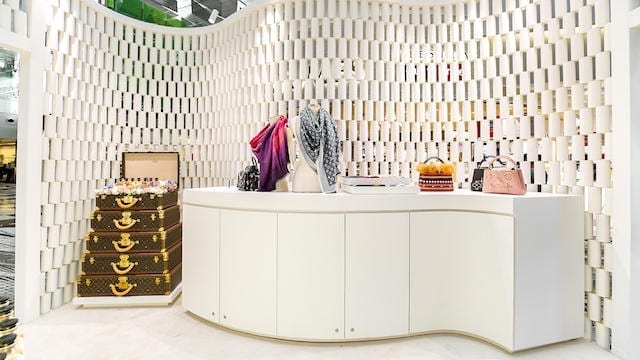
    All seven Louis Vuitton fragrances feature in a Les Parfums pop-up store at Changi Airport’s Terminal 2 until November 28.

    Louis Vuitton has also created a limited-edition (100 pieces) monogrammed orchid travel case exclusive to the pop-up.

    There is also a travel set including a travel bottle and seven perfume cartridges, along with a cartridge of Eau Neutre to clean the bottle and atomiser in between changes. The set is being launched in Singapore first.

  • Changi Airport reports handling 67.7 million passengers in 2024

    Changi Airport reports handling 67.7 million passengers in 2024

    Singapore Changi Airport handled 67.7 million passenger movements in 2024, registering a 14.8% year-on-year increase. This was 99.1% of the passenger movements recorded in 2019, prior to the Covid-19 pandemic. Aircraft movements, totalled 366,000 in 2024, up 11.5% compared to 2023. A total of 1.99 million tonnes airfreight throughput was recorded in the year, surpassing 2023’s level by 14.6%.

    For the fourth quarter (Q4) of 2024, Changi Airport handled 17.8 million passenger movements. This was a 10.7% increase compared to the same period in 2023, and marked a full traffic recovery compared to Q4 of 2019. Aircraft movements, which include landings and take-offs, totalled 95,300, up 9.3% year-on-year. For the quarter, 521,000 tonnes in airfreight throughput was recorded, an increase of 15.0%.

    December 2024, with 6.4 million passenger movements, was the busiest month in the year, the first time monthly traffic has exceeded six million since December 2019. The busiest day of the year was 21 December 2024 – the Saturday before Christmas – when 226,000 passengers passed through Changi’s terminals.

    While all regions witnessed growth, North Asia was the fastest growing in 2024, registering an increase of 40% compared to 2023. Changi Airport’s top five passenger markets for the year were China, Indonesia, Malaysia, Australia and Thailand.

    China was Changi’s largest source market of the year, with passenger traffic almost doubling 2023’s level and surpassing the pre-Covid level by 6%. Hong Kong and Japan also recorded significant growth of more than 20% year-on-year.

    Kuala Lumpur, Bangkok, Jakarta, Denpasar (Bali) and Hong Kong were Changi Airport’s busiest routes during the year. Shanghai entered Changi’s top 10 cities list for the first time since 2011, registering a 94% growth compared to the previous year.

    On the cargo front, growth was seen across all cargo flows – exports, imports and transshipments, contributed by major improvements in cargo flows between Singapore and China, as well as the United States. Growth was also driven by the recovery of Singapore’s electronics exports and re-exports, strong global demand for cross-border e-commerce shipments and the modal shift from ocean to air freight arising from disruptions in maritime transport. For the year, Changi’s top five air cargo markets were China, Australia, the United States, Hong Kong and India.

    Mr Yam Kum Weng, Chief Executive Officer of Changi Airport Group, said, “We witnessed a year of strong growth in passenger and cargo traffic as well as connectivity in 2024. Changi added a bumper crop of 11 new city links, strengthening the air hub’s network and opening up a world of new destinations to support business ties and for travellers to explore. We are deeply grateful for the close partnership with our airline partners and are pleased to welcome the new airlines to Changi. Their collaboration has been instrumental in driving this growth.

    “Looking ahead, we are optimistic of another year of growth in passenger traffic.Operating a major air hub in Asia-Pacific, Changi Airport Group will continue to invest in our airport’s infrastructure, systems and processes to augment our handling capacity, so as to be well-placed to support the rising demand for air travel in the coming years.”

    Enhancing connectivity
    In 2024, Changi Airport welcomed eight new passenger airlines – Aero Dili, AirAsia Cambodia, Air Canada, Air Japan, Loong Air, Peach Aviation, Tianjin Airlines and West Air. As Changi expanded its connectivity to the world, it added 11 new passenger city links to its network, connecting Singapore to Broome, Brussels, Guiyang, Kertajati, Lhasa, Linyi, Malacca, Phu Quoc, Quanzhou, Vancouver, and Wenzhou.

    During the year, Changi also established flights to London Gatwick Airport and Subang Airport, providing more options for travels to London and Kuala Lumpur. More exciting new routes are already on the horizon, and travellers can look forward to new destinations including Labuan Bajo from March, and Vienna from June this year.

    Changi Airport also welcomed two new freighter airlines in 2024 – Shandong Airlines, which also resumed passenger services during the year, and Air Incheon. Two new freighter city links were added, connecting Singapore to Haikou and Nagoya.

    As of January 2025, 100 airlines operate over 7,400 weekly scheduled flights at Changi Airport, connecting Singapore to 163 cities in 49 countries and territories worldwide.

  • Changi Airport Group awards OUE tender for lease and development of new hotel at Changi Airport Terminal 2

    Changi Airport Group awards OUE tender for lease and development of new hotel at Changi Airport Terminal 2

    Changi Airport Group (CAG) and SGX Mainboard-listed OUE Limited (OUE) announced today that OUE has been awarded the tender by CAG for the lease and development of a new hotel to be located at Changi Airport Terminal 2 (T2). The new hotel, Hotel Indigo Changi Airport, is expected to be completed and fully operational by 2028.

    Mr Lee Seow Hiang, Chief Executive Officer of CAG said, “The hotel concept proposed by OUE was the most compelling and promises to be the first zero-energy hotel in Singapore, and possibly the first for an airport hotel in the world. With travel demand continuing to soar and passenger traffic growing beyond pre-Covid levels, the new hotel will elevate the hospitality offerings at Changi Airport. It will serve our visitors well with its differentiated facilities and convenient access to T2. We congratulate OUE on being awarded the tender and look forward to a close partnership in the coming years to bring the idea for Hotel Indigo Changi Airport to life.”

    Deputy Chief Executive Officer and Executive Director Mr Brian Riady of OUE said, “We are very honoured to be awarded this opportunity to develop a new hotel at Changi Airport, a globally renowned aviation hub that is synonymous with innovation and excellence. We look forward to continuing our long-standing partnership with CAG, and to introducing fresh and innovative hospitality concepts to visitors of Changi Airport.”

    The 255-room, 163-metre-long hotel will feature innovative design elements and modern facilities, including a rooftop day club, bar and infinity pool offering panoramic views of the runway, airport boulevard and skyline. With layers of lush rainforest and hanging epiphytes stretching over seven storeys, its design will be centred around the concept of a “Floating Forest.” The new hotel will complement the existing hotels on Changi Airport’s landside including YOTELAIR at Jewel Changi Airport and the award-winning Crowne Plaza Changi Airport located at Terminal 3, which is also owned and leased by OUE Group.

    With sustainability as a core component, Hotel Indigo Changi Airport aims to achieve operational energy neutrality by incorporating sustainability features such as solar photovoltaic panels, hybrid cooling systems, naturally ventilated corridors and rainwater-harvesting technology aimed at reducing environmental impact while enhancing overall guest comfort and well-being.

    “By combining energy-efficient design with low-energy operations while maximising on-site solar energy generation, Hotel Indigo Changi Airport marks a major milestone for OUE as we continually strive to find more sustainable ways to conduct our business,” said Mr Riady.

    The tourism sector in Singapore has seen a rebound from pandemic levels and is expected to continue to attract visitors as the country remains a key destination for leisure and MICE. In 2023, Singapore visitor arrivals surged 115% to 13.6 million from 6.3 million the year before with tourism receipts estimated to be between S$24.5 billion and S$26.0 billion. The strong tourism recovery is expected to continue, with both international visitor arrivals and tourism receipts to climb further in 2024, according to the Singapore Tourism Board”

  • Changi Airport retail sales continue to rise as travel rebounds

    Changi Airport retail sales continue to rise as travel rebounds

    Surging traveller numbers, revamped retail spaces and a focus on omnichannel engagement are paying off at Changi International Airport, as the Singapore hub reports retail sales rebounded to 60% of 2019 levels in January.

    Travellers from Indonesia, Thailand and Vietnam are leading the recovery, while traditionally strong categories including P&C, liquor, tobacco and luxury drive spending.

    The figures come following a period of revamp and refresh in the airport’s retail offer, which includes 140 airside concession leases being concluded in the last year, including the introduction of 19 new brands and concepts for the airport.

    Among the new arrivals are the largest Bacha Coffee store in the world in Terminal 3, new luxury boutiques for Dior, Louis Vuitton and Tiffany & Co in Terminal 1 and the debut of Korean streetwear label ADLV in Terminal 4.

    These new arrivals have come along with an upgrade to the wider retail space at Changi. Last year, the airport completed a revamp of the Terminal 1 Departures Central Piazza to create “a sense of warmth and serenity”, while the west wing has got a refreshed design to rejuvenate and elevate the retail and F&B experience, according to airport bosses.

    Pop-up stores and omnichannel engagement have also played a role in the upswing. The Guerlain pop-up in Terminal 3 is just one example, celebrating the launch of the new Jasmin Bonheur fragrance from its L’Art & La Matière collection.

    Th airport’s shopping concierge service and an enhanced brand offer on the iShopChangi platform have also been

  • Changi Airport implements higher airport fees on travellers starting Nov 1

    Changi Airport implements higher airport fees on travellers starting Nov 1

    While international travel has officially picked up this year, it’s important to note that passengers departing from Singapore’s Changi Airport will now have to pay extra airport fees and levies starting November 1, 2022 to Mar 31, 2023.

    Changi Airport departure fees will be increased from $52.30 to $59.20 to make way for the aviation industry’s recovery phase. This comprises $40.40 passenger service and security fee, an $8 aviation levy and a $10.80 airport development levy. The passenger service and security fee will subsequently go up again in phases, to $43.40 on Apr 1, 2023 and $43.40 on Apr 1, 2024.

    The announcement was made on September 15 by the Civil Aviation Authority of Singapore (CAAS) and Changi Airport Group (CAG), who informed that the increase in fees was announced in 2018, but suspended due to the pandemic. The aviation levy amounts will be utilised for maintenance of the airport and making Singapore the prime hub of international aviation in the post-pandemic era, per CAAS.

    Those who have booked tickets from Singapore before November 1 are not required to pay the additional charges. There will also be no change to the departure fee for in-transit passengers. They will continue to pay $9 in airport charges.

  • Changi Airport and Jewel retailers resume operations

    Changi Airport and Jewel retailers resume operations

    More than 80 percent of restaurants and retail outlets have resumed operations at Singapore’s Changi Airport and colocated Jewel Changi shopping center, as the city entered phase 2 of its reopening post-Covid-19.

    Retailers and restaurants have to follow strict social-distancing safety measures as well as stringent cleaning and disinfecting regimes and stores are also offering contactless payments, takeaway services, self pick-ups to minimize the risk of Covid-19 transmission.

    Jewel will roll out a GST-Absorbed Shopping Extravaganza promotion and offer an additional US$7 cashback on purchases above US$57 to boost shopping traffic. Changi Airport and Jewel also offer delivery and drive-thru services for those who prefer to stay in their homes.

    Meanwhile, attractions at Jewel have also reopened, including the Canopy Park and the Changi Experience Studio.

  • Largest Nike store planned to open in Singapore at Jewel Changi

    Largest Nike store planned to open in Singapore at Jewel Changi

    SUTL Corporation will open its eighth and largest Nike Singapore store at Jewel Changi Airport in the first half of this year. Located on the second floor, the duplex store will span more than 1000sqm, and boasts the latest and most extensive range of Nike footwear, apparel and merchandise in the city. Shoppers who visit the store can look forward to customising their Nike t-shirt and footwear purchases at the Nike By You customisation area.

    SUTL Corporation  says the store will seek to enhance shopper engagement with multiple touch points offering customers “a fully immersive Nike experience” as they walk through the store.

    “Despite the rise of e-commerce as a viable option for shoppers, we believe that brick-and-mortar spaces remain an important part of the retail landscape. Nike at Jewel Changi Airport reaffirms our confidence in this space and we look forward to strengthening our partnership with Nike on its journey to transform the sporting world,” said Arthur Tay, chairman at SUTL Corporation.

    SUTL operates in more than 18 markets across Asia-Pacific, distributing products ranging from tobacco, liquor, spirits, beer, water and wine to fragrances and cosmetics for airports and seaports in Southeast Asia and the Indian Subcontinent.

    Jewel Changi is a 10-storey mega complex that will feature gardens and attractions, retail and dining, a hotel and facilities for airport operations.

  • DFS Changi celebrates lunar new year with offers

    DFS Changi celebrates lunar new year with offers

    DFS Group, the world’s leading luxury travel retailer, is celebrating Lunar New Year 2019, ‘The Year of the Pig’ with a series of exciting promotions, exclusive offers, personalization services and interactive activities at DFS, Singapore Changi Airport.

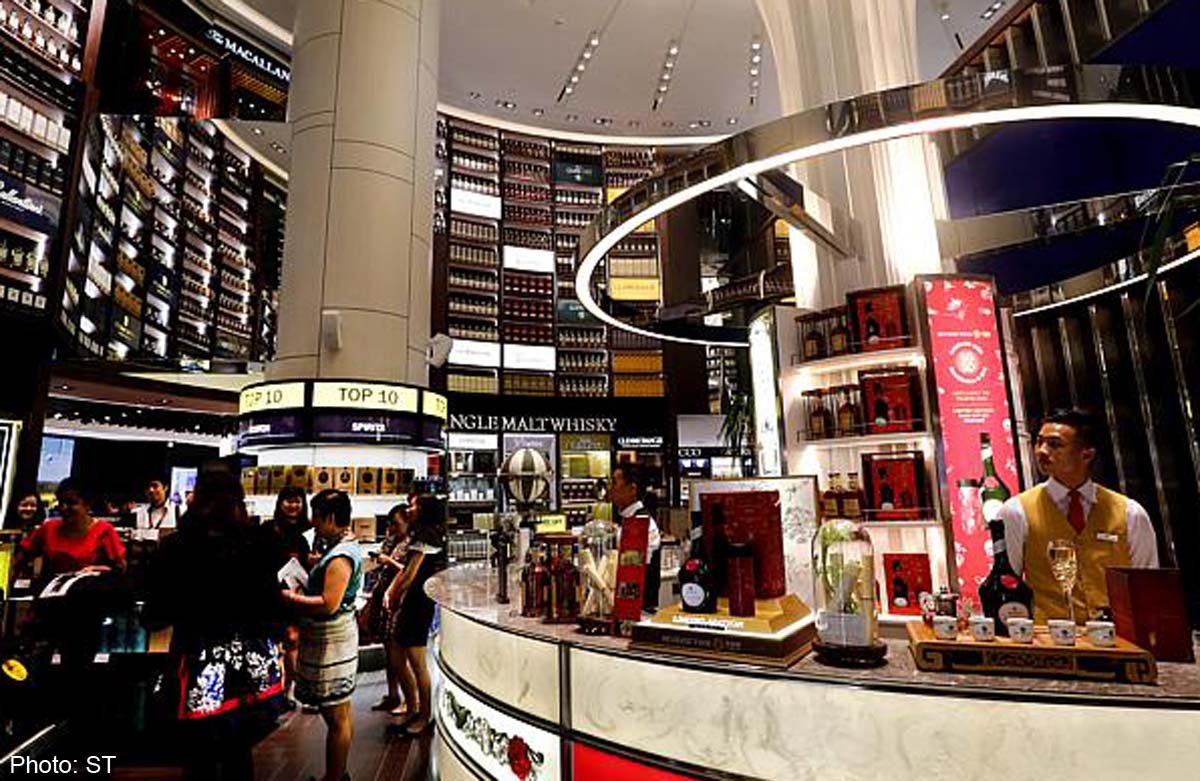
    Until 19 February, DFS has partnered with Moët Hennessy to celebrate the new year festivities with an exclusive Hennessy pop-up store at Changi Airport, the only one of its kind in the global travel retail sphere. Offering interactive consumer experiences and tastings, the pop-up features Hennessy’s first ever engraving station in travel retail for travelers who wish to add a personalized touch to their bottles. Hennessy partnered with contemporary artist, Guang-Yu Zhang to create an exclusive art piece, incorporating the zodiac symbol of the boar and Hennessy’s double distillation process. The artwork is featured on limited-edition festive packaging for Hennessy XO, Hennessy VSOP and James Hennessy.

    “Lunar New Year is one of the world’s most celebrated festivals and is a time for family, friends, giving, happiness and good fortune. As we welcome the Year of the Pig, we thank our loyal customers and look forward to welcoming new traveling customers to a luxurious shopping experience that only DFS can offer. Our Lunar New Year campaign enhances the pleasure of giving by offering an array of DFS exclusive products – for customers to show appreciation to loved ones or treat themselves to something extra special at this special time,” said Ariel Gentzbourger, DFS Group Executive Vice President Merchandising.

    Exclusive and limited-edition products available at DFS Changi include the Macallan Concept No.1, an Asia First Launch, the limited-edition Benedictine Dom Chinese New Year tin and the limited-edition Royal Salute 21 Year Old. All products are also readily available on www.iShopChangi.com, where travelling customers can browse and purchase products from 18 hours to 30 days before their flight. Purchased products can be collected at the departure terminals or arrival halls. Travelers can enjoy 10 per cent discount when they check out with the ‘CHEERS10” promocode now through until 31 March 2019.

    In preparation for festive feasts and celebrations, travelers arriving in Singapore during the festive period can enjoy an unlimited purchase of wines and champagnes. By absorbing all duties and taxes, DFS allows customers to purchase as many bottles as they wish from an extensive collection at an affordable price. Products range in cost and variety and start from as little as S$25, with travelers enjoying savings of up to 70% versus domestic prices.

    From now through 4 February, travelers at Changi Airport can try their hand at winning a 999 Pure Gold Bar (10 g) by playing the exclusive ‘Fortune Catcher’ claw machine. Located in each DFS departure store, travelers are able to use vouchers to play the claw machine – that offers an array of prizes with a minimum purchase of S$168 in store.

  • Kiehl’s X Jonny Wan at Singapore Changi Airport

    Kiehl’s X Jonny Wan at Singapore Changi Airport

    Known for his bold and diverse style, in his designs Wan has depicted a pig named Lucky who travels from New York City to Singapore to celebrate the Lunar New Year with his family and friends. Born in Sheffield, UK, Johnny Wan graduated from the Manchester School of Art in 2008 and has been working as a freelance illustrator since. With a fascination for all things ancient, he has developed a diverse style working across advertising, editorial and publishing.

    Creating bold and graphic pieces of work that reflect his interest in Art Deco is a process of alchemy Jonny loves exploring. His previous clients have included Ford, Audi, Kidrobot, Microsoft and Nokia.

    The brand’s iconic products, Ultra Facial Cream, Calendula Herbal Extract Alcohol-Free Toner and Creamy Eye Treatment with Avocado, will be available in limited-edition Lunar New Year packaging designed by the illustrator.

    With the pop-up taking place in Singapore, Kiehl’s will be bringing the Merlion statue into Changi Airport especially for the occasion to welcome travelers right after their flight lands. A Lunar New Year-themed virtual reality motorcycle and a fortune card machine will also be on site to engage customers with the most immersive Lunar New Year experience.

    Kiehl’s believes that a worldwide international company must have a purpose for its existence, to go beyond the everyday work, and improve the community that Kiehl’s serves.

    For each purchase at the pop-up store, Kiehl’s will donate 1 SGD to Singapore NPO, ZEROWASTESG. The pop-up will also work alongside the BUY Your Own Bag program (BYOB) to educate and remind shoppers to bring their own reusable bag and to make using reusable bags a social norm.

  • Moncler open store in Changi Airport

    Moncler open store in Changi Airport

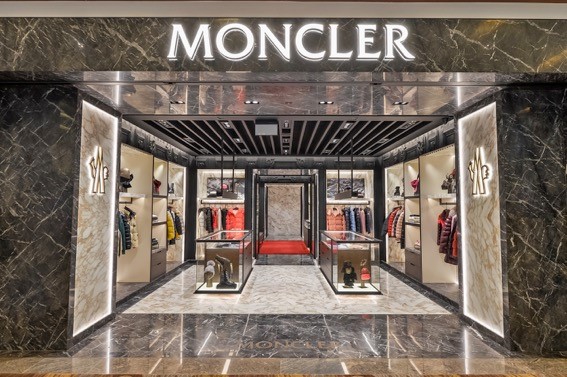
    DFS Group, the world’s leading luxury travel retailer, is pleased to introduce global luxury brand Moncler at Changi Airport Terminal 1. The opening of the new Moncler boutique adds an important presence within the DFS Group’s luxury fashion offerings that are housed within a world-class travel retail destination.

    The new Moncler boutique represents a new milestone that reflects the DFS Group’s focus on experiential shopping. It also complements the DFS Group’s impressive luxury retail line-up at Changi Airport, which is home to a prominent stable of premium fashion offerings. The latest collaboration with the fashion-forward and iconic outerwear leader underlines DFS Group’s commitment to deliver the finest product offerings and exclusive experiences to fashion-conscious shoppers.

    The new boutique reflects Moncler’s haute montagne aesthetic and vision, at the same time keeping in tune with the maison’s roots and heritage. Boasting a floor area that measures around 110 square metres, the clever layout maximises the use of space while the addition of select materials adds a contemporary feel. A unique effect has been achieved with the marble flooring, which alternates herringbone white Calacatta Vagli with black Gricio Carnico, while sleek glass cases with black varnished wood complete the look. The boutique hosts the Moncler men’s, women’s and accessory collections.

    “We are very honoured to welcome a distinguished and respected heritage brand such as Moncler into our portfolio of fashion and watch brands. As part of the strategy to up the ante of the retail experience for our global travellers when they visit DFS Changi, Moncler has been carefully curated to offer a wide selection from their latest collection for savvy travellers.” Wilcy Wong, DFS Group Managing Director Singapore and Indonesia, shares.

    Teo Chew Hoon, Group Senior Vice President of Airside Concessions from Changi Airport Group adds, “We are pleased to open the first Moncler boutique with our valued partner DFS Group to offer passengers an exceptional shopping experience with fashion offerings from luxury to high street designs across a range of price points.”

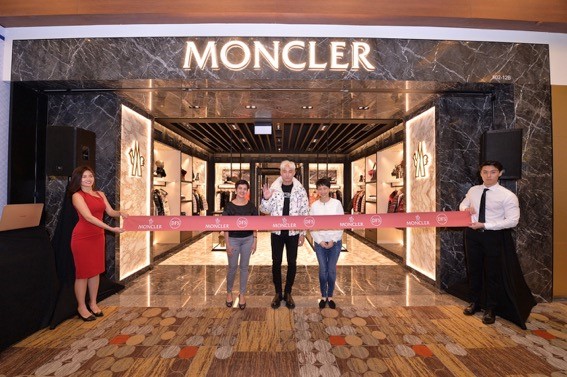
    The boutique was officially opened on 14th December with a grand opening ceremony. The festivities featured a ribbon cutting ceremony officiated by renowned local actor Desmond Tan with Wilcy Wong, DFS Group Managing Director Singapore and Indonesia and Chandra Mahtani, Changi Airport Group Vice-President of Terminal 5 Planning. Hosted by Constance Lau, the ribbon cutting ceremony and lion dancers kick-started the celebrations for esteemed guests, who were treated to a live nitrogen cocktail performance and styling tips by Celebrity fashion stylist and personality, Glenn Goh.

  • Singapore Changi Airport extends key DFS

    Singapore Changi Airport extends key DFS

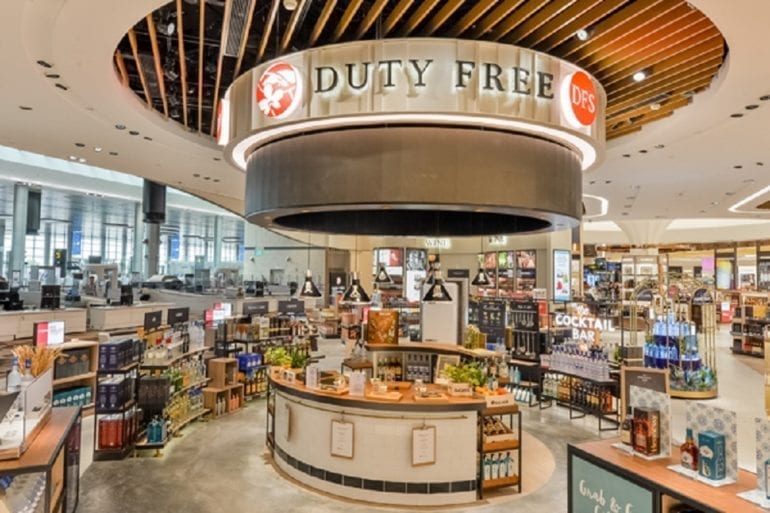
    Key Changi Airport duty-free liquor and beauty concessions held by DFS and Shilla Travel have been extended for two years. The extensions will start from 2020 after the expiration of their current six-year concessions. Over the past four years, the airport’s two core-category concessions have involved pioneering retail concepts including unique duplex stores and the world’s first airport integrated duty-free zone.

    Executive VP of commercial at Changi Lim Peck Hoon said: “We are very pleased to continue our partnership with DFS and The Shilla Duty Free for another two years. Their passion for the travel retail industry continue to deliver new ideas and novel retail concepts at Changi Airport, and were instrumental in driving sales growth over the past four years.”

    A release from the company stated that Changi plans to leverage new technologies and innovations for a seamless retail experience when passengers shop from online to offline, from before they fly to the time they board.
    The extended tenancy terms for the liquor concession will commence from April 9, 2020 until April 8, 2022, covering 18 stores and spanning more than 8000sqm of retail space in Terminals 1, 2, 3 and 4.

    For the beauty concession, the extended tenancy terms will begin from October 1, 2020 to September 30, 2022, covering 22 outlets and spanning more than 7400sqm of retail space across Changi Airport’s four terminals.