Retail News CRM

Tag: coach

  • Fitbit’s Exciting Redesign: An Exclusive Peek at the Modern Look and AI Coach for Premium Users

    Fitbit’s Exciting Redesign: An Exclusive Peek at the Modern Look and AI Coach for Premium Users

    The Fitbit application is undergoing a significant transformation, a move that has been anticipated by many. Some users are already experiencing the new updates, indicating that Google’s aim to give Fitbit a comprehensive Material 3 makeover is finally coming to fruition.

    Fitbit Receives a Visual Overhaul

    Last month, Google launched the Gemini-powered AI coach as a preview feature. Now, it has been reported that Fitbit Premium users in the US have gained access to the Material 3 Expressive redesign as part of a public preview. The new AI coach and the visual revamp are expected to be officially available to all users next year.

    The redesign incorporates Google’s Material 3 Expressive (M3E) style into the Android app, along with several navigation adjustments. The bottom bar has been made shorter, and synchronizing your Pixel Watch or Fitbit device is as simple as swiping down from any of the four tabs.

    When you do this, you’ll notice a circular loading animation cycling through the distinctive M3E shapes. Once the synchronization is complete, the “Fitbit Premium” label vanishes from the app bar and is replaced by a linear progress indicator.

    The new expressive shapes are also noticeable in various sections of the app, such as the checkmark animation that appears when you achieve a goal. Each metric view now features a floating toolbar with a floating action button (FAB) to switch between time frames. For statistics such as Steps and Sleep, you can switch between Day, Week, Month, 3 Months, or Year.

    Every pill-shaped bar includes a floating button that opens the personal health coach. The Today, Fitness, and Sleep sections now utilize a layered sheet-style design. The top statistics are displayed on a themed background, while the remaining content appears on a card layer that expands as you scroll. The distinct color themes – teal for fitness and purple for sleep – provide aesthetic separation.

    However, Dynamic Color is still absent. The bottom bar, toolbar, and FAB currently rely on Fitbit’s default blue accent.

    Google Delivers on its Promise

    Despite the redesign still being in preview stage, it’s encouraging to see Google fulfilling its promise to revamp Fitbit. The app plays a crucial role in the entire Fitbit experience. Whether using a tracker or smartwatch, it’s the hub for all health and fitness data. As such, giving it a design that aligns with other Google products is a positive development.

    From the preview screenshots, the layout appears a bit cluttered at the moment. However, this is an issue that can be easily resolved before the full release. For Fitbit Premium subscribers, it’s certainly worth exploring the update in its early stages. While it’s not perfect yet, it’s evident that Google is committed to making Fitbit more cohesive and modern.

    Questions & Answers

    What is the main aim of Fitbit’s redesign?
    The main goal is to modernize the Fitbit app, giving it a design that matches other Google products. This is part of Google’s effort to make Fitbit more cohesive and modern.

    What new features have been added as part of the redesign?
    The redesign incorporates Google’s Material 3 Expressive (M3E) style into the Fitbit app, along with several navigation adjustments. There’s a new AI coach, a shorter bottom bar, unique color themes for different sections, and new expressive shapes throughout the app.

    When can all Fitbit users expect to access these new features?
    The new AI coach and the visual revamp are currently in the preview stage but are expected to roll out officially to all users next year.
  • Coach Dives into Hospitality with Flagship Restaurant Launch at Jewel Changi Airport: A Mix of Fashion, Food, and New York Heritage

    Coach Dives into Hospitality with Flagship Restaurant Launch at Jewel Changi Airport: A Mix of Fashion, Food, and New York Heritage

    Coach, the American fashion brand, has unveiled The Coach Restaurant Singapore at Jewel Changi Airport as part of its continued expansion into the hospitality industry and overarching lifestyle approach.

    The Restaurant Blueprint

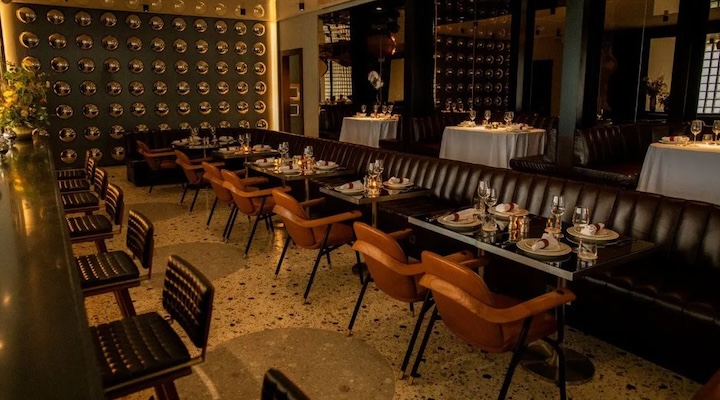
    The restaurant’s design is heavily influenced by Coach’s New York roots, boasting an impressive view of the Jewel’s Rain Vortex. Its layout is spacious, accommodating a 56-seat dining room, a 10-seat bar, and a 10-seat chef’s counter that is centered around an open woodfire kitchen.

    The interior design is a creative harmony of bronze mirrors, terrazzo flooring, tropical wood louvres, and leather accents, the latter being utilized in menu covers and staff aprons. As the centerpiece, a full-sized yellow taxi cab is suspended above the dining area, a nod to the brand’s origin.

    Location and Comment from Coach

    Marcus Sanders, VP of global food and beverage at Coach, highlighted Singapore’s vibrant food culture and international community as the driving factors behind the decision to place the hospitality concepts there.

    He said, “In this venue, we are providing an opportunity for guests to come together, celebrate, and experience the Coach brand in a manner that is both timeless and innovative.”

    The Wider Strategy

    This latest venture enhances Coach’s existing food and beverage initiatives and aligns with its Coach Coffee Shop and the recently revamped retail store at Jewel. These three spaces are designed to fortify the brand’s most comprehensive integrated lifestyle concept in Asia.

    Questions & Answers

    What is the design inspiration for The Coach Restaurant Singapore?

    The design takes its cues from Coach’s New York heritage and includes elements such as bronze mirrors, terrazzo flooring, tropical wood louvres, and leather accents.

    What are the features of the restaurant?

    The restaurant includes a 56-seat dining room, a 10-seat bar, and a 10-seat chef’s counter built around an open woodfire kitchen. A full-sized yellow taxi cab is suspended above the dining area as a focal point.

    What is the purpose of the new restaurant in Coach’s broader strategy?

    The new restaurant is part of Coach’s continued expansion into the hospitality industry. It complements Coach’s existing food and beverage ventures, including the Coach Coffee Shop and the refurbished retail store at Jewel, strengthening the brand’s integrated lifestyle concept in Asia.

  • Coach Unveils Chic Dining Experience with New Flagship Restaurant at Jewel Changi Airport

    Coach Unveils Chic Dining Experience with New Flagship Restaurant at Jewel Changi Airport

    Coach, the well-known American fashion brand, has expanded its horizons into the hospitality industry by introducing The Coach Restaurant in Singapore’s Jewel Changi Airport. This venture is a part of the brand’s wider lifestyle strategy.

    Design Inspired by New York Heritage

    The Coach restaurant’s design takes inspiration from the brand’s New York roots. The establishment offers breathtaking views of Jewel’s Rain Vortex. It includes a spacious 56-seat dining room, a 10-seat bar, and a chef’s counter with 10 seats, all built around a centralized, open woodfire kitchen.

    The interior design showcases a harmonious blend of bronze mirrors, terrazzo floors, and tropical wooden louvres. Leather accents have been thoughtfully utilized in menu covers and staff aprons, adding to the restaurant’s sophisticated ambiance. A noteworthy feature is a full-sized yellow taxi cab hanging above the dining area, serving as a focal point and a nostalgic nod to the brand’s origins.

    Singapore: A Natural Choice for Coach’s Venture

    Marcus Sanders, the Vice President of Global Food and Beverage at Coach, shared his excitement about the brand’s new venture. He highlighted that Singapore’s vibrant food culture and diverse international community made it an excellent choice to host their hospitality concepts.

    Sanders expressed his desire to create a space where guests can gather, celebrate, and experience Coach in a manner that feels both traditional and innovative.

    Building on Previous Successes

    The new restaurant is an extension of Coach’s earlier forays into the food and beverage sector. It enhances the brand’s in-house coffee shop and its refurbished retail store, both located at Jewel. These three distinct spaces are strategically devised to bolster the brand’s most extensive integrated lifestyle concept in Asia.

    Questions & Answers

    What is the inspiration behind the design of The Coach Restaurant?
    The design of the restaurant is inspired by Coach’s New York Heritage. It features bronze mirrors, terrazzo flooring, and tropical wooden louvres alongside leather accents used in menu covers and staff aprons.

    Why did Coach choose Singapore for their hospitality venture?
    Coach chose Singapore due to its dynamic food culture and globally diverse community, which aligns with Coach’s broader lifestyle strategy.

    How does the new restaurant enhance Coach’s integrated lifestyle concept?
    The new restaurant, along with Coach’s coffee shop and refurbished retail store at Jewel Changi Airport, strengthens the brand’s largest integrated lifestyle concept in Asia.

  • Coach Unveils Its First Coffee Shop in Singapore – A Bold New Venture!

    Coach Unveils Its First Coffee Shop in Singapore – A Bold New Venture!

    The vibrant new Coach Coffee Shop has officially opened its doors in Singapore, nestled within the bustling WEAVE lifestyle hub at Resorts World Sentosa. This innovative café marks Coach’s first foray into the world of coffee, merging retail with a cozy dining experience right at the entrance of its retail store

    In true homage to its New York origins, the café boasts a striking design characterized by city skyline wallpaper, sleek black industrial accents, and raw concrete walls, all illuminated by modern LED lighting. The exterior, adorned with lush greenery, creates a welcoming contrast that invites visitors to step in and explore.

    At the heart of the café’s whimsical vibe is its charming mascot, Lil Miss Jo, who not only graces the coffee cups but also appears on an exclusive lineup of merchandise. Shoppers can pick up tote bags, mugs, t-shirts, and more, creating a delightful connection between the café and Coach’s fashion-forward ethos.

    As for the menu, Coach is serving up a variety of American comfort food classics. Diners can savor grilled cheese, hearty Reuben sandwiches, and, for the weekend crowd, a special cheeseburger that promises to satisfy cravings. Sweet tooths will be tempted by innovative cruller-style donuts in flavors like raspberry and maple, as well as a playful soft-serve ice cream selection that includes peanut butter & jelly and peaches & cream, with an exclusive Singapore twist featuring chili crab.

    Quenching Thirst with Creative Beverages

    To wash it all down, the café offers a diverse drink menu, featuring staples such as coffee, hot chocolate, iced chocolate, and refreshing cherry lemonade. Additionally, Coach Coffee Shop introduces an exciting seasonal menu that kicks off with unique concoctions like strawberry matcha and orange cream, ensuring that every visit can be a new adventure.

    For a brand known for its luxurious handbags, Coach Coffee Shop in Singapore adds an unexpected layer of charm and culinary delight, blurring the lines between retail and gastronomic experience in a way that turns a shopping trip into a fun-filled outing.

    Questions & Answers

    What unique features does Coach Coffee Shop offer that reflect its brand identity?
    The café showcases Coach’s New York roots through its design, featuring city skyline wallpaper and industrial accents, while also promoting its coffee cup mascot, Lil Miss Jo, across exclusive merchandise.

    What types of food and drinks are available at the café?
    The menu emphasizes American comfort food, including grilled cheese, Reuben sandwiches, and weekend cheeseburgers, accompanied by desserts like cruller-style donuts and a playful soft-serve ice cream selection. The drink menu features coffee, iced beverages, and creative seasonal drinks.

    What is special about the café’s seasonal menu?
    The café introduces a rotating seasonal menu that begins with unique offerings like strawberry matcha and orange cream, adding an element of surprise for returning visitors.

  • Louis Vuitton and Tiffany Exit Japan’s Regional Retail Scene, Handing the Spotlight to Coach

    Louis Vuitton and Tiffany Exit Japan’s Regional Retail Scene, Handing the Spotlight to Coach

    In a noteworthy shift that underscores the evolving landscape of retail, major luxury brands are retreating from department stores in Japan’s less urban areas, leaving store managers grappling with the challenge of maintaining customer interest. This trend signifies a significant change in consumer behavior and retail strategy in the region.

    Luxury Brands Exit Small-Town Market

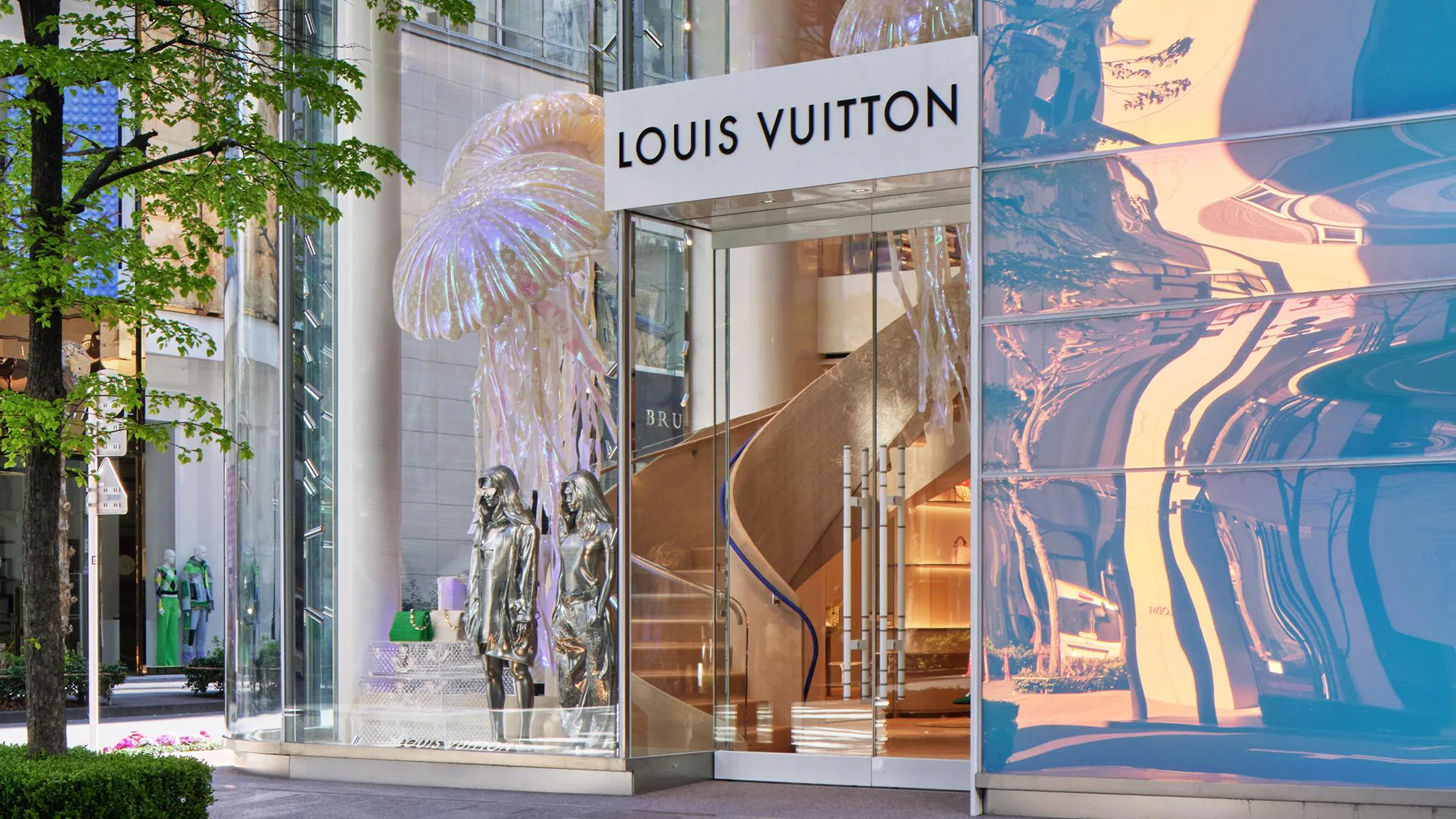
    American jewelry giant Tiffany recently shuttered its outlet on the first floor of the Keisei Department Store in Mito, marking a dramatic shift in the availability of high-end shopping options in Ibaraki Prefecture. This closure followed the December exit of France’s iconic Louis Vuitton from the same location, leaving a conspicuous void in the luxury offering for residents and visitors alike.

    Once a bastion of luxury retail in the outskirts of the greater Tokyo metropolitan area, the department store now features blank spots where these high-profile brands once showcased their goods. With two of the only directly operated luxury outlets in the region gone, the lingering question remains—what will fill the luxury space now absent from Mito’s retail scene?

    The Ripple Effect on Local Retail

    The departure of these prestigious labels is sending ripples through local retail operations as managers strive to adapt to a market increasingly shifting towards a preference for urban shopping experiences. Store managers are now left in a precarious position: how do they keep customers engaged when the allure of luxury is sidelined? The fading presence of such brands challenges the traditional department store model that has long been a staple in Japanese retail.

    As consumer priorities evolve, this trend could encourage a much-needed pivot in the strategies employed by these stores, perhaps giving room for more niche brands or localized offerings. Perhaps we’ll see that what loses in luxury may gain in unique experiences—who knows? Maybe a sushi-tasting event could become the next big draw!

    Looking Ahead

    While the departure of major luxury brands from suburban department stores is alarming for some, it also opens the door for innovation within the retail sector. As consumer dynamics change, traditional retailers will need to rethink their approach to remain relevant. With globalization and digital shopping continuing to gain traction, Mito and similar locales may have to adapt in ways previously overlooked.

    Questions & Answers

    What does the closure of Tiffany and Louis Vuitton outlets signify for the retail landscape in Japan?
    The closures highlight a shift in consumer behavior, with luxury brands retreating from smaller markets, reflecting a growing preference for urban shopping experiences.

    How are department store managers responding to the loss of luxury brands?
    Store managers are tasked with finding ways to keep customers engaged, potentially by shifting focus to niche products or unique experiences.

    Could the departure of luxury brands lead to new opportunities for local retailers?
    Yes, this trend might encourage local retailers to innovate, leading to an increased emphasis on personalized shopping experiences and localized offerings.

  • Coach opens first cafe and fine-dining experience in Indonesia

    Coach opens first cafe and fine-dining experience in Indonesia

    Coach is expanding into the food and beverage business by launching its first concept dining experience in Jakarta, Indonesia.

    The destination comprises The Coach Restaurant and Coach Coffee Shop at Grand Indonesia Mall.

    The Coach Restaurant, designed by Coach creative director Stuart Vevers and William Sofield of Studio Sofield, serves traditional New York steakhouse cuisine.

    It reportedly incorporates natural and industrial materials in its architectural aspects, a nod to Coach’s craftsmanship and New York roots.

    Meanwhile, the Coach Coffee Shop contains New York cityscape wallpaper and industrial design elements.

    Coach and Brawn & Brains Coffee collaborated to open the world’s first cafe in Singapore last year. A month later, the luxury retailer opened Coach Airways, an aviation travel-themed store at the Freeport A’Famosa Outlet in Malacca, Malaysia.

  • HSBC Adds Digital Investment Tools to Woo Millennials

    HSBC Adds Digital Investment Tools to Woo Millennials

    The bank is enhancing its digital investment capabilities with a series of new solutions, including $0 commission stock trading, wealth coach and a revamped fund investment platform.

    HSBC has launched three digital solutions, including Trade25, Wealth Coach and the enhanced FlexInvest platform to better cater to millennials, a segment that accounted for nearly 50 percent of the bank’s new customers in Hong Kong in the first half of this year.

    Our new solutions focus on addressing what matters most to our young customers, ensuring that they have the necessary tools to embark on their wealth journey and thrive financially in the long run, Brian Hui, HSBC head of customer propositions, international and marketing, wealth and personal banking, Hong Kong, said.

    Designed for traders aged 18 to 25, Trade25 provides $0 commission and $0 platform fees for trading Hong Kong, U.S. and China A shares, and includes a financial education hub for customers to learn and boost their stock trading knowledge.

    The Wealth Coach gives young customers personalized advice on investments and personal finance via mobile chat or Zoom, and the FlexInvest unit trust investment platform is being upgraded to allow customers to easily identify their preferred funds for building their investment portfolio.

    According to the bank, millennials are one of the key pillars of HSBC’s Asian Wealth strategy. In Hong Kong, the number of new to bank millennial customers for the first six months in 2021 jumped by over 30 percent, compared to the same period last year.

    It attributed this growth to its «HSBC One» proposition and its Wealth A0 investment education and empowerment campaign, launched in the second quarter of the year.

  • Coach Singapore introduces first concept store

    Coach Singapore introduces first concept store

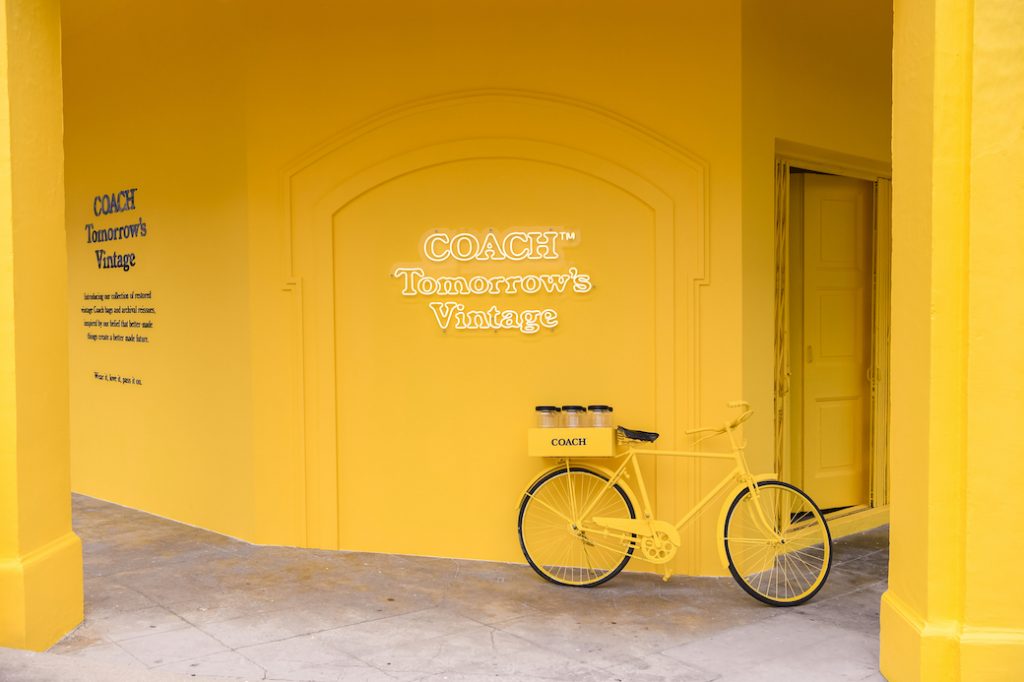
    Coach is launching their first-ever concept store in Singapore, Tomorrow’s Vintage, a pop-up that celebrates Coach’s timeless style and its commitment to a better-made future.

    Inspired by Coach’s commitment to restoring, repurposing, and reimagining, the Tomorrow’s Vintage concept store will be hosted in a conservation shophouse located at 1 Teck Lim Road from today to 12 September 2021.

    In celebration of the brand’s 80th anniversary, the store space will pay homage to Coach stores from the past, with vintage television showcasing films featuring Coach’s renowned leather restoration specialist Debi the Restorer. Bags from Coach’s archival collection will be on display, including iconic designs from Bonnie Cashin’s era such as the Ergo and the Cashin, and a selection of re-released Coach Originals bags.

    Tomorrow’s Vintage will feature a limited-edition pop-up of the famous Coach craftsmanship bar and a dedicated craftsman trained by Mauricio, Coach’s master craftsman in New York City will offer leather cleaning, monogramming services, and customization options.

    From 3 to 5 September, customers can also have their bags customized by local artist Tiffany Lovage. Between 27 to 29 August and 10 to 12 September, professional embroiderer Zoey Wong will be on-site to personalize leather goods.

    Coach has also partnered with Big Crown Records, a Brooklyn-based independent record label that reissues rare vinyl and produces new releases on vintage equipment to curate a playlist for the Tomorrow’s Vintage pop-up store and a selection of vinyl records for display.

    Coach’s Tomorrow’s Vintage also adds a local touch, with a Tikam Tikam game available to play in the concept store. Each visitor can pick a random number from the Tikam board for the chance to win a complimentary Coach Create pin or patch. To drive visitors to the pop-up, Coach will also launch a ‘Digital Tikam’ game (mobile only):https://tomorrowsvintage.coachexperiencesg.com.

    Coach’s Tomorrow’s Vintage concept store will adhere to the government’s advisory and safe distancing regulations. All visitors have to adhere to regulations including Safe Entry check-in, temperature checks and wearing of masks at all times.

  • Coach launches Disney Mickey Mouse x Keith Haring Line

    Coach launches Disney Mickey Mouse x Keith Haring Line

    What happens when two American icons get together? A new collection that paints Disney’s Mickey Mouse in a whole new light. Stuart Vevers isn’t the only one who was inspired by the art of Walt Disney. Artist Keith Haring learned to draw Mickey Mouse from a Disney “how-to-draw” book at his grandmother’s house, and considered following in Disney’s footsteps by becoming a cartoonist. Although that didn’t come to pass, it did pave a path that ultimately led Haring to study fine art. Those initial references never left him and became a part of his now-famous style.

    Now Vevers, creative director of Coach, has created the Disney Mickey Mouse x Keith Haring collection of apparel and accessories. A campaign, created in collaboration with photographer Alessandro Simonetti features Kaia Gerber, Cole Sprouse, Koki, Xiao Wen Ju and Myles O’Neal and was shot in the streets in Vancouver, Los Angeles, Guangzhou and Tokyo, in scenes intended to be reminiscent of New York in the Eighties, where Haring lived and worked.

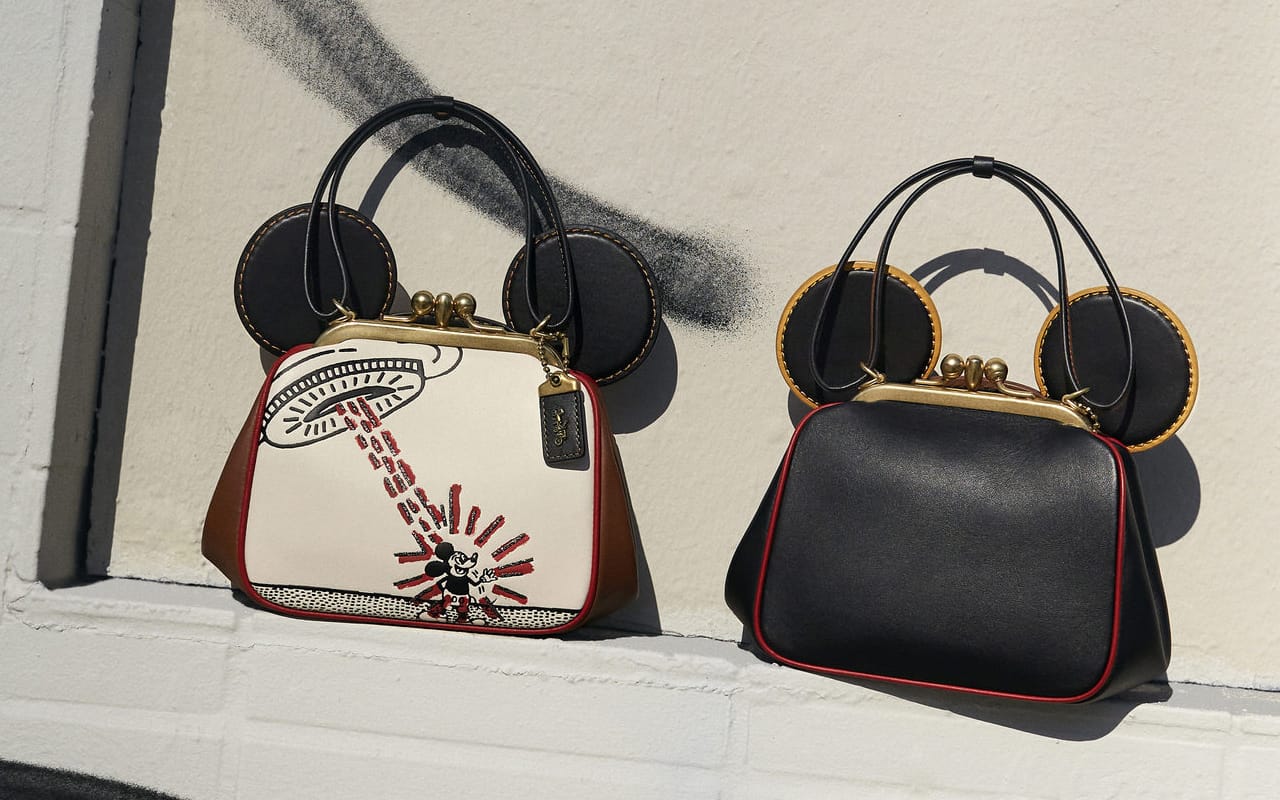
    The collection of glove-tanned leather bags topped with Mickey Mouse ears, along with shearling jackets, totes and sweatshirts, is printed with Haring’s illustrations of the famous rodent from the Eighties. The special-edition collection celebrates Pop Art and is intended to reflect Haring’s belief that art should be for everyone. The illustrations used on the line include Andy Mouse, Haring’s interpretation of his hero, Andy Warhol, drawn as Mickey Mouse.

    “Sometimes the best design comes from the most unlikely juxtapositions, and I can’t think of a cultural clash that brings me more joy than Mickey Mouse and Keith Haring,” Vevers said. “Ahead of its time when it was first made, this art feels so timely today as we can celebrate and appreciate the diverse work of great creators whoever they may be, without social boundaries. As my collections over the years have shown, I love Disney and I love Keith Haring, so this collaboration makes for my ultimate treat.”

  • Coach, Kate Spade parent strikes strategic alliance with Tmall China

    Coach, Kate Spade parent strikes strategic alliance with Tmall China

    US-based luxury retail company Tapestry has entered into a strategic alliance with Alibaba’s Tmall platform to boost the sale of its Coach, Kate Spade, and Stuart Weitzman products online in China.

    The partnership, announced last week, will see Tapestry unveil flagship stores for its suite of luxury brands on Tmall later this month, where it will offer exclusive products and personalized content and services to Chinese shoppers.

    The partnership reflects a step forward in Tapestry’s ChinaNext strategy, which aims to grow the company’s China business and gather digital learnings that can be leveraged in other markets.

    Currently, less than 20 percent of Tapestry’s revenue comes from China. The company is looking to increase that figure by tapping into Tmall’s active user base of over 750 million shoppers.

    “Tapestry is committed to the Chinese market. We have a leadership position in China and all of our brands have a tremendous opportunity for further growth,” Jide Zeitlin, Tapestry CEO and chairman, said in a statement.

    “Given Tapestry’s focus on customer experience, creating innovative strategic partnerships with leaders such as Tmall helps us to connect our unique lifestyle brands with the important fashion and digitally savvy Chinese consumer,” he said.

    Beyond the new digital flagships, Tapestry is also working with Alibaba on intellectual property rights protection. Coach is a member of the Alibaba Anti-Counterfeiting Alliance and leverages the e-commerce company’s tools, technology and cooperation initiatives to protect its brand.

  • Coach Hong Kong Best Employer To Work for in Asia

    Coach Hong Kong Best Employer To Work for in Asia

    Luxury leather goods retailer Coach Hong Kong has been awarded the “Best Company to Work for in Asia 2019” by HR Asia magazine.

    The award recognises companies that possess “remarkable levels of employee engagement, corporate culture and employer branding”. The selection process covers a comprehensive assessment of participating organisations’ talent strategies, employee engagement and leadership effectiveness. Employees are invited to provide ratings and opinions on their employers to help select the winner.

    Coach Hong Kong was awarded the accolade after it was judged by an independent panel of industry experts, academics and journalists.

    “As a core brand under Tapestry, Coach adheres to the values of optimistic, innovative and inclusive,” said Coach Hong Kong, Macau and Taiwan GM Damien Tonneau. “We are committed to helping our employees grow and provide an engaging work environment that celebrates innovation and inclusiveness. We empower passionate people to fulfill their dreams with a digital-centric talent strategy.”

    “We see talent as our most valuable asset, and they are at the forefront of our customer service,” said Coach and Tapestry Asia Pacific VP and head of HR Janet Zhong. “The award fully recognizes our HR and talent strategy and business growth in the region. We are immensely proud of how we implement new ideas, tools, and systems to empower our managers and employees, offer robust learning and development programs, and exciting opportunities for career advancement.

    “Looking ahead, we will continue to evolve our HR transformation journey to support Coach’s brand strategy; focus on building a critical talent pipeline and continue to thrive with great stamina and offer a dynamic environment celebrating personal growth and success for all our employees,” she added.

    Coach Hong Kong has 19 directly operated stores and nearly 340 employees.

  • Reebonz to use blockchain technology to assure authenticity

    Reebonz to use blockchain technology to assure authenticity

    Southeast Asian online luxury marketplace Reebonz is exploring blockchain technology as part of its strategy to demonstrate the provenance of products. Complementing the firm’s existing in-house team of ateliers who specialise in authenticating leather products, timepieces, gemstones and jewellery, Reebonz intends to incorporate all transactions on a blockchain to ensure the comprehensive traceability of all products sold within its ecosystem. The firm’s goal is to enable buyers to verify the authenticity of products on their own and stamp out losses and distrust generated by the global exchange of counterfeits.

    By establishing end-to-end traceability, customers will also be able sell their items back to Reebonz, which would allow the company to easily identify a customer’s purchase.

    “The Reebonz leadership team is extraordinary and has already developed a cutting-edge technology and platform”, said Tim Draper, senior advisor of Draper Oakwood Technology Acquisition and founding partner of Draper Associates.

    “The authentication of pre-owned luxury items using the blockchain is just one of many high impact innovations Reebonz is pioneering to improve the luxury shopping experience for customers across Asia Pacific.”

    “While we started as an online platform that helps consumers access affordable luxury, we have evolved into an ecosystem that connects buyers and sellers through the widest range of luxury,” added Reebonz CEO and co-founder Samuel Lim.

    “Identifying gaps and opportunities in the luxury e-commerce landscape and spearheading strategies that present innovative ways of redefining luxury consumption has made us a leader in this industry. As we continue to build out a thriving community of buyers, sellers and international boutiques, it will become critical for the industry to evolve, and for us to become a leading innovator of authenticity solutions. We are excited to use the blockchain technology to solve one of the key global issues that impacts our industry.”

  • Coach enters KL’s SkyAvenue Genting

    Coach enters KL’s SkyAvenue Genting

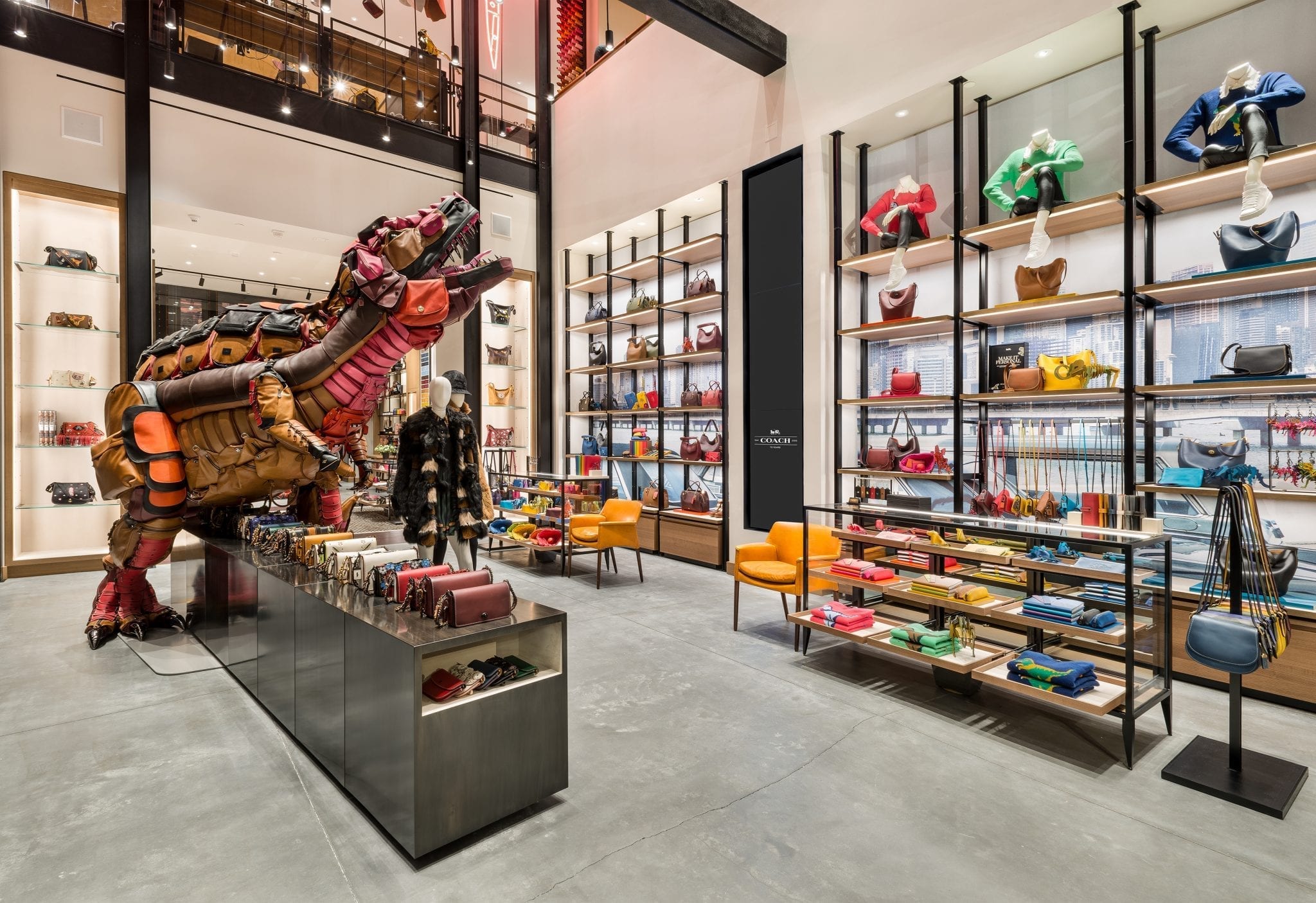
    U.S. luggage, leather goods and accessories maker Coach has unveiled a new Malaysian boutique at Kuala Lumpur’s SkyAvenue, Genting Highlands. Located inside the Malaysia capital’s innovative shopping precinct on Level 2, Coach’s SkyAvenue store spans approximately 2,002 square-feet and stocks the New York brand’s ready-to-wear collections for both women and men, as well as its iconic hand bags, small leather goods, footwear, accessories and jewellery.

    Coach Creative Director Stuart Vevers in partnership with William Sofield, designer and president of Studio Sofield, were the talent behind the store layout.

    Embellished in modern luxury, as seen in the leather and natural wood finishes that reflect the sophisticated yet playfulness of Coach, the Kuala Lumpur store boasts custom-made cabinets – made from natural and ebonised ash.

    Other texture and material plays come via the use of blackened steel, vintage bronze and wood trimmings.

    Customers will also appreciate the pinewood floor, made of custom wool carpeting, and the tasteful mid-century furniture.

    The new Kuala Lumpur store even has a ‘Craftsmanship Bar’, offering personalised monogramming in addition to leather care and cleaning.

    With more than 100 retail options, SkyAvenue is one of Kuala Lumpur’s most unique shopping experiences.

    The mall is located 6,000 feet above sea level, and is home to a huge range of retail and F&B establishments spanning across five floors. The opening comes at a time when Coach is focusing on Asia, namely China.

    Last week, the New York brand revealed it will stage its next Pre-Fall 2019 runway show in Shanghai, in celebration of the brand’s 15th anniversary.

    Titled “Coach Lights Up Shanghai,” the collection of ready-to-wear, sneakers and accessories is scheduled to show December 8, and will be the first show of its kind that Coach has done outside of New York.

    Global sales at Coach, which makes up over 70% parent company Tapestry’s sales, rose 4% in the three months ended September 29.

    For the quarter period, Tapestry net sales rose to $1.38 billion. Net income was $122.3 million, compared with a loss of $17.7 million a year earlier.

  • Coach & Kate Spade power Tapestry sales

    Coach & Kate Spade power Tapestry sales

    One year into its major push to become an American luxury conglomerate, things appear to be moving in the right direction at Tapestry, which recently posted first-quarter results that topped expectations across the board. The firm — parent of Coach, Kate Spade and Stuart Weitzman — said its Q1 sales advanced 7 percent to $1.38 billion, driven mostly by the flagship Coach brand but also helped by Kate Spade, which it acquired in 2017.

    “Results were driven by continued growth at Coach, where global comparable store sales rose 4 percent, led by outperformance in digital, and reflected our compelling offering across categories and channels,” said Tapestry CEO Victor Luis. “Kate Spade contributed to our overall performance, as we made continued progress on our integration efforts, including the realization of synergies and the execution of strategic initiatives.”

    Trends at Stuart Weitzman, improved from the prior quarter, according to Luis, but results continued to be negatively impacted by development and delivery delays, which pressured sales and margins.

    “Production levels and shipments have now stabilized, reflecting the investment in talent and processes, as well as added manufacturing capacity. As a result, we remain on track to achieve profitable sales growth in the holiday quarter,” Luis added.

    Overall, the company reversed the prior year’s losses, posting profits of $122 million, or 42 cents per diluted share. Adjusted profits were $142 million, or 48 cents per share, topping analysts’ bets for 45 cents per share.

    By brand, net sales at Coach rose 4 percent to $961 million, Kate Spade’s sales surged 21 percent to $325 million, and Stuart Weitzman fell 1 percent to $95 million.

    “Our first-quarter performance and progress on our strategic priorities to date give us confidence in our ability to achieve the goals we’ve set out for fiscal 2019,” said Luis.

    “We continue to expect to deliver strong revenue and operating income growth, while making investments to support our long-term vision and drive a return to both double-digit operating income and earnings-per-share growth in fiscal 2020.”

    To that end, the firm lifted its profit outlook for the fiscal year and now projects earnings per diluted share in the range of $2.75 to $2.80, compared with the previous range of $2.70 to $2.80. It continues to expect revenues to increase at a mid-single-digit rate to $6.1 billion to $6.2 billion.


  • Coach boosts Tapestry growth

    Coach boosts Tapestry growth

    Tapestry growth continues to be boosted by the inclusion of Kate Spade.

    The US apparel retailer has reported fourth-quarter revenue of US$1.48 billion and a net income of $211.7 million. A 31 per cent uplift in sales is the result of the acquisition of the Kate Spade business subsequent to the fourth quarter of the previous financial year.

    However, this is the final quarter during which the sales line will be flattered by this anomaly, which means the next fiscal year will present a much truer picture of underlying growth.

    For this quarter, the results are generally good – but mostly thanks to Coach which has driven the whole business forward. The numbers from Stuart Weitzman and Kate Spade are less impressive. The latter is understandable given that the brand remains in transition, but the former is somewhat disappointing as it is the result of operational missteps.

    Looking at Coach in more detail, total revenue increased by a solid 5.1 per cent, with a supporting rise of 3 per cent on a comparable basis. This is a very respectable result which, once again, underlines the return to full health of a brand that once suffered from ubiquity and excessive discounting. The performance in the US was particularly strong, aided in large part by the more robust consumer economy which has spurred spending on luxury products. However, Coach deserves credit for securing a slice of this growth – something that not all higher-end brands have been able to accomplish.

    Within Coach, the Signature line has been a particular success and has helped to drive both sales and interest in the brand. The development of smaller leather goods in this range has helped to expand the number of products consumers can buy and has created some good gifting options which should help the company in the all-important holiday quarter. We are encouraged by this development as it suggests that Coach has now found a sweet spot in terms of balancing a premium positioning with accessible products that help maximise sales.

    Another win for the company is the men’s range, where an expanded offer has helped to boost sales. While men’s remains a small component of the sales mix, we are heartened by a good performance over Father’s Day and a growing awareness of this part of the assortment. In our view, this part of the business has good potential and will likely be a driver of future growth.

    Kate Spade rebuilding 

    Kate Spade has now been part of Tapestry for a year. Over that time the group has taken a disciplined approach to rebuild brand equity, including pulling back on excessive promotional activity and reducing exposure to unfavourable wholesale channels. This effort is now almost complete and while global comparable sales were down 3 per cent, margins are strengthening and top-line revenue is starting to look more favorable. The brand is now in a better position and should start making a solid top and bottom line contribution over the next fiscal year.

    Stuart Weitzman continued its run of poor performance with a slip in sales and margin. Most of the issues at Stuart Weitzman still stem from production problems, which delayed key seasonal styles. Not only did this reduce sales of those products, it also weakened overall interest in the brand which meant core products had to be discounted to stimulate demand. Unfortunately, these second-half issues undid most of the advancement during the first quarter.

    Looking ahead, we believe Tapestry is in good shape. It should have a successful holiday quarter which will boost the first-half of its new fiscal year. And now that Kate Spade is in order, we do not preclude further acquisitions in the year ahead.