Retail News CRM

Tag: coach

  • Biggest Coach store opens in Malaysia’s KL Mall

    Biggest Coach store opens in Malaysia’s KL Mall

    Luxury fashion company Coach Malaysia has opened its largest store for Southeast Asia, in Kuala Lumpur’s Pavilion Elite.

    The store is part of the company’s continuous expansion strategy in the Asian market despite it closing its Hong Kong flagship last year.

    Pavilion Elite, developer Urusharta Cemerlang’s latest project, is next to Pavilion Kuala Lumpur as part of an integrated project with a net lettable area of about 23,226 sqm. The development is estimated to have cost US$146.4 million.

  • Kate Spade & Co trying to find buyer

    Kate Spade & Co trying to find buyer

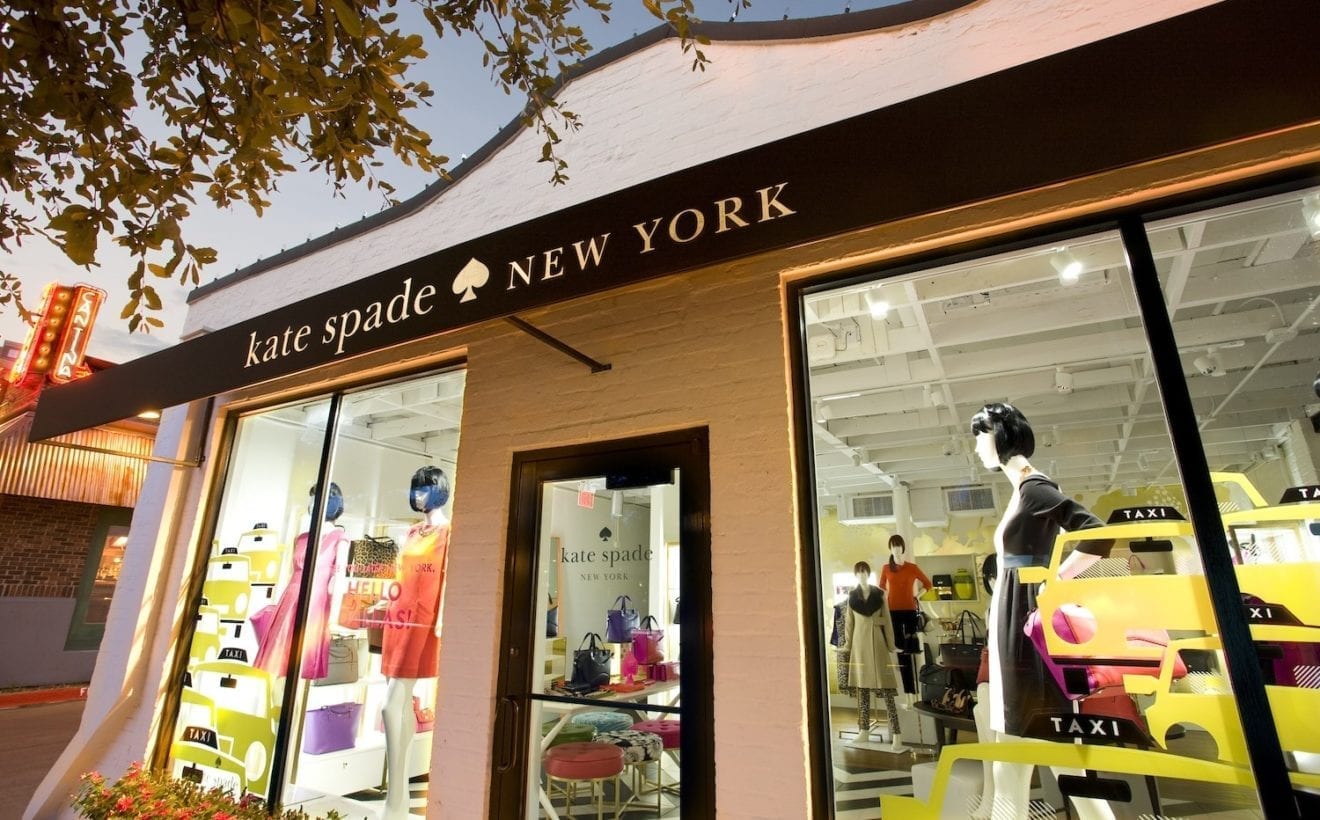
    Handbag and accessories maker and retailer Kate Spade & Co, under pressure from activist investor Barry Rosenstein, is working with a bank to sound out possible buyers.

    Quoting insiders, the Wall Street Journal says potential buyers contacted include retailers, with the process at an early stage.

    Rosenstein’s Jana Partners already has a minor stake in the company.

    Kate Spade has a market value of about $1.86 billion, but sales have dropped as the demand for handbags has weakened over the past year in the US, with people shopping less often at department stores and tourists spending less because of a strong dollar.

    Known for its quirky and colourful satchels and totes, Kate Spade was expecting dampened earnings over the holiday shopping quarter because of pricing competition.

  • Causeway Bay and Tsim Sha Tsui retain allure for retailers in spite of sluggish times

    Causeway Bay and Tsim Sha Tsui retain allure for retailers in spite of sluggish times

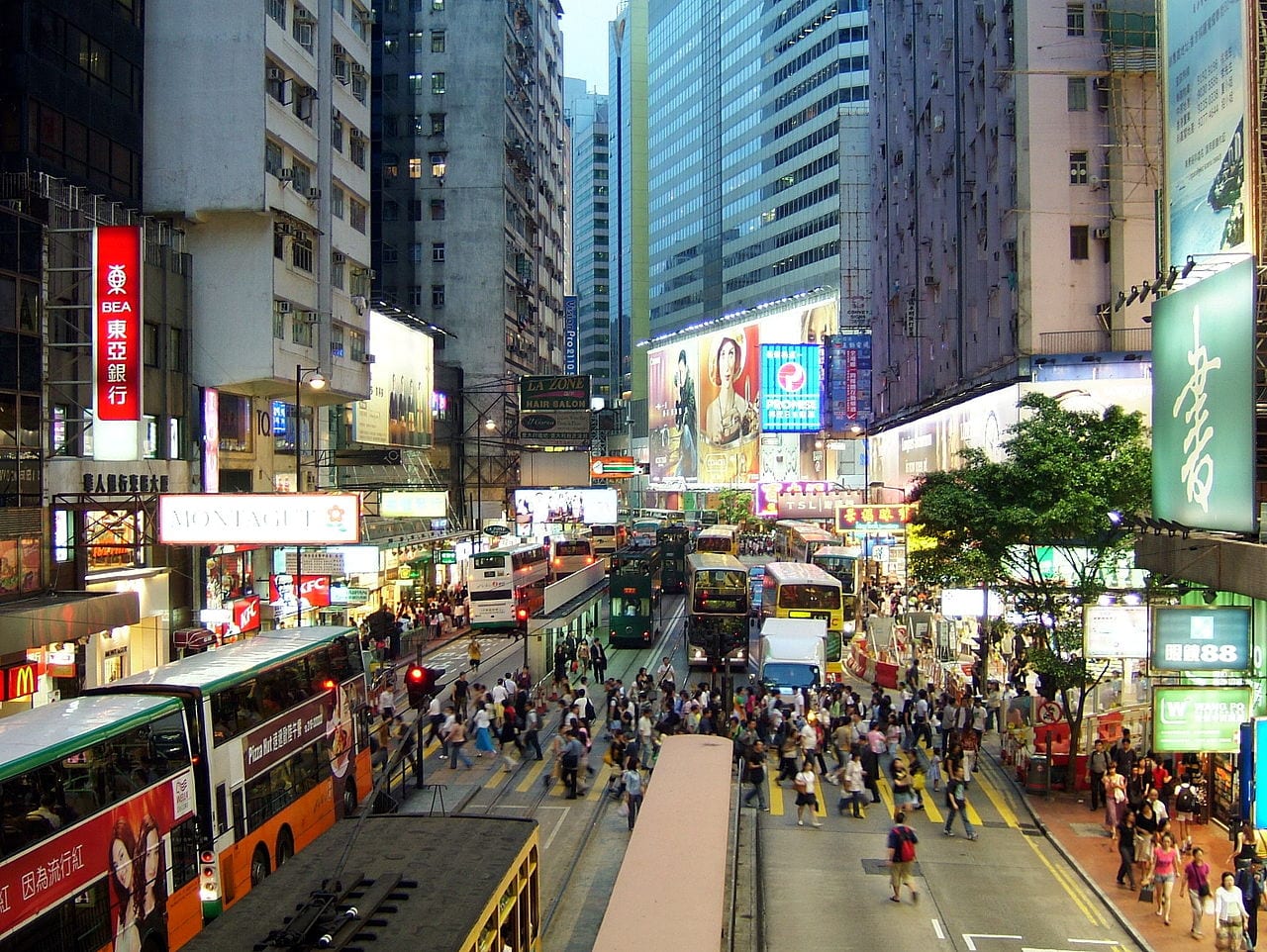
    The prime shopping hubs of Causeway Bay and Tsim Sha Tsui, among the most expensive in Hong Kong in terms of rental costs, remain attractive for retailers amid overall sluggishness in the sector.

    Retail rents in Causeway Bay fell 8 per cent in the rental index in the third quarter and 10 per cent in Tsim Sha Tsui, and they are expected to decline further next year, according to a Colliers International report.

    These declines came amid a 19-month drop in retail spending in the city, with overall sales dropping 9.6 per cent year on year in the first nine months of the year.

    Spending in Hong Kong has been depressed by an 8.7 per cent fall in mainland tourist arrivals during the period.

    The retail industry in the city as a whole is undergoing a consolidation as tourist traffic from the mainland continues to thin, pushing down shop rents in the near term, according to David Ji, the head of research for greater China at Knight Frank.

    In Hong Kong, the four major retail districts of Causeway Bay, Central, Tsim Sha Tsui and Mong Kok had all seen rental corrections, said Terence Chan, the head of Hong Kong retail at JLL.

    While Mong Kok has experienced less pressure from the flight of luxury brands, the property consultancy sees a 15 per cent correction for retail rents in the city as a whole this year.

    The decline was likely to bottom out next year with a correction of about 5 to 10 per cent, Chan added.

    He said that among the four major shopping districts, Tsim Sha Tsui would command the highest average rents in terms of gross floor area, at HK$2,000 per square foot per month. It was followed by Central, with an average monthly rent of HK$1,400 per square foot.

    Causeway Bay ranked third with an average of HK$1,200 per square foot.

    Chan said that while overseas brands would continue to focus on these four districts, established ones might seek to diversify their footprint with outlets in secondary areas such as Yuen Long.

    According to Ji, retailers will continue to favour Causeway Bay and Tsim Sha Tsui, but the trend of high-end luxury brands being ­replaced by sports, lifestyle and food and beverage outlets will continue.

    With Adidas leasing the space formerly occupied by a Coach store in Central and footwear outlet Joy & Mario replacing jewellery store Folli Follie in Causeway Bay, rents will inevitably continue to come under downward pressure.

    “We are now facing a ‘new normal’ trend,” Ji said. “It’s safe to say we are not going to see a drastic improvement. If retailers can hold their ground for the better part of next year, then it’s already a good situation.”

  • Coach Tmall flagship abandoned

    Coach Tmall flagship abandoned

    The official Coach Tmall flagship shop has been abandoned.

    Luxury bag brand Coach Inc says it will replace its shop on Alibaba Group Holding’s business-to-consumer sales site by selling directly through its own website and on its WeChat account, the social-media app run by Alibaba rival Tencent Holdings. Coach has offered coupons and launched a media campaign on WeChat.

    A Coach spokeswoman says the company wants to consolidate resources and will continue to look for innovative ways to leverage digital and social platforms.

    Alibaba says Coach products are still available on TMall from other merchants.

    Selling shoes, purses and accessories, Coach was one of the first US luxury brands to launch an official store on the TMall. It started with a temporary pop-up store from December 2011 to January 2012, opening a full store in 2015.

    Early this month, nearly a dozen trade groups wrote to Alibaba complaining that it was not doing enough to combat counterfeits. And the loss of Coach comes as Alibaba faces added scrutiny from a US trade agency as to whether it should be added to a list of marketplaces that are known for selling counterfeits.
    Alibaba’s Taobao consumer-to-consumer marketplace was on the list years ago, but was removed in 2012.

    Meanwhile, LVMH Moët Hennessy Louis Vuitton SE’s Guerlain has just opened a flagship store on TMall, and MakeUp Forever and Sephora, two other brands under the LVMH umbrella, also have TMall stores. Also, the cosmetics unit of Salvatore Ferragamo will launch its store later this month.

  • Ted Baker Vietnam makes debut

    Ted Baker Vietnam makes debut

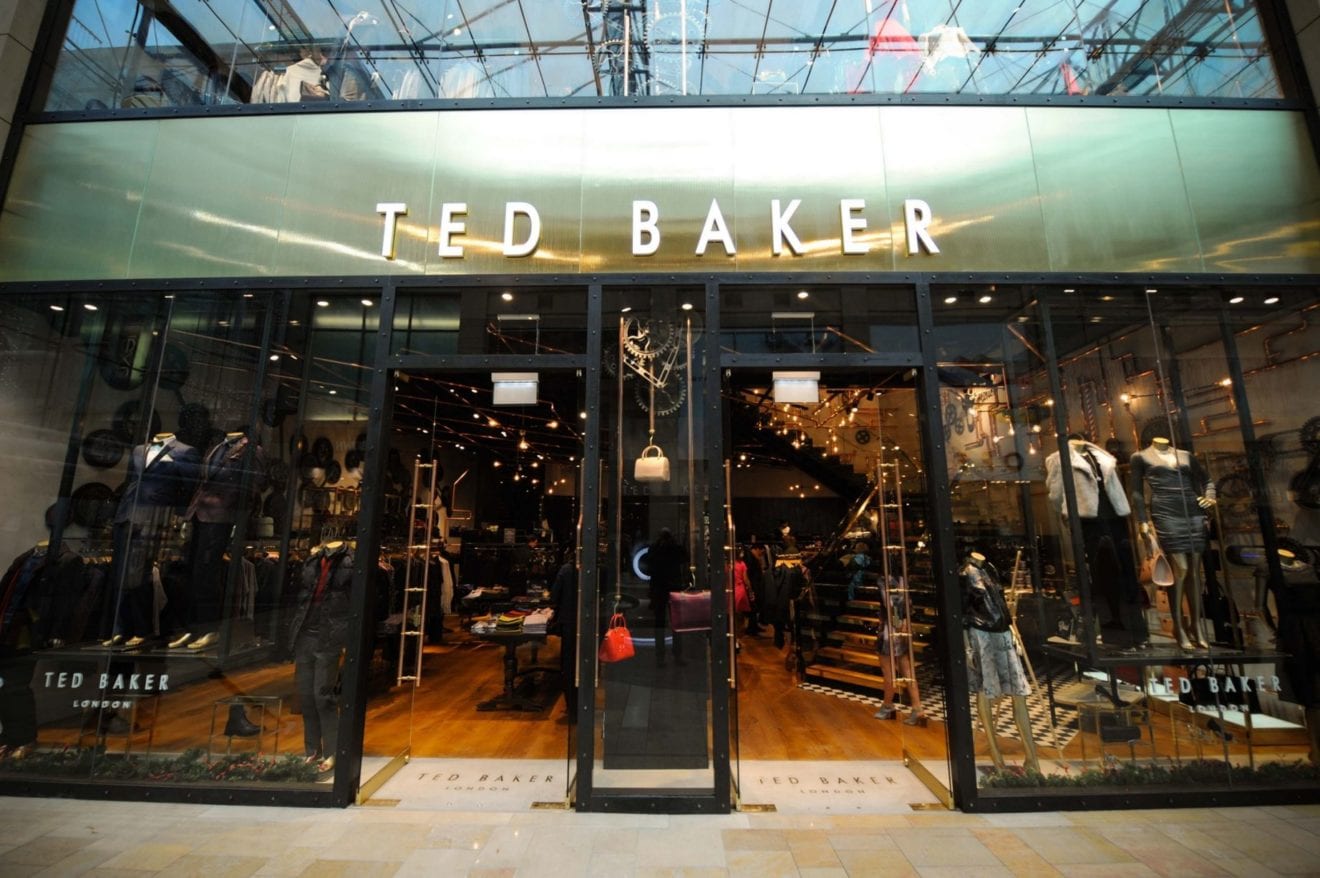
    Unconventional British fashion brand Ted Baker has opened its first store in Vietnam.

    Ted Baker Vietnam joins other luxury brands at the revamped Saigon Center in Ho Chi Minh City, with its re-opening celebrated at an event featuring Vietnamese entertainers. Guests included representatives from the UK Consulate General.

    Brought to Vietnam by retail management company Maison, Ted Baker was described at the event by British Business Group Vietnam (BBGV) director Peter Rimmer as “the most outstanding luxury fashion brand in the UK” and an inspiration for people seeking an individual style.

    Ted Baker introduced its latest collection with a mini-catwalk show at the event. Many of the guests were also wearing the label.

    Established in 1988 with a focus on menswear, the London brand has also produced collections for women seeking to blend traditional and contemporary styles.

    Maison, launched in 2012, has brought more than 17 international brands to Vietnam including Coach, Dorothy Perkins, Karen Miller, Mango and Topshop.

  • Michael Kors Asia outperforms US

    Michael Kors Asia outperforms US

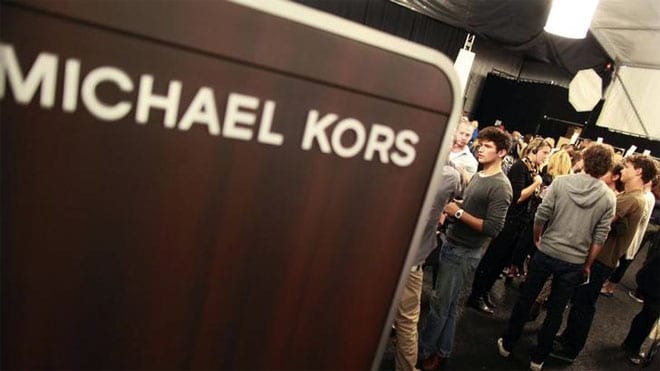
    Michael Kors Asia sales are showing healthy growth – at the same time as same-store figures are falling heavily in its US home market.

    Michael Kors has kicked off its new financial year with a weak set of numbers this week.

    Total revenue was virtually flat, just 0.2 per cent higher than during the same period last year., and driven by the opening of new stores which helped push overall retail sales up by 7.6 per cent. That offset a dismal comparable sales decline of 7.4 per cent.

    Michael Kors Asia has been a growth spot, with revenues rising by 74.5 per cent – although this is flattered by the acquisition of the company’s Greater China licensee.

    However, even on an underlying basis, the region is in positive territory, again thanks to the more favorable brand perception from consumers.

    In the US, one of the key issues is that interest in the brand appears to have peaked. This is evident from Conlumino’s brand tracking, which shows that while Michael Kors is not viewed unfavorably by consumers, it is not enjoying the resurgence that Coach has managed to engineer. This domestic woe is evident in the North American numbers which tumbled by 5 per cent, a sequentially worse performance than the previous quarter.

    The worsening of North American results is partly attributable to the stronger dollar which has likely weakened tourist sales at key flagships in the US, and Michael Kors is affected more than Coach in this respect, as it relies more on tourist spend at its larger stores. Nevertheless, given the investment being put into the new digital flagships – such as the one at 520 Broadway in New York – such an outcome is disappointing.

    The numbers from Europe were somewhat better with a 3.3 per cent increase in revenue over last year. Here, the MK brand is less ubiquitous and the company’s new stores, such as the one recently opened on London’s Regent St, are generating good trade in a way that the stores in North America are failing to do. Given that the company has several further European digital flagship stores in the pipeline for this fall, it looks likely that Europe will continue to deliver respectable sales growth across this fiscal year.

    Wholesale decline

    In the continuation of a theme we have seen across many luxury brands, wholesale revenue has decreased – falling by 7 per cent. Some of this is down to the company’s own actions to reduce exposure to channels that do not reflect its brand image, and some is down to the generally weaker traffic to malls across North America which has affected a number of outlets and stores that sell Michael Kors product.

    Looking ahead, while international sales will grow this year, the increase will be offset by continued pressures in North America. As such, revenues will likely be flat which will create pressure on the bottom line given all of the investments the brand is making.

  • Kate Spade figures reveal slowing growth

    Kate Spade figures reveal slowing growth

    While the latest Kate Spade figures are respectable, there is a clear slowdown in the pace of growth compared to last quarter.

    This is most noticeable in the direct-to-consumer segment, where comparable revenue rose by a fairly meagre 4 per cent, compared to the 19 per cent uplift posted during the first quarter. Although it is not unreasonable to expect growth to moderate from its heady pace, the expectation of Kate Spade’s management team was that this would not happen quite so soon.

    It is notable that the slowdown is mostly confined to North America, with international sales growth advancing steadily from last quarter’s 3.2 per cent growth rate. Kate Spade has suggested that much of this is tourist related with reduced international visitor footfall at key stores in New York, and lower spending from those that do visit thanks to the strong dollar.

    There is some truth in this, but it does not completely explain away the very slim growth rate in the direct segment – which is now running at just 1 per cent on a comparable basis once eCommerce has been excluded.

    There are three other factors at play which negatively affected growth.

    The first of these is the comeback of competitors like Coach, which thanks to brand repositioning and lower discounting are now attracting more customers. While there is only a partial overlap between Coach and Kate Spade, Conlumino customer data suggests that shopper sharing between the two brands has increased over recent months.

    The second factor is an increase in consumer uncertainty, especially among younger female shoppers. Such softness in Kate Spade’s target market likely reduced both the volume and value of purchasing over the period. This had a slight knock-on effect in terms of discounting which affected margins over the quarter.

    Thirdly, although Kate Spade’s marketing is still achieving cut through with campaigns like Miss Adventure, the impact seemed to weaken over the summer. This likely had a negative impact in terms of visiting and purchasing.

    Given that all of these trends are things that will not suddenly disappear, the danger for Kate Spade is that it is now entering a period of weaker sales growth: something it has reflected in its guidance. That said, slower sales uplifts are not necessarily indicative of a group in trouble. Indeed, Kate Spade will still grow and will do so at a pace that is above overall market growth. It will also continue to deliver healthy profits, which at net income level are running at $38 million in the year to date, compared to a loss of $47 million over the same period last year.

    Kate Spade is still a company moving forward – even if it now does so with slightly less momentum.

    • Neil Saunders is, CEO of retail analyst Conlumino.
  • Pacifica Group plans $11m. expansion

    Pacifica Group plans $11m. expansion

    Thai importer and distributor of 14 fashion brands Pacifica Group plans to expand its free-standing shops from 80 to 140 over three years.

    Costing about Bt400 million (US$11.3 million), the store expansion will be 60 to 70 per cent mass-market fashion brands, with the balance luxury products, says chief executive Opra Lavichant.

    Pacifica’s fashion brands include American Eagle Outfitters, Camper, Coach, Keds and Max Mara.

    “Earlier this year we reshuffled our operations within the group with the buy-out of all minority shares in our subsidiary Pacifica Element, which is in charge of the import and distribution of premium fashion products,” says Lavichant. “The move will allow me and my family 100 per cent control over all subsidiaries.”

    Other subsidiaries include Go Retail, Pacifica Lifestyle and Pacifica Max.

    Lavichant says the reshuffle will also help the company cope with the fluctuating economic situation and the growth of the competitive lifestyle fashion sector.

    “We will focus on store expansion and our imported mass fashion brands because of their tremendous opportunity for growth in the domestic market, both in Bangkok and many first and secondary provinces throughout the country.”

    The group is also looking to expand outside Thailand, he says.

    Under its new three-year business plan, the group aims to increase its sales by 25 to 30 per cent every year, says Lavichant. It also expects its overall revenue to grow from Bt1 billion last year to Bt1.4 billion this year.

    “We expect to double the business for our mass-market fashion brands both in sales and the number of physical stores within the next three years. However, the sales of our luxury and premium products will increase by between 15 and 20 per cent every year.”

    To help growth in the mass-market segment, the company plans to expand its American Eagle Outfitters branches from five stores to between 15 and 20 over the next three years. The latest outlet has just opened at Fashion Island shopping centre in Bangkok, and another will open at Terminal 21 at the end of this year. The plan includes new stores at major tourist destinations such as Chiang Mai and Phuket.

    As well, the group will increase the number of stores selling NYX cosmetics, one of its fastest-growing brands, from 16 to 28 by the end of next year.

  • China fires, Hong Kong fizzles for Coach Asia

    China fires, Hong Kong fizzles for Coach Asia

    Coach Asia has reported a strong rise in Mainland China sales in the last quarter – which was eroded by a decline in Hong Kong and Macau.

    The rebounding US fashion retailer says international sales rose 5 per cent in the three months to March 27 to US$448 million and by 7 per cent on a constant currency basis.

    “Total China sales rose 2 per cent in constant currency and declined 2 per cent in dollars with double-digit growth and positive comparable store sales on the Mainland offset in part by continued weakness in Hong Kong and Macau,” the company said in its earnings statement overnight.

    Hong Kong’s subdued luxury market and high currency value significantly ate into the Greater China figures.

    In Japan, sales rose 7 per cent in constant currency, despite a decrease in square footage, while dollar sales rose 8 per cent, reflecting the stronger yen.

    “Sales for the remaining directly operated businesses in Asia posted solid growth in constant currency but rose slightly in dollars,” the company reported.

    Coach’s total sales were $1.03 billion for the third quarter, compared with $929 million in the same period of last year, an increase of 11 per cent. On a constant currency basis, total sales increased 13 per cent. Gross profit totaled $713 million versus $665 million a year ago, up 7 per cent, while gross margin was 69 per cent versus 71.6 per cent.

    Neil Saunders, said while Coach’s sales uplifts were modest when compared to prior year declines of 24 per cent in North America and 3 per cent in international markets, they added to the sense that a long promised recovery of the brand is starting to materialise.

    He said the Stuart Weitzman acquisition continues to add value to Coach’s top line, despite fairly weak margins. “To an extent this, along with the strong dollar, has under minded progress made in rebuilding margins for the core Coach brand.

    “While Coach has done much to rebuild its brand there is still further to go within North America before it sheds its image of being a ubiquitous product focused on discounting. The recent heritage campaign and the reduced promotional stance are helping to shift perceptions, and as such the direction of travel is correct,” observed Saunders.

    “With greater emphasis on product design, marketing, and store environment Coach should be able to rebuild traction within its core North American market over the course of the next quarter.”

    Coach CEO Victor Luis  said the company’s performance was in line with expectations and reflected “the consistent execution of the transformation initiatives put into place nearly two years ago, in spite of volatile tourist spending flows, as well as macroeconomic and promotional headwinds”.

    “We are delighted with how our plan for the Coach brand continues to unfold and is driving improvement across our financial metrics. We are on track to return to positive comps in North America in the fourth quarter and to achieve an inflection in our profitability.”

  • Coach China leads transformation

    Coach China leads transformation

    Coach Inc says its net sales totalled US$1.27 billion for the second fiscal quarter – up 4 per cent year on year, and up 7 per cent on a constant currency basis.

    China was a primary driver of the increase in the three months to December 26, with sales up in the double digits and Japan also performed well for the New York based luxury accessories and lifestyle brands, which also owns Stuart Weitzman.

    Gross margin slipped from 68.9 per cent to 67.4 per cent, but gross profit rose $18 million to $859 million.

    Total Coach China sales rose 2 per cent in dollars and 5 per cent in constant currency with double-digit growth and positive comparable store sales on the Mainland offset in part by continued weakness in Hong Kong and Macau.

    In Japan, sales rose 2 per cent on a constant currency basis, despite a decrease in square footage and consistent with expectations, while dollar sales declined 3 per cent, reflecting the weaker yen.

    “Sales for the remaining directly operated businesses in Asia grew modestly in constant currency but declined in dollars, while Europe remained very strong, growing at a double digit pace in both total and comparable store sales,” the company said in its earnings statement.

    CEO Victor Luis said the result reflects “the most significant progress to date” on the company’s transformation plan despite the difficult retail environment globally.

    “We drove further sequential improvement in our North America bricks and mortar business – led, as expected, by our retail stores, while our outlet store channel also strengthened against a backdrop of lower tourist traffic and a highly promotional environment.

    “Our international businesses posted strong growth on a constant currency basis, highlighted by double-digit increases in Europe, and Mainland China, as well as sales gains in Japan. Overall, our results continue to give us confidence that the cumulative impact of our actions will result in a return to top line growth this fiscal year and positive North American comps by our fourth quarter.

    “We were also excited about Stuart Weitzman’s results during the quarter, which exceeded expectations. Importantly, we are effectively integrating Stuart Weitzman to Coach Inc while continuing to successfully execute the Coach brand transformation,” said Luis.

    “At points of sale, sales in international wholesale locations increased slightly, driven by strong domestic performance offset in large part by relatively weak tourist location results. Net sales into the channel grew significantly from prior year positively impacted by shipment timing to ensure appropriate inventory positions for Chinese New Year,” the company said.

  • Apple executive seeks a touch of chic at retail stores

    Apple executive seeks a touch of chic at retail stores

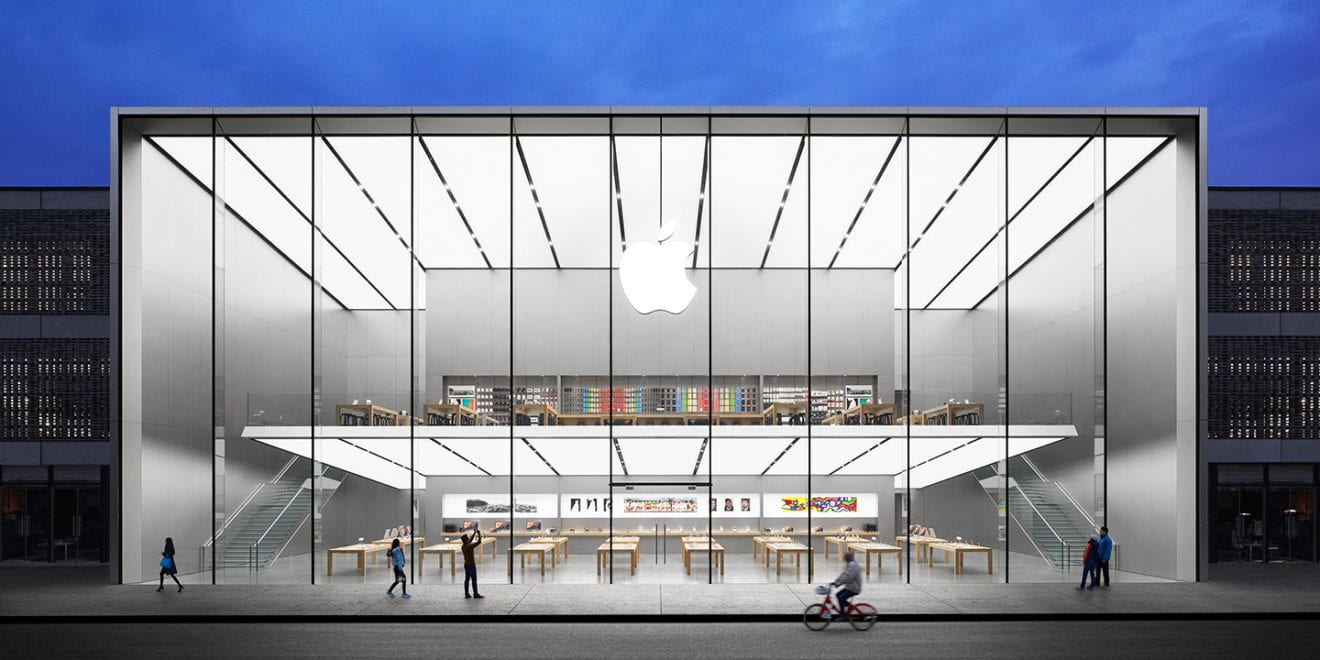
    Apple’s stores typically spotlight the company’s devices, with the most expensive audio accessories topping out in the hundreds of dollars. The Phantom is the first high-end non-Apple gadget that Ms. Ahrendts, the former chief executive of the fashion house Burberry, has brought in since she took the job. It buttresses some of her other recent moves to create more of a luxury Apple retail experience, including initiating private try-on appointments for the most expensive Apple watches, reducing the numbers and types of accessories that are sold, and pushing manufacturers to make special packaging for gadgets carried in Apple’s stores.

    Ms. Ahrendts “is shaving off some rough edges and completing our sense that the Apple Store is a premium experience,” said Jan Dawson, an analyst at Jackdaw Research.

    Her role in bringing in the Phantom also gives a glimpse into how Ms. Ahrendts has been operating within the world’s biggest company. Since joining Apple, the 55-year-old executive has been relatively quiet publicly. But she moved swiftly and nearly unilaterally on the Phantom, showing how she can push for the products that will shape the store experience.

    The products that Apple stores carry are important because they make up the only customer experience that Apple can fully control, Mr. Dawson said. “The stores are the best physical manifestation of the brand,” he said. “Angela is bringing her sensibility to that experience.”

    Apple declined to comment and declined to make Ms. Ahrendts available for an interview. In a public appearance last month at the Fast Company Innovation Festival, Ms. Ahrendts said she had been working toward Apple’s stores becoming “sleeker and smarter,” as well as unifying Apple’s in-store and online shopping experiences.

    Apple has traditionally sold the most expensive accessories online only, like the $2,700 B&O BeoPlay A9 MKII speaker. “I asked Tim a very simple question: Why do we do it this way?” she said of her boss, Timothy D. Cook, Apple’s chief executive. Mr. Cook told her he didn’t know, she said.

    Ms. Ahrendts’s push will have implications for Apple’s growth. As of September, the company had 463 retail stores worldwide and was focused on expanding in China. The stores account for about 12 percent of Apple’s annual $234 billion in sales, Mr. Dawson estimated. Store revenue rose about 39 percent over the last 12 months, according to eMarketer, with Apple stores generating $5,775 a square foot, or more than any other retailer in the world, beating out Tiffany & Company, Coach and Movado.

    Ms. Ahrendts was known at Burberry for revitalizing the brand, pushing the fashion house into online retail ahead of other luxury apparel companies and forging alliances with tech companies like Apple, through which she outfitted Burberry’s corporate staff with iPads. Mr. Cook hired her in 2013 to make sure that Apple’s stores would evolve and expand.

    At the time, morale had fallen at Apple’s stores, the company’s executives have said. Ron Johnson, a former Target executive who became the first head of Apple’s retail stores, had departed the company in 2011. After a search, he was replaced by John Browett, who had run the British electronics retailer Dixons. Mr. Browett slashed hours and benefits for Apple Store employees.

    Since coming aboard, Ms. Ahrendts has asked for Apple’s 60,000 retail employees to air their grievances and send suggestions, and she sends them weekly three-minute video updates to improve communication. She has started a program so employees can move to other stores worldwide. Ms. Ahrendts has also overseen the opening of new Apple stores, including 14 in China and Hong Kong. For customers, she reduced Apple’s long lines by creating an online reservation system.

    By bringing the Phantom to Apple, Ms. Ahrendts is giving the technology crowd something to love as well. Phantom’s parent company, Devialet, is a brand used by tech executives including Tony Fadell, the chief executive of Nest; Andy Rubin, the co-founder of Android; and Marc Benioff, chief executive of Salesforce.com, said Mr. Sannié. He said Mr. Benioff recently introduced Ms. Ahrendts to him and encouraged her to hear the Phantom.

    For Devialet, moving the Phantom into Apple’s stores is significant. The Paris-based company is known for making amplifiers that can cost as much as $30,000. Until the Apple deal came along, its devices were carried in only a handful of exclusive retailers, including Colette in Paris, Harrods in London and the MoMA store in New York City.

    Since the initial meeting with Ms. Ahrendts, the process of getting the Phantom into Apple’s stores has been smooth, Mr. Sannié said. He and his team have visited almost all of the 14 stores where the speaker will initially be sold to look at display possibilities.

    “We don’t have other global distribution other than the Apple store,” Mr. Sannié said. “We don’t want to be in another chain because millions go to the Apple store looking for excellence, the very best products. This is the best exposure we could want.”

  • High-end retailers in China no longer have the luxury of time

    High-end retailers in China no longer have the luxury of time

    In the heart of Guangzhou’s Yuexiu district, the shopping centre La Perle is a symbol of luxury living in the southern mainland city.

    The high-end shopping mall, which opened in January 2004, has long been the first stop for many international brands seeking to conquer China market.

    But times are changing. A few weeks ago, La Perle lost one of its biggest tenants. Louis Vuitton. The French luxury retailer closed its store on the ground floor saying it would not renew its expired lease.

    This followed the shutting down of the two other LV stores – in the northeastern city of Harbin and the western city of Urumqi.

    The brand said the closures were part of a marketing strategy adjustment by headquarters.

    It’s a strategy that appears to have been taken on by many other international luxury brands.

    Following ten years’ aggressive expansion in China, they have been shrinking their physical presence in the nation to adapt to a cooling market plagued by a slowing economy, an ongoing anti-corruption campaign and Chinese buyers’ increasing overseas purchases.

    The Fortune Character Institute, a Shanghai-based market research unit, forecasts mainland luxury sales to grow 3 per cent to US$25.8 billion this year, much slower than the 11 per cent in the recovering global market.

    A study by the institute found that although Chinese shoppers consumed 46 per cent of luxury goods around the world, their purchases in their home market accounted for only 10 per cent of global sales, falling from 11 per cent in 2012 and 13 per cent in 2013.

    The sluggish growth is reflected in the expansion plans of luxury brands. They are opening fewer new stores and closing more.

    During the past two years, Burberry closed four stores on the mainland, Coach shut two, Hermes one, Armani five, and Prada went from 49 to 33.

    Regina Yang, of real estate consultancy Knight Frank Shanghai, said store consolidation would continue, especially in smaller cities.

    “Now the luxury brands do not need two or three outlets in one city. Those having three outlets will be cut to one,” said Yang.

    The situation is no better in Hong Kong, which relies heavily on mainland shoppers’ spending.

    In August, TAG Heuer, the expensive watch brand under LVMH, closed its Causeway Bay store while Coach closed its flagship store in Central due to high rent pressure and a falling number of mainland tourists.

    Store openings are no longer a major way for international luxury brands to expand in the China market

    Zhou Ting, Fortune Character Institute

    “Store openings are no longer a major way for international luxury brands to expand in the China market. Over the next two years we expect these brands to close even more stores than before,” said Zhou Ting, director of the Fortune Character Institute.

    “But if you think luxury brands are taking a totally defensive strategy in China, you would be wrong. The closures are only a small part of a thorough strategy adjustment they are undertaking in China.”

    While closing smaller and underperforming outlets, the top brands are investing more resources to upgrade and expand other stores and are even venturing into different industries to attract local shoppers. Considering Chinese buyers’ preference to shop online, they are also building e-commerce channels and closing price gaps between China and foreign markets to retain their consumption locally.

    “In the past, foreign luxury retailers had treated the China market like a money printer. They were busy opening stores to cover more cities. But their customer services and shopping experience were far from good compared to their stores in Europe. Now they have to pay a big cost for it,” said Zhou.

    The first batch of luxury brands entered into China in the 1990s. Most of them set up stores in five-star hotels and high-end department stores in big cities, targeting foreign businessmen, overseas Chinese and government officials.

    In 2004, as the Chinese government loosened restrictions on foreign retailers, luxury brands that had previously relied on local distributors started to engage in direct sales and expand into shopping malls.

    In the past, foreign luxury retailers had treated the China market like a money printer

    Zhou Ting, Fortune Character Institute

    The golden era came around 2009 and 2010 as a rising number of affluent Chinese consumers started to spend on high-end leather goods and jewellery, making the country the fastest-growing luxury market in the world.

    Encouraged by the fast growth and huge potential in the China market, luxury retailers rushed to open stores. Global consultancy Bain & Co estimated that the 15 top luxury brands it surveyed had opened more than 80 new shops during the first eight months of 2010.

    Meanwhile, the big brands’ aggressive expansion was also partly promoted by the increase in shopping mall construction.

    “Developers in second and third tier cities lured big brands as anchor tenants by offering them very flexible leasing terms,” said Kenith Kong, director and head of retail service at real estate agency DTZ/Cushman Wakefield China.

    A watershed for China’s luxury market came in 2013. Late that year, Beijing embarked on a long-term anti-corruption campaign and banned government officials from giving or receiving gifts. Such expenditure had previously been a major driver of domestic luxury consumption.

    More recently, the rapid growth of overseas purchases has also been worrying top-end retailers.

    Chinese consumers, who are travelling overseas more often, now spend more than 70 per cent of their luxury budgets in Europe, North America, Japan and other countries where the prices are lower, options are greater, and services better.

    The demand has even created a booming “daigou” or personal shopper industry, in which the daigou makes a living by purchasing products from overseas and selling them to buyers at home at a profit.

    All such developments are forcing luxury retailers to reappraise their business models.

    “We have noticed an upward trend on the portion of large stores opened by luxury brands in recent years,” said Frank Chen, research head of global real estate agency CBRE.

    The company observed that three quarters of renovations by luxury stores that took place between January 2013 and July 2015 in eight major cities were expansions.

    It also said the proportion of luxury stores with floor areas of more than 800 square metres climbed to 22 per cent in 2014 from 18 per cent a year earlier.

    “Larger sizes means luxury retailers can display more products and add more functions in their physical stores. Increasingly, they are displaying categories which were previously given little emphasis, such as shoes, household items, cosmetics and children’s apparel,” said Chen.

    In February, Louis Vuitton unveiled its newly upgraded store in the China World Mall in Beijing. The 3,000-square-metre shop not only offers various tailor-made services, it hosts a bookstore, an arts exhibition room and a Chinese tea zone.

    On July 31, the French luxury brand opened a new store on the bank of the West Lake scenic area in Hangzhou City, Zhejiang province, to tap the growing tourism market.

    Also taking an innovative approach in reaching out to local customers is Italian label Gucci. The brand opened a restaurant, 1921 Gucci, in Shanghai’s iAPM shopping mall.

    French fashion house Versace opened a cafe in one of Shanghai’s most expensive malls, Grand Gateway 66, which also hosts Burberry’s first beauty salon.

    Meanwhile, Hermes, Armani, and Dolce & Gabbana are expected to introduce their restaurants and cafes to China, providing a new engine for revenue growth.

    Such strategies create new forms of profitability based on experience-oriented consumption

    Frank Chen, CBRE

    “Such strategies create new forms of profitability based on experience-oriented consumption, as well as an additional sales opportunities for physical goods by attracting more shoppers to spend more time in their places,” Chen said.

    While reducing their physical presences, luxury retailers are embracing e-commerce despite their concerns that online channels cannot emulate the physical shopping experience.

    However, Chinese consumers’ increasing reliance on online shopping, especially on their mobile phones, has convinced brands to launch shopping sites or form partnerships with e-commerce firms.

    In October, Cartier launched its China shopping site. One month earlier, high-end brand Coach reopened its online store on T-mall.com three years after closing it.

    Other brands such as Burberry and Tag Heuer are working with local e-commerce giants like T-mall of Alibaba and JD.com to provide online selling services in addition to their own official shopping sites.

    “Many luxury brands have begun to close the retailing price gaps between China and other markets. One of their purposes is also to establish a comprehensive global pricing system and prepare for their future online expansion,” Zhou Ting said.
  • Hong Kong Retail Rents Remain Sky-High Despite Slowdown

    Hong Kong Retail Rents Remain Sky-High Despite Slowdown

    Even as slumping sales force luxury brands renegotiate retail rent prices and close stores in Hong Kong, a new report finds that it’s still the second-priciest place in the world to open up shop.

    According to Cushman & Wakefield’s newly published “Main Streets Across the World” report, Hong Kong’s Causeway Bay area retained its second-place rank after New York’s 5th Avenue as the most expensive retail location globally this year. Causeway Bay retail rent cost an average of US$2,399 per square foot a year, an amount far above the next-highest cost on Paris’ Avenue des Champs Élysées, which came in at US$1,372 per square foot. However, a continued retail sales slump driven by fewer mainland tourists could drop its ranking next year as top luxury brands rethink their Hong Kong strategies.

    The listing comes in spite of several Hong Kong store closings by luxury retailers over the past year that include Coach’s Queens Road Central flagship and TAG Heuer’s Causeway Bay store. Many companies such as Burberry—which is reducing the size of its largest store in Hong Kong—have said they are attempting to renegotiate their rent prices. These include Kering, Prada, and Chow Tai Fook, and more store closings may follow depending on negotiations.

    The report notes that “downward pressure on rents is becoming increasingly evident on the back of weaker retail sales and the slowing in tourist arrivals.” As a result, rents in Causeway Bay fell by 12 percent year-on-year for the period ending in June 2015, while Central, Tsim Sha Tsui, and Mongkok fell by between 11.9 and 13.9 percent.

    Shanghai was the only other location in Greater China to make the list of 65 locations, with West Nanjing Road moving up to 11th place from 12th place last year. Tokyo’s Ginza district and Seoul’s Myeongdong area—both top destinations for Chinese tourists—also ranked high on the list at 7th and 8th, respectively.

    Mainland China is on course to become the world’s largest retail market by 2018, although brick-and-mortar growth is slowing as e-commerce becomes more popular. The report notes that retailers in both Shanghai and Beijing are testing out ways to become “lifestyle destinations” through strategies such as the introduction of food and beverage options. They’re also embracing O2O marketing with special mobile shopping apps and free in-store WiFi. Retail growth is expected to be especially strong for retailers geared toward the middle class as the luxury market remains in slowdown mode, according to the report.

    Because of Tokyo’s success from the influx of Chinese tourists, the report predicts that rents are likely to go up for luxury retailers in the coming year as brands like Burberry, Moncler, and Brunello Cucinelli have pursued store expansion in key shopping districts. In addition to the posh Ginza district, retail rent went up by 20 percent in the Omotesando area over the past year.

    There is a silver lining to the Hong Kong slump, according to the report. It states that Hong Kong’s retail scene is now becoming a “more tenant-friendly environment,” and lower rent levels “will create opportunities for luxury brands and high street retailers to enter the market such as Monica Vinader, Sotheby’s Wine, Claudie Pierlot, Rebecca Minkoff, Perrin Paris, and Filson.”

  • Rents tumble on HK shopping strip that was world’s priciest

    Rents tumble on HK shopping strip that was world’s priciest

    “Landlords have to face the reality, no matter how reluctant they are,” Lawrence Wong, a director at property agent Sheraton Valuers Ltd., said in a telephone interview Saturday. “It’s still better than leaving their property empty.”

    Russell Street has lost its claim as the most expensive shopping street on the planet to New York’s Fifth Avenue, according to broker Cushman & Wakefield Inc. in November. A July research report by Jones Lang LaSalle Inc. predicted prices for space in prime locations will drop 15 percent to 20 percent in Hong Kong this year.

    Retail rents were down 12 percent in Causeway Bay and 3 percent in Central at the end of June, Oriental Daily reported earlier this month, citing data from CBRE Group Inc. The broker said in a report that the decline came after rents for shops at prime locations in Hong Kong’s four shopping districts, including Tsim Sha Tsui and Mong Kok, increased by 213 percent from 2003 to 2014.

    Hong Kong’s retail property market has slumped with China facing its slowest growth in a quarter-century. The world’s second-largest economy will announce a growth objective of 6.5 percent to 7 percent for 2016, according to eight of 15 economists in a Bloomberg News survey conducted Sept. 17-22. All of those surveyed said they expect next year’s target will fall short of the about 7 percent set by Premier Li Keqiang for 2015 growth.

    The Hong Kong government is closely monitoring developments in the city’s property market and will make policy changes if necessary, Financial Secretary John Tsang told reporters on Sunday.

    Hong Kong’s property prices are being affected by an increase in supply and volatile external factors such as a high probability that the U.S. may raise interest rates, Tsang said.

    Colourmix, run by Veeko International Holdings Ltd., will rent a 1,000 square-foot space in Causeway Bay for almost HK$1 million ($129,000) per month, 43 percent lower than what luxury Swiss watch brand Jaeger-LeCoultre is currently paying, said Wong, whose company handled the transaction.

    In Central, Hong Kong’s business district, Adidas Hong Kong Ltd. will pay 23 percent less for the space being vacated by Coach Hong Kong Ltd., according to Land Registry data. The sports brand’s rent is HK$4.34 million a month, down from HK$5.6 million paid by Coach, the designer handbag maker.

    Hong Kong’s residential market is also experiencing weaker sentiment. “Housing market outlook will likely become more cautious amid increased volatility in the global and Hong Kong’s financial markets,” the Hong Kong Monetary Authority said in a report released Friday. “The risk of downward adjustment has picked up steadily.”

  • ‘First’ high-end luxury concession for Kunming

    ‘First’ high-end luxury concession for Kunming

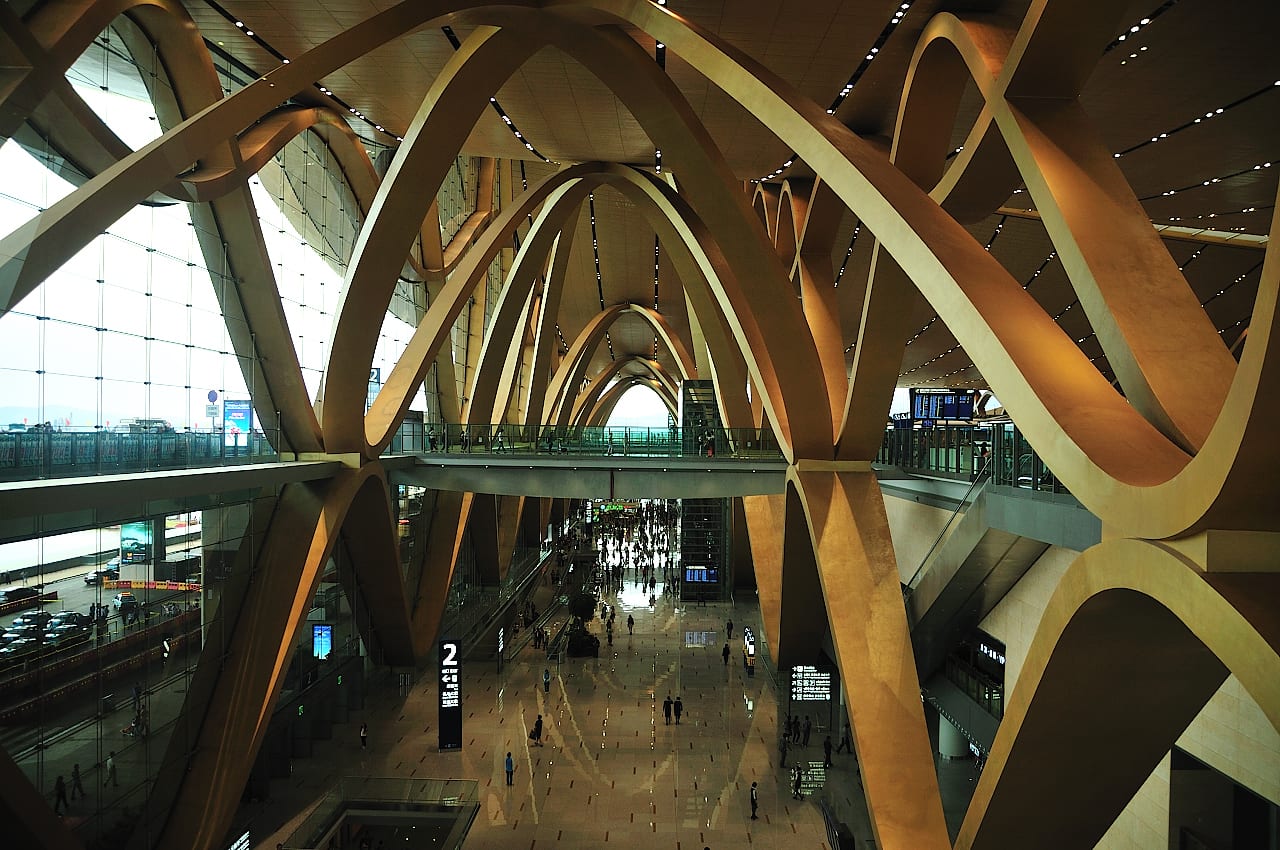
    Lagardère Travel Retail has opened the first high-end luxury concession in Kunming’s Changshui International Airport in South-Western China, which the retailer says is the result of a ‘close and successful partnership’ with Yunnan Airport Group and Asiaray Media Group.

    Inaugurated in 2012, Changshui airport is said to be one of the largest and most modern in Asia and serves as a gateway to China’s Yunnan region with growing links to neighbouring countries of South-East Asia.

    Evidence of this can be found in the airport’s traffic reports, which show that the number of passengers at Kunming airport has risen rapidly in recent years. In 2015, the airport is expected to serve over 36m passengers and will be the fastest-growing of China’s large airports.

    The master-concession, encompassing an area of over 1,000sq m in the main departure concourse, brings together ‘ten of the biggest names in luxury fashion and cosmetics’, says LTR.

    Emporio Armani, Salvatore Ferragamo, Dior, Hugo Boss, Bally, Montblanc, Coach, MCM, Tommy Hilfiger and Calvin Klein Jean comprise a strong brand line-up offering a range of ready-to-wear, accessories and beauty products.

    Dublin-based Aer Rianta International originally opened 11 domestic shops at what was Kunming’s newly-built Changshui International Airport in south-west China in June 2012.

    The contract, secured in 2011, was seen as an important one at the time for ARI, marking its first Mainland China airport store openings where it held exclusive rights to sell duty paid fashion goods and accessories, perfume and cosmetics, confectionery, jewellery and souvenirs at the capital city airport in Yunnan Province.

    However, in September 2014, Aer Rianta International confirmed that it had has ceased duty paid operations at Kunming International Airport and in a brief statement issued at the time, ARI CEO Jack MacGowan said: “We are pleased that ARI Yunnan has reached this constructive and amicable agreement with Yunnan Airports Group in the best interests of both parties and look forward to potential opportunities for working together again.”

    ‘WORLD-CLASS SERVICE FROM SALES CONSULTANTS’

    According to LTR, customers will be able to enjoy “world-class service delivered by Lagardère Travel Retail’s sales consultants who benefit from the company’s ISO-9001 certified OSCAR training programme,” says the Paris headquartered group.

    “The industry leading training program covers customer service, brand philosophy and product knowledge, is unique in the travel retail industry and gives the font-line team the expertise and confidence to provide the exceptional service and personalised experience.

    “The addition of high-end brands to the retail offer at Changshui airport was made possible by the complete transformation of the main commercial surfaces in the airport’s departure concourse.”

    LTR and Asiaray Media have worked closely with Yunnan Airport Group to plan and implement the terminal’s commercial upgrade, which intends to elevate the passenger experience by aligning the quality of the commercial offer with that of the terminal’s ‘outstanding’ architectural design.

    “We are also very pleased to have the opportunity to further deepen our working relationship with our global brand partners that have taken part in this project. We look forward to further development in Kunming Changshui airport across the spectrum of categories. Our partnership with Asiaray creates novel and unique opportunities to drive passenger engagement and increase the visibility of the commercial offer.Eudes Fabre, General Manager – China for Lagardère Travel Retail, said: “This new opening is an exciting development for Lagardère Travel Retail in China. We are grateful to Yunnan Airport Group for their trust in our capabilities and for their effective support throughout the planning and building process.

    “We are now working together with the airport to offer exclusive and personalised services that improve the airport experience for our customers, create delightful moments and build loyalty.”

    Vincent Lam, CEO of Asiaray Media Group added: “We very pleased with the collaboration with Lagardère Travel Retail. They are a global leader in the airport retail and F&B sector and have demonstrated their professionalism, innovative spirit and understanding of local market trends throughout the different stages of this project. This partnership is an important development for our company.

    “We aim to create an innovative business model that benefits all parties by delivering an engaging experience between customers, shops and airport. This is our first pilot site where we have exclusive advertising concession at Kunming Changshui airport.

    “By closely integrating advertising and commercial assets within the terminal, we will be able to create a more interactive and ultimately more compelling experience for travellers. Our media assets will support the growth of the retail operation which shall certainly benefit us as advertising service provider riding on the business performance of such operation.”“We look forward to cover the other 25 airports where we have similar exclusive rights in the whole of China. This new development creates many new possibilities for our mutual brand partners.

    Wang Xinrui, Director of Commercial Management of Kunming Changshui International airport, added: “Kunming Airport is very satisfied with the outcome of our collaboration with Lagardère Travel Retail and Asiaray Media Group.

    “The newly-opened luxury brands significantly enhance the image and service provided by our airport and help bring our commercial offer in line with the best airports in the region. We look forwards to growing the collaboration with our partners.”