Tag: competition

  • Starbucks China sales grow – with a but

    Starbucks China sales grow – with a but

    Net revenues for Starbucks China and Asia-Pacific region soared 45 per cent in the first quarter to US$1.2 billion. While a change of ownership in the East China business at the end of the first quarter of the previous year boosted the figure, the company says the opening of a net 1010 stores during the 12 months – a 13 per cent increase in the network – and a 3 per cent increase in same-store sales also played a part.

    First-quarter Starbucks China operating income rose 13 per cent to US$225.1 million, from $196.8 million. But the company’s operating margin declined 530 basis points to 18 per cent, primarily due to the impact of the East China ownership change.

    CEO Kevin Johnson said the company delivered solid operating results in the first quarter, demonstrating continued momentum in the business, as it drives a growth-at-scale agenda “with focus and discipline”.

    “Comprehensive efforts to streamline our business have allowed us to focus on three key strategic initiatives that position Starbucks for long-term success: accelerating growth in our targeted markets of the US and China, expanding the global reach of the Starbucks brand through our Global Coffee Alliance with Nestle, and increasing shareholder returns.

    “Combined with our efforts to build and amplify the Starbucks brand, we expect these initiatives will position the company to drive predictable, sustainable growth and shareholder returns for years to come,” concluded Johnson.

    In the 13-week first quarter, which ended December 30, global comparable-store sales increased 4 per cent, driven by a 3 per cent increase in the average sale. Americas and US comparable-store sales increased 4 per cent, with transaction numbers flat.

    China-Asia-Pacific comparable-store sales increased 3 per cent, including 1 per cent transaction growth, with China comparable-store sales up 1 per cent, but the number of transactions down 2 per cent.

  • India’s Reliance to take on Walmart and Amazon online

    India’s Reliance to take on Walmart and Amazon online

    South Asia’s richest man Mukesh Ambani is establishing an e-commerce platform to compete with Walmart and Amazon in India. The Reliance Industries chairman will roll out services in Gujarat before extending them nationwide. “Jio and Reliance Retail will launch a unique new commerce platform to empower and enrich our 1.2 million small retailers and shopkeepers in Gujarat,” said Ambani.

    Reliance introduced the 4G Jio network in September 2016, a market disruptor with its free voice calls and cheap data plans. Its move into e-commerce will aggravate an already cut-throat battle between market leader Flipkart, owned by Walmart, and Amazon’s services in the territory.

  • Burger house competition in Hong Kong

    Burger house competition in Hong Kong

    In 2018, two international burger chains have opened restaurants and branched out in the city. In May 2018, Shake Shack brought the modern day roadside burgers, to Hong Kong with its partner Maxim’s Caterers Limited. Maxim’s Caterers Limited is a Hong Kong based food, beverage and restaurant chain founded in 1956, and the company operates over 1,000 outlets in Hong Kong including The Cheesecake Factory and Simplylife Cafe.

    “We see tremendous opportunity for Shake Shack in Hong Kong and Macau,” said Randy Garutti, CEO of Shake Shack. “We are thrilled to bring the joy of Shake Shack to our fans in these dynamic communities as we continue to expand our footprint in Asia.”

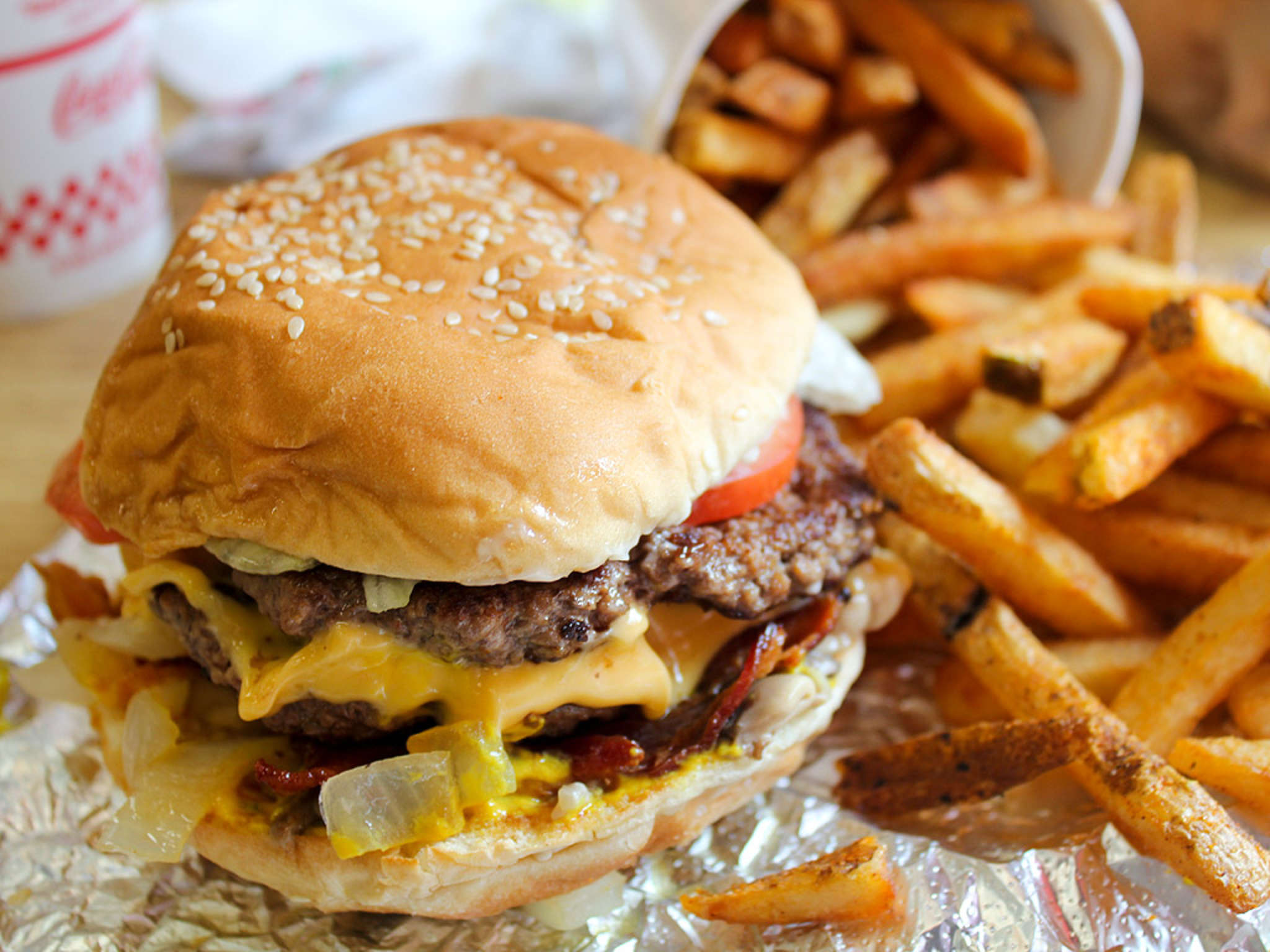
    On 19 November 2018, after months of staring longingly at the red and white hoarding, the day to check out Five Guys’ first Hong Kong restaurant has finally arrived. The popular fast food chain is now serving up all the American-style burgers, hotdogs, milkshakes, and fries. Naturally, burger lovers in Hong Kong were excited to get a chance to check it out.

    After 2 months,there is still a queue outside Five Guys owing to the all-you-can-eat peanuts and Coca-cola Freestyle. Coca-cola Freestyle is a concept similar to the Big Gulp offered by the 7-Eleven, customers may choose and drink all the provided soft drinks freely for only $30 Hong Kong dollars.

    This increasing number of burger outlets landing in HK just leaves us with one question – when is In-N-Out Burger making its way to Hong Kong?

  • Flipkart secures more funding to face competition

    Flipkart secures more funding to face competition

    Indian e-commerce firm Flipkart has received US$201 million funding for its wholesale business from its Singapore-incorporated parent. The investment comes during a period of intensifying competition between the firm and its Amazon-backed competitor in a market estimated to be worth $18 billion. It signals a prioritising of sales growth by the retailer since its acquisition by Walmart.

    A report last year indicated that Flipkart has seen a more than 80-per-cent increase in transactions in recent months, prompting the company to expand into new business lines such as furniture and groceries over the next three years.

    Separate reports show that Amazon also looks to invest significant funds into the market in order to challenge Flipkart’s present lead in the territory.

  • Luckin, Starbucks rivalry heats up

    Luckin, Starbucks rivalry heats up

    Luckin vs Starbucks: baristas and technology are engaged in a gigantic battle for Chinese coffee drinkers’ loyalty. Seattle, Washington-based Starbucks Corporation has been the indisputable market leader in the Chinese coffee industry ever since its Beijing World Trade Center branch opened its doors in January 1999. Yet Starbucks’ two decades of coffee dominance in China appears to be reaching its end.

    While “China watchers” and retail industry insiders have been expressing concerns about Starbucks for months, it has taken Wall Street a few months to catch on; just last week, Goldman Sachs downgraded the Starbucks stock from “buy” to “neutral” for the first time in recent memory, specifically citing Starbucks’ bleak business trajectory in China as a major concern.

    Most of this concern is linked to Luckin Coffee 瑞幸咖啡 Ruixing Kafei, the young tech-forward coffee startup that has managed to build more than 2000 outlets throughout 30 mainland cities in just about 14 months of operations, reaching startup “unicorn status” seemingly overnight.

    While China is Starbucks’ largest market after the US, with roughly 3600 stores across 150 cities, it took Starbucks nearly 13 years to achieve Luckin’s current size. Perhaps even more shocking, Luckin is showing absolutely no signs of slowing down any time soon; the Luckin team has publicly announced its goal of reaching 4500 outlets across China by the end of 2019, and as of November, Luckin Coffee’s overall value was estimated to be about US$2 billion, a figure that has almost certainly risen since.

    Luckin is clearly trying to develop a mass-market coffee product that can bring the “coffee shop experience” to the working class at an ultra-competitive price point.

    While its early success may seem unfathomable, it mostly comes down to three distinct points of difference within its business model: the Luckin app, delivery infrastructure, and competitive pricing. For outsiders visiting China or first-time Luckin customers, the most noticeable quirk of Luckin’s business model is that customers are forced to use the Luckin app to purchase a coffee in a Luckin store or have Luckin coffee delivered to their office or home. Luckin does not accept cash payments at all: there are no tills inside Luckin stores. Fortunately, Luckin offers new users a free beverage after their first download, to lessen the pain a little. While this may seem perplexing to many outsiders, this is a feature that distinctly appeals to an increasingly app-focused Chinese consumer base who prefer digital payments to cash.

    Tensions rising

    With tensions rising between China and the US, Luckin has another unique competitive advantage: its status as a truly Chinese coffee brand, owned by Chinese people and tailored specifically to the unique tastes of the Chinese market. If these tensions continue to grow worse, one can expect Luckin to follow the trend of many other Chinese companies by appealing directly to this patriotic sentiment and further distancing itself from the distinctly American image of Starbucks.

    With Luckin’s CEO Jenny Qian Zhiya and most of its senior leadership coming directly from UCAR, a ride-hailing service spun out of rental car giant Car Inc, it should come as no surprise that transportation and delivery are two key focus points of the business. With the exception of a few sit-down locations in hot real estate areas, the vast majority of Luckin Coffee locations do not offer customers a place to sit. While many locations have space for customers to wait in line and pick up drinks, roughly half of Luckin stores are “preparation stores” that focus solely on preparing beverages for the endless queue of Luckin delivery drivers. Thanks to this elaborate and effective delivery system, customers can usually expect to get their coffee quickly; Luckin claims the average delivery time is roughly 18 minutes, (and even during the busy morning hours in my Beijing office park, I never had to wait longer than 30 minutes). With young Chinese city-dwellers becoming more and more reliant on delivery services like Ele.me and Meituan Waimai, Luckin’s impressive delivery capabilities allow the company to remain convenient and attractive. As a side benefit, this store setup also allows Luckin to place most of its shops in cheaper out-of-the-way locations with limited foot traffic, allowing for significant real estate savings.

    Price the differentiator

    Perhaps the most important point of differentiation between Luckin and Starbucks is price.

    While Starbucks generally charges at least 35 RMB (US$5) for most of its coffee drinks, Luckin’s prices generally fall in the 20 to 25 RMB range, with only a 6 RMB surcharge for delivery.

    Luckin also regularly runs promotions that bring the price per cup down to as little as 10 RMB, prices no competitor has been willing to match. While the exact price of a Luckin coffee fluctuates dramatically due to promotions, customers can generally expect to pay 30-40 per cent less than they would pay for a similar drink at Starbucks. Perhaps even more appealing, Luckin’s widely used “refer a friend” system rewards users who convince their friends to download the Luckin app with a free beverage.

    These three aspects of Luckin’s business platform have clearly caught on with young Chinese customers and urban office workers, who are increasingly looking for cheaper and more convenient coffee options. It appears that Starbucks ultimately has little chance of competing with Luckin in this lower end of the market. While Starbucks does have an app developed for the Chinese market, it is not nearly as intuitive or eye-catching as Luckin’s well-developed system. Similarly, after Starbucks failed to catch the wave of China’s food-delivery boom, it may be too late for Starbucks to substantially overhaul its delivery capabilities. Starbucks did not implement its own internal delivery service until August last year, arguably three years too late.

    Until last summer, Chinese customers have been forced to improvise their own “hacked” Starbucks deliveries through the app Ele.me; those wanting Starbucks coffee had to use an unwieldy two-step process using two separate apps to get their drinks delivered.

    While Starbucks could use its resources to develop a more effective app and more efficient delivery system for the Chinese market, it is likely too little, too late; after ignoring these two major trends in Chinese retail over the past few years, Starbucks is already considered an inconvenient option by rushed coffee customers, an image that will prove hard to shake off. And after spending nearly two decades cultivating the company’s image as a high-end aspirational brand for the emerging Chinese middle class, it is unlikely Starbucks can drop its prices enough to compete with Luckin’s promotional pricing.

    Going high

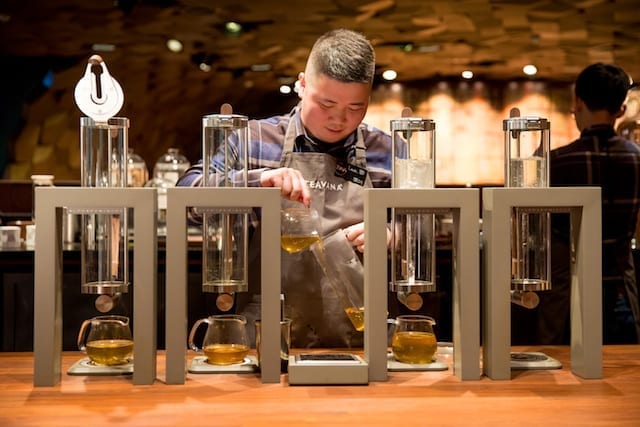
    Ultimately, it seems Starbucks has no choice but to “go high” in this market. While Luckin has already cemented itself as the most popular option among working-class coffee drinkers looking for an everyday beverage option, the startup has yet to grab the attention of the more status-driven higher end of the coffee market. As many industry insiders have pointed out, Luckin’s “take-and-go” model and delivery focus does not offer customers the high-end experience of whiling away an afternoon sitting at a coffee shop. So while Starbucks executives certainly have significant reason to be concerned over their dwindling market share, Starbucks still maintains a solid grasp on the market for customers seeking a true coffee experience, rather than just caffeine boost to get them through the day.

    This split in the market has been happening naturally, and is quite apparent: if you visit a Luckin outlet in any tier-one Chinese city, you will most likely encounter either a delivery man holding several bags to be delivered or a young office worker making the coffee run for his or her office, taking 10 or 20 cups back up to the office. Meanwhile, the most common sight at an urban Starbucks location is a store filled with tables, each crammed with Chinese millennials or parent groups chatting the afternoon away. In a sense, this harkens back to the ethos of the company’s original entry into China in the late 1990’s: Starbucks built its business in China by providing customers with第三空间 di san kong jian, a “third place” between home and work that functioned as a public conference room or a relaxing respite from the busy world outside, an important societal role that was traditionally satisfied by China’s ancient tea house culture. As Gwynn Guilford, reporter for Quartz, puts it: “In China, Starbucks doesn’t sell coffee to make its millions… it rents couches.”

    If the statistics are to be believed, there is certainly space in the market for both companies; Chinese citizens drink just four to six cups of coffee per year on average, compared to 250 among British residents and 360 for Americans. While Starbucks will likely continue to face struggles as the company redefines its hold in the Chinese market, this year we will see how Luckin Coffee’s unique business model fares – will Luckin continue to set record-breaking growth numbers, or will it shatter before showing any profit?

    –Hunter White-
  • Hyundai Motor now ready for big races

    Hyundai Motor now ready for big races

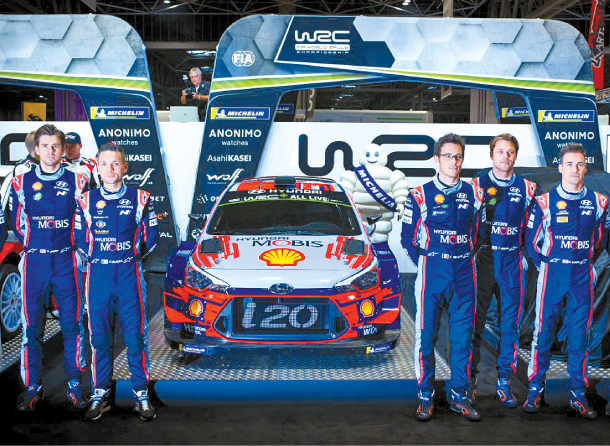
    Hyundai Motor finalized its driver lineup for this year’s major motorsport competitions, the company said Monday.  The automaker said its target this year is to win championship titles at the World Rally Championship (WRC) and the World Touring Car Cup (WTCR). In WRC events, the carmaker participates with its own team. In WTCR events, it supplies its cars to professional racing teams.

    For the WRC, the company said last year’s vice champions Thierry Neuville and Nicolas Gilsoul – a team of driver and co-driver – will be joined by Norwegian crew Andreas Mikkelsen and Anders Jaeger in all events. This year’s WRC has a total of 14 rounds. A composite score in those events will decide the winner.

    Dani Sordo and Carlos del Barrio will take part in eight events starting at Rally Mexico.

    Nine-time WRC champions Sebastien Loeb and co-driver Daniel Elena, who joined the Hyundai team from last month on a two-year contract, will take part in six rounds.

    “I am pleased to be joining such a great lineup of crews,” Loeb said. “It is clear to me that the car was a competitive package in 2018, which enabled the team to fight for the championship titles right to the very end.”

    Hyundai Motor’s team – named Hyundai Shell Mobis – came in second at last year’s WRC using an i20 coupe WRC vehicle.

    The automaker also announced four drivers who will participate at this year’s WTCR event with Hyundai’s i30 N TCR racing car. The carmaker races in the Customer Motorsports category with competitors that include Audi, Volkswagen and Ford.

    Hyundai’s customer team consists of four drivers, each driving on their own. Last year’s champion Gabriele Tarquini and fourth place driver Norbert Michelisz are driving Hyundai cars once again. Augusto Farfus and Nick Catsburg are newcomers.

    Hyundai Motor has been active in motorsport events as it has a positive influence on European sales thanks to a huge popularity of motorsports with European customers. In the long run, the carmaker hopes to upgrade its image from a value-for-money carmaker to a company known for high-performance cars.

  • L’Oreal Korea seeks Brandstorm 2019 contest participants

    L’Oreal Korea seeks Brandstorm 2019 contest participants

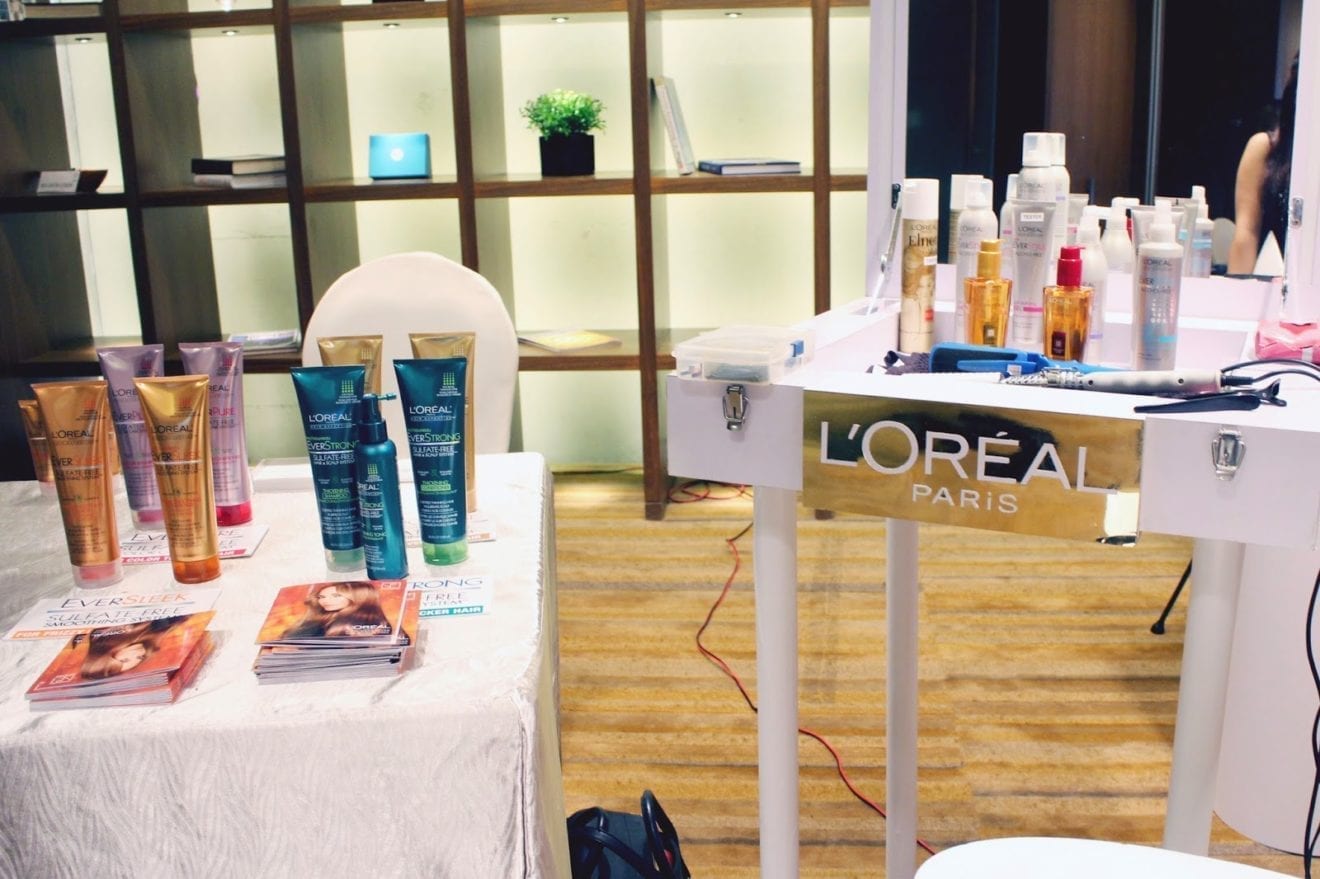
    L’Oreal is now accepting applications from students in Korea for its annual global marketing competition “L’Oreal Brandstorm 2019.” The mission for this year’s competition is to “invent the future skin care experience for health-conscious consumers.” Contestants need to choose one brand from L’Oreal’s Active Cosmetics division, such as Vichy or La Roche-Posay, and propose a new service or technology to enhance the consumer experience.

    Undergraduates in their third or fourth year of study and graduates can apply in teams of three. The application deadline is Feb. 28.

    After a final round in March, the winning Korean team will get a chance to represent the country and pitch its idea during the finals at L’Oreal headquarters in Paris.

    The winning Korea team members will also qualify for a chance to intern at L’Oreal Korea.

    The team that wins the global final round will get to test their idea at French start-up campus Station F for three months.

    The first competition was held in 1992. Since then, over 34,000 students have participated.

  • Four Korean firms join forces to fight Netflix

    Four Korean firms join forces to fight Netflix

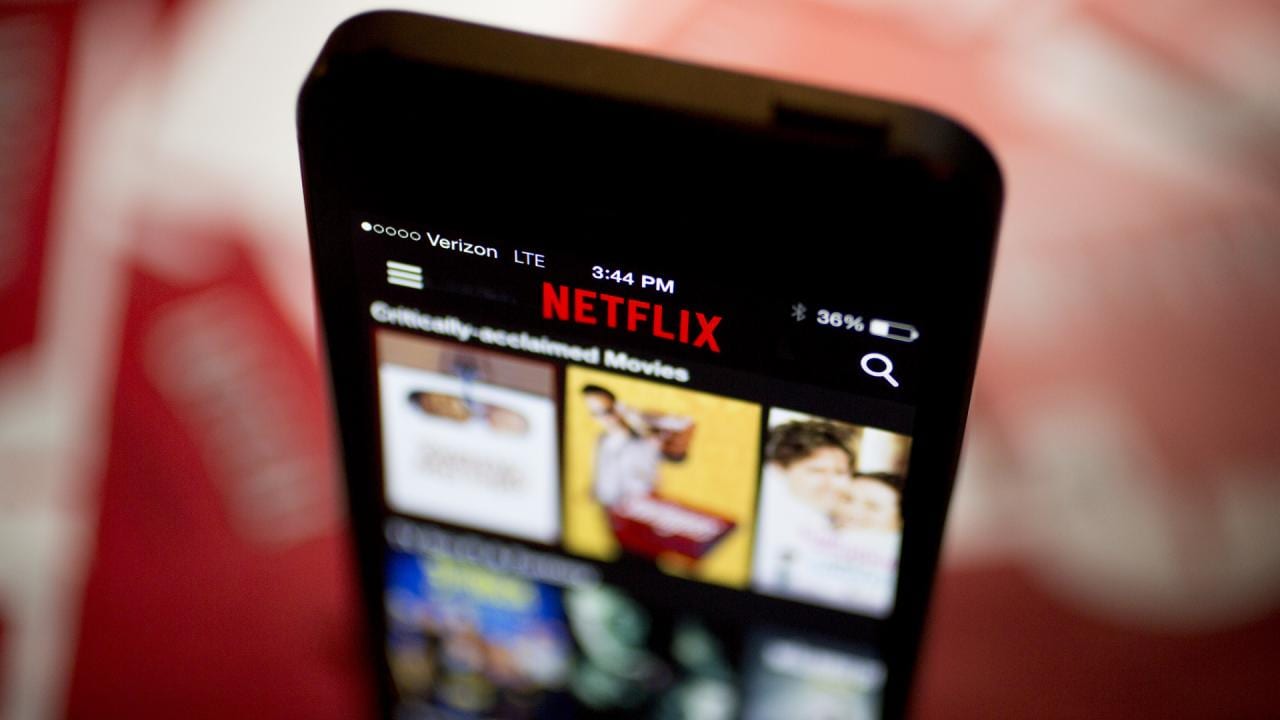
    SK Telecom is teaming up with three major broadcasters to launch a new video content service in a bid to challenge the popularity of foreign services like Netflix. On Thursday, SK Telecom and broadcasters KBS, MBC and SBS signed an MOU to combine their current over-the-top (OTT) media service businesses and launch a new and improved service by the first half of this year. OTT refers to content that is delivered directly to users over the internet without going through intermediaries like television.

    The four companies will also establish a joint venture that combines the OTT operations of each party. SK Telecom CEO and President Park Jung-ho said he is seeking around 200 billion won ($177.9 million) in investment for the new firm.

    SK Telecom’s subsidiary SK Broadband currently operates Oksusu, a television and movie platform released in 2016. The three broadcasters have Pooq, a joint venture that MBC and SBS both have a 40 percent stake in, while KBS holds 20 percent.

    Videos from over 70 channels are available on Pooq, including drama series from the 1990s and early 2000s.

    All four companies are expected to benefit from the partnership. Pooq has already established ties with Southeast Asian companies, having partners in Hong Kong’s Viu, Malaysia’s iflix and China’s iQiyi.

    During the MOU signing, SK Telecom CEO Park said he hoped to see the new strengthened service launch in Southeast Asia by June.

    In return, the three TV channels will have access to SK Telecom’s financial resources, which can be invested in original content production.

    The partnership is seen as an effort by the domestic companies to combine forces to fend off growing foreign competition, especially that posed by Netflix.

    Oksusu has 9.46 million registered users while Pooq has 3.7 million. Netflix is estimated to have around 900,000 domestic registered accounts, still trailing far behind the local companies.

    These figures only tell half the story, however.

    While Oksusu is the No. 1 OTT service in Korea in the number of accounts, its number of monthly active users is only estimated to be two-thirds of registered users. OTT services from competing mobile carriers like KT’s Olleh TV and LG U+’s Video Portal are also catching up quickly in total users.

    Also, very few original videos produced by Korean OTT service providers have enjoyed success.

    Netflix, on the other hand, saw tremendous growth in the three years it has been operating in Korea.

    As of last September, users spent a total of 283 million minutes a month on Netflix’s mobile app on Android according to WiseApp, which analyzes mobile app usage. Just two years ago, users had spent 14 million minutes a month on Netflix, or 20 times less.

    During the same period, the time that Oksusu and Pooq users spent on the apps increased less than twofold.

    Users spent a total of around 600 million minutes a month on both apps as of last September.

    Experts believe that the content budget is largely to explain for the differences in growth.

    Netflix is estimated to have spent around $8 billion on content production and licensing last year. Oksusu spent only around 10 billion won in content investment, however, a fraction of Netflix levels.

    “Through this partnership, Korean OTT service providers can strengthen the competitiveness of their content, which has been their weakest point,” said Jung Ji-soo, an analyst at Meritz Securities. “[The companies’] goal of becoming Korea’s Netflix will also help in energizing the domestic media ecosystem.”

  • HMV Hong Kong collapses

    HMV Hong Kong collapses

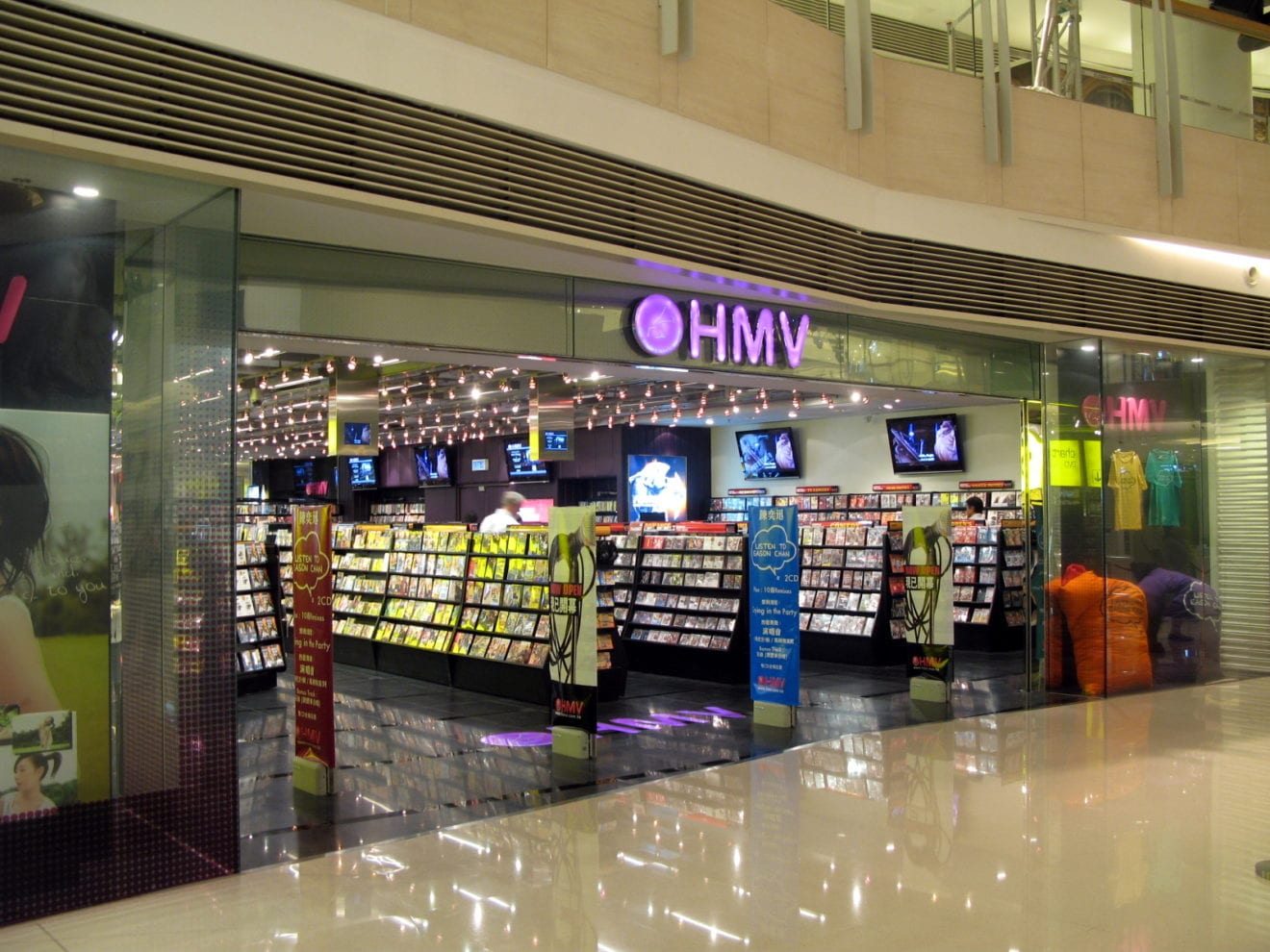
    The HMV Hong Kong business has collapsed, with the chain’s owner appointing liquidators. In a statement, HMV Digital China Group chairman Stephen Shiu Jnr said the company was “unable to escape from the crushing force of the wheel of history” as live-streaming services like Spotify and Netflix made CDs and DVDs redundant.

    The company is believed to have debts of HK$40 million and assets – mainly stock – of just $9 million. All seven stores have been closed and 80 staff laid off.

    “The company is under negotiation with the landlords of the settlement plans. HMV Retail has not been generating sufficient revenue to cover its own operating expenses and there is no reasonable prospect of making any significant improvement on its financial performance or operations in the foreseeable future.”

    As reported last week, HMV was facing three legal suits over unpaid rents on stores, totalling $5 million. One of those related to its four-story Causeway Bay flagship.

    After the chain last went into administration in 2013, private equity company AID Partners converted the business into more of a lifestyle destination, stocking headphones, bicycles, backpacks and other curated products. That met with some success, and AID sold the business to Shiu’s company in 2016 for $408 million. Yesterday, Shiu cited Apple’s AirPods for eroding demand for earphones, which had become a core category.

    “[We have] faced numerous struggles and ups and downs, witnessing the rise of the record industry and the heyday of CD, VCD and DVD home entertainment systems, but as time changes, the global development of information and economic climate have also changed”, the company said Shiu.

    The HMV Hong Kong business achieved a profit of $1.85 million in the September quarter last year – but during the same period this year, retail sales fell 41 per cent to $31.55 million and the business lost $18.81 million.

    The liquidators, Wong Sun-keung and Janice Tsui Mei-yuk of Vision AS will try to find new investors to refinance HMV Retail’s operations, although clearly any solution would involve adopting an entirely new business model.

  • Kakao postpones carpooling service

    Kakao postpones carpooling service

    Kakao Mobility announced las week that it would postpone the official launch of its carpooling service after a week of fierce protests from the local taxi industry. The Kakao affiliate started offering a beta version of the service last Friday that was made available to a randomly selected pool of users nationwide. On the same day, it declared that the official launch date of its carpooling service would be on Dec. 17.

    “After much consideration, we decided to postpone the official launch in order to listen and apply a wider range of opinions from taxi drivers, users and many others,” Kakao said in an official statement Thursday afternoon.

    But it did not specify when the official launch will be delayed until. The statement sparked rumors that this may be the start of Kakao indefinitely postponing the service’s official release, which the company denied.

    “What we know for now is that it’s not going to happen this year,” said a Kakao spokesperson. “But this doesn’t mean the delay is going to be an indefinite one. The exact date is still a matter of discussion.”

    The beta service will continue to be offered to random users selected regardless of age and region. Kakao explained that the beta service was being offered to a very limited pool of users, just enough to examine the technology and check the effect it may have on taxi drivers.

    The announcement comes six days after the beta service and the official launch date were released.

    The backlash from taxi drivers has been fierce, with widespread protests that culminated in a 57-year-old taxi driver setting himself on fire in front of the National Assembly in western Seoul on Monday.

    Two days later, a committee that consists of two taxi company associations and two taxi driver labor unions announced plans to stage a protest in Seoul on Dec. 20, with more than 100,000 people expected to attend. This would be the third protest targeted at putting a stop to carpooling services.

    Regardless of Kakao’s decision to postpone the launch, a source from the committee said there is no change to the plans for the protest.

    Taxi drivers also launched a sleep-in protest in front of the National Assembly starting from Wednesday, with members of the four organizations continuing their vigil in shifts through the night.

    Kakao, the local taxi industry and government officials have been in talks for more than half a year, but are still failing to agree on a solution to the carpooling service issue.

    Kakao wants to introduce a carpooling service during busy commuting hours, but drivers say that even if rides are limited to twice a day, they will still eat up around 59 percent of all taxi demand.

  • Grab Vietnam says Uber deal ‘no breach of competition laws’

    Grab Vietnam says Uber deal ‘no breach of competition laws’

    Ride-hailing firm Grab has asserted that it did not breach Vietnam’s competition laws, contesting authorities’ definitions and interpretations. The assertion was a response to the Ministry of Industry and Trade, which said Wednesday that it had evidence that Grab’s acquisition of Uber violated Vietnam’s Competition Law .

    In a statement released Thursday, Jerry Lim, country head of Grab Vietnam, said that the transaction between Grab and Uber earlier this year was conducted “in the good faith belief that there is no breach of competition laws, after diligent consultation with legal counsels.”

    Lim explained that the issue has become contentious because of differences in the authorities’ and Grab’s definitions of relevant market and what constitutes a competitive playing field.

    He said that the entrance of new ride-hailing companies into Vietnam shows that they believe there is a chance to succeed, with some of them claiming high market shares.

    In June, Vietnam’s first ride-hailing services FastGo and Aber were launched. Go-Viet, an affiliate of Indonesia’s Go-Jek, entered Vietnam in August, claiming to take 15 percent of the market share in Ho Chi Minh City within two weeks of launching.

    Vietnam’s top taxi operator Mai Linh and second-ranked Vinasun have also invested in a ride-hailing service to compete with Grab.

    Grab said that a ride-hailing app was just one of many options for customers. It cited a third-party survey, without revealing details, which said more than 59 percent of Vietnamese car ride-hailing users and 62 percent of motorbike ride-hailing users surveyed would switch to a different transport service other than ride-hailing if there was a 10 percent increase in prices.

    Lim also said that Grab was not the only ride-hailing company in the market, as the Vietnamese government has granted ride-hailing pilot licenses to nine other companies, including established taxi companies, to operate services in five cities and provinces.

    Both customers and drivers can respectively decide to switch to other forms of transport and join other companies if prevailing conditions such as pricing and income are not favorable to them.

    “The power of choice remains in the hands of customers,” Lim said.

    He said Grab has fully cooperated with the Vietnamese authorities for the purpose of a fair investigation and recommendation. “We fully understand that all governments seek to protect the best interests of consumers. Grab truly shares the same goals.”

    Lim said he hopes that the final verdict of the Vietnam Competition Committee will take into account the “vibrancy and contestability of the current Vietnamese market landscape and support the competitive business environment brought about by technology application and innovation.”

    Singapore-based Grab acquired Uber in Southeast Asia in return for a 27.5 percent stake in the U.S. company, with Uber CEO Dara Khosrowshahi joining Grab’s board.

    The 2004 Competition Law requires any merger or acquisition that results in a company gaining a 30 percent market share to be reported to competition authorities.

    If a company gains a 50 percent market share from the deal, it can only be implemented with express permission from the authorities.

    Preliminary investigations by Vietnamese authorities have found that Grab’s market share in Vietnam was in excess of 50 percent after Uber quit the market last April.

    But Grab has countered this, saying that since its combined market share with Uber in Vietnam was less than 30 percent, it did not have to “inform the competition authority before proceeding and completing this transaction in the country.”

  • Go-Viet, Grab Vietnam to face tight competition

    Go-Viet, Grab Vietnam to face tight competition

    Vietnamese technology startup Be Group Corporation officially launched its ride-hailing platform Thursday, with beBike and beCar. The latest entrant to a market dominated by the likes of Grab and Go Viet has set an ambitious target of partnering with 10,000 drivers in a few weeks, by the end of 2018, and 100,000 drivers next year. Unlike the current ride-hailing firms, Be Group has registers its service as a transportation business.

    “We have gathered a lot of talent, and I personally have experience running start-ups for many years. With thousands of billions of dong ($1= VND23,287) mobilised, we are confident our platform can compete in this fierce market,” Be Group CEO Tran Thanh Hai said at the launch.

    Be Group apps will start operating in Hanoi and Ho Chi Minh City from December 17. The company has announced an initial 25-percent royalty for beBike and beCar drivers, while specific prices and discount schemes for customers have not been revealed.

    Be Group hopes to become a big player like Grab or Go Viet with a comprehensive super-app. In 2019, the company plans to roll out delivery and payment services. It aims to attract tens of millions of users in the next three years.

    Vietnam’s ride-hailing market has seen new entrants after Uber’s departure early this year, including Vietnamese firm FastGo, GoViet – a subsidiary of Indonesia’s Go-Jek, Aber and the latest Be Group.

    Grab, which counts Chinese ride-hailing firm Didi Chuxing and Japan’s SoftBank Group Corp among its backers, had 175,000 drivers and bikers in Vietnam as of September and is the most prominent player in Vietnam after it pushed out Uber, according to Reuters.

    Rival GoJek entered Vietnam in August eyeing to grab a share of the fast-growing market. Vietnam has 95 million people and many use smartphones.

    A number of local taxi companies in Vietnam have come together to compete against ride-hailing firms, while Grab has been in a legal battle for more than a year with local taxi firm Vinasun Corp.

  • Indonesia’s Go-Jek Starts Trial Launch in Singapore, Challenges Grab

    Indonesia’s Go-Jek Starts Trial Launch in Singapore, Challenges Grab

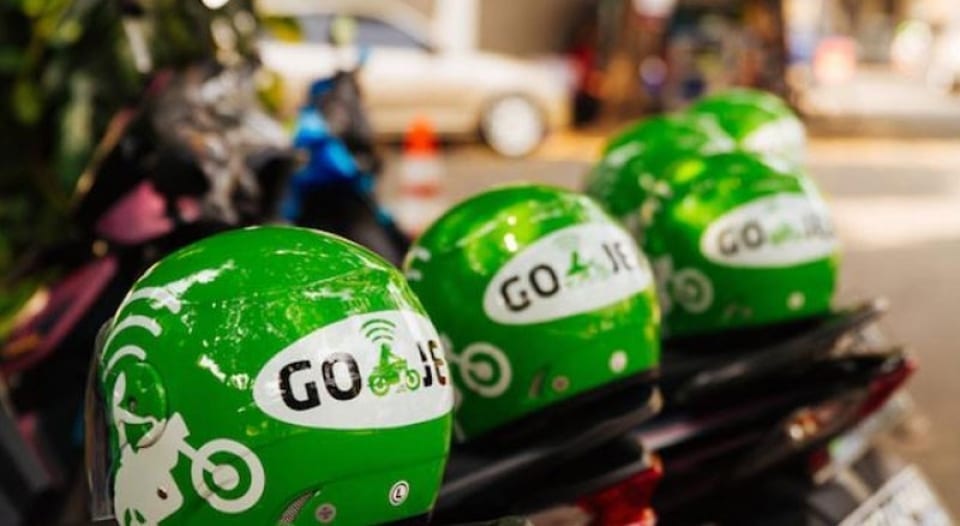
    Indonesian ride-hailing firm Go-Jek kicked off a trial launch in parts of Singapore on Thursday and plans to roll out an array of services through its app in early 2019, challenging dominant player Grab in the small city-state. Both Go-Jek and Grab are raising billions of dollars and investing aggressively in the race to corner a bigger share of Southeast Asia, as more of the region’s 640 million consumers go online and use smartphones to shop, commute and make payments.

    Go-Jek, backed by the likes of Tencent Holdings, Alphabet Inc’s Google and Singapore state investor Temasek Holdings, is initially launching ride-hailing service in parts of Singapore after forming a partnership with DBS Group Holdings, the region’s biggest bank.

    “As this is a new product, we will obviously give promotions, but at the end of the day, it shouldn’t only be pricing that differentiates our services,” Go-Jek’s president, Andre Soelistyo said on Thursday.

    Grab, backed by Japan’s SoftBank and Chinese ride-hailing firm Didi Chuxing, bought Uber Technologies’ loss-making Southeast Asian business this year, marking the first big consolidation in the region.

    Following this, Singapore’s anti-trust watchdog slapped Grab and Uber with fines and imposed measures to open up the local market to competitors after concluding that their merger had driven up prices.

    Go-Jek’s executives declined to give any details on how many drivers it had signed up or a target for market share in Singapore but said payment services would be launched later.

    Started in 2011 in Jakarta, Go-Jek has evolved from a ride-hailing service to a one-stop app through which its customers can make online payments and order everything from food, groceries to massages.

  • Rivalry heats up in Vietnam’s food delivery market

    Rivalry heats up in Vietnam’s food delivery market

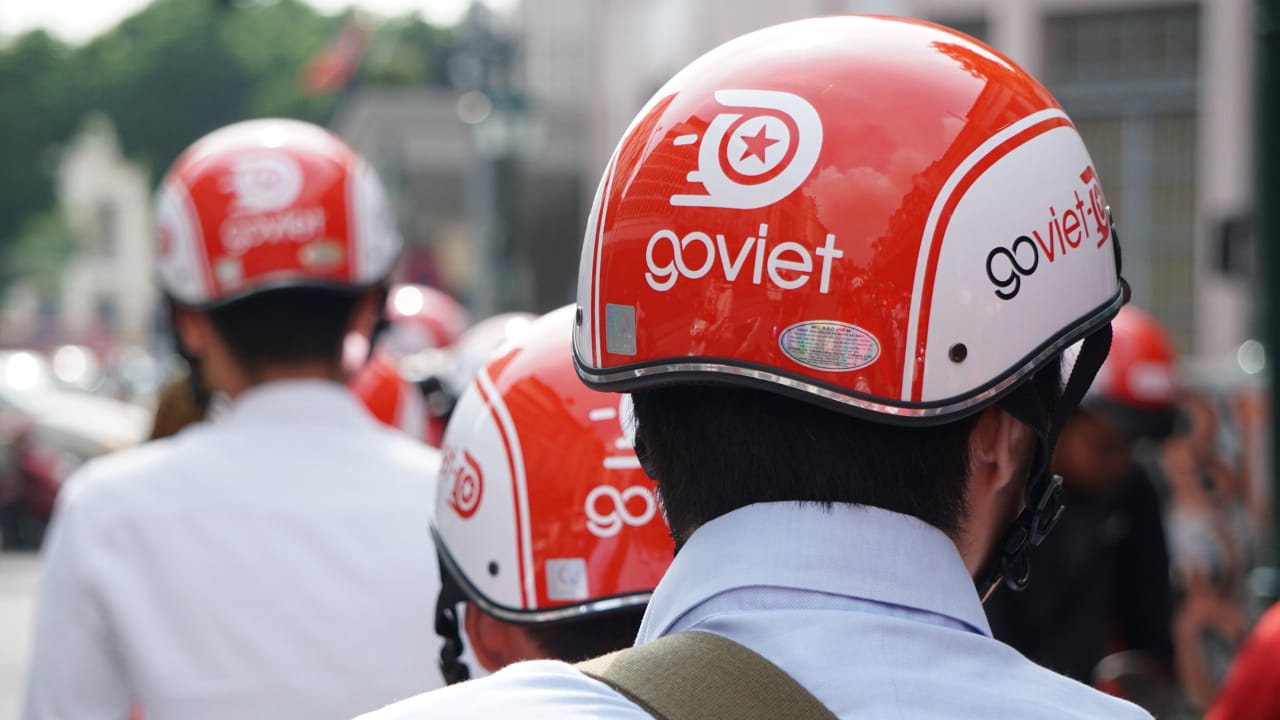
    Last week, a sea of red filled the inside of a milk tea shop in Ho Chi Minh City instead of regular young customers usually found in such places. GoViet drivers were queuing up to purchase food ordered by customers over its online delivery app Go Food, which was running a 50-percent discount program along with free delivery within 5 kilometers.

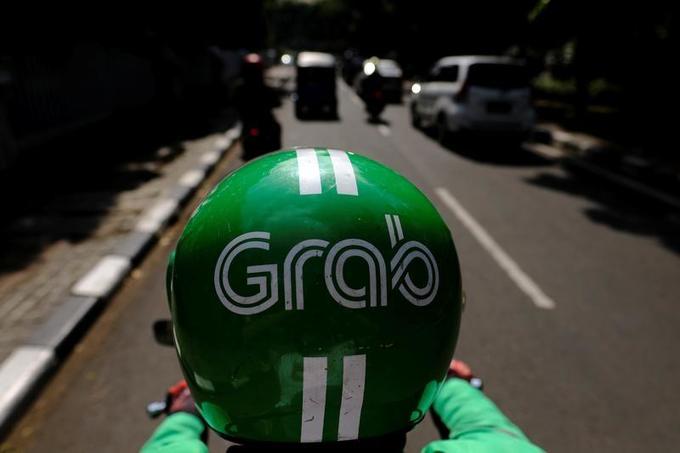
    The very next morning, the shop was filled with green shirts of Grab drivers. Grab had launched a free delivery promotion for the first 999 cups of milk tea ordered.

    Gradually, the green shirt – red shirt war is becoming visible on the streets.

    Despite being new entrants in the online food delivery market, both Go Viet and Grab are using various measures to attract and capture customer habits. Everyday, these two tech companies spend big on promotions across a wide range of food and drinks.

    They are also recruiting stars from the entertainment industry to endorse their service.

    From the get go, Go Viet had announced a partnership with singer Son Tung M-TP, who broke the record of Asia’s most viewed music video in 24 hours last May, as the company’s brand ambassador.

    Similarly, Grab’s start-studded ads feature diva My Tam, goalkeeper Bui Tien Dung and striker Nguyen Quang Hai of the national football team.

    While having large financial and technological capabilities, both Grab and Go Viet face many challenges after entering the market later than competitors like Delivery Now by Foody, Vietnammm, and Lala, which are apps well known to many customers.

    Delivery Now offers a wider range of food on its menu than Grab and Go Viet, had has a dense network of partners from large restaurants to small pavement stalls, industry insiders say.

    Delivery Now is a product of Foody Corporation, a Vietnamese food service startup that was acquired by Singapore-based internet firm Sea LTD last year; Vietnammm.com is a subsidiary of Takeaway.com, one of the world’s largest online food ordering websites based in the Netherlands; and Lala is invested by Ho Chi Minh City-based Scommerce Group, an information technology and services firm.

    Many experts believe that the race for market share between Go Viet and Grab will resemble that of Grab and Uber when they first entered Vietnam.

    Both Grab and Go Viet are aspiring to become super apps, for which food delivery is an indispensable keystone. In addition to attracting users with incentives and advertising, the two companies are spending a lot of money on reward policies to incentive drivers and expand their network of partner restaurants.

    Grab Vietnam CEO Jerry Lim claimed GrabFood’s growth has been very impressive, with the number of its contractors increasing eight-fold in just a month of testing in Hanoi. GrabFood was released in the city early last month, after a period of testing.

    In Vietnam, Grab is reaching delivery speeds of under 25 minutes and aims for a further reduction to 20 minutes per order, the fastest in regional markets.

    Grab Food is available in both Hanoi and Ho Chi Minh City, while Go Food is only present in the latter.

    Go Viet, however, remains confident that it will meet the needs of customers, aiming to partner up with thousands more restaurants nationwide in casual dining, fast food or luxury dining.

    “Food delivery and e-wallets are promising market segments,” GO Viet CEO Nguyen Vu Duc said after a few months of competing against Grab.

    However, these delivery apps also have certain limitations. For some items on their menu, drivers have to pay up front when ordering for customers in non-partner restaurants.

    Not all drivers are happy to buy food this way as waiting is time consuming, they have to make advance payments and risk the customer not accepting delivery.

    Do Xuan Quang, deputy head of Vietnam Logistics Business Association, said Vietnam was the fastest growing e-commerce market in Southeast Asia, and along with the strong growth of the logistics industry at 15-20 percent, a similar movement in the delivery market was not surprising.

    In 5-10 years, the delivery market in Vietnam will be valued at around $10 billion, he said.

    U.K.-based market research firm EuroMonitor International values the food delivery market in Vietnam at around $33 million this year and at more than $38 million in 2020. It also puts the annual growth rate of the market at 11 percent.

  • Competition heats up as convenience stores race for dominance in Vietnam

    Competition heats up as convenience stores race for dominance in Vietnam

    With a slate of brands operating nearly 2,000 stores, the remaining space for expansion is limited. The first outlet of 7-Eleven, the largest convenience store chain in Japan, opened in Vietnam last week with a lot of fanfare.

    Thousands of people lined up and squeezed into the small shop in downtown Ho Chi Minh City, trying to buy snacks and light meals.

    The chain has said it will open around 20 outlets in Vietnam by the end of this year and 100 in the next three years.

    The important question here is not about whether similarly big crowds will be coming to its stores in the future. It’s where to put these stores.

    7-Eleven is entering a market that has become increasingly packed in recent years. Its arrival is intensifying the heated competition for both customers and for retail space.

    After all, the choice of location can make or break a convenience store. In big cities, many of the best spots are either too expensive or already taken.

    Crowded market

    The A.T. Kearney’s Global Retail Development Index this month named Vietnam the sixth most attractive retail market. The country made headlines worldwide when it topped this list in 2008.

    The market has drawn a lot of foreign players who are now occupying 70 percent of the convenience store segment.

    The American chain Circle K is operating around 250 stores, mostly in the country’s two biggest cities Ho Chi Minh and Hanoi.

    FamilyMart, Japan’s second largest convenience store chain, now has 130 stores in Ho Chi Minh City, the nearby resort town of Vung Tau and in Binh Duong Province. It aims to expand the network to 150 locations by the end of this year.

    Southeast Asian chains Shop&Go and B’s mart are running another 300 stores.

    The dominant local player VinMart+, an offshoot of conglomerate Vingroup, has quickly expanded its network from 500 outlets in 2015 to around 900 last year. The chain plans to round up the number to 1,000 this year or next.

    According to industry insiders, setting up a convenience store is much simpler than a supermarket but in order to launch a profitable chain, it takes a lot of money and efforts.