Tag: consumer goods

  • BioActive+ Introduces Two Liquid Vitamins in Thailand for THB 410

    BioActive+ Introduces Two Liquid Vitamins in Thailand for THB 410

    BioActive+ launched two concentrated liquid supplement lines across Thailand in November 2026, pricing 15-tube packs at THB 410 against a regular shelf price of THB 800. The rollout covers Concentrated Liquid Lipo C and Concentrated Liquid Multivit, designed for direct consumption from the tube or mixed into 150 to 200ml of water.

    The twin launch shifts the company beyond specialized nutricosmetics into everyday health formats that drive repeat basket volume.

    Formulations and Form Factor

    Concentrated Liquid Lipo C delivers 1,000mg of vitamin C equivalence using liposomal vitamin C alongside botanical extracts from camu camu, acerola cherry, elderberry, and sea buckthorn. The formulation carries a Yuzu Orange flavour and targets immune support and antioxidant functions.

    Concentrated Liquid Multivit uses a Tropical Fruit flavour. The caffeine-free liquid combines B vitamins with vitamins C, D3, E, and carotenoids to address daily energy metabolism.

    Retail Sampling With KOI Thé

    To pull customers into retail trial, BioActive+ partnered with bubble tea operator KOI Thé across Bangkok and adjacent provinces. The sampling ran on 10 and 11 November.

    Outlets distributed a complimentary single-serve tester tube of either Lipo C or Multivit with purchases of medium or larger beverages, excluding milk tea orders. The partnership puts an ingestible format directly into the hands of cafe foot traffic without requiring consumers to step into pharmacies or beauty counters.

    Category Shift for Shelf Space

    Supplement brands across Southeast Asia face fierce shelf competition from standard pill blister packs and imported effervescent tablets. By deploying single-dose tubes that mix into water or take directly, BioActive+ attempts to take market share from traditional multivitamins with convenience and speed.

    The promotional price cut to THB 410 halves the barrier to consumer entry, but sustaining volume once the price returns to the THB 800 standard will test real repeat demand. Operators selling functional packaged goods in Thai convenience and specialist retail networks must balance steep introductory discounting against margin compression.

    The Line from Beauty to Daily Health

    BioActive+ entered the Thai market in May 2025 with four beauty-focused liquid supplements: Collagen, Asta Drink, Gold, and Gluta. Those early items targeted skin care routines with higher price thresholds and narrow consumer targets.

    The shift to everyday vitamin C and broad-spectrum multivitamins moves the brand toward high-frequency household consumption. Retailers and distributors are now tracking whether the return to the standard THB 800 price point slows conversion across Bangkok shelves.


  • Dedicated Men’s Beauty Brands Grew 3% While Wider Market Rose 7%

    Dedicated Men’s Beauty Brands Grew 3% While Wider Market Rose 7%

    Dedicated men’s grooming brands expanded 3 percent globally across 57 countries, trailing the 7 percent growth recorded by the broader beauty and personal care industry, according to retail tracking data from NielsenIQ.

    The divergence emerges despite rising male interest in grooming. In its report The Permission Gap: The Global State of Male Beauty, NielsenIQ found that 36 percent of men say looking their best has become more important to them than five years ago, while 54 percent place greater value on aging well. However, average male household expenditure on personal care remains 28 percent lower than female spending.

    NielsenIQ tracked digital transactions through June 2026 across five European economies, the UK, France, Spain, Italy, and Germany, where men drove approximately 51 percent of online fragrance sales. Tara James Taylor, SVP, Global Beauty Personal Care Vertical at NielsenIQ, noted that brands focusing exclusively on gendered labeling risk missing broader consumer demand.

    India and Emerging Markets Lead Concern Over Appearance

    Attitudes toward personal grooming divide sharply along geographic lines. Concern about personal appearance peaks in developing consumer markets, led by India at 69 percent, Mexico at 63 percent, the United Arab Emirates at 57 percent, and Brazil at 51 percent.

    Developed Western economies register far lower engagement. Only 37 percent of American men, 22 percent of British men, and 17 percent of German men express similar concerns. In Australia, the United States, and Canada, male spending eclipses female spending in only two categories: shaving and fragrance. Across five European markets tracked through June 2026, men accounted for roughly 51 percent of digital fragrance transactions.

    Formulation Replaces Gendered Packaging on Digital Shelves

    Online purchasing data indicates male shoppers actively seek specific treatments rather than gendered marketing. Men increasingly select dermo-cosmetics and Korean beauty brands that emphasize active ingredients and functional outcomes, bypassing products bearing a dedicated male label.

    Sales figures from ten Western European markets reveal dedicated male skincare lines were flat over the past year, while gender-neutral alternatives grew 7 percent. Generational habits reinforce the shift away from conventional branding. Millennial men at 42 percent and Gen Z men at 40 percent view grooming choices as an extension of individual identity, compared to 28 percent of baby boomers.

    Merchandising Risks Mount for Traditional Grooming Brands

    Department stores and health-and-beauty chains face a realigning shelf allocation problem. Brand owners that package identical moisturizer formulas in black or gunmetal-grey bottles risk missing the larger pool of male spenders browsing core skincare fixtures. Retail buyers in Asian hubs who reallocate shelf space from standalone men’s sections to functional K-beauty and clinical ranges stand to capture higher basket values.

    The pressure falls hardest on legacy fast-moving consumer goods suppliers reliant on mass-market men’s ranges. If male consumers continue purchasing active treatments from mainstream skincare fixtures, dedicated sub-brands face diminishing retail footprint and margin compression.

    Brands that focus only on products labeled ‘for men’ may overlook shoppers and opportunities across the wider beauty market

    Tara James Taylor, senior vice president of the global beauty personal care vertical at NielsenIQ, warned that narrow segmentation limits growth.

    Tracking Cross-Category Basket Conversion

    Department store groups and specialty beauty retailers throughout the Asia-Pacific region have spent several fiscal cycles testing segregated male grooming bars versus integrated displays. The latest spending figures provide concrete evidence that floor managers should dismantle isolated men’s corners in favor of functional signage that organizes products by skin concern.

    Retail buyers tracking the sector now look to holiday quarter checkout figures across Asian e-commerce platforms to measure whether male purchasing of ungendered serum and sunscreen lines outpaces traditional male gift sets.

  • 50 Korean Firms Turn to Synthetic AI Shoppers to Test Products

    50 Korean Firms Turn to Synthetic AI Shoppers to Test Products

    South Korean retail conglomerates and consumer brands are deploying artificial intelligence-generated synthetic shoppers to test products, adjust shelf pricing and model physical store layouts before committing capital to production runs.

    The shift replaces costly consumer survey panels with large language models trained on purchasing records, customer reviews and social media chatter. Technology vendor Intellicia has completed 120 proof-of-concept projects across 50 consumer companies, reporting a 91.2 percent correlation against a benchmark survey of 500 human shoppers.

    Lotte Builds Virtual Consumer Twins

    Lotte Members started work in July with domestic artificial intelligence specialists Vibe Co. And Zero to One Partners to build what it calls the AI Twin Consumer. The model draws on the transactional histories of 45 million registered members of Lotte’s L.Point loyalty program, combining that spend data with contextual online commentary to examine why consumers buy rather than merely tracking what they buy.

    Instead of relying on broad demographics such as gender or age brackets, the system creates detailed behavioural profiles. Merchandisers can query the virtual consumer directly, testing reactions to new packaging or price points before inventory reaches warehouse shelves.

    From Web Checkout to Store Aisles

    Domestic e-commerce operators Coupang and Naver are applying synthetic buyers to website journeys. Their models simulate browsing sessions to pinpoint where online shoppers encounter friction, hesitate over specifications or abandon digital baskets.

    Convenience store operator BGF Retail is pushing the simulation into the physical realm. The CU chain operator first used synthetic shoppers to vet new product concepts. It is now building virtual store environments to test foot traffic flows, shelf placement and assortment mixes before franchise owners reconfigure their physical floors.

    Food Groups Test Faster Turnarounds

    Packaged food manufacturers face short product life cycles in South Korea, where convenience trends shift across a matter of weeks. CJ Group, Daesang, Maeil Dairies, Pulmuone and Sangmidang Holdings have all run trial programs with Intellicia to evaluate food concepts through synthetic personas.

    For consumer goods operators across Asia, synthetic panels eliminate the weeks needed to recruit human focus groups and process qualitative interviews. The commercial risk shifts from expensive production missteps to data accuracy: if the underlying transaction logs or sentiment data fail to reflect shifts in disposable income, simulated demand will mislead procurement teams.

    BGF Retail’s testing across its store network and Lotte’s deployment of its 45 million-shopper dataset will demonstrate whether virtual panel decisions translate into higher sales per square metre when new SKUs hit convenience store shelves over the coming quarters.

  • Sabeco Expands National Progress Award Across 34 Vietnamese Provinces

    Sabeco Expands National Progress Award Across 34 Vietnamese Provinces

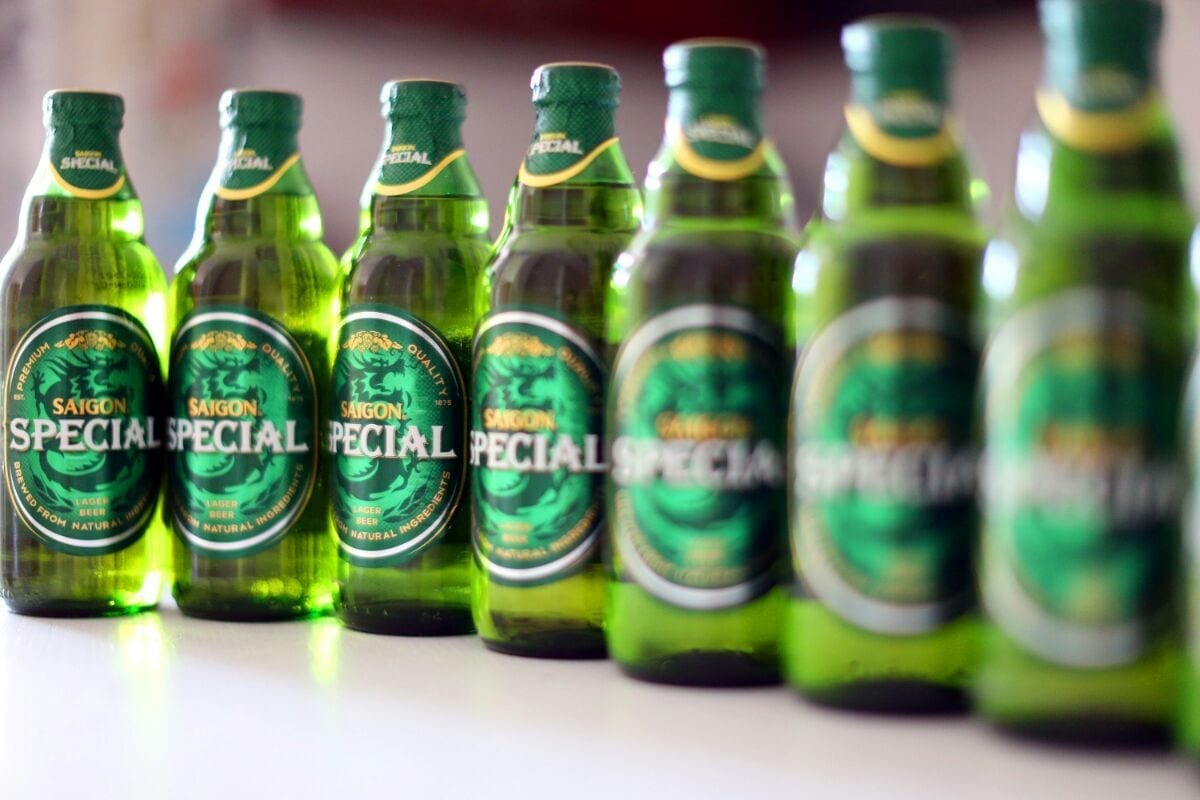
    Saigon Beer-Alcohol-Beverage Corporation teamed up with the Vietnam Fatherland Front in Hanoi on October 16 to launch the 2026 Ambassador of National Progress Award across 34 provinces and cities.

    The brewer will filter grassroots submissions down to 150 shortlisted candidates before naming 15 final honourees through a weighted evaluation model.

    Award structure and evaluation mechanics

    Local chapters of the Vietnam Fatherland Front across all 34 centrally governed provinces and cities handle the intake of nominees. Submissions run from October through December 2026 across six distinct fields: community development, vocational training, environmental sustainability, science and technology, balanced health, and culture.

    Organisers will open the pool of 150 shortlisted profiles to public voting through the official web portal and a newly added SMS channel. An Evaluation Council controls 70 per cent of each contender’s final tally, while public votes decide the remaining 30 per cent.

    Corporate positioning in the beverage sector

    For consumer goods manufacturers operating in Vietnam, structural community initiatives provide direct brand visibility across rural and tier-two provinces where standard retail promotions face stiff competition. Partnering with state-backed civic organisations gives Sabeco distribution touchpoints that commercial marketing cannot match.

    Local brewing rivals and multinational beverage giants frequently lean on music events and sports sponsorships to defend market share. Sabeco’s reliance on civic network awards embeds the enterprise directly into local administrative circuits, cementing goodwill among domestic distributors and regional retail accounts.

    Building on the 2025 heritage rollout

    The company instituted the inaugural edition of the recognition programme in 2025 to align with its 150th brewing anniversary. That first run established the basic six-track format before organisers expanded geographic outreach and added cellular ballot mechanics for the 2026 cycle.

    “What has always inspired us about Vietnam is the Vietnamese people’s unwavering spirit of striving forward,” said Tan Teck Chuan Lester, General Director of Sabeco.

    Next steps in the selection cycle

    Dai Doan Ket Newspaper and regional Fatherland Front committees are currently gathering district nominations ahead of the December 2026 intake deadline. Public voting opens early next year once judges publish the 150-candidate shortlist.

  • Sega Shifts Strategy from Selling Games to Building Transmedia Ecosystems

    Sega Shifts Strategy from Selling Games to Building Transmedia Ecosystems

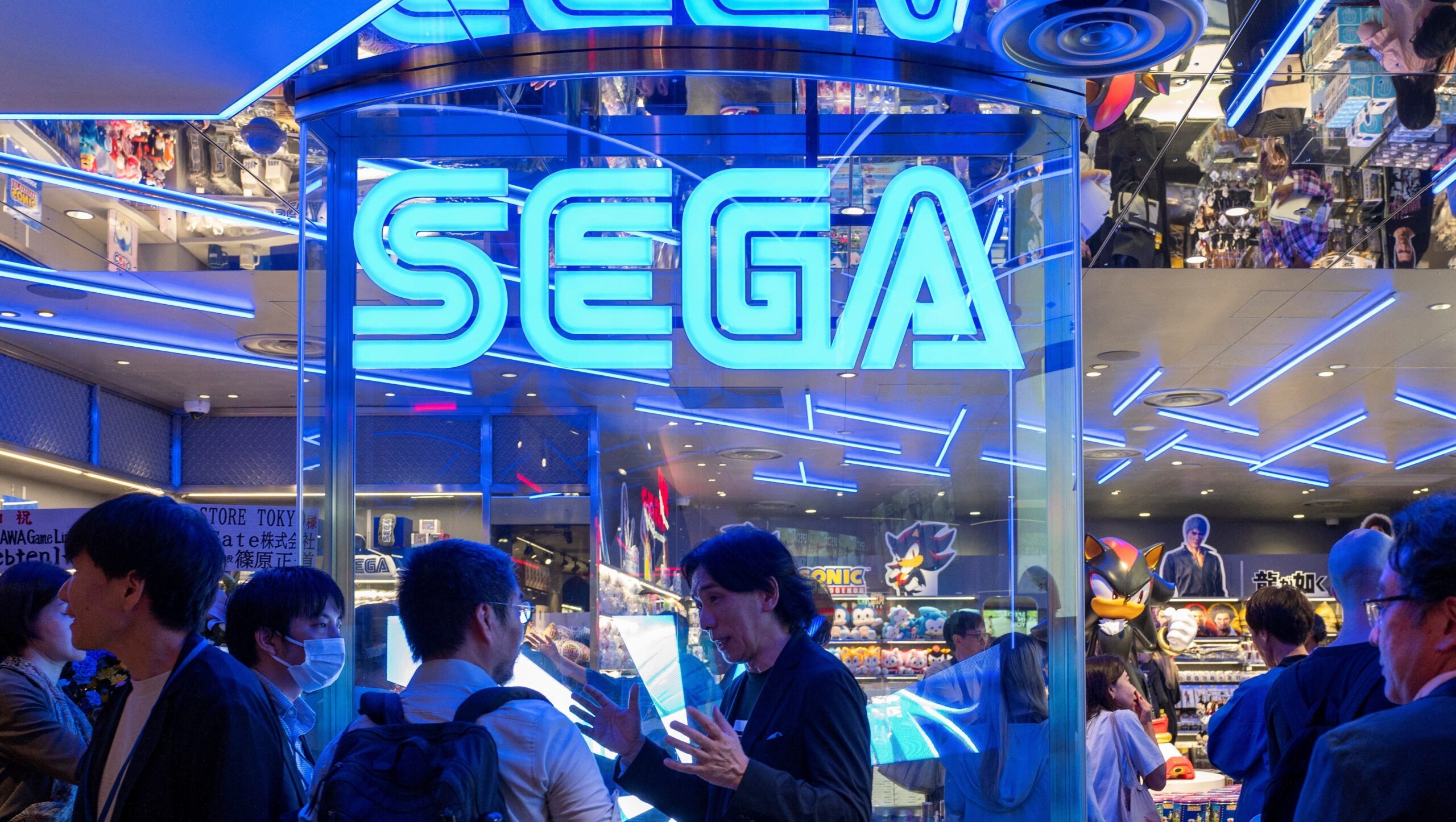
    In October 2026, Sega outlined a shift in its commercial strategy toward multi-channel intellectual property ecosystems, moving away from a traditional reliance on packaged video game releases to drive core revenue across consumer markets.

    President Shuji Utsumi confirmed the Tokyo-based entertainment company is deploying films, retail licensing agreements, and direct fandom engagement to anchor franchise values across physical and digital storefronts.

    Building beyond standalone software

    The transmedia push prioritises cross-platform character exposure over single-title release schedules. Film adaptations and character merchandise now serve as primary customer acquisition channels rather than secondary promotional spin-offs, feeding consumer demand directly into software catalogues, physical retail merchandise, and digital brand platforms.

    Executive leadership under Utsumi is aligning internal development studios with external film distributors and consumer product licensees. The operational framework treats each intellectual property portfolio as an enduring franchise ecosystem designed to retain audience spend across multiple entertainment touchpoints.

    The read across for Asian licensing and retail

    For toy manufacturers, apparel licensees, and retail buyers across the Asia-Pacific region, Sega’s multi-channel pivot establishes continuous consumer engagement throughout product life cycles. Traditional video game merchandising relied on volatile spikes during hardware generation launches or standalone sequel debuts, leaving shelf space vulnerable during development lulls.

    A coordinated release calendar spanning theatrical distribution, streaming content, and physical consumer goods reduces operational inventory risks for commercial partners. The challenge for Sega lies in maintaining franchise quality across external licensing partners while protecting brand equity from overexposure in competitive consumer categories.

    Competitive pressure across regional peers

    Japanese entertainment conglomerates are systematically consolidating character portfolios to defend consumer wallet share against Western entertainment groups. Regional rivals such as Bandai Namco have accelerated cross-border licensing expansions across Southeast Asia to insulate balance sheets from domestic demographic contraction.

    Sega’s transmedia rollout establishes the operational benchmark for its upcoming pipeline of legacy properties, with management tracking audience engagement and cross-category licensing conversions as the next multi-platform releases enter international markets.

  • Nine in 10 APAC Consumers to Reconsider Buying from Unsustainable Brands

    Nine in 10 APAC Consumers to Reconsider Buying from Unsustainable Brands

    Around nine in ten consumers across Asia-Pacific plan to stop or reconsider buying from retail brands that fail to prioritise sustainability, Retail Asia reported this week. The regional consumer shift places immediate pressure on consumer goods makers and store operators across major regional markets.

    Shoppers across key Asian metropolitan centres increasingly treat environmental performance as a basic buying criterion rather than an optional marketing feature. Brands that delay operational changes face direct volume losses as regional consumers switch to competitors with transparent practices.

    Shifting Consumer Spending Priorities

    Consumer sentiment across Asia-Pacific retail channels demonstrates a sharp reduction in patience for businesses without visible sustainability targets. Retailers that treat environmental initiatives as secondary risk losing significant portions of their regular customer base.

    The shift affects everyday grocery, apparel, personal care and packaged food categories where substitution is straightforward. In these segments, switching costs remain low and shoppers actively look for clear evidence of responsible sourcing.

    Commercial Risk for Retail Operators

    For store operators and brand owners, customer churn driven by environmental practices creates a direct revenue threat. Retailers operating in competitive urban centres cannot afford to alienate large shares of their shoppers when customer acquisition costs remain elevated.

    Suppliers across regional retail ecosystems must adapt packaging, raw material sourcing and logistics networks to retain shelf placement. Retail chains are increasingly aligning their merchandise assortments with consumer demand for verifiable sustainability credentials.

    Supply Chain and Sourcing Demands

    Consumer pressure now travels directly up the retail supply chain to manufacturers, packaging suppliers and distribution partners. Operators that fail to audit their supply lines face reputational pushback from shoppers who demand accountability across product lifecycles.

    Regional manufacturers that modernise factory operations and reduce waste gain an immediate commercial advantage with retail category buyers. Suppliers slow to provide sustainability disclosures risk removal from mainstream store networks.

    What Retailers Face Next

    Retail networks across the region must balance the capital expense of operational overhauls against the clear cost of customer attrition. Brands that integrate environmental measures directly into product development and store operations will protect market share as consumer criteria tighten across Asia-Pacific.

  • Indonesia Seeks Bigger Role in Asia-Pacific Retail Industry

    Indonesia Seeks Bigger Role in Asia-Pacific Retail Industry

    Indonesia is pushing to expand its footprint and secure a bigger role in the Asia-Pacific retail sector through deeper regional trade ties and cross-border commercial partnerships, ANTARA News reported. The domestic market of over 275 million people remains Southeast Asia’s largest consumer base, giving local operators use as they seek wider influence across regional supply networks.

    Indonesian retailers face direct competition from established operators in Thailand, Malaysia, and Singapore that expanded regional store footprints years ago. Building outward reach requires Indonesian brands to match international standards in supply chain management, inventory systems, and omnichannel fulfillment.

    Cross-border retail expansion across Southeast Asia depends heavily on bilateral trade arrangements and synchronized customs protocols ahead of planned rollouts over the coming fiscal quarters. Indonesian commercial groups want local consumer brands to gain wider shelf space in neighboring shopping centers and digital platforms.

    Regional Trade Integration

    Regional retail groups operate with sophisticated logistics hubs in places like Singapore and Bangkok. Indonesian operators must upgrade warehouse automation and freight links to compete effectively on delivery speed and product freshness.

    Digital Commerce and Store Networks

    Modern trade in Jakarta and secondary Indonesian cities combines physical hypermarkets, convenience store chains, and online commerce. Expanding that model into regional markets requires significant capital commitments from Indonesian conglomerates.

    Foreign retail brands continue to enter Indonesia, attracted by the country’s population of over 275 million people. Local retail groups now aim to reverse that dynamic by exporting homegrown retail concepts, packaged food brands, and lifestyle chains across Southeast Asia.

    Capital Allocation and Expansion Risks

    Entering overseas markets exposes Indonesian retail companies to foreign exchange volatility, varying labor regulations, and shifting local consumer preferences. Capital that goes toward foreign expansion could otherwise fund domestic store rollouts in underserved Indonesian provinces outside Java.

    Landlords and mall developers across Southeast Asia demand proven sales records before offering prime retail space to foreign newcomers. Indonesian brands will need to prove strong unit economics before securing competitive lease terms in prime shopping districts.

    Monitoring the Next Regional Steps

    Indonesian industry associations plan to increase participation in regional retail forums and trade delegations to establish partnerships with overseas distributors. Bilateral retail partnerships and franchise agreements will serve as the primary vehicle for initial store rollouts outside the home market.

    The pace of cross-border expansion depends on regulatory approvals, brand registration timelines, and formal franchise agreements signed over the coming fiscal quarters.

  • KT&G Expands Airport Duty-Free Footprint to Istanbul and Gulf Hubs

    KT&G Expands Airport Duty-Free Footprint to Istanbul and Gulf Hubs

    KT&G has secured new duty-free retail space across international airport hubs in Istanbul, Bahrain, and Kyrgyzstan. The rollout builds on its 25-year retail tenure at Seoul’s Incheon International Airport.

    Management is targeting high-traffic transit corridors. Global passenger volumes are recovering, and overseas demand for the group’s flagship cigarette brand Esse continues to climb.

    Istanbul Airport handles roughly 84 million passengers annually as a key transfer nexus between Europe, Asia, and the Middle East. KT&G rolled out five Esse products across terminal duty-free shops there in August. Esse generated approximately 2 trillion won in total sales last year. More than 1 trillion won of that came from international markets. New supply contracts also placed KT&G product lines into duty-free outlets at Muharraq in Bahrain and Bishkek in Kyrgyzstan after negotiations at international travel retail trade events.

    Incheon Track Record Anchors Global Play

    This push into Eurasian and Middle Eastern travel retail builds on KT&G’s position at Incheon International Airport, where it has operated continuously since the terminal opened in March 2001. The manufacturer lists roughly 100 product variations at the hub today. Between 2015 and 2017, the company ranked as the top-selling brand by value across Incheon’s entire retail floor. Sales reached 159 billion won ($118 million) in 2017, outbilling second-place Louis Vuitton by nearly two to one, according to Incheon International Airport Corp data.

    That domestic track record gives the company use when negotiating concession shelf space with multinational operators. Incheon’s retail turnover climbed 11.2 percent in the first half of the year against the previous six months. South Korea welcomed 10.7 million foreign tourist arrivals during that period, providing steady cash flow to fund overseas distribution buildouts.

    Targeting High-Volume Travel Retail Corridors

    For airport landlords and operators, tobacco remains one of the highest-margin, fastest-turning categories per square meter. Industry estimates from the Business Research Company project the global travel retail tobacco sector will expand from $8.04 billion in 2024 to $13.47 billion by 2029. Asia-Pacific accounted for 42 percent of that turnover in 2024. Airport shops generated 60.7 percent of total sales across all travel retail channels.

    Securing distribution inside megahubs like Istanbul lets KT&G drive consumer sampling while bypassing local advertising bans common in domestic retail channels. Still, risks remain. Regulatory scrutiny around cross-border tobacco allowances is rising, and airport traffic patterns could shift away from intermediate transit hubs toward direct point-to-point routes.

    Earnings Guidance and Pipeline

    Stronger duty-free placement aligns with rising profitability across KT&G’s core tobacco operations. The group posted an 18.5 percent year-on-year increase in second-quarter operating profit to 414.5 billion won on revenue of 1.7 trillion won, delivering its fourth straight quarter of double-digit profit growth. Overseas revenue grew 18.9 percent to 557.7 billion won during the period. Operating profit for the tobacco division alone reached 382.5 billion won on sales of 1.22 trillion won.

    Following those figures, KT&G raised its full-year financial outlook. The group now projects 5 to 7 percent revenue growth and 10 to 13 percent operating profit growth, up from previous guidance ranges of 3 to 5 percent and 6 to 8 percent. Management plans to convert buyer leads from recent trade exhibitions in Cannes, Singapore, and Germany into additional airport supply listings before the close of the financial year.

  • Indofood CBP Launches Two New POP Spageti Flavours in Indonesia

    Indofood CBP Launches Two New POP Spageti Flavours in Indonesia

    PT Indofood CBP Sukses Makmur Tbk has launched two instant pasta variants in Indonesia this week under its POP Spageti brand. The new flavours are Pizza Bolognese and Fried Chicken Carbonara.

    Marketing for the rollout targets younger consumers under the New Taste, New Vibe campaign banner.

    Fast-food flavours in instant packs

    Both additions merge Western fast-food recipes with instant noodle preparation. Pizza Bolognese combines herb-seasoned tomato sauce with spaghetti noodles. Fried Chicken Carbonara pairs creamy white sauce with fried chicken seasoning notes.

    Each item uses a dry noodle format. Consumers rehydrate the noodles with boiling water before mixing in the sauce and seasoning sachets for quick at-home meals.

    Product shifts in convenience meals

    Indofood CBP is testing crossover flavours across its processed food divisions to protect shelf space in modern retail channels. Local supermarket aisles lean heavily toward traditional savoury and chilli blends. Novel combinations give the company a reliable way to drive trial among younger shoppers.

    These Western-style instant pasta packs carry a higher price point than standard instant ramen. Retailers rely on them to lift basket values without dedicating floor space to chilled or frozen ready meals.

    Positioning against standard noodle lines

    Convenience stores across Java and regional hubs serve as the main testing ground for the new lines. Steady foot traffic from students and office workers turns novelty food items into reliable impulse buys at checkout.

    Market competition across Indonesian instant noodles remains aggressive. Domestic producers regularly rotate limited-edition lines to defend volume share against imported Asian brands.

    Retail distribution across modern trade

    A vast distribution network across Southeast Asia gives the manufacturer immediate access to modern trade chains and traditional minimarkets.

    Shoppers can find the Pizza Bolognese and Fried Chicken Carbonara packs in Indonesian modern grocers, minimarkets, and e-commerce platforms selling the Indofood portfolio.

  • Indonesia Court Orders Mandatory Front-of-Pack Nutrition Labels

    Indonesia Court Orders Mandatory Front-of-Pack Nutrition Labels

    Indonesia’s Constitutional Court ruled that packaged food and beverage products must carry front-of-pack nutrition labels specifying 3 dietary components: sugar, salt and fat. The decision binds regulators to enforce standardized warnings across the retail packaged goods sector.

    Food manufacturers and consumer packaged goods brands across Southeast Asia’s largest retail market now face mandatory compliance overhauls for product packaging. The ruling directs national regulators to set up color-coded nutritional indicators designed to limit the intake of high-risk dietary ingredients.

    Enforcement across packaged goods

    The legal mandate requires Health Minister Budi Gunadi Sadikin’s Health Ministry and the Food and Drug Supervisory Agency, known locally as BPOM, to establish an evidence-based labeling standard after previewing prototypes on April 14. Advocacy groups including the Center for Indonesia Strategic Development Initiatives and the Indonesian Consumers Foundation backed the court order to accelerate implementation.

    Regulators previously introduced a Nutri-Level system preview in Jakarta on April 14, where BPOM chief Taruna Ikrar and Health Minister Budi Gunadi Sadikin examined prototype color grades. The court decision now turns what was an administrative proposal into a strict legal obligation for food processors.

    Operational shifts for food brands

    Consumer brands face immediate reformulations and inventory packaging write-offs once technical rules take effect. Companies selling high-sugar drinks, processed snacks and convenience foods will have to display prominent health warnings that directly influence basket choices at supermarket shelves and convenience stores.

    Supermarket operators and minimarket chains must prepare for altered product velocity. In neighboring markets such as Singapore and Thailand, graded nutrient profiling reshuffled packaged beverage sales toward lower-sugar alternatives, forcing multinational suppliers to adjust localized recipes.

    Standardizing color-coded grades

    The policy framework targets non-communicable diseases linked to excessive dietary sodium, saturated fat and refined sweeteners. Policy analysts emphasize that clear graphic indicators are necessary to ensure consumer comprehension at point of sale.

    CISDI policy analyst Ika Nindyas Ranitadewi said on Thursday that “such a labeling requirement is an important step to ensure consumers’ rights to food information” across the retail supply chain.

    YLKI chair Niti Emiliana noted that mandatory warning labels provide an opportunity for state agencies to enforce uniform standards across domestic producers and imported grocery lines.

    Regulatory timeline and implementation

    BPOM and the Health Ministry must now draft the implementing technical guidelines governing threshold metrics, typography and package placement. The forthcoming ministerial regulation will dictate transition windows for consumer goods conglomerates and small-scale domestic food processors alike.

  • Carlsberg Malaysia Takes Seventh Consecutive Equity Return Award with 125.8% ROE

    Carlsberg Malaysia Takes Seventh Consecutive Equity Return Award with 125.8% ROE

    Carlsberg Brewery Malaysia Berhad won two honours at The Edge Billion Ringgit Club Awards 2026, logging a 125.8 per cent return on equity for 2025. This secured the Shah Alam brewer its seventh straight win for highest return on equity in consumer products and services.

    The company also took the corporate responsibility award for Bursa Malaysia listed firms with market capitalisations between RM1 billion and RM10 billion. Out of 1,060 listed companies, only 183 qualified for the club this year.

    Three-Year Capital Efficiency Numbers

    Rolling metrics for the award tracked performance from 2023 through 2025. Return on shareholders funds stood at 177.8 per cent in 2023, 134.3 per cent in 2024 and 125.8 per cent in 2025. These figures stem from tight working capital controls. They also reflect steady cash generation from Shah Alam brewing and distribution across Malaysia and Singapore.

    Holding equity returns above 120 per cent through input cost swings demands strict pricing and rapid inventory turns. Southeast Asian commercial brewers operate on thin margins. Regional tax structures and retail margins leave no room for operational bloat.

    Supply Chain Audits and Governance

    The governance award recognised an expanded responsible sourcing programme across third-party suppliers. This framework aligns procurement with Malaysia’s National Action Plan on Business and Human Rights 2025 to 2030. It also updates internal labour standards across regional vendors.

    Rating agencies responded with higher marks. MSCI ESG Ratings upgraded the Malaysian unit to AAA. Meanwhile, FTSE4Good Bursa Malaysia maintained its four-star rating on the stock.

    Regional Brewery Margins and Risks

    Consumer goods producers across Southeast Asia face a divided market. Premium beer lines protect margins in major cities. General retail spending, however, faces persistent caution. The slide in return on equity from 177.8 per cent in 2023 to 125.8 per cent in 2025 shows this pressure. Higher production overheads and currency shifts continue to squeeze regional returns.

    Competitors across the region face similar margin pressures. Heineken Malaysia and regional importers have turned to supply chain automation and selective price hikes to defend profitability. Primary operational risks centre on input costs and utility tariffs. Higher energy expenses can quickly erode factory margins if volume growth slows.

    Community Funding and Capital Outlays

    In community funding, the brewer’s Top Ten Charity Campaign passed RM600 million raised in 2025. The platform has supported more than 700 vernacular schools since its 1987 launch. It runs alongside the company’s broader sustainability programme.

    Managing director Stefano Clini indicated capital will flow into plant capabilities, brand lines and internal systems. Investors now turn to fourth-quarter volume figures and the interim dividend declaration to see whether returns stay above the 120 per cent threshold.

  • Indian AC Volumes Surge over 25% Ahead of Festive Season

    Indian AC Volumes Surge over 25% Ahead of Festive Season

    Indian consumer demand accelerated during the July-September quarter, with air conditioner shipment volumes surging more than 25 per cent year-on-year, according to manufacturers.

    Sales of refrigerators and washing machines grew 13 to 14 per cent, while departmental store chain Lifestyle and market researcher Bizom tracked strong momentum across apparel and consumer goods.

    Volume gains outpace price rises

    Godrej Enterprises Group business head Kamal Nandi said festival demand expanded in double digits across Independence Day, Onam and Ganesh Chaturthi, noting that retail channels held over a month of stock at earlier prices to absorb recent hikes.

    Branded apparel revenue climbed more than 12 per cent during the three-month stretch. Early discount events, including Independence Day promotions in August along with regional festivals such as Onam and Ganesh Chaturthi, generated double-digit retail turnover across regional hubs.

    Department stores see tier-two traction

    Department store operators recorded steady foot traffic, led by non-metro locations where discretionary purchasing held up better than in the largest cities. Retailers cleared previous seasonal lines without heavy discounting, entering the festive calendar with lean inventory.

    “The July-September quarter was good with early double-digit sales growth and strong single-digit same-store growth,” said Devarajan Iyer, CEO at departmental store chain Lifestyle.

    Lifestyle reported that inventory levels of older lines remained restricted, allowing fresh merchandise to command full retail margins across department store networks.

    Grocery baskets show mixed momentum

    Fast-moving consumer goods recorded a value expansion of roughly 9 per cent through the quarter, according to data from retail analytics provider Bizom. Packaged food categories outpaced home care and personal hygiene products by a wide margin.

    Beverages, packaged groceries, confectionery, dairy products and commodities posted value gains between 10.8 per cent and 16.4 per cent from June through September. Personal care and household goods moved at a single-digit rate, showing that shoppers prioritized immediate food consumption over non-perishable refills.

    Macro tailwinds and monsoon risks

    Macroeconomic indicators provided support for consumption, with Indian gross domestic product expanding 7.8 per cent during the fiscal first quarter. Industrial output climbed 8 per cent year-on-year in August, improving on the 7.4 per cent recorded in July.

    A 13 per cent overall monsoon deficit across 15 states and union territories presents the primary risk factor for agricultural income and late-season rural demand. Consumer goods companies are now tracking whether rural sales channels match urban momentum as Diwali distribution cycles close out in October.

  • Global Planner Notebook Market to Grow 3.2 Percent Annually Through 2035

    Global Planner Notebook Market to Grow 3.2 Percent Annually Through 2035

    The global planner notebook market is projected to expand at a compound annual growth rate of 3.2 percent from 2026 to 2035, according to a report published by IndexBox in September 2026.

    Market value growth is set to outpace volume growth over the forecast period as consumers increasingly opt for higher-priced, benefit-led products, lifting the sector index to 137 by 2035 from a base of 100 in 2025.

    Asia-Pacific will remain the largest consumer market globally, supported by population scale and rising disposable incomes, while North America and Europe lead adoption across premium product categories.

    How Price Tiers Split the Retail Shelf

    The global retail landscape has split into two separate operating tracks. On one side sits a high-volume, commoditized mass-market segment dominated by supermarket distribution, back-to-school promotional discounting, and heavy private-label competition. On the other side is a high-margin premium segment where direct-to-consumer digital channels and specialty bookshops sell brand equity, lifestyle aesthetics, and tactile user experiences.

    Mainstream mid-tier brands face the sharpest margin squeeze. Mass merchandisers and drugstores continue to expand their private-label stationery assortments, undercutting standard branded notebooks on price. To defend gross margins, branded manufacturers are moving upmarket into benefit-led products that combine habit tracking, mindfulness prompts, and bullet journaling layouts that private-label lines struggle to replicate.

    North America holds 25 percent of the global market and Europe claims 20 percent, with both regions leading in average selling price. Latin America and the Middle East and Africa each represent 10 percent of worldwide consumption, where demand remains focused in urban centers and reliant on imported inventory.

    Supply Chain Decoupling and Manufacturing Shifts

    Production models have adapted to this bifurcated retail demand. Basic component manufacturing, standard paper milling, and entry-level binding stay concentrated across large-scale industrial bases in Asia, giving mass-market suppliers the scale required for low-cost volume contracts.

    Finishing, custom embossing, and high-spec packaging for premium lines are increasingly localized or handled through regional direct-to-consumer fulfillment hubs. This split allows stationery companies to manage raw material price swings in paper pulp and shipping freight while selling personalization features at substantial retail markups.

    Direct-to-consumer e-commerce acts as the main customer acquisition engine for specialized brands. Instead of relying purely on physical stationery retail, producers use online platforms to sell accessories, page refills, and digital courses alongside physical books, increasing lifetime customer spending and insulating margins from distributor cuts.

    Japanese Makers Set the Standard in Asia

    Stationery brands in Japan, China, and South Korea have built strong domestic followings that now drive export volume into Western markets. Japanese producers such as Hobonichi, Kokuyo, and Muji established early commercial footholds by treating daily planners as cultural staples rather than basic office supplies.

    Hobonichi built a global cult following around its daily techo planners, proving that premium paper quality and functional layout design command high overseas shipping premiums. Western players like Moleskine, Leuchtturm1917, and Erin Condren must now compete directly against Asian precision stationery brands across both physical specialty stores and international e-commerce marketplaces.

    Digital substitution remains the primary operational threat to paper planners, especially among younger demographics who rely on free smartphone calendar applications. Successful stationery makers counter this attrition by positioning paper as a tactile digital detox tool, while introducing hybrid products featuring QR codes, app syncing, and scannable templates.

    Historical Groundwork and Category Benchmarks

    Between 2012 and 2025, stationery manufacturers weathered repeated waves of digital calendar adoption by transitioning away from utilitarian office pads toward lifestyle and personal productivity systems. That commercial pivot established the pricing tiers that now govern the retail trade.

    Corporate procurement has also stabilized around hybrid work arrangements. While enterprise software handles shared team scheduling, corporate gifting and branded desk merchandise continue to provide steady contract volume for high-end notebook makers.

    Category operators are now locking in their product catalogs and channel allocations for the next academic and calendar cycle, with brands watching whether raw paper input costs stabilize before committing to wholesale discount schedules for 2027.

  • PepsiCo Launches House of Brands Campaign as Only 18% Know Wider Range

    PepsiCo Launches House of Brands Campaign as Only 18% Know Wider Range

    In September 2026, PepsiCo launched a House of Brands campaign across retail channels after finding only 18 per cent of consumers associate the group with products beyond its core carbonated drink.

    The push highlights major portfolio names such as Lay’s, Cheetos, Gatorade and Quaker Oats under the corporate parent banner.

    Closing the Portfolio Perception Gap

    Consumer recognition remains heavily concentrated in beverages despite decades of multi-category expansion into snacks and packaged foods. The campaign uses hypothetical names such as Lay’s-Co, Cheetos-Co and Quaker-Co to demonstrate the scale of brands operating under the central corporate identity.

    Supermarket retailers across Asia-Pacific traditionally manage these product lines across separate aisle categories rather than as a single supplier block. Grouping savory snacks, sports beverages and breakfast staples under one umbrella strengthens supplier use during retail category reviews and joint promotional scheduling.

    Shifting Consumer Perception on Shelf

    Rival consumer goods conglomerates face similar challenges when corporate holding identities remain detached from daily shopping baskets. Linking individual product equities back to a central masterbrand helps defend shelf placement against store-brand lines across packaged grocery aisles.

    The strategy also introduces distinct exposure risks for the manufacturer. Any consumer scrutiny affecting carbonated beverage categories can transfer more readily to packaged grains or hydration products once corporate links become explicit.

    Retail performance metrics and cross-category purchasing data will show whether the awareness push drives higher basket conversion across Australian grocery chains.

  • Chinese Beauty Accessory Sales Surge Across the United States

    Chinese Beauty Accessory Sales Surge Across the United States

    Sales of Chinese-made beauty accessories are surging across the United States in 2026, according to exporter Joe Wu, as wigs and nails ride a social media boom.

    The export growth comes this week amid a presidential summit shadowed by trade friction over high-profile Chinese shipments of cars and batteries.

    Export hubs in central China

    Production is concentrated in central Chinese hubs like Xuchang, supplying US consumers with pre-bleached straight hair wigs, wavy clipped extensions and coffin-shaped nails.

    “This market is growing,” said Joe Wu, an exporter based in Xuchang. Suppliers in the region are managing steady order books from overseas buyers despite shifting trade patterns in broader commerce.

    Consumer trade outside strategic disputes

    The acceleration in non-strategic consumer goods runs alongside political scrutiny over high-profile Chinese exports such as electric vehicles and industrial batteries. Beauty accessories remain largely separate from those high-level trade disputes.

    Cross-border merchants rely on rapid production cycles to match viral online styling trends. Low tooling costs and deep supply ecosystems allow workshops to switch styles within days.

    Supply chain agility for digital retail

    Online retail platforms continue to compress the timeline between cosmetic trend cycles and factory output. Fast fulfillment models give specialized producers a direct route to Western consumers seeking affordable personal care accessories.

    For independent exporters, small-batch logistics provide steady cash flow while avoiding the inventory risks carried by larger consumer electronics or automotive components.

    Order volumes heading into peak season

    Production facilities in central China are maintaining high output schedules to meet American retail restocking deadlines. Factory managers are tracking platform shipping costs and digital advertising conversion rates closely as seasonal demand builds.