Tag: consumer goods

  • China Hair and Nail Exports to the US Hit $1.3 Billion in First Half

    China Hair and Nail Exports to the US Hit $1.3 Billion in First Half

    China exported $1.3 billion worth of hair products to the United States in the first six months of 2026, up 12.4 per cent year on year.

    Shipments are on track to clear the $2.3 billion recorded across 2025, according to customs figures. Broader trade disputes still bring fresh tariff threats to industrial goods, but beauty exports continue to climb.

    Demand extends beyond hairpieces to press-on nails and artificial eyelashes. These low-cost items bypass traditional distributors. Instead, they sell straight to American shoppers through livestreams on TikTok and Instagram.

    Factory clusters drive volume

    Two industrial centres in eastern and central China anchor the trade. In Xuchang, a Henan city of 4.4 million, roughly 300,000 people process hair and make wigs. Exporter Joe Wu expects his factory shipments to climb 40 per cent this year. Online orders from the US lead the gain.

    Further east in Jiangsu province, Donghai county has become a production base for artificial nails. The county of 1 million residents hosts nearly 25,000 registered nail businesses. Factory owner Zhang Da runs a 200-worker plant there. He reported export orders jumped to 70 per cent of total sales this year, up from 20 per cent late in 2025.

    Producers keep costs down by dividing labour across borders. Xuchang factories source raw hair from rural Chinese provinces. They ship intermediate pieces to North Korea for hand-tying onto lace caps, then finish and pack the goods in Henan.

    Social commerce bypasses middlemen

    Social video algorithms have shortened the route from factory floor to overseas buyers. Hair products captured 17 of the top 20 grossing positions in US fashion accessory sales on TikTok in August, according to analytics service Fast Moss. Glueless pre-bleached straight wigs led the category.

    Individual livestreamers in Donghai workshops now generate $10,000 a month selling custom nail sets directly to US viewers. Tian, another hair producer in Xuchang, reported US sales rose 15 per cent this year. Direct interaction lets sellers offer personalized finishes at higher price points.

    Supply chain barriers hold off rivals

    Southeast Asian manufacturers face a steep barrier in trying to match that scale. Garment and footwear assembly shifted to Vietnam, Cambodia and Indonesia over the past decade. Beauty accessories, however, rely on tight local supplier networks. Clusters in China supply lace, adhesives, specialized pigments and sorted hair within a few square kilometres.

    That concentration gives Chinese operators an efficiency lead that absorbs US import duties. Buyer interest has not eroded. Sourcing outside these clusters remains impractical for international brands, as alternative regions lack the skilled workforce needed for intricate detailing.

    “It is not just competing with the industrial products of one or two countries, it is competing with all industrial products globally,” said Dan Wang, China director of Eurasia Group.

    Tariff exposure and regulatory risk

    Washington keeps consumer goods tariffs high on its diplomatic agenda. Beauty accessories, however, face little US political pushback. They do not compete against large domestic manufacturers. Cross-border platforms can pass modest freight and duty adjustments straight to buyers.

    Earlier trade disputes proved the sector’s pricing power. Demand for cheap personal care goods held firm even as duties rose on consumer electronics and auto parts.

    Chinese customs authorities will release third-quarter trade totals in October. Those figures will show whether direct parcel shipments can keep up their double-digit pace through the peak year-end shopping season.


  • Only 17 per Cent of FMCG Launches Achieve Strong Trial and Repeat Buys

    Only 17 per Cent of FMCG Launches Achieve Strong Trial and Repeat Buys

    Only 17 per cent of fast-moving consumer goods launches achieve strong trial and strong repeat purchase, according to a 2025 study by NielsenIQ.

    A new product launch that fails to build a fast rate of sale quickly loses its shelf space, with winning back lost distribution costing even more.

    Marketing agency Social Soup notes that Australian product discovery no longer relies on single large campaigns, but on sequential creator recommendations, feed reviews, and verified trials.

    Data from the Interactive Advertising Bureau shows 58 per cent of Australian consumers now use social platforms for brand and product research. Among shoppers aged 18 to 39, 75 per cent discover products directly from creators. Spending has shifted away from broad television and static outdoor ads into verified sampling and creator-led store traffic programmes.

    The mechanics of retail store pull

    Consumer goods brands now use micro-creator networks to generate physical store visits instead of generic awareness. Beverage maker H2coco sent 100 creators with vouchers to buy its Peach variant inside Ampol service stations. The campaign produced 142 pieces of content showing the purchase and consumption. It delivered 126,600 organic views and a 7.8 per cent engagement rate, beating its 4 per cent target.

    Ampol stores saw a similar mechanic during the brand’s Matcha drink roll-out at 7-Eleven, where 51 creators repeated the purchase process. Shelf space in petrol and convenience channels is limited to immediate consumption. Quick sell-through speed determines whether an SKU earns a permanent spot in the cold vault.

    Tissue maker Sorbent used household sampling to trigger switching from rival paper brands. Its Home Truths campaign targeted 1,000 households that regularly bought competing products, generating 2,900 verified home trials and 2,158 published reviews. The push yielded an 88 per cent post-trial purchase intent score.

    Asia Pacific e-commerce shift

    These Australian figures match broader retail changes across the Asia-Pacific region, where mobile purchasing drives sales. Mobile devices account for more than 60 per cent of regional FMCG online transactions. Digital wallets make up 65 per cent of regional e-commerce settlements, compared to 83 per cent globally.

    Adoption rates vary widely across regional markets. India leads digital FMCG adoption at 90 per cent, followed by China at 86 per cent and South Korea at 60 per cent. By contrast, online penetration in traditional developed retail sectors fell from 60 per cent to 52 per cent over the past year due to price sensitivity and inflation.

    Shoppers across regional platforms track prices closely. Data shows 47 per cent of online shoppers delay buying consumer goods until major platform sales events. Delivery costs also decide basket size, with 93 per cent of shoppers calling free freight essential at checkout.

    Supplier risks and category entry points

    Suppliers carry clear operational risks when customer acquisition costs eat into retail margins. Discounting to trigger early volume damages price perception and rarely builds repeat buying habits. Supermarket buyers now demand proof of sustained demand before allocating floor space.

    Australian store operators have shortened review windows for new lines. An item that misses inventory turn targets within twelve weeks gets cut quickly. Backing launches with verified community trials gives suppliers the sales data they need to protect shelf space during quarterly range reviews.

    Global FMCG revenues, valued at 12.93 trillion dollars in 2024, are projected to reach 21.88 trillion dollars by 2034. Capturing that growth across Asia-Pacific requires brands to connect creator campaigns directly to store aisles rather than relying on stand-alone media.

    What consumer brands track next

    Brand teams in Australia and New Zealand are preparing for upcoming category range reviews across major supermarket and convenience channels. Marketers are shifting funds from slotting fees on end-caps into creator trial programmes.

    Range reviews through 2027 will test whether community sampling can lift that 17 per cent benchmark for 90-day repeat replenishment across supermarket aisles.

  • Herbalgy Launches 27-Year Campaign in Hong Kong with Keung To

    Herbalgy Launches 27-Year Campaign in Hong Kong with Keung To

    Hong Kong topical pain relief maker Herbalgy Pharmaceutical launched an anniversary retail push on September 16. The promotion features 27 per cent discounts and tiered basket incentives on its direct-to-consumer online store.

    The campaign pairs the brand’s 27th year in business with Hong Kong pop idol Keung To. The singer turns 27 this year.

    Discounts and High-Ticket Spend Tiers

    Shoppers face three volume incentives on the brand’s website. A one-day flash sale cut prices by 27 per cent across the catalogue on September 16. A month-long gift promotion runs through October 15. That offer gives customers an exclusive Keung To merchandise gift on net purchases of HK$430 or more.

    To lift order values among regular buyers, the company added an upper tier requiring a single net spend of HK$2,700. Reaching that threshold yields 27 units of 5 ml portable pain relief products.

    The Direct-to-Consumer Push for Traditional Formulations

    Traditional Chinese medicine makers across Hong Kong face steady pressure to turn pharmacy foot traffic into direct digital accounts. Medicated oils and plasters rely heavily on neighborhood dispensaries. In those physical shops, distributor fees and shelf rental costs squeeze profit margins.

    By partnering with a celebrity ambassador, Herbalgy aims to bypass retail intermediaries and secure higher gross margins. Retaining those buyers after discounts expire remains the central commercial risk. That challenge grows when asking shoppers to spend HK$2,700 on everyday topical remedies.

    Roots in Hong Kong Manufacturing

    Chinese medicine practitioner Professor Wong Tin Chee founded Herbalgy in 1999. He built the business on formulas created by his father, medicated oil producer Wong To Yick. Wong set up a Good Manufacturing Practice facility in Hong Kong to make registered proprietary Chinese medicines, later adding brands such as Touch Cool and Tibet Red.

    Digital sales and the Keung To gift promotion continue on Herbalgy’s official storefront through October 15, 2026.

  • Australian Functional Drinks Market Generates over $2 Billion

    Australian Functional Drinks Market Generates over $2 Billion

    In September 2026, Australian innovation is helping drive a new phase in functional beverages, targeting a domestic market that generates more than $2 billion a year.

    The shift toward what industry observers call 4th Gen Drinks moves past adding electrolytes, caffeine, vitamins, protein or probiotics to instead use naturally occurring compounds from food and food-production streams.

    Chris Plazzer, founder of Olive Mill Water, has developed a functional drink made from polyphenol-rich liquid released during olive oil production, without added sugar, caffeine, flavourings or artificial sweeteners.

    Extracting Value From Agricultural Waste

    Olive processors have historically discarded wastewater despite high concentrations of active phenolic compounds. Pre-clinical research currently links olive-derived phenolics to metabolic, cardiovascular and gut microbiome function, drawing commercial interest from functional food formulators.

    Rather than dosing purified extracts into standard liquid bases, upcycling systems capture active compounds directly from existing farmgate processing lines. The method reduces waste management costs for agricultural millers while generating raw inputs for consumer-packaged drinks.

    The next generation of functional drinks won’t be built by adding more to the formula. It’ll be built by discovering what’s already there; in ingredients the industry has spent decades overlooking, or throwing away entirely.

    Shifting Formulations in Regional Beverage Retail

    Australian beverage brands face changing consumer patterns as younger demographics reduce alcohol intake and demand clean-label alternatives. Convenience retailers and supermarket chains across the region are reallocating refrigerated shelf space away from high-sugar soft drinks toward functional hydrators and natural extracts.

    The main commercial bottleneck for upcycled functional beverages sits in taste profile regulation and supply stability. Olive wastewater carries natural bitterness that requires precise filtration without thermal degradation of target polyphenols, limiting initial batch yields.

    Export Pathways and Science Backing

    Functional drink makers previously relied on imported vitamin premixes and synthetic electrolytes to build label claims. Upcycled domestic ingredients allow manufacturers to shorten ingredient supply chains while tapping into Asian retail demand for clean Australian agricultural provenance.

    Clinical trials on olive phenolic bioavailability in beverage formats continue across independent laboratories, with initial commercial retail distributions scheduled for review in late 2026.

  • Latin America Attracts Nearly USD 300 Billion in Chinese Exports

    Latin America Attracts Nearly USD 300 Billion in Chinese Exports

    Chinese exports to Latin America have reached nearly USD 300 billion, driven by sustained shipments of consumer products, industrial equipment, and electric vehicles across Pacific trade routes.

    The export tally, compiled by market research provider Euromonitor International, now establishes the region among the fastest-expanding destinations for Chinese manufactured goods.

    Shifting Trade Corridors

    Exporters in mainland China have accelerated shipments to major Latin American hubs including Brazil, Mexico, Chile, and Colombia. Consumer electronics, automobiles, household appliances, and value-focused apparel make up a major share of the cargo filling outbound container lines.

    Cross-border e-commerce platforms and mainland automotive brands have widened their local distribution networks to support this volume. Direct fulfillment models and localized warehousing now allow manufacturers in Guangdong, Zhejiang, and Jiangsu to sell straight to Latin American retail buyers with shorter lead times.

    Pressure on Regional Ports

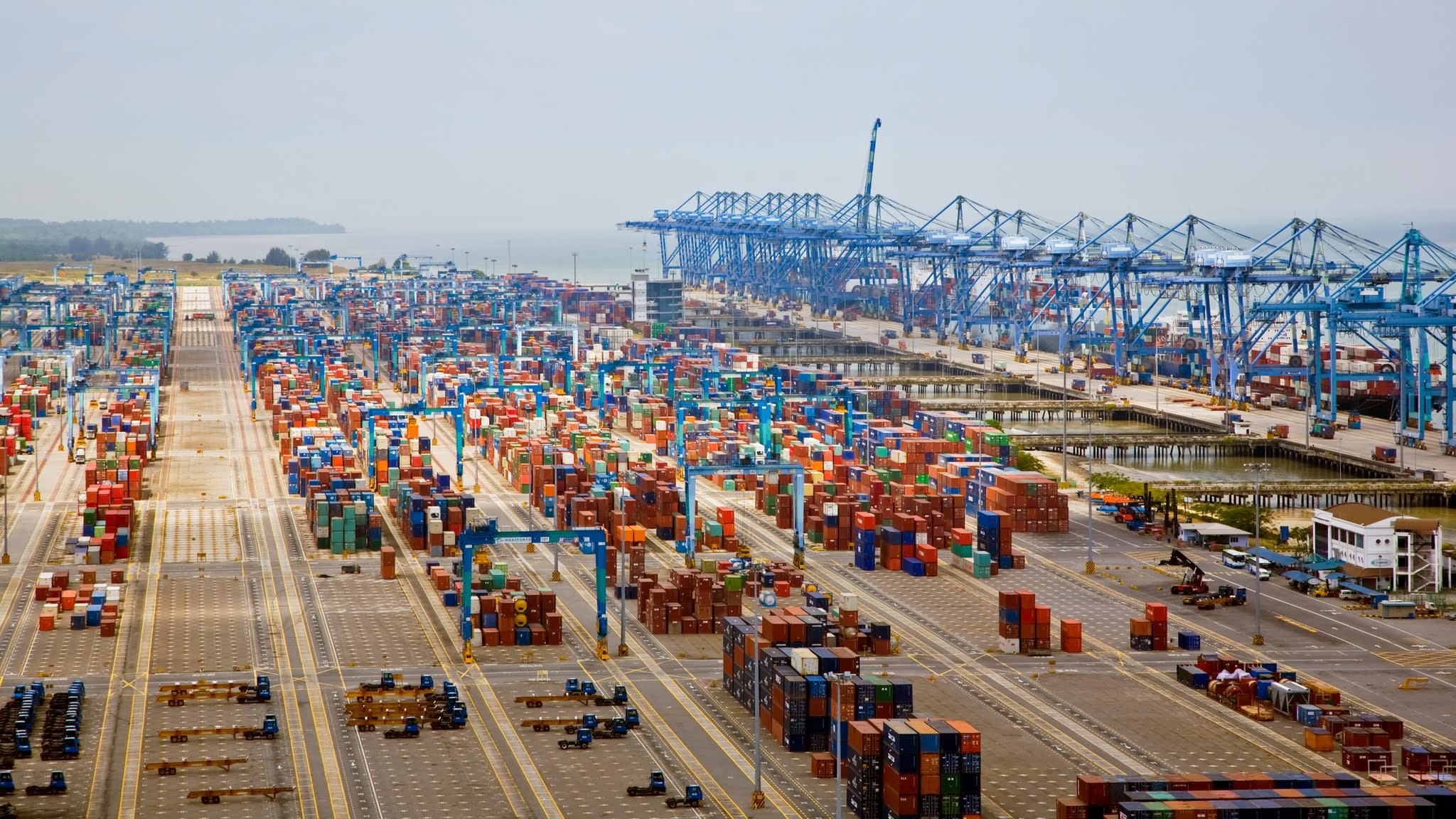
    For operators and logistics providers across Asia, this export volume alters established route economics. Shipping carriers have diverted vessels and added direct service loops connecting southern Chinese ports directly with Pacific terminals in South America.

    The swift expansion puts sustained pressure on destination port infrastructure. Congestion at regional terminals and rising local customs scrutiny present immediate operational bottlenecks for suppliers relying on predictable transit windows.

    Tariff and Competition Risks

    Commercial friction remains an active risk for Asian manufacturers targeting Latin America. Domestic industrial groups in key regional economies have lobbied local authorities to adjust import duties on steel, textiles, and electric vehicles to protect local production.

    Previous trade cycles saw Chinese suppliers rely primarily on North American and European demand to absorb factory capacity. With trade restrictions tightening in traditional Western destinations, South American and Central American markets have absorbed a growing portion of China’s industrial output.

    Trade agencies and supply chain operators now monitor whether destination governments will introduce broader protective tariffs before the next major shipping quarter begins.

  • Ice Cream and Food Drive 45 Percent Surge in Philippine Convenience Store Sales

    Ice Cream and Food Drive 45 Percent Surge in Philippine Convenience Store Sales

    Philippine convenience store sales jumped 45 percent year on year in January, propelled by heavy consumer spending on food and packaged goods, according to Kantar Worldpanel data.

    Food purchases accounted for 59.3 percent of all fast-moving consumer goods transactions across the format, up from 58.8 percent in the previous year.

    Ice cream retained the top spot among individual product categories, followed by milk, packaged snacks, and alcoholic beverages. Beverages accounted for 23.8 percent of overall basket value, dipping from 25.6 percent in 2014. Personal care items captured 13.5 percent of sales, marking the largest category share expansion with a 2.2 percentage point gain. Household care products took a 4.3 percent share, up from 3.5 percent.

    Shifting Baskets and Fast Growth

    Consumer baskets also showed new priorities during the tracking period. Diapers, bottled water, and fabric cleaners entered the top ten bestselling categories by sales value, while coffee and hair care products dropped out of the list. Diapers climbed straight into fifth place, sitting just behind alcoholic beverages and ahead of biscuits, soft drinks, bottled water, fabric cleaners, and fruit juice.

    The convenience channel outpaced every competing modern trade format in the country over the 12-month period. Convenience store sales growth reached 45 percent, compared with 31 percent for direct sales and 11 percent for drugstores.

    Regional Shopper Divergence

    Household penetration widened alongside value growth. Kantar tracked 3,000 urban and rural households and found that 18.5 percent bought goods from convenience stores, up from 16.1 percent a year earlier. That shift brought an estimated 566,991 new families into 24-hour retail chains such as 7-Eleven, Ministop, and FamilyMart.

    Shopper behaviour varies sharply by geography. The National Capital Region accounts for the highest shopper volume, with 34 percent of homes using convenience stores, but residents there visit only five times a year on average. Mindanao holds fewer total convenience shoppers, yet those households visit nine times annually, making them the most frequent spenders in the country.

    Format Expansion Pressures

    Operators face higher inventory management demands as convenience stores shift from late-night snack stops into daily grocery replenishment hubs. Stocking bulky items like diapers and laundry detergents requires tighter shelf space allocation in stores that average only one to two checkout counters. Chains that fail to optimize their stock mix risk losing margin to traditional sari-sari neighbourhood stores that hold lower overheads.

    Philippine operators are matching this shift by accelerating store expansion beyond Metro Manila into secondary cities in South Luzon and Mindanao. Kantar new business development head Lourdes Deocareza attributed the channel expansion to faster consumer lifestyle routines across urban centers.

    Store counts across the major three chains continue to rise toward regional footprint targets, with full-year channel penetration and repeat trip frequency serving as the key benchmarks to watch.

  • Yeo’s Launches Teriyaki Canned Tuna in Malaysia Protein Push

    Yeo’s Launches Teriyaki Canned Tuna in Malaysia Protein Push

    Yeo’s added Teriyaki and Chilli Spicy canned tuna to its Malaysian packaged food lineup, claiming the country’s first teriyaki-flavoured shelf-stable tuna variant.

    The product expansion targets consumers seeking convenient high-protein meals across supermarket and hypermarket channels.

    Protein Counts on Front-of-Pack Formats

    Both seafood products arrive in standard metal cans tailored for direct consumption or quick meal preparation. Yeo’s is positioning the line alongside its recent ready-to-eat ambient poultry launches, which use retort packaging to deliver traditional Malaysian recipes without refrigeration.

    Those retort pouch releases, Boneless Chicken Curry and Boneless Chicken Rendang, package 33 grams and 24 grams of protein per pouch respectively. Yeo’s engineered the poultry line for microwave heating, printing protein counts directly on the outer packaging to court shoppers monitoring macronutrient intake.

    Shifting Away From Commodity Canning

    Packaged seafood brands across Southeast Asia traditionally sell canned fish on basic functional attributes like omega-3 content and budget affordability. That strategy leaves margins exposed to rising raw fish costs and competition from supermarket private labels.

    Flavour-forward seasonings allow ambient seafood processors to command higher unit prices. Western brands successfully recast canned seafood into premium lifestyle items through specialty sauces and design-led branding, creating a playbook Asian food manufacturers now adapt for local retail shelves.

    Category Push Across Packaged Foods

    The tuna rollout follows a broader cycle of recipe and packaging adjustments at Yeo’s. The company pushed into modern convenient cooking earlier in the year with ambient cooking pastes and unsweetened heritage teas, testing whether legacy Asian food brands can capture younger urban households.

    Retail buyers are tracking initial off-take figures for both seasoned tuna variants across Malaysian grocers as Yeo’s prepares distribution for regional convenience chains.

  • Siem Reap Trade Fair Opens Commercial Pathways for Local Producers

    Siem Reap Trade Fair Opens Commercial Pathways for Local Producers

    A regional trade fair in Siem Reap opened commercial channels for provincial producers seeking access to wider consumer markets. The event connects makers of domestic goods directly with retailers, wholesalers and hospitality buyers across Cambodia.

    Producers presented packaged food, agricultural goods, textiles and handicrafts to commercial buyers seeking local inventory. Direct exhibition formats give regional enterprises access to store shelves and hospitality supply chains without intermediary distributor markups.

    Connecting Provincial Goods to Supermarket Shelves

    Organisers built the platform to address distribution bottlenecks that often keep provincial goods out of modern retail networks. Direct contact with procurement managers allows suppliers to negotiate order volumes, adjust packaging and meet quality standards required by national store chains.

    Similar trade exhibitions across secondary cities in Southeast Asia have helped regional craft and food producers secure stable supermarket listings. Modern grocery operators and hotel groups in Cambodia face persistent demand for verified local products from domestic shoppers and international visitors.

    Expanding Domestic Supply Chains

    Retail chains and hospitality buyers face higher logistics costs on imported packaged goods, accelerating demand for dependable domestic alternatives. Local suppliers use the exhibition platform to align barcoding, packaging durability and batch sizes with formal retail criteria.

    Participating vendors are now fulfilling wholesale orders secured during the event as provincial trade organisers prepare follow-up sourcing sessions for the coming retail quarters.

  • Twelve Chinese Food and Beverage Brands Reach $63.4 Billion Valuation

    Twelve Chinese Food and Beverage Brands Reach $63.4 Billion Valuation

    Twelve Chinese food and beverage brands expanded their collective brand valuation to $63.4 billion this year, according to valuation data from consultancy Brand Finance.

    The gain reflects steady domestic volume and pricing power across packaged food, dairy, and drinks makers in China. Brand valuation measures the net economic benefit that a brand owner achieves by licensing the name in the open market.

    Domestic Scale and Category Strength

    Consumer staples manufacturers across the country have focused on product differentiation and distribution depth in lower-tier cities. Brand Finance tracks consumer enterprises globally, applying royalty relief methodology to calculate future revenue attributable to brand equity.

    Chinese producers have converted local consumer familiarity into commercial resilience. Direct control over supply chains and rapid adaptation to retail trends helped the 12 brands maintain their valuation trajectory.

    Shifting Competition Across Asian Aisles

    For multinational food groups operating in East Asia, the strength of domestic Chinese labels presents a persistent competitive hurdle. Global conglomerates face rivals that command supermarket shelf space while dominating live-commerce channels and local delivery apps.

    Several Chinese packaged goods producers have also expanded distribution across Southeast Asia, placing products directly into supermarkets in Singapore, Malaysia, and Thailand.

    Investors and retail operators now look to upcoming quarterly financial filings from Chinese consumer staple producers to see whether higher brand value translates directly into operating margin expansion.

  • Comvita Swings to NZ$7.7 Million Annual Profit on Honey Reset

    Comvita Swings to NZ$7.7 Million Annual Profit on Honey Reset

    New Zealand Manuka honey producer Comvita swung to a net profit after tax of NZ$7.7 million for fiscal 2026, rebounding from a NZ$104.8 million loss a year earlier.

    Operating profit reached NZ$14 million for the twelve months ended June 30, reversing a NZ$29 million operating deficit booked during the previous financial year.

    Margin Recovery and Cost Discipline

    Gross profit climbed 38.8 per cent to NZ$114.8 million across the period. That performance expanded the group gross margin to 53.9 per cent as efficiency measures took hold across manufacturing and inventory handling.

    The return to the black follows an intensive reset programme that targeted operational costs after heavy inventory impairments and market softness damaged earnings in fiscal 2025.

    Asia Demand and Export Execution

    Comvita built its business on premium functional food demand across Greater China, Southeast Asia and North America. Premium specialty honey brands in the region spent the past two years battling cautious consumer spending, cross-border channel resets and distributor destocking across East Asian department stores and cross-border platforms.

    Market attention now turns to export volume trends in Asian retail channels over the first half of fiscal 2027 to verify whether the margin gains hold up in core consumer accounts.

  • India Steps Back from Mandatory Front-of-Pack Food Warning Labels

    India Steps Back from Mandatory Front-of-Pack Food Warning Labels

    India has backed away from enforcing stricter front-of-pack health warning labels on packaged food and beverages following sustained pushback from global consumer goods manufacturers.

    The regulatory stance allows packaged goods companies to sell high-sugar formulations and artificial additives without displaying prominent health alerts on the front of their products.

    Discrepancies in product recipes

    A standard can of Fanta sold in London contains 63 calories, while the equivalent product sold in India contains three times as much sugar. The Indian version also uses artificial dye.

    European regulations mandate a visible health warning on packaging when such colourants are present. In India, manufacturers list the additive only in fine print after the container.

    Resistance from packaged food giants

    Large multinational food companies have long opposed Indian measures that would require front-of-pack nutritional warnings. RetailNews Asia has seen similar corporate resistance across other regional markets where governments attempt to introduce front-facing warning badges on high-sugar snacks.

    The current labelling framework leaves back-of-pack ingredient lists as the primary disclosure mechanism for Indian retail shoppers.

  • Thai Hypermarket Operators Face Slowing Growth Under Stiff Competition

    Thai Hypermarket Operators Face Slowing Growth Under Stiff Competition

    Thailand’s hypermarket operators face an uphill battle to expand as stiff competition and sluggish market momentum stall growth across large-format stores. The segment contends with difficult trading conditions where incremental gains require heavy operational effort against entrenched local rivals.

    Competition Slows Large Store Expansion

    Retail analyst Michael Baker reported that large-format grocery and general merchandise chains across Southeast Asia, led by Thailand, now operate in a grinding environment defined by slow forward momentum. Operators face intense rivalry that makes physical network expansion costly and difficult to sustain.

    Big-box retailers across the region have struggled to replicate past expansion rates as neighborhood formats, specialty retailers, and convenience networks pull shoppers away from suburban megastores. In markets like Thailand, where retail space per capita in urban centers is already high, winning market share requires squeezing efficiency out of existing floorspace rather than adding square footage.

    Market Headwinds Across Southeast Asia

    Large-format food and merchandise chains must resolve internal operating pressures while adapting store formats to retain foot traffic. Slower retail turnover across broad merchandise categories has forced chains to rethink store layout and inventory deployment.

    The next quarterly retail filings across Thai listed operators will show whether store rationalization and format downsizing can protect operating margins.

  • Japan Households Brace for Further Price Hikes Amid Weak Consumer Spending

    Japan Households Brace for Further Price Hikes Amid Weak Consumer Spending

    Japanese households are expected to face increasing financial strain as companies across the nation plan to raise prices for goods and services. These hikes, set to begin this summer, are a direct response to persistently high crude oil prices and other rising operational costs. This development is likely to further dampen consumer spending and could impede economic growth.

    Inflationary Pressures Mount

    The impending price adjustments come at a challenging time for Japan’s economy. The gross domestic product (GDP) for April-June recorded a modest 0.3% quarter-on-quarter growth, translating to an annualised rate of 1.1% after price and seasonal adjustments. However, this growth was not fueled by domestic strength. Both private consumption and corporate capital investment declined during the period, highlighting a significant weakness in Japan’s internal demand. The economy’s expansion was primarily supported by external factors.

    Impact On Retail And Consumer Sectors

    The anticipated price increases are poised to directly affect the purchasing power of Japanese consumers. With households already managing existing cost pressures, new price hikes on essential goods and services will likely lead to a further tightening of budgets. This situation poses a challenge for retailers and consumer brands operating in Japan, as cautious consumers may reduce discretionary spending. Companies will need to strategize carefully to navigate this environment of rising costs and potentially constrained consumer demand.

  • Orang Tua Group Apologises For Quran Recitation-For-Liquor Promotion In Indonesia

    Orang Tua Group Apologises For Quran Recitation-For-Liquor Promotion In Indonesia

    Indonesian consumer goods conglomerate Orang Tua Group (OT Group) has issued a public apology after a promotion at a Jakarta music event sparked widespread condemnation. The promotion reportedly offered alcoholic beverages as prizes to individuals who could recite a chapter from the Quran, leading to protests and the initiation of a police investigation.

    Handoko, OT Group Operations Director, conveyed the company’s sincere apologies to the Muslim community on Friday. His statement was made in front of hundreds of protesters from the local community organisation Forum Betawi Rempug (FBR), who had gathered outside the company’s office in Rawa Buaya, West Jakarta.

    “I sincerely apologise, especially to Muslims, over the alleged religious blasphemy,” Handoko stated to the assembled protesters. He also confirmed that law enforcement agencies are currently handling the case and urged all parties to await the conclusion of the legal proceedings.

    Questions & Answers

    Which company issued the apology and what is its primary business?
    Orang Tua Group (OT Group), a consumer goods company based in Indonesia, issued the apology. Its primary business involves manufacturing and distributing various consumer products.

    What specifically caused the controversy and led to the apology?
    The controversy arose from a promotion at a music event in Jakarta where alcohol was reportedly offered as a prize for participants who could recite a chapter from the Quran. This promotion was perceived as religious blasphemy.

    What immediate actions has Orang Tua Group taken in response to the protests?
    OT Group Operations Director Handoko publicly apologised to Muslims in front of protesters. He also confirmed that the case is now under investigation by law enforcement, and the company urges all parties to await the legal outcome.

  • Miniso Unveils First Miniso Friends Concept Store in Indonesia

    Miniso Unveils First Miniso Friends Concept Store in Indonesia

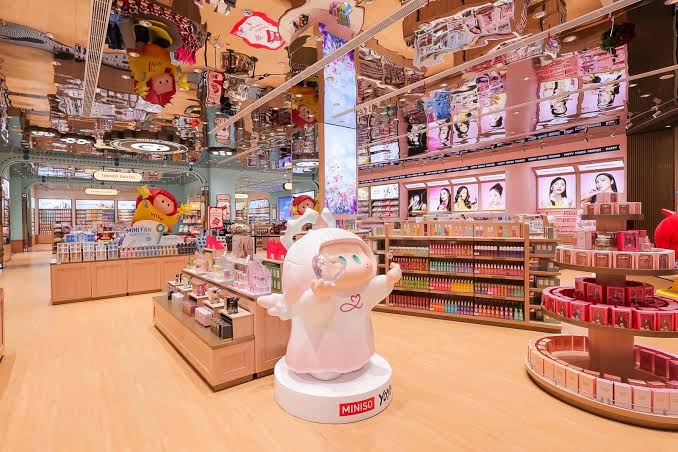
    Miniso has opened its first Miniso Friends store in Indonesia, introducing its expanded, IP-centric retail concept to the Greater Jakarta area. The new outlet is situated at Summarecon Mall Bekasi and occupies approximately 1500 square meters across two levels.

    The ground floor of the store features collectibles, including blind boxes, plush toys, and various licensed products. The lower level provides a broader selection of lifestyle, home goods, and everyday items. According to Miniso, roughly 60 percent of the merchandise consists of exclusive, first-launch, or limited-edition IP products. Initial offerings include items from One Piece 3.0, Persona, and the Sanrio Racing blind box series, alongside products featuring Sanrio, Disney, Harry Potter, and Spider-Man.

    Interactive Retail Experience

    This new store format integrates retail with interactive elements, allowing Miniso more space to present its growing portfolio of licensed and collectible goods. The opening coincides with a YoYo-themed exhibition, titled ‘YoYo’s Holiday Fun Starts at Miniso’, held in the mall’s central atrium until August 23. This event marks the character’s debut in Indonesia.

    Regional Expansion Strategy

    The launch in Indonesia follows Miniso’s strategy of expanding its larger-format stores across Asia. Last month, the retailer opened its first Miniso Land store in Macau, which represents a more premium format, as it continues to grow its IP-driven retail network throughout the region.