Retail News CRM

Tag: consumer

  • China Dethrones US as Vietnam’s Top Seafood Consumer: A 40% YoY Increase

    China Dethrones US as Vietnam’s Top Seafood Consumer: A 40% YoY Increase

    In the first half of 2026, China became Vietnam’s largest seafood market, surpassing the United States. This shift resulted from an importation of Vietnamese seafood valued at nearly $1.4 billion, a 40% year-on-year increase. This accounted for almost a quarter of the $5.7 billion worth of Vietnamese seafood exports, a rise of 11.4%, as per the Ministry of Agriculture and Environment. Comparatively, the value of the U.S.’s imports was $898 million, while Japan, in third place, had $788 million worth of imports.

    Factors in Market Shift

    The rise in shipping costs has elevated China’s attractiveness due to its geographical closeness, according to Nam Viet Jsc, a seafood exporter. Furthermore, Le Hang, the Deputy General Secretary of the Vietnam Association of Seafood Exporters and Producers, noted that as the U.S. and Europe increased non-tariff barriers, many businesses turned towards China. She highlighted the U.S.’s requirement for businesses to provide extra admissibility certificates with a complex application process, particularly impacting tuna products. Additionally, shrimp exports faced high anti-dumping duties.

    Another contributing factor was the frontloading of shipments to the U.S., which led to significant inventories for importers in the country. This occurred during a period when consumers were restricting their spending and leaning towards lower-priced products.

    Adaptability and Future Outlook

    Hang stated that the growth in the first half was a reflection of the rebound in global demand and the adaptability of Vietnamese businesses, who adjusted their markets and product structures. Shrimp was the top export, valued at $2.3 billion (a 13.6% increase) and constituted over 40% of the total value. The demand from mainland China and Hong Kong primarily drove the growth. Moreover, exports of Pangasius, a white-flesh fish, increased by 12.1% to reach $1.1 billion, owing to Vietnam’s competitive pricing and the consistent demand in many markets.

    However, Hang predicts an uncertain future for exports in the second half of the year due to potential U.S. protectionist measures and trade barriers, ranging from regulations associated with “forced labor” to imposition of quotas on products. She emphasizes that in this rapidly evolving trade landscape, businesses must stay updated, adjust export plans, diversify markets, and increase the proportion of deeply processed products to manage risks and sustain growth.

    Questions & Answers

    What factors have contributed to China becoming Vietnam’s top seafood market?
    Shipping costs and non-tariff barriers in the U.S. and Europe have caused businesses to favor China. Additionally, China’s proximity to Vietnam makes it an attractive option.

    What was the largest exported seafood product from Vietnam?
    Shrimp was the top exported product, making up over 40% of the total export value and experiencing a 13.6% increase.

    What challenges do Vietnamese businesses face in the second half of 2026?
    They face potential U.S. protectionist measures and trade barriers, ranging from regulations related to “forced labor” to the application of quotas on products.
  • Yakult Singapore Swaps Unpopular Orange Flavor for Peach, Sparks Consumer Debate

    Yakult Singapore Swaps Unpopular Orange Flavor for Peach, Sparks Consumer Debate

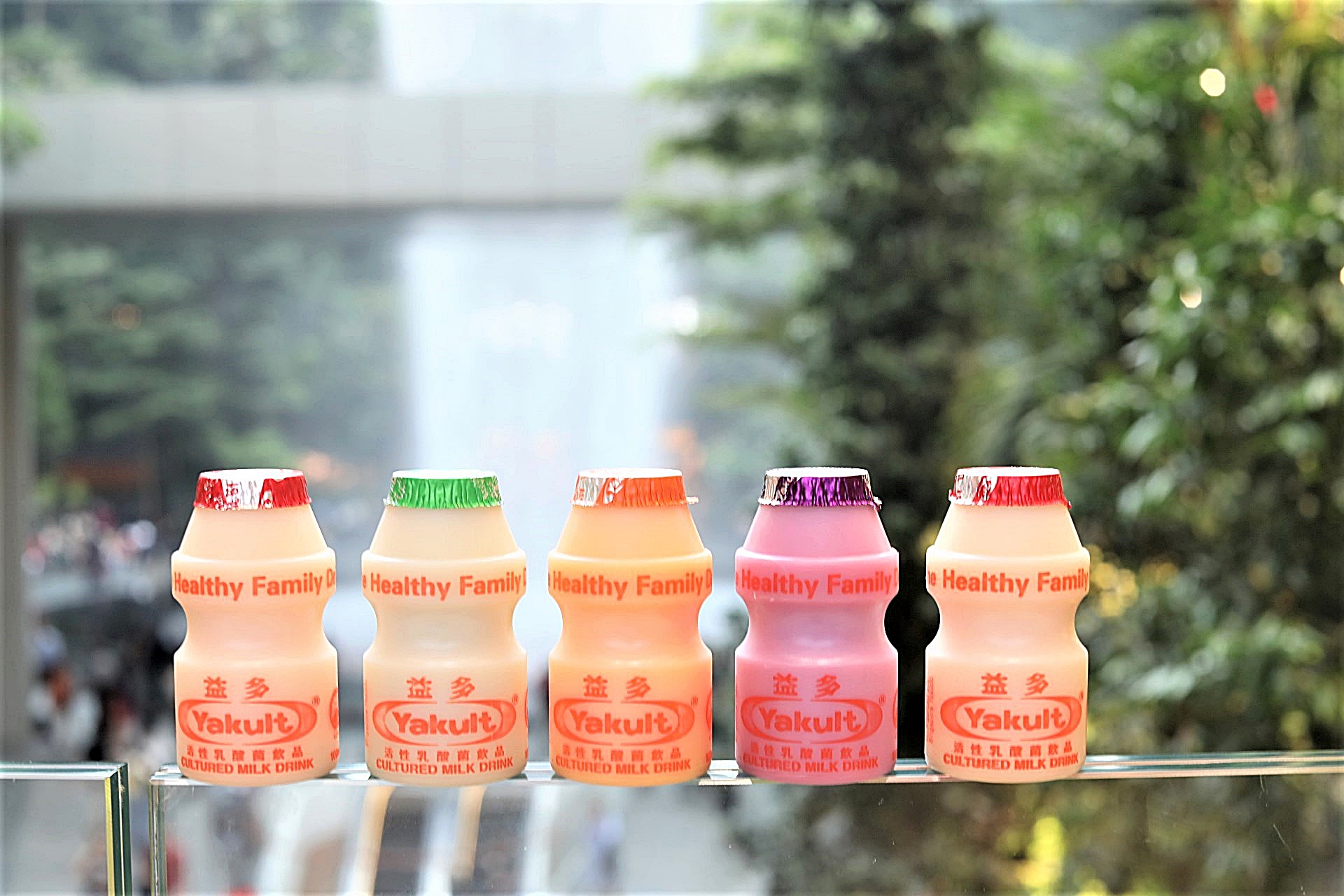
    The recent announcement regarding the discontinuation of Yakult Orange, a popular probiotic drink flavor, has elicited mixed reactions from consumers. For some, it comes as a surprise that this flavor was not as beloved as they had previously believed.

    Reactions to the Discontinuation

    Christine Heng, a 43-year-old music teacher, shared that she had always considered orange to be the preferred flavor until she discovered it was actually grape. She confessed that her regular monthly purchases of Yakult Orange for her family would drastically reduce due to the unavailability of her favorite variant.

    However, not everyone is mourning the loss of the orange flavor. A considerable number of comments were in favor of the change, with some people voicing their disapproval of the synthetic taste of the orange flavor. Comments such as, “I didn’t like how artificial the orange flavor was. I’m glad they replaced it,” and “Can replace any flavors, just don’t touch Apple and Grape,” reflect the varied consumer opinions on the matter.

    Farewell to Yakult Orange

    Despite the discontinuation, fans of Yakult Orange still have the opportunity to stock up on their favorite flavor until production officially comes to a halt at the end of this month. The drink will remain available as long as supplies last.

    Yakult, the probiotic cultured milk drink, was founded in Japan in 1935. It contains a strain of beneficial bacteria known as Lacticaseibacillus paracasei Shirota, discovered by its founder Minoru Shirota. Today, Yakult drinks are marketed worldwide, including regions such as Europe, Brazil, and Vietnam. In addition to the standard Yakult drink, there are other product ranges, like Yakult Plus. Furthermore, Yakult Peach was introduced in China in 2024.

    Questions & Answers

    What is the reaction of consumers to the discontinuation of Yakult Orange?
    Reactions are mixed: some consumers are disappointed, while others are glad about the change, criticizing the artificial taste of the orange flavor.

    Until when can consumers purchase Yakult Orange?
    Consumers can purchase Yakult Orange until the end of the month when production ends, or until supplies last.

    Where else are Yakult drinks available?
    Yakult drinks are available in several international markets, including Europe, Brazil, and Vietnam. They offer the standard Yakult drink and other product ranges like Yakult Plus.

  • Xiaomi Vietnam Fined $11,000 For Breach Of Consumer Protection Laws

    Xiaomi Vietnam Fined $11,000 For Breach Of Consumer Protection Laws

    Xiaomi Vietnam, a distributor of consumer electronics under the Chinese brand Xiaomi, has been penalized with a fine of VND290 million (US$11,000) for breaches of consumer protection laws, especially involving the use of personal data for marketing purposes. The company was charged with not granting customers the choice to either consent or decline the use of their personal details for advertising, product promotion, and various commercial activities. This breach was confirmed by the National Competition Commission (NCC) under the Ministry of Industry and Trade.

    Additional Violations

    Furthermore, Xiaomi Vietnam was found guilty of not informing consumers about its use of influencers for product promotion, using their images and endorsements without due notice. The firm was also penalized for incorporating illegal clauses in its general transaction terms.

    The NCC has mandated that the company immediately halt all illegal activities and promptly reassess and enhance their general transaction terms and conditions, consumer data protection policies, and activities related to the provision of information and product promotions through influencers. This is to ensure full compliance with the legal regulations.

    Xiaomi Vietnam, which has been operating since 2019 and is headquartered in Ho Chi Minh City, offers a variety of consumer electronics, such as smartphones, tablets, wearable devices, TVs, robot vacuum cleaners, and smart home devices.

    Questions & Answers

    What was Xiaomi Vietnam fined for?
    Xiaomi Vietnam was fined for breaching consumer protection laws, specifically in relation to the use of personal data for marketing purposes without consumer consent.

    What other violations was Xiaomi Vietnam charged with?
    Further charges against Xiaomi Vietnam included the failure to inform consumers about their use of influencers for product endorsement, and the inclusion of illegal provisions in their general transaction terms.

    What steps has the NCC mandated for Xiaomi Vietnam?
    The NCC has ordered Xiaomi Vietnam to immediately stop all illegal activities and to review and update their transaction terms, consumer data protection policies, and influencer-related promotional activities to adhere to legal regulations.

  • DBS Singapore Earmarks $7.8M for Consumer Relief: Cashback Initiative to Combat Rising Living Costs

    DBS Singapore Earmarks $7.8M for Consumer Relief: Cashback Initiative to Combat Rising Living Costs

    In an endeavor to support consumers during a time of economic uncertainty and surging expenses, DBS Singapore has announced the provision of S$10 million (US$7.8 million) in cashback redemptions. These will be available for DBS and POSB cardholders, as well as DBS PayLah! users from August to December. The intention is to aid in managing the escalating costs of food and daily necessities.

    Details of the Cashback Redemption Scheme

    DBS will make available approximately three million cashback redemptions over a period of five months. These can be redeemed at various establishments including hawker centers, neighborhood shops, and supermarkets. This initiative will run in conjunction with DBS’s existing promotion, which provides S$3 cashback each Saturday at hawker stalls and heartland shops. Further specifics, such as information about participating retailers, will be shared in July.

    Lim Him Chuan, the head of DBS Singapore, commented on the situation, noting that the ongoing tensions in the Middle East have resulted in escalating energy prices. These, in turn, have added to the pressures on daily living costs. He stated, “Every time there’s a crisis like this, DBS and POSB are ready to support our community. This is why we are committing to a $10 million support package.”

    Previous Support Efforts

    This initiative follows on the heels of a significant S$1 billion government support package that was announced on April 7. This too was designed to assist households in managing the cost rises associated with Middle Eastern tensions.

    DBS has a history of efforts to aid customers facing higher costs. In 2025, the bank subsidized more than S$6 million in everyday essentials and hawker meals in heartland areas. DBS data reveals that 36% of the individuals who redeemed cashback rewards in 2025 were either senior citizens or earned less than S$2,500 per month.

    Impact on Participating Merchants

    The benefits of these initiatives also extend to the participating merchants. Hawkers, wet market stallholders, and heartland merchants who participated in the scheme reportedly experienced a 50% increase in their Saturday earnings via PayLah! transactions in 2025. This was a notable increase from the 40% growth seen during a similar cashback campaign in 2024.

    Questions & Answers

    What is the purpose of DBS’s cashback redemption initiative?
    This initiative has been designed to help consumers manage the rising costs of food and daily living expenses during a period of economic uncertainty.

    How much in cashback redemptions is DBS providing and to whom?
    DBS is providing S$10 million (US$7.8 million) in cashback redemptions, which are available to DBS and POSB cardholders, as well as DBS PayLah! users.

    What has been the impact of previous cashback initiatives on participating merchants?
    Previous cashback initiatives have led to significant increases in earnings for participating merchants. For instance, in 2025, hawkers, wet market stallholders, and heartland merchants saw a 50% increase in their Saturday earnings through PayLah! transactions.

  • Kuaishou’s E-commerce Branch Slapped with $3.8M Fine for Illegal Acts: Is Consumer Protection at Stake?

    Kuaishou’s E-commerce Branch Slapped with $3.8M Fine for Illegal Acts: Is Consumer Protection at Stake?

    Chinese e-commerce entity Kuaigou, a branch of live-streaming tech corporation Kuaishou Technology, has been fined 26.7 million yuan (approximately US$3.84 million) by the Chinese regulatory authority. The regulator cited a series of “illegal actions” as the reasoning behind the substantial penalty.

    Kuaigou’s Alleged Malpractices

    The market regulator in China accused Kuaigou of levying “unreasonable” charges and failing to provide proper consumer protection. Additionally, the company was accused of not taking appropriate measures against the sale of counterfeit goods on its platform. The regulator also faulted Kuaigou for allowing misleading or false marketing practices to occur on its platform.

    Investigation by State Administration for Market Regulation

    The hefty fine was the result of an investigation initiated by the State Administration for Market Regulation in September. The investigation was sparked due to supposed “illegal and irregular activities,” including false marketing and the distribution of counterfeit goods, particularly prevalent in the live-streaming e-commerce industry.

    The regulator also accused the company of publishing “illegal advertisements” and failing to disclose mandatory information. The company was further implicated in facilitating services for the “illegal sales or purchase of wild animals, their products, or prohibited hunting tools,” according to the regulator.

    Kuaigou Accepts Penalties

    In response to the fine and allegations, Kuaigou released a statement indicating its acceptance of and compliance with the regulator’s decision and penalty. The company stated, “We sincerely accept and will resolutely obey the regulator’s decision and penalty.”

    The company further pledged to improve its operations in accordance with the law and enhance its compliance level. It also committed to working in collaboration with the businesses on its platform to provide improved services to consumers.

    Questions & Answers

    Why was Kuaigou fined by the Chinese regulator?
    Kuaigou was fined 26.7 million yuan for several “illegal activities,” including charging unreasonable fees, failing to protect consumers, not taking action against counterfeit products on its platform, and allowing false or misleading marketing practices.

    What other accusations were leveled against Kuaigou?
    The company was also accused of publishing “illegal advertisements,” failing to disclose required information, and facilitating services for the illegal sale or purchase of wild animals and their products or prohibited hunting tools.

    How has Kuaigou reacted to the regulator’s decision and penalty?
    Kuaigou released a statement expressing its acceptance of the regulator’s decision and penalty, pledging to improve its operations according to the law, enhance its level of compliance, and work with businesses on its platform to provide improved services to consumers.

  • Singapore Jewelers Reinvent Amid Gold Boom: Rising Prices Shift Consumer Focus to Investment Grade Gold

    Singapore Jewelers Reinvent Amid Gold Boom: Rising Prices Shift Consumer Focus to Investment Grade Gold

    In response to shifting consumer preferences and soaring prices, Singapore-based gold jewelers are rethinking their strategies. They are updating designs and adjusting prices to attract customers, as the demand for gold jewelry takes a hit from a growing interest in investment gold.

    Declining Demand for Gold Jewelry

    Kim Poh Hong Goldsmith, a longstanding family-owned jeweler, revealed in mid-October that demand for its 22-karat gold jewelry had dropped by an approximate 30-40% in the preceding two months. Rising prices have made it more challenging to sell these traditionally favored items in the Asian marketplace. Susan Tan, the owner, stated that they had significantly reduced their orders from wholesalers in response to this decline.

    Recently, retailers throughout the city-state have noticed that even seasonal demand has been tepid, as consumers become increasingly price-conscious. Many customers appear to be taking advantage of the surging gold prices by selling or trading in their old jewelry pieces.

    Gold Prices Surge

    In the backdrop of geopolitical tensions and a rate-easing cycle by the U.S. Federal Reserve, the price of gold soared by 64% last year. This was further fuelled by sustained purchases by central banks and inflows into exchange-traded funds. Gold even broke multiple records, with its value reaching an unprecedented US$4,549.71 per ounce on December 26, 2025. Industry analysts anticipate that the prices will remain elevated this year.

    The steep climb in bullion prices has significantly boosted the demand for gold bars and coins in Singapore. Their demand soared by 47% year-on-year to 1.8 tonnes in the third quarter of 2025. However, there has been an 8% slide in the city-state’s gold jewelry consumption, which fell to 1.4 tonnes during the same period. Even in India and China, the world’s two largest gold-consuming countries, there was a drop in gold jewelry purchases by volume by 31% and 18%, respectively.

    According to the World Gold Council, the high gold prices were primarily responsible for this decline as they impacted affordability.

    Investment Gold Rising

    Ho Nai Chuen, the president of the Singapore Jewellers Association and managing director of On Cheong Jewellery, noted that investment-grade gold bars, also known as Investment Precious Metals, are exempt from the Goods and Services Tax. This exemption has led some consumers to opt for gold bars instead of gold jewelry, as a means to conserve their monetary value.

    As gold prices continue to deter purchases, retailers are now compelled to strike a balance between keeping their products affordable and maintaining their design appeal. Chong Cui Xin, a merchandising manager at G&J Goldsmiths & Jewellery, shared that customers are favoring lighter pieces. The jewelry store has been introducing necklaces and bracelets weighing less than 3g to make them more wallet-friendly for consumers.

    Joanne Sim, co-founder and designer of Eli J Fine Jewelry, expressed similar sentiments. She mentioned that the company had to rethink its pricing strategy as an increasing number of buyers are now choosing lower-priced 14-karat gold jewelry. For those customers who prefer white gold, the brand offers platinum as a more affordable alternative.

    Despite the changes, these jewelers continue to reserve 18-karat gold for heirloom-quality pieces, maintaining their commitment to quality and tradition.

    Questions & Answers

    Why are gold jewelers in Singapore adjusting their prices and designs?
    Gold jewelers in Singapore are adjusting their prices and designs to attract customers, as demand for gold jewelry is decreasing due to a growing preference for investment-grade gold and rising gold prices.

    What is the impact of high gold prices on the jewelry market?
    High gold prices have resulted in a decrease in demand for gold jewelry due to affordability issues. However, it has also led to a significant increase in the demand for gold bars and coins, which are being viewed as investment-grade gold.

    How are jewelers responding to changes in consumer preferences?
    Jewelers are responding by introducing lighter and more affordable pieces, such as jewelry weighing less than 3g, and offering alternatives such as platinum for customers who prefer white gold. They are also focusing on maintaining the design appeal of their products.

  • Amazon and Flipkart Set to Disrupt India’s Banking Sector with Innovative Consumer Loan Products

    Amazon and Flipkart Set to Disrupt India’s Banking Sector with Innovative Consumer Loan Products

    E-commerce heavyweights, Amazon and Flipkart, are planning to venture into the financial services sector in India, by offering loans and buy-now, pay-later (BNPL) options. This strategic move is poised to challenge the traditional banking sector.

    Amazon’s Plans

    Earlier this year, Amazon purchased Axio, a non-bank lender based in Bengaluru. The company primarily focuses on BNPL and personal loans. However, with Amazon’s acquisition, Axio is expected to recommence providing credit facilities for small businesses and initiate cash management services.

    Mahendra Nerurkar, VP for payments for emerging markets at Amazon, emphasized the potential for expanding credit growth, especially among digitally engaged customers and small businesses operating outside of major cities. He further revealed that the company has plans to develop specialized lending propositions to enhance cash flow management efficiency and unlock capital for merchants and small businesses.

    Flipkart’s Interest

    Flipkart, which boasts a significant stake by Walmart, has registered Flipkart Finance, its non-bank lending branch. The company is awaiting final approval from the Reserve Bank of India (RBI) for its business strategy. The plans feature two types of pay-later offerings:

    1. No-cost monthly installment loans for online shoppers ranging from 3 to 24 months.
    2. Loans for consumer durables at an interest rate of 18 per cent–26 per cent per annum.

    Typically, interest rates on loans for consumer durables from traditional lenders oscillate between 12 per cent and 22 per cent. A confidential source revealed that Flipkart aims to launch these financial products in the coming year.

    Growth of the Consumer Loan Market

    Data from credit bureau CRIF High Mark shows that India’s consumer loan market has expanded from nearly US$80 billion in March 2020 to approximately US$212 billion by March 2025. However, there are indications of a slowdown in recent quarters. Consumer loans encompass unsecured personal loans, credit cards, and loans for consumer durables.

    Both Amazon and Flipkart operate apps ranking in the top 10 platforms for payments via India’s Unified Payments Interface. Earlier this year, the RBI granted them the ability to lend directly to customers, marking a significant step towards opening India’s financial services market to foreign-backed tech firms.

    Rohan Lakhiyar, partner at consultancy Grant Thornton Bharat’s financial services risk division, stated that given their access to both supply-side and demand-side customer data, both Amazon and Flipkart have immense potential to disrupt the sector. However, he stressed that execution would be crucial as they expand beyond core retail.

    Amazon has also partnered with several local lenders to offer fixed deposit savings products with minimum amounts of 1000 rupees (US$11) to customers on its Amazon Pay platform, according to Nerurkar.

    Questions & Answers

    What are Amazon’s plans in the financial services sector in India?
    Amazon plans to offer credit to small businesses and provide cash management services through Bengaluru-based non-bank lender Axio. They also aim to develop specialized lending propositions to help improve cash flow management efficiency and release capital for merchants and small businesses.

    What types of financial products is Flipkart planning to offer?
    Flipkart intends to offer two types of pay-later offerings – no-cost monthly installment loans for online shoppers, and loans for consumer durables at an interest rate of 18 per cent–26 per cent per annum.

    What is the current status of the consumer loan market in India?
    The consumer loan market in India has grown from nearly US$80 billion in March 2020 to around US$212 billion by March 2025, according to data from credit bureau CRIF High Mark. However, recent quarters have shown signs of a slowdown in growth.

  • High-End Health: Nestlé’s Vitamin Business on the Selling Block Amid Consumer Shift to Premium Supplements

    High-End Health: Nestlé’s Vitamin Business on the Selling Block Amid Consumer Shift to Premium Supplements

    Nestlé, the Swiss food giant, is facing a challenge in its attempt to divest from its mass-market vitamin brands. The rise in demand for expensive, scientifically-backed products among health-conscious consumers is complicating the corporation’s efforts to secure a high price for its low-growth, low-margin brands.

    A Shift in Consumer Preferences

    In July, Nestlé announced a strategic review of its brands in the vitamins, minerals, and supplements category with an eye towards a potential sale. This decision, reaffirmed by new CEO Philipp Navratil, is driven by a growing consumer trend. Global supplement market trends indicate a shift towards brands offering supplements with scientifically proven ingredients. This trend is a potential hurdle for Nestlé, as it considers the sale of affordable mainstream brands such as Nature’s Bounty, Osteo Bi-Flex, and Puritan’s Pride, as well as its US private label business.

    The supplement market itself is quite fragmented, with its regulatory landscape continually changing. This adds an element of risk to any potential acquisition. Although industry players are showing a lack of interest, private equity funds appear more likely to be potential purchasers.

    The brands Nestlé is contemplating selling account for 2.8 per cent of its yearly sales, approximately $1.25 billion. Nestlé intends to increase its focus on premium dietary supplement brands, like Solgar, which offers a range of products from standard vitamins to those aimed at promoting brain health, hair growth, and stress reduction.

    A Potential Opportunity for Private Equity

    Nestlé’s acquisition of these vitamin brands in 2021, for US$5.75 billion, was the third-largest transaction in the vitamin, mineral, and supplement space of the last 12 years. However, matching these valuations could be challenging given the high consumer interest in brands offering products that have undergone rigorous clinical testing.

    Competitors such as Danone and Unilever are showing a preference for high-end brands with evident growth potential. Both companies are exercising caution regarding the mass supplements market due to the stringent European consumer protection regulation, which poses challenges to making promises about a product’s health benefits.

    Moreover, the return on investment is uncertain in such a fragmented industry. No brand that Nestlé is considering selling owns more than 2.1 per cent of the US vitamin market.

    Future Regulatory Challenges

    The future US regulatory landscape is another factor to consider. In March, the US Health Secretary expressed a desire to tighten the federal approval process for new food additives. Should this be finalized, it could increase scrutiny of new ingredients, making it more difficult for companies to market new food additives without US Food and Drug Administration review. This has elicited opposition from the Council for Responsible Nutrition, a supplement industry trade group.

    The preference against Nestlé’s mass-market vitamins is not limited to direct competitors in the packaged goods arena. GNC, a supplement retailer, is focusing on innovation within its own range and aligning with science-backed standards.

    Despite these challenges, the potential upside is significant. The global dietary supplement market, valued at US$192.7 billion in 2024, is projected to surge to $414.5 billion by 2033. This could attract buyout funds, but they are likely to drive a hard bargain.

    Questions & Answers

    What is the main hurdle Nestlé is facing in selling its vitamin brands?
    The main hurdle is the shift in consumer preferences towards expensive, scientifically-backed supplement products, which contrasts with the affordable, mass-market positioning of the brands Nestlé is considering selling.

    What are the potential regulatory challenges for the supplement industry?
    The regulatory landscape is continually changing, and there is talk of tightening the federal approval process for new food additives in the US. This could increase scrutiny of new ingredients and make it more difficult for companies to market new food additives without review.

    What is the potential future growth of the global dietary supplement market?
    The global dietary supplement market, valued at US$192.7 billion in 2024, is projected to increase to $414.5 billion by 2033. This substantial growth could attract potential buyers despite the current challenges.

  • China’s Singles’ Day Sales Fall Flat Amid Consumer Apathy and Economic Concerns

    China’s Singles’ Day Sales Fall Flat Amid Consumer Apathy and Economic Concerns

    With the conclusion of China’s Singles’ Day sales festival, the largest shopping event worldwide, it’s clear that the country’s most significant e-commerce platforms were unable to stimulate widespread consumer enthusiasm. This comes in light of the lingering property crisis in China and rising concerns over income security, making it increasingly challenging to convince consumers to part with their money.

    Retailers’ Response

    Retailers, in response to the economic climate, have amplified their efforts in providing year-round discounts, introducing billions in consumer subsidies and coupons, and extending the duration of sales events. For this year’s Singles’ Day, many platforms commenced their sales in early October, making it the longest festival yet.

    However, the response has been mixed, according to Josh Gardner, CEO of Kung Fu Data, a company that manages online stores in China for various global fashion and lifestyle brands. He described the sales sentiment during the Singles’ Day period as “muted,” noting that some brands had performed exceptionally well while others observed flat or minor changes compared to the previous year.

    Last year’s sales event, also known as “Double 11” in China, reached an impressive total of 1.44 trillion yuan (US$202 billion). However, the figures for this year remain undisclosed, as companies such as Alibaba and JD have stopped revealing their total Singles’ Day sales in recent years.

    Platform Sales Performance

    JD reported on Wednesday that its turnover reached a “new high,” with a 40% increase in the number of users placing orders and a nearly 60% increase in the number of orders. Several brands on JD.com, including Bellamy Organic baby products from Australia, the American pet brand Instinct, and French skincare brand Avène, saw a surge in sales by over 150% compared to the previous year.

    Meanwhile, Alibaba’s Tmall and Taobao platforms have continued their Double 11 deals until November 14, yet they have not released any information regarding their sales performance for the entire period.

    Gardner reported that the Singles’ Day sales surge is not as robust as it was in the past, but October and November still account for approximately 30% to 40% of annual revenue for the brands he manages.

    Strategies for Attracting High-Spenders and International Growth

    In an attempt to lure high-spenders, Alibaba pledged 50 billion yuan in subsidies specifically for its 53 million 88VIP members in October. The company reported a 39% increase in daily active buyers from the previous year during the festival among those members.

    Moreover, Alibaba’s Taobao introduced Singles’ Day-related sales in over 20 countries this year, signalling a widespread push from Chinese e-commerce firms for international growth. According to a report released by Bain in late October, it is crucial for Chinese e-commerce companies to pursue global growth, considering the lukewarm consumer outlook domestically.

    Questions & Answers

    What is Singles’ Day in China?
    Singles’ Day is a Chinese sales festival held annually on November 11. It’s considered the world’s largest shopping event, with massive discounts offered by e-commerce platforms to stimulate consumer spending.

    How did Singles’ Day perform this year?
    This year’s Singles’ Day results were mixed. Some brands reported exceeding sales expectations, while others experienced flat or minor changes compared to the previous year.

    What are some strategies adopted by retailers during Singles’ Day?
    Retailers have introduced year-round discounts, billions in consumer subsidies and coupons, and extended sales events. Some are also attempting to attract high-spenders with exclusive offers and expanding their sales to international markets.

  • Grab Soars Past Quarterly Revenue Projections, Fueled by Consumer Adoption of ‘Superapp’ Services

    Grab Soars Past Quarterly Revenue Projections, Fueled by Consumer Adoption of ‘Superapp’ Services

    Grab Holdings Inc. surpassed projected revenues for the third quarter, thanks to strong consumer spending on its ride-hailing and food delivery services. The increase in user numbers can be linked to the company’s efforts in expanding its platform.

    Grab’s Superapp Transformation

    Grab’s initiative to transform into a “superapp” by integrating food and grocery delivery, ride-hailing, and financial services has proven successful. These integrated services offer consumers a comprehensive solution for their daily mobility and lifestyle requirements amidst an unpredictable economic climate. The concept’s popularity has surged, especially in regions where tariffs have reshaped the economy.

    In addition to offering standard services, Grab has been emphasizing more cost-effective options in ride-hailing and food delivery. This strategy aims to appeal to budget-minded consumers and provide a safety net against potential declines in consumer spending.

    According to CFO Peter Oey, approximately one-third of new monthly users in the deliveries segment are drawn from these affordable channels. Furthermore, about 40% of these users have subsequently upgraded to standard products. Oey noted, “We’re observing increased engagement from these saver platforms or these affordable products, and simultaneously, users are spending more frequently as we successfully upsell them.”

    Expansion into Autonomous Vehicles

    As the service sector in Southeast Asia becomes increasingly competitive, Grab is exploring new avenues for growth. One such venture involves leveraging its ride-hailing platform to penetrate the autonomous robotaxis market. Industry analysts predict that this sector will witness considerable growth in the near future.

    The company has also raised the lower limit of its annual revenue forecast from $3.33 billion to $3.38 billion, while the upper limit remains at $3.40 billion. Grab’s revenue for the period stood at $873 million, marginally beating analysts’ average estimate of $872.9 million.

    Additionally, the company has updated its yearly adjusted earnings before interest, taxes, depreciation, and amortisation (EBITDA) forecast. The new range is set between $490 million and $500 million, up from the previous projection of $460 million to $480 million.

    The third-quarter revenue for Grab’s deliveries segment stood at $465 million, slightly under the estimated $470 million.

    Questions & Answers

    What is Grab’s strategy for attracting cost-conscious consumers?
    Answer: Grab has introduced more affordable options in its ride-hailing and food delivery services to attract budget-minded consumers.

    How is Grab planning to expand amidst increasing competition in Southeast Asia’s service sector?
    Answer: Grab is planning to leverage its ride-hailing platform to expand into the autonomous robotaxis market.

    What has been the impact of Grab’s transformation into a “superapp”?
    Answer: The transformation has been successful, as it provides consumers with a one-stop solution for their daily mobility and lifestyle needs in the midst of an unpredictable economic landscape.

  • Fonterra Farmer Shareholders Green-Light $4.22 Billion Consumer Division Sale to Lactalis

    Fonterra Farmer Shareholders Green-Light $4.22 Billion Consumer Division Sale to Lactalis

    Fonterra’s farmer shareholders have granted approval for the company’s proposal to divest its consumer products division. The Mainland Group and its associated businesses are set to be sold to Lactalis for a sum of $4.22 billion.

    High Support for Divestment

    A resounding 88.47% of farmer shareholders voted in support of this divestment decision in a special virtual meeting. The company asserts that this level of shareholder support exemplifies one of the core principles that sets Fonterra apart from other processors in the market.

    Fonterra Chairman Peter McBride voiced his appreciation for the active participation of the farmer shareholders throughout the decision-making process. Since the exploration of divestment options was initiated in May of the previous year, and especially over the past few weeks when the full details were made available, there has been a significant uptick in discussion and engagement from the farmers.

    McBride commented on the strategic implications of the divestment, stating, “We have thoroughly examined our strategic context, our strengths, and the way we create value for our farmer owners as a cooperative. This divestment will result in a more simplified and focused business, the value of which cannot be overstated.”

    To approve the sale, Fonterra required more than half of the total votes, a condition that was met with ease due to the high percentage of votes supporting the divestment.

    Final Steps and Future Investments

    The divestment process of Mainland Group’s business from Fonterra is now pending regulatory approvals. These approvals are currently underway, and the completion of the transaction is expected to occur in the first half of the coming year.

    In addition, Fonterra has revealed plans to make a significant investment in its dairy operations. The company intends to allot NZ$75 million ($66 million) towards expanding butter production at its Clandeboye site located in South Canterbury.

    Questions & Answers

    What percentage of Fonterra’s farmer shareholders voted in favour of the divestment?
    Approximately 88.47% of Fonterra’s farmer shareholders voted in favour of the divestment.

    What will the divestment result in for Fonterra?
    The divestment will lead to a more simplified and focused business for Fonterra.

    What significant investment has Fonterra planned following the divestment?
    Fonterra has planned to invest NZ$75 million ($66 million) in expanding butter production at its Clandeboye site in South Canterbury.

  • Alibaba Unveils Ai Chatbot Assistant And Announces Quark Ai Glasses Pre-sales

    Alibaba Unveils Ai Chatbot Assistant And Announces Quark Ai Glasses Pre-sales

    On Thursday, Alibaba, the Chinese e-commerce giant, unveiled a novel AI chatbot assistant service, amplifying its efforts to solidify its presence in a consumer-centric domain presently dominated by ByteDance and Tencent.

    Integration of AI Chatbot Into Quark App

    Alibaba has integrated this innovative chat assistant into its Quark app, which was originally a browser but was repurposed this year as Alibaba’s principal consumer application. This transformation has led to the integration of enhanced artificial intelligence capabilities, such as advanced search functions.

    The newly introduced service, available free of charge, empowers users to interact with a chatbot interface through text or voice, offering real-time information and services, Alibaba explained in an official statement.

    AI Efforts by Alibaba

    Historically, Alibaba’s AI ventures have been predominantly aimed at corporate clients via its cloud services division. This new endeavour represents yet another attempt by the company to captivate consumers in a market where it has found it challenging to gain a foothold with its Tongyi AI assistant app.

    Despite being one of the pioneering Chinese corporations to introduce a consumer-oriented AI assistant app to the public in late 2023, Tongyi has not achieved widespread acceptance so far. In September, the app had 6.96 million monthly active users, in contrast to the market leader ByteDance’s Doubao, which boasted 150 million active users.

    Global AI Assistants Trend

    On the global front, AI assistants have been increasing in popularity for companies like Google, Microsoft, and OpenAI, which have incorporated them into their respective Gemini, Copilot, and ChatGPT platforms.

    The Quark’s AI chat assistant, driven by Alibaba’s most recent Qwen3 models, provides improved reasoning, comprehension, and task execution capabilities, Alibaba stated.

    Announcement of Quark AI Glasses Pre-sales

    On the same day of the AI chatbot assistant service launch, Alibaba also announced that pre-sales for its Quark AI Glasses would commence at midnight on Friday on its Tmall e-commerce platform. The company also added that it would start delivering orders progressively from December, pricing the glasses at 4699 yuan (US$659.69).

    Alibaba revealed its intelligent glasses in July, thereby joining the ranks of companies like Meta Platforms in the wearable AI devices market.

    Questions & Answers

    What is the latest innovation from Alibaba?
    Alibaba recently launched an AI chatbot assistant service, which has been integrated into its Quark app.

    What is the purpose of Alibaba’s AI chatbot assistant service?
    The service allows users to interact with a chatbot interface via text or voice, providing real-time information and services.

    What product is Alibaba releasing for pre-sales on its Tmall platform?
    Alibaba announced pre-sales for its Quark AI Glasses on its Tmall e-commerce platform.

  • Gold’s Gym Partners With Img Licensing To Launch Branded Consumer Products Globally

    Gold’s Gym Partners With Img Licensing To Launch Branded Consumer Products Globally

    Gold’s Gym, a long-standing name in the fitness industry, is expanding its horizons beyond its health centers. The company has entered into an exclusive multi-year agreement with IMG Licensing, marking a significant move towards the introduction of branded consumer products on a global scale.

    Sven Thierhoff, Vice President at IMG Licensing, expressed his excitement about the venture. He referred to Gold’s Gym as a legacy fitness brand, and together, they have ambitious plans to deliver high-quality, sustainable products and experiences that will further consolidate Gold’s Gym’s reputation as a trusted pioneer in serious training and fitness culture.

    This strategic move will propel the 60-year-old fitness brand into new markets, such as nutrition and supplements, footwear, travel gear, and sports and leisure goods. This will also lead to an expansion of their existing range of apparel and fashion items.

    Danny Waggoner, CEO of Gold’s Gym, commented on the partnership with IMG. He emphasized that the collaboration allowed them to extend their philosophy from the confines of the physical fitness center into products and experiences. The goal is to inspire people to lead healthier and stronger lives every day.

    Questions & Answers

    What is the primary aim of Gold’s Gym’s partnership with IMG Licensing?
    The primary aim of the partnership is to roll out branded consumer products worldwide.

    What new markets will Gold’s Gym enter with this expansion?
    With this expansion, Gold’s Gym will be entering new markets, including nutrition and supplements, footwear, travel gear, and sports and leisure goods, while also broadening their existing apparel and fashion lines.

    How does the CEO of Gold’s Gym, Danny Waggoner, view this partnership?
    Danny Waggoner views this partnership as an opportunity to extend their philosophy beyond the physical gym, inspiring people to live healthier and stronger lives every day through their products and experiences.

  • India’s Consumer Loan Market Poised to Hit $1 Trillion by 2029: Key Insights Ahead

    India’s Consumer Loan Market Poised to Hit $1 Trillion by 2029: Key Insights Ahead

    The Indian consumer lending market is set for an extraordinary leap, potentially reaching $1 trillion by 2029, driven by a robust economic landscape and shifting consumer behaviors. According to projections from GlobalData, this sector is expected to experience a compound annual growth rate (CAGR) of 7.4% between 2025 and 2029, emphasizing the surging appetite for credit.

    Record Growth in Consumer Loans

    As of 2025, the consumer loan market in India is poised at an impressive $758.8 billion, a figure that stands as a testament to the changing financial dynamics in the country. The remarkable 27.6% growth recorded in 2023 highlights a significant rise in consumer income alongside evolving spending habits.

    Government Initiatives Fueling Demand

    Ravi Sharma, lead banking and payments analyst at GlobalData, notes that India’s vigorous economic expansion, bolstered by substantial government investments in infrastructure and rising household spending on real estate, is a key driver behind the surge in consumer lending. “Consumers are enjoying increased disposable incomes, opening the door to more discretionary spending and elevating the demand for various credit products,” he explains.

    Challenges on the Horizon

    However, it’s not all smooth sailing. Global economic uncertainties, particularly those stemming from US tariffs, pose a risk to consumer sentiment, potentially affecting new loan originations across the board. As the market expands, stakeholders will need to navigate the delicate balance between growth and these external pressures.

    In a landscape where rising incomes are bringing dreams of homeownership and new vehicles within reach, one might wonder if India’s consumers will soon be buying their way into luxury as easily as picking up a new smartphone. Perhaps it’s time for retail strategists to shape their offerings to cater to these evolving desires.

    Questions & Answers

    What factors are driving the growth of India’s consumer lending market?
    Robust economic growth, urbanization, and increased disposable income are primary drivers, alongside government investments in infrastructure and rising household demand for real estate and consumer durables.

    How much is the consumer loan market expected to be worth by 2029?
    The consumer lending market in India is projected to reach $1 trillion by 2029, fueled by a compound annual growth rate of 7.4% between 2025 and 2029.

    What challenges could impact the growth of consumer lending in India?
    Global economic uncertainties, particularly the effects of US tariffs, may dampen consumer sentiment, potentially slowing the growth of new loan originations across various products.

  • Fonterra Sells Global Consumer Business To Lactalis In $3.48 Billion Deal

    Fonterra Sells Global Consumer Business To Lactalis In $3.48 Billion Deal

    Fonterra, a leading dairy company, has announced it is selling its global Consumer and associated businesses to French dairy enterprise, Lactalis. The transaction is valued at NZ$3.845 billion ($3.48 billion).

    Details of the Sale

    The sale incorporates Fonterra’s global consumer business (excluding Greater China) and a range of consumer brands such as Mainland, Anchor, Perfect Italiano, and Anmum. Also included are the integrated foodservice and ingredient operations in Oceania, Sri Lanka, the Middle East and Africa.

    Another element of the transaction that could potentially increase the total sale price by another NZ$375 million is the license for Bega Cheese-branded products. Currently held by Fonterra’s Australian business, the inclusion of this license in the sale depends on the resolution of a dispute with Bega Cheese Limited.

    Despite this sale, Fonterra plans to continue providing the divested businesses with milk and other products via long-term agreements. This ensures that dairy brands like Anchor and Mainland will continue to incorporate New Zealand farmers’ milk in their products.

    Justification for the Sale

    Fonterra chairman Peter McBride affirmed the board’s confidence in the transaction, stating that after an extremely competitive sale process involving multiple bidders, they believe the sale to Lactalis offers the highest value option for the cooperative. This decision was influenced not only by the strong valuation of the businesses being sold, but also by the opportunity for a full divestment of the assets and a quicker return of capital to the co-op’s owners, compared to an Initial Public Offering (IPO).

    Several bidders, including Japan’s Meiji and a consortium of the ASX-listed Bega Group and Dutch dairy cooperative FrieslandCampina, had previously shown interest in the businesses.

    Lactalis, an owner of popular brands such as Pauls, Vaalia, Oak and President, received clearance from the Australian Consumer and Competition Commission (ACCC) for the deal last month. Lactalis CEO Emmanuel Besnier expressed that this acquisition will strengthen the company’s strategy across Oceania, Southeast Asia, and the Middle East.

    Finalizing the Sale

    The sale is anticipated to be finalized in the first half of next year, subject to the satisfaction of all conditions. Fonterra will hold a special meeting in late October or early November to seek farmer shareholder approval for the deal.

    Fonterra’s earnings guidance for FY25 remains unchanged, despite the sale.

    Questions & Answers

    What businesses are included in the sale?
    The sale includes Fonterra’s global consumer business (excluding Greater China), several consumer brands and integrated foodservice and ingredient operations in Oceania, Sri Lanka, the Middle East and Africa.

    Will Fonterra continue to supply milk to the divested businesses?
    Yes, Fonterra plans to continue providing the divested businesses with milk and other products via long-term agreements.

    When is the sale expected to be finalized?
    The sale is expected to be completed in the first half of next year, subject to the satisfaction of all conditions.