Tag: consumption

  • Vietnam Tops Southeast Asia in Pork Consumption: A Look at the Nation’s Soaring Demand

    Vietnam Tops Southeast Asia in Pork Consumption: A Look at the Nation’s Soaring Demand

    Based on a report from the Ministry of Industry and Trade’s Department of Domestic Market Management and Development, Vietnam holds fourth place globally and tops the ranks in Southeast Asia in terms of pork consumption. Forecasts predict that by 2025, each individual in the country will be consuming nearly 39 kg of pork.

    The Role of Pork in Vietnamese Diet

    Pork remains a significant part of diets in Vietnam, as the country’s high consumption rate reflects. In addition, it significantly influences the national Consumer Price Index (CPI). Recent data illustrates a continuous rise in domestic pork consumption annually. In 2021, the average person consumed approximately 30 kg, which increased to around 37 kg in 2024 and further rose to nearly 39 kg the following year. Currently, the consumption of pork makes up over 63% of the total consumption of livestock products.

    Impact on the Market and CPI

    Pork is a food item that significantly affects the food market and the CPI, according to the department. As the Lunar New Year, or Tet, approaches, pork demand typically surges by around 10-15%. Last year, there was strong growth in the livestock industry, producing 8.6 million tonnes of various meats, of which 5.4 million tonnes were pork. This amount is sufficient to ensure an adequate supply for the upcoming Tet holiday.

    Pham Kim Dang, the Deputy Director of the Department of Animal Husbandry and Veterinary Medicine, expressed concerns over a potential supply shortage due to natural disasters and disease outbreaks the previous year. However, she assures that the current pig population of 31.4 million is more than enough to meet the demand for the Tet holiday.

    Current Pork Pricing

    Presently, the market price for live pigs is around VND71,000-74,000 (US$2.73-2.85) per kg. Despite being slightly lower than the previous month, experts consider this price to be still quite high. There were instances in January when the price reached up to VND81,000 per kg, which was unusual.

    Nguyen Xuan Duong, the Chairman of the Vietnam Livestock Association, believes that the prices of pork are swayed by speculative trading and the behaviours of small traders. Pork plays a large part in the Vietnamese consumer basket and is deemed an essential good. Therefore, a significant rise in pork prices could directly impact the people’s livelihoods and the national CPI.

    Questions & Answers

    What is the annual per capita consumption of pork in Vietnam?
    The annual per capita consumption of pork in Vietnam is predicted to reach nearly 39 kg by 2025.

    How does pork consumption affect the Vietnamese economy?
    Pork consumption significantly impacts Vietnam’s food market and the Consumer Price Index (CPI), particularly because it makes up over 63% of the total consumption of livestock products.

    What factors influence the price of pork in Vietnam?
    The price of pork in Vietnam is influenced by speculative trading, the behaviours of small traders, and the supply and demand dynamics, particularly during the Lunar New Year when demand typically surges by around 10-15%.


  • Revolutionizing Telco Strategy: The Power of Mobile-First in Asia’s Data Consumption Boom

    Revolutionizing Telco Strategy: The Power of Mobile-First in Asia’s Data Consumption Boom

    The Asia Pacific continues to be a global hotspot for mobile innovation, acting as a catalyst for change in telco strategies due to the growing data consumption rate in the region.

    According to the Ericsson Mobility Report, global mobile network data traffic grew approximately 20% annually by the end of 2025. Significantly, 5G accounted for nearly one-third of the total mobile data traffic, a percentage that is swiftly increasing in the Asia Pacific region.

    It’s not just the volume of data consumption that’s driving change. The way people use data, the timing, and the reasons for their usage are also contributing factors. The increase in video-oriented lifestyles, app-based commerce, remote work, and digital public services have transformed mobile connectivity into a basic necessity. Thus, Asia’s telcos are realizing that their success isn’t merely about pursuing traffic growth but rather managing experience, intelligence, and value.

    Asia’s Data Growth Continues Unabated

    The Asia Pacific region contributes significantly to global mobile data growth, primarily due to its size. The region makes up over half of global mobile subscribers and continues to add new users, with total mobile data traffic set to quadruple by 2030.

    While mature markets in other parts of the world begin to level off, Asia’s blend of high population density, affordable smartphones, and aggressive data pricing keeps demand on the rise. For providers, this growth presents both an opportunity and a challenge. Although traffic volumes are increasing, the economics of delivering that data are becoming more complex.

    Video’s Impact on Network Regulations

    The most noticeable change is the emergence of a video-first economy, with traffic expected to account for 76% of all mobile data by the end of 2026. Short-form video, particularly TikTok, has become the new norm for mobile usage, necessitating an evolution of providers like AIS to become a “Cognitive Tech-Co”. This new model uses real-time AI analytics to autonomously adjust network capacity while partnering with platforms to cater to the high-data demands of the burgeoning tourist sector.

    Furthermore, providers like SK Telecom in South Korea have recognized that managing these fluctuations requires more than traditional capacity upgrades. AI-driven traffic forecasting, real-time optimization, and automated network controls are becoming essential. The network must now be capable of thinking, adapting, and responding independently.

    Hyper-Personalization and AI

    Telcos are incorporating hyper-personalization and AI into their strategies to differentiate their offerings, enhance engagement, and capture greater lifetime value. For example, Reliance Jio analyzes usage patterns across its 300+ million subscribers to provide personalized plans, content bundles, and contextual offers in real time.

    Additionally, Telkomsel uses AI-driven analytics and its chatbot to personalize interactions. Similarly, Airtel uses AI-based recommendation engines to push context-aware data and retention offers, improving engagement in high-churn segments. These shifts indicate that erratic data spikes driven by social trends or large-scale gaming releases are now managed using generative AI and machine learning.

    5G as National Infrastructure

    The growth in mobile data consumption in Asia has elevated 5G to the status of national infrastructure, as governments increasingly view high-capacity, low-latency networks as crucial to economic resilience, industrial digitization, and digital inclusion. As a result, telcos are restructuring their strategies around network intelligence to position themselves as foundational platforms for digital economies.

    Monetizing Experience Rather Than Megabytes

    In more developed markets like Australia, operators are experimenting with new ways to generate value from data-hungry users. Optus, for instance, has moved towards speed-tiered broadband plans, prioritizing consistent performance during peak periods rather than data caps. This shift reflects a wider understanding that across the Asia Pacific, customers are willing to pay for quality, low latency, high reliability, and predictable performance, especially for cloud gaming, remote work, and UHD streaming.

    Looking Ahead: Towards an Intelligent, Hybrid Future

    As Asia’s mobile-first journey moves forward, the next step will likely involve a deeper integration between terrestrial networks and satellite connectivity. The ultimate aim is to redefine telco strategy across Asia, competing not just on coverage or price but on the ability to transform networks into intelligent, hybrid platforms.

    Questions & Answers

    What is the key factor driving the transformation of Asia’s telco strategies?
    The key factor is not just the volume of data people consume, but how, when, and why they use it. Trends like video-led lifestyles, app-based commerce, remote work, and digital public services have made mobile connectivity a basic utility.

    Why is the rise of a video-first economy significant for telcos?
    The rise of a video-first economy is significant because it’s projected to account for 76% of all mobile data by the end of 2026. This surge in video consumption requires telcos to adjust their network capacities and strategies to accommodate the increased traffic.

    What does the future look like for telco strategies across the Asia Pacific?
    The future of telco strategies across the Asia Pacific will involve deeper integration between terrestrial networks and satellite connectivity. Telcos will compete not just on coverage or price but on their ability to transform networks into intelligent, hybrid platforms.

  • Singapore Hits Record High in Renewable Energy Consumption

    Singapore Hits Record High in Renewable Energy Consumption

    In May, Singapore saw an unprecedented increase in the proportion of renewable energy in its power generation mix, according to recent market data analysis. This considerable achievement is attributed to the country’s efforts to scale up solar power production and import more renewable electricity.

    The National Electricity Market’s data indicated a significant upward trend in Singapore’s domestic solar generation, recording its fastest growth since March of the previous year. The rise in imported renewable energy for the third month in a row, reaching its highest level in over two years, also played a crucial role. These factors led to a record-breaking 2.58% of Singapore’s power mix being from renewable sources.

    Reducing reliance on fossil fuels in the region has become achievable through cross-border electricity trading, particularly as the demand for electricity from data centers continues to rise. Despite its limited potential for renewable energy due to its size and geography, Singapore has set ambitious aims. By 2035, the country hopes to source about one-third of its power needs, or 6GW, from clean electricity imports. Currently, natural gas-fired power plants make up approximately 95% of the nation’s generation capacity.

    From January to May, Singapore imported a substantial 122.7 million kWh of clean electricity, accounting for 0.52% of total power generation. This contrasts with the same period in the previous year, during which Singapore did not import electricity and only began small-scale imports in the last quarter.

    In May, the rising importation of electricity continued to replace some fossil fuel-based power generation, marking the third straight month of growth in import share. The overall electricity output in Singapore rose by 0.4% in the first five months of the year.

    Currently, Singapore is involved in two cross-border power purchase agreements, namely the 200MW Laos-Thailand-Malaysia-Singapore (LTMS) project and a 50MW pilot Energy Exchange Malaysia project with the Malaysian state utility company, Tenaga Nasional.

    Singapore’s Energy Market Authority (EMA) Chief Executive, Puah Kok Keong, noted in October that the extension terms for the LTMS project were still in negotiation as Singapore awaited Thailand’s finalization of transmission fee details under the agreement.

    Questions & Answers

    What has led to the rise in the share of renewable energy in Singapore’s power mix?
    The significant increase in the share of renewable energy in Singapore’s power mix is due to the country’s efforts to scale up solar power production and import more renewable electricity.

    What is Singapore’s aim for clean electricity imports by 2035?
    By 2035, Singapore aims to source about one-third of its power needs, equivalent to 6GW, from clean electricity imports.

    How are imports affecting Singapore’s reliance on fossil fuel-based power generation?
    The country has seen a continuing trend of replacing some fossil fuel-based power generation with imported electricity, leading to an increased share of renewable energy in their power generation mix.

  • Inflation in Vietnam likely to be below 3 pct this year

    Inflation in Vietnam likely to be below 3 pct this year

    Inflation this year is likely to be 2.5-3 percent, well below the target of 4 percent set by the National Assembly, due to low consumer demand, analysts said.

    Global prices of strategic materials are likely to climb in the next few months due to geopolitical tensions and Covid-19, but food and foodstuff prices in Vietnam are expected to remain stable due to strong supply and weak demand, the Ministry of Finance’s price management department said at a seminar on the price and market situation on Friday.

    The consumer price index (CPI) was up 1.47 percent year-on-year in the first half of the year, its slowest rise since 2016, according to the General Statistics Office.

    The prices of some foodstuffs like pork and chicken fell, while those of petrol and commodities rose sharply.

    Nguyen Ba Minh, head of the Institute of Economics and Finance, said the CPI would rise by some 2.5 percent this year.

    Le Quoc Phuong, former deputy director of the Vietnam Trade and Industry Information Center, too expected inflation to be below 3 percent.

    Dinh Trong Thinh, an economist at the institute, said if the Covid-19 situation worsens, and Vietnam’s economy grows at 6.8-7 percent in the second half of this year, inflation would be 3.3-3.5 percent.

    If the economy grows at 7-7.4 percent, the inflation would be 3.8-4 percent, he said.

    The government expects growth of 6-6.5 percent in the second half this year depending on the Covid situation.

  • Instagram gives iPhone users more control over data they share with other apps

    Instagram gives iPhone users more control over data they share with other apps

    Instagram is doing what Facebook did a long time ago, it gives users more control over the data they share with third-party apps. New in-app features are available starting today for iPhone users, which allows them to protect the data they share on Instagram.

    Many third-party apps ask you to connect with your Instagram account to provide you with services or additional features. After connecting your account to a third-party service, you may grant them access to some of your profile information, including usernames and photos.

    With the new features introduced today, Instagram is making it easier for people to manage all of the third-party services they connect to their accounts. You can do that by going to Settings in the Instagram app, then Security, tap Apps and Websites and should you see a list of any third-party services that are connected to your Instagram account.

    The list includes the option to remove any third-party service that you no longer wish to have access to new data on your Instagram account. Apart from the option to remove third-party services, Instagram also added an updated authorization screen that lists all the info that these apps request to access. You will then have the option to “cancel” or “authorize” the access directly from the authorization screen.

    Instagram announced these updates will be rolling out gradually over the next six months, so it looks like it will take quite a lot of time for everyone to be able to use them.

  • ZTE debuts China’s first 5G smartphone

    ZTE debuts China’s first 5G smartphone

    ZTE has launched the first 5G smartphone in China, the ZTE Axon 10 Pro 5G. The vendor’s flagship 5G smartphone is ready for commercial use on China’s upcoming 5G networks.

    The device has achieved downlink speeds of 2Gbps under China’s 5G experimental network based on EN-DC technology in April, and achieved 100Mbps speeds over 5G at a launch event for the device yesterday.

    ZTE said the ZTE Axon 10 Pro 5G includes a number of innovations designed to overcome the technical challenges involved in supporting 5G networks, including liquid cooling technology and composite phase-change thermal materials to allow the CPU to operate at a high frequency for extended periods.

    In addition, the device includes innovations in electromagnetic compatibility, antenna design and power consumption.

    The device is the first commercial smartphone to use the Qualcomm Snapdragon 855 5G chipset with the chipmaker’s Snapdragon X50 5G modem. It sports up to 8GB of RAM and 256GB of ROM, runs on the Android P operating system and includes a large 6.47”, 2340×1080 AMOLED display.

    “ZTE is always active in promoting and accelerating the 5G end-to-end commercialization process. We have submitted over 3,500 5G patent applications, among which including thousands of terminal-related 5G patents,” ZTE Mobile Devices CEO Xu Feng said.

    “ZTE is keeping open in 5G ecosystem development by cooperation with leading carriers worldwide and industry-chain partners to let 5G happen in the near future.”

  • Massimo Dutti Singapore opens at Jewel Changi

    Massimo Dutti Singapore opens at Jewel Changi

    Massimo Dutti Singapore has launched its sixth store, at Jewel Changi. The Inditex-owned fashion label’s almost 600sqm retail space features the brand’s newest design concept for the first time in Southeast Asia and following the opening of a similar outlet in Munich, Germany.

    Designed to look like a New York apartment, the new interior design layout expresses the natural evolution of the brand. The store concept is focused on lifestyle, offering a more enticing setting via the use of warm, high-quality materials such as wooden furniture and finishes and the use of plants – a blending of contemporary designer furniture that greatly reinforces this updated identity.

    As Massimo Dutti Singapore’s second largest store after Liat Tower, the new venue is in line with the Inditex Group’s latest approach to eco-efficiency.

    Electricity consumption has been reduced by some 30 per cent and water consumption by 40 per cent in comparison with its conventional stores. The eco-efficiency measures implemented include a store lighting system that optimises the lighting for the furnishings, and the exclusive use of LED bulbs. The lighting system also enables partial lighting of store spaces.

    The Changi store also features a Travel Collection, with easy-iron shirts and lightweight crease-resistant suits.

  • Vietnam electricity prices go up again after two years

    Vietnam electricity prices go up again after two years

    Vietnam’s power prices went up 8.36 percent Wednesday after remaining unchanged for two years. A senior official of the Ministry of Industry and Trade told that prices have gone up from VND1,720 (7.4 cents) per kWh to VND1,864 (8 cents), exclusive of VAT.

    The ministry had said earlier this month that the Prime Minister had approved an increase in power prices. Vietnam’s power consumption has been increasing by about 10 percent each year, but generation has not kept pace.

    The hike could lower Vietnam’s GDP this year by 0.22 percent and increase its consumer price index (CPI) by 0.29 percent, the ministry said. Vietnam’s CPI increased 3.54 percent in 2018. Vietnam’s electricity prices have almost doubled in the last decade, but the last time they were raised was in 2017.According to Vietnam Electricity (EVN), its overall production costs rose by VND5.48 trillion ($235.46 million) year-on-year in 2018 mainly due to exchange rate differences in electricity purchase contracts and gas price increases.

    The utility expects costs to rise by VND15.25 trillion ($655.34 million) in 2019. This is not to mention other expected increases in costs of production, as well as coal and electricity imports, EVN said. Hoang Quoc Vuong, Deputy Minister of Industry and Trade, had noted earlier that Vietnam’s electricity prices were 8.1 percent lower than that of China and India, 18 percent lower than Laos and 26.5 percent lower than Indonesia. Even with the latest increase, the prices would only be on par with China and India, he said.

    “The fact that Vietnam’s electricity prices are lower than other countries is also why foreign investors are not interested in investing in electricity projects here,” he said. Vietnam, one of Asia’s fastest-growing economies, has been struggling to develop its energy industry. World Bank country director for Vietnam Ousmane Dione said at a recent forum that Vietnam would need to raise up to $150 billion by 2030 to develop its energy sector. Dione added that electricity demand in the country is set to grow by about 8 percent a year for the next decade.

  • Wing Zone reveals its Manila expansion plan

    Wing Zone reveals its Manila expansion plan

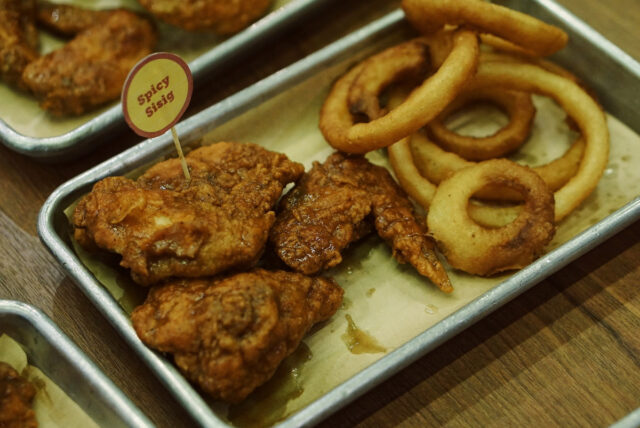
    US-based restaurant chain Wing Zone plans to open five more outlets in Manila by the end of this year ahead of pursuing more Southeast Asian opportunities. As Wing Zone opens new restaurants internationally, the company is exploring more local flavours and also plans to incorporate new menu options available in the US such as Zesty Breaded Wings and Chicken Ribs.

    “We have built a solid international presence and reputation with dedicated franchisees who share our values and understand the commitment to customer service. As we continue to find those qualified franchisees to help in our growth in the US we will be exploring even more partnerships to bring Wing Zone to more cities and countries internationally as well,” said Matt Friedman, co-founder and CEO of Wing Zone.

    Processed with VSCO with a6 preset

    In the US, Wing Zone will open eight new domestic locations in 2019 in North Carolina, South Carolina and Alabama. In Asia, after the Philippines, the chain will also explore other Southeast Asia markets.

    Wing Zone has nearly 100 locations across the US, and overseas including in Panama, Guatemala, Malaysia, Singapore and the Philippines.

  • Palm oil prices to remain steady in 2019: MPOC

    Palm oil prices to remain steady in 2019: MPOC

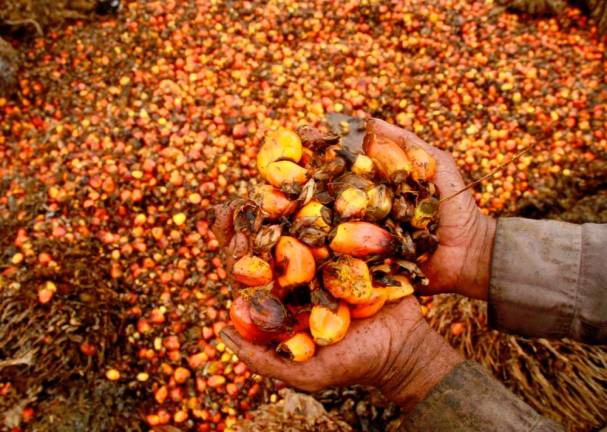
    Malaysian palm oil prices are set to hold steady in 2019 at an average of RM2,303 a tonne, according to estimates by the Malaysian Palm Oil Council (MPOC), while global output of the tropical oil is expected to rise by 3 million tonnes. “Global palm oil production is projected to be 72 million tonnes, with Malaysia and Indonesia as leading producers,“ the MPOC said in an online conference presentation.

    Rising production could cap recent price gains for palm oil, which has been recovering after touching a 3-year low last November at RM1,940 a tonne.

    Benchmark palm oil was trading at RM2,281 a tonne. The tropical oil averaged RM2,308 last year, according to Refinitiv Eikon data.

    MPOC, Malaysia’s key marketing agency for palm oil, also estimated that Malaysian output would rise to 20.2 million tonnes in 2019 and pegged Indonesian production at 42.8 million tonnes.

    Malaysia produced 19.5 million tonnes of palm oil last year, while Indonesia’s 2018 output stood at 42 million tonnes, based on estimates by the Indonesia Palm Oil Association.

    Malaysian palm oil output is expected to rise as newly replanted areas start to mature, but the increase will be marginal due to ageing trees and a possible El Nino in 2019 that will curb production, the MPOC said in its presentation.

    “Indonesian production is forecast to reach a record high of 42.8 million tonnes in 2019 due to improving weather conditions as well as newly maturing areas,“ it added.

    Palm oil exports in 2019 are also expected to increase in 2019, in line with an expected rise in demand from key importer India due to its declining domestic oilseed production.

    “India is expected to increase its (vegetable oil) imports by 500,000 tonnes, reaching 15.15 million tonnes, out of which palm oil will account about 10 million tonnes,“ said the MPOC presentation.

    Industry regulator the Malaysian Palm Oil Board forecast Malaysia’s a slight rise in production to 20.3 million tonnes this year due to favourable weather conditions and an expansion in oil palm matured area, according to an online presentation.

    It estimated Malaysia’s 2019 exports at 17.2 million tonnes, up from 16.5 million tonnes last year, due to “expected stronger palm oil demand from major markets.”

  • 7-Eleven may make India foray with Future Group

    7-Eleven may make India foray with Future Group

    Convenience store chain 7-Eleven is holding advanced talks with India’s Future Group to enter the territory. The parties may announce an agreement to launch a network of 7-Eleven India stores next month, according to inside reports. Future Group would operate small format stores as a master franchisee, with a focus on food retailing. The partnership is expected to help Future extend its reach to buyers beyond its own existing store network.

    “Future Group has a number of neighbourhood stores through their own format launches and through acquisitions”, observed Devangshu Dutta, CEO at consultancy firm Third Eyesight. “Some of them could surely be repurposed to 7-Eleven convenience stores, while there could be other franchisees appointed for specific sites or territories,” he said.

    “However, becoming a franchisee entails costs and restrictions. The question is whether there is enough margin available in the business to allow for so many tiers of stakeholders.”

    7-Eleven India potential partner Future Group runs 1,444 stores in 409 cities, specialising in food and grocery retailing.

  • Unison Capital could bag US$442 million for Gong Cha deal

    Unison Capital could bag US$442 million for Gong Cha deal

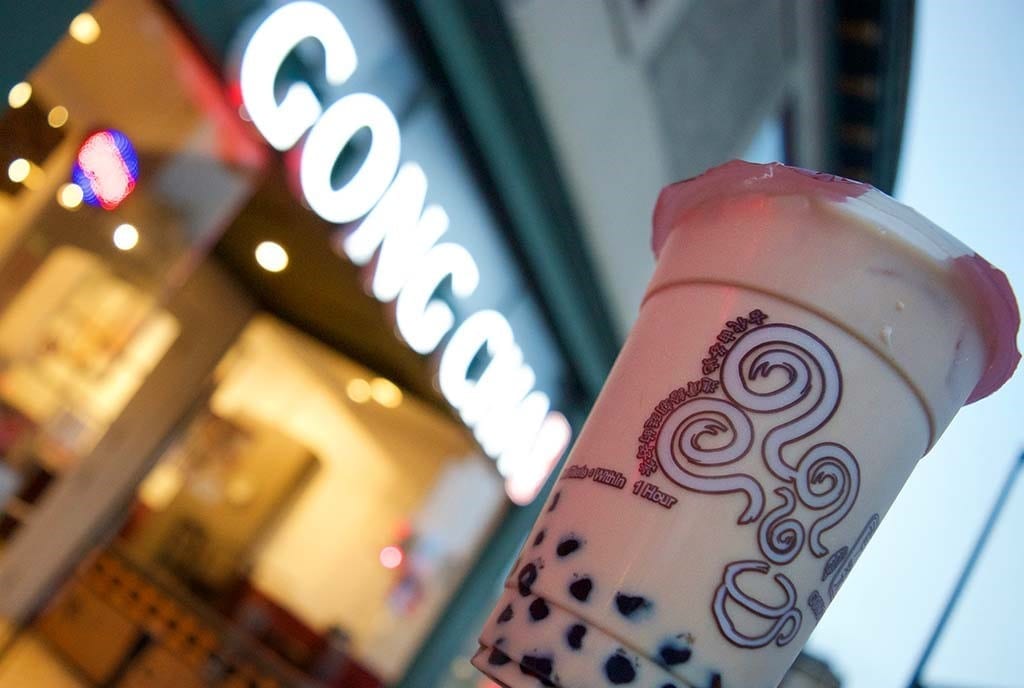
    South Korean private equity firm Unison Capital is selling its Gong Cha bubble tea franchise in a deal likely to fetch up to US$442 million. The company purchased the brand four years ago for KRW34 billion ($30 million), before taking over its global headquarters in Taiwan in a KRW40 billion ($35.45 million) deal in 2017. The brand’s HQ operates stores in 16 countries.

    The offer has attracted interest from major South Korean F&B players, considering the brand’s stable cash flows and EBITDA margin of 24–25 per cent, compared with Starbucks’ 21 per cent.

    The brand runs 448 outlets within South Korea, and derives 70 per cent of its sales from directly managed stores within Korea and Japan. The firm plans to expand its global store count from 900 to 1700 by 2021, expanding into 10 more countries during the period – with concrete plans to establish stores in the UK, Mexico, Thailand, Indonesia and Cambodia.

    Sales are forecast at KRW180 billion ($159.54 million) this year, compared to KRW134 billion ($118.77 million) last year.

  • Kiki Tea Taiwan launches product created by Michelin Chef

    Kiki Tea Taiwan launches product created by Michelin Chef

    Hong Kong’s new Taiwanese tea and bubbles sensation KiKi Tea is welcoming the Year of Pig with the inaugural launch of ‘Chinese New Year Puddings’ by three Michelin starred chef Albert Au Kwok-Keung. Exclusive recipes with finest ingredients by the starred Chinese chef are on special offer at KiKi Tea’s debut Hong Kong restaurant, KiKi Tea@Sun’s Bazaar in Pacific Place, as well as KiKi Tea SOGO Causeway Bay Pop-up, and online at from 1 January 2019.

    Chef Au, the Chinese Executive Chef for luxury restaurant group Lai Sun Dining has crafted two of Hong Kong’s most exceptional Chinese New Year Puddings in an exclusive collaboration with KiKi Tea, as the Taiwanese brand continues the runaway success of its popular sun-dried, handmade and additive-free KiKi Noodles.

    The signature puddings offer a choice of both sweet and savoury, perfect for gifting and wishing relatives and friends a fruitful new year. KiKi Taiwan Dried Longan and Brown Sugar Pudding (HK$108), marries traditional dried longan from Zhuqi and Chiayi in Taiwan, produced by an ancient roasting technique that reduces 3kg of the fresh fruit to 1kg dried, and is believed to nourish and clean blood – with Taiwan dark brown sugar, considered healthier than traditional cane sugar, free of artificial colouring, preservatives and fructose.

    The savoury KiKi Taiwan Dried Sakura Shrimp Turnip Pudding (HK$128) is crafted from a trio of prized Asian ingredients – delicate sun-dried sakura shrimp from Taiwan, turnip from Japan and preserved local lean Chinese sausage. For a spicy kick of Sichuan peppercorn and chilli, Chef Au recommends enjoying it with KiKi Sichuan Pepper Seasoning or KiKi Spicy Sauce.

    A set of both Chinese New Year Puddings is discounted to HK$228 from either KiKi Tea@Sun’s Bazaar, KiKi Tea SOGO Causeway Bay Pop-up or KiKi Fine Goods (Hong Kong) online at www.kikifg.com.hk during the two-month promotion from 1 January 2019 through Chinese New Year to 3 February 2019. With free delivery for ordering 21 puddings or more, the exclusive puddings are ideal for festive season gifting.

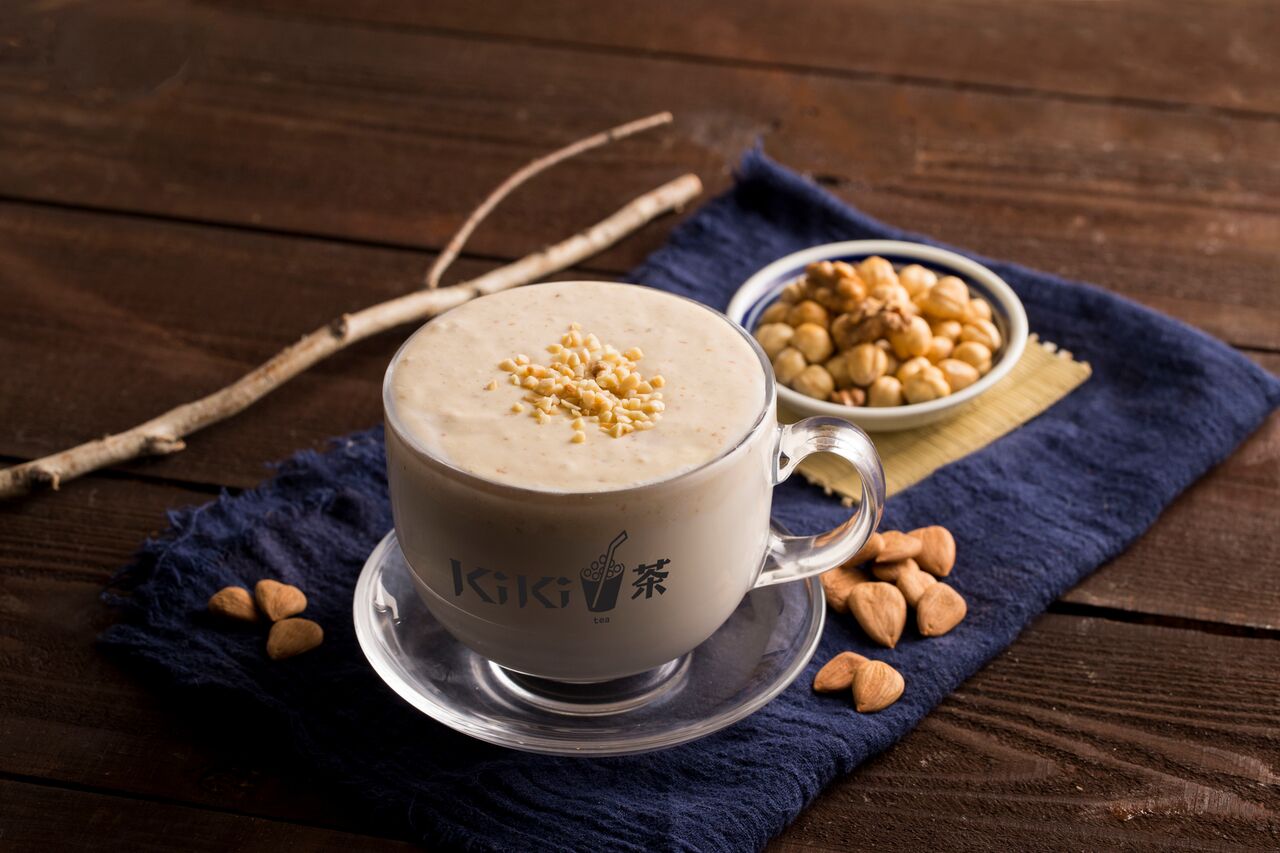
    A HK$5 KiKi Tea cash voucher is also complimentary, redeemable for a discount taste of the brand’s new bubbles, teas, desserts and Michelin-chef created KiKi Noodle dishes at KiKi Tea@Sun’s Bazaar or KiKi Tea SOGO Causeway Bay 2-month long pop-up – where popular favourites include SOGO special drink Brown Sugar Ginger Milk with Purple Sweet Potato Cream Mousse (HK$38), a smooth, flavourful and creamy mousse of steamed sweet potato puree using healthy, natural brown sugar from Taiwan with a warm and hearty ginger flavour. Moisturising drinks also include Almond Tea topped with Caramel & Nuts Cream Mousse (HK$35), Brown Sugar Ginger Tea with Red Dates (HK$34), Homemade Longan and Red Dates Tea (HK$32), and iced Almond Milk (HK$38).

    Chef Albert Au Kwok-Keung is celebrated as the world’s youngest three Michelin starred Chinese chef from helming The Eight restaurant in Macau, having launched his stellar career with his first Michelin star at Hong Kong’s ‘celebrity canteen’ Island Tang.

    Since launching in September 2018, KiKi Tea@Sun’s Bazaar has become an instant sensation, standing out from the  bubble craze crowd with Taiwanese tea and bubble specialties using quality, mostly natural ingredients including premium Taiwanese tea leaves, black sugar and cane sugar, along with authentic Taiwanese tea recipes – highlighting handmade pearls and pressed-to-order House Blend Teapresso. Specialties are brewed with top-of-the-range BKON technology for formulas producing unique tea and fruit infusions.


  • Yellow Tie Hospitality to bring Taiwan-based beverage brand Chachago in India

    Yellow Tie Hospitality to bring Taiwan-based beverage brand Chachago in India

    Karan Tanna led Yellow Tie Hospitality, the leading food and beverage franchise management company, has tied up with Taiwan based beverage brand, Chachago to launch its first outlet in Bengaluru in January 2019. Yellow Tie has acquired the master franchise rights for the brand in India as well as UAE, Turkey, Kuwait, Lebanon, Jordan, Israel, Oman, Syria, Turkey, Iran, Iraq, Qatar, Bahrain & Afghanistan and plans to launch100 outlets in India by 2021, with an overall investment of USD 6 million in brand expansion and development in India.

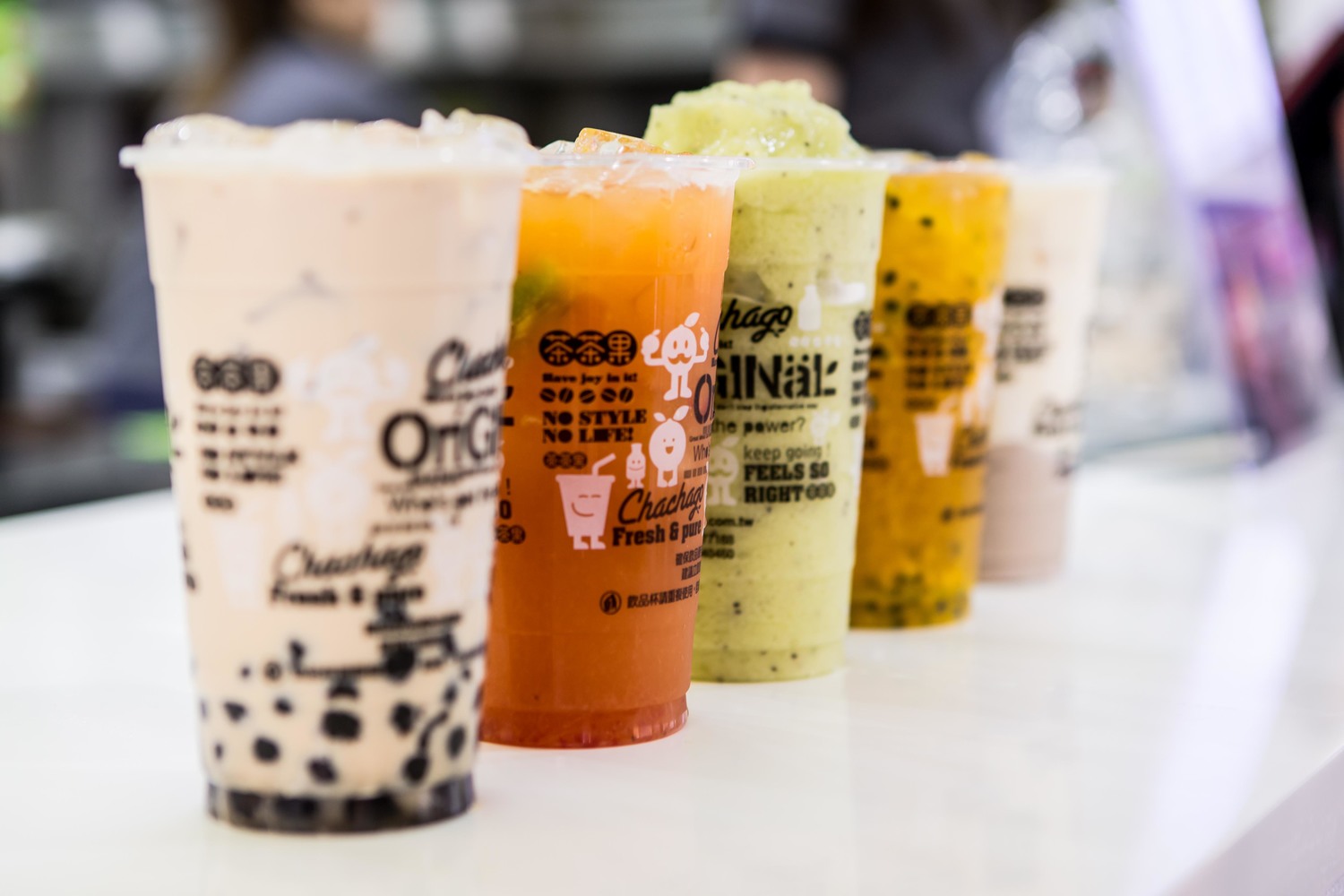
    Chachago is a Taiwanese beverage brand known for its aromatic and delicious varieties of Taiwanese milk tea, bubble teas, fruit-infused beverage, cheese-based beverages, milkshakes, and other specialty beverages and desserts. This is the first time the brand is entering India after having established its presence in countries like Taiwan, Canada, Australia, Hongkong, Vietnam, and Phillippines. A typical Chachago outlet will be in malls, high street, and educational institutions, and will spread over an area of 100 to 500 square feet and a capex of INR 20-40 lakh will be invested in building each outlet.

    Commenting on the launch Karan Tanna, Founder CEO of Yellow Tie Hospitality said: “Chachago is a specialty beverage brand originated in Taiwan, a country also known as the ‘House of Milk Tea’. We felt Indian consumers would connect with these specialty beverages, as there is a high demand for them in a tropical country like ours. It is a well-known fact that specialty beverages are a large and growing segment in the QSR category. As the market evolves, niche offerings are becoming more popular, giving us confidence that a brand like this will go down well with Indian consumers. Chachago is positioned very well with a gamut of products ranging in various teas, fruit infusions, and milkshakes. Chachago will be a one-stop-destination for premium beverages. We are very sure that the finest product development capability of Chachago in Taiwan combined with their experience of over three decades and optimized operation to give more throughput, will enable very quick growth for them in India”.

    He further added that there is a plan to turn Chachago into a 300 outlet chain by 2023 across the franchise geographies, “Going forward, the company is also looking for strong growth in countries outside India, by the second half of 2019; and by the year 2023, we are expecting the total outlets of Chachago to contribute approximate Rs 120 crore in annual revenue.”

    “We have tasted success in the very competitive Taiwanese market because of our own capability of using the most premium ingredients with optimized results. These ingredients are not only appreciated in Taiwan but also in other countries like Canada and Australia. We are very sure that with our experience and the expertise of Yellow Tie Hospitality, Chachago will be able to grow aggressively in a market which is the second highest competitive market in the world. We look forward to our presence in India”, said Hseih Yu Yin, Owner, Chachago.

    To further streamline the franchising process for Chachago, the company will go through a master franchise and multi-unit franchise route wherein franchise selection criteria will be based as per International brand standards. The potential franchise owner’s credibility will be audited by Yellow Tie Hospitality.

    Economic growth and social change on the Indian subcontinent are causing the beverage, dairy and liquid food industry to boom. Euromonitor International forecasted that all beverage sectors will grow at double-digit rates in the next four years, which Drink Technology India (DTI) will also benefit from.

  • Brewhouse Ice Tea secures US$ 2 mn loan

    Brewhouse Ice Tea secures US$ 2 mn loan

    Bottled ice tea brand Brewhouse Ice Tea Monday said it has secured US$ 2 million loan from Singapore-based FMCG firm Food Empire Group to expand its footprint and product offerings. Food Empire Group had previously invested US$ 6,00,000 in Positive Food Ventures in November 2017. Positive Food Venture Pvt Ltd, maker of bottled ice tea brand Brewhouse, has secured a loan of US$ 2 million from Food Empire Holdings, the company said in a statement.

    “Currently, we are present at over 2,000 points of sale in major cities and are expanding our operation pan India. We plan to invest the loan amount from Food Empire Group towards expanding our reach to 10,000 points of sale in 2020 and to introduce newer and interesting variants,” Siddharth Jain, Founder, Brewhouse Ice Tea said.

    The brand started operations in Delhi in May 2017 and at present has presence in over 10 cities, including Delhi, Chennai, Bangalore, Mumbai, Pune, Kolkata, Hyderabad, Jaipur, Chandigarh, Lucknow and are retailing with over 300 restaurant and cafe partners.