Tag: containers

  • SeaCube Cold Solutions Partners with The Wonderful Company to Establish Primary California Depot in Shafter

    SeaCube Cold Solutions Partners with The Wonderful Company to Establish Primary California Depot in Shafter

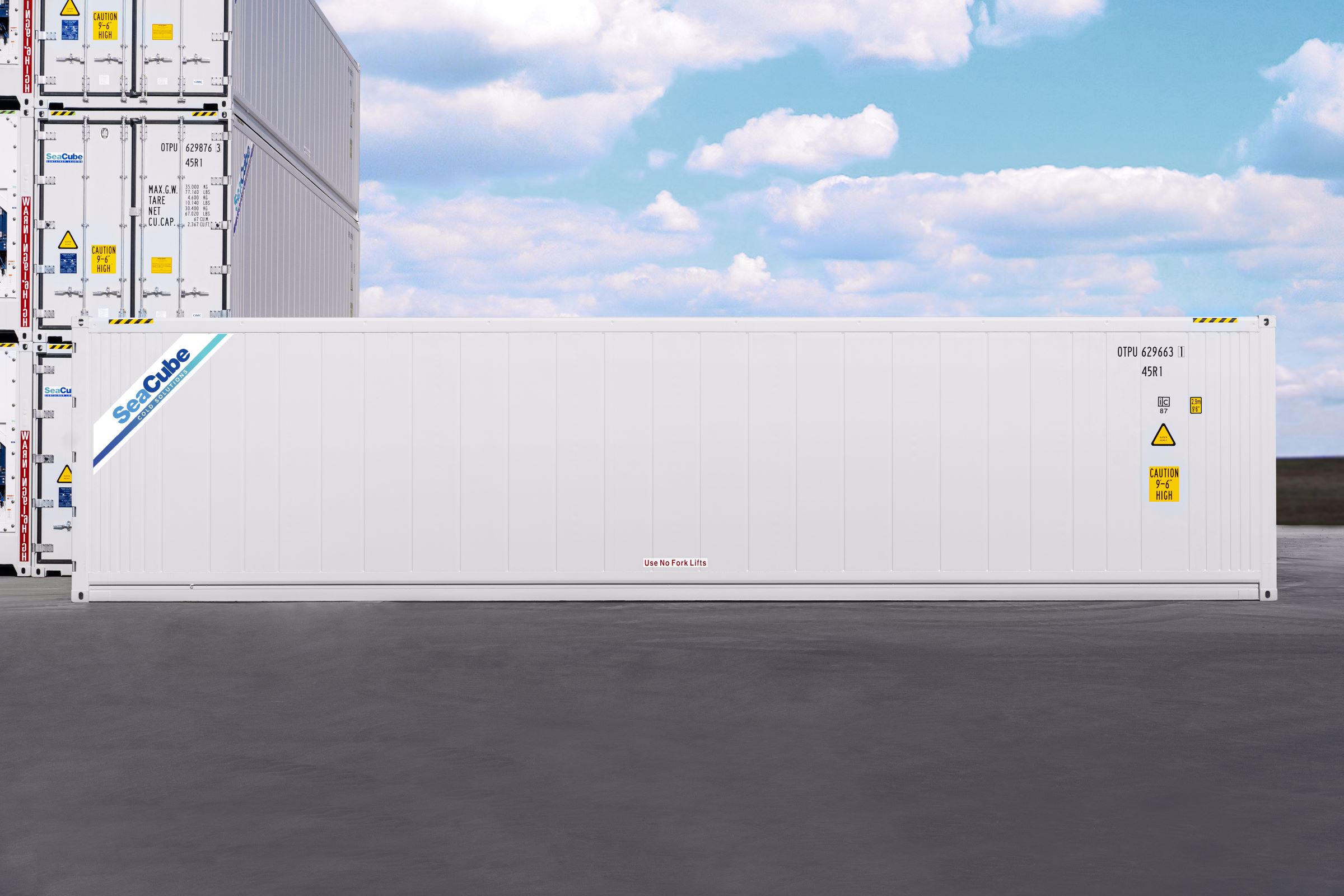
    SeaCube Cold Solutions (SCS), an affiliate of SeaCube Container Leasing and a leading provider of portable cold storage, announces a new partnership with The Wonderful Company. Under this agreement, The Wonderful Company’s Shafter facility will serve as the primary California depot for SCS, providing reefer storage and maintenance and repair services in the region.

    As part of SeaCube Container Leasing, SCS is backed by over 30 years of experience in refrigerated equipment, providing unmatched reliability and innovation in cold chain logistics. This new facility in Shafter represents a significant step forward in SeaCube’s investment in strategically located infrastructure to support its growing SCS customer base.

    “Partnering with The Wonderful Company at the Shafter depot marks a significant step in strengthening our presence in a key logistics corridor,” said James Armstrong, Senior Vice President of SeaCube Cold Solutions. “We’re excited to launch operations at the Shafter, California depot, where we are establishing a significant refrigerated container presence to support not only California’s Central Valley but also a 250-mile radius.

    This location strategically extends our reach across the West Coast, including Arizona and Nevada. With the addition of Shafter, SeaCube Cold Solutions now has full coverage over the entire Southwest Region.”

    The Shafter depot will serve as a hub for both storage and maintenance of SeaCube refrigerated containers. Its strategic location offers direct access to key customers in California’s Central Valley, while its position within a less congested logistics park provides efficient transportation routes to the Los Angeles basin, Arizona, and Nevada. SeaCube is the first—and currently the only—reefer operation at the facility.

    “SeaCube’s portable cold storage solution offers tremendous flexibility during seasonal market fluctuations. We are pleased to have their support and involvement in the Wonderful Logistics Center,” said Sepehr Matinifar, Vice President of Logistic Services at the Wonderful Company.
  • Vietnam’s exports to US accelerate

    Vietnam’s exports to US accelerate

    Vietnam’s exports to the U.S. surged 24.4% year-on-year to $66.09 billion in the first seven months, the highest growth rate among its export markets.

    In the seven-month period, American buyers spent a monthly average of close to $9.6 billion on purchasing goods from Vietnamese suppliers.

    With the U.S. accelerating goods purchases for the year-end festive season and the volume of their goods in stock plunging, the number of orders from U.S. buyers is expected to grow significantly.

    Vu Vinh Phu, an economic expert, predicted Vietnamese exports to the market such as electronics, leather and footwear, garment textiles, farm produce, machinery and equipment will continue to recover in months to come.

    These product categories have seen improvement in quality and competitive pricing thanks to substantial foreign direct investment in production and export activities as well as their deep integration into supply chains, making them more favoured and trusted by U.S. importers.

    If the current growth momentum is maintained, bilateral trade could reach $135 billion this year.

  • 4,800 containers unclaimed at HCMC ports

    4,800 containers unclaimed at HCMC ports

    Over 4,800 containers have been left unclaimed for more than 90 days at Ho Chi Minh City sea ports, causing difficulties for logistics activities.

    HCMC Customs said that the goods include wood, scrap and others.

    Many companies imported their goods in excess before the seven-day Lunar New Year holiday which began Feb. 8., causing a surge in the number of containers in January.

    Many importers of scraps are “ghost” companies, established with incorrect information regarding who operates them.

    Goods that are left unclaimed will be either sent back to the sender or be destroyed.

    A large number of unclaimed goods can cause congestion at ports and create a shortage of empty containers, which can result in higher transportation charges.

  • Vietnamese export containers worth $517,000 go missing at Dubai port

    Vietnamese export containers worth $517,000 go missing at Dubai port

    Four Vietnamese companies could lose five containers of spices and cashew worth US$517,000 they shipped to Dubai under what seem mysterious circumstances.

    According to the Vietnam Pepper Association, they had sold pepper, cashew, cinnamon, and anise to Bab Al Rehab Foodstuff Trading Llc.

    But four of the containers have been claimed by unidentified parties at Jebel Ali Dubai Port without paying the Vietnamese companies.

    The export was done under the documents against payment method, which requires the buyer to show proof of payment before collecting the goods.

    The documents had been sent by banks in Vietnam to UAE’s Ajman Bank, which confirmed receipt.

    But apparently it no longer has them, and has yet to explain why, the exporters said.

    They are concerned the remaining container, set to land on July 26, will also be misappropriated.

    They have repeatedly asked the buyer to make payments, but the company has yet to respond.

    The Vietnam Pepper Association, representing the four companies, has reported to Vietnamese authorities and the UAE embassy in Vietnam.

    The Vietnam Trade Office is working with Ajman Bank, Jebel Ali Dubai port and the Dubai police to investigate possible fraud.

  • Sanctions hit Vietnamese exports to Russia

    Sanctions hit Vietnamese exports to Russia

    Vietnam’s exports to Russia fell by nearly 60% year-on-year to US$205 million in the first two months of this year.

    Iron and steel, footwear and electronics exports almost came to a halt while those of agriculture produce like rice, vegetables and seafood fell by 20-50%, according to the Vietnam Trade Office in Russia.

    Rubber, garment and coffee were the only items whose exports increased.

    The ongoing Russia-Ukraine war is said to be the main cause as sanctions on Russia limit its trade with other countries, including Vietnam.

    Major shipping firms and airlines have stopped their Russia operations, and so Vietnamese business have trouble sending goods to the country.

    Bilateral trade fell by nearly 62% to $402 million.

    The trade office said Russian businesses are increasingly interested in establishing trade partnership with their Vietnamese counterparts, and the number of Russian companies participating in Vietnam’s fairs and exhibitions is rising.

    Many Russian retailers want to sell agricultural products, clothes and footwear from Vietnam, it added.

  • Maersk agrees US$3.6 billion deal to buy LF Logistics

    Maersk agrees US$3.6 billion deal to buy LF Logistics

    Container shipping giant Maersk on Wednesday agreed to buy Hong Kong-based LF Logistics for $3.6 billion in an all-cash deal, as it seeks to expand beyond its core ocean freight business.

    The deal is one of the group’s largest takeovers to date and follows a series of acquisitions including e-commerce firms, a freight forwarder specialising in air freight and its smaller rival Hamburg Sud.

    “The acquisition will further strengthen Maersk’s capabilities as an integrated container logistics company, offering global end-to-end supply chain solutions to its customers,” the company said in a statement.

    Maersk will buy LF Logistics from controlling shareholder Li & Fung, a Hong Kong-based supply chain manager, and from Singapore state investor Temasek which bought 22 percent of the company in 2019. The deal is expected to close in 2022.

    With a network of 223 warehouses and around 10,000 employees in 14 Asian countries, LF Logistics provides land-based logistic services such as warehousing and trucking to over 250 global customers.

    The company had revenue of $1.3 billion last year. Maersk said it expects to more than double the revenue and operating profit at the company by 2026.

    Record high container freight rates stemming from the impact of the pandemic have boosted big shipping companies and prompted deal-making by Maersk and its rivals, including CMA CGM and Mediterranean Shipping Company (MSC).

    With chaotic conditions in the global supply chain, big companies have been willing to pay a premium for more reliable and integrated freight solutions.

    The price implies that the valuation of LF Logistics has more than doubled since the Temasek deal valued the company at nearly $1.4 billion two years ago.

    French billionaire Vincent Bollore received a 5.7 billion-euro ($6.43 billion) offer from MSC for his African logistics assets, his company Bollore SE said on Monday.

    This month, French rival CMA CGM accelerated its push into warehouses and end-to-end logistics by agreeing a $3 billion deal to buy assets from US technology group Ingram Micro. In November, it bought a container terminal in Los Angeles for around $2 billion.

    Since breaking up its conglomerate in 2016, including selling its oil and gas business, Maersk has transformed into an integrated logistics company.

    Although container shipping accounted for 73 percent of its revenue last year, Maersk aims to offer customers such as Walmart and Nike shipment of goods from factory to store, even offering last-mile delivery to end-customers.

  • 4,000 container trucks stranded at China border by stringent inspections

    4,000 container trucks stranded at China border by stringent inspections

    Vietnam’s agriculture exports are taking a hit as China maintains a very strict inspections regime at northern border gates as a Covid-19 prevention measure.

    As of Friday, as many as 4,000 container trucks were stranded at the border gates in Lang Son Province, said Le Thanh Hoa, deputy head of the Department of Processing and Trade for Agro-Forestry-Fisheries products under the agriculture ministry.

    At the three border gates of Huu Nghi, Tan Thanh and Chi Ma, the current customs clearance speed has fallen by more than half to about 220 container trucks per day, Hoa said at a conference on agriculture trade held Saturday in Hanoi.

    For each truck carrying dragon fruit, jackfruit, and other fruits stuck at the Tan Thanh gate, it was taking 10-14 days on average to get customs clearance.

    At the Mong Cai border gate in Quang Ninh Province, just one truck gets cleared every week, Hoa said.

    The management board of the Mong Cai gate said Saturday morning that as many 800 trucks of frozen seafood and 300 trucks of fruits were stranded there.

    Hoa recommended that businesses carefully check agricultural products exported via border gates because China has been strengthening its Covid-19 disease control regime, resulting in careful, stringent inspections of products entering its territory.

    To cope with this situation, exporters have to carefully prepare the packaging of their goods so that they can get through the customs easily and at fast pace, he said.

    On the other hand, to avoid congestion and save costs, businesses need to arrange a reasonable clearance time and not send many trucks to the border gates at the same time, he added.

    After the fourth Covid-19 wave hit Vietnam in late April, China has been increasing inspections and disinfection of goods and means of transport and drivers from the country.

    They are also tightening the management and traceability of goods, which has contributed to lengthening the customs clearance procedure.

    In September, China had temporarily ceased the import of dragon fruit from Vietnam after detecting the novel coronavirus on its packaging. It had also reported a similar detection on Vietnamese mangosteen in early August.

    Hu Suo Jin, Economic and Commercial Counselor of the Chinese Embassy in Vietnam, said the pandemic in Vietnam was developing quite complicatedly and exporters need to disinfect the means of transport and drivers also need to increase adoption of preventive measures to avoid leaving the virus on goods.

    In addition, if possible, Vietnamese goods should be labeled with a negative test certificate on their packaging, he said.

    China is one of Vietnam’s top trading partners. The import-export turnover of agro-forestry-fishery products between the two countries had grown strongly from $8 billion in 2015 to $11 billion last year.

    China was Vietnam’s second-largest export market for agricultural, forestry and fishery products behind the U.S., posting an export turnover of $8.4 billion in the first 11 months of the year, accounting for 19.2 percent of Vietnam’s total agricultural exports.

  • Vietnam shipping company begins service to Malaysia, India

    Vietnam shipping company begins service to Malaysia, India

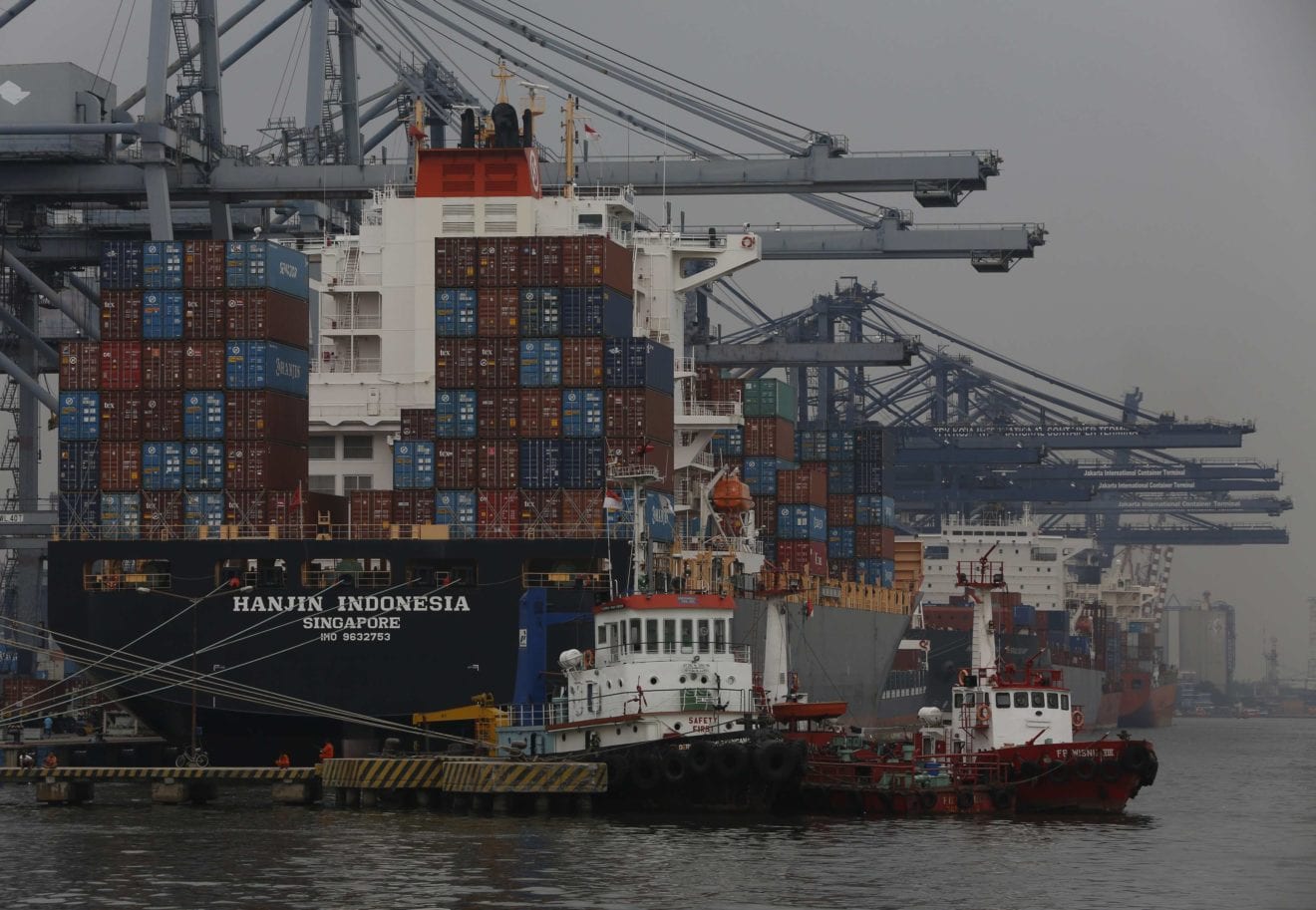
    The Vietnam Maritime Corporation has launched a container shipping route to Malaysia and India.

    The route from Vietnam’s Hai Phong Port to Malaysia’s Port Klang, India’s Calcutta, Port Klang, and SP-ITC International Container Terminal in HCMC takes 10 days less than foreign shippers’ itineraries, VIMC said.

    It is the first time Vietnamese container ships are sailing through the Malacca Strait to the Indian Ocean to transport cargo to Malaysia and India, both large import and export markets for goods and raw materials for Vietnamese enterprises.

    VIMC said it plans to expand its large-tonnage container ship fleet and operations in the region as well as globally.

    Amid the Covid-19 outbreak, Vietnam’s importers and exporters have been hit by the high freight rates demanded by foreign shipping lines and finding it hard to book their services.

    Freight rates to Europe and North America have surged by four to eight times to around $20,000 for a 40-foot container.

    Many Vietnamese shipping companies saw profits surge in the third quarter as a result of the rising freight rates.

    VIMC reported revenues of VND4.127 trillion ($179.4 million), up 71 percent year-on-year, and profits of VND760 billion, compared to a loss of nearly VND30 billion in the same quarter last year.

    According to the Vietnam Maritime Administration, the country’s ports handled over 535 million tons of cargo in the first nine months of this year, a year-on-year rise of 3 percent.

  • Foreign shipping lines impose irrational fees

    Foreign shipping lines impose irrational fees

    Foreign shipping lines have irrationally imposed several fees and created headaches for domestic exporters, an inspection team has concluded.

    The Vietnam Marine Administration has reported the findings to the Transport Ministry.

    The inspection team studied the practices of 10 foreign shipping lines – MSC, OOCL, CMA – CGM, Hapag – Lloyd, ONE, Evergreen, HMM, Maersk Lines, and Yangming – between March and May after they rampantly increased freights and surcharges.

    According to the administration, sea freight started to surge in October 2020, especially on routes to Europe and North America. In April 2021, the freight for a 40-foot container from Vietnam to Europe was $6,500-8,000, and for a 20-foot container to America, $6,000-7,000; an increase of 5-7 times over late last year.

    The key reason for the hike was China’s economic recovery after being hard hit by Covid-19. A large number of empty containers were booked by China, resulting in reduced supply and increased demand, and in turn, higher freight.

    The shipping team found that the shipping lines listed freight on their websites but did not display the time of listing, so it was impossible to know when those came into force. The shipping firms even applied floating freights for small customers without long-term contracts.

    In addition to increasing freights, the shipping lines applied 3-5 surcharges for goods loading and unloading, container cleaning, documentation and lead sealing. Up to 9 shipping firms imposed loading and uploading surcharges of $100-170 per container. Some firms applied feels like petrol surcharges infrequently.

    The team said the shipping lines imposed surcharges without agreements with customers, and without explaining the reason or announcing a time frame it.

    The firms also applied a Verified Gross Mass (VGM) fee of $30-50, but they did not have to pay it the inspection time found.

    It is difficult to monitor surcharges because shipping lines do not have to declare these to agencies.

    “Shipping lines decide freights and surcharges themselves. Small and seasonal Vietnamese customers have no plans to sign long-term shipment contracts, so they face many risks amid volatile markets,” the inspection report said.

    Shipping lines do not have to register transport routes, so they are free to add or remove ships from them, which poses a risk to local exporters.

    The administration has proposed the Finance Ministry to consider amending regulations on freights and surcharges of shipping lines imposed at Vietnamese ports. It has also proposed the Transport Ministry to issue new regulations on registering transport routes, schedules and cargo volumes in Vietnam to prevent shipping lines from unilaterally delaying or quitting voyages, or canceling space bookings, and increasing punishments for freight listing violations.

    Some 40 shipping lines frequently operate in Vietnam, securing a lion’s share of 95 percent of the country’s import-export transport. Vietnamese shipping firms have not been able to run routes to Europe and North America.

    Nine shipping lines inspected by the teams currently run routes from Lach Huyen Seaport in the northern city of Hai Phong and from Cai Mep-Thi Vai Seaport in the southern province of Ba Ria Vung Tau to Europe with 2 voyages a week, and 18 voyages to North America.

    Foreign shipping lines typically have representatives in Vietnam in the form of wholly foreign-owned enterprises.

  • Container shortage compounds Vietnamese exporters’ shipping woes

    Container shortage compounds Vietnamese exporters’ shipping woes

    Vietnamese businesses are once again struggling to get containers to export their goods amid a global imbalance in the logistics sector. Bui Thi Ngoc Tuyen, deputy director of Bich Chi Food Company in the southern province of Dong Thap, said as empty containers have become scarcer, prices have tripled.

    “We struggle to get enough containers for our goods, and even if we do, there is no ship to transport them.”

    Duy Tan Plastics, which gets one-fifth of its revenues from exports, is also caught in a similar struggle, with logistics costs on some main routes rising 95–231 percent year-on-year. The company has seen the number of orders declined by around 10 percent due to higher shipping costs, its deputy director Le Anh said.

    Tran Thanh Hai, deputy director of the Agency of Foreign Trade under the Ministry of Industry and Trade, said sea shipment costs have risen because container costs have surged seven or eight times.

    Vietnamese companies had already faced a container shortage towards the end of last year and earlier this year as global trade rebooted after months of limited activities caused by the Covid-19 pandemic, but the recent Suez Canal blockage has once again triggered shortages that could severely hurt exporters.

    Although the mega-ship Ever Given has been freed from the canal, some ships had been forced to reroute on a longer journey, and a two- or three-week delay of shipments is expected.

    This means Vietnamese exporters will have to wait a couple of weeks or even a month to receive empty containers for the next shipment, and they will have to bear higher costs due to shortage of the metal boxes, said Ho Van Hiet, CEO of Prime Logistics Vietnam, which transports around 200 containers a month.

    Container rents in December and January had surged 5-10 times from earlier due to a global shortage of containers. Although prices dropped by 10-20 percent last month, they could return to the previous peak in this and the next month due to the Suez blockage, Hiet told VnExpress International.

    His company has been urging customers to make quick deliveries now, before prices climbed again.

    Lam Thi Thanh Bong, CEO of Karl Gross Logistics Vietnam, said that after a period of limited trade activities last year caused by the Covid-19 pandemic, many Western countries are having an oversupply of empty containers while some Asian ones are seeing shortages.

    “This imbalance in supply and demand will have major impacts on Vietnamese exporters,” she said.

    For now, exporters need to book their shipment between two and four weeks prior to ensure they have slots on the vessels and they should negotiate sharing higher logistics costs with their partners, she added.

  • Suez blockage threatens Vietnam trade with Europe, US

    Suez blockage threatens Vietnam trade with Europe, US

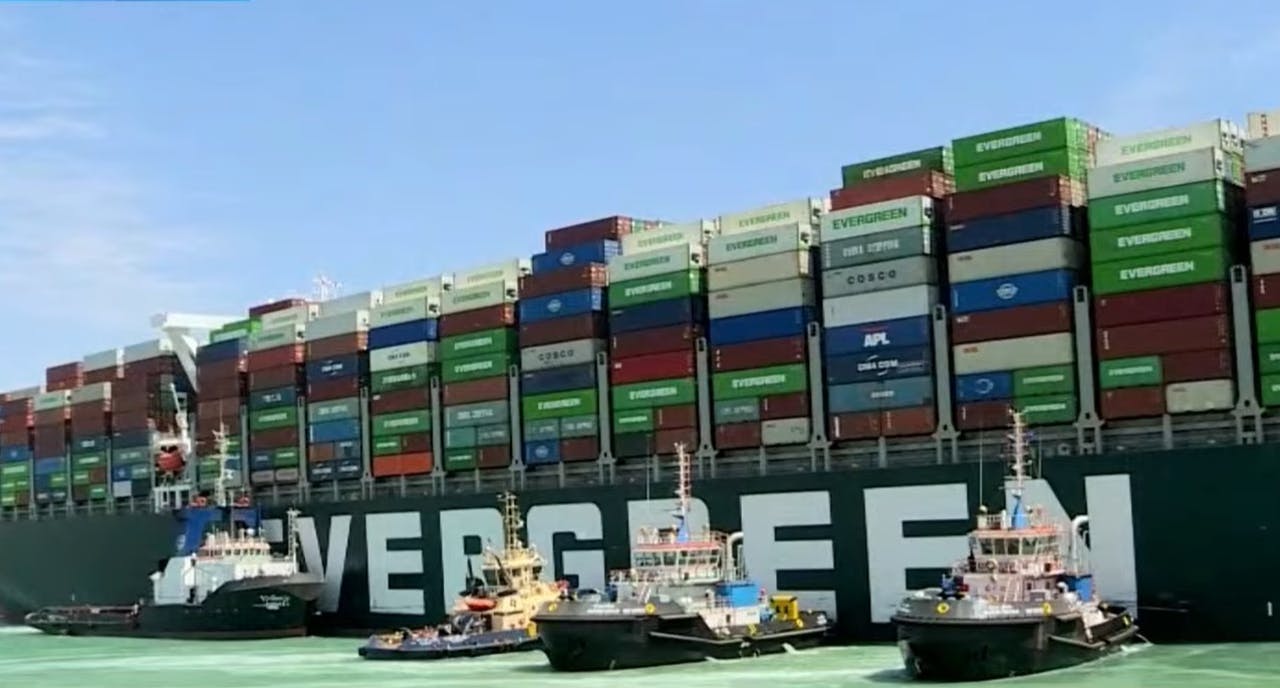
    The Suez Canal blockage caused by the Taiwanese container vessel Ever Given is threatening to delay some of Vietnamese exports and imports.

    The longer it lasts the more losses Vietnamese seafood exporters would suffer since they are the one in charge of shipping seafood to their partners, according to Truong Dinh Hoe, general secretary of the Vietnam Association of Seafood Exporters and Producers (VASEP).

    “Vietnam and many other countries are short of containers for exports and face surging freight rates. The Suez blockage could make freights rise even higher, putting Vietnam’s seafood export firms in difficulty,” he told local media.

    The blockage would temporarily increase Vietnamese exports’ transportation time to the U.S. and Europe by at least one to two weeks since ships have to go around the southern tip of Africa.

    Maersk, a Danish shipping company, said it has three vessels stuck in the canal and 27 others waiting to enter, with two more expected to reach the site on March 28.

    The company has decided not to wait for Ever Given to be extracted and instead redirected its vessels around the Cape of Good Hope, adding 10-14 days to their itinerary to U.S. ports.

    “In Vietnam, shipping route TP17 from the Cai Mep-Thi Vai Port in the southern province of Ba Ria-Vung Tau to the U.S’s east coast, which goes through the Suez Canal, is affected,” a spokesperson for a Vietnamese logistics firm said.

    Multinational electronics companies in Vietnam will be affected if the blockage prolongs since it will delay imports of components.

    Tran Thanh Hai, deputy director of the Agency of Foreign Trade, said the impact of the blockage on Vietnam-Europe trade would depend on the time it takes to dislodge the ship.

    The Ministry of Industry and Trade has instructed Vietnam’s trade office in Egypt to keep it updated on the extrication of the ship.

    On March 23 Ever Given ran aground in one of the world’s busiest waterways. According to the Suez Canal Authority, the ship was unable to keep a straight trajectory due to high winds and a sandstorm that reduced visibility.

    In the morning of March 29, Ever Given was wrenched from the shoreline and set partially afloat again after six days in the ground, according to Inchcape, a British provider of marine services.

  • Steel giant to manufacture containers for first time in Vietnam

    Steel giant to manufacture containers for first time in Vietnam

    Steelmaker Hoa Phat plans to manufacture 500,000 twenty-foot equivalent unit containers a year to mitigate a shortage since containers are stuck at ports after Covid-19 hit trade.

    It plans to build its first container manufacturing factory in Binh Duong or Dong Nai province and near Cat Lai Port in HCMC and Cai Mep – Thi Vai International Port in Ba Ria – Vung Tau Province.

    The southern region has an especially high demand for containers. Market research by Hoa Phat in fact found that three out of every four containers are used there.

    Nguyen Manh Tuan, vice chairman of the Hoa Phat Group, said the containers would be made of weather-resistant hot-rolled coil steel with enhanced corrosion resistance produced at its Hoa Phat Dung Quat 2 steel plant to be launched in early 2022.

    The logistics sector is suffering from a severe container shortage since many remain in various ports around the world, unable to offload their goods, while demand for containers to export to Europe and the U.S. is high.

    At the end of 2020, the Vietnam Maritime Administration had to order container shipping lines to publicly declare their freight rates and surcharges, saying it had received numerous complaints about inflated prices due to a shortage of containers and warning it would not tolerate gouging.

    Most shipping lines have hiked freight by 2-10 times in the last three months.

    In Vietnam, there is no container production.

    Tuan explained that the price of weather-resistant hot-rolled coil steel used for making containers is high, and would cause losses for companies if they have to import it.

    “Hoa Phat can produce this type of steel,” he said.

  • Fruit containers stuck as China border gate closes

    Fruit containers stuck as China border gate closes

    Over 200 container trucks full of fruit stand idle near a northern border gate as the new coronavirus outbreak halts cross-border trade.

  • Foodstuffs Allowing customers to bring own containers

    Foodstuffs Allowing customers to bring own containers

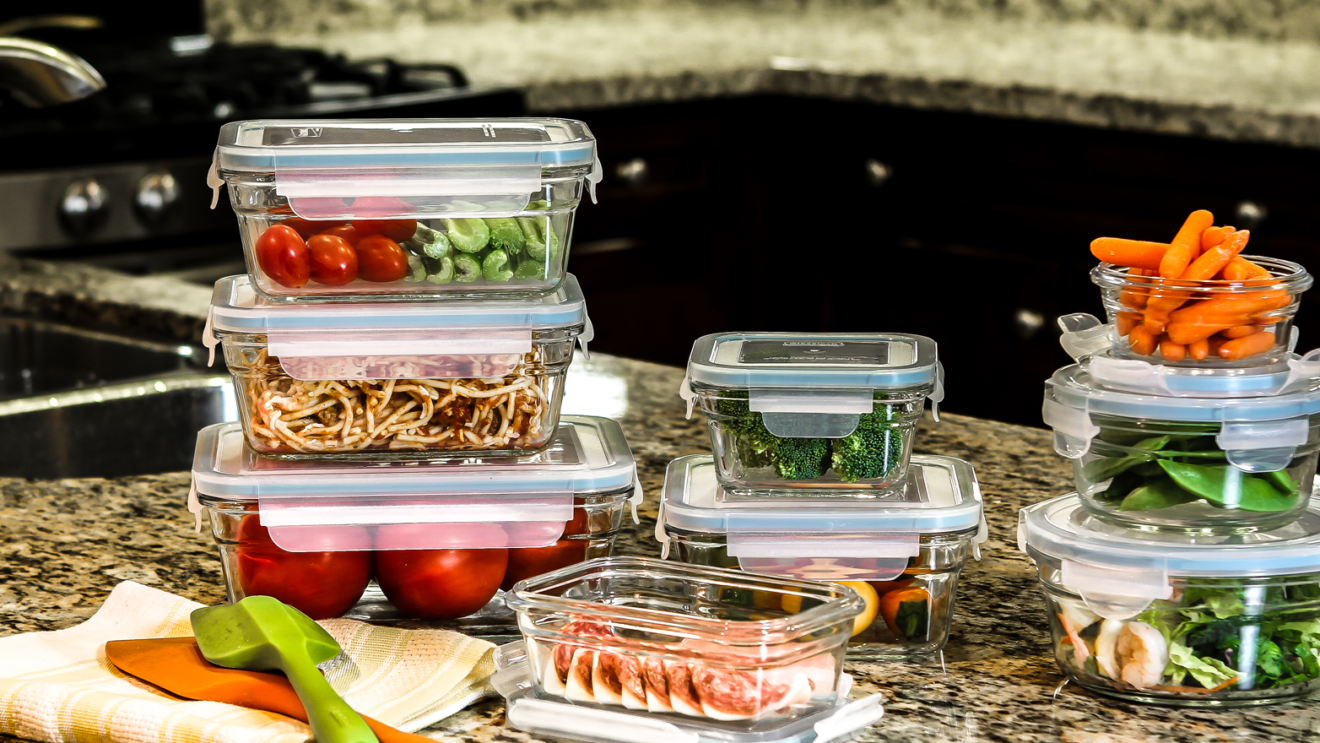
    Supermarket chain Foodstuffs will soon allow customers to bring their own containers to use for seafood, over-the-counter butchery, delicatessen and bakery items in an effort to eliminate waste.

    The BYOC (bring your own container) policy will be made available at Foodstuffs supermarkets and Foodstuffs-affiliated stores, including New World, Pak n Save and Four Square North Island stores.

    The policy will kick off on June 1 but will be launched in New World Long Bay a bit earlier, as its new store opens on May 28 in Auckland.

    Mark Casey, group manager of regulatory services at Foodstuffs North Island, said the company ran successful trials at several stores where it worked out what rules need to be followed.

    “Food safety is a top priority, so making sure our customers’ groceries aren’t compromised through poor hygiene is very important,” Casey said.

    According to Foodstuffs, the service is only available at counter departments so that stores can check containers and make sure they are fit for purpose and clean, and that the weight of the container can be subtracted from the weight of the product being purchased.

    “Many people don’t realise that products must be sold minus the cost packaging might add to a product,” Casey said. “That’s why we restrict BYO to counters where we can subtract the weight of the container and produce a price label for the cost of the product only.”

    This means that products from bulk bins, for now, won’t be included.

    “We have to make quite significant changes to the way we operate to take the BYO option storewide, but this new policy in our counter areas is a major step towards zero waste.”

    The supermarket chain said encouraging customers to reuse containers is just one of the many initiatives it has underway to help reduce New Zealanders’ environmental footprint.

    “We’ve given away millions of reusable shopping bags, we encourage customers to bring reusable produce bags, we’re trialing home compostable produce bags and now we’re inviting people to bring their own containers. It all adds up to reducing packaging waste,” said Mike Sammons, head of sustainability at Foodstuffs.

    Sammons said reusable bags and boxes may soon be in the works after the company’s previous initiatives to cut out plastic in-store, such as its ‘food in the nude’ campaign in produce, a new and exclusive eco-store refillery in its New World Durham Street in Christchurch and the use of new products for wrapping pallets.

  • New deep-sea port to boost logistics capacity in Vietnam

    New deep-sea port to boost logistics capacity in Vietnam

    The new terminal will double the current loading capacity of the biggest port in northern Vietnam. A new deep-water port is set to open this month in Vietnam’s northern city of Hai Phong.

    The city is a major sea gateway for Vietnam, but the existing port cannot receive large container ships as it lies on the Cam River, which is only seven meters deep.

    The new Lach Huyen International Gateway Port faces the sea, where the water is 14 meters deep.

    It stretches 750 meters (2,460 feet), which is double the length of Hai Phong Port, and has two container cranes.

    Work started on Lach Huyen Port in 2013 at an estimated cost of $1 billion, and when the first phase is completed on May 13, it will be able to handle around 300,000 20-foot equivalent units, or TEUs.

    That figure will rise to between 2-3 million TEUs in 2019, which is double the current capacity of Hai Phong Port.

    At a ceremony to mark the construction of Lach Huyen’s second phase in 2016, Prime Minister Nguyen Xuan Phuc said the new port “holds a key role in Vietnam’s maritime strategy”.

    Infrastructure to support the operation of the port has been taking shape, including an expressway connecting Hai Phong with the capital Hanoi that cuts travel time by half to roughly 90 minutes, and Southeast Asia’s longest cross-sea bridge, which opened to traffic in September last year.

    Spanning 15.63 kilometers (10 miles), the $523-million bridge connects Tan Vu Port to the new Lach Huyen Port.

    At a government meeting in Hanoi last month, PM Phuc said Vietnam’s logistics costs are putting a strain on local businesses and need to be cut in order to make firms more competitive.

    Vietnam’s logistics costs accounted for 20.9 percent of GDP in 2016, according to the World Bank, and were higher than regional peers China, Thailand and Japan.

    The reason for this is the cost of transporting goods via land, he said.

    In Vietnam, transportation accounts for 59 percent of all logistics costs, Deputy Minister of Industry and Trade Nguyen Van Cong told the meeting.

    The cost of transporting a 40-foot container by land from Hanoi to HCMC is about VND40 million ($1,785), which is 9.7 times more than transporting it by water and 2.5 times more than moving it by train, he said.

    According to a 2016 report released by the ministry, 77.2 percent of goods are transported by land in Vietnam, while just 5.22 percent go via water and 0.42 percent by train.