Tag: convenience stores

  • China’s Meiyijia Opens Two Ohmee Stores at Petrolimex Stations in Hanoi

    China’s Meiyijia Opens Two Ohmee Stores at Petrolimex Stations in Hanoi

    Chinese convenience chain Meiyijia has opened two Ohmee Express stores at Petrolimex petrol stations in Hanoi following its entry into Vietnam in April. The pilot tests a forecourt retail model in the chain’s first overseas market.

    The tie-up links China’s largest convenience operator with Vietnam’s dominant petroleum distributor. Meiyijia runs more than 40,000 stores in its domestic market.

    Pilot Sites on Hanoi Arteries

    Both outlets operate on Ngoc Hoi and Nguyen Quy Duc streets in Hanoi. They stock packaged food, drinks and daily necessities alongside standard fuel station services.

    Petrolimex deputy general director Nguyen Ngoc Tu said the partnership supports plans to convert traditional petrol stations into multi-service commercial hubs. The strategy responds to shifts in vehicle energy use and digital payments.

    Fuel Forecourt Competition in Vietnam

    Forecourt retailing gives convenience operators a direct way to bypass street-level real estate bottlenecks in Southeast Asia. Securing prime roadside retail space in Hanoi and Ho Chi Minh City carries steep rents and heavy competition from players like Circle K, WinMart+ and GS25. Partnering with a state-backed fuel network gives Meiyijia immediate roadside access and built-in vehicle traffic without negotiating individual retail leases.

    Customer conversion presents the main operational challenge. Petrol buyers in Vietnam make brief refuelling stops on motorbikes. Basket sizes stay modest unless the forecourt store offers quick food service or payment utilities that draw riders off their bikes.

    Cross-Border Expansion from Guangdong

    Meiyijia entered Vietnam in April under the Ohmee banner, selecting the country for its first international expansion. Founded in Guangdong in 1997, the company built its domestic network on a low-cost franchise model. It penetrated lower-tier Chinese cities before expanding into higher-density urban centres.

    Results from the two Hanoi pilot stores will determine whether Meiyijia and Petrolimex roll out the Ohmee Express format across the fuel distributor’s nationwide network of filling stations.


  • Ice Cream and Food Drive 45 Percent Surge in Philippine Convenience Store Sales

    Ice Cream and Food Drive 45 Percent Surge in Philippine Convenience Store Sales

    Philippine convenience store sales jumped 45 percent year on year in January, propelled by heavy consumer spending on food and packaged goods, according to Kantar Worldpanel data.

    Food purchases accounted for 59.3 percent of all fast-moving consumer goods transactions across the format, up from 58.8 percent in the previous year.

    Ice cream retained the top spot among individual product categories, followed by milk, packaged snacks, and alcoholic beverages. Beverages accounted for 23.8 percent of overall basket value, dipping from 25.6 percent in 2014. Personal care items captured 13.5 percent of sales, marking the largest category share expansion with a 2.2 percentage point gain. Household care products took a 4.3 percent share, up from 3.5 percent.

    Shifting Baskets and Fast Growth

    Consumer baskets also showed new priorities during the tracking period. Diapers, bottled water, and fabric cleaners entered the top ten bestselling categories by sales value, while coffee and hair care products dropped out of the list. Diapers climbed straight into fifth place, sitting just behind alcoholic beverages and ahead of biscuits, soft drinks, bottled water, fabric cleaners, and fruit juice.

    The convenience channel outpaced every competing modern trade format in the country over the 12-month period. Convenience store sales growth reached 45 percent, compared with 31 percent for direct sales and 11 percent for drugstores.

    Regional Shopper Divergence

    Household penetration widened alongside value growth. Kantar tracked 3,000 urban and rural households and found that 18.5 percent bought goods from convenience stores, up from 16.1 percent a year earlier. That shift brought an estimated 566,991 new families into 24-hour retail chains such as 7-Eleven, Ministop, and FamilyMart.

    Shopper behaviour varies sharply by geography. The National Capital Region accounts for the highest shopper volume, with 34 percent of homes using convenience stores, but residents there visit only five times a year on average. Mindanao holds fewer total convenience shoppers, yet those households visit nine times annually, making them the most frequent spenders in the country.

    Format Expansion Pressures

    Operators face higher inventory management demands as convenience stores shift from late-night snack stops into daily grocery replenishment hubs. Stocking bulky items like diapers and laundry detergents requires tighter shelf space allocation in stores that average only one to two checkout counters. Chains that fail to optimize their stock mix risk losing margin to traditional sari-sari neighbourhood stores that hold lower overheads.

    Philippine operators are matching this shift by accelerating store expansion beyond Metro Manila into secondary cities in South Luzon and Mindanao. Kantar new business development head Lourdes Deocareza attributed the channel expansion to faster consumer lifestyle routines across urban centers.

    Store counts across the major three chains continue to rise toward regional footprint targets, with full-year channel penetration and repeat trip frequency serving as the key benchmarks to watch.

  • F&N Magnolia Launches Sanrio Ice Confection Line Across Singapore

    F&N Magnolia Launches Sanrio Ice Confection Line Across Singapore

    F&N Magnolia rolled out a limited-edition strawberry and yoghurt ice confection across Singapore retail channels on September 3, priced at S$2.20 for single sticks and S$8.40 for four-packs.

    The launch pairs the heritage dairy brand with Sanrio characters My Melody and Kuromi across impulse and take-home formats. Alongside the stick multipacks, the company introduced a repackaged My Melody and Kuromi raspberry ripple ice cream tub priced at S$6.42.

    Channel Distribution and Pricing

    F&N split the product formats by channel to target distinct shopping occasions. Convenience stores carry the single-serve stick line at S$2.20, while leading supermarket operators stock the four-stick multipacks at S$8.40 and the redesigned tubs at S$6.42. All items carry halal certification to serve the broader domestic market.

    To drive basket size in grocery aisles, the brand attached a gift-with-purchase promotion running through the end of October 2026. Shoppers who buy two multipacks receive a branded travel organiser set valued at S$19.90, subject to stock availability.

    Character Licensing in Dairy Retailing

    Packaged food manufacturers across Southeast Asia rely heavily on co-branded character tie-ups to drive short-term volume in crowded freezer cabinets. Licensing recognizable IP allows legacy dairy labels to capture younger demographics and impulse buyers without reformulating entire permanent portfolios.

    The promotion runs across participating supermarket chains until October 31, 2026, or until premium gift stocks are exhausted.

  • Seven & I Fends Off 47 Billion Dollar Couche-Tard Takeover

    Seven & I Fends Off 47 Billion Dollar Couche-Tard Takeover

    Seven & I Holdings fended off a 47 billion dollar takeover bid from Canada’s Alimentation Couche-Tard after buyout negotiations collapsed in Tokyo. The withdrawal leaves the Japanese retail group in control of more than 60,000 convenience stores operating primarily across Asia and North America.

    How the buyout talks fell apart

    Couche-Tard launched its pursuit in August 2024 with an initial 38 billion dollar offer, later sweetening the bid to 47 billion dollars before abandoning the deal in July 2025. The Canadian suitor blamed the breakdown on what it called a calculated campaign of obfuscation and delay by the Seven & I board. Seven & I defended its board governance, rejected the characterization, and responded to the takeover pressure by appointing Stephen Hayes Dacus as chief executive officer.

    The Tokyo-headquartered parent company, formed by Ito-Yokado in 2005 to absorb 7-Eleven, has built its balance sheet through major retail purchases over several decades. That expansion includes the May 2021 purchase of 3,800 Speedway outlets from Marathon Petroleum and an April 2024 deal worth 1 billion dollars to acquire additional Stripes convenience stores and Laredo Taco Company locations.

    Portfolio pressure across key markets

    Asian retail conglomerates have historically pushed back against North American suitors seeking to consolidate fragmented convenience and fuel distribution networks. Seven & I’s resistance protects an operating model built around dense store clustering and localized food offerings, shielding core Asian operations from external ownership while preserving control over its Dallas-based subsidiary.

    Dacus now takes direct oversight of a retail network that generated 8.54 trillion dollars in annual revenue against a market capitalization of 28.61 billion dollars. Investor attention turns to the standalone turnaround plan as management prepares its next operational review.

  • Japan Convenience Store Chains Cut Onigiri Base Prices

    Japan Convenience Store Chains Cut Onigiri Base Prices

    Japan’s three largest convenience store operators, 7-Eleven, FamilyMart and Lawson, have cut base retail prices on onigiri rice balls after years of inflation doubled shelf prices for the staple snack.

    The reductions mark a permanent reset of baseline pricing rather than temporary sales promotions, targeting everyday basket affordability across thousands of urban outlets.

    Price Cuts Across Major Chains

    Lawson will reduce after-tax prices by 10 yen across all 20 varieties in its Temaki Onigiri lineup on September 29. Its Sea Chicken Mayonnaise drops from 181 yen to 171 yen, grilled salmon falls from 221 yen to 211 yen, and spicy cod roe mentaiko drops from 235 yen to 225 yen. Plum, kombu, and okaka variants will each decline from 194 yen to 184 yen.

    7-Eleven Japan is lowering prices on its core salmon and mentaiko rice balls by 19 yen, reducing both from 214 yen after tax. FamilyMart initiated its adjustments on August 24, cutting the price of its Kombu and Tuna Mayonnaise Big Musubi from 320 yen to 298 yen.

    Wholesale Relief and Volume Recovery

    Data from Japan’s Ministry of Agriculture, Forestry and Fisheries shows the average supermarket retail price for a five-kilogram bag of rice dropped 27.7 per cent between early this year and mid-August. Falling raw grain costs have given convenience chains room to adjust procurement and restore unit volumes that slowed when onigiri crossed historical psychological price barriers.

    For Japanese convenience operators, rice balls serve as primary foot-traffic drivers alongside canned coffee and ready-to-eat lunches. Chains spent two years passing input costs directly to shoppers, but price resistance pushed consumers to trim daily spend, prompting this coordinated push to protect store traffic.

    The repricing rollout will test whether lower shelf prices can restore transaction counts before quarterly sales figures reveal the impact on gross retail margins.

  • DFI Retail Group Tests Experiential 7-Eleven Formats Across Hong Kong

    DFI Retail Group Tests Experiential 7-Eleven Formats Across Hong Kong

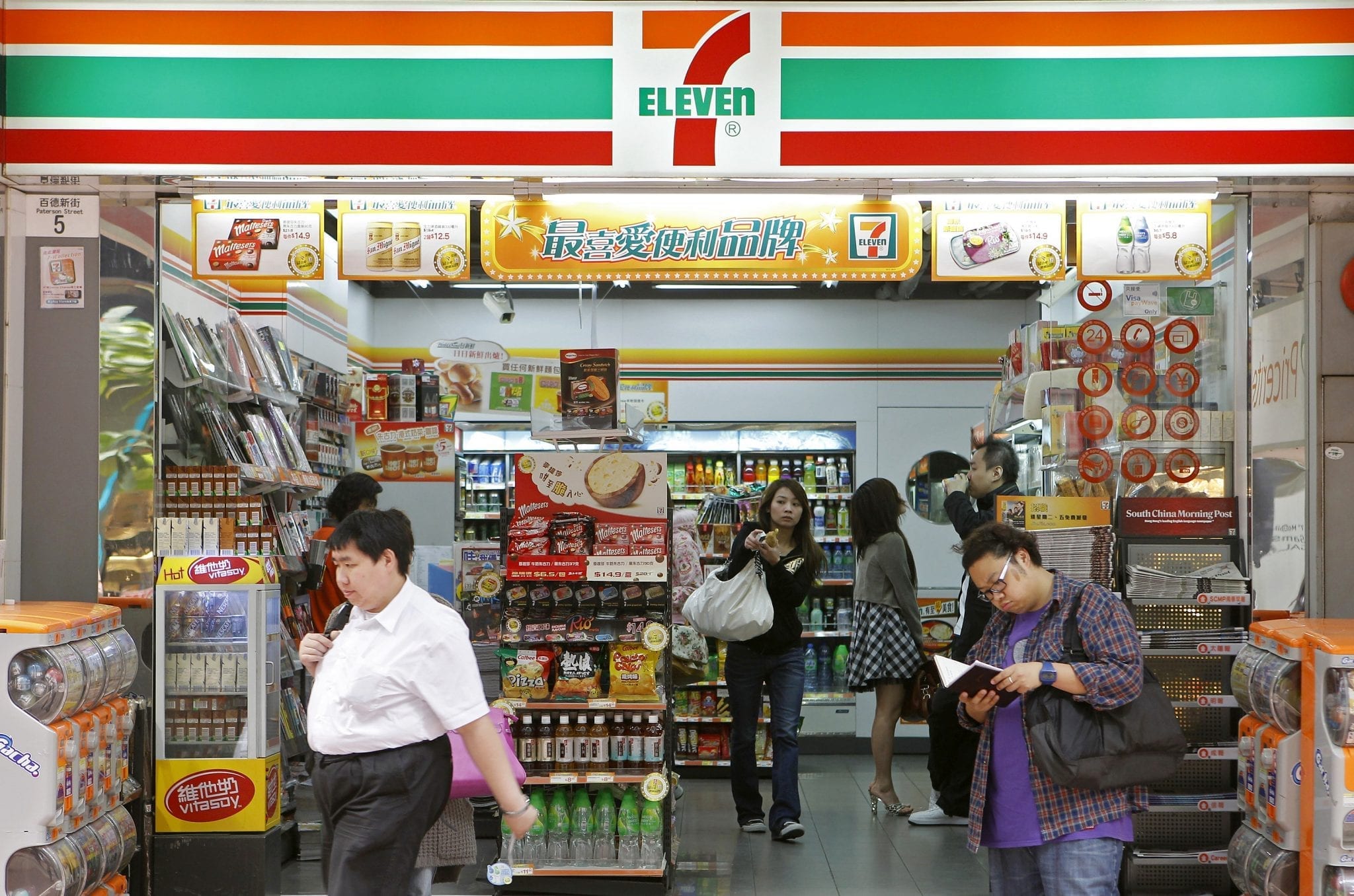
    DFI Retail Group rolled out two distinct format concepts across its 7-Eleven network in Hong Kong, targeting airport transit traffic and young mall shoppers.

    The deployment includes a compact food-first site under 100 square metres at Hong Kong International Airport Terminal 2 and an entertainment-focused store at Kai Tak Retail Mall 3. Both formats shift floor space away from traditional packaged goods to generate higher footfall and basket values.

    Hot Food and Collectibles at Kai Tak

    At the airport location, DFI deployed its Hong Kong Taste cafe concept. The layout combines a fresh local hot-food counter, chilled ready-to-eat meals, self-checkout kiosks, and coffee counters within a compact sub-100-square-metre unit designed to compete directly with quick-service restaurants.

    The Kai Tak store focuses entirely on youth merchandise and interactive displays. Shoppers find collectible card vending machines alongside a dedicated K-pop merchandise section requiring staff assistance for access, concert light sticks, Tamagotchi devices, and miniature double-decker bus models. The branch also stocks exclusive collaboration apparel, including Gundam socks and 45th-anniversary branded merchandise, alongside an interactive mechanical keyboard sound wall.

    Yoep Man leads the format trials as chief executive officer of 7-Eleven for South China, Hong Kong, Macau, and Singapore at DFI Retail Group.

    Asian Convenience Chains Pivot to Experience

    Convenience operators across North and Southeast Asia are redesigning store footprints to defend operating margins against rising rents and saturated packaged-goods categories. Regional competitors in Japan, Taiwan, and South Korea have pursued similar split strategies, turning transit units into fast hot-food hubs while transforming suburban mall branches into lifestyle destinations with licensed character goods. DFI’s two concepts test how far a traditional convenience banner can push into quick-service dining and collectible retail within dense commercial districts.

    DFI Retail Group plans to present operational insights and format findings from the Hong Kong pilot during the NACS retail conference taking place from October 6 to October 9.

  • Japan Retail Sales Rise 4.0% in July as Department Stores Beat Formats

    Japan Retail Sales Rise 4.0% in July as Department Stores Beat Formats

    Japan’s retail sales rose 4.0 per cent year on year in July, driven by vehicle demand and strong department store receipts. Data released on August 31 by the Ministry of Economy, Trade and Industry (METI) showed department stores expanded 4.3 per cent, outperforming convenience stores at 1.3 per cent and supermarkets at 0.8 per cent.

    Wholesale sales across the country climbed 9.0 per cent over the same period, pointing to steady business-to-business inventory movement alongside consumer channels.

    Autos and Machinery Lift Totals

    Gains varied sharply by product line. Motor vehicle retail jumped 16.2 per cent year on year, delivering the fastest expansion among all retail sectors tracked by METI. Machinery and equipment retail climbed 6.3 per cent, while general merchandise sales rose 3.1 per cent and medical and cosmetics retail gained 1.6 per cent. Fuel retail turnover remained flat.

    Apparel and textile retail dropped 6.6 per cent year on year. That was the steepest contraction in the survey and the only major retail category to decline in July.

    Department Stores Lean on Inbound Spend

    The gap between falling clothing sales and rising department store receipts reveals a split in consumer behavior. Department store operators historically rely on apparel for a large share of their floor space, yet their revenue expanded while domestic clothing retail contracted. Tax-free transactions, luxury goods, and jewellery purchases by foreign visitors filled the shortfall left by cautious local fashion shoppers.

    Department stores across East and Southeast Asia have navigated similar pressures, leaning into high-margin luxury concessions and tourist footfall to offset sluggish domestic volume in apparel. For Japanese operators, sustained gains now tie closely to exchange-rate levels and international passenger arrivals rather than domestic wage spending.

    METI will publish its finalized July commerce figures in mid-September, with retail watchers monitoring whether vehicle order backlogs and inbound tourist spending hold up through late summer.

  • Philippine Seven Corp to Open 5,000Th 7-Eleven Store in Cebu

    Philippine Seven Corp to Open 5,000Th 7-Eleven Store in Cebu

    Philippine Seven Corp will open its 5,000th 7-Eleven store in Lapu-Lapu City, Cebu on Dec. 3, completing an expansion of 1,000 outlets in two years.

    The convenience chain closed June with 4,650 branches nationwide after net profit climbed 3.8 per cent to 1.84 billion pesos in the first half. System-wide sales rose 15.1 per cent over the same six months, with locations opened within the period generating more than 6 per cent of total turnover.

    Franchise Split and Store Economics

    Half of the 350 outlets needed to hit the year-end target will be company-owned, with franchisees taking the remainder. The rapid buildout follows the opening of store number 4,000 in 2024, four decades after 7-Eleven entered the Philippine market.

    PSC chair Victor Paterno told reporters that unit economics improved despite rising electricity, fuel and labor expenses. Cashless checkout terminals installed across tourist destinations and higher-income districts lifted average spend by enabling credit card transactions.

    The operator is also adjusting its merchandise mix to attract younger shoppers while brushing off competition from fast-spreading hard discounters. Paterno noted that discount grocers stock minimal immediate-consumption items, leaving local convenience formats largely insulated from their price pressure.

    Next Targets in Mindanao

    Across Southeast Asia, convenience store chains are racing to build dense logistics networks outside capital cities to capture rising provincial purchasing power before regional competitors establish dominance. PSC is mirroring strategies used by convenience operators in Thailand and Indonesia, where rural expansion delivers higher sales gains than saturated tier-one metros.

    PSC plans to open approximately 600 additional stores in 2027, subject to broader macroeconomic conditions. Distribution routes will push deeper into Western Mindanao, with Zamboanga City designated as a key focal point for logistics development.

  • Alfamart Pushes Quick Commerce and Targets 100 Stores in Bangladesh

    Alfamart Pushes Quick Commerce and Targets 100 Stores in Bangladesh

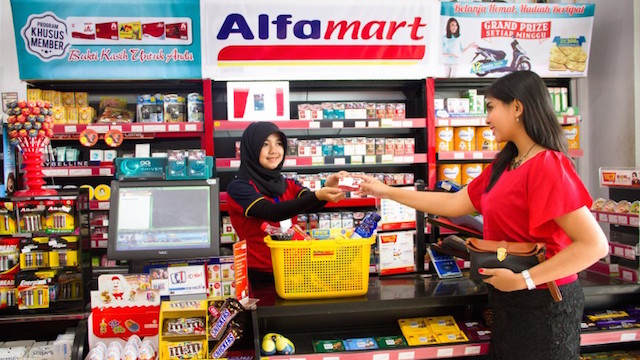
    Indonesian minimart chain Alfamart is expanding its Alfagift delivery network and preparing a 100-store entry into Bangladesh to counter slowing domestic convenience store expansion.

    The Jakarta-based operator, PT Sumber Alfaria Trijaya, is turning to digital ordering and dedicated fulfillment hubs as traditional store density approaches saturation across its home market.

    Dark stores and digital ordering

    President Director Anggara Hans Prawira confirmed that the Alfagift mobile application and loyalty platform have become central to maintaining transaction volumes. Urban shoppers increasingly order household staples and groceries through the digital channel instead of visiting neighborhood brick-and-mortar checkouts.

    To support faster fulfillment, the company is integrating dark stores into its distribution setup. These dedicated micro-warehouses shorten delivery windows and relieve pressure on standard retail outlets in crowded metropolitan areas where finding viable new retail real estate has become harder.

    South Asian expansion

    Slowing domestic retail growth has also pushed Sumber Alfaria Trijaya to seek greenfield opportunities abroad, led by a planned 100-store rollout in Bangladesh. The move marks an aggressive geographic push outside Southeast Asia as domestic store growth tapers.

    Convenience operators across the Asia-Pacific region are confronting the same ceiling. Rapid physical rollouts that drove earnings for two decades across Indonesia, Thailand, and the Philippines now deliver tighter margins, forcing traditional grocers to fight app-based delivery services on speed while exporting their store models into emerging consumer markets.

    The retailer now faces the rollout of its initial 100 Bangladesh sites while testing how deeply quick commerce can defend its domestic basket sizes against dedicated delivery platforms.

  • FamilyMart Rolls Out T-Shirt Uniforms and Relaxes Hair Color Rules in Japan

    FamilyMart Rolls Out T-Shirt Uniforms and Relaxes Hair Color Rules in Japan

    FamilyMart introduced casual T-shirt uniforms and relaxed hair color restrictions for store clerks across Japan to widen its recruitment pool. The convenience store operator replaced its traditional buttoned jackets with casual wear to make daily shifts more practical during hot summer months.

    Store employees can now dye their hair freely, removing a long-standing guideline that required natural or strictly regulated dark tones. The policy applies to both full-time store staff and part-time workers across the chain’s franchised and company-owned network.

    New dress code for store staff

    The new uniform lineup features lightweight, breathable T-shirts designed for high-turnover shift work and stock handling. Staff can wear the shirts as their standard work attire rather than layering heavy branded vests or stiff aprons over personal clothing.

    Easing appearance rules directly targets younger job seekers and student workers who frequently cited grooming mandates as a barrier to working in convenience retail. Store managers also gain flexibility to recruit older part-timers and foreign workers who prefer less formal uniform requirements.

    Labor pressures in Japanese retail

    Convenience operators across Japan are adapting store operations to manage an acute shortage of frontline labor. Rival chains Lawson and Seven-Eleven Japan have rolled out self-checkout kiosks, automated ordering systems, and revised shift schedules over the past two years to keep stores staffed around the clock.

    Relaxing dress standards represents an inexpensive retention and hiring tactic compared to sharp wage increases. Japanese retailers historically enforced strict uniform and grooming standards to present an orderly, uniform brand image to local shoppers.

    FamilyMart franchisees will complete the uniform transition across regional store clusters as autumn inventory distribution schedules take effect.

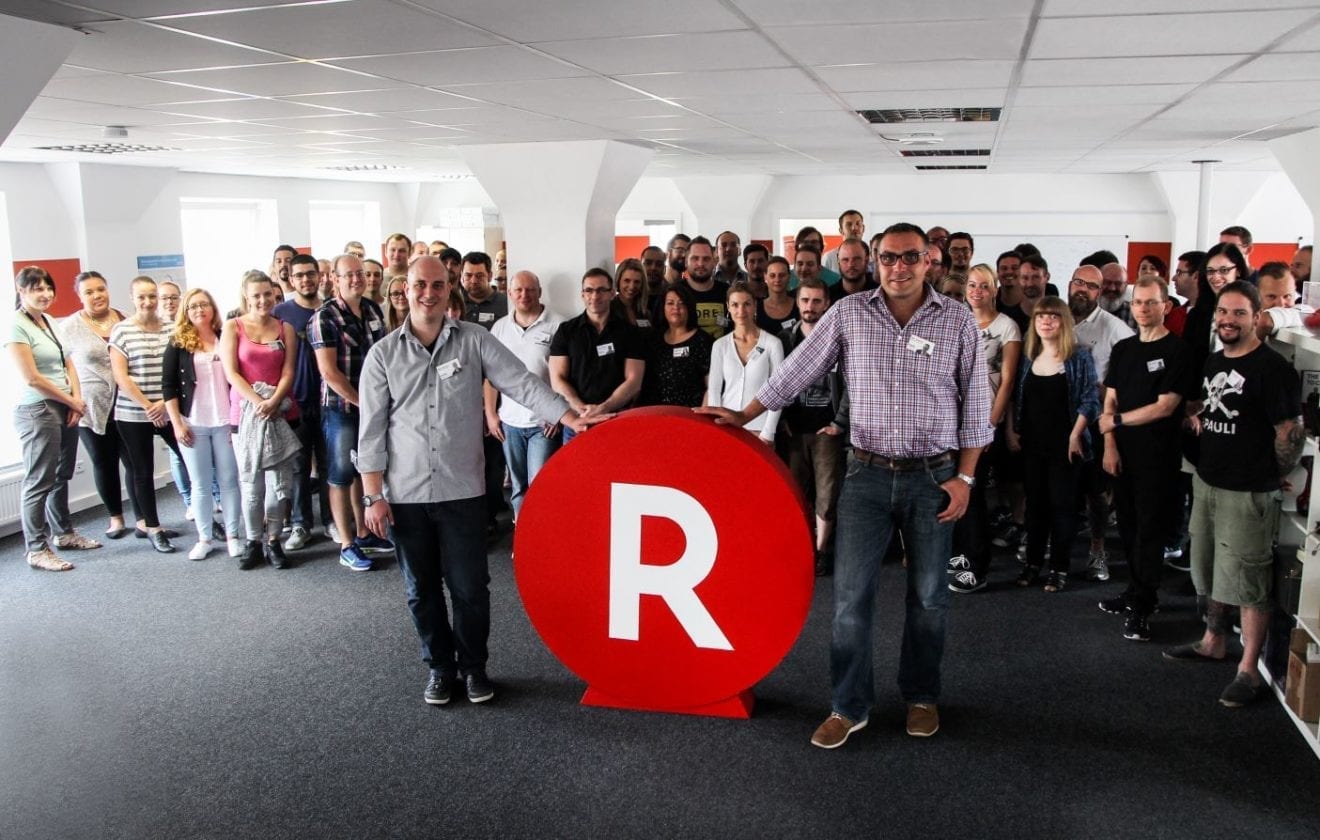
  • Rakuten Doubles Tokyo Autonomous Delivery Fleet to 10 Robots

    Rakuten Doubles Tokyo Autonomous Delivery Fleet to 10 Robots

    Rakuten Group has expanded its autonomous sidewalk delivery fleet in eastern Tokyo, targeting 24,000 households across the Harumi, Tsukishima, and Kachidoki districts. The Japanese group is doubling its deployment of US-built Avride delivery robots to 10 units after launching the commercial run in November 2024.

    The service connects more than 90 drop-off points to local merchants, including Starbucks, FamilyMart, Yoshinoya, and Supermarket Bunkado. Each cart carries one order per trip inside a 54-liter cargo hold, twice the volume of earlier testing units. They run for up to 12 hours on a 3.5-hour charge, navigating at speeds capped by Japanese law at 6 kilometers per hour.

    Sidewalk Hardware and Route Rules

    Avride builds the hardware with light detection and ranging sensors alongside ultrasonic arrays, allowing navigation at night and in rainfall up to 20 millimeters per hour. Operations pause during heavier storms, snow, or high winds. Japanese transport regulations require off-site human overseers to monitor the machines remotely, though operators do not need to walk alongside them on the pavement.

    Integrating different property access points and door locks remains the main operational hurdle for sidewalk robotics in dense Asian cities. Rakuten uses custom unlocking instructions tailored to individual apartment complexes to let buyers retrieve parcels from the cargo bay.

    Expanding Beyond Food Orders

    Japan’s food delivery sector reached 800 billion yen ($5.41 billion) in 2024, but acute courier shortages and tightening overtime limits on drivers are forcing platform operators to automate ground transport. While automated carts still handle a sliver of Rakuten’s total volume, the group is setting up the software routing engine to support mixed fleets across commercial hubs.

    Rakuten plans to test the 10-robot fleet on business-to-business shipments and prescription pharmaceuticals once domestic retail operations stabilize across the initial three Tokyo neighborhoods.

  • Café Amazon Rolls Out Canned Sparkling Coffee Across 7-Eleven Thailand

    Café Amazon Rolls Out Canned Sparkling Coffee Across 7-Eleven Thailand

    Café Amazon has launched Amazon Fizzpresso across 7-Eleven stores in Thailand. The product brings zero-sugar sparkling ready-to-drink coffee to convenience shelves nationwide.

    Two fruit flavours lead the debut: Yuzu and Peach. Both combine carbonated water with instant coffee notes to mimic a coffee soda. Earlier sparkling coffees in Thailand stayed in specialty grocers at premium prices. 7-Eleven’s retail footprint will test whether the drink works as an everyday convenience purchase.

    Formulation and convenience distribution

    The Peach variant contains water, 0.53 per cent concentrated peach juice, and 0.38 per cent coffee powder. Sucralose and acesulfame potassium replace sugar to keep the drink low-calorie. Acidity regulators and standard preservatives round out the shelf-stable formulation.

    Selling through 7-Eleven gives the chain immediate access to thousands of high-traffic locations across Bangkok and provincial hubs. In grab-and-go coolers, the product competes directly against carbonated soft drinks, energy drinks, and traditional canned milk coffees.

    Regional push into fizzy brews

    Sparkling coffee has seen mixed consumer reception across Southeast Asia, though regional chains continue to back the format. Malaysian operator ZUS Coffee introduced its canned Coffizz line in Original and Zesty Lime variants in 2024. Those cans remain on retail shelves despite polarized early feedback.

    Independent roasters and smaller regional players have treated sparkling coffee as a novelty drink. Café Amazon brings the manufacturing scale of parent group PTT Oil and Retail Business. The real test is whether repeat purchases hold up in convenience chillers once initial curiosity fades.

  • Taiwan Convenience Chains Expand Southeast Asian Goods as Migrant Numbers Double

    Taiwan Convenience Chains Expand Southeast Asian Goods as Migrant Numbers Double

    Taiwan convenience operators FamilyMart and 7-Eleven are rewiring hundreds of store layouts to target more than 870,000 Southeast Asian migrant workers now living on the island. FamilyMart has installed dedicated import sections across 1,200 outlets, roughly 30 percent of its total network, after sales in the category jumped 70 percent last year.

    Government labour data shows the island’s migrant workforce expanded from 390,000 in 2011 to over 870,000 this year. When including international students, spouses, and undocumented workers, the consumer cohort reaches an estimated 1.2 million people. A study by non-profit group One-Forty found these residents visit convenience stores every two days on average, relying on them for food, parcel pick-ups, and cross-border remittances.

    Halal hot food and bilingual shelves

    FamilyMart began testing dedicated shelves in residential and manufacturing districts in 2020. Those sections stock roughly 100 packaged items from Indonesia, Vietnam, Thailand, and the Philippines, supported by dual-language Chinese and English labelling alongside halal marks. The chain introduced pork-free hot food stations across 220 locations near transport hubs, hospitals, and industrial zones in 2024, and now distributes halal-certified ready-to-eat meals to 700 stores.

    Rival operator 7-Eleven has rolled out Southeast Asian merchandise fixtures to 400 branches. Its inventory focuses on high-turnover staples such as Indonesian instant noodles and sambal, Philippine dried mangoes, Thai roasted peanuts, canned coconut water, and energy drinks placed near universities and factory zones.

    Supermarkets tailor fresh produce

    Supermarket chain PX Mart is adjusting its own assortments in response to heavy footfall around manufacturing clusters. At its branches near the Hukou Industrial Park in Hsinchu County, one quarter of migrant worker shoppers visit more than once a week. PX Mart has divided its foreign range into four core groups: packaged groceries, instant meals, household goods, and fresh produce tailored by nationality, adding specific herbs for Vietnamese cooks and personal care lines imported from Indonesia.

    Convenience retailers across East Asia frequently tweak shelf space to protect store yields as domestic populations age and shrink. In Taiwan, where convenience store density is among the highest in the world, shifting floor space toward Southeast Asian staples allows operators to extract higher basket sizes from a daily captive audience without adding physical square footage.

    Store planners are now watching whether 7-Eleven expands its 400 dedicated sections deeper into residential neighbourhoods, while FamilyMart continues rollouts of halal-certified hot food counters across remaining transit-hub locations.

  • 7-Eleven Singapore Adds 1,500 Products and Expands Digital App Across 460 Stores

    7-Eleven Singapore Adds 1,500 Products and Expands Digital App Across 460 Stores

    7-Eleven Singapore added more than 1,500 exclusive products over the past 24 months and linked its digital app across more than 460 outlets nationwide.

    The convenience chain expanded its footprint beyond traditional impulse snacks, shifting square footage toward hot meals, private-label beverages, and licensed merchandise to build daily basket values.

    Self-Checkout and Hospital Automation

    Operational upgrades centered on store throughput. The chain installed dual self-checkout systems in more than 300 stores, giving staff the ability to toggle cashier stations to automated mode during morning and evening rush hours. At Singapore General Hospital, the operator opened a fully unmanned location using overhead computer vision and frictionless exit gates to process payments without cashier intervention.

    Physical refits also introduced dedicated sit-down dining counters and modular food prep stations. These spaces support branded ready-to-eat partnerships, including baked goods, personal-sized pizzas, and regional food collaborations with local operators such as Old Chang Kee and Andes by Astons.

    Omnichannel Ordering and App Metrics

    Digital ordering operations scaled through the dedicated 7-Eleven Singapore mobile platform, which accumulated 300,000 downloads within ten months of its February 2025 rollout. The app integrates three core transactional functions: EasyCollect, which routes click-and-collect fulfillment to neighborhood branches within 15 minutes, a digital stamp loyalty tracker, and prepaid product bundles called ValuePacks.

    Convenience operators across Southeast Asia face intense competition from instant-delivery platforms and specialty coffee chains, forcing traditional corner shops to emulate the Japanese konbini model. By building out prepared food counters, private-label collaborations, and in-app pickup, 7-Eleven is defending store margins against rising labor costs and higher urban commercial rents.

    The retailer is now tracking pickup adoption rates and repeat transaction frequencies through the app as it evaluates further autonomous store deployments in transport and healthcare facilities.

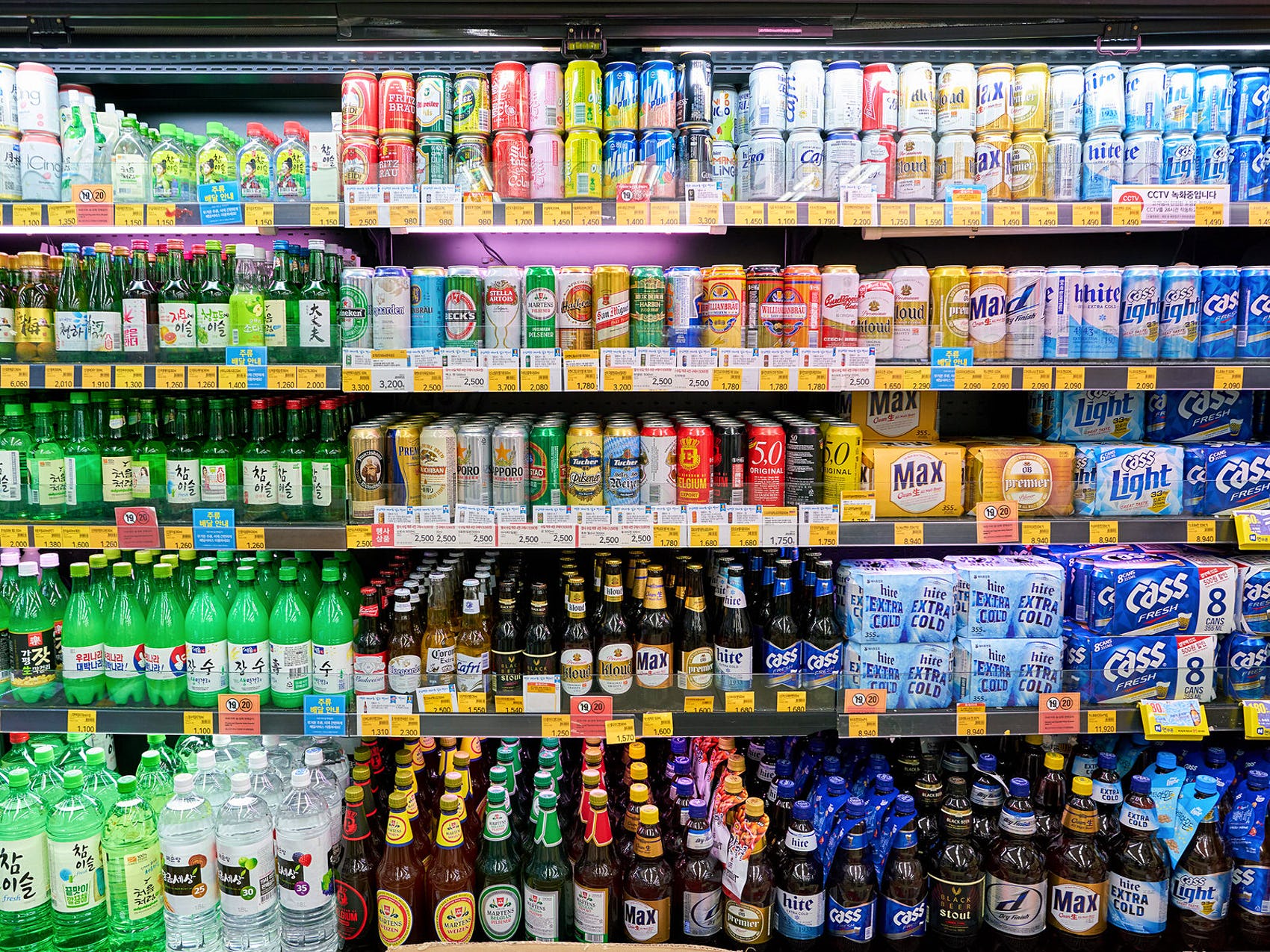
  • South Korea Retail Sales Rose 6.4% in July on Summer Spending

    South Korea Retail Sales Rose 6.4% in July on Summer Spending

    South Korea’s major retailers increased combined sales by 6.4 percent year-on-year in July. Demand for vacation gear, imported fashion, and food delivery services drove the rise.

    Internet platforms handled the bulk of that growth. They captured 60.8 percent of total retail revenue during the month, according to data from the Ministry of Trade, Industry and Energy.

    Department Stores and Convenience Chains Expand

    Brick-and-mortar turnover climbed 3.2 percent from a year earlier. Both department stores and convenience chains extended their unbroken run of year-on-year growth to 13 consecutive months.

    Department stores posted the sharpest gains offline, with sales jumping 17.9 percent. Demand rose across every major category. Imported apparel, summer travel gear, and cooling appliances led the expansion.

    Convenience stores generated a 1.1 percent sales increase over the same period. Foot traffic slipped. Higher spending per transaction kept overall takings positive.

    Online Channels Take Larger Revenue Share

    Digital platforms posted an 8.5 percent revenue increase compared with July last year. Food delivery orders, packaged groceries, and home appliances recorded the fastest category gains across web storefronts.

    Consumer habits in the country continue to split. Digital channels dominate everyday replenishment, while physical stores rely on experiential shopping and premium apparel to draw spending.

    Trade ministry officials will publish the August retail index next month. That report will show whether back-to-school shopping and late-summer promotions sustained the sales momentum.