Indonesian store operators are lobbying the government to ease import barriers, arguing regulatory bottlenecks threaten national retail consumption and the state’s 6 per cent economic growth target.
Household spending drives more than half of Southeast Asia’s largest economy, yet complex technical permits and shifting product approvals continue to choke supply lines for global brands.
Speaking at the Indonesia Retail Summit in Jakarta, Indonesia Retail and Tenant Association Chairman Budihardjo Iduansjah pushed for administrative relief on compliant merchandise. He argued that businesses paying duties and taxes should not face arbitrary import caps on goods with no domestic substitutes.
Diverging fortunes across store formats
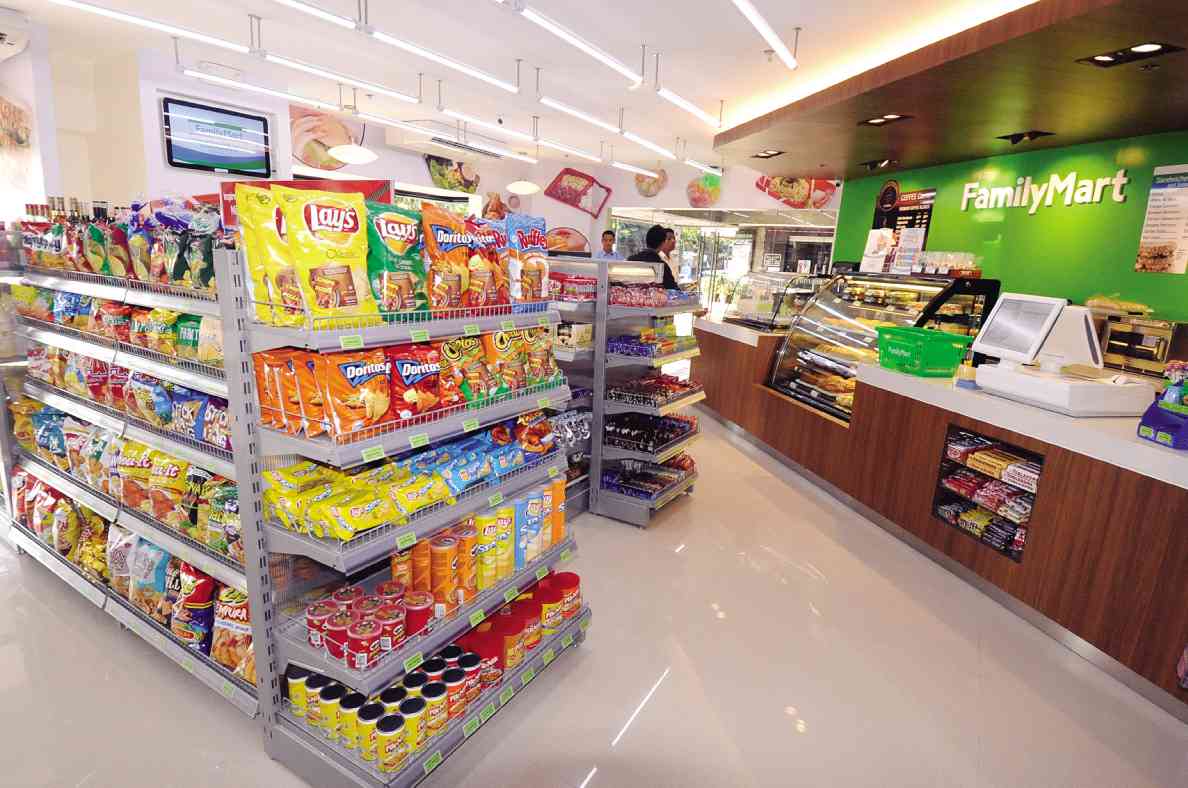
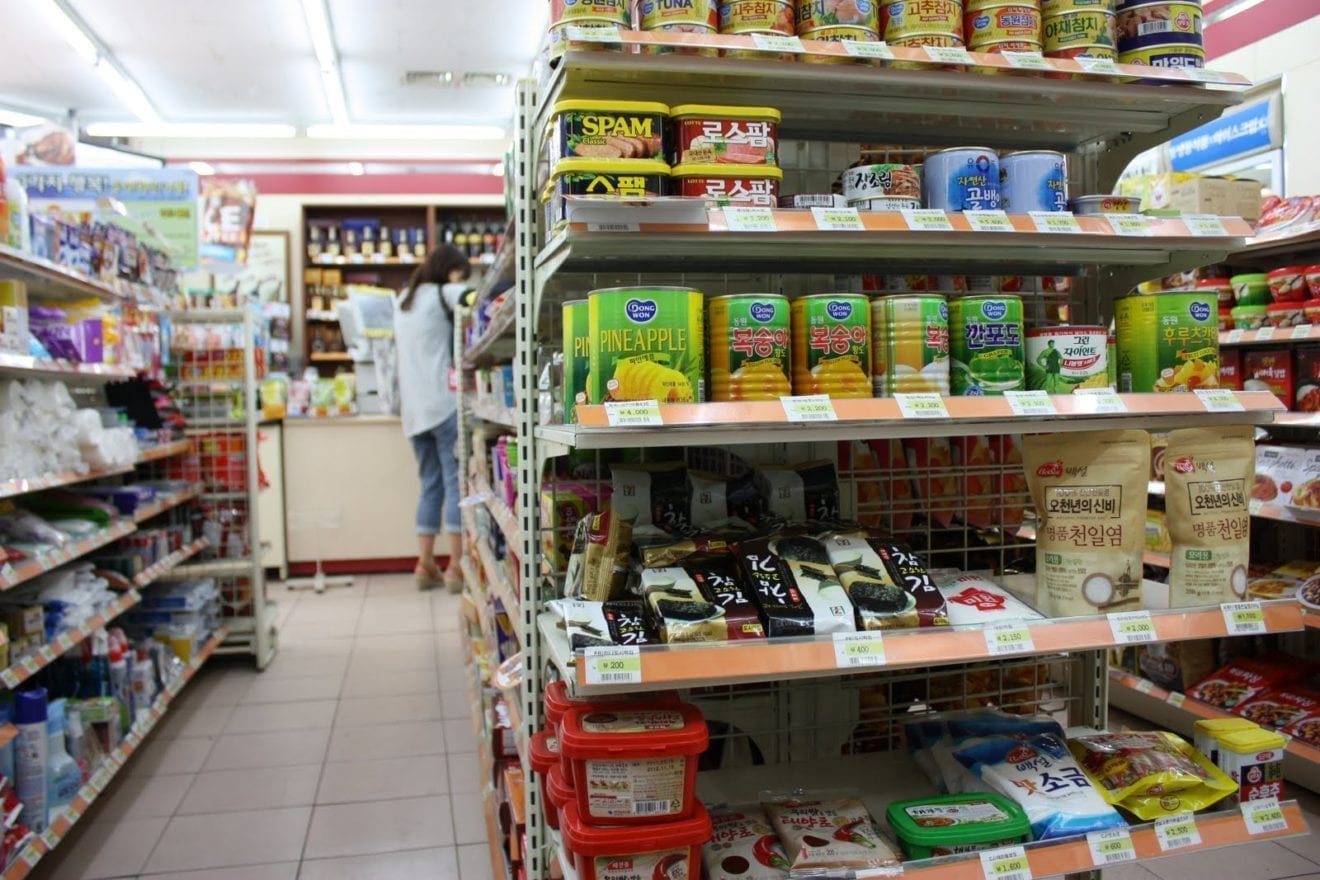
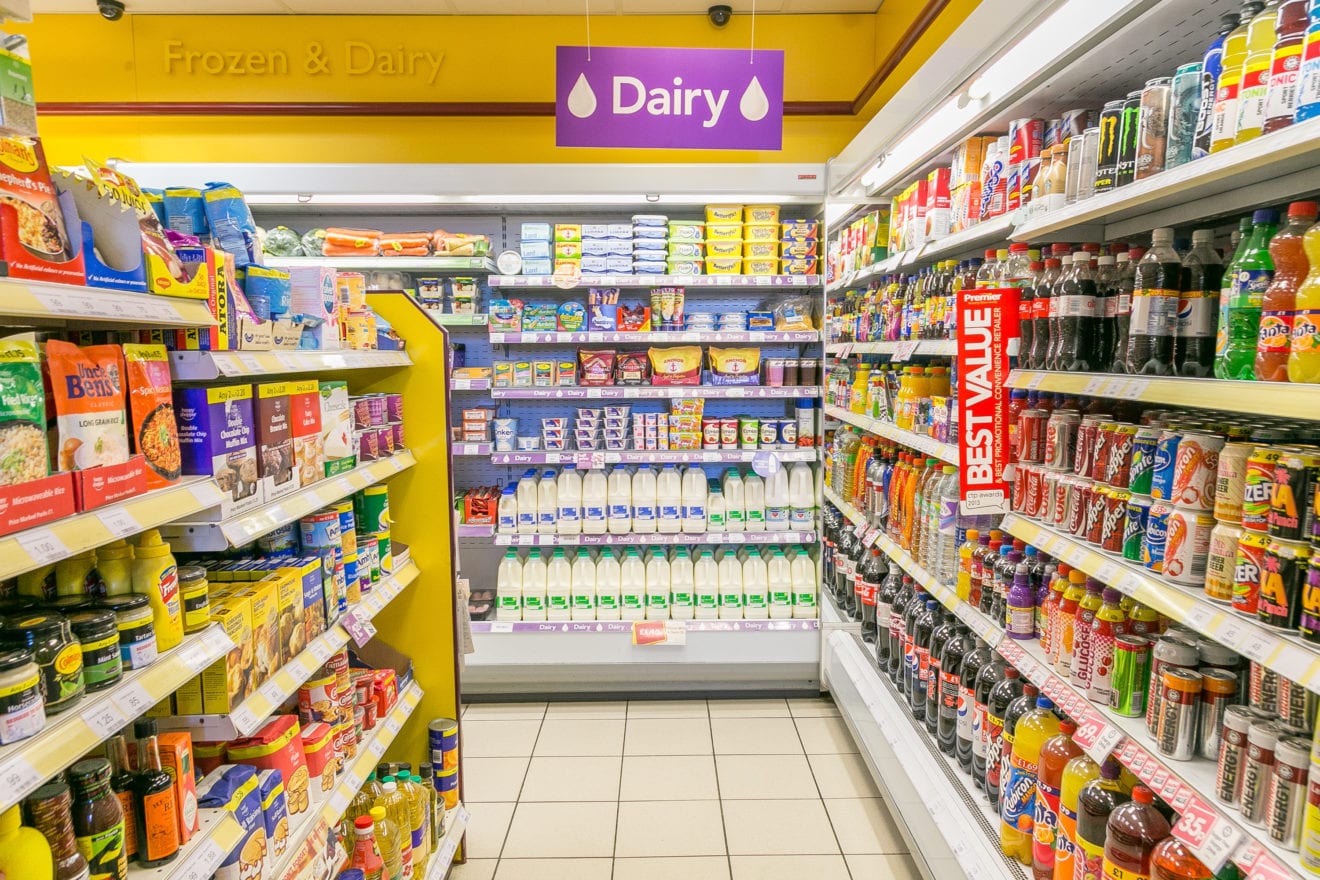
The supply friction hits different store models unevenly. While hypermarkets face sliding footfall and operational contraction, convenience stores and minimarkets continue to add locations.
Demand across food and beverage, cosmetics, and mobile electronics expanded by more than 10 per cent this year. Chains are using warehouse automation and price promotions to protect margins against rising overheads.
Retailers across Southeast Asia face similar dilemmas when domestic trade protection policies collide with consumer appetite for international product ranges. In Jakarta, the friction has prompted warnings from policymakers that depleted domestic shelves will simply push middle-class shoppers abroad.
Stemming outbound tourist spending
Chief Economic Affairs Minister Airlangga Hartarto acknowledged that thin store inventories push shoppers to spend outside the country. Indonesian citizens spend roughly $6.7 billion annually on overseas travel services.
Government planners want to retain that cash by developing domestic shopping tourism and expanding inventory depth in major commercial hubs.
Whether trade regulators shorten import licensing timelines will determine if mall operators can secure sufficient stock ahead of the next fiscal review.