Tag: cooking

  • Fry to Fly: Thailand’s Innovative Fuel Exchange Turns Used Cooking Oil into Gasoline

    Fry to Fly: Thailand’s Innovative Fuel Exchange Turns Used Cooking Oil into Gasoline

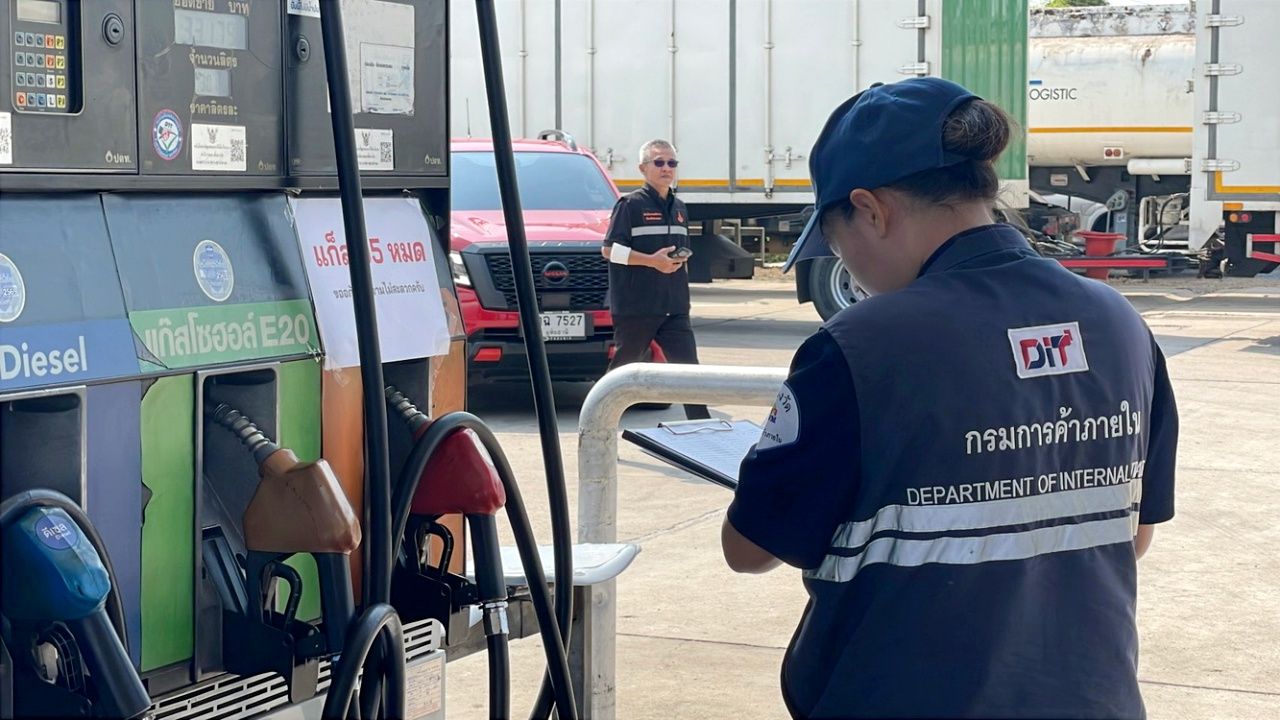
    A leading Thai oil corporation, Bangchak Corporation, has introduced an innovative programme enabling individuals to swap used cooking oil for regular-grade diesel or gasohol, offering relief to the escalating cost of living. Billed as the “Fry to Fly – 2 litres for 1 litre” campaign, it is set to run from April 6-30, with several service stations across Bangkok and neighbouring provinces participating.

    Under this initiative, consumers are invited to bring in 2 liters of used cooking oil, which can be exchanged for 1 liter of either diesel or gasohol fuel on the spot. The offer, however, does not extend to premium fuel grades.

    The campaign is a continuation of Bangchak Corporation’s ongoing efforts to repurpose used cooking oil into sustainable aviation fuel. With this new initiative, the company seeks to provide more immediate, daily benefits to consumers by transforming domestic waste into usable transport fuel. This is particularly crucial in the current climate of increasing energy prices, largely spurred by geopolitical tensions and conflicts in the Middle East.

    Each participant can exchange up to 20 liters of used cooking oil, with the conversion rate set at 1 kilogram of used oil per liter for ease of computation. Fifteen Bangchak service stations in Bangkok, Samut Prakan, Nonthaburi, and Pathum Thani are taking part in this pioneering project.

    Questions & Answers

    What is the “Fry to Fly – 2 litres for 1 litre” campaign about?
    The campaign allows consumers to exchange 2 liters of used cooking oil for 1 liter of regular-grade diesel or gasohol fuel at participating Bangchak service stations.

    What is the purpose of this initiative?
    This initiative is designed to provide direct, everyday benefits to consumers by transforming waste into usable transport fuel, especially during a time of escalating energy costs.

    What is the limit on the quantity of used cooking oil that can be exchanged?
    Each participant can exchange up to 20 liters of used cooking oil under this campaign.

  • Multix Unveils Heavy-Duty and BBQ-Ready Alfoils: A Game-Changer for High-Heat Cooking Lovers

    Multix Unveils Heavy-Duty and BBQ-Ready Alfoils: A Game-Changer for High-Heat Cooking Lovers

    Multix, a packaging company and subsidiary of ICBG, has launched its new Embossed BBQ & Grill and Heavy Duty aluminum foils. These items are now available for purchase at Woolworths.

    Introducing Two New Foils

    Multix has debuted two new products in its line of aluminum foils: the Embossed BBQ & Grill and Heavy Duty Foils. The company assures that these newly introduced foils are designed to withstand high-heat cooking conditions, making them suitable for uses like grilling and campfire cooking.

    Senior Vice President of ICBG, Pete Camilleri, shared insights about the development of the new products, revealing that customer feedback played a significant role. “Our customers made it clear that they needed a foil that could handle BBQs, grills, and campfire cooking,” Camilleri said.

    Other Products in Multix’s Alfoil Range

    Apart from the newly launched foils, Multix’s line of aluminum foils also includes the Non-stick Alfoil and All-purpose Alfoil. These products continue to showcase the company’s commitment to providing quality and versatile packaging solutions to meet various culinary needs.

    Questions & Answers

    Where can the new Embossed BBQ & Grill and Heavy Duty Foils be purchased?
    They are now available at Woolworths.

    What makes the new Embossed BBQ & Grill and Heavy Duty Foils unique?
    These foils are designed to withstand high-heat cooking conditions, making them suitable for grilling and campfire cooking.

    What other products does Multix offer in the alfoil range?
    Besides the newly launched foils, Multix also produces Non-stick Alfoil and All-purpose Alfoil.

  • Vietnam to Inspect Cooking Oil Producers After Uncovering Animal-Feed Oil Scandal

    Vietnam to Inspect Cooking Oil Producers After Uncovering Animal-Feed Oil Scandal

    In a proactive move to bolster food safety, Vietnam’s Industry Agency announced plans to conduct thorough inspections at oil production facilities, particularly focusing on smaller establishments that may lack adequate safety certification. This initiative aims to address growing concerns over substandard cooking oils entering the market.

    Following a significant crackdown on adulterated cooking oil, notably a case involving Nhat Minh Food Production and Import-Export Co., the Ministry of Industry and Trade is ramping up its market oversight. Reports revealed that authorities in northern Hung Yen Province discovered the company had unscrupulously imported seed oil meant for animal feed, rebranding it as “OFOOD” to pass it off as cooking oil. The mislabeling scam has reportedly led to the sale of tens of thousands of tons of this fake cooking oil, predominantly to industrial kitchens, restaurants, and food processing units.

    The deceptive seed oil lacks essential food safety and hygiene standards and is devoid of nutritional value, raising alarms about consumer safety. While the ministry acknowledged that Nhat Minh had submitted a self-declaration for its seed oil product, it also noted the absence of a food safety certificate, leading to further scrutiny. Intriguingly, despite the alarming findings, local authorities had not previously raised concerns regarding the company’s operations, making this revelation all the more startling.

    Now, the ministry is determined to investigate thoroughly, promising to safeguard the food industry and restore confidence among consumers. In a previous enforcement action, authorities seized 71,000 liters of illegitimate cooking oil and 40 tons of counterfeit monosodium glutamate (MSG) in Phu Tho, products that had infiltrated various sales channels, including social media and local markets within industrial zones. The trend of uncovering substandard and adulterated food products suggests a deeper issue within the food supply chain.

    The risks associated with consuming unsafe food extend beyond immediate health issues such as diarrhea and food poisoning. Long-term effects like liver and kidney damage, reproductive health disorders, and other complications from chemical or microbial contamination pose serious threats to public health, significantly straining healthcare resources.

    Vietnam’s cooking oil market, with an annual demand of 1.5 million tons, represents a substantial economic segment, valued at approximately VND30 trillion (US$1.15 billion). As scrutiny intensifies, the hope is that stronger regulations will ensure that consumers no longer have to play detective in their quest for safe food options.

    Questions & Answers

    What prompted the inspections of cooking oil production facilities in Vietnam?
    The inspections were initiated following a significant scandal involving Nhat Minh Food Production, which sold adulterated cooking oil labeled as safe despite being made from seed oil intended for animal feed.

    What health risks are associated with consuming substandard cooking oils?
    Consuming unsafe cooking oils can lead to immediate health issues like diarrhea and food poisoning, as well as long-term risks such as liver and kidney damage and reproductive health disorders due to contamination.

    How large is Vietnam’s cooking oil market?
    Vietnam’s cooking oil market has an annual demand of 1.5 million tons, translating into a market value of around VND30 trillion (US$1.15 billion).

  • Cooking gas prices fall in June

    Cooking gas prices fall in June

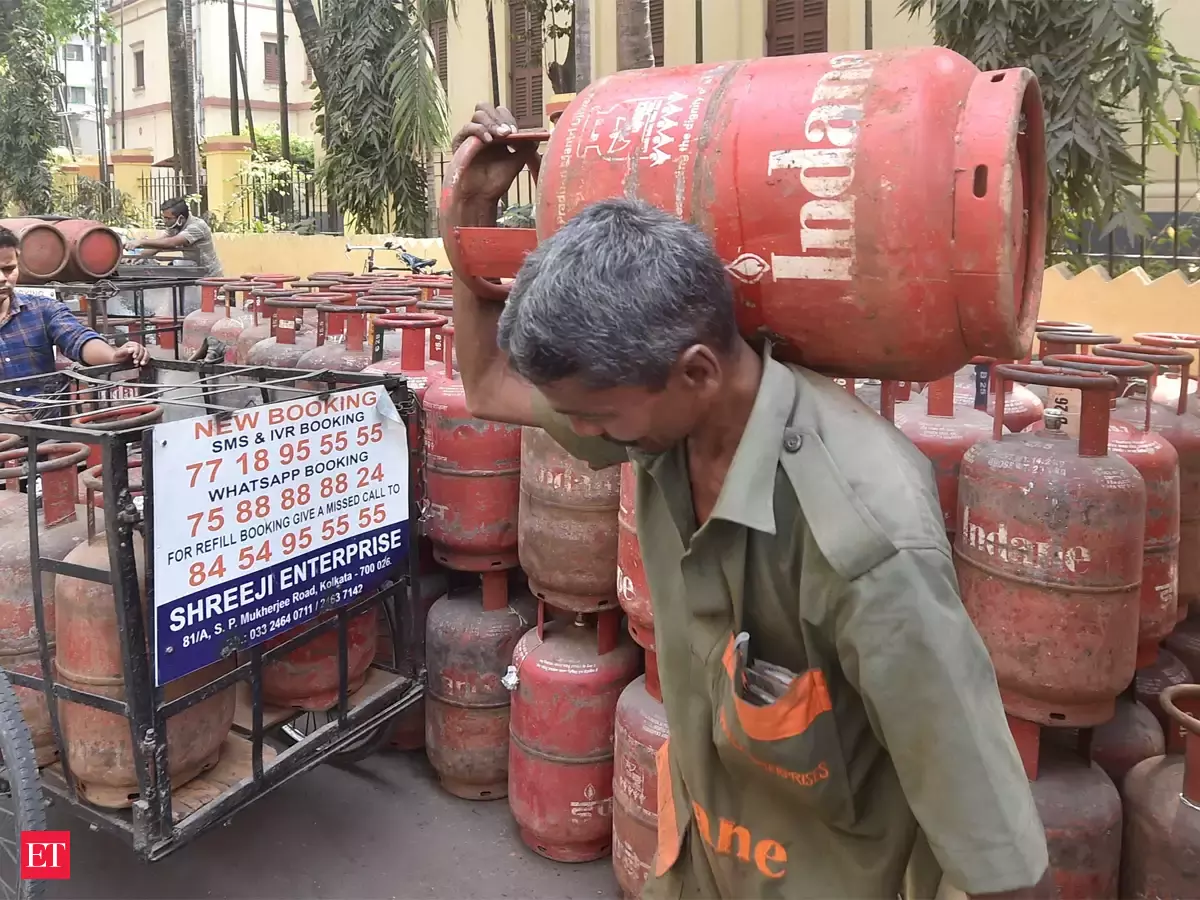
    Cooking gas prices have decreased on June 1 following the falling prices in world market.

    The retail prices of Petrolimex gas (including VAT) in June in Hanoi is VND371,600 ($15.82) per 12 kg cylinder; down VND33,640.

    Nghiem Xuan Cuong, head of the Commercial and Civil Gas Sales Department under Petrolimex Gas JSC said that the average contract gas price in the world in June is at $445 per tonnes, down $110 per tonnes compared to May.

    From the beginning of the year, the retail gas prices in the domestic market have declined four times in January, March, April, and June and increased twice in February and May.

    On the world market, at 8 am on May 31, the price of gas futures contracts delivered in July 2023 is at $2,319 per mmBTU, down $0.004 per mmBTU due to falling demand for natural gas in Europe as the winter is over and demand for electricity in summer peak has not yet begun. Gas consumption by industries also weakened.

    According to data from Gas Infrastructure Europe, as of May 24, natural gas storage sites in the EU was 66.71% full.

  • Cooking gas prices drop in Vietnam as global demand eases

    Cooking gas prices drop in Vietnam as global demand eases

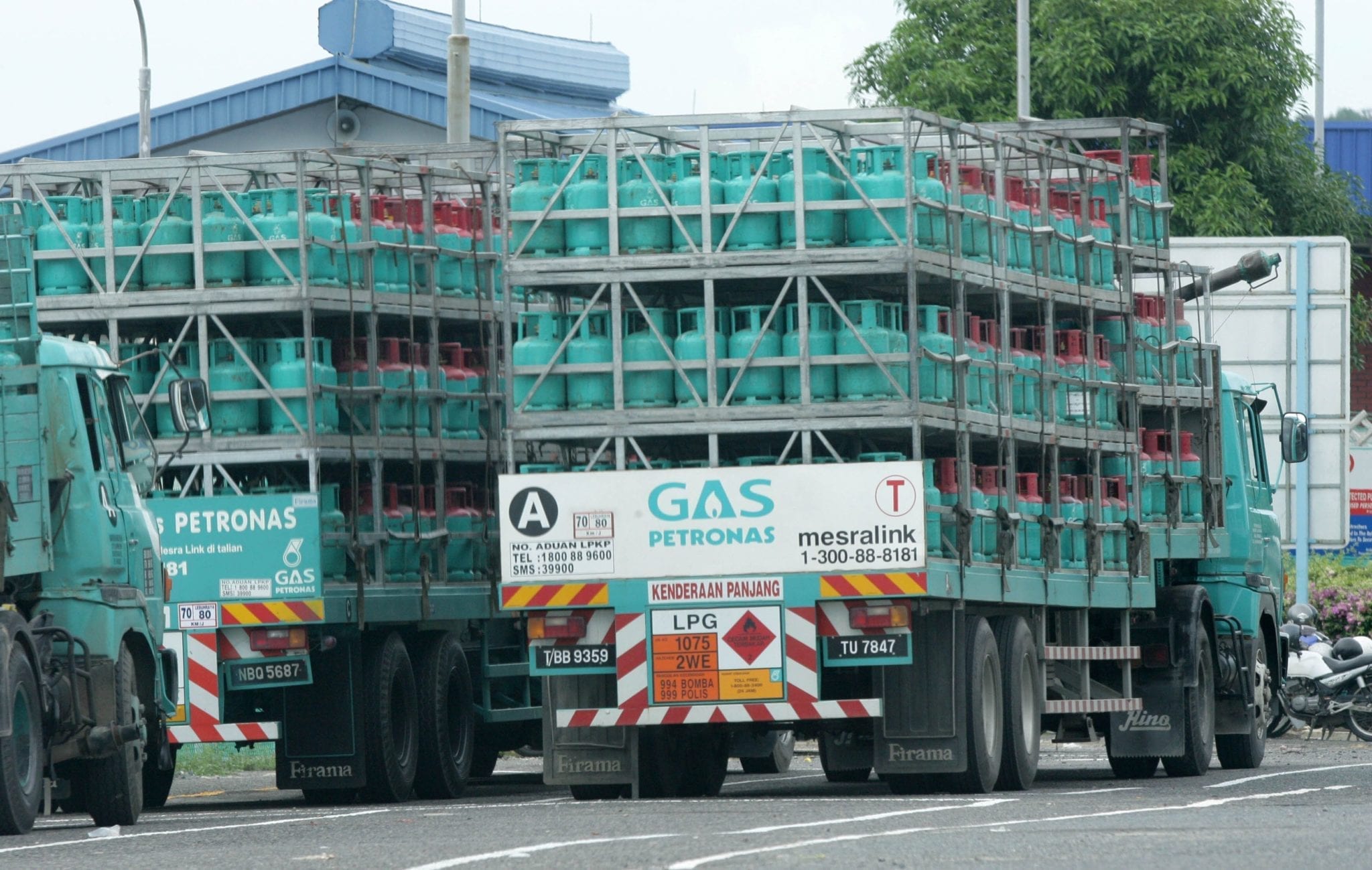
    Cooking gas prices have fallen by VND16,000 (68 cents) to VND461,000 for a 12-kg cylinder in Ho Chi Minh City and other southern localities as global prices declined.

    Saigon Petro Co. announced the cut Wednesday after global suppliers lowered average prices by $60 to $730 per ton for March.

    The price of a 12-kg cylinder had shot up by VND62,000 in February when fuel demand spiked in many Northeast Asian and European countries due to cold weather, causing global prices to rise, the company said.

    This month, with warmer weather, gas demand for and prices are down.

    In April 2022 the price of a cylinder exceeded VND500,000 for the first time.

    Retail prices track global developments since domestic supply only meets 60% of demand.

  • Cooking gas prices up 3%

    Cooking gas prices up 3%

    Cooking gas prices rose on Thursday in Ho Chi Minh City and other southern localities, with a 12-liter cylinder now costing VND438,000 (US$17.78), 3.06% higher than before.

    This is the second increase since November after prices fell for six months in a row from May.

    Global rates have gone up by 1.56% to $650 per ton as demand for heating surges amid winter, according to local distributor Saigon Petro.

    In Vietnam, domestic supply meets only around 60% of the demand, which means prices are partially dependent on global rates.

  • Online shopping startup Cooky raises $4.5mln

    Online shopping startup Cooky raises $4.5mln

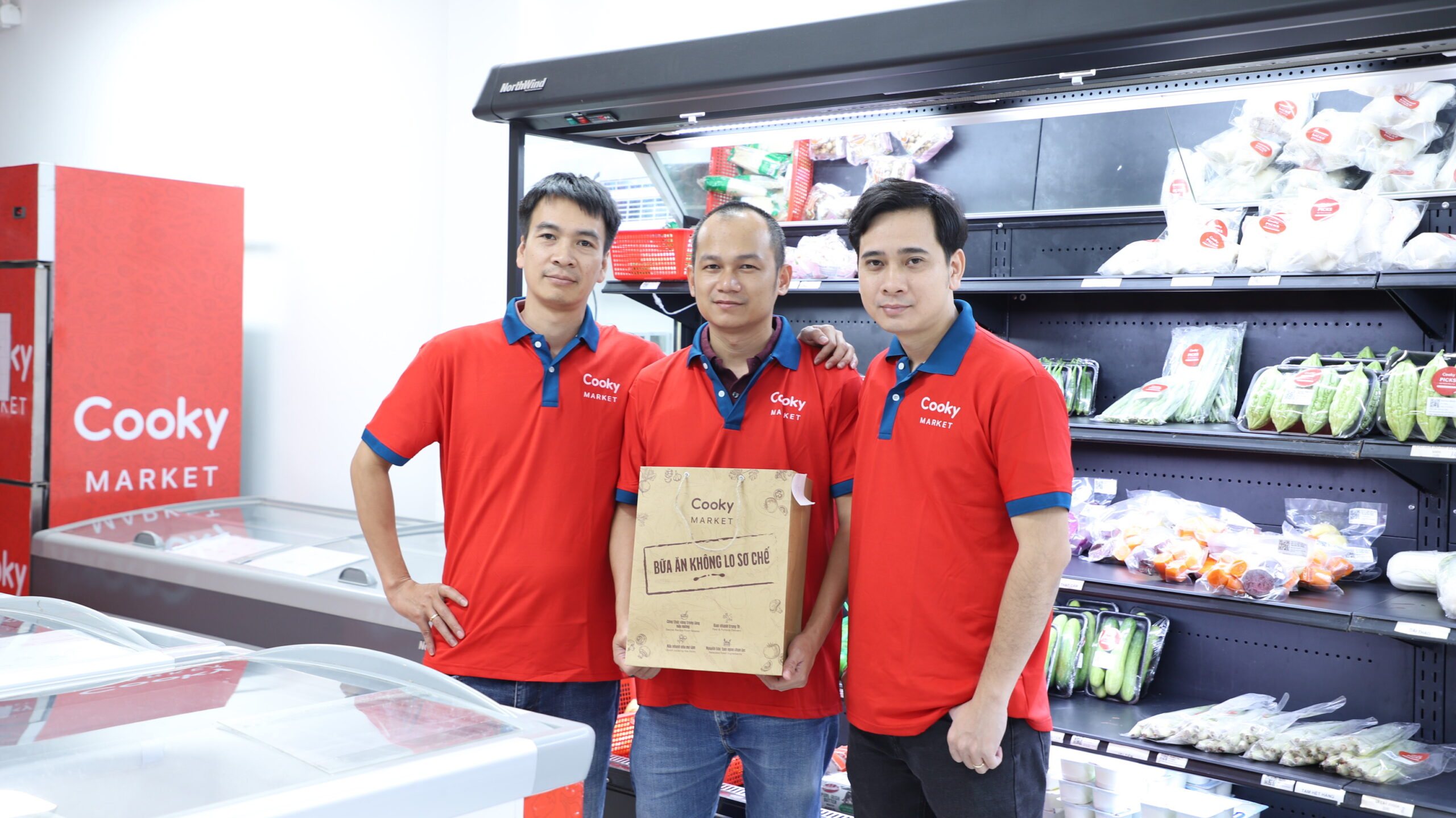
    Online shopping and cooking platform Cooky has raised $4.5 million in a funding round led by Vietnam’s Do Ventures, South Korea’s Nextrans.

    The funding will be used for research and development to create more nutritious recipes at a better cost, said Cooky’s founders Dang Hoang Minh and Nguyen Thanh Dai, also founding members of food platform Foody.

    The startup aims to become a food-tech company, making shopping and cooking easier and more efficient, making both happen within 30 minutes, said Cooky CEO Minh.

    Its app is a combination of an online grocery delivery platform and a cooking delivery service, where customers can shop for ingredients individually or buy a recipe. It has been downloaded more than one million times since it was launched 1.5 years ago.

    After the Covid pandemic boosted demand for online shopping, this consumption behavior has been maintained by Vietnam’s young population. With the rapid rise in popularity of online shopping solutions, the country’s e-grocery market is expected to reach $1.5 billion by 2025, Cooky estimates.

  • JustKitchen expands into the Philippines

    JustKitchen expands into the Philippines

    Ghost kitchens operator, JustKitchen, has expanded its presence into the Philippines through a joint venture with TDG Ventures (TVI).

    Named ‘JV Co’, the joint venture will be the exclusive operator of the JustKitchen brand and distributor of its products in the country. The launch is part of JustKitchen’s global expansion plan, which will see kitchens opening in markets including Japan, Singapore, Malaysia and Vietnam next year.

    “Forming this joint venture with TVI to enter the Philippines market is a significant milestone for JustKitchen as it marks the third country in which our company will be operating in just a short period,” said Jason Chen, co-founder and CEO.

    “With our home base in Taiwan, established operations in Hong Kong, and the addition of this large population to our customer base, we continue to execute on our international growth plan to bring JustKitchen’s unique operating model, portfolio of food brands, and technology stack to new markets,” he said.

    Under the partnership, JustKitchen will maintain a 51 percent ownership interest in JV Co with the remainder owned by TVI. The joint venture will develop the infrastructure necessary to replicate the operating model from Taiwan and shall lease out kitchens to sub-franchisees. Ghost kitchen operation is expected to begin in the first quarter of next year.

  • Covid-led baking craze inspires new flours from McKenzie’s Foods

    Covid-led baking craze inspires new flours from McKenzie’s Foods

    Australian food maker McKenzie’s has met the demand of consumers after seeing more Aussies baking and cooking at home since the Covid-19 pandemic arrived. The company has expanded its single alternative flour range and unveiled a new special purpose flour range.

    “We’re proud to be able to offer such a large variety of flours to our consumers and inspire them to experiment in the kitchen and unlock the power of alternative flours,” said McKenzie’s marketing manager, Bianca Piscopo.

    The alternative blended flour range includes Bread & Pizza Flour, Cake Flour, Cookie Flour, and Pancake Flour. The Bread & Pizza Flour has plain, oat and wholemeal spelt flour for bread and pizzas. The Cake Flour blend is made with low-protein plain flour and cornflour for cakes, cupcakes, and biscuits. The Cookie Flour contains chickpea, plain and oat flour for cookies. Pancake Flour is made with plain, oat, and rice flour.

    While McKenzie’s single-source alternative flour range now has Almond Flour, Brown Rice Flour, and Yellow Pea Flour. The Yellow Pea and Almond versions are a good source of fiber and protein while the Brown Rice Flour contains whole grains.

    The Almond Flour and Brown Rice Flour are gluten-free which can be used for cakes, biscuits, and bread. The Yellow Pea Flour has an earthy flavor and is ideal for baking. They are made from Australian ingredients.

    McKenzie’s alternative and special purpose flours are sold at Woolworths.

  • Restaurants find silver lining in cloud kitchens

    Restaurants find silver lining in cloud kitchens

    Amid business blues courtesy of the Covid-19 pandemic, cloud kitchens are finding increasing favor from restaurants in Vietnam’s two major cities.

    Nguyen Van Tung saw revenue from the two restaurants he runs in Saigon plunge 70 percent after the Covid-19 pandemic disrupted daily life in Vietnam. He cut his staff from four to two, but the business continued to suffer.

    Then he joined two cloud kitchens, centralized food production facilities set up for multiple restaurants to prepare food, specifically for deliveries. Things began to look up for Tung, then.

    The two kitchens, operated by ride-hailing company Grab, have helped increase revenue, Tung said.

    Another restaurant owner in the city, Ton Nu Quy Nhi, joined a cloud kitchen after demand for her traditional Saigon food surged two to three times amidst the pandemic. Expanding and managing her restaurant would have been expensive and difficult, so she decided to partner with a cloud kitchen service.

    “I don’t know if the business will continue to thrive next year, so I went with the cheapest expansion option, using the cloud kitchen.”

    Tung and Nhi are among many small business owners in Vietnam who want to take advantage of rising demand for food delivery services in major cities.

    There are at least seven cloud kitchens operating in HCMC and Hanoi, three of them operated by Grab, two by South Korean ride-hailing company Baemin and another two by independent companies.

    The cloud kitchens help lower costs, being located outside of high-rent locations. They help established restaurants with dining-in services to expand their delivery operations without adding stress to the existing kitchen, free up parking space taken by the delivery vehicles, and expand users’ reach to new neighborhoods.

    Hoang Tung, founder of the FoodHome cloud kitchen in Hanoi, said that his facility was fully rented and he was mobilizing funds to open a new one in the Old Quarter area.

    Tung said restaurants are moving their cooking to cloud kitchens because they want to focus on selling via apps to access a market of 20 million users that is growing by 30 percent annually.

    Industry insiders said that the Covid-19 pandemic has been a catalyst in the recent transition from traditional brick and mortar kitchens to cloud kitchens.

    Nguyen Ngoc Giao, manager of GrabKitchen, said that this model allows restaurant owners to expand quickly at minimum cost. “Amid the Covid-19 pandemic, opening a physical store carries greater risks than an online one.”

    Huy Ngo, founder of a fast food and dessert restaurant chain in Da Nang City and Hoi An Town, has recently started trying out the cloud kitchen model after having to close five of seven branches due to Covid-19 impacts.

    The new model allows Huy to focus only on ensuring high food quality inputs. The cloud kitchen employees will help prepare food for delivery, which means operating costs are just half or one-third of his traditional physical store.

    Even big and established restaurant chains are also jumping on to the cloud kitchen bandwagon, though it is yet to become a tried and tested concept in Vietnam. Fried chicken chain Otoke Chicken, with 15 outlets, has established a cloud kitchen in Saigon’s Binh Thanh District, seeking to expand its delivery service.

    Details of average investment and rents charged were not available at the time of writing.

    When Grab launched a cloud kitchen in Saigon’s Thu Duc District last year, it had 12 restaurants make food exclusively for GrabFood drivers to pick up and deliver to customers.

    Then Grab had given them space to cook for free, with the restaurants having to pay their utility bills and a commission on orders received.

    Jerry Lim, CEO of Grab Vietnam, had said then the cloud kitchen model has great potential in Vietnam, and that his company would open more such facilities in Saigon, Hanoi and Da Nang.
    However, this concept does not guarantee success for all restaurants. The cloud kitchen service, Now Station, began operations in 2017, but closed a year later.

    Giao of GrabKitchen said there have been cases where restaurants and the service have had to part ways. He declined to get more specific.

    The food delivery services have also come under scrutiny for excessive use of plastic wrappings and cutlery. Giao said his company is studying the possibility of using more environment-friendly materials.

    Tung of FoodHome said that joining a cloud kitchen doesn’t mean young business owners will not fail, but it will help them “fail fast and fail cheap” so they can get back up fast and try out other new ideas.

  • Singapore startup opening ghost kitchens globally

    Singapore startup opening ghost kitchens globally

    Singaporean food tech firm TiffinLabs is creating an international network of ghost kitchens based in more than 1000 locations across the US, Europe and Asia.

    The move is designed to take advantage of the rapid global transformation and growth of the online food-delivery market, with the kitchens rolling out progressively from the last quarter of this year following 12 months of negotiations.

    According to material released by the firm, the traditional restaurant industry – largely structured for dine-in – has led to a mismatch between customer demand and the supply of cuisines due to current production capability. TiffinLabs’ solution, focused on creating cuisines linked to consumer needs, is an attempt to innovate in the food delivery and restaurant industry in reshaping the business model and tapping new growth opportunities.

    TiffinLabs currently operates nine digital-first restaurant brands out of its kitchens in Singapore, including Publico Pastabar and Hureideu – Korean Fried Chicken, as well as soon-to-be-launched Singapore Makan.

    “Singapore is known globally for its quality standards and as a food lover’s paradise, with its wide mix of local and western foods,” said Tiffin Labs founder & chairman Kishin RK, “and TiffinLabs looks forward to sharing this globally.”

    TiffinLabs will leverage its AI-driven kitchen operating and management system across its network to deliver an international menu from digital-first restaurant brands, with a potential reach of more than 15 million households. The team also harnesses data analytics to identify food trends and changing consumer preferences while optimizing its supply chains with local smart kitchens to fill gaps in delivery zones.

    “What customers get when they order food for delivery is dramatically different from a dine-in experience,” said Kishin. “By enabling over 1000 kitchens for delivery-focused operations globally, we are making food ordering relevant for the future, at scale. In the next three years, we see two very different winners in this space – the local niche specialty cuisine player that can create value through distinction for a specific segment of the market.

    “The other will be global delivery businesses which will scale brands and menus with suppliers and delivery platforms and invest in innovation specifically to create food for delivery, reinventing customers’ experience of in-home dining.

    “As someone who has been in this industry for the last 10 years, I strongly feel that the value of real estate and the monetization capability of its adjacent business models will be determined by how well it integrates into the digital economy. Our business aims to help all players in the food industry tap into the growth of this sector.”

    The online food delivery market is expected to more than double to US$200 billion by 2024.

  • Gordon Ramsay closing three Hong Kong city restaurants

    Gordon Ramsay closing three Hong Kong city restaurants

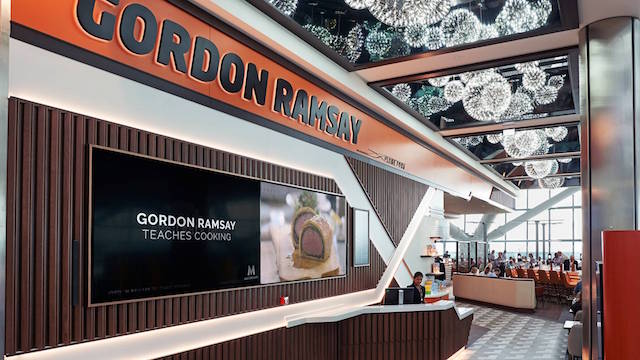
    British celebrity chef and restaurateur Gordon Ramsay have quit Hong Kong, following the footsteps of compatriot Jamie Oliver last month.

    Three of his restaurants – Bread Street Kitchen & Bar, London House and Maze Grill – will shut today, April 1. These eateries are currently operated by his Hong Kong partner, Dining Concepts.

    However, an official statement about the closures did not refer to the status of his Hong Kong International Airport branch Gordon Ramsay Plane Food To Go, which opened last year in partnership with SSP Group.

    In the UK, Gordon Ramsay will close 16 of his outlets, but these are described as temporary closures relating to government lockdowns and have caused the suspension of more than 500 jobs.

    Hong Kong has introduced regulations requiring restaurants to place tables 1.5 meters apart and set a limit of four diners per table, with stringent enforcement. This week, Chinese restaurant operator Tao Heung shuttered 48 of its venues as a result of the new health-and-safety measures.

    In other news, American luxury jeweler Tiffany & Co has closed its 4000sqft store at 1881 Heritage in Tsim Sha Tsui permanently. With retail sales affected by last year’s social unrest and the advent of the pandemic this year, the company decided not to release its lease at the premium shopping destination. The retailer still has 11 stores remaining in the city.

  • New World relaunches Cooking site with Easy to make Recipes

    New World relaunches Cooking site with Easy to make Recipes

    Grocery retailer New World has unveiled a new online platform, in partnership with design agency AKQA, designed to offer New World customers an optimized customer experience, designed to give them more choice, convenience and value, as well as encourage healthier food choices.

    Rather than simply acting as a traditional e-commerce portal, the New World website also functions to provide inspirational content to its customers – providing recipes, facts about products, as well as tips to get the most out of food.

    “The launch of the new website is a vital step forward to providing our customers with connected, personalized customer experience, from inspiration through to shopping and loyalty,” Foodstuffs New Zealand head of digital David Brem said.

    “As the most visited digital touchpoint across the Foodstuffs group, [New World] acts as the digital front-door for our 143 stores and local New World owner-operators across New Zealand.”

    According to Brem, the new site offers an improved mobile experience, enabling them to shop when, where and how they want – facilitating an enhanced omnichannel experience which is strengthened by the release of the inspiration content-driven site.

    This connected experience is further enhanced by the delivery of new e-commerce experiences for New World and PAK’nSAVE earlier in the year.

    “AKQA partnered with us to provide expertise across customer experience strategy and design through to solution architecture and development,” Brem said.

    “Our digital product and CX teams collaborate incredibly well, and are building up a track record of great work which makes an impact with customers and across our business.”

    AKQA managing partner of Asia Pacific Brian Vella said the partnership has made great progress over the past three years, and together they have been able to implement a leading brand and customer experience for one of the country’s largest organisations.

  • Weber opens New Store in Singapore

    Weber opens New Store in Singapore

    Weber Singapore will open a new store at No 4, Sixth Avenue.

    The US-based barbecue brand’s new store will showcase the full range of Weber’s cooking products including gas-, charcoal- and electric-powered grills.

    “Weber aims to create succulent moments that draw family and friends closer together through great food, grilling fun and unforgettable memories,” says Steven Lim, VP and MD for North and Southeast Asia of Weber-Stephen.

    Weber has also launched the first Grill Academy in Singapore and South East Asia at the Joo Chiat Weber Store, adding to more than 100 Grill Academies in the world.

    The academy allows people to get hands-on grill demonstrations and an opportunity to practice with Weber’s gas grills and charcoal grills in a three-hour Weber Essential Course.

    Weber grills are sold in more than 72 countries, including a recent expansion into Asia via India, China, Hong Kong, Korea, Japan and Singapore.

  • Jamie Oliver’s UK restaurant chain collapses

    Jamie Oliver’s UK restaurant chain collapses

    International outlets, such as those in Hong Kong, Singapore and Thailand, will continue to trade.

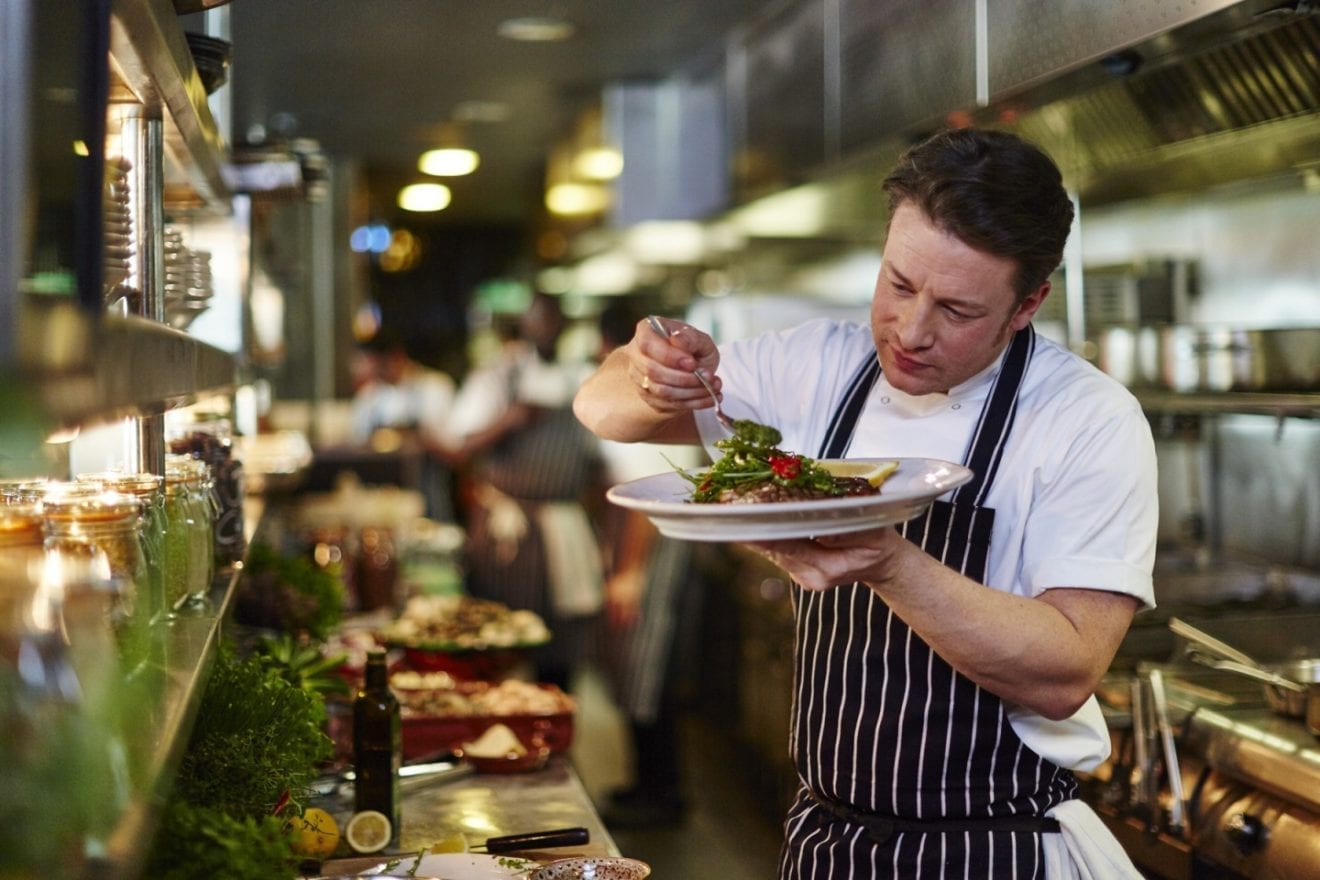
    Jamie Oliver’s UK restaurant chain has collapsed – but the international outlets remain trading for now.

    “I am deeply saddened by this outcome and would like to thank all of the staff and our suppliers who have put their hearts and souls into this business for over a decade,” said Oliver, who rose to fame as a television celebrity chef before founding a network of high-street restaurants in 2008.

    “I appreciate how difficult this is for everyone affected.”

    Jamie Oliver’s UK restaurant chain employed about 1300 people in 25 outlets bearing the brands Jamie’s Italian, Barbecoa steakhouse and Jamie Oliver’s Diner. They are now in administration.

    UK news media reported the process did not affect the business’ international operations which are largely run by local franchise partners. They include restaurants in Causeway Bay and Harbour City, in Hong Kong, at VivoCity and on Orchard Road in Singapore; and at Bangkok’s Siam Discovery.

    High-street restaurant chains have been hampered by a rough trading environment in recent years, in both the UK and the US. In the UK, rival operator Boparan Restaurant Group revealed plans in March to shutter more than a third of its outlets, trading under the Giraffe and Ed’s Easy Diner brands. Other operators, including Prezzo, Strada, Gourmet Burger Kitchen and Carluccio’s all closed stores last year.

    In the US, casual dining chains like Applebee’s, TGI Friday’s and Ruby Tuesday have scaled back their networks.

    The collapse of Jamie Oliver’s UK restaurant chain this week follows a rescue attempt last year in which the company entered a company voluntary arrangement with landlords to close some stores and reduce rents on others in a bid to continue trading.

    But the company has now succumbed to intense competition, rising costs and a tough consumer market.