Retail News CRM

Tag: cooking

  • Maxim’s waste cooking oil to fuel Hong Kong delivery trucks

    Maxim’s waste cooking oil to fuel Hong Kong delivery trucks

    Oil giant Shell has launched a pilot program with catering firm Maxim’s to use biodiesel made from its used cooking oil to power its fleet in Hong Kong.

    The first-of-its-kind program in the territory will support over 100 delivery trucks with annual consumption of 396,000 litres. Maxim’s is the first restaurant group in Hong Kong to join the program.

    “Shell is proud to announce this first-of-its-kind partnership with Maxim’s Group,” said Shell Hong Kong’s retail GM Anne Yu (pictured). “Together we take this important step towards a more sustainable energy future for Hong Kong. Biofuels are a smart solution because they reduce ‘well-to-wheel’ CO2 and upcycle domestic waste materials.

    “By transforming cooking oil into useable fuel, we can reduce both local waste and CO2 emissions, while providing energy security for Hong Kong. With over 30 years of experience in distributing biofuels globally, Shell is committed to the further development of bioenergy.”

    “Maxim’s Group is committed in environmental protection through various key initiatives since 2009, including our signature Surplus Bread Donation Program which enables volunteers to collect surplus bread from our cake shops across town and donate to the needy”, said Maxim’s Cakes & Bakery and Branded Products GM Patrick So.

    “Giving waste a second life has been extended to upcycling used cooking oil at Maxim’s restaurants to energy. We are happy to partner with Shell, and currently our 100-plus trucks from two food production plants are using Biodiesel as part of our sustainable development.”

    To produce biodiesel, Shell sources biocomponents (B100) to blend into petrodiesel whilst managing an end-to-end quality assurance process to achieve high-quality fuel. This is intended to improve Hong Kong’s energy security in using sustainably produced domestic raw materials.

    As the first and only biodiesel provider in Hong Kong through retail oil stations, Shell has been providing energy solutions for corporations to contribute to Hong Kong’s sustainability since 2016. It has recently made biodiesel available at Shell’s Tai Po Market station, the third station providing the fuel, expanding coverage to encourage biodiesel adoption among commercial fleet customers. The other two stations providing biodiesel are located at Tsing Yi and Hong Kong International Airport.

    “Shell is one of the first to invest in advanced biofuels to explore new sustainable fuels that contribute to the energy mix of the future,” concluded Yu. “We are pleased that Maxim’s Group believes in the value of sustainable fuel as we do and partnered with us to tackle the energy challenges together. We will continue to work with companies, customers and the society through different projects to make Hong Kong more sustainable.”

  • Ready-To-Eat Food: Millennial’s new favourite

    Ready-To-Eat Food: Millennial’s new favourite

    Convenience food is a concept that has been prevalent and popular in the western countries for a long time now. Globally, the demand for ready-to-eat (RTE) food products has been increasing over the last few years on account of busier lifestyle of consumers and their rising income levels. Similar factors are fuelling the growth in the packaged food sector in India.

    Increased employment opportunities have increased migration of people from tier 1 and tier 2 cities to metropolitans, which is an important driver for RTE food products in the country. Nuclear families and bachelors residing in metros for study or employment purpose are among the major consumers of RTE food products in India. The number of working women is particularly on the rise, which is again driving the demand. All these factors are creating significant awareness about ready meals among consumers. Growth in retail chains and outlets is also adding to the product awareness among consumers in the country’s, supermarkets, convenience stores and hypermarkets, which are emerging as the key points-of-sale for offering a wide range RTE food products.

    The Indian cooking styles have undergone considerable changes over the past few years owing to the advent of modern technology and several other changes such as urbanization, increasing working population, increase in female work population and the rise of nuclear families. People have been increasingly shifting to ready-to-eat food items in order to save the time involved in preparing meals.

    With the growing media awareness, literacy rates and standard of living, people have grown more responsive towards the health and hygiene standards associated with food products. There has been a shift witnessed in the customers focus from price to quality in the recent years, particularly in the urban and a few semi-urban areas. Consumers have been drifting from openly or loosely sold food products to the consumption of hygienically packaged fortified RTE foods.

    The Indian food and grocery market is the world’s sixth largest, with retail contributing 70 percent of the sales. The Indian food processing industry accounts for 32 percent of the country’s total food market, one of the largest industries in India and is ranked fifth in terms of production, consumption, export and expected growth. It is believed that the Food Processing industry will be a US$ 25 billion market in India by 2020. Out of which, the serviceable metro market is expected to be close to almost US$ 20 billion. The past couple of years have seen a tremendous growth of this segment due to high consumer acceptance for convenience food nationwide.

    A recent survey done by Assocham (Associated Chamber of Commerce and Industry of India) says about 79 percent of Indian households today prefer to have instant food due to time constraints. With two working parents and families becoming nuclear, people prefer authentic, nutritious store bought options rather than spending hours in the kitchen after work. In recent years, the focus of the ready-to-eat market has gradually shifted from just homemakers or students to young professionals and families.

    It is found that 76 percent of parents in big cities, mostly both working with children under the age of five, are serving easy-to-make meals in some form or the other, at least 10-12 times every month! No wonder that the RTE market continues to expand at a brisk pace. The market for spreads, sauces and dips is now close to US$ 2 billion and growing at 22 percent CAGR. The RTE meals market is currently valued at INR 23 crore. It grew at a compounded annual growth rate of 3-5 percent in the last five years. According to data research company Nielsen, the breakfast mixes market is growing at 17 percent and is currently pegged at Rs 275 crore.

    However, as fancy as the various breakfast cereals available in the market might be, we crave the satisfaction that only a traditional dish can give. And hence the traditional brands are coming up with options that are suitable for the Indian palate. The traditional brands such as ITC and MTR have forayed into items such as bhel bar, pot upma, poha which can be had on the go, anytime, anywhere.To fulfil the demand of this large section of consumers, one will find a lot of new RTE brands in the market.

    Unlike the giant brands though, the new entrants are trying to create a niche category for themselves, be it breakfast cereals, canned, frozen foods, spreads, chutneys, and so on. Companies are looking to attract consumers within areas like olive oil, spreads and ready meals by offering promotions, new product developments, health and nutritional benefits and attractive packaging.

    The Indian consumer behaviour has been influenced by exposure to other cultures primarily in the West through travels, and popular literature. The ready-to- eat market is somewhat saturated in the West, hence developing countries like India are attracting the majority of big players in the promise of a high growth opportunity. The booming food sector, multiple food outlets, the popularity of international brands and distinctive distribution channels adopted by players are expected to help the market grow at a continuous pace.

    Consumers are increasingly realizing that majorly RTE foods are loaded with preservatives for a longer shelf life. Increasing health awareness, particularly in the young generation, is hindering the growth of this market. Still a large Indian population is price sensitive and therefore the price factor of RTE food makes them affordable only to select economic classes of the society. Hence it becomes all the more essential for new players in this field to marry convenience with health benefi ts to ensure convenience food does not mean compromising on quality. The key is to provide RTE food options focused on Indian taste for everyday consumption, which are is not harmful in the long run.

    This is the challenge taken up specifically by food tech start-ups who want to be considered as serious players and are getting into the game after years of R&D. With state of the art technology in packaging and processing to ensure the end product is not just a world class product that can eventually be on the shelves in countries across the globe but a product that is a strong contender in being a game changer.

  • Kutchina opens second store in Nepal

    Kutchina opens second store in Nepal

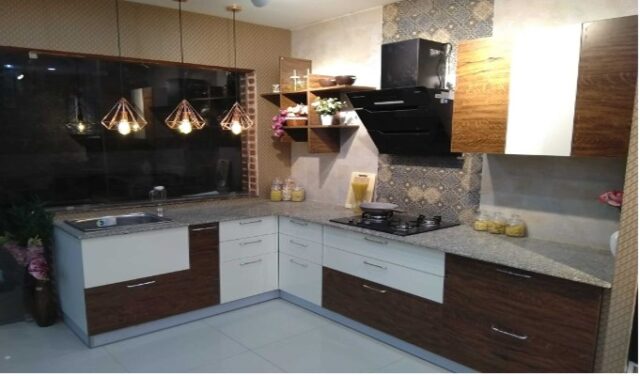
    Kutchina has opened its second store in Kathmandu spanning across 500 sq.ft. Targeting middle and higher income group customers, the store offers complete kitchen solutions including entire range of big appliances and modular kitchen. Look and feel of the store is a mixture of Kutchina’s modern concept with a traditional touch of Nepal’s rich culture. The walls of the store are given a look of Brick Mounting which resembles traditional houses of Nepal and adds that wow factor to the store.

    Designed by in-house designers, the store highlights all the elements of the products with the use of LED and Track lights. At present, the brand has 20 stores in India and 2 in Nepal.

  • Mastering the art of home cooking

    Mastering the art of home cooking

    US-based meal kit company, Blue Apron, celebrated its IPO on 29 June with more than the usual fanfare, hiring caterers to pass out bite-size chicken burgers and hosting a cooking competition outside the New York Stock Exchange.

    But just over one week later, the company’s stock was trading 24 per cent down from its debut price of US$10, at about US$7.60 a share. Investors in Blue Apron, which listed with a market cap of US$1.9 billion, well below its initial target of US$3 billion, have revealed a wariness about the challenges that lie ahead.

  • Sap-Sap products and dinners highlight Lao cuisine

    Sap-Sap products and dinners highlight Lao cuisine

    It’s a rarity in Milwaukee, where Laotian fare like larb, green papaya salad sai oua (Lao sausage) often take a backseat to popular Thai dishes at area restaurants. But, that’s something Alex Hanesakda is trying to change.A first generation Lao American, Hanesakda was just three years old when he arrived in the U.S. It was 1982, and his family had spent the last two years years in a refugee camp in Thailand before making their journey to America as part of the first wave of Laotian refugees.
    Sponsored by a Milwaukee family, they lived in the area for about a year before moving to Burlington, Wisconsin to be closer to the rest of their family.”I grew up cooking with my family,” Hanesakda says. “And growing up in a refugee household, the whole family chips in. And there were things that set us apart. Instead of buying them from the grocery store, we our own chickens. It definitely made an impression on me. And one of the strongest ties to Lao culture that I developed was centered on food.”He says it inspired him to find a way to get word out about Lao cuisine.

    Delicious delicious

    In 2010, he debuted his mother’s recipe for egg rolls at the first annual egg roll competition at Milwaukee’s Asian Fest. The recipe got first place, spawning a catering and vending business called Mamma’s Eggrolls.In 2016, after Hanesakda took a job working with Chef and owner John Hudoc at Hometown Sausage Kitchen in East Troy, he took things a step further.

    He introduced Sap-Sap (meaning “delicious-delicious”), a retail food company specializing in Lao and Southeastern Asian inspired products. Their first product was smoked beef snack sticks incorporating Laotian ingredients including garlic, chives, bhut jalokia peppers and native Lao kaffir lime leaves.”It’s not traditional,” notes Hanesakda. “But, everyone likes snack sticks. And no one had ever really come out with one that showcased Lao flavorings.
    “The snack sticks are currently available at retail establishments including Hometown Sausage, Hyvee stores in Madison and select stores in Burlington and Racine. Restaurants, including Sujeo in Madison, have also picked them up. In fact, Hanesakda says that Chef Tory Miller currently uses the sticks as a component in an eggroll on his menu.They’ve also debuted sai oua (fresh Lao sausages), which are currently being offered as a wholesale product.
    Hanesakda says he’s currently working on additional products to add to his retail line, including two sauces: a sweet and sour sauce and a Lao marinade for barbeque.As he’s worked to launch the Sap-Sap brand, Hanesakda has also begun hosting a variety of events showcasing the flavors of Southeast Asian cuisine.
    Among the first was Pho on the Farm, an event at Yuppie Hill Farm featuring pho (noodle soup), eggrolls, fried rice and other dishes. The response, Hanesakda says, has been overwhelming.”It really took me by surprise how excited people were,” says Hanesakda. “Pho is one of those dishes that didn’t originate in Laos; but, it is eaten in a variety of countries. And it’s been exciting to share my take. These events have drawn such a diverse crowd. And people are booking events months ahead.”Pho on the Farm, now hosted the last Saturday of each month at the Yuppie Hill Farm, is currently sold out through September. However, beginning this summer, Hanesakda also launched a series of special Lao inspired barbecue dinners at Hometown Sausage Kitchen in East Troy, Wisconsin.
    Lao barbeque, Hanesakda notes, is distinguished by two factors. One is the presence of khao niaw (sticky rice). The other is the flavor profile, which is a combination of sweet, citrusy and spicy flavors from ingredients like kaffir lime, lemongrass, shallots and garlic.The dinners feature traditional southeast Asian dishes including papaya salad, eggrolls, barbecued skirt steak, ribs and chicken along with accompaniments like sticky rice and roasted tomato jeow.Both the events and the dishes served, Hanesakda says, are born from love, not only for his family’s recipes, but also for nourishing and connecting friends and neighbors. And the sense of community it builds – nourished by cultural sharing and communal eating – is a more-than-pleasant side effect.If you’re interested in attending the next Lao Barbeque at Hometown Sausage Kitchen on Aug. 12 at 4 p.m., reservations can be made by messaging Sap-Sap on Facebook. Include your name as well as the number of guests in your party. The dinner is $40 plus gratuity, which can be paid on site at the event.For additional information, including updates on future pho and barbecue events, follow Sap-Sap on Facebook.
  • Central Food launches new format in Thailand

    Central Food launches new format in Thailand

    The parent company of Tops Supermarket, Central Food Retail (CFR), will invest Thb1bn (US$29.37m) in a new format Tops Plaza, and 176 new Superkoom supermarkets.

    The leading Thai retailer told that the new format will be community shipping mall, with the first to open in Pichit this year, and another in Payao next year. CFR also plans to open 178 Superkoom supermarkets this year, bringing its total operations of the discount supermarket to 200.

    Phattaraporn Phenpraphat, CFR executive vice-president for marketing and public relations, told that the company had strong sales growth in the first quarter of the year, both from existing stores and from new Superkoom, Tops Daily and Tops Market store openings.

    “Our sales growth of 3.02 per cent in the first quarter exceeded the industry growth rate,” she said.

  • Cashing in on Korean cuisine

    Cashing in on Korean cuisine

    Some 15 years ago, Malaysians were introduced to a Korean drama series that quickly became a global sensation. This iconic series opened the doors of K-drama to the world, and Malaysia is no stranger to it!

    Our love for all things Korean – food, fashion, beauty, drama, music and so on – quickly escalated into an undescribable passion even til today.

    Malaysia and the rest of East Asia were so enthralled by the Korean culture that many have sought to travel to South Korea for holidays, just to have the glimpse of experiencing the true lifestyle there.

    As per Korea Tourism Organization’s (KTO) statistics, for the first three months of 2017, Malaysian visitors reached a high of 71,215 individuals which was a rise by 14.4 per cent from 62,236 during the same period last year.

    This was up by a stark contrast of 272.4 per cent from only 19,122 during the same period back in 2003.

    It is only natural that after visiting and immersing themselves in the culture of South Korea, enthusiasts cannot forget the charm and benefits of Korean goods and services which may or may not be found in retail outlets in Malaysia.

    This was one of the points discovered by Malaysian online shopping website 11street. Through its recent ‘Shop The World’ campaign, 11street revealed some astonishing behaviours exemplified by Malaysian shoppers.

    “Firstly, Malaysians loved products from Korea, Taiwan and the US,” the online marketplace said in a statement last week. “Consequently, these three countries were also the most popular countries with the highest number of purchases.”

    ‘Malaysians Love Korean Food’

    Another study from 11street affirmed Malaysians’ love specifically for Korean food.

    “The insight we obtained from the market confirmed what we have known for a while now, that Malaysians love Korean food. It revealed that Malaysians often search for Korean food items such as ramyun, chigae, chimek and samgyupsal.

    “On top of that, we noted that a commonly recurring word among these searches on 11street is ‘spicy’, which goes to exemplify Malaysians’ love for spicy food,” said Bruce Lim, Vice President of Merchandising for 11street previously.

    “In fact, ‘heat’ is a common ground between Malaysian and Korean foods, which is why we at 11street have ramped up our spicy Korean food offerings on our platform, to enable our shoppers to find what they love.

    “Through this partnership with K Market, we also took this effort up a notch by introducing products that are halal so that our Muslim shoppers continue to shop with us at ease.”

    According to 11street, the sale of Korean food items on its platform has doubled since its inception in April 2015, with the 26 to 35 age group contributing on average 40 per cent of total Korean food sale in 2016.

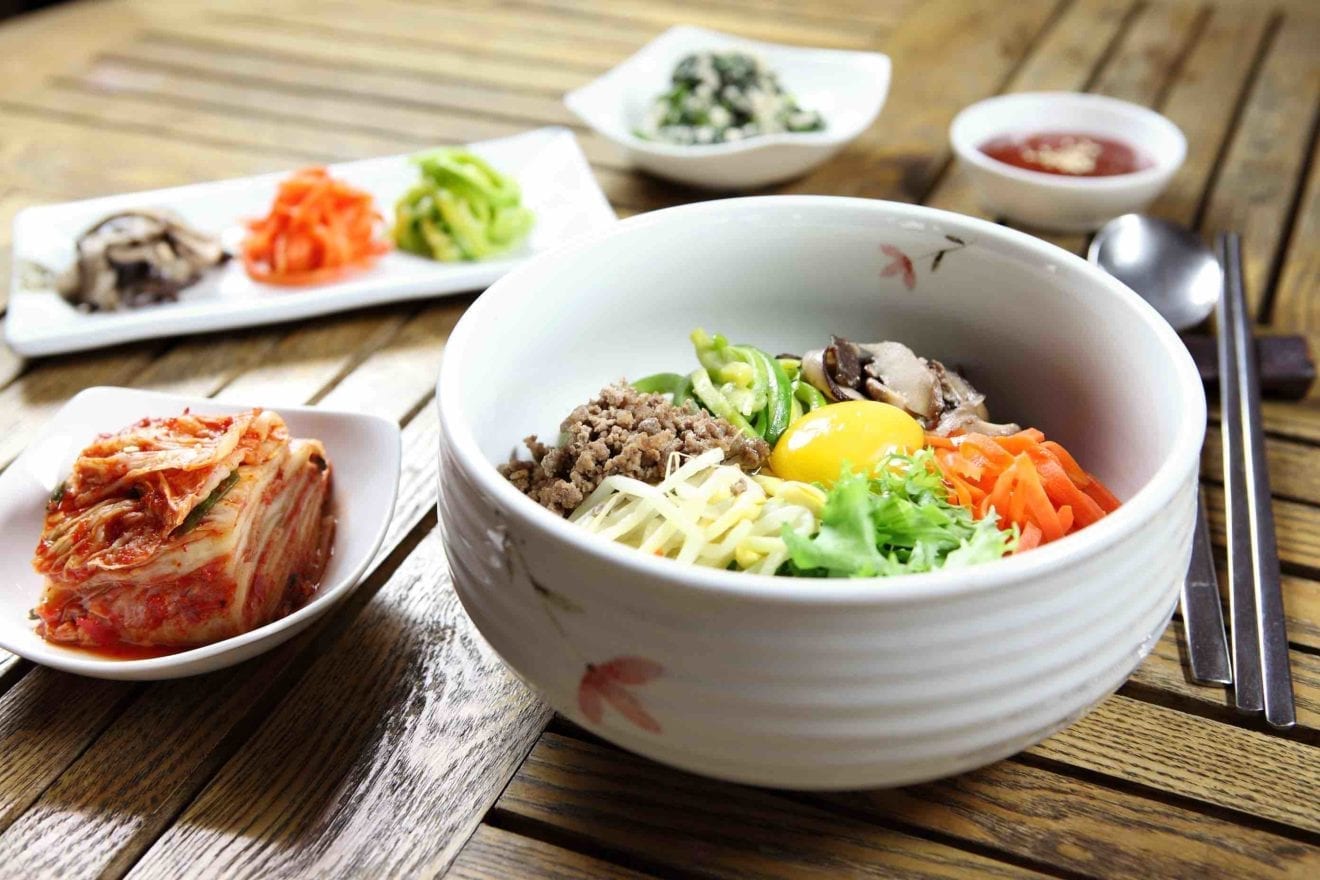
    Among the top five items often purchased from its platform are Pepero, a cookie stick dipped in chocolate; ramyun, also known as instant noodles; kimchi, a fermented Korean side dish made of vegetables; toppoki, a type of soft rice cake; and milkis, a popular carbonated beverage in South Korea.

    Other popular Korean food items that are highly sought after by 11street shoppers are banana milk, red pepper powder for kimchi making and healthy vinegar drink.

    With evidence pointing to the fact that the Korean culture trend is here to stay, BizHive Weekly takes a look at how the Korean cuisine industry fares locally in Kuching:

    Kuching Seoul Garden: An icon of Kuching’s Korean taste

    Ask “Where can we get Korean food in Kuching?” and many may first think of Kuching Seoul Garden (Seoul Garden) which has been operating for several years now.

    Proprietor Steven Lee knows a thing or two about bringing the influential Korean culture trend here to this city.

    Lee first ventured into the restaurant business here seven years ago with Seoul Garden at Central Park Commercial Centre, and initially started with just operating from the ground floor of a shoplot.

    Lee told BizHive Weekly the reason why he was so passionate to open a restaurant here – having had more than 10 years of experience in the restaurant business back in South Korea – was to expand Korea’s culture in other countries.

    “We try to bring a slice of Korean food and culture to Kuching by taking a family-oriented method to run the food and beverage business,” he said. This means taking the time to serve, assist and dine with customers akin to that of eating at home ith family.

    “The ground floor serves ala carte dishes, with an authentic menu list which kept growing and changing over the years to suit the evolving food trends.”

    Using very little monosodium glutamate (MSG) when preparing the dishes, Lee believed this to be one of the few reasons why Seoul Garden has a lot of regular Korean customers as they know that the food at his restaurant are authentic and healthier.

    Lee also affirmed that he sources his seasonings and sauces directly fom South Korea, lending to the authenticity of his dishes.

    “From when we started, these (seasonings and sauces) have gone up by some 40 per cent in prices, especially with the GST (goods and services tax),” he commented. “But we’ve never raised our food prices offered.”

    Authentically made

    In fact, Seoul Garden’s own kimchi stands out from its competitors as Lee adopts the traditional Korean style of making kimchi – which means a longer processing time for the salted and fermented vegetables.

    Additionally, instead of offering seven to eight side dishes for customers, Seoul Garden only serves five, including kimchi and fruits.

    This is because Lee observed that local customers are usually not able to finish the typical portion of seven to eight side dishes customary in Korean restaurants.

    At Seoul Garden, with the exception of kimchi which is a must at every meal, the side dishes will change daily so that regular customers will not feel bored eating the same thing everyday.

    Lee usually tries to change up or add new dishes on the Seoul Garden menu in the middle of the year, as that is the time when they are not too busy and can start becoming creative and designing new dishes according to the latest trend.

    Recently, Kuching Seoul Garden launched a few new dishes incorporating melted cheese which are eaten with the main dish such as stir fried squid or grilled chicken pieces.

    He explained that this is the new trend as he noticed that young people generally like to eat food with cheese. This trend is apparently very common in Singapore and Korea, he observed.

    Changing business model

    Two and a half years ago, Lee decided to branch out into the buffet business model with the addition of a second floor dedicated to meat barbeque (BBQ) steamboat buffet.

    With this buffet, Lee opined that it is a much more straightforward business model given that customers need only pay for a fixed price to have unlimited access to all types of meat, seafood, fruits, drinks and ice cream.

    For the restaurant’s side, staff will only need to prepare the ingredients as the customers themselves will do the cooking.

    “It is more fun,” he said, “as families, or even friends and couples can sit down to a meal together, cook and enjoy each other’s company. They can also adjust the seasonings to their liking.”

    While he does hope to expand and open more halal and non-halal meat BBQ steamboat buffets throughout Sarawak, Lee has reservations in opening more of his ala carte style restaurants in other cities.

    This is because of the extensive menu they have at the ala carte restaurant which will require too much time training and it will also be difficult to maintain the quality and taste of the foods.

    When asked on future potential growth, Lee said he is now looking for potential investors or joint venture partners to consider opening up a halal version of his buffet restaurant to cater to the Muslim market.

    Lee Korean Fried Chicken a new franchise venture

    Recently, Lee has further expanded into Kuching’s first Korean fried chicken restaurant business, a popular Korean cuisine and concept back home.

    Lee explained that in South Korea, if the fried chicken eateries are located in office areas, those usually attract office people who after clocking out from work, will go and have themselves some fried chicken and down that with beer.

    Over here in Kuching, Lee believes that his new restaurant, Lee Korean Fried Chicken (Lee KFC), will attract customers from all walks of life because of the sauces which he makes himself for the chicken dishes.

    He explained that these sauces are important for these dishes, adding that all are made with natural ingredients consisting of carrots, garlic, onions and South Korea-imported chilli powders and yellow and white starch syrup.

    This, he highlighted, is a better business decision than other restaurants which have fully relied on ready-made sauces imported from South Korea. This has resulted in  a lot of expired stock and wasted shipping costs due to their inabilities to estimate how the exact amount of supply required.

    “Compared to other international or local outlets which rely on two typical flavours of spicy or non-spicy, our wide variety of fried and grilled chicken dishes with their authentic sauces will draw in customers who want to try something new and different from other competitors,” he stated.

    Slow start expected

    Customer flow into the restaurant is currently still slow but Lee said that this is normal for brand new businesses. “Because when I first opened (my own fried chicken restaurant) in South Korea, it was the same,” he said.

    Even with a good location facing the main road at 3rd Mile, he expects a slow start as he knows that customers are still getting to know about what Lee KFC has to offer.

    To ensure that customers receive their dishes freshly cooked, Lee KFC’s procedures do not involve pre-deep frying the chicken. Instead, the restaurant will only fry the dishes upon receiving the orders, as is customary in every fried chicken restaurant in Korea.

    Additionally, Lee pointed out that Lee KFC had designed a slightly different menu from the typical fried chicken restaurant concept in South Korea. Aside from its main fried chicken dishes, Lee KFC also added popular Korean favourites such as kimchi jjigae, ramyeon, tteokbokki and many more on its menu.

    The idea is that for families or groups of people whogo to the restaurant to eat, they can order a variety of dishes and share them together.

    As with his Seoul Garden BBQ steamboat buffet concept, Lee is also open for discussion to those who are interested to invest, joint venture or do a franchise of Lee KFC in other aeas of Kuching or other cities in Sarawak. On the sauces, he explained that he can just make the sauces to supply to these other outlets when needed while the staff only need to come to the main outlet in Kuching to learn how to use the machines to cook or fry the chickens.

    That said, he only aims to allow the opening of a few outlets so as not to oversaturate the market and ensure the survival of each individual restaurant.

    In fact, if possible, Lee hopes that when opening new outlets in other areas, that the concepts will consist of Lee KFC on the ground floor while the buffet is on the first floor of the same building.

    Pullman Kuching: Jumping on the bandwagon

    Pullman Kuching is also taking steps to incorporate the Korean cuisine into their food and beverage (F&B) offerings while the K-culture is still trending on the local scenes.

    Pullman Kuching general manager Charles Choi who recently relocated here explained that because of his position, he has tried to do some market research on the F&B industry in Kuching.

    “Whenever I have time for dinner during the weekends, I try to visit as many restaurants as possible. I could see that at the moment, for Kuching, because of the small population and the fact that there are a lot of restaurants operating here, you need to open something special otherwise your restaurant (risks becoming) empty,” Choi observed.

    “You need to have a specialty and I could see that, at the moment, once you have Korean cuisine, Japanese cuisine or even Thai cuisine, it is working. I was thinking to myself, ‘Once you have something special, it already ticks one box on being popular.

    “So, what about if it is good in terms of quality and authenticity?’ That is how I decided to hire a Korean chef from Korea (for Pullman Kuching) so that we can compete with our other competitors in terms of quality and being authentic.”

    Driven by young demand

    Hiring a Korean chef is one of Choi’s efforts to boost up Pullman Kuching again and also to show that the hotel will be different from others in the hotel industry.

    On why Sarawakians and Malaysians in general are still drawn to Korean food, Choi explained that this is because the market is driven by young people.

    He opined that the Korean cuisine is still quite a new thing or trend in Kuching and overall Sarawak.

    While Korean-based Choi admitted that he is still new to the city, he could see that the whole city consumer market has been dominated by the older or senior generation.

    “And recently, I would assume that the young generation has started to become dominant in terms of culinary experience, eating out and visiting new places (to eat),” he observed.

    “That is why some of the trendy malls, restaurants, they are becoming popular. Because if you go to popular restaurants in Kuching, it is filled with young people, not the older crowd. I think that’s a sign that now, young people are starting to have financial power to purchase.”

    Choi also pointed out that as these financially capable young people are still attracted to the K-culture of pop music (K-pop), dramas and movies, that fever has thus carried over to the Korean restaurant industry.

    Eye on halal menu

    On how Pullman Kuching aims to differentiate the Korean cuisine it serves from competing restaurants out there, Choi affirmed that they will be completely halal.

    “Because in Kuching, surprisingly, we have almost 10 korean restaurants and I have been to most of them. Quality wise, they are ok. They are serving good food and they are good restaurants in terms of quality.

    “Problem is, they are not serving halal food. They are only focusing on one part of the market, non-halal,” he said.

    As Pullman Kuching serves all halal food, Choi is taking advantage of this and plans to cater to 100 per cent of the market here with the hotel’s very own halal, authentic and quality Korean food.

    “The hotel will be able to serve 100 per cent of the market and not just 50 per cent or small portion of the market,” he enthused.

    Overall, Choi hopes that the Korean food will continue being popular here but acknowledges that it is a trend and trends do change.

    “I hope it lasts for a long time because I’m Korean,” he said.

    “But, nothing lasts forever. I think we have to take advantage of this trend and I feel very lucky because I came to Kuching during this time when K-pop and K-culture is still popular.”

    Korean purchases online continue to trend, says 11street

    Another insight into the constantly growing Korean food trend in Malaysia was provided by none other than online marketplace 11street which has seen growth in Malaysians conducting Korean-food related searches on their platform.

    11street, which was established in Korea since 2008, is one of the top global e-commerce marketplace providers with 400,000 sellers serving over 30 million consumers worldwide.

    According to vice president of Merchandising Bruce Lim in an email interview with BizHive Weekly, 11street search trends saw an increase in Malaysians searching for Korean food, recipe and ways to prepare Korean food.

    “Apart from that, the search for Korean food on 11street saw an increase from the previous year, whereby we experienced significant boost of total Korean food sale in 2016,” Lim said.

    “This also comes at the back of our year-end survey, where 11street predicted consumers to likely explore new product categories for groceries and fresh produce when shopping online, a clear indication to the growing interest to purchase food products online, especially for Korean food items that are not easily available in Malaysia.”

    To date, the five most popular Korean items purchased from 11street’s platform includes Pepero, a cookie stick dipped in chocolate, Ramyun, also known as instant noodles, Banana milk, a banana flavoured Korean milk beverage, Toppoki, a type of soft rice cake and Ottogi Cheese Ramen, another famous Korean instant noodles.

    “Other popular Korean food items that are highly sought after and getting popular amongst Malaysians in 2017, are Milkis, a popular carbonated beverage in South Korea; red pepper powder for kimchi-making; and healthy vinegar drinks,” Lim revealed.

    Food with extra ‘kick’

    While 11street does not have specific data to indicate which states have the highest demand for Korean food items, Lim has however noted that the response the online marketplace gets in general are very encouraging as it sees an increased demand across the board for Korean food items.

    From K-dramas to pop music to cuisine, the interest for everything Korean especially food has continued to surge since the penetration of K-culture in Malaysia, according to a recent search trend finding by 11street.

    In fact, Lim observed that there are many similarities between the Korean and Malaysian cuisine as both feature spices in their food which gives the cuisine that extra ‘kick’.

    “’Heat’ is a common ground between Malaysian and Korean foods which is evident in the usage of chillies in both cuisine,” he said.

    Meanwhile, Lim believed that the Korean food or cuisine industry will continue to grow and become popular in Malaysia.

    Since its collaboration with KMarket, a subsidiary of KMT Trading Sdn Bhd and importer and distributor of Korean products in Malaysia, last year, 11street has seen a rise in demand for Korean food products on its platform.

    “Korean cuisine is poised to be one of the top cuisines in Malaysia, adding more flavour to the already tasty cuisine we have here, as it is no longer difficult to stumble upon different kinds of Korean restaurants or even Korean products in Malaysia,” the vice president remarked.

    Matthew Lee, Group Managing Director of KMT Trading Sdn Bhd commented: “Two years ago when we decided to open a Korean supermarket in Kuala Lumpur, we were motivated by the growing Korean community in the area.

    “Essentially, we wanted to bring a piece of home closer to them but we certainly did not foresee the steady stream of Malaysians frequenting our store.

    “We realised that in order for us to cater to more Korean food lovers out there, it is more effective that we partner a reputable online marketplace such as 11street.

    “To date, we are happy to continue supplying Malaysians with the Korean foods they love through 11street, as well as introduce new ones that are hot off the shelves from Korea.”

    On the growing demands of halal Korean food items, given the rising popularity of the cuisine and the local requirements, 11street also predicted that many would adhere to the Islamic dietary law as the majority in Malaysia are Muslims.

    “The demand for halal products are on a rise and we took this effort up a notch by introducing products that are halal so that our Muslim shoppers continue to shop with us at ease,” he said.
  • Cooking to coding: What free HTML classes mean for Indonesian maids

    Cooking to coding: What free HTML classes mean for Indonesian maids

    Jamilah’s newly obtained skills are beyond anything most would expect from an Indonesian maid working in Singapore – she is not only a cook and a cleaner, but a website builder.

    Jamilah learnt programming languages such as HTML and CSS at a free, eight-week coding course for domestic workers provided by Indonesia’s Creative Economy Agency. The agency plans to expand the programme, launched in Singapore in January, to Hong Kong later this month, then to Malaysia, Taiwan and Saudi Arabia.

    To cater to maids’ strict schedules, the classes are held every Sunday from 10am to 1pm. In Singapore, the demand to enrol was so high the programme was forced to move those about to leave the city state to the front of the line – such was the case with Jamilah.

    “I’m very keen on learning how to code,” Jamilah told. “I’m hoping to have my own business when I return to Central Java and use the website to market my products and bring in more customers from the internet.”

    Students are expected to bring their own laptops to class, and this posed a problem for Jamilah since her old computer was broken. “So I bought a brand new Dell laptop that set me back SG$499 (HK$2,765), or a month’s salary. But it’s worth it.”

    The 41-year-old said she was blessed to have an understanding employer who allowed her to take the course. “My boss even downloaded GitHub for me,” the mother of four said, referring to a popular software development platform.

    By advancing the skill sets of maids such as Jamilah, Indonesia aims to empower workers with entrepreneurial skills that will help them set up businesses once they return home.

    About a third of Indonesia’s six million migrant labourers work as housemaids in places such as Singapore, Hong Kong, Taiwan and the Middle East. In 2015, Indonesian migrant workers sent home about US$9.4 billion in remittances, according to official data. However, once they return home, a relative lack of workplace skills often prevents them from securing well-paying jobs or establishing their own businesses.

    Indonesia has a workforce of about 125 million people, 60 per cent of whom did not get past middle school or high school, according to Minister of Labour Hanif Dhakiri.

    “They do not have the skills needed to have a proper job that would lift them out of poverty,” he said. “We fully support the coding programme for maids as a solution to increase their self-sufficiency post tenure.”

    Through the programme, the government also hopes to bolster the talent supply in Indonesia’s creative workforce to 13 million people by 2019, about a million more than last year.

    “We need to have our own talents so, when it comes to software programming, we no longer have to depend on foreign companies,” said Triawan Munaf, head of the state agency that founded the programme.

    The coding course for maids is a twist on a similar course designed for stay-at-home mothers in Indonesia called “Coding Mum”, organised by the same agency. Launched in February last year, Coding Mum began in six cities and will be expanded to three more this year to meet demand. Its graduates either run their own businesses or are employed as front-end developers and beta testers by local tech firms such as e-commerce company Tokopedia.

    “We have positive results from Coding Mum, where housewives from all ages up to 60 years old have joined the programme,” said Izak Jenie, Coding Mum’s co-founder. “After Coding Mum, we felt challenged to teach coding to housemaids.”

    But teaching how to code to mostly undereducated housemaids is not without challenges. Despite sharing the same lessons with the stay-at-home moms, mentors need to be more patient and understanding with maids, since most of their experiences with the internet are limited to social media services such as Facebook or WhatsApp.

    “However, their motivation to succeed seems bigger. In Singapore, for example, they asked me questions outside of the classroom, sometimes until 1am,” said Henry Sutjipto, the programme coordinator for countries outside Indonesia.

    The classes for maids also require Indonesian-speaking tutors who are willing to volunteer, Sutjipto said.

    These same challenges face the programme as it looks to start classes in the New Territories of Hong Kong, starting on April 23.

    “In Kuala Lumpur it’s easy to find mentors because there are many Indonesians there,” Sutjipto said. “It was difficult to find one in Hong Kong, but we found two information technology lecturers from Indonesia who are currently studying in Guangzhou and are willing to come to Hong Kong to teach.”

    The programme has piqued the interest of Anggraeni Ustianingsih, an Indonesian maid living in Tseung Kwan O who has been working in Hong Kong for five years and whose tenure will expire in November.

    When she returns home, she hopes to expand her business of selling shumay (steamed fish dumplings) to a broader online market.

    “My boss is supportive because the class is scheduled on my day off,” the 42-year-old from Tegal, Central Java, said.

    She has a Lenovo laptop, and is ready to do any homework from the course in her spare time.

    Due to the high interest shown by maids in learning programming and coding, the Indonesian government also plans to bring the course to villages that have sent many migrant workers overseas. It will not, however, expand the programme to cities in the Middle East, other than Medina in Saudi Arabia.

    “It’s hard to implement the programme in the Middle East because housemaids there are not even allowed to get out of the house,” said Dhakiri, the labour minister.

    Back in Singapore, Jamilah dreams of becoming a tailor in her home town after her contract to work in the city state expires on September. But a question lingers: “I’m still not sure whether to return to Indonesia or renew my contract here… I still need more money to send my children to college.”

  • Indonesian Culinary Fair 2016 to be held in Japan

    Indonesian Culinary Fair 2016 to be held in Japan

    The Indonesian Culinary Fair 2016, dubbed “The Taste of Indonesia,” will be organized at the Shinagawa Prince Hotel, Tokyo, from May 16 to June 16.

    The organization of the culinary promotion event was in line with the governments policy to intensify culinary diplomacy, Tourism Minister Arief Yahya stated here, Friday.

    The promotion event has been organized to achieve three targets. The short-term target is to introduce Indonesias diverse flavors and tastes, as well as to promote the countrys culinary delicacies.

    The mid-term target is to encourage restaurants and hotels in Japan to offer Indonesian dishes as well as to attract more Japanese tourists to visit Indonesia.

    The long-term target is to send Indonesian chefs to work in restaurants and hotels in Japan and to introduce halal food cooking techniques as well as Indonesian dishes in Japans culinary schools.

    Japan ranks fifth in the list of major countries contributing tourists to Indonesia, according to Deputy Minister in charge of International Tourism Marketing Development of the Tourism Ministry I Gde Pitana.

    During the culinary fair, various Indonesian traditional arts, such as Sasando, will be performed.

    The Japanese government has promoted international cuisines, including halal food, to attract foreign tourists from Muslim majority countries, among others.

    Japan has set a target to attract 30 million foreign tourists by 2020. Six to eight million, or 20 percent of the 30 million tourists, are expected to be Muslims.

    “This is an opportunity for Indonesia to promote its various culinary delicacies and food products, including spices,” Pitana affirmed.

    Last month, the “Wonderful Indonesia” Restaurant was opened in Anhui Province, China, to offer typical culinary delicacies from the archipelago as part of the efforts to promote the countrys tourism and culture.

    Situated in the densely populated area of Hefei in Anhui Province, the Wonderful Indonesia Restaurant was inaugurated by Minister Yahya.

    “There is a growing trend of using culinary diplomacy to support tourism, and almost all television stations are also highlighting this aspect as one of their flagship programs,” Yahya remarked.

  • Jakarta’s HappyFresh gets $12M more in the bag to boost grocery delivery in Asia

    Jakarta’s HappyFresh gets $12M more in the bag to boost grocery delivery in Asia

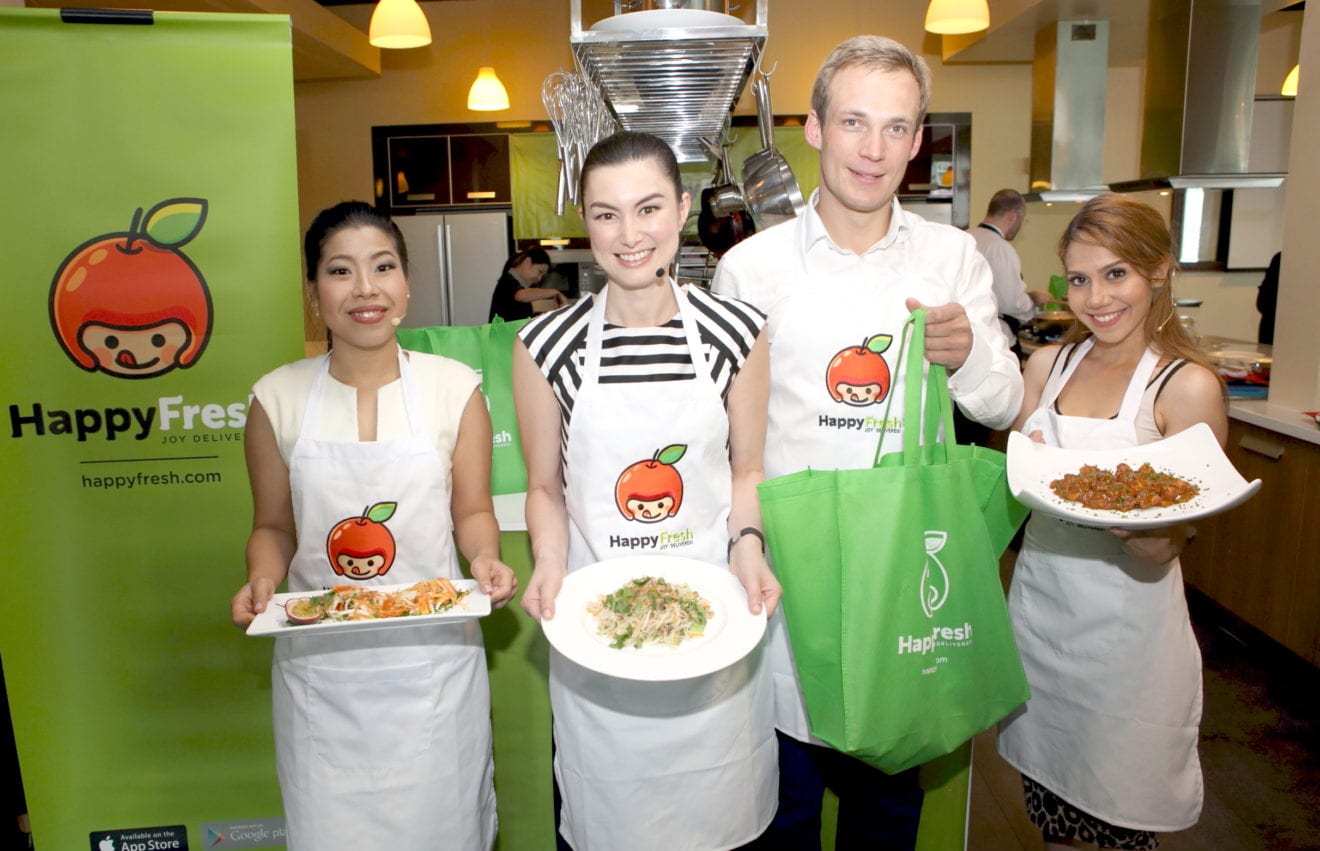
    Indonesia-based grocery delivery app HappyFresh announced today it raised US$12 million in a series A funding round led by Vertex Ventures, the venture arm of Temasek Holdings and Sinar Mas Digital Ventures (SMDV), the venture arm of Indonesia’s Sinar Mas Group. Other participating investors include Asia Venture Group, Beenext, Ardent Capital, 500 Startups, and Cherry Ventures.

    After launching its next-hour online grocery delivery service in March in Indonesia and Malaysia, HappyFresh decided to expand to Thailand and Taiwan.

    “We are very happy to partner with Vertex […] and SMDV […] We are looking forward to benefitting from their strong networks to further expand our footprint across Southeast Asia,” says HappyFresh CEO and co-founder Markus Bihler. “We will continue to invest in enhancing our product and service […] building HappyFresh into the region’s leading food tech group.”

    HappyFresh is an early mover in the food marketplace industry in Southeast Asia. Established in October 2014, the firm has partnered with well-known supermarkets, including Ranch Market and Farmer’s Market. The company employs personal shoppers who choose products in-store. HappyFresh claims its on-demand logistics network allows for next-hour delivery. The company is headquartered in Jakarta with operations in Malaysia, Indonesia, Thailand, and Taiwan. The founding team includes Markus Bihler, Benjamin Koellmann, and Fajar Budiprasetyo.

    Koellmann a Manila launch is slated for October, while HappyFresh is also exploring other Indonesian cities for expansion, like Surabaya. Koellmann and his partners have also created HappyRecipe, a spinoff of the startup’s core offering. HappyRecipe lets users read blog posts to get inspired about cooking. It also offers up various ready-made recipes, which users can follow to purchase specific ingredients and prepare dishes at home.

    “We have very strong and experienced local managing directors who run each market with a local team, and they are supported by our headquarters here in Indonesia,” says Koellmann. “Data science and customer insights are at the core of our DNA.”

    HappyFresh faces many competitors in Asia including Go-Jek in Indonesia with its Go-Food service, as well as names like Indonesian meal-kit delivery service Black Garlic, as well as Tesco Lotus and Tops Shop Online in Thailand. Singapore-based RedMart and Indonesia’s Sukamart can also be seen as a regional contenders.

    “This is a business model which clearly benefits the supermarkets and the consumers. Its capital efficient model allows it to scale easily and very quickly,” says Joo Hock Chua, managing director of Vertex, who will join the board of HappyFresh. “Markus and his team are experienced entrepreneurs and they have demonstrated strong execution capability. Vertex is happy to lead this round of investment. We will bring our experience and global network to help HappyFresh.”