Retail News CRM

Tag: corona

  • Corona Buoys Superyacht Boom

    Corona Buoys Superyacht Boom

    A bridge too far? In Rotterdam a bridge is set to be demolished so that Amazon founder Jeff Bezos’ ship superyacht has free passage.

    What the mountain chalet is to the merely well-to-do, the superyacht is to billionaires. Sales of extra-large luxury yachts have risen by 77 percent in 2021 compared to the previous year, the German Manager Magazin writes.

    Costing hundreds of millions of dollars and whose maintenance consumes millions more each year, 887 of these floating palaces were sold last year.

    Prices for superyachts rose last year by about 5 to 8 percent in line with high demand.

    Oligarchs like Roman Abramovich, sheikhs from the Middle East, and tech founders, including Jeff Bezos, are lovers of such status symbols and compete in terms of size and extravagance.

    The Eclipse, Abramovich’s yacht, has two helipads because you never know how many guests are on approach. Swimming pools and jet skis are standard equipment of a sensible boat anyway, and well, money is no object.

    In Holland, the Rotterdam city council plans to remove a historic bridge so that Bezos’ new yacht can glide unhindered into the sea. Bezos and the shipyard, Oceano, plan to share the cost of removing and then rebuilding the De Hef bridge.

    Compared with the price of the yacht, 430 million euros, the cost of the conversion is likely to fall under the category of “petty cash”. That the free ride for billionaires does not suit everyone, on the other hand, is hardly surprising.

    The Rotterdam Historical Society promptly made its displeasure known about the demolition of the bridge.

    In times of Corona, perhaps this is the best way for billionaires to self-isolate.

  • Corona introduces its first non-alcoholic beer, infused with Vitamin D

    Corona introduces its first non-alcoholic beer, infused with Vitamin D

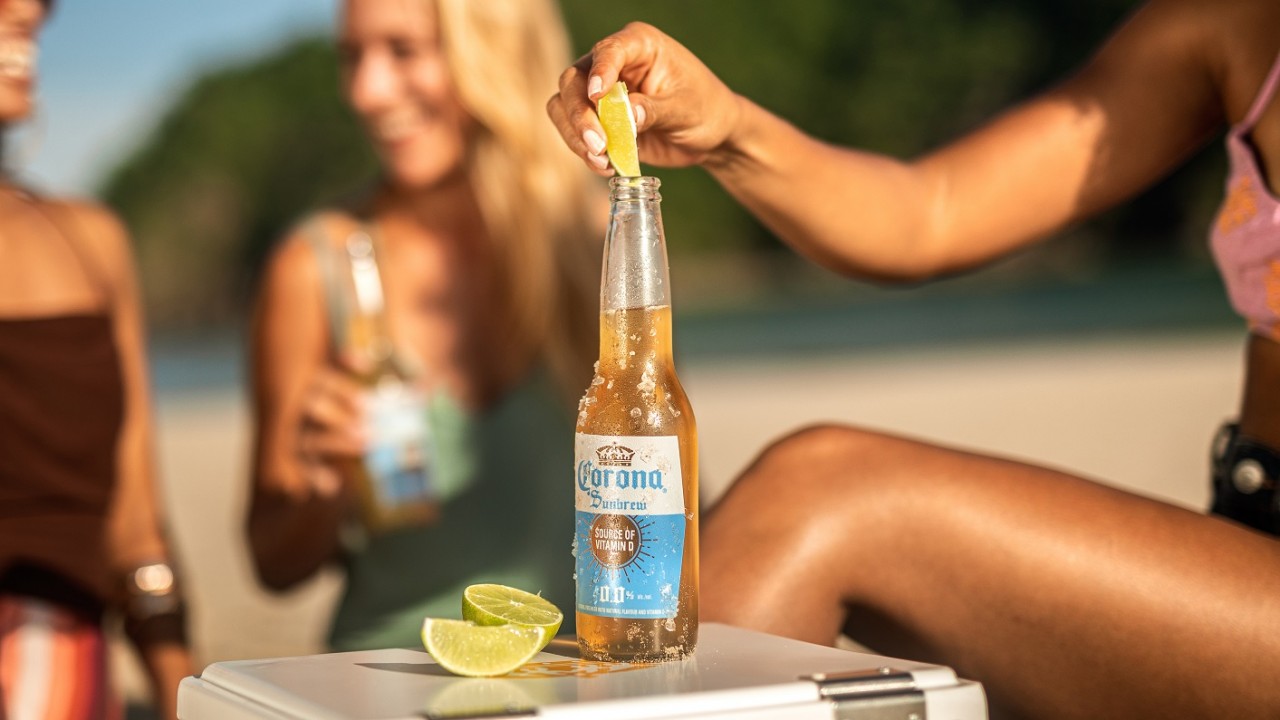
    Today, global beer brand Corona is proud to announce the worldwide launch of Corona Sunbrew 0.0%. This innovative, first-of-its-kind, non-alcoholic beer contains 30 percent of the daily value of vitamin D per 330 mL serving in Canada. As the newest member of the Corona family, a brand that celebrates getting outside and enjoying life in the sun, Corona Sunbrew 0.0% allows consumers to have “Sunshine, Anytime” every season.

    “As a brand that was born on the beach, Corona embraces the outdoors in everything we do, because we believe that outside is where people best disconnect and relax. The feeling of the sun is one of the things that people love most about the outdoors and the Corona brand is always innovating to remind them of that feeling,” said Felipe Ambra, Global Vice President for Corona. “Now, we’re excited to offer consumers Corona Sunbrew 0.0%, the first non-alcoholic beer with vitamin D, reinforcing our desire to help people reconnect to nature, anytime.”

    According to IWSR, the global no/low alcohol category total volume is forecasted to grow by 31% by 2024. Corona Sunbrew 0.0% provides consumers looking for a non-alcoholic beer with a unique new option. Corona Sunbrew 0.0% contains 30 percent of the daily value of vitamin D in Canada and 60 calories per 330 ML serving.

    Corona Sunbrew 0.0% maintains Corona’s essence; it was developed from Corona Extra by extracting the alcohol and then blending the non-alcoholic beer with vitamin D and natural flavours to reach the final recipe. This launch also demonstrates AB InBev’s continued commitment to smart drinking to help reduce and prevent the harmful use of alcohol across the world.

    “After numerous and rigorous trials, Corona Sunbrew 0.0% proudly showcases our ability to find solutions, gaps, and opportunities for growth as a brand,” said Brad Weaver, Global Vice President of Innovation Research & Development for ABInBev. “The journey was not easy as vitamin D is sensitive to oxygen and light, and not easily soluble in water. But thanks to our ongoing investment in innovation and research and development, our team was able to create the only non-alcoholic beer with vitamin D, providing a unique opportunity in the market.”

    Corona Sunbrew 0.0% will be available to consumers in a few distinct phases. The global brand will first launch Corona Sunbrew 0.0% in Canada, precisely at the time of year where most Canadians experience limited sunlight, making it an ideal market to launch an innovation from a brand synonymous with the beach and celebrations outdoors. Later this year, Corona will extend the non-alcoholic product offering in the UK followed by key markets across the rest of Europe, South America, and Asia.

    Creative Agency DAVID Miami collaborated closely with Corona on the development of Corona Sunbrew 0.0% from its very inception, more than two years ago. As an ongoing brand partner, DAVID proactively presented the idea for Corona to develop a beverage containing vitamin D.

    “Each detail of the project is special. From the product ideation to the final campaign. It’s not every day that we have the chance to present a product idea and have an innovative client like Corona buy, develop and take it to the next level. A true collaborative effort,” says Pancho Cassis, Global Chief Creative Officer at DAVID.

    To help support the launch of Corona Sunbrew 0.0%, Corona will unveil a new creative campaign capturing the enjoyment of “Sunshine, Anytime.” A compilation of scenes filmed on a pristine beach in Costa Rica presents the pleasure of outdoor living and the boundless positive energy of the sun. The new Corona Sunbrew 0.0% campaign taps into the feeling of being carefree and relaxed. The 360-degree integrated marketing campaign, created by DAVID Miami and Director Juan Cabral, inspires consumers to enjoy the Corona lifestyle, which is best experienced with sunshine.

  • Japan eases blanket ban on new incoming flights

    Japan eases blanket ban on new incoming flights

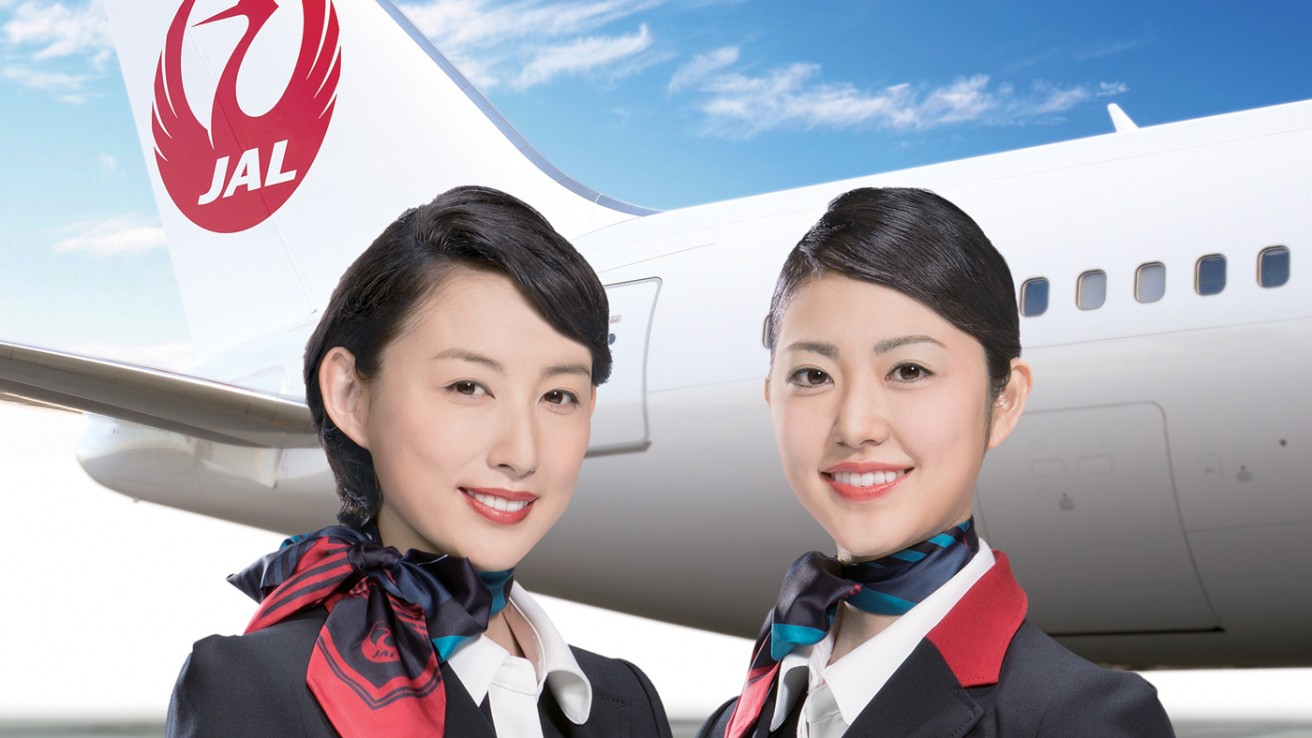
    Japan has softened its suspension of all new incoming flight bookings to make it easier for citizens to return, the government said Thursday, a day after it announced the move prompted by worries about the Omicron coronavirus variant.

    The transport ministry abruptly said Wednesday it was asking airlines to stop taking all new incoming flight reservations for a month, in a surprise move affecting citizens and foreign residents.

    But on Thursday, government spokesman Hirokazu Matsuno said it would be amended.

    “This request caused confusion among those affected and so the prime minister instructed the transport ministry to examine the issue and consider the needs of Japanese citizens hoping to return home,” he told reporters.

    As a result, the ministry “asked airlines to cancel the blanket suspension of new reservations for international flights to accommodate Japanese hoping to return home”, he added.

    Japan has had tight border restrictions throughout the Covid-19 pandemic, barring almost all foreign arrivals.

    It had begun to ease those rules slightly last month to allow some students and business travelers entry, but reversed that decision after the emergence of the Omicron variant.

    It has also barred all non-citizens from entering the country if they are coming from 10 southern African countries.

    All arrivals in Japan must quarantine for 14 days at home, with people coming from dozens of locations required to spend between three and 10 days of that two-week period in designated facilities.

  • Cebu Pacific 2nd PH airline to ban citizens from countries with new coronavirus variant

    Cebu Pacific 2nd PH airline to ban citizens from countries with new coronavirus variant

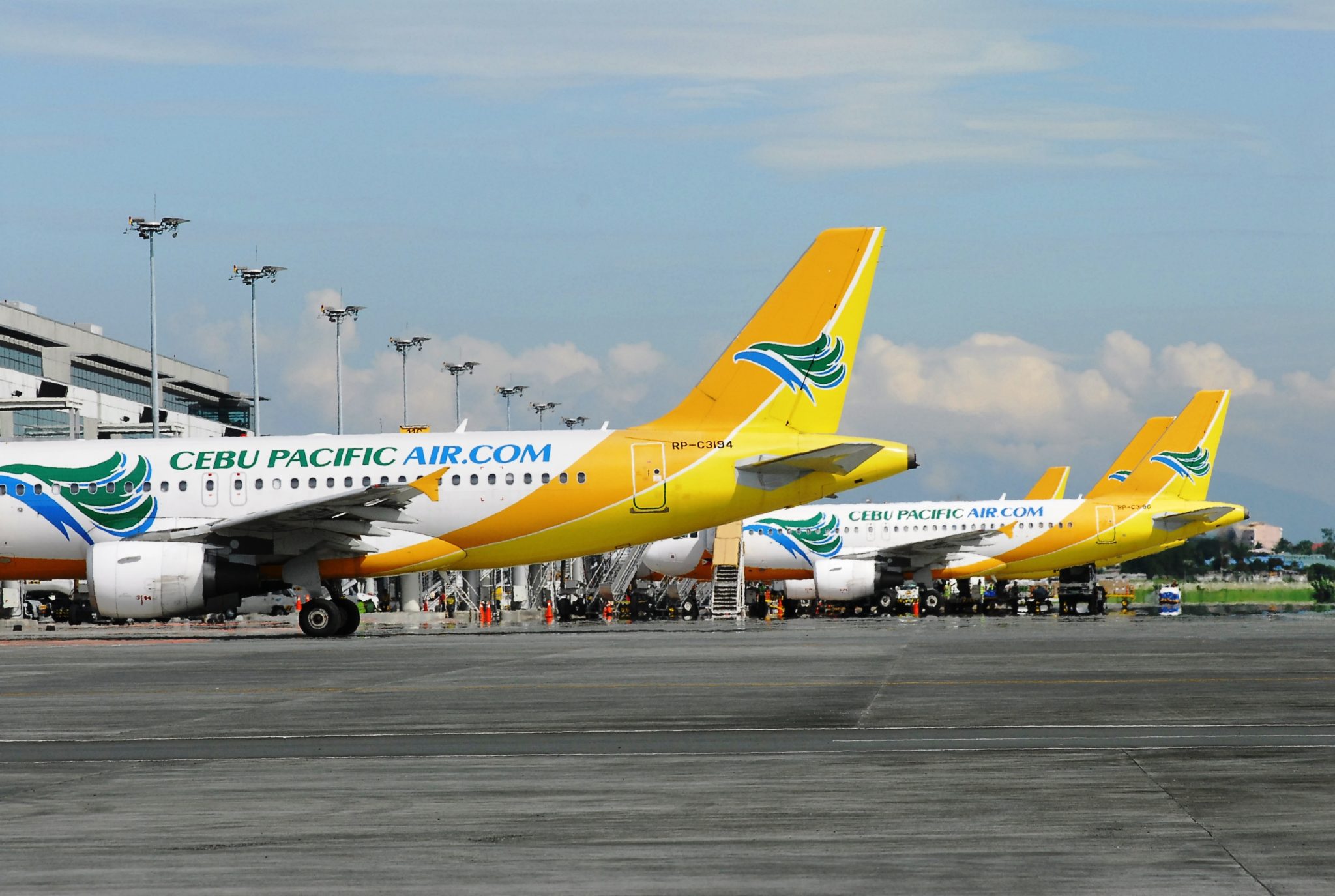
    Cebu Pacific Air said it will stop carrying foreigners coming from countries included in an expanded travel ban amid the appearance of a new coronavirus variant.

    Cebu Pacific added it will allow only Filipino citizens on its flights from Hong Kong, Nagoya (Japan), Singapore and Seoul (South Korea).

    “CEB will not accept foreign nationals who originated from, transited via, or visited within 14 days prior to arrival in the Philippines, any of the 20 countries specified in the IATF resolution,” Cebu Pacific said, referring to the Inter-Agency Task Force Resolution No. 91.

    The IATF resolution said the ban will run from Dec. 30 this year through Jan. 15, 2021.

    The countries are Denmark, Ireland, Japan, Australia, Israel, the Netherlands, Hong Kong, Switzerland, France, Germany, Iceland, Italy, Lebanon, Singapore, Sweden, South Korea, South Africa, Canada, Spain and the United Kingdom.

    Cebu Pacific said affected passengers may avail themselves of free rebooking within 90 days, a full refund or make use of its travel fund, which is valid for two years.

  • California’s New Coronavirus Curfew Does Not Apply To Tesla Workers

    California’s New Coronavirus Curfew Does Not Apply To Tesla Workers

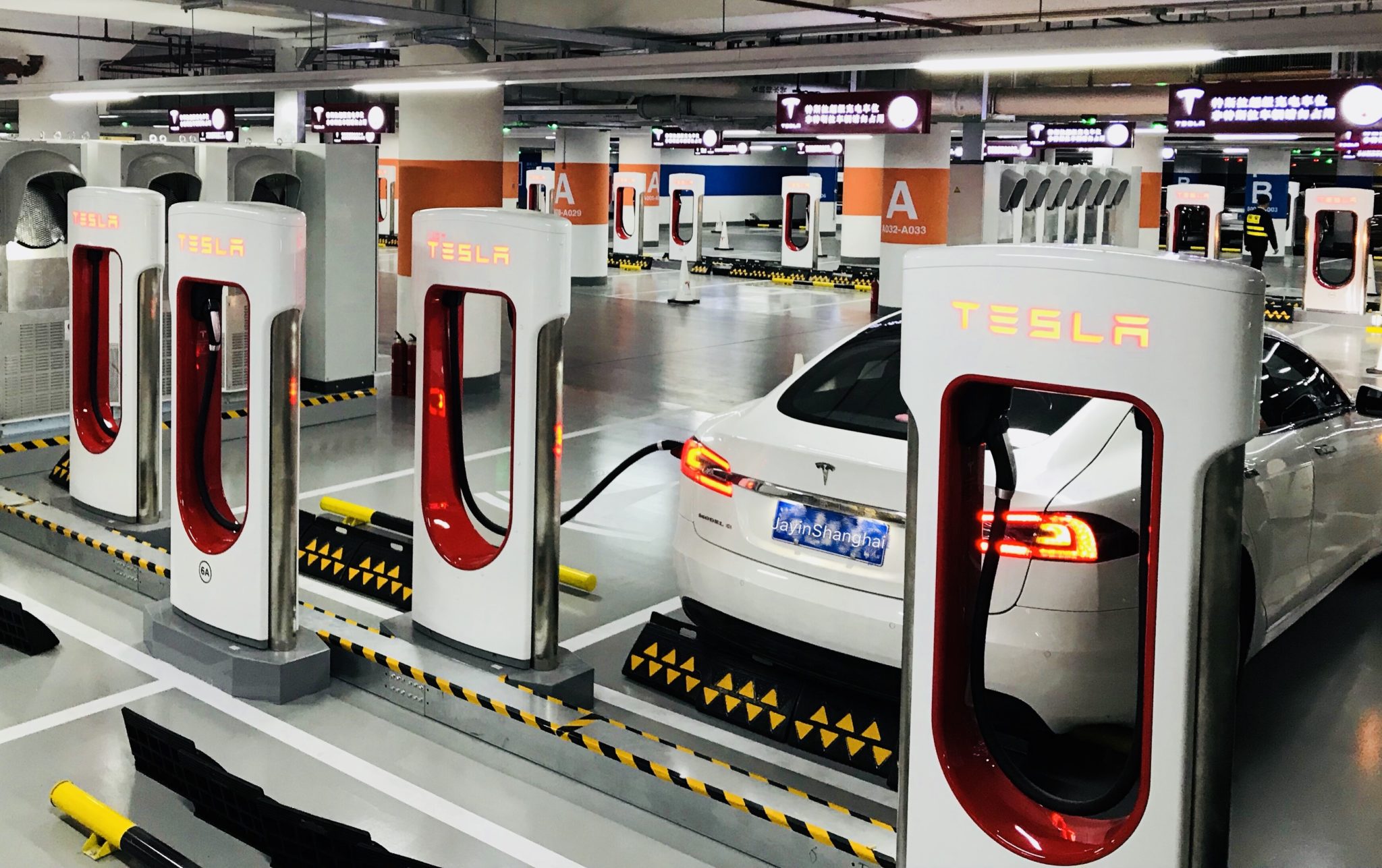
    Workers at Tesla Inc’s California vehicle factory are deemed essential and are not impacted by the state’s latest restrictions to curb a new surge in coronavirus infections, the California health department said on Friday. Tesla and local California officials in March engaged in a heated months-long standoff over restrictions imposed to curb the first wave of infections, which culminated in the company’s chief executive, Elon Musk, defying health orders, suing local officials and threatening to leave the state. California’s governor on Thursday imposed a curfew on social gatherings and other nonessential activities

    Beginning on Saturday, the stay-at-home order prohibits non-essential business from 10 p.m. until 5 a.m. each day and applies in the majority of the state’s counties, including Alameda County, where Tesla’s factory is located.

    Workers at Tesla Inc’s California vehicle factory are not impacted by the state’s latest restrictions to curb a new surge in coronavirus infections.

    Asked whether the order applied to workers at Tesla’s Fremont factory, the California Department of Public Health in a statement said it did not apply to employees deemed essential workers, with manufacturing listed as an essential workforce.

    “The Critical Manufacturing Sector identifies several industries to serve as the core of the sector including Transportation Equipment Manufacturing Products,” the office said.

    CNBC first reported on the health department’s policies. Under California law, local counties can impose more restrictive measures than mandated by the state. Alameda County on Friday did not immediately respond to a request for comment.

    In a statement on Monday the county’s health department said it was following state guidance, but may act to restrict activities beyond the state’s requirements.

    During the initial virus outbreak in March, local officials ordered Tesla to halt production and Tesla’s factory remained shut down for roughly six weeks. Billionaire Musk in early May defied county orders by reopening the factory, telling county officials he stood ready for arrest.

  • Pomelo roams from fashion label to multi-brand environment

    Pomelo roams from fashion label to multi-brand environment

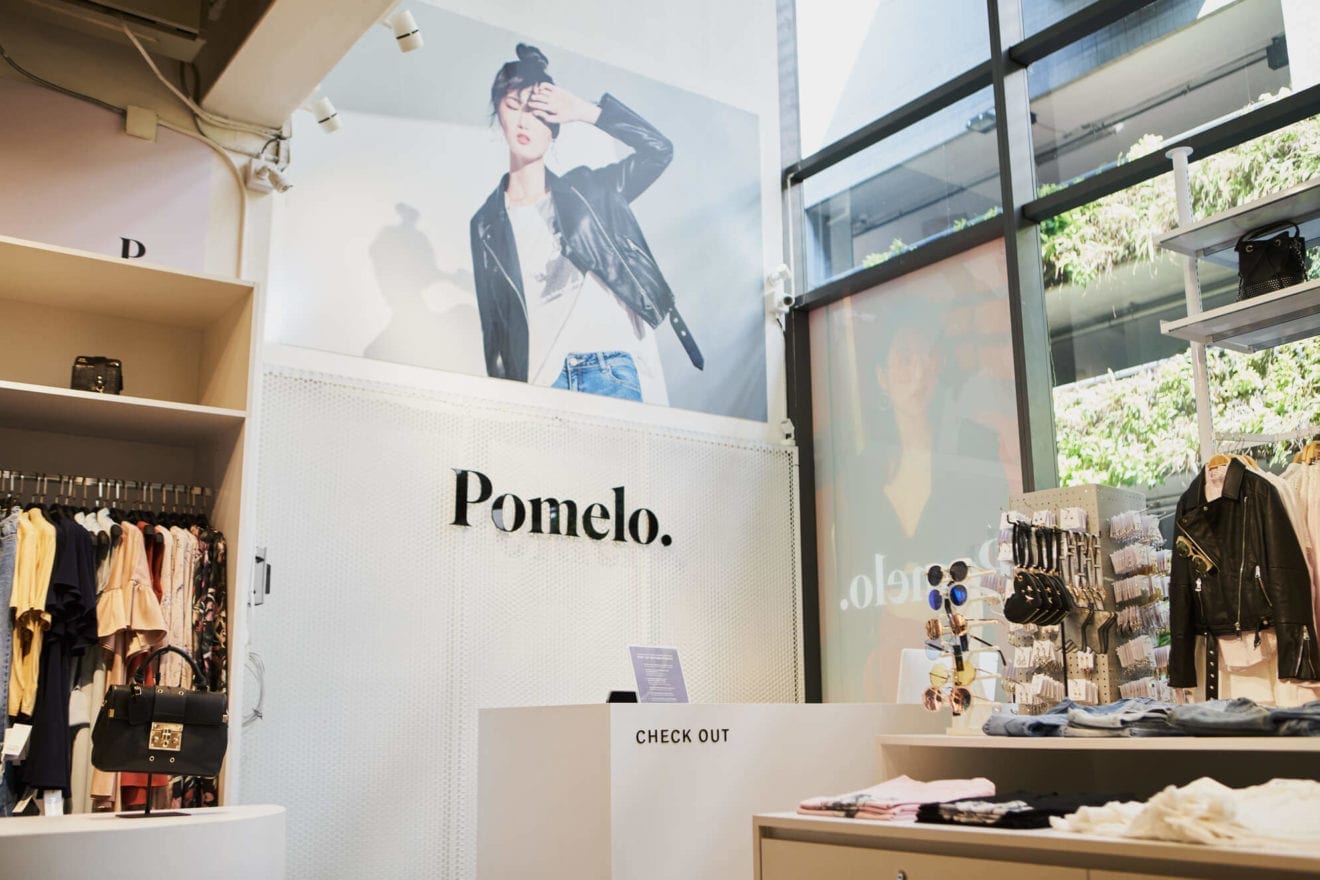
    Thai-based omnichannel fashion platform Pomelo has launched a redesigned version of its online platform which features multiple brands.

    Besides offering in-app exclusive live streaming, the new app houses more than 100 brands on its Thai version, including Vans, Converse, L’Occitane, and local brands such as Rally Movement and Matter Makers.

    But the company told Inside Retail Asia it will continue to design and release its own Pomelo range as well.

    Pomelo, which is building a footprint across Southeast Asia, plans to expand its expanded multibrand selection into other markets next year.

    The new app has a feature called Tap Try Buy, previously called Pomelo Pick Up, which allows customers to order items online through the app or website, select a store or partner location to try on their selected items, and only pay for only what they choose to keep. Tap Try Buy orders already make up almost half of the retailer’s online orders, a percentage that has grown during the Covid-19 crisis.

    Overseeing the new multi-brand direction is Alexandra Schonfrucht, newly appointed former Zalando and JD Sports executive, who is now Pomelo’s global head of third party brands.

    “We’re thrilled to welcome Alexandra to the Pomelo team as we enter this next phase of growth as a multi-brand platform,” said David Jou, CEO, and founder of Pomelo. “We’re continuing to build a diverse brand portfolio to provide the best omnichannel experience for our users.”

    The new app also incorporates Pomelo’s new branding elements including a refreshed logo.

  • Start-ups in APAC brace for coronavirus bruising

    Start-ups in APAC brace for coronavirus bruising

    In 2013, Simon Loong launched Hong Kong fintech WeLab using a small loan — just four years later the business was profitable. As one of the leaders of the second FT Asia-Pacific High Growth Companies ranking, WeLab’s story is testament to the favorable business conditions that start-ups in Asia can enjoy. WeLab, an online platform that offers users a range of services including loans, already had a presence in Hong Kong and mainland China. In 2018 it entered Indonesia via a joint venture with a local conglomerate.

    The resultant Maucash platform acquired more than 600,000 registered users in its first year of operations — a faster user growth rate than when it entered mainland China in 2014. Its momentum to this point reflects how the Apac region’s youthful population — which in places like India and Indonesia is chronically “underbanked” or lacks access to financial services entirely — is moving online, boosting companies like WeLab that are eager to meet their needs. Little wonder, then, that once again technology businesses along with fintech and eCommerce overwhelmingly dominate this year’s list, together accounting for more than 30 percent of the 500.

    Indonesia, meanwhile, contributed just two companies to the list, yet both of them — Fabelio, an online furniture retailer, and Bukalapak, a digital marketplace — rank in the top 20. In terms of cities, Singapore overtook Tokyo this year for having the largest number of high-growth companies (74), followed by the Japanese capital (69) and Sydney (34). Singapore’s “good ingredients” have made it a favored destination for both domestic entrepreneurs and those from the wider region, says Patrick Yeo, a partner at PwC who advises businesses locating in the city-state. “Singapore is the headquarters for these companies but the operations from which they derive their revenue are not necessarily all from there,” he adds.

    Many start-ups have not experienced what it is to have forward estimates go up in smoke Michael Joseph, Ion Pacific One such example is ride-hailing company Grab, which moved its headquarters from Malaysia to Singapore in 2014. The city now acts as a base from which it serves other markets in south-east Asia. Grab ranks 20th, with a 2015-18 CAGR of 233 percent. The business, which is backed by SoftBank and was valued at $14bn before the pandemic, is also a company that its western counterparts are looking to for ideas. The company launched its original ride-hailing app in 2012, with the aim of becoming the Uber of south-east Asia. It has since widened its offering beyond simply getting people “from A to B”, says Ming Maa, Grab president.

    It now offers loans, and grocery and laundry delivery. “The more services a customer uses, the more revenues we are able to generate.” Now, it seems, US rival Uber is imitating the “super app” strategies of Grab and Indonesia-based Gojek. Uber chief executive Dara Khosrowshahi last year declared he wanted “Uber to be the operating system for your everyday life”. Gojek, as with some other Asian companies valued above $1bn such as Indonesian e-commerce player Tokopedia, declined to be featured on the list. Some companies did not want to make their figures public or chose not participate for other reasons.

    Pandemic fallout Even before this crisis, growth had begun to show signs of slowing for some companies since 2018. Bukalapak’s app download figures on Apple and Android devices halved between January and December 2019, from about 1.4m to 692,000, according to data from Sensor Tower. Asia has historically been effective at building online marketplaces such as Grab’s “superapp” model and such ventures will face less pressure than smaller start-ups during the coronavirus-led downturn, says Jonathan Woetzel, Asia-based director of the McKinsey Global Institute.

    “There will be volatility. Does that translate into massive bankruptcies? I do not see that, certainly not for larger ones at this stage,” he says. Editor’s note The Financial Times is making key coronavirus coverage free to read to help everyone stay informed. Find the latest here. WeLab’s online lending platform in Hong Kong, WeLend, has seen an increase of about 36 percent in application volumes in March compared with the same month in 2019. Yet Mr Loong cautions that WeLab is bracing for a hit to China and Hong Kong’s economies, which could affect customers’ ability to repay those loans.

    WeLab said it was being “prudent” with the increase in applications, which were coming from a wide range of age groups and industries. Many entrepreneurs in India and south-east Asia are facing their first real recession and test of their business models, notes Michael Joseph, managing partner of Asia-based asset manager Ion Pacific, which invests in the venture capital secondary market. “Many of the start-ups in south-east Asia are run by teams that . . . have not experienced, first-hand, what it is to have your forward estimates go up in smoke in the way that the dotcom bubble bursting and the global financial crisis caused pain for start-ups earlier in the millennium,” he says.

  • Vestiaire Collective launches coronavirus charity sale

    Vestiaire Collective launches coronavirus charity sale

    Vestiaire Collective, the online platform for pre-owned luxury fashion, has launched a charity sale to support the fight against coronavirus.

    Vestiaire Collective has partnered with more than 50 influential celebrities, including Kate Moss, Rachel Weisz, Thandie Newton, Anna Dello Russo and Charlotte Tilbury, to offer luxury pieces from their wardrobes.

    Some items were already sold on the first day of the sale such as leopard print faux fur coat from Kate Moss or a Penny Packham maxi dress from Charlotte Tilbury.

    “We’re doing everything we can to combat the effects of the virus with our community, and to help fight it with charity fundraising,” the company said in a statement.

    According to the company, all proceeds from the sale will be used to support hospitals and scientific researchers working on coronavirus, including the World Health Organization, the Italian Lombardia Region Fundraising, the France/Paris Hospitals Foundation and Madrid’s La Paz Hospital.

    Founded in Paris in 2009, Vestiaire Collective now has more than 7 million members from more than 50 countries across Europe, the US, Asia and Australia, with 25,000 new items submitted every week.

  • More fashion companies join coronavirus fight

    More fashion companies join coronavirus fight

    Major international retailers are lining up to join the fight against the Covid-19 coronavirus outbreak.

    Swedish fashion retailer H&M has begun producing protective face masks intended for use by hospital staff initially in Spain and Italy, to be followed by other regions.

    “At this first stage, 100,000 face masks will be produced and ready for delivery on April 2,” said a spokesperson for the brand. “Half will go to Italy and half to Spain. It is a factory in China that makes the masks.”

    Meanwhile, Japanese fast-fashion casual wear brand Uniqlo will donate 10 million masks produced by its Chinese manufacturing partners to medical facilities around the world, with the majority headed for the US, Italy and Japan. The first 1 million masks were scheduled to be delivered to Italy this week.

    McDonald’s Philippines has pledged to serve 50,000 meals to medical health workers, volunteers, police, government agencies, and local communities affected by the disease. The distribution of the meals is being handled by partner agencies.

    “We continue to reinforce our commitment to make a difference in the lives of Filipinos by providing aid to Filipinos in need during this very challenging time,” said Ronald McDonald House Charities executive director Marie Angeles.

    In China, Hong Kong jeweler Chow Tai Fook has set up an in-house face mask production line in its dust-free T Mark diamond processing factory in Lunjiao, Shunde. The facility has been operating since mid-March and produces around 100,000 masks per day.

    The masks are being given as a priority to the group’s employees globally, with donation for charitable purposes to be considered once productivity increases.

    “Anti-epidemic materials are short in supply under the global outbreak”, said Chow Tai Fook executive director Bobby Liu. “To take good care of more than 30,000 employees worldwide, the group has to secure an adequate supply of face masks for our staff to ensure they can return to work safely and worry-free. In response to this challenge, we shifted from global sourcing to producing our own face masks.

    “Contributing to fight against the outbreak, we plan to donate face masks to people in need through medical institutions or non-profit organizations once we ramp up our production.”

  • Facebook launches Messenger Coronavirus Community Hub

    Facebook launches Messenger Coronavirus Community Hub

    Facebook, just like many other big companies, are trying to ease the transition to social distancing by offering free services and products. But people need to stay informed about what’s happening in the world even when they’re self-isolating.

    In that regard, Facebook launched recently the so-called Messenger Coronavirus Community Hub, which offers users tips and resources that should help them stay connected to their friends, family, and community in general.

    The new Messenger Coronavirus Community Hub will also act as a tool to prevent the spread of misinformation, as it explains how people can recognize and avoid scams and fake news. Beyond that, Facebook’s new hub is about serving its users as they try to maintain their communities and social connections even when they can’t be together in real life. On top of that, you’ll be able to find accurate and reliable information about COVID-19 developments, as well as tips to help you prevent the spread of fake news.

    Last but not least, the Messenger Coronavirus Community Hub will also act as a communication bridge between important organizations like WHO (World Health Organizations) and CDC (Centers for Disease Control) with Facebook’s developer partners with the purpose of helping these organizations to share information more effectively.
  • New Google Maps feature is designed for those who fear that they have been infected

    New Google Maps feature is designed for those who fear that they have been infected

    We often wonder whether Google has a room where it keeps several developers locked inside. Inside is a whiteboard and those locked inside cannot leave until a new feature is developed for Google Maps. The latest addition to the app is related to the current coronavirus pandemic. The Center for Disease Control (CDC) in the U.S. has recommended that anyone who feels that they are exhibiting symptoms of coronavirus call their doctor first before driving to the hospital. This might prevent users who aren’t ill from coming down with the dread disease. And it also could help to take some pressure off an already taxed hospital system.

    An update to Google Maps will now show a reminder when someone is using the app to search for a doctor or hospital. A rectangular box near the bottom of the screen has a heading that is printed in red to catch the attention of a Maps user. It says COVID-19 alert. Then, in black type, the message says “Call your doctor before visiting if you may have COVID-19. Source: CDC.”

    Google is also trying to pass along legitimate information to the public while blocking misinformation, speculation, and outright fraudulent reports from worried and scared people around the world. Go to the Google Search app and type in coronavirus and you’ll see four tabs: Overview, Symptoms, Prevention and Treatments. An overview will show you the latest news about the virus from reputable media organizations. Symptoms provide a rundown of COVID-19 symptoms from the World Health Organization (WHO) and also lists some top stories. Prevention mentions several tips that are supposed to keep users from contracting coronavirus, and Treatments explains that there currently are none for COVID-19.

    WhatsApp also is looking to inform users with information from a reliable source. Text “Hi” to +41 79 893 1892 on the app and you’ll receive some information about the coronavirus via text. Additionally, if you open your mobile browser and go to whatsapp.com/coronavirus, scroll down to the section with the heading “Choose reliable sources of information.” There you will find a link to the World Health Organization (WHO). If you have WhatsApp installed on your phone, clicking on the WHO link will open a chat platform. This might help users get a better grip on what really is happening on the front line. Keep in mind that the chat does not connect the user with an actual MD so the platform cannot be used for diagnostic purposes.

    The Director-General of the WHO, Dr. Tedros Adhanom Ghebreyesus, has nothing but praise for Facebook and its WhatsApp messaging app. The doctor says, “Digital technology gives us an unprecedented opportunity for vital health information to go viral and spread faster than the pandemic, helping us save lives and protect the vulnerable. We are proud to have partners like Facebook and WhatsApp, that are supporting us in reaching billions of people with important health information.”

    Facebook announced yesterday some other initiatives it is taking during this crisis. Number one on the list is to make sure that everyone has accurate information. That seems to be at the heart of everything that the company is doing when it comes to the coronavirus. Facebook is also removing posts with misinformation and harmful content including those that seek to exploit the crisis by touting fake cures or selling items in short supply for jacked-up prices. The social media company is supporting global health experts and relief efforts by making donations and giving reputable organizations free ads. And by promoting ways that people can connect via WhatsApp and making investments to small businesses, Facebook is supporting local governments, communities and businesses.

  • Updated Siri will screen you for the coronavirus

    Updated Siri will screen you for the coronavirus

    Apple has updated Siri so that she can perform a quick- and dirty screening to see if you need to contact your doctor in the face of the coronavirus pandemic. The update seems to have been disseminated today as iPhone users started to notice this new feature on Saturday. To get started, all you have to do is say, “Hey Siri, do I have coronavirus?” While it is not a pleasant question to ask, it does tell Siri that you want her to screen you

    If you tell Siri that you want to be screened by her, she will then ask whether you have a dry cough, a fever or shortness of breath. You can answer “Yes,” “No,” or “Not Sure.” If you answer “No,” you will be then asked whether you have been in close contact with someone who tested positive for the disease. Once again, the three options are “Yes,” “No,” or “Not Sure.” Depending on your response, you might be told that you’re at lower risk to be infected but need to remain vigilant for symptoms such as a fever, dry cough, or shortness of breath.

    Siri will also remind you to wash your hands for 20 seconds (sing the Happy Birthday song to yourself two times), and avoid close contact with people outside your household. Siri also wants you to know that you might not feel sick but you could still be carrying COVID-19 and spreading it to others. If your answers give Siri a reason to feel alarmed, she will ask whether your symptoms are extreme or life-threatening. If you answer in the positive, Siri will be ready to call emergency services (911) for you. If you answer with a negative response, Siri will tell you to stay home, avoid contact with others, and contact a doctor if the symptoms get more severe. At the end of the screening, Siri offers a link to the website for the Center for Disease Control (CDC.gov).

    Earlier today, we told you about the new Google Maps feature that shows a reminder every time you search for a doctor or hospital using the app. A box appears near the bottom of the screen that reminds you to call your doctor before driving to the hospital if you think you have COVID-19. And if you go to Google Search and tap in coronavirus, special tabs appear that will keep you up to date on the latest news, information, and more from reputable organizations. All major social media companies are trying to prevent fake news from being spread all over their platforms. Phony cures can do plenty of damage, and misinformation can lead to fear and panic. And the last thing we need to do right now is panic.

    The Siri screening is available only in the U.S. and it isn’t known whether Apple has plans to expand it overseas. According to Apple, the answers that Siri gives out for the screening come from the U.S. Public Health Service (a division of the Department of Health and Human Services), as well as the Centers for Disease Control and Prevention (CDC).

    Ironically, the same government that has been investigating Big Tech for possible antitrust violations and for growing too big and unwieldy, is now relying on the same companies to help get the country through this crisis. It seems that while conditions in China are slowly improving, the rest of the world has yet to see a peak in the number of cases. This can be seen easily through Apple’s decision to reopen all 42 Apple Stores in China while closing its brick and mortar stores everywhere else.

  • Burberry sales down in wake of coronavirus

    Burberry sales down in wake of coronavirus

    Burberry sales have declined by between 40 percent and 50 percent during the last six weeks as the coronavirus crisis takes its toll on retail.

    And in a statement released to the market, the company says it expects the figures to get even worse in the future, falling by up to 80 percent.

    “Since our February update, the material negative effect of COVID-19 on luxury demand has intensified and is now impacting the industry in all regions,” said Burberry CEO Marco Gobbetti. “Our primary concern is the global health emergency and we continue to take every precaution to help prevent the spread of the virus and ensure the safety and wellbeing of our employees, partners and customers. We are implementing mitigating actions to contain our costs and protect our financial position, underpinned by our strong balance sheet,” he said.

    “We remain confident in our strategy and the strength of our brand and I am exceptionally proud of our teams’ resilience and commitment.”

    The decline in Burberry sales in January was largely restricted to Asian markets, but since then, business in Mainland China has started to improve with most of the brand’s stores reopened, while sales in Europe, Middle East and Africa (EMEIA) have fallen materially.

    More than 60 percent of Burberry’s stores in EMEIA and 85 percent of stores in the Americas are currently closed.

    The firm now anticipates its fourth-quarter retail-store sales to be down by roughly 30 percent year on year.

  • Ferrari To Close Plants In Italy For Two Weeks In Coronavirus Response

    Ferrari To Close Plants In Italy For Two Weeks In Coronavirus Response

    Luxury carmaker Ferrari said on Saturday it closed its two plants until March 27 in a response to the coronavirus outbreak in Italy and an emerging shortage of parts.

    Ferrari adds to a string of Italian manufacturers that have closed plants or slowed production rates in response to the virus emergency, threatening to disrupt Europe’s struggling automotive industry.

    Ferrari said in a statement it had so far ensured production continuity, as it already implemented all the health measures decided by the Italian government at the two sites, located in hometown Maranello and in Modena, in the northern Emilia Romagna region.

    France, Spain on lockdown over coronavirus

    France and Spain will close most shops, restaurants, and entertainment facilities and are encouraging people to stay home as the countries combat the coronavirus epidemic in Europe. The sweeping changes come as U.S. President Trump on Saturday extended

    However, it added the company was “now experiencing the first serious supply chain issues, which no longer allow for continued production”.

    Premium brakes maker Brembo, whose clients include Ferrari, said on Friday it would temporarily close its four Italian plants next week.

    All non-manufacturing activity will continue regularly, through smart working, Ferrari said.

    A source close to the matter said the company will adopt further measures during the closures period, including sanitization of the sites’ areas and added that no contagion cases were recorded among Ferrari’s workers to date.

    Italy agreed a series of measures on Saturday to improve health controls in factories, offices and other workplaces that have been allowed to stay open during the country’s coronavirus lockdown.

    Ferrari’s workers will continue to receive their full salary and will not be requested to use their day-off allowance during the closure period, the source said.

    Chief Executive Louis Camilleri said Ferrari took the decision to close its plants out of respect for its workers, “for their peace of mind and those of their families”.

    Earlier this week carmaker Fiat Chrysler and industrial vehicle maker CNH Industrial said they were temporarily halting operations and slowing production rates at some of their Italian plants to comply with the government’s anti-coronavirus requirements.

    Tyremaker Pirelli said it was cutting production at its Settimo Torinese plant, near Turin, after a worker tested positive for the coronavirus.

    Ferrari said its Formula One team Scuderia Ferrari had also suspended its operational activities.

  • Ford To Shut Spanish Factory For One Week Due To Coronavirus Outbreak

    Ford To Shut Spanish Factory For One Week Due To Coronavirus Outbreak

    Ford said on Sunday it would shut its Spanish plant in the eastern region of Valencia for one week starting on Monday after three employees tested positive for coronavirus.

    “We have had three positive cases of COVID-19 in the Ford Valencia plant in the past 24 hours,” the company said, adding it was following protocol by isolating all employees that had contact with the infected workers.

    The Ford Endeavour recently underwent a substantial update. We get our hands on the updated SUV to find out if it still lives up to the benchmarks of the brand.

    The plant, one of Ford’s largest outside the United States, employs over 7,000 workers and produces over 400,000 vehicles a year including the Mondeo and Galaxy models.