Retail News CRM

Tag: corona

  • HKTV Mall sets records as Hongkongers move online during coronavirus crisis

    HKTV Mall sets records as Hongkongers move online during coronavirus crisis

    HKTV Mall has achieved the highest monthly turnover of its six-year history in the wake of the coronavirus crisis.

    In a personal post on social media, HKTV Mall CEO Ricky Wong said the e-commerce company achieved sales of HKD482 million (US$62 million) last month, compared with HKD179 million ($23 million) in February last year.

    As Hongkongers choose to self-isolate and avoid crowds, constantly rising demand for daily essential supplies is fuelling a new wave of online shopping in the territory. Orders have surged year on year from an average of 12,300 a day to 32,600.

    During the initial days of the coronavirus outbreak in January, the epidemic sparked momentum for online shopping with HKTVmall experiencing a 64.7-per-cent uptick in its average orders to 22,400 a day. However, customers were met with prolonged waiting times for both end-to-end delivery and self pick-up, which prompted the retailer to expand its click-&-collect network to more than 100 additional locations in partnerships with various retail chains. This included HKTV Mall’s own O2O shops, its mobile pick-up trucks and other merchants’ pick-up points across the city.

    In a LinkedIn post, Wong said the company’s recent success was attributable to its ability to adapt during moments of crisis and said he hopes “all retailers in Hong Kong will take this opportunity to change their mindset and mode of operation to make more use of technology to alleviate pressure from landlords”.

    HKTV Mall now reigns as the top local operator in the market, despite facing tough competition with Alibaba and JD.com in the past, as local consumers favored cross-border shopping due to its low pricing. And, since the protest movement began last year, many locals have opted to boycott China businesses helping HKTV Mall to rise through the ranks. Wong’s pro-democratic stance helped the brand as well.

    HKTV Mall was one of the first local companies to source surgical masks as the city faced shortages early on in the coronavirus crisis. Wong bought a face mask machine at his own expense, paying four times its normal cost at US$200,000 (HK$1.56 million) and sourcing raw materials from a supplier in Taiwan in order to produce more than 1 million masks in just 30 days.

    The empathy the retailer showed towards Hong Kongers has since earned the brand top spot among local consumers on YouGov’s Brand Index, reflecting positive affiliation.

    Hong Kong has always been slow to adopt e-commerce given the city’s compact nature, rendering online shopping unnecessary, to say the least. Revenue from e-commerce only makes up 11 percent of Hong Kong’s total retail spend (SCMP, 2018) and only a quarter of Hong Kongers shop online (eShopworld, 2018) despite a high internet penetration. However, there is good growth potential in the digital space as it is forecast to expand at a CAGR of 10.2 percent by 2021 (China Daily, 2017).

    The epidemic has propelled changes in consumer behavior and accelerated adoption, although has left many single-channel retailers under pressure due to the absence of a digital presence. However retailers has been alert and responsive to the opportunity as we’ve witnessed many partnerships come to fruition between online platforms and local merchants to achieve quick turnarounds, such as Pandamart’s 15-minute deliveries with local traders, and ticketing system The Gulu, partnering with Sasa and Japan Home Centre in the distribution of masks.

  • Twitter cracks down on hate speech with new policy

    Twitter cracks down on hate speech with new policy

    Twitter is taking a sharper stance against the multitude of hate speech finding its way onto the platform with a stricter set of policies that go into effect now.

    As with any social media platform, it isn’t difficult to find any number of controversial or bigoted messages on Twitter. The platform evidently recognizes that such hate speech is a significant issue in our society that doesn’t just end at digital prejudice.

    Twitter took to its company blog to update its users on new policies, which are focused on three types of bigotry, which are described as “dehumanizing”. These include hateful speech based on age, disability, and disease.

    For example, Twitter says it will remove messages that claim disabled individuals are not human, or that certain age groups don’t deserve rights. Accounts linked to these Tweets may also be suspended.

    These policies seem quite timely in the midst of the novel coronavirus outbreak, which has unfortunately caused a surge in racism and xenophobia. It’s also worth noting that Twitter has already taken action against hate speech in other topics, such as race, religion, and others.

    Twitter’s new policies take effect today, but Tweets will still need to be reported before being deleted. Previous Tweets that go against the guidelines are also required to be deleted, but Twitter has said no suspensions will take place for Tweets from the past.

    In any case, the new policies seem to be a positive step forward in making the Internet a better place for everyone.

  • South Korean carriers cut Vietnam flights as coronavirus infections spiral

    South Korean carriers cut Vietnam flights as coronavirus infections spiral

    South Korea’s largest carriers have decreased the frequency of flights to Vietnamese tourist hotspots over rising Covid-19 infections at home.

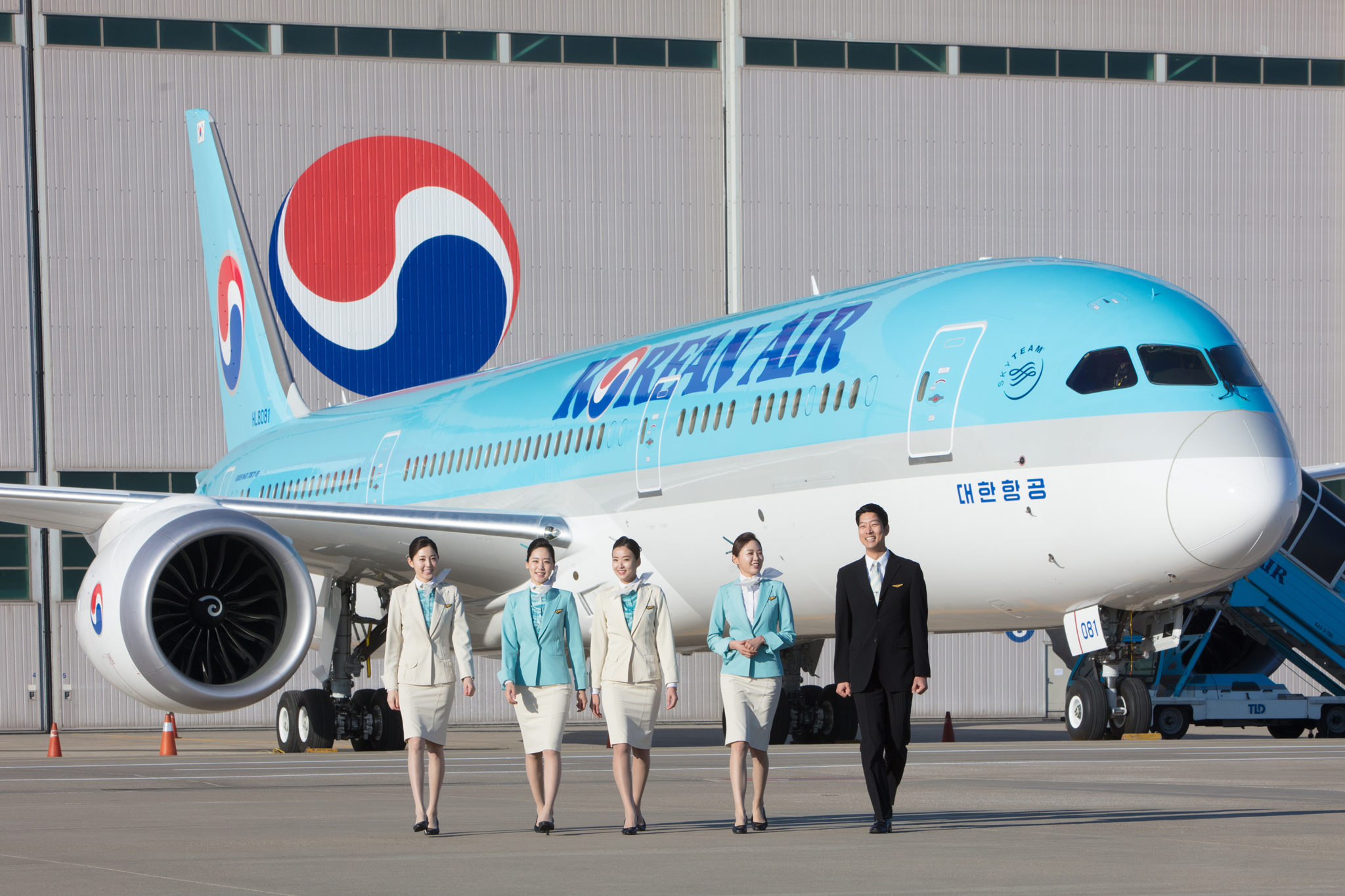
    Korean Air, the largest airline in South Korea, has announced that it will suspend many flights departing from Seoul and Busan to Ho Chi Minh City and Hanoi, Vietnam’s two largest metropolises, Da Nang and Nha Trang in central region and Phu Quoc Island in the south until the end of March.

    Asiana Airlines, the country’s second-largest carrier, has also canceled many flights from Incheon Airport in Seoul to Hanoi, Da Nang and Nha Trang at least until mid-March. This airline’s Incheon-Phu Quoc route will continue operations, but the frequency will be reduced from four flights a week to two.

    Korean Air normally operates 20 flights between the two countries a day, while Asiana Airlines has an average 4 flights a day. The two carriers did not reveal specific numbers of suspended flights.

    The flight suspensions follow the rapid spread of the novel coronavirus in South Korea, where more than 4,800 infections and 23 deaths have been recorded.

    Vietnam is a leading destination among South Koreans, ranked third after Japan and mainland China, according to Global Destination Cities Index (GDCI), released by Mastercard last year. South Korea is the second-largest feeder market of Vietnam’s tourism after China, with around 4.2 million visitors in 2019, up 23.1 percent year-on-year.

    Nha Trang and Da Nang are among top holiday destinations for South Koreans.

    The Covid-19 outbreak, with its epicenter in China, has severely cut the number of South Koreans traveling abroad, and Vietnam’s tourism sector has borne the brunt.

    Around 322,000 South Koreans came to Vietnam in February, down 16 percent from a year ago. Worse still, the number is expected to decrease dramatically in the coming months after the South Korean government declared a red alert, its highest level of epidemic alarm.

    The Vietnamese government, too, has deployed various measures to prevent the spread of the virus, including canceling many flights to South Korea and suspending visa-free entry for South Koreans starting last Saturday.

    In Vietnam, national flag carrier Vietnam Airlines has said it will suspend all flights to South Korea from Thursday while private carrier Bamboo Airways halted services to the country South Korea from February 26.

    Hanoi’s Noi Bai and Ho Chi Minh City’s Tan Son Nhat, Vietnam’s two largest airports, had stated they would stop receiving South Korea arrivals starting Sunday.

    Passengers scheduled to land in Noi Bai will have to do so at Van Don Airport in northern Quang Ninh Province, around four hours drive away, while those headed for Tan Son Nhat will have to travel a similar distance to Can Tho Airport in the Mekong Delta.

    This decision was taken after a large number of Vietnamese returning from South Korea overloaded medical quarantine facilities in both cities.

    All 16 people with Covid-19 recorded in Vietnam so far have been discharged from hospitals.

    Globally, the death toll has reached 3,069, mostly in mainland China, followed by Iran (66), Italy (52) and South Korea (34). The U.S and Japan which have reported six deaths each.

  • Google I/O 2020 is canceled due to the coronavirus

    Google I/O 2020 is canceled due to the coronavirus

    In a blog post-Google published today the company said, “Due to concerns around the coronavirus (COVID-19), and in accordance with health guidance from the CDC, WHO, and other health authorities, we have decided to cancel the physical Google I/O event at Shoreline Amphitheatre.” Google says that over the next few weeks it will look at various alternatives to the physical event so that it can stay in touch with its developer community. One possibility would be for Google to live stream a keynote via the Google I/O app.

    Those who purchased tickets to Google I/O 2020 will receive a full refund by March 13th. If your refund does not arrive before that date, Google suggests that you send an email explaining the situation to [email protected]. And if you have already registered for Google I/O 2020, you will not have to enter next year’s drawing for I/O 2021 tickets; instead, you will automatically be given the option of purchasing tickets for next year’s event.

    Traditionally, Google has introduced new features of the next Android build during the developer conference. And Google employees also hold talks with developers discussing different topics. Some of these sessions could also be live-streamed to developers.

    Facebook has already canceled its F8 developer conference scheduled for May and Microsoft has done the same for its 2020 Game Developers Conference which was supposed to take place this month. Apple’s WWDC 2020 developer conference, typically held in June, could also be at risk.

    Most companies are taking the safe route this year and with no end to the spread of the coronavirus in sight, we might see other events get canceled as well. IFA 2020 is scheduled to take place in Berlin from September 4th through September 9th. Half a year away, the show’s organizers still have some time to decide whether they need to pull the plug on this year’s event.

  • Shanghai Fashion Week to continue despite coronavirus threat

    Shanghai Fashion Week to continue despite coronavirus threat

    Shanghai Fashion Week organizers announced that the event will proceed after early fears it would be postponed due to the coronavirus outbreak.

    The organizers released a statement saying Shanghai Fashion Week will be held on the same dates earlier scheduled: March 24-30.

    Since the coronavirus crisis began in late January, Chinese fashion industry professionals have been unable to participate in fashion weeks held in London, Milan, and Paris. But they are expected to participate in the coming event where more than 100 Chinese designers and brands are expected to showcase their 2020 Autumn/Winter designs.

    Live Streaming is also expected to be used in marketing their Spring/Summer products.

    “We hope this new form will allow designers to try different ways to display their design and different channels to market and sell,” vice secretary of Shanghai Fashion Week committee, Lu Xiaolei said.

  • Coronavirus case confirmed in Samsung factory in South Korea

    Coronavirus case confirmed in Samsung factory in South Korea

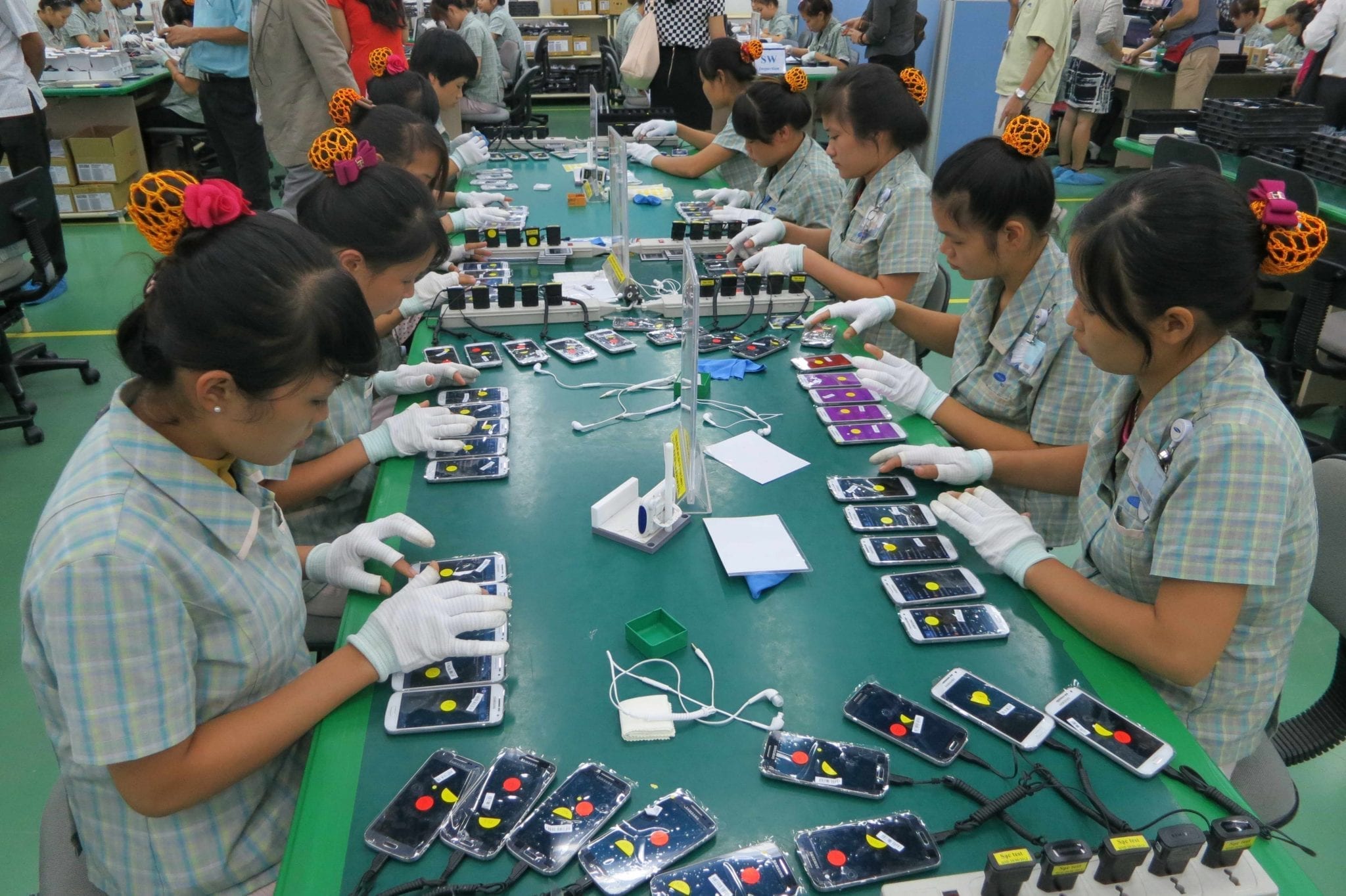
    We have been hearing news about different factories’ production struggles over the coronavirus outbreak for almost two months now. Unfortunately, on Saturday, Samsung temporarily closed one factory in South Korea over a confirmed case of the coronavirus, reports Reuters. Until now, Samsung has remained fairly unaffected by the public health crisis.

    The aforementioned factory complex is situated in the South Korean city of Gumi, close to the center of South Korea’s largest coronavirus outbreak (in the city of Daegu), where, reportedly, the cases of infected with the illness amount to around 433. However, the factory is responsible only for the production of a small portion of high-end phones, in particular the Galaxy Z Flip and the Galaxy Fold, primarily for the domestic market.

    The facility is to remain closed until Monday morning, while the floor where the infected employee worked will be shut down until February 25, Tuesday. Workers that came into contact with the employee in question are now in self-quarantine and will be tested for possible infection with the virus.

    Samsung states that production in other factories in South Korea will remain unaffected for now.

  • Changi Airport rents halved in wake of coronavirus outbreak

    Changi Airport rents halved in wake of coronavirus outbreak

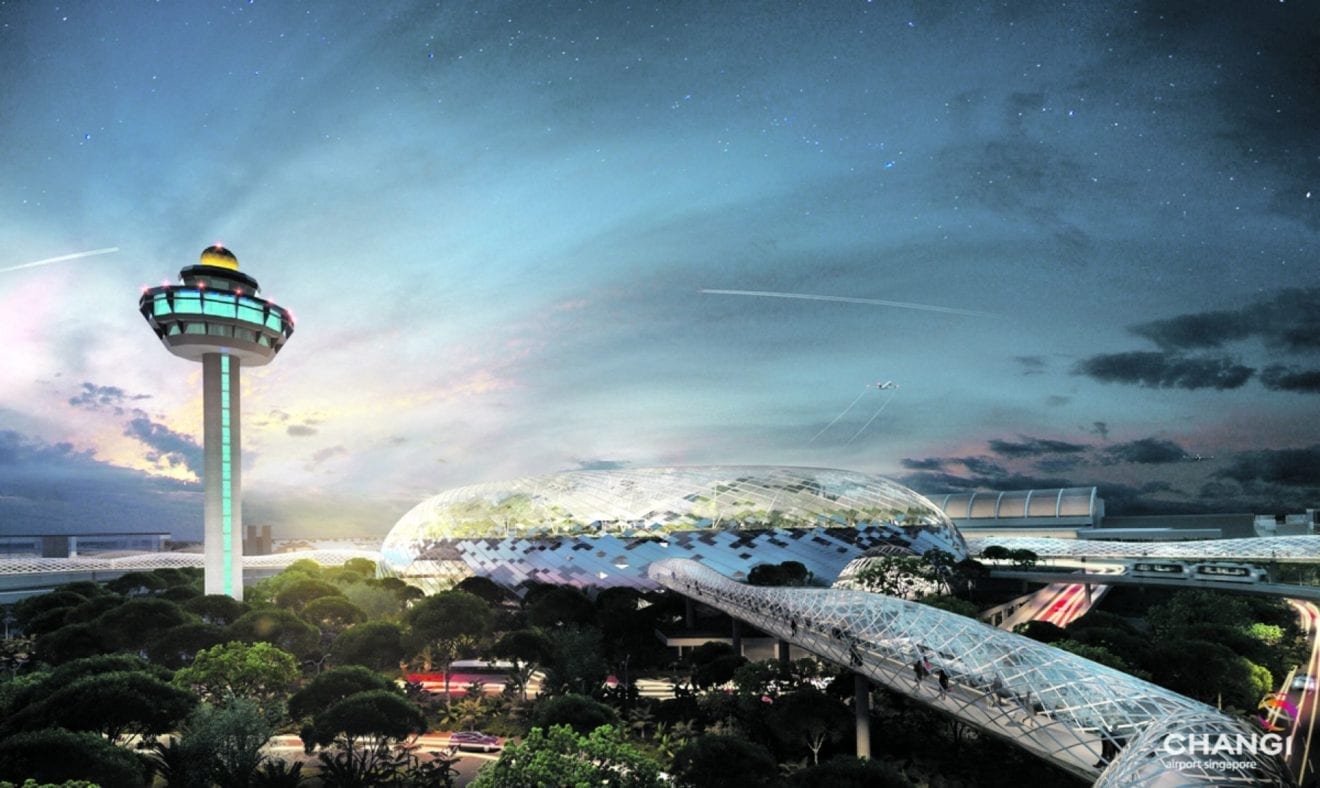
    Retailers at Singapore’s Changi Airport will be granted half-cost rents for six months, backdated to February 1 due to the impact on passenger movements resulting from the coronavirus epidemic.

    The Changi Airport rents rebate will cover more than 540 retail, F&B and service tenants at the airport who are facing a sharp drop in sales during the outbreak. Retailer operating hours will also be reduced at the airport, optional for those trading landside.

    The rent reductions are in addition to rebates that automatically apply when airport traffic is down.

    The moves follow a government announcement of a SGD112 million (US$80 million) package for the aviation sector to help protect businesses and jobs at the airport as well as preserve the connectivity of the travel hub. It includes a property tax rebate that the airport is passing on to its shops in full.

    Management is holding ongoing discussions on how to further support retail tenants in addition to the Changi Airport rents cut.

  • Beijing Auto Show Delayed Due To Coronavirus

    Beijing Auto Show Delayed Due To Coronavirus

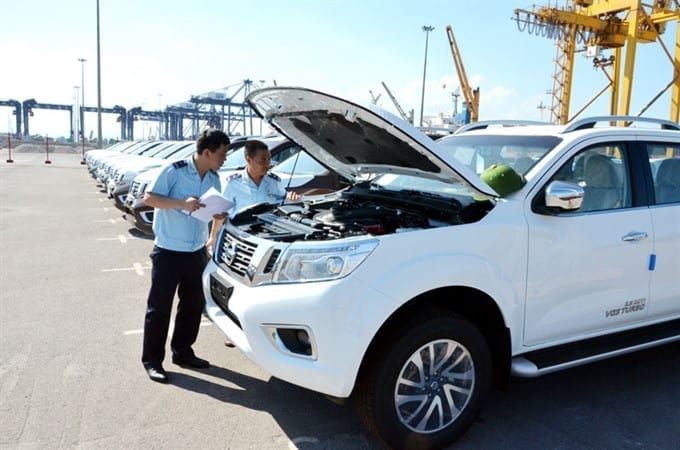
    Organizers of Beijing auto show, which is scheduled to be held in late-April, said on Monday the event will be delayed event due to the coronavirus outbreak.

    Across mainland China, officials said the total number of coronavirus cases rose by 2,048 to 70,548, with 1,770 deaths.

  • DBS Reports Second Staff Infected With Coronavirus

    DBS Reports Second Staff Infected With Coronavirus

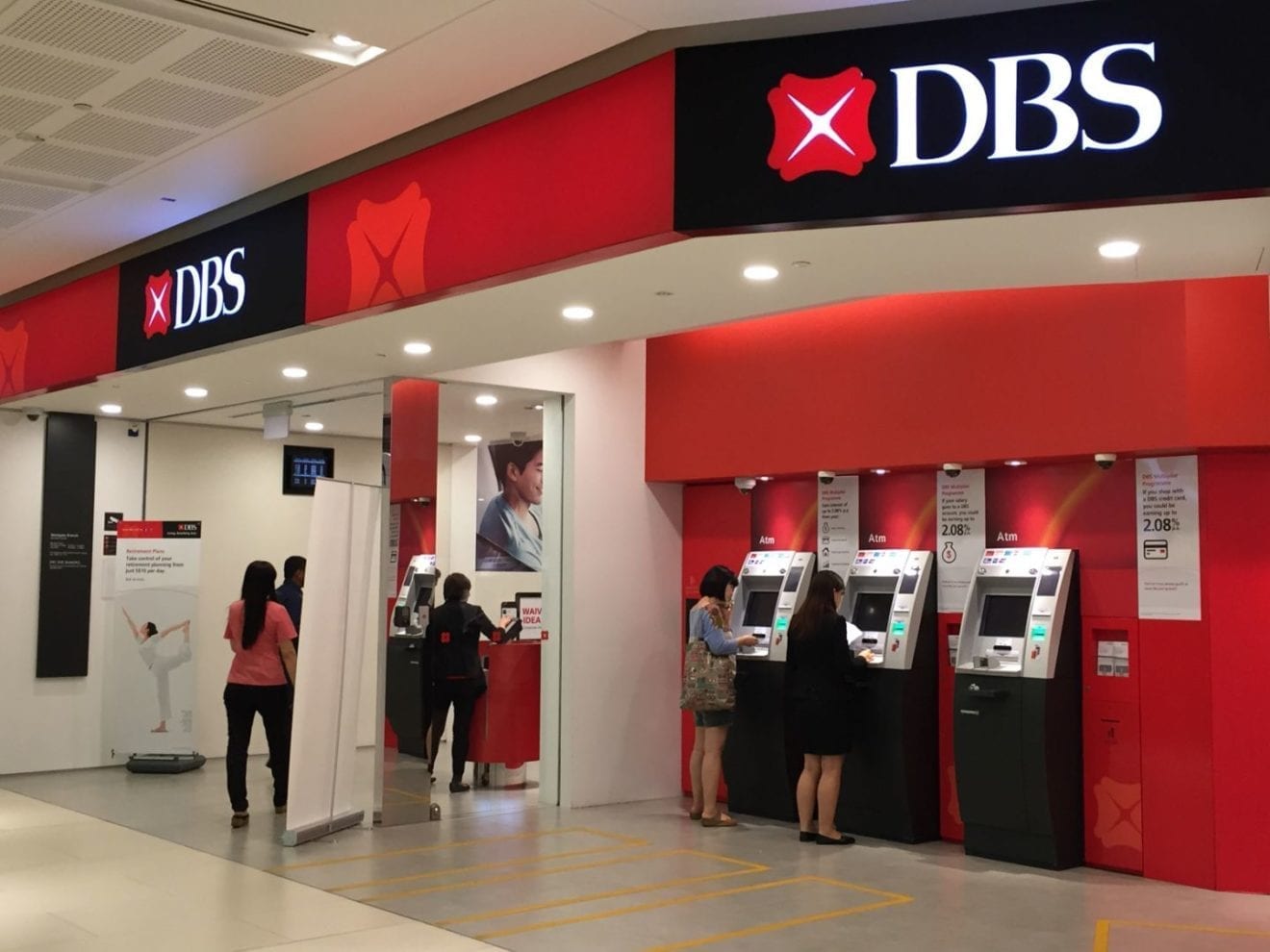
    Another staff of DBS has tested positive for the novel coronavirus, according to a media report. This time around, the latest patient is based in one of the bank’s satellite offices, a DBS spokesman said in Singapore, without disclosing the location. The new case – Case 77 – is understood to be a staff at DBS’s Ngee Ann City office on Orchard Road.

    DBS Treasures has a branch on the fifth story of the property. This satellite office has been deep cleaned as per MOH and National Environmental Agency guidelines, the spokesman added. Case 50 involved a 62-year-old male DBS employee who works at Tower 3 of Marina Bay Financial Centre.

    Case 77 was a first-degree contact, which means he was in close contact with the first DBS employee infected, Case 50, the spokesman added.

    The Ministry of Health (MOH) had announced two more cases in Singapore on Monday evening, with one of them being Case 77, a 35-year-old Singaporean man with no recent travel history to China.

    The affected office space and floor in Tower A have been cordoned off, and common areas such as lifts and toilets are being deep-cleaned and disinfected.

    The DBS spokesman said the bank has a framework for contact tracing, which is done through a mix of physical interviews and data analytics. Through this, we are able to contact-trace up to three degrees of separation, said the spokesperson.

  • Hong Kong Customs arrest coronavirus profiteers

    Hong Kong Customs arrest coronavirus profiteers

    Two retailers have been arrested for trying to profit from the coronavirus crisis after spot checks by Hong Kong Customs staff.

    In a territory-wide enforcement campaign dubbed Guardian launched on January 27, customs officers have been inspecting retailers selling surgical masks and other items that consumers might buy to protect themselves from coronavirus transmission.

    After 18 days, the operation has seen more than 1900 officers mobilized to conduct more than 12,000 inspections at retail spots in various parts of Hong Kong to ensure protective items sold in the market comply with the TDO and the Consumer Goods Safety Ordinance (CGSO).

    Last week, officers made a test buy of normal saline solution at a Mong Kok pharmacy following suspicions that some pharmacies in the suburb were suspected of engaging in unfair trade practices. Subsequently, one salesman and a director of the company, both aged 30, were arrested on suspicion of engaging in unfair trade practices, in contravention of the Trade Descriptions Ordinance (TDO).

    The officer was sold normal saline in plastic bottles from a display where it was labeled as “0.9% sodium chloride” and “solution for irrigation”.

    “Each bottled in containers of 1000ml, the normal saline was sold at a price of $25 per bottle and five for $100,” said a customs official in a statement. “A self-added leaflet, claiming that the normal saline could be used for hand and floor cleaning, was put on the carton.”

    Given that the description on the leaflet was not in line with the product description on the bottle, it was suspected to be a violation of the TDO.

    Officers seized 23 bottles of normal saline with an estimated market value of about HK$575 (US$74). The product will be tested at the Government Laboratory to establish its composition and safety.

    Customs said it plans to continue Operation Guardian and will step up enforcement actions to combat activities that are in violation of the relevant ordinances.

    “Customs sternly reminds traders not to take advantage of the current situation and not to sell products using unfair trade practices,” an official said in a statement.

    “They must also not sell products with false origins or false trademarks, nor must they sell unsafe consumer goods. Immediate law enforcement actions will be taken and prosecutions will be made with sufficient evidence.”

    Offenders face a maximum penalty upon conviction of a $500,000 fine and up to five years in jail under TDO regulations.

    Under the CGSO, it is an offense to import, manufacture or supply consumer goods unless the goods comply with the general safety requirements for consumer goods. The maximum penalty for that is a fine of $100,000 and imprisonment for one year on fir

  • Vietjet suspends all China flights

    Vietjet suspends all China flights

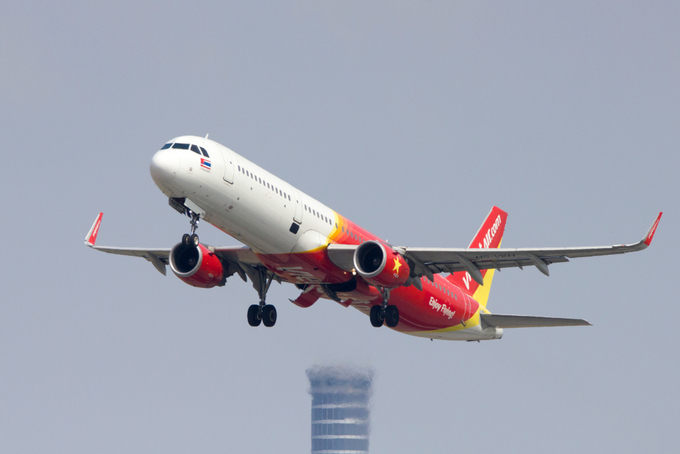
    Vietjet will stop all flights to and from China starting Saturday to try and limit the spread of the deadly coronavirus.

    The budget airline said in a statement Friday that it had prepared this plan earlier, and will cooperate with Vietnamese authorities and the World Health Organization (WHO) in taking steps to prevent the spread of the nCoV among its crew members and passengers.

    Vietjet is the first Vietnamese airline to stop China flights. At the time of writing, Vietnam Airlines and Jetstar Pacific were still operating flights to China.

    Globally, British Airways was the first airline to suspend all direct flights to and from China. Other carriers such as U.S.-based United Airlines and Indonesia-based Lion Air have suspended flights to certain Chinese cities.

    The Civil Aviation Authority of Vietnam Wednesday ordered local airlines to stop all flights between Vietnam and infected locations in China.

    The Ministry of Health confirmed Thursday that three Vietnamese have tested positive for the nCoV. One is being treated at the Thanh Hoa General Hospital in the eponymous central province and the others at the National Hospital of Tropical Diseases in Hanoi.

    As of Friday, there were five confirmed cases of infection in Vietnam. The first cases of nCoV infection detected in the country were a Chinese father and son duo. The son has recovered.

    The World Health Organization (WHO) on Friday declared a global health emergency as the death toll reached 213, all of them in China.

  • Alipay-Owned Insurance Platform Extends Help to Coronavirus Victims

    Alipay-Owned Insurance Platform Extends Help to Coronavirus Victims

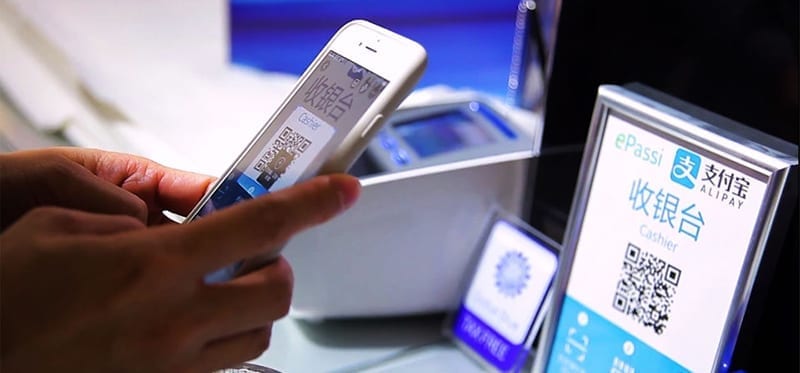
    An Alipay-owned insurance platform has offered to support families and medical staff affected by the ongoing coronavirus outbreak.

    The platform will help affected medical staff apply for coverage of 100,000 yuan ($14,000) each and 500,000 yuan ($72,000) for families of deceased victims. This follows Alibaba co-founder Jack Ma’s decision to donate $14.5 million through charitable foundations to support the development of a vaccine for the deadly virus.

    Various Alibaba-linked entities continue to expand their efforts to combat the epidemic including the group’s offer of $144 million to purchase medical materials for hospitals in the Hubei province and Wuhan – the origin of the outbreak. Alibaba Health Information Technology also said it would offer some of its services for free during the outbreak and has already provided free advice to 2.8 million people in the last week.

    Alibaba is not alone in the relief efforts with more than 30 technology and other new economy companies, including Tencent and Meituan Dianping, collectively donating more than $430 million to related causes. Altruism and branding aside, pundits believe that a move to support the government in the current crisis will bode well for the future as such new economy firms require significant amounts of funding for development which is often provided by state-backed lenders.

  • Retailers across Asia brace for Corona impact as death toll peaks

    Retailers across Asia brace for Corona impact as death toll peaks

    As health authorities across Asia struggle to assess the severity and impact of the deadly Coronavirus, hundreds of stores have closed in Mainland China and retailers and shopping-mall operators across the region are already implementing crisis-management programs.

    In the worst-affected area, the mainland province of Hubei where the virus originated in the city of Wuhan, major fast-food brands and other retailers have shuttered stores indefinitely.

    As at 9am ICT Thursday January 30, there were 7892 confirmed cases of infection, the vast majority in Mainland China. There have been 170 reported deaths, all on the mainland.

    Starbucks China advised on its official Weibo account that it has closed all stores in Hubei province until February 2 along with the giant Starbucks Reserve Roastery in Shanghai. The company subsequently shuttered more than half its store network in the country, 2000+ stores.

    “We are working closely with local health authorities, taking actions with the health of partners and customers top of mind, including closing stores in some locations,” a spokesperson told Business Insider, adding it would continue to monitor the situation and take further action as appropriate.

    Yum! Brands’ Pizza Hut and KFC stores in Wuhan have been closed since January 24 for the protection of staff and customers.  “We will continue to evaluate the need for additional actions and preventive health measures,” the company said in a statement emailed to Reuters.

    McDonald’s is distributing masks to staff in stores all across China after closing indefinitely all outlets in the cities of Wuhan, Xiantao, Qianjiang, Ezhou and Huanggang.

    Furniture giant Ikea closed its Wuhan store on January 23 until further notice and Dairy Queen closed all its stores in the city the previous day.

    Footage screened online and on international television news networks show deserted streets throughout Wuhan with rows of shops and public facilities shuttered. Foreigners – some awaiting evacuation by their governments – are reporting they are confined to home with few means of obtaining supplies.

    Japanese companies with stores trading in Wuhan have also taken action. Aeon, which has closed three malls in the city, says it expects its sales there to halve due to the virus. Five standalone grocery stores it operates there are continuing to trade on a “limited basis” selling food and daily essentials.

    Nitori, a furniture retailer, has closed seven stores in Wuhan, and introduced shorting trading hours in other cities, including Shanghai and Suzhou. Fast-fashion retailer Uniqlo has closed at least 50 of its 750-strong China network.

    Hong Kong readies for impact

    The impact of the Coronavirus on Hong Kong could severely affect an already fragile retail sector which has only just begun to see an easing in the monthly sales decline triggered by social unrest since last June.

    China’s Ministry of Culture and Tourism imposed a suspension of all tour groups and the sale of flight and hotel packages overseas from Monday.

    And there is growing pressure from opposition groups on the Hong Kong government to close the border with the mainland. Already, the territory has extended its Lunar New Year holiday period until February 2.

    The Hong Kong marathon has been cancelled and other major public events are expected to be suspended. Museums, libraries, sportsgrounds and other public facilities were closed from Tuesday. The Ocean Park and Disneyland theme parks had already been closed indefinitely.

    Flights into Hong Kong from Wuhan have been suspended, except for the evacuation of people returning home. Anyone who has been in Hubei within the last fortnight has been barred from entry, except Hongkongers who have been instructed to self-quarantine at home for 14 days and work remotely.

    Thailand reacts

    Thailand – which for now has reported the most number of confirmed cases of Coronavirus outside China – began scanning all incoming Chinese nationals on Tuesday after a family of seven were diagnosed, taking the tally to 14. Some of those have since been cleared to return home.

    In Bangkok, department stores, hypermarkets and shopping centers have launched various measures to cope with the coronavirus outbreak, according to the Bangkok Post.

    The Mall Group, which owns The Emporium and EmQuartier, has advised customers through social media and via signs throughout its centers to wear masks. Hand sanitizing stations have been set up in the malls at touchpoints like escalators.

    The Bangkok Post reports shopping baskets and trolleys are being sterilized regularly, all surfaces cleaned at 30-minute intervals and face masks are being distributed to both staff and customers, especially in tourist areas.

    At Central Phuket in the country’s south, a popular tourist spot, infrared thermometers have been installed at entrances to individually scan customers.

    With authorities throughout the region showing some reluctance to release detailed plans or assessments of the threat from the virus, reactions online, where social media is alive with comments, ranges from panic to cynicism.

    Markets open for trading over the Lunar New Year period have generally lost ground, with travel, hospitality and retail stocks the worst affected. China’s stock exchange is closed until February 2, but on its last day of trading on January 24, retail giant Sun Art and hotpot chain Haidilao saw their stock prices fall by between 5 percent and 6 percent.

    In Japan, the market dropped 1.6 percent on Monday, the biggest dip since October. Retailers and consumer-product companies were worst affected: Uniqlo parent Fast Retailing shed 5.7 percent of its value – its worst single-day decline in 18 months – while Shiseido was down 5.5 percent, according to Bloomberg. Ryohin Keikaku, parent of Muji, was also hit.

    “Are markets overreacting?,” asked Simon Powell, global head of Thematic Research at Jeffries. “Perhaps they were underacting before the confirmation of person-to-person spread of the virus and have been playing catch up over the [latest] trading days.”

    “The news that Wuhan pneumonia outbreak has widened to more than 200 people diagnosed with the new virus negatively impacted share prices of traffic-heavy sectors like travel and consumer,” said his colleague, equity analyst Anne Ling, referring to last Friday’s trading.

    “High-traffic areas or tourist-centric stores will be impacted – for example, cosmetic chains, shopping malls, and restaurants. Fast food and supermarket space are least affected in terms of sales, especially supermarkets. However, the share prices of these companies were still impacted as investors incorporated country risk to the price.”

    Ling says given Hong Kong is small and compact, any news will impact all consumers significantly and quickly. “China is very big, thus at this stage only consumer sentiment in the affected cities is negatively impacted.”

    “Should the current outbreak turn out to be as bad as Sars in Hong Kong, retail sales in affected cities will also be affected. But once the outbreak is under control, the recovery should be fast.”
  • Starbucks China closes over 2000 stores due to Coronavirus virus

    Starbucks China closes over 2000 stores due to Coronavirus virus

    More than 2000 Starbucks China stores have been closed to protect staff and customers from the coronavirus outbreak, including its giant Shanghai Roastery.

    “We currently have over half our stores closed in the market,” said Starbucks Inc group president, international, channel development and global coffee & tea, during an earnings call on Tuesday.

    “We are assessing this each and every day. We do have delivery available to customers from stores that are remaining open. But again, this is something that we continue to assess every day… This is a very complex situation.”

    The unprecedented network closure comes as the deadly coronavirus spreads beyond its epicenter of Wuhan in the Hubei province across China. As at 9am ICT Thursday, there were 7892 confirmed cases of infection the vast majority in Mainland China. To date, there have been 170 deaths, all on the mainland.

    Starbucks China’s widespread store closures coincided with the release of the parent company’s first-quarter figures which showed 5-per-cent global same-store-sales growth, including 3-per-cent growth in China. The company has more than 4100 stores on the mainland and 31,795 globally, adding a net 539 during the quarter to December 29, 167 of those in China. Consolidated net revenues of US$7.1 billion grew 7 percent year on year.

    During the earnings call, Culver said the closures were ordered because the company was making sure it was taking care of its partners, their health and well being, as well as the customers.

    “As the situation has accelerated, we’ve taken action to close stores, both working with the local government in the direction that they’ve given us, but then also proactively closing stores in the country.”

    The stores will reopen when it is considered safe, but Culver indicated Starbucks was not yet sure about the potential impact of the closures on its second-quarter performance.

    “It really is difficult to say at this juncture, what the impact to our business will be and how it will show up in our financials. Given the fluidity of the situation, the business impact is largely a function of two things – the number of stores closed and the duration of closure – and with respect to the duration, it’s not entirely in our control. We will need to move beyond the extended Chinese New Year holiday season to assess how the situation may be stabilizing, and what the implications are. We’re probably looking at early March at the earliest to reasonably assess the implications for revenue operating income and EPS for our second quarter and for the full year at the very latest will provide an update in conjunction with our Q2 earnings release on April 28.

    “As a company, we’ve navigated complex situations before and in China, we feel there’s no other company that’s better positioned to navigate this given our relationship that we’ve been able to build with our partners and the relationship and trust that they’ve been able to build with their customers.

    “We will remain transparent as the events continue to unfold. But we do have complete confidence in the decisions that we’re making. We’ve been in the market for 20 years and we have built an admired and trusted brand. And we will continue to play the long game in China, as we navigate in the coming weeks and months.”

    Meanwhile, Starbucks executives say they are focusing on lower-tier cities to maintain its Chinese market growth. Of the 167 stores opened in the December quarter, 46 percent were in tier 1 and 2 cities, the balance in tier 3, 4 and 5 cities.

    “We continue to make investments in those cities, playing the long game, clearly when we opened our first few stores, there’s a lot of demand for Starbucks coming into those cities, as we continue to build out the footprint,” said Culver. “What we’ve seen historically, is that the total transactions obviously continue to grow and volumes show up as very similar to some of our outer tier-one cities.”

    Delivery services – available in 3500 stores, or about 80 percent of its network there, we’re also paying dividends.

    “We see it as an incremental for these existing customers as well as attracting new customers in total dollar profits, continue to increase because of it, and slightly margin diluted, but it does provide a higher ticket, as well as a higher food attach,” said Culver.

    “And we also see stronger demand in the morning, and during the lunch period.”