Retail News CRM

Tag: costs

  • Iran Conflict Stalls China’s E-commerce Wave: Surging Fuel Costs and Dwindling Demand Spell Trouble for Online Giants

    Iran Conflict Stalls China’s E-commerce Wave: Surging Fuel Costs and Dwindling Demand Spell Trouble for Online Giants

    China’s e-commerce export sector is facing difficulties due to increasing jet fuel costs and a decrease in demand from lower-income consumers in the West. These challenges have arisen as a result of the ongoing conflict in Iran, which is affecting profits for major online platforms such as Temu, Shein, and AliExpress.

    The Evolving Business Model

    These companies, many of whom have business models that rely on the transportation of inexpensive goods from Chinese factories to global consumers, have been under stress since the introduction of tariffs by former U.S. President Donald Trump. The additional tariffs and the removal of customs waivers on low-value packages have put further pressure on these companies.

    Added to this, escalating logistics costs as a result of the Middle East conflict are making things more complicated. Shippers like DHL Express are now imposing significant fuel surcharges. As a result, China’s low-cost e-commerce exports experienced a decrease of 10.9% in April, which marks the fifth consecutive month of declines year on year.

    For example, Diana Qiao, a seller of women’s clothing on Temu, found it necessary to raise her selling prices due to an increase in shipping costs per garment. Qiao shared that the added cost is ultimately passed on to the consumer, a measure that was taken to protect her profit margins.

    Changing Strategies

    The decrease in export values is not only indicative of the cost squeeze but also suggests that the era of rapid growth for these large, low-cost shopping platforms may be coming to an end. These companies are likely shifting towards storing more products in warehouses for local dispatch, instead of having everything shipped directly from China.

    Shein, for example, has been increasing its warehouse capacity in Europe. The company recently opened its third warehouse in Cannock, near Birmingham in the UK. AliExpress, owned by Alibaba, confirmed its commitment to maintaining competitive pricing for its consumers and providing a stable environment for sellers and consumers, despite the fluctuating global transportation costs.

    Although exports are still higher than they were two years ago, future growth may be more challenging for companies like Shein and Temu. Both companies have already established significant market shares, and the rise in petrol prices is impacting household budgets in the US and Europe.

    Questions & Answers

    What factors are impacting China’s e-commerce export sector?
    The sector is being affected by increasing jet fuel costs and decreased demand from lower-income consumers in the West, stemming from the ongoing conflict in Iran.

    How are e-commerce companies adjusting to these challenges?
    Companies are likely shifting towards storing more products in warehouses for local dispatch, instead of having everything shipped directly from China.

    What are the future prospects for growth in this sector?
    Although exports are still higher than they were two years ago, future growth may be more challenging due to factors such as rising petrol prices and established market shares by big companies.
  • Pop Mart Warns of Shrinking Margins Amid Rising Production Costs and Market Uncertainties

    Pop Mart Warns of Shrinking Margins Amid Rising Production Costs and Market Uncertainties

    Pop Mart, a Beijing-based producer of ‘blind box’ collectible toys, recently announced that their imminent profit margins are expected to be impacted by escalating production costs. The increase in production costs is the result of surging raw material prices, which have been significantly influenced by the unforeseen energy price fluctuations due to circumstances in Iran.

    Despite the global popularity of their viral Labubu toys beginning to stabilize, Pop Mart has begun implementing standardization processes across its international retail and operations. The company is also establishing itself in the entertainment and culture sectors, with a Labubu film project underway and an extension to their Beijing theme park, Pop Land, that opened in the previous month.

    Performance in the Stock Market

    On Wednesday afternoon, Pop Mart’s shares declined by approximately 2%, settling at HK$159.50. In spite of this, the toy company announced an impressive 75% to 80% surge in revenue for the first quarter on Tuesday after the market closed. This substantial increase in revenue surpassed the growth projections for China, even though international growth experienced a slow-down.

    The company also acknowledged the potential impact of rising fuel prices on the gross profit of their international business. Furthermore, it was reported that earnings from regions with higher profit margins have also seen a decline.

    Challenges and Opportunities

    Pop Mart is currently tackling concerns in the market about the durability of its principal intellectual properties. Despite these concerns, recent collaborations, including the highly demanded Labubu x FIFA World Cup 2026 series, have performed exceptionally well. However, market experts have observed a decline in interest in the secondary market for some of their new releases.

    Questions & Answers

    What potential challenges is Pop Mart currently facing?
    Pop Mart is dealing with higher production costs caused by rising raw material prices, along with concerns about the longevity of its core intellectual properties.

    What strategic steps is Pop Mart taking to expand its brand?
    Pop Mart is working on standardizing its global retail and operations. Additionally, the company is venturing into the entertainment and culture sectors, with a movie project and theme park extensions in the pipeline.

    How has Pop Mart’s recent performance in the stock market been?
    Although shares declined by about 2% on Wednesday afternoon, the company reported a robust increase in first-quarter revenue, outperforming growth expectations in China.

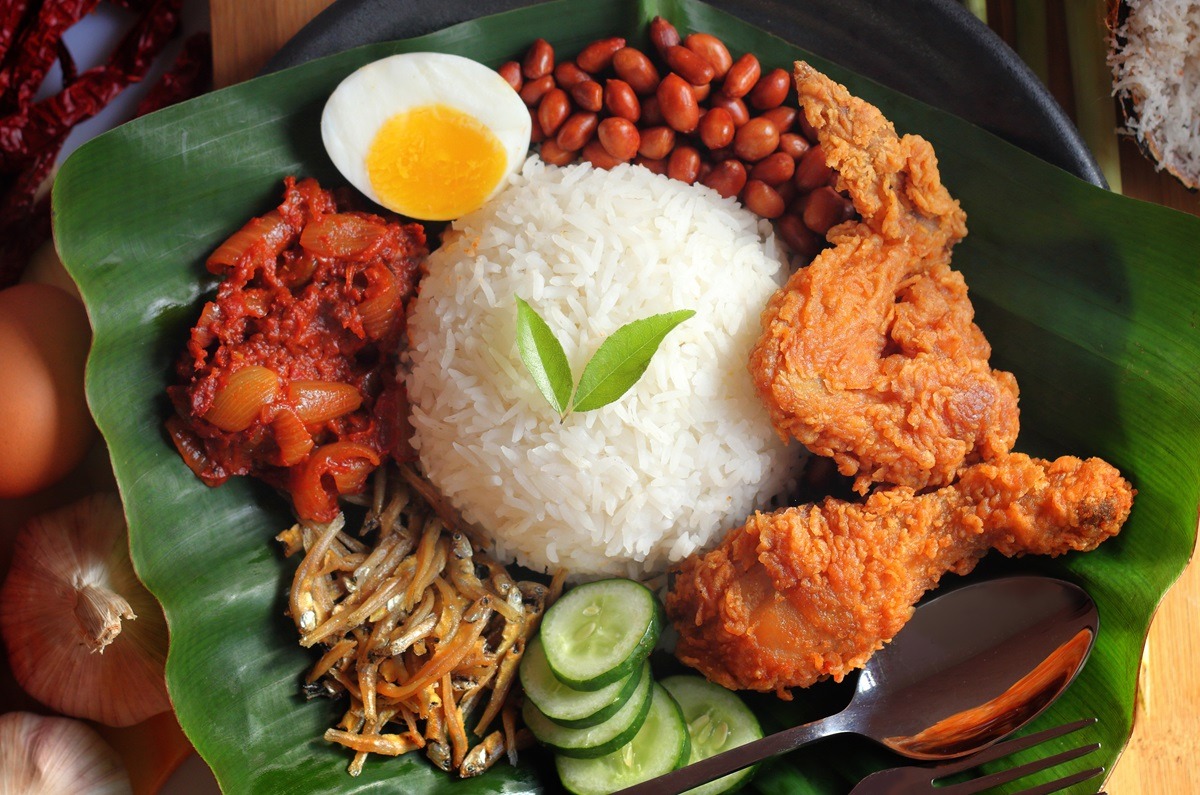
  • Johor Eateries Resist Price Hikes Amid Surging Ingredient Costs, but Future Increase Likely

    Johor Eateries Resist Price Hikes Amid Surging Ingredient Costs, but Future Increase Likely

    Even as the cost of raw materials rises, food service operators in Johor, the southernmost state of Malaysia, have not yet increased their prices. However, if the Middle East conflict continues, these increases may become unavoidable.

    Adapting to Rising Costs

    Hussein Ibrahim, the Secretary of the Johor Indian Muslim Entrepreneurs Association, shared that member restaurants have maintained current prices despite a 20-30% increase in raw ingredient costs since March. “We can’t just raise our prices as Malaysians are cost-conscious, which could impact our business,” he stated.

    The association boasts 338 members, including around 200 Indian-Muslim food service operators throughout Johor, with the majority in Johor Bahru, a city on the Singapore border. To deal with increasing expenses, many operators are considering reducing portion sizes, according to Hussein. He also mentioned that unavoidable price increases might be on the horizon if the current crisis continues.

    Roland Lim, head of the Johor Bahru City Businessmen and Traders Association, reported a similar narrative, affirming that member restaurants have also kept their prices steady. He pointed out that downtown Johor Bahru restaurants have been hit hard by tighter security measures at the Johor-Singapore Causeway. These new procedures, established earlier this year, have caused Malaysians commuting to work in Singapore to skip their usual breakfast stops and go straight to immigration checkpoints. Reduced dining out by families, combined with ongoing infrastructure projects and subsequent traffic congestion, have further decreased restaurant patronage.

    The Impact of Rising Food Prices

    The ongoing conflict has resulted in increased food prices in Johor and other regions of Malaysia since February 28. By March’s end, vegetable prices in Johor Bahru had surged by 20-30%, attributed to higher transportation costs due to diesel price hikes and a prolonged heatwave.

    More recently, Economy Minister Akmal Nasrullah Mohd Nasir reported price increases for certain food items in the first week of May. For example, the price of Indian mackerel increased by 3.9% to RM17.42 (US$4.43) per kilogram; white prawns were up 1.2% to RM32.11 per kg; and fresh coconut milk rose 6.7% to RM16.88 per kg. Despite these increases, he reassured that food prices remain within a manageable range, with some items, such as beef, experiencing price reductions.

    Mohamad Sabu, the country’s Agriculture and Food Security Minister, warned that food prices could escalate in the upcoming three to six months due to increased production costs, such as fertilizer, animal feed, and fuel. “When these costs rise, market prices may also be affected,” he stated.

    Questions & Answers

    What are the potential consequences of the Middle East conflict on Malaysian food service operators?
    If the Middle East conflict continues, price hikes may become unavoidable due to rising costs of raw materials.

    How are food service operators in Johor dealing with the increasing costs?
    To cope with the rising costs, many operators are considering reducing portion sizes.

    How have recent price increases in various food items affected the overall food prices in Malaysia?
    Despite recent price increases in certain food items, the country’s Economy Minister reassured that food prices remain within a manageable range, with some items experiencing price reductions.

  • DBS Singapore Earmarks $7.8M for Consumer Relief: Cashback Initiative to Combat Rising Living Costs

    DBS Singapore Earmarks $7.8M for Consumer Relief: Cashback Initiative to Combat Rising Living Costs

    In an endeavor to support consumers during a time of economic uncertainty and surging expenses, DBS Singapore has announced the provision of S$10 million (US$7.8 million) in cashback redemptions. These will be available for DBS and POSB cardholders, as well as DBS PayLah! users from August to December. The intention is to aid in managing the escalating costs of food and daily necessities.

    Details of the Cashback Redemption Scheme

    DBS will make available approximately three million cashback redemptions over a period of five months. These can be redeemed at various establishments including hawker centers, neighborhood shops, and supermarkets. This initiative will run in conjunction with DBS’s existing promotion, which provides S$3 cashback each Saturday at hawker stalls and heartland shops. Further specifics, such as information about participating retailers, will be shared in July.

    Lim Him Chuan, the head of DBS Singapore, commented on the situation, noting that the ongoing tensions in the Middle East have resulted in escalating energy prices. These, in turn, have added to the pressures on daily living costs. He stated, “Every time there’s a crisis like this, DBS and POSB are ready to support our community. This is why we are committing to a $10 million support package.”

    Previous Support Efforts

    This initiative follows on the heels of a significant S$1 billion government support package that was announced on April 7. This too was designed to assist households in managing the cost rises associated with Middle Eastern tensions.

    DBS has a history of efforts to aid customers facing higher costs. In 2025, the bank subsidized more than S$6 million in everyday essentials and hawker meals in heartland areas. DBS data reveals that 36% of the individuals who redeemed cashback rewards in 2025 were either senior citizens or earned less than S$2,500 per month.

    Impact on Participating Merchants

    The benefits of these initiatives also extend to the participating merchants. Hawkers, wet market stallholders, and heartland merchants who participated in the scheme reportedly experienced a 50% increase in their Saturday earnings via PayLah! transactions in 2025. This was a notable increase from the 40% growth seen during a similar cashback campaign in 2024.

    Questions & Answers

    What is the purpose of DBS’s cashback redemption initiative?
    This initiative has been designed to help consumers manage the rising costs of food and daily living expenses during a period of economic uncertainty.

    How much in cashback redemptions is DBS providing and to whom?
    DBS is providing S$10 million (US$7.8 million) in cashback redemptions, which are available to DBS and POSB cardholders, as well as DBS PayLah! users.

    What has been the impact of previous cashback initiatives on participating merchants?
    Previous cashback initiatives have led to significant increases in earnings for participating merchants. For instance, in 2025, hawkers, wet market stallholders, and heartland merchants saw a 50% increase in their Saturday earnings through PayLah! transactions.

  • International Students in Australia Grapple with Skyrocketing Living Costs and Tuition Fees

    International Students in Australia Grapple with Skyrocketing Living Costs and Tuition Fees

    Many international students in Australia are facing considerable financial strain, as they attempt to balance their academic commitments with part-time work to afford their living expenses. A key concern among these students is the high cost of food and other essentials.

    A Chinese student at the Australian National University, unwilling to be named, shared her experiences of eating instant noodles or fast food until she was able to find work. Although conscious of the need to study, she found herself working as many as 48 hours a fortnight, the maximum allowed under Australian student visas. This, however, led to immense stress and anxiety, affecting her sleep and overall wellbeing.

    Struggling to Afford Basic Necessities

    This student’s situation is far from unique. The 2024 State of Student Healthcare Report, issued by Allianz Partners Australia, indicated that nearly a third of international students regularly missed meals due to the high cost of groceries. Roughly one in four stated they could not afford fresh fruits and vegetables.

    Housing security has also become a major issue. Sean Stimson, a senior solicitor at the Redfern Legal Centre’s International Student Legal Service, highlighted an increase in homelessness among international students over the past 18 months, largely due to significant rent hikes.

    Erin Longbottom, nurse unit manager of the homeless health service at St. Vincent’s Hospital in Sydney, referred to international students as the emerging “hidden face of homelessness.”

    Overcoming Barriers in the Rental Market

    The 2024 Student Accommodation Council report found that international students faced particular challenges in the private rental market. Without a rental history in Australia and often lacking employment or income statements when applying for leases, they are at a significant disadvantage.

    While students are required to show access to A$30,000 (US$20,700) to obtain a visa, Stimson cautioned that these funds could be quickly depleted due to skyrocketing living costs.

    Rising Tuition Fees

    In addition to escalating expenses for housing and food, tuition costs have also surged. Immigration expert Dr. Abul Rizvi pointed out that fees for international students have grown significantly faster than inflation.

    More than 583 courses charge international students over $250,000, with 445 of those offered by the country’s top research universities. In some instances, the total cost of a degree can exceed A$850,000.

    Financial Stress Taking Its Toll

    The Allianz report further revealed that over 61% of international students surveyed said daily expenses were substantially higher than anticipated. Only 18.2% felt financially secure, while 40.2% were experiencing financial stress or hardship. Worryingly, 28.1% considered leaving their studies due to these pressures.

    Alan Morris, a professor focusing on urban and housing studies at the University of Technology Sydney, noted that many international students suffer enormous stress and anxiety as they try to juggle their academics and finances. This often results in academic performance suffering as students focus on making ends meet.

    The Need for Innovative Solutions

    Although Australia’s student visa work rules are generally quite generous, experts caution that simply increasing work hours may not alleviate the financial pressures faced by international students.

    Rather, innovative solutions may be of value. Morris suggested Australia might benefit from adopting a Canadian housing model that pairs international students with older residents for reduced rent in exchange for assistance with household tasks.

    In the meantime, many international students are finding their own ways to adapt to these financial challenges, developing practical skills such as cooking or driving to save money.

    Despite the difficulties, many students still consider studying in Australia to be a valuable experience.

    Questions & Answers

    What challenges are international students in Australia facing?
    They are dealing with rising living costs, high tuition fees, and restrictions on work hours, which are leading to financial stress and, in some cases, homelessness.

    What issues are they encountering with housing and food?
    Many international students are struggling to afford groceries and fresh food. Additionally, steep rent increases have led to issues with housing security, with homelessness on the rise among this group.

    What solutions are being suggested to alleviate these pressures?
    One suggestion is to adopt a Canadian housing model that pairs international students with older residents. The students would help with household tasks in exchange for reduced rent. This would help alleviate some financial stress and provide more secure housing.

  • Amazon Re-negotiates Supplier Costs Amid Eased Chinese Tariffs: The Repercussions on E-Commerce

    Amazon Re-negotiates Supplier Costs Amid Eased Chinese Tariffs: The Repercussions on E-Commerce

    Amazon, the technology behemoth, has announced that it has been in discussions with various vendors regarding modulation of costs to mirror the decreased tariff rates on Chinese imports.

    Previously, the company aimed to reduce the amount it compensates suppliers for products sold via its e-commerce platform. This adjustment is a step towards reversing concessions that were originally designed to alleviate the effects of tariffs imposed by former US President Donald Trump.

    In a statement, an Amazon spokesperson stated, “We are perpetually collaborating with our diverse and valued selling partners in our store to assist them in adapting to the evolving environment while preserving a wide selection and maintaining low prices for customers.”

    In late October of the previous year, an agreement was struck between Trump and Chinese President Xi Jinping to reduce tariffs on imports from China. This was in return for Beijing’s commitment to address the illegal fentanyl trade, resume purchases of US soybeans, and ensure the continued export of rare earths.

    As a result, the average US tariffs on Chinese imports were reduced from 57% to approximately 47%.

    Recently, the US Supreme Court announced that it would release its subsequent rulings on January 14, with several significant cases still under consideration. These include the legality of Trump’s extensive global tariffs.

    If the court determines that the extensive duties imposed by Trump under the International Emergency Economic Powers Act are illegal, the administration could potentially be required to refund nearly US$150 billion in tariffs to importers.

    Questions & Answers

    What is Amazon’s current strategy towards its suppliers?
    Amazon has been in talks with its vendors to adjust costs in accordance with the decreased tariff rates on Chinese imports. The intent is to reduce what it pays suppliers for goods sold on its e-commerce platform.

    How did the average US tariffs on Chinese imports change recently?
    In late October of the previous year, an agreement was reached between former US President Donald Trump and Chinese President Xi Jinping to reduce tariffs on imports from China. As a result, the average US tariffs on Chinese imports were reduced from 57% to approximately 47%.

    What could potentially happen if the court determines that the extensive duties imposed by Trump are illegal?
    If the court declares that the sweeping duties imposed by Trump under the International Emergency Economic Powers Act are illegal, the administration might be required to refund nearly US$150 billion in tariffs to importers.

  • Mondelez Harnesses Ai To Cut Marketing Costs And Revolutionize Tv Advertising

    Mondelez Harnesses Ai To Cut Marketing Costs And Revolutionize Tv Advertising

    Mondelez, the renowned snack producer, has taken a step forward in leveraging artificial intelligence (AI) to reduce the expenses involved in creating marketing content by 30% to 50%. They have collaborated with advertising firm, Publicis Groupe, and IT company, Accenture, to develop an innovative AI tool.

    Revolutionizing TV Ads with AI

    Jon Halvorson, Mondelez’s global senior vice president of consumer experience, revealed the company’s ambitious plan to use this tool for generating short TV commercials which can be broadcasted as early as the upcoming holiday season. Notably, the company also has its sights set on creating ads for the 2027 Super Bowl.

    The manufacturer of Cadbury chocolate has invested more than $40 million into this AI initiative. Halvorson predicts the tool’s ability to create more intricate videos would lead to an increase in cost savings.

    Adopting AI amid Economic Challenges

    Like many consumer goods companies dealing with tariffs and decreasing customer budgets, Mondelez is turning to AI as a solution to reduce the fees associated with advertising agencies and accelerate product development and sales cycles.

    Other industry players such as Kraft Heinz, the maker of macaroni and cheese, and beverage giant Coca-Cola have also been experimenting with AI for their advertising efforts.

    AI-Powered Social Media Content

    Mondelez has been using the AI-generated content on social media platforms for their Chips Ahoy cookies in the US and Milka chocolate in Germany. A short eight-second Milka video featuring waves of chocolate flowing over a wafer has been used, with varying backgrounds tailored to the specific consumer group being targeted.

    The costs for creating such animations usually run into hundreds of thousands of dollars. With the new AI tool, however, Halvorson suggests the expenses are significantly lower.

    Upcoming AI Initiatives

    In November, Mondelez’s Oreo will utilize the tool for product pages on Amazon and Walmart in the US. The company also plans to use the tool in the near future for its Lacta chocolate and Oreo lines in Brazil, as well as Cadbury in the UK.

    Tina Vaswani, VP of digital enablement and data for the company, assures that the content created by the AI tool will be manually reviewed to prevent any potential issues. Mondelez follows strict rules against promoting unhealthy eating habits, vaping, overconsumption, emotionally manipulative language, and offensive stereotypes in their content.

    Questions & Answers

    How much has Mondelez invested in the AI tool?
    Mondelez has invested over $40 million in the development of the AI tool.

    How does Mondelez plan to use the AI-generated content?
    Mondelez has utilized AI-generated content for social media promotions and plans to use it for TV commercials, as well as product pages on Amazon and Walmart.

    What measures has Mondelez taken to ensure the quality of AI-generated content?
    Every piece of content generated by the AI tool is reviewed by humans to prevent any inappropriate or offensive content, adhering to company guidelines.

  • Heineken Unveils Resource-efficient Five-year Strategy Amidst Industry Challenges

    Heineken Unveils Resource-efficient Five-year Strategy Amidst Industry Challenges

    Heineken, the Dutch brewing giant, has announced an ambitious five-year strategy that aims at utilizing fewer resources to generate more growth. The strategy will concentrate on specific markets and brands to maximize organic net revenue growth. The company anticipates seeing mid-single-digit growth each year leading up to 2030.

    Changing Course Amid Uncertain Times

    In response to a rapidly evolving global landscape, Heineken is looking to fortify its future operations. The company plans to establish a more robust operating model, optimize efficiency, and enhance its adoption of artificial intelligence. This new direction comes in the wake of a series of challenges for Heineken, including the economic impact of the Covid-19 pandemic, rising inflation, and recent tensions arising from US trade policies.

    At an investor event, CEO Dolf van den Brink admitted that the company’s performance has been inconsistent. He expressed dissatisfaction with the current state of affairs and emphasized the company’s aspiration to improve and grow.

    Refocusing on Key Markets and Brands

    Heineken has identified 17 key markets, including Mexico, Malaysia, Spain, and the UK, where it aims to expand its presence. The company will target these markets for potential acquisitions and will focus on five global brands and 25 strong local labels. The markets, along with brands such as Heineken, Tiger, Amstel, Desperados, and Birra Moretti, will receive enhanced resources.

    Investors have suggested that Heineken has been lagging behind competitors, notably Anheuser-Busch InBev, which is recognized for its efficient operations. While Heineken’s shares have seen a modest increase of around 3% this year, its competitors’ shares have seen more substantial growth.

    The brewing company expects organic operating profit to outpace revenues under its revised strategy. It also anticipates earnings per share to grow commensurately or exceed that rate, and aims for over 90% free-cash conversion. The company’s profits will be bolstered by a pre-existing target of achieving up to 500 million euros (US$583 million) in annual gross savings by 2025.

    Industry-Wide Challenges and Adaptation

    Heineken shares experienced a minor slump recently, dropping almost 2% before recovering slightly. This comes after a warning from the company about a potential decrease in beer sales in 2025, following weak third-quarter sales in Brazil and Europe.

    Broadly, the brewing industry is grappling with challenging economic conditions and weak consumer confidence. Additionally, longer-term issues such as increasing health warnings, emerging competitors, and changing consumer preferences pose significant challenges.

    To adapt to evolving consumer demands, Heineken plans to expand its low- and no-alcohol offerings. The company recognizes that some consumers are reducing alcohol consumption due to health concerns and the rise of weight-loss drugs, and is taking proactive steps to accommodate this trend.

    Questions & Answers

    What is the key focus of Heineken’s new strategy?
    The primary focus of Heineken’s updated strategy is to generate more growth while utilizing fewer resources, focusing on specific brands and markets.

    How does Heineken plan to adapt to changing consumer trends?
    In response to changing consumer preferences, Heineken plans to expand its range of low- and no-alcohol products.

    What are some challenges Heineken anticipates in the brewing industry?
    Heineken expects to grapple with difficult economic conditions, weak consumer confidence, health warnings, and changes in consumer behavior, along with new entrants in the market.

  • Swiggy’s Losses Double Amid Marketing Surge And Delivery Challenges

    Swiggy’s Losses Double Amid Marketing Surge And Delivery Challenges

    Swiggy, one of India’s leading online food delivery platforms, has reported a near-doubling of its quarterly loss compared to the same period last year. This increase in losses is attributed to a significant rise in marketing expenditures aimed at securing a larger customer base in an intensely competitive market.

    Growth Strategies and Challenges

    In its decade-long presence in the market, Swiggy has maintained its position among the top contenders in the food delivery industry through continuous investments in marketing, platform enhancements, and customer loyalty programs. The company is also directing funds into its rapid retail division, Instamart, as part of efforts to expand its network of stores, fortify logistics, and provide enticing discounts.

    However, the company’s operations have been affected by issues relating to a shortage of delivery partners, a situation exacerbated by unanticipated monsoon rains in India. Concurrently, the need for sustained, high levels of marketing investments has been necessitated by persistent competition.

    The competition is not just limited to the food delivery sector. The rapid retail sector in India is becoming increasingly crowded, with competitors such as the Tata-backed BigBasket and Amazon vying for market share. Furthermore, Swiggy faces additional competition in the food delivery space from the ride-hailing platform, Rapido, where Swiggy holds a 12 per cent stake.

    Financial Performance

    Despite these challenges, Swiggy’s total revenue for the quarter ending June 30 increased by 54 per cent, amounting to 49.61 billion rupees (US$566.2 million). However, consolidated expenses also saw a significant jump, up by around 60 per cent to 62.44 billion rupees, with sales promotions more than doubling. Consequently, the company’s consolidated net loss for the quarter rose to 11.97 billion rupees, a significant increase from the 6.11 billion rupees loss reported in the same period last year.

    Expansion and Order Value

    Despite these financial setbacks, Swiggy continued to expand its geographical reach, adding three new cities to its network to stand at a total of 127. The company also added 41 stores and increased the size of existing ones. The gross order value from its food delivery segment climbed by approximately 19 per cent to 80.86 billion rupees in the June quarter. Meanwhile, Instamart’s gross order value saw a massive surge of nearly 108 per cent, reaching 56.55 billion rupees.

    Questions & Answers

    What factors contributed to Swiggy’s increased quarterly losses?
    Increased marketing spend to attract customers in a fiercely competitive market, along with the expansion of its quick-commerce arm, Instamart, significantly contributed to Swiggy’s increased losses.

    What challenges did the company face recently?
    Swiggy experienced a shortage of delivery partners due to earlier than anticipated monsoons in India. Additionally, the company faced stiff competition, necessitating high marketing investments.

    Did Swiggy see any growth despite these challenges?
    Yes, Swiggy reported a 54 per cent surge in total revenue for the quarter ending June 30. The company also expanded its services to three new cities, added 41 stores, and saw a substantial rise in gross order value from both its food delivery segment and Instamart.

  • Hershey Sales Surge Amidst Slumping Profits: Navigating Rising Cocoa Costs And Supply Chain Challenges

    Hershey Sales Surge Amidst Slumping Profits: Navigating Rising Cocoa Costs And Supply Chain Challenges

    Hershey, the confectionery giant, has registered a significant increase in sales for the second quarter despite a drastic fall in profits. This arises from the escalating costs of cocoa, supply chain, and adverse effects from commodity hedging.

    In the most recent quarter, Hershey reported net sales of US$2.61 billion, a 26 per cent surge compared to the same quarter the previous year. The growth was a result of robust demand for seasonal products, which included popular items tied to the Easter season and early Halloween shipments.

    However, despite the impressive rise in revenue, net income experienced a 65 per cent decrease, landing at $62.7 million.

    Hershey attributed the sharp decline in net income to a significant drop in gross margins, spurred by the rise in input costs and losses from mark-to-market on commodity derivatives. This was despite the strong volume growth, especially in its North American confectionery division.

    Michele Buck, President and CEO of Hershey, commented on the situation. “Our investments in brands and impactful innovation, along with effective execution, have led to solid sales and share gains in both our US confection and salty snacking businesses,” she said.

    She further added, “In the future, we are committed to delivering balanced growth and have already initiated critical steps to offset cocoa inflation through strategic pricing, improved productivity, and the use of technology for efficiency and speed.”

    In other news, Hershey recently announced the appointment of Kirk Tanner as the new President and CEO, effective from August 18, succeeding Buck.

    Questions & Answers

    What led to the growth in Hershey’s net sales?
    The increase in Hershey’s net sales was a result of strong demand for seasonal products, such as those tied to the Easter season and early Halloween shipments.

    Why did Hershey’s net income decrease despite the growth in sales?
    The decrease in net income was due to a significant drop in gross margins, which was caused by the rising input costs and mark-to-market losses on commodity derivatives.

    What measures is Hershey taking to combat cocoa inflation?
    To mitigate cocoa inflation, Hershey is implementing strategic pricing, enhancing productivity, and leveraging technology for increased efficiency and speed.

  • India’s Banks Set to Thrive Amidst Margin Challenges and Rising Costs

    India’s Banks Set to Thrive Amidst Margin Challenges and Rising Costs

    According to Fitch Ratings, India’s banking sector is on a promising trajectory, poised for growth bolstered by enhanced asset quality, robust capital reserves, and a stable profitability outlook. As banks maneuver through the financial landscape, analysts suggest that credit metrics will largely hold steady into fiscal year 2026, although earnings could be impacted by cyclical pressures on margins and credit costs.

    Slowdown or Steady Forward March?

    Currently, the sector is experiencing its slowest loan growth in four years, hovering at just 10.6%. Lending to non-bank financial institutions (NBFIs) and unsecured retail customers has particularly softened, a shift attributed to stricter regulatory oversight and challenging funding conditions. However, optimism remains. Fitch projects a rebound in loan growth to between 12% and 13% in FY2026, fueled by an accommodating monetary policy and gradually easing funding constraints.

    Deposits and Ratios: The Balancing Act

    Despite this optimistic outlook, banks must enhance their deposit mobilization to sustain the nearly 120 basis points improvement in loan-to-deposit (LDR) ratios they have achieved. A notable decrease in the impaired loans ratio, falling by 60 basis points to 2.2% in FY2025, indicates a positive shift. Bad loans saw a decline of 12%, further painting a brighter picture for the sector as a whole.

    A Brave New Banking Era?

    Fitch emphasizes that the impaired-loan ratios and credit costs for most banks have likely hit their lowest point. There remains potential for gains as some banks might improve their standings through write-offs of legacy bad loans, which would further shrink the outstanding bad loan stock. In Fitch’s eyes, the Indian banking sector’s strong performance is not merely a flash in the pan; expectations are set for sustained progress, contingent on banks maintaining solid core financial metrics that enhance their resilience against economic fluctuations.

    Questions & Answers

    What does Fitch Ratings predict for India’s banking sector in FY2026?
    Fitch Ratings forecasts a rebound in loan growth to 12% to 13% in FY2026, supported by an accommodative monetary policy and improved funding conditions, while projecting that credit metrics will remain stable.

    Why is the current loan growth considered the slowest in four years?
    The current loan growth rate of 10.6% is primarily due to tighter regulatory scrutiny and tougher funding conditions impacting lending, particularly to NBFIs and unsecured retail customers.

    What improvements have been observed regarding banks’ impaired loans?
    The impaired loans ratio has fallen by 60 basis points to 2.2% in FY2025, accompanied by a 12% reduction in bad loans, indicating a trend towards better asset quality in the banking sector.

  • Thai Banks Anticipate 9% Earnings Decline in Q2 Amid Rising Credit Costs

    Thai Banks Anticipate 9% Earnings Decline in Q2 Amid Rising Credit Costs

    Thailand’s banking sector is bracing for a challenging second quarter in 2025, with expectations of a 9% year-on-year drop in earnings driven by rising credit costs and diminished pre-provisioning operating profits. According to UOB Kay Hian (UOBKH), the banks under its analysis are likely to report a combined net profit of about $1.47 billion (THB 48.6 billion), reflecting a notable decline of 9% year-over-year and 17% quarter-on-quarter.

    Credit Costs on the Rise

    Analyst Thanawat Thangchadakorn highlighted that excluding provision expenses, pre-provisioning operating profit is projected to experience a decline of 9% year-on-year and 11% quarter-on-quarter. The anticipated uptick in credit costs during Q2 compared to Q1 is expected to range from 11 to 151 basis points.

    Individual Bank Insights

    Among individual lenders, Kiatnakin Phatra (KKP) is forecasted to see an increase in credit costs, largely due to the uneven recovery in the automotive market. Meanwhile, SCB X is also predicted to report heightened credit costs as a precautionary measure in provisioning.

    Additionally, Tisco Financial Group is expected to follow suit with rising credit costs, having previously set a 2025 target of 100 basis points for credit expenses. Banks are advised to adopt a more cautious lending approach to preserve asset quality, as emphasized by Thangchadakorn.

    With the banking landscape evolving, who knows? Perhaps we’ll see a renaissance in creative financial products that actually excite consumers!

    Questions & Answers

    What is the projected profit decline for Thailand’s banking sector in Q2 2025?
    The banking sector is expected to experience a 9% year-on-year decline in earnings, resulting in a combined net profit of approximately $1.47 billion.

    Which banks are expected to increase their credit costs?
    Kiatnakin Phatra, SCB X, and Tisco Financial Group are all anticipated to report higher credit costs due to various market conditions and cautious provisioning strategies.

    How are banks expected to adjust their lending practices?
    Banks are likely to adopt a more cautious approach to lending in order to maintain strong asset quality amidst rising credit costs.

  • Amazon Australia launches B2B store it says will help businesses cut costs

    Amazon Australia launches B2B store it says will help businesses cut costs

    Amazon Business, a new platform designed to streamline operations and decrease expenses for organizations of various sizes, has been introduced by Amazon Australia. The platform will feature focused sections for kitchen and pantry goods, cleaning and sanitation products, alongside stationary, IT commodities, and maintenance solutions.

    Addressing Business Needs

    Amazon Business aims to cater to the specific needs of business buyers, offering them tailored features for convenience. These include exclusive business pricing and volume discounts on eligible items. The platform also provides options for single or multi-user business accounts, Business Prime, and dedicated customer service.

    The introduction of this platform comes at a critical time when inflating expenses have been impacting small-to-medium-sized businesses (SMBs) in Australia. Research reveals that 92% of these SMBs have experienced a rise in operational costs over the past three years. Consequently, 83% of them have been compelled to transfer these expenses to their customers.

    Furthermore, the same research unveiled that over 80% of Australian SMBs have had to increase their prices by an average of 13% due to the escalating cost pressures.

    Gearing Up for Expansion

    Lena Zak, Country Manager of Amazon Business Australia, expressed excitement about the new platform. Zak emphasized the benefits of Amazon Business, stating that this development would be highly advantageous for the numerous SMBs operating across Australia. Zak further highlighted that Amazon Australia has substantially invested in enhancing its operations network to facilitate a smooth, speedy, and reliable shopping experience for its customers.

    With this latest launch, Australia becomes the eleventh country to offer Amazon Business, joining the ranks of countries like the U.S., U.K., Germany, Japan, among others. Since its debut in 2015 in the U.S., Amazon Business has expanded its customer base to over 8 million worldwide. The platform reportedly generates approximately $35 billion in annual gross sales.

    Questions & Answers

    What is Amazon Business?
    Amazon Business is a platform designed to simplify operations and reduce costs for organizations. It provides business-only pricing, quantity discounts, and options for single or multi-user business accounts, among other features.

    What does the launch of Amazon Business imply for Australian SMBs?
    The launch comes at a time when rising operational costs have been impacting Australian SMBs. It aims to offer them a streamlined, cost-effective way of procuring necessary items, thereby helping them manage their expenses.

    How has Amazon Business performed since its inception?
    Since its launch in the U.S. in 2015, Amazon Business has grown to more than 8 million customers globally. The platform reportedly generates approximately $35 billion in annualized gross sales.

  • May CPI Rises 0.16% as Housing and Utility Costs Surge

    May CPI Rises 0.16% as Housing and Utility Costs Surge

    Vietnam’s consumer price index (CPI) experienced a modest bump of 0.16% in May compared to the previous month, largely fueled by rising costs in rental housing, home maintenance materials, electricity, and dining out. This increase marks an ongoing trend in the Asian nation’s economic landscape, as the National Statistics Office, under the Ministry of Finance, reported that for the first five months of 2025, the CPI escalated by 3.21% year-on-year. During this same period, core inflation surged by 3.1%.

    Food and Housing Drive Inflation

    Food and catering services recorded a notable year-on-year increase of 3.83%, with pork prices soaring by 13.53%, attributing this spike to strict supply constraints paired with high demand during the holidays. Housing and utilities contributed significantly to the inflation narrative, climbing 5.43% and pushing the CPI up by a hefty 1.02 percentage points. Notably, rental costs ascended by 6.84%, while electricity expenses rose by 4.93%, and home maintenance materials saw a 2.71% uptick.

    As the cost of living rises, healthcare services and pharmaceuticals experienced a significant spike of 14.07%. This increase was primarily fueled by a recent pricing circular from the Ministry of Health. Household equipment and appliances were not spared from this upward trend either, facing a price increase of 1.58%.

    In a twist of fortune, transportation costs fell by 3.97%. Fuel prices took a dive of 13.39%, providing a much-needed reprieve for consumers. Additionally, postal and telecommunications services saw a modest decline, decreasing by 0.49%, mainly owing to the lower prices of older-generation mobile phones.

    Gold Prices Reflect Global Trends

    Gold prices mirrored global market movements, with domestic prices soaring by 10.47% month-on-month in May and a staggering 45.95% year-on-year. Over the five-month span, domestic gold prices surged by 35.37%. Meanwhile, the US dollar index trended downward, decreasing by 0.82% globally as market speculation suggested a possible interest rate cut by the US Federal Reserve. However, the demand for import-export payments in Vietnam caused the dollar index to rise by 0.68% month-on-month, showcasing a 2.69% year-on-year increase.

    The National Statistics Office also noted that core inflation in May saw a month-on-month growth of 0.33%, while year-on-year figures climbed to 3.33%. As the economy adjusts, consumers are left watching the prices, mentally preparing for their next shopping excursion where prices are anything but mundane.

    Questions & Answers

    What contributed to the recent rise in Vietnam’s CPI?
    The CPI rose mainly due to increased costs in rental housing, home maintenance materials, electricity, and dining out.

    How does core inflation compare from year-on-year in May?
    Core inflation climbed by 3.33% year-on-year in May, marking a steady rise alongside the overall CPI.

    What trends were observed in commodity prices over the first five months?
    Transportation costs decreased by 3.97% due to lower fuel prices, while food prices, particularly pork, saw significant increases driven by demand and supply issues.

  • Dickson Concepts sees profit slide amid lower sales and higher costs

    Dickson Concepts sees profit slide amid lower sales and higher costs

    Dickson Concepts, a luxury retail company listed in Hong Kong, reported a significant decrease in annual profit for the year ending in March. The luxury goods retailer, operating across Hong Kong, Mainland China, and Taiwan, experienced a 43.5% drop in annual profit, which amounted to US$25.4 million (HK$198 million). This was accompanied by a 19.9% decline in revenue, which stood at $246.2 million.

    Reason for Decrease in Profits

    Dickson Concepts attributes this decrease in profitability to a combination of reduced sales turnover in Hong Kong and continued low consumer spending in Taiwan. The company, in its statement, indicated that the rapidly evolving retail landscape and changing consumer spending habits make it difficult for the group to revert to its historic growth rate in terms of sales and profitability.

    Profit and Revenue Figures

    Dickson Concepts’ gross profit fell by 11.7% year on year, amounting to $124.2 million. The operating profit also experienced a significant decrease, dropping by 36.4% to $34.4 million. Hong Kong, which accounts for 63% of the group’s total sales and is its largest market, saw a 29% slump in turnover. Meanwhile, Taiwan’s sales decreased by a slight 0.4%, a sharp contrast to the 10.5% increase experienced the previous year.

    Positive Growth in China

    In contrast to the overall decrease in profitability, the company’s retail and e-commerce businesses in China saw a 9.2% increase in sales in local currency. This growth was driven by Dickson’s strategy to consolidate its wholesale network while simultaneously expanding its retail operations.

    Segment-wise Contribution

    In terms of product categories, watches and jewellery remained the largest contributors to sales, accounting for 49.9% of total sales. This was followed by fashion and accessories at 26.1%, and cosmetics and beauty products, which contributed 18%.

    Future Plans

    Going forward, Dickson Concepts plans to continue its conservative approach in managing its retail network and investment portfolio. The company is committed to maintaining a rigorous cost control across all levels of operation. It also remains dedicated to maintaining its presence in key markets, with five stores in Hong Kong, 32 in China, and 26 in Taiwan.

    Questions & Answers

    What factors contributed to the decrease in Dickson Concepts’ annual profit?
    The decrease in annual profit was due to reduced sales turnover in Hong Kong and continued low consumer spending in Taiwan.

    What strategy led to the increase in sales in Dickson Concepts’ retail and e-commerce businesses in China?
    The growth in China was driven by the company’s strategy to consolidate its wholesale network while expanding its retail operations.

    What measures is Dickson Concepts taking to manage its future operations?
    Dickson Concepts plans to remain conservative in managing its retail network and investment portfolio, and will maintain rigorous cost control at all operational levels.