Retail News CRM

Tag: costs

  • Costs hidden from potential franchisees business

    Costs hidden from potential franchisees business

    Would-be food franchisees are not being given the full picture before they buy into a business, with several franchisors withholding important details including the contact information of former franchisees.

    The ACCC has also found food franchisors were consistently failing to disclose key unavoidable ongoing costs, such as wages, rent or inventory, and were not detailing which essential goods must be bought from a specific supplier.

    The competition watchdog said it was deeply concerned with the findings in its disclosure practices report released on Tuesday, flagging potential court action against some franchisors it believes are in breach of consumer law.

    “Operators of a franchise business can face restrictions imposed by the franchisor, and this is often not realised early enough,” the ACCC said in its report.

    “Disclosure is intended to make this clearer … this information assists a prospective franchisee with their due diligence so they can thoroughly consider if franchising is suited to them, and if a particular franchise is a suitable investment.”

    The food franchising sector has been hammered by bad press in Australia in recent years following allegations of unfair business practices, including by well-known companies such as Retail Food Group, Domino’s Pizza, and Craveable Brands.

    Tuesday’s report follows compliance checks on 12 different franchisors from the food services sector, focused on disclosure of information considered important to someone thinking about buying a franchise

    Among the findings were that eight out of the 12 franchisors made it difficult to contact former franchisees.

    “Our message to someone thinking about buying a franchise is to walk away if you can’t easily contact former franchisees,” ACCC deputy chair Mick Keogh said.

    “You won’t get a realistic picture of the business without talking to them,” Keogh said.

    Seven of the 12 franchisors did not adequately disclose what essential goods were subject to supply restrictions, while most did not share rebate benefits directly with franchisees, and could set maximum retail prices.

    The report showed too many people do not get independent advice before buying a franchise.

    The ACCC said it would now engage directly with the 12 traders in relation to compliance.

    The watchdog receives about 400 reports about franchising each year, with inadequate disclosure by franchisors consistently one of the top two Franchising Code issues reported.

    From July to December 2018, the most common franchising reports were about the food services sector, which includes cafes and restaurants, and takeaway food industries.

  • Daimler Plans To Cut Administration Costs By 20%

    Daimler Plans To Cut Administration Costs By 20%

    Incoming Daimler boss Ola Kaellenius is working on a cost cut program to reach profit margin targets which are threatened by global trade woes and ramp up issues at factories, Handelsblatt reported, citing company sources.

    Kaellenius, who will take over from Dieter Zetsche after the company’s annual general meeting on May 22, has been working for months on a cost cut initiative, dubbed “Move”, which is expected to be ready in the summer, the paper said.

    Central administration costs are to be cut by about 20%, the paper said, adding billions of euros in efficiency potential would be targeted.

    Daimler declined to comment.

    Kaellenius said earlier this month that Daimler will cut development costs of new Mercedes-Benz cars by a significant amount by 2025 and will intensify alliances with rivals as a way to improve margins.

  • Korea’s snack prices increase as costs rise

    Korea’s snack prices increase as costs rise

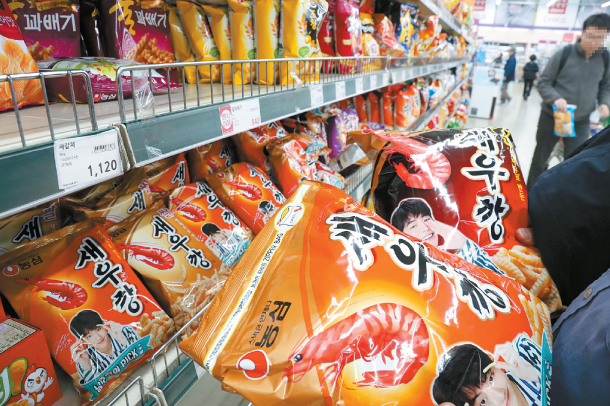
    Nineteen Nongshim snacks, including its famous Shrimp Crackers, will cost more beginning tomorrow, the company announced on Tuesday. “We have decided to raise prices in the face of accumulated pressure from rising production, labor and management costs,” said a Nongshim spokesperson. “We have tried to minimize the scope of the price rise in consideration of our consumers.”

    According to the company, Nongshim will raise the prices of 19 out of its 23 snacks by an average of 6.7 percent beginning from Nov. 15.

    A 90-gram (3.17 ounces) bag of Shrimp Crackers, one of the company’s iconic products, will now cost around 100 won ($0.08) more than the current 1,200 won. The prices of other favorites, such as Onion Rings, Honey Twist Snacks and Tako Chips, will rise by 6.1 percent, while the price of Pretzels will jump by 7.4 percent.

    Tomorrow’s hike will mark the first time in over two years that Nongshim has increased snack prices. It upped the price of 15 of its snacks by an average of 7.9 percent in July 2016. In Feb. 2014, it increased the price of Shrimp Crackers by 10 percent.

    Earlier this year, competitors Crown-Haitai Confectionery and Lotte Confectionery began charging more for some of their snacks, both citing rising production costs.

  • China cuts retail fuel prices again

    China cuts retail fuel prices again

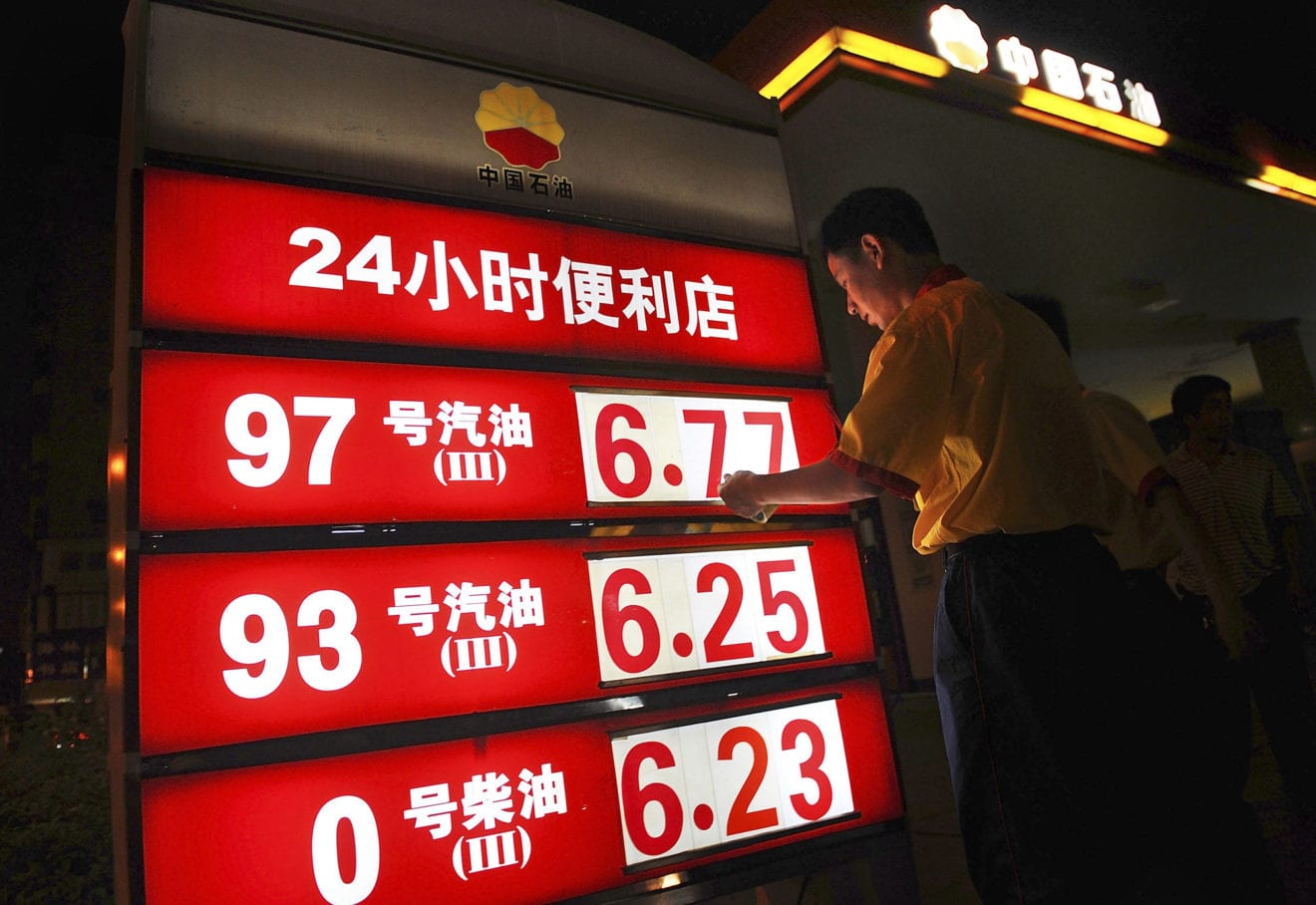
    China will cut the retail prices of gasoline and diesel for the first time this year as international oil prices fell, the country’s top economic planner said Wednesday.

    Both gasoline and diesel prices will be reduced by 70 yuan ($10.2) per tonne starting Thursday, according to the National Development and Reform Commission (NDRC).

    Analysts attributed the lower international oil prices to recovery of drilling activity in the United States and a stronger US dollar.

    Under the current pricing mechanism, if international crude oil prices change by more than 50 yuan per tonne and remain at that level for 10 working days, the prices of refined oil products such as gasoline and diesel in China will be adjusted accordingly.

  • Mobile money halves overseas remittance costs

    Mobile money halves overseas remittance costs

    The average cost of sending international remittances with mobile money is less than half that of using global money transfer operators (MTOs), a new GSMA report reveals.

    Such lower prices contribute directly toward achieving targets within United Nations sustainable development goal (SDG) 102. Lower transaction fees also translate directly into additional income for remittance recipients.

    “Through mobile money services, the industry is directly supporting the goal of expanded financial inclusion for migrants and their families by reducing international remittance costs,” GSMA Chief Regulatory Officet John Giusti said. “The potential gains of achieving this target could be as high as $20 billion in additional income for remittance recipients.”

    The report noted that if people were able to send remittances from a mobile money account, the average cost of sending $200 was 2.7%, compared to 6% when using global MTOs.

    GSMA estimates that there are more than 400 million registered consumer accounts for mobile money across over 90 countries.

    “While today mobile money services are largely used for domestic transactions, international transfers represent the fastest-growing segment of mobile money services. In just a few years’ time, mobile money has moved from a purely domestic service to one that allows migrants to send remittances between more than 20 countries globally,” Giusti explained.

    World Bank data shows that more than 250 million people live outside their country of birth and regularly send money home, providing a financial lifeline to their families and contributing to the economies of their home countries.

    In 2015, global remittances totalled $581.6 billion, of which $431.6 billion, or nearly 75%, was sent to the developing world. However, the cost of international transfers remains high and directly impacts the income of remittance recipients.

  • Axiata Q1 profit falls 37% on rising costs

    Axiata Q1 profit falls 37% on rising costs

    Malaysia-based Axiata Group has reported a 37% slump in net profit for the first quarter ending in March, due in part to higher capex, financing and depreciation costs.

    Net profit fell to 368 million ringgit ($90.1 million) despite a 5.4% year-on-year increase in revenue to 5 billion ringgit.

    Axiata’s domestic subsidiary Celcom Axiata had what the company called a “challenging quarter,” with revenue declining 13.4% year-on-year.

    As a result of new regulations, Celcom had to temporarily suspend almost all value added services during the quarter due to customer complaints, resulting in VAS revenue falling by 19.8%. Celcom’s normalized profit fell 22.3%.

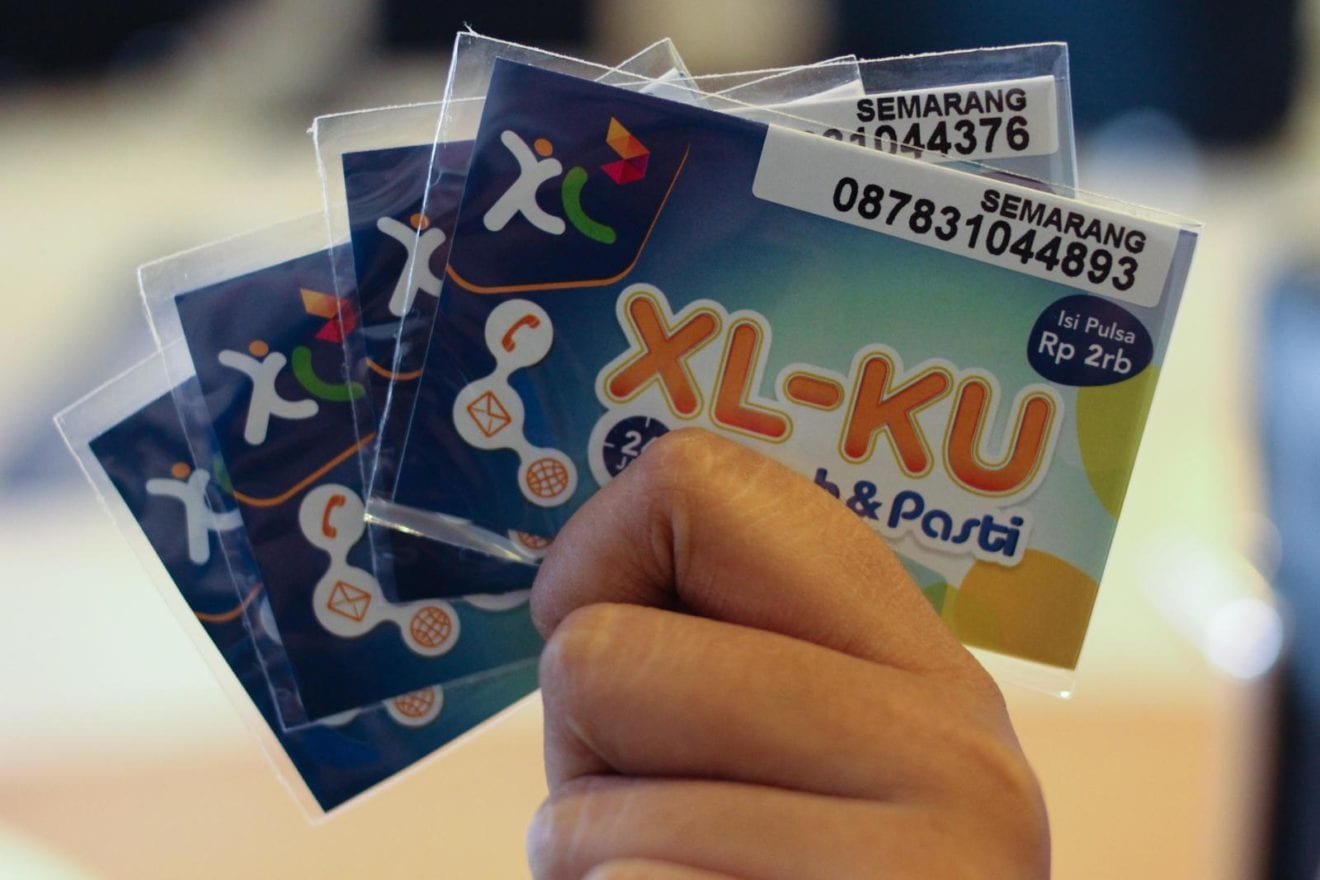
    But Indonesia’s XL Axiata had a strong first quarter, with net profit more than doubling and revenue growing 2.5% as a result of the strong performance of the Axis brand, acquired in 2014.

    Axiata Group also reported a steady performance in its emerging markets segment of Sri Lanka, Bangladesh and Cambodia. But the contributions from regional associates Idea Cellular in India nd M1 in Singapore both declined.

    “The first quarter showed mixed results with XL, Dialog and Smart performing exceptionally well while Celcom’s performance impacted the Group’s results,” Axiata Group CEO Dato’ Sri Jamaludin Ibrahim said.

    “However, I am pleased to note there are many positive signs; Celcom has been aggressively rolling out more LTE sites and a number of competitive and exciting data products and services over the last two months. I am confident with these initiatives in place, Celcom will be back on track to finish the year respectably.”