Tag: culture

  • MilkLab’s Almond and Oat Milks hit Kiwi Shelves, Feeding NZs Booming Home-Brewed Coffee Culture

    MilkLab’s Almond and Oat Milks hit Kiwi Shelves, Feeding NZs Booming Home-Brewed Coffee Culture

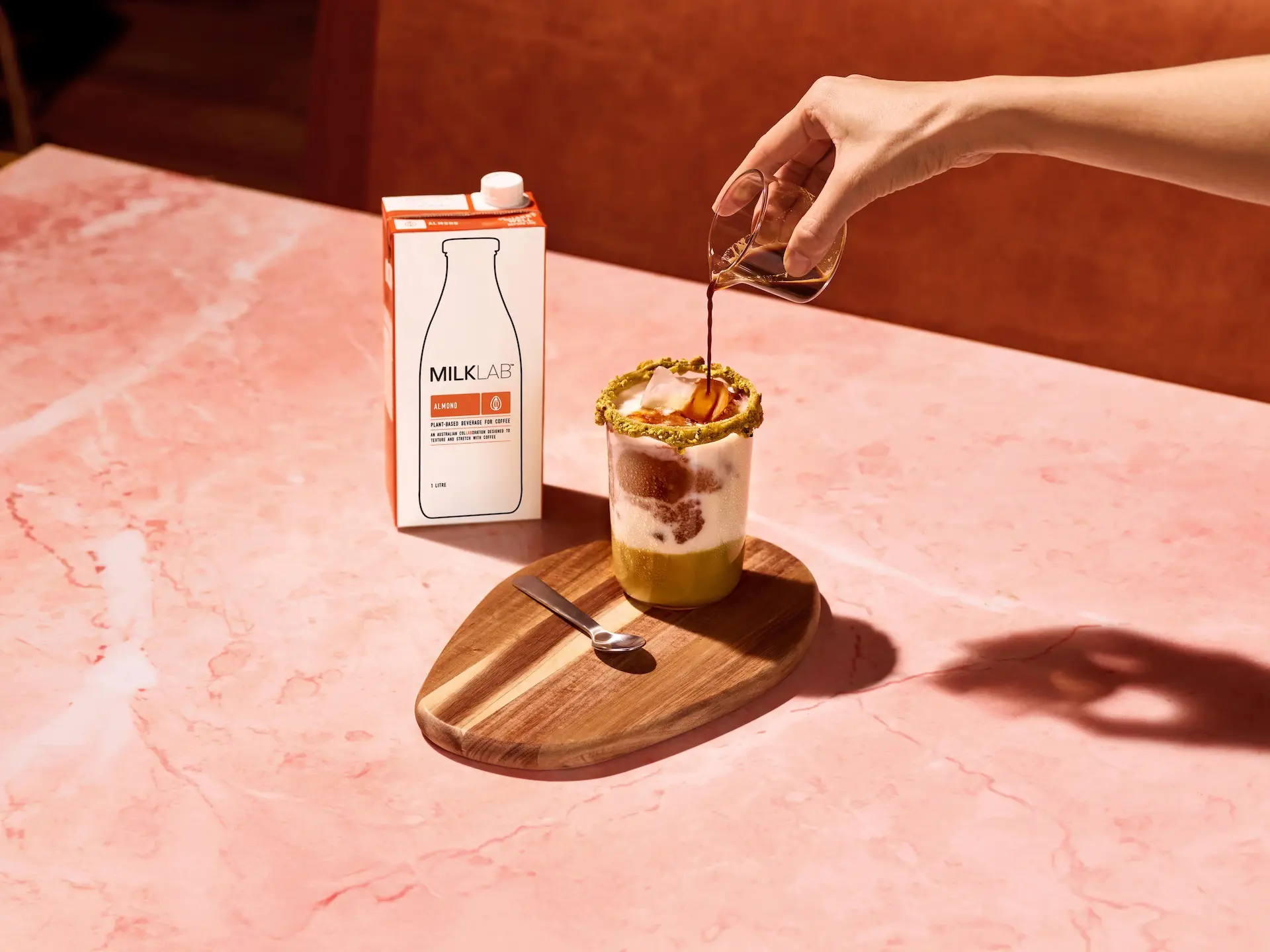
    Renowned dairy and plant-based milk brand, MilkLab, has expanded its market by introducing its Almond and Oat varieties to consumers in New Zealand via Woolworths stores. The move is in response to the increasing demand for dairy alternatives among New Zealand residents, who consume an average of 3.7kg of coffee annually. As more Kiwis embrace the use of home espresso machines, the need for alternatives that do not alter the taste, texture, or appearance of coffee has become evident.

    MilkLab Responds to Demand for Dairy Alternatives

    The introduction of MilkLab Almond and MilkLab Oat – the top two choices of baristas in Australia – into New Zealand supermarkets is an answer to the escalating demand. Natalie Latimore, MilkLab’s head of marketing, views the expansion as a strategic move, considering the growing popularity of specialty coffee among Kiwi households.

    “New Zealand has an advanced and passionately loyal coffee culture. Kiwi consumers expect their coffee to meet high standards whether they are in a cafe or at home,” Latimore said. She further emphasized that New Zealand’s coffee enthusiasts can now enjoy the results of MilkLab’s years of innovation in plant-based milk to achieve cafe-quality coffee at home, by simply shopping at Woolworths.

    MilkLab has been a part of New Zealand’s cafe scene for several years, and the annual MilkLab NZ Barista Battle is a highlight on the local coffee calendar. The competition enables local baristas to display their skills and creativity using the same MilkLab products now available in supermarkets.

    MilkLab’s Partnership Strategy

    In another strategic move, the company has partnered with Allpress Espresso. This partnership will see MilkLab Almond, Oat, and Lactose Free become the alternative milk of choice in Allpress cafes in Australia.

    Melanie Ung, brand manager at MilkLab, expressed her excitement about the partnership stating, “Allpress is a respected name in this industry, and we are thrilled to be the brand behind their bar. We believe this partnership aligns perfectly with our values and standards, and what we believe the barista experience should be.”

    The company anticipates that this collaboration will strengthen MilkLab’s leadership in the highly competitive plant-based milk category.

    Questions & Answers

    What are the MilkLab products now available in New Zealand?
    The MilkLab Almond and MilkLab Oat are now available in New Zealand.

    What is the significance of the MilkLab expansion into New Zealand’s market?
    This expansion allows MilkLab to tap into the growing demand for dairy alternatives in a country with a rich coffee culture.

    What is the new partnership between MilkLab and Allpress Espresso?
    MilkLab has partnered with Allpress Espresso to become the alternative milk of choice in all Allpress cafes in Australia.
  • Explore Thai Culture in Style: Vans Nonthaburian Concept Store Opens in Central Westgate, Thailand

    Explore Thai Culture in Style: Vans Nonthaburian Concept Store Opens in Central Westgate, Thailand

    Vans has proudly reopened its renovated store at Central Westgate in Nonthaburi, Thailand, introducing a unique retail concept heavily influenced by the region’s rich cultural heritage.

    This innovative project was realized in conjunction with Thai artist Songsin Tiewsomboon. The store skillfully weaves together elements of local art, music, and skateboarding, offering visitors an immersive experience that goes beyond a typical retail establishment.

    A Fresh Retail Concept

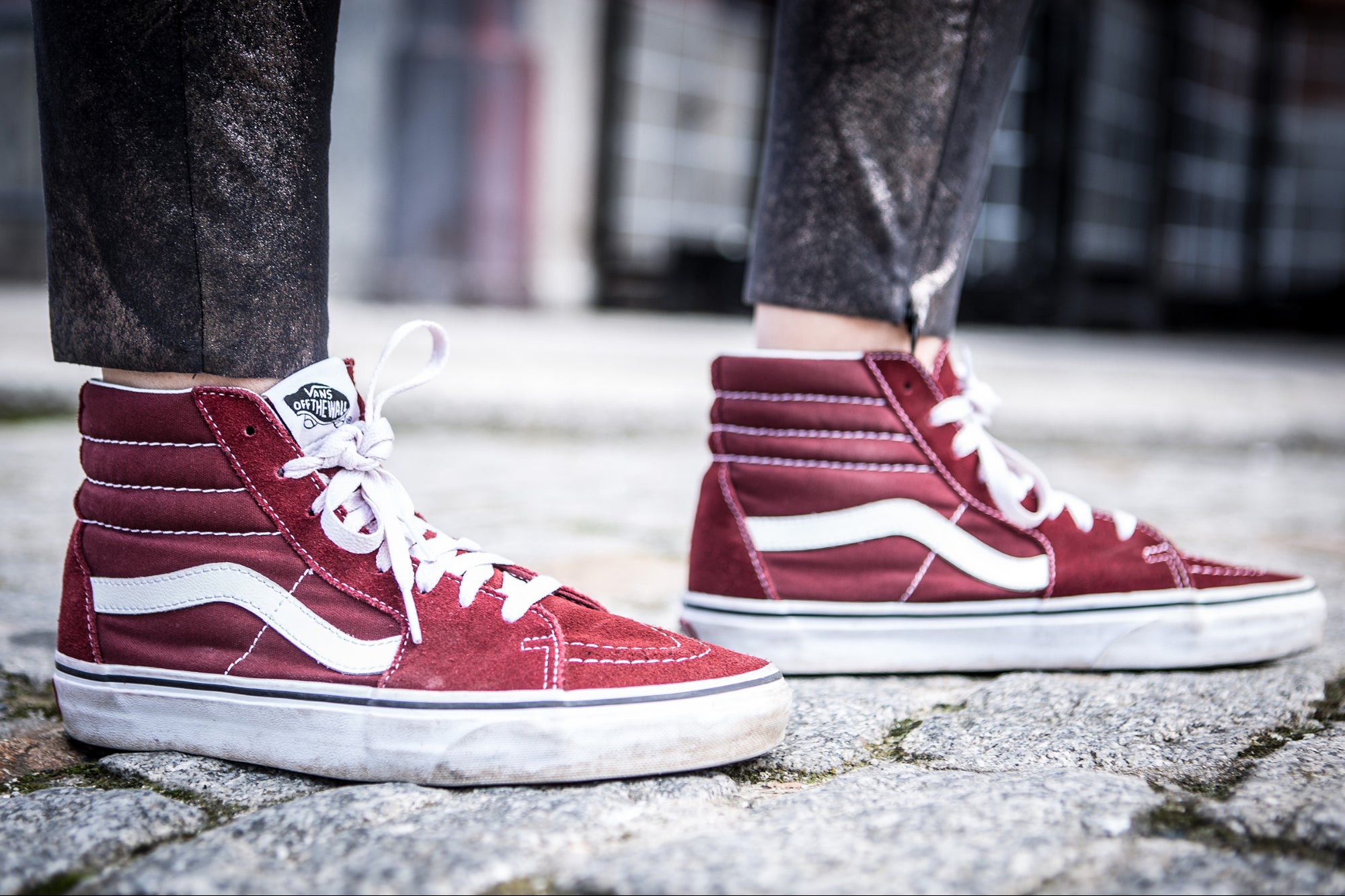
    The principal aim of this endeavor is to showcase an expanded offering of Vans footwear, apparel, and accessories. In addition, the store presents exclusive items available only at the Central Westgate location, including the unique Faded Black Souvenir Collection.

    The retail concept, coined as ‘Nonthaburian’, draws heavily from Songsin’s birthplace, Nonthaburi. Local landmarks and symbols, such as the Chao Phraya River, fruit orchards, and traditional pottery, are all reimagined within the store. Furthermore, the presence of Firehead, a character from Songsin’s graphic novel ‘Beansprout & Firehead’, adds a distinctive touch to the overall retail concept.

    Invitation to Experience Local Culture

    Thai Outdoor Group, the distributor of Vans in Thailand, extends a warm invitation to visitors to come and experience the first Vans Select Store in Southeast Asia. The ‘Nonthaburian’ concept offers a unique intersection of local culture, creativity, and Vans’ ‘Off The Wall’ spirit, promising a distinct and immersive retail experience.

    Questions & Answers

    What is the ‘Nonthaburian’ concept?
    The ‘Nonthaburian’ concept is a unique retail theme, which integrates local cultural symbols and landmarks of Nonthaburi, reinterpreted within the store’s design and offerings.

    What special features does the Vans store at Central Westgate offer?
    The Vans store offers an expanded range of footwear, apparel, and accessories, including exclusive items only available at this location. It also provides an immersive experience, combining local art, music, and skateboarding.

    Who is the Thai artist that collaborated on this project?
    The artist involved in this project is Songsin Tiewsomboon. His work on the ‘Nonthaburian’ concept and the incorporation of his graphic novel character Firehead are notable aspects of the store’s design.

  • Zhu Bingren Copper Debuts First International Flagship Store in Singapore, Celebrating Art, Culture, and Connection

    Zhu Bingren Copper Debuts First International Flagship Store in Singapore, Celebrating Art, Culture, and Connection

    Zhu Bingren Copper, a renowned Chinese copper craftsmanship brand, has unveiled its inaugural flagship store in Singapore, operating as its international brand, ZenBron. This marks the brand’s first-ever venture outside of its home country.

    Expanding Borders and Cultivating Relationships

    Situated in Chinatown Point, this fifth-generation copper-craft store introduces its “150 years of fire, form and cultural heritage” to a global audience. This significant move not only symbolises an artistic exchange between the two countries but also deepens the long-established relationship between Zhu Bingren and Singapore.

    The brand’s expansion coincides with the Gratitude Festival, an event organised by the Zhu family. This alignment imbues the copper artworks with a symbolic representation of warmth and sincerity. Zhu Junmin, the fifth-generation master craftsman and successor of Zhu Bingren Copper, expressed his honour in being able to extend the festival’s spirit beyond China and share its meaningful message of appreciation with Singapore’s diverse community.

    New Store Features and Offerings

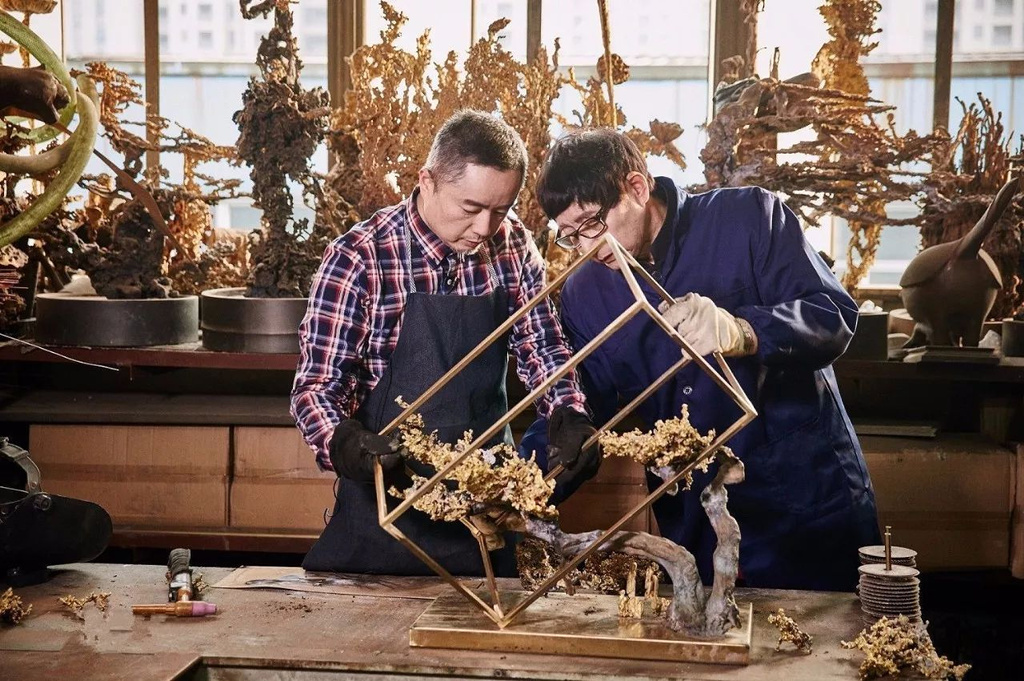
    To honour the convergence of these events and the upcoming Chinese New Year, the Singapore store showcases the brand’s latest ‘Horse of Victory’ edition. Additionally, the store offers a variety of contemporary home ornaments, scholar’s studio collectibles and molten-bronze artworks, with each piece embodying the spirit of blessing.

    Master Chinese sculptor Zhu Bingren, after whom the brand is named, has renowned works featured in national museum collections. Zhu Bingren Copper, established in 1875 and with five generations of heritage, is celebrated for integrating ancient copper artistry into modern, high-end gifts and everyday items.

    Local Engagement and Future Aims

    Operating six art centres and over 200 lifestyle experience stores domestically, Zhu Bingren Copper now aims to make its art accessible to local collectors, culture enthusiasts, and design admirers through this overseas expansion.

    Questions & Answers

    What is Zhu Bingren Copper?
    Zhu Bingren Copper is a distinguished Chinese copper craftsmanship brand named after the master Chinese sculptor Zhu Bingren.

    Where is Zhu Bingren Copper’s first overseas flagship store located?
    Zhu Bingren Copper’s inaugural overseas flagship store is located in Singapore, at Chinatown Point.

    What is the significance of the Gratitude Festival?
    The Gratitude Festival, organised by the Zhu family, symbolises warmth and sincerity. In this context, it represents the brand’s attempt to extend its spirit of appreciation beyond China and to the diverse community of Singapore.

  • Lavazza Brews Up First Hong Kong Store: A New Chapter in Coffee Culture

    Lavazza Brews Up First Hong Kong Store: A New Chapter in Coffee Culture

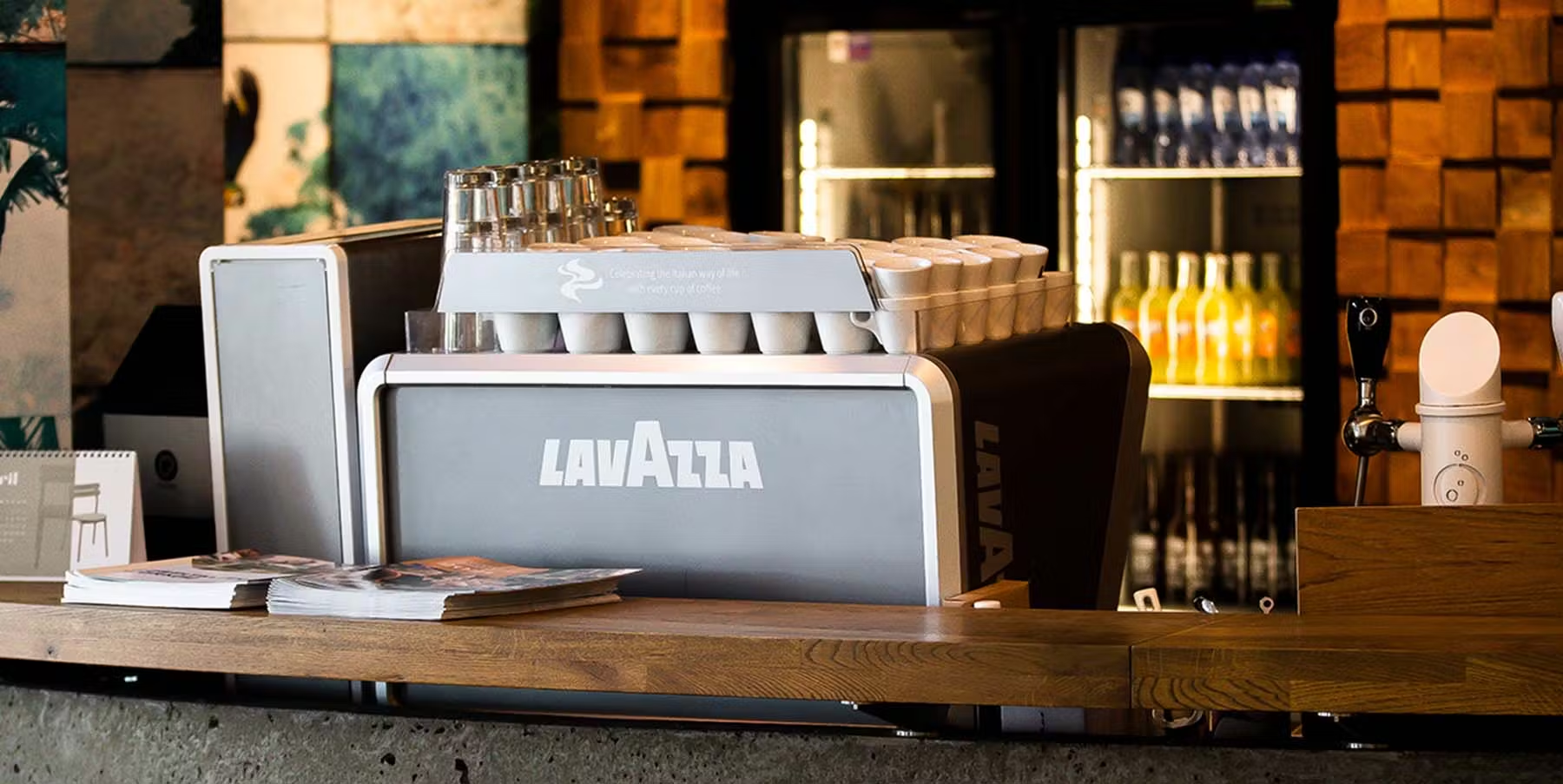
    Italy’s iconic coffee brand, Lavazza, has recently established its inaugural store in Hong Kong’s bustling financial district, Central. This is a result of a strategic partnership with Yum China.

    The new location aims to provide a unique coffee experience by offering Lavazza’s premium Italian coffee blends and an extensive variety of beans from various parts of the globe.

    In a statement, Yum China conveyed its commitment to enhance the daily life of Hong Kong’s residents through Lavazza’s internationally acclaimed coffee.

    The opening of the store is a significant move in Lavazza and Yum China’s wider regional strategy. The two firms have ambitious plans for mainland China, intending to broaden Lavazza’s presence to include 1000 cafes by 2025. This expansion is fueled by a generous initial investment of US$200 million and the valuable in-depth market knowledge of Yum China.

    The collaboration in Hong Kong is a reflection of the companies’ shared objective to bring authentic Italian coffee experiences to urban professionals. Not only does this allow them to enjoy high-quality beverages, but it also bolsters Lavazza’s regional influence.

    Questions & Answers

    What is Lavazza’s plan for expansion in mainland China?
    Lavazza, in partnership with Yum China, plans to broaden its network to include 1000 cafes by 2025.

    What is the significance of Lavazza’s collaboration with Yum China in Hong Kong?
    The collaboration aims to offer authentic Italian coffee experiences to urban professionals in Hong Kong, while also strengthening Lavazza’s regional presence.

    What kind of coffee does the new Lavazza store in Hong Kong offer?
    The store provides Lavazza’s premium Italian coffee blends as well as a wide selection of beans sourced from around the world.

  • Pop Culture Meets Travel Retail: Pop Mart Unveils First Middle Eastern Store at Qatar’s Hamad International Airport

    Pop Culture Meets Travel Retail: Pop Mart Unveils First Middle Eastern Store at Qatar’s Hamad International Airport

    Qatar Duty Free has embarked on a collaboration with Chinese collectibles company Pop Mart to unveil the brand’s first Middle Eastern store. This partnership marks a novel blend of travel retail and pop culture experiences.

    Unveiling Pop Culture at Hamad International Airport

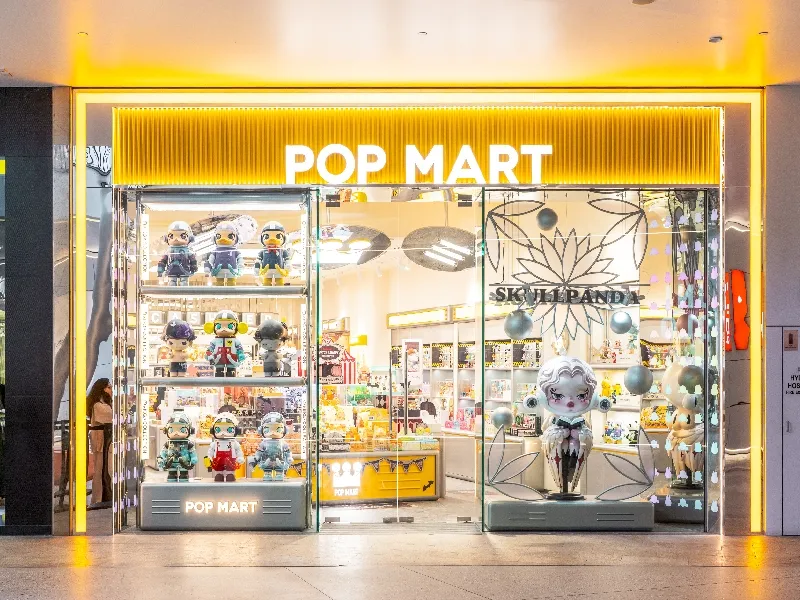
    The new store, located at Hamad International Airport, brings a culture-inspired theme to passengers. It provides an immersive retail experience featuring the brand’s popular characters.

    The grand opening of the store was marked with a unique travel-themed fashion show. The event featured travel-ready outfits accessorized with Pop Mart collectibles, and was attended by international influencers and Pop Mart enthusiasts.

    The Twinkle Twinkle Wonderful Journey Series

    The store’s launch also presented an exclusive collection of travel-inspired Pop Mart collectibles named the ‘Twinkle Twinkle Wonderful Journey Series’. This series includes travel essentials such as bags, U-shaped pillows, and card holders.

    Revolutionizing Airport Retail

    Thabet Musleh, Chief Retail and Hospitality Officer of Qatar Airways Group, commented on the partnership, emphasizing the company’s commitment to revolutionizing airport and regional retail. He mentioned that this unique concept aligns perfectly with their vision to continually surprise travelers with exclusive, experience-centric concepts that redefine travel retail trends and standards.

    Justin Moon, Senior VP and COO of Pop Mart International Group, highlighted the significance of the collaboration. He noted that by integrating Qatar’s rich culture with their vibrant characters, they are setting a global benchmark for how pop culture connects with local communities.

    Following Pop Mart’s initial Middle Eastern debut in Abu Dhabi in May, the brand has recorded an increase in sales, thanks in large part to the popularity of their ‘ugly-cute’ Labubu figures.

    Questions & Answers

    What is the significance of the partnership between Qatar Duty Free and Pop Mart?
    The collaboration introduces a unique blend of travel retail and pop culture, marking Pop Mart’s first store opening in the Middle East.

    What special features does the new Pop Mart store offer?
    The store provides an immersive, culture-inspired retail experience, highlighting the brand’s popular collectibles. It also features an exclusive collection of travel-inspired items called the ‘Twinkle Twinkle Wonderful Journey Series’.

    What was the outcome of Pop Mart’s initial debut in the Middle East?
    Following its first launch in Abu Dhabi, Pop Mart has seen increased sales, particularly for its ‘ugly-cute’ Labubu figures.

  • Authenticity In Retail: How Employees Shape Brand Culture For Competitive Advantage

    Authenticity In Retail: How Employees Shape Brand Culture For Competitive Advantage

    In the dynamic world of retail, heritage brands and new entrants alike are recognizing the power of authenticity. This realization was notably demonstrated when a sponsored post by an employee reached a staggering 3.9 million views. In this case, the loss experienced by Chick-fil-A in terms of authenticity was compensated for by Shake Shack, which gained significantly in cultural credibility. This situation illuminated the compelling fact that employees can serve as highly effective cultural translators, particularly when they are empowered to express their unique perspectives.

    The Power of Culture

    Culture is not just a buzzword; it’s a unique element that sets one brand apart from another. While it is possible to invest considerable resources into marketing strategies, creating a ‘cool’ image is not something that can be purchased. Similarly, authenticity, a highly coveted trait in today’s retail environment, cannot be feigned.

    The implication for organizations is that they need to consider whether they are sufficiently courageous to allow their employees to mold, interpret, and enhance their culture. This approach necessitates an openness to divergent viewpoints and a willingness to relinquish a degree of control over the organizational narrative.

    Authenticity: A Critical Competitive Advantage

    In an increasingly cluttered retail landscape, authenticity allows brands to distinguish themselves from their competitors. An authentic culture resonates with consumers, who are increasingly seeking out genuine connections with the brands they support. This authenticity can be instrumental in fostering customer loyalty and driving business growth.

    While the concept of authenticity might seem intangible, it is deeply rooted in the actions and attitudes of an organization’s employees. By empowering employees to serve as cultural ambassadors, organizations can tap into their unique insights and perspectives, fostering an authentic culture that resonates with consumers.

    Questions & Answers

    What role do employees play in shaping a brand’s culture?
    Employees play a crucial role in shaping a brand’s culture. They can serve as cultural translators, offering unique insights and perspectives that can help define and enhance an organization’s culture.

    Why is authenticity important in today’s retail environment?
    Authenticity is important because it allows brands to distinguish themselves in an increasingly competitive market. Consumers are increasingly seeking genuine connections with the brands they support, making authenticity a critical factor in fostering customer loyalty and driving business growth.

    How can organizations foster an authentic culture?
    Organizations can foster an authentic culture by empowering their employees to express their unique perspectives, thereby shaping, interpreting, and enhancing the organizational culture.

  • New records seen in agro-forestry-fishery exports in 2022

    New records seen in agro-forestry-fishery exports in 2022

    The agro-forestry-fishery sector has made new export records in 2022 thanks to the diversification of markets and products.

    Statistics show that the sector’s export turnover is expected to top $53 billion in the year with a trade surplus of $7.8 billion, up nearly 48% year-on-year.

    Fishery exports would reel in nearly $11 billion, a 20-year high since Vietnam joined the international market. Records have been seen in shrimp, tra fish (pangasius) and tuna exports, with $4.3 billion, $2.4 billion and $1 billion in revenues, respectively.

    Given the 40-year high inflation and currency fluctuations in many markets and surging prices due to the Russia-Ukraine conflict, which have forced importers to consider reducing orders, Vietnamese businesses have flexibly diversified markets and products, according to Director of the Vietnam Association of Seafood Exporters and Producers VASEP’s Trade Promotion and Training Centre Le Hang.

    She held that free trade agreements (FTAs), especially the Comprehensive and Progressive Agreement for Trans-Pacific Partnership (CPTPP), have significantly benefited the domestic fishery industry, explaining that exports to the CPTPP markets expanded by 30% to make up 26-27% of the country’s total fishery export value.

    Trade promotion activities both at home and abroad have also played a role in the hikes, Hang added.

    In the year, rice export is also expected to hit a record of 7 million tonnes, said Do Ha Nam, Vice Chairman of the Vietnam Food Association, noting that rice contracts would be maintained in early 2023 thanks to high prices.

    Deputy Director of the Vietnam Academy of Agricultural Sciences Dao The Anh attributed the outstanding results to agricultural restructuring, which has created a firm foundation for the sector to move ahead.

    Many Vietnamese agricultural products have gained access to new markets, for example durian, sweet potato and bird’s nests winning permit to ship to China, pomelo to the US, longan to Japan, and lemon and pomelo to New Zealand.

    The sector will make greater efforts to reach more markets with diverse products, but the achievements in market opening should be maintained, said Hoang Trung, Director of the Plant Protection Department under the Ministry of Agriculture and Rural Development.

    Hang also suggested that the State should issue specific policies on market, tax and capital to better access foreign markets in the time ahead.

    For his part, Anh stressed the need to continue diversifying markets, including China, and satisfy their requirements in food safety and packaging, expressing his belief that ample room will remain for Vietnam’s agro exports next year.

  • Korean department stores are being converted into culture spaces

    Korean department stores are being converted into culture spaces

    South Korean department stores are on track to transform their outlets from simple shopping centres into culture spaces.

    The primary factor behind the department stores’ increasing efforts to install cultural spaces is the sluggish performance of their offline stores amid the expansion of contactless consumption through online channels resulting from the spread of the Covid-19 pandemic.

    Lotte Department Store, for example, started setting up experience-focused cultural facilities within its outlets across the country last year.

    The company’s flagship store in Jamsil, southern Seoul, is running a cultural space called 291 Photographs, which hosts a variety of photo exhibitions and offers profile photograph services for professional writers, in addition to camera and book sales.

    Hyundai Department Store also built a cultural space at its Pangyo branch, south of Seoul.

    Under the concept of an ‘Art Museum’ that focuses on installing a variety of artworks including sculptures and paintings on each floor of the store, Hyundai Department Store is turning its Pangyo store into a kind of art gallery.

    Shinsegae Department Store is running professional galleries at its flagship location in Seoul and as well as stores in Busan, Gwangju and Daegu.

    As the shopping experience itself is becoming not enough to lure consumers, department store operators are looking for ways to differentiate themselves by transforming their stores into cultural attractions where visitors can enjoy not only shopping but also a variety of culture and art.

  • Apple’s Melbourne flagship Delay Due to Cultural Reasons

    Apple’s Melbourne flagship Delay Due to Cultural Reasons

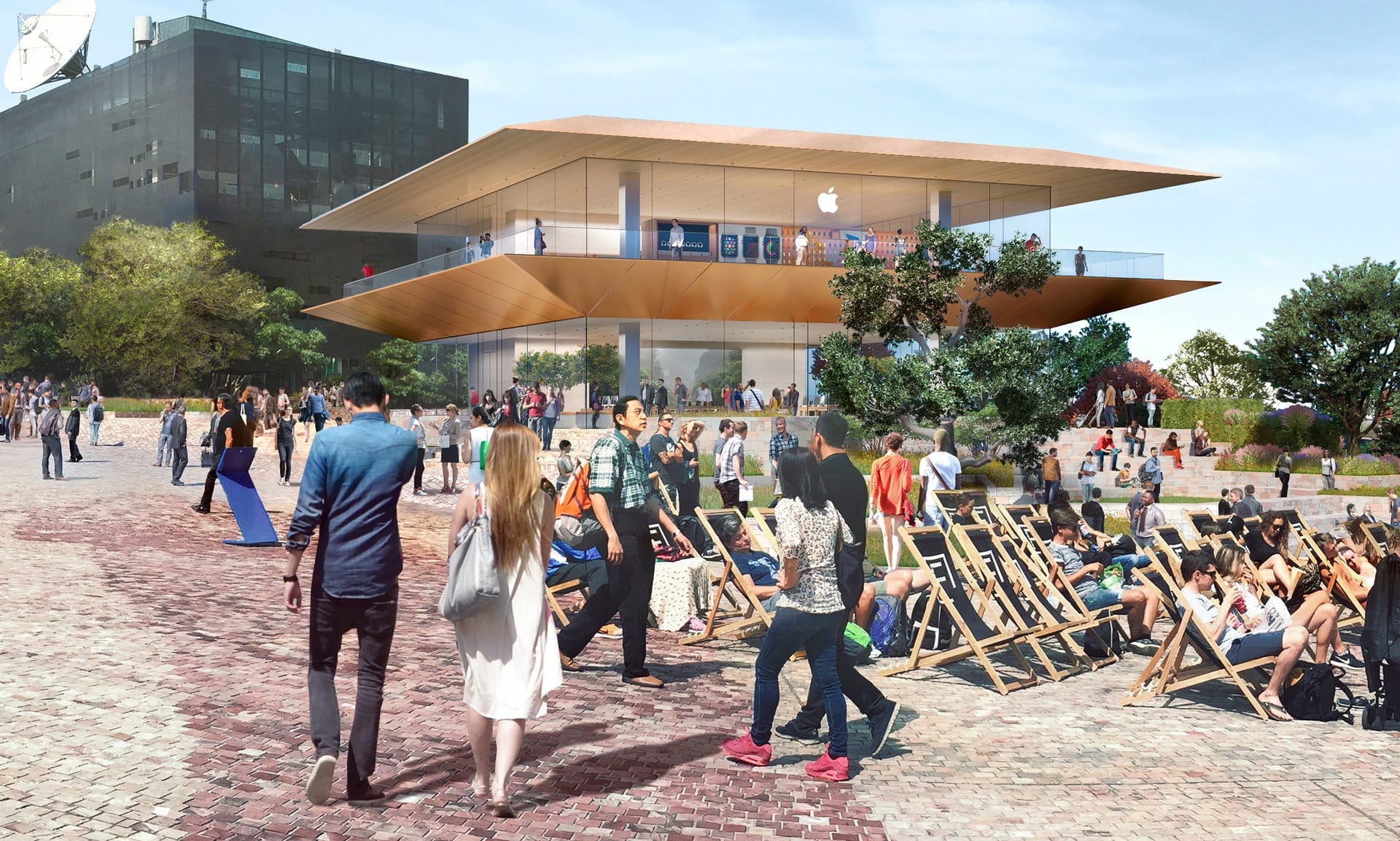
    The Andrews Labor Government has said it will launch a review of Melbourne’s Federation Square after Heritage Victoria blocked the construction of an Apple flagship on the site, citing adverse effects on the square’s cultural heritage.

    The plan, which would have seen the three-storey Yarra building demolished to make room for the tech flagship, was denied on Friday when the Heritage Victoria deemed the construction would cause “an unacceptable and irreversible detrimental impact on the cultural heritage significance of Federation Square.”

    Apple said it was disappointed by the decision, but would remain committed to customers in Melbourne and Australia.

    The tech retailer currently runs five stores across Melbourne, in Chadstone Shopping Centre, Highpoint Shopping Centre, Westfield Southland, Westfield Doncaster, and Westfield Fountain Gate.

    Victorian minister for tourism, sport and major events Martin Pakula said the of Federation Square will examine how it looks, how it is funded and how it operates in an effort to ensure it continues to stand out as an attraction to Melbourne.

    “Since its opening in 2002, Federation Square has hosted creative events and world leading attractions,” Pakula said.

    “The review will ensure this much-loved space can thrive as a civic, cultural and commercial hub for years to come.”

    After the 2017 plan for an Apple flagship was put through without public consultation, Victorians will be given the opportunity to have their say in the review, which is set to be completed by the end of 2019.

    Victorian shadow minister for planning and heritage Tim Smith said the decision was a “humiliation” for the state government on Twitter.

    “After years of secret negotiations, with one of the world’s iconic brands, Apple, Daniel Andrews has been forced into a cringe worthy climb-down because his ministers didn’t do their due diligence,” Smith said.

    Smith also called on Heritage Victoria for having fast-tracked such a nomination when it is “often missing in action when it comes to protecting heritage homes.”

  • Singapore Fintech Launches Platform for Personal Loans

    Singapore Fintech Launches Platform for Personal Loans

    The new digital platform, which offers lower lending rates and encourages prompt debt repayment, could compete with banks’ personal loan facilities. Singapore fintech company Credit Culture has announced the launch of its moneylending platform, making it the first licensee from a pilot by the Ministry of Law for new business models in the personal loans industry, to do so.

    Promising transparent loan terms with no late interest and no early repayment fees, Credit Culture says its platform allows 24/7 access to personal loans with monthly interest capped at 1 percent, disbursed within only 10 minutes.

    We have seen how inefficiencies have affected the industry for years and the move to use technology to improve the system is long overdue. This is a win-win situation whereby improving the ecosystem, customers will be able to gain better access and management of their finances, said Edmund Sim, founder and CEO of Credit Culture.

    New Models for Loans

    Credit Culture’s credit scoring and application process is simpler, cheaper and more transparent than the manual processes offered by traditional banks. Its platform is built on the Amazon Web Services (AWS) cloud and taps on MyInfo, the central data repository of Singapore citizens’ information to populate loan applications.

    A proprietary credit-scoring engine then uses this data to assess the creditworthiness of a customer instantly. Apart from lower backend costs, the AWS approach is also scalable depending on customer demand, allowing the firm to grow quickly and roll out in new markets with ease.

    The rates charged by Credit Culture are significantly lower than those charged by banks on overdue credit card payments, which average 24 percent per annum, or more than 2 percent per month. However, the effective interest rate could turn out higher than personal loan rates offered by some banks.

    Ministry of Law Pilot

    Credit Culture was founded by a group of banking industry veterans with knowledge of the consumer credit and technology space. In December 2018, the firm was among six selected by the Ministry of Law as part of a pilot to professionalize the personal loans space in Singapore.

  • Franchising report reveals “cultural problems”

    Franchising report reveals “cultural problems”

    The Australian Senate thinks there needs to be a comprehensive shift in power in the franchising sector.

    In a long-awaited report on its inquiry into the sector, released today, the Senate said the current regulatory environment has failed to deter poor conduct and exploitation within the sector and created an imbalance in power.

    On that basis, it recommends giving greater protection to franchisees and whistleblowers and applying greater penalties for misconduct. This would involve making several changes to the Franchising and Oil Codes and giving more responsibility and enforcement powers to the ACCC to conduct investigations into misconduct in the sector.

    “There are deeply rooted cultural problems that will not be resolved by a franchisor replacing a few senior executives,” the report stated.

    The report points out that disclosure has been the principal and almost only protection for franchisees, and that while many franchisors would like to keep it that way, it is no longer sufficient.

    “The extent and breadth of misconduct within the franchise sector demonstrates that disclosures and transparency alone, while vitally important, are an insufficient response to power and information asymmetry,” the report said.

    The report recommends more protection for franchisees and employees who want to blow the whistle on franchisors engaging in misconduct, and suggests that whistleblower protections should apply in these cases. The inquiry uncovered many instances of franchisors using intimidation to keep franchisees from speaking out.

    The report also recommends steeper civil penalties be introduced into the Competition and Consumer Act 2010, and the Franchising Code of Conduct, in order to ensure they act as a “meaningful deterrent” against further misconduct.

    The penalty amounts would be similar to those currently found under Australian Consumer Law, and should be prescribed in legislation so that the limit on penalties under industry codes does not apply to franchising.

    One of the major issues in the sector presented in the report is wage theft, partly due to the business model franchisors operate under, and partly due to social and cultural problems within the industry.

    “At times, wage theft is occurring as a way for franchisees to extract profits or service payments in order to stay afloat in a financially constrained business model (given wages are one of the greatest costs in the franchisee’s control),” the report said.

    “Whilst many franchisors cited greed as the primary motivation for wage theft, the committee notes that the issue is far more complex and partly inherent to the business models’ structural breakdown of power and the imposition of cost controls.”

    Last week, the Migrant Workers Taskforce recommended criminal penalties be put in place for businesses which intentionally conduct staff underpayment, noting it had found “widespread levels of non-compliance with relevant laws.”

  • Culture complexes blooms in Asia

    Culture complexes blooms in Asia

    In recent years, the term “culture complex” has often been seen on social media. Postings showing people spending time at these spaces are shared often, attached with hashtags that read “culture life,” “leisure time” and “relaxation.” Culture complexes have risen as popular city destinations for young Seoulites. Buildings housing exhibition halls, cafes, restaurants and design shops bill themselves as culture complexes.

    According to last year’s “Where to Live,” a book by Yoo Hyun-joon, an architect and professor, the younger generation has been exhibiting their identities on social media by sharing the kind of clothes that they wear and the kind of food that they eat. Now, it is about the space — the kind of spaces where you spend your time.

    To satisfy such desires, culture complexes compete to house the trendiest tenants. What also matters is how well such culture complexes go with the neighborhoods they inhabit.

    The Wooran Foundation building in Seongsu-dong, eastern Seoul, is a case in point. The neighborhood is often referred to as the Brooklyn of Seoul, as young artists and hipsters have flocked to the old abandoned factories in the area.

    The new 12-story building stands out in the generally low-rise neighborhood. But the architectural design shares the Brooklyn mood with layers of gray concrete and an industrial mood.

    Cafe Dorrell, a Jeju Island import, on the first floor is one of the trendiest coffee franchises of 2018. The interior is decorated with skateboards, matching the young and hip atmosphere of the area.

    The culture complex has five halls for exhibitions and performances, ready to host all genres of artistic activities.

    Founded in 2014, the Wooran Foundation, is a cultural foundation that aims to create sustainable arts and culture ecosystem. President Chey Ki-Won is the younger sister of SK Group Chairman Chey Tae-Won.

    Some culture complexes serve as showrooms for companies. For example, Simmons Terrace showcases Simmons mattresses while the Monami Concept Store displays the brand’s stationery products.

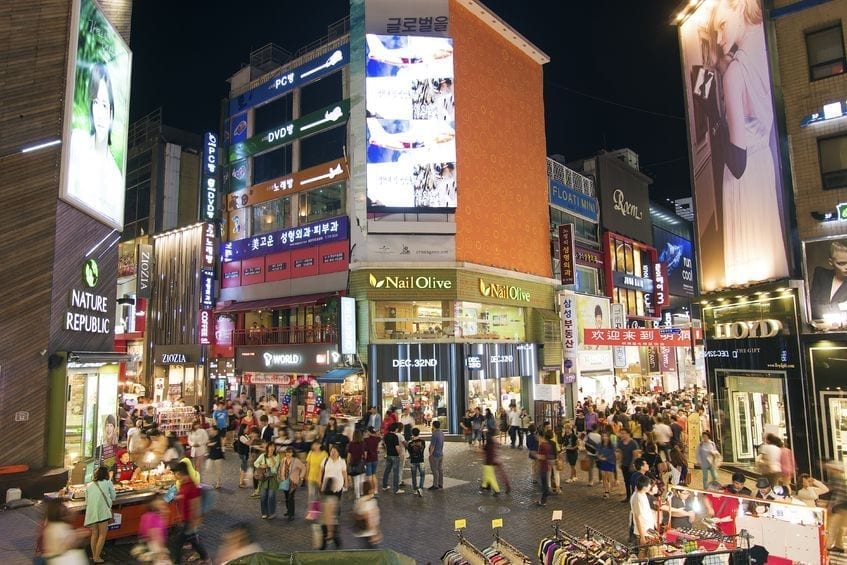
    Flask Namsan in central Seoul is operated by Market m, a lifestyle design select shop. Located near Myeongdong, the first floor space features design products from interior decorations to furniture. Upstairs, visitors can relax with a cup of Moonshine Coffee from Australia.

    The cafe lounge on the third floor is a culture space for lectures, seminars and mentoring sessions. The yet-to-open upper part of the building, from the fourth to sixth floor rooftop, will house more showrooms and restaurants.

    “In Korea, we usually meet people at cafes and restaurants. While meeting friends, we can visit these shops and share our lifestyles. I get to know more about what others like and what I like, too,” Kim Ji-hye, an office worker her mid-20s in Seoul, said.

    “On the other hand, I sometimes wonder why these places call themselves culture complexes, when they are just spaces for businesses,” Kim said. “I feel like they should have something more than just sales.”

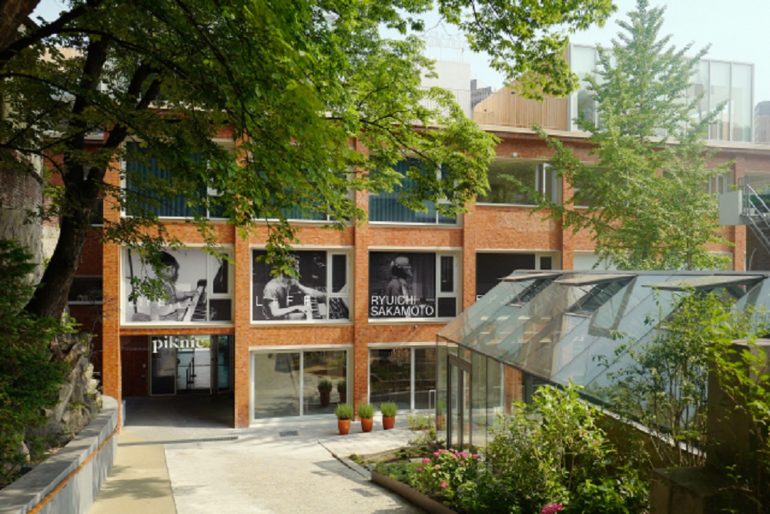
    Originally a pharmaceutical company building from the 1970s, Piknic, a culture complex in Hoehyeon-dong, central Seoul, houses Kafe Piknic, a cafe by day and tapas bar by night. Michelin-starred french restaurant Zero Complex is on the third floor.
    However, what has made Piknic a popularly recognized name is the exhibition space. Designer brand SJYP held a runway show here during the last Seoul Fashion Week. The space also hosted “Ryuichi Sakamoto: Life Life,” a media art exhibition of the life of the Japanese composer and musician.

    The culture space is currently holding “Jasper Morrison: Thingness,” an exhibition of work by the famed British industrial designer. After enjoying the exhibition, visitors can dine at the Kafe Piknic, sitting on a chair designed by Morrison.

  • Culture shift needed to maximize benefits of analytics

    Culture shift needed to maximize benefits of analytics

    While big data analytics is on every communications service provider’s (CSP) radar, investment levels are relatively minor for most organizations, with many barely scratching the surface, according to Pyramid Research.

    The company’s latest report states that the return on investment from telco analytics is far behind that of online companies like Amazon, Google and Facebook.

    Among those CSPs with more mature implementations, however, the focus has evolved from how to use technology to extract and manage the data, to how to effectively apply big data and real-time analytics to enhance the user experience, optimize investments and add value to third-party partners.

    Pyramid Research said operators who are able to make BDA work for them will be at a significant advantage over their competitors in a market environment characterized by diminished variations between operators and the services they offer.

    The extent to which BDA implementations are successful will be a significant factor in determining the market’s winners and losers, the company said.

    “Our industry survey demonstrates that one of the most challenging aspects of the telco BDA implementations is the need for a significant shift in the structure and culture of the organization,” said Ozgur Aytar, director of research at Pyramid Research.

    “To maximize the BDA opportunity, telcos should put into place the correct leadership structure, break down barriers to data access and create a collaborative environment where people from different parts of the organization can work together for mutual benefit,” said Aytar.  “It is important to recognize that BDA is not primarily a technological investment but a major organizational restructuring.”

  • Starbucks stores in Taiwan and Hong Kong use a mix of historic and new design elements to …

    Starbucks stores in Taiwan and Hong Kong use a mix of historic and new design elements to …

  • Gucci sorry for warning to Hong Kong funeral offering shops

    Gucci sorry for warning to Hong Kong funeral offering shops

    Gucci and its parent company apologized Friday after drawing heavy criticism for warning some Hong Kong shops not to sell paper offerings for the deceased that resembled the fashion brand’s luxury products.

    The brand and its Paris-based owner, Kering, also said in a statement that they regretted any misunderstanding caused by the letters, which were sent to six shops last month.

    After meeting with the shop owners, “Kering and Gucci would like to reiterate their utmost respect with regards to the funeral context,” the statement said.

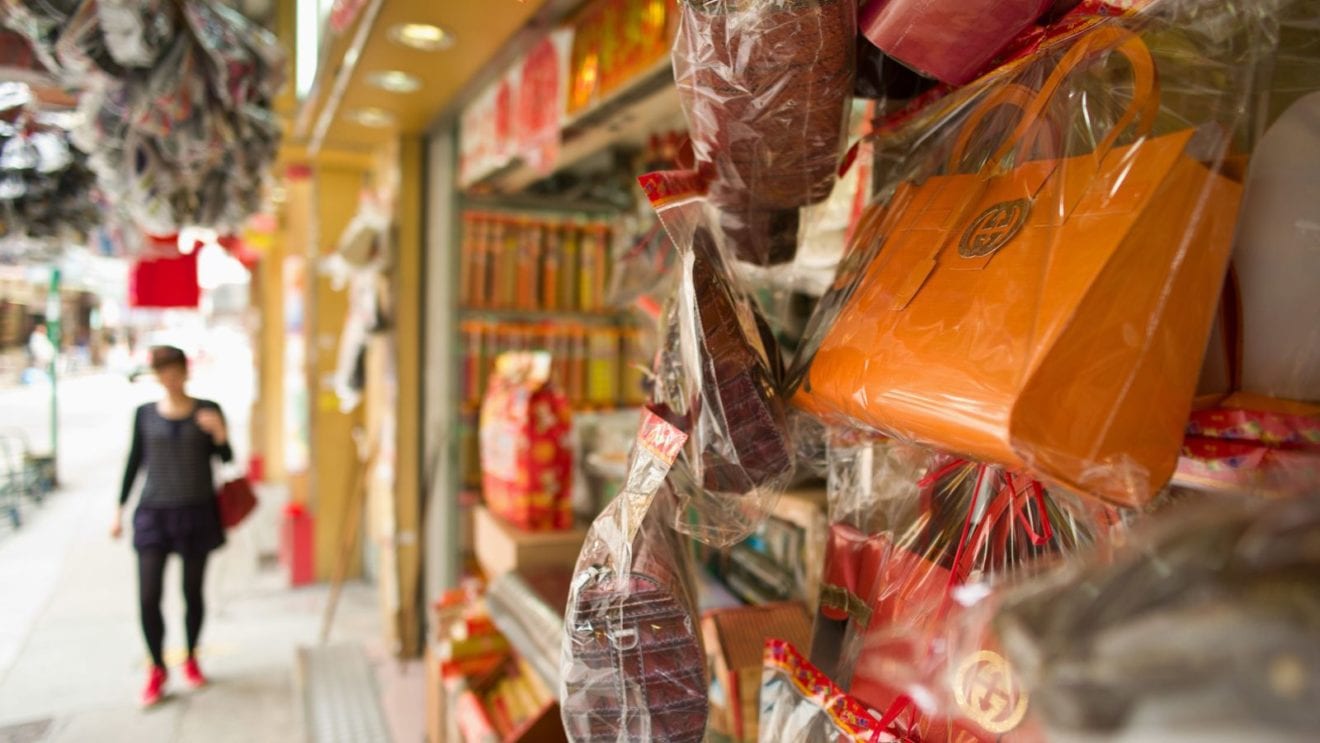
    In Hong Kong and some other parts of Asia, people burn paper offerings at funerals and during grave-sweeping festivals for deceased relatives to “use” in the afterlife.

    Specialty shops near funeral parlors sell a diverse array of paper offerings, including bundles of “hell money,” mansions, iPhones, cars, cigarettes and designer handbags, cans of beer and soda, mahjong tables and dogs and cats.

    The letters, which were sent as part of the companies’ global intellectual property protection efforts, did not suggest legal action or compensation because they did not believe the shop owners intended to infringe on the Gucci trademark, the statement said.

    Gucci operates 11 boutiques in Hong Kong and is one of the brands most coveted by shoppers, including many visiting from mainland China, where luxury goods are more expensive because of higher taxes.