Tag: Daimler

  • Daimler Recalls 744,000 Mercedes-Benz Vehicles In The US For Faulty Sunroofs

    Daimler Recalls 744,000 Mercedes-Benz Vehicles In The US For Faulty Sunroofs

    German automaker Daimler AG said on Saturday it will recall 744,000 Mercedes-Benz vehicles in the United States from the 2001 through 2011 model years because the sunroof glass panel could detach and pose a hazard. The large recall covers more two dozen vehicles from C-Class, CLK-Class, CLS-Class and E-Class model lines. The automaker said the bonding between the glass panel and the sliding room frame might not meet specifications and could lead to sunroofs detaching.

    Owners who paid for repairs for the issue will be able to seek reimbursements from Daimler. A Mercedes-Benz USA spokesman said on Saturday he did not have a worldwide vehicle total for the recall.

    Dealers will inspect the glass panel bonding and replace the sliding roof if necessary, the company said.

    Last month, Mercedes-Benz USA agreed to a $20 million civil penalty over its handling of U.S. vehicle recalls after a year-long U.S. government investigation into 1.4 million recalled vehicles.

    Under the terms of the settlement, the automaker will pay $13 million and faces another $7 million fine if it does not comply with the agreement. The U.S. National Highway Traffic Safety Administration said the company failed to notify owners in a timely fashion in some recalls, did not submit all reports and did not launch at least two recalls in a timely fashion.

  • Nokia Halts Legal Action Against Daimler With Mediation Offer In Patent Row

    Nokia Halts Legal Action Against Daimler With Mediation Offer In Patent Row

    Finnish telecoms equipment maker Nokia has suspended legal action against German carmaker Daimler in the hope that mediation will resolve their dispute over technology licensing fees.

    However, the decision drew a cool response from Daimler, which reiterated that the two companies had different legal opinions on the dispute.

    Nokia’s pursuit of fees from Daimler has thrown a spotlight on the wider battle between tech companies and the car industry over royalties for technologies essential for navigation systems, vehicle communications and self-driving cars.

    Daimler, along with Bury Technologies, Continental, Valeo and Thales-owned Gemalto complained to the European Commission this year about fees demanded by Nokia for patents related to car communications.

    Nokia has in recent years initiated 10 court cases against Daimler in Germany for alleged patent infringements. Daimler, meanwhile, has issued its own lawsuits against Nokia.

    However, Nokia said on Monday that constructive negotiation was the best way to resolve matters, having last week offered to enter into independent mediation as part of efforts to avoid an EU antitrust investigation.

    “To ensure there is time for this mediation to be successful, we have unilaterally chosen to postpone the pending hearing on 10 December in Germany,” Nokia spokesman Mark Durrant said.

    “We trust that Daimler and its tier 1 suppliers will now engage in these meaningful efforts to reach settlement. There is more to gain for all if we work together.”

    Daimler declined to comment on Nokia’s move, reiterating its previous stance.

    “We have a different legal opinion on the question of how to license essential patents for telecommunications standards in the automotive industry. Nokia has so far refused to license our suppliers directly on a comprehensive basis,” the German company said.

    EU antitrust chief Margrethe Vestager however welcomed the mediation efforts, saying the postponement of the court hearing was a positive move.

    “This is why we think it is a good thing that they now try mediation at the International Chamber of Commerce,” she told reporters. “It would be a good thing if there could be a mutual understanding.”

    Nokia has also offered to negotiate with the car parts makers instead of only Daimler on licensing fees.

    Carmakers argue that car parts makers should deal with the licensing fees rather than them and that patent holders should be open to negotiations with whichever company is interested in using their patents.

    Sources had told Reuters that EU competition enforcers had been poised to open an investigation into the matter until Nokia made the mediation offer.

  • Daimler Seeks 1 Billion Euros In Savings At Mercedes-Benz By Cutting Jobs

    Daimler Seeks 1 Billion Euros In Savings At Mercedes-Benz By Cutting Jobs

    Tougher emissions rules will hit Daimler’s profits in 2020 and 2021, prompting the German carmaker to seek more than 1 billion euros ($1.1 billion) in savings from cutting staff costs at its Mercedes-Benz business by the end of 2022, it said on Thursday.

    Daimler shares were down 2.3% in early trading at 52.17 euros, the biggest decline on Germany’s DAX blue-chip index, which was down 0.3%.

    Management positions will be cut by around 10%, and the company said it would also seek more than 300 million euros from cutting personnel costs – plus another 250 million euros in fixed costs – at its trucks business.

    Daimler said it needed to sell more electric vehicles to meet tougher European Union rules which force carmakers to cut carbon dioxide emissions from cars by 37.5% by 2030 compared with 2021 levels, and following a 40% cut between 2007 and 2021.

    The company said it expected to achieve a return on sales from operating activities at Mercedes-Benz Cars & Vans of at least 4% in 2020 and at least 6% in 2022.

    Mercedes-Benz expects car sales to grow by around 3% in 2020, but said potential trade tariffs and Brexit could depress the return on sales by up to 1%.

    Earlier this year, Daimler had said it hoped to achieve a return on sales of 3% to 5% at Mercedes-Benz Cars.

  • China’s BAIC Buys 5% Daimler Stake To Cement Alliance

    China’s BAIC Buys 5% Daimler Stake To Cement Alliance

    China’s Beijing Automotive Group Co Ltd (BAIC) has bought a 5% stake in Daimler, cementing their long-standing alliance after China’s Geely emerged as a potential rival by also taking a stake in the German automaker.

    BAIC has been Daimler’s main partner in China for years, operating Mercedes-Benz factories in Beijing through Beijing Benz Automotive.

    But last year Li Shufu, the chairman of Zhejiang Geely Holding, bought a 9.69% stake in the German company with the aim of forging an alliance to develop electric and self-driving cars.

    “This step reinforces our alignment with, and strong support for, Daimler’s management and strategy,” BAIC chairman Heyi Xu said on Tuesday.

    Reuters reported in May that BAIC was seeking to buy a stake of up to 5% in Daimler as a way to secure its investment in Beijing Benz Automotive.

    Daimler, which since 2013 has held a stake in BAIC’s Hong Kong-listed unit, said it welcomed BAIC’s investment.

    “The purchase of Daimler shares by BAIC will strengthen the cooperation between BAIC and Daimler,” said Jefferies analyst Patrick Yuan.

    “From this point of view, the possibility of Daimler increasing its stake in the Beijing Mercedes-Benz joint venture will be greatly reduced, which will benefit the shareholders of BAIC’s listed companies.”

    Shares in Daimler rose by more than 2.5%, while BAIC’s listed subsidiaries, BAIC Motor Corp and BAIC BluePark New Energy Technology, climbed by more than 3% and 5% respectively after the news.

    The high cost of electric car batteries has made it hard for automakers to build affordable zero-emissions vehicles, leading several of them to strike alliances with Chinese partners.

    Stuttgart-based Daimler in March agreed to build the next generation of Smart-branded city cars together with Geely, which is based in Hangzhou.

    Daimler has reassured BAIC that any new industrial alliances involving Mercedes and a Chinese partner would only happen after a consensus is found with BAIC.

    Geely declined to comment on the BAIC-Daimler deal but referred to past statements which said it was committed to long-term investment and healthy collaboration with Daimler.

    Daimler shares have lost about 30% of their value since Li Shufu disclosed his stake, hit by a string of profit warnings linked to a slowing auto market and diesel emissions costs.

  • Mercedes-Benz GLB All Set To Make Its World Debut

    Mercedes-Benz GLB All Set To Make Its World Debut

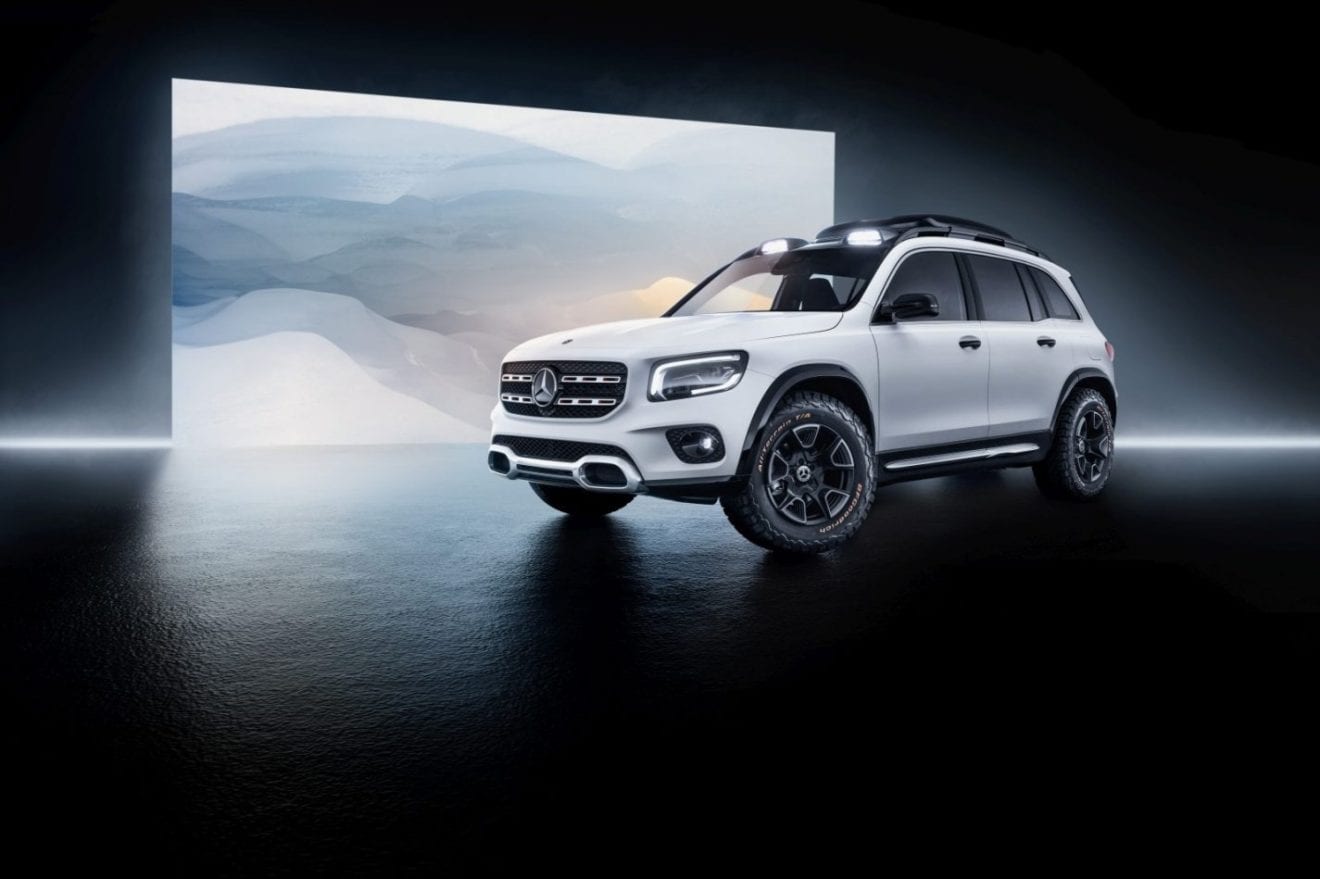
    Mercedes-Benz has dropped a teaser of its upcoming GLB and it’s all set to make it’s world debut on June 10, 2019. The GLB, as the name suggests is based on the B-Class and is built on the MFA2 platform, which underpins the latter. It will be positioned between the GLA and the GLC models. Spy shots of the car give us a peek into what the GLB will look like and the teaser confirms much of these details. The size shows that the GLB is likely to be a 7 seater model and it’s a far cry from being a baby G-Class as it was rumoured to be. The long hood, short overhangs, and the boxy rear end all point out to a GLB being a bigger SUV.

    The upcoming Mercedes-Benz GLB is expected to be a family car like the B-Class so expect a spacious five-seater cabin with a large boot space, possibly above 500 litres. It’s said that Mercedes might even consider offering an optional third row in certain markets. In terms of design and styling for the cabin, we expect the GLB to take inspiration from the new-gen A-Class’ cabin, which was revealed last year.

    Engine options are still not confirmed but, we expect the Mercedes-Benz GLB to get the same engine options as the new A-Class. It could also get the new engines that have been developed in partnership with the Renault-Nissan alliance. The GLB is also expected to get a new electronically controlled four-wheel drive system, but can only confirm that when the SUV make its official debut.

  • Daimler Plans To Cut Administration Costs By 20%

    Daimler Plans To Cut Administration Costs By 20%

    Incoming Daimler boss Ola Kaellenius is working on a cost cut program to reach profit margin targets which are threatened by global trade woes and ramp up issues at factories, Handelsblatt reported, citing company sources.

    Kaellenius, who will take over from Dieter Zetsche after the company’s annual general meeting on May 22, has been working for months on a cost cut initiative, dubbed “Move”, which is expected to be ready in the summer, the paper said.

    Central administration costs are to be cut by about 20%, the paper said, adding billions of euros in efficiency potential would be targeted.

    Daimler declined to comment.

    Kaellenius said earlier this month that Daimler will cut development costs of new Mercedes-Benz cars by a significant amount by 2025 and will intensify alliances with rivals as a way to improve margins.

  • Daimler Will Pull Smart Mini-Cars Out Of United States, Canada

    Daimler Will Pull Smart Mini-Cars Out Of United States, Canada

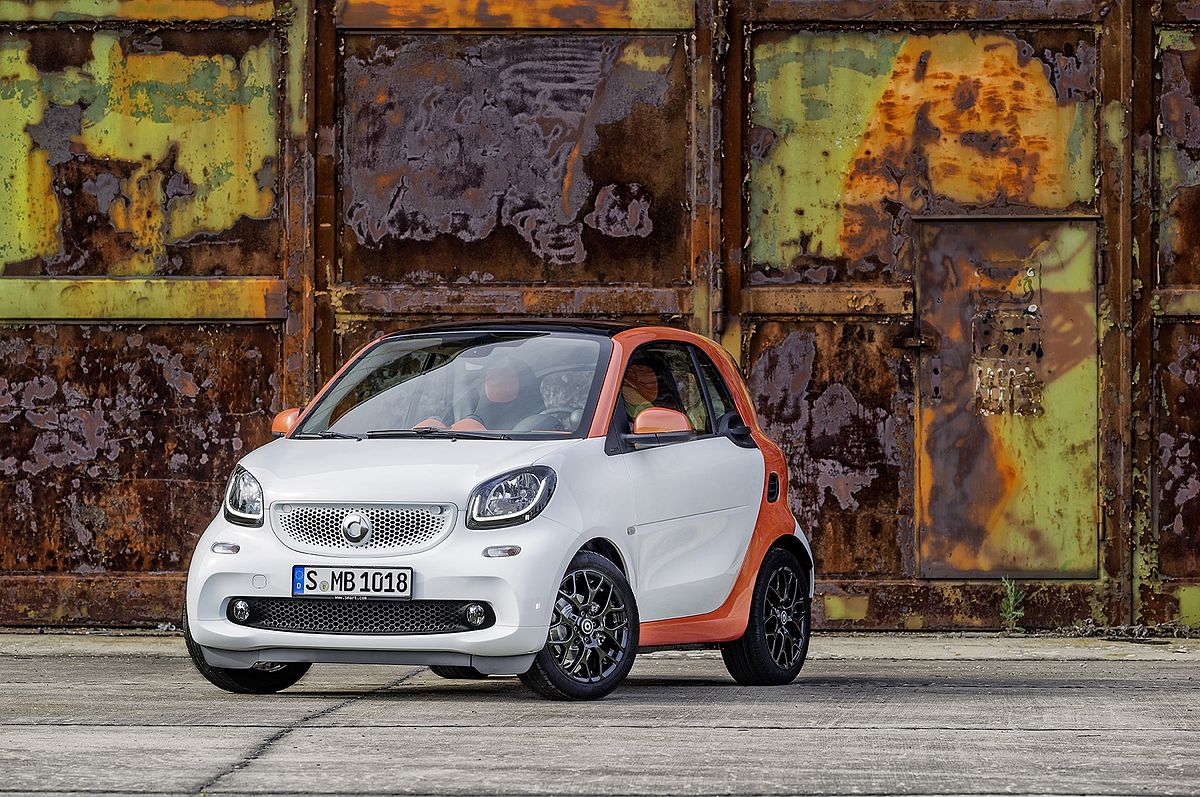
    The tiny, two-person Smart cars once pitched as the next big thing in urban mobility will be discontinued in the United States and Canada at the end of the current model year, German automaker Daimler AG said on Monday. Smart cars, with their unique styling and ability to fit in half a parking space, found an audience in densely populated U.S. and Canadian cities. But that audience was small and rapidly declining. Smart reported just 90 cars sold in the United States during March, down 18 percent from the year before.

    U.S. sales of a wide range of small cars have collapsed over the past several years as relatively cheap gasoline and a strong economy have encouraged consumers to buy larger trucks and sport utility vehicles.

    The Smart brand’s electric cars offered just 58 miles (93 km) of driving range. Competing models such as the “mid-range” Tesla Model 3, with an estimated range of 264 miles, offered more range and more room for passengers and cargo. The range figures are from the U.S. Environmental Protection Agency.

    Daimler’s Mercedes-Benz brand, in a statement, cited “a number of factors” for the decision to end Smart’s run in the United States and Canada, “including a declining micro-car market in the U.S. and Canada, combined with high homologation costs for a low volume model.” Homologation refers to the changes required to bring the European-designed Smart in line with U.S. regulations. Daimler ended sales of gasoline-fueled Smart cars in 2017.

    Mercedes plans to bring new, larger electric vehicles to the United States, starting with the launch of the EQC sport utility next year. Those vehicles will help Mercedes meet zero emission vehicle quotas in California and other states. Mercedes dealers will still offer parts and repairs for Smart cars, the company said.

  • European Union Says BMW, Daimler, VW Colluded To Limit Emissions Technology

    European Union Says BMW, Daimler, VW Colluded To Limit Emissions Technology

    European Union authorities said Friday that German automakers BMW, Daimler and Volkswagen colluded to limit the development of emissions-cleaning technology in cars. The finding adds to the car industry’s woes after Volkswagen in 2015 admitted to cheating on emissions tests in the U.S., which led to a worldwide reevaluation of how cars are tested and how to limit emissions to make air cleaner and fight climate change.

    The EU antitrust regulator said that after an in-depth investigation, it found that BMW, Daimler and Volkswagen, including its Audi and Porsche units, broke EU laws from 2006 to 2014 by illegally agreeing among themselves to limit the roll-out of the technology. The technology helps eliminate nitrogen oxides, which can be harmful to human health, from both gasoline and diesel passenger cars.

    The alleged actions could have limited Europeans’ opportunities to buy less polluting cars, but would not have affected price, the EU said. It did not explain how the companies might have profited.

    The probe is separate from other legal procedures against carmakers for allegedly breaching environmental laws or using illegal software in car engines. EU authorities raided the offices of the three companies in October 2017 and opened their investigation on this case in September last year.

    BMW said discussions among engineers were meant to improve exhaust gas technologies and that the whole industry was aware of these talks. It said they did not involve any secret agreements or intend to hurt customers.

    Daimler said it was cooperating with the EU and does not expect to receive a fine. Volkswagen said it was also cooperating and would issue a statement once it has reviewed the EU investigation. The EU noted that its preliminary findings do not prejudge the final outcome of the investigation.

    The case comes after Volkswagen admitted four year ago to using software in diesel car engines to cheat on U.S. emissions tests. It has set aside some 27.4 billion euros ($32 billion) for fines, settlements, recalls and buybacks. Former CEO Martin Winterkorn was criminally charged by U.S. authorities but cannot be extradited; Audi’s division head was jailed.

    Renewed scrutiny of diesel emissions revealed that cars from other automakers also showed higher diesel emissions in everyday driving than during testing, thanks in part to regulatory loopholes that let automakers turn down the emissions controls to avoid engine damage under certain conditions. The EU subsequently tightened its testing procedures.

    Anti-trust fines can be steep. In 2016 and 2017 the EU Commission imposed a fine of 3.8 billion euros after it found that six truck makers had colluded on pricing, the timing of introduction of emissions technologies and the passing on of costs for emissions compliance to customers.

  • Daimler Opens Mercedes-Benz Plant In Moscow Area

    Daimler Opens Mercedes-Benz Plant In Moscow Area

    German automaker Daimler officially opened a Mercedes-Benz factory near Moscow on Wednesday at a ceremony attended by President Vladimir Putin, marking a rare foreign investment into Russia’s car industry. The plant in the town of Esipovo 40 kilometers north west of Moscow is the first in years to be opened by a foreign carmaker in Russia where investment into the once burgeoning auto industry dried up amid western sanctions and a stagnant economy.

    Speaking at the inaugural ceremony, Putin said the plant would produce 25,000 cars a year and that investment in the project had totaled 19 billion roubles ($291 million).

    Putin said the factory, built after Daimler signed a deal with Russia’s authorities in early 2017, would employ almost 1,000 people.

    Most global automakers opened plants in Russia in the first half of the 2000s, but after peaking in 2012 car sales slumped to a ten-year low of 1.42 million in 2016. The market is picking up again, and a total of 1.8 million cars were sold last year.

  • Daimler To Develop Smart Brand Together With Geely

    Daimler To Develop Smart Brand Together With Geely

    Daimler on Thursday said it will develop its next generation of Smart electric vehicles in China through a joint venture with rival Geely, deepening an alliance between the two carmakers.

    Daimler said it will build next generation Smart vehicles at a purpose built factory in China, and share its expertise in manufacturing, engineering and design with Geely.

  • Geely makes US$9b Daimler bet against tech ‘invaders’

    Geely makes US$9b Daimler bet against tech ‘invaders’

    Chinese carmaker Geely has built up an almost 10% stake in Daimler in a US$9 billion (RM35 billion) bet by its chairman that he can access the Mercedes-Benz owner’s technology in the growing battle for the future of automotives.

    The purchase by Li Shufu, Geely’s founder and main owner, means China’s largest privately owned automaker is now the biggest shareholder in Germany’s Daimler.

    Geely said on Saturday there were no plans “for the time being” to raise the stake further. Instead, it will seek to forge an alliance with Daimler, which is developing electric and self-driving vehicles, to respond to the challenge from new competitors such as Tesla, Google and Uber.
    “No current car industry player is likely to win this battle against the invaders from outside without friends. To achieve and assert technological leadership, one has to adapt a new way of thinking in terms of sharing and combining strength. My investment in Daimler reflects this vision,” Li said.

    “Daimler is pleased to announce that with Li Shufu it could win another long-term orientated shareholder, which is convinced by Daimler’s innovation strength, strategy and future potential,” the German company said in a statement.

    Geely officials plan to travel to Stuttgart to meet Daimler executives early this week and also hope to meet top German government officials in Berlin, two sources familiar with the matter told Reuters.

    The Chinese firm plans to use the meetings to underline that it intends to be a supportive long-term investor, they said.

    Daimler had no immediate comment on any meetings. Geely and the German economy ministry declined to comment.

    Chinese investors in German technology companies have tended to take a consensual approach, buying incremental stakes in companies such as robotics firms Kuka and Kion, typically after long consultation with management and other stakeholders.

    In November, Geely asked Daimler to issue new shares so it could buy a stake, as a way to access Mercedes-Benz technology for electric cars and trucks, including battery technology, to help Geely comply with a Chinese crackdown on pollution.

    But the German company turned down the offer saying it did not want to dilute existing shareholders, sources at the time told Reuters.

    Li changed tactics, and quietly amassed a stake of 9.69% worth US$9 billion at Daimler’s current share price.

    The sources said former Morgan Stanley Germany CEO Dirk Notheis was the architect of amassing the Daimler stake, working with former Morgan Stanley China executive Yi Bao.
    Notheis declined to comment, while Bao was not reachable.

    German state secretary at the economy ministry, Matthias Machnig, said separately that EU trade ministers meeting this week in Sofia would discuss how better to protect strategically important European companies from unwanted investors.

    “It is important that Europe keeps a close eye on which key European technologies foreign strategic investors are setting their sights on,” he said.

    Machnig did not comment specifically on Daimler.

    Only two or three auto manufacturers will likely survive, a source familiar with Li’s thinking told Reuters, prompting Geely to seek access to carmakers with a technological edge.

    Daimler is also the only one of Germany’s three carmakers not to be controlled by a family. Volkswagen is majority-owned by the Porsche-Piech clan, while BMW is 47% owned by Susanne Klatten, Germany’s richest woman, and her brother Stefan Quandt.

    Geely’s move poses a challenge to the German carmaker, since Mercedes-Benz already has an industrial alliance to develop cars and trucks with Renault-Nissan, which owns a 3.1% stake in Daimler, and has announced plans to build electric cars with existing Chinese joint-venture partner BAIC Motor Corporation.

    Bernstein Research analyst Max Warburton said: “It’s not clear what Geely wants and how it’s going to work, but we view this move as part of a broader Chinese move to gain involvement in the European automotive industry.”

    “China wants a payback after spending a decade gifting the European auto industry super-normal growth and profits. Now it wants more direct access to technology, brands and profits,” he wrote in a note shortly after the stake was disclosed.

    Zhejiang Geely Holding owns Volvo Cars, LEVC, the maker of London’s black cabs, and last year took a majority stake in sports car maker Lotus, a 49.9% stake in Malaysian automaker Proton, a US$3.3 billion stake in Volvo Trucks and control of flying car start-up Terrafugia.

    Geely sees potential in Daimler because it is developing high-speed connectivity for autonomous cars at a time when Li believes satellite-based internet connections could become more important, the source familiar with his thinking said.

    The source said Daimler and Geely had not held concrete talks about how to structure a potential joint venture, adding: “You know we have to become a stakeholder in order to engage.”

    Swedish truck maker AB Volvo, one of Geely’s other investments, has objected to the Chinese firm’s stake-building in Daimler, citing anti-trust concerns, the source added.
    “We will protect interests of both companies by abiding laws in the country and the company’s governance structure. We are not seeking to have a controlling power in Daimler,” the source added
  • Daimler Trucks on track to record sales of 465,000 units in 2017

    Daimler Trucks on track to record sales of 465,000 units in 2017

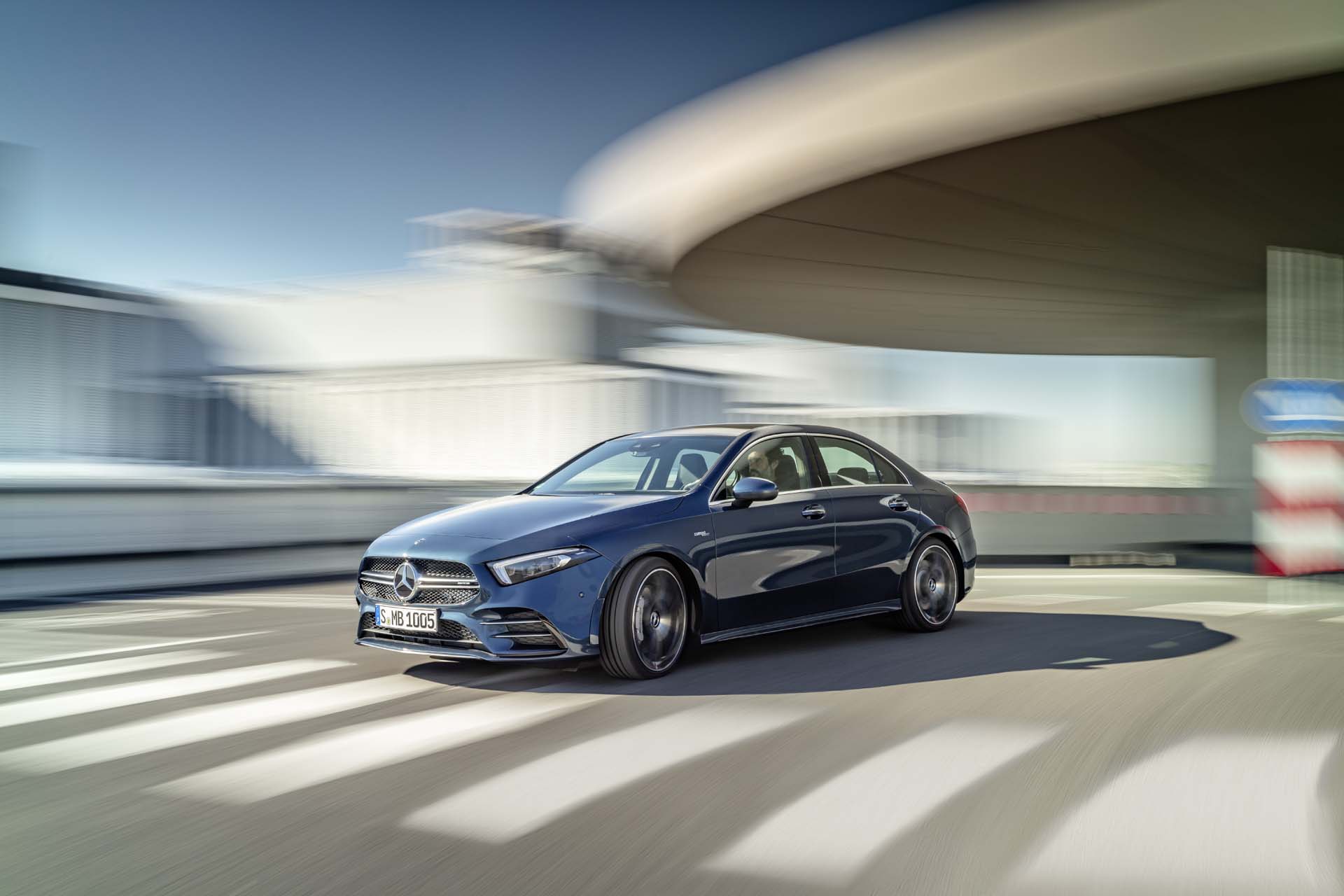
    Daimler Trucks has increased its worldwide deliveries in the first 11 months of 2017 by 12 percent year on year to 422,500 units, despite the continuation of disparate market conditions. Until the end of November, more trucks were delivered than in the whole of last year. In full-year 2016, the Daimler truck division sold approximately 415,100 vehicles of the Mercedes-Benz, Fuso, Freightliner, Western Star, Thomas Built Buses and BharatBenz brands worldwide.

    On the basis of initial December data, Daimler Trucks assumes that it will end the full year with unit sales in the magnitude of 465,000 vehicles (2016: 415,100). The final sales figures will be available at Daimler’s annual press conference on February 1, 2018.

    “For full-year 2017, we at Daimler Trucks anticipate unit sales in the magnitude of 465,000 trucks – significantly more than in the previous year and significantly more than we expected at the beginning of the year. This is only possible with leading products and an excellent international team – especially with an ongoing situation of weak tailwinds from our markets. I thank all our employees for their outstanding efforts,” stated Martin Daum, Member of the Board of Management of Daimler AG, responsible for Trucks & Buses. “In everything that we do, our focus is on our customers. In order to offer them the best products and solutions, we work continuously on innovations. We used the year 2017 to work hard on efficient, electric, automated and connected trucks.”

    North America key growth driver
    The significant growth in unit sales achieved by Daimler Trucks was driven by the positive sales development in the NAFTA region, especially in the second half of the year. Sales rose by 12 percent to 150,600 units (2016: 134,200).

    With a market share of 39.2 percent in weight classes 6 to 8 (2016: 40.0 percent), Daimler Trucks says it continued to be the undisputed market leader for medium- and heavy-duty trucks in North America by a clear margin. A key growth driver in the North American market is the new Freightliner Cascadia, which has been produced since early 2017 with an integrated Detroit powertrain and sets standards in terms of fuel efficiency, safety and connectivity. Also in the fourth quarter, Daimler Trucks recorded a significantly higher number of orders received in the NAFTA region than in the prior-year period.

    Uptick in Europe and Latin America – growth in Brazil again
    Daimler Trucks increased its sales also in the EU30 region (European Union, Switzerland and Norway) by three percent to 73,600 units in the months of January through November (2016: 71,100). Mercedes-Benz maintained its market leadership in the segment of medium- and heavy-duty trucks with 21.0 percent (2016: 20.7 percent). Mercedes-Benz is the best-selling brand also in Germany, with a market share of 36.6 percent (2016: 37.2 percent) and deliveries of 28,000 vehicles (2016: 27,600).

    Since March 2017, Mercedes-Benz trucks feature the new Truck Data Center. This standardised connectivity module is fitted across the Daimler Trucks brands: in the Mercedes-Benz Actros, Arocs, Antos and Atego as well as in the new Freightliner Cascadia and the new Fuso SuperGreat. The Truck Data Center forms the basis for existing connectivity solutions from Daimler Trucks such as the telematics systems of Fleetboard, Truckonnect and Detroit Connect. However, it also allows new digital services such as the Mercedes-Benz Uptime service product. This intelligent linking up of trucks, Mercedes-Benz Service and customers can reduce off-road times.


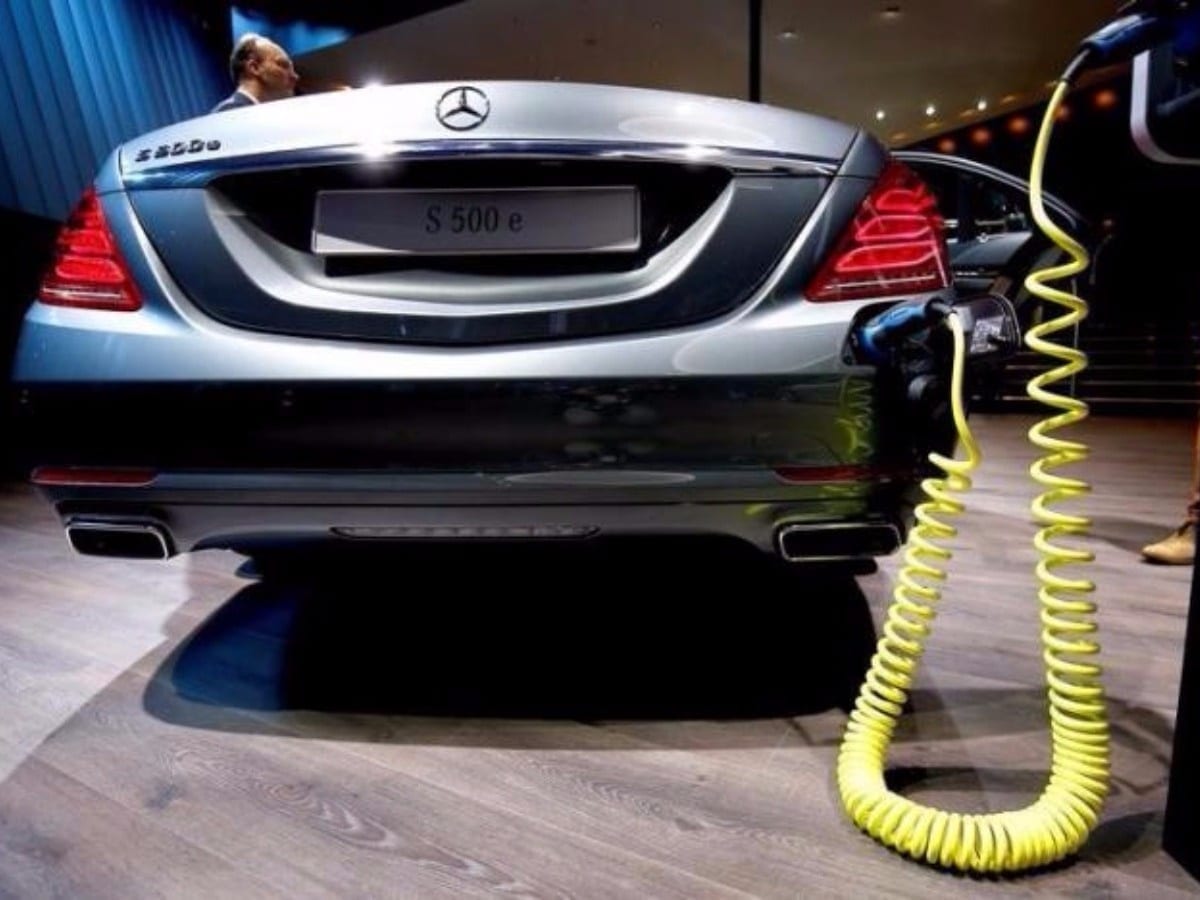
  • Daimler to invest $755 million in China for electric car, battery production

    Daimler to invest $755 million in China for electric car, battery production

    Germany’s Daimler AG plans to invest 5 billion yuan ($755 million) in China for factory capacity to manufacture electric cars and the batteries that power them, part of an effort to help its Mercedes-Benz and Smart brands comply with the country’s green car production and sales quotas.

    Hubertus Troska, head of Daimler’s greater China operations, told reporters that the investment was part of Daimler’s previously announced 10 billion euros ($11.8 billion) global green car initiative.

    China has set strict quotas for electric and plug-in hybrid cars that come into effect from 2019. It has an ambitious target of 2 million NEV sales by 2020 and has signaled longer-term it will phase out the sale of conventional petrol-engine cars.

    This seismic shift towards NEVs has prompted a flurry of electric car deals and new launches as manufacturers worldwide race for a share of the world’s largest auto market.

  • Daimler recalls over 1 million vehicles worldwide for air bag fix

    Daimler recalls over 1 million vehicles worldwide for air bag fix

    Daimler is recalling more than 1 million Mercedes-Benz cars and sport utility vehicles worldwide to address potential unintended air bag deployments, the German automaker said on Monday.

    The safety recall covers 495,000 vehicles in the United States, 400,000 in Britain, 76,000 in Canada and a few hundred thousand in Germany, company officials said. The German automaker did not immediately have a complete worldwide total.

    An electrostatic discharge, coupled with a broken clock spring and insufficient grounding of steering components, can lead to inadvertent deployment of the driver side front air bag in vehicles subject to the recall, the company said.

    As part of the fix, it said dealers would add new grounding to the steering components.

    A Mercedes-Benz spokeswoman in the United States said there had been “a handful of instances where drivers suffered minor abrasions or bruises” due to the air bag problem.

    No deaths have been reported and the issue is not related to the massive recall of Takata air bag inflators worldwide.

    The recalls covers some 2012-2018 model year A, B, C, and E-Class models and CLA, GLA and GLC vehicles.