Retail News CRM

Tag: Dairy Farm

  • Dairy Farm to sell its Malaysian grocery business

    Dairy Farm to sell its Malaysian grocery business

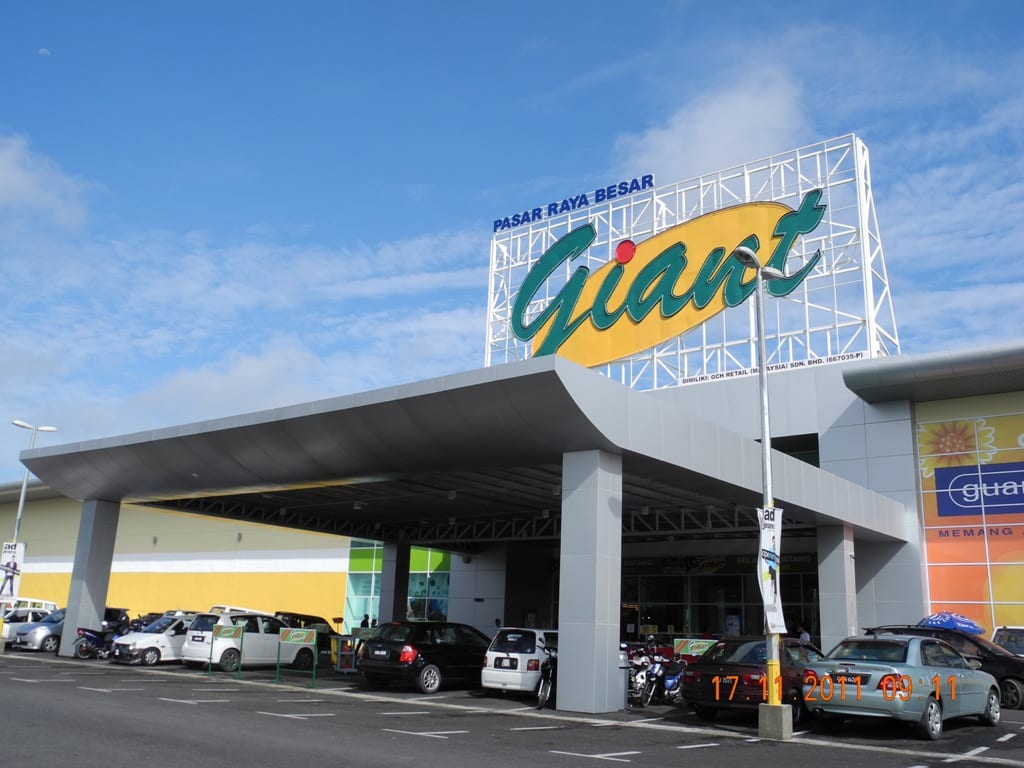
    Dairy Farm International Group (DFI) is disposing its grocery venture in Malaysia, which includes the supermarket chain Giant, for an unspecified figure after having operated in the country for 24 years.

    The retail group, based in Hong Kong and listed in Singapore, has inked an agreement with a group of Malaysian business people headed by Datuk Andrew Lim Tatt Keong, who is both the deputy chairman of Sogo Department Store and executive chairman of the Gama Group.

    The switchover is anticipated to be finished by next month and the new owner will take over 2500 staffs from Giant, Cold Storage and Mercato grocery businesses.

    The Edge Markets suggested that the agreement could be worth “at least a couple of billion (ringgit)”.

    DFI entered Malaysia in 1999 by obtaining a 90 percent stake in Giant via its subsidiary GCH Retail. The subsidiary registered a net loss of US$23.4 million in 2021 with store numbers being cut to less than half of the pre-Covid period.

    “By uniting these companies under experienced local leadership, we have laid the foundations for them to continue growing and contributing to the Malaysian economy,” the company said.

  • Dairy Farm announced difficult third quarter

    Dairy Farm announced difficult third quarter

    Dairy Farm International Holdings Limited today issues its Interim Management Statement for the third quarter of 2020. The Group’s overall performance in the third quarter improved relative to the first half.  While the Group’s results continued to be affected by the COVID-19 pandemic, the impact was partially offset by the receipt of government support.  Grocery Retail performance continued to be supported by operational improvements as part of the Group’s multi-year transformation program, as well as changing customer behaviors as a result of the pandemic. Reduced sales and profit in Health and Beauty and Maxim’s, however, continued to impact the Group’s overall performance.

    The Group’s Grocery Retail businesses reported strong like-for-like sales growth, which led to strong profit growth.  In Southeast Asia, changing customer behaviors, as well as the ongoing execution of the Group’s multi-year transformation plan, supported strong profit growth in Singapore and Malaysia.  Performance in Indonesia, however, was impacted in the period by government restrictions on movement and significantly reduced traffic into hypermarkets and malls.

    The Group’s Convenience businesses reported improved like-for-like sales performance compared to the first half of the year.  However, 7-Eleven Singapore continued to be impacted by reduced footfall.  Better sales performance drove higher profitability compared to the first half.

    The performance of the Group’s Health and Beauty businesses were significantly impacted by the effects of the measures taken by governments to counter the pandemic, as well as the continuing lack of custom from overseas tourists in Hong Kong.  In North Asia, whilst like-for-like sales performance improved compared to the first half, the profitability of Mannings continued to be materially impacted by the lack of tourists.  In Southeast Asia, like-for-like sales were affected by reduced footfall in malls which, in turn, impacted profitability.

    Sales in the Home Furnishings business were higher than the equivalent period last year and like-for-like sales improved compared to the first half.  Strong e-commerce growth and the annualization impact of new stores opened in the prior year more than compensated for the impact of pandemic-related measures on customer visits.  Profitability also improved compared to the equivalent period last year, as a result of lower pre-opening expenses and improved gross margins resulting from the lower cost of goods sold.

    The Group’s 50%-owned associate, Maxim’s, continued to be impacted by government restrictions on movement, as well as a reduction in the number of restaurant customers.  However, mooncake sales performance during the Mid-Autumn Festival was encouraging.  Yonghui’s underlying performance in the third quarter was impacted by reduced sales, while Robinsons Retail’s underlying performance was affected by government lockdown restrictions on its discretionary retail formats.

    The launch of Yuu Rewards, Hong Kong’s largest loyalty program, at the end of July was a significant milestone in driving the Group’s digital transformation.  The popularity of the program has exceeded the Group’s own expectations, with two million members joining in the first month.  High membership engagement has supported the performance of the program sponsors.

    On 16th October 2020, the Group announced it had signed an agreement to deepen its partnership with Philippines-listed multi-format retail group Robinsons Retail Holdings Inc. (‘RRHI’) and to build a leading pharmacy business in the Philippines by combining the Group’s interest in wholly-owned Rose Pharmacy Inc. with RRHI subsidiary South Star Drug Inc.  This transaction, which included the sale of Dairy Farm’s direct interest in Rose Pharmacy Inc, completed on 30th October 2020.

    The well-being of our employees and customers remains a top priority, and the Group continues to take a number of measures to mitigate the impact of the pandemic, including the adoption of a range of health and safety measures.  Given the extraordinary circumstances, we would like to express our deep gratitude for the continuing dedication and resolve of team members in putting customers first during these difficult times. 

    Dairy Farm remains committed to its multi-year transformation which is delivering sustainable improvements to the business over time and continues to pursue the strategic initiatives which will drive medium- to long-term growth.

    Dairy Farm is a leading pan-Asian retailer.  The Group, together with its associates and joint ventures, operates over 10,000 outlets – including grocery retail, convenience stores, health and beauty stores, home furnishings stores, and restaurants – employing some 240,000 people, and had total sales in 2019 exceeding US$27 billion.  Dairy Farm International Holdings Limited is incorporated in Bermuda and has a standard listing on the London Stock Exchange, with secondary listings in Bermuda and Singapore.  It is a member of the Jardine Matheson Group.

  • Dairy Farm sells Rose Pharmacy chain to Robinson Retail

    Dairy Farm sells Rose Pharmacy chain to Robinson Retail

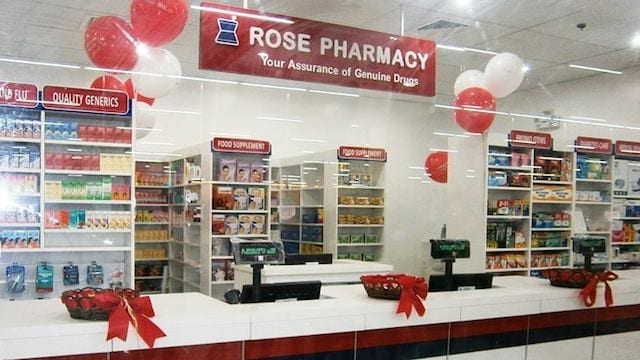
    Listed Robinsons Retail Holdings reported on Friday that it acquired local drugstore chain Rose Pharmacy Inc. through its subsidiary South Star Drug Inc.

    In a disclosure, the Gokongwei-led retailer said South Star Drug and Dairy Farm International Holdings Inc. subsidiary Mulgrave Corp. B.V. (MCBV) signed a share purchase agreement to buy Rose Pharmacy.

    Dairy Farm acquired a 49-percent share in Rose Pharmacy in 2015 before increasing it to 100 percent in November 2018.

    “I am delighted that Rose Pharmacy will be part of our portfolio as it takes us back to our hometown in Cebu, where my father and JG Summit Holdings and RRHI founder John Gokongwei Jr. started as an entrepreneur. Mr. John also admired Rose Pharmacy for its strong brand reputation in the Visayas and Mindanao,” Robinsons Retail President and Chief Executive Officer Robina Gokongwei-Pe said in the disclosure.

    “The deal also further bolsters our strategic partnership with Dairy Farm to strengthen our position in Philippine multiformat retailing. We first worked with Dairy Farm for the acquisition of Rustan Supercenters Inc. in 2018, which deepened our footprint in the premium supermarket space. Our acquisition of Rose Pharmacy yet again offers ripe opportunities for innovation through strategic synergies,” she added.

    Rose Pharmacy was established as a family-run drugstore in Cebu City in 1952. It generated P9 billion in net sales last year and has over 300 branches in the Visayas and Mindanao.

    “Rose Pharmacy is a very strategic addition to our drugstore portfolio with its highly regarded brand in VisMin and complementary network to South Star Drug’s strong presence in Luzon and Metro Manila,” South Star Drug Managing Director David Goh said.

    “Together, we can leverage our scale and synergies to drive wider product assortment, better customer service and offer greater value to our customers across Philippines when they need it most,” he added.

  • Dairy Farm launches new Market Place store in Hong Kong

    Dairy Farm launches new Market Place store in Hong Kong

    Dairy Farm launched its new Market Place fresh food and grocery store at Hong Kong’s Langham Place shopping centre today.

    Described as “a brand new gourmet experience for foodies and gastronomes” the store features fresh foods at its core with made-to-order meals and fresh-baked breads

    “This new design has been created to bring to life an exceptional food experience for all passionate foodies,” a spokesperson told Inside Retail Asia.

    The emphasis of the store’s design is on conveying the “freshness of the farm to the table”, a “contemporary twist on the modern farmhouse”.

    Classic black and white branding combined with splashes of vibrant color, bold food photography and a soundtrack of “cool, smooth modern beats,” complement the designers’ focus on smooth flow through the store and easy navigation.

    Decorative barrels suspended from the ceiling create the atmosphere for the Cellar section, which stocks, among other things, local Hong Kong craft beer Gweilo and a selection of 1000 wines.

    While the store is unique to Hong Kong, the design features elements similar to Dairy Farm Group’s Cold Storage Fresh and Mercato stores in Singapore and Penang, Malaysia.

  • Dairy Farm sells Wellcome Taiwan to Carrefour

    Dairy Farm sells Wellcome Taiwan to Carrefour

    Hong Kong-headquartered Dairy Farm is to sell its Wellcome Taiwan grocery retail business to Carrefour, with settlement later this year after regulatory approvals have been granted.  The deal – worth about €97 million – includes about 224 stores and warehouses, along with some property assets. Wellcome Taiwan’s turnover last year was approximately €390 million.

    The business currently has 199 Wellcome stores with an average sales area of 420sqm – and 25 Jasons, with an average sales area of 820 sqm. The Dairy Farm stores trading under the Wellcome banner will be converted to its Market format, and those trading under Jason’s brand will be converted to the Carrefour format.

    “Dairy Farm believes this change of ownership will set the business up for future growth and prosperity, building on Wellcome’s strong sales momentum over the past 12 months following the successful implementation of its price reinvestment campaign and increasing customer loyalty,” the Hong Kong company said in a statement.

    “This strengthened network represents greater opportunities for our team members as well as better service and value to our customers.”

    A spokesperson for Dairy Farm told Inside Retail Asia that the company was committed to its remaining major investment in Taiwan, Ikea.

    “Ikea Taiwan remains very much part of Dairy Farm’s portfolio. Through the Ikea brand, Dairy Farm is committed to delivering a unique home furnishing and Swedish food experience to our customers in Taiwan.”

    Meanwhile, the MD of Wellcome Taiwan, Laurent Piazza, says the sale is a testament to the hard work and determination of the Dairy Farm team to offer the best to its customers.

    “By bringing these businesses together, team members and customers will benefit from being served by a larger group that can use their combined strength and scale to improve quality, service, and price competition.

    “We have complete confidence in the future success of the business and believe, by bringing these businesses together, we have created a strong future for the team and a better shopping experience for our customers.”

    Carrefour currently operates 137 stores in Taiwan, including 69 under its Market banner. The group posted net sales of €1.968 billion last year and posted pre-tax earnings of €209 million.

  • Olive Young partners with Dairy Farm to expand into SE Asia

    Olive Young partners with Dairy Farm to expand into SE Asia

    South Korean health and beauty brand CJ Olive Young is seeking to expand in Southeast Asia.

    The retailer is working with pan-Asian retailer Dairy Farm Group, which will distribute Olive Young products through its branded health and beauty stores in Indonesia and other markets in the region.

    The brand’s Southeast Asian launch will be in Singapore, where around 110 of its products will be sold at about 50 Dairy Farm stores.

    Olive Young is also known in its home market as an importer of US organic cosmetics brand Juice Beauty. While it has a high profile in South Korea, the brand has done little to expand abroad to date.

    The company opened its first store in 1999 and previously had a joint venture with Dairy Farm running from 2002 to 2008.

  • Hong Kong protests taint solid Dairy Farm results

    Hong Kong protests taint solid Dairy Farm results

    Ongoing restructuring is impacting on Dairy Farm International’s grocery and convenience sales – but total group income is up.

    In a third-quarter management update, the company said combined sales including 100 percent of those of associates and joint ventures for the period were ahead of the same period last year, primarily due to the investment in Robinsons Retail in the Philippines in November.

    Sales by the group’s subsidiaries in the quarter declined, as revenue from hypermarkets and supermarkets was impacted by the Southeast Asia store optimization plan and the divestment of the Rustan Supercenters business in the Philippines. That said, profits from that division improved as underperforming Giant stores were closed and others upgraded.

    “While the turnaround of the Southeast Asian businesses remains at an early stage, there are encouraging signs of improvement. The group continues to invest in and grow its capabilities in Southeast Asia in line with the multi-year transformation plan.

    “Convenience stores and home furnishings continued to perform well, with sales ahead of the same period last year,” said the company. “While Southeast Asia health-and-beauty sales improved, overall health-and-beauty revenue weakened as the performance was impacted by difficult market conditions in Hong Kong.”

    The group’s convenience-store sales in the quarter were ahead of last year, with profitability modestly lower due to ongoing investment in new stores as well as rental and labour cost pressures.

    In health and beauty, Mannings’ sales and profits were significantly impacted by the ongoing social unrest in Hong Kong, however, Guardian in Southeast Asia delivered an “encouraging performance,” with solid sales growth, particularly in Indonesia. “The group continues to invest in and grow its health-and-beauty network across Southeast Asia.”

    The home-furnishings business (Ikea) reported solid sales growth for the quarter, as strong growth in Taiwan and Indonesia offset a lower performance in Hong Kong due to weak consumer sentiment. Profitability continued to be impacted by the increased cost of goods compared with last year and pre-opening expenses for stores under development, the company said. Ikea’s e-commerce operations continue to grow, with positive results in all markets as improvements were to website functionality.

    Dairy Farm International’s associate Maxim’s performance during the third quarter was impacted by the ongoing social unrest in Hong Kong, while supermarket chain Yonghui reported strong underlying growth in profitability.

    The group said its results also continued to benefit from its share of results from the 20-per-cent interest in Robinsons Retail.

    For the full year, the group expects to see benefits from its transformation program, but some of this will be “more than offset by weak trading conditions” in several of its Hong Kong businesses.

    “Nonetheless, Dairy Farm remains firmly focused on its multi-year strategic transformation to deliver long-term improvements to the business.”

  • Dairy Farm sales lift through several acquisitions

    Dairy Farm sales lift through several acquisitions

    Dairy Farm sales surged by 13 percent in the first half of the year to US$13.8 billion.

    The Hong Kong-headquartered company said the improved top line was largely due to its investment in Robinsons Retail and a strong performance by Chinese supermarket business Yonghui, but it is clear that early signs of the company’s five-year transformational program are bearing fruit, while at the same time adding to costs.

    Underlying profit was up 5 percent to $177 million.

    In a stock-exchange filing, chairman Ben Keswick said the first half of the year saw a strong performance from the health-and-beauty division, and solid sales performances from convenience, home furnishings and restaurants.

    Sales by the group’s subsidiaries in the first half were 3-per-cent lower than the same period last year (1-per-cent lower at constant exchange rates), predominantly as a result of the separation of the Rustan Supercenters business in the Philippines during the final quarter of last year and the closure of some grocery stores in Southeast Asia.

    Keswick said the supermarket and hypermarket division’s operating profit remained in line with the previous year.

    “Underlying sales performance has begun to show signs of growth, reflecting improvements in quality, availability, price competitiveness and general operating standards, notably in Southeast Asia. In North Asia, sales in Hong Kong continued to grow, particularly in upscale stores, though Taiwan is increasingly under threat from the aggressive space expansion of local competitors.”

    In Indonesia, work is underway to transform a Giant Hypermarket into an Ikea store.

    Sales in all other divisions within the group delivered positive growth in the first half.

    Convenience store operations (including 7-Eleven in Hong Kong and Singapore) achieved higher sales in all markets, with the strongest growth coming from stores in Mainland China. Overall profits were slightly lower than last year as investment in store space growth over the period exceeded the higher profits achieved in both Hong Kong and Macau.

    In the health-and-beauty division, strong sales were reported in North Asia, against significant sales growth in the same period last year, reinforcing the strength and resilience of the Mannings brand.

    “Guardian in Southeast Asia also reported an encouraging improvement in sales and profit performance during the period, with the delivery of much better overall operating standards, as well as improvements in service and product availability. A growing customer base in both Indonesia and Malaysia reflects the focus on delivering an improving product offer as well as better value,” said Keswick.

    Ikea sales grew in all markets, both at a total sales level and on a like-for-like basis. However, profitability was lower due to a combination of an increased cost of goods and pre-opening expenses for new stores under development in Taiwan and Indonesia.

    Maxim’s delivered good performances across all of its key businesses, especially restaurants, where customers have shown strong engagement with new franchises, including Shake Shack in Hong Kong.

    Yonghui reported strong underlying sales and profit growth, mainly driven by the continuing expansion of its store network and healthy sales growth. Yonghui’s profit also benefited from the partial divestment of its associate, Yunchuang at the end of last year.

    “Every area of Dairy Farm’s subsidiary businesses is undergoing some form of business transition and this scale of change will take time to execute successfully in a sustainable way,” concluded Keswick.

    “Within Southeast Asia food, optimization of the store portfolio is continuing which will have a positive effect on results in the second half.

    “While the group will begin to see some early benefits from its transformation program during the remainder of the year, sales growth may be tempered by general market uncertainties. The group remains firmly focused on the successful delivery of its transformation plan for the benefit of our customers, team members and shareholders,” he said.

  • Dairy Farm adds Starbucks Thailand

    Dairy Farm adds Starbucks Thailand

    Hong Kong operator to partner with local investor, almost doubling its store network overnight.

    Dairy Farm subsidiary Maxim’s is about to add Thailand to the list of markets it operates Starbucks cafes.

    Maxim’s has partnered with a local subsidiary of Singapore-headquartered Fraser & Neave (F&N) to acquire Starbucks Thailand Ltd from the US parent company. F&N, listed in Singapore, is controlled by Thai Beverages, in turn controlled by Thai billionaire Charoen Sirivadhanabhakdi.

    Under the joint venture, Maxim’s Caterers will oversee the retail operations and new store development in Thailand, with F&N apparently taking more of an investment role and fulfilling local company ownership requirements under Thai laws.

    Financial details of the sale were not disclosed, but one US media channel, citing confidential sources, reported the deal was worth about US$500 million.

    “The acquisition allows F&N to leverage Maxim’s long-standing partnership with Starbucks and its extensive experience in running Starbucks stores in multiple markets as well as other food and beverage retail outlets, to grow Starbucks Thailand’s fast-expanding footprint of 372 Starbucks stores,” said F&N in a statement.

    Maxims, through its subsidiary Coffee Concepts, already operates more than 400 Starbucks stores in Hong Kong, Singapore, Vietnam, Macau and Cambodia.

    “This is a significant move for our company,” said John Culver, group president, Starbucks international, channel development and global coffee and tea.

    “We are pleased to transition the Thailand business to Maxim’s Caterers Limited and F&N Retail Connection Co, with their focus on accelerating new store development to realise the full potential of this important market.”

    “We look forward to leveraging our expertise and deep understanding of the Starbucks culture and brand to build on the unparalleled service, craft and passion of our Thai partners (employees) which will propel the business for the future,” said Michael Wu, chairman and MDof Maxim’s Caterers Limited. “We look forward to continuing to deliver the unique Starbucks Experience to Thai customers as we grow.”

    “This acquisition provides an interesting strategic opportunity for F&N to enter and participate in the fast-growing premium retail coffee market in Thailand, one of F&N’s three significant core markets,” said Koh Poh Tiong, F&N’s chairman. “We believe that adding Starbucks Thailand, with its store footprint and its position as a well-recognised coffee retailer in Thailand, will strengthen our competencies in the on-premise sector and elevate our capabilities in directly engaging consumers, in the long term,” he said.

    Starbucks Thailand was launched in 1998.

  • Dairy Farm Group CEO says restructure will take some years

    Dairy Farm Group CEO says restructure will take some years

    Dairy Farm Group has warned shareholders that its restructure will take five years to complete.

    “There are few ‘quick fixes’ and no ‘silver bullets’,” CEO Ian McLeod told shareholders in the company’s results filing last week. “Continuous improvement against a deliverable, long-term strategic and operational plan is needed.”

    McLeod says the Strategic Review launched soon after his arrival has created a three-step process to restore strong profitability to the Hong Kong-listed, multinational retail business: Building a Solid Foundation, Delivering Consistently Well, and Driving the Dairy Farm Difference.

    “We began the urgent work required to assess and address the significant issues faced by the group, especially those within our food business, to support the changing demands of the customers. While the Strategic Review also highlighted opportunities to improve performance in other parts of the group, the food business is clearly the one requiring the greatest level of focus and short-term action,” he said.

    “It is very clear that the level of change necessary to deliver the required improvements will take at least five years to deliver in a sustainable way.”

    Phase one is now underway with the first step to bring in the right leadership talent with the capability and determination to deliver significant and meaningful transformational change. Seven of the 10-strong leadership team are new to the business, and two have revised responsibilities.

    McLeod said they have already begun to instil the right functional discipline, efficiency and business capabilities to deliver on the turnaround plan.

    A key finding from the Strategic Review was that the company was organised and deployed as multiple business units by banner, country or format – or all of those.

    “While allowing for locally based decision-making, our way of working was to act as a series of small businesses, without shared learning, quality functional specialism, or the consistency of scale and expertise one might expect from one of Asia’s largest retailers. Our businesses have now been centralised into two core trading divisions, covering North Asia and Southeast Asia,” said McLeod.

    No more hypermarkets

    “As new leaders have joined, we have begun to address key areas where we have fallen behind, most notably in store format development and digital expansion. As an example, having used stronger consumer insights and intelligence to analyse our customer offering and product selection, we have decided no longer to build hypermarkets. While some of these stores remain successful and continue to show growth, it is clear that this format has struggled to deliver effective returns across the food retail industry in Southeast Asia and needs to be reshaped.

    “We are now introducing pilot stores, redefining space allocation and trialling new innovations in our formats, to place greater emphasis on fresh food, demographic range optimisation and, where relevant, even repurposing the space altogether.”

    One of the group’s hypermarkets in Indonesia is being repurposed as an Ikea this year, with the prospect of this conversion offering an opportunity to accelerate the expansion of Ikea in that market, while also addressing an underperforming food store.

    “While we have strengthened our digital capability to better respond to expanding opportunities in e-commerce, we are starting from a very low base and are playing catch up,” said McLeod.

    Last financial year, Dairy Farm Group took a US$453 million hit from writedowns relating to restructuring costs, but McLeod says this was the down side of an essential shift towards delivering quality service, value and trust to the company’s customers.

    Five priorities

    The company has set five strategic priorities it says will enable it to grow moving forward:

    • Grow in China.
    • Maintain strength in Hong Kong.
    • Revitalise Southeast Asia.
    • Build capability.
    • Drive digital innovation.

    Grow in China: “China is one of the largest and fastest growing consumer markets in the world, and one where convenience, health and brand trust represent encouraging market potential for our businesses there. While we have been represented in China for more than 25 years with 7-Eleven and 14 years with Mannings, our scale of growth has not fulfilled its potential. With both businesses centred in Guangdong province, which is home to 100 million people, we should be able to pool resources and grow these businesses more successfully.

    “By more effective definition of range, space, store size and location, we believe there are opportunities for both businesses to achieve stronger growth in scale in the coming years. We have developed a strong and growing relationship with Yonghui, which continues to impress, and we anticipate further shared learning and idea generation between the two businesses going forward. We also continue to develop relationships with China’s technology companies, with a series of trials taking place to better understand the changes in customer expectations as regards the use of technology in this market and beyond.”

    Maintain strength in Hong Kong: “We are in the fortunate position that, within our home market of Hong Kong, we have a series of very strong brands with a track record of effective performance. Each of Wellcome, Mannings, 7-Eleven and Ikea have high brand presence, strong brand awareness with consumers and importantly, high degrees of brand trust.

    “We have the further benefit of our long-standing relationship with Maxim’s, which continues to be a thriving business with effective presence in each area of the market and a growing portfolio of renowned international brands such as Starbucks, Genki Sushi, The Cheesecake Factory and the recently added Shake Shack, which has exceeded all performance expectations.

    “Mannings had an exceptional year in 2018, but Wellcome’s performance disappointed. While the underlying business remains strong, substantial cost rises, particularly on rents, have had a material effect on year-on-year profitability. As a result of the Strategic Review, we will reconsider our approach to opening new space, where we open it, and seek to deliver greater range clarity by demographic across the Wellcome portfolio of retail brands.

    “Ikea benefitted from a full year of operation by a fourth store opened in the last quarter of 2017, which cemented our leading position within the home furnishings market in Hong Kong. While we have faced some cost offsets with currency fluctuations on cost of goods and new startup costs, we are very confident about our underlying position for Ikea and its growth potential not only in Hong Kong but also in the other markets where we operate the franchise.

    “We will also drive further innovation with a planned relaunch of e-commerce and building on the recent experience of a pop-up Christmas store in Hong Kong.

    Revitalise Southeast Asia: “We have some serious problems in our food business that require radical solutions and actions. This will necessitate a fundamental re-engineering of our food offer and our customer proposition plus significant rationalisation of space and of our general merchandise offer, converting hypermarkets to large food format stores over time.

    “In Southeast Asia our core issue rests within our Giant brand and particularly hypermarkets in Malaysia, Indonesia and Singapore. We have significantly underinvested in these hypermarkets in the past and they now need a course correction to reshape and resize our offering, to ensure it is fit for purpose to meet the demands of modern-day consumers and keep pace with the rising middle class.

    “We have already begun the process of redesigning our proposition in fresh and grocery and we have pilot propositions already on the ground. Our Malaysian pilot is a redefined hypermarket where we have halved the general merchandise range size and achieved double-digit sales growth. We are also putting more emphasis on fresh food, investing in value on grocery and streamlining general merchandise and apparel to optimise our range and space by category. In another pilot conversion, general merchandise has been reduced by a third while fresh space has been increased by more than 70 per cent.

    “While it remains very early days for the pilots being developed in each key market of Indonesia, Malaysia and Singapore, we have been encouraged by their early performance. The predominant challenges rest within mass-market hypermarkets and supermarkets where locations have been lacking in investment for years, or were simply built in the wrong place, or the competitive landscape has changed. These fundamental retail errors are now being addressed head on.

    “Encouragingly, our upscale stores within these markets are showing signs of recovery as we raise operating standards of quality, freshness, availability and even hygiene. That said, the challenge that we face in right-sizing our food business in Southeast Asia is substantial and will take considerable time to achieve.

    “Our Guardian Health and Beauty business remains a significant opportunity for us in Southeast Asia. Countries which were demonstrating trading difficulties a couple of years ago are beginning to grow, if not thrive, under new leadership and we will more aggressively invest in the expansion and format development of our health and beauty business in the region.”

    Build capability: McLeod says the new management team has brought increased experience and capability “absolutely key” to the success of the work ahead.

    “Embedding their knowledge and expertise right across the group is now the priority. With around 200 years of retail and consumer experience collectively across the leadership team we now have the ability to drive the considerable changes necessary to not only improve Dairy Farm’s performance, but to transform the business to a modern-day retailer focused on delivering what customers want, where and how they want it.”

    The new team is supported by more than 30 new senior management appointments across the group, “adding further experience and energy to the transformation effort”.

    Drive digital innovation: “Retail is seeing rapid change and Dairy Farm has been slow in responding to the pace of digital change. We have significantly underinvested in digital (people and technology) and as a result are behind the curve. Last year, we began to change this.”

    Two new roles have been created: chief digital officer and chief technology officer, both people taking up their appointments in the last quarter of last year.

    “They have already begun to review all our current ad-hoc programmes and initiatives, to reset and reshape our group approach to a badly needed IT infrastructure upgrade and accelerate our core SAP system rollout, as well as carrying out a review of our digital priorities within each business and region. We have made some improvements in developing our digital offer, with numerous initiatives and pilot schemes now in place, as well as developing partnerships with key Chinese technology companies. The reality, though, is that our digital capability is in its infancy; something we believe is vital that we change.”

    Writedowns

    Dairy Farm Group’s $453 million hit in last year’s results comprise a write down for goodwill associated with the Giant business across the region, along with impairing underperforming assets, booking onerous lease provisions relating to underperforming stores, writing off poor-quality stock, and incurring various business correction costs. McLeod said this allows the company to build for the future and draw a line under the weakness of the past.

    Most of the $453 million comprised non-cash items, with the net cash impact estimated at less than $50 million.

    However, this amount was partially offset by a gain from the exchange of Dairy Farm Group’s food business in the Philippines for a share in Robinsons Retail and the exit of its Giant hypermarket in Vietnam which was taken over by Auchan. An an impairment of goodwill was realised relating to Rose Pharmacy in the Philippines while taking full ownership of this business.

    Elsewhere, there were gains on the sale of several food properties which the company did not consider strategic assets to own moving forward.

    These positive factors reduced the overall impact of non-trading items to $332 million for the year.

  • SEA gives struggle to Dairy Farm International

    SEA gives struggle to Dairy Farm International

    “Significant challenges” across the Southeast Asian supermarket business are continuing to test Hong Kong-listed multi-format retailer Dairy Farm International. In a management statement discussing the company’s third-quarter performance – which did not include any figures – Dairy Farm said its businesses produced “mixed results” with a strong performance in health and beauty and good results from home furnishings and restaurants divisions. However, the performance of the Hong Kong supermarkets business has softened.

    The company said the Southeast Asian grocery store business – Cold Storage and Giant stores in Singapore and Malaysia – is expected to continue for the remainder of the year with the group’s full year results expected to be impacted by increasing costs from ongoing investment in technology, supply chain infrastructure, stores and people in order to improve the long-term performance of the business. Sales and profits fell in its supermarkets in both countries. Falling sales in Indonesia were mitigated by management action which resulted in reduced losses there.

    In North Asia, sales from the food businesses were slightly ahead of the same period last year, but profits were lower as a result of weakening margins and continued cost pressures, particularly from increased rents.

    However, the health and beauty businesses in Hong Kong and Macau (Guardian stores) delivered “strong sales and profit growth”.

    The Philippines food business showed good sales growth, benefitting from the opening of several new stores, but profit was slightly behind the prior year due to increased operating costs. There was continuing good sales and profit improvement in the group’s health and beauty businesses, notably in Malaysia and Indonesia.

    Ikea’s sales and profits were ahead of last year in Taiwan and Indonesia. In Hong Kong, sales were higher, supported by the new store which opened last year; however profits were lower as a result of higher operating costs.

    In Hong Kong, Maxim’s delivered another record-breaking mooncake sales performance during Mid-Autumn Festival, which was earlier than last year, and helped drive sales and profit higher during the period. Supermarket Yonghui reported strong sales growth in the quarter but profit was lower than the prior year due to investment in new formats and the additional costs of the new employee incentive scheme.

    Approval was received from the Philippines Competition Commission in August for the combination of Dairy Farm’s Food business in the Philippines with Robinsons Retail Holdings, with completion expected to take place within weeks.

    In early October Dairy Farm agreed to acquire the remaining 51 per cent interest in Rose Pharmacy in the Philippines, which is now subject to regulatory approvals.

    Dairy Farm, together with its associates and joint ventures, operate more than 7400 outlets, including supermarkets, hypermarkets, convenience stores, health and beauty stores, home furnishings stores and restaurants – employing more than 200,000 people. Total sales last year exceeded US$21 billion.

  • Dairy Farm restructures after recent result

    Dairy Farm restructures after recent result

    “Underperforming” subsidiaries and rising rent and labour costs are disturbing the chairman of Hong Kong-listed multinational retailer Dairy Farm International – but those factors failed to prevent a solid second-half year performance.

    Dairy Farm’s total sales rose 17 per cent to US$12.215 billion in the six months to June 30 and profit attributable to shareholders was $215 million, up 6 per cent. The increased sales came largely from the Yonghui supermarket operation and Maxim’s which owns food retail channels and the Starbucks business in Hong Kong, Singapore, Vietnam and Cambodia.

    Chairman Ben Keswick said the health and beauty business in Hong Kong and Macau drove strong results in North Asia, but the Southeast Asian food businesses continued to face challenges producing a weaker overall performance.

    “While the outlook for the remainder of the year is expected to remain challenging for the Food businesses, particularly in Southeast Asia, the group’s other businesses should continue to make steady progress. Significant management and structural changes have been made to address the issues the group faces in a number of areas, but time will be needed to deliver sustainable improvement.”

    The company has consolidated its trading operations into a more centralised structure with two main trading divisions: North Asia and Southeast Asia, in addition to the standalone business of Home Furnishings (essentially Ikea) and Maxim’s.

    Keswick says five strategic priorities have been identified: building capability, growing presence in Mainland China, protecting the group’s Hong Kong business, revitalising the Southeast Asia operations and driving digital innovation. “A series of programs are underway to support these priorities across all of the group’s businesses,” he said in the earnings statement.

    In North Asia, overall sales within the food businesses were ahead of prior year, but profits declined, mainly due to higher rent and labour costs in Hong Kong. “The health and beauty business in Hong Kong and Macau delivered very strong sales and profit growth, driven by a significant increase in business from higher numbers of mainland Chinese tourists.”

    Southeast Asia challenges

    However, in Southeast Asia, challenging trading conditions continued for Dairy Farm’s food businesses.

    “The group saw lower sales and profits in Singapore, Malaysia and Indonesia, while in the Philippines, sales were higher but profits lower, due to increased operating costs resulting from more store openings. Generally, these businesses have suffered from a lack of investment in infrastructure, range and competitive pricing for some time, while competition in each market has been increasing.

    “Turning these food businesses around and becoming more relevant to the changing demands of customers will take significant effort. Appropriate plans are now being put in place following the strategic review, but will require time to take effect,” said Keswick.

    He said the improving performance of the majority of the group’s health and beauty businesses in Southeast Asia is encouraging, with Malaysia, Indonesia and Vietnam reporting better underlying results.

    Dairy Farm’s convenience store operations (7-Eleven) performed well, with Hong Kong and Macau trading in line with last year.

    “In Singapore, overall convenience store sales were slightly lower than last year due to the termination of a multi-site agreement, but profitability improved following the closure of some underperforming stores. Like-for-like sales increases and store expansion in Mainland China continued to underpin growth in this sector.

    “In Home Furnishings, Ikea performed ahead of last year in Taiwan and Indonesia, with sales and profits growth. Hong Kong reported higher sales, helped by a contribution from the new store which opened in October last year, but associated higher operating costs resulted in reduced reduction in profits. Progress continues to be made on new store development in both Taiwan and Indonesia, with several sites under development. Meanwhile, e-commerce activities are showing increased results in all markets but from a small base.

    Keswick said Maxim’s delivered another good performance and is continuing to expand its presence across Mainland China and Southeast Asia. In Hong Kong, Maxim’s opened its first Shake Shack in May with “encouraging initial results”.

    Supermarket chain Yonghui reported strong sales growth and underlying profits from the core food business remained strong, but total profits were behind prior year due to the investment in new technology formats and the introduction of an employee incentive scheme announced earlier this year.

    Philippines restructure

    Meanwhile, back in March, the group announced it had agreed to partner with Robinsons Retail Holdings Inc. (‘RRHI’), the third largest retailer in the Philippines, to build a leading food retail business in that market. Dairy Farm will combine its Rustan Supercenters operations with RRHI to build on the combined strengths of both businesses, creating a new platform for growth. Following completion of the transaction, Dairy Farm would own 18.25 per cent of RRHI. The transaction, which is subject to certain regulatory approvals, is expected to be completed in the fourth quarter.

    As at June 30, Dairy Farm, including associates and joint ventures, operated more than 7400 outlets across all formats, compared with 7181 at the end of last year.

  • Dairy Farm International’s plan after hitting bottom line

    Dairy Farm International’s plan after hitting bottom line

    Poor trading by Dairy Farm International’s Southeast Asian grocery business hit the company’s bottom line last year, with underlying profit falling 13 per cent.

    But every other one of the company’s divisions traded strongly throughout the year, according to the results just released.

    Full-year profit was US$403 million, after allowing for $64 million of costs relating to business restructuring. Sales by Dairy Farm’s wholly-owned subsidiaries totalled $11.3 billion, largely unchanged from 2016’s $11.2 billion. But total sales, including 100 per cent of associates and joint ventures, at $21.8 billion were up 7 per cent year on year, reflecting strong growth at both supermarket operator Yonghui and cafe-restaurant operator Maxim’s, which owns the Starbucks business in Hong Kong, Vietnam, Cambodia and now Singapore.

    “After a disappointing year… for our food businesses in Southeast Asia, actions are being taken to improve their long-term performance,” explained chairman Simon Keswick. “All of the group’s other formats and markets are trading well and growth opportunities are being pursued, in Mainland China and elsewhere.”

    In Dairy Farm’s food division, sales were down and profits were “significantly lower” than in 2016, primarily due to poor performances in the supermarket and hypermarket businesses in Malaysia, Singapore and Indonesia.

    “A number of underperforming stores are being closed and prices lowered to clear or write off discontinued and slow moving stock.

    “In Hong Kong, sales were more resilient, although profits were marginally down due to increasing rents and labour costs. Positive sales growth seen in the Philippines reflected the ongoing investments being made to improve the business,” said Keswick.

    Elsewhere in the company there was brighter news.

    The convenience store format (including 7-Eleven in Hong Kong and Singapore) produced increased sales and profit. “In part, this reflected a consumer shift to more convenient retail formats, as well as a positive reception to the service and range enhancements introduced for customers,” said Keswick.

    The convenience stores division reported $2 billion in sales, an increase of 4 per cent over the previous year – but operating profit surged 16 per cent to $85 million.

    In the health and beauty division, (led by Guardian and Mannings), sales and profit were higher, principally due to strong performances in Hong Kong, Macau and Indonesia, together with improvements in Mainland China.

    Keswick said this was led by an increasing focus on the beauty category and the continued development of the division’s house brands.

    The home furnishings division (Ikea in Hong Kong, Taiwan and Indonesia) recorded higher sales and trading profit, but the reported profit declined, mainly due to costs associated with the opening of the fourth Ikea Hong Kong store in October. Sales and profits increased in Taiwan and Indonesia and there was solid growth in the e-commerce business.

    Maxim’s enjoyed good sales growth and profit expansion during the year, in large part due to strong performances from its branded products, particularly mooncakes, and its business in Mainland China. The company also acquired the Starbucks Singapore business last year.

    The group’s 19.99 per cent-owned associate in Mainland China, Yonghui Superstores, opened a net 292 new stores last year, which underpinned a 19 per cent growth in revenue. Ongoing supply chain optimisation and shrinkage improvement resulted in improved margins, which together with better capital use, led to a 45 per cent growth in profit.

    Convenience focus

    Keswick said Dairy Farm International will focus on increasing its convenience store operations in the year ahead through expansion and enhancement of the store network. New smaller-store formats are being piloted in some markets.

    The group will also continue to develop its e-commerce presence, focusing on a number of initiatives in its home furnishings, food, and health and beauty operations introduced last year.

    Dairy Farm International added a net 633 stores last year. At year end, it had 7181 stores in operation in 11 countries and territories, including its interest in 779 Yonghui stores in mainland China and 1210 Maxim’s stores.

    Besides the Starbucks Singapore deal, Maxim’s also acquired the existing businesses and franchises of Genki Sushi in Singapore and Malaysia. It opened its first The Cheesecake Factory in Hong Kong in May, which Keswick said is trading well, and this year will introduce American casual restaurant format Shake Shack in Hong Kong and Macau.

    In the Philippines, Rustan became a wholly-owned subsidiary following the acquisition of the remaining 34 per cent interest from the group’s joint venture partner.

  • Dairy Farm to have more shares in pharmacy

    Dairy Farm to have more shares in pharmacy

    Hong Kong retail giant Dairy Farm has received official approval to increase its stake in Philippine drugstore chain Rose Pharmacy.

    It is doing this through its European investment vehicle Mulgrave Corporation, which has received the nod from the Philippine Board of Investments (BOI). It seeks to raise its shareholding in Cebu-based Rose Pharmacy from 49 to 51 per cent. Financial details of the deal have not been disclosed.

    Rose Pharmacy has 252 pharmacies nationwide.

    Trade undersecretary and BOI managing head Ceferino Rodolfo says that aside from increasing its stake in Rose Pharmacy, Mulgrave also plans acquisitions and to expand retail outlets.

    Based in Amsterdam, Mulgrave Corporation runs supermarkets through a subsidiary. In turn, Mulgrave is a subsidiary of Dairy Farm International Holdings.

  • Dairy farm and 7-eleven to sell premium coffee

    Dairy farm and 7-eleven to sell premium coffee

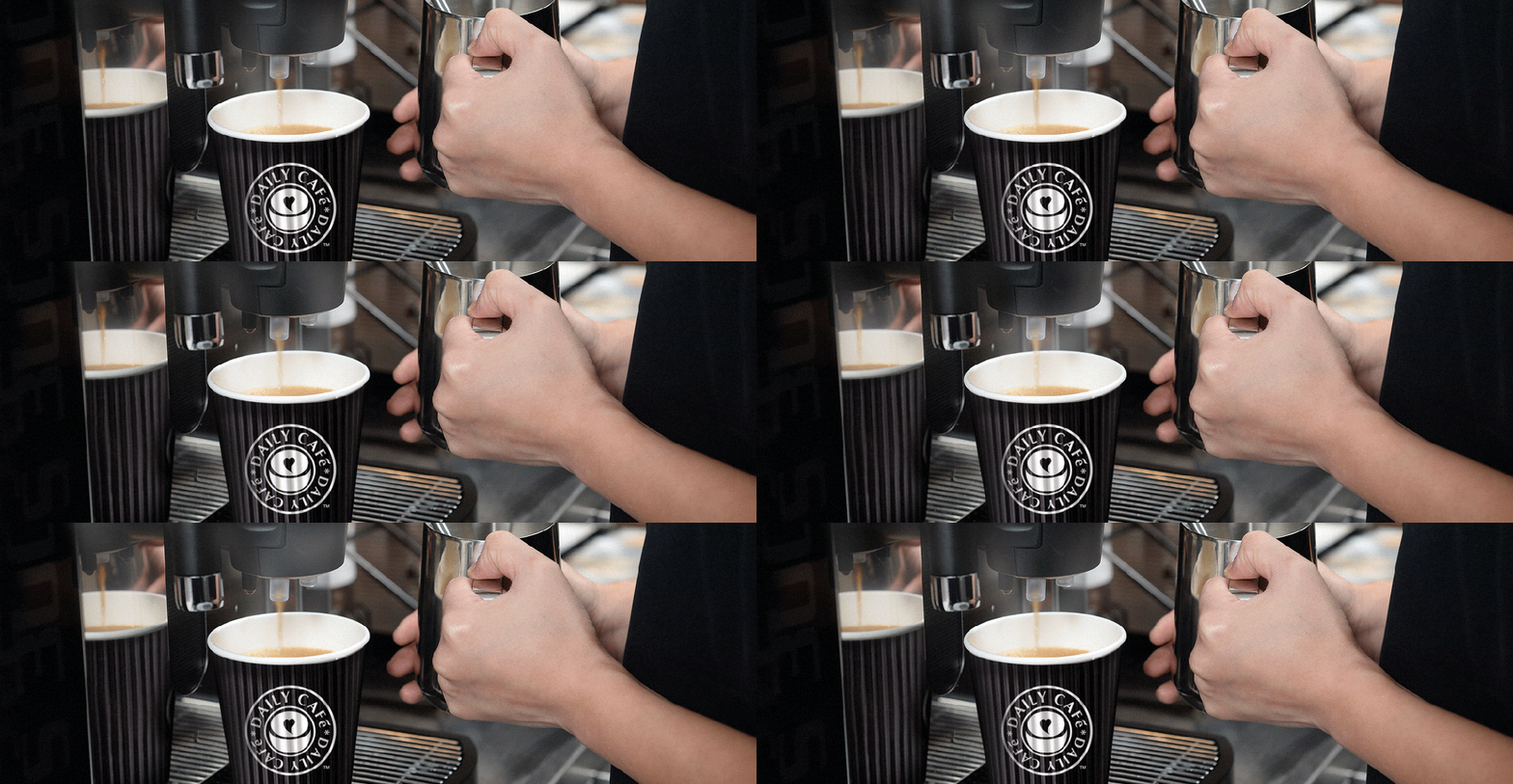
    Dairy Farm is launching a multimillion-dollar campaign to introduce a premium coffee blend in its 260 7-Eleven Daily Cafe kiosks.

    With its cappuccinos and lattes just $14 to go, it is staying well below the prices of established coffee shops like Pacific Coffee or Starbucks.

    “We identified different segments in the coffee market in Hong Kong and we found this is a ripe opportunity,” says 7-Eleven sales and marketing director for Hong Kong and Macau Elman Lee.

    “They’re not looking for a barista to serve them, or for coffee art. They want accessibility, grab-and-go, but a quality coffee.”

    Lee says the coffee venture is actually a strategic move. “With the trend of current lifestyles we want to build more signature products for our brand.”

    Already 7-Eleven is working on a signature ice-cream product and is looking to add more signature ready-made snacks. For now, coffee is the focus, with new store designs moving the Daily Cafe kiosk machines next to the cash registers.

    While 7-Eleven does not often run media campaigns, it is bolstering its coffee offer with transit ads on bus seats, exteriors and MTR windows along with print ads and store promotions throughout Hong Kong and Macau.

    Hip hop group FAMA is fronting the campaign, with support on Facebook and WeChat from other local celebrities, including Everest climber John Tsang and even a cat, Brother Cream, from a Kowloon convenience store.