Retail News CRM

Tag: Dairy Farm

  • ‘Solid’ profit growth for Dairy Farm International

    ‘Solid’ profit growth for Dairy Farm International

    Dairy Farm International Holdings had solid profit growth in the first half despite lower sales in its supermarkets and hypermarkets, says chairman Ben Keswick.

    “While the rest of the year is expected to stay challenging for supermarket and hypermarket activities in Southeast Asia, the group’s other businesses continue to make steady progress.”

    Overall profits increased with strong results from Maxim’s and Yonghui as well as good performances from the health-and-beauty and home-furnishings divisions, more than compensating for the lower earnings in the food division.

    Sales for the period by the group’s subsidiaries of US$5.5 billion were marginally behind last Year’s first half, but flat at constant exchange rates. Total sales, including associates and joint ventures, were 3 per cent higher at $10.4 billion. The underlying net profit was $211 million, up 6 per cent.

    Supermarket and hypermarket sales declined 3 per cent lower at constant exchange rates, and profits fell because of continuing softness in some key markets. Trading continued steadily in Hong Kong, but difficult trading conditions in Malaysia, Singapore and Taiwan resulted in lower sales and profits.

    In Indonesia, better margin management enabled profits to be maintained despite lower sales, while profitability improved in the Philippines even though sales were flat following the closure of a hypermarket.

    Yonghui had 15 per cent growth in revenue and a 57 per cent jump in profit, thanks to higher store numbers and margin improvement from more effective merchandising.

    China underpins growth

    Dairy Farm’s convenience stores performed well. Hong Kong and Macau were ahead of last year, supported in part by a modest increase in tourist numbers. In Singapore, sales were lower as some stores were closed, although earnings benefited as several had not been profitable. Store expansion in Mainland China continued to underpin sales growth.

    In the health and beauty division, good sales and profit growth were achieved in Hong Kong, Macau and Indonesia.

    In Malaysia and Singapore, sales and profits fell as consumer confidence remained low. Mainland China sales were enhanced with successful promotions, and in the Philippines, improved systems following the integration of Rose Pharmacy started to yield positive results.

    In home furnishings, Ikea’s performance was driven by strong sales in Indonesia and Taiwan, despite a soft performance in Hong Kong. Store expansion continues with a fourth Ikea store opening in Hong Kong later this year and a site secured for a second store in Jakarta. Meanwhile, e-commerce activities are showing encouraging results in all three markets.

    In the restaurants division, Maxim’s (which operates Starbucks in Hong Kong and Vietnam, and other food brands across Southeast Asia) delivered a strong performance as its expansion continued. There are now more than 1000 outlets across Greater China and Southeast Asia.

    Dairy Farm last month agreed to take over Rustan’s in the Philippines by acquiring the remaining 34 per cent stake from its JV partner.

    Maxim’s opened its first The Cheesecake Factory in Hong Kong in May, and in July announced the franchise to run American burger-and-fries restaurant Shake Shack in Hong Kong and Macau. The first store opens next year.

    At the end of June, the Dairy Farm group had more than 6600 outlets across all formats, compared with 6548 at the end of last year.

    Meanwhile, group CEO Graham Allan steps down at the end this month after five years of introducing changes that have laid the foundation for growth, says Keswick. He will be succeeded by Ian McLeod, who has had more than 30 years’ experience in retail.

  • Dairy Farm Singapore puts out unified POS terminals

    Dairy Farm Singapore puts out unified POS terminals

    Dairy Farm Singapore Group (DFSG) has confirmed it is deploying 2,000 new unified point of sales (POS) terminals across all Cold Storage, Market Place, Jasons, Giant, 7-Eleven and Guardian stores island-wide. Over 650 stores are expected to receive the new terminals in 2017.

    The new POS terminals will be deployed at its Cold Storage, Market Place, Jasons, Giant, 7-Eleven and Guardian Health and Beauty stores.

    While the company positions the investment as giving shoppers greater payment convenience, the project will net the group a reduction of 20%-30% (or 9-11 seconds) in the time required at checkout counters. It will also improve productivity with savings of 106 hours a day for all the stores.

    The collaboration between DFSG, NETS and UOB is in line with the Singapore Government’s Smart Nation initiative to leverage innovative technology in enabling the use of cashless payment in Singapore. It will accelerate the retail sector’s transition from using paper-based instruments to adopting electronic platforms that promote interoperability, efficiency and security, and offers a ubiquitous user experience that cuts across market segments and demographics. Implementing Unified POS solution is part of this vision as it is swift, simple, secure and accessible to all and accepted by all.

    In addition to credit and debit cards, the Unified POS system will support NETS, NETS FlashPay, Apple Pay, Android Pay, Samsung Pay, UOB Mighty Pay, and EZ-Link. DFSG’s co-brand card – the UOB Delight card – as well as its Tap For More loyalty programme via the PAssion card have also been integrated into the system.

    Dairy Farm Singapore finance director Tom van der Lee says “The implementation of the Unified POS system significantly simplifies and shortens the payment process for our customers.  It also has the added benefit of improving efficiency which means that cashiers now have more time to focus on what is truly important – serving our customers.”

  • Booths grocery products head to Malaysia

    Booths grocery products head to Malaysia

    Rather than head south in its home market, the upmarket northern England Booths grocery chain has opted instead for a JV in Malaysia.

    The family-owned retailer, which launched in Blackpool in 1847, has partnered with Hong Kong-listed retailer Dairy Farm, owned by Jardine Matheson, to sell 40 of its best-selling products, including chutneys, jams and puddings, in 19 shops across Malaysia.

    Chairman Edwin Booth, part of the fifth generation of the family to be involved in the firm, says Booths’ heritage gives people “a great deal of reassurance”.

    Booths has 34 stores across England’s north, mainly medium-sized supermarkets. Each store has its own identity, reflecting its location. Its JV in Malaysia is its first overseas foray.

    Staff members are given extensive product training to help them deliver a “friendly and informed” shopping experience, says the company.

  • Solid year for revitalised Dairy Farm International

    Solid year for revitalised Dairy Farm International

    Hong Kong-headquartered multi-format retailer Dairy Farm International has celebrated its 130th anniversary with a strong set of results, with food, home furnishings and restaurants delivering higher profits.

    Total sales, including those of associates and joint ventures, rose 14 per cent in US dollar terms and 17 per cent on a constant-currency basis to US$20.4 billion. Sales of wholly-owned subsidiaries rose 1 per cent to $11.2 billion.

    Underlying net profit rose by 7 per cent to $460 million, partly due to a 13 basis point net improvement in operating margins as well as increased contributions from Yonghui and Maxim’s. Operating profit rose 6 per cent.

    Supermarkets & hypermarkets solid

    Total food division sales, which include Wellcome and Giant, were flat in US dollar terms, although up 1 per cent on a constant currency basis.

    “In an environment of severe pressure on pricing, sales growth in Hong Kong supermarkets and in the convenience store businesses in Hong Kong, Mainland China and Singapore helped to offset declines in the group’s supermarkets and hypermarkets in Singapore and Indonesia and largely flat sales elsewhere,” explained CEO Graham Allan.

    “The closure of a number of unprofitable stores in Singapore and Indonesia also weighed on sales performance. However, specific actions, including strategic store closures, prudent management of costs and more targeted promotional activity, delivered improved operating margins.’

    Operating profit from the food division rose 13 per cent to $267 million, with the largest gains coming from Singapore and Indonesia.

    Sales of $6.2 billion from supermarkets and hypermarkets (excluding Yonghui) were in line with last year in constant currency while operating profit increased by 13 per cent to $194 million.

    Wellcome in Hong Kong drove higher sales through strengthening its fresh offer and an enhanced merchandise assortment. Operating profit was lower, principally due to a continued rise in rental costs and competitor promotional activities. In Macau, San Miu achieved sales and operating profit growth in its first full year in the group with range enhancement and increased fresh participation.

    In Taiwan, sales and operating profit were ahead of last year. A new ‘superstore’ concept was introduced for Wellcome with two net new stores opening during the year, while Jason’s continued its store expansion.

    “The retail landscape in Indonesia was challenging with limited recovery in consumer confidence and significant competition from the continued rollout of mini-market stores across the country, which impacted sales growth at supermarkets and hypermarkets,” said Allan.

    “Nevertheless, improved margins, from pricing and promotional activities, the closure of a number of underperforming stores and tighter cost control boosted profitability. Improving the fresh assortment and revitalising the upscale Hero brand remain key focus areas for the business.”

    In Malaysia, sales and operating profit were behind 2015 due to persistent low consumer confidence together with ongoing price controls following the introduction of GST, which continued to weigh on performance.

    The Philippines recorded a strong year with all banners reporting like-for-like sales growth and improved profitability. “A more appealing fresh assortment coupled with tactical pricing and successful marketing activities underpinned an encouraging increase in footfall,” said Allan.

    “Rustan’s benefited from increased sales of its imported and exclusive brands, while measures to improve cost efficiency were also implemented.”

    In Singapore, sales were down year-on-year due to poor consumer sentiment and the impact of store rationalisation. “Cold Storage achieved an encouraging operating profit increase, despite reduced sales following the closure of underperforming stores. Giant saw steady sales and positive profit growth, driven by increased margins and lower operating costs.

    “In the coming year, we aim to invest in the renewal of customer facing and back office technologies to improve our customer experience and internal efficiency whilst optimising ranges and supply chain productivity.”

    In Vietnam, Giant posted sound sales growth, from its single store, with increased customer traffic being the main driver and in Cambodia, the group saw “encouraging increases” in like-for-like sales and operating profit.

    Convenience sales reach $2 billion

    Convenience stores reported $2 billion in sales, an increase of 5 per cent year-on-year in constant-currency terms. Operating profit increased by 15 per cent to $73 million.

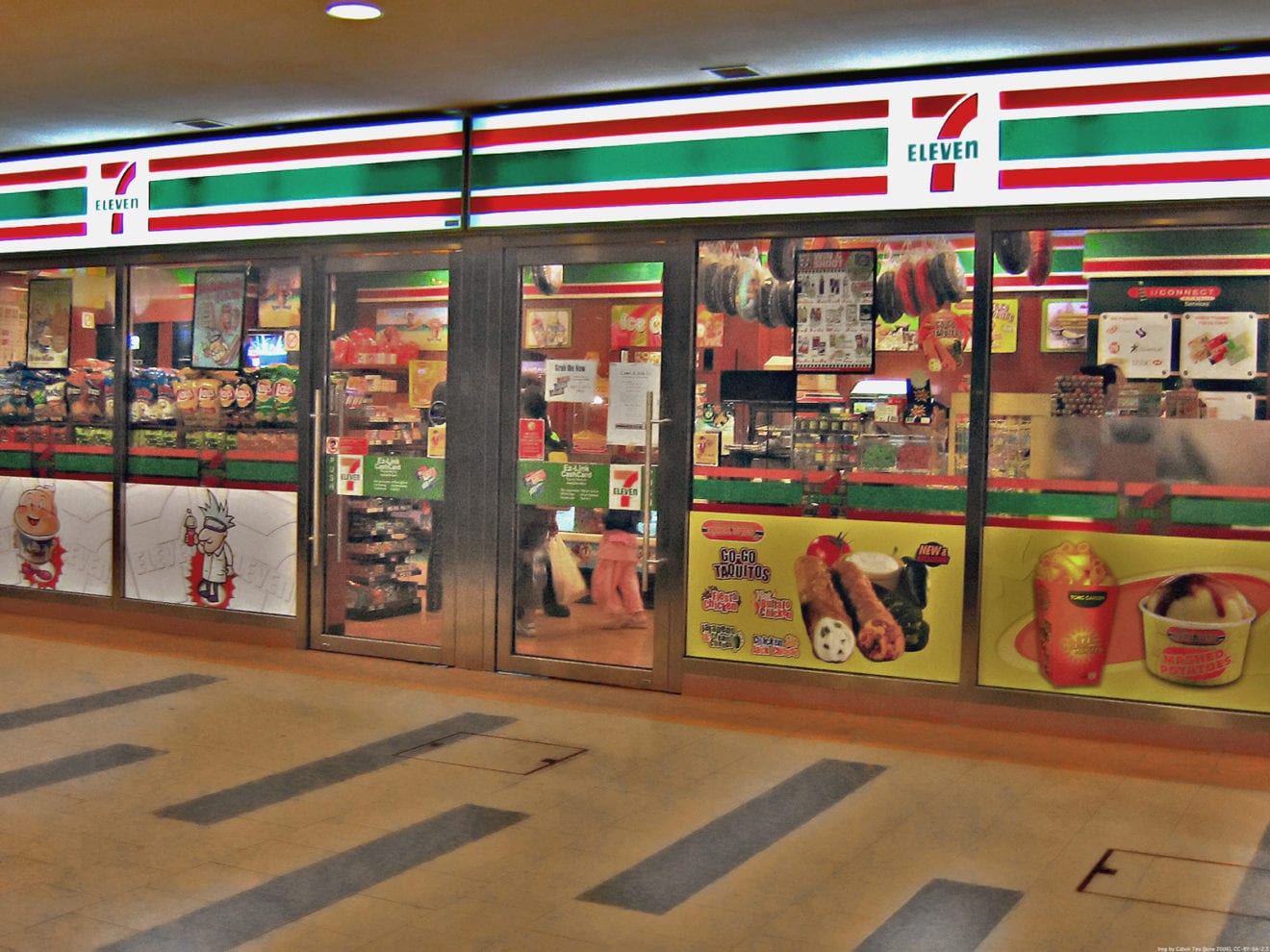
    In Hong Kong, 7-Eleven outpaced the competition and grew sales and operating profit despite soft consumer sentiment and difficult market conditions. Like-for-like sales strengthened during the year supported by promotions, range improvements and new products. A slight gross margin improvement led to a higher operating profit despite cost increases from labour and rent. In Macau, sales were flat and operating profit was lower due to slowing tourist numbers and a substantial cigarette tax increase in 2015.

    In Mainland China, 7-Eleven continued its solid growth and passed its 800th store milestone. During the year, sales and operating profit increased, with store network expansion and like- for-like sales growth. This was driven in part by an expanded ready-to-eat (RTE) product range.

    In Singapore, 7-Eleven achieved positive like-for-like sales growth arising from a store re-ranging project with a strong focus on RTE, including the successful introduction of new private label products sourced from 7-Eleven Japan.

    “Operating profit was significantly ahead of 2015 due to these initiatives and the rationalisation of loss-making stores,” said CEO Graham Allan. “The RTE range will be further expanded in 2017 and there will be increased focus on acquiring new profitable sites.”

    Health & beauty sales rise

    Dairy Farm’s health & beauty division achieved $2.6 billion in sales, up 4 per cent on a constant currency basis, however profit declined 5 per cent to $175 million due to margin pressure and higher rents in Hong Kong.

    “Gains in Hong Kong, Mainland China, Singapore, Indonesia and the Philippines, offset disappointing sales in Malaysia,” said Allan.

    In Hong Kong, Mannings’ sales increased in 2016 despite a smaller store network. “As mainland Chinese tourist arrivals continued to decline, promotional campaigns and loyalty programmes were launched throughout the year targeting local consumers,” said Allan. “Sales were flat in Macau as mainland Chinese tourist arrivals remained soft.

    On the mainland, Mannings “showed gradual improvement” with solid sales growth, particularly in baby care, beauty care and personal care, while the contribution from corporate brands increased.

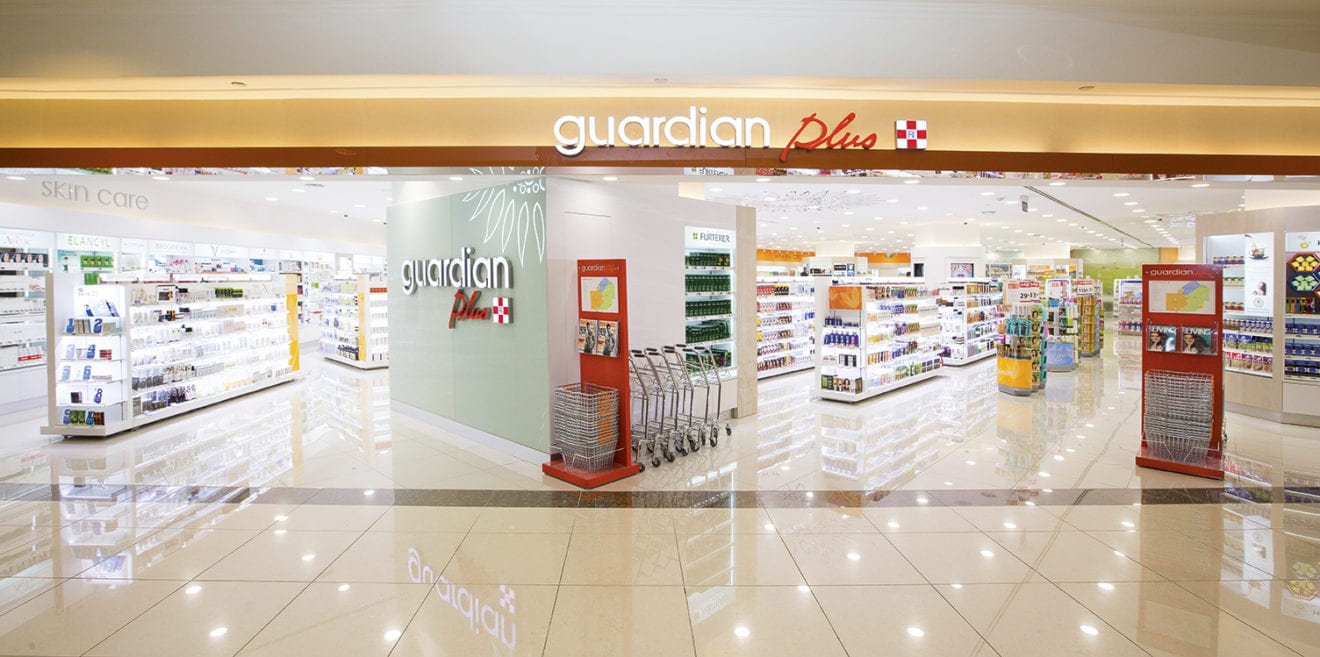
    In Singapore, Guardian reported growth in sales, while operating profit also increased with higher gross margins and greater focus on cost and shrinkage management, partially offset by higher rental costs, but in Malaysia, Guardian experienced “a challenging year” with lower sales and operating profit due to subdued consumer sentiment, increased competition and weakness of the ringgit.

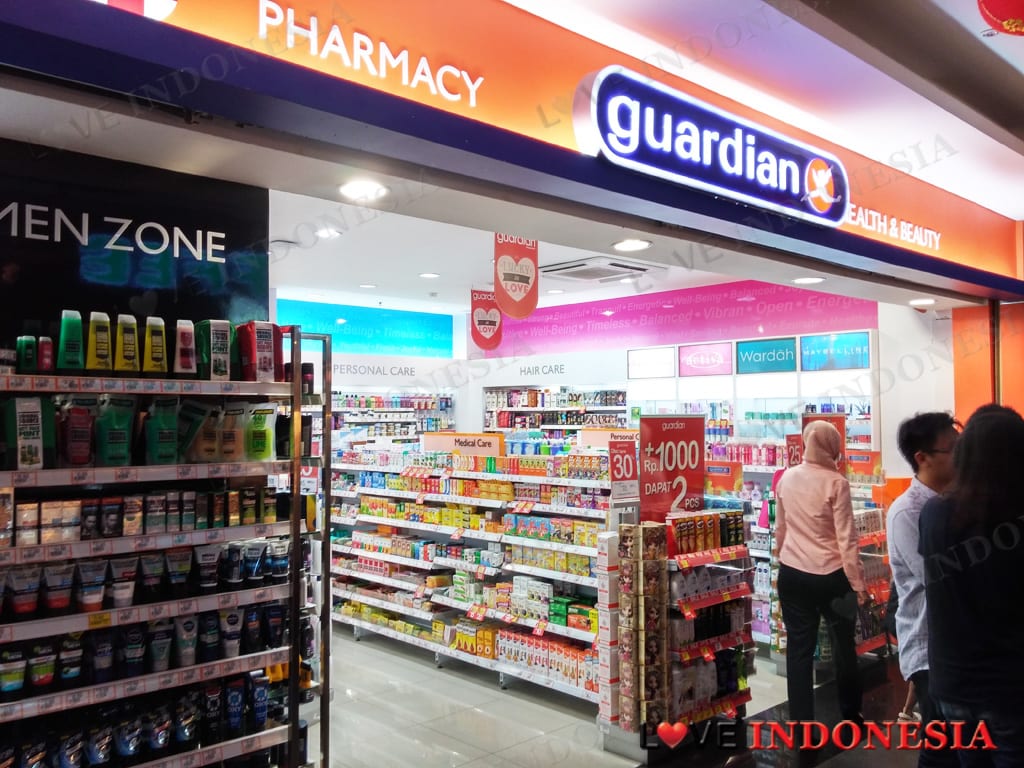
    In Indonesia, Guardian posted double-digit sales growth for the fifth year in a row, despite the net closure of 73 stores. Operating profit was higher than in 2015 with higher gross margins.

    In Vietnam, Guardian recorded another strong year of double-digit sales growth and improvement in gross margin. Corporate brand penetration increased significantly as brands such as Botaneco Garden proved popular with local consumers and in the new market of Cambodia, progress was made through range expansion and increased corporate brand penetration supporting strong like-for-like sales.

    In its second year in the group, Rose Pharmacy in the Philippines delivered performance improvement through sales growth, gross margin enhancement, better cost efficiency and the closure of a number of underperforming stores. Guardian brand products were launched with encouraging early signs of customer acceptance.

    Home furnishings solid

    Home Furnishings, essentially the Ikea business in Hong Kong, Taiwan and Indonesia, recorded a 12 per cent rise in operating profit to $71 million driven by increased sales of $597 million, 6 per cent ahead of 2015.

    “Sales and operating profit were higher than last year in all three markets. Like-for-like sales growth was particularly strong in Taiwan and Indonesia.”

    Hong Kong led the group in introducing new concepts to increase consumer access, launching online shopping in April 2016 and opening two pick-up points in Macau and on Hong Kong Island. Indonesia introduced online shopping in July. Taiwan opened a pick-up point in Hsinchu and launched online shopping in February 2017.

    “We continued to strengthen our low price image through ongoing price investment, and increased our focus on market specific products to enhance our local consumer appeal.

    “In the coming year, Home Furnishings plans both to continue its push in consumer accessibility and to drive forward its expansion plans, having identified a second Indonesia store location and opening a fourth store in Hong Kong in the second half of 2017,” said Allan.

    Solid growth for Starbucks, Maxim’s

    Sales in Dairy Farm International’s restaurants division rose 7 per cent year-on-year to $2 billion and profit rose 4 per cent.

    “The business delivered another year of record earnings in a difficult market environment while continuing to expand outside Hong Kong,” said Allan.

    The division expanded its reach by acquiring Cova, a premium chain of cake shops and restaurants, and by opening its first Treats food hall.

    In China, Maxim’s added 16 new stores across its brands, including the first Cheesecake Factory franchise at Shanghai Disney Town.

    The company now operates 20 Starbucks cafes in Vietnam and Cambodia and describes their performance as “encouraging”. The group launched its first Thai franchise in September – MX Cakes and Bakery, a joint venture with ThaiBev, which has opened three outlets in Bangkok.

    “Looking ahead, the group continues to see various exciting opportunities, including entry into the Beijing market with the opening of Jade Garden, Cafe Landmark and The Cheesecake Factory planned in 2017. Maxim’s will also continue to explore franchise and acquisition opportunities across the region.”

    Dairy Farm will “compete aggressively”

    Chairman Ben Keswick said Dairy Farm International is “transforming itself to compete aggressively in a changing retail landscape”.

    “Central to this are a strong focus on understanding changing consumer behaviour, growing market share, building digital engagement with customers and sharing know-how across the group. Investment is being sustained in supply chain, IT infrastructure and systems, and the skills and expertise of our people to support this transformation. Each business is committed to optimising the shopping experience of its customers and to serving their evolving needs as efficiently as possible.”

    Keswick said increasing convenience through expansion and enhancement of the store network remains a high priority, although when necessary, underperforming stores will be closed. Last year the entire group added a net 114 stores, despite a number of closures across its divisions.

    At December 31, Dairy Farm International had 6548 stores in operation in 11 countries and territories, including its interest in 487 Yonghui stores in Mainland China.

    “Despite the uncertain economic outlook for 2017, the group continues to strengthen its businesses,” said Keswick. “Investments are being made to enhance its competitive position, increase customer convenience and adapt to emerging consumer trends. These investments, coupled with the exposure of its market-leading retail brands to Asia’s growth markets, will support Dairy Farm’s long-term success.”

  • For 7-Eleven, its all on a par

    For 7-Eleven, its all on a par

    One yuan fetched HK$1.12 on the foreign currency market yesterday.

    While China’s currency would need to fall 10.7 percent to reach actual parity with the Hong Kong dollar, the exchange rate offered by the city’s largest operator of convenience stores shows how depreciation pressures are making the yuan less attractive to hold.

    “The recent sharp yuan depreciation has hurt local merchants’ willingness to accept yuan,” said Kevin Lai, chief economist for Asia excluding Japan at Daiwa Capital Markets in Hong Kong.

    “The fact that they demand a bigger premium in the exchange rate to accept yuan payments shows the outlook is pretty negative for the Chinese currency.”

    Trading the yuan at parity with the Hong Kong dollar by local retail chain may be a new norm to avoid foreign exchange risk amid a weakening Chinese currency, said Hang Seng Bank (0011) acting chief economist Thomas Shik Chun-sing, who expects the yuan to further soften 3-5 percent this year.

    7-Eleven adjusted its yuan rate in light of recent drastic fluctuations in the currency and will change it whenever necessary, a company spokesman said in an e-mailed reply to questions.

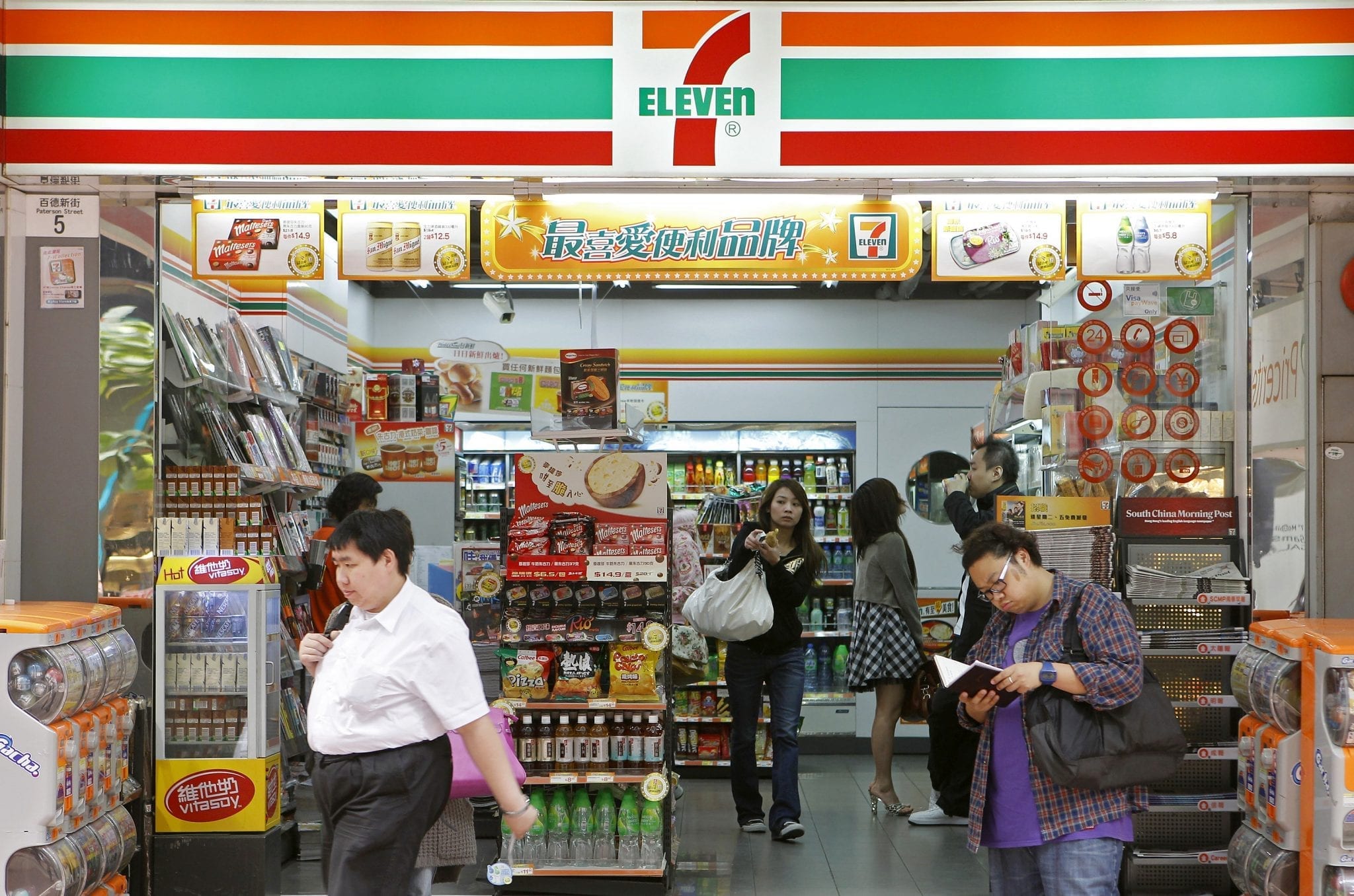
    The convenience store chain has more than 900 stores in Hong Kong and is part of Jardine Matheson Holdings’ Dairy Farm.

    Signs in Circle K, another major convenience store chain, offer an exchange rate of 100 yuan per HK$105. Rates at cosmetic retail chain Sa Sa and Mannings, a personal health retailer under Dairy Farm, are both 100 yuan per HK$110.

    The yuan plunged about 12 percent against the greenback last year.

  • Investors eye Jaya Grocer Malaysia

    Investors eye Jaya Grocer Malaysia

    Jaya Grocer Malaysia is attracting the interest of private equity firms wanting to buy a shareholding of up to 49 per cent.

    Creador, TPG Growth and a Japanese fund based in Singapore have been shortlisted in a deal said to value the supermarket chain at about RM175 million (US$43.8 million), reports The Star. It quotes sources as saying the exercise for the sale of an equity stake began last year.

    Other firms initially interested in a shareholding included the Abraaj Group and Navis Capital Partners.

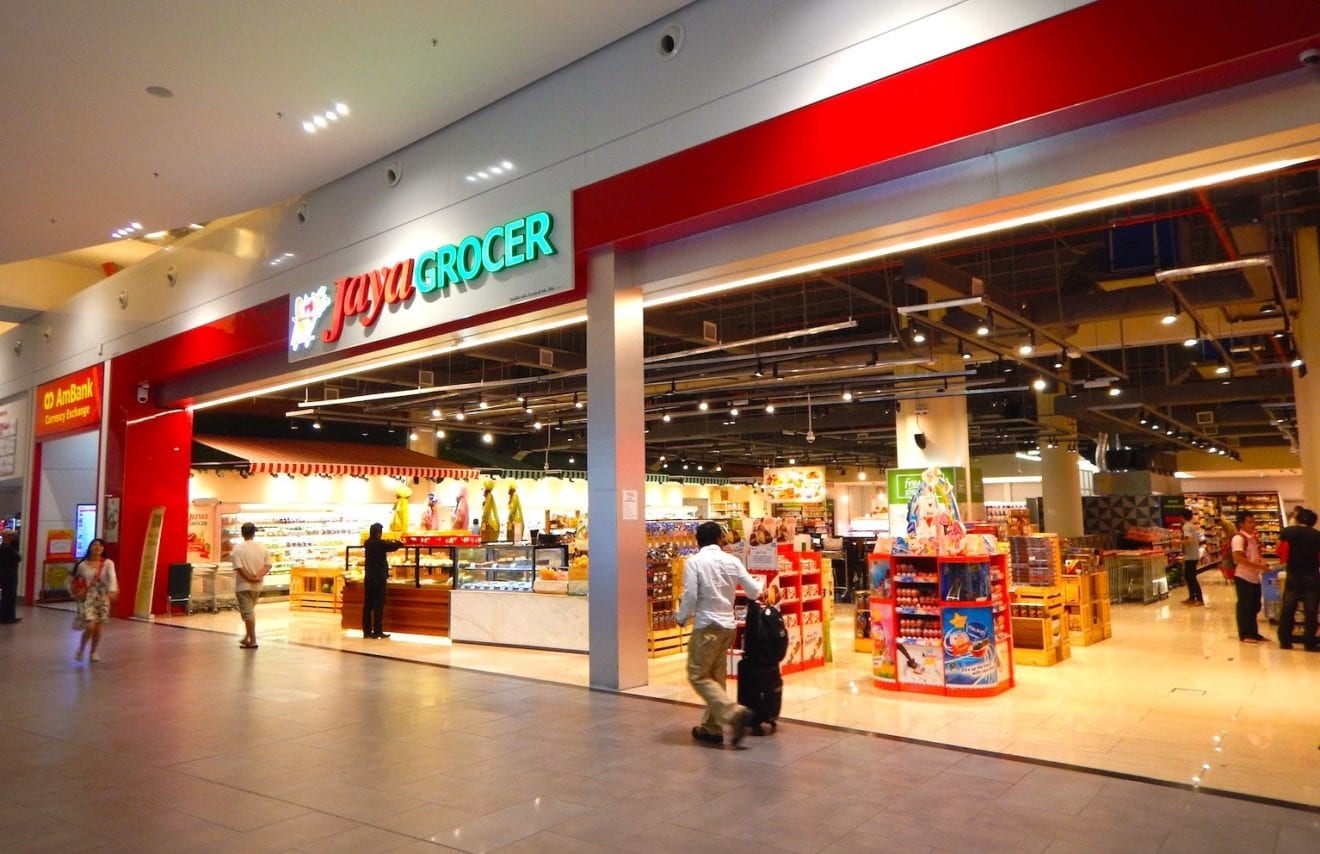
    Jaya Grocer is owned by Trendcell, with its 16 outlets posting RM18 million in earnings last year. The chain opened its first outlet in Petaling Jaya in 2007, and now has outlets in such malls as the Empire Shopping Gallery, KLIA2 and The Intermark.

    Jaya Grocer was founded by the Teng family, which also founded Giant Hypermarket and Teng MiniMarket Centre (TMC) in Bangsar. The family sold the Giant chain to Hong Kong-based Dairy Farm group in 1999 for an undisclosed amount. Meanwhile, TMC has been wholly owned and run by GCH Retail (Malaysia) since 1980. Also run by the Teng family is Pasaraya Hero, launched in 2010.

    It is unclear if the current sale process, being run through an open-bid system by Deloitte, includes these supermarkets.

    Meanwhile, Navis has invested in Jaya Grocer competitor Village Grocer the Big Group, which runs Ben’s Independent Grocer.

  • Will underperforming Dairy Farm ever recover?

    Will underperforming Dairy Farm ever recover?

    Profitability is at a six-year low. Retail giant Dairy Farm has been underperforming in recent years, battered by weak sales, soft consumer sentiment and smaller market share. As a result, its profitability and share price has taken a beating, with the stock now hovering at its lowest point since 2010.

    Despite Dairy Farm’s poor showing, RHB Research remains bullish on the retailer’s growth story, noting that the company has much room for margin improvement in the medium term.

    “We believe there is much room to improve on gross margin in its supermarket/hypermarket segment, as the company reiterated its commitment to increase direct sourcing,” RHB said.

    RHB Research is also positive improving sales of the group’s corporate brands, and believes that country management changes will allow Dairy Farm to revive its presence in its key markets.

    “Current valuations are at their lowest point since 2010. This is perhaps reflective of weak profits, which are also at its lowest level in this period. However, we view Dairy Farm as a deeply-entrenched retail company, which has a strong potential to turn around its stumbling performances in the past few years.

  • Growth plan for Starbucks Vietnam and Cambodia

    Growth plan for Starbucks Vietnam and Cambodia

    Dairy Farm Group says it plans to expand its Starbucks Hong Kong and Vietnam networks.

    Last year, Dairy Farm opened six new Starbucks Vietnam cafes and its first in Cambodia – in the capital city Phnom Penh last December.

    “This new market offers significant opportunities as there is no dominant market player,” said CEO Graham Allan. “The group is currently working to fully understand local tastes and preferences.”

    In Vietnam, the company says it will continue – for now – to focus expansion in the main cities of Ho Chi Minh and Hanoi.

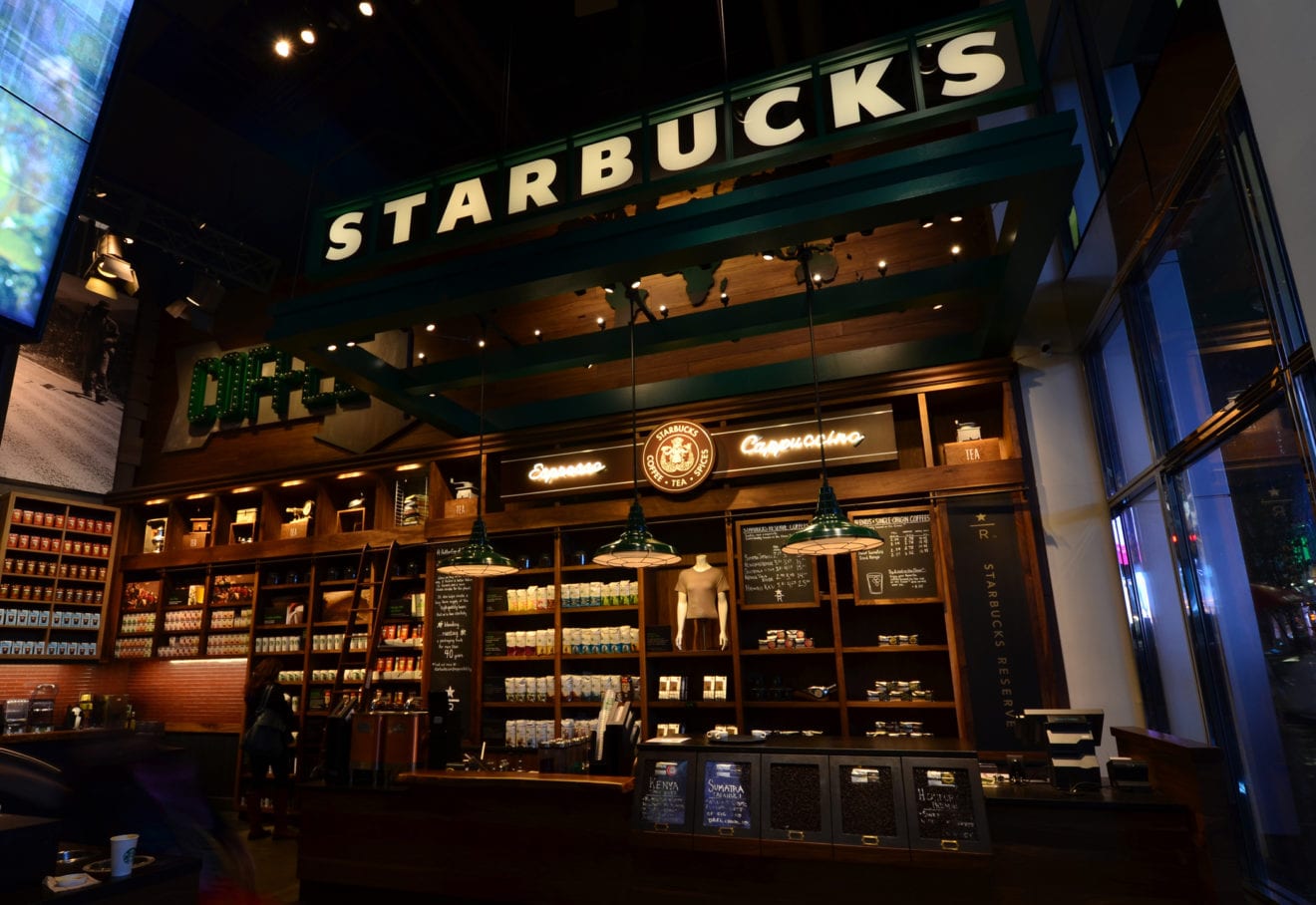
    Starbucks operations in Vietnam, Cambodia and Hong Kong – where the network is also set to be expanded this year – is operated by Dairy Farm’s restaurant subsidiary Maxim’s.

    “Maxim’s delivered another year of solid results,” Allan said in the company’s annual operational review.

    “Expansion of its Chinese casual dining restaurants and Japanese restaurants continue in Mainland China.”

    Maxim’s opened 44 net new outlets during the year, including six in Mainland China and the new Starbucks outlets.

    Dairy Farm’s restaurants division reported US$1.9 billion in total sales, representing an increase of 8 per cent year-on-year, while the profit contribution increased by 9 per cent as the business delivered another year of record earnings.

    “Looking ahead, the macro economy and local business environments are expected to be challenging in 2016, with continued currency volatility and fragile consumer confidence,” said Allan.

    “The group sees exciting prospects, however, with a number of establishments opening at the Shanghai Disney Resort in June 2016, including the staff canteen, The Cheesecake Factory and Japanese chain concepts Ippudo and Dondonya.”

    He said besides expanding in Vietnam and Cambodia, Maxim’s will continue to explore further opportunities for acquisitions and/or franchising throughout Asia.

  • Singapore, Indonesia drag Dairy Farm Group food division

    Singapore, Indonesia drag Dairy Farm Group food division

    Weak performances in Singapore and Indonesia eroded underlying profits in multinational retailer Dairy Farm Group’s food division last year.

    Last week, Dairy Farm reported a 5 per cent overall increase in sales on a constant currency basis, but a 14 per cent decline in underlying profit due to the “challenging” operating environment across Asia. Sales totalled US$11.137 billion, profit fell from $509 million to $424 million.

    Dairy Farm’s interests span convenience stores, hypermarkets, supermarkets, fast food restaurants, cafes, pharmacies, beauty stores and Ikea franchises. While all divisions reported mixed results by markets, it was the core food division where the gaps seemed widest.

    CEO Graham Allan said Wellcome supermarkets and 7-Eleven convenience stores in Hong Kong traded well, and Wellcome Taiwan also delivered encouraging results with its targeted focus on upscale customers.

    In Hong Kong, despite a competitive trading environment and declining Mainland visitor traffic, Wellcome achieved gains in both sales and market share, he said.

    “In the face of steep increases in rental costs, profitability remained strong due to sales growth and prudent management of other costs. In 2015, the group acquired and successfully integrated the San Miu supermarket business in Macau, which delivered a higher than expected profit contribution.”

    Food (excluding the Yonghui China business in which Dairy Farm acquired a 19.99 per cent stake during the year) reported US$8.2 billion in sales, a decrease of 2 per cent, while operating profit declined by 21 per cent to US$236 million principally driven by disappointing results for supermarkets and hypermarkets in Singapore and Indonesia.

    In Mainland China, 7-Eleven showed further improvement despite the market slowdown. But in Singapore, “further margin erosion resulted from higher labour costs and rents, soft consumer sentiment, a weaker Singapore dollar” and intense competition in the supermarket sector.

    “Operating profit was significantly lower than in 2014, mainly due to lower margins from Cold Storage’s price campaigns, a store rationalisation program and operational challenges. In a difficult segment, Giant ended the year with improvement in both sales and profits.”

    Allan says in 2016, the group will optimise its product offer with improved fresh items and ready-to-eat meals, with the aim of growing market share, boosting stock management capability and fine tuning brand positioning.”

    In Malaysia, the introduction of GST in April and weak consumer confidence dampened retail spending and profitability.

    “Post-GST consumer apprehension, currency weakness, lower subsidies and political uncertainty brought consumer sentiment to its lowest point in 10 years and negatively impacted sales in the remainder of the year.

    “Nevertheless, improved retail execution, assortment enhancements and tactical investments in margin to improve price perception have helped to maintain sales in a soft market,” said Allan.

    “In the Philippines, the upscale and community supermarkets reported sales growth, while hypermarket sales were slightly positive. The group opened three new Rustan’s and three new Wellcome stores, and ended the year with 56 outlets. Enhancing the quality and breadth of the fresh offer, embracing more impactful merchandising and display practices and building corporate brands are central to the group’s plans for 2016.”

    In Indonesia, profitability declined significantly as a result of higher labour costs, price investments to drive customer traffic and changes associated with more rigorous stock management, Allan said. While its Giant supermarkets there enjoyed a better year and produced double digit sales growth, and its larger Giant hypermarkets also grew, Hero supermarkets sales were steady.

    “While overall margins improved, partly due to excellent growth in fresh food, earnings suffered from increases in labour costs, stock clearance activities and store rationalisation.”

    Results from PT Hero were also depressed by 12 per cent with the weakening rupiah affecting the outcome on translation. Hero, majority owned by Dairy Farm Group, has sold the majority of its Starmart convenience stores and will close the remaining ones.

    And in Vietnam, Giant achieved strong like-for-like sales with increases in both customer traffic and basket size.

    “Facing strong competition from new entrants and existing players, the group repositioned its fresh strategy with lower prices and a wider product offer to grow market share.”

    Convenience stores

    Operating profit in the convenience store division of the broader food business dropped by 12 per cent to US$64 million.

    Allan said in Mainland China, 7-Eleven saw a pleasing increase in sales and profits over the previous year, with like-for-like sales growth and store network expansion. Despite signs of an economic slowdown in China, profitability improved. Ready-to-eat was the leading category in terms of sales and contribution and this category will continue to be a major area of focus in 2016.

    “In Hong Kong, the group achieved excellent like-for-like growth and gained market share across most categories. Rapidly escalating operating costs, especially store labour and rental expenses, crimped profit growth. Sales momentum in Macau slowed during the second half of the year due to an increase in cigarette taxes in July and reductions in tourist numbers from Mainland China,” he reported.

    In Singapore, 7-Eleven’s results were impacted by lower sales from the tourist segment, by lower liquor sales partly due to new regulations curtailing late night alcohol sales, and by increased store labour costs and operating costs in the Distribution Centre.

    “Major initiatives for the coming year will focus on strengthening the ready-to-eat supply chain.”

  • Suitors for Casino’s Asia assets will have to face off against Thai tycoons

    Suitors for Casino’s Asia assets will have to face off against Thai tycoons

    French retail group Casino’s sale of its Thai and Vietnam units has drawn the eye of Singapore’s Dairy Farm International Holdings and South Korea’s Lotte Shopping but they’ll need punchy bids to go up against deep-pocketed Thai tycoons, bankers said.

    The auction represents a rare opportunity for cashed-up Asian companies to expand into what analysts say are two of Southeast Asia’s most profitable retail markets, but they also warn there is a risk of overpaying, particularly in Thailand where the economy is slowing.

    Central Group, Thailand’s biggest retailer led by tycoon Tos Chirathivat, has pole position as it already owns a quarter of Big C Supercenter Pcl, the nation’s second-largest discount retailer which it founded in 1993.

    Central has said it is keen to buy Casino’s 58.6 percent stake in Thailand’s Big C, worth around $3.1 billion at current market prices, and Casino’s wholly owned unit, Big C Vietnam, which bankers have valued at between $800 million and $1 billion.

    “Whoever is going to buy this will have to pay a high price to get Central out or they will have to co-exist,” said a banking source familiar with the matter.

    A separate banking source said Casino was keen to sell both units to the same bidder.

    In addition to Dairy Farm and Lotte Shopping discussing potential bids with banks, Japanese retail conglomerate Aeon Co Ltd (8267.T) is weighing an offer, the sources said but added it was unlikely to bid aggressively.

    The sources declined to be identified as they were not authorized to speak about the matter.

    Dairy Farm, the second-biggest retailer in Singapore and Hong Kong, and Lotte Shopping, South Korea’s largest department store operator declined to comment. Aeon and Casino also declined to comment.

    The bidder seen most likely to give Central Group a run for its money is Thai business magnate Charoen Sirivadhanabhakdi, who is keen to expand further in retail.

    Berli Jucker Public Co, the listed retail arm of Charoen’s TCC group, has said it is interested in Casino’s Vietnam unit and bankers also expect TCC to make an offer for the Thai unit.

    Asked whether TCC would bid for the Thai business, Charoen told Reuters in Bangkok on Wednesday: “Not yet, we haven’t done anything. We need to have a look first.”

    PREMIUMS NEEDED

    The first source said that to outbid Central for the Thai asset, other suitors would likely have to pay 270 baht per share, a 14 percent premium to Thursday’s close that would value Casino’s stake at $3.6 billion.

    Bangkok-based AEC Securities said in a note to clients it expects bidders to pay 238-298 baht per share. Thailand’s Big C shares have jumped as much as 17 percent since Casino said on Jan. 15 it has received expressions of interest..

    Casino’s surprise plans to sell the Thai unit came after a December report by short-seller Muddy Waters that said the French firm was “dangerously leveraged”, prompting its worst stock slide in seven years. The Vietnam unit sale had been planned beforehand.

    Preliminary bids for the Thai unit, which had 734 stores including 125 hypermarkets at the end of 2015, are due on Feb. 5. Bids for the Vietnam unit are due in late February, one source said.

    Thailand’s retail market is worth $93 billion annually, according to research firm Euromonitor. The sector trades at a price-to-earnings ratio of 24, the highest in Southeast Asia, and is no stranger to rich deals.

    In 2013, CP All, backed by Thailand’s richest man Dhanin Chearavanont, bought cash-and-carry wholesaler Siam Makro for $6.6 billion, valuing it at 53 times earnings in Asia’s most expensive consumer sector deal by multiple.

  • Dairy Farm struggles in SE Asia

    Dairy Farm struggles in SE Asia

    Dairy Farm International Holdings says softer sales growth and steep cost increases led to weakened margins in the third quarter.

    In an interim management statement, which does not include financial data, the Hong Kong-based pan-Asian retailer says the group faced more difficult economic conditions, and focused on building market share and investing for the long-term health of its businesses.

    Tighter margins and unfavourable exchange rate movements continued to affect the group’s US dollar reported results and led to lower underlying earnings for the period.

    “The group expects similar trading conditions to prevail for the remainder of the year.”

    Dairy Farm says profitability of its Singapore food business – where it owns the 7-Eleven franchise and Cold Storage supermarket chain – fell, principally due to weak performances from newly opened supermarkets and the impact on 7-Eleven of government restrictions on alcohol sales.

    In Malaysia, the introduction of GST and softer consumer confidence dampened spending at itsGiantstores.

    “In Indonesia, despite good sales momentum in July and August, higher labour costs and price investments to attract customers have reduced margins,” the company said.

    The Health and Beauty Division – led by the Guardian and Mannings brands – continued to perform well in Hong Kong, despite the slowdown in Mainland Chinese tourist arrivals, and has seen improvements in profitability in Singapore. The overall results were, however, held back by poorer performances in Malaysia and Indonesia.

    Both the Home Furnishings and Restaurants Divisions have increased sales and profits. Ikea performed well in both Hong Kong and Taiwan, and the new Ikea store in Indonesia continues to trade ahead of expectations.

    Restaurant group Maxim’s, which operates Starbucks amongst other brands,  maintained its consistent performance.

    The group is to invest a further US$210 million in Yonghui Superstores in early 2016 so as to maintain its 19.99 per cent stake following a placement by Yonghui of a 10 per cent shareholding to internet retailer, JD.com. The investment by JD.com will provide Yonghui with additional opportunities for expansion into eCommerce.

    “With respect to recent investments, there have been positive contributions from [supermarket chain] San Miu in Macau and from Yonghui in China, despite the challenging trading environment. Meanwhile, progress continues on the integration and repositioning of the Rose Pharmacy business in the Philippines,” the company said.

    “Notwithstanding the challenging conditions, Dairy Farm was able to maintain its cashflow from operating activities through better working capital management.

    Dairy Farm operates over 6400 outlets – including supermarkets, hypermarkets, convenience stores, health and beauty stores, home furnishings stores, cafes and restaurants – employing over 170,000 people, and had total annual sales in 2014 exceeding US$13 billion.

  • Dairy Farm closes more Indonesia stores

    Dairy Farm closes more Indonesia stores

    Dairy Farm International says it has now closed 74 stores in Indonesia – and more will follow before the year ends.

    Dairy Farm is the majority owner of the PT Hero retail network which includes supermarkets, Guardian pharmacies and Starmart convenience stores, which at the beginning of this year numbered 715.

    In July the company said it had shuttered 39 of its 75 stores bearing the Starmart brand. Last week it issued new figures showing 74 stores have now closed, including 22 Guardian pharmacies.

    “We are closing stores every year and every semester. We believe that we need that to change our portfolio,” said finance director, Xafier Thiry, adding that while more would close in the latter part of this year, the pace of the cull would slow.

    Dairy Farm’s network has been hit hard by the Indonesian government’s ban on convenience stores selling alcohol which took effect in April. A general economic slowdown has not helped sales of other goods. In July Dairy Farm said it was reviewing the future of the Starmart business.

    The other stores closed so far this year were 10 Ekspres and Hero stores and three Ekstra stores.

  • Dairy Farm reports modest growth

    Dairy Farm reports modest growth

    Dairy Farm says it achieved “modest” like-for-like sales growth in most of its major markets in the first half of this year.

    However, underlying profit fell 14 per cent to US$193 million, largely due to margin pressures in the food businesses and a disappointing half for its Guardian health & beauty group in Malaysia.

    With the early completion of the acquisitions of the San Miu supermarket business in Macau and the Yonghui stake (20 per cent) in China, both in April, sales for the period rose 27 per cent to US$8 billion. But like for like sales rose a more modest three per cent to $6.5 billion, or by seven per cent on a constant exchange rate basis.

    Dairy Farm International says that despite solid sales growth, cost pressures and food price deflation on certain commodities combined to squeeze margins in the first six months for the group’s Food businesses.

    “In Hong Kong, there were higher rental and labour costs. In Singapore profits were significantly lower due to competitive pressures, higher rents and a weaker Singapore dollar. Sales were buoyant in Malaysia, but there was continued margin investment to attract customers,” said chairman Ben Keswick in his half yearly report.

    “There was good like for like sales growth in Indonesia, but profitability declined materially due to higher labour costs following a further increase in the minimum wage, a rise in shrinkage costs associated with greater fresh sales and more rigorous stock management, and store rationalisation.

    “In the Philippines, the upscale and community supermarkets enjoyed sales growth, but the hypermarkets struggled.”

    Dairy Farm’s convenience store businesses in Hong Kong and Macau performed satisfactorily. Sales in Singapore, however, were weaker due to a reduction in the number of stores and the impact of recently introduced regulations restricting late night sale of alcohol.

    The Health & Beauty division produced higher sales. Hong Kong and Macau performed well despite some impact from a decline in tourist arrivals. In mainland China, there was further growth in the store base and an improvement in results. In Malaysia, profitability was lower following the introduction of GST on 1st April. In Indonesia, the results were impacted by wage and rent increases, while sales growth remained good. In the Philippines progress was made on the integration of Rose Pharmacy.

    In Home Furnishings, the IKEA stores in both Hong Kong and Taiwan traded well, and the new IKEA store in Indonesia continues to perform in line with expectations.

    In the Restaurant division, Maxim’s maintained its consistent performance with increased sales and profits in Hong Kong and mainland China. The group is growing its presence in Mainland China and continuing to expand its Starbucks network in Vietnam.

    At the end of June, Dairy Farm operated over 6400 outlets across all formats, including the newly added San Miu and Yonghui stores, and employed in excess of 170,000 colleagues.

  • Five trends in Vietnam retailing

    Five trends in Vietnam retailing

    Vietnam’s retail market is set to grow by 8.4 per cent annually until 2020, making it one of the fastest-growing markets in south-east Asia.

    Against a backdrop of increased disposable income, rapid urbanisation and an appetite for change among younger shoppers, we take a look at five trends defining the marketplace for pan-Asian retailers right now.

    Confident investment

    January 2015 marked the first time non-domestic retailers could take full ownership of commercial property in Vietnam, following commitments made to the World Trade Organisation. Now, new trade agreements with Japan, Korea and the countries that make up the Association of South-East Asian Nations (ASEAN) look set to support further growth for international retailers in Vietnam:

    Tailoring the best of international retail

    Domestic retailers may have the advantage when it comes to local shopper knowledge but
    international retailers are drawing on their own strengths to help them compete.

    Dairy Farm, FamilyMart and Aeon have brought their expertise in loyalty schemes, private label and innovative marketing to their stores in the region.

    Other points of difference include appealing to busy office workers with a fast food to go counter (seen at Family Mart and B Mart) and bringing an international flavour to the in-store hot food offer (Aeon Mall).

    Alternative store concepts

    Many retailers have established themselves in Vietnam with a hypermarket presence in one of the major retail hotspots like Hanoi or Ho Chi Minh City.

    Lotte and hypermarket chain Aeon are appealing to families and experimental shoppers with department store formats that act as wider shopping and entertainment destinations. Aeon is also making its mark with a loyalty scheme that includes tailored offers for mums – such as birthday treats or discounts on baby care.

    In the convenience channel, Guardian is the first combined-format health, beauty and drugstore in Vietnam. The store is making waves with its clean layout, colourful signage, bold promotional activity and sales assistants offering a superior level of service.

    Product innovation for a changing market

    A new concept in Vietnam, private label is appealing to young, experimental shoppers thanks to its lower prices and alternative products.

    Aeon has introduced its TopValu private label range, which taps into the popularity of Japanese culture by offering authentic Japanese ingredients and home cooking kits. The retailer is now working with local suppliers to explore domestic production.

    An increasingly affluent middle class is also supporting demand for exclusive and imported novelties. Dairy Farm is well-known for attracting these shoppers with its packaged food, household, health and beauty ranges.

    Expanding to national coverage

    A priority for most retailers is to create a nationwide presence. Lotte has built a network of ten hypermarkets spanning six big cities across Vietnam, making them the first pan-Asian retailer to achieve such a spread of coverage. Meanwhile, Ministop (Aeon), Guardian (Dairy Farm) and Shop&Go are pushing their convenience format in retail hotspots.

    Major retailers are seeing good growth from their franchise models, making partnerships, mergers and acquisitions hot topics.

    Aeon has partnered with local retailers Citimart in the south of the country and Fivimart in the north. The domestic chains are helping Aeon speed up its expansion plans by using their existing store networks. In return, their own customers are benefitting from the retail giant’s private label ranges and investment in infrastructure.

  • Dairy Farm boosts Macau reach

    Dairy Farm boosts Macau reach

    Hong Kong’s Dairy Farm International has acquired the Macau-based supermarket operator, San Miu Supermarket.

    The purchase price was not disclosed.

    San Miu operates 15 mass-market supermarkets with an average gross store size of approximately 9500 sqft.

    In a statement, Dairy Farm said the purchase of San Miu reinforces Dairy Farm’s retail presence in Macau, and complements its well-established convenience store and health and beauty businesses in the territory.

    Dairy Farm Group, together with its associates and joint ventures, operates more than 6100 outlets – including supermarkets, hypermarkets, convenience stores, health and beauty stores, home furnishings stores and restaurants – employing over 100,000 people. It posted total annual sales in 2014 exceeding US$13 billion. It is a member of the Jardine Matheson Group.