Tag: dairy

  • Barambah Organics Founder Ian Campbell and Daughter Die in Plane Crash

    Barambah Organics Founder Ian Campbell and Daughter Die in Plane Crash

    Barambah Organics founder Ian Campbell, 56, and his daughter Hannah, 23, died in a light plane crash south of Brisbane on Monday.

    Campbell founded the dairy business alongside his wife Jane in 2002.

    The Tamara Capital Buyout and Brand Growth

    Private equity firm Tamara Capital bought a majority stake in the business in 2020 in a deal valuing it at $50 million, while the Campbell family kept a minority stake and continued to influence operations.

    Following the buyout, the business expanded distribution across Australian retail channels to supply independent grocers, organic specialists and national supermarket shelves. It established a dedicated processing network and direct farm supply model across regional Queensland and northern New South Wales.

    Dairy Sector Pressures and Market Position

    Australian premium dairy producers face cost inflation across cold chain freight, feed and energy. Premium organic labels rely on tight supply agreements and consistent volume to protect margins against conventional private-label milk pricing.

    Customer retention was built on single-source farm provenance and organic certification standards. Preserving brand equity and operational continuity now falls to the institutional investors and executive management installed following the 2020 acquisition.

    Operational History and Next Steps

    The Campbell family ran the business as an independent operation for 18 years. Outside capital was brought in to fund factory upgrades and broader national distribution.

    Aviation safety authorities continue to examine the site south of Brisbane to determine the mechanical factors and flight conditions surrounding the crash.

  • Danone Launches YoPro High-Protein Yoghurt in New Zealand

    Danone Launches YoPro High-Protein Yoghurt in New Zealand

    Danone launched its high-protein yoghurt brand YoPro in New Zealand in September 2026. The rollout includes 15g and 20g protein formats manufactured at its Victorian processing site.

    An exclusive distribution deal with Foodstuffs North Island places the brand directly into the cooperative’s supermarket network.

    Protein formats and supply lines

    Standard YoPro pots and pouches contain 15g of protein per serve. The concentrated YoPro Perform line offers 20g per serve. Danone formulated both product tiers without added sugar or artificial sweeteners, targeting gym-goers and convenience shoppers seeking functional dairy.

    Supply ships across the Tasman from Danone’s manufacturing facility in Victoria’s Kiewa Valley. Using this established Australian base allows the dairy group to test New Zealand consumer demand without committing capital expenditure to local processing infrastructure.

    The exclusive grocery route

    The arrangement gives Danone immediate shelf space across high-volume banners including Pak’nSave and New World. For Foodstuffs, exclusive rights to an established Australian brand create a temporary point of difference against rival Woolworths New Zealand.

    Exclusivity deals carry operational trade-offs. Danone cuts its addressable market in half by bypassing Woolworths and South Island stores. That places the entire burden of brand adoption on a single cooperative’s promotional schedule.

    Battle for dairy shelf space

    This launch pits Danone against domestic dairy giants where Fonterra and boutique local processors dominate chilled cabinets. High-protein and low-sugar yoghurt has developed into a reliable growth pocket across Asia-Pacific dairy. It pulls consumers away from standard flavoured yoghurts that carry higher sugar loads.

    Danone spent several years building YoPro into a category leader in Australia before expanding the supply chain eastward. That playbook relies on heavy athletic marketing and high protein-to-calorie ratios to defend premium shelf pricing against private-label alternatives.

    Distribution now shifts to in-store execution across North Island supermarket chillers as Foodstuffs completes category resets for the spring retail cycle.

  • F&N Magnolia Launches Sanrio Ice Confection Line Across Singapore

    F&N Magnolia Launches Sanrio Ice Confection Line Across Singapore

    F&N Magnolia rolled out a limited-edition strawberry and yoghurt ice confection across Singapore retail channels on September 3, priced at S$2.20 for single sticks and S$8.40 for four-packs.

    The launch pairs the heritage dairy brand with Sanrio characters My Melody and Kuromi across impulse and take-home formats. Alongside the stick multipacks, the company introduced a repackaged My Melody and Kuromi raspberry ripple ice cream tub priced at S$6.42.

    Channel Distribution and Pricing

    F&N split the product formats by channel to target distinct shopping occasions. Convenience stores carry the single-serve stick line at S$2.20, while leading supermarket operators stock the four-stick multipacks at S$8.40 and the redesigned tubs at S$6.42. All items carry halal certification to serve the broader domestic market.

    To drive basket size in grocery aisles, the brand attached a gift-with-purchase promotion running through the end of October 2026. Shoppers who buy two multipacks receive a branded travel organiser set valued at S$19.90, subject to stock availability.

    Character Licensing in Dairy Retailing

    Packaged food manufacturers across Southeast Asia rely heavily on co-branded character tie-ups to drive short-term volume in crowded freezer cabinets. Licensing recognizable IP allows legacy dairy labels to capture younger demographics and impulse buyers without reformulating entire permanent portfolios.

    The promotion runs across participating supermarket chains until October 31, 2026, or until premium gift stocks are exhausted.

  • Bubs Australia Revenue Reaches $111.9 Million as US Distribution Expands

    Bubs Australia Revenue Reaches $111.9 Million as US Distribution Expands

    Bubs Australia lifted group revenue 9.2 per cent to $111.9 million for the twelve months ended June 30, driven by rapid retail expansion in North America.

    Underlying earnings before interest, tax, depreciation and amortisation climbed 338 per cent to $5.3 million. The top-line gain masked tightening margins at the Australian infant formula maker, where gross profit dropped 9 per cent over the period.

    Expansion in the American market

    Sales growth centered on the United States, where revenue rose 24 per cent across the fiscal year. The company widened its physical retail presence to more than 10,000 American stores, turning the market into its primary growth engine outside Australasia.

    Higher distribution scale helped absorb overheads, but rising costs and shifting regional demand checked profitability across secondary territories.

    Margin pressures and regional divergence

    Results across regional markets outside the United States delivered mixed performances. While volume moved through larger overseas retail networks, gross margins contracted under higher cost pressures across the supply chain.

    For dairy and infant nutrition exporters across the Asia-Pacific region, rapid volume growth in Western supermarket aisles continues to balance uneven purchasing patterns across legacy Asian cross-border channels. Maintaining profitability now depends on turning trial into repeat shelf velocity.

    Attention turns to whether the brand can defend shelf space across its expanded 10,000-store US footprint while repairing gross margins in the next reporting cycle.

  • Moondarra Expands Dairy Line with Cranberry Vanilla Cream Cheese at Woolworths

    Moondarra Expands Dairy Line with Cranberry Vanilla Cream Cheese at Woolworths

    Australian dairy brand Moondarra Cheese has rolled out a cranberry and vanilla soft cheese across selected Woolworths supermarkets nationwide, priced at $4.20 for a 120-gram tub.

    The product uses the manufacturer’s triple cream cheese base blended with cranberries and vanilla. Alongside the new SKU, Moondarra refreshed the packaging design across its broader line of marinated cheeses to improve shelf visibility in the specialty deli and dairy aisles.

    Supermarket Dairy Competition

    Sweet and savoury combination cheeses have gained shelf space in Australian grocers as producers target entertaining platters and snacking occasions. Woolworths and rival Coles have both reshuffled their specialty cheese sets over the past two years, replacing slower-moving European imports with local flavoured cheeses that offer higher margins and shorter supply chains.

    For Moondarra, the rollout secures valuable facings in Australia’s largest supermarket network. Supermarket dairy aisles remain tightly contested as private-label options squeeze mid-tier branded producers on everyday staples, pushing commercial cheese makers toward higher-value sweet and marinated segments.

    Distribution and Retail Presence

    The new cheese formulation is now available in selected Woolworths stores across the country. Moondarra will monitor sales performance across the network ahead of the key summer entertaining season.

  • Noumi Revenue Climbs 8.8 Percent to $648.4 Million on Dairy Demand

    Noumi Revenue Climbs 8.8 Percent to $648.4 Million on Dairy Demand

    Noumi grew full-year revenue 8.8 per cent to $648.4 million for the twelve months ended June 30, led by gains in its dairy and nutritionals division.

    Adjusted operating earnings before interest, tax, depreciation and amortisation rose 7.6 per cent to $61.8 million, up from the prior corresponding period.

    Earnings improve despite shipping drag

    The Sydney-listed maker of MilkLab absorbed an estimated $2 million hit to second-half operating EBITDA caused by trade disruptions linked to conflict in the Middle East. Statutory net loss after tax narrowed 55.2 per cent to $67.2 million as legacy liabilities and exceptional costs receded.

    Operational gains came largely from higher processing volumes across dairy and plant-based beverage lines. Factory throughput remained steady across packaging facilities, offsetting higher ingredient costs with targeted wholesale price adjustments in key commercial accounts.

    Regional cafe demand supports volume

    Plant-based beverage suppliers across Asia-Pacific have faced stiff competition from local co-packers and expanding oat milk capacity. Noumi has leaned on barista-grade distribution across Southeast Asian coffee chains to protect margins that grocery private-label contracts often erode.

    Investors are tracking Noumi’s upcoming annual general meeting for detailed export segment breakdowns and full-year capital expenditure plans.

  • MilkLab Unveils New Lactose-Free Milk at Woolworths: A Revolution in Dairy Digestibility and Taste

    MilkLab Unveils New Lactose-Free Milk at Woolworths: A Revolution in Dairy Digestibility and Taste

    MilkLab, a subsidiary of Noumi, has launched a new reformulated lactose-free milk at Woolworths in response to increasing consumer preference for lighter, easily digestible dairy options.

    Advanced Filtration for Healthier Milk

    MilkLab’s innovative product uses ultrafiltration technology, which processes milk through fine membranes. This concentrates the milk’s natural protein and fat content while lowering the levels of lactose sugar. The end product contains 9 grams of sugar per serving, marking a 25 per cent reduction compared to the average 12 grams found in conventional dairy milk. Beyond simply reducing sugar, this process also enhances the milk’s texture and its ability to produce foam in hot coffee.

    Natalie Latimore, MilkLab’s head of marketing, emphasizes the brand’s commitment to continuous product development, “Innovation at MilkLab is more than just getting it ‘good enough’. Rather, we strive for perfection. MilkLab’s success depends on close collaboration with roasters, baristas, and our retail partners. This ensures that by the time our product reaches the consumer’s cup or shopping cart, it has been refined to the highest standard.”

    Long-term Development for Superior Lactose-free Milk

    The new lactose-free milk is the culmination of a three-year development process involving 12 rounds of trial formulations. The process included consumer testing in conjunction with Deakin University and validation testing in association with commercial coffee roasters.

    MilkLab’s Lactose-Free 1L milk is now available in a long-life format at Woolworths stores and is also being supplied to commercial cafes throughout the country.

    In other company news, Noumi, MilkLab’s parent company, transitioned to private ownership last month following an agreement with its largest shareholder to purchase all remaining shares.

    Questions & Answers

    What is unique about MilkLab’s lactose-free milk?
    MilkLab’s lactose-free milk uses ultrafiltration technology to concentrate natural protein and fat while reducing lactose sugar, providing a healthier, easily digestible dairy option.

    How much sugar does MilkLab’s lactose-free milk contain?
    MilkLab’s lactose-free milk contains 9 grams of sugar per serving, which is 25 per cent less than the average 12 grams found in standard dairy milk.

    Where is MilkLab’s Lactose-Free 1L milk available?
    MilkLab’s Lactose-Free 1L milk is currently available in Woolworths stores in a long-life format and is also being distributed to commercial cafes nationwide.

  • Woolworth’s Axes Farmers Own Brand: A Disappointment for Dairy Farmers Nationwide

    Woolworth’s Axes Farmers Own Brand: A Disappointment for Dairy Farmers Nationwide

    Woolworths, the acclaimed supermarket chain, is gradually discontinuing its Farmers’ Own milk brand. This specialized product line will be eliminated from all national supermarkets as the existing contracts with suppliers reach their conclusion.

    The Farmers’ Own brand has already been removed from the supermarket shelves in South Australia. It is set to vanish from the stores in Western Australia, Queensland, New South Wales, and Victoria by the upcoming year.

    The Brand’s History and Evolution

    Farmers’ Own was first introduced to the market in 2013 as an initiative to aid and support Australian dairy farmers. It offered a platform for suppliers to negotiate better deals, thus fostering a stronger Australian dairy market.

    Tim Bale, a dairy farmer who was pivotal in establishing the brand, expressed his disappointment at its phasing out, observing that consumers are now left with the difficult choice between supporting local farmers and opting for cheaper milk alternatives.

    According to Bale, declining sales and limited marketing efforts made the brand increasingly challenging to sustain. An oversupply in the dairy market also exerted additional strain on processors and farmers.

    The Supermarket’s Response

    In response to the forthcoming end of the Farmers’ Own brand, Woolworths stated that they had recently consulted with the dairy suppliers about the impending contract expirations. The supermarket will honour existing contracts, and some suppliers have the option to extend their contracts for an additional year. Woolworths has not revealed why they have chosen to discontinue the brand.

    Questions & Answers

    What is the reason behind Woolworths phasing out the Farmers’ Own brand?
    The exact reason is not disclosed by Woolworths. However, declining sales and limited marketing, along with an oversupply in the dairy market, are cited as possible contributors.

    What was the purpose of the Farmers’ Own brand?
    Introduced in 2013, the Farmers’ Own brand was an initiative to support Australian dairy farmers by providing them with a platform to negotiate better terms with suppliers.

    What will happen to the existing contracts with dairy suppliers?
    Woolworths has affirmed that they will honour existing agreements, and some suppliers have the option to extend their contracts for an additional year.

  • Brownes Dairy Refreshes White Milk Packaging with Contemporary Artwork for 140th Anniversary

    Brownes Dairy Refreshes White Milk Packaging with Contemporary Artwork for 140th Anniversary

    Western Australia’s Brownes Dairy has embarked on a redesign of its white milk range’s packaging to coincide with a significant milestone- 140 years of operations.

    The new packaging has been brought to life by local artist Jordan Lee, who swapped traditional agricultural imagery for more contemporary, abstract botanical artwork. This design was inspired by the natural flora and landscapes of the South West region of Western Australia, an area from which Brownes Dairy sources its raw milk supplies.

    In a remarkable achievement, the company’s white milk range has secured its highest market share in three years, maintaining its position as the state’s leading branded white milk option. The revamped packaging now offers even clearer nutritional labelling, showcased on refreshed bottles and cartons.

    Nicole Ohm, the Head of Marketing at Brownes Dairy, shared insights behind the redesign. “Every day, our dedicated dairy farmers in the South West tirelessly supply us with top-quality products for Western Australian families. This significant redesign is a strategic business effort to increase premium value in our local agricultural sector”, she explained.

    In an effort to keep operational costs in check and prevent inventory wastage, the company rolled out the new packaging in phases starting last month. The launch began with the 2L and 3L milk bottle formats, with plans to update the carton product line soon.

    Ohm elaborated on the thought process behind the aesthetic of the packaging, saying, “We wanted to create the most beautiful, premium design in the market to show that 100% fresh, nutritionally rich Western Australian dairy is always worth paying for, more so when it directly supports our local farming communities.”

    This development comes after the company was put up for sale last year due to a Chinese lender calling in a $200 million loan.

    Questions & Answers

    What is the major change in Brownes Dairy’s white milk range packaging redesign?
    The major change is the shift from traditional agricultural imagery to contemporary, abstract botanical artwork that reflects the natural landscapes and flora of Western Australia’s South West region.

    Who was responsible for the creation of the new packaging design?
    The new packaging design was created by Western Australian artist Jordan Lee.

    What was the rationale behind the redesign of Brownes Dairy’s milk range packaging?
    The redesign aims to show that 100% fresh, nutritionally rich Western Australian dairy is always worth investing in, as well as to support local farming communities. It also marks the company’s 140th year of operations.

  • From MyMilk Founder to Fonterra CEO: Richard Allen to Guide Dairy Giant Towards Strategic Transition

    From MyMilk Founder to Fonterra CEO: Richard Allen to Guide Dairy Giant Towards Strategic Transition

    Fonterra, the world’s foremost dairy exporter, has concluded its internal hunt for a new Chief Executive Officer (CEO) by naming the veteran employee, Richard Allen, as successor.

    Richard Allen: The New CEO of Fonterra

    Richard Allen, who started his career path at Fonterra as a graduate in 2008, has recently held the position of president of global ingredients. His promotion comes in the aftermath of Miles Hurrell’s resignation in December of the previous year.

    Peter McBride, the Chairman of Fonterra, expressed the board’s satisfaction with the appointment. He emphasised that Allen is primed to steer Fonterra into the next stage of its strategic execution.

    During his tenure at Fonterra, Allen has accumulated a diverse portfolio of experiences. He managed Farm Source, the company’s farmer-oriented business, for five years and operated in China as the vice president of the food service sector. Further, Allen was the initial CEO of MyMilk, and more recently, he functioned as the president of Atlantic, located in Chicago. In this role, Allen was responsible for managing relationships with several of Fonterra’s crucial global clients.

    Transition and Future Plans

    On May 1, Allen will assume his new role as CEO. Hurrell will remain with Fonterra as an advisor until September, ensuring a smooth transition.

    Allen expressed his anticipation for his new appointment, acknowledging the significant impact Fonterra has not only on farmers in New Zealand but also on its international customer base. He pledged his commitment to maintaining the positive trajectory in company performance, the focused execution of strategy, and the financial discipline fostered over recent years.

    Questions & Answers

    When did Richard Allen start his career at Fonterra?
    Richard Allen joined Fonterra in 2008 as a graduate.

    What are some of the roles Richard Allen has held at Fonterra?
    Allen has held various positions during his tenure at Fonterra, including leading the farmer-facing business Farm Source, serving as vice president of the foodservice business in China, being the founding CEO of MyMilk, and most recently, acting as president of Atlantic in Chicago.

    When will Richard Allen officially assume his new role as CEO of Fonterra?
    Richard Allen will commence his role as the CEO of Fonterra on May 1.
  • Sweet Fusion: Mondelez Unveils New Cadbury Dairy Milk Biscoff Blend, Takes Australia By Storm

    Sweet Fusion: Mondelez Unveils New Cadbury Dairy Milk Biscoff Blend, Takes Australia By Storm

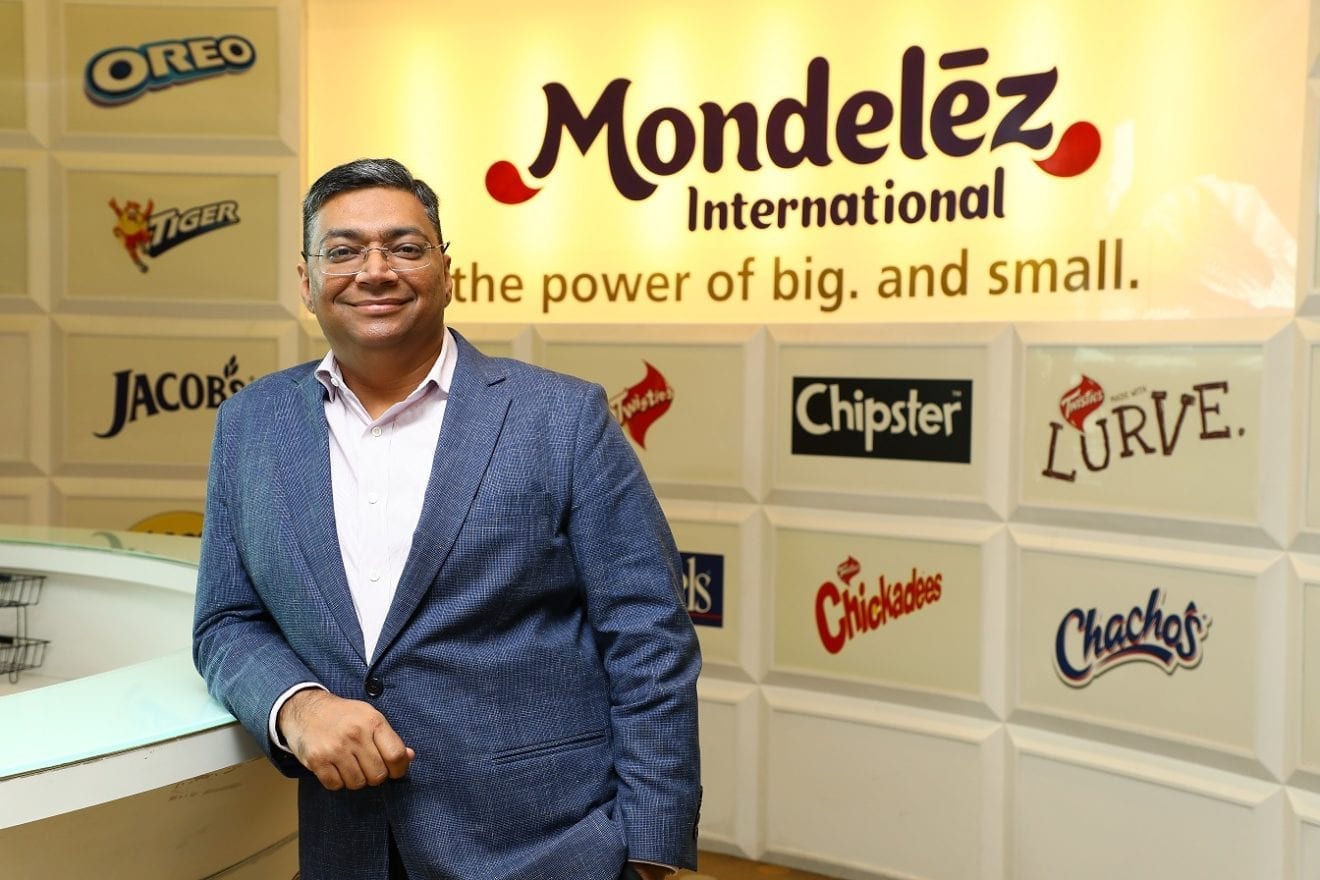
    Mondelez International has recently unveiled its latest offering, Cadbury Dairy Milk Biscoff, in a collaborative endeavour with Lotus Bakeries. This unique product presents a delightful blend of Cadbury Dairy Milk’s creaminess and the distinct crunchiness of Lotus Biscoff’s caramelised biscuit.

    Early Success

    The novel fusion of the two popular treats has generated significant consumer interest. Indeed, the much-anticipated product’s early success has seen the shelves of stores nationwide quickly clearing of the tasty chocolate blocks. Katrina Watson, a representative from Mondelez International, attests to the impressive reception of Cadbury Dairy Milk Biscoff.

    Local Production

    Mondelez International is proud to produce this unique chocolate variety right in Tasmania. The company further supports local Australian businesses by sourcing the sugar used in the chocolate bars from growers in Queensland. This commitment to local suppliers underscores Mondelez’s dedication to supporting and uplifting local communities.

    Where to Buy Cadbury Dairy Milk Biscoff

    Fans of Cadbury and Biscoff can find the Cadbury Dairy Milk Biscoff block, weighing 170g, in major retail outlets. If you’re looking for a smaller indulgence, a 70g bar is also available in convenience stores across Australia.

    Questions & Answers

    What is Cadbury Dairy Milk Biscoff?
    Cadbury Dairy Milk Biscoff is a new product launched by Mondelez International. It is a mixture of Cadbury Dairy Milk chocolate and Lotus Biscoff caramelised biscuit.

    Where is Cadbury Dairy Milk Biscoff produced?
    Cadbury Dairy Milk Biscoff is produced in Tasmania, Australia. The sugar used in its production is sourced from Queensland growers.

    Where can I buy Cadbury Dairy Milk Biscoff?
    The Cadbury Dairy Milk Biscoff block can be found in major retail stores, while a smaller 70g bar is available in convenience stores across Australia.

  • New Zealand Dairy Farmers Rejoice: Global Demand Triggers a 6.3% Surge in Dairy Prices

    New Zealand Dairy Farmers Rejoice: Global Demand Triggers a 6.3% Surge in Dairy Prices

    Cattle farmers in New Zealand have been given a much-needed boost as the Global Dairy Trade (GDT) announced a rise in pricing in its most recent index.

    On the 6th of January, the GDT conducted its latest auction, which resulted in dairy prices experiencing a 6.3% surge. Leading the pack were whole milk prices, which showed a 7.2% jump. This was followed by skim milk, which increased by 5.4%, and finally, butter, which saw a 3.8% upturn.

    After reaching a peak in early March of 2025, dairy prices had been on a steady decline. The current upward trend is a response to an increase in demand, according to the GDT.

    The GDT holds its sales events bi-monthly, attracting an international pool of bidders. These events are an opportunity for the GDT to implement its ‘price discovery process’. This complex mechanism calculates accurate price levels for global dairy products by considering factors such as supply, demand, and bidding.

    New Zealand’s primary export remains dairy products. The country’s largest dairy markets are China, Australia, and the United States.

    Questions & Answers

    How much did dairy prices increase in the latest GDT auction?
    Dairy prices rose by 6.3% in the most recent GDT auction. Whole milk saw the largest increase with a 7.2% surge, followed by skim milk at 5.4% and butter at 3.8%.

    What is the ‘price discovery process’ implemented by the GDT?
    The ‘price discovery process’ is a sophisticated system used by the GDT to determine accurate price levels for the world’s dairy products. It takes into account factors like supply, demand, and bidding.

    What are New Zealand’s largest dairy export markets?
    New Zealand’s most substantial dairy export markets are China, Australia, and the United States.

  • Kingland Debuts Indulgent Dairy-Free Yoghurt in Hong Kong: A Major Move in Asia-Pacific Expansion

    Kingland Debuts Indulgent Dairy-Free Yoghurt in Hong Kong: A Major Move in Asia-Pacific Expansion

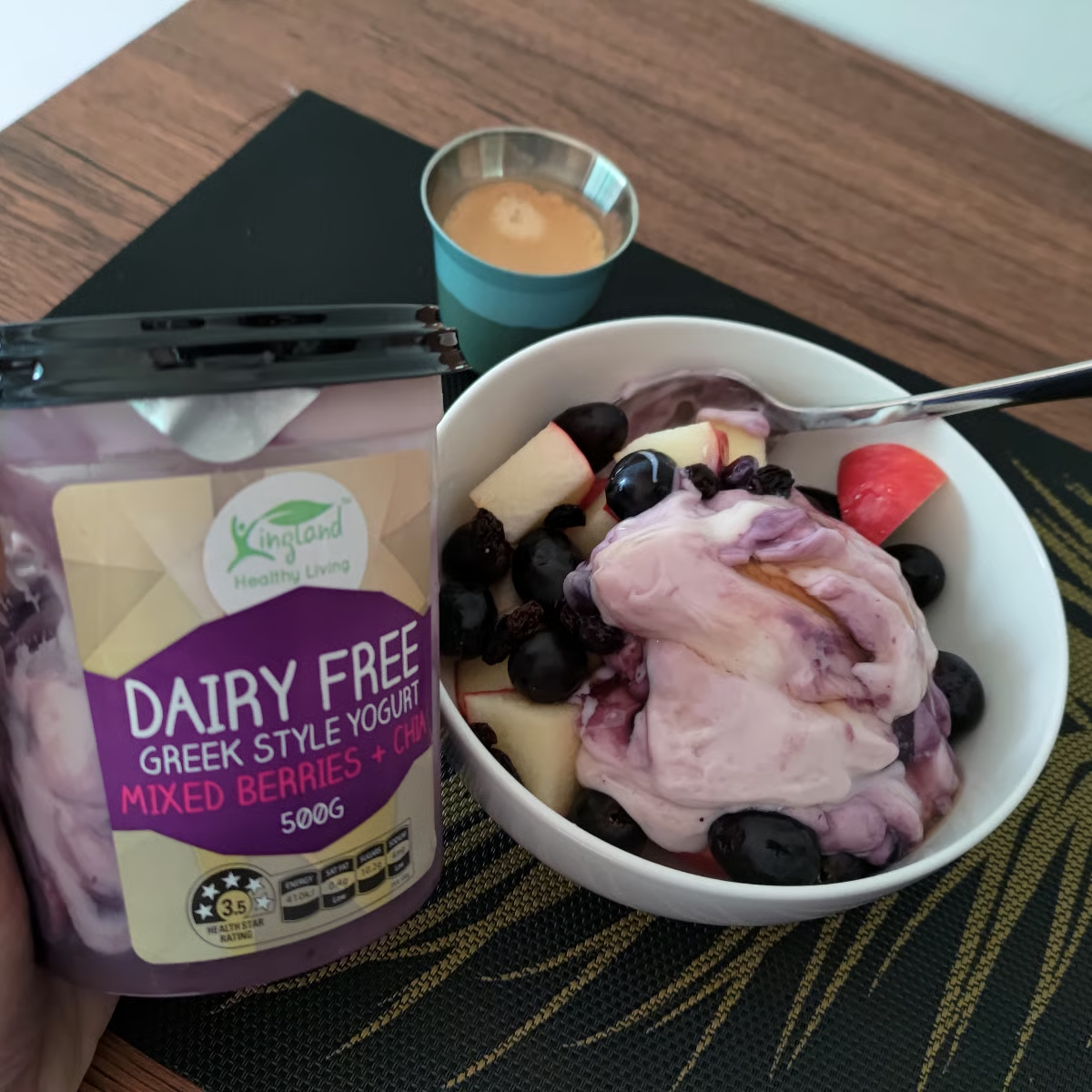
    The Kingland Dairy Free Yogurt range has been introduced in Hong Kong by Australian plant-based food manufacturer, King International. This launch signifies a significant milestone in the company’s expansion strategy within the Asia-Pacific region.

    The Kingland Dairy Free Yogurt range, available in two sizes, can now be found in selected upscale and mainstream retail stores, such as Oliver’s The Delicatessen, Market Place, 3hreeSixty and Wellcome.

    The company offers its Greek Style range in 500g tubs with a variety of flavors including Natural, Mango & Peach, and Apple Cinnamon. Additionally, the Fruit Yogurt range comes in 250g single-serve pots featuring Mango & Peach, and Strawberry flavors.

    Eric Hsu, co-founder and managing director of King International, expressed his joy in launching the dairy-free yogurt in Hong Kong. He described Hong Kong as a dynamic city that perfectly blends tradition and modernity. Hsu emphasized that their products are crafted to offer indulgence without sacrificing nutrition, sustainability, or inclusivity for all lifestyles. He expressed confidence that the quality and consideration put into every pot of Kingland yogurt will appeal to consumers in Hong Kong.

    In terms of health claims, King International stated that all products have a minimum 4.5 Health Star Rating, as per the Health Star Rating System of the Australian and New Zealand governments. This rating reinforces the brand’s health-focused positioning and supports consumer trust in the product.

    King International was established in Queensland in 1987 by Eric and Rachel Hsu. Over the years, the company has transitioned from a local tofu producer to a supplier of plant-based foods throughout Australasia and the Asia-Pacific.

    Questions & Answers

    What is the significance of the Kingland Dairy Free Yogurt range launch in Hong Kong?
    The launch is a crucial step in King International’s expansion strategy within the Asia-Pacific region.

    What variety does the Kingland Dairy Free Yogurt range offer?
    The Greek Style range comes in 500g tubs in Natural, Mango & Peach, and Apple Cinnamon flavors, while the Fruit Yogurt range is offered in 250g single-serve pots in Mango & Peach and Strawberry flavors.

    What is King International’s health rating for their products?
    All products by King International carry a minimum 4.5 Health Star Rating as per the Health Star Rating System of the Australian and New Zealand governments, supporting the brand’s health positioning.

  • Lactalis Australia Enriches Pauls Dairy Line with Double Espresso Caramel and Summer Berries Flavours

    Lactalis Australia Enriches Pauls Dairy Line with Double Espresso Caramel and Summer Berries Flavours

    Lactalis Australia has recently introduced two novel tastes to their high-protein dairy line, Pauls. The fresh offerings, Double Espresso Caramel and Summer Berries, add an exciting twist for consumers.

    The introduction of Double Espresso Caramel and Summer Berries is a thrilling addition to Pauls’ high-protein dairy line. Sold in convenient 400ml bottles, each serving delivers an impressive 30g of protein. These new flavors not only promise a burst of taste but also health benefits, as the company maintains that Paul’s flavored milk range is low in fat and contains no added sugar.

    A spokesperson for Lactalis Australia expressed the company’s enthusiasm for the launch, acknowledging that the new flavors build upon the successful range, providing even more variety for Australians in search of tasty, functional dairy products.

    The representative reaffirmed the company’s commitment to innovation and growth, stating, “Here at Lactalis Australia, we’re proud to continue diversifying our product portfolio to respond to the shifting needs and preferences of our consumers.”

    Questions & Answers

    What new flavors has Lactalis Australia added to their high-protein dairy range, Pauls?
    Pauls has introduced two new flavors to their high-protein dairy line: Double Espresso Caramel and Summer Berries.

    What are the health benefits of Pauls’ flavored milk range?
    Each serving of Pauls’ flavored milk contains 30g of protein. The range is also low in fat and free from added sugars.

    What is Lactalis Australia’s commitment in terms of their product range?
    Lactalis Australia is committed to continually innovating and expanding their product portfolio to meet the evolving needs and preferences of their consumers.

  • Nestle Exits Dairy Methane Action Alliance, Commences Partnership With World Farmers’ Organisation

    Nestle Exits Dairy Methane Action Alliance, Commences Partnership With World Farmers’ Organisation

    Nestle, a global food conglomerate, has announced its decision to exit the Dairy Methane Action Alliance, an international consortium committed to reducing methane emissions. The consortium, established in December 2023, comprises members like Danone, Kraft Heinz, and Starbucks. These members pledge to openly monitor and report methane emissions derived from their dairy supply chains, as well as design and implement strategies to curb these emissions over time.

    Despite withdrawing from the alliance, Nestle has not provided a specific reason for its decision. Nevertheless, the company has affirmed its dedication to lowering greenhouse gas emissions, including methane, across its supply chains. Nestle reiterated its pledge towards achieving net-zero emissions by 2050.

    New Collaboration

    Following its departure from the Dairy Methane Action Alliance, Nestle announced a partnership with the World Farmers’ Organisation. The alliance aims to enhance the resilience of food systems in the face of climate change.

    Climate Alliances Facing Challenges

    Nestle’s withdrawal represents a setback for corporate alliances aiming to mitigate the effects of global warming. This development coincides with the dismantling of several climate protection initiatives by high-profile figures, such as former US President Donald Trump. Additionally, numerous major banks have left the sector’s main group committed to reducing carbon emissions.

    Nestle emphasized its routine assessment of memberships in external organizations, declaring that it has chosen to terminate its membership in the Dairy Methane Action Alliance following such a review.

    By the end of 2024, Nestle had successfully reduced its methane emissions by nearly 21% compared to 2018 levels, according to the company’s 2024 non-financial statement.

    Methane, which is approximately 30 times more potent than carbon dioxide, is a key target in the fight against global warming. Agriculture accounts for nearly 40% of human-induced methane emissions, with the lion’s share originating from livestock, according to the Environmental Defense Fund (EDF).

    The EDF, the organization which established the methane alliance, stated that Nestle’s logo had been taken off its main page, although the company’s name remains visible on other pages. The EDF offered no reason for Nestle’s withdrawal, but acknowledged and appreciated Nestle’s ongoing commitment to addressing dairy emissions through its Dairy Climate Plan and Net Zero Roadmap.

    Questions & Answers

    Question: Why did Nestle leave the Dairy Methane Action Alliance?
    Answer: Nestle hasn’t provided a specific reason for its decision to withdraw from the Dairy Methane Action Alliance.

    Question: Is Nestle still committed to reducing greenhouse gas emissions?
    Answer: Yes, despite its withdrawal from the Dairy Methane Action Alliance, Nestle has affirmed its commitment to lowering greenhouse gas emissions, including methane. The company has also reiterated its goal of achieving net-zero emissions by 2050.

    Question: Has Nestle formed any new partnerships after leaving the Dairy Methane Action Alliance?
    Answer: Yes, Nestle has announced a partnership with the World Farmers’ Organisation, aiming to enhance the resilience of food systems towards climate change.